Continuous Recording Camera Systems
A continuous recording camera system is a surveillance device that continuously records video and audio of a scene. It can be used to record meetings, interviews, and other events. The system can also be used to record traffic, accidents, and other events that occur in front of the camera. Here are some of the best continuous recording camera systems on the market today.
Sort
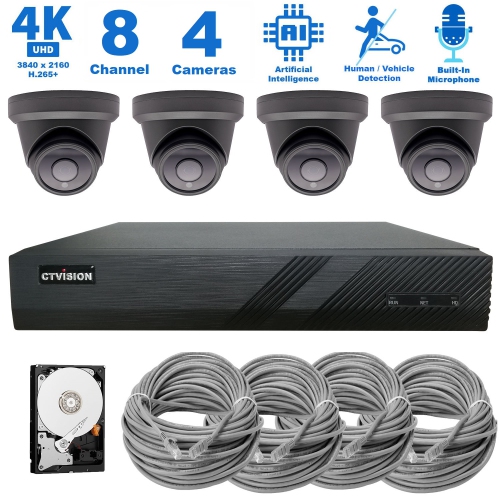
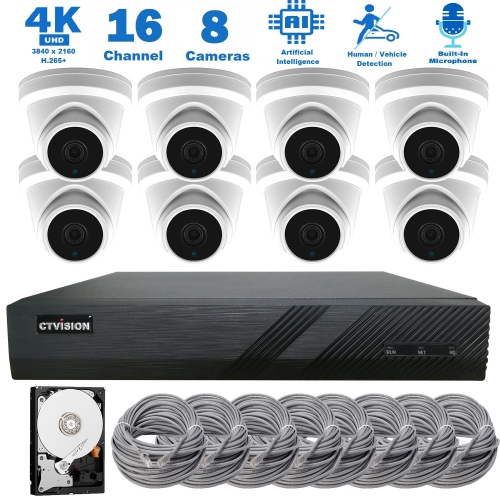

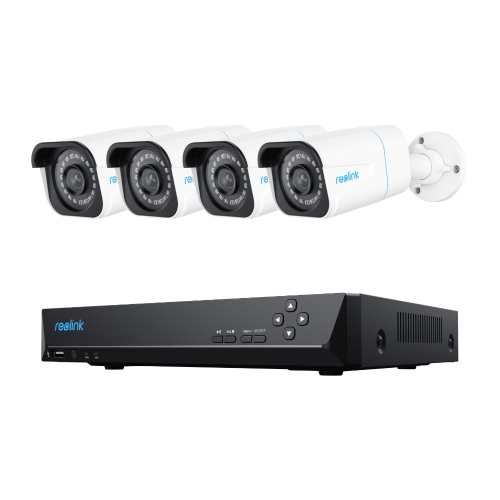

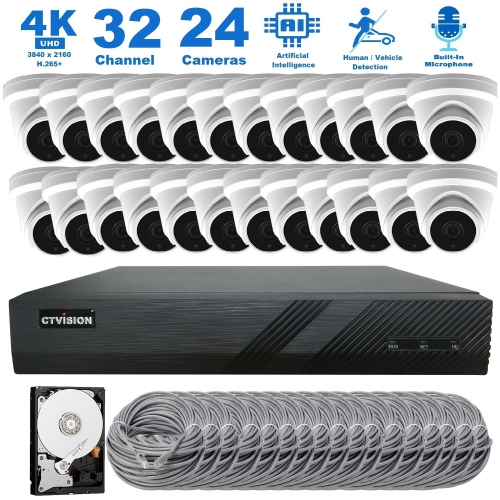
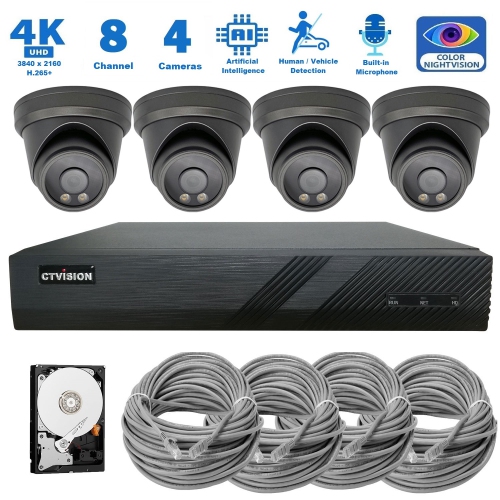
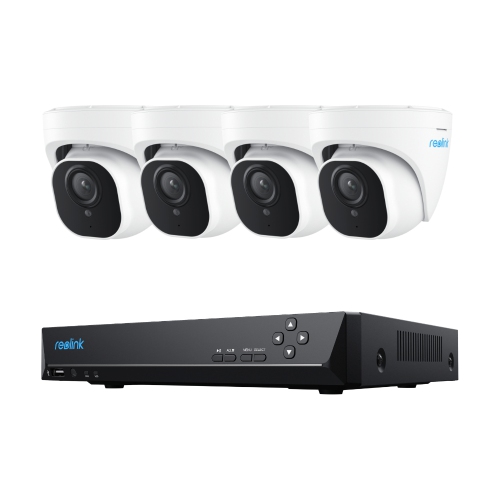
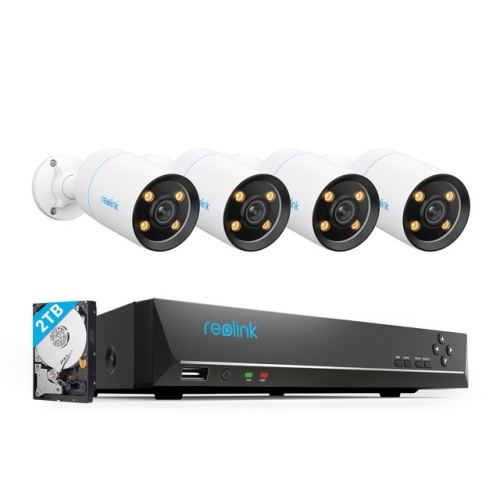
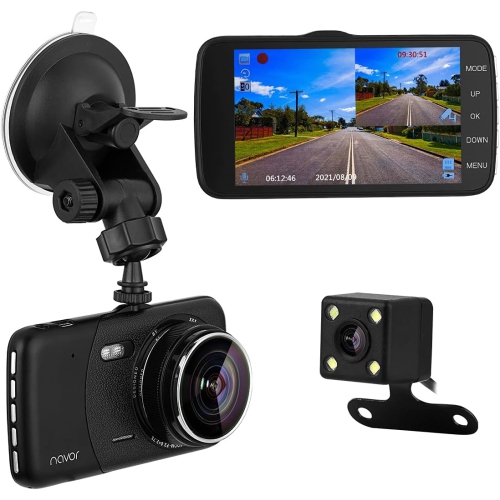
Uninterrupted footage captures what motion alerts can miss
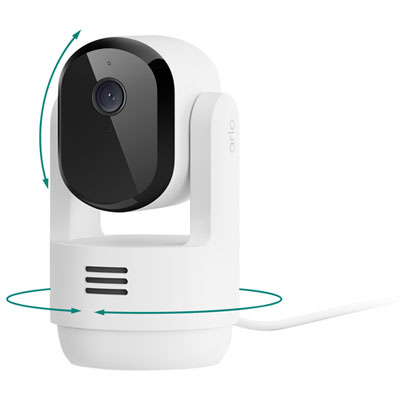
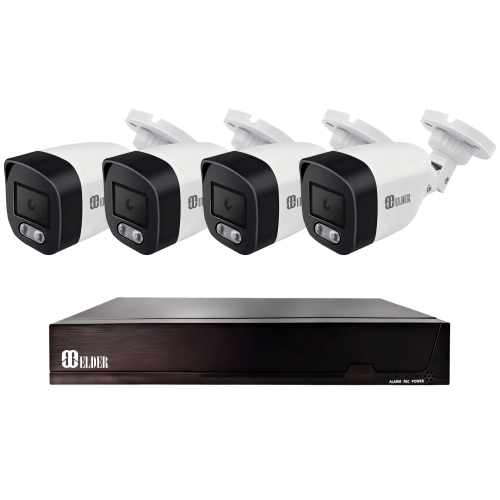
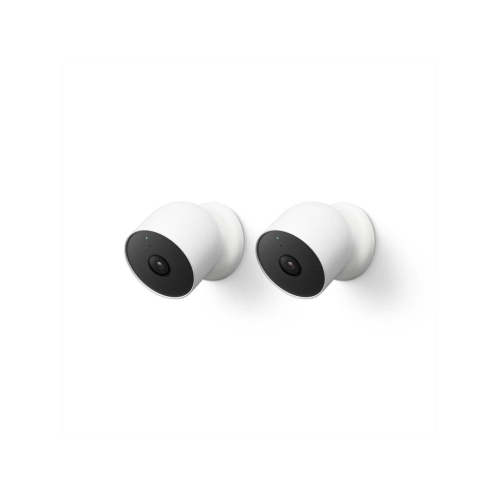
Continuous recording camera systems are designed to capture video around the clock, giving you a complete view of what happens instead of recording only when motion is detected. That distinction can matter when an event begins outside a camera’s detection zone, when someone moves slowly through a scene, or when an important moment occurs just before or after a motion alert. A continuous recording setup can help document activity at a front entrance, driveway, garage, workshop, retail space, office, cottage, or other areas that need consistent coverage. Many systems use Power over Ethernet (PoE), which sends power and video data through one Ethernet cable to provide a stable connection between each camera and a Network Video Recorder (NVR). Others use plug-in DC power with Wi-Fi for video transmission to a local hub, recorder, or microSD card. Wired options are often preferred for permanent installations because they can support a steady 24/7 workload without relying on battery changes, while select battery and solar-assisted configurations may be suitable for locations where running cable is difficult, though their ability to record continuously depends on the equipment, weather, charging conditions, and storage arrangement. When comparing options, consider the number of cameras included, the areas you need to cover, image resolution, night vision performance, viewing angles, weather resistance, two-way audio, and whether the cameras can be expanded later. A wide-angle camera can monitor a broad driveway or backyard, while a narrower view may provide more useful detail at a doorway or gate. Infrared night vision can help show movement in low-light conditions, and colour night vision may require additional ambient lighting. If cameras will be installed outdoors, look for construction intended to withstand rain, snow, dust, and changing temperatures. A well-planned system should also provide a clear way to review recordings, whether through a connected monitor, mobile app, computer software, or a searchable timeline.
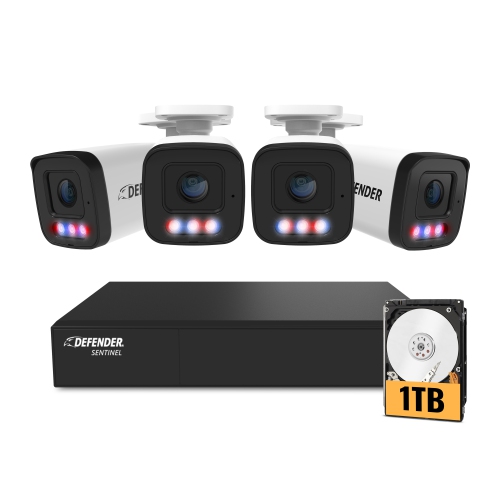
Storage is one of the most important considerations because continuous recording uses considerably more space than motion-activated video. NVR and DVR kits commonly include a pre-installed hard drive, with capacity varying according to the number of cameras, recording resolution, frame rate, compression settings, and how long you want footage retained. A larger drive can preserve more days or weeks of uninterrupted video, and some recorders support expansion with additional or higher-capacity drives. Local storage can be appealing for households and businesses that prefer to keep recordings on-site and avoid depending entirely on an ongoing cloud plan, but it still requires attention to storage limits, overwrite settings, backups, and the physical security of the recorder. When a drive becomes full, many systems automatically record over the oldest footage, so important clips should be exported to another location before they are overwritten. Cameras with microSD storage or a dedicated smart hub may offer a simpler arrangement for smaller installations, although storage capacity and recording length can be more limited than with a full NVR. Check whether continuous recording is supported on every camera channel and at the resolution you plan to use; some products reserve certain features for specific connection types or storage devices. Network requirements also deserve a close look. PoE systems require suitable Ethernet cabling and a compatible switch or recorder, while Wi-Fi systems need dependable signal strength where each camera is installed. Thick walls, detached garages, metal siding, and long distances can affect wireless performance. Cable routing through walls, ceilings, attics, or exterior conduits may take more planning, but it can result in a dependable permanent installation. Before mounting anything, test the camera position and confirm that the view covers the intended area without excessive glare, obstructions, or blind spots.
A continuous recording system may be a practical choice for homeowners who want to review activity around the property, families keeping an eye on entrances and shared spaces, landlords monitoring common areas where permitted, or small businesses that need a reliable record of deliveries, customer traffic, and after-hours activity. It can also be a thoughtful gift for someone moving into a new home, setting up a workshop, managing a cottage, or improving visibility around a busy property. During the warmer season, cameras can help keep an eye on open garages, backyard entrances, garden gates, and outdoor projects; during the cooler months, they can provide a useful record of slippery walkways, snow-covered driveways, deliveries, and activity around storage areas. Position cameras to cover access points and valuable equipment while respecting neighbours, passersby, tenants, and other people who may enter the frame. Local privacy rules and building policies may apply, particularly for shared residential spaces, workplaces, and areas where people reasonably expect privacy. It is also worth securing the recorder and camera accounts with strong, unique passwords, enabling available two-step verification, updating firmware, and limiting access to trusted users. For a closer look at systems built around uninterrupted capture, browse Security Cameras for 24/7 Recording. The best setup balances coverage, storage, installation effort, network reliability, and ease of playback. Reviewing a timeline should feel straightforward when you need to find a delivery, check a late-night noise, or understand what happened during a period away from home. With the right combination of cameras, recorder capacity, connection method, and carefully chosen mounting locations, continuous recording can provide a detailed, dependable view of the places that matter most.
Storage is one of the most important considerations because continuous recording uses considerably more space than motion-activated video. NVR and DVR kits commonly include a pre-installed hard drive, with capacity varying according to the number of cameras, recording resolution, frame rate, compression settings, and how long you want footage retained. A larger drive can preserve more days or weeks of uninterrupted video, and some recorders support expansion with additional or higher-capacity drives. Local storage can be appealing for households and businesses that prefer to keep recordings on-site and avoid depending entirely on an ongoing cloud plan, but it still requires attention to storage limits, overwrite settings, backups, and the physical security of the recorder. When a drive becomes full, many systems automatically record over the oldest footage, so important clips should be exported to another location before they are overwritten. Cameras with microSD storage or a dedicated smart hub may offer a simpler arrangement for smaller installations, although storage capacity and recording length can be more limited than with a full NVR. Check whether continuous recording is supported on every camera channel and at the resolution you plan to use; some products reserve certain features for specific connection types or storage devices. Network requirements also deserve a close look. PoE systems require suitable Ethernet cabling and a compatible switch or recorder, while Wi-Fi systems need dependable signal strength where each camera is installed. Thick walls, detached garages, metal siding, and long distances can affect wireless performance. Cable routing through walls, ceilings, attics, or exterior conduits may take more planning, but it can result in a dependable permanent installation. Before mounting anything, test the camera position and confirm that the view covers the intended area without excessive glare, obstructions, or blind spots.
A continuous recording system may be a practical choice for homeowners who want to review activity around the property, families keeping an eye on entrances and shared spaces, landlords monitoring common areas where permitted, or small businesses that need a reliable record of deliveries, customer traffic, and after-hours activity. It can also be a thoughtful gift for someone moving into a new home, setting up a workshop, managing a cottage, or improving visibility around a busy property. During the warmer season, cameras can help keep an eye on open garages, backyard entrances, garden gates, and outdoor projects; during the cooler months, they can provide a useful record of slippery walkways, snow-covered driveways, deliveries, and activity around storage areas. Position cameras to cover access points and valuable equipment while respecting neighbours, passersby, tenants, and other people who may enter the frame. Local privacy rules and building policies may apply, particularly for shared residential spaces, workplaces, and areas where people reasonably expect privacy. It is also worth securing the recorder and camera accounts with strong, unique passwords, enabling available two-step verification, updating firmware, and limiting access to trusted users. For a closer look at systems built around uninterrupted capture, browse Security Cameras for 24/7 Recording. The best setup balances coverage, storage, installation effort, network reliability, and ease of playback. Reviewing a timeline should feel straightforward when you need to find a delivery, check a late-night noise, or understand what happened during a period away from home. With the right combination of cameras, recorder capacity, connection method, and carefully chosen mounting locations, continuous recording can provide a detailed, dependable view of the places that matter most.
Top selling and popular products
-
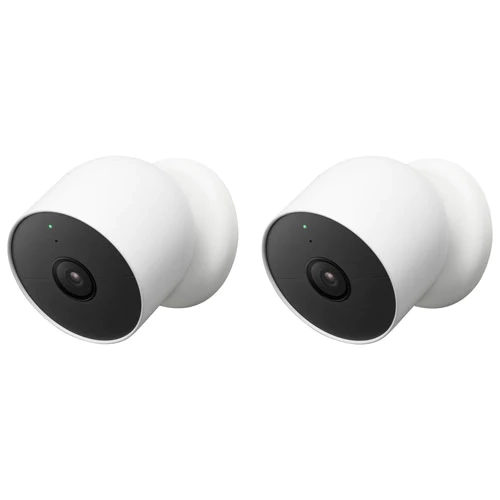 Your price for this item is $429.99
 -
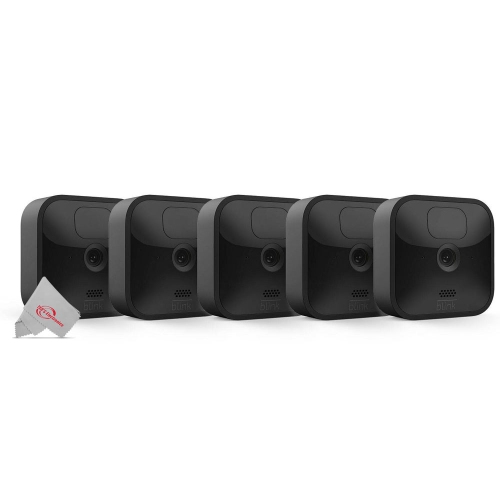 Your price for this item is $659.99
 -
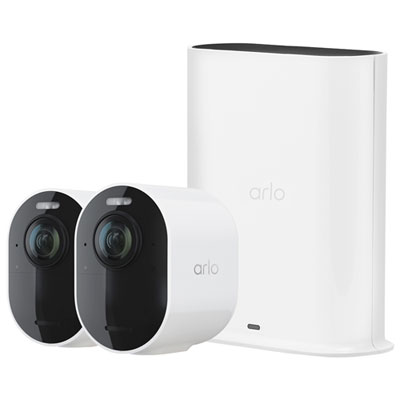 Your price for this item is $329.97
 -
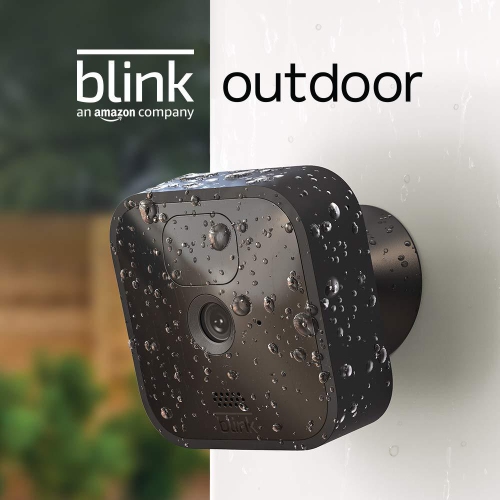 Your price for this item is $439.99
 -
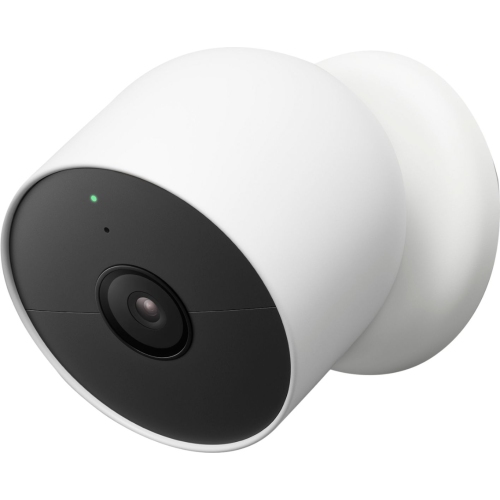 Your price for this item is $249.99
 -
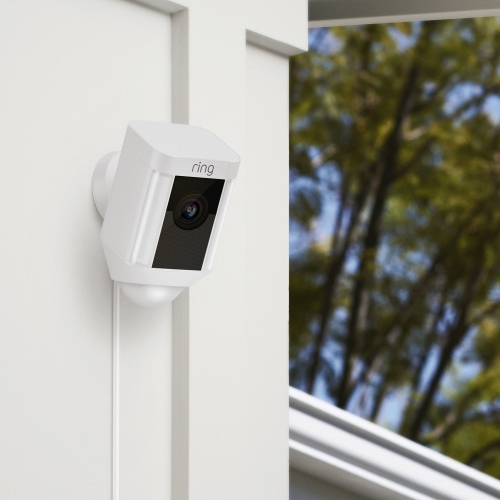 Your price for this item is $399.99
 -
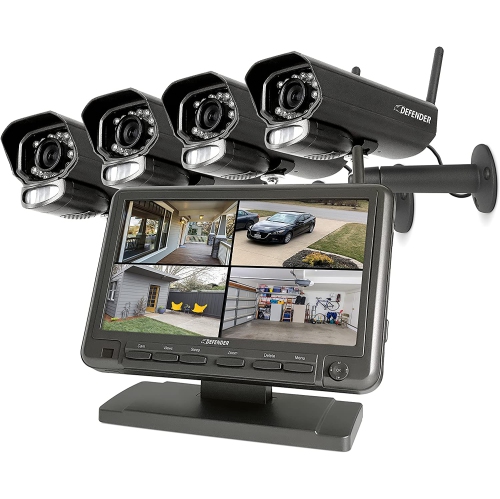 Your price for this item is $449.99
 -
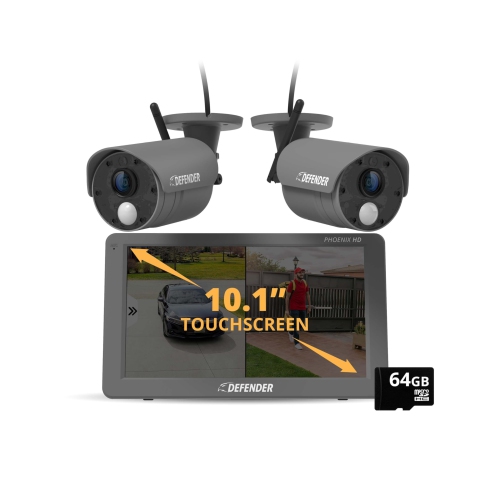 Your price for this item is $319.99
Discover more categories related to Continuous Recording Camera Systems
Top Collections:
Pokemon Centers, Kindle Devices, Best Cell Phones Under $500, Alarm Clock, Canon G7X Cameras, iPhone 15 Apple, Laptops for Students, Budget Smartphones, iPhone 14 256GB, Best Camera Tripods Under $100
Some products may be subject to Environmental Handling Fees
(EHF) depending on your province.
Learn more about EHFs.