Sennheiser Phone Headsets

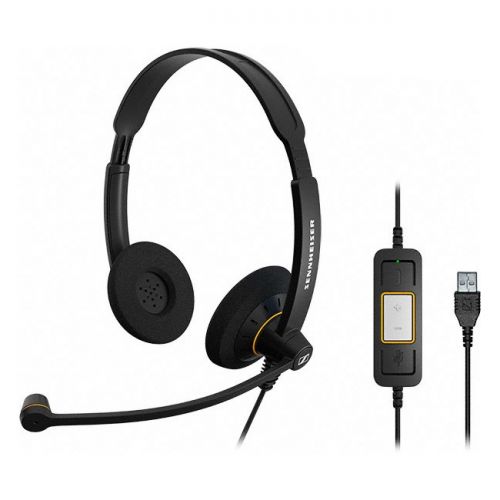
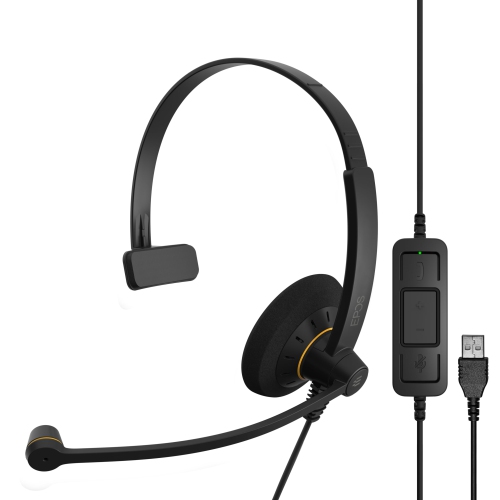
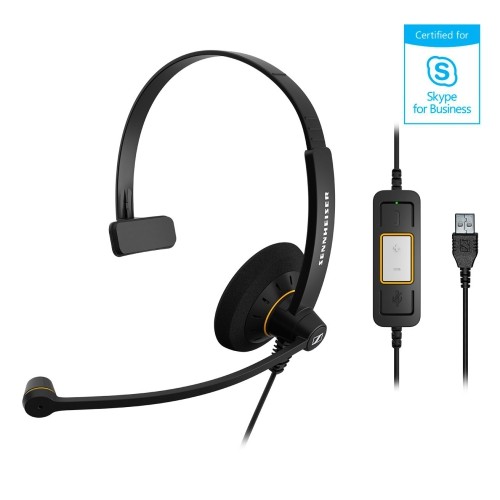
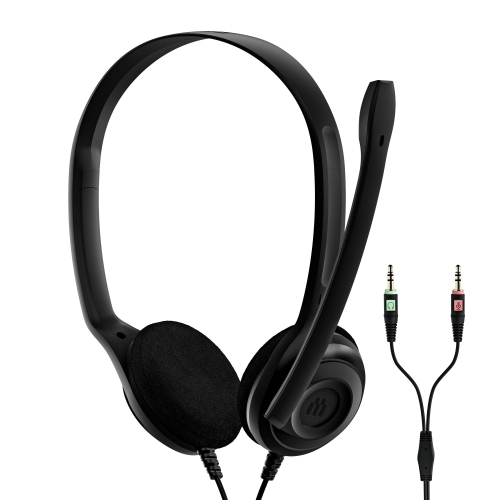
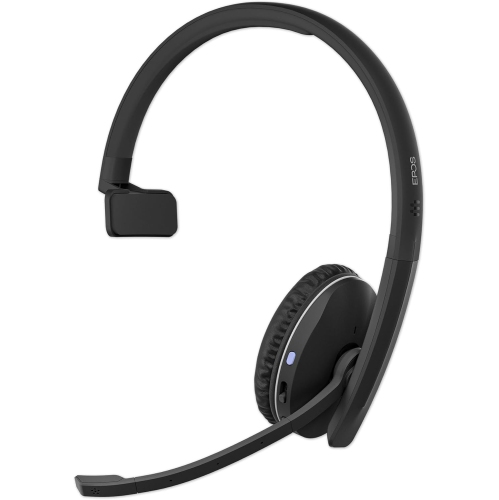
Find Sennheiser phone headsets for your daily calls, and compare models by phone compatibility, connection type, and wearing style. Check each headset’s specifications to choose one that works with your device and suits how you take calls.

Read More

Sort

Why headset compatibility matters as much as comfort

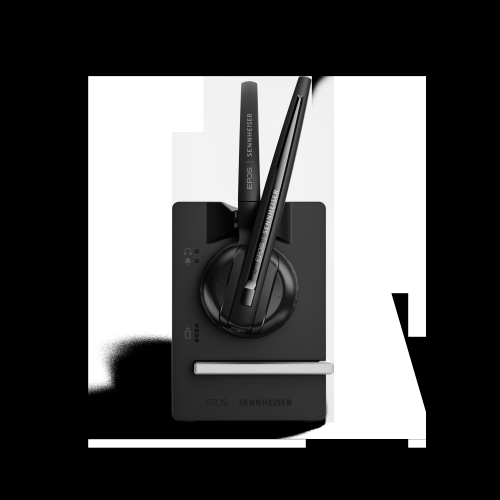
Phone headsets combine an earpiece or pair of earcups with a microphone for conversations on compatible desk phones, computers, and mobile devices. Their main purpose is to make speech easy to hear while keeping hands free for typing, taking notes, or handling paperwork. That makes them useful for reception staff, customer service representatives, remote workers, and anyone whose day includes frequent calls or virtual meetings. The main connection types are wired, Bluetooth, and DECT, with each suited to different working habits. Wired headsets avoid battery charging and keep the connection within the reach of a cable. USB versions can connect to compatible computers and some desk phones, while analogue and telephone-specific connections require a matching port or suitable adapter. A connector that physically fits does not always guarantee that the microphone, audio, and call controls will work together. Bluetooth headsets can suit people who take calls on a mobile phone or compatible computer and prefer less cable clutter. DECT headsets generally communicate with a dedicated base connected to a supported desk phone, computer, or both, allowing movement within the system’s operating range. Wireless range depends on the equipment and the layout of the workspace; walls, floors, and other obstructions can reduce usable distance. For someone moving between a computer meeting and a phone call, support for multiple devices can be helpful, but simultaneous connections and switching behaviour differ between headsets. Desk phone compatibility deserves particular attention because answering a call from the headset may require a supported electronic hookswitch connection or handset lifter. Computer calling also depends on the operating system and communication software, especially when using headset buttons to answer, end, or mute a call. A headset intended mainly for telephone conversations may prioritize speech clarity and convenient controls rather than the listening experience associated with music-focused headphones. The most useful match is therefore shaped by the actual phone system and daily routine, not simply by whether a headset is described as wired or wireless.

Comfort becomes especially important when a short morning check-in turns into several hours of conversations. Single-ear headsets leave one ear uncovered, which can help someone remain aware of nearby colleagues or a reception desk. Dual-ear designs deliver call audio to both ears and may make it easier to concentrate when surrounding activity is distracting. Neither arrangement is automatically more comfortable: headband pressure, earcup size, cushion depth, and overall weight all affect how a headset feels over time. On-ear cushions rest against the ears, while over-ear cushions surround them, and either style can create pressure points if the fit is too tight. Adjustable headbands and swivelling earcups help distribute contact more evenly. People who wear glasses may notice where the cushions press against the arms of their frames, particularly during longer calls. Cushion materials also change the feel of a headset. Foam can feel light and soft, fabric coverings offer a different texture against the skin, and leatherette surfaces are generally straightforward to wipe clean when cared for as directed. A flexible or adjustable microphone boom helps position the microphone close to the mouth without placing it directly in the path of breathing. Microphone noise reduction is intended to limit unwanted background sound sent to the other person, whereas active noise cancellation reduces certain sounds heard by the wearer. These are separate features, and neither guarantees that nearby conversations or sudden noises will disappear. Clear calls also depend on microphone placement, connection quality, and the calling service. Sidetone, when supported, lets the wearer hear some of their own voice through the headset, which can make speaking feel more natural. Accessible mute and volume controls are useful during everyday interruptions, such as a colleague approaching the desk. A visible mute indicator can provide reassurance, although its behaviour may depend on the connected device or software. Phone headsets and Call Center Headphones share an emphasis on clear speech and comfortable wear, with connection requirements and call-handling features varying between designs.

Durability in a phone headset is often about the parts handled repeatedly throughout the day. The headband flexes whenever the headset is put on, earcups turn as the fit is adjusted, and cables can bend near plugs or become caught under a chair. Reinforced joints, strain relief around cable connections, and replaceable cushions can make a practical difference to long-term use, where those features are offered. A detachable cable may be useful for maintenance, but replacement parts must match the headset’s connection and wiring requirements. Wireless designs introduce battery considerations alongside fit and build quality. Talk time is not necessarily the same as standby time, and features such as active noise cancellation can affect how long a charge lasts. A charging base provides a defined place to return the headset between calls, while cable charging may suit a desk with limited space or a routine that involves carrying the headset between locations. Wearing comfort still matters more than the freedom to walk away from the desk if the headset will spend most of the day on someone’s head. Care is usually straightforward: disconnect a wired headset or switch off a wireless one before cleaning, follow the manufacturer’s directions, and avoid allowing liquid into microphones, charging contacts, or earcups. A soft cloth can remove surface dust and skin oils; cushions may need separate treatment depending on their materials. Cables last better when loosely arranged rather than tightly wound around the headband, and a stand or protective case can keep the microphone boom from being crushed in a drawer or bag. In shared workplaces, individually assigned cushions and an appropriate cleaning routine can help maintain hygiene. For home offices, a consistent place to store and charge the headset reduces the chance of starting a call with a tangled cord or depleted battery. A phone headset can also be a thoughtful practical gift for someone beginning a call-heavy role, provided the recipient’s phone connections, preferred wearing style, and workplace requirements are known. Those everyday details determine whether it becomes a comfortable part of the working day.
Read More

FAQ

Some products may be subject to Environmental Handling Fees (EHF) depending on your province. Learn more about EHFs.