Sewing Machines for Denim

Shop sewing machines for denim with thick fabric and layered seams in mind. Compare models by their stated fabric-handling capabilities, presser foot clearance, and stitch options to find a machine suited to hemming jeans, repairing seams, or tackling denim projects.
Read More

Sort

Sewing Machines for Denim

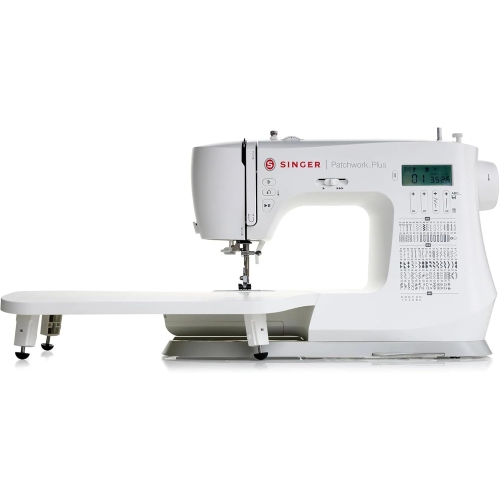
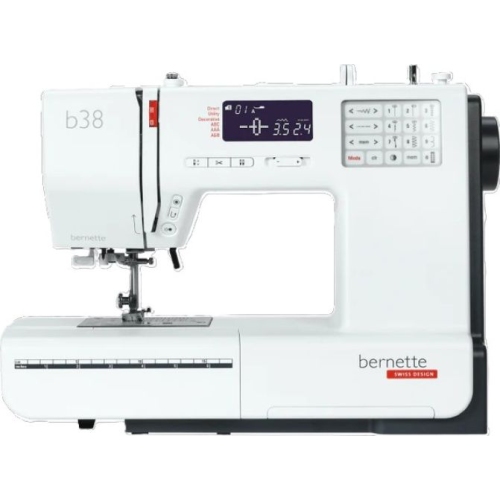
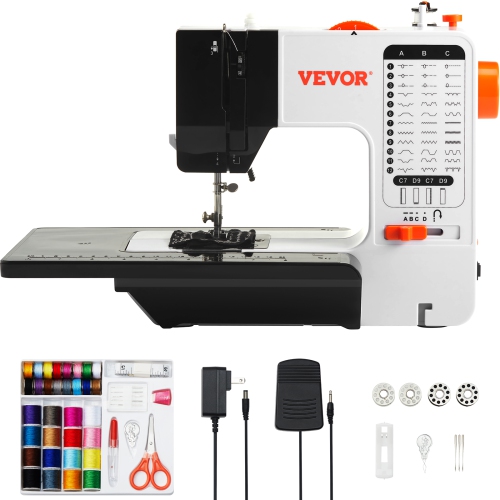
Sewing machines for denim suit projects ranging from hemming jeans and repairing workwear to making denim skirts, jackets, bags, and accessories. This tightly woven fabric calls for a machine that can form consistent stitches and feed material steadily, particularly where pockets, waistbands, and folded hems add bulk. The right choice depends on both the weight of the denim and the number of layers a project involves: lightweight denim clothing places different demands on a machine than a structured tote or a pair of jeans with thick seam intersections. When comparing machines, look for manufacturer guidance on supported fabrics and sewing capacity rather than relying on a heavy-duty label alone. A machine suitable for occasional denim alterations may not be designed for frequent sewing through several layers of heavyweight fabric.

Useful features to compare include adjustable stitch length, presser-foot clearance, speed control, and the ability to maintain steady feeding over changes in thickness. Extra clearance beneath the presser foot can make bulky sections easier to position, though clearance alone does not establish how much material a machine can sew. Adjustable presser-foot pressure, where available, can help accommodate fabrics of different weights, while controlled low-speed stitching is useful around belt loops, pocket corners, and folded seams. A reliable straight stitch is central to denim construction and topstitching; a broad selection of decorative stitches is less important if the main purpose is repairs and hemming. Reverse stitching, accessible tension controls, and a free arm for tubular sections such as trouser legs may also be worth considering. Mechanical and computerized machines can both be suitable options, with the better fit depending on fabric-handling capability, preferred controls, and the other sewing tasks planned.

Needle, thread, and accessory compatibility also matter when choosing a sewing machine for denim. Denim needles are designed for penetrating dense woven fabrics, but the appropriate needle size still depends on the fabric weight, thread, and machine’s specifications. Heavier topstitching thread can create a pronounced finish on pockets and seams, provided the machine supports it; it should not be assumed that every domestic machine can use every thread weight. Check which presser feet are included and whether compatible accessories are available for feeding multiple layers or crossing bulky seams. A walking foot or levelling accessory may help with particular tasks, but neither increases the machine’s rated sewing capacity. For stretch denim, suitable stitch options and needle recommendations deserve attention as well, since seams may need to accommodate movement without thread breakage.

For occasional clothing repairs, a versatile machine with clearly explained settings and documented denim capability may be a practical choice, especially if it will also be used for lighter fabrics. Sewers planning regular jeans construction or thicker denim accessories may place more value on robust feeding, workspace, and precise handling at slow speeds than on a large stitch library. Machine dimensions and weight are useful purchase considerations for anyone who needs to store the machine between projects or carry it to a class. Comparing the stated capabilities, included accessories, and maintenance requirements can help distinguish a general-purpose machine suited to some denim work from one better matched to repeated, demanding projects. Matching the machine to the intended fabric and workload helps keep the focus on dependable stitching and manageable handling rather than features that may see little use.

Read More

FAQ

Some products may be subject to Environmental Handling Fees (EHF) depending on your province. Learn more about EHFs.