Sergers for Garment Sewing

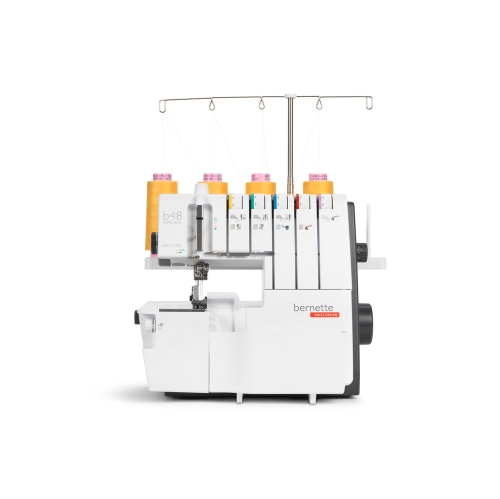
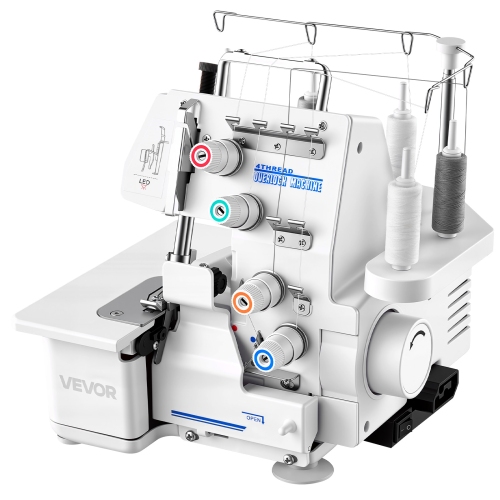
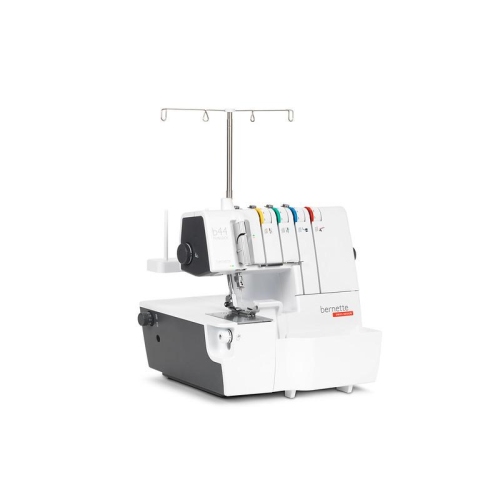
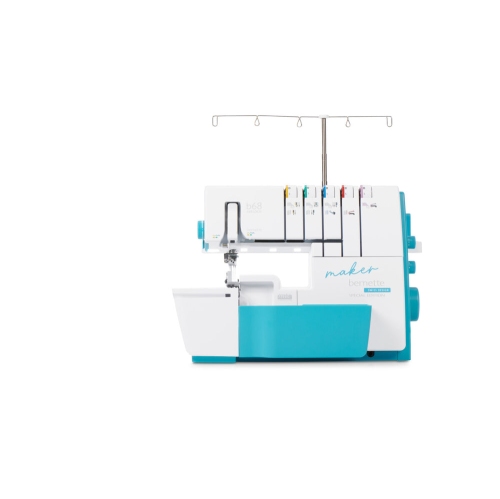
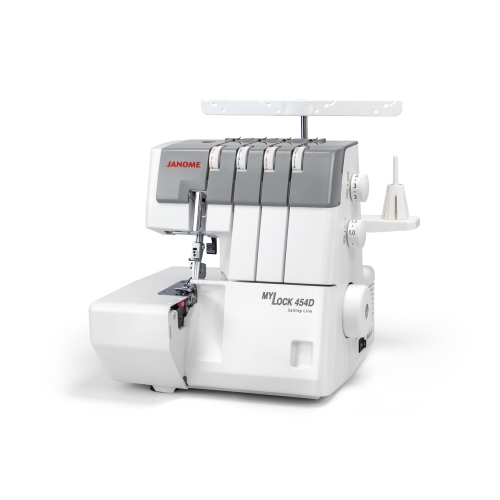
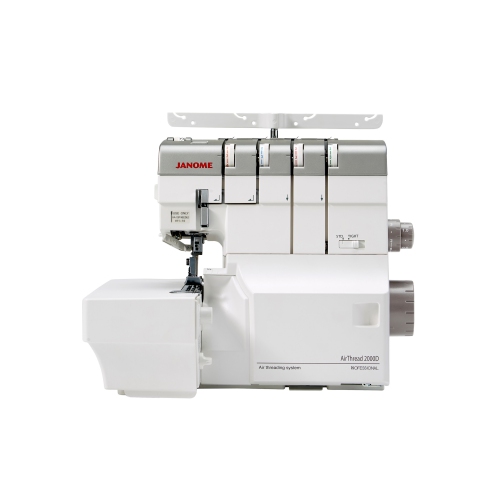
Sergers for garment sewing help you trim fabric edges and finish seams as you sew, giving clothing a neat finish inside and out. Browse serger machines for clothing projects, and compare stitch options, threading methods, and fabric compatibility to find a fit for the garments you plan to make or alter.
Read More

Sergers for Garment Sewing

Sergers for garment sewing help create neat seam finishes on handmade clothing, from everyday knit tops and leggings to dresses, skirts, and lightweight layers. A serger uses an overlock stitch to wrap thread around the edge of the fabric, typically trimming the seam allowance as it stitches. This can help control fraying on woven fabrics and create flexible seams suited to many stretch garments. For home sewists who want a more finished look inside their clothing, a serger can be a useful addition alongside a conventional sewing machine rather than a replacement for it. Tasks such as buttonholes, zipper installation, and most topstitching generally still call for a sewing machine, while a serger is particularly useful for finishing raw edges and assembling compatible seams. Choosing among sergers starts with the fabrics and garments you sew most often, as delicate materials, stretchy jersey, and heavier layers place different demands on stitch adjustment and fabric feeding.

Thread configurations and stitch options are important points of comparison because they affect how a serger fits into a garment-making routine. A four-thread overlock stitch is commonly used to join knit garment seams, while a three-thread overlock is often useful for edge finishing. Some machines also support two-thread stitches or rolled hems, which can suit lighter edge finishes and narrow hems on selected fabrics. These capabilities vary by model, so the listed specifications matter more than thread count alone. Differential feed is another useful feature to compare: it adjusts how fabric moves under the presser foot and can help reduce wavy seams in knits or puckering in lightweight materials. Adjustable stitch length, cutting width, and presser foot pressure, where available, offer further control over the finish. Sewists working across several fabric types may value a wider range of adjustments, while those focused on a narrower set of projects may prefer straightforward controls and the stitch options they expect to use regularly.

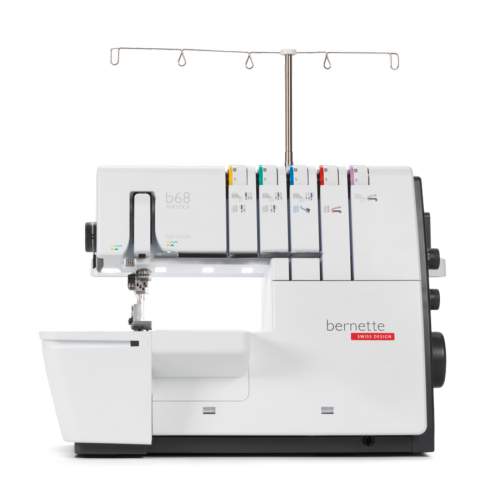
Threading, access to the loopers, and the clarity of the controls can make a meaningful difference in everyday use, especially for sewists adding their first serger to a sewing space. Colour-coded threading paths, accessible threading areas, and clearly marked tension controls are practical details to look for in product descriptions. Some models offer air threading for the loopers, although this should not be assumed to cover needle threading or tension adjustment. More experienced garment sewists may place greater emphasis on precise settings, speed control, and how easily the machine can switch between seam construction and edge finishes. Workspace considerations also matter, including the machine’s dimensions, lighting, and provisions for collecting fabric trimmings. Included accessories can differ, so comparing the stated presser feet, tools, and any required attachments helps clarify what is supplied and what may need to be purchased separately. Needle and thread requirements are also worth checking against the materials already used in your sewing projects.

The distinction between a serger and a coverstitch machine is particularly relevant when shopping for garment sewing. A standard serger finishes fabric edges with an overlock stitch, but it does not necessarily make the parallel rows of stitching commonly seen on T-shirt hems. Coverstitch capability requires a suitable machine or a combination model that explicitly includes that function, and switching between functions on a combination machine may involve rethreading and setup changes. For beginners, occasional clothing makers, and experienced sewists alike, the most suitable serger is one whose stated functions match the intended projects without adding unnecessary complexity. Clear setup information, manageable threading, and appropriate stitch adjustments can be as important as maximum sewing speed. Whether the focus is sewing stretch basics, finishing woven garments, or expanding an established sewing setup, comparing these practical details helps distinguish sergers by how they will support the work at hand.

Read More

FAQ

Some products may be subject to Environmental Handling Fees (EHF) depending on your province. Learn more about EHFs.