Sewing Machines
Whether you're a seasoned seamstress or just starting out on your crafting journey, a reliable sewing machine is a must-have tool for bringing your creative projects to life. From basic stitches to intricate patterns, these versatile machines offer precision and efficiency to help you achieve professional-looking results with ease. Explore our selection of sewing machines designed to cater to various skill levels and project requirements, so you can unleash your creativity and take your sewing skills to the next level.
Sort


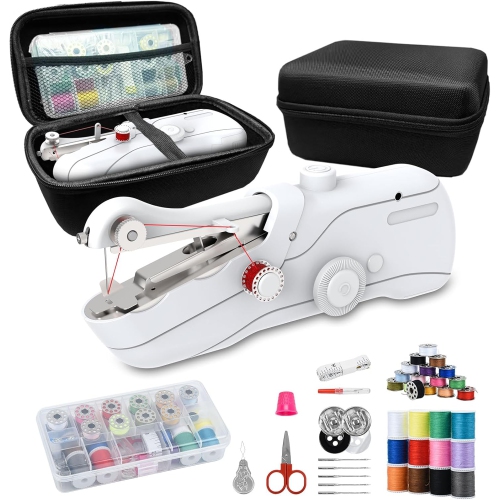
Everyday sewing depends on more than stitch count
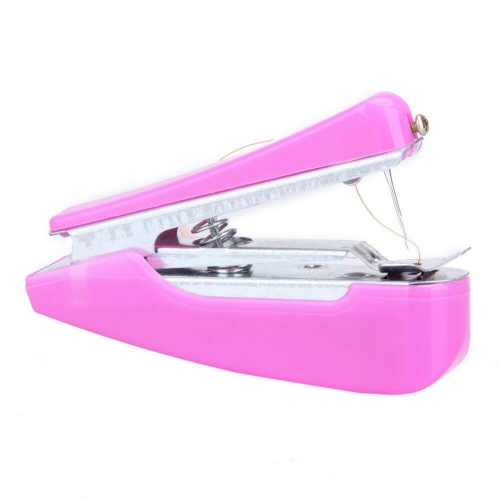
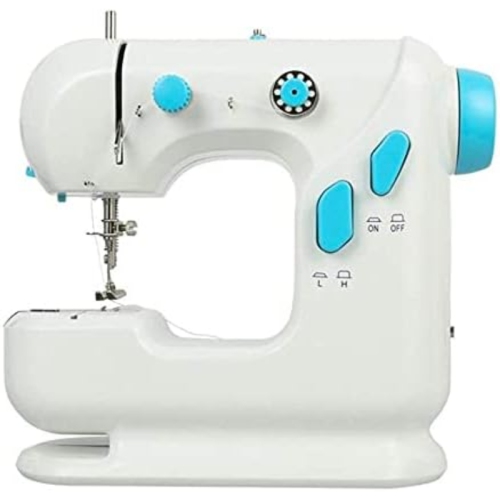
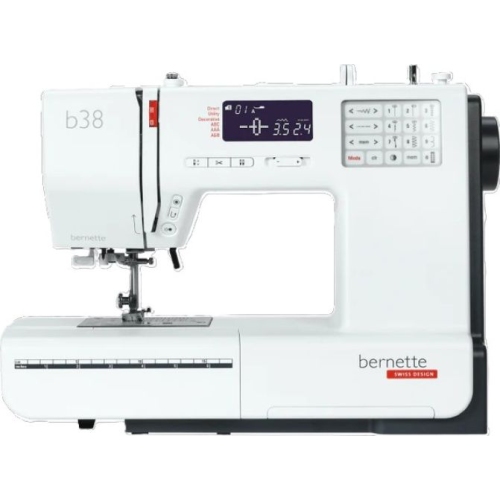
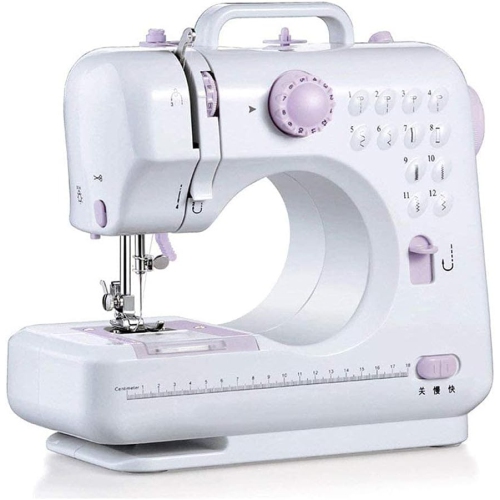
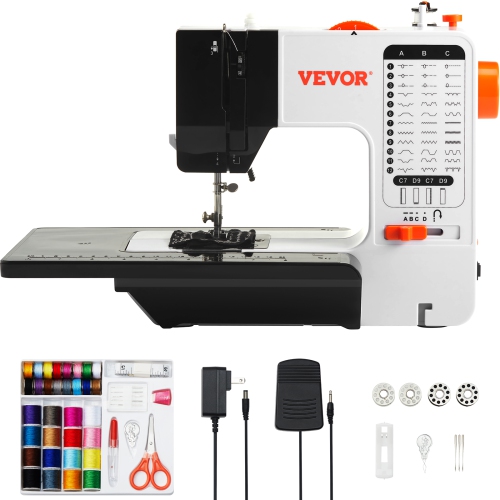
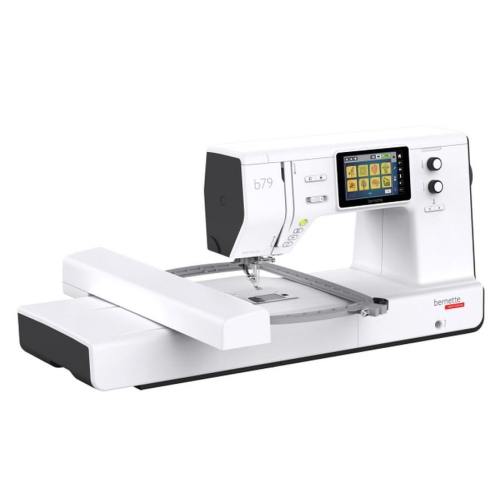
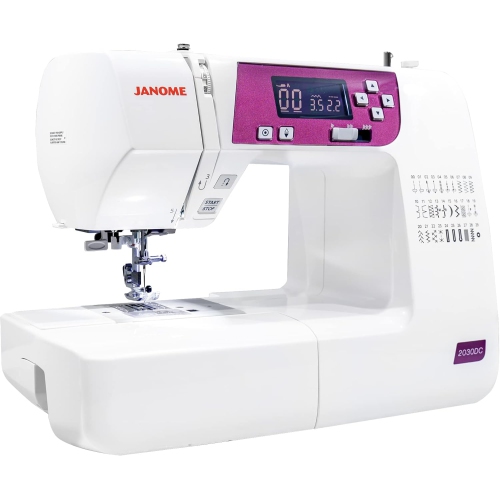
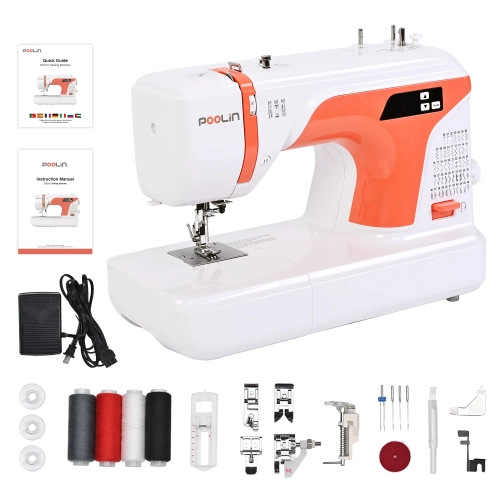
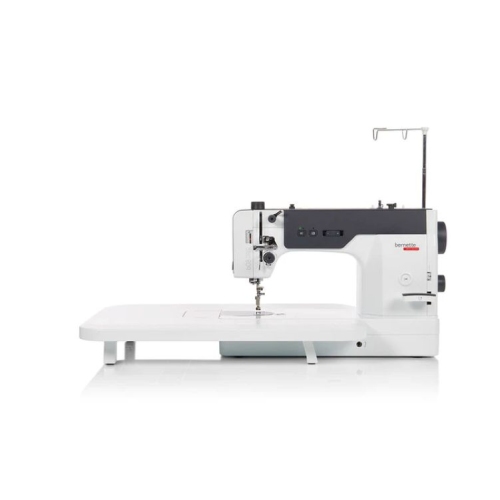
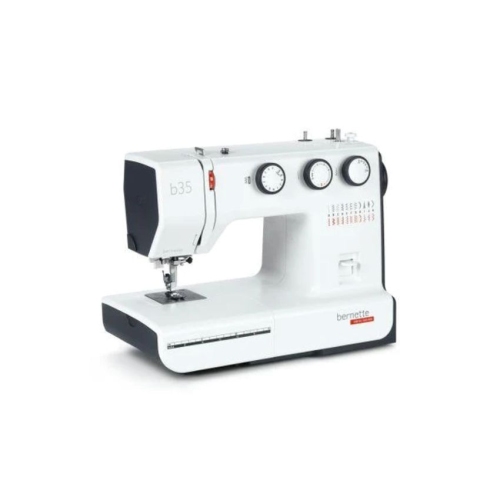
Sewing machines join fabric with thread to create stitches for clothing, quilts, accessories, and household textiles. They bring consistency and speed to work that would otherwise be done by hand, from shortening a pair of trousers to assembling a patchwork quilt. For someone learning to sew, a straightforward machine with clearly marked controls can make everyday projects feel manageable. For an experienced sewist, adjustable settings and room to handle larger pieces of fabric can support more ambitious work. Mechanical sewing machines typically use dials or levers to select stitches and adjust settings, while computerized sewing machines offer electronic controls and may include a display, stored stitch patterns, or programmable functions. Neither style is automatically the better fit; the right choice depends on the projects, the preferred controls, and how often the machine will be used. A straight stitch handles many woven-fabric seams, while a zigzag stitch can finish raw edges or accommodate some movement in fabric. Stretch stitches are useful for knit garments, and buttonhole functions help with shirts, cushions, and other projects that need secure openings. A broad stitch selection offers creative possibilities, but smooth feeding, dependable tension, and easy adjustment often matter more in everyday sewing than the number of patterns alone. Sewing machines also differ from sergers, which typically trim the fabric edge while enclosing it with thread for a neat seam finish. A serger can complement a regular sewing machine, particularly for knitwear, but does not replace every function needed for general garment construction. Embroidery capabilities are another distinct consideration: stitched lettering and detailed motifs require a machine equipped for that purpose, rather than simply a selection of built-in utility stitches. Across these categories, intended use gives the clearest sense of what matters, whether the machine will support occasional repairs, a growing hobby, costume making, or regular afternoons spent turning fabric into something personal and practical.
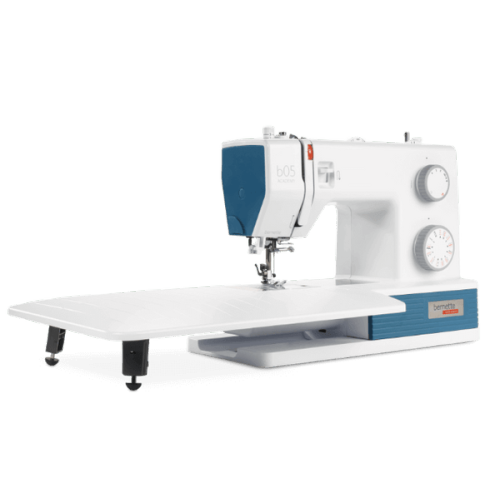
The fabrics used most often have a direct effect on which sewing machine features will be helpful. Lightweight cotton for pillowcases and simple garments behaves differently from slippery satin, stretchy jersey, or the thick folded seam of denim trousers. Good results depend on a suitable needle, thread, stitch, and machine setting, not just motor strength. Fine fabrics generally need a finer needle and careful tension adjustment, while knit fabrics often benefit from a ballpoint or stretch needle appropriate to their construction. Heavier fabric may call for a stronger needle and a machine designed to handle the combined thickness of the layers. A machine that sews two layers of denim comfortably may still struggle where several seams overlap, so heavy-duty use deserves closer attention than an occasional trouser hem. Adjustable presser-foot pressure, where provided, can help control how fabric moves beneath the foot, and a suitable walking foot can assist with feeding quilt layers or fabrics that tend to shift. Compatibility matters, since feet, bobbins, and needles are not universally interchangeable across all machines. For garment sewing, a free arm makes it easier to work around narrow openings such as cuffs and trouser legs. For quilting, the space to the right of the needle influences how comfortably a rolled or folded quilt can pass through the machine, while an extension table supports fabric at the sewing surface. Adjustable stitch length and width offer control over seam appearance and function, and a needle-up or needle-down setting can make pivoting at corners more convenient. Clear lighting helps when matching thread to dark fabric or checking a seam allowance. Useful supporting supplies, including fabric-cutting, measuring, and marking essentials, can be found among Sewing Tools. Together, the machine and its compatible accessories form a workspace suited to the actual task, whether that means keeping a cushion cover square, easing a sleeve into place, or guiding long curtain panels without letting their weight pull against the needle.
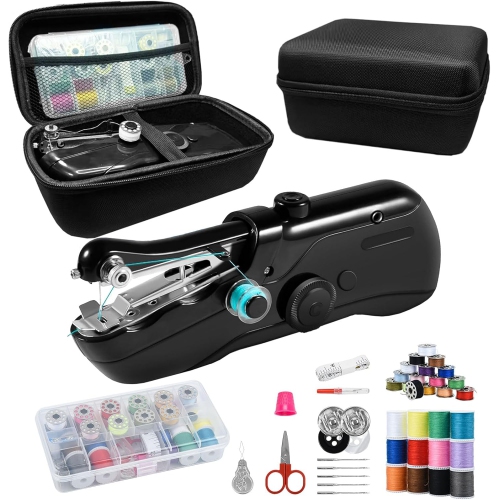
Comfort, storage, and care also shape how enjoyable a sewing machine is to use over time. A compact machine can suit a shared dining table or a small craft corner, especially when it has a carrying handle and can be put away between projects. A heavier machine may be less convenient to move, but a stable base is valuable when sewing regularly. Machine weight alone does not establish quality or capability; frame construction, feeding performance, accessible maintenance points, and the suitability of the machine for its workload all contribute to long-term use. A firm, level surface helps limit movement, while enough table space behind and beside the needle supports fabric rather than leaving it hanging over an edge. An easy-to-reach reverse control, readable stitch markings, a straightforward bobbin system, and a needle threader can reduce fiddly steps during a session. Speed control is especially useful for beginners and for precise work around curves, although supervision and safe handling remain important for younger learners. Routine care usually includes removing lint from the areas identified in the manual, replacing bent or worn needles, and protecting the machine from dust when it is stored. Oiling requirements vary, so lubricant should only be applied where and how the manufacturer specifies. Forcing fabric through the machine or continuing to sew with an unsuitable needle can affect stitch quality and put unnecessary strain on the equipment. Testing the stitch on a scrap of the project fabric helps reveal puckering, skipped stitches, or uneven tension before work begins on the main pieces. These practical details matter whether sewing is an occasional household skill or a favourite way to spend time indoors during the cooler months. A sewing machine can also be a thoughtful gift for someone starting garment-making lessons, returning to a familiar hobby, or setting up a dedicated craft space. Matching the machine to that person’s experience, preferred fabrics, and typical projects makes it more useful than choosing by feature count alone, leaving room for skills and ideas to develop at a comfortable pace.
The fabrics used most often have a direct effect on which sewing machine features will be helpful. Lightweight cotton for pillowcases and simple garments behaves differently from slippery satin, stretchy jersey, or the thick folded seam of denim trousers. Good results depend on a suitable needle, thread, stitch, and machine setting, not just motor strength. Fine fabrics generally need a finer needle and careful tension adjustment, while knit fabrics often benefit from a ballpoint or stretch needle appropriate to their construction. Heavier fabric may call for a stronger needle and a machine designed to handle the combined thickness of the layers. A machine that sews two layers of denim comfortably may still struggle where several seams overlap, so heavy-duty use deserves closer attention than an occasional trouser hem. Adjustable presser-foot pressure, where provided, can help control how fabric moves beneath the foot, and a suitable walking foot can assist with feeding quilt layers or fabrics that tend to shift. Compatibility matters, since feet, bobbins, and needles are not universally interchangeable across all machines. For garment sewing, a free arm makes it easier to work around narrow openings such as cuffs and trouser legs. For quilting, the space to the right of the needle influences how comfortably a rolled or folded quilt can pass through the machine, while an extension table supports fabric at the sewing surface. Adjustable stitch length and width offer control over seam appearance and function, and a needle-up or needle-down setting can make pivoting at corners more convenient. Clear lighting helps when matching thread to dark fabric or checking a seam allowance. Useful supporting supplies, including fabric-cutting, measuring, and marking essentials, can be found among Sewing Tools. Together, the machine and its compatible accessories form a workspace suited to the actual task, whether that means keeping a cushion cover square, easing a sleeve into place, or guiding long curtain panels without letting their weight pull against the needle.
Comfort, storage, and care also shape how enjoyable a sewing machine is to use over time. A compact machine can suit a shared dining table or a small craft corner, especially when it has a carrying handle and can be put away between projects. A heavier machine may be less convenient to move, but a stable base is valuable when sewing regularly. Machine weight alone does not establish quality or capability; frame construction, feeding performance, accessible maintenance points, and the suitability of the machine for its workload all contribute to long-term use. A firm, level surface helps limit movement, while enough table space behind and beside the needle supports fabric rather than leaving it hanging over an edge. An easy-to-reach reverse control, readable stitch markings, a straightforward bobbin system, and a needle threader can reduce fiddly steps during a session. Speed control is especially useful for beginners and for precise work around curves, although supervision and safe handling remain important for younger learners. Routine care usually includes removing lint from the areas identified in the manual, replacing bent or worn needles, and protecting the machine from dust when it is stored. Oiling requirements vary, so lubricant should only be applied where and how the manufacturer specifies. Forcing fabric through the machine or continuing to sew with an unsuitable needle can affect stitch quality and put unnecessary strain on the equipment. Testing the stitch on a scrap of the project fabric helps reveal puckering, skipped stitches, or uneven tension before work begins on the main pieces. These practical details matter whether sewing is an occasional household skill or a favourite way to spend time indoors during the cooler months. A sewing machine can also be a thoughtful gift for someone starting garment-making lessons, returning to a familiar hobby, or setting up a dedicated craft space. Matching the machine to that person’s experience, preferred fabrics, and typical projects makes it more useful than choosing by feature count alone, leaving room for skills and ideas to develop at a comfortable pace.
Top selling and popular products
-
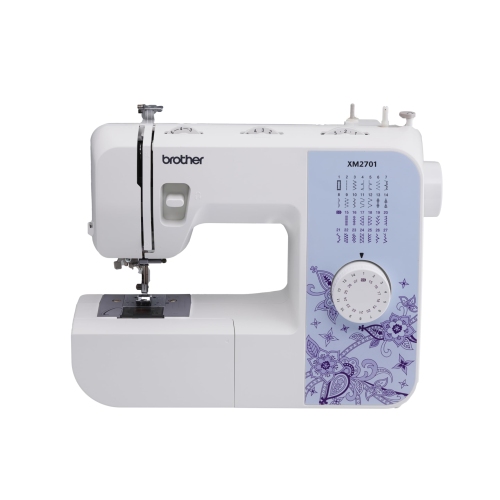 Your price for this item is $236.55
 -
 Your price for this item is $349
 -
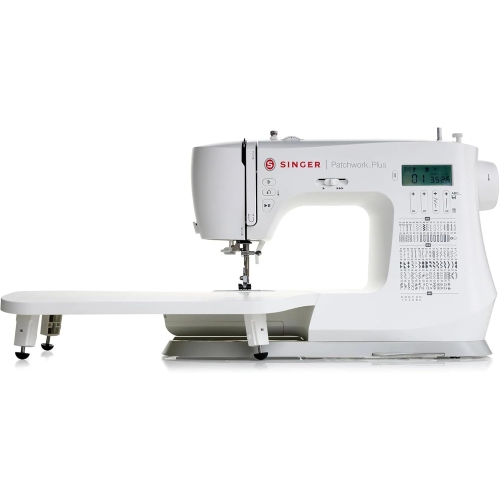 Your price for this item is $522.5
 -
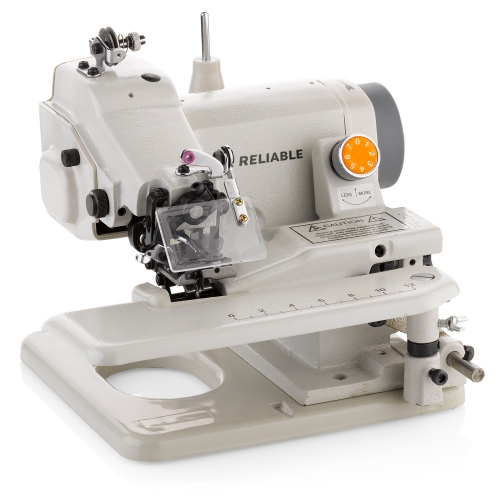 Your price for this item is $429
 -
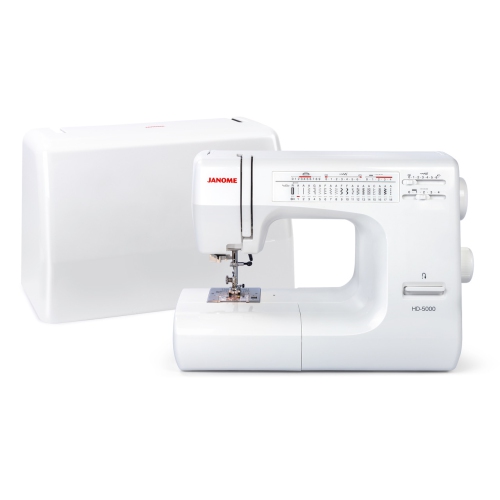 Your price for this item is $599
 -
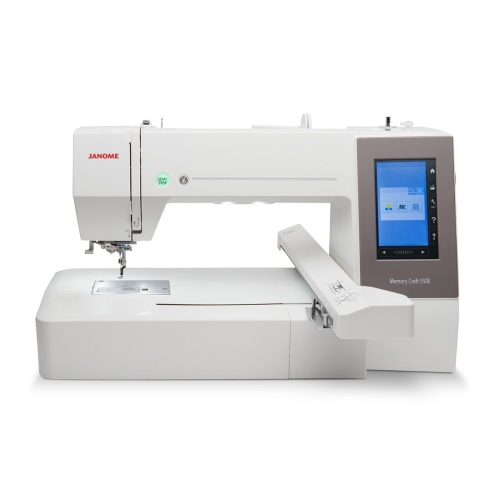 Your price for this item is $2999
 -
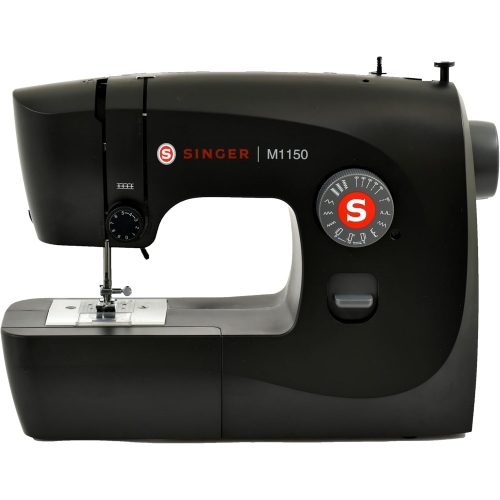 Your price for this item is $237.49
 -
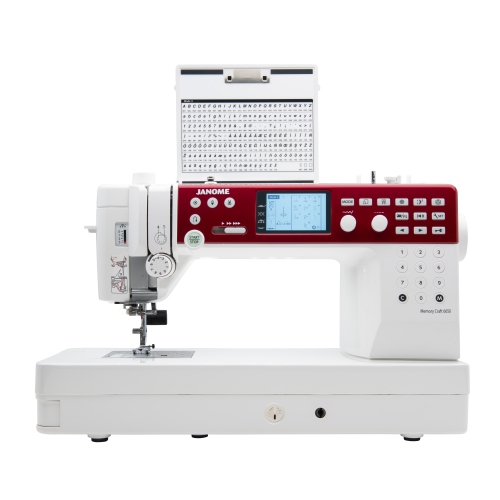 Your price for this item is $1879
Discover more categories related to Sewing Machines
Top Collections:
Pokemon Centers, Kindle Devices, Best Budget Office Chairs, Apple iPhones 16, Best Laptops for Writers, iPhone 15 Apple, Canon G7X Cameras, Refurbished Apple Laptops, Alarm Clock, Motorola Razr Phones
Some products may be subject to Environmental Handling Fees
(EHF) depending on your province.
Learn more about EHFs.