Men's Shavers
If you're a man who shaves, you know that the right tool can make all the difference. A good shaver can help you achieve a close shave without any cuts or razor burn. These are our top picks for you.
Sort
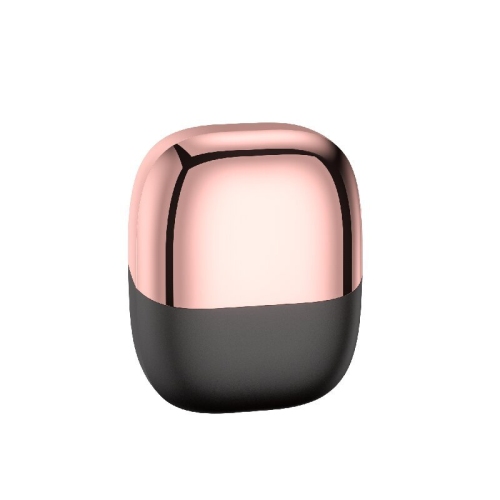


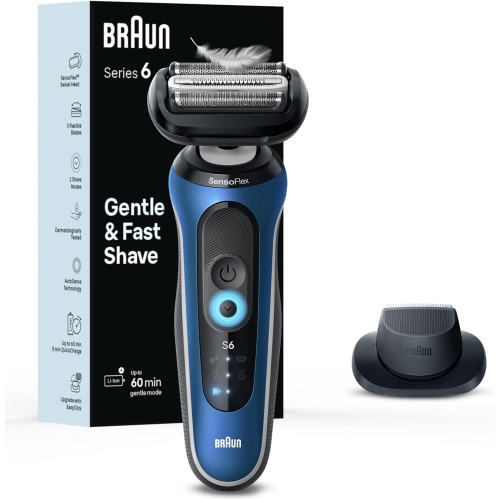
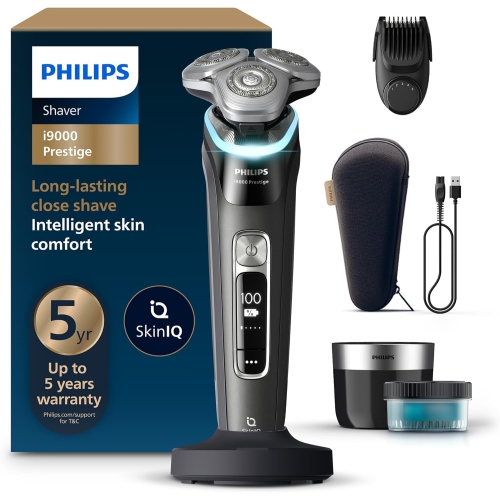
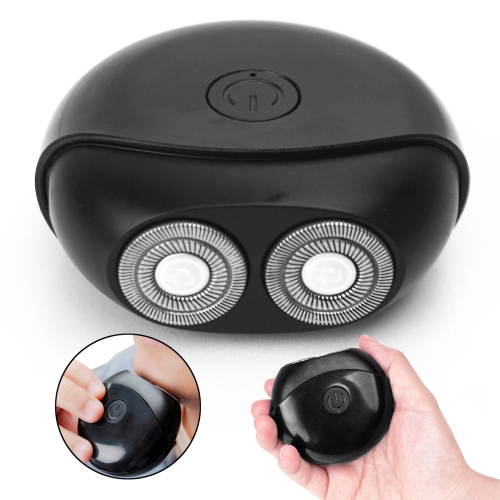

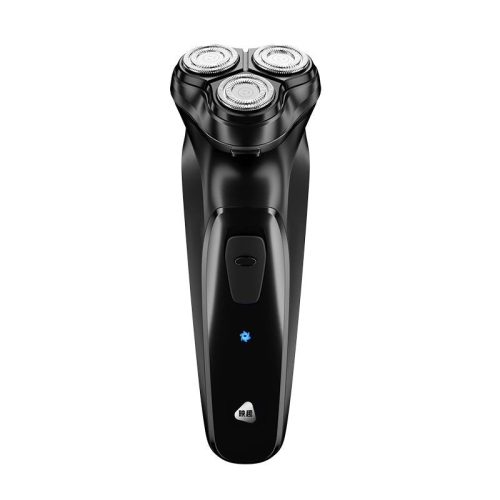



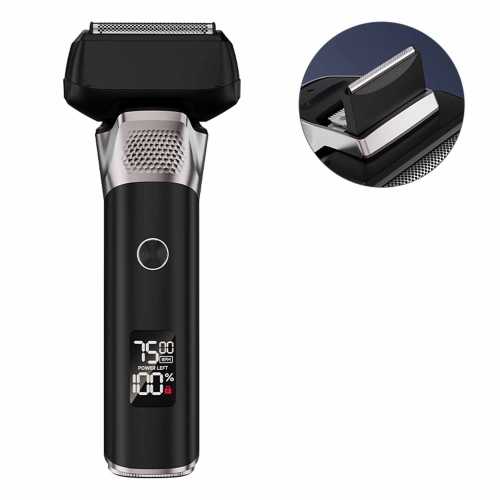

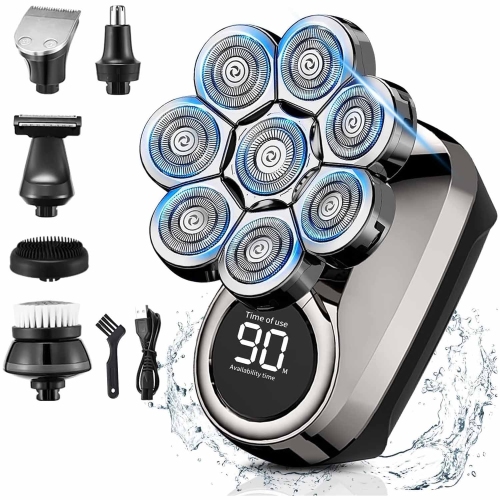
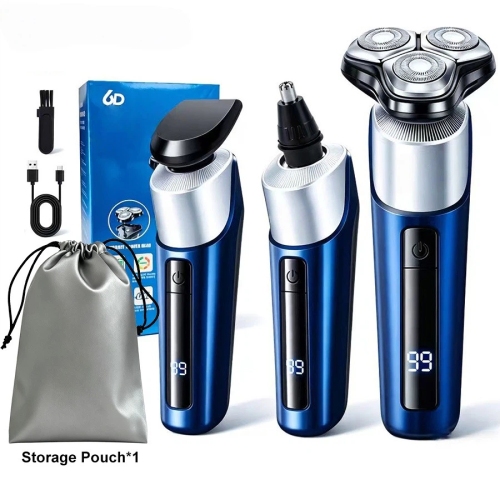
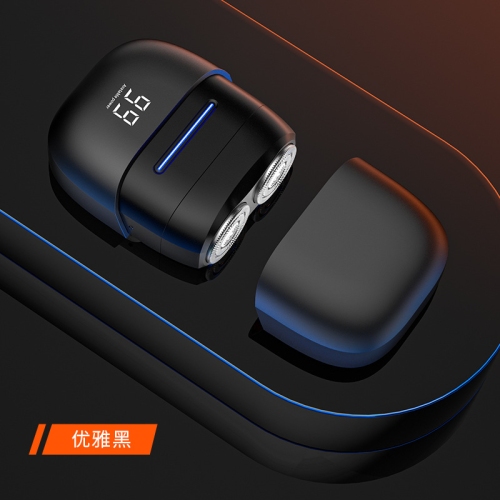


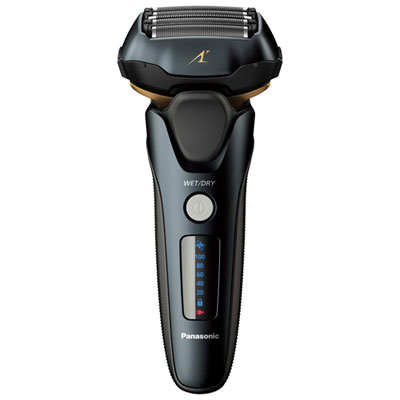
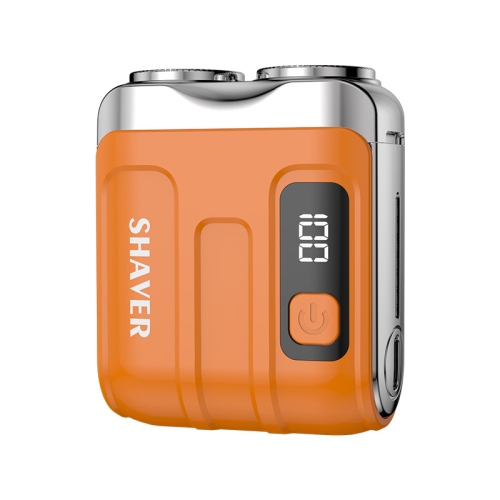
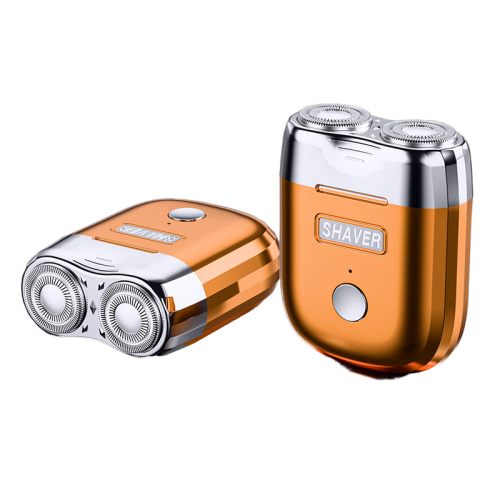

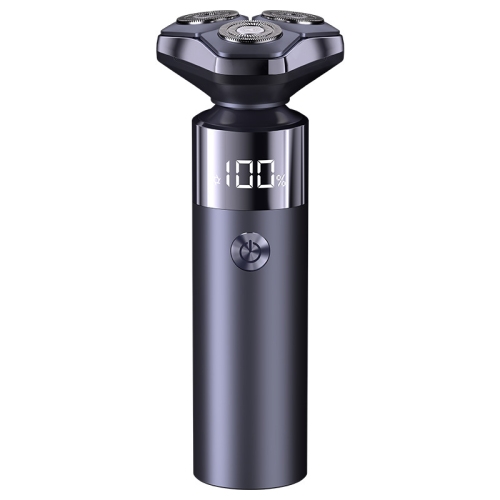
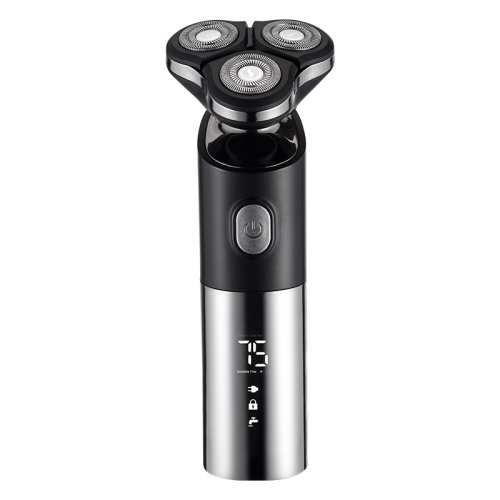
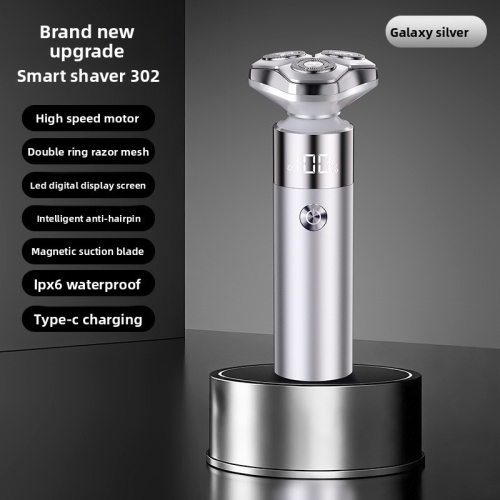
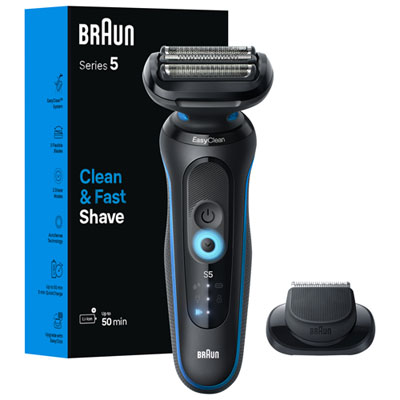
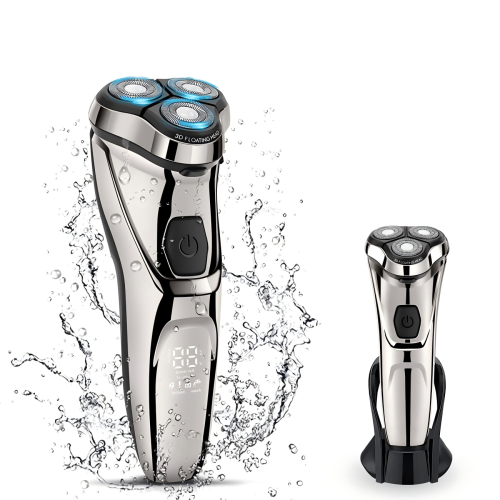
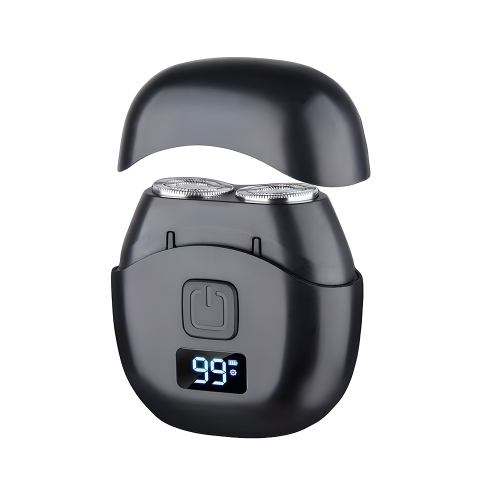
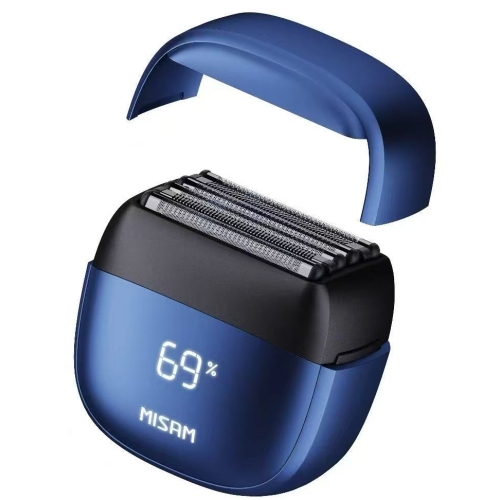


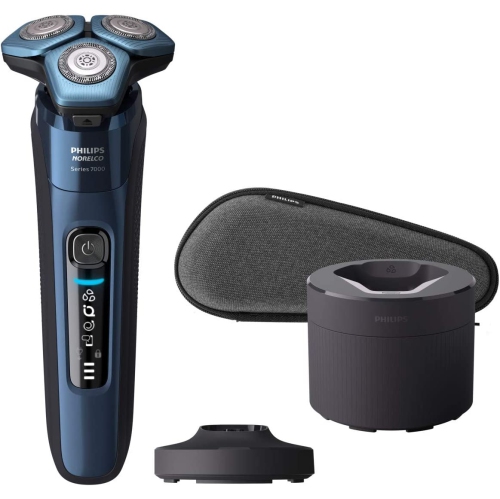
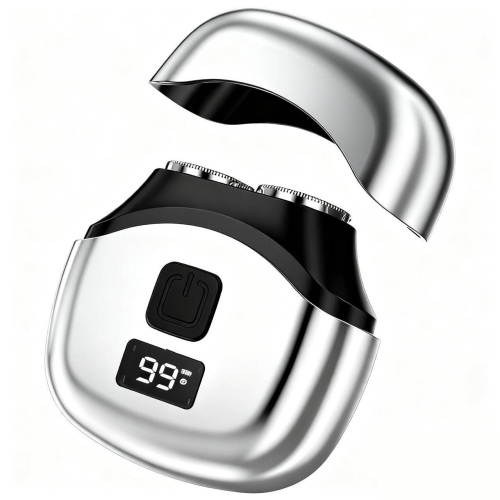
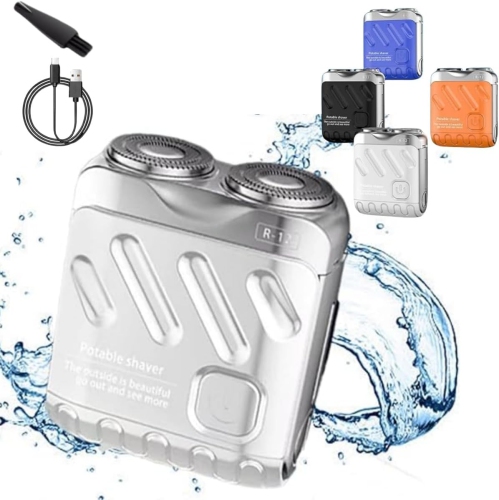
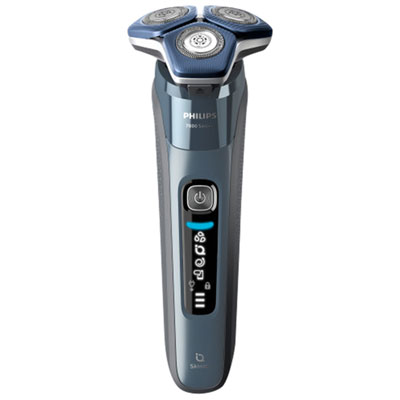


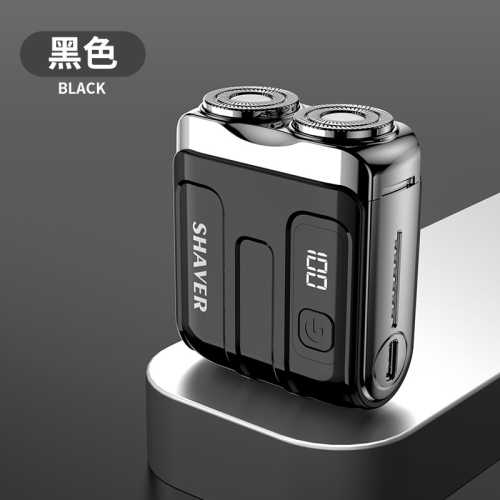
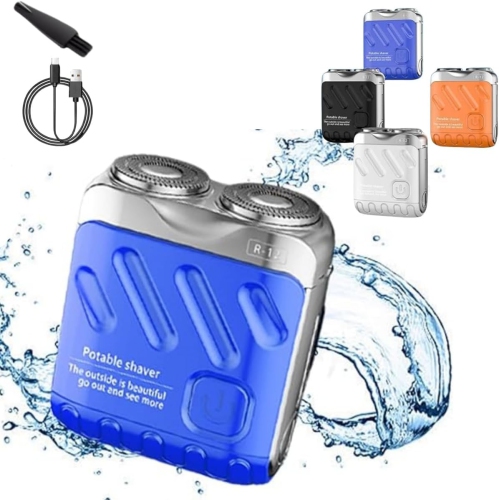
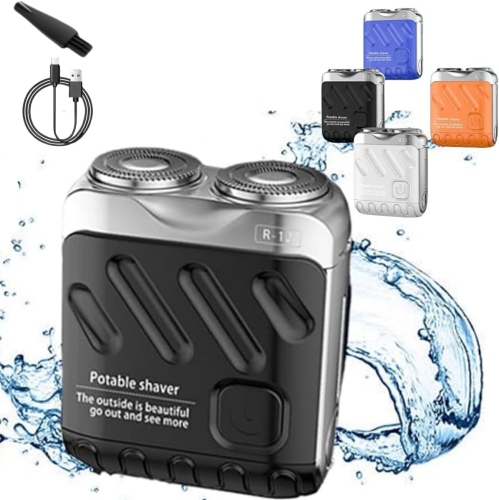

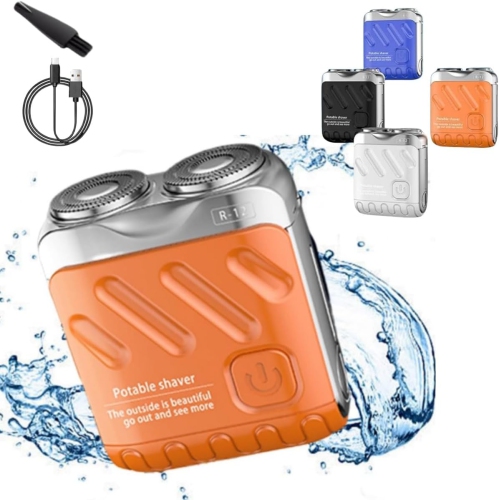
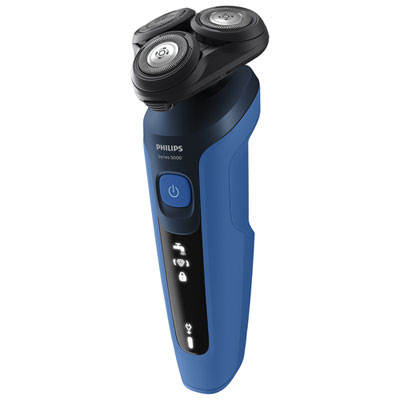





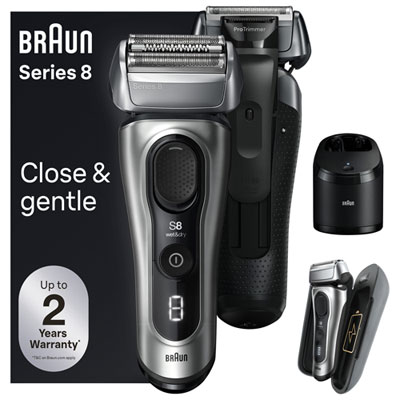


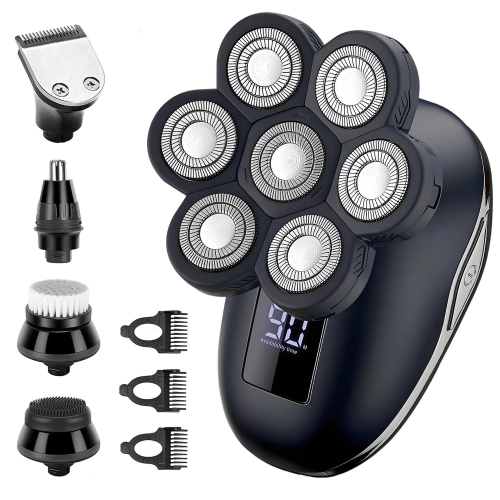
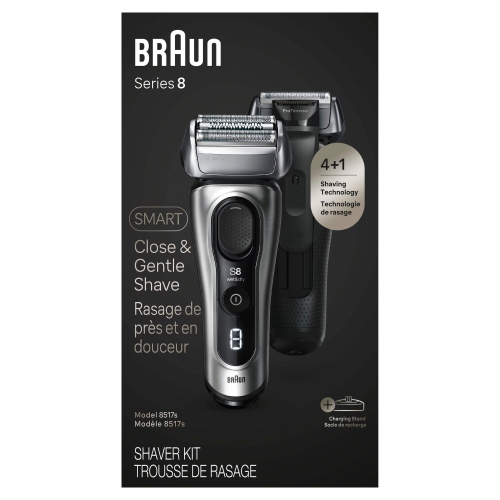


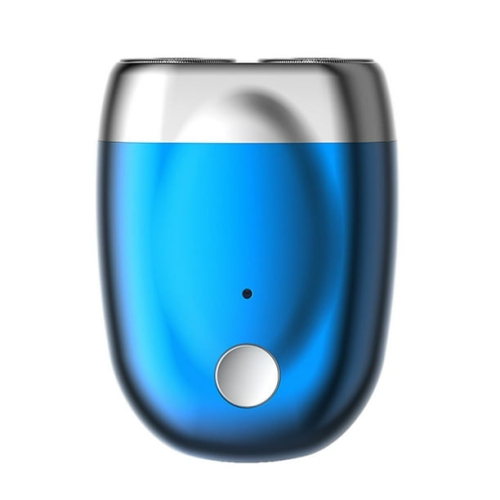
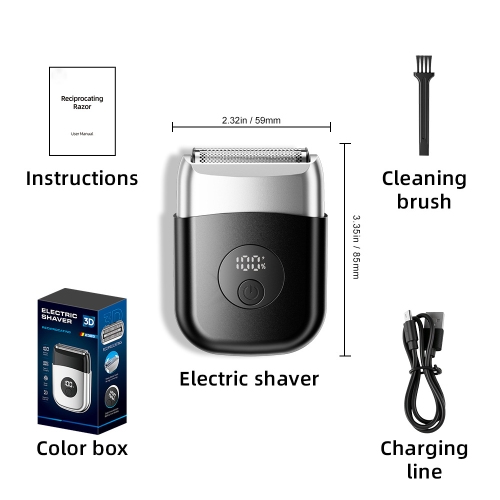
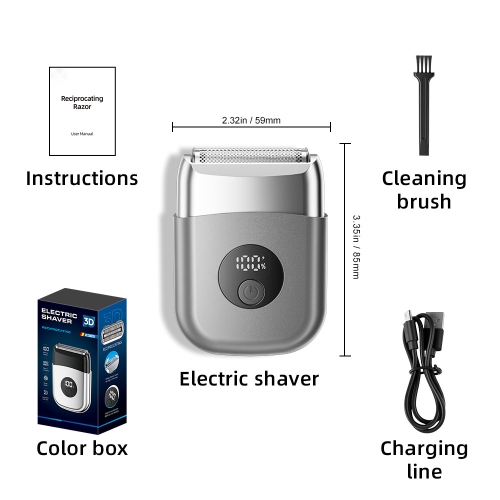
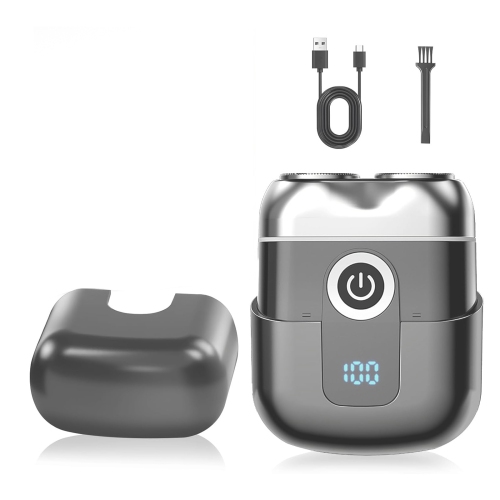

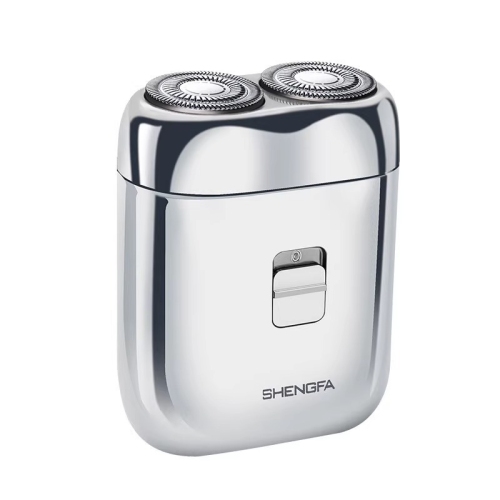


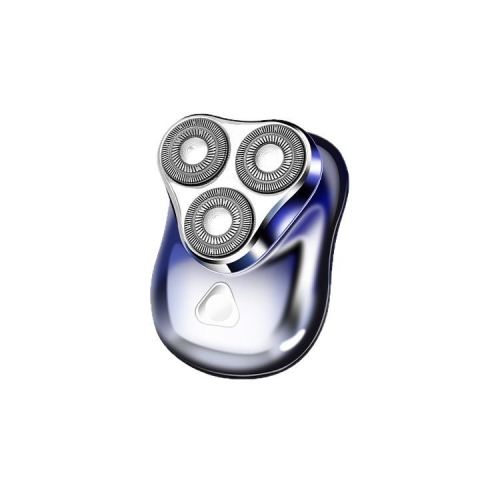
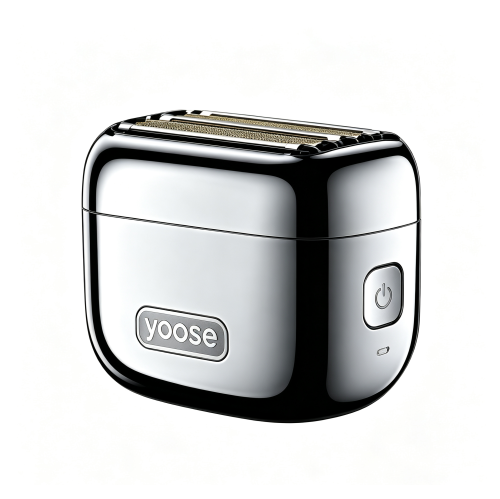
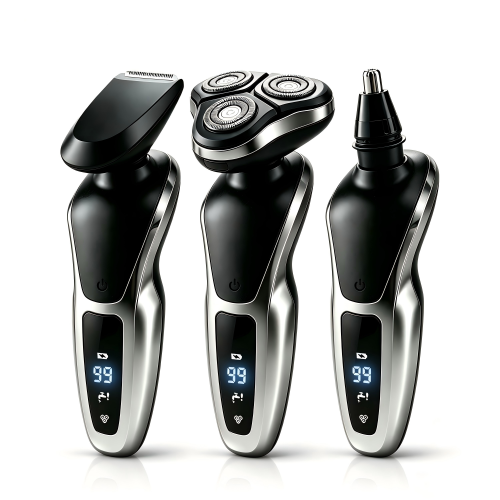
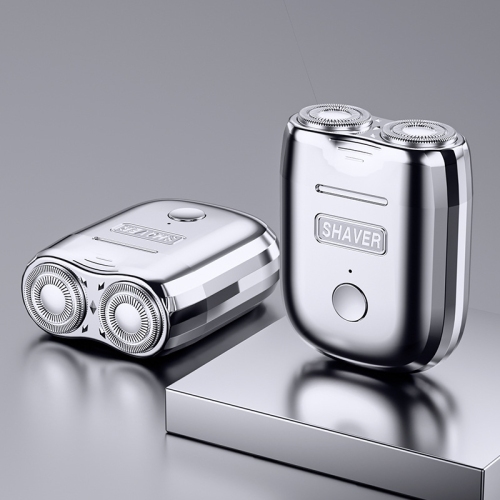
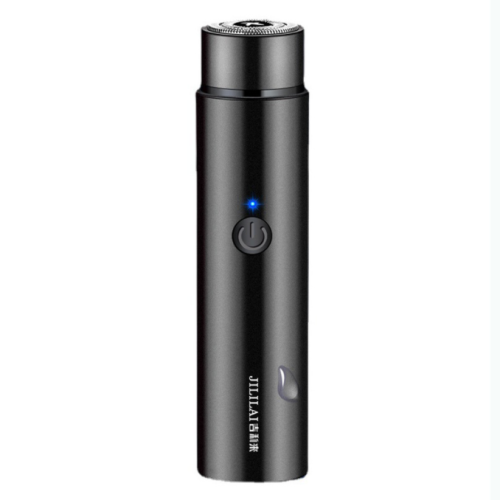
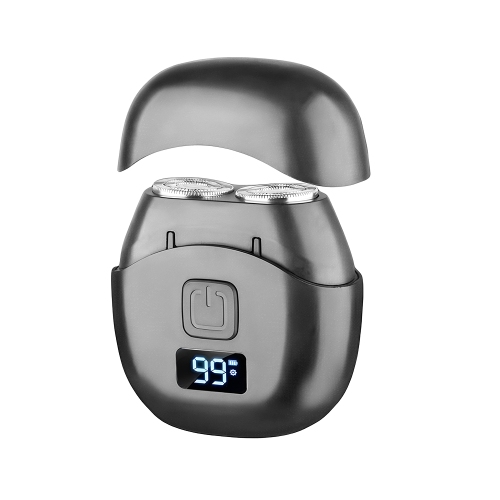
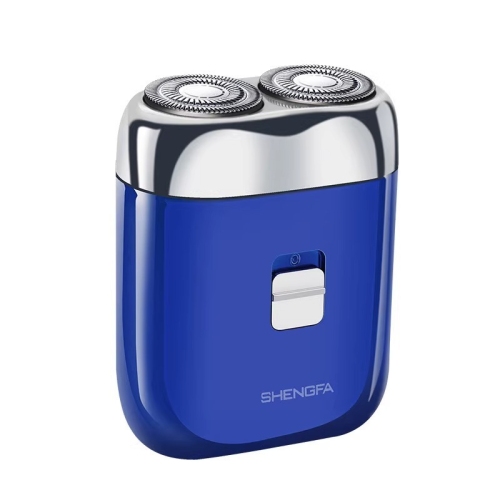

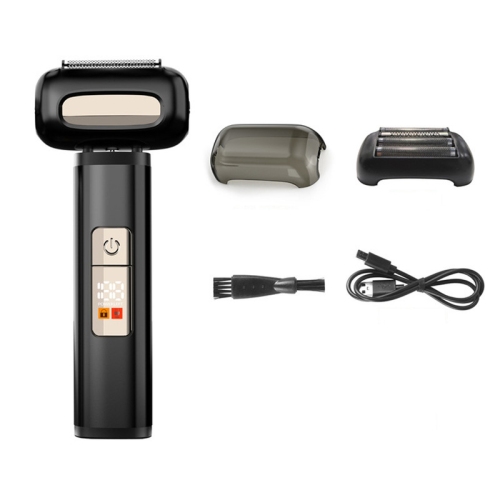
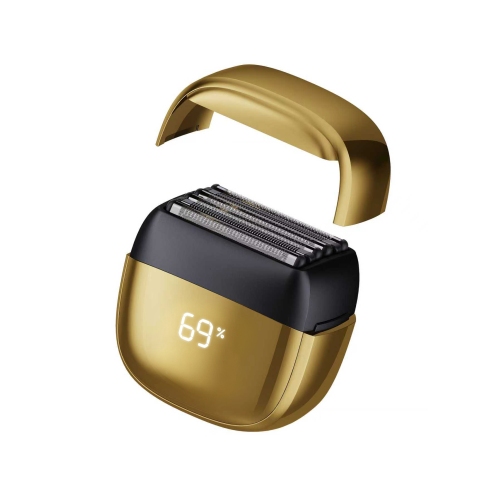
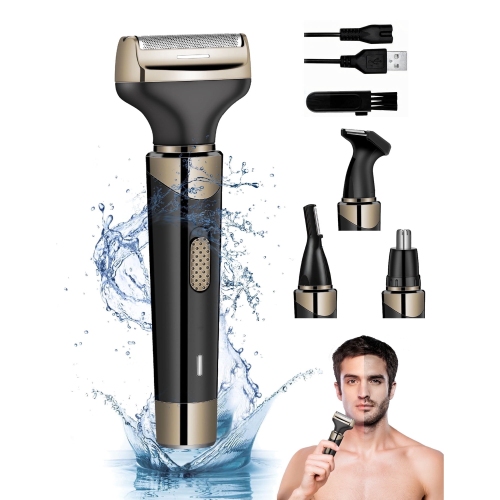


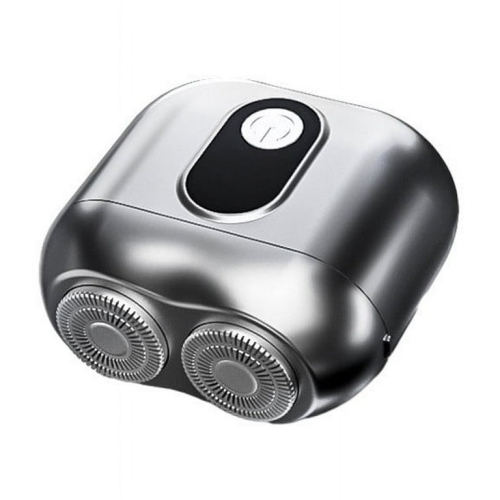
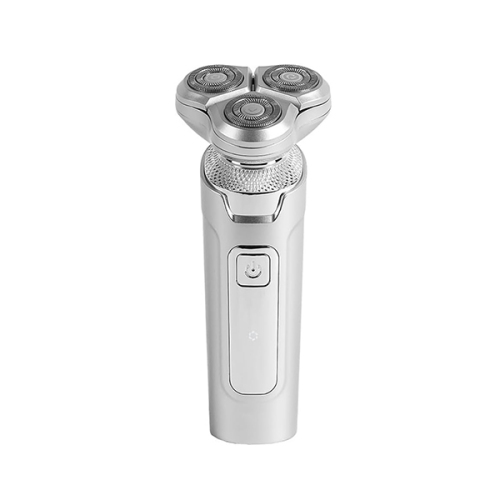


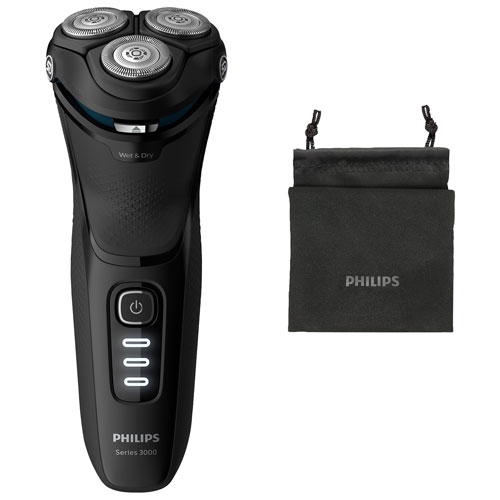


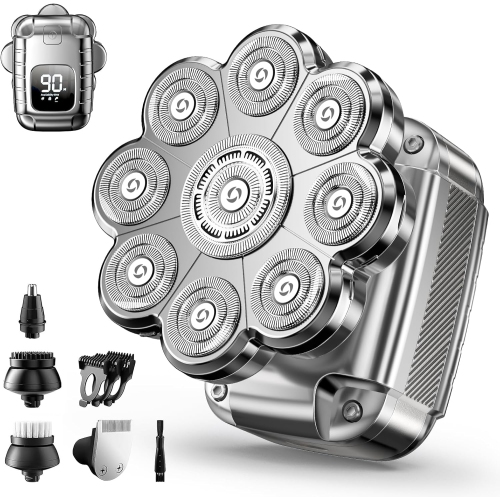

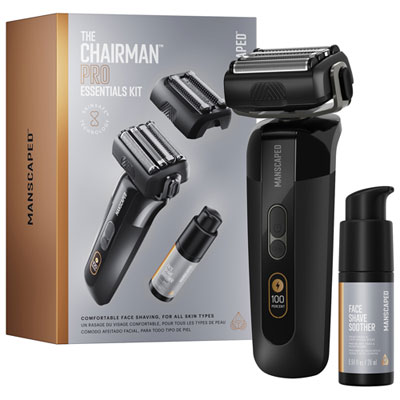














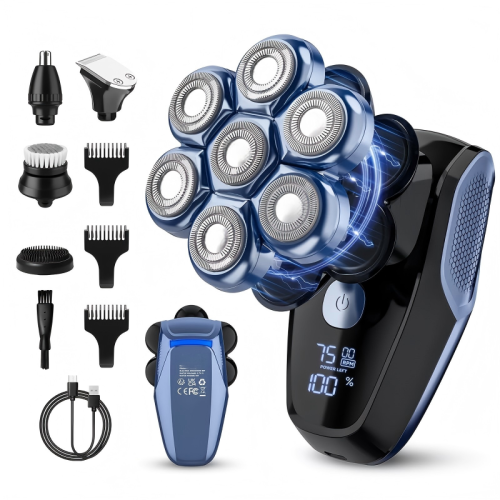
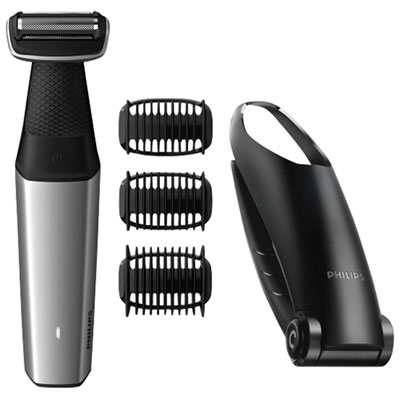
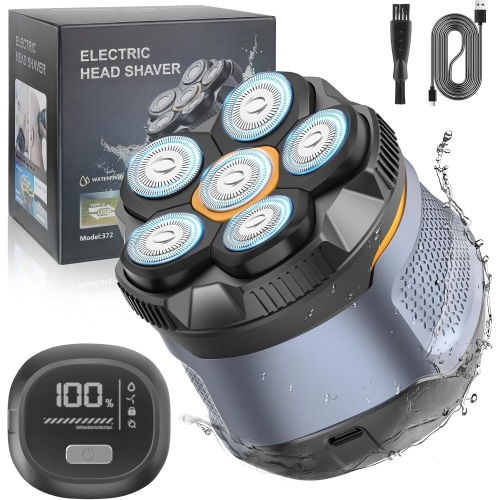
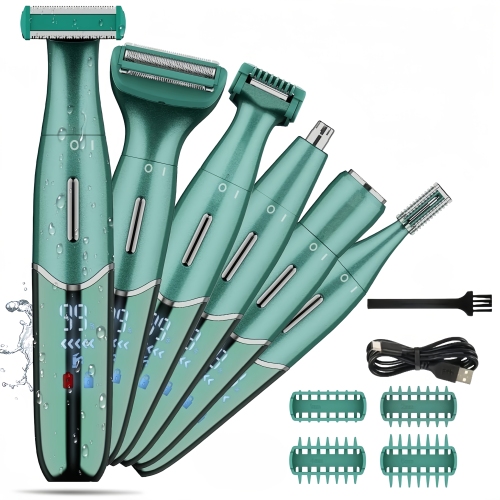
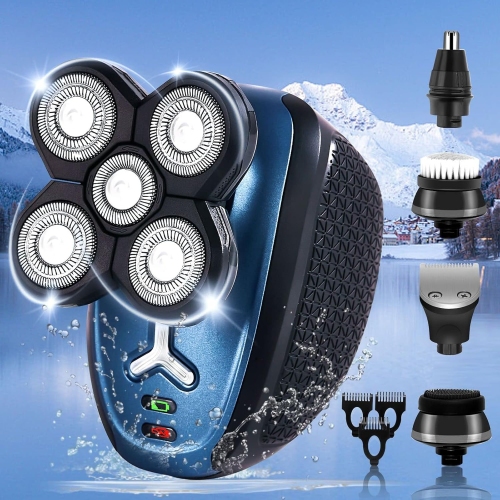
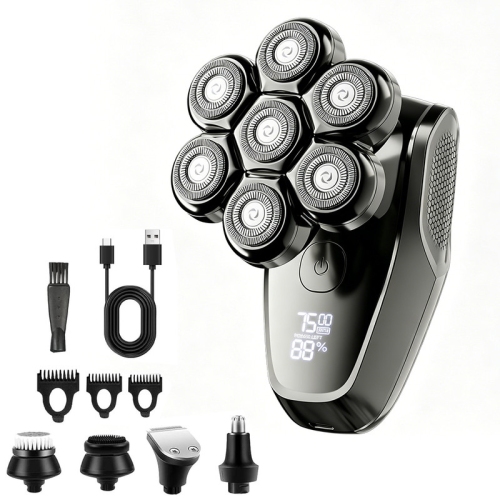


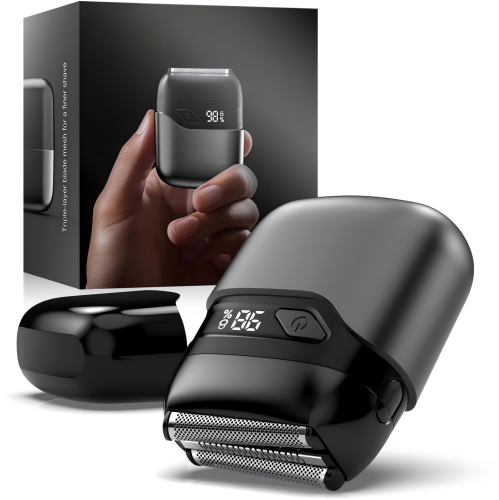
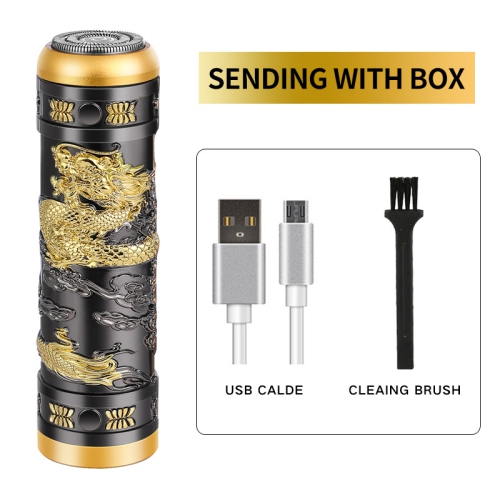
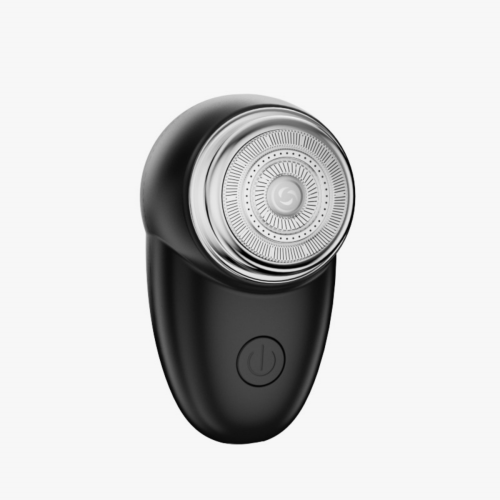
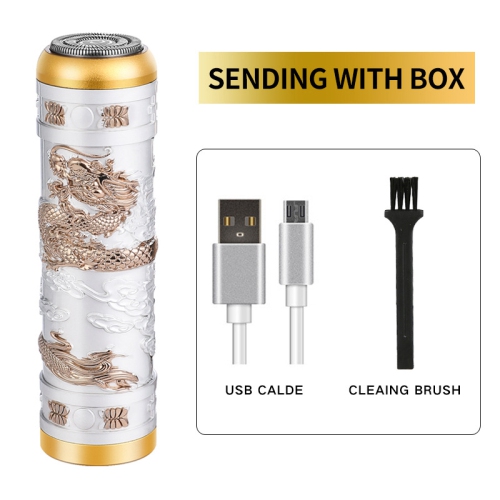
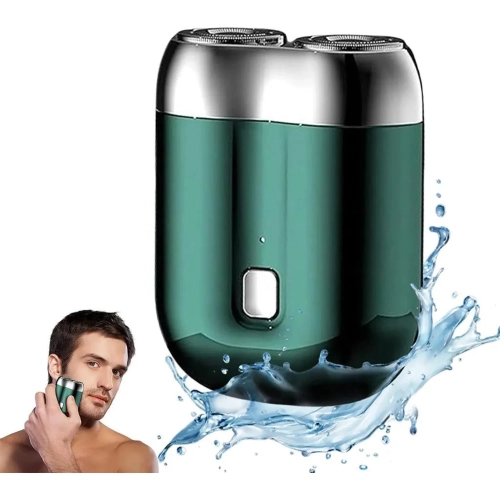




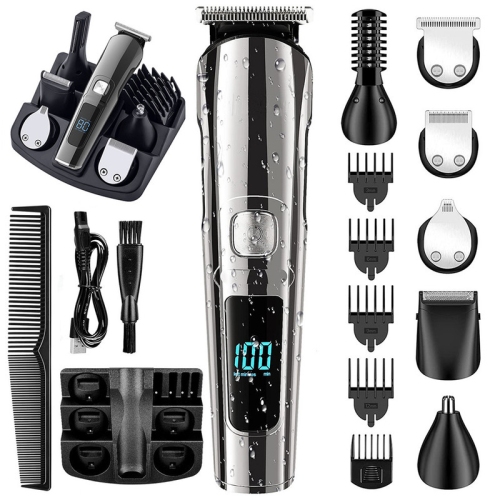
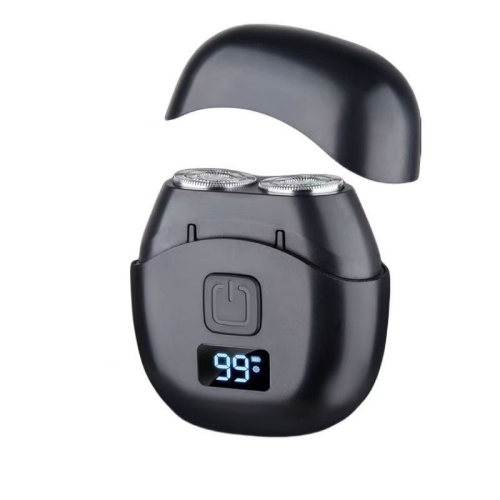


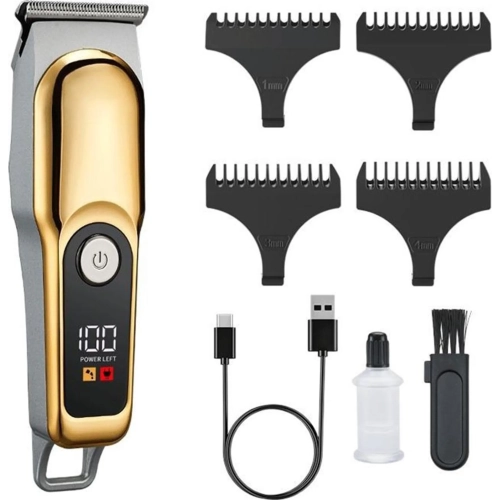

How foil and rotary shavers suit different routines
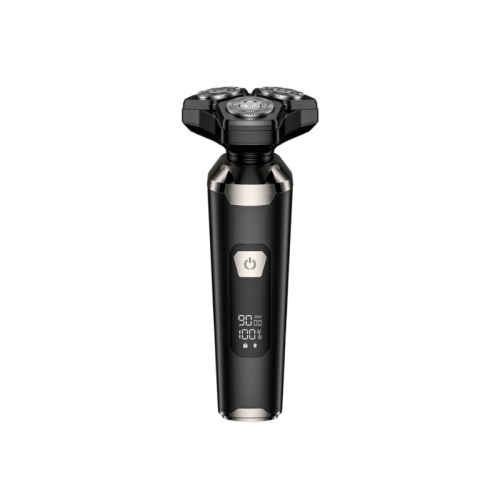
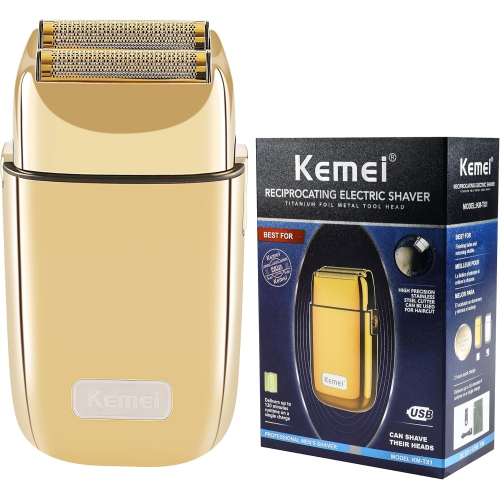
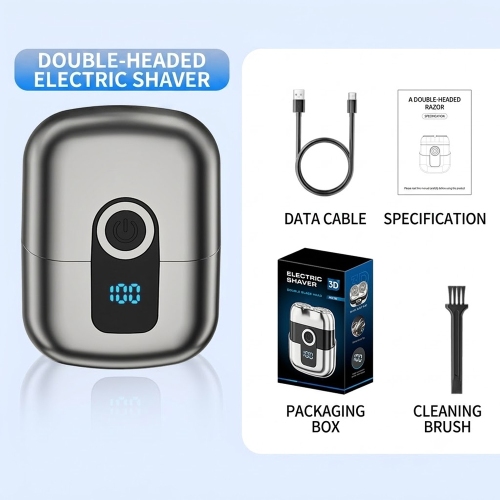
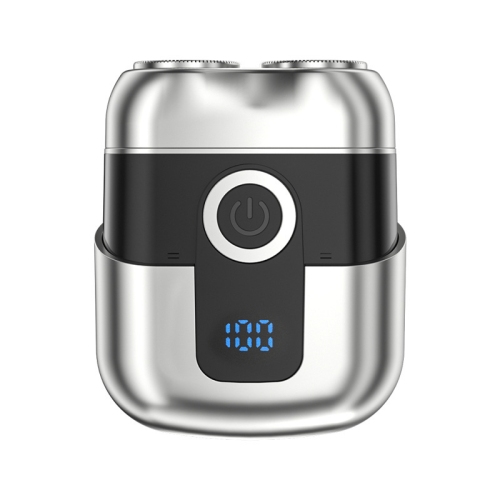
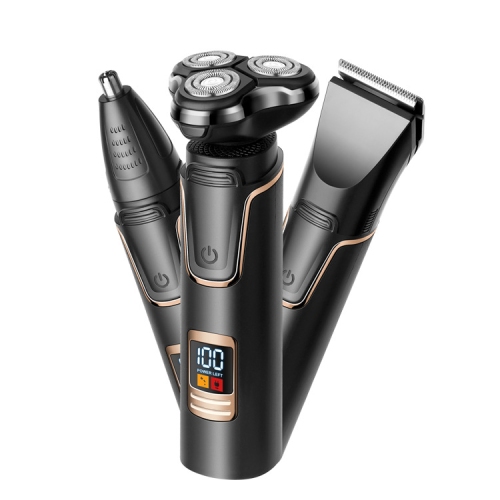
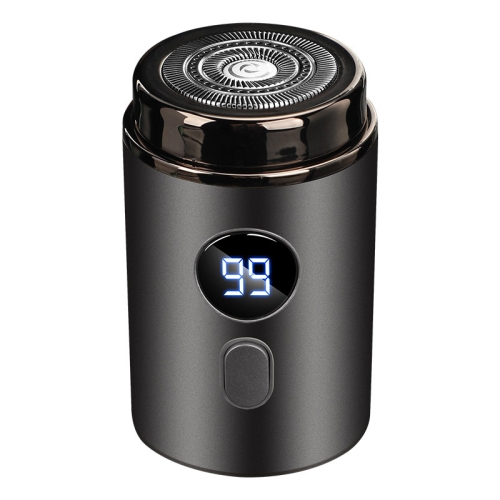
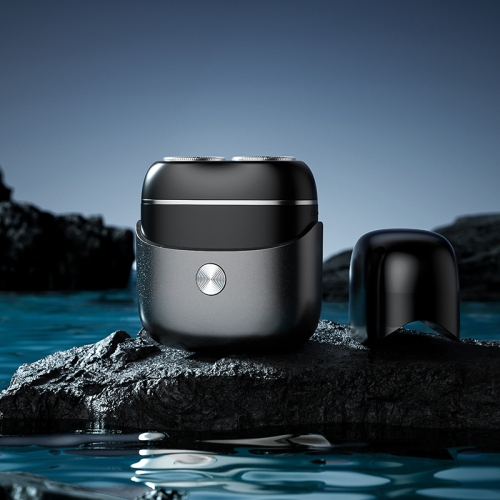
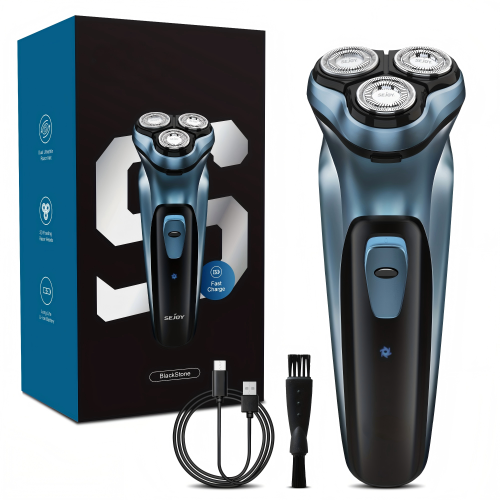
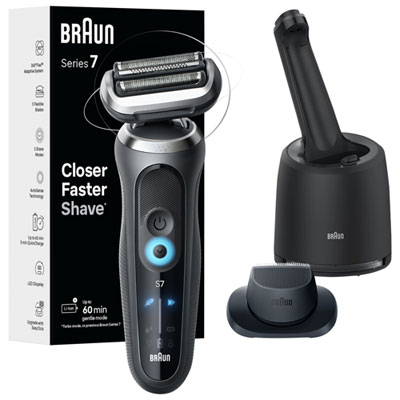
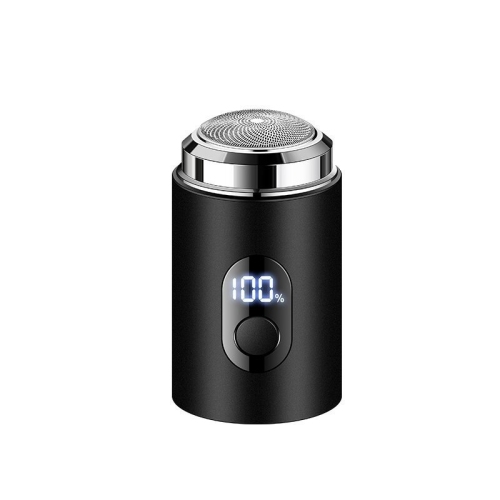
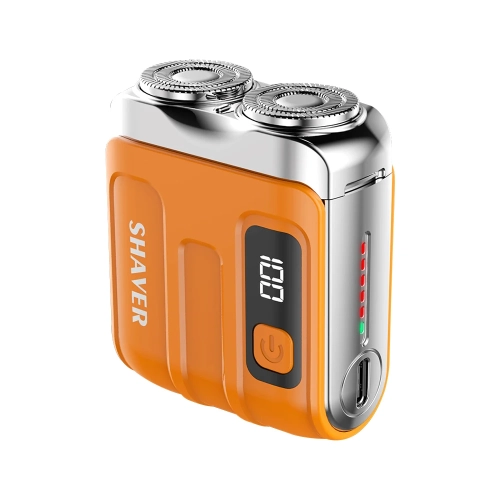
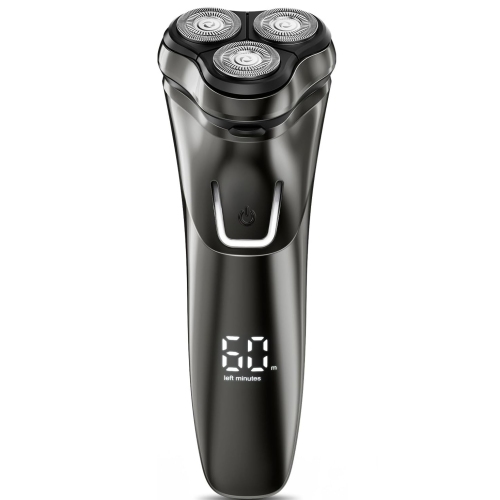
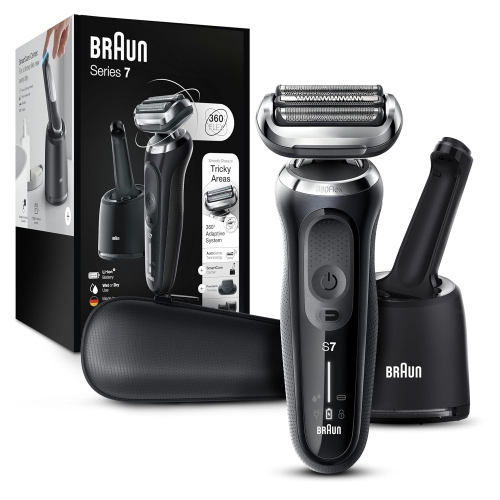
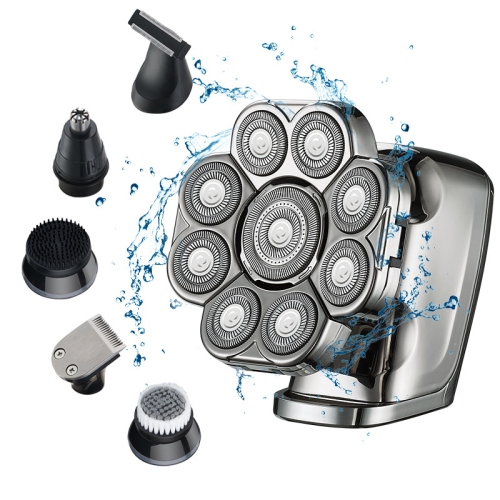
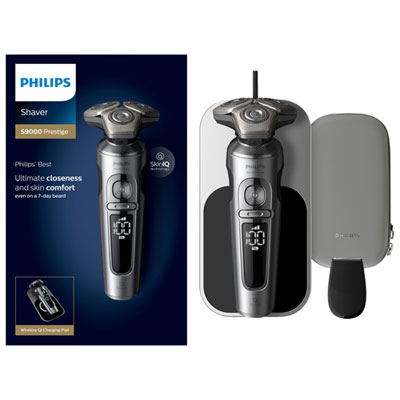
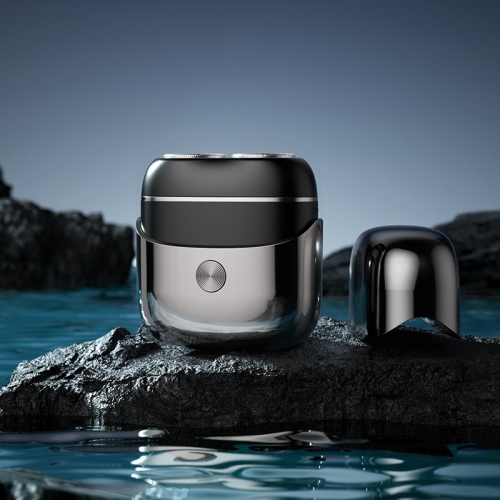
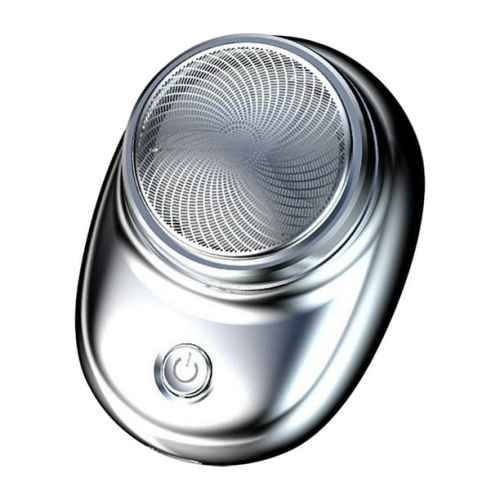
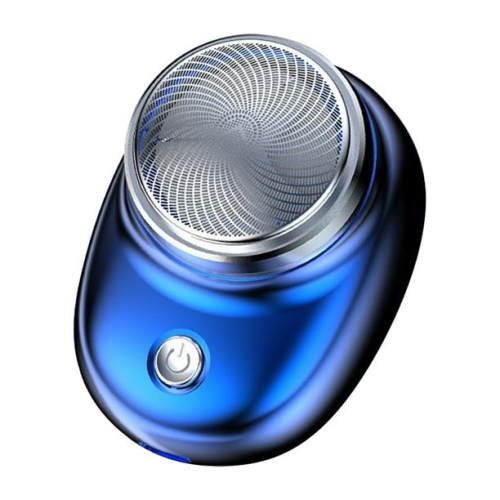
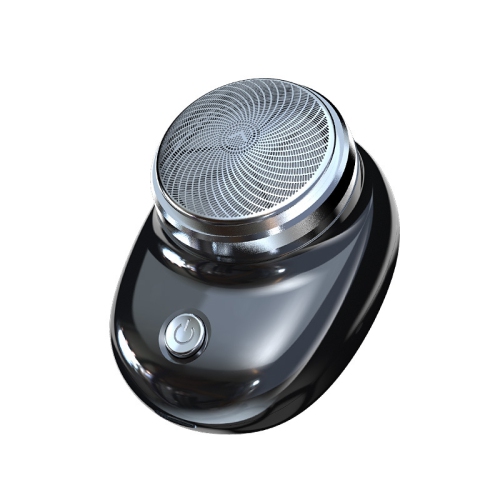
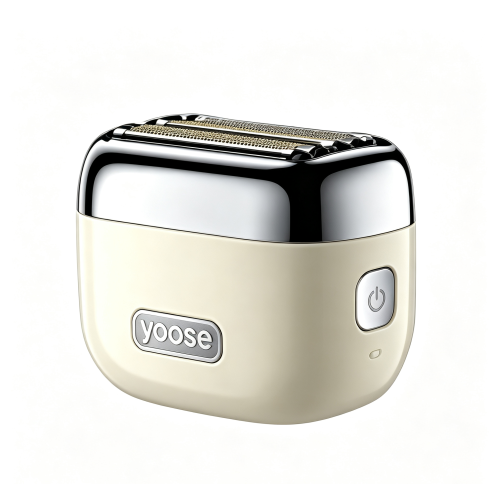
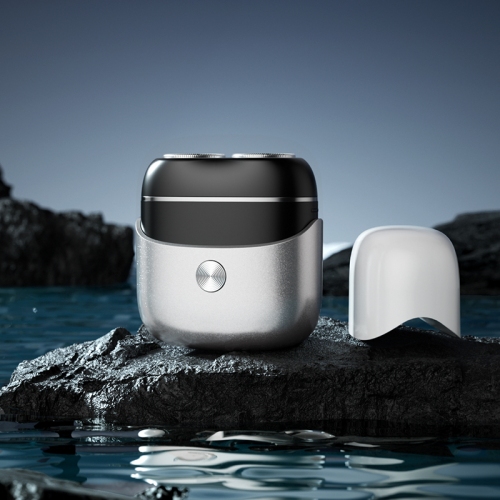
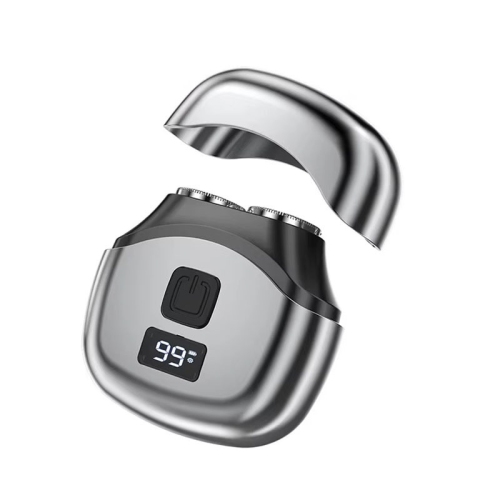
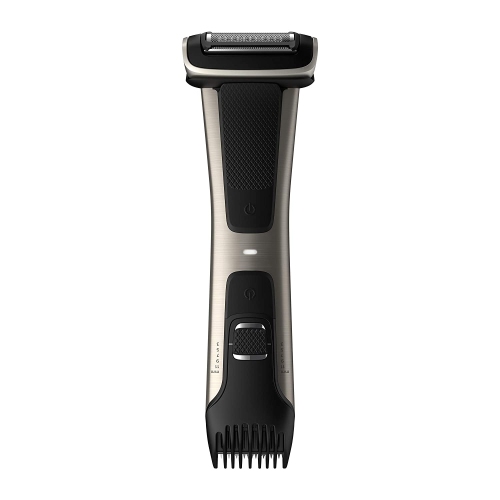
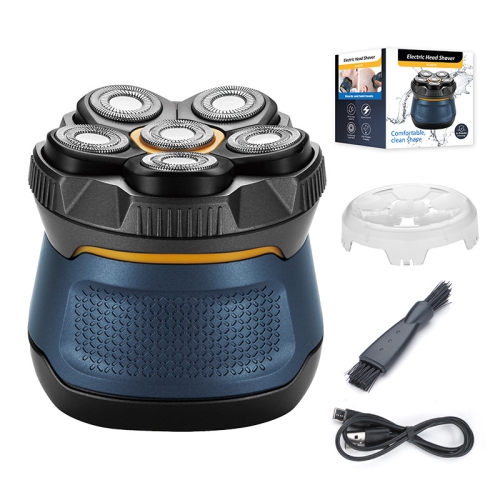
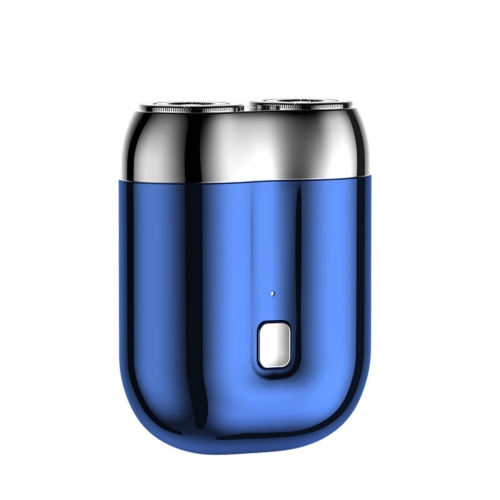
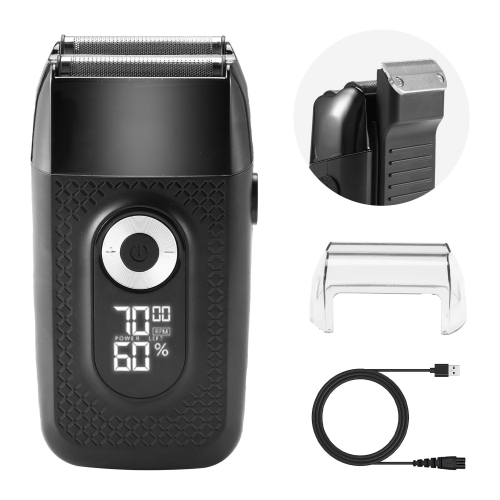
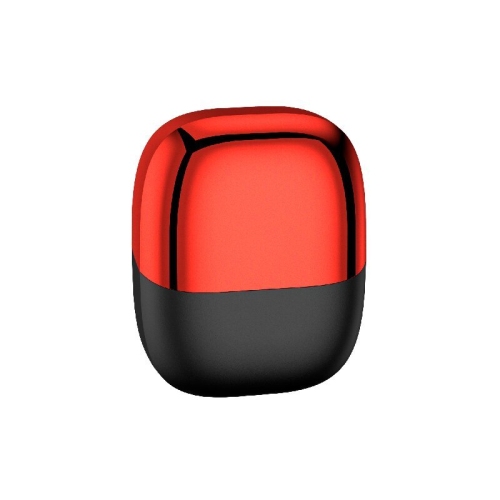
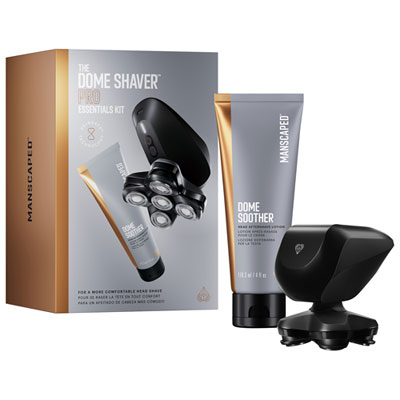
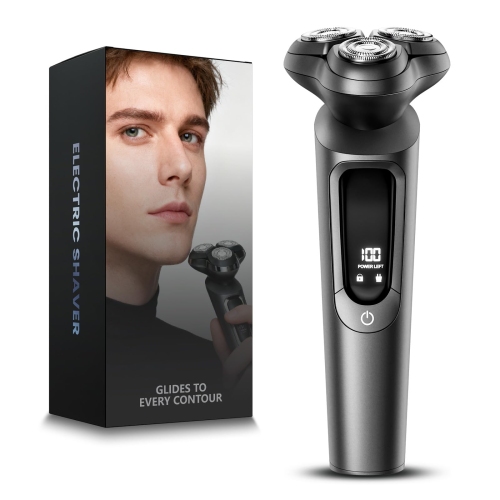
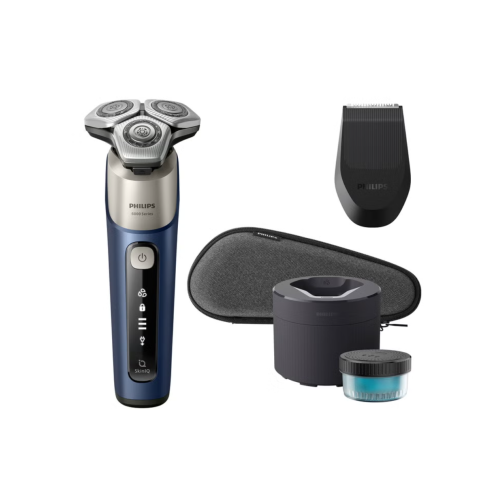
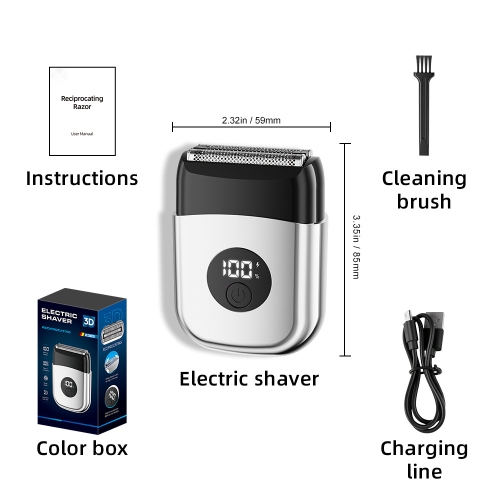
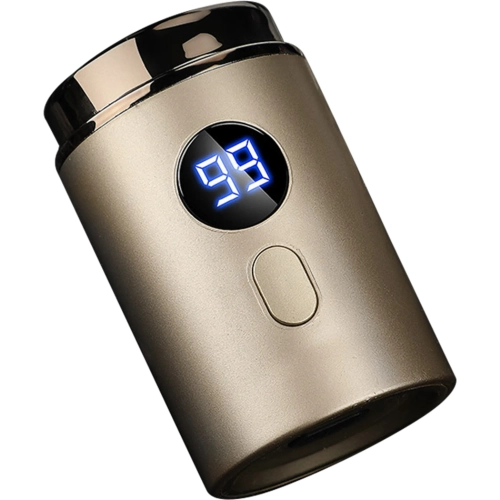
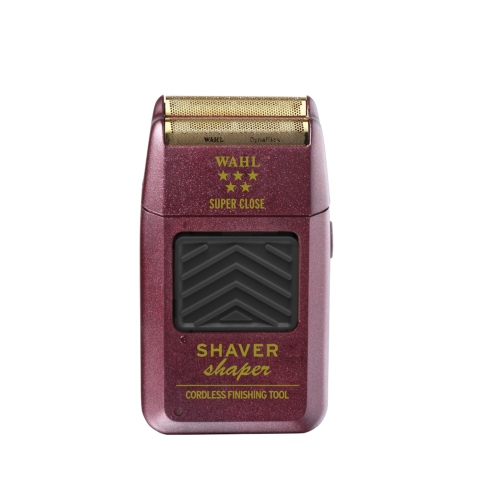
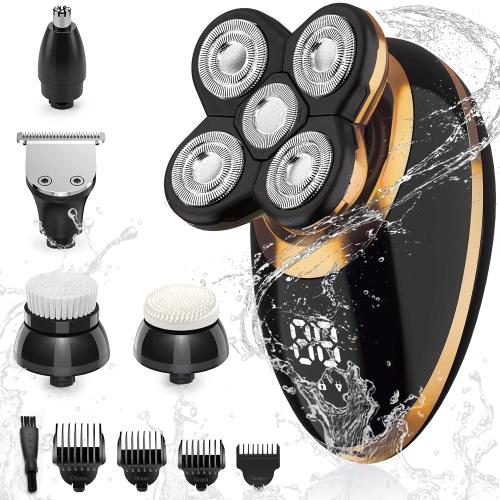
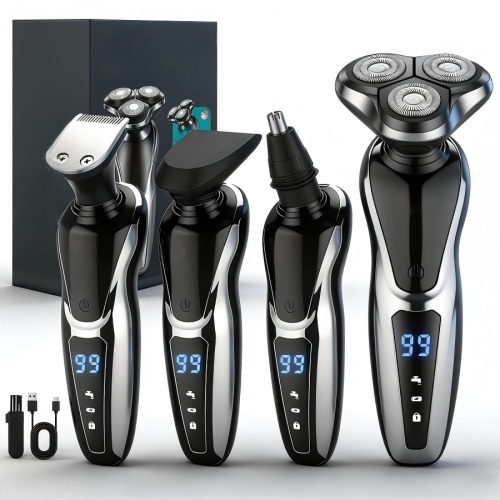
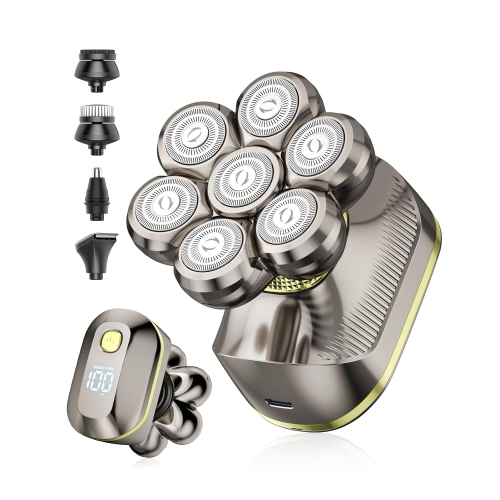
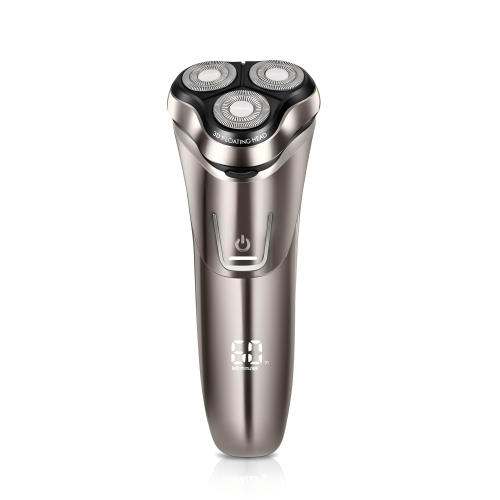
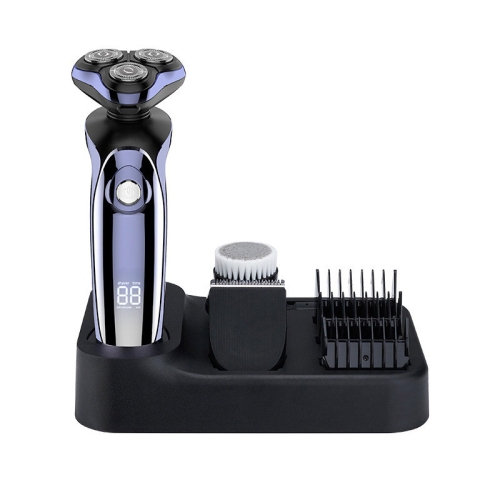
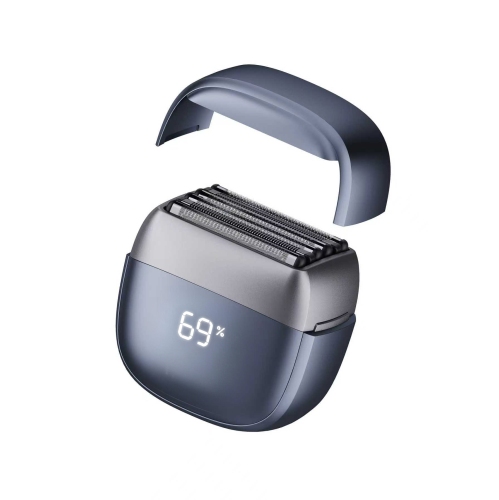
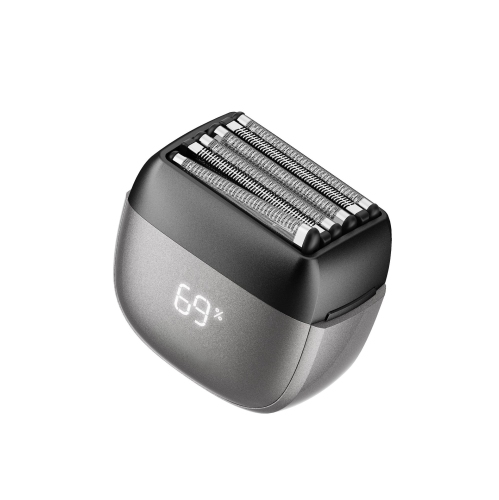
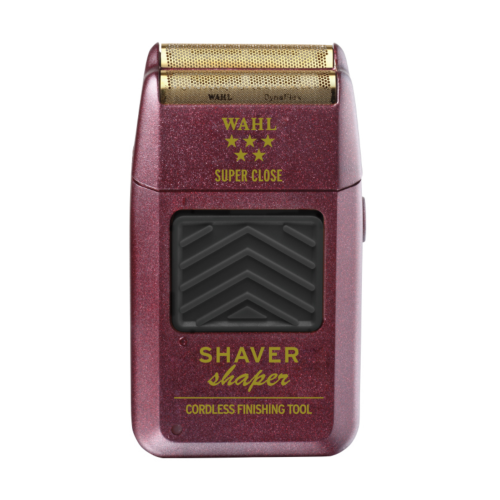
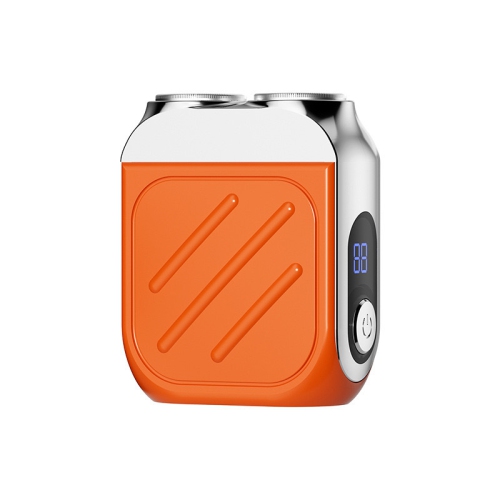
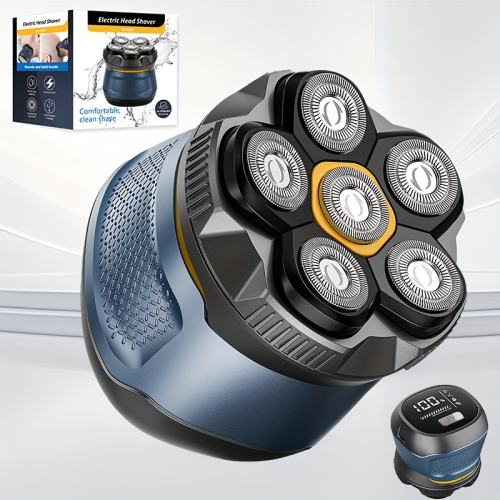
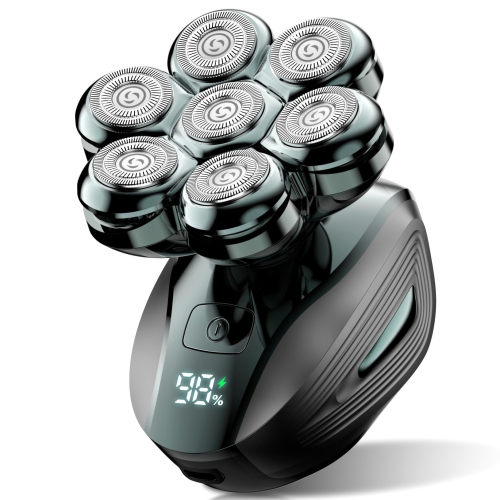
Men’s shavers bring everyday facial hair care into a routine that can be as simple as a quick dry shave before work or as deliberate as a close shave with gel before an evening out. Electric shavers use moving cutters behind a protective foil or guard to trim facial hair near the skin, making them distinct from beard trimmers designed to leave visible length. The two main formats are foil and rotary shavers. Foil shavers have blades beneath a thin, perforated metal screen and are generally used in straight, controlled strokes. Their straight shaving surfaces can be useful along the cheeks and near defined sideburns, particularly for someone who shaves frequently and prefers a clean finish. Rotary shavers use circular cutting heads and are generally moved in small circles. Flexible rotary heads can follow the jaw and chin, while their design can suit facial hair that grows in several directions. Neither format is automatically the most comfortable for every face: hair thickness, growth pattern, shaving frequency, and technique all affect the result. A person with fine daily stubble may have different needs from someone tackling coarse growth after several days without shaving. Longer hair may need shortening with a trimmer before a shaver can work efficiently, rather than repeated passes over the same patch. Within the wider selection of men’s grooming electric shavers, meaningful differences include head movement, grip shape, wet-shaving suitability, and the way the cutting system handles facial contours. A pivoting head can help maintain contact beneath the chin, while a narrower shaving surface may feel easier to position around a moustache. For someone who keeps a beard but shaves the cheeks and neck, precision around those borders matters more than covering a large area quickly. For a fully clean-shaven look, consistent contact across the face and comfortable handling tend to matter throughout the shave.
Wet and dry use describes how an electric shaver can be used, not simply how it can be cleaned. A dry-only shaver is intended for use without water, shaving foam, or gel, while a wet-and-dry model may support shaving with those additions according to its instructions. A washable shaving head does not necessarily mean the whole device is suitable for shower use, and shower suitability should be explicitly stated by the manufacturer. This distinction matters in a shared bathroom, where one person may want a fast shave at the sink and another may prefer to shave as part of a shower routine. Wet shaving with a compatible foam or gel can provide a different feel on the skin, but comfort remains individual, and no shaving format guarantees freedom from irritation. Light pressure, a clean cutting head, and a technique suited to the shaver help avoid unnecessary friction. Pressing harder to catch a stubborn hair beneath the jaw can leave skin feeling sore without improving the finish. Skin may also need time to adjust when moving from a manual razor to an electric shaver or changing between cutting systems. During the cooler months, when skin can feel dry or tight, a gentle routine and a suitable moisturizer after shaving can help maintain comfort. Physical fit is another everyday consideration. A contoured handle, balanced weight, and textured grip can make a shaver easier to hold, especially with damp hands or limited hand strength. Controls should be easy to reach without being pressed accidentally, and the head should move around facial contours without requiring awkward wrist positions. Cutting foils and guards are typically metal, while housings commonly combine rigid plastic with grip materials chosen for handling. Anyone with a known metal sensitivity should check material details rather than assume that all shaving surfaces are alike. Built-in or attachable detail trimmers can tidy sideburns and moustache edges, although they do not necessarily offer the length settings or control of a dedicated beard trimmer.
The practical differences between men’s electric shavers often become clearer over weeks of use: how easily hair rinses out, whether the battery lasts between charges, and how neatly the device fits into a bathroom drawer or travel bag. Cordless operation offers freedom of movement, while stated runtime helps indicate how often charging may be needed. Actual battery use varies with the shaving session and device, so runtime is best considered alongside charge time and the length of a typical shave. Some shavers include a quick-charge function intended to provide enough power for a short session, but this is different from a full charge. Corded operation is not universal, even when a shaver comes with a charging cable; wet-use devices may prevent operation while connected to power. A battery indicator can make it easier to plan around busy mornings, and a travel lock helps prevent accidental activation inside a bag. For travel beyond Canada, compatible input voltage and the correct plug adaptor matter as much as the space the charger occupies. A protective cap or case helps shield delicate foils and heads from contact with other toiletries. Durability depends partly on that protection and on routine care. Hair and shaving residue should be removed as directed, washable parts should be allowed to dry before storage, and lubrication should be applied only where the manufacturer specifies it. A cleaning station can simplify some maintenance tasks, although it may require compatible cleaning fluid and space near an outlet. Cutting heads, foils, and blades are wear parts rather than permanent components. Pulling, a noticeable drop in closeness, or visible damage can signal that inspection or replacement is needed; a damaged foil should not remain in use. Replacement-part compatibility is therefore a useful long-term consideration. As a gift, an electric shaver can suit someone establishing a daily shaving routine, refreshing a well-used grooming setup, or preparing for frequent travel. The most personal fit comes from matching the recipient’s habits: a straightforward dry shave, a familiar wet routine, carefully maintained facial hair borders, or a preference for a clean-shaven face. Ease of care and comfortable handling help make that fit last beyond the first few uses.
Top selling and popular products
-
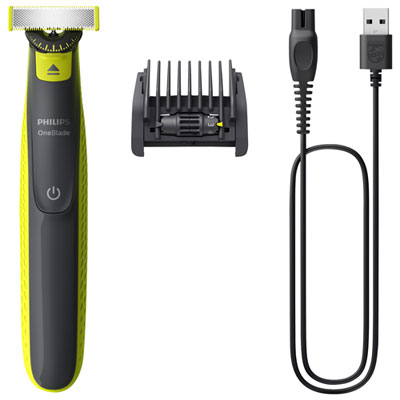 Your price for this item is $49.99
-
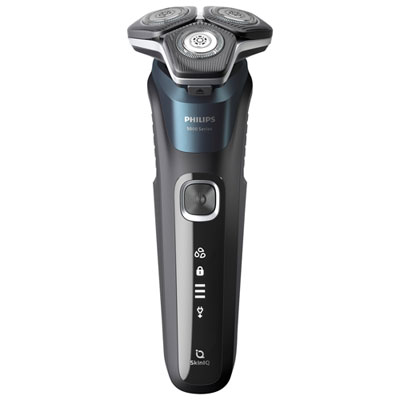 Your price for this item is $149.99
-
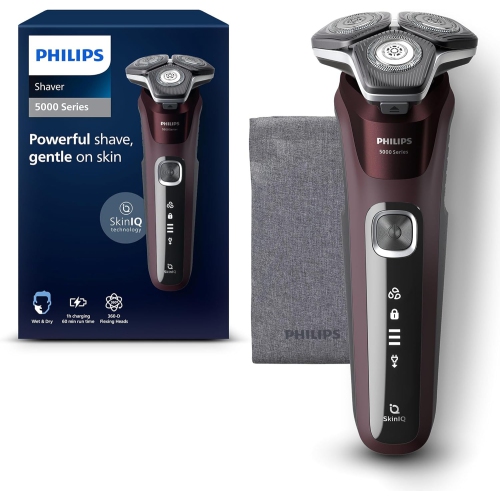 Your price for this item is $99.97
-
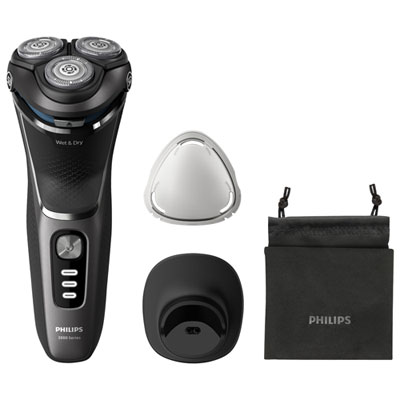 Your price for this item is $89.99
-
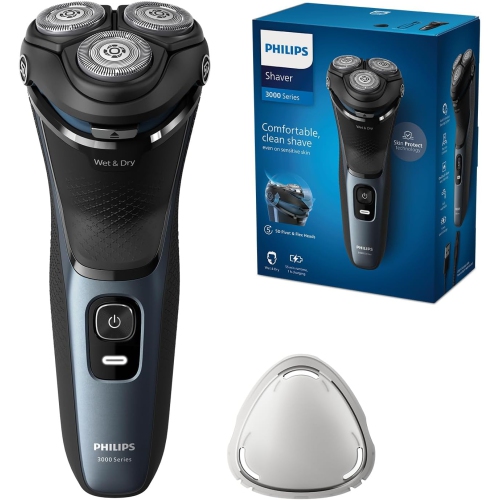 Your price for this item is $99.97
-
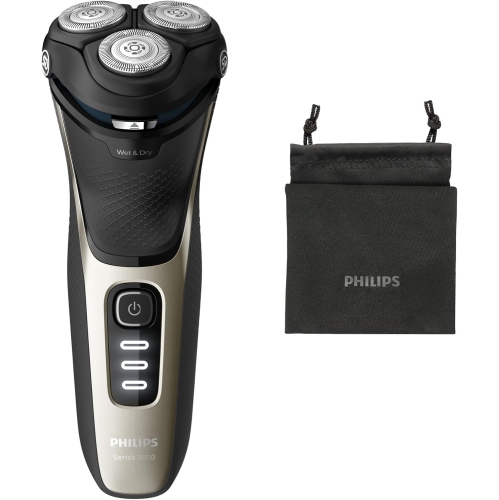 Your price for this item is $47.95
-
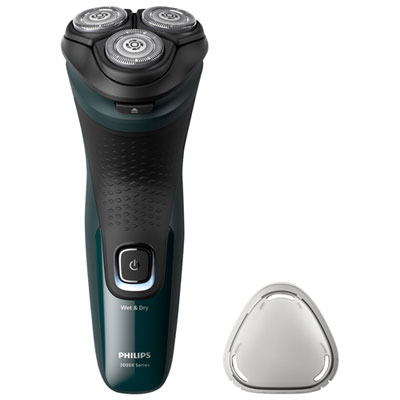 Your price for this item is $39.99
-
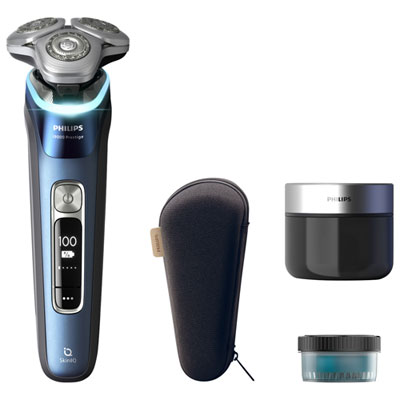 Your price for this item is $299.99
Discover more categories related to Men's Shavers
Top Collections:
Pokemon Centers, Best Cameras for Sports Photography, Kindle Devices, Samsung Galaxy Phones, Canon G7X Cameras, Pokémon 30th Celebration Cards, Refurbished Apple Laptops, iPhone 15 Apple, Laptops for Students, Budget Smartphones
Some products may be subject to Environmental Handling Fees
(EHF) depending on your province.
Learn more about EHFs.