Anti-aging Serums
Discover the secret to youthful, radiant skin with our selection of anti-aging serums. These powerful elixirs are meticulously formulated to combat fine lines, wrinkles, and other signs of aging, leaving your complexion smoother and more vibrant. Packed with potent ingredients like hyaluronic acid, retinol, and antioxidants, our anti-aging serums penetrate deeply to rejuvenate your skin from within. Whether you're looking to boost hydration, improve elasticity, or achieve a more even skin tone, our curated collection has something for every skincare need. Embrace a younger-looking you with the transformative benefits of these advanced serums.
Sort


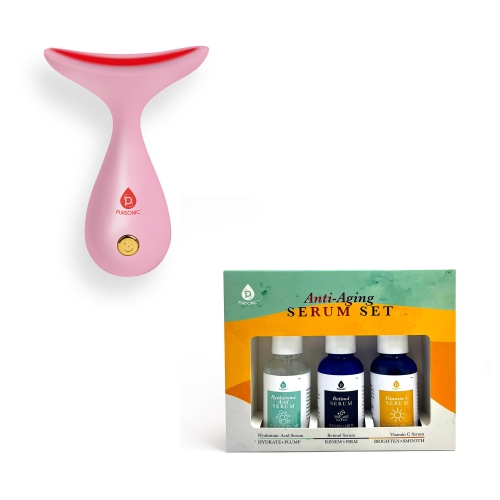

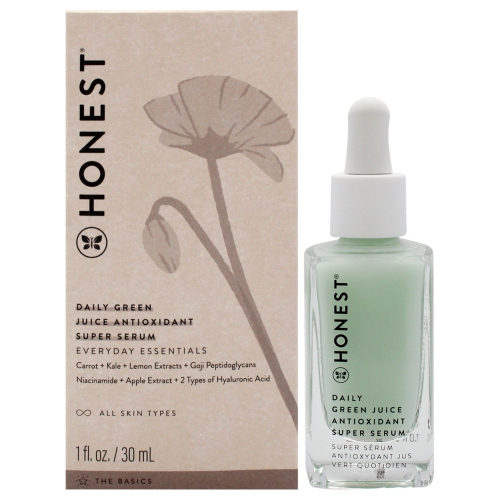


How serum ingredients address fine lines and uneven tone
Anti-aging serums are leave-on skin-care formulas designed to address the appearance of fine lines, uneven texture, dark spots, and reduced firmness. Their lightweight textures make them easy to layer beneath a moisturizer, while their ingredients can target concerns that a basic cleansing and moisturizing routine may not fully address. Some formulas focus on hydration, helping skin look smoother and feel more comfortable; others contain ingredients associated with gradual improvements in tone and texture. Hyaluronic acid and glycerin attract moisture to the skin, temporarily softening the appearance of dehydration lines without changing deeper wrinkles. Retinol, a vitamin A derivative, can help improve the look of fine lines and uneven texture over time, although tolerance varies and stronger formulas are not automatically a better fit. Peptides are commonly included in formulas intended to support a firmer-looking complexion, with results depending on the particular ingredients and finished formulation. Niacinamide can support the skin’s moisture barrier and help improve the appearance of uneven tone, making it a useful ingredient in formulas that address several concerns at once. For shoppers interested in dullness and discolouration, antioxidant serums include formulas featuring ingredients such as vitamin C, which can help brighten the appearance of skin and provide antioxidant support. These ingredient groups often appear together, but a longer ingredient list does not necessarily mean a more effective serum. The formula’s stability, suitability for the person using it, and compatibility with the rest of a routine all matter. Anti-aging skin care is best understood as care for specific cosmetic concerns rather than a way to stop the natural ageing process. A hydrating serum may leave skin looking more refreshed relatively quickly, while changes in the appearance of pigmentation or fine lines generally require longer, consistent use. Product claims should distinguish between immediate cosmetic effects and improvements measured over weeks or months, since those are different expectations.
The right texture and ingredient balance depend on how skin feels throughout the day and what else is applied to it. A fluid or gel serum may suit someone whose forehead becomes shiny beneath makeup, while a more emollient formula may feel comfortable on cheeks that remain tight after cleansing. Combination skin can benefit from a lightweight serum paired with moisturizer where extra comfort is needed, rather than treating every area as equally dry or oily. For sensitive skin, fragrance-free formulas and a relatively straightforward ingredient list can make it easier to identify what agrees with the skin, though no label guarantees that irritation will not occur. Descriptions such as non-comedogenic can help narrow the choice for blemish-prone skin, but individual responses still vary. Ingredient percentages are useful only in context: different forms of vitamin C or retinoids cannot always be compared directly by the number on the label. Someone new to retinol may prefer a formula intended for beginners rather than choosing the highest stated strength. How a serum sits beneath other skin care also affects everyday satisfaction. A finish that feels pleasant on bare skin may behave differently under sunscreen or foundation, and applying too much can contribute to pilling or a sticky feel. Many water-based serums fit after cleansing and before moisturizer, while oil-based textures may have different directions, so the product label remains the best reference. Vitamin C formulas are often used in the morning, while retinol is generally used at night according to its directions. Broad-spectrum sunscreen with an SPF of at least 30 remains important; a brightening or antioxidant serum is not a substitute for sun protection. Introducing several strong actives together can make irritation more likely and make its cause harder to identify. Anyone who is pregnant, planning a pregnancy, or breastfeeding should seek advice from a qualified health professional before choosing retinoid-containing skin care.
Packaging and day-to-day handling are practical considerations for anti-aging serums, particularly when a formula contains ingredients that are sensitive to light or air. Opaque bottles, protective containers, and well-designed pumps can help limit exposure, although packaging alone does not establish a formula’s quality or shelf life. A pump can also make dispensing a small, consistent amount convenient, while a dropper offers control over a fluid texture when used without touching the tip to the face or fingers. Keeping the container closed, following storage directions, and checking the expiry date or period-after-opening symbol help preserve the product as intended. Some formulas naturally have a tint or a distinctive scent, so a change in colour should be assessed against the manufacturer’s guidance rather than treated as proof that every serum has spoiled. A marked change in smell, texture, or appearance is a reason to stop and check before continuing use. The best fit is often a formula that can be used comfortably and consistently, not one that leaves skin persistently stinging, peeling, or tight. A small-area test before broader application can help identify an obvious reaction, although it cannot rule out every sensitivity. Persistent irritation, a worsening rash, or uncertainty about combining a serum with prescription skin treatment calls for advice from a pharmacist, dermatologist, or other qualified health professional. These products can suit adults looking to soften the appearance of early fine lines, address lingering uneven tone, or add hydration to an established routine. They can also be a thoughtful gift when the recipient has expressed an interest in skin care and their preferences are known; an unfamiliar active formula is a less predictable choice for someone with reactive skin. Comfortable application, clear directions, protective packaging, and realistic claims make a serum easier to assess beyond its headline ingredient. Those details help connect a cosmetic goal with a product that fits naturally into everyday care.
Top selling and popular products
-
 Your price for this item is $699.99
-
 Your price for this item is $569.99
-
 Your price for this item is $179.99
-
 Your price for this item is $339.99
-
 Your price for this item is $104.99
-
 Your price for this item is $807.5
-
 Your price for this item is $86.99
-
 Your price for this item is $289.99
Discover more categories related to Anti-aging Serums
Top Collections:
Pokemon Centers, Best Cameras for Sports Photography, Kindle Devices, Samsung Galaxy Phones, Canon G7X Cameras, Pokémon 30th Celebration Cards, Refurbished Apple Laptops, iPhone 15 Apple, Laptops for Students, Budget Smartphones
Some products may be subject to Environmental Handling Fees
(EHF) depending on your province.
Learn more about EHFs.