Oil Serums
Discover the transformative power of oil serums, a must-have addition to any skincare routine. These luxurious elixirs are formulated to nourish, hydrate, and rejuvenate your skin, leaving it looking radiant and youthful. Rich in essential fatty acids, vitamins, and antioxidants, oil serums penetrate deeply to combat dryness, reduce the appearance of fine lines, and enhance your natural glow. Perfect for all skin types, from oily to sensitive, these versatile serums can be seamlessly integrated into your daily regimen for a complexion that exudes health and vitality. Explore our curated selection and find the perfect oil serum to elevate your skincare game.
Sort


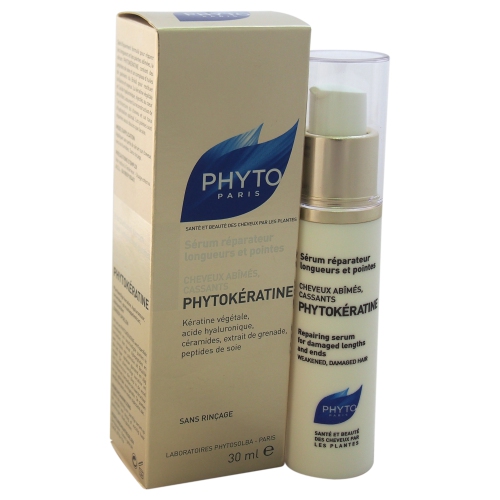
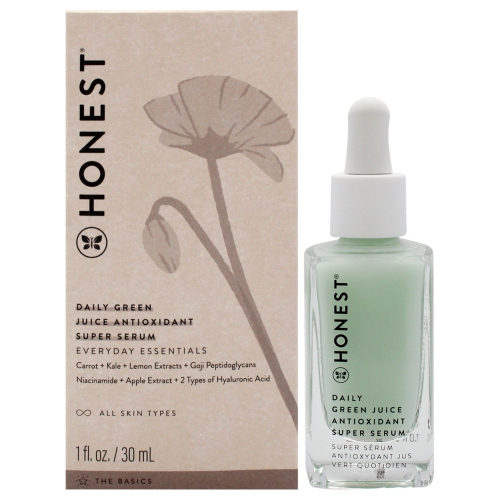
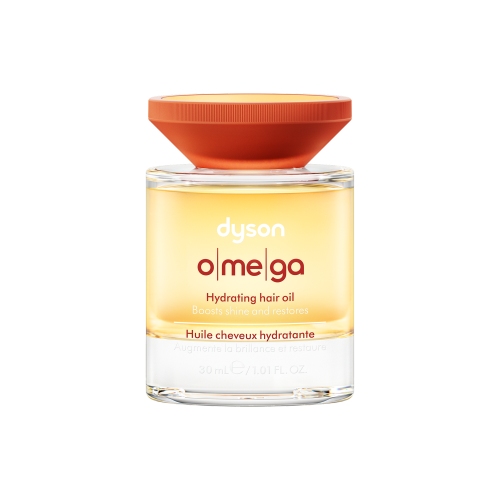


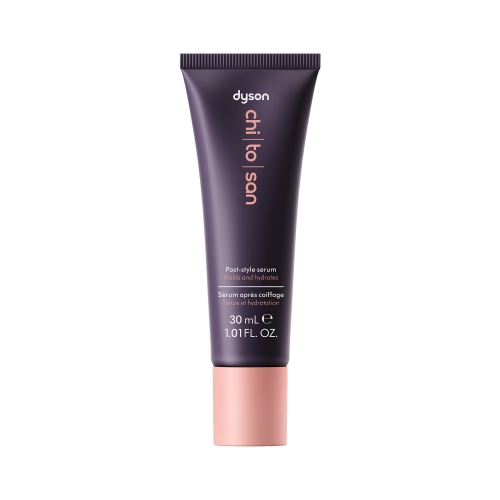






Why the formula matters more than the serum label
Oil serums are skin care treatments that pair an oil-based texture with ingredients chosen to address concerns such as dryness, uneven-looking tone, dullness, or the appearance of fine lines. The term covers several formula types rather than one fixed category: some are blends of oils and oil-soluble ingredients, while others combine oil and water phases or suspend tiny oil droplets in a lighter serum base. That distinction matters because a traditional water-based serum, a facial oil, and an oil serum do not necessarily do the same job. Water-based serums often contain humectants, such as glycerin or hyaluronic acid, that help attract and hold water in the skin’s outer layers. Facial oils primarily provide emollient benefits, softening the skin’s surface and helping reduce moisture loss to varying degrees. An oil serum may offer elements of both, depending on its ingredients, but an oil-only formula does not supply water on its own. Nor does the word “serum” guarantee deeper penetration, greater strength, or a weightless finish. The complete formula determines how a treatment feels and what it can reasonably deliver. For someone whose cheeks feel tight after cleansing, a softening oil serum can add comfort alongside a moisturizer. For someone seeking a smoother-looking base under makeup, a lighter formula may help soften the appearance of dry patches without leaving a pronounced sheen. Other formulas are intended mainly for evening use, when a richer finish may be preferable. Oil serums can suit different ages and skin types, but the best fit depends on the concern being addressed and the rest of the routine. They are an optional treatment step, not a replacement for cleansing, moisturizer when needed, or daytime sunscreen. Their appeal lies in combining a pleasant, spreadable texture with purposeful ingredients, whether the goal is a supple feel, a more radiant appearance, or extra support for skin that tends to feel dry.
Ingredients and finish are useful ways to distinguish between facial oil serums. Squalane is an emollient often used for its smooth slip, while jojoba oil is a liquid wax that can contribute a soft, conditioned feel. Botanical oils such as sunflower, argan, and rosehip contain different mixtures of fatty acids and other components, so they can vary in richness, colour, scent, and how they settle on the skin. No single oil suits everyone, and plant-derived ingredients are not automatically gentler than other ingredients. Fragrance, essential oils, and individual botanical extracts may be uncomfortable for sensitive skin, making a fragrance-free formula worth considering when minimizing potential irritants is a priority. Oil serums may also contain ingredients such as vitamin E, oil-soluble vitamin C derivatives, or retinoids. These serve different purposes and should not be treated as interchangeable: an emollient blend focused on softness is different from a treatment intended to improve the appearance of uneven tone or fine lines. Benefits depend on the ingredient, its concentration, the supporting formula, and consistent use; immediate surface softness is different from changes that may take weeks to become noticeable. Texture deserves equal attention. Skin that feels dry across the cheeks may suit a richer finish, while combination skin may prefer a small amount applied only where needed. Oily skin does not automatically rule out an oil serum, although heavy-feeling formulas may be less comfortable. A “non-comedogenic” label can be useful context, but it cannot guarantee that a formula will never contribute to breakouts for a particular person. For anyone adding an unfamiliar treatment, testing a small area according to the label before broader use can help identify irritation. Introduce one new treatment at a time, especially when an existing routine already includes exfoliating acids or retinoids. Burning, persistent redness, or itching is a reason to stop using the formula rather than push through. A comfortable finish should leave skin feeling softened, not sore or persistently irritated.
Application and packaging help determine how easily an oil serum fits into everyday skin care. Follow the formula’s directions first, since an oil-only treatment and a two-phase serum may belong at different points in a routine. As a general starting point, lighter water-based treatments go before richer oil-based layers. A facial oil is often applied after moisturizer, while some hybrid oil serums are designed to go underneath it. Two-phase formulas may need shaking before each use to distribute their contents evenly; shaking mixes the phases rather than universally “activating” the ingredients. Use the amount stated on the label instead of assuming every formula needs the same number of drops. A small amount spread gently across the face can be enough, and adding more does not necessarily improve results. Pressing or smoothing it over the skin with clean hands avoids unnecessary tugging. If foundation slides or separates, using less oil serum or reserving it for the evening may make the routine easier to manage. Keep facial treatments away from the lash line unless their directions specifically allow use there; eye serums are a separate category formulated for concerns around the eye area, though their individual directions still matter. For daytime use, apply sunscreen as directed as the final skin care step before makeup, and do not mix oil serum into sunscreen. Packaging can affect both convenience and formula stability. Pumps offer controlled dispensing, while droppers allow small adjustments in quantity but should not touch the face or fingers. Close the container after use, keep it away from direct sunlight, and follow any storage instructions. Oil blends can oxidize over time, and a newly rancid smell or unexpected change in texture is a reason to stop using them. The expiry date and period-after-opening symbol provide more useful guidance than bottle size alone. For travel, a secure closure helps prevent leaks; for gifting, a recipient’s known texture and fragrance preferences are more useful than assumptions based on age. A well-matched oil serum should complement familiar habits and make the routine feel comfortable, manageable, and pleasant to repeat.
Top selling and popular products
-
 Your price for this item is $495.1
-
 Your price for this item is $598.5
-
 Your price for this item is $116.8
-
 Your price for this item is $39.99
-
 Your price for this item is $202.68
-
 Your price for this item is $154.16
-
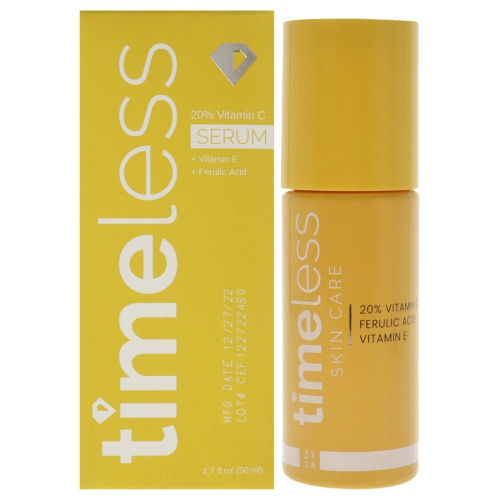 Your price for this item is $156.4
-
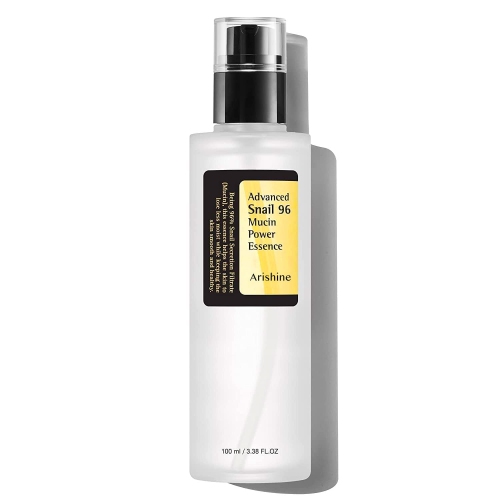 Your price for this item is $34.99
Discover more categories related to Oil Serums

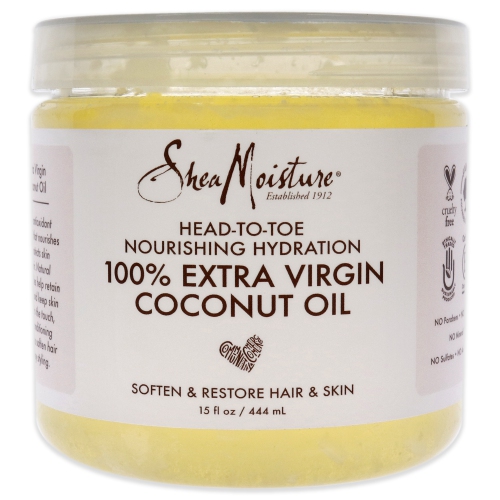
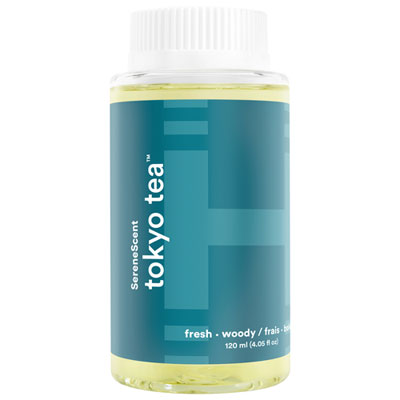
Top Collections:
Pokemon Centers, Best Cameras for Sports Photography, Kindle Devices, Samsung Galaxy Phones, Canon G7X Cameras, Pokémon 30th Celebration Cards, Refurbished Apple Laptops, iPhone 15 Apple, Laptops for Students, Budget Smartphones
Some products may be subject to Environmental Handling Fees
(EHF) depending on your province.
Learn more about EHFs.