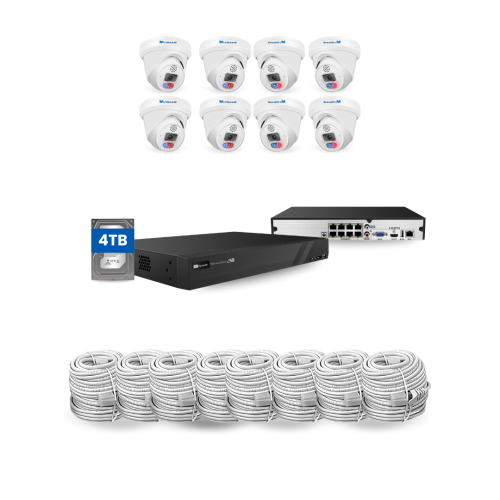
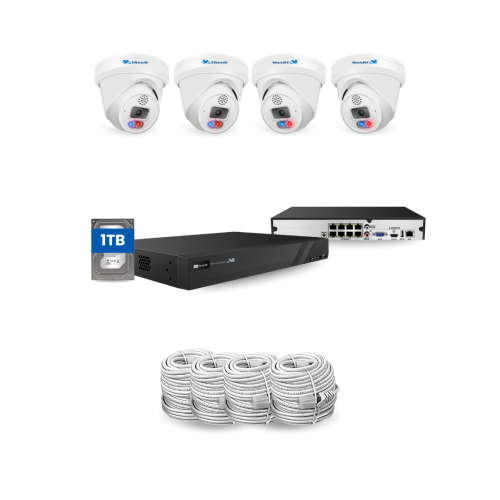
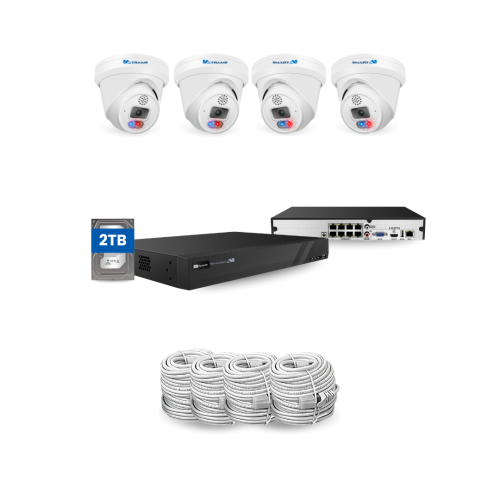
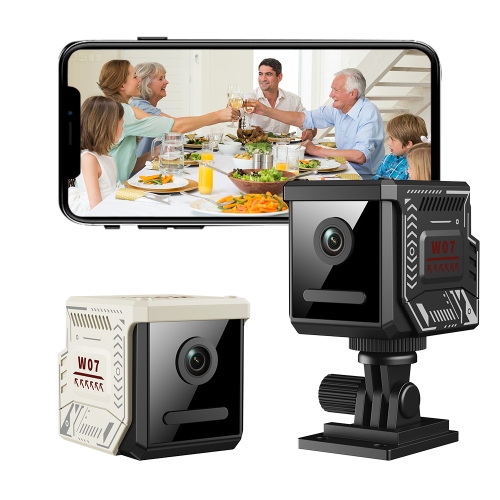
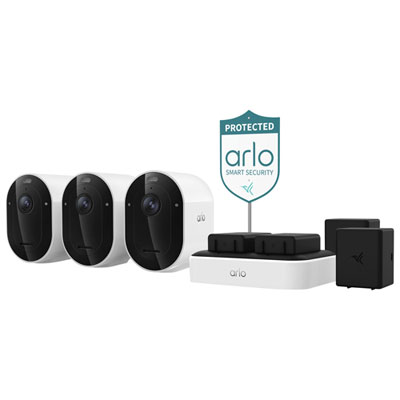
Smart Home Monitoring Systems

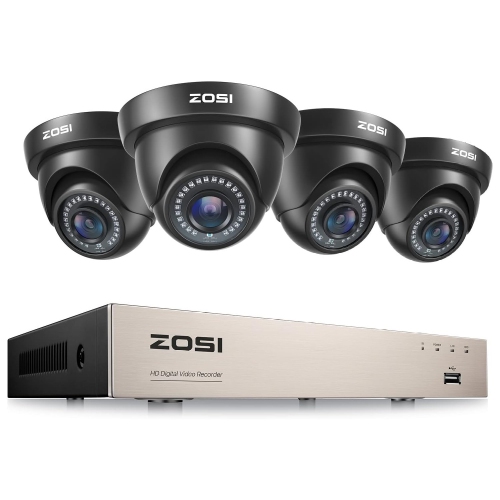
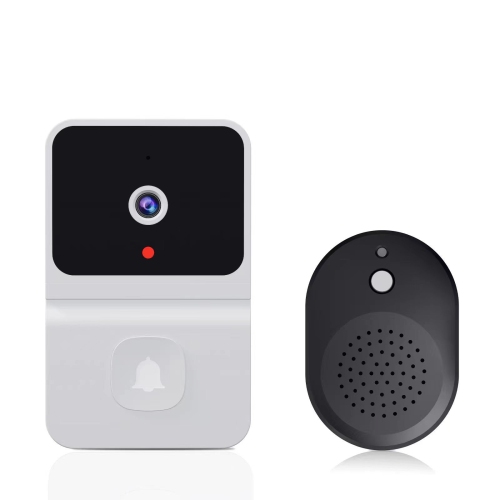
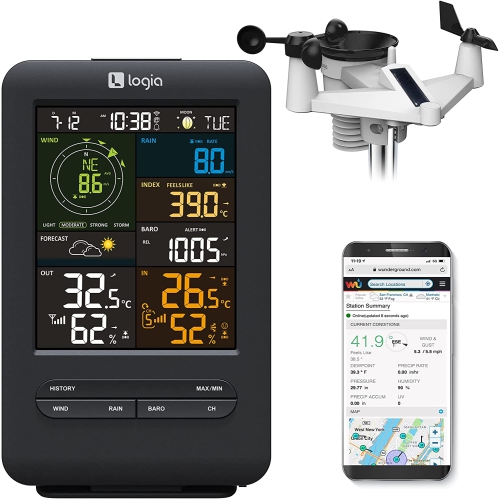
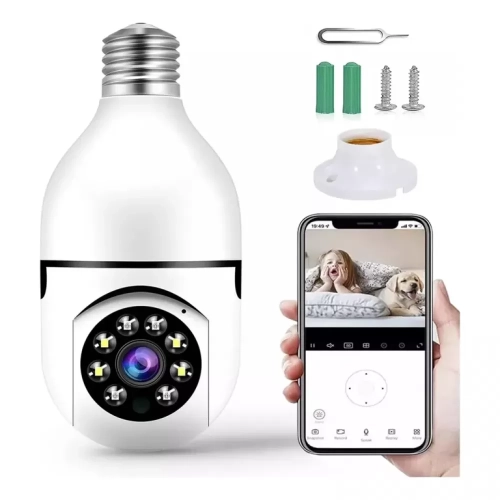
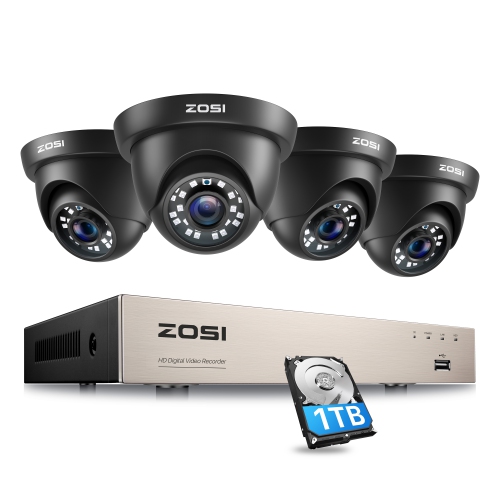
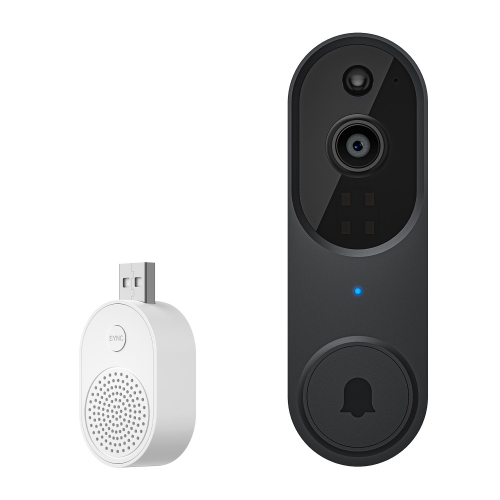
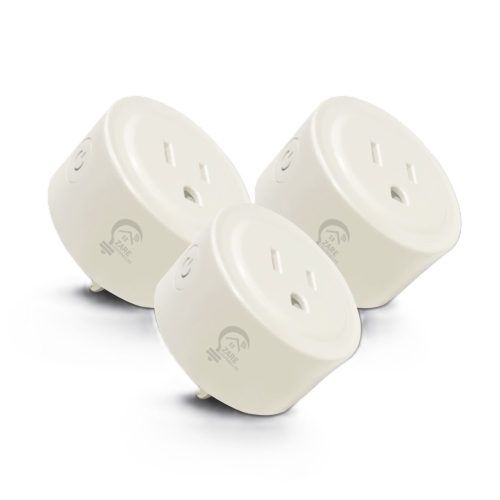
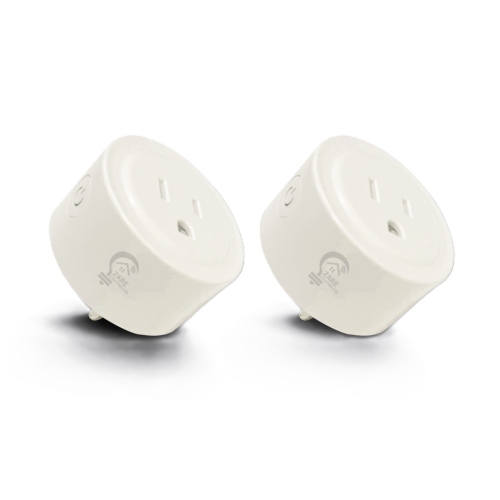
Browse smart home monitoring systems to help you keep track of activity around your home. Compare options by the areas you want to monitor, the alerts you’d like to receive, and compatibility with your Wi-Fi network and existing smart home devices to find a setup that fits your needs.
Read More

Sort

Home activity alerts that go beyond the front door

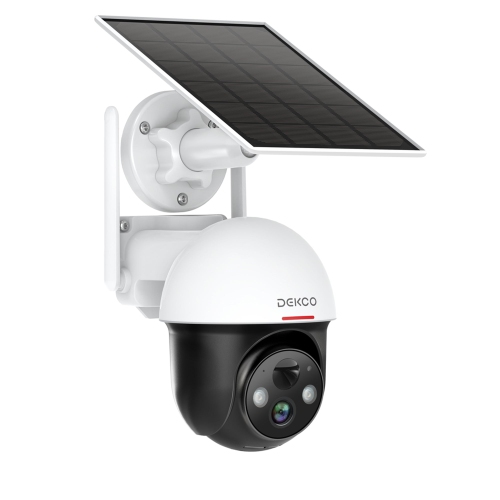
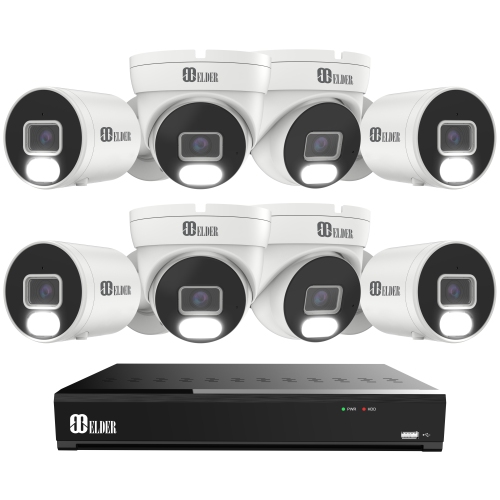
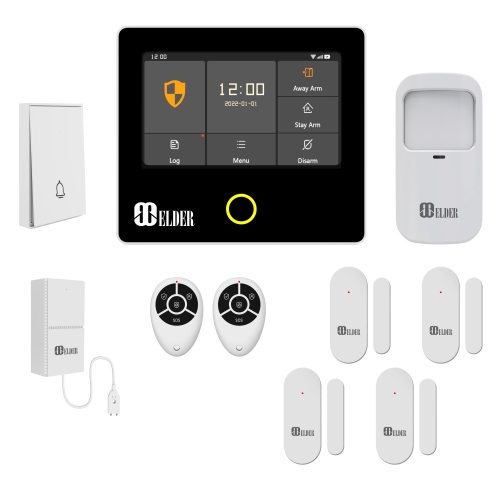
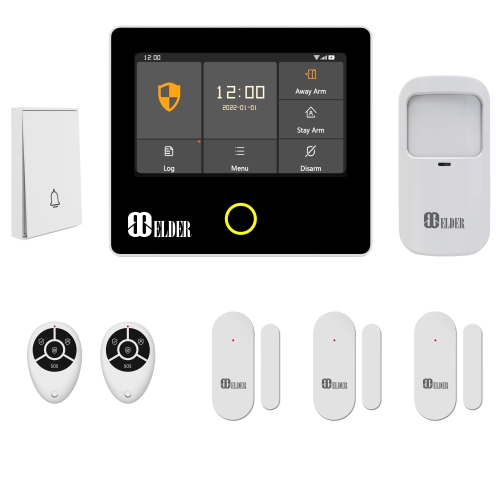
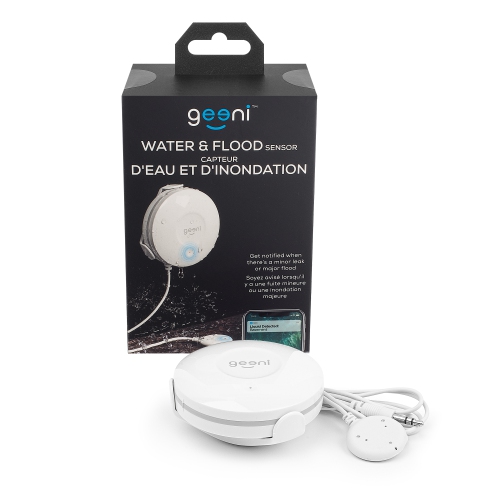
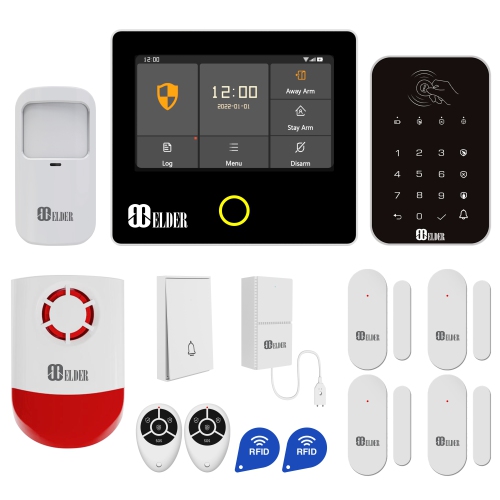
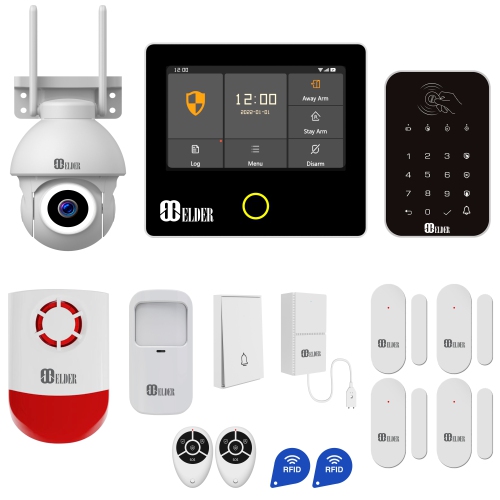
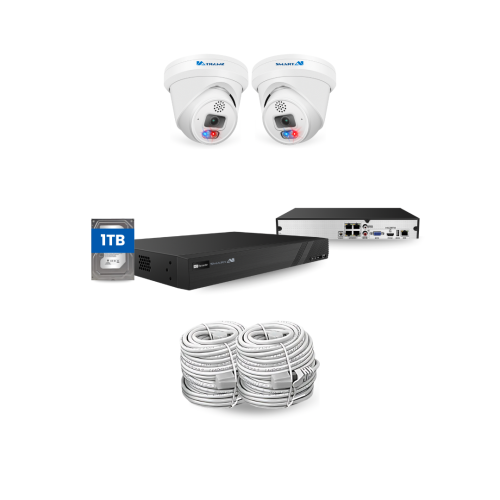
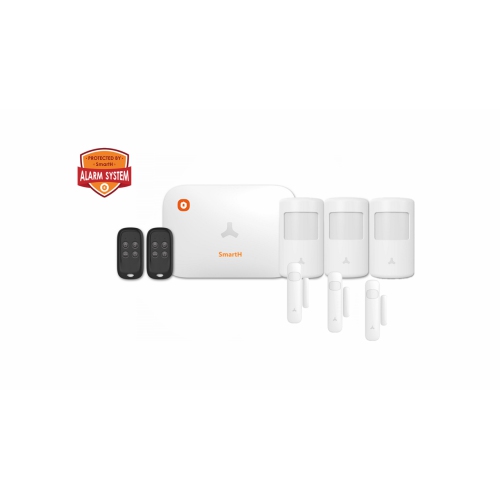
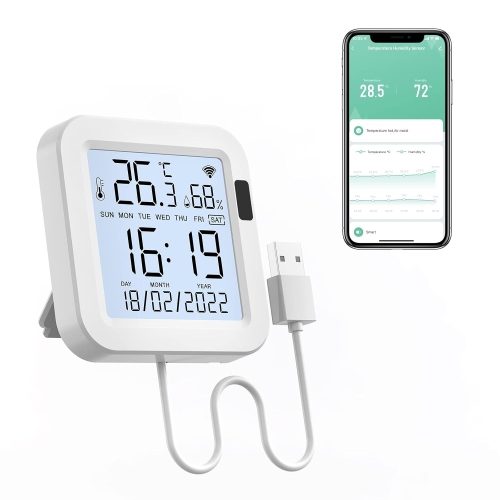
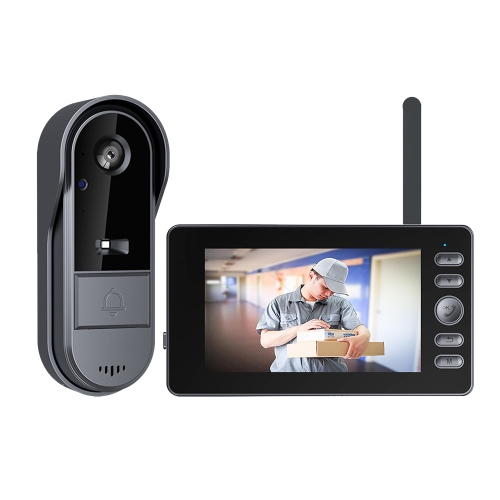
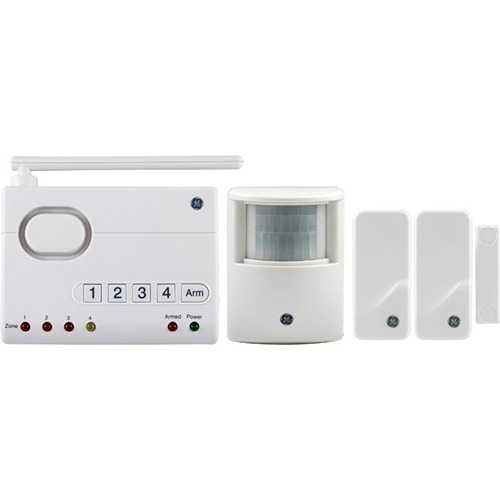
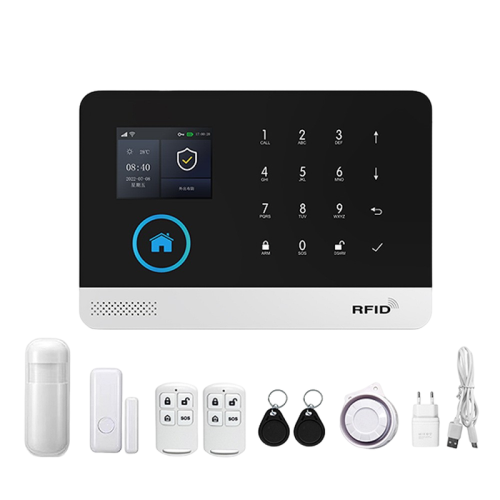
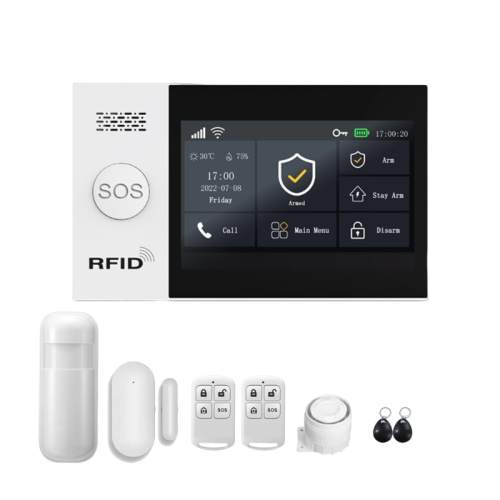
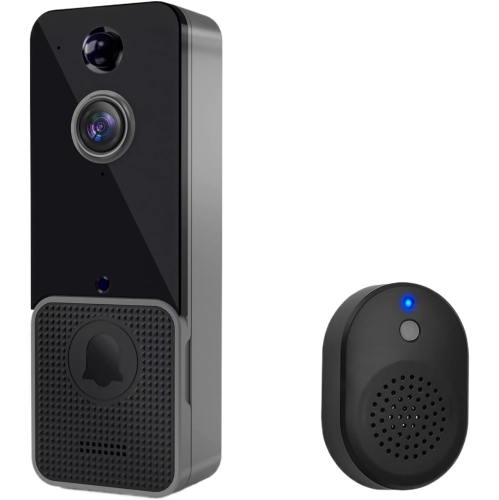
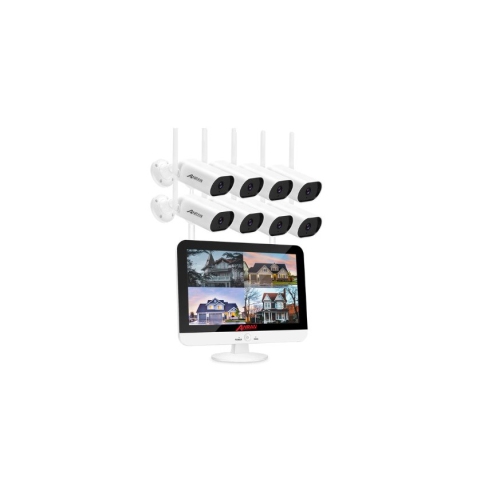
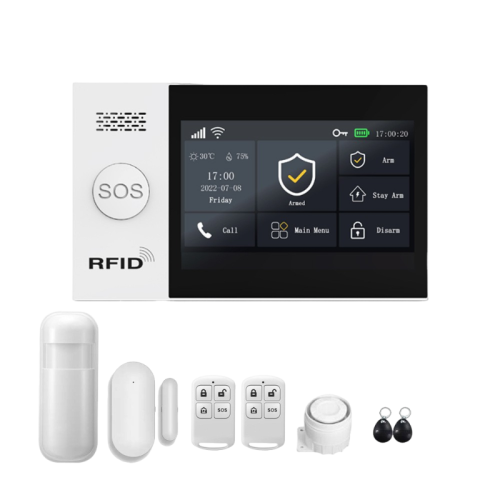
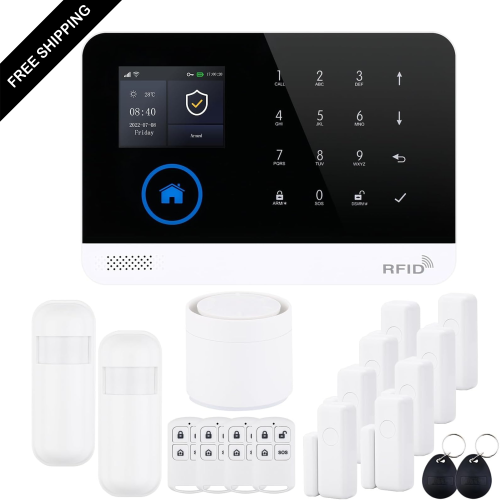
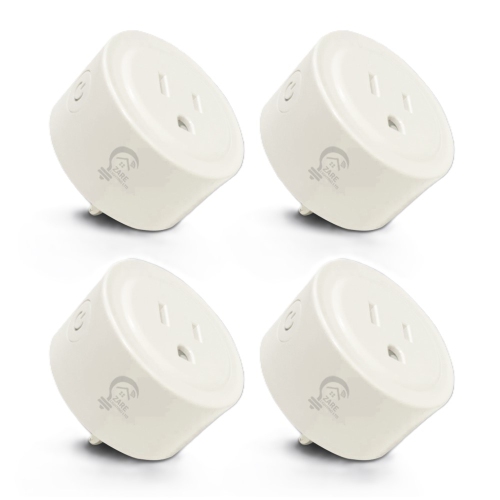
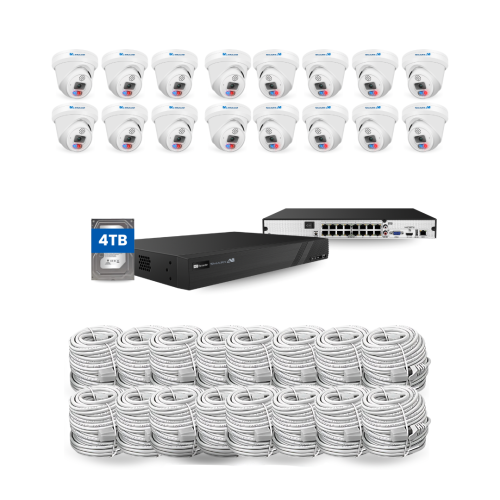
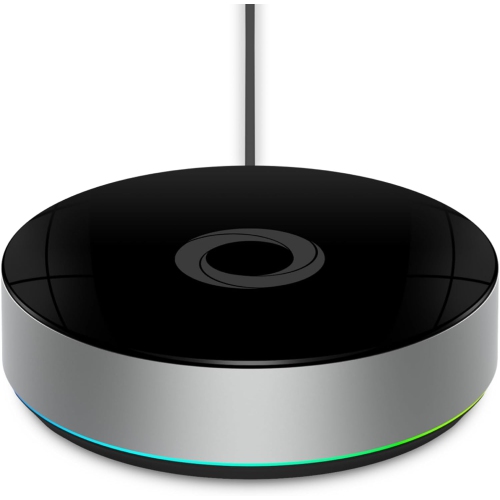
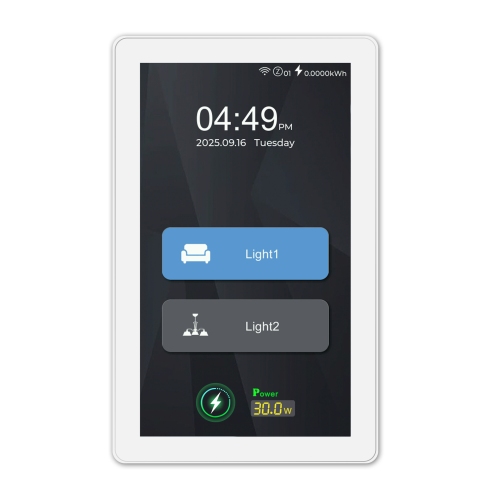
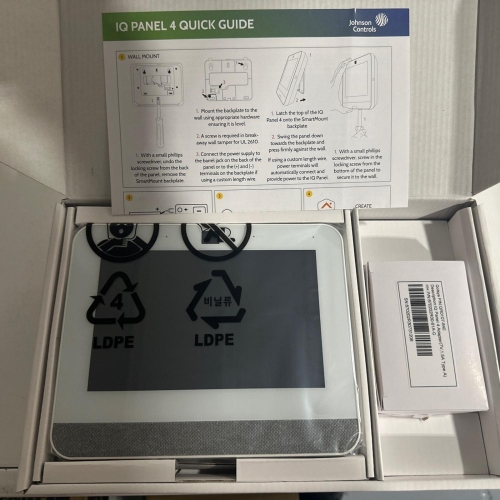
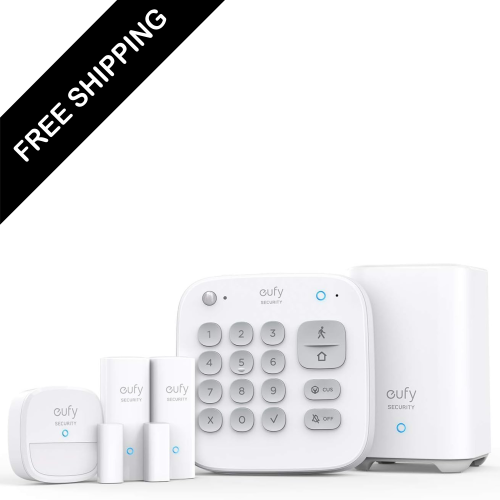
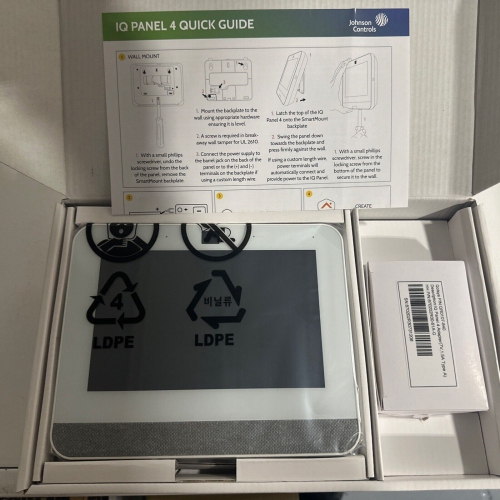
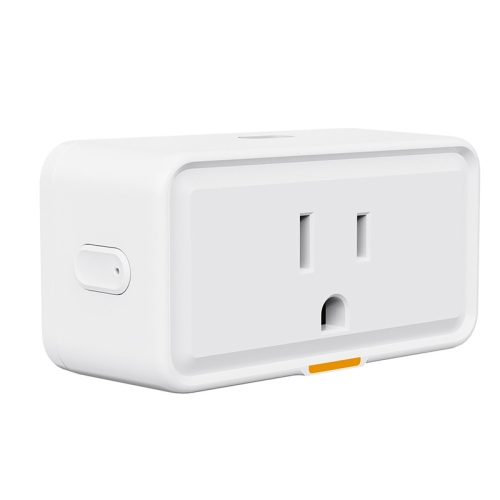
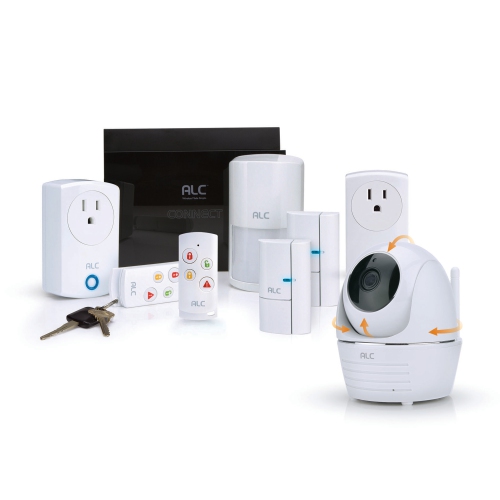
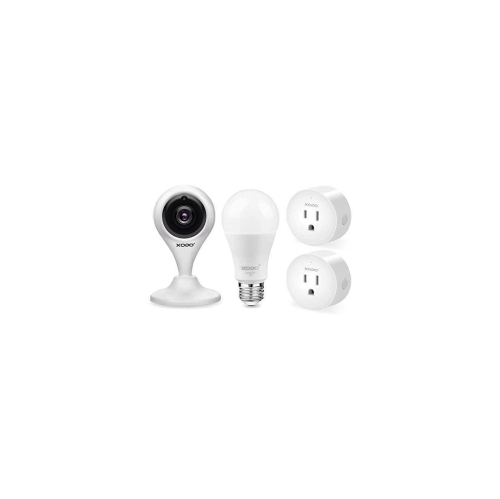
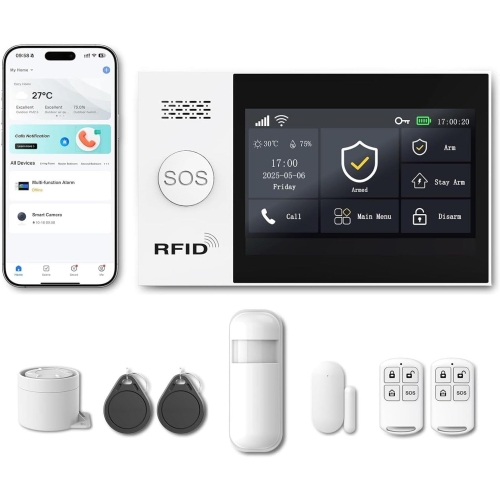
Smart home monitoring systems bring connected sensors, cameras, and app-based controls together to help you keep track of activity around your home. Depending on the setup, a system can notify you when a door opens, motion is detected, or a connected sensor identifies a water leak. This makes the category relevant to everyday needs such as checking entrances while you are away, keeping an eye on a vacant property, or receiving alerts about activity in a garage or basement. A coordinated system can also make it easier to manage several monitoring devices through one interface rather than switching between separate apps. For a condo or apartment, coverage at the main entrance and a few key areas may be the priority, while a larger home may call for additional sensors and broader wireless coverage. Starter kits and expandable setups offer different approaches to building that coverage, with compatibility between the main hub, connected devices, and mobile app playing an important role in how the system works together.
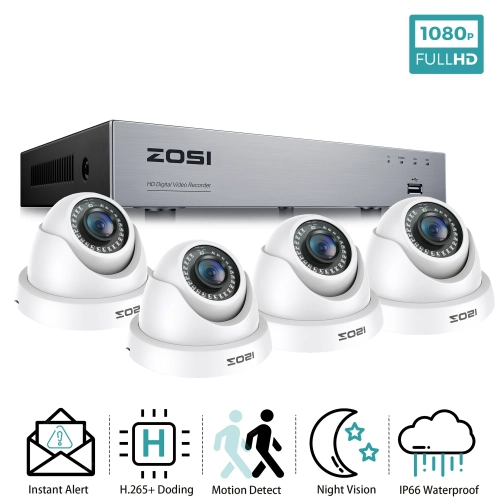
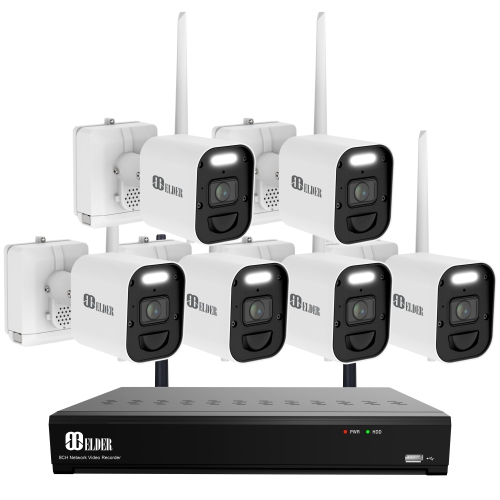
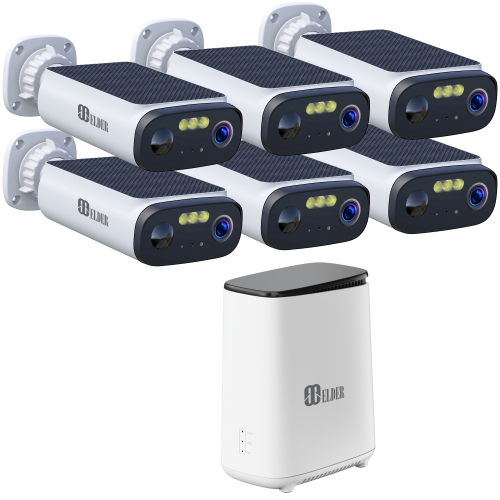
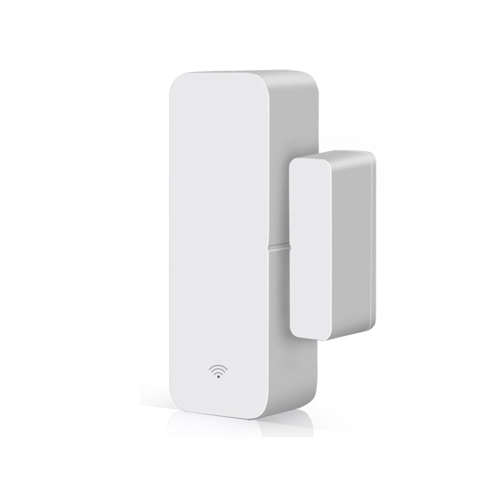
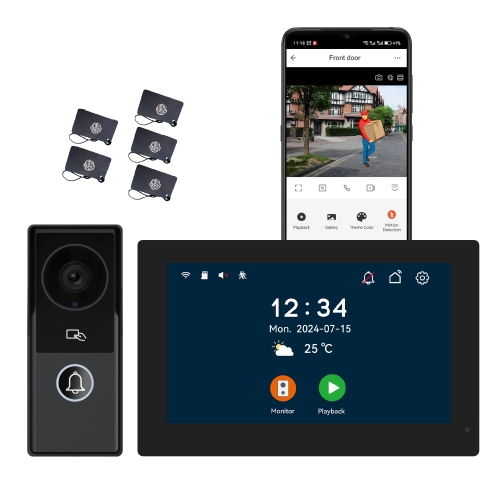
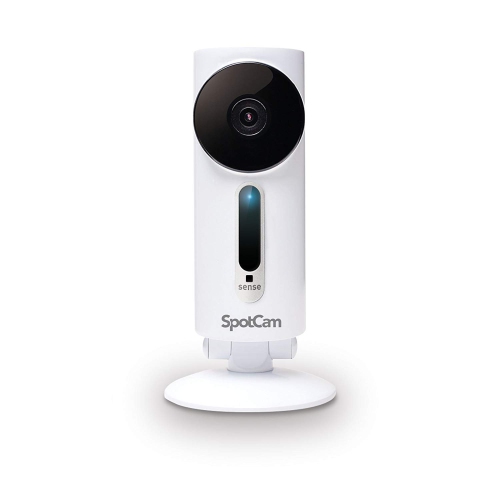
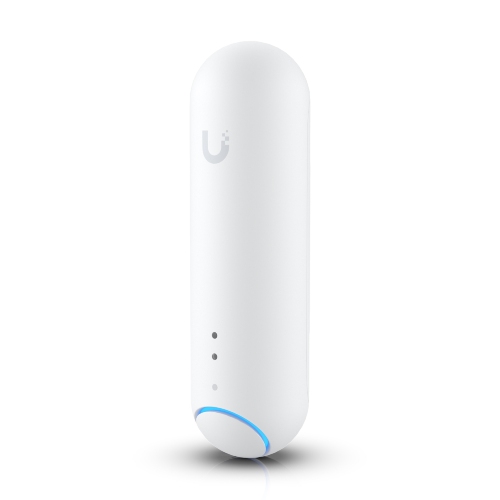
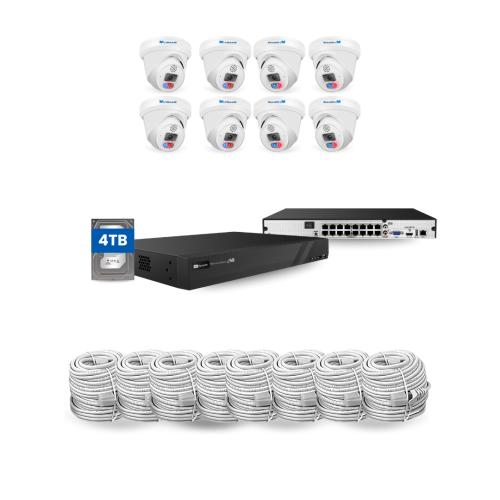
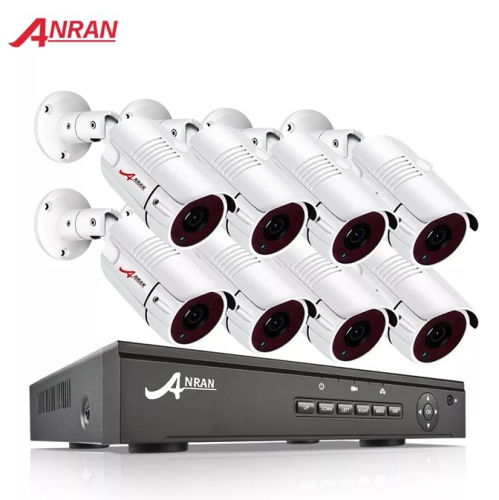
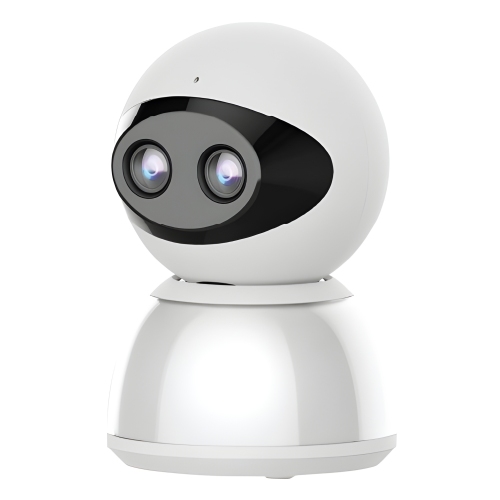
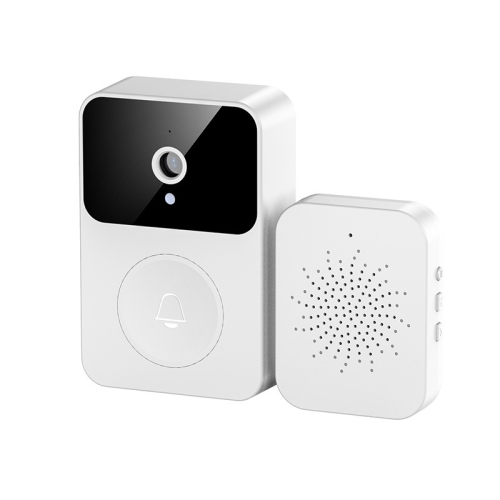
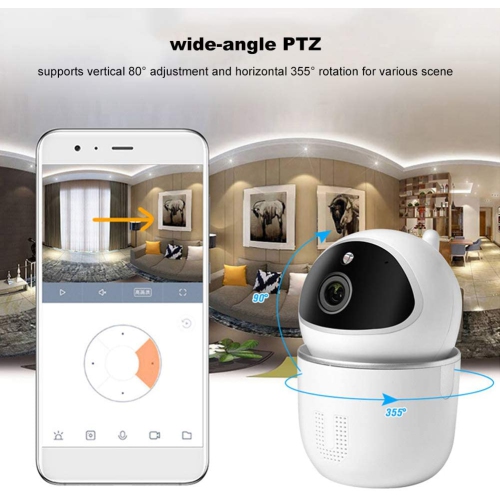
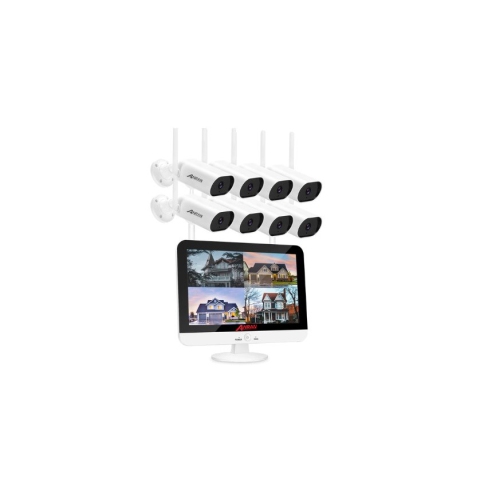
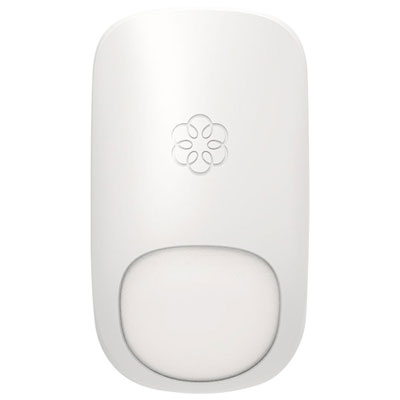
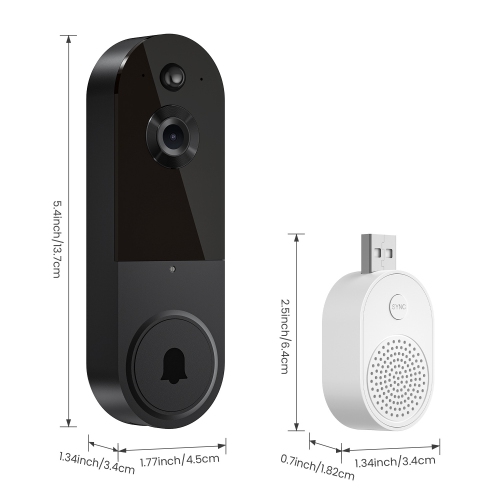
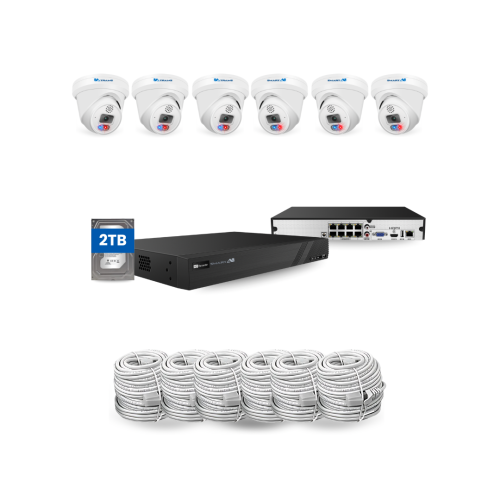
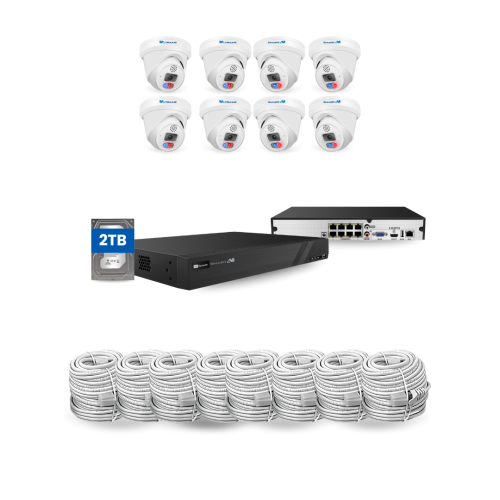
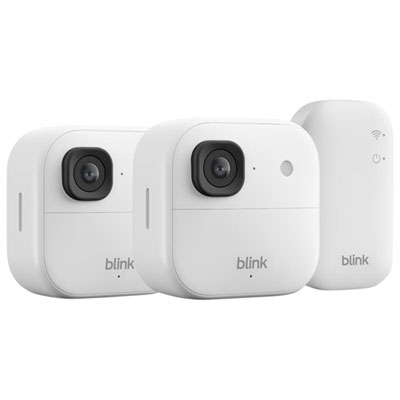
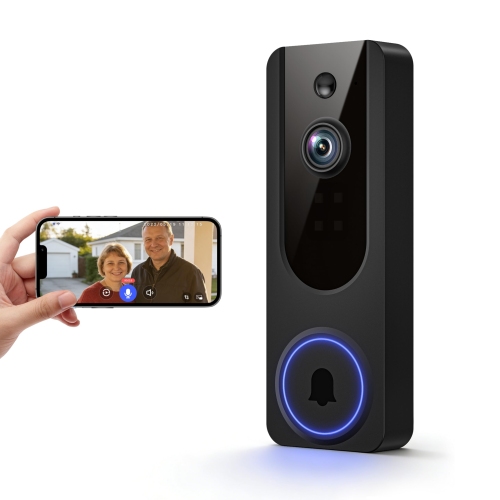
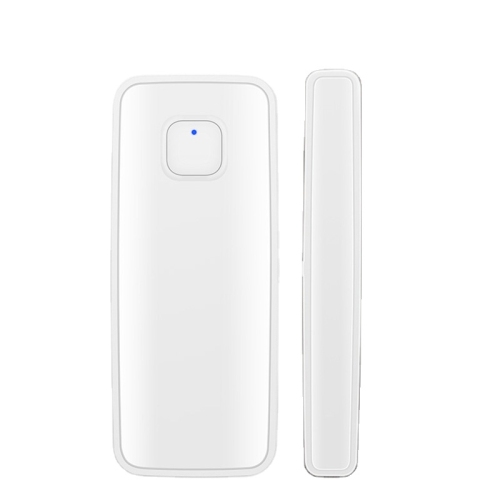
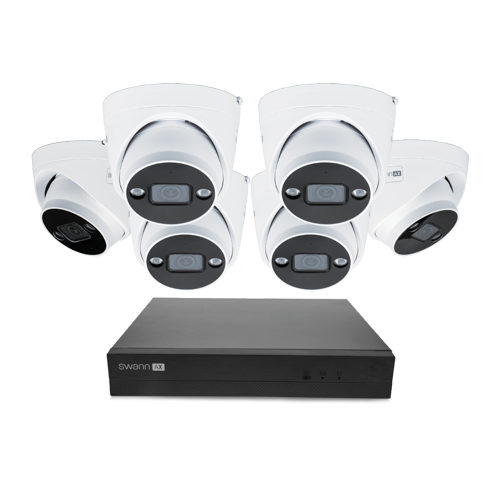
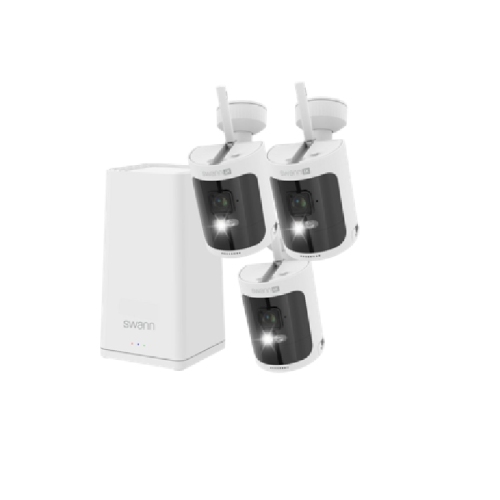
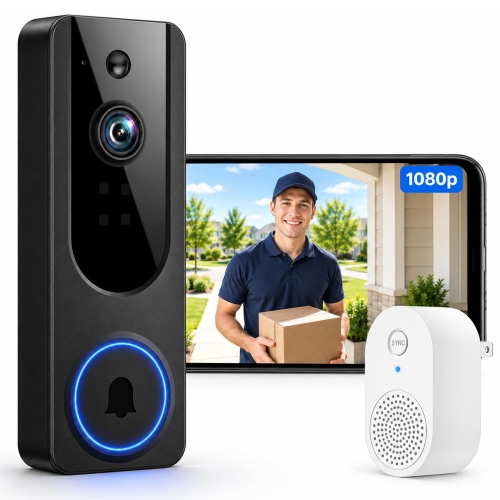
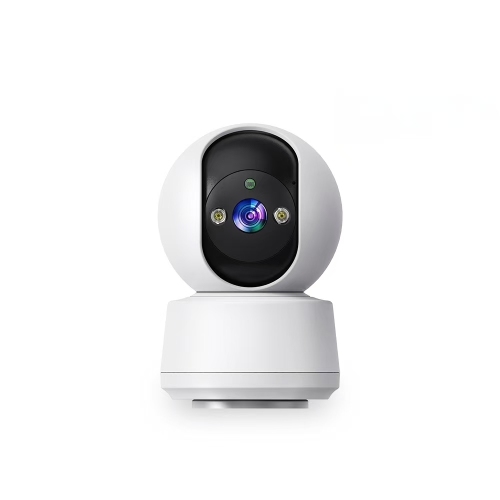
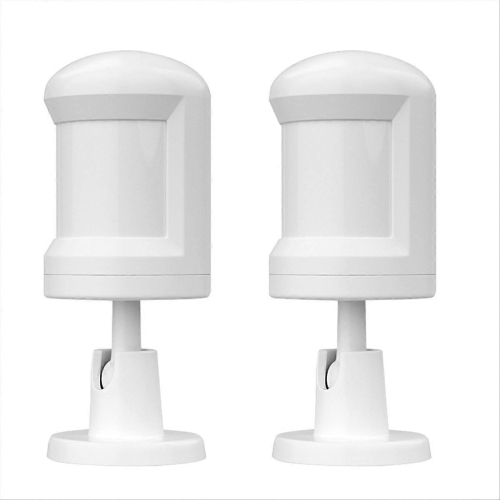
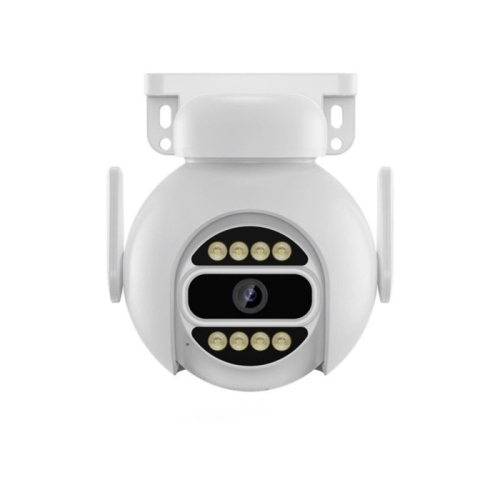
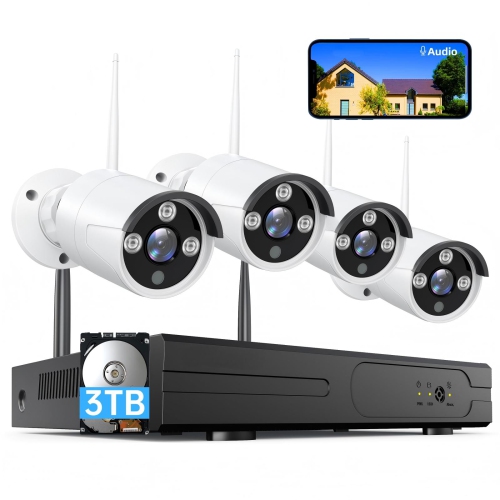
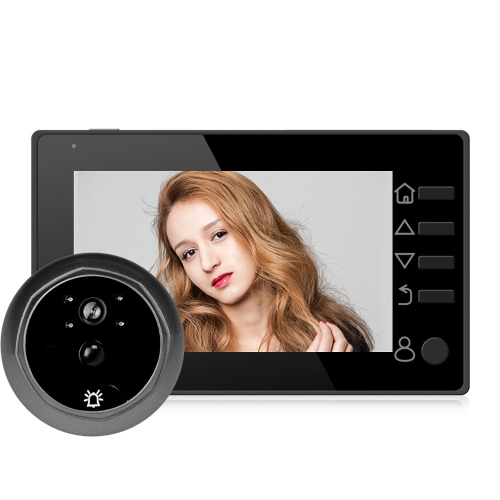
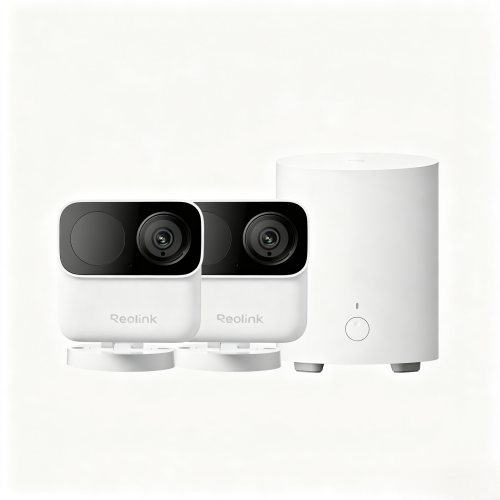
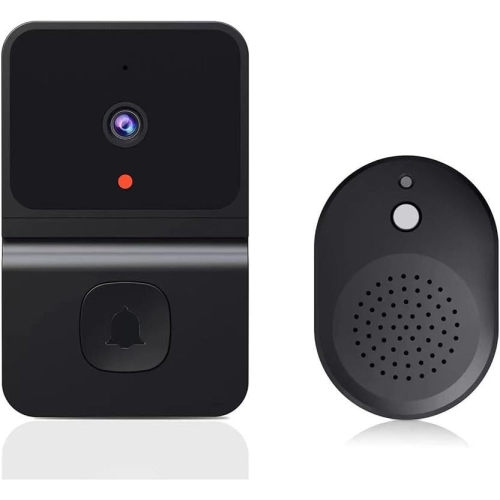
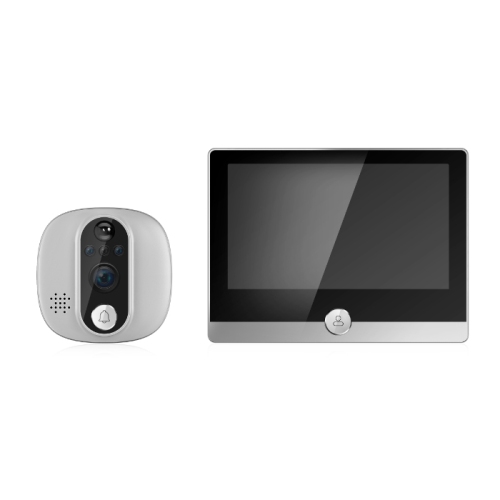
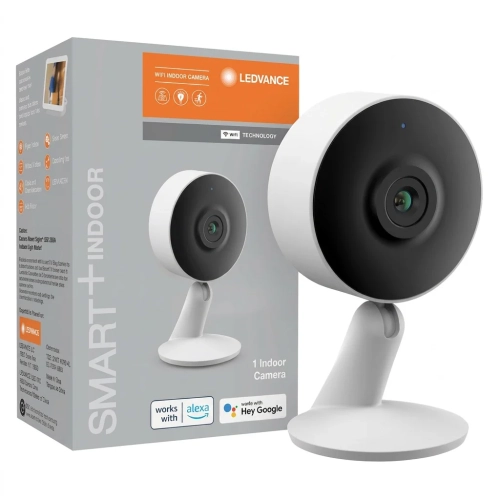
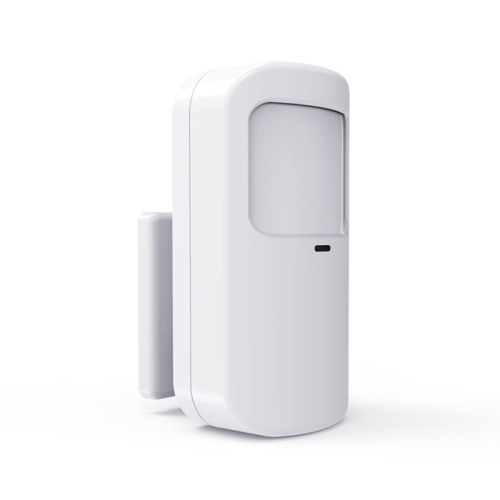
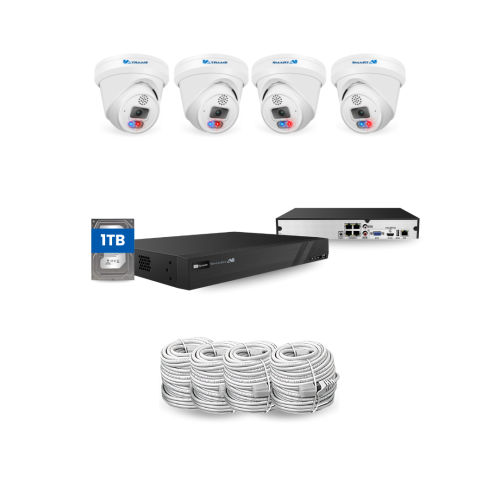
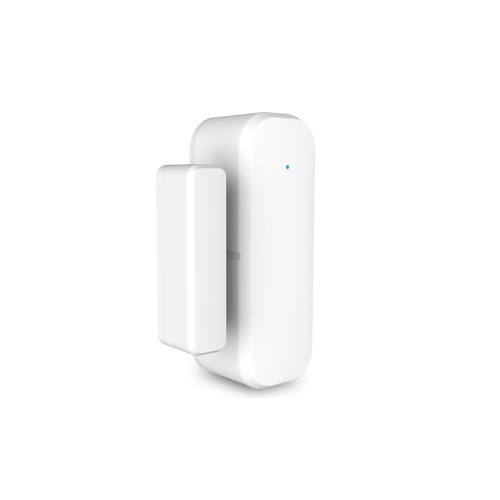
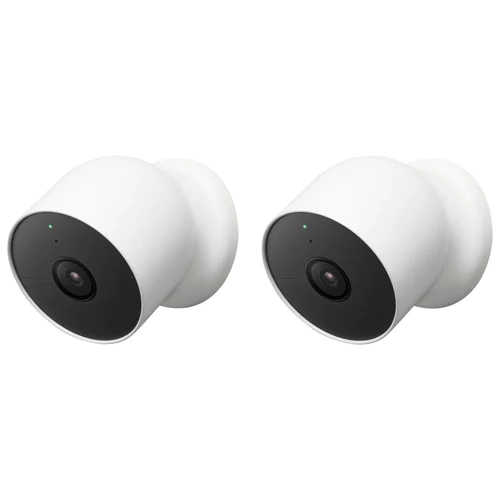
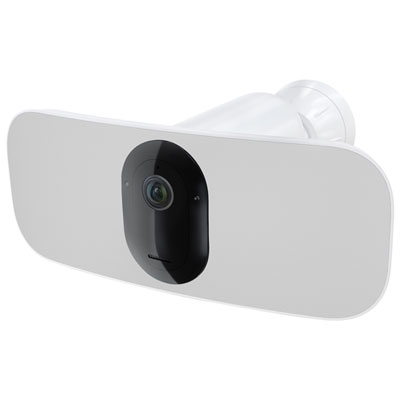
The right mix of monitoring features depends on what you want to know about your home and how you prefer to receive that information. Door and window sensors track whether an entry point is open or closed, while motion sensors can detect movement within their coverage area. Camera-enabled setups add visual context, with features such as live viewing, night vision, two-way audio, and recorded event playback available on compatible devices and services. Camera placement, viewing angle, and lighting affect how useful that footage will be, particularly around entrances or larger rooms. Adjustable activity zones and notification settings can help focus alerts on relevant areas rather than routine movement. Self-monitoring puts app notifications and follow-up in your hands, while systems that support professional monitoring may connect to a separate paid service. Video storage is another meaningful distinction: local storage and cloud-based recording offer different approaches to accessing and retaining footage. Comparing included functions with subscription-based features helps clarify both the day-to-day experience and the ongoing cost of a setup.
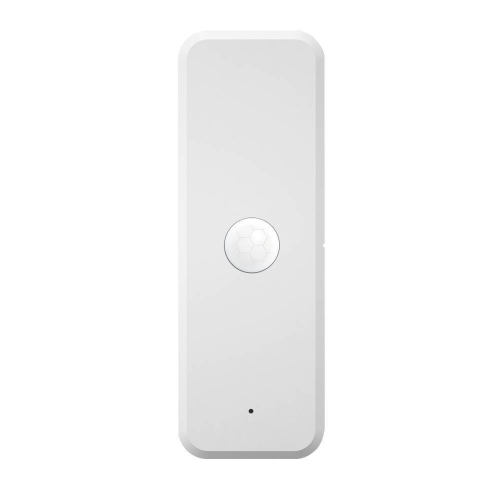
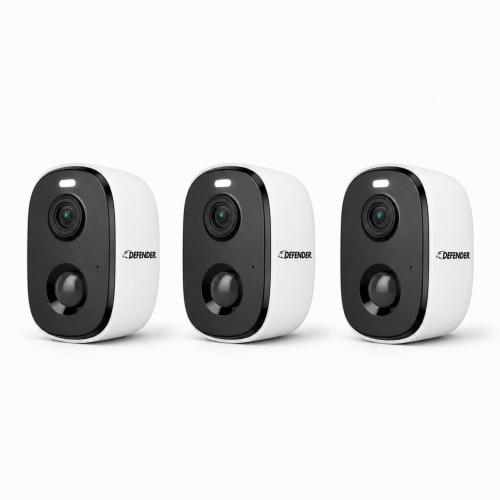
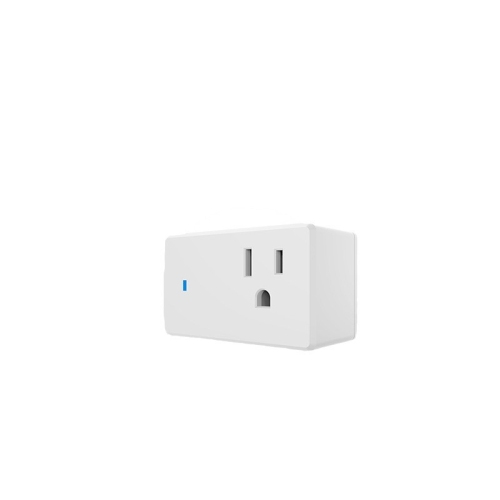
Compatibility, installation, and privacy are important considerations when comparing smart home monitoring systems for long-term use. Some setups rely on a central hub, while others connect individual devices directly to your home network, so supported connection types and wireless range matter alongside the strength of your Wi-Fi coverage. Battery-powered sensors can offer flexibility in placement, while wired components may suit locations with accessible power; battery life and access for charging or replacement also affect routine upkeep. For outdoor components, operating temperature ratings and weather resistance are especially relevant through Canadian winters. Renters may prefer removable mounting options, while homeowners may value the ability to add coverage over time. App permissions, shared household access, account security, and recording controls help determine who can view activity and manage settings. Support for an existing smart home platform can make compatible devices easier to coordinate, and backup power or backup connectivity can be useful where supported. Together, these details help distinguish a simple alert-based setup from a more comprehensive monitoring system suited to your household’s space, routines, and preferences.

Read More

FAQ

Some products may be subject to Environmental Handling Fees (EHF) depending on your province. Learn more about EHFs.