Alexa Compatible Thermostats
A smart thermostat is a device that can be controlled by a smartphone, tablet, or computer, and some support Amazon Alexa. With this device, you can control your heating and cooling systems using your voice. It can learn your schedule and adjust the temperature accordingly, and it can even turn on smart home devices when you're away. Here are some compatible Alexa-enabled thermostats.
Sort
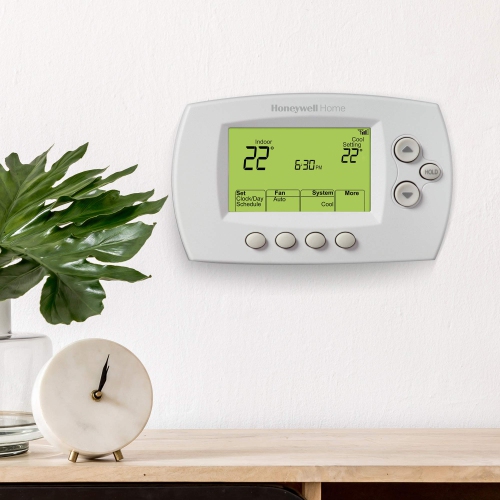
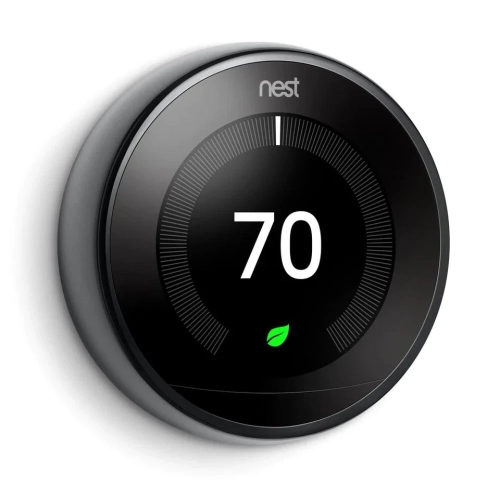
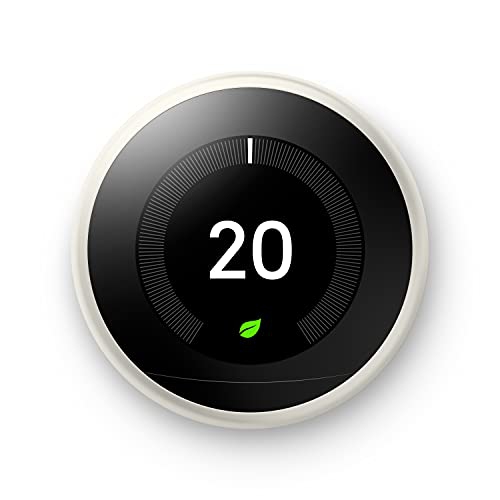
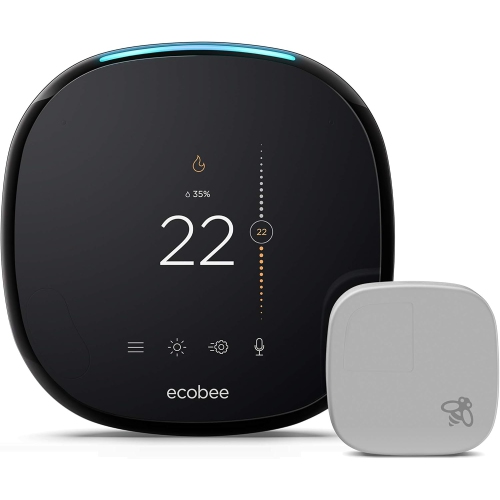
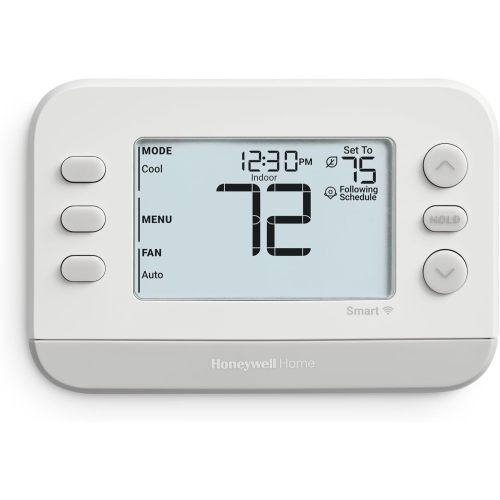
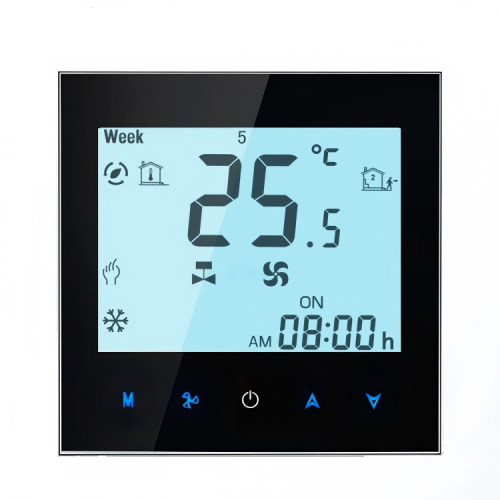
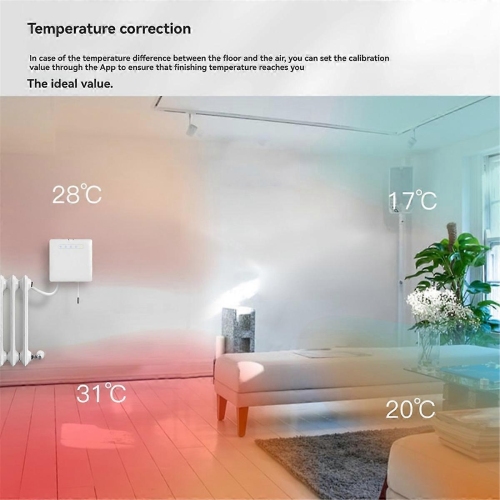
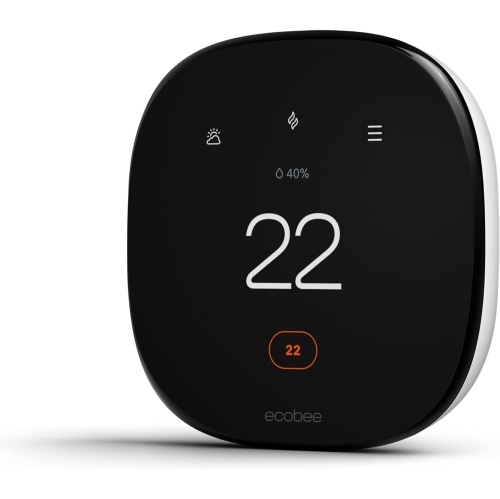
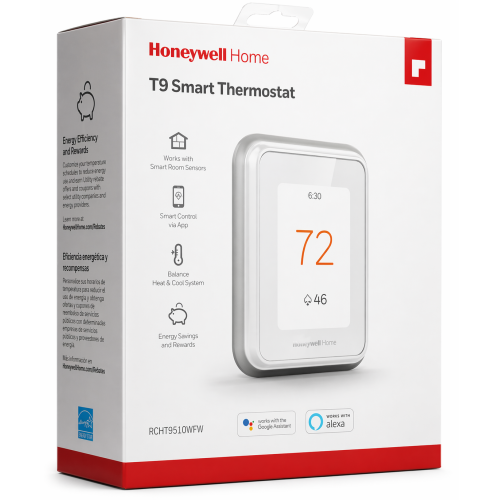
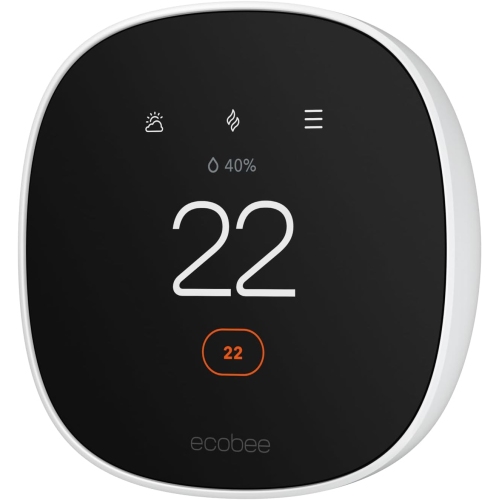
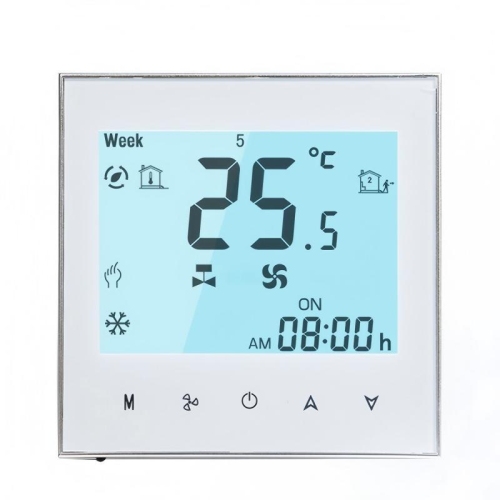
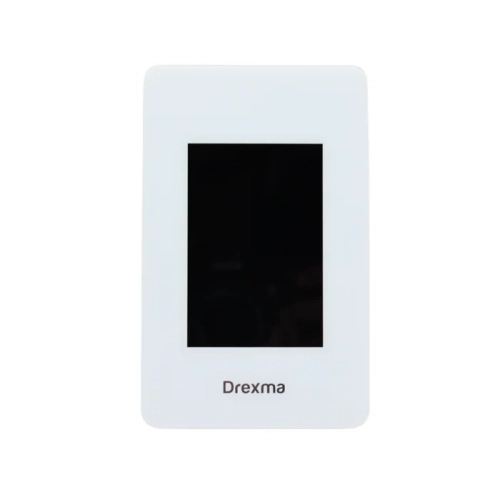
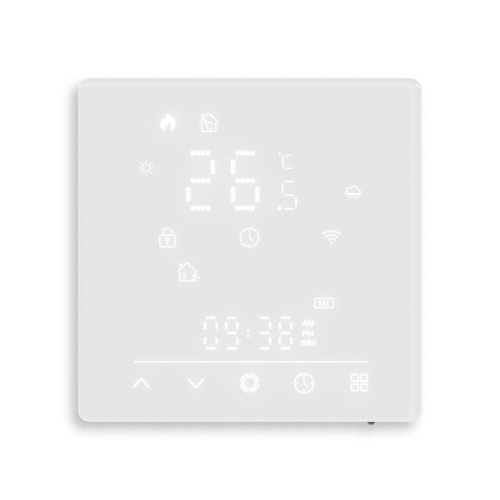


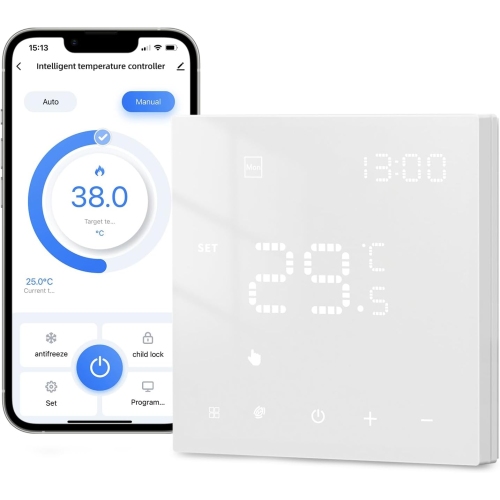
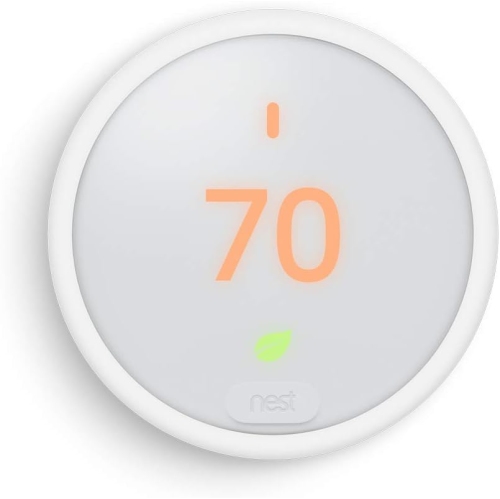
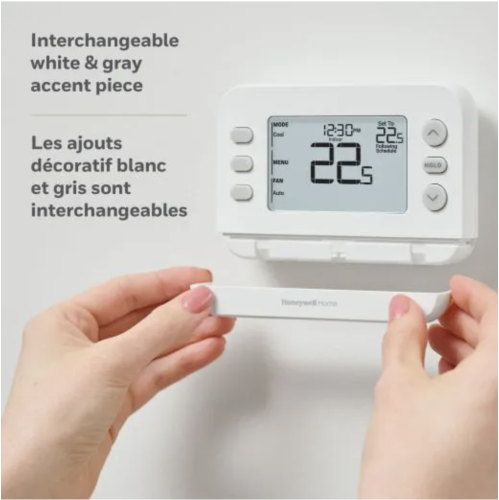
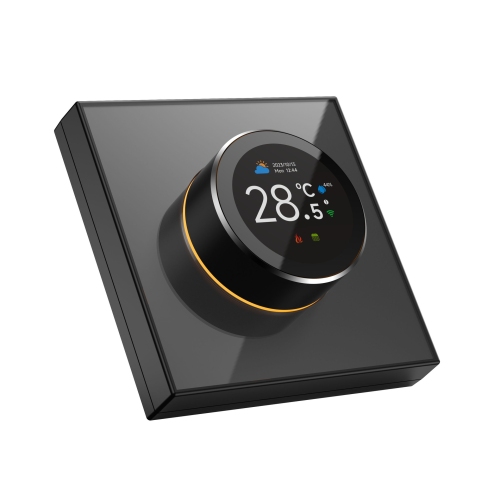
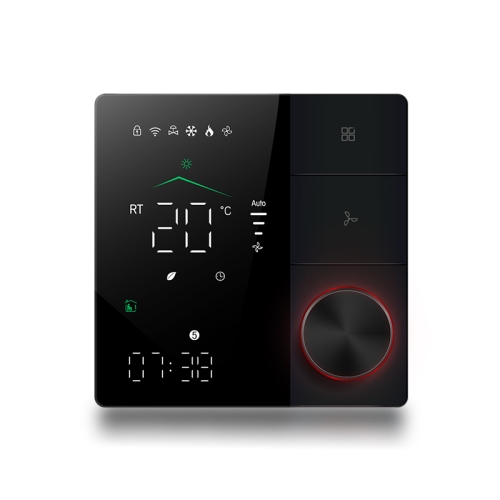
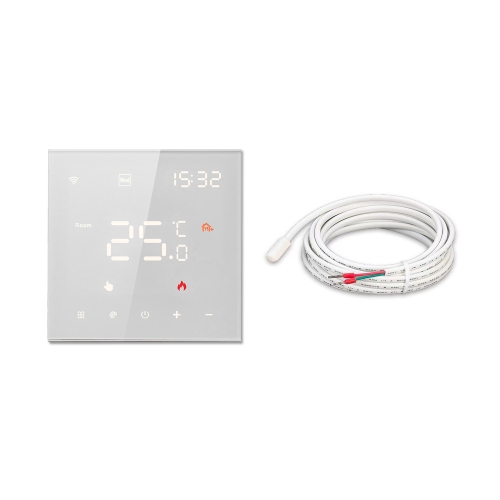
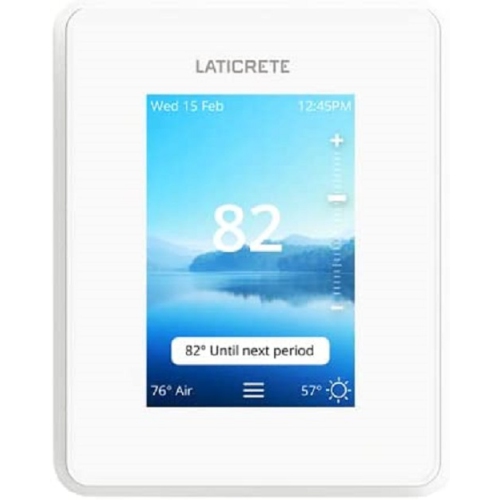
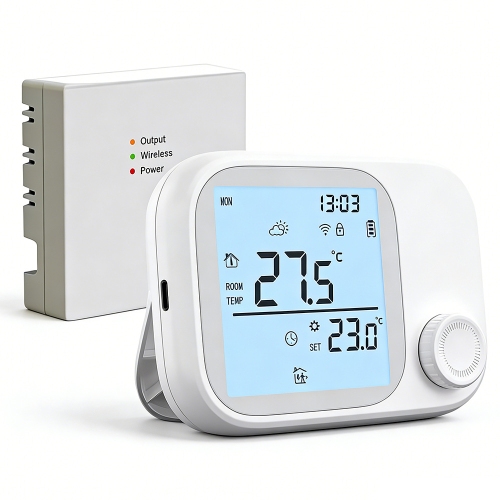
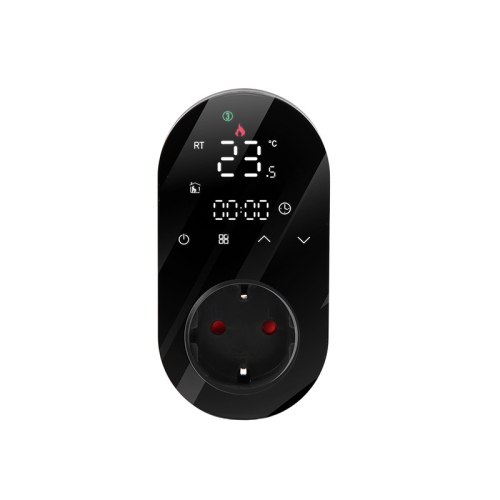
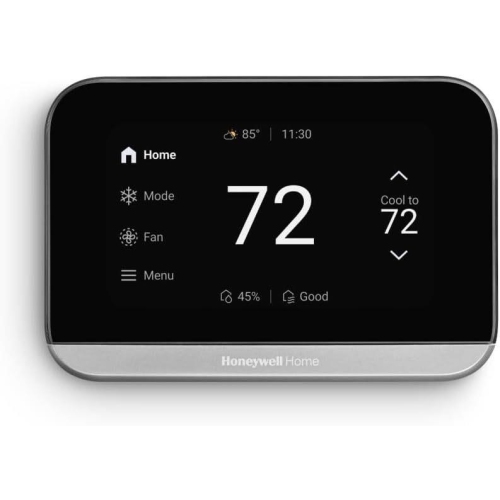
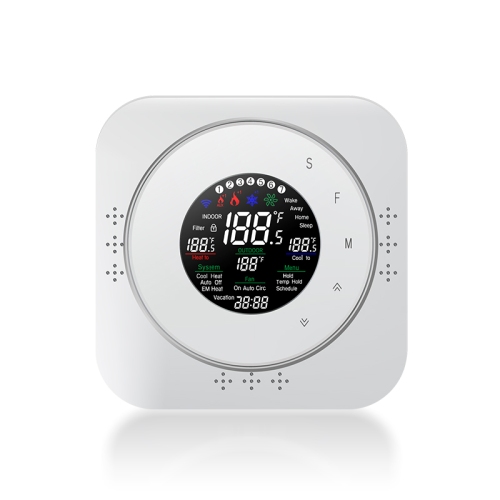
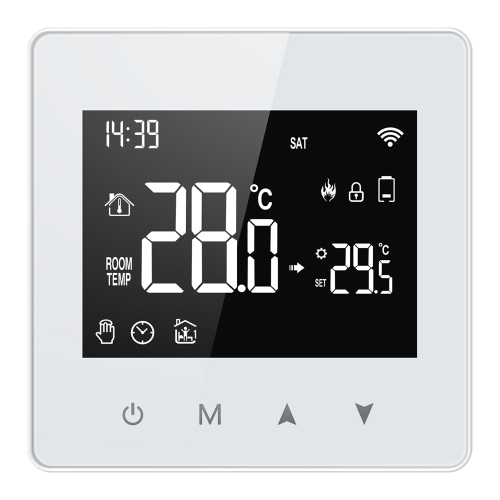
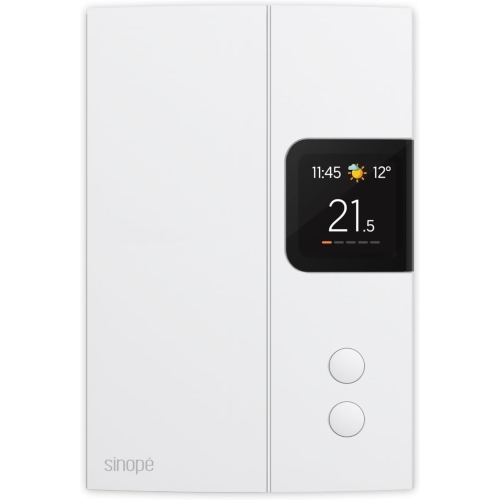
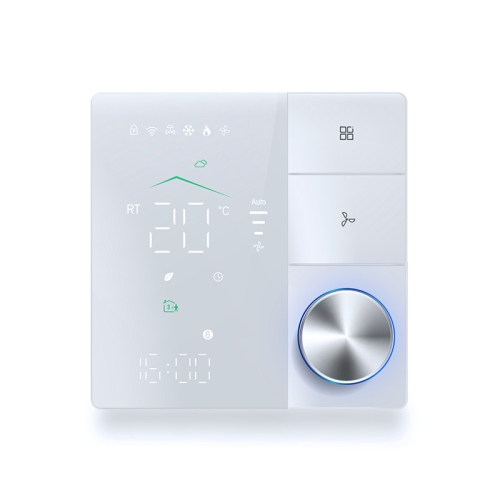
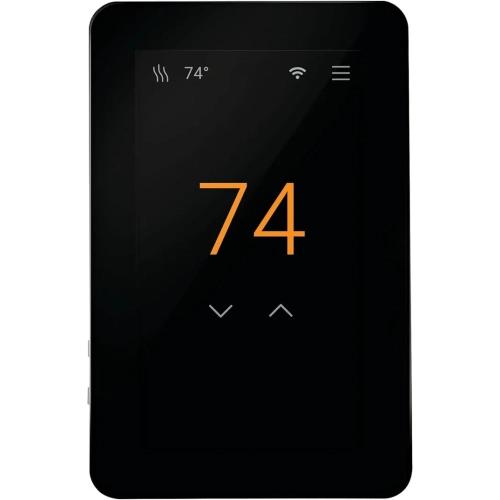
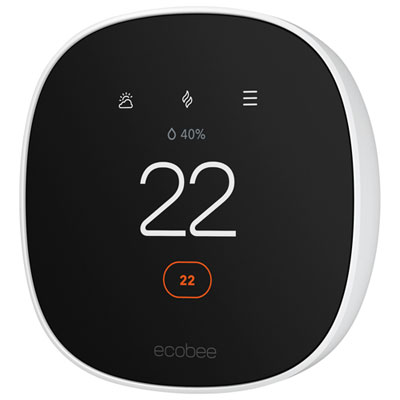
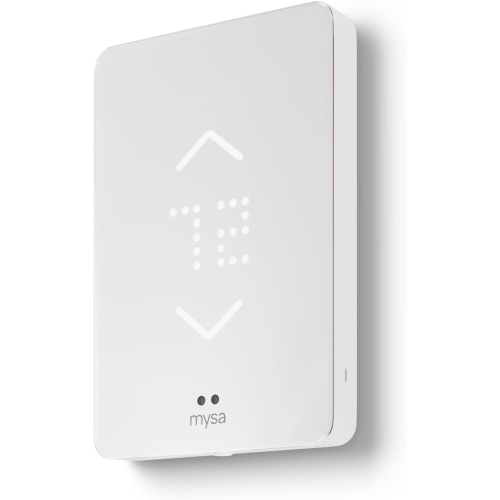
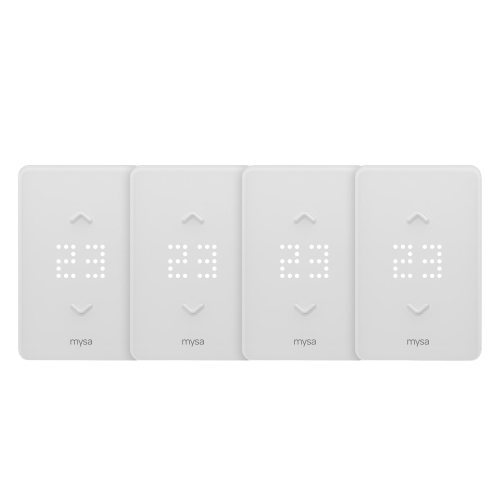
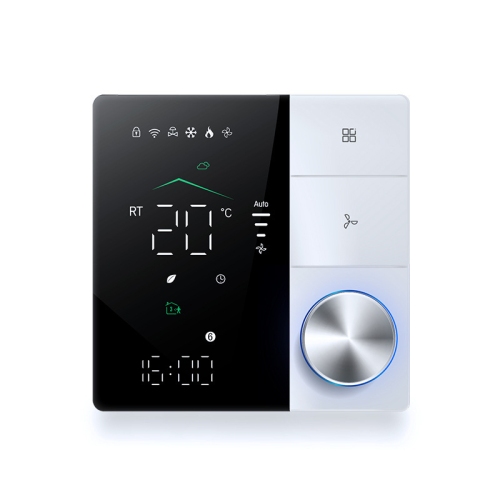
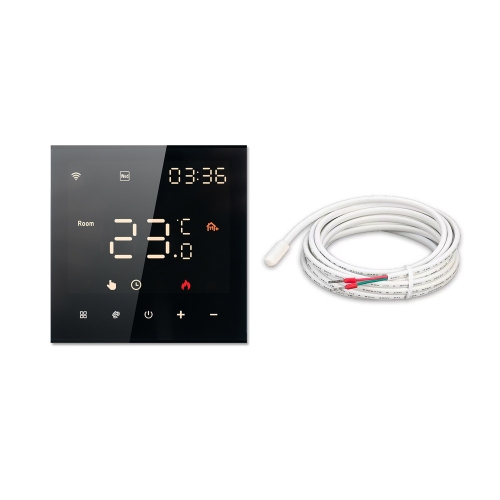
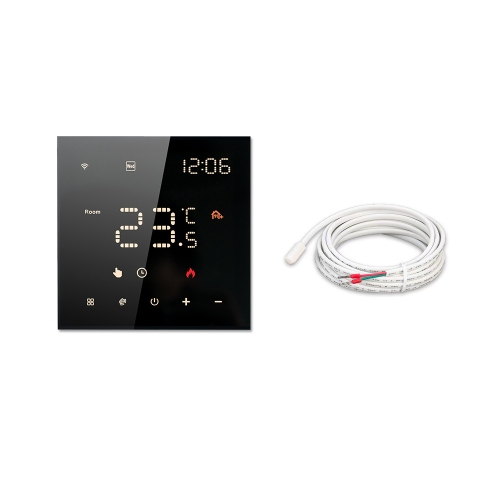
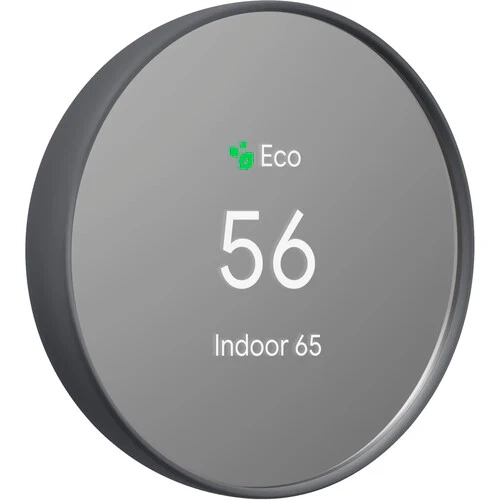
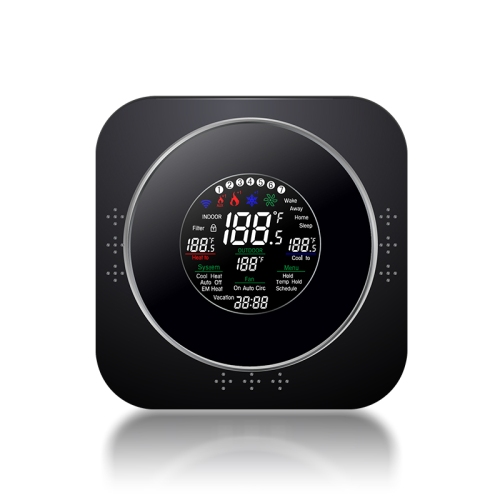
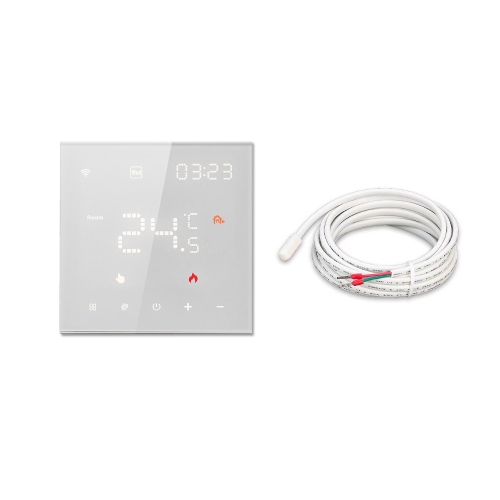
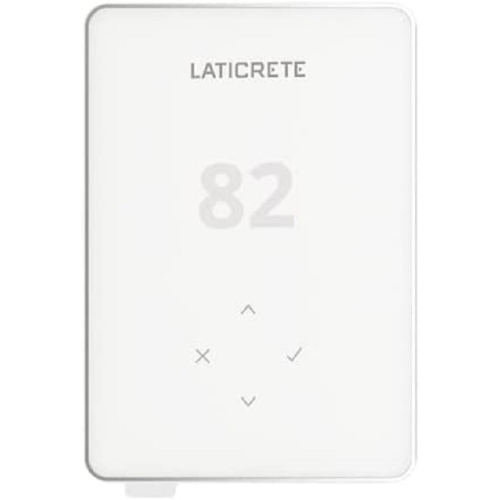
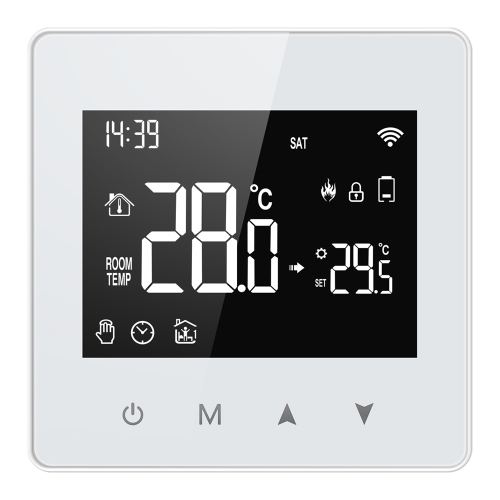
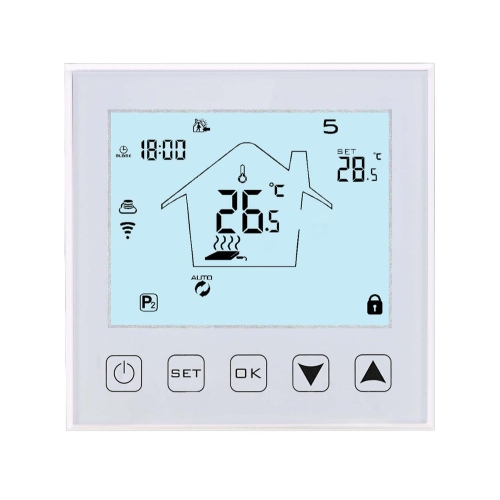
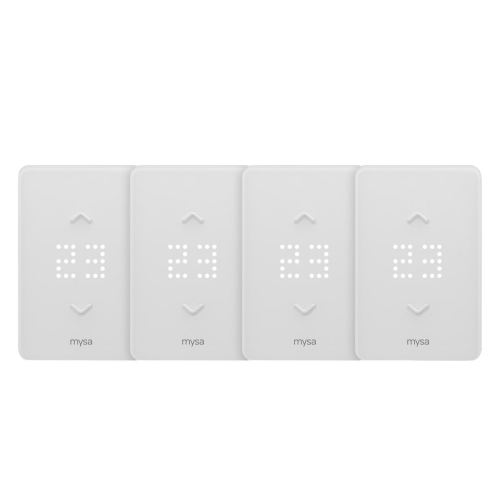
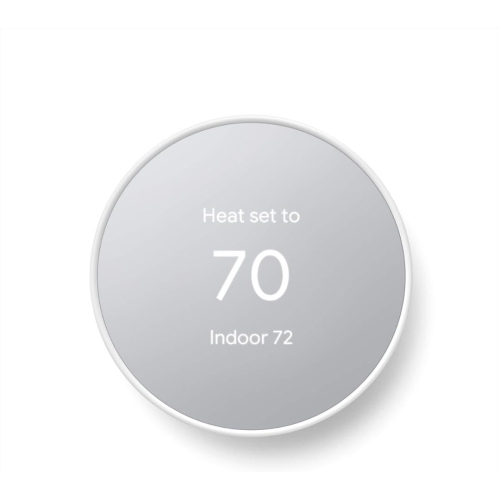
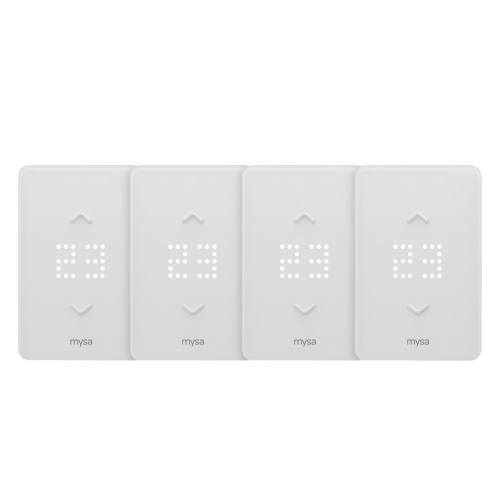
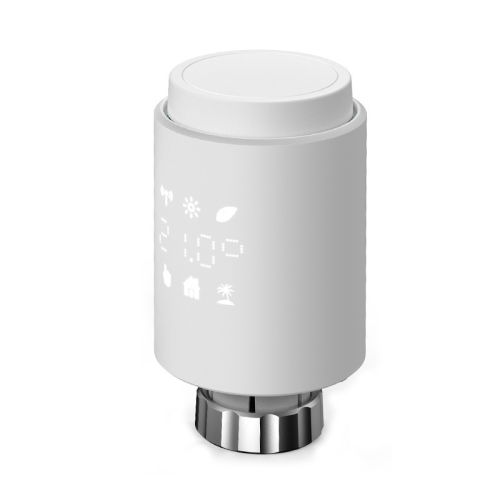
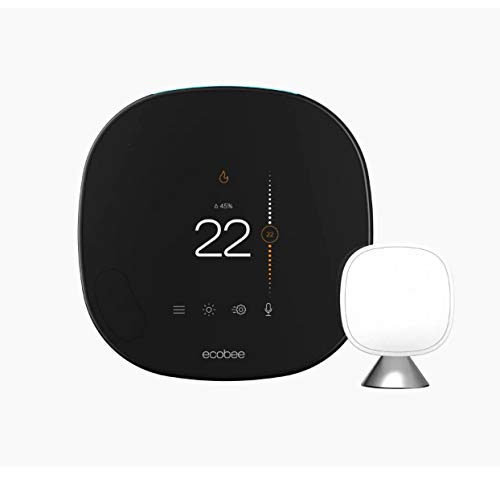
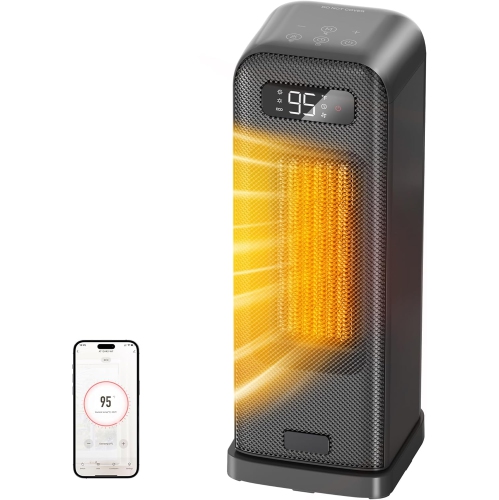
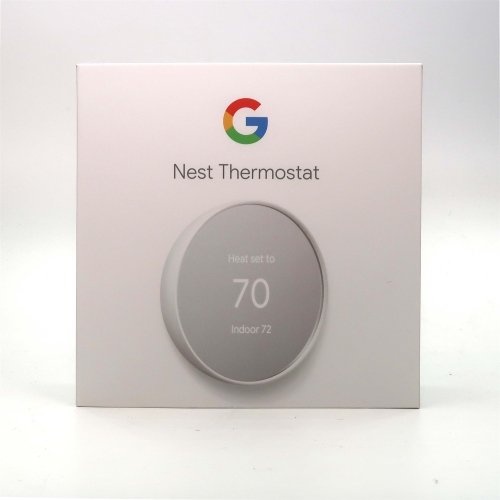
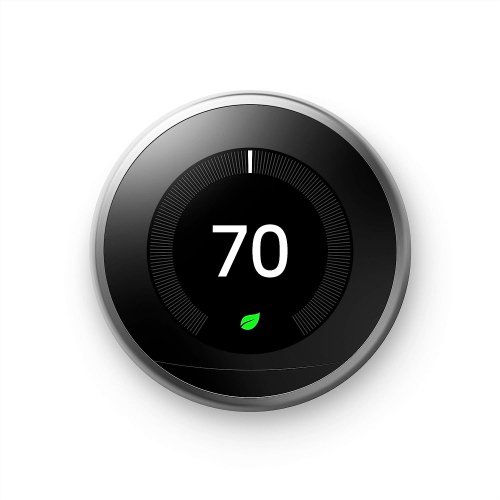
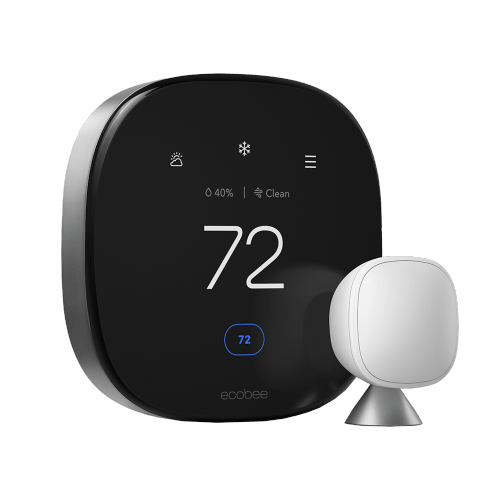


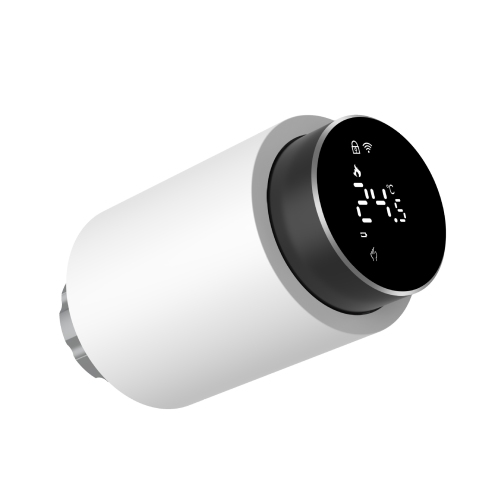
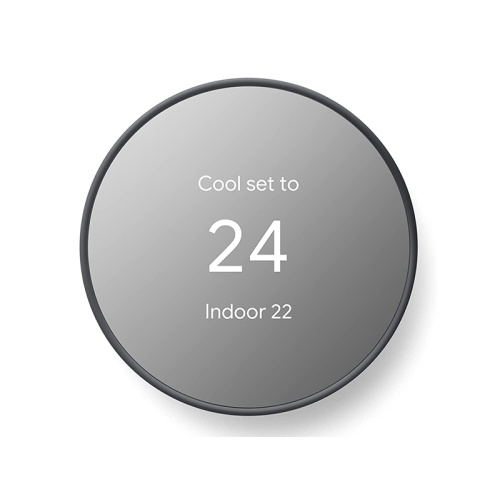
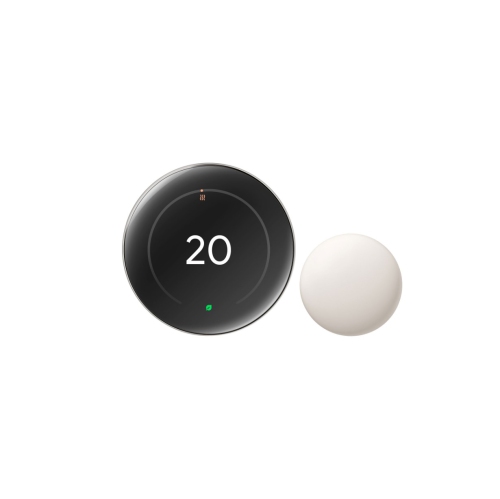
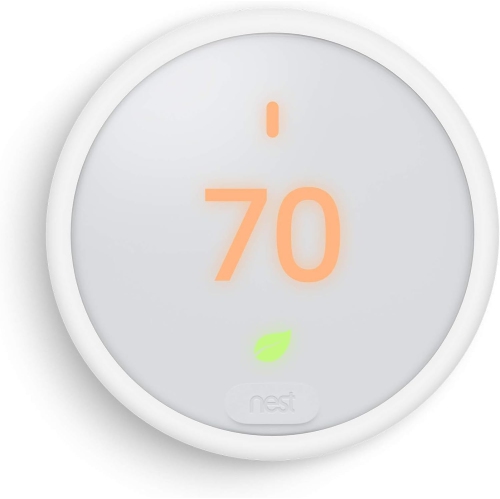
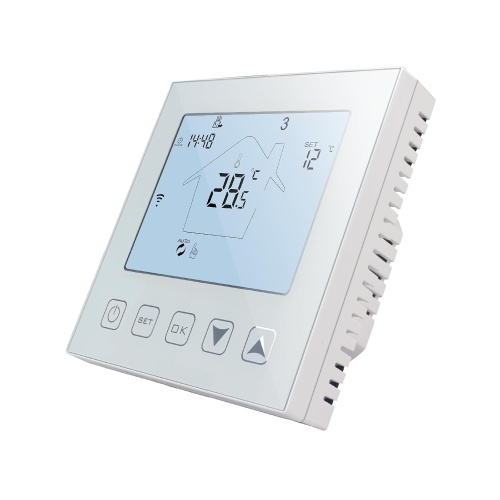
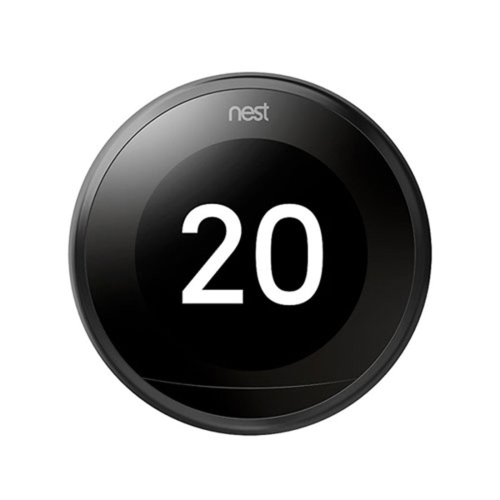
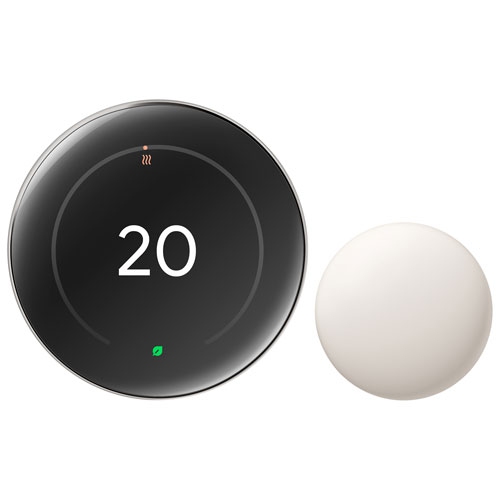

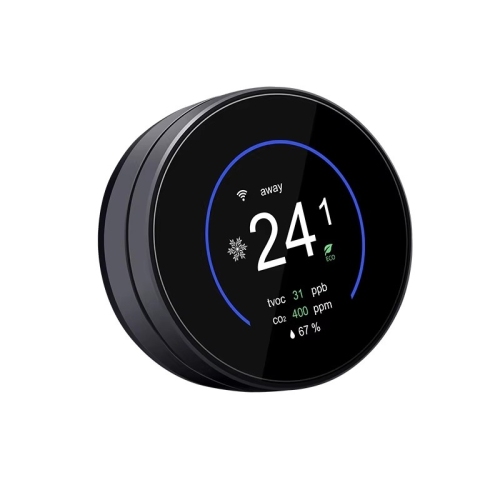
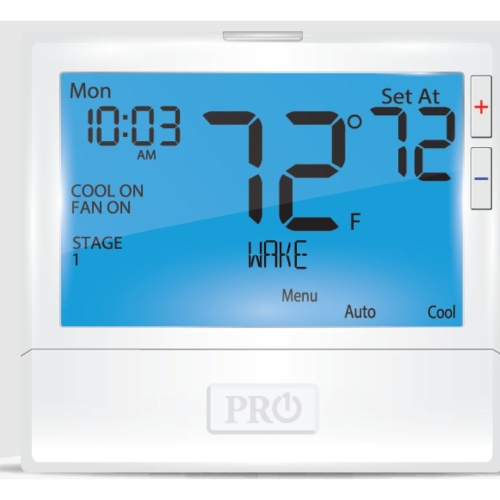
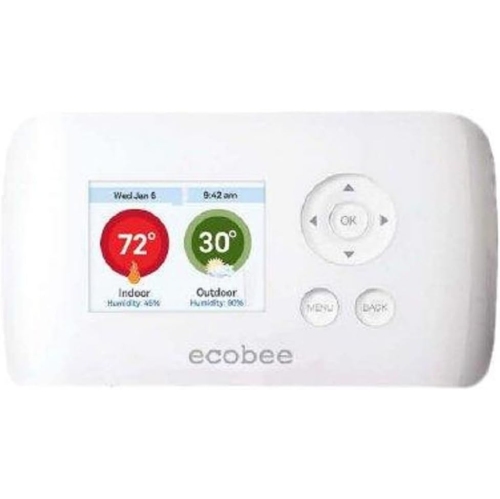

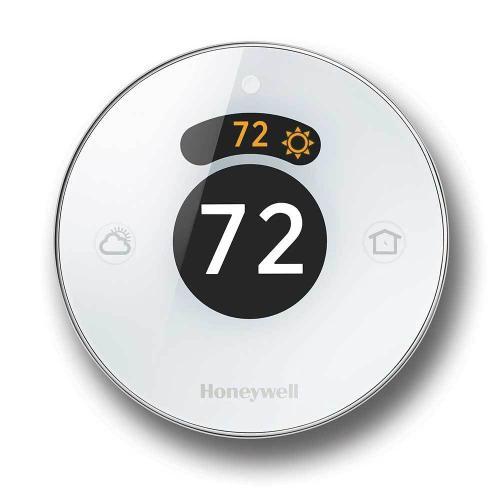
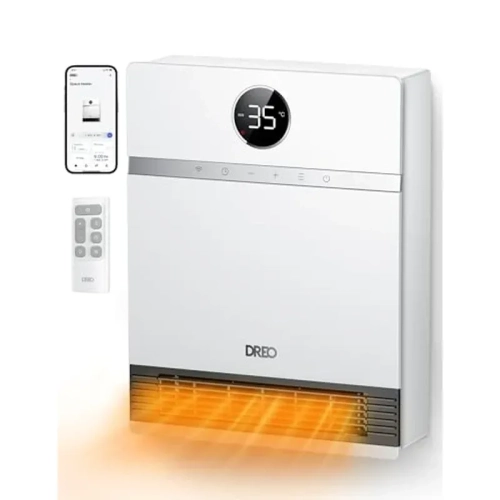
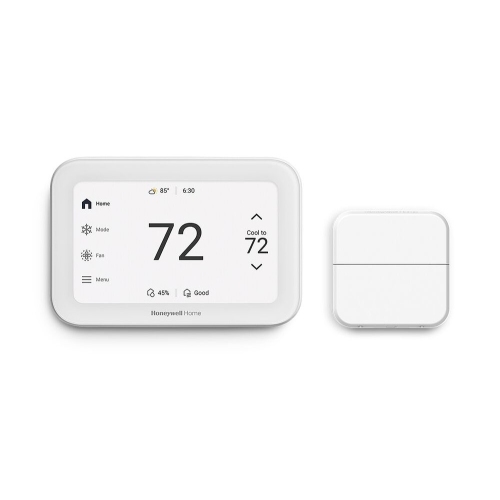
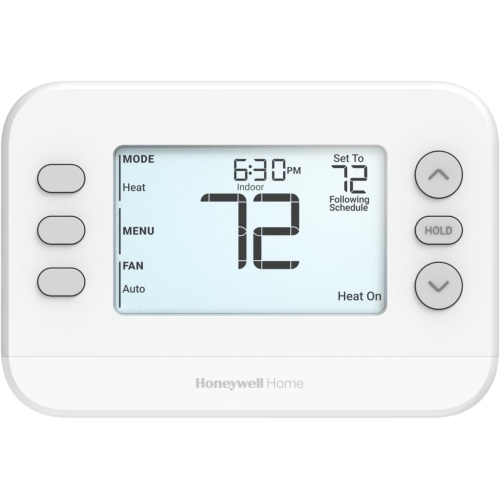
Hands-free temperature control depends on more than voice compatibility
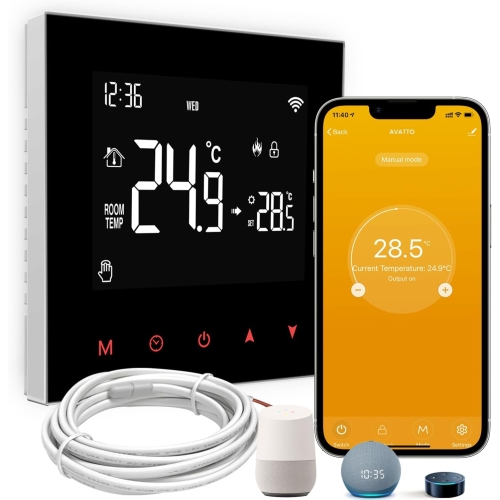
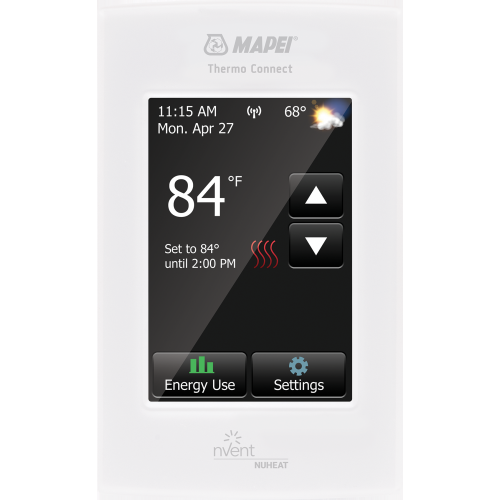
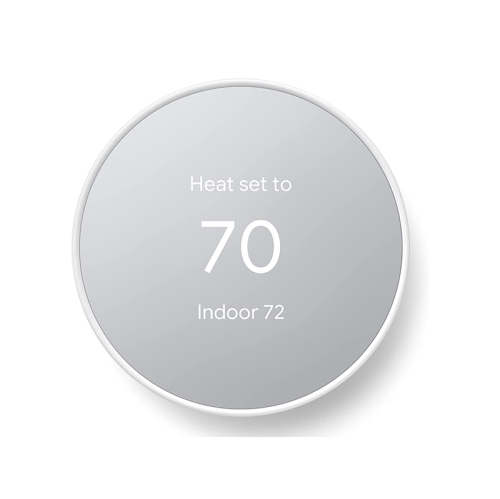
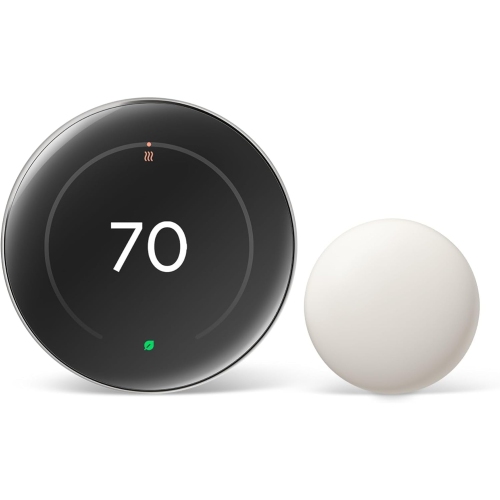
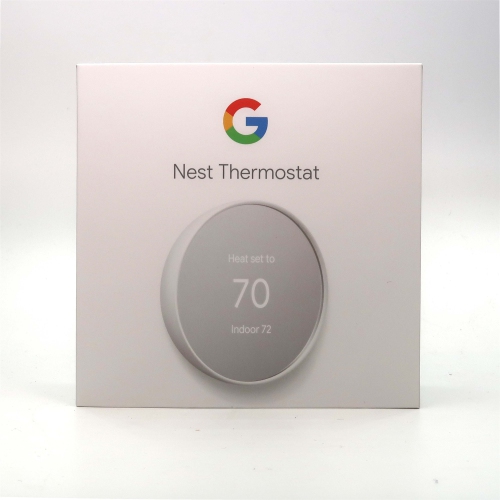
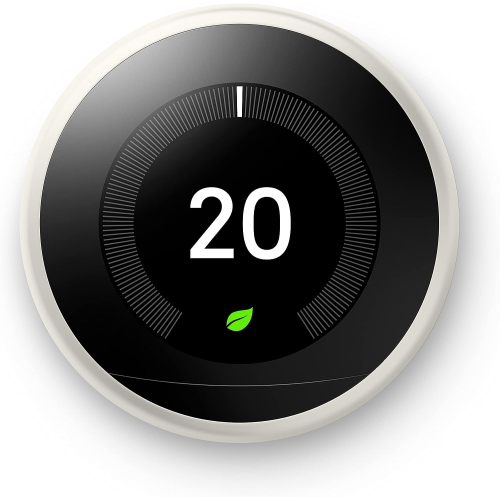
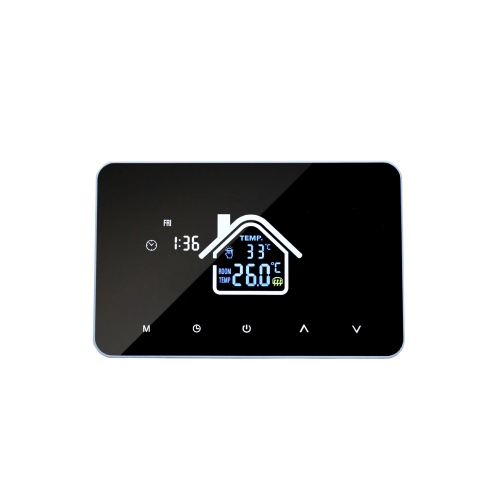
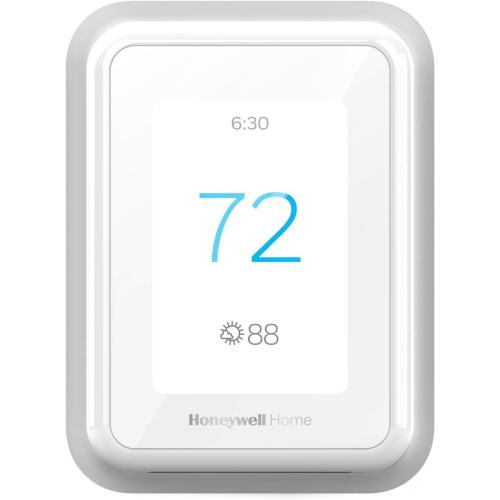
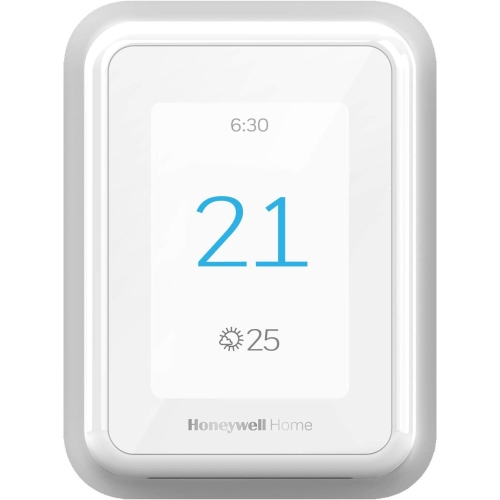
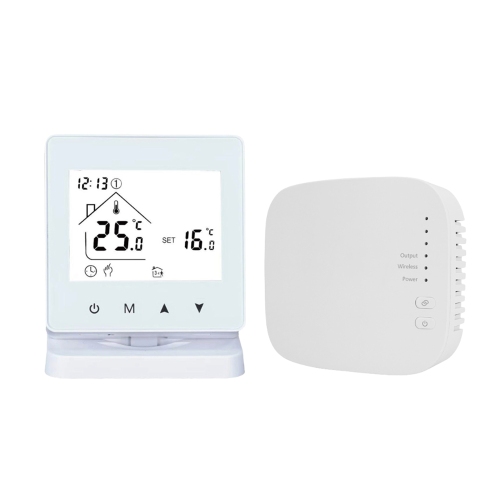
Alexa compatible thermostats connect everyday heating and cooling controls with voice commands, letting household members adjust a setting without walking to the wall. Compatibility generally means the thermostat can communicate with Alexa through a supported connection; it does not necessarily mean the thermostat has a microphone or speaker built in. Many models receive voice requests through a separate Alexa-enabled device, while some have integrated voice capabilities. That distinction matters in a kitchen where hands are busy preparing dinner, a home office where stepping away interrupts a call, or a bedroom where the wall control is out of reach. Depending on the thermostat and its supported commands, voice control may allow someone to request a particular temperature, check the current reading, or change an operating mode. A companion app often provides more detailed settings, including schedules, alerts, and remote adjustments. Setup typically involves installing the thermostat, connecting it to the home Wi-Fi network, completing registration in its companion app, and linking the relevant account or integration in Alexa. The exact process varies, and supported features can differ between the thermostat’s own app and Alexa. Clear device names help voice requests reach the intended control, particularly in homes with separate upstairs and downstairs heating zones. For households with several users, shared app access and understandable on-screen controls can be just as valuable as voice support. A guest should still be able to make a simple adjustment at the wall without learning the connected features. These thermostats suit homeowners who want familiar manual controls alongside hands-free convenience, as well as people who find small buttons or repeated trips across a room inconvenient. They can also be a thoughtful housewarming gift when the recipient’s heating system, wiring, and installation arrangements are known in advance. For a rental home or condominium, permission to replace the existing thermostat and any building-specific requirements are important parts of determining whether a connected control is suitable.
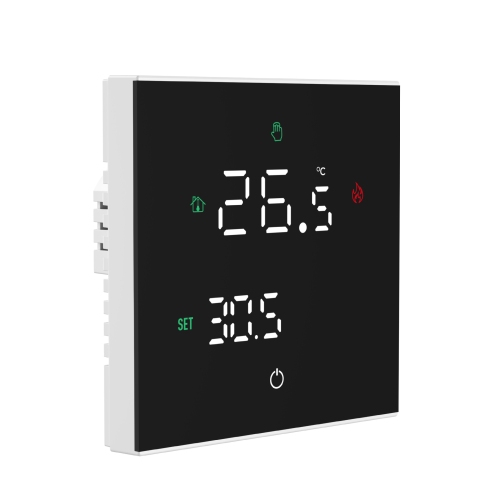
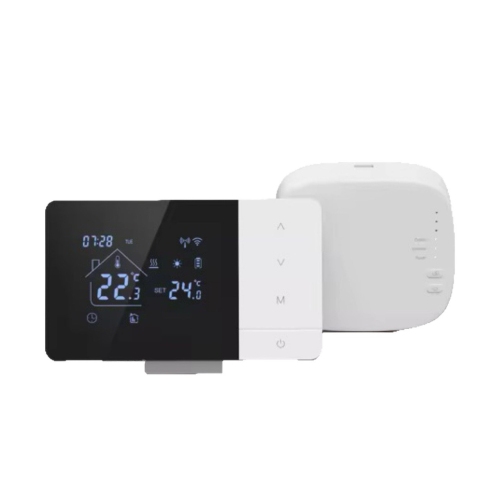
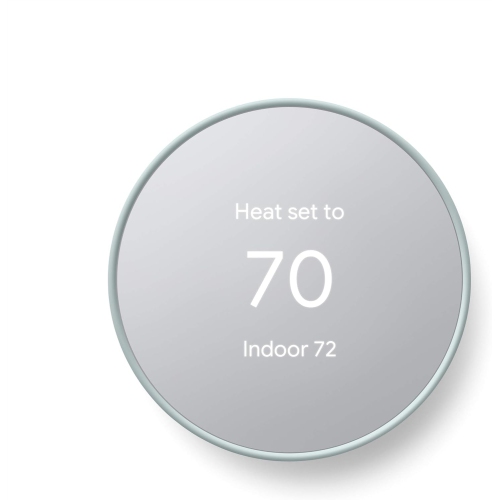
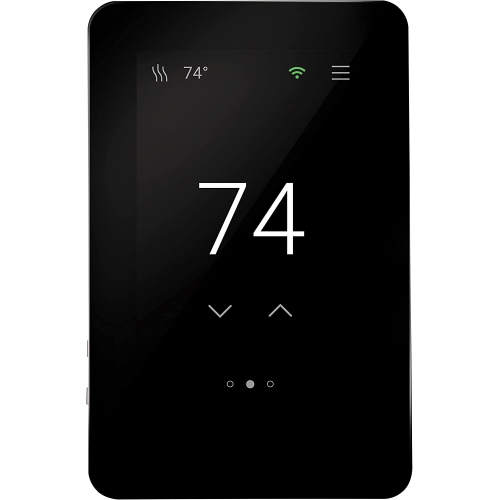
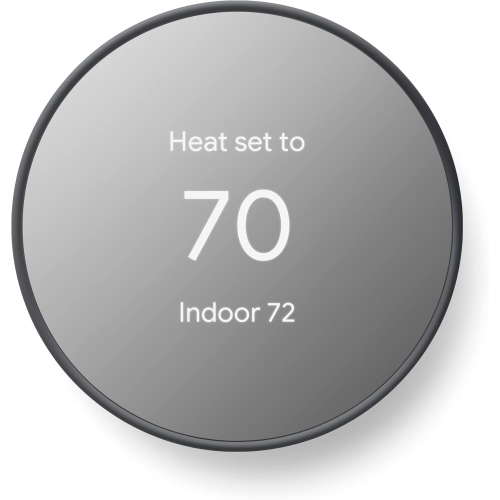
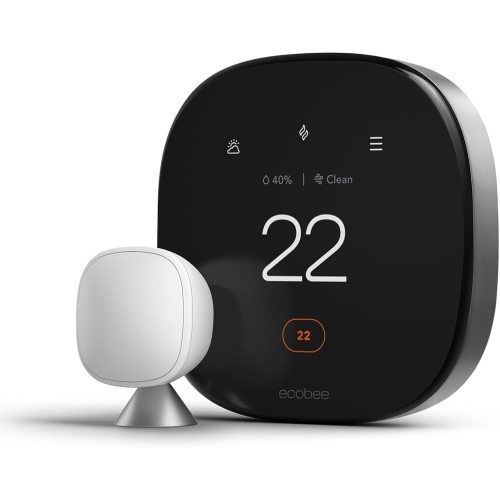
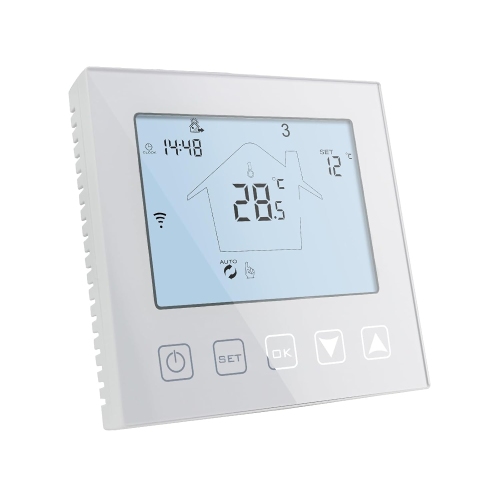
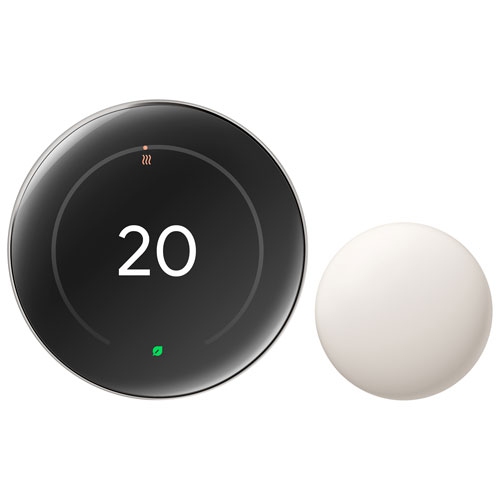
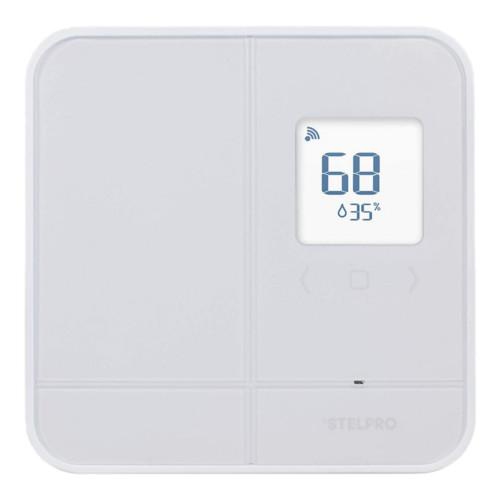
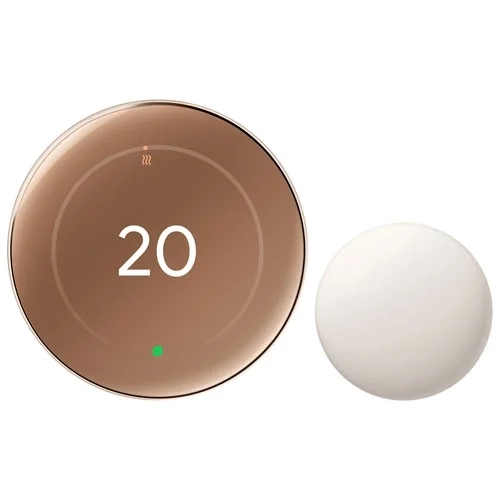
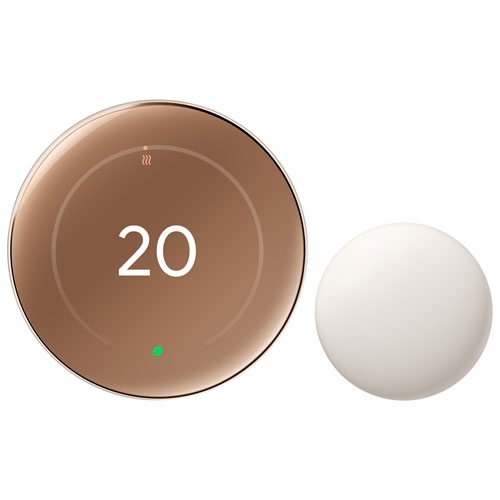
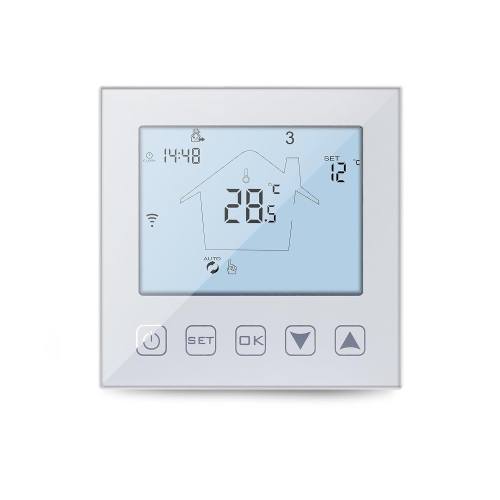
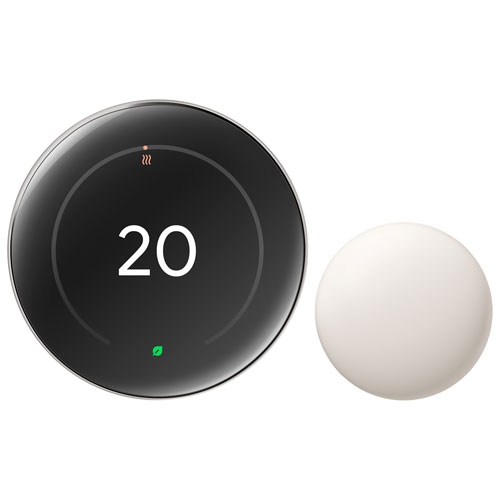
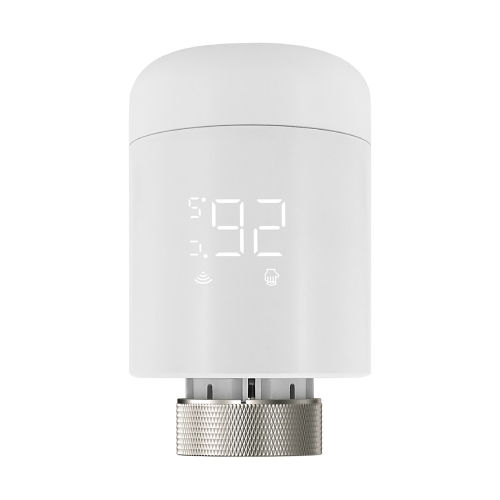
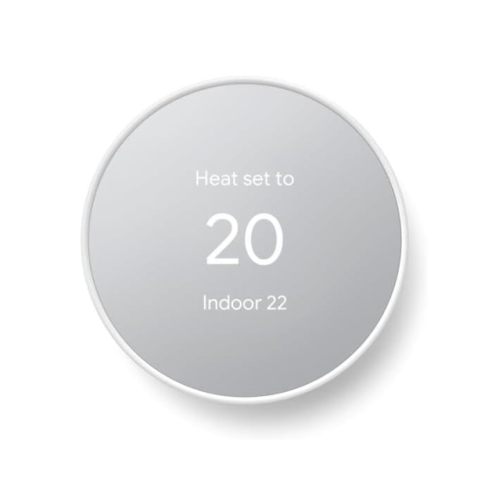
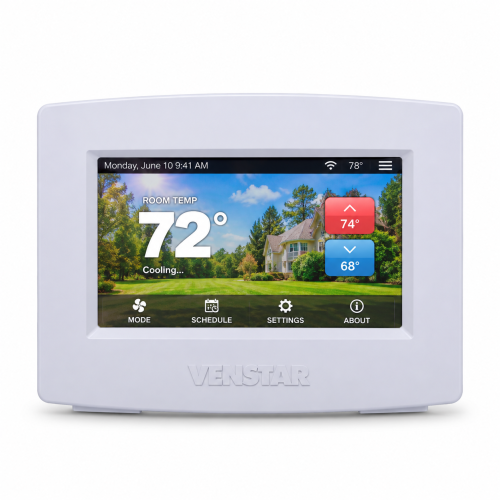
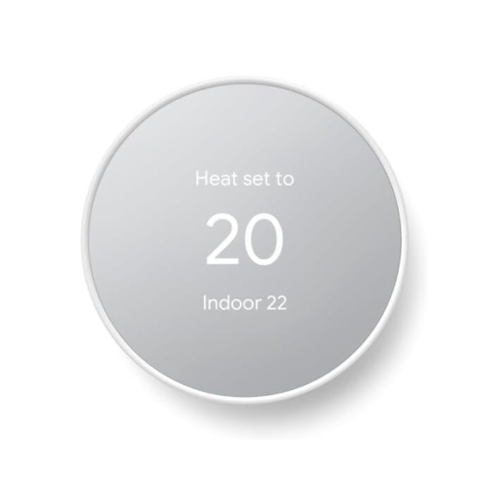
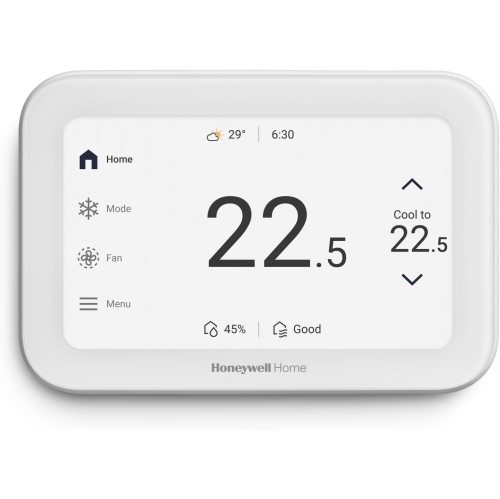
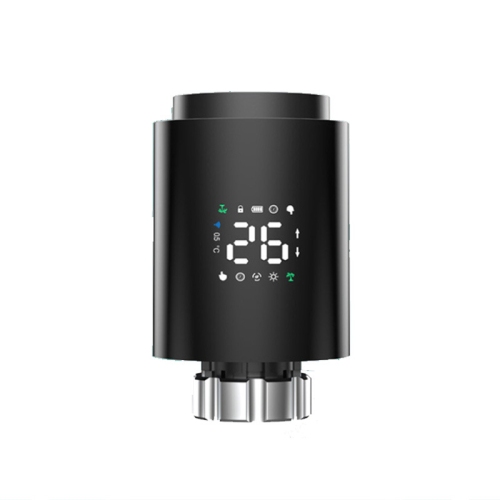
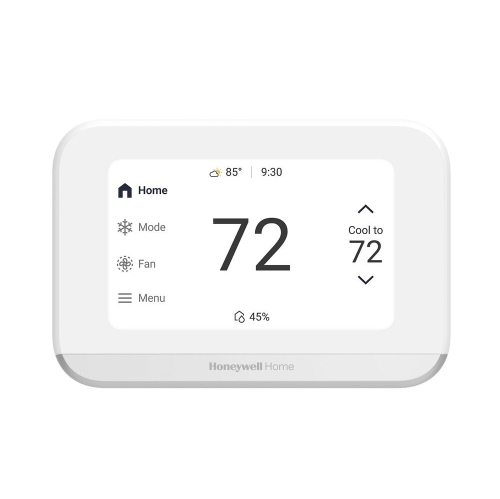
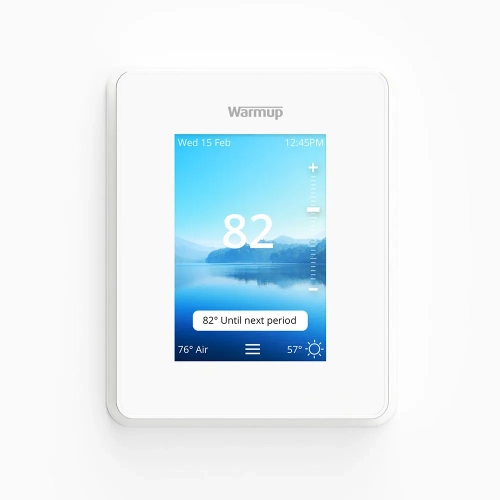
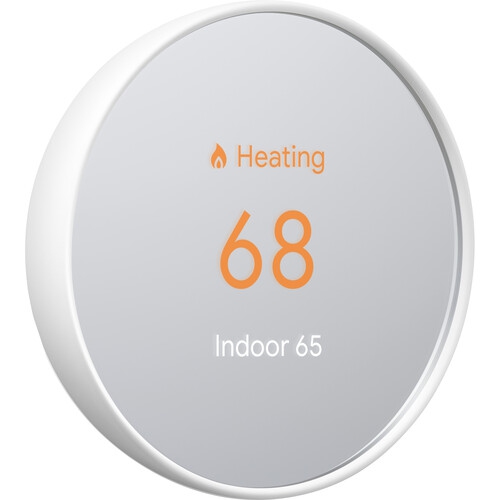
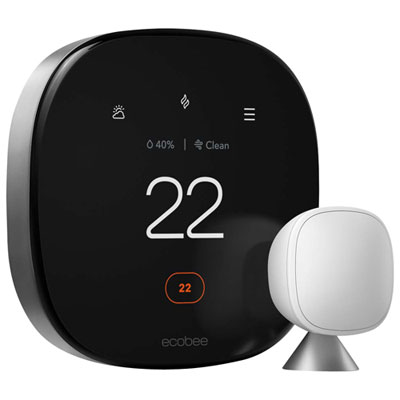
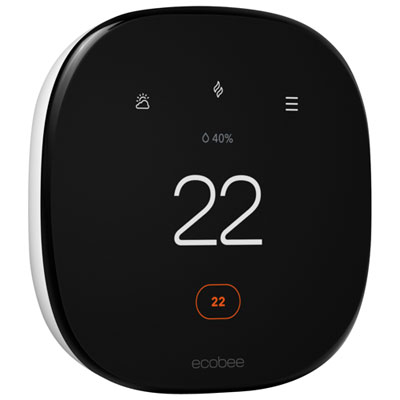
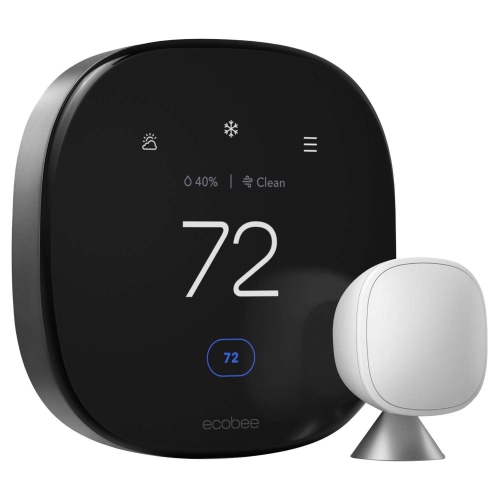
The most important fit consideration for an Alexa compatible thermostat is the heating and cooling equipment it will control. Voice compatibility alone does not establish electrical compatibility. Many connected thermostats are designed for low-voltage systems, such as certain forced-air furnaces, central air conditioners, and heat pumps. Electric baseboard heaters often use line-voltage controls and require a thermostat specifically rated for that application. The two types are not interchangeable. Heat pumps may also need support for auxiliary heat, and multi-stage equipment requires a control that can operate the appropriate number of stages. Zoned systems, boilers, fan-coil units, and proprietary communicating equipment can introduce additional requirements, so the existing equipment specifications and the thermostat’s compatibility documentation matter more than the appearance of the old wall unit. Wiring is another practical detail. Many smart thermostats need a common wire, usually called a C-wire, to provide continuous power. Some support an approved power adapter or another manufacturer-specified arrangement, but that option depends on the equipment and wiring layout. Wire colours alone are not a reliable way to identify connections; terminal labels and equipment documentation provide more useful information. Where the setup is unclear, a qualified heating technician or electrician can assess the installation. Physical fit deserves attention too. A replacement thermostat may leave an outline, screw holes, or an unpainted patch where a larger control once sat. Dimensions, mounting arrangements, and a compatible trim plate can help create a neat finish. Placement affects performance: direct sunlight, nearby appliances, draughts, and concealed wall openings can influence the temperature sensed at the unit. A clear display, readable numerals, and well-spaced touch targets make daily adjustments easier. Typical housings combine plastic with glass or other display surfaces, with finishes that range from understated matte textures to reflective panels. In a busy hallway, fingerprints, screen glare, and how securely the control sits on its base are useful considerations alongside its colour and shape.
Beyond basic voice commands, the everyday value of a connected thermostat often comes from how well its controls match household routines. A regular schedule can suit a home with predictable working hours, while app access is useful when plans change and someone returns earlier than expected. Scheduling, occupancy detection, location-based adjustments, and learning features are different functions; not every thermostat includes all of them, and some depend on phone permissions or additional sensors. Remote room sensors can provide readings from places such as a nursery, upstairs bedroom, or frequently used office. Depending on the model, those readings may inform an average or give a selected room priority, but a sensor does not create independent room control in a system that lacks separate zones. That distinction is especially useful when one bedroom feels different from the hallway where the thermostat is mounted. Heating and cooling performance still depends on the equipment, airflow, and layout of the home. For a broader look at connected wall controls, Best Wireless Thermostats includes another way to explore the category; wireless connectivity does not necessarily mean the thermostat operates without wiring to the heating system. A reliable Wi-Fi signal at the mounting location is important, and supported network bands should match the home router’s settings. Internet-dependent voice commands and remote app access may stop working during an outage, while local controls and stored schedules may continue, depending on the thermostat’s design and power supply. Household preferences also shape the choice: adjustable screen brightness can reduce distraction near sleeping areas, control locks can limit accidental changes, and account settings can help manage shared access. For units with built-in microphones, mute controls and voice settings deserve attention. Routine care is generally straightforward: a soft, dry cloth and cleaning methods approved by the manufacturer help protect the display and finish. Keeping vents or sensor openings clear, replacing sensor batteries when required, and maintaining supported software updates can help keep readings and connected features dependable over time.
Top selling and popular products
-
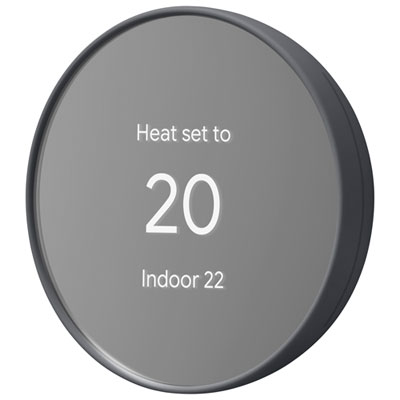 Your price for this item is $125.99
-
 Your price for this item is $249.99
-
 Your price for this item is $249.98
-
 Your price for this item is $188.98
-
 Your price for this item is $229.99
-
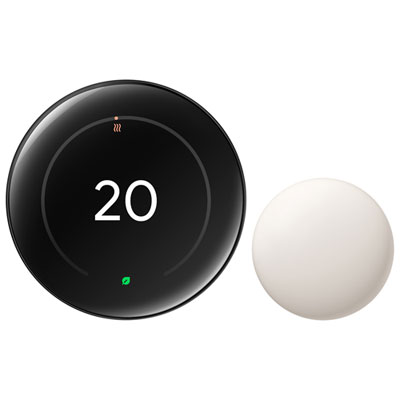 Your price for this item is $299.99
-
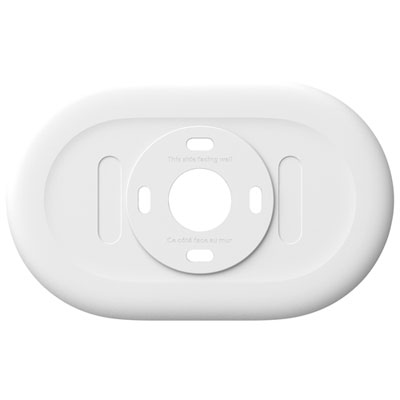 Your price for this item is $19.99
-
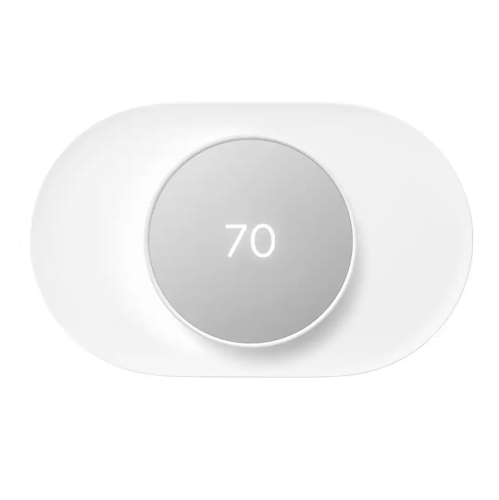 Your price for this item is $18.98
Discover more categories related to Alexa Compatible Thermostats
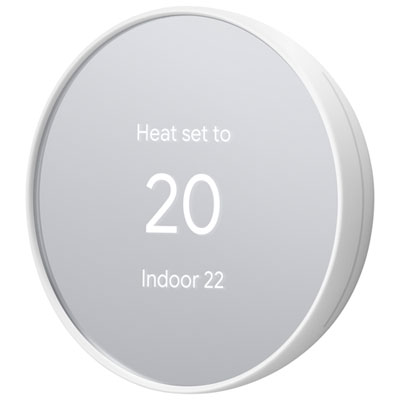
Top Collections:
Best Black Friday Deals This Year, Best Black Friday Deals On Electronics, Kindle Devices, Best Black Friday Deals On Apple Products, Best Budget Office Chairs, Best Cameras for Sports Photography, Dyson Airwrap, Canon G7X Cameras, Best Laptops for Writers, Samsung Galaxy Phones
Some products may be subject to Environmental Handling Fees
(EHF) depending on your province.
Learn more about EHFs.