Voice Assistant Smart Thermostats
Voice Assistant Smart Thermostat options provide a modern way to manage your home's temperature with ease and convenience. These innovative devices integrate seamlessly into your living space, allowing for effortless control and personalized comfort throughout the day. Whether you're looking to adjust settings with just your voice or enhance the overall efficiency of your climate control, Voice Assistant Smart Thermostat solutions offer a user-friendly approach to keeping your environment just the way you like it. Explore a range of models designed to fit various needs and preferences, and discover how upgrading to a smart thermostat can elevate your home experience.
Sort
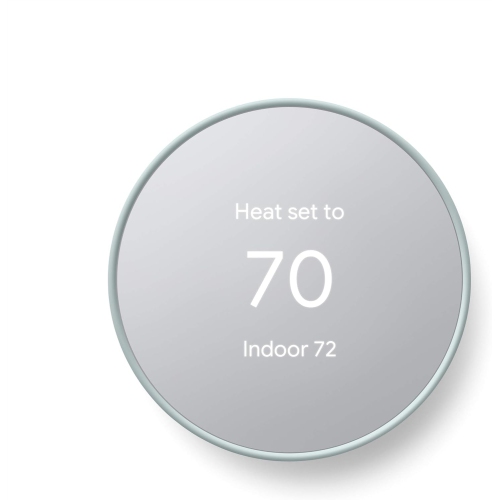
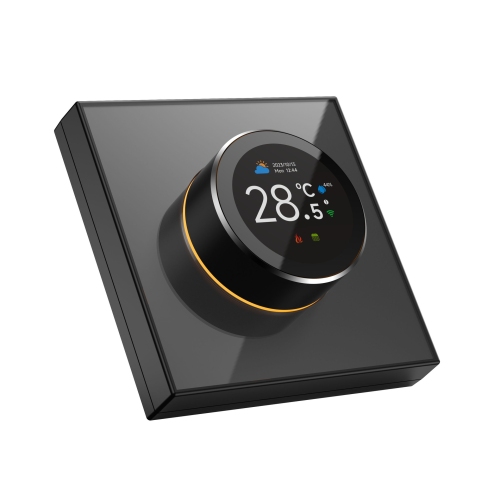
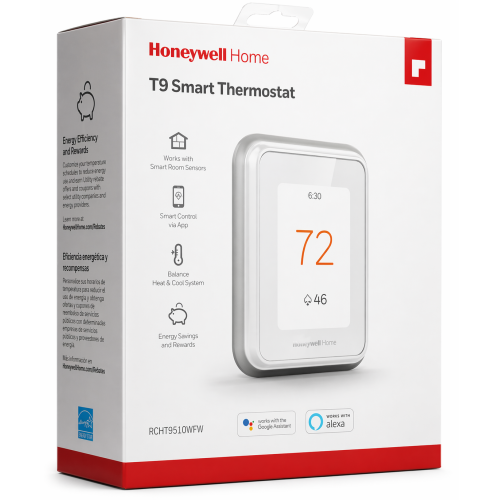
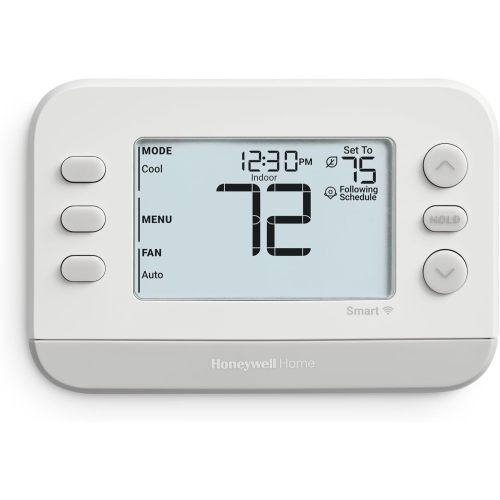
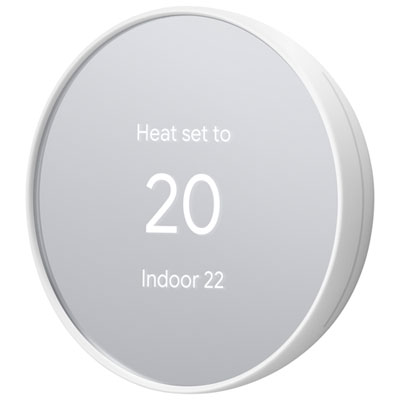
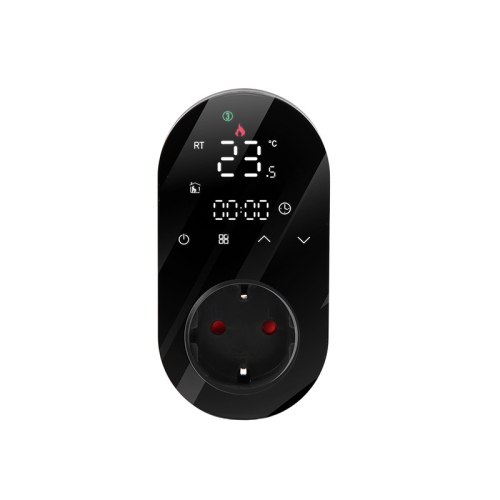
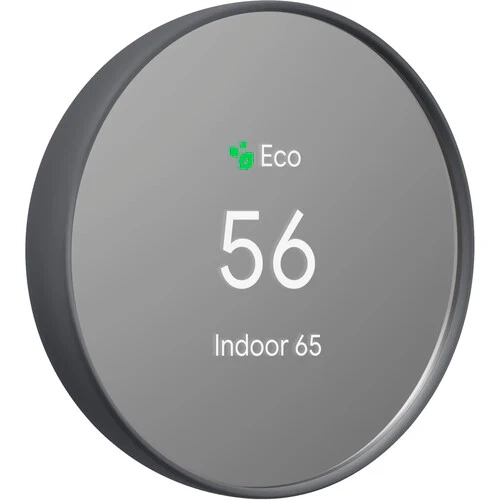
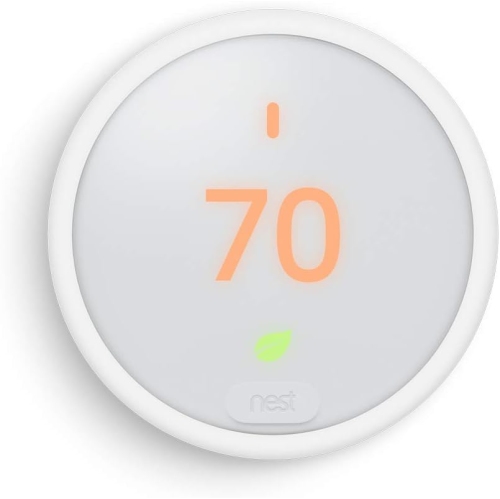

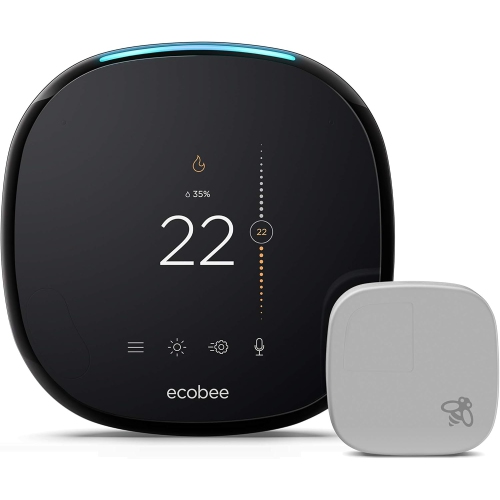
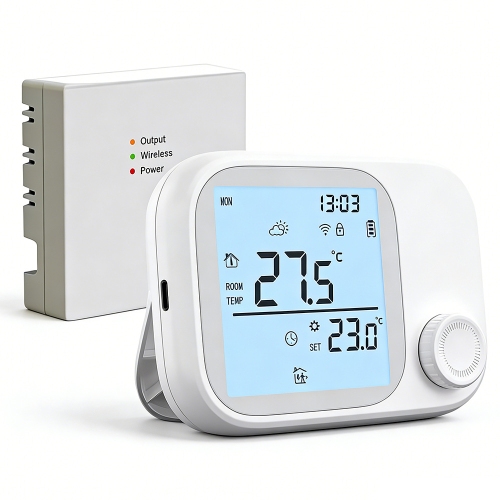
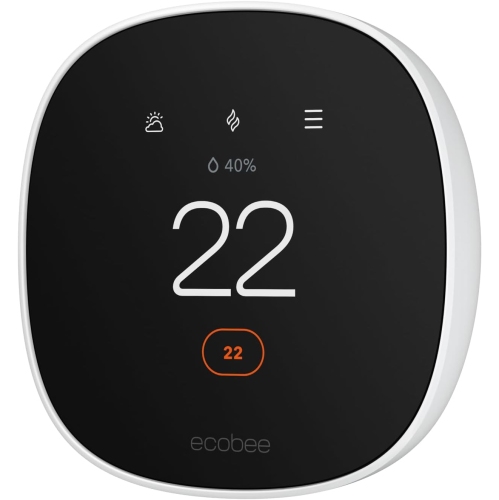
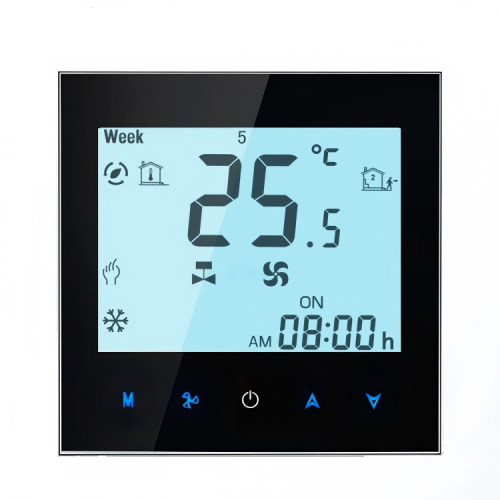
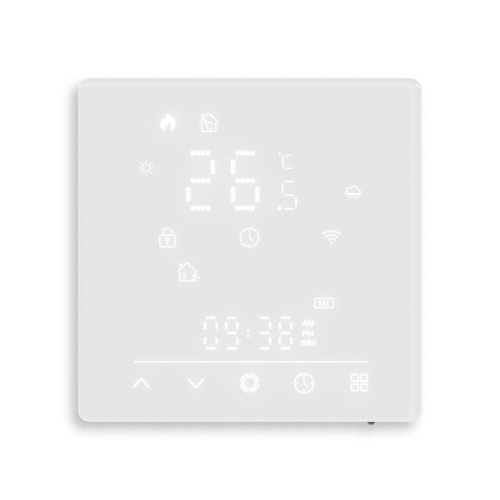
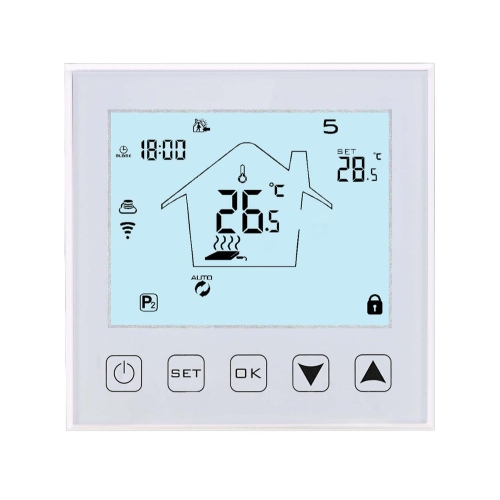
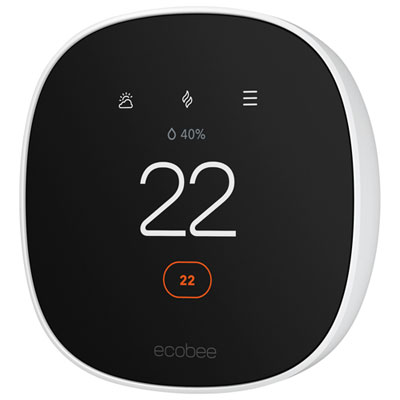
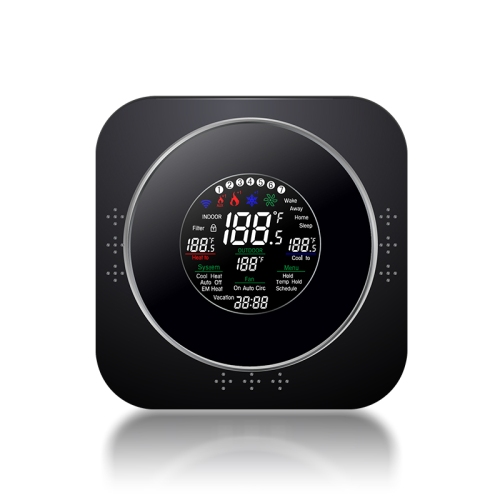
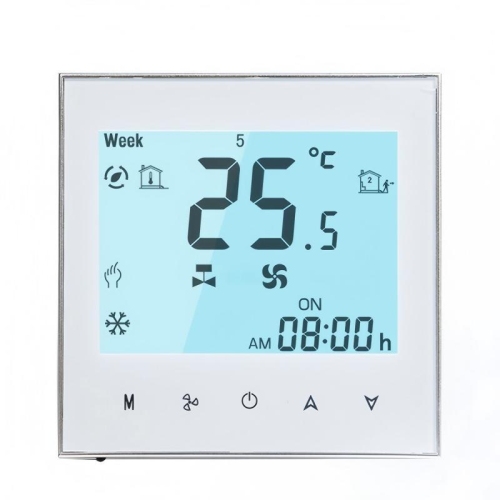
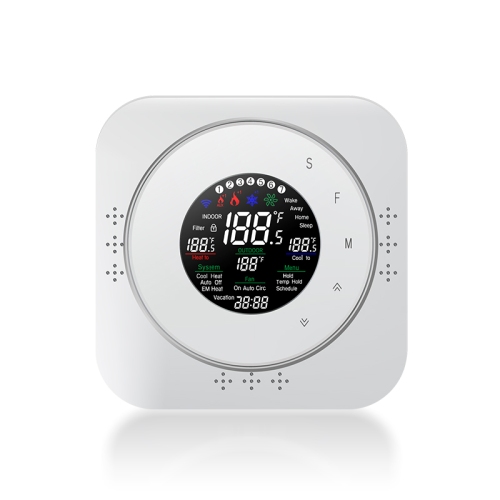
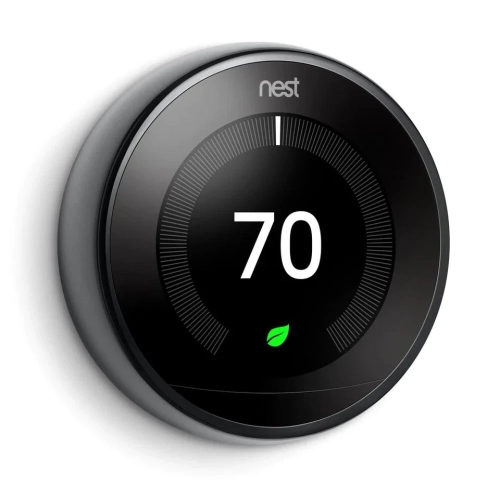
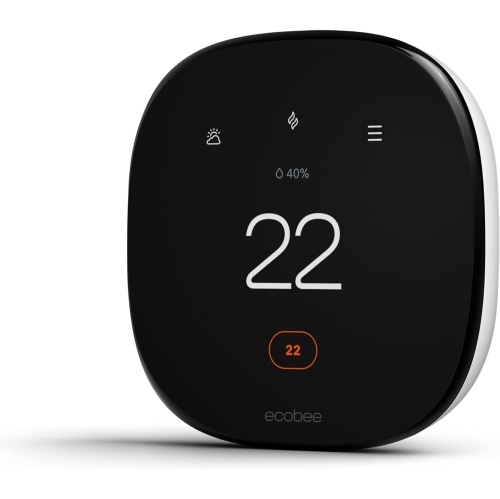
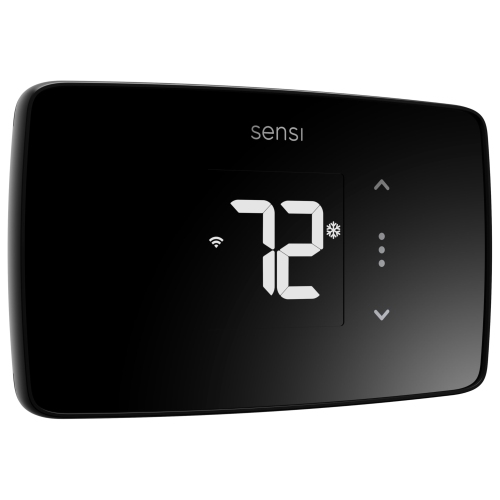

Hands-free temperature control that fits your daily routine
Voice assistant smart thermostats bring spoken commands, app access, and everyday heating and cooling controls into one connected setup. A compatible voice assistant can make a small adjustment feel effortless when hands are covered in flour, a child needs attention, or someone is already settled on the sofa. Depending on the thermostat and connected system, spoken requests may change the set temperature, check the indoor reading, or switch between supported operating modes. Some thermostats include microphones and voice features, while others receive commands through a separate compatible smart speaker or display. That distinction matters in a home where voice control is wanted in several rooms but the thermostat sits in a hallway. Physical controls remain useful, too: a clear display, responsive touchscreen, or easy-to-turn dial gives household members and guests a familiar way to make adjustments without opening an app. Programmable schedules can support predictable routines, such as having the living area comfortable before breakfast or adjusting settings when everyone leaves for the day. Models with supported occupancy features or remote room sensors offer additional flexibility, although the way those features influence heating and cooling varies. A sensor in a bedroom, for example, may help a compatible thermostat respond to conditions there rather than relying only on the hallway reading. It does not, by itself, create independently controlled rooms; that generally depends on the heating and cooling system and its zoning equipment. For households with different preferences, adjustable comfort settings and temporary overrides can make shared controls more practical. These thermostats suit people who appreciate hands-free access, remote adjustments, and a more consistent daily routine, including those who find reaching a wall-mounted control inconvenient. The most useful combination is one that fits how the home is actually used, with voice commands adding convenience rather than becoming the only way to manage comfort.
Compatibility begins with the equipment behind the wall, not just the voice assistant in the room. Smart thermostats are designed for particular heating and cooling systems, and support can differ for furnaces, central air conditioning, heat pumps, electric baseboard heating, and systems with multiple stages. Many connected thermostats are intended for low-voltage controls and cannot replace a line-voltage thermostat used with certain electric heating systems. Heat pump configurations may also require specific support for auxiliary or emergency heat. Power requirements deserve the same attention: some thermostats need a common wire, often called a C-wire, while others support different power arrangements or a compatible adapter. Wire colours alone do not establish compatibility, and an existing thermostat’s appearance does not reveal every detail of the system it controls. Clear compatibility information and, where needed, assessment by a qualified installer help establish whether a replacement is suitable. In a condo or rental property, building requirements and permission to alter installed controls may also affect the choice. The thermostat’s physical fit matters once those technical details are settled. A compact faceplate can leave old screw holes or an unpainted outline visible, while a suitable trim plate may cover marks from a larger control. Depending on the design, housings may combine plastic, glass, and metal accents, with rounded or angular profiles that sit differently against painted walls, tile, or wood panelling. Screen size, contrast, viewing angle, and adjustable brightness influence how easily settings can be read from across a hallway or beside a doorway. Placement also affects performance: direct sunlight, nearby supply vents, and other sources of heat can interfere with a representative room reading. For routine care, a soft, dry cloth is often sufficient for the exterior, subject to the manufacturer’s directions. Spraying cleaner directly onto the display or allowing moisture into openings can damage controls. Secure mounting, appropriate placement, and gentle cleaning help protect a device that may be touched several times a day.
Connected features are most useful when they match the household’s network, routines, and expectations about access. Wi-Fi requirements vary, including which frequency bands a thermostat supports, and a reliable signal at the mounting location helps with app connections and supported voice commands. Some functions depend on an internet connection or a separate service, while basic wall controls and stored schedules may operate differently during an outage. Those distinctions are especially relevant for anyone who wants straightforward control without depending on a phone for every adjustment. Shared app access can let more than one authorized person manage settings, while supported alerts may flag unusual readings, connection issues, or maintenance reminders. Alerts supplement regular equipment care; they do not replace inspection or servicing. For homes with several connected devices, routines may combine thermostat settings with other supported actions, such as adjusting the set point when a departure routine runs. Platform compatibility is separate from voice compatibility, making Best Smart Thermostats for Home Assistant a useful related category for households planning that type of connected setup. Privacy and account controls also deserve consideration, particularly when a thermostat includes a microphone or uses occupancy information. Available microphone controls, account permissions, software support, and clear explanations of connected features help household members understand what they are enabling. Practical details can be just as important as advanced automation: an easy-to-read set point, a simple temporary hold, and an understandable schedule are useful every day. A thermostat can also make a thoughtful household gift when the recipient wants connected controls and the heating system, wiring, and installation arrangements have been confirmed beforehand. It is better suited to a planned home upgrade than an unverified surprise. Whether the priority is hands-free adjustments while cooking, accessible controls near a favourite chair, or convenient management from a phone, voice assistant smart thermostats offer several ways to keep everyday comfort within easy reach.
Top selling and popular products
-
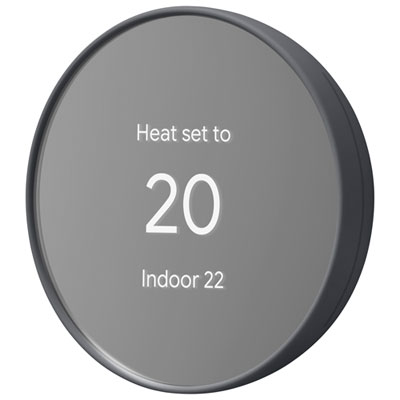 Your price for this item is $125.99
-
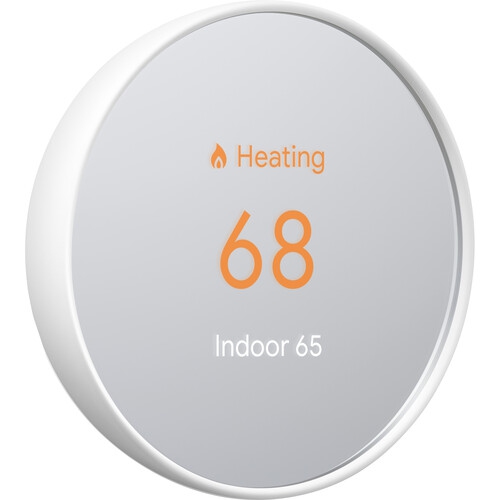 Your price for this item is $119.99
-
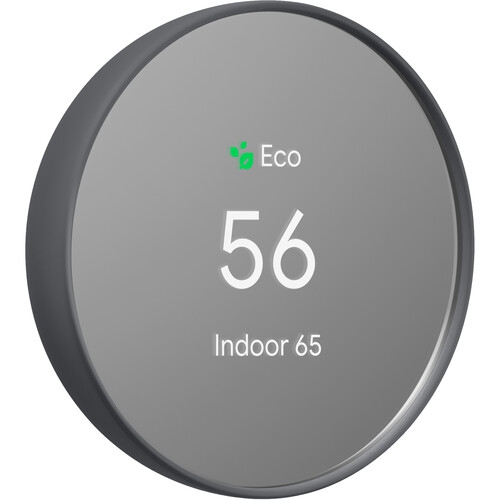 Your price for this item is $119.99
-
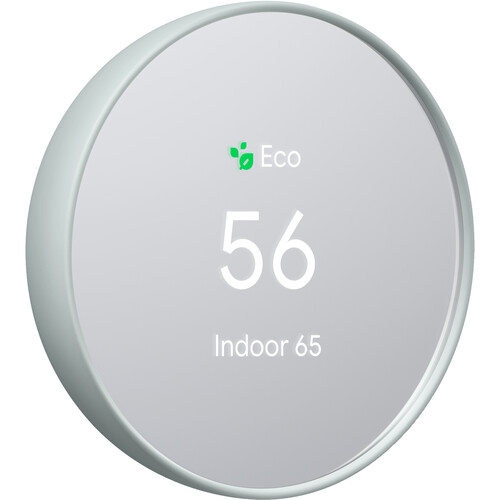 Your price for this item is $119.99
-
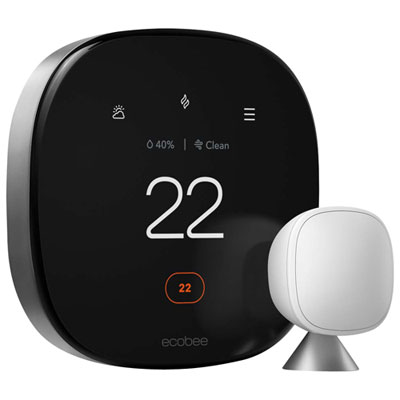 Your price for this item is $248.98
-
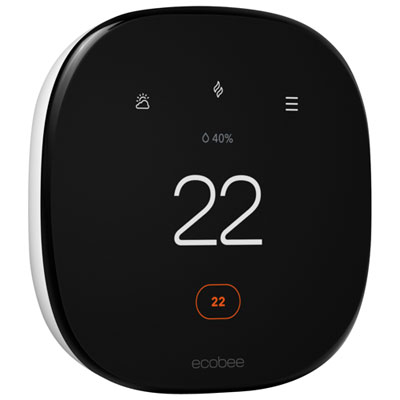 Your price for this item is $188.98
-
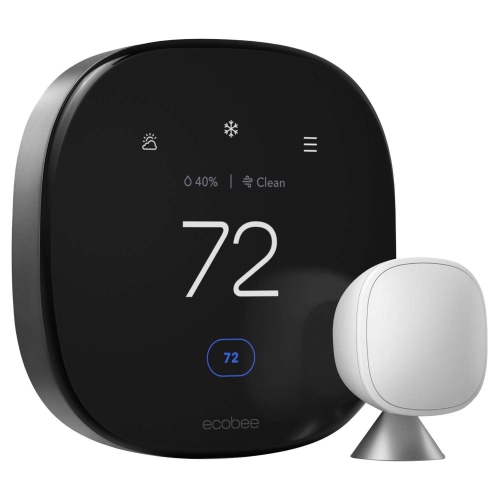 Your price for this item is $279.99
-
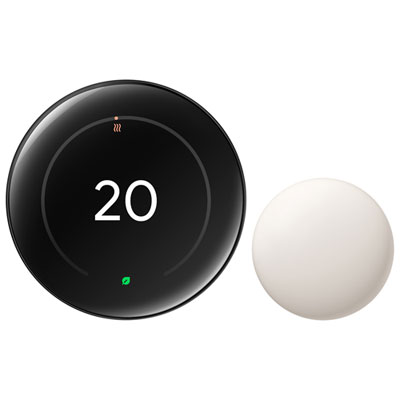 Your price for this item is $299.99
Discover more categories related to Voice Assistant Smart Thermostats
Top Collections:
Best Black Friday Deals This Year, Best Black Friday Deals On Electronics, Kindle Devices, Dyson Airwrap, Best Cameras for Sports Photography, Best Budget Office Chairs, Canon G7X Cameras, PS5 Pro Consoles, Best Black Friday Deals On Apple Products, XBOX One S Consoles
Some products may be subject to Environmental Handling Fees
(EHF) depending on your province.
Learn more about EHFs.