Timer Switches
Looking to automate your home or office lighting and appliances? A timer switch is the perfect solution to conveniently control your devices based on a set schedule. With easy-to-program settings, timer switches offer energy-saving benefits and added security by giving the illusion of occupancy when you're away. Explore our selection of timer switches to find the right one for your needs and start enjoying the convenience of automated control in your space.
Sort
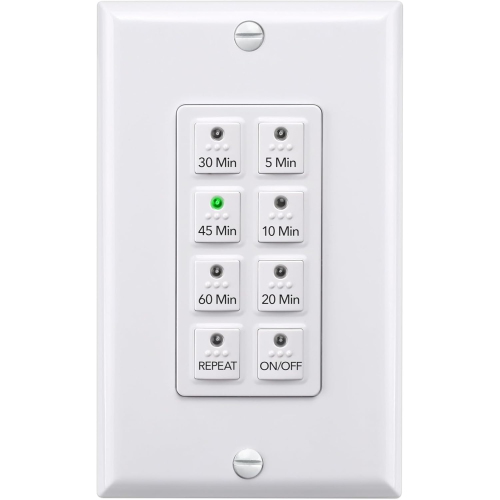
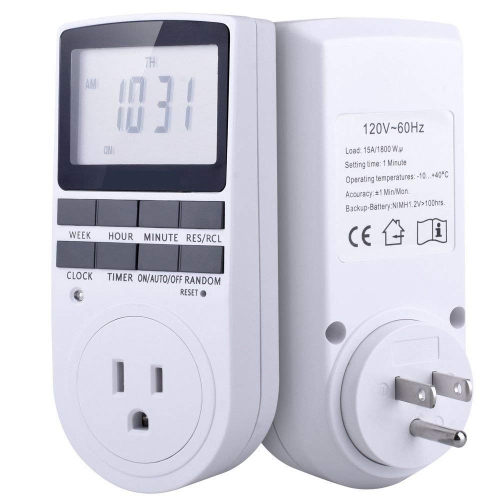
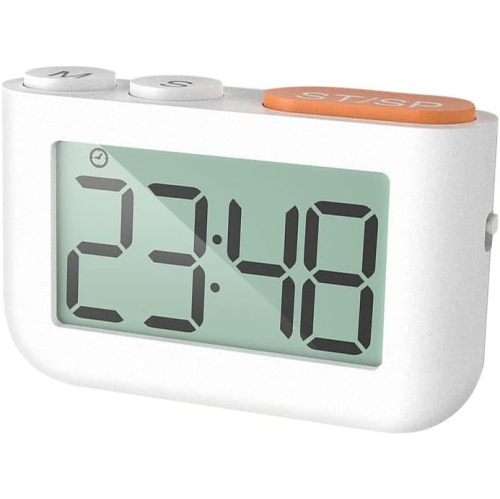
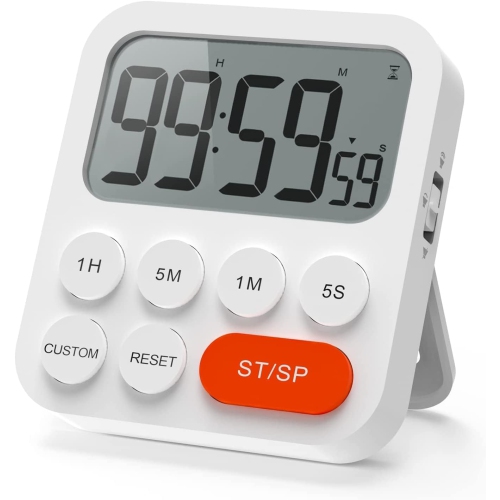
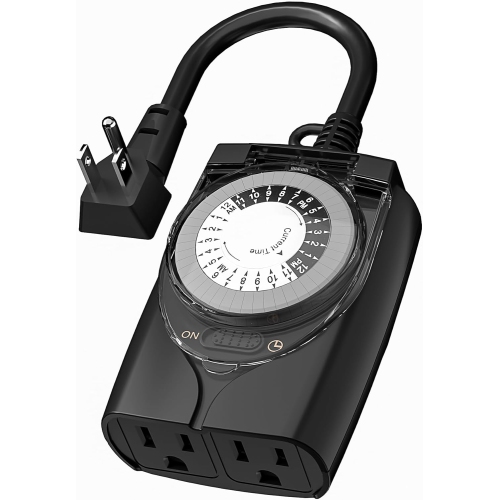
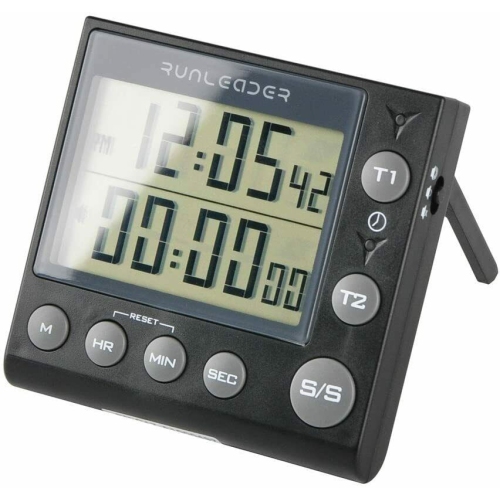
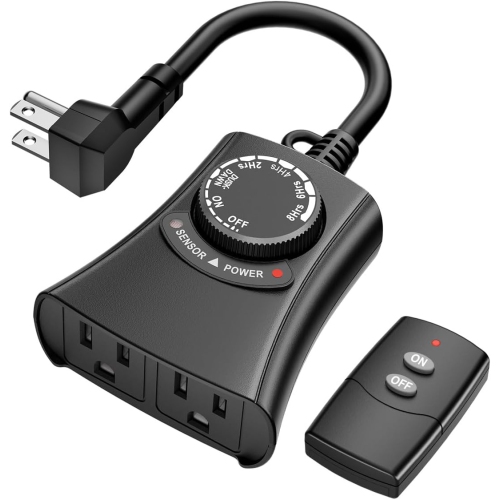
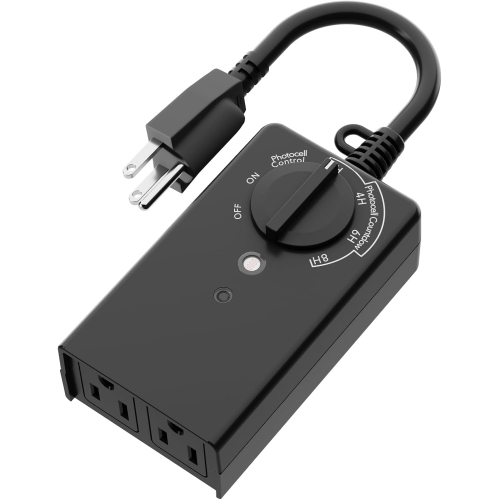
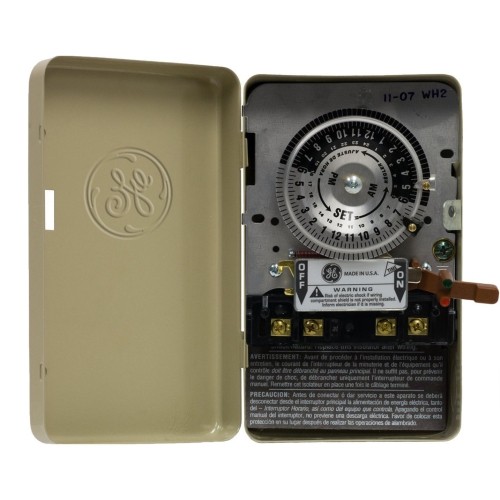
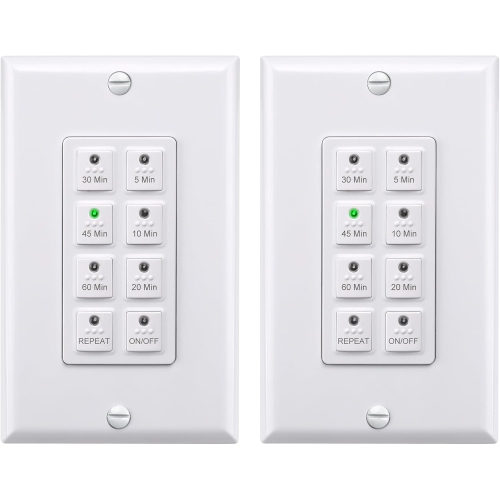
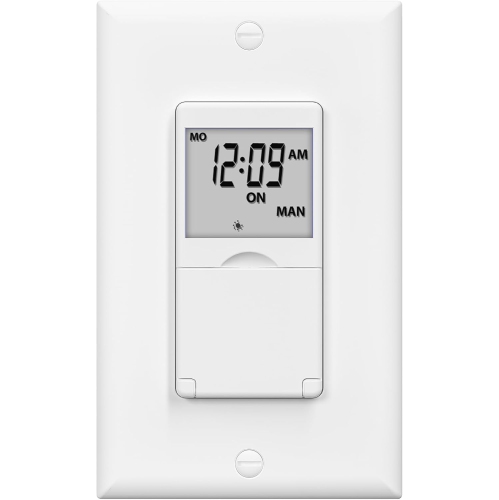
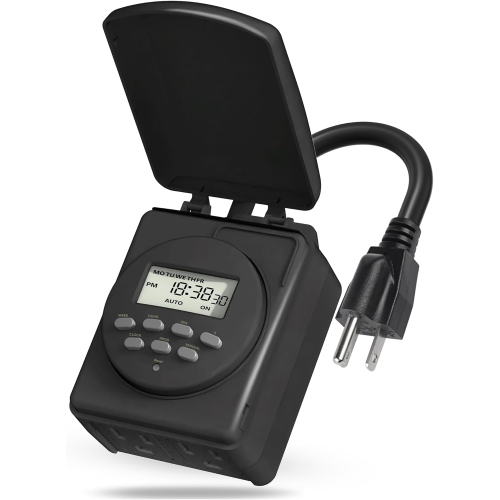
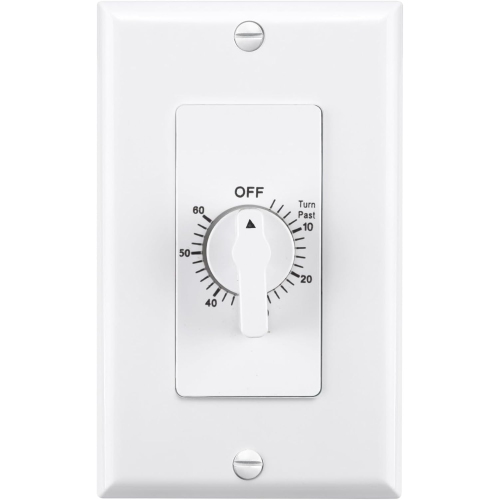
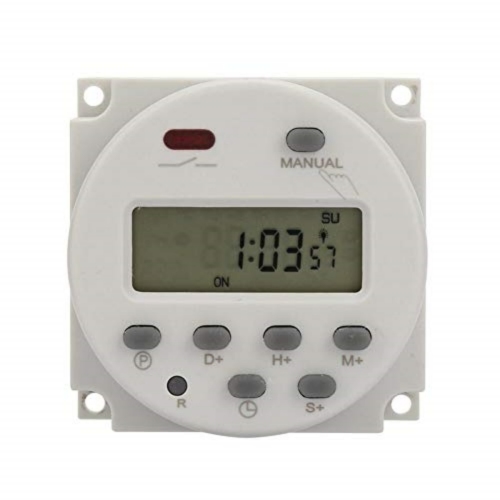
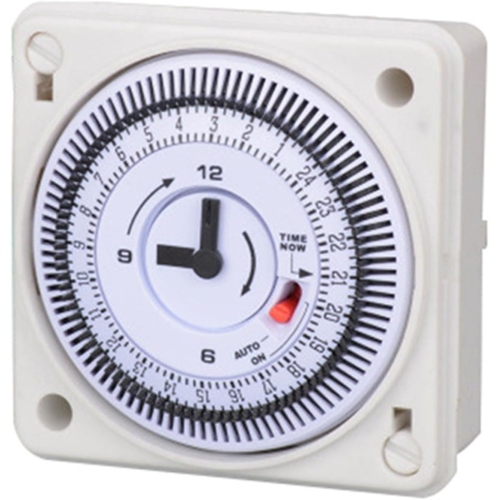
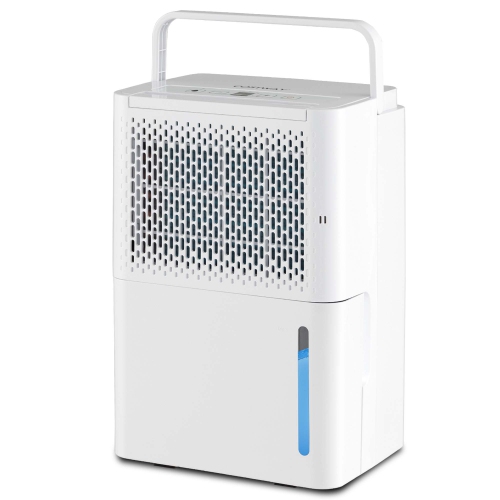
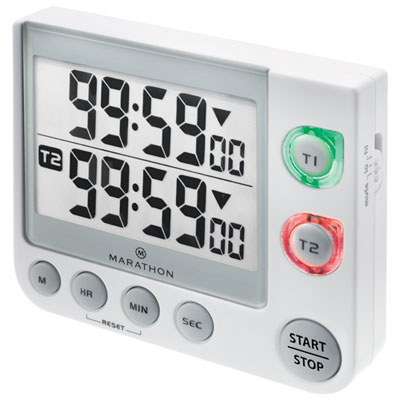
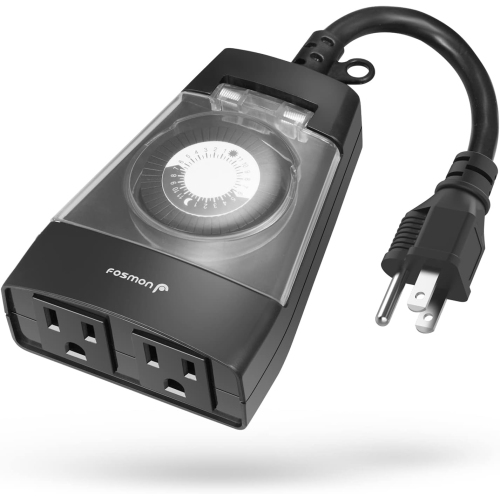
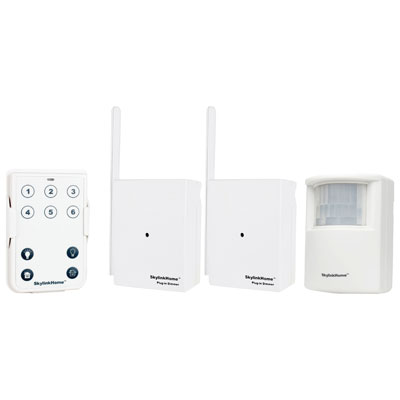

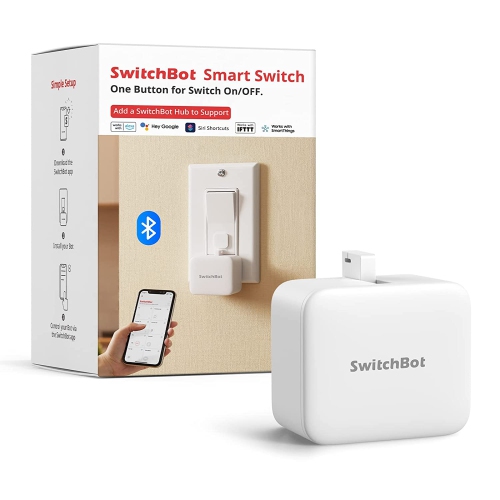
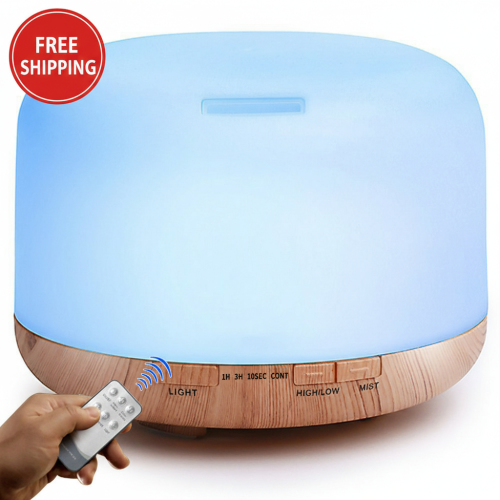
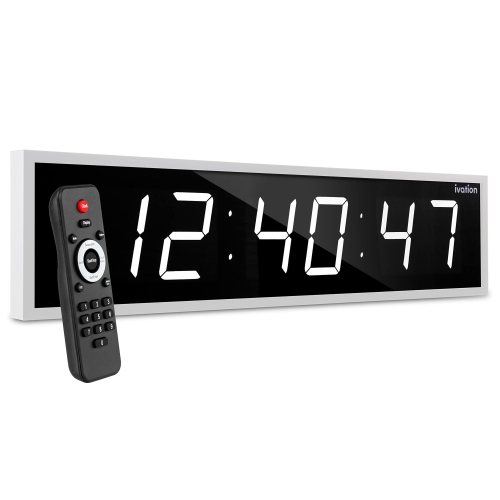
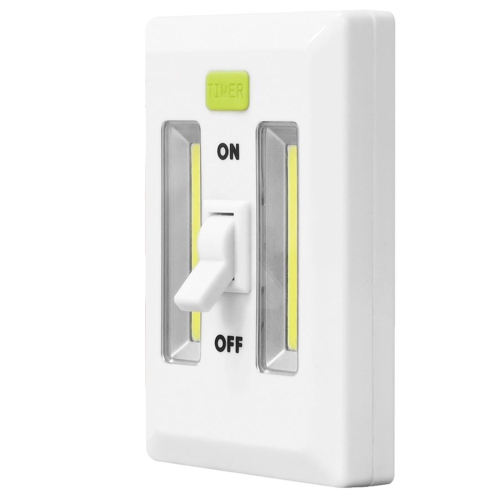
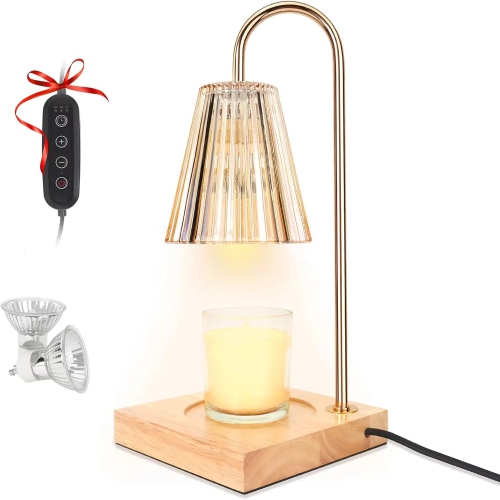

Automatic control for lights, fans, and everyday routines
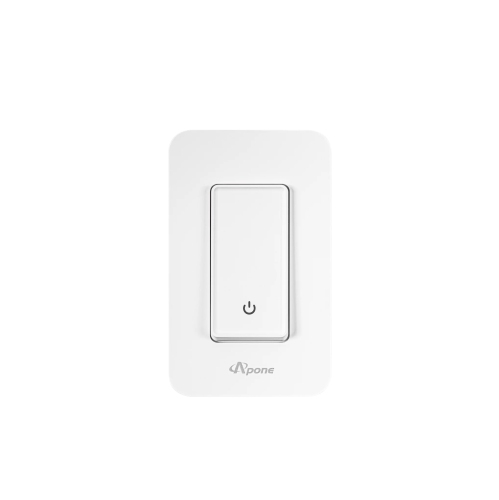
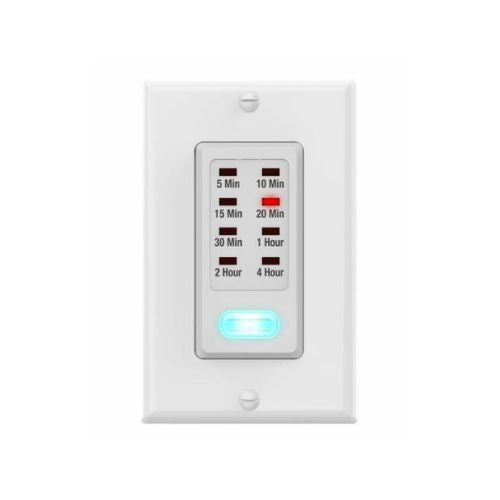
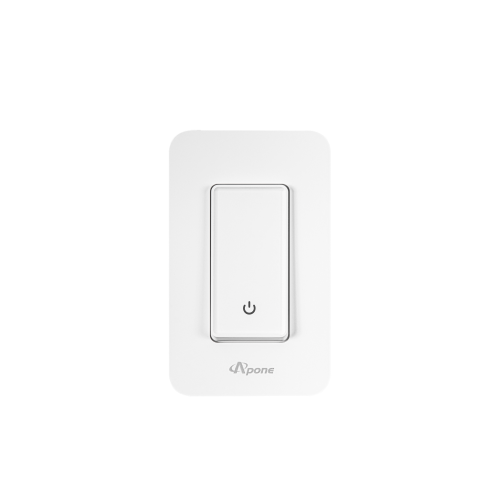
Timer switches make it easier to control lights, fans, heat lamps, and other compatible fixtures without relying on memory or reaching for a wall switch every time. Designed to replace or complement standard switches and plug-in controls, they can turn a device off after a set period, follow a repeating schedule, or respond to commands from a phone. A countdown timer is useful in rooms where equipment is usually needed for a short, predictable stretch. In a bathroom, it can keep an exhaust fan running after a shower and then shut it off automatically; in a garage, it can operate a light while you unload groceries, organize tools, or take out the recycling without leaving the light on indefinitely. Similar timers can be helpful for closets, laundry areas, storage rooms, workshops, and stairways where a light is often switched on briefly. Some countdown models use simple push buttons with preset intervals such as 10, 20, 30, or 60 minutes, while others offer a broader range of settings. Their straightforward controls are especially appealing in busy households, rental properties, guest rooms, and workplaces where people may not be familiar with a complicated system. For more details about products designed specifically for lighting schedules and automatic control, explore Light Timers. When selecting a timer switch, consider what it will control, how long it should operate, and whether it will be installed in a single-pole or 3-way circuit. A single-pole switch controls a fixture from one location, while a 3-way arrangement allows the same light to be controlled from two locations, such as at either end of a hallway or at the top and bottom of a staircase. Compatibility matters as well: verify the voltage, load rating, bulb or fixture type, and whether the switch is suitable for a motor-driven fan or other appliance. A timer intended for lighting may not be appropriate for every fan, heater, or high-load device, so checking the specifications before purchase is an important step.
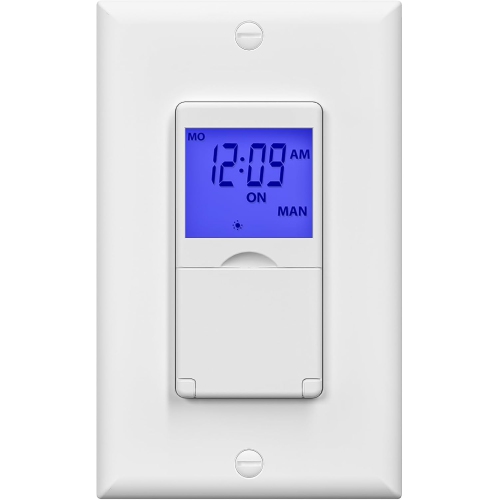
Different timer switch styles suit different routines. Mechanical spring-wound timers use a twist dial and are valued for their familiar operation and quick setup. They are convenient when a light or fan only needs to run for a short period and the user wants to set the duration by hand. Countdown switches offer a similar approach with push-button controls and clearly marked time intervals, making them a natural choice for bathrooms, utility rooms, workshops, and garages. Digital programmable switches are better suited to routines that change throughout the day or across the week. Depending on the model, they may allow separate weekday and weekend schedules, several on-and-off periods, daylight-saving adjustments, and manual override when plans change. A programmable timer can be useful for exterior lights, entryways, holiday displays, and indoor lamps that need to follow a regular pattern while a home is occupied or unattended. Smart or Wi-Fi timer switches add app-based control, remote access, voice assistant compatibility, and the ability to create routines with other connected devices. They may be a good fit for someone who enjoys managing home controls from a phone, or for households where lighting needs to be adjusted while away. Before choosing a connected model, check whether it requires a hub, operates on a 2.4 GHz Wi-Fi network, or needs a neutral wire in the wall box. A neutral wire is commonly present in newer wiring but may not be available in older homes. The wall box depth, switch plate style, and available space can also affect installation. People replacing an existing switch should turn off power at the electrical panel and confirm that the circuit is no longer live. If the wiring is unfamiliar, if multiple cables are present, or if the installation involves a fan, heater, or other demanding load, a licensed electrician can help ensure the switch is installed correctly and safely.
Timer switches are practical additions for homeowners, renters with permission to make electrical changes, landlords, caregivers, and anyone setting up a more predictable daily routine. They can help a child remember to turn off a bathroom fan, give an older adult a simpler way to operate a light, or make a guest room easier to use by providing clear controls and automatic shutoff. They also make thoughtful housewarming, renovation, and new-home gifts when the recipient is improving a hallway, garage, bathroom, workshop, or outdoor entry. During the warmer seasons, a timer can help manage fans and exterior lighting around patios, porches, sheds, and entrances; during the cooler months, it can keep indoor routines comfortable and orderly by controlling bathroom ventilation, storage-room lighting, or lamps used around darker mornings and evenings. For travel or extended time away, programmable schedules can give interior or exterior lights an occupied appearance without requiring someone to visit the home at the same time each day. Manual override is a valuable feature in these situations because it allows the user to switch a light on or off without cancelling the programmed schedule. Look for readable markings, responsive buttons, a display that is easy to see, and controls that make sense at a glance. In a family home, a simple countdown switch may be more useful than an app; in a connected home, remote scheduling may be the priority. Taking a few minutes to match the timer type, installation requirements, load rating, control method, and intended room can make the finished setup feel natural rather than like another device to manage.
Different timer switch styles suit different routines. Mechanical spring-wound timers use a twist dial and are valued for their familiar operation and quick setup. They are convenient when a light or fan only needs to run for a short period and the user wants to set the duration by hand. Countdown switches offer a similar approach with push-button controls and clearly marked time intervals, making them a natural choice for bathrooms, utility rooms, workshops, and garages. Digital programmable switches are better suited to routines that change throughout the day or across the week. Depending on the model, they may allow separate weekday and weekend schedules, several on-and-off periods, daylight-saving adjustments, and manual override when plans change. A programmable timer can be useful for exterior lights, entryways, holiday displays, and indoor lamps that need to follow a regular pattern while a home is occupied or unattended. Smart or Wi-Fi timer switches add app-based control, remote access, voice assistant compatibility, and the ability to create routines with other connected devices. They may be a good fit for someone who enjoys managing home controls from a phone, or for households where lighting needs to be adjusted while away. Before choosing a connected model, check whether it requires a hub, operates on a 2.4 GHz Wi-Fi network, or needs a neutral wire in the wall box. A neutral wire is commonly present in newer wiring but may not be available in older homes. The wall box depth, switch plate style, and available space can also affect installation. People replacing an existing switch should turn off power at the electrical panel and confirm that the circuit is no longer live. If the wiring is unfamiliar, if multiple cables are present, or if the installation involves a fan, heater, or other demanding load, a licensed electrician can help ensure the switch is installed correctly and safely.
Timer switches are practical additions for homeowners, renters with permission to make electrical changes, landlords, caregivers, and anyone setting up a more predictable daily routine. They can help a child remember to turn off a bathroom fan, give an older adult a simpler way to operate a light, or make a guest room easier to use by providing clear controls and automatic shutoff. They also make thoughtful housewarming, renovation, and new-home gifts when the recipient is improving a hallway, garage, bathroom, workshop, or outdoor entry. During the warmer seasons, a timer can help manage fans and exterior lighting around patios, porches, sheds, and entrances; during the cooler months, it can keep indoor routines comfortable and orderly by controlling bathroom ventilation, storage-room lighting, or lamps used around darker mornings and evenings. For travel or extended time away, programmable schedules can give interior or exterior lights an occupied appearance without requiring someone to visit the home at the same time each day. Manual override is a valuable feature in these situations because it allows the user to switch a light on or off without cancelling the programmed schedule. Look for readable markings, responsive buttons, a display that is easy to see, and controls that make sense at a glance. In a family home, a simple countdown switch may be more useful than an app; in a connected home, remote scheduling may be the priority. Taking a few minutes to match the timer type, installation requirements, load rating, control method, and intended room can make the finished setup feel natural rather than like another device to manage.
Top selling and popular products
-
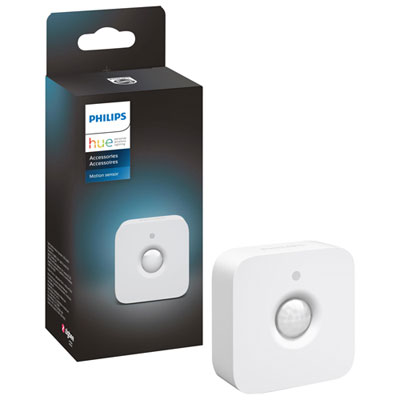 Your price for this item is $49.98
 -
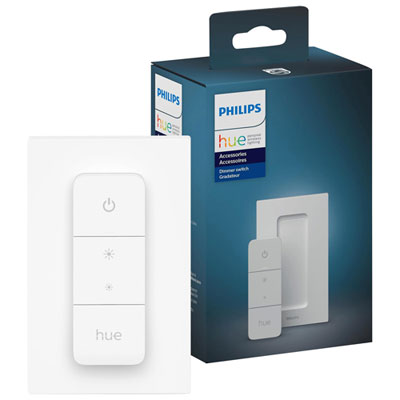 Your price for this item is $29.98
 -
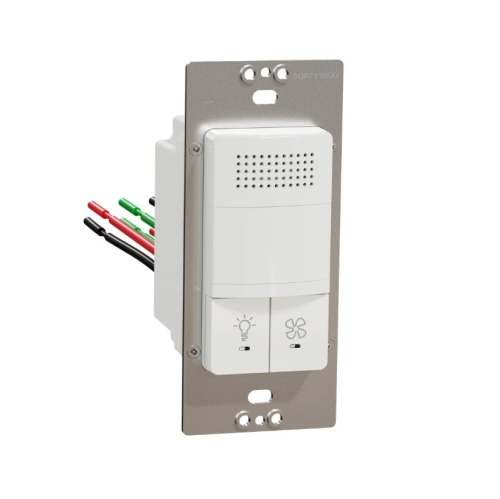 Your price for this item is $32.99
 -
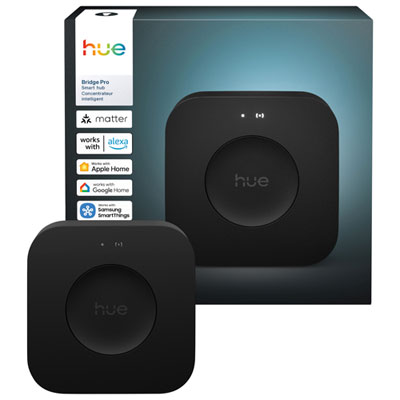 Your price for this item is $169.99
 -
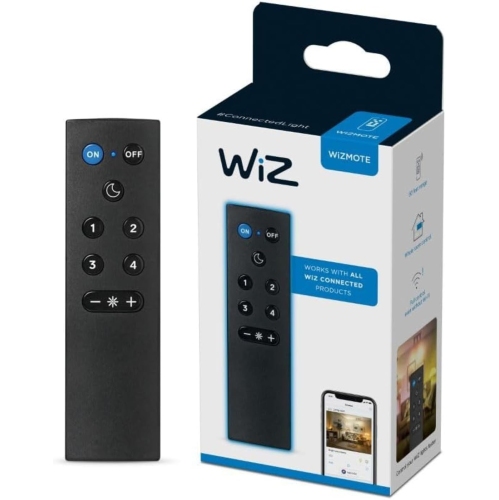 Your price for this item is $73.53
 -
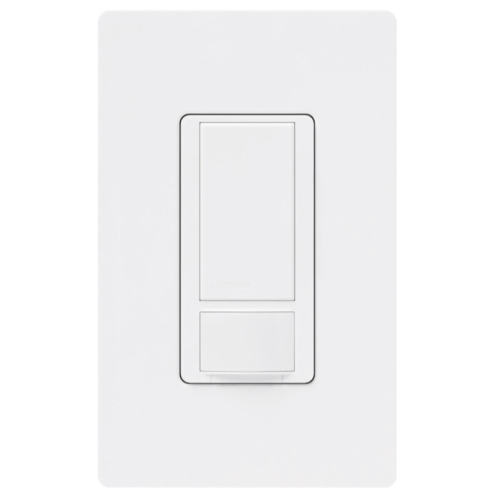 Your price for this item is $65.99
 -
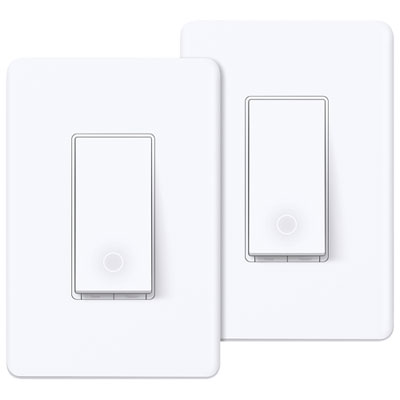 Your price for this item is $30.99
 -
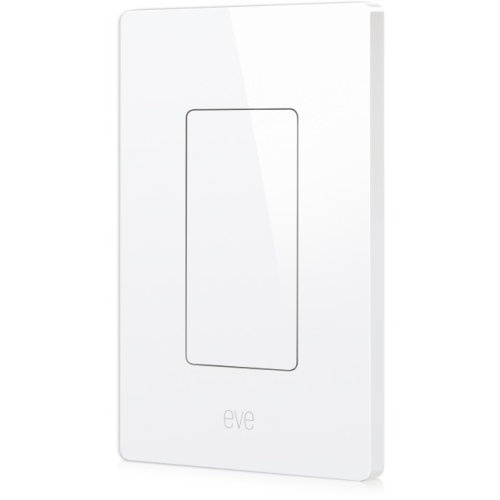 Your price for this item is $130.02
Discover more categories related to Timer Switches
Top Collections:
Pokemon Centers, Kindle Devices, Best Budget Office Chairs, Apple iPhones 16, Best Laptops for Writers, iPhone 15 Apple, Canon G7X Cameras, Refurbished Apple Laptops, Alarm Clock, Motorola Razr Phones
Some products may be subject to Environmental Handling Fees
(EHF) depending on your province.
Learn more about EHFs.