Black Doorbell
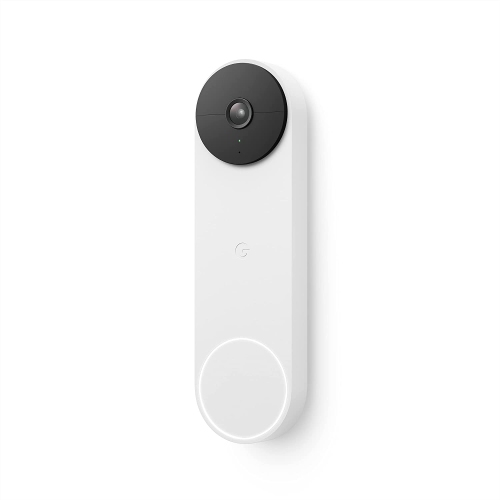
Black doorbells are a great way to add a touch of elegance and sophistication to almost any home. These doorbells are available in a wide variety of shapes, sizes, and styles to suit almost any homeowner’s taste. Whether you’re looking to make a statement with a modern and sleek design, or something more classic and timeless, there are a variety of different styles to choose from.
Sort
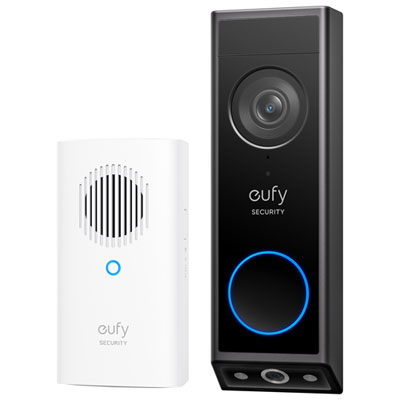
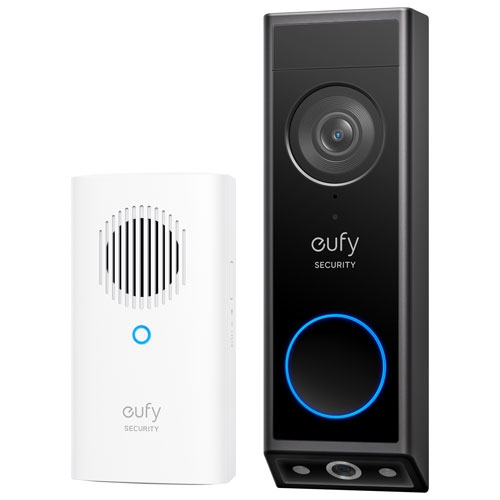
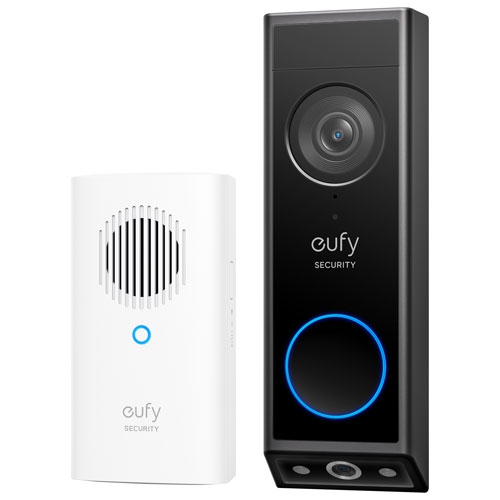

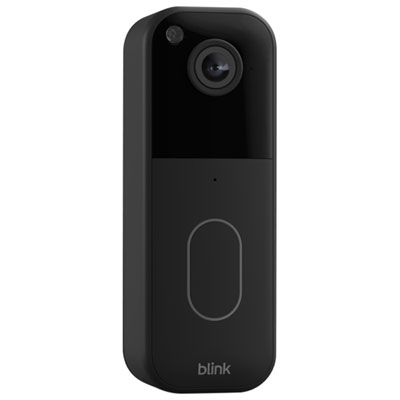
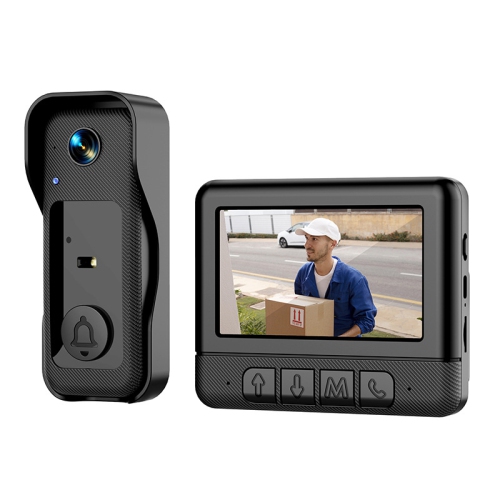
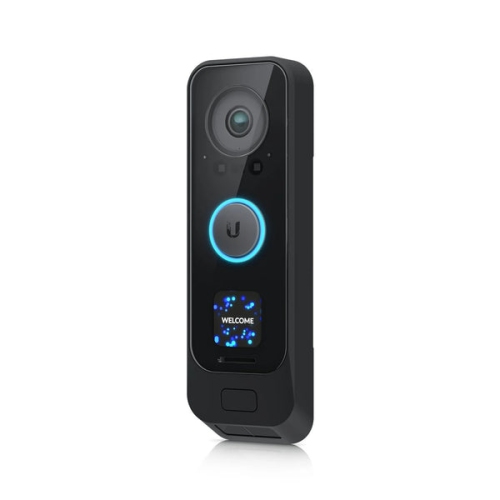
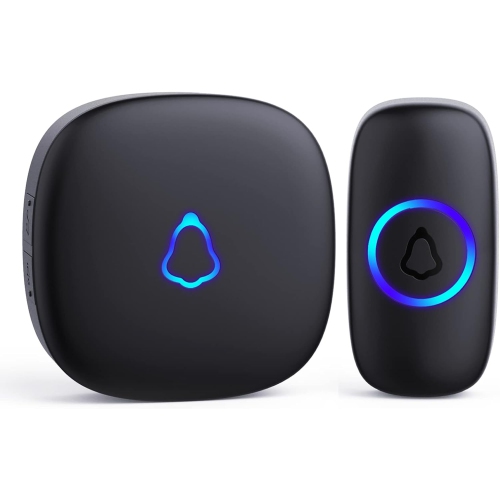
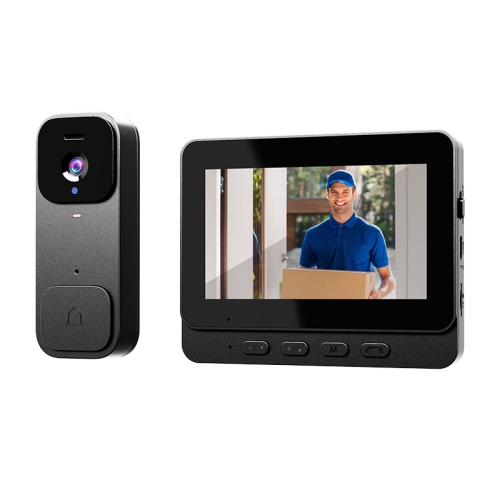
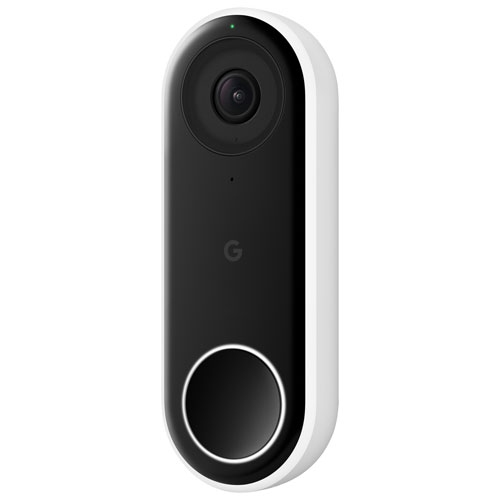
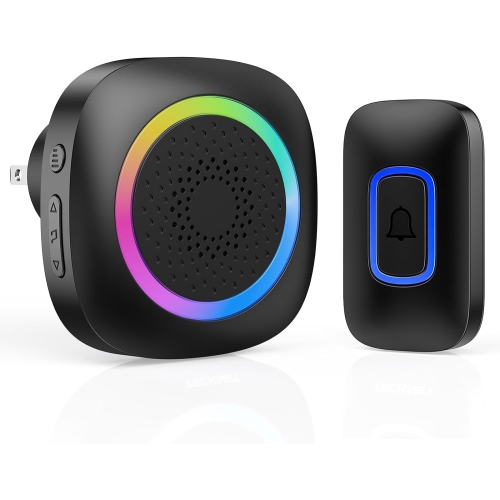
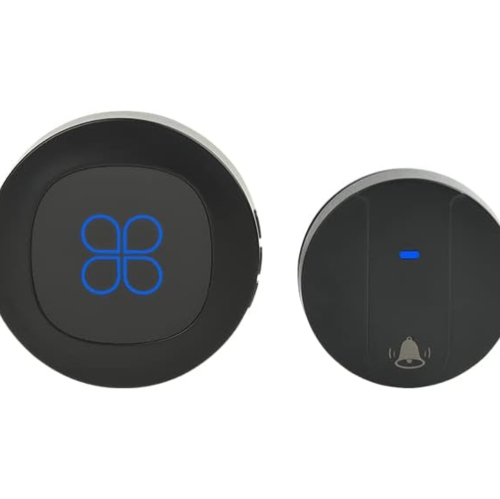
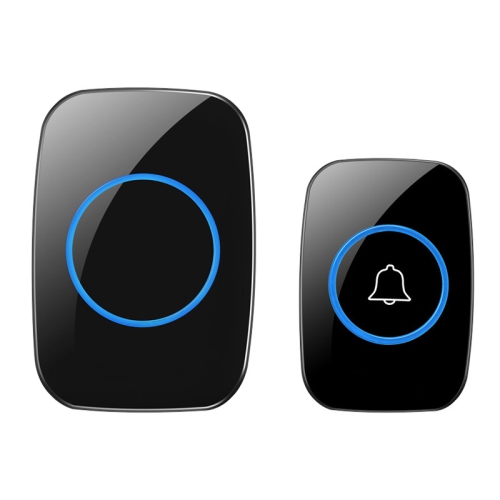
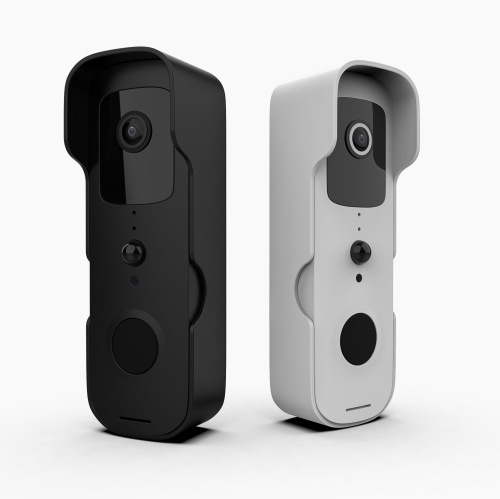
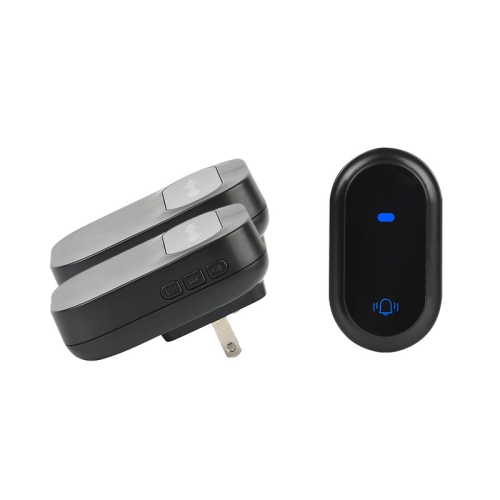
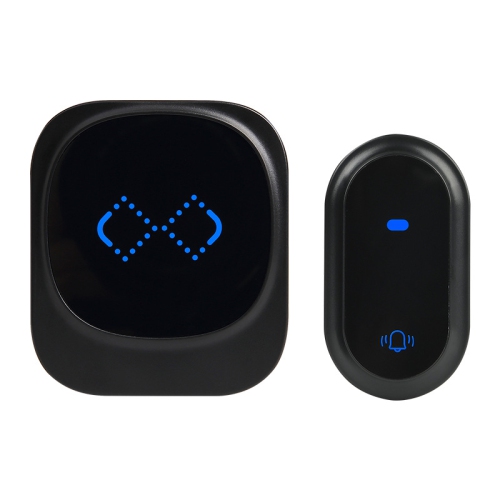
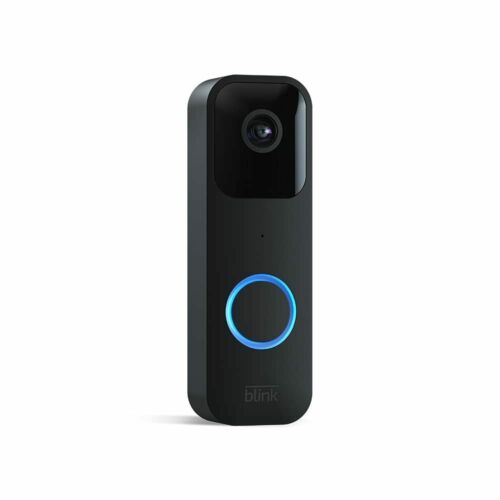
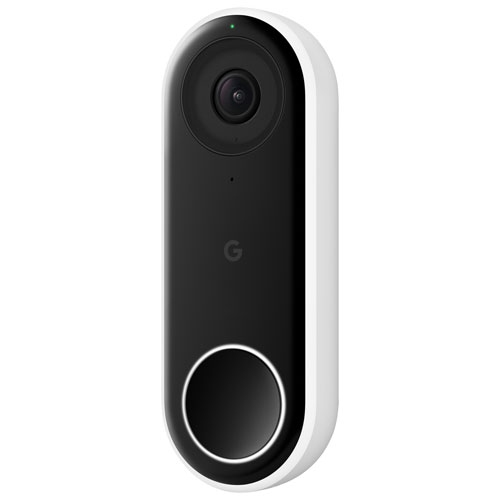
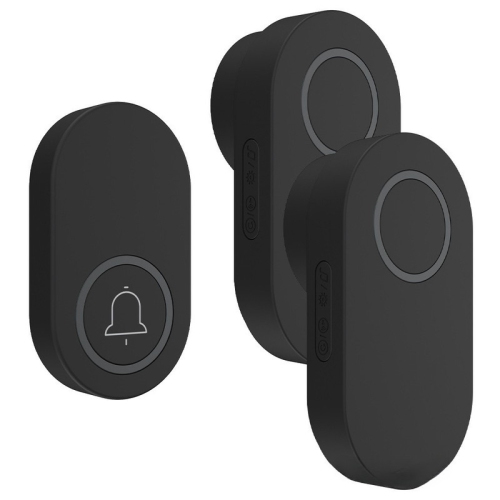
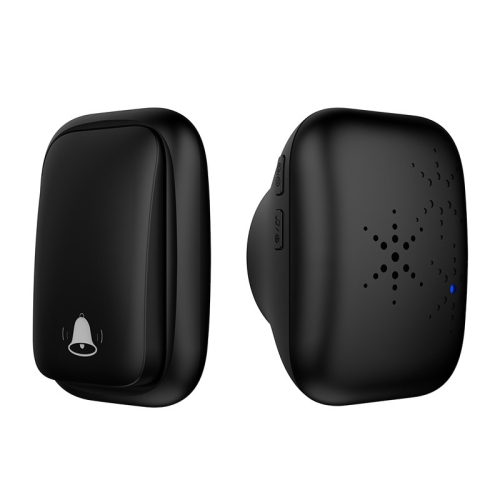
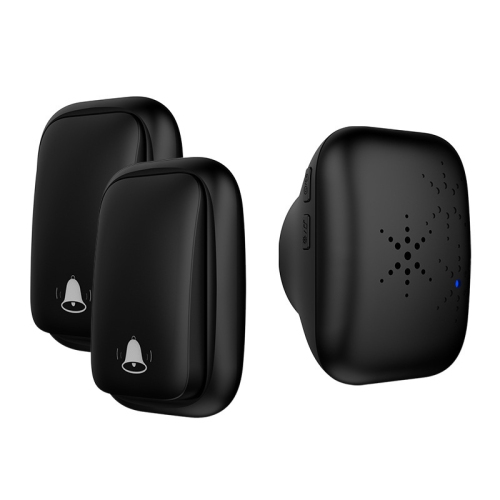
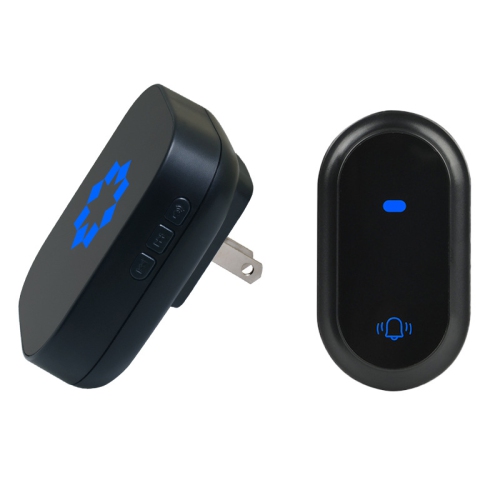
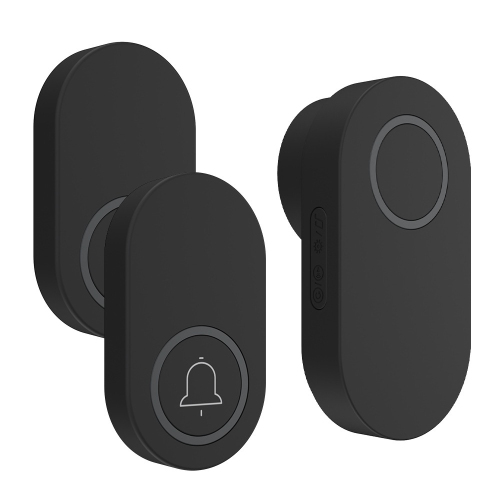
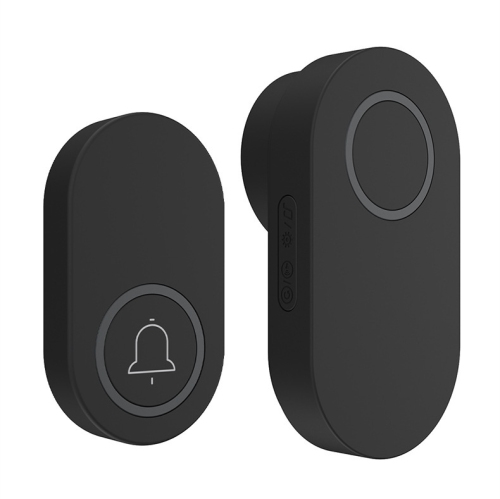
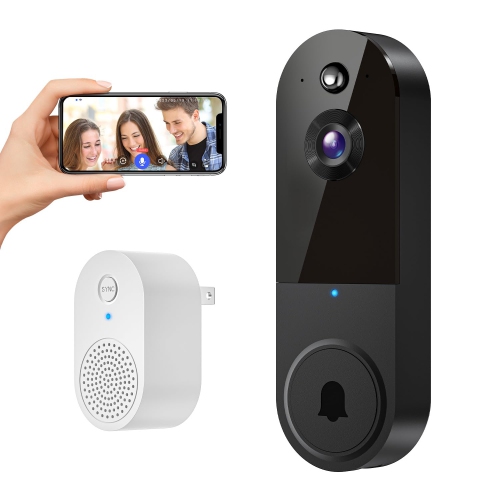
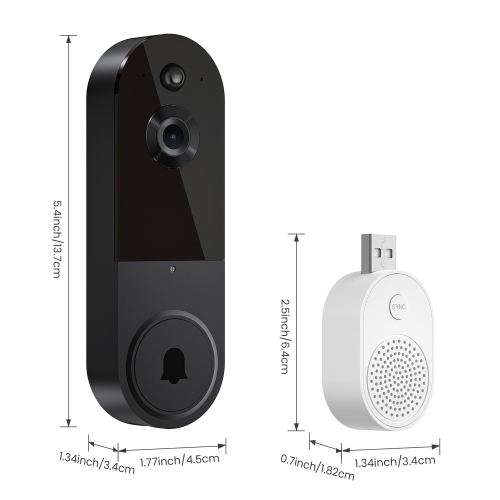
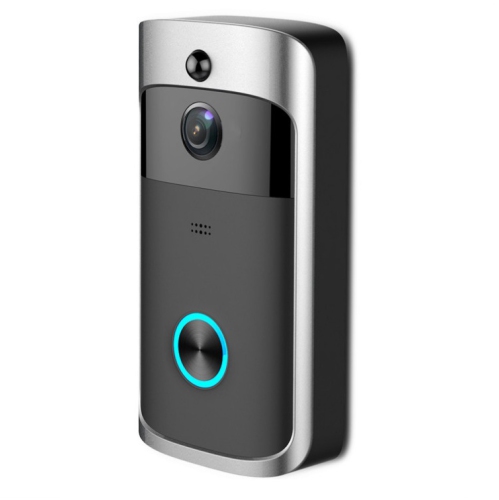
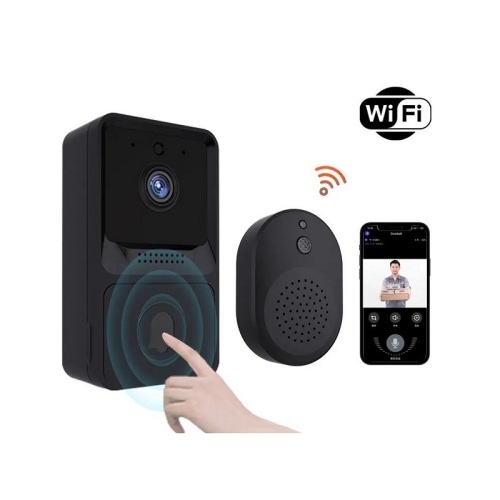
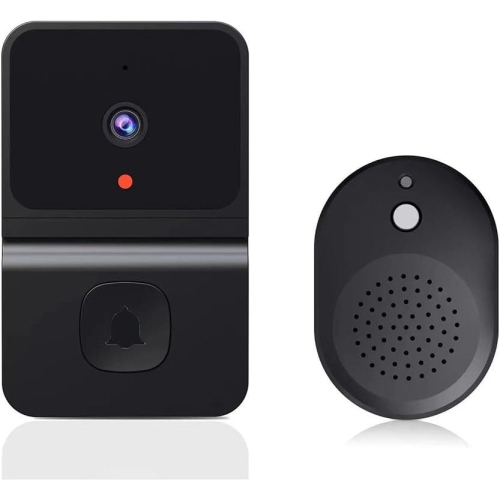
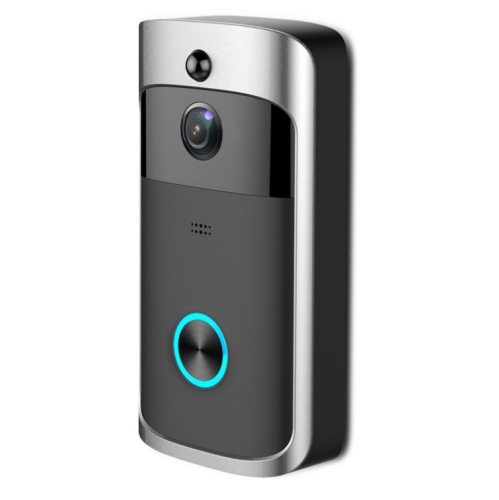
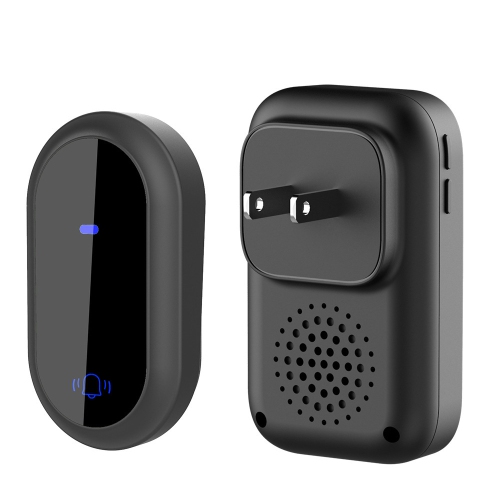
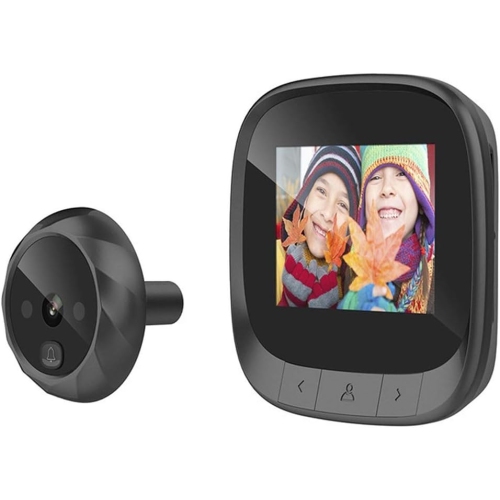
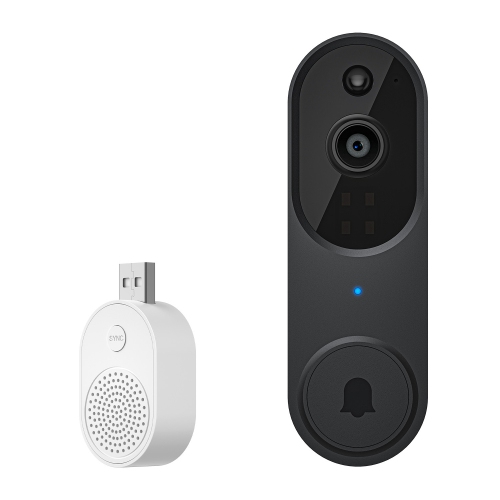
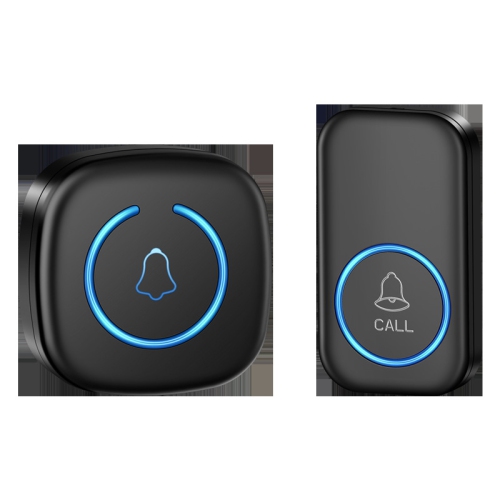
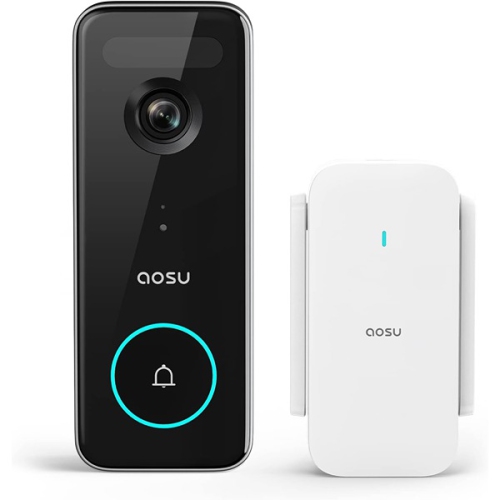
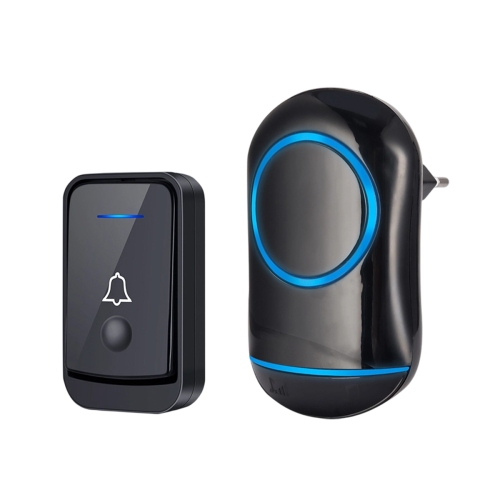
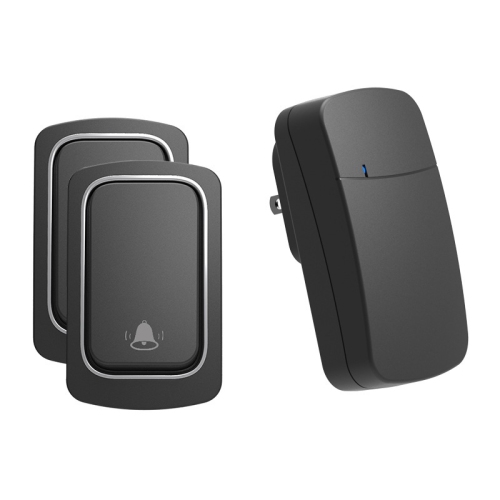
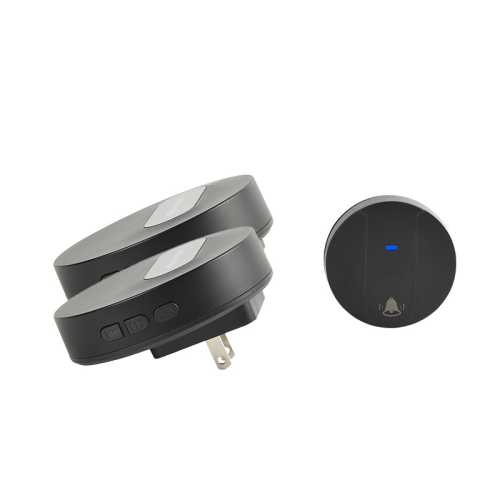
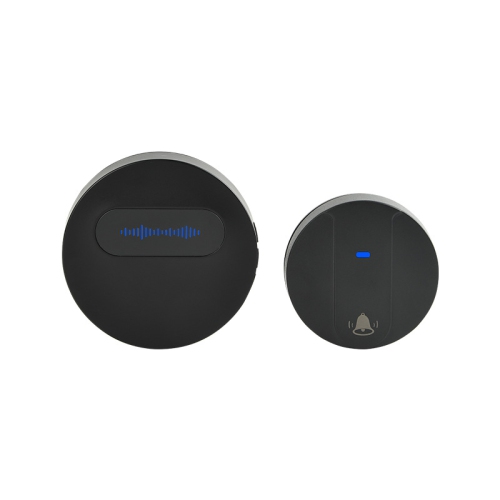
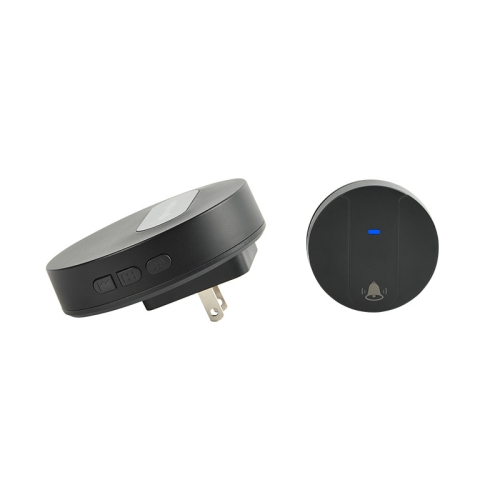
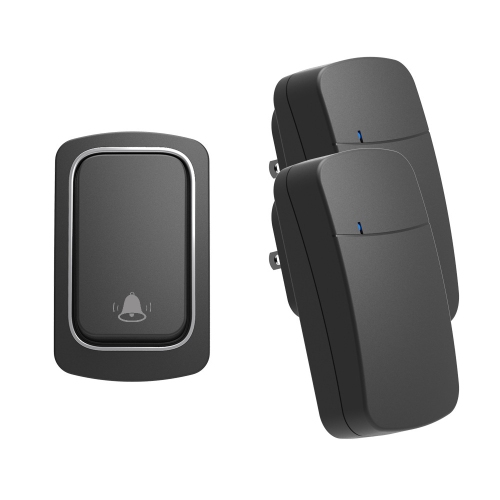
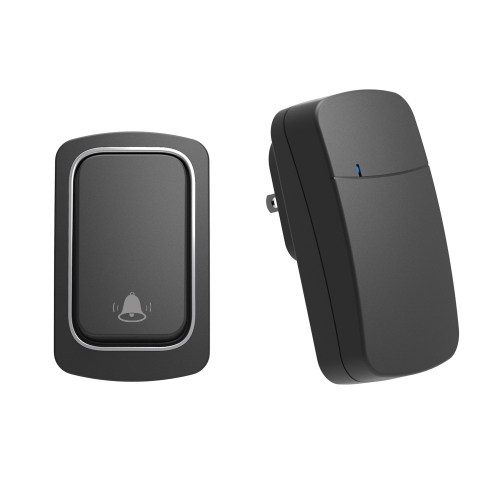
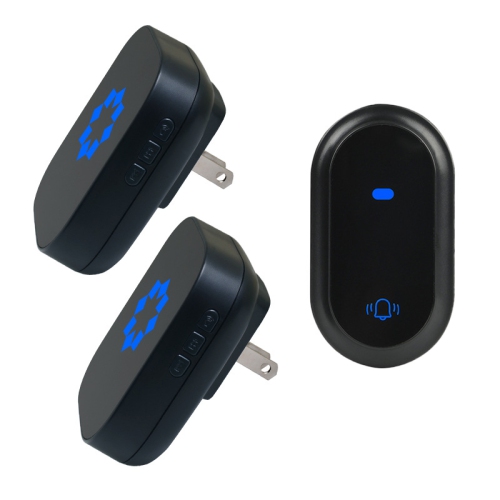
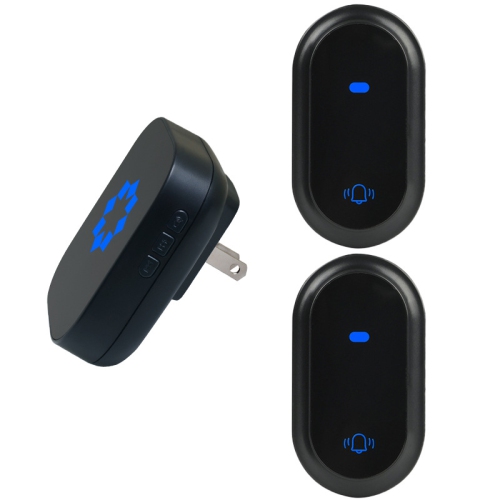
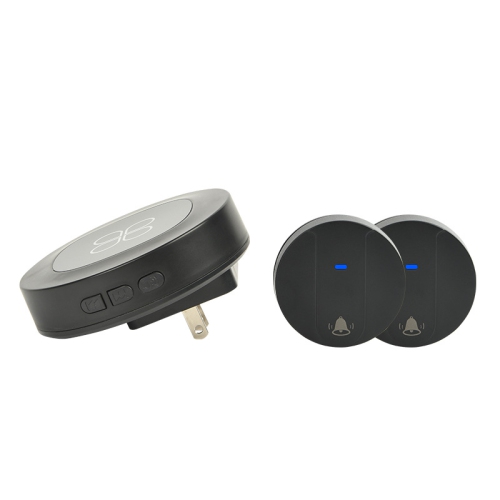
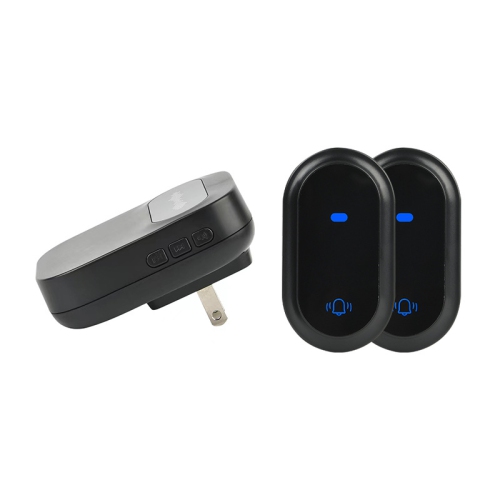
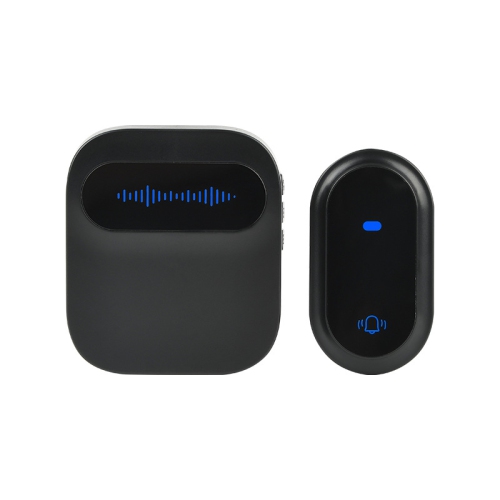


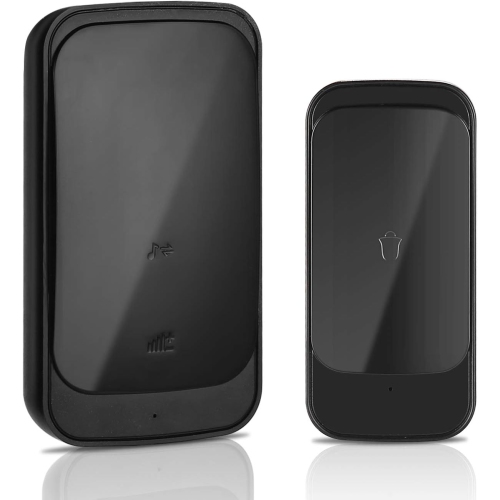
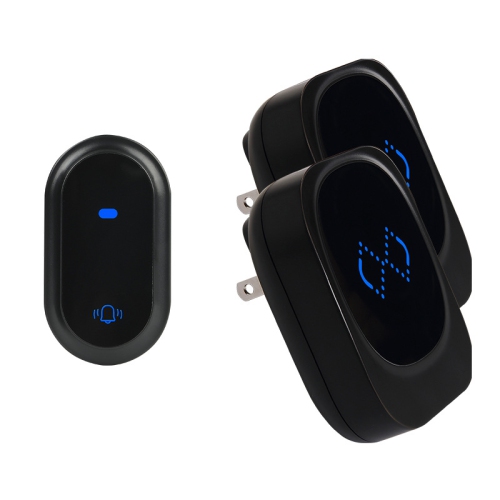
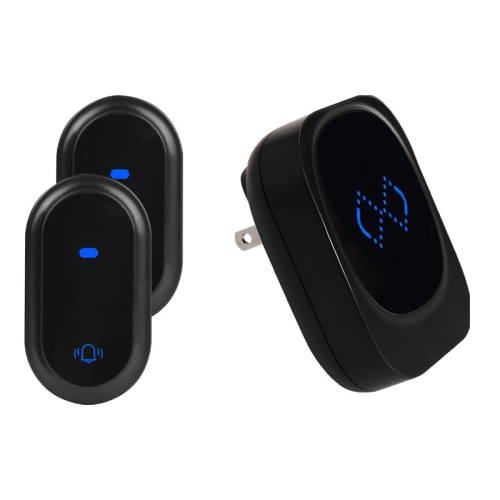
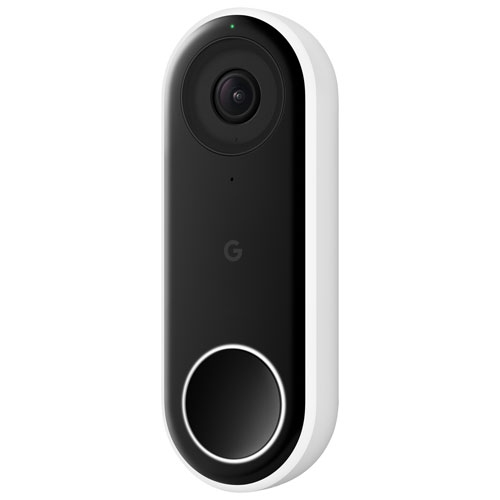
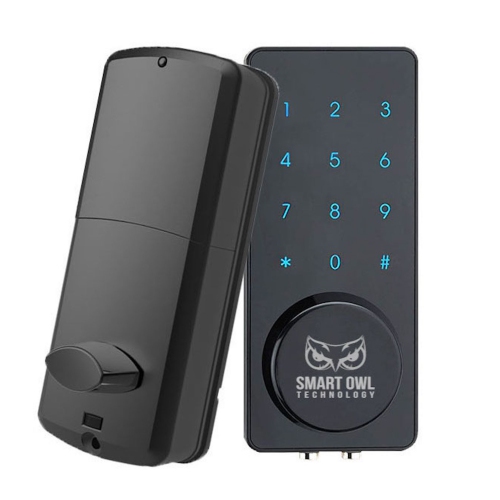
Behind the black finish are different doorbell features
A black doorbell adds a practical finishing touch to an entrance, whether it is a simple push button beside the door or a video doorbell that lets someone see and speak with visitors. The colour works with many exterior styles: matte black can blend into dark trim, echo a black door handle, or create a clear contrast against pale siding and painted brick. The main distinction is between a traditional doorbell, which signals an indoor chime when pressed, and a smart doorbell, which may also send phone notifications, show live video, and support two-way conversation. A basic wired button suits a household that simply wants an audible announcement without an app or camera. A wireless push-button system can be useful where running new wiring is impractical, while a video version adds visibility for households managing deliveries, visitors, or a separate entrance. Black describes the finish rather than the power source or feature set, so doorbells with a similar appearance can work very differently. A wired video doorbell and a wired traditional button, for example, may have different electrical requirements even when they occupy the same spot beside the door. Battery-powered video designs offer more flexibility in placement but need charging or battery changes according to their specifications and use. Some designs support more than one power arrangement, though that should not be assumed from their appearance. The broader selection of Door Bells provides context for comparing these formats alongside the preferred black finish. For a front entrance used by guests every day, a clearly visible button and a dependable indoor alert may matter most. At an entrance that receives frequent deliveries, camera coverage and notifications may carry more weight. Neither format is automatically the better fit; the useful choice is the one that matches how the entrance is used and how the household prefers to answer the door.
Fit involves more than finding a black finish that matches the hardware. The available mounting surface, the position of existing wires, and the clearance beside the door frame all influence how neatly a doorbell can be installed. A slim traditional button may fit on narrow trim where a larger video housing would need a different mounting position. On brick, siding, or a recessed doorway, a suitable mounting plate or angle bracket can help position the button within comfortable reach and, for a camera-equipped design, direct the view towards approaching visitors. A doorbell should not interfere with a storm door, screen door, handle, or other moving hardware. For wired installations, the transformer voltage, power rating, and chime compatibility need to match the doorbell’s requirements; existing wires alone do not confirm that a replacement will work correctly. Professional installation can be appropriate when the wiring is unclear or electrical changes are needed. A wireless button paired with an indoor receiver has different considerations, including receiver placement, access to a suitable outlet when required, and the effect of walls on signal range. Smart versions generally need a compatible home Wi-Fi network, with supported frequency bands varying by design. A strong connection inside the living room does not necessarily mean the signal reaches the entrance reliably. Materials and finish also deserve attention. Doorbell housings may use moulded plastic, metal, or a combination of materials, and the construction should be rated for its intended installation location. A matte surface usually reflects less light than a glossy one, while textured finishes can change how closely the doorbell matches nearby locks and handles. Durability depends on the housing, mounting hardware, button construction, and finish rather than on colour alone. Secure attachment and the correct fasteners for the mounting surface help keep the unit steady through repeated use. For a rental property or condominium, permission to alter the entrance and any rules about cameras or shared spaces are worth confirming before installation.
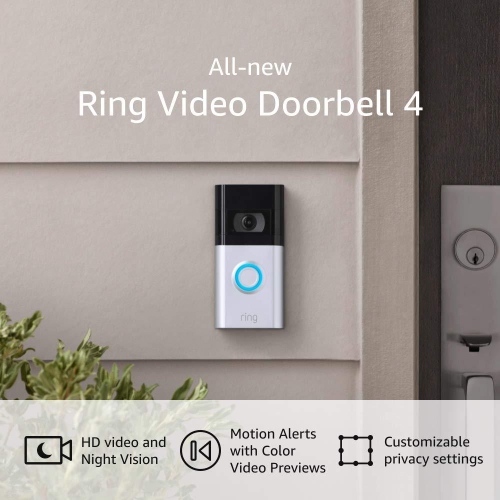
For black video doorbells, the most useful camera features depend on what needs to be visible. A wide view can show someone approaching from the side, while a taller view may make it easier to see both a visitor’s face and a parcel placed near the threshold. Resolution contributes to detail, but lens placement, lighting, and the shape of the doorway also affect the picture. Night vision capabilities vary, and colour imaging in low light may depend on available illumination or built-in lighting. Motion alerts can help draw attention to activity before anyone presses the button, although detection types and adjustable zones differ. At a doorway facing a busy pavement, controls that limit alerts to the approach path can be more useful than notifications for every movement across the full camera view. Two-way audio offers a way to speak with a visitor from a compatible phone, such as asking a courier to leave a parcel beside the door rather than directly in front of it. An indoor chime or compatible connected speaker can still be valuable for anyone who does not always carry a phone, and support for those connections should be confirmed. Live viewing, saved clips, local storage, cloud storage, and subscription requirements are separate considerations; having a camera does not automatically mean every captured event can be viewed later. Household sharing, account security settings, and control over saved footage also matter, particularly when several people need access. Camera placement should respect neighbouring entrances and shared areas while keeping the intended approach in view. Everyday care is usually straightforward: follow the manufacturer’s cleaning directions, use an appropriate soft cloth on the housing and lens, and avoid abrasive materials that could mark the black finish or affect image clarity. Battery access and the steps needed to detach a charging unit are worth considering if reaching the doorbell is difficult. For a traditional button, an easy-to-identify press area and an indoor chime that can be heard where needed remain central. For a smart design, manageable alerts and straightforward app controls help make the added features genuinely useful. The best match brings together a suitable finish, compatible installation, and an uncomplicated way to know someone is at the door.
Fit involves more than finding a black finish that matches the hardware. The available mounting surface, the position of existing wires, and the clearance beside the door frame all influence how neatly a doorbell can be installed. A slim traditional button may fit on narrow trim where a larger video housing would need a different mounting position. On brick, siding, or a recessed doorway, a suitable mounting plate or angle bracket can help position the button within comfortable reach and, for a camera-equipped design, direct the view towards approaching visitors. A doorbell should not interfere with a storm door, screen door, handle, or other moving hardware. For wired installations, the transformer voltage, power rating, and chime compatibility need to match the doorbell’s requirements; existing wires alone do not confirm that a replacement will work correctly. Professional installation can be appropriate when the wiring is unclear or electrical changes are needed. A wireless button paired with an indoor receiver has different considerations, including receiver placement, access to a suitable outlet when required, and the effect of walls on signal range. Smart versions generally need a compatible home Wi-Fi network, with supported frequency bands varying by design. A strong connection inside the living room does not necessarily mean the signal reaches the entrance reliably. Materials and finish also deserve attention. Doorbell housings may use moulded plastic, metal, or a combination of materials, and the construction should be rated for its intended installation location. A matte surface usually reflects less light than a glossy one, while textured finishes can change how closely the doorbell matches nearby locks and handles. Durability depends on the housing, mounting hardware, button construction, and finish rather than on colour alone. Secure attachment and the correct fasteners for the mounting surface help keep the unit steady through repeated use. For a rental property or condominium, permission to alter the entrance and any rules about cameras or shared spaces are worth confirming before installation.
For black video doorbells, the most useful camera features depend on what needs to be visible. A wide view can show someone approaching from the side, while a taller view may make it easier to see both a visitor’s face and a parcel placed near the threshold. Resolution contributes to detail, but lens placement, lighting, and the shape of the doorway also affect the picture. Night vision capabilities vary, and colour imaging in low light may depend on available illumination or built-in lighting. Motion alerts can help draw attention to activity before anyone presses the button, although detection types and adjustable zones differ. At a doorway facing a busy pavement, controls that limit alerts to the approach path can be more useful than notifications for every movement across the full camera view. Two-way audio offers a way to speak with a visitor from a compatible phone, such as asking a courier to leave a parcel beside the door rather than directly in front of it. An indoor chime or compatible connected speaker can still be valuable for anyone who does not always carry a phone, and support for those connections should be confirmed. Live viewing, saved clips, local storage, cloud storage, and subscription requirements are separate considerations; having a camera does not automatically mean every captured event can be viewed later. Household sharing, account security settings, and control over saved footage also matter, particularly when several people need access. Camera placement should respect neighbouring entrances and shared areas while keeping the intended approach in view. Everyday care is usually straightforward: follow the manufacturer’s cleaning directions, use an appropriate soft cloth on the housing and lens, and avoid abrasive materials that could mark the black finish or affect image clarity. Battery access and the steps needed to detach a charging unit are worth considering if reaching the doorbell is difficult. For a traditional button, an easy-to-identify press area and an indoor chime that can be heard where needed remain central. For a smart design, manageable alerts and straightforward app controls help make the added features genuinely useful. The best match brings together a suitable finish, compatible installation, and an uncomplicated way to know someone is at the door.
Top selling and popular products
-
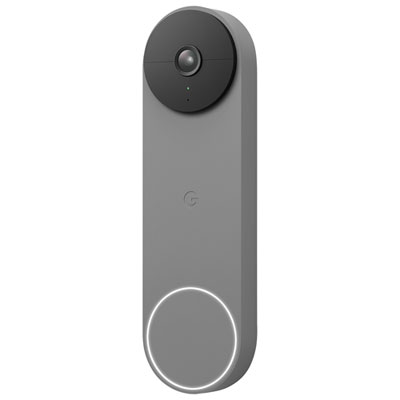 Your price for this item is $239.99
 -
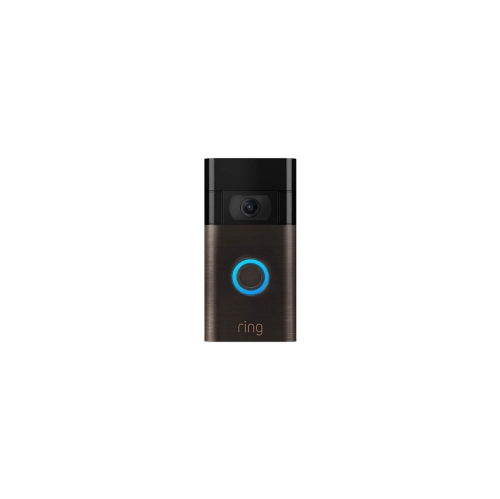 Your price for this item is $249.59
 -
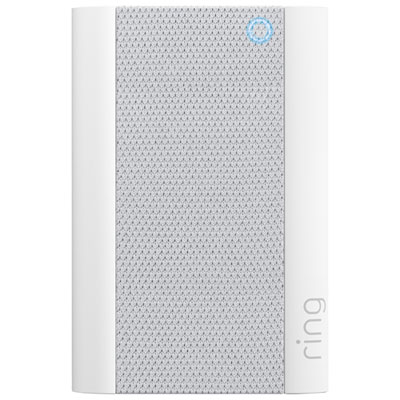 Your price for this item is $74.99
 -
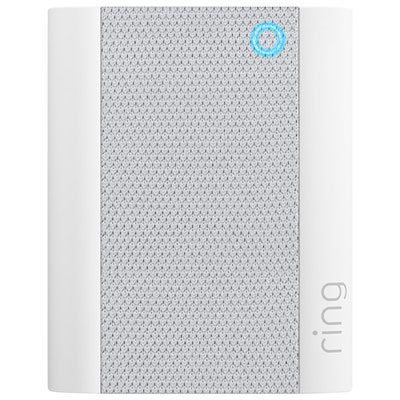 Your price for this item is $49.99
 -
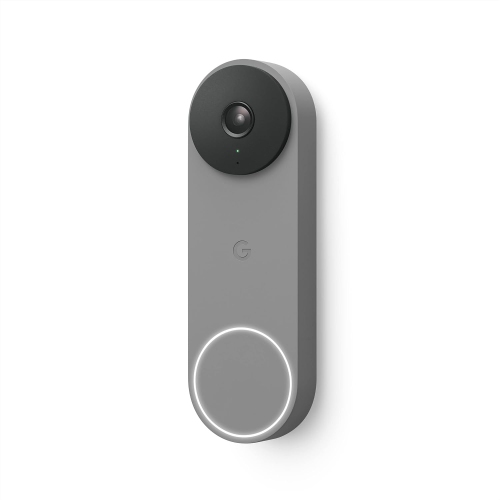 Your price for this item is $199
 -
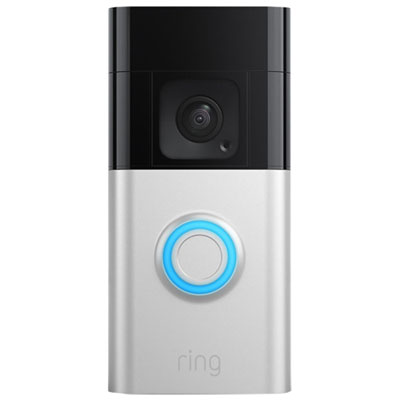 Your price for this item is $209.99
 -
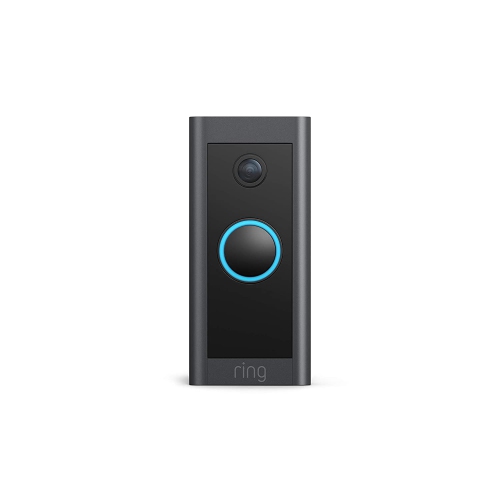 Your price for this item is $89.25
 -
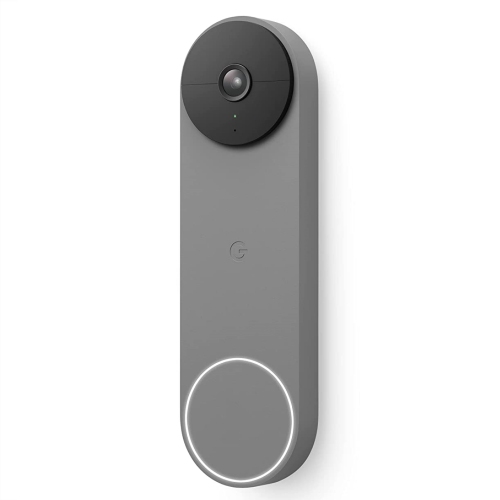 Your price for this item is $254.99
Discover more categories related to Black Doorbell
Top Collections:
Pokemon Centers, Kindle Devices, Best Budget Office Chairs, Apple iPhones 16, Best Laptops for Writers, iPhone 15 Apple, Canon G7X Cameras, Refurbished Apple Laptops, Alarm Clock, Motorola Razr Phones
Some products may be subject to Environmental Handling Fees
(EHF) depending on your province.
Learn more about EHFs.