Contact Sensors
Contact sensors are essential devices that can enhance the security and convenience of your home or office. These small yet powerful devices are designed to detect when doors or windows are opened or closed, providing you with real-time notifications and alerts. Whether you want to keep an eye on your home's entry points, monitor your business premises, or create a smart security system, contact sensors offer a reliable solution. With their easy installation, wireless connectivity, and compatibility with various smart home platforms, contact sensors provide peace of mind and seamless integration into your existing setup. Explore our wide selection of contact sensors to find the perfect solution for your security needs.
Sort
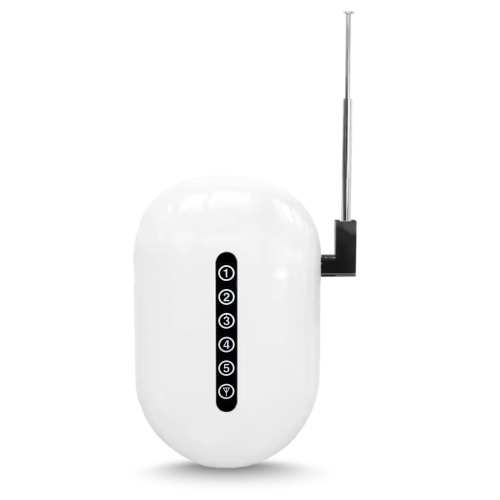
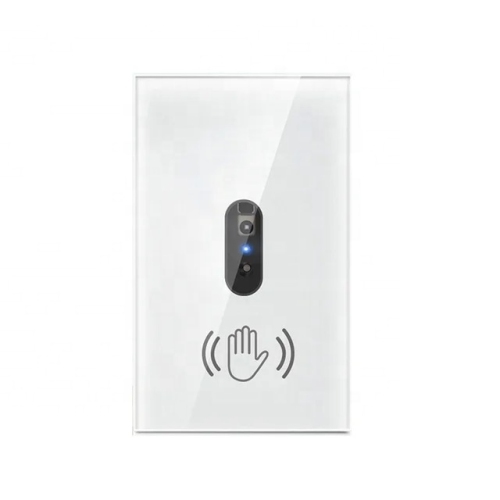
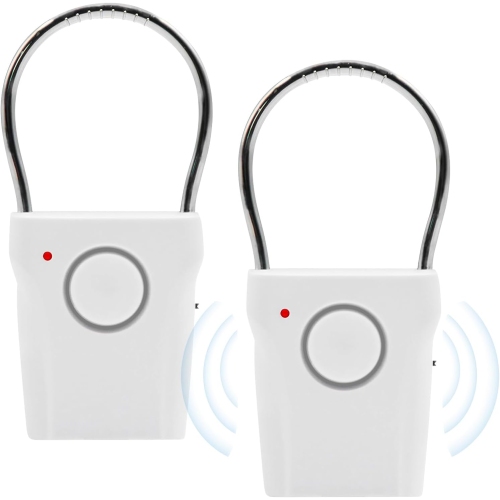
How small devices support security, alerts and everyday home routines
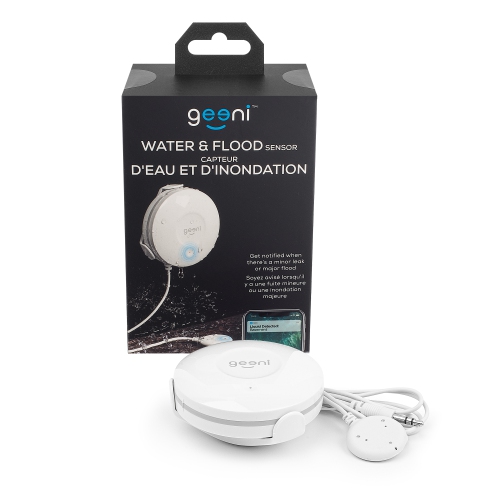
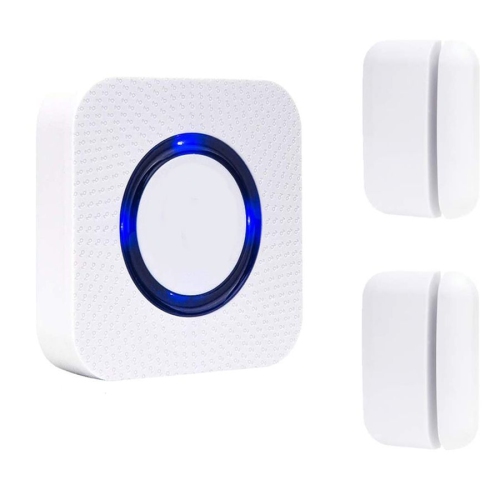
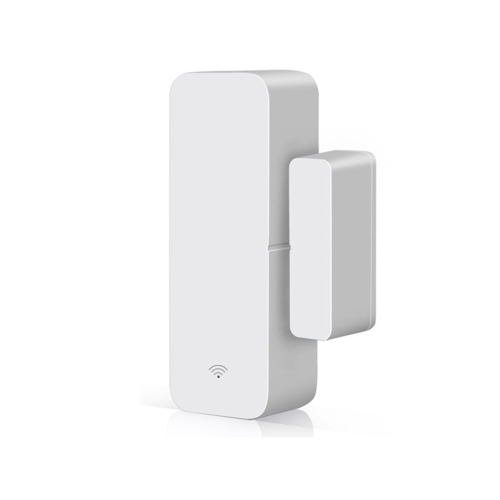
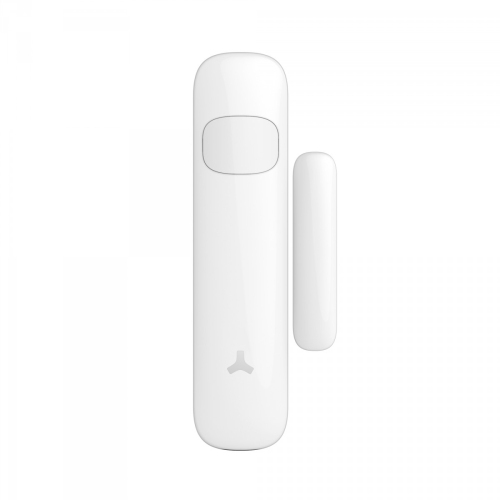
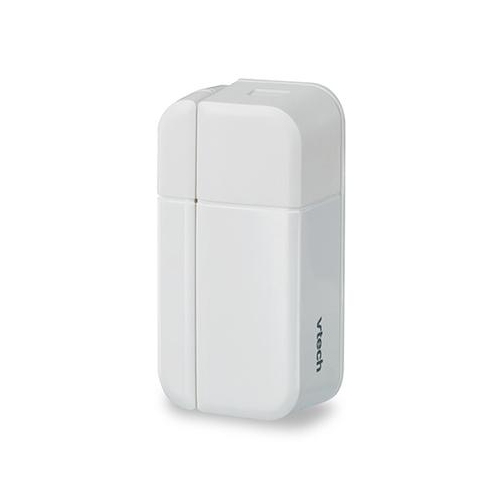
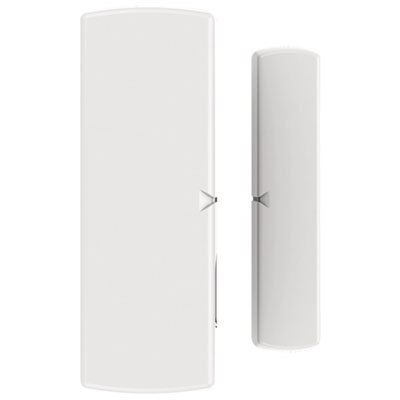
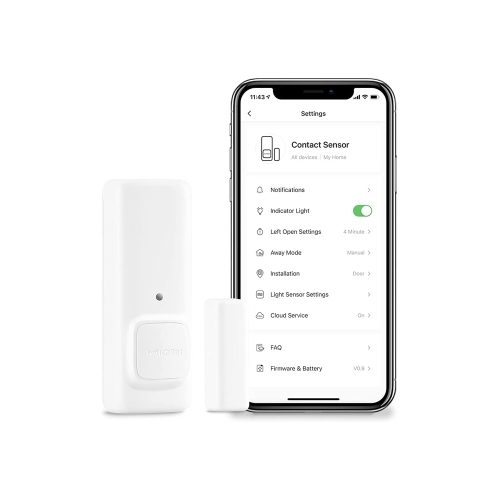
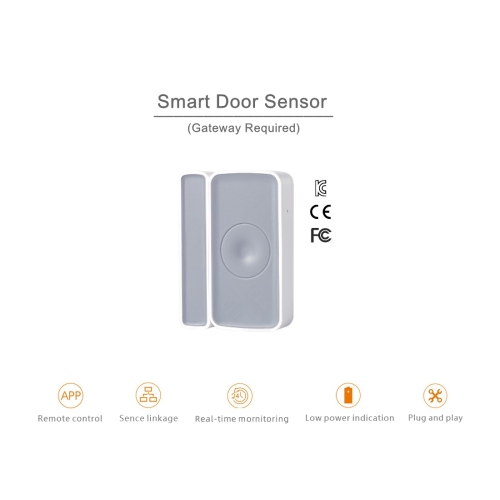
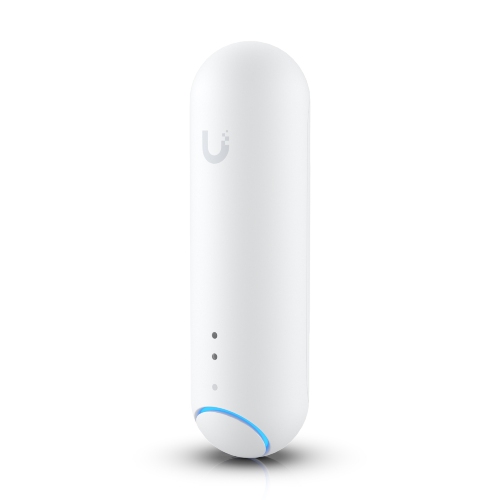
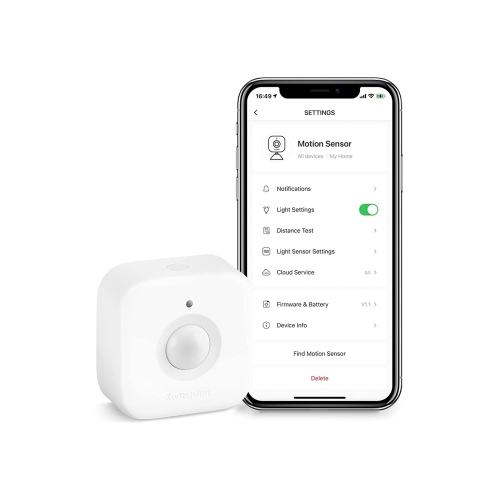
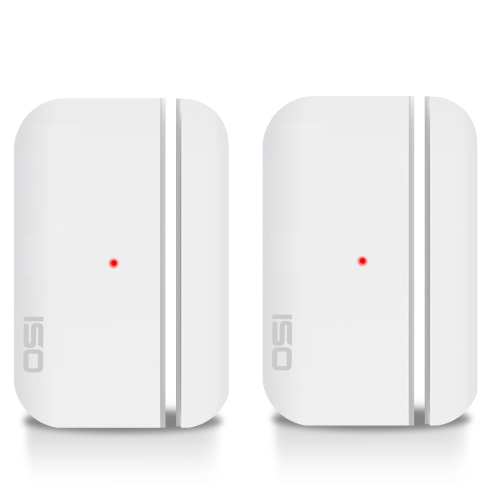
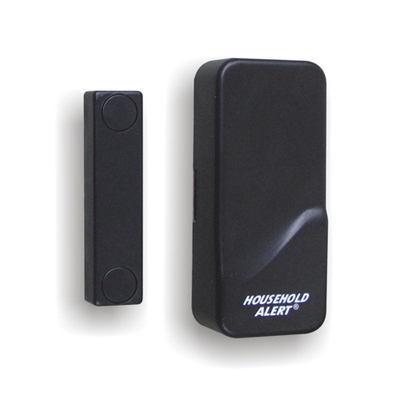
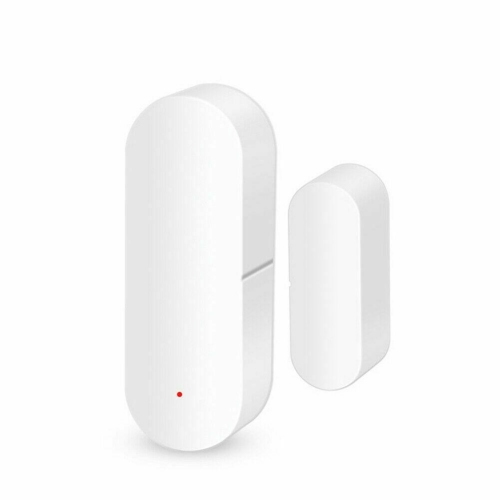
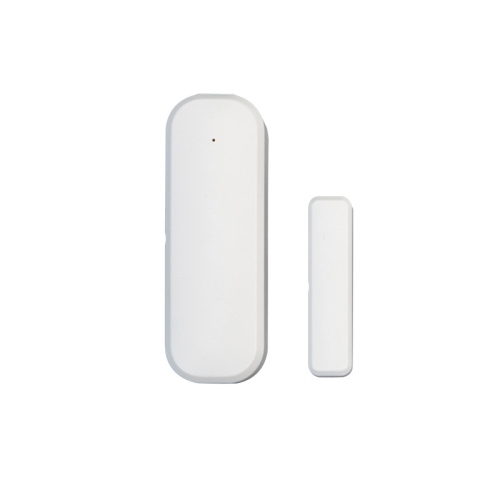
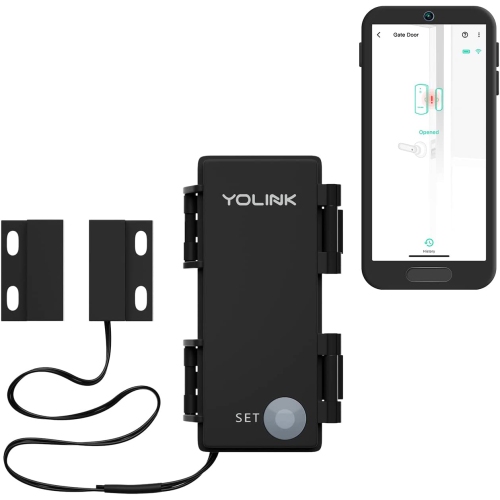
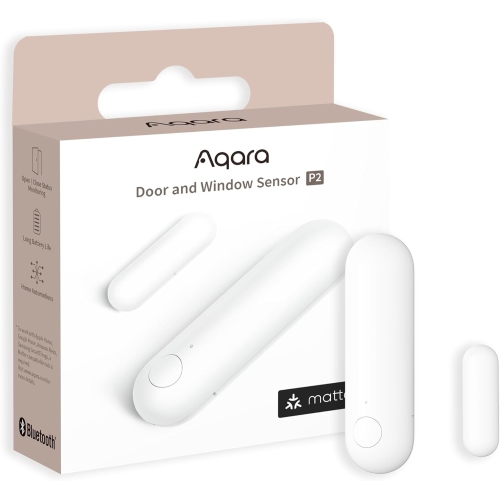
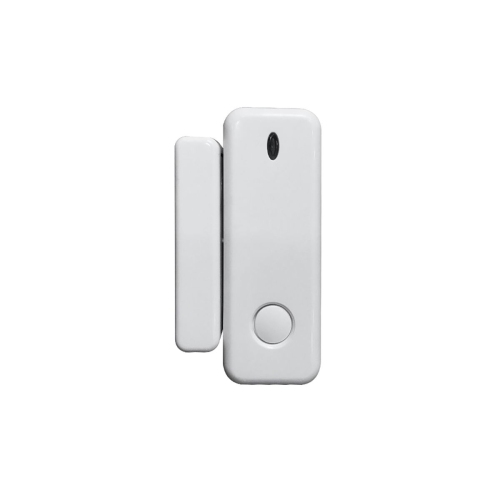
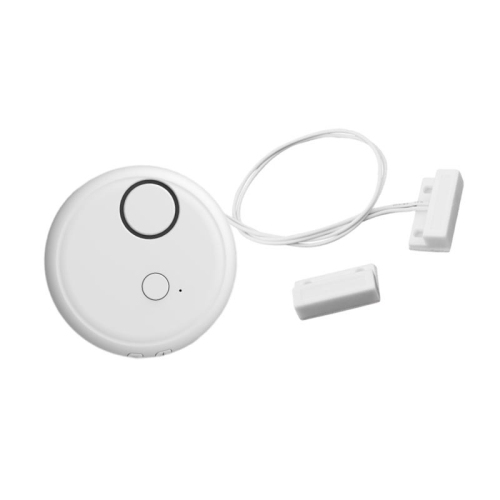
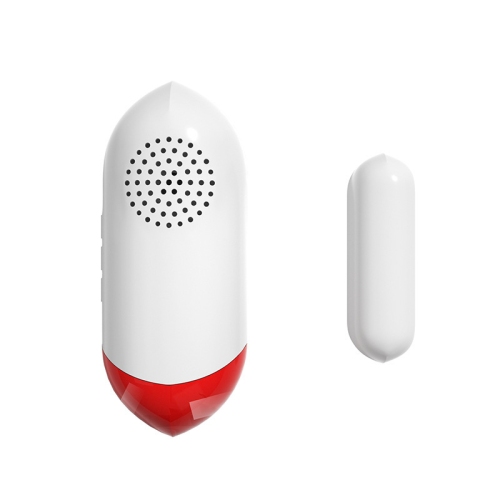
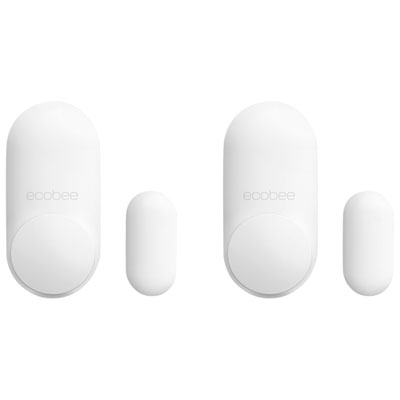
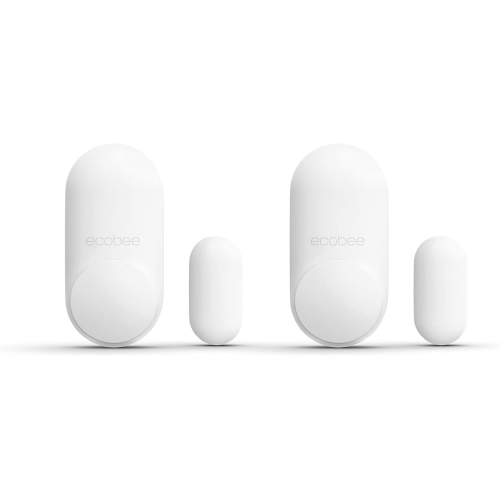
Contact sensors are compact smart home devices designed to tell you when a door, window, cabinet, drawer or other movable opening has been opened or closed. Most consist of two pieces: a sensor body and a small magnetic component installed beside it. When the door or window is closed, the two pieces sit close together and the magnetic reed switch remains connected. Opening the door separates them, breaks the magnetic field and sends a signal to a compatible hub, alarm panel or smart home app. Depending on the system, that signal may produce a notification on your phone, sound an alarm, switch on a light, adjust a thermostat or trigger another automated action. This simple design makes contact sensors useful for more than entryway security. A sensor on a medicine cabinet can help you keep track of access, while one on a storage cupboard can notify you if a curious child opens it. Installed on a refrigerator or freezer, a compatible sensor can remind you when a door has been left ajar. A sensor on a patio door can provide extra awareness when people are moving between indoor and outdoor spaces, particularly during the warmer season when doors may be opened frequently. They can also add helpful peace of mind during the cooler months, when you may want to know that windows, exterior doors and secondary entrances remain securely closed. For households with children, older family members or pets, these small devices can offer a practical way to stay aware of activity without relying on constant visual checks. They may also make a thoughtful housewarming gift for someone setting up a first apartment, improving a home security routine or building a connected home one room at a time.
Before choosing a contact sensor, consider where it will be installed and how you want it to communicate. Some models are intended to work with a particular smart home hub, alarm system or wireless protocol, while others may connect directly through a compatible app or controller. Checking compatibility before purchase is important, especially if your home already uses a connected ecosystem for lighting, cameras, locks or thermostats. A sensor that works with your existing setup can make notifications and automations easier to manage, whereas a model requiring a separate bridge may involve an additional installation step. Battery life, notification options, sensor size and mounting method are also worth reviewing. Many contact sensors use peel-and-stick adhesive for quick installation, which is convenient for renters or anyone who prefers not to drill into a door frame. Clean, dry and reasonably flat surfaces generally provide the best results, and the adhesive should be given time to bond according to the manufacturer’s instructions. The sensor body and magnet need to remain properly aligned when the opening is closed; if they are too far apart or shift out of position, the system may report an open door when it is shut or fail to register an opening. Follow the spacing guidance supplied with the sensor, since the permitted distance can vary. It is also helpful to measure the available area before buying, particularly for narrow window frames, sliding doors, drawers or cabinets with limited clearance. If you are monitoring several openings, think about the way alerts will be organized. Clear names such as “back door,” “upstairs window” or “freezer” make a notification much more useful than a generic device label, especially when you are away from home or receiving several alerts at once. For more targeted coverage around windows, browse Window Sensors to compare options suited to that part of the home.
Installation is usually straightforward, but careful placement makes a noticeable difference in daily reliability. Start by deciding which side of the opening will hold the sensor and which side will hold the magnet, then test the position with the door or window closed before removing any adhesive backing. Keep both pieces level where possible and avoid placing them on a surface that flexes, rubs or becomes hot and damp. Once mounted, open and close the entry point several times to confirm that the app, hub or alarm panel registers each change. Test notifications from different locations in the home, and review any automation rules so lights or alerts behave as intended rather than activating at inconvenient times. Battery-powered sensors are easy to place, but their batteries will eventually need replacing, so choose a system that provides low-battery alerts and make a habit of checking those warnings. If a sensor will be used on an important exterior entry, it can be wise to pair the alert with another security measure rather than treating the sensor as a complete security system on its own. Contact sensors are best understood as an extra layer of awareness: they can tell you that an opening changed state, but they do not replace a locked door, a monitored alarm service or sensible home safety habits. They are especially useful for routines that are easy to overlook, such as confirming that a garage entry is closed before bed, receiving an alert when a child opens a restricted cupboard or turning on a hallway light when someone enters after dark. With the right placement and compatible smart home setup, these modest devices can quietly support safer routines, more convenient automation and a clearer sense of what is happening around the home.
Before choosing a contact sensor, consider where it will be installed and how you want it to communicate. Some models are intended to work with a particular smart home hub, alarm system or wireless protocol, while others may connect directly through a compatible app or controller. Checking compatibility before purchase is important, especially if your home already uses a connected ecosystem for lighting, cameras, locks or thermostats. A sensor that works with your existing setup can make notifications and automations easier to manage, whereas a model requiring a separate bridge may involve an additional installation step. Battery life, notification options, sensor size and mounting method are also worth reviewing. Many contact sensors use peel-and-stick adhesive for quick installation, which is convenient for renters or anyone who prefers not to drill into a door frame. Clean, dry and reasonably flat surfaces generally provide the best results, and the adhesive should be given time to bond according to the manufacturer’s instructions. The sensor body and magnet need to remain properly aligned when the opening is closed; if they are too far apart or shift out of position, the system may report an open door when it is shut or fail to register an opening. Follow the spacing guidance supplied with the sensor, since the permitted distance can vary. It is also helpful to measure the available area before buying, particularly for narrow window frames, sliding doors, drawers or cabinets with limited clearance. If you are monitoring several openings, think about the way alerts will be organized. Clear names such as “back door,” “upstairs window” or “freezer” make a notification much more useful than a generic device label, especially when you are away from home or receiving several alerts at once. For more targeted coverage around windows, browse Window Sensors to compare options suited to that part of the home.
Installation is usually straightforward, but careful placement makes a noticeable difference in daily reliability. Start by deciding which side of the opening will hold the sensor and which side will hold the magnet, then test the position with the door or window closed before removing any adhesive backing. Keep both pieces level where possible and avoid placing them on a surface that flexes, rubs or becomes hot and damp. Once mounted, open and close the entry point several times to confirm that the app, hub or alarm panel registers each change. Test notifications from different locations in the home, and review any automation rules so lights or alerts behave as intended rather than activating at inconvenient times. Battery-powered sensors are easy to place, but their batteries will eventually need replacing, so choose a system that provides low-battery alerts and make a habit of checking those warnings. If a sensor will be used on an important exterior entry, it can be wise to pair the alert with another security measure rather than treating the sensor as a complete security system on its own. Contact sensors are best understood as an extra layer of awareness: they can tell you that an opening changed state, but they do not replace a locked door, a monitored alarm service or sensible home safety habits. They are especially useful for routines that are easy to overlook, such as confirming that a garage entry is closed before bed, receiving an alert when a child opens a restricted cupboard or turning on a hallway light when someone enters after dark. With the right placement and compatible smart home setup, these modest devices can quietly support safer routines, more convenient automation and a clearer sense of what is happening around the home.
Top selling and popular products
-
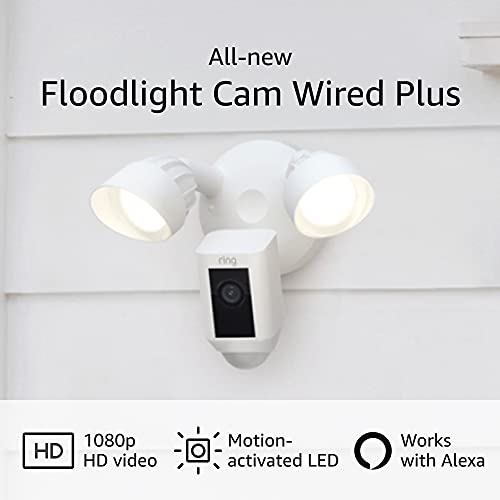 Your price for this item is $349.99
 -
 Your price for this item is $53.98
 -
 Your price for this item is $99.99
 -
 Your price for this item is $799.99
 -
 Your price for this item is $549.99
 -
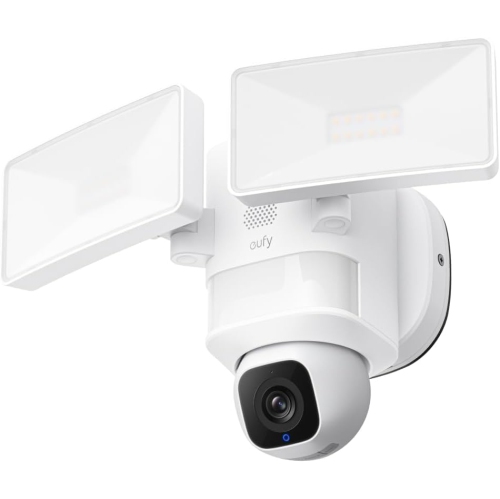 Your price for this item is $229.99
 -
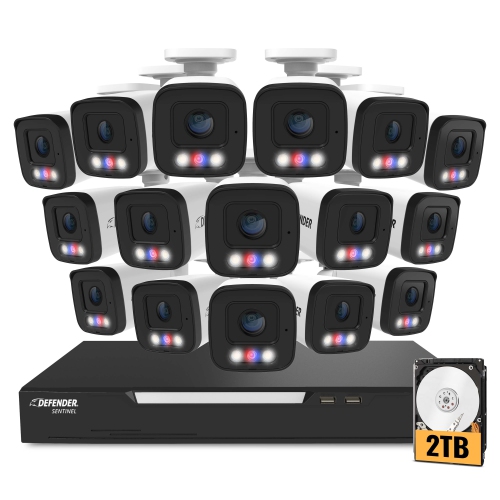 Your price for this item is $1859.99
 -
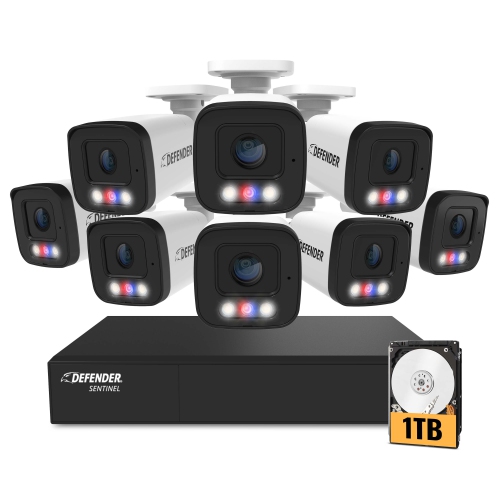 Your price for this item is $899.99
Discover more categories related to Contact Sensors
Top Collections:
Pokemon Centers, Kindle Devices, Best Budget Office Chairs, Apple iPhones 16, Best Laptops for Writers, iPhone 15 Apple, Canon G7X Cameras, Refurbished Apple Laptops, Alarm Clock, Motorola Razr Phones
Some products may be subject to Environmental Handling Fees
(EHF) depending on your province.
Learn more about EHFs.