Window Sensors
Enhance the security of your home with our wide selection of window sensors. Designed to detect any unauthorized entry or movement near your windows, these innovative devices provide an extra layer of protection for you and your loved ones. Whether you're looking for wireless options that seamlessly integrate with your existing smart home system or standalone sensors that are easy to install, we have the perfect solution to meet your needs. Explore our range of window sensors and enjoy peace of mind knowing that your home is safeguarded against potential intruders.
Sort
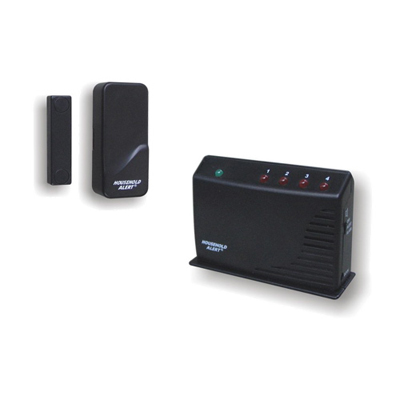
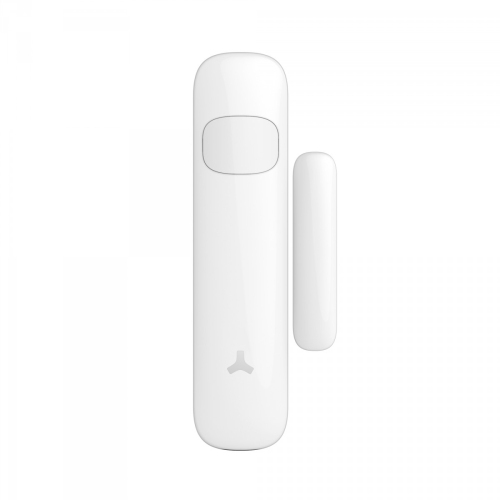
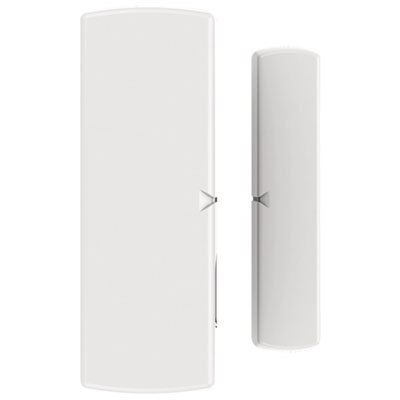
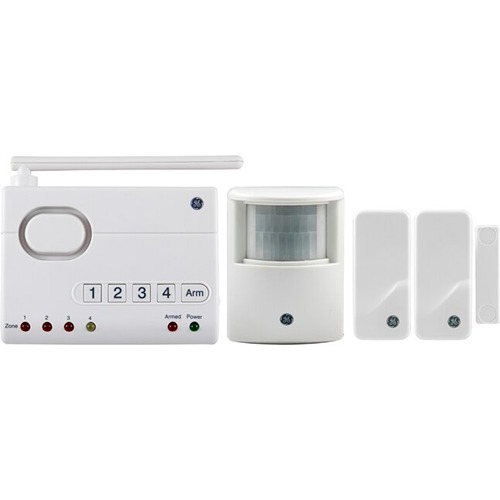
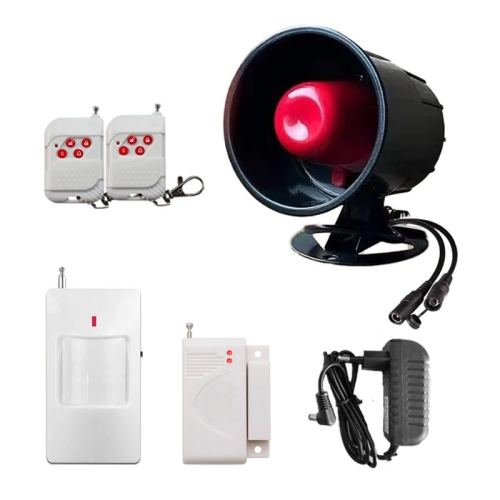
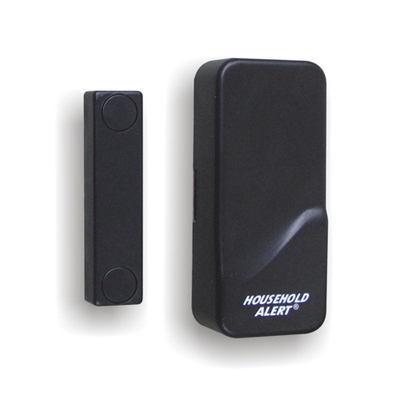
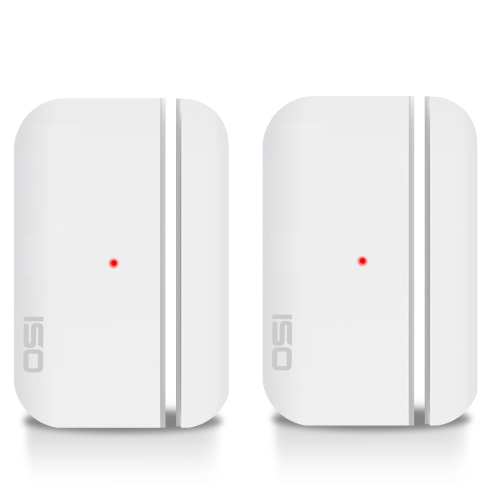
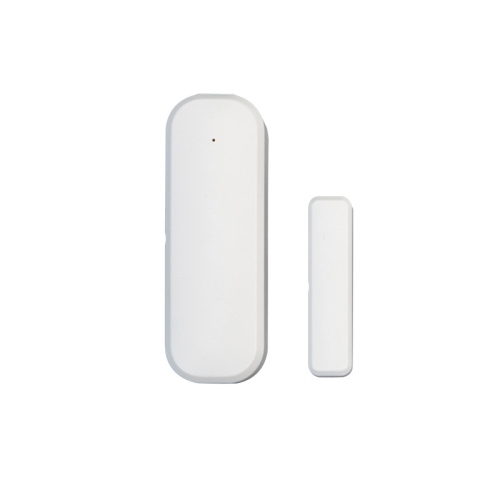
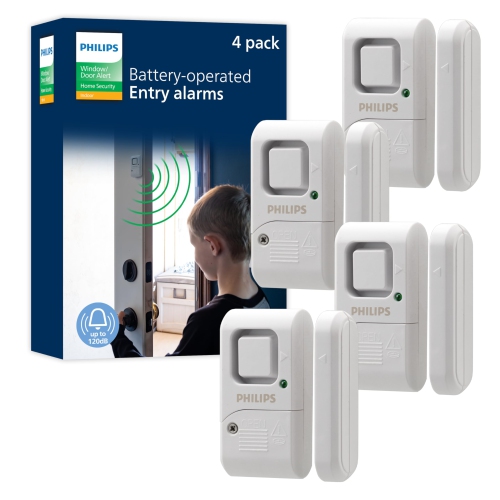
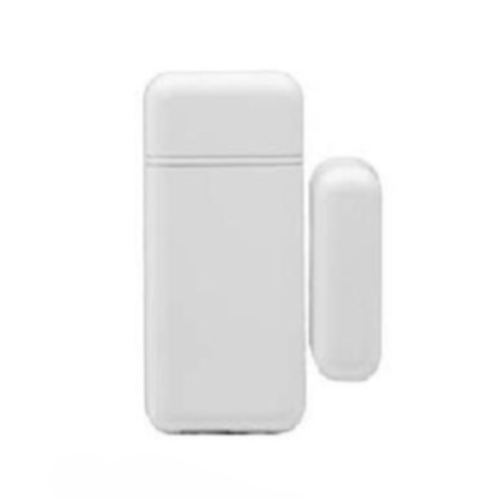
How magnetic contacts monitor openings throughout your home
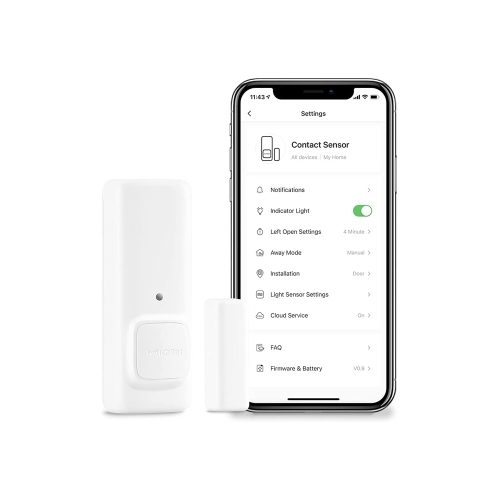
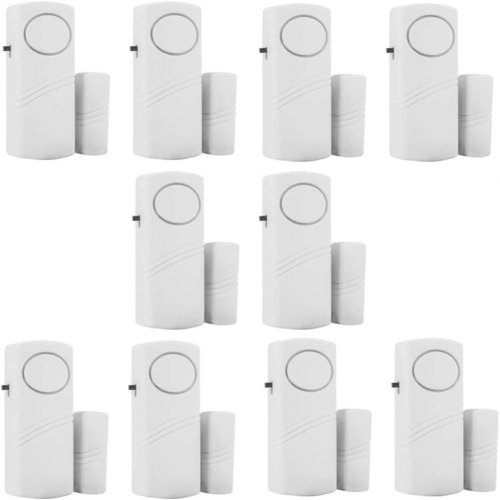
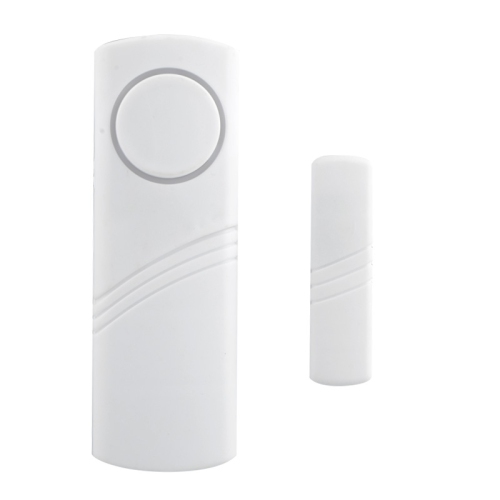
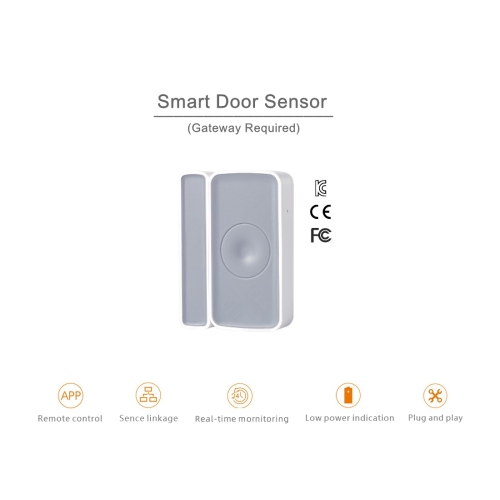
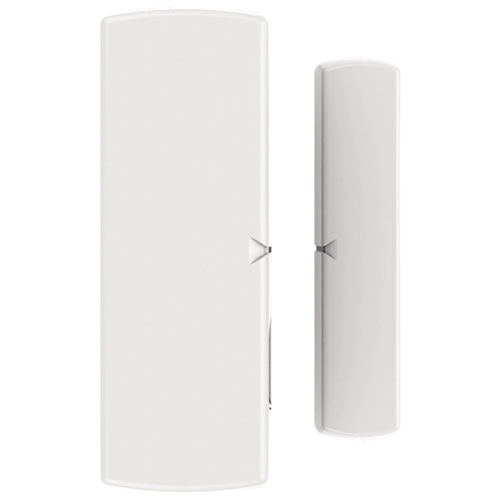
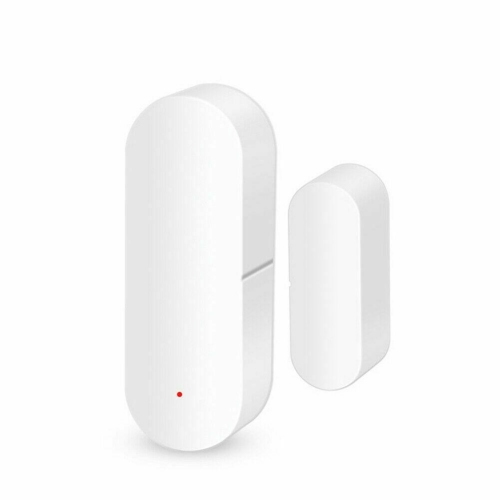
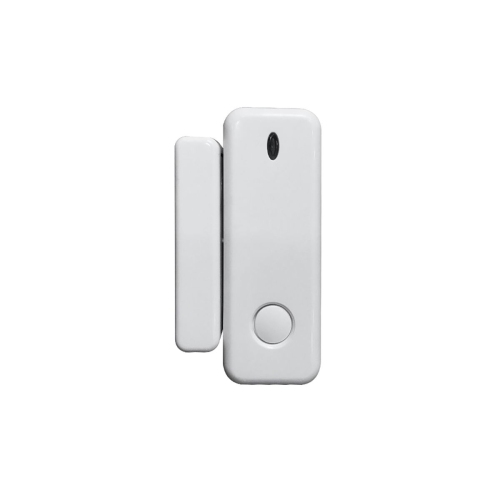
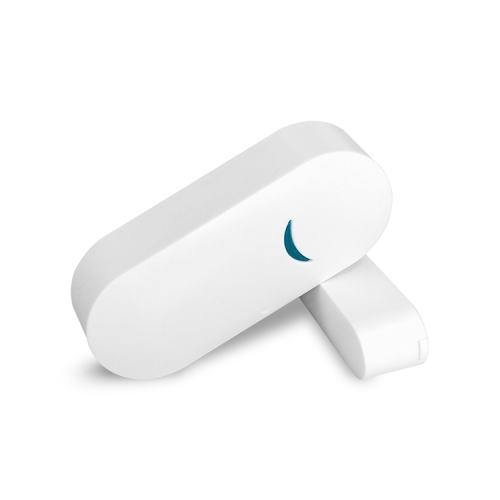
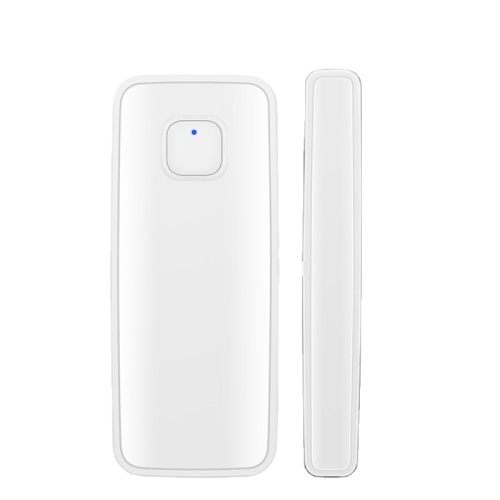
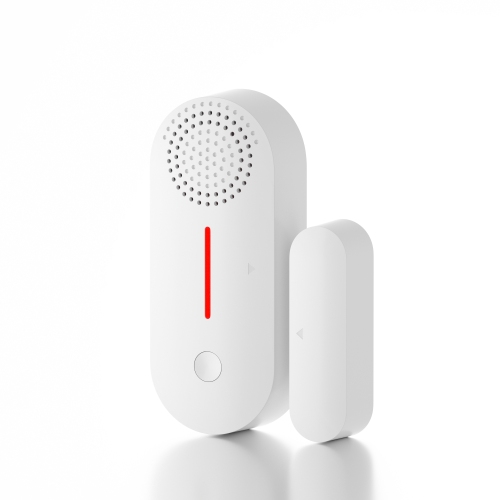
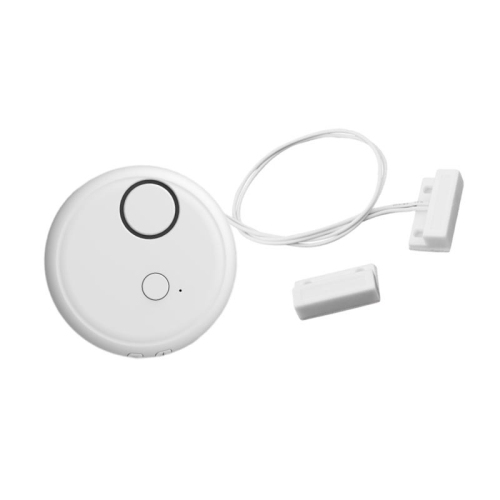
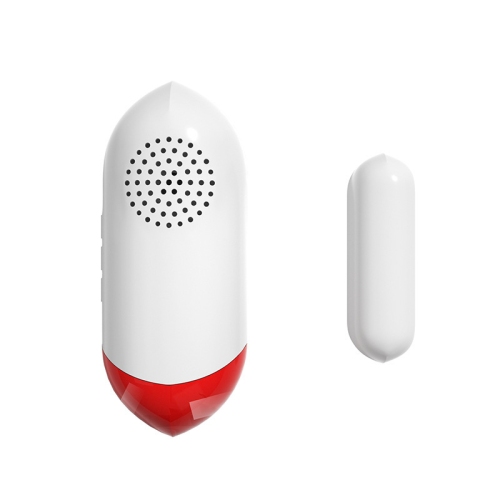
Window sensors are compact devices designed to monitor whether a window is open or closed, adding an extra layer of awareness to a home security setup. Most models use a simple magnetic contact made up of two parts: a sensor installed on the window frame and a small magnet attached to the moving sash or panel. When the window is shut, the two pieces sit close together and maintain a connection. Opening the window separates them, breaking the magnetic field and triggering an alert through a compatible alarm system, hub, or mobile app. This straightforward design makes window sensors useful in bedrooms, living rooms, basements, garages, offices, and other spaces where a window may be an accessible entry point. They can be especially helpful for households that want a quick notification when a window is opened while nobody is home, or when children, pets, guests, or older family members are in the house. Depending on the system, an alert may appear on a phone, sound through a siren, or prompt other connected devices to respond. Some smart home setups can also use a window opening as an automation trigger, such as turning off a smart thermostat while fresh air enters or switching on lights when movement near a window is detected after dark. For a renter, a new homeowner, or someone putting together a practical housewarming gift, window sensors can be an approachable way to begin building a more connected home without installing a complicated security system all at once.
When choosing window sensors, start by considering the windows and the smart home equipment already in use. Wireless models are often convenient for existing homes because they can be installed without running cable through walls, while wired sensors may suit a home that already has a compatible alarm panel. Smart sensors may communicate through Wi-Fi, Bluetooth, or a dedicated smart home protocol, and some require a hub or bridge before they can send notifications to a phone. Checking compatibility before purchasing helps avoid a setup where the sensor cannot connect to the preferred app or security platform. Battery life is another useful consideration, particularly for sensors installed on high windows, in a basement window well, or in a room that is rarely visited. A low-battery notification can help prevent an unexpected gap in coverage. Look for a design that suits the window’s shape and available surface area, along with installation materials that work with the frame. Clean, dry surfaces generally provide the best results for adhesive mounting, and the sensor and magnet should be positioned so they meet closely when the window is fully closed. Even a small amount of misalignment can prevent the contact from registering correctly, so it is worth testing the alert before relying on the sensor. For additional options and related home security accessories, browse Contact Sensors. A slim profile can be preferable on frequently used windows, while a more visible design may make the device easier to check at a glance. If a window has multiple moving sections, opens in an unusual direction, or has a deep frame, measure the available space and review the installation requirements before deciding which style will fit.
Placement is just as important as the sensor itself. Many households begin with ground-floor windows, basement windows, and any window hidden from street view or located beside a porch, deck, fence, balcony, shed, or other structure that could make access easier. Upper-floor windows may also deserve attention when a roofline, tree, exterior staircase, or adjoining structure provides a practical route to them. Some people prefer to cover every accessible window for consistent peace of mind, while others focus on the entry points most likely to be used. A useful approach is to walk around the outside of the home during daylight and consider which windows could be reached without drawing attention, then review those areas again during the cooler months when darker evenings and closed curtains may make activity less visible from inside. Window sensors can also be helpful for everyday routines rather than only security alerts: a notification can remind someone that a basement window was left open, confirm that a cottage window is closed before travelling, or provide reassurance when checking on a home from a distance. They do not replace strong locks, secure frames, monitored alarms, or sensible home habits, but they can make an important opening visible to the people responsible for the property. Before completing installation, close each monitored window firmly, confirm that the app or alarm panel shows the correct status, open the window slightly, and test that the alert arrives as expected. With suitable placement, reliable connectivity, and careful alignment, window sensors offer a discreet way to keep track of everyday openings and strengthen awareness throughout the home.
When choosing window sensors, start by considering the windows and the smart home equipment already in use. Wireless models are often convenient for existing homes because they can be installed without running cable through walls, while wired sensors may suit a home that already has a compatible alarm panel. Smart sensors may communicate through Wi-Fi, Bluetooth, or a dedicated smart home protocol, and some require a hub or bridge before they can send notifications to a phone. Checking compatibility before purchasing helps avoid a setup where the sensor cannot connect to the preferred app or security platform. Battery life is another useful consideration, particularly for sensors installed on high windows, in a basement window well, or in a room that is rarely visited. A low-battery notification can help prevent an unexpected gap in coverage. Look for a design that suits the window’s shape and available surface area, along with installation materials that work with the frame. Clean, dry surfaces generally provide the best results for adhesive mounting, and the sensor and magnet should be positioned so they meet closely when the window is fully closed. Even a small amount of misalignment can prevent the contact from registering correctly, so it is worth testing the alert before relying on the sensor. For additional options and related home security accessories, browse Contact Sensors. A slim profile can be preferable on frequently used windows, while a more visible design may make the device easier to check at a glance. If a window has multiple moving sections, opens in an unusual direction, or has a deep frame, measure the available space and review the installation requirements before deciding which style will fit.
Placement is just as important as the sensor itself. Many households begin with ground-floor windows, basement windows, and any window hidden from street view or located beside a porch, deck, fence, balcony, shed, or other structure that could make access easier. Upper-floor windows may also deserve attention when a roofline, tree, exterior staircase, or adjoining structure provides a practical route to them. Some people prefer to cover every accessible window for consistent peace of mind, while others focus on the entry points most likely to be used. A useful approach is to walk around the outside of the home during daylight and consider which windows could be reached without drawing attention, then review those areas again during the cooler months when darker evenings and closed curtains may make activity less visible from inside. Window sensors can also be helpful for everyday routines rather than only security alerts: a notification can remind someone that a basement window was left open, confirm that a cottage window is closed before travelling, or provide reassurance when checking on a home from a distance. They do not replace strong locks, secure frames, monitored alarms, or sensible home habits, but they can make an important opening visible to the people responsible for the property. Before completing installation, close each monitored window firmly, confirm that the app or alarm panel shows the correct status, open the window slightly, and test that the alert arrives as expected. With suitable placement, reliable connectivity, and careful alignment, window sensors offer a discreet way to keep track of everyday openings and strengthen awareness throughout the home.
Top selling and popular products
-
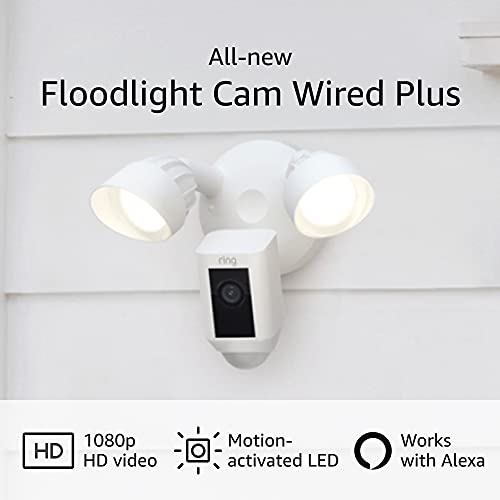 Your price for this item is $349.99
 -
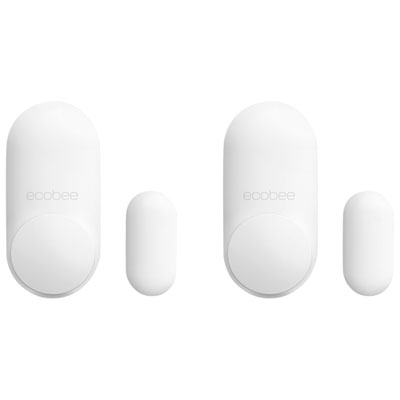 Your price for this item is $53.98
 -
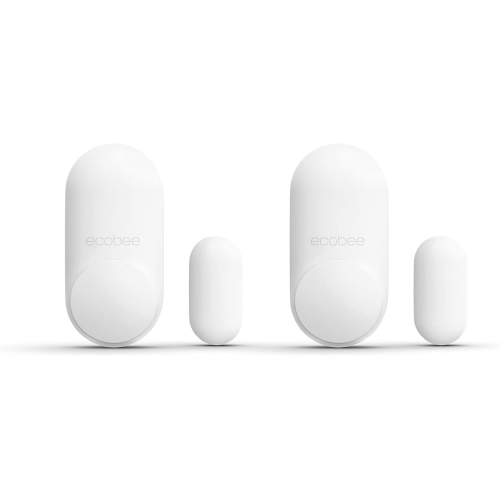 Your price for this item is $99.99
 -
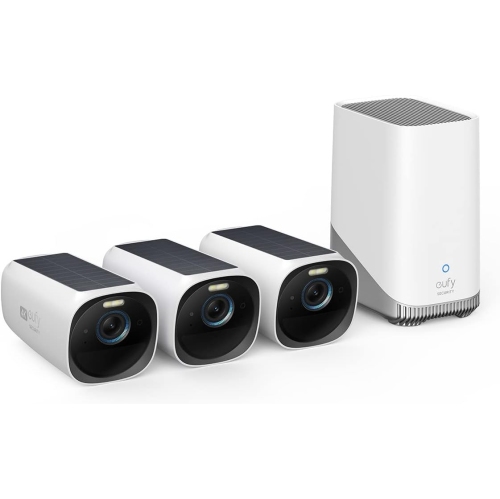 Your price for this item is $799.99
 -
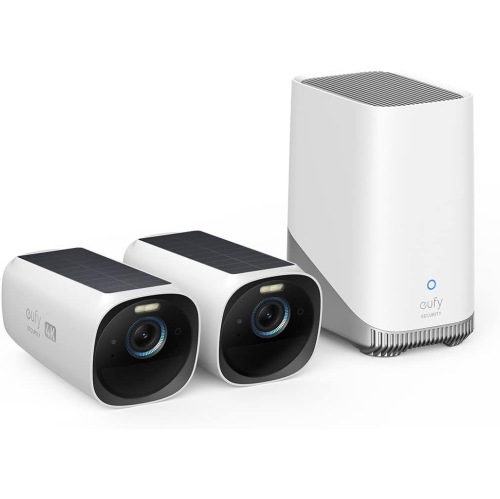 Your price for this item is $549.99
 -
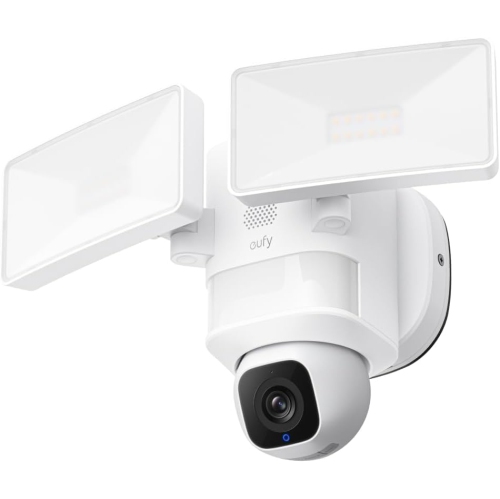 Your price for this item is $229.99
 -
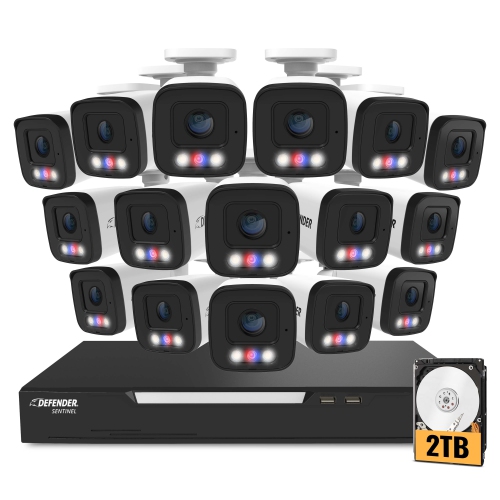 Your price for this item is $1859.99
 -
 Your price for this item is $899.99
Discover more categories related to Window Sensors
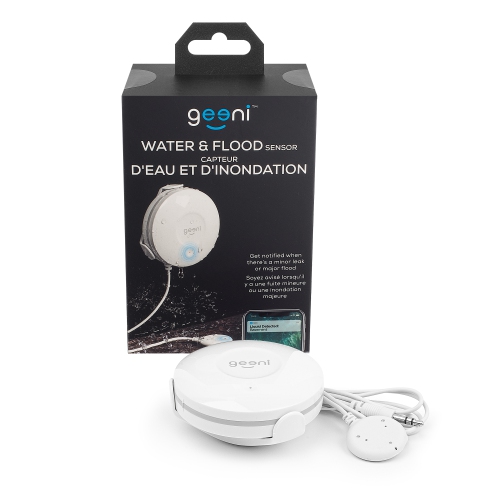
Top Collections:
Pokemon Centers, Kindle Devices, Best Budget Office Chairs, Apple iPhones 16, Best Laptops for Writers, iPhone 15 Apple, Canon G7X Cameras, Refurbished Apple Laptops, Alarm Clock, Motorola Razr Phones
Some products may be subject to Environmental Handling Fees
(EHF) depending on your province.
Learn more about EHFs.