Cycling Cadence Sensors
Looking to enhance your cycling experience? Look no further than our collection of cycling cadence sensors. These small yet powerful devices are designed to measure your pedaling rate, providing you with valuable insights into your cycling performance. Whether you're a casual rider or a seasoned pro, these sensors can help you optimize your training, improve your efficiency, and reach new levels of performance. With a range of options available, finding the perfect cadence sensor for your needs has never been easier. So, hop on your bike and get ready to take your cycling to the next level with our top-quality cadence sensors.
Sort
Pedal rhythm data supports smoother, more deliberate training
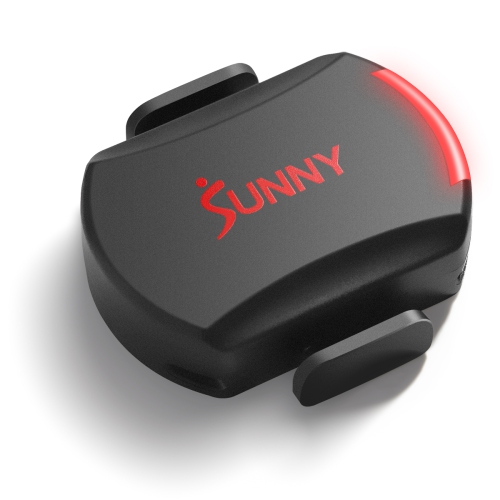
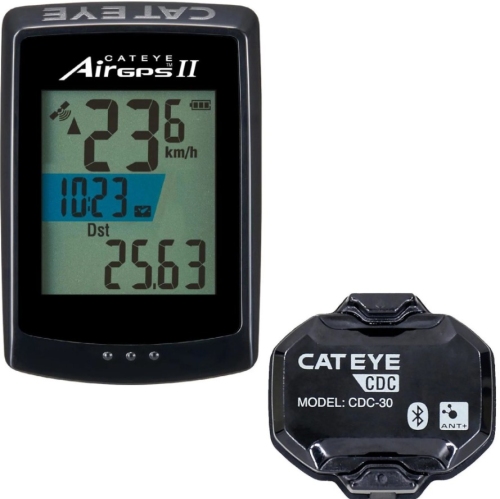
Cycling cadence sensors are compact devices that measure how quickly a rider turns the pedals, typically displaying the result as revolutions per minute (RPM). Unlike a speed sensor, which tracks how fast the bicycle is moving, a cadence sensor focuses on pedalling rhythm whether the bike is climbing a hill, rolling into a headwind, or travelling downhill. This distinction makes cadence data useful for riders who want to better understand effort and develop a smoother, more consistent pedal stroke. A sensor can send live readings to a compatible bicycle computer, sports watch, smartphone, indoor cycling app, or smart trainer platform, allowing cyclists to see their RPM while they ride and review it afterwards. Many current models use internal accelerometers rather than a separate magnet mounted to the frame, which can simplify installation and create a cleaner setup. Depending on the design, the unit may attach to the crank arm or shoe with a strap, adhesive pad, rubber mount, or other tool-free fastening method. Its small size makes it practical for road bikes, hybrid bikes, fitness bikes, indoor trainers, and many other bicycles, while a wireless connection helps keep the handlebar area free from extra cables. Before choosing a sensor, check the dimensions and mounting method to confirm that it will fit the crank arm or footwear you plan to use, particularly if you ride more than one bicycle or regularly switch between outdoor and indoor training.
Bluetooth and ANT+ compatibility are important purchase considerations because the sensor must communicate with the device or app used to view the data. Bluetooth is commonly supported by phones, tablets, and many cycling applications, while ANT+ is widely used with dedicated bicycle computers, sports watches, and indoor training equipment. Some sensors support both connection types, giving riders more flexibility when moving between a handlebar computer, a smartwatch, and a training setup at home. It is also worth checking whether the receiving device can display cadence, as not every cycling app or basic fitness tracker includes the metric. Pairing is generally completed through the companion app or the settings menu on a compatible computer, and keeping the sensor close to the receiver during initial setup can make the process easier. Battery life, battery type, water resistance, and the availability of a low-battery alert can also influence the overall experience. Many compact sensors use a replaceable CR2032 coin cell battery designed to last for an extended period, although actual life varies with use, storage, temperature, and wireless settings. A rider who trains outdoors during warmer weather and continues indoor sessions during cooler months may appreciate a sensor that is easy to remove, store, and reinstall without changing the original position. Proper placement is essential: the unit should be secured firmly, aligned according to the instructions, and checked for movement before a ride. After installation, compare the displayed cadence with the pedalling rhythm you feel to confirm that the reading is responding naturally. If a sensor is moved between bikes, repeat the pairing and fit checks, since a loose mount or incorrect orientation can lead to missing or inconsistent data.
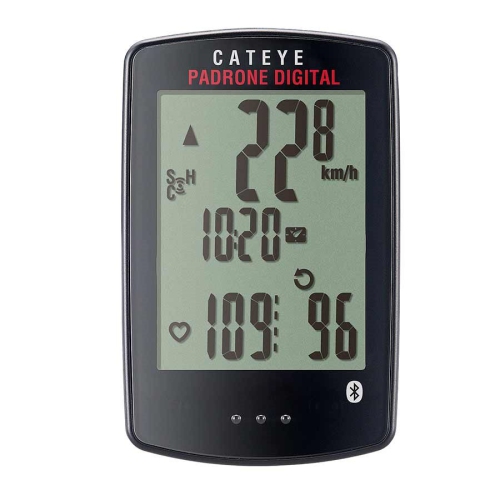
Cadence sensors can support many styles of riding, from casual fitness outings to structured training and indoor cycling. A recreational cyclist may use the live RPM reading as a simple reminder to maintain a comfortable rhythm instead of relying only on speed, which can change constantly with hills, traffic, wind, and surface conditions. Riders covering longer distances can use cadence to avoid repeatedly pushing a heavy gear at a slow rhythm, a habit that may leave the legs feeling drained by the end of a ride. On climbs, cadence data can help cyclists notice when they are grinding and decide whether shifting to an easier gear would make the effort feel more manageable. On flatter roads, it can help build awareness of a steady pedal stroke and make interval sessions easier to follow. There is no single ideal cadence for every cyclist; comfort, fitness, terrain, bicycle setup, and personal riding style all matter. The most useful approach is to observe how different RPM ranges feel and use the information alongside perceived effort, heart rate, power, speed, and other available measurements. These sensors can also be useful for indoor training, where a consistent cadence may help a rider follow a workout, match a virtual route, or maintain a chosen rhythm while watching progress on a connected screen. For someone new to cycling technology, a cadence sensor can be a thoughtful gift that adds useful feedback without requiring a large device or complicated installation. It may suit a commuter who wants to monitor everyday rides, a fitness enthusiast building a regular routine, a road cyclist preparing for longer distances, or an indoor rider looking for more precise workout information. When shopping, consider the recipient’s bicycle type, preferred apps and devices, connection requirements, mounting preferences, and experience with cycling accessories. Riders who want a display that shows cadence without relying on a phone can also explore Bicycle Computers With Cadence. With the right pairing and a secure fit, a cycling cadence sensor can turn an otherwise invisible part of each pedal stroke into practical information that supports smoother rides, more deliberate training, and greater awareness on the road or trainer.
Bluetooth and ANT+ compatibility are important purchase considerations because the sensor must communicate with the device or app used to view the data. Bluetooth is commonly supported by phones, tablets, and many cycling applications, while ANT+ is widely used with dedicated bicycle computers, sports watches, and indoor training equipment. Some sensors support both connection types, giving riders more flexibility when moving between a handlebar computer, a smartwatch, and a training setup at home. It is also worth checking whether the receiving device can display cadence, as not every cycling app or basic fitness tracker includes the metric. Pairing is generally completed through the companion app or the settings menu on a compatible computer, and keeping the sensor close to the receiver during initial setup can make the process easier. Battery life, battery type, water resistance, and the availability of a low-battery alert can also influence the overall experience. Many compact sensors use a replaceable CR2032 coin cell battery designed to last for an extended period, although actual life varies with use, storage, temperature, and wireless settings. A rider who trains outdoors during warmer weather and continues indoor sessions during cooler months may appreciate a sensor that is easy to remove, store, and reinstall without changing the original position. Proper placement is essential: the unit should be secured firmly, aligned according to the instructions, and checked for movement before a ride. After installation, compare the displayed cadence with the pedalling rhythm you feel to confirm that the reading is responding naturally. If a sensor is moved between bikes, repeat the pairing and fit checks, since a loose mount or incorrect orientation can lead to missing or inconsistent data.
Cadence sensors can support many styles of riding, from casual fitness outings to structured training and indoor cycling. A recreational cyclist may use the live RPM reading as a simple reminder to maintain a comfortable rhythm instead of relying only on speed, which can change constantly with hills, traffic, wind, and surface conditions. Riders covering longer distances can use cadence to avoid repeatedly pushing a heavy gear at a slow rhythm, a habit that may leave the legs feeling drained by the end of a ride. On climbs, cadence data can help cyclists notice when they are grinding and decide whether shifting to an easier gear would make the effort feel more manageable. On flatter roads, it can help build awareness of a steady pedal stroke and make interval sessions easier to follow. There is no single ideal cadence for every cyclist; comfort, fitness, terrain, bicycle setup, and personal riding style all matter. The most useful approach is to observe how different RPM ranges feel and use the information alongside perceived effort, heart rate, power, speed, and other available measurements. These sensors can also be useful for indoor training, where a consistent cadence may help a rider follow a workout, match a virtual route, or maintain a chosen rhythm while watching progress on a connected screen. For someone new to cycling technology, a cadence sensor can be a thoughtful gift that adds useful feedback without requiring a large device or complicated installation. It may suit a commuter who wants to monitor everyday rides, a fitness enthusiast building a regular routine, a road cyclist preparing for longer distances, or an indoor rider looking for more precise workout information. When shopping, consider the recipient’s bicycle type, preferred apps and devices, connection requirements, mounting preferences, and experience with cycling accessories. Riders who want a display that shows cadence without relying on a phone can also explore Bicycle Computers With Cadence. With the right pairing and a secure fit, a cycling cadence sensor can turn an otherwise invisible part of each pedal stroke into practical information that supports smoother rides, more deliberate training, and greater awareness on the road or trainer.
Top selling and popular products
-
 Your price for this item is $155.44
 -
 Your price for this item is $285
 -
 Your price for this item is $499
 -
 Your price for this item is $209.99
 -
 Your price for this item is $199.99
 -
 Your price for this item is $134.99
 -
 Your price for this item is $96.99
 -
 Your price for this item is $120.99
Discover more categories related to Cycling Cadence Sensors
Top Collections:
Pokemon Centers, Kindle Devices, Best Budget Office Chairs, Apple iPhones 16, Best Laptops for Writers, iPhone 15 Apple, Canon G7X Cameras, Refurbished Apple Laptops, Alarm Clock, Motorola Razr Phones
Some products may be subject to Environmental Handling Fees
(EHF) depending on your province.
Learn more about EHFs.