Bike Speed Sensors
Looking to enhance your cycling experience? Look no further than our collection of bike speed sensors. These innovative devices are designed to accurately track your speed and distance, allowing you to monitor your progress and push yourself to new limits. Whether you're a professional cyclist or a weekend warrior, our bike speed sensors are the perfect companion for optimizing your training routine and achieving your fitness goals. With their easy installation and compatibility with various cycling apps, these sensors are a must-have accessory for any avid cyclist. Explore our selection today and take your cycling performance to the next level.
Sort


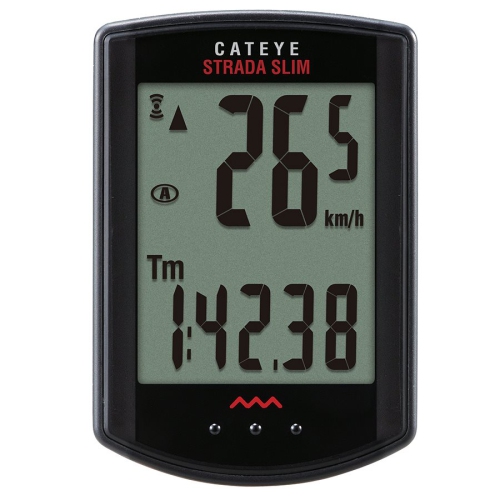
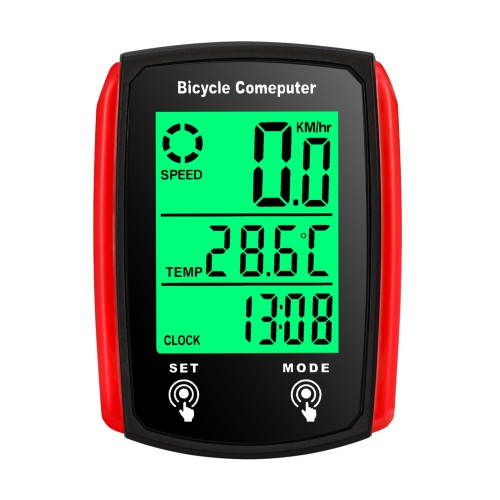
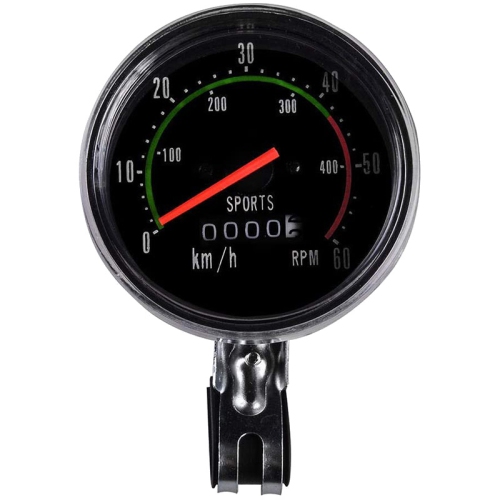
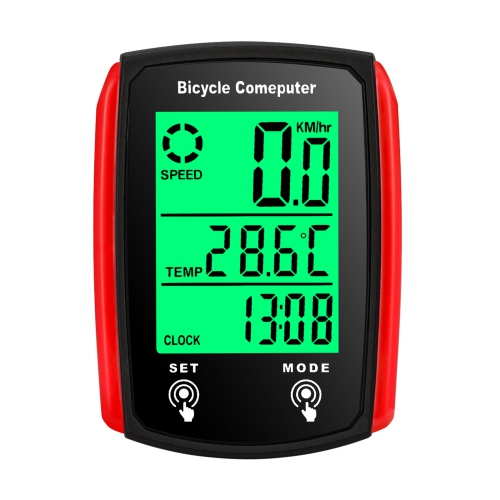
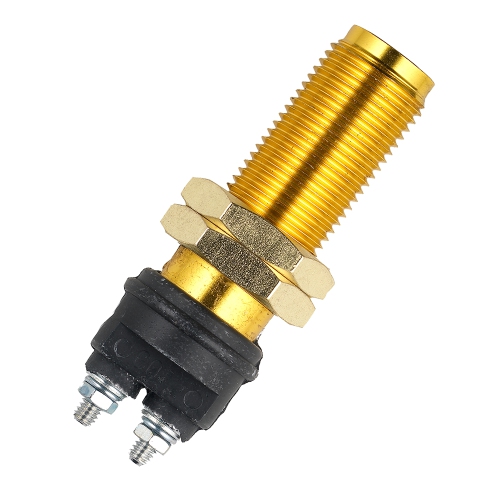
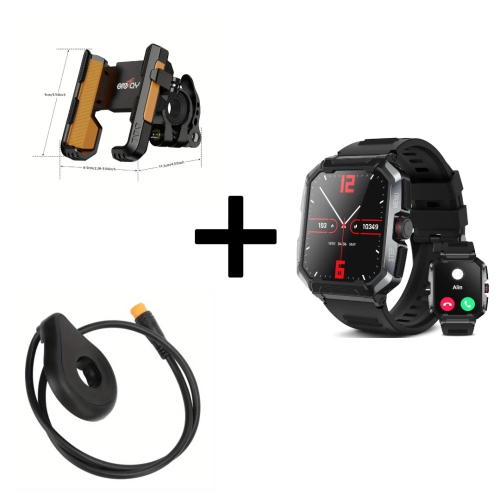
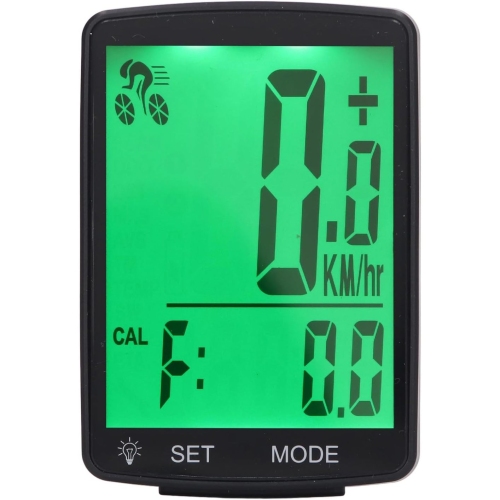
Accurate ride data, even when GPS reception is limited
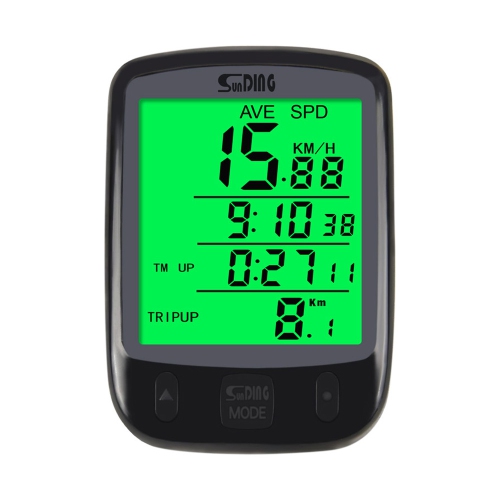
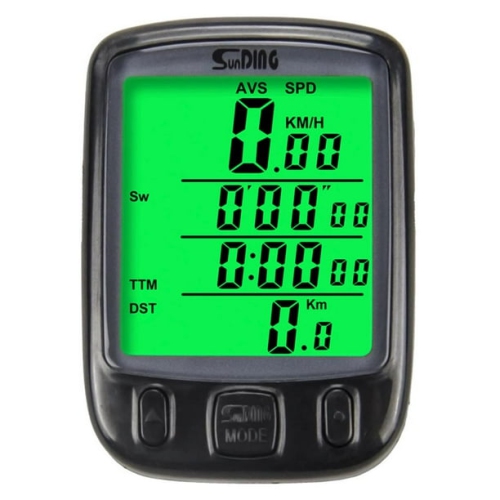
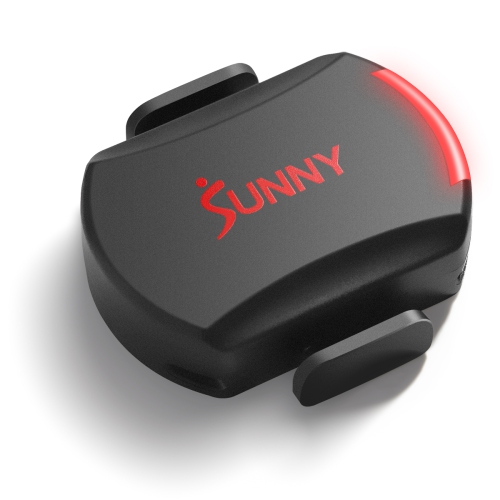
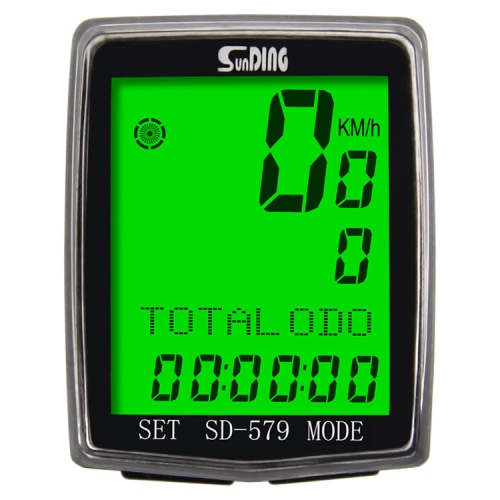
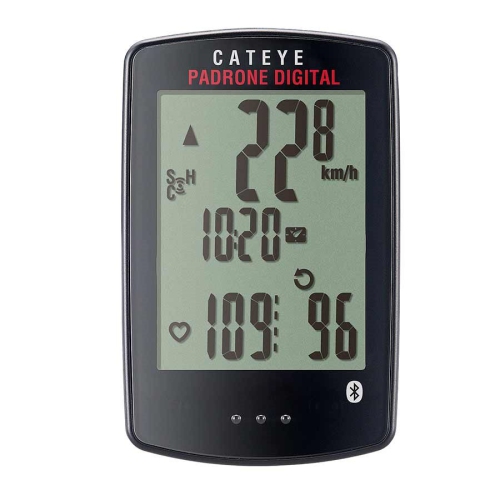
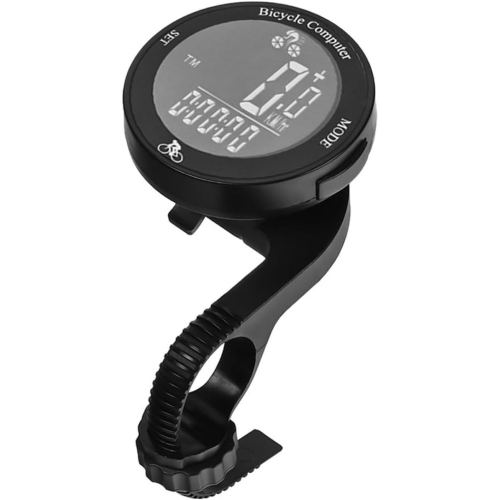
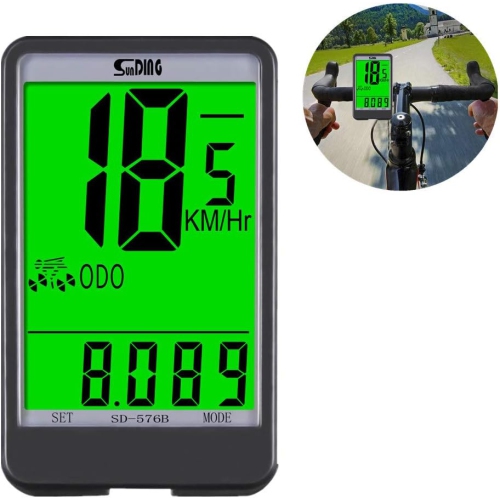
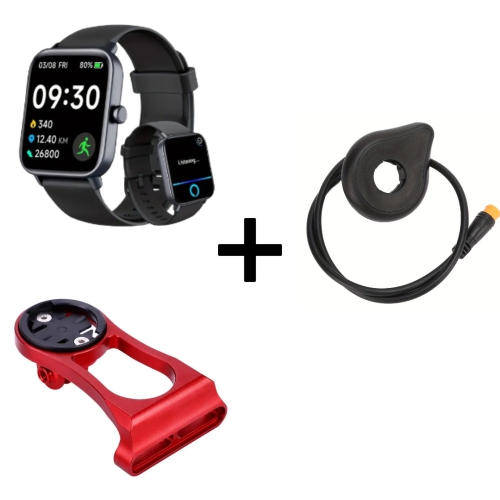
Bike speed sensors are compact cycling accessories that measure how quickly a bicycle is moving and how far it has travelled. Rather than relying only on GPS, a speed sensor detects each rotation of the wheel and converts that information into live speed and distance readings. This makes it useful for road cycling, commuting, indoor training, fitness rides, touring and casual recreational cycling. Many modern sensors attach to the centre of the wheel hub with a simple strap or mounting system, while traditional designs use a sensor on the fork and a small magnet secured to a spoke. Hub-mounted models are often quick to install and can be moved between compatible bicycles with minimal adjustment, while magnet-mounted options may appeal to riders who prefer a familiar setup and straightforward wheel-based measurement. Depending on the model, readings can be sent wirelessly through Bluetooth or ANT+ to a bike computer, smartwatch, smartphone or compatible indoor cycling application. Because the sensor counts wheel rotations directly, it can continue recording speed and distance when GPS reception is limited, such as inside a garage, on a covered trainer, in a tunnel or beneath dense tree cover. This dependable connection between the wheel and the display can make a noticeable difference on a quiet ride through wooded trails, where a phone may briefly lose its location signal but the sensor can continue tracking each turn of the wheel. Browse Speed Sensors to compare options for different bikes, riding habits and connected devices.
When choosing a bike speed sensor, start by checking compatibility with the equipment already used for cycling. A sensor may connect to a dedicated cycling computer, a fitness watch or an indoor training platform, so it is important to confirm whether Bluetooth, ANT+ or both are supported by the receiving device. Mounting style is another practical consideration. A hub-mounted sensor can offer a clean, low-profile installation and is generally convenient for riders who do not want to align a separate magnet with the sensor. A magnet-mounted system may require more careful positioning, but it can be a sensible choice for an older bike computer or a bicycle that already has the appropriate bracket in place. Wheel size and tyre dimensions also matter because accurate distance calculations depend on wheel circumference. Some sensors calibrate automatically, while others allow the circumference to be entered manually through a connected app or cycling computer. Taking a few minutes to enter the correct measurement can improve the accuracy of speed and distance readings, especially when comparing one bicycle with another or switching between road tyres, wider commuter tyres and indoor trainer setups. Battery life, water resistance, attachment security and ease of battery replacement are also worth considering. A rider who spends long hours outdoors may appreciate a sealed design that can handle splashes and changing conditions, while someone who trains indoors may place greater value on easy pairing and reliable communication with a cycling app. Some models include an internal odometer that records total distance, which can help with routine bicycle upkeep by providing a useful reminder to inspect tyres, lubricate the chain or check other wear-prone components after extended mileage.
Bike speed sensors suit a broad range of cyclists because they provide useful information without requiring a complicated setup. A new rider can use live speed and distance readings to become familiar with pacing on local streets, while a more experienced cyclist may use them to maintain a steady effort on a long climb, compare performance across a familiar route or structure intervals during indoor training. Commuters can review distance travelled over the course of a work route, and families can add a sensor to a child’s bicycle when a compatible display is already available. They can also make thoughtful gifts for cyclists who enjoy tracking progress, preparing for a charity ride, exploring rail trails or spending cooler days on an indoor trainer. For someone who already owns a bike computer or smartwatch but does not have wheel-based speed data, a sensor can add a practical new measurement without changing the way they ride. It can be particularly helpful during the transition from warmer outdoor rides to cooler months, when indoor training becomes a larger part of a cycling routine and GPS-based tracking is less useful. On an outdoor ride, the display can show a steady pace as the road rises and falls; indoors, it can provide speed and distance data even though the bicycle remains in one place. For the most dependable results, install the sensor according to its instructions, make sure it is firmly secured, pair it before riding and check that the selected wheel size is correct. With those details in place, a bike speed sensor can quietly record every rotation, offering clear feedback that helps riders understand their pace, follow their distance and make each ride feel more purposeful.
When choosing a bike speed sensor, start by checking compatibility with the equipment already used for cycling. A sensor may connect to a dedicated cycling computer, a fitness watch or an indoor training platform, so it is important to confirm whether Bluetooth, ANT+ or both are supported by the receiving device. Mounting style is another practical consideration. A hub-mounted sensor can offer a clean, low-profile installation and is generally convenient for riders who do not want to align a separate magnet with the sensor. A magnet-mounted system may require more careful positioning, but it can be a sensible choice for an older bike computer or a bicycle that already has the appropriate bracket in place. Wheel size and tyre dimensions also matter because accurate distance calculations depend on wheel circumference. Some sensors calibrate automatically, while others allow the circumference to be entered manually through a connected app or cycling computer. Taking a few minutes to enter the correct measurement can improve the accuracy of speed and distance readings, especially when comparing one bicycle with another or switching between road tyres, wider commuter tyres and indoor trainer setups. Battery life, water resistance, attachment security and ease of battery replacement are also worth considering. A rider who spends long hours outdoors may appreciate a sealed design that can handle splashes and changing conditions, while someone who trains indoors may place greater value on easy pairing and reliable communication with a cycling app. Some models include an internal odometer that records total distance, which can help with routine bicycle upkeep by providing a useful reminder to inspect tyres, lubricate the chain or check other wear-prone components after extended mileage.
Bike speed sensors suit a broad range of cyclists because they provide useful information without requiring a complicated setup. A new rider can use live speed and distance readings to become familiar with pacing on local streets, while a more experienced cyclist may use them to maintain a steady effort on a long climb, compare performance across a familiar route or structure intervals during indoor training. Commuters can review distance travelled over the course of a work route, and families can add a sensor to a child’s bicycle when a compatible display is already available. They can also make thoughtful gifts for cyclists who enjoy tracking progress, preparing for a charity ride, exploring rail trails or spending cooler days on an indoor trainer. For someone who already owns a bike computer or smartwatch but does not have wheel-based speed data, a sensor can add a practical new measurement without changing the way they ride. It can be particularly helpful during the transition from warmer outdoor rides to cooler months, when indoor training becomes a larger part of a cycling routine and GPS-based tracking is less useful. On an outdoor ride, the display can show a steady pace as the road rises and falls; indoors, it can provide speed and distance data even though the bicycle remains in one place. For the most dependable results, install the sensor according to its instructions, make sure it is firmly secured, pair it before riding and check that the selected wheel size is correct. With those details in place, a bike speed sensor can quietly record every rotation, offering clear feedback that helps riders understand their pace, follow their distance and make each ride feel more purposeful.
Top selling and popular products
-
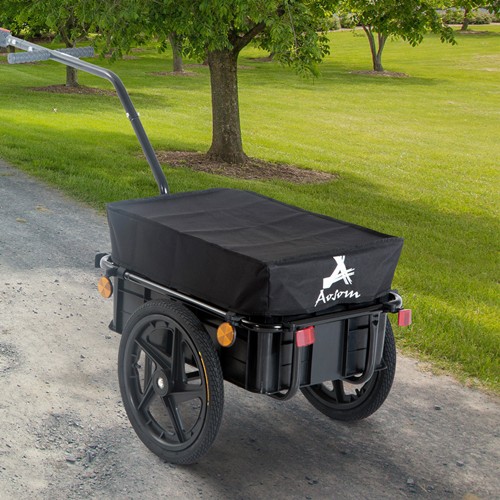 Your price for this item is $155.44
 -
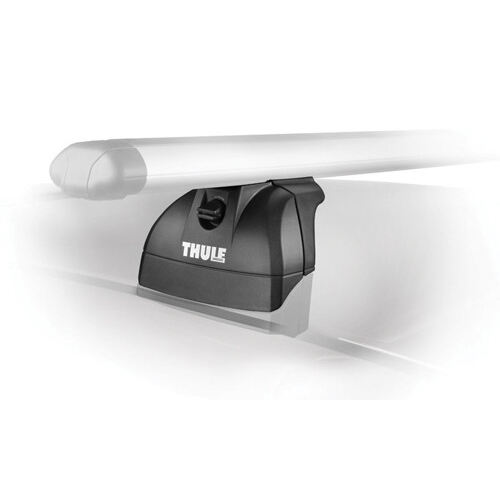 Your price for this item is $285
 -
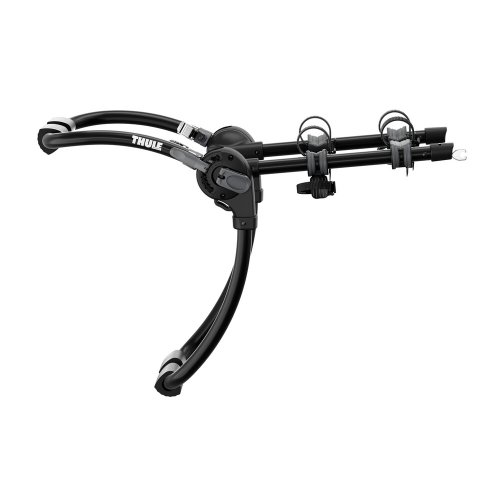 Your price for this item is $499
 -
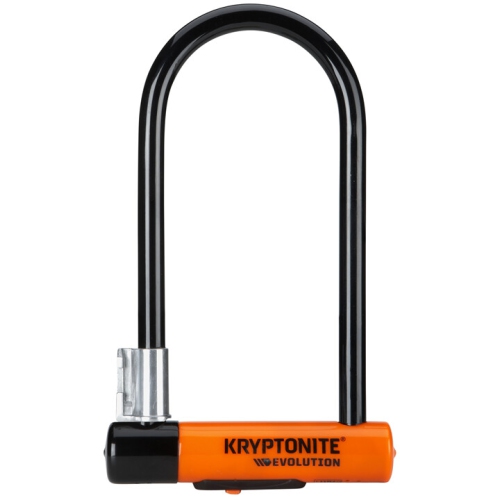 Your price for this item is $209.99
 -
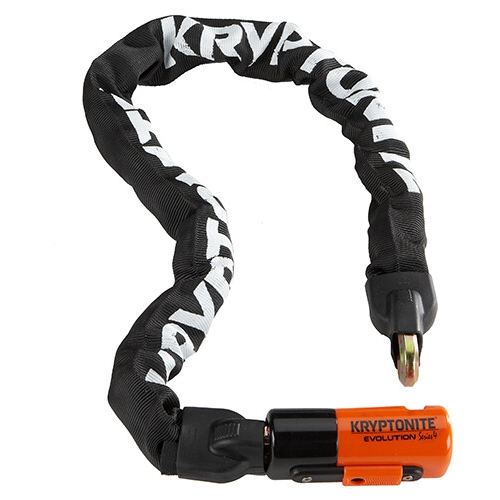 Your price for this item is $199.99
 -
 Your price for this item is $134.99
 -
 Your price for this item is $96.99
 -
 Your price for this item is $120.99
Discover more categories related to Bike Speed Sensors
Top Collections:
Pokemon Centers, Kindle Devices, Best Budget Office Chairs, Apple iPhones 16, Canon G7X Cameras, iPhone 15 Apple, Alarm Clock, Refurbished Apple Laptops, Flip Phones, Best Laptops for Writers
Some products may be subject to Environmental Handling Fees
(EHF) depending on your province.
Learn more about EHFs.