Decorative Window Blinds
Enhance the ambiance of any room in your home with our selection of decorative window blinds. Whether you prefer a sleek and modern look or a more traditional style, we have a variety of options to suit your taste and complement your decor. From elegant Roman shades to practical roller blinds, our collection offers both functionality and style. Explore our range of decorative window blinds to find the perfect solution for adding privacy, controlling light, and elevating the aesthetic appeal of your living space.
Sort
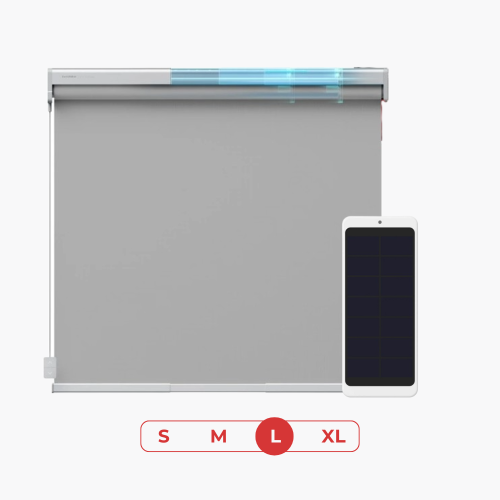
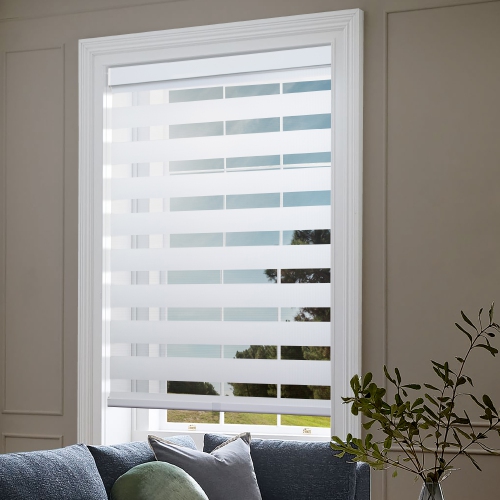

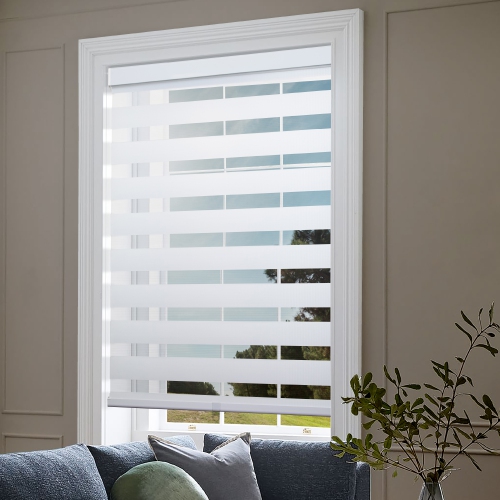
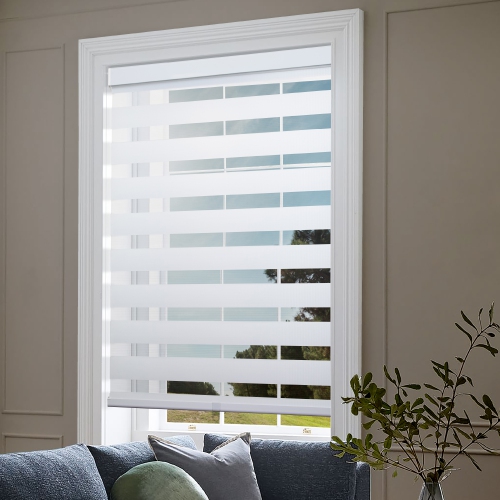
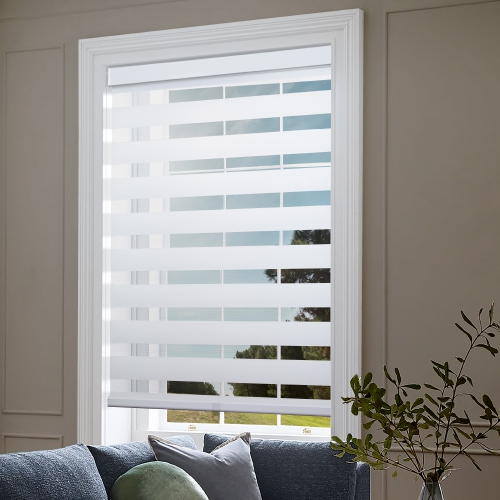
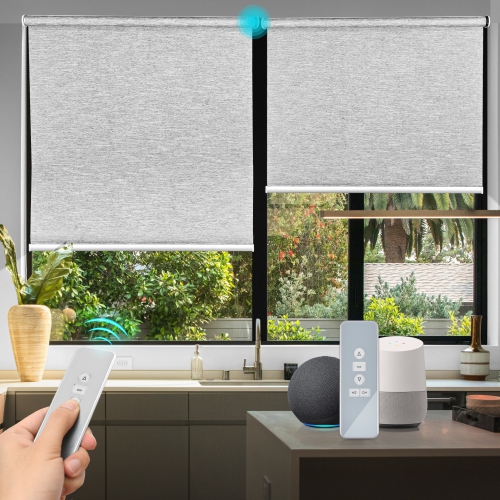
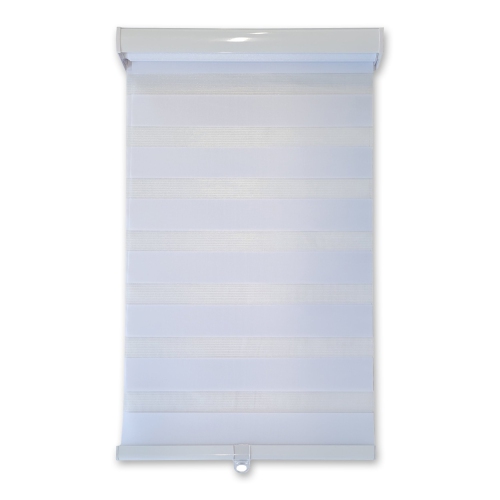
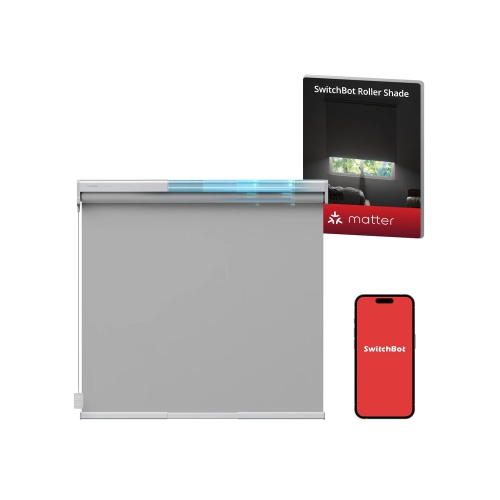
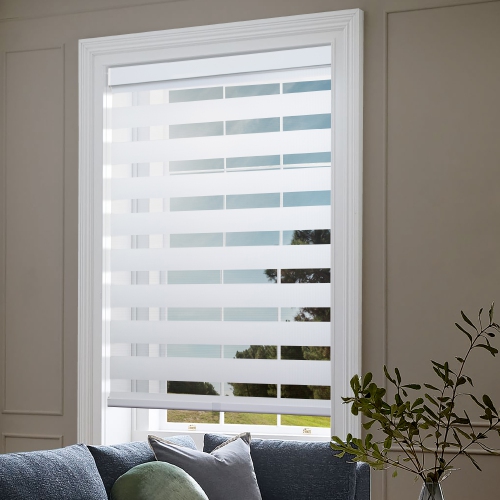
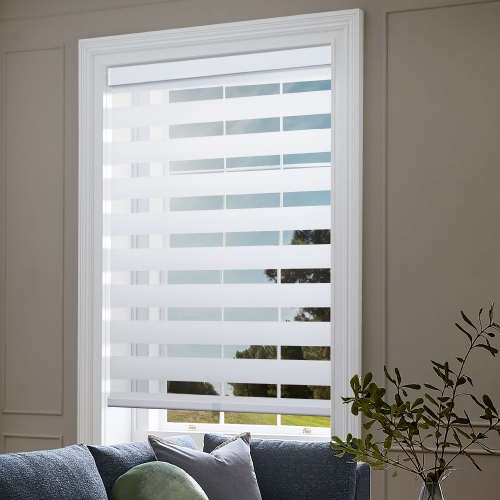
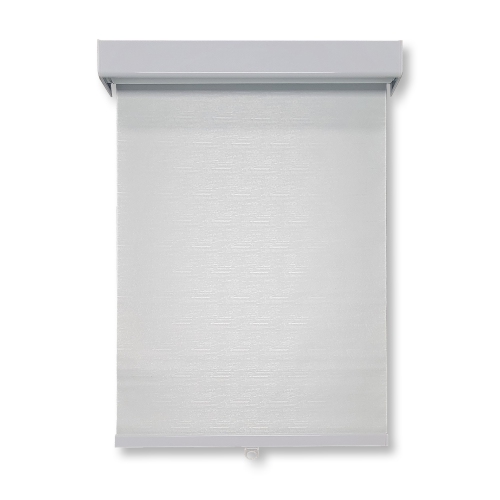
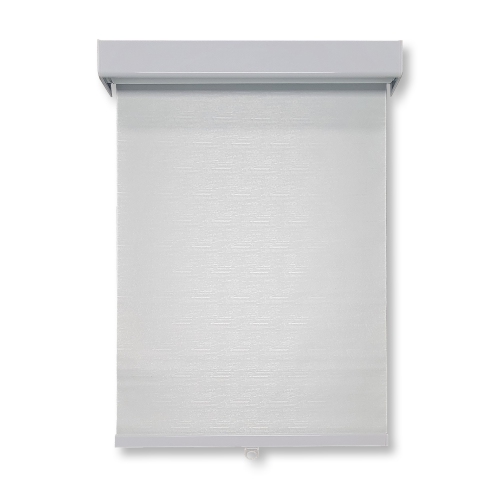
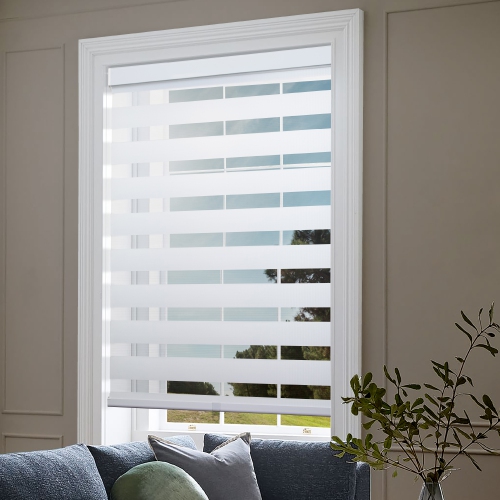
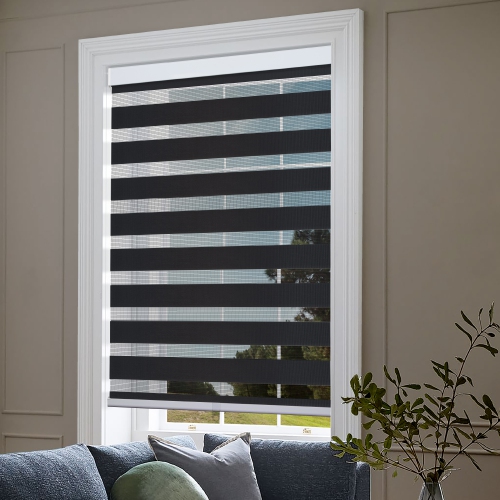
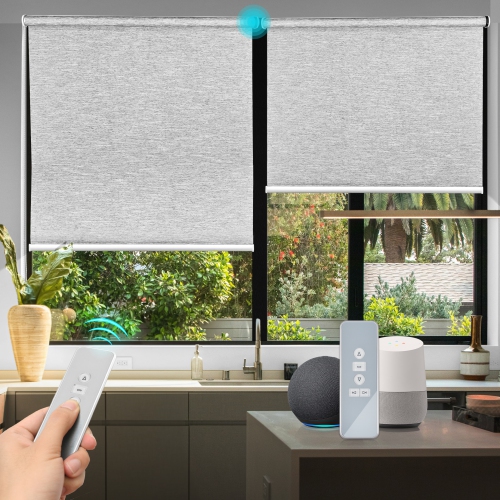
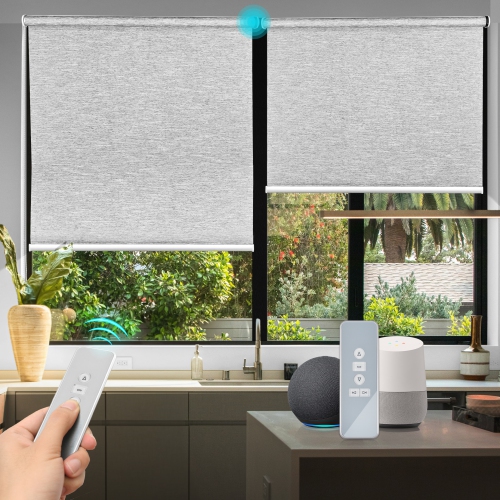
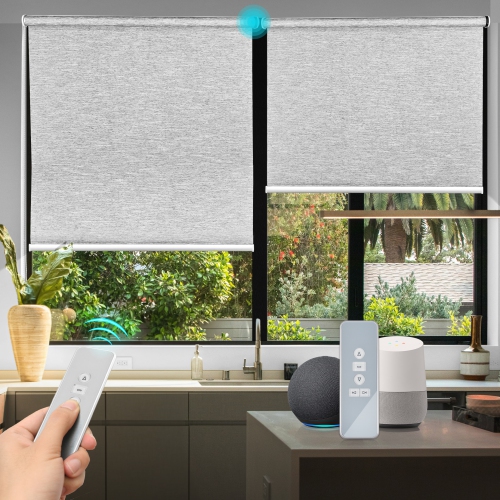
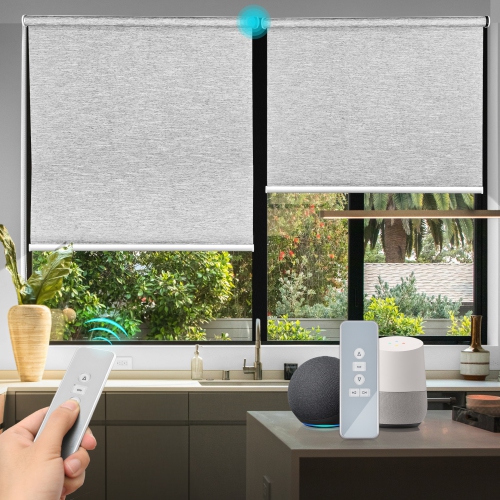
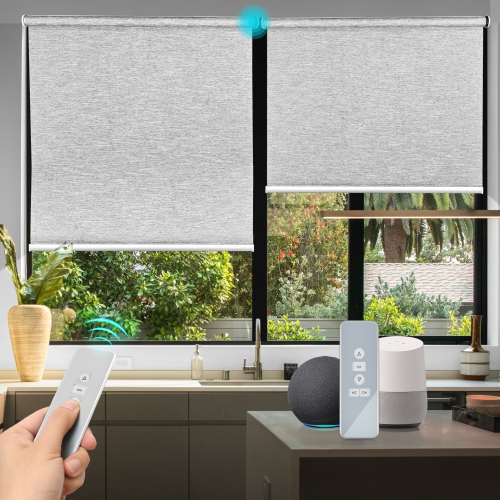
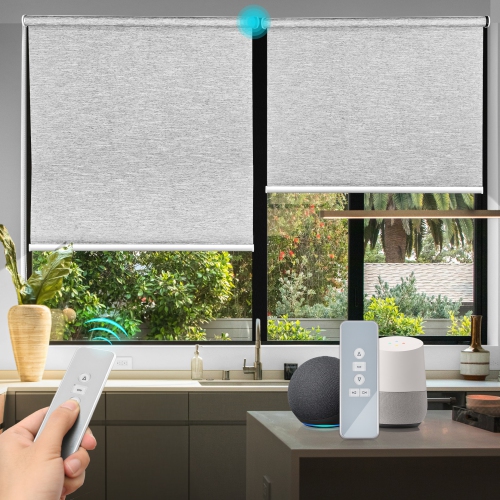

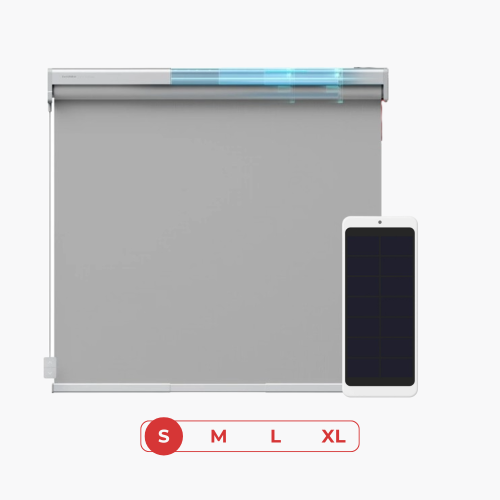
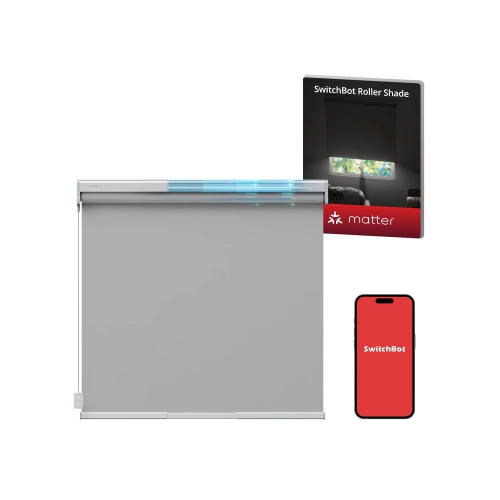
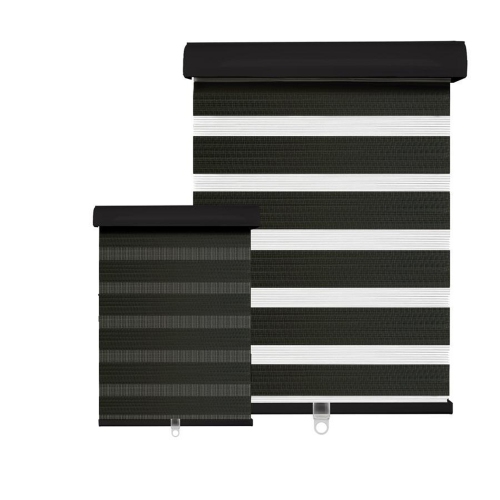
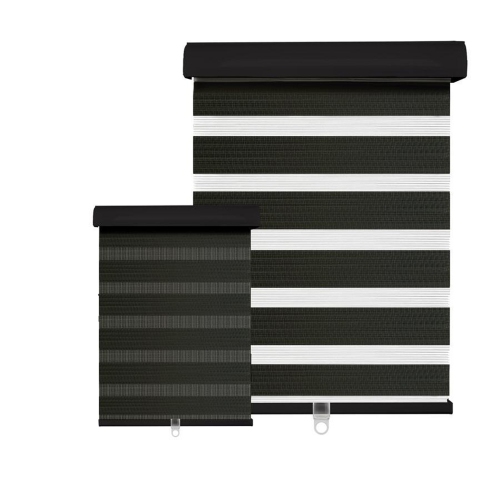
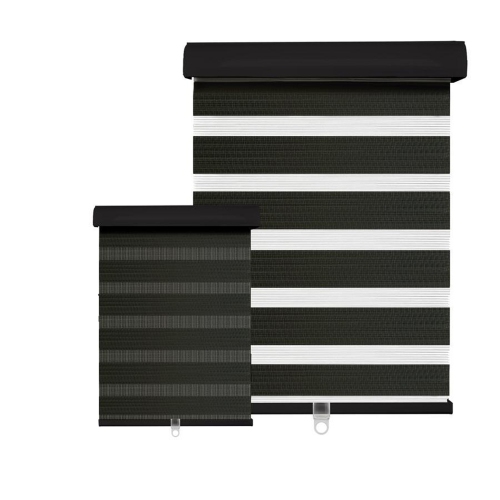
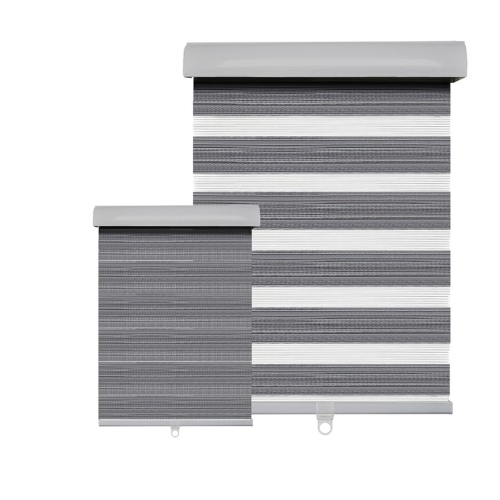

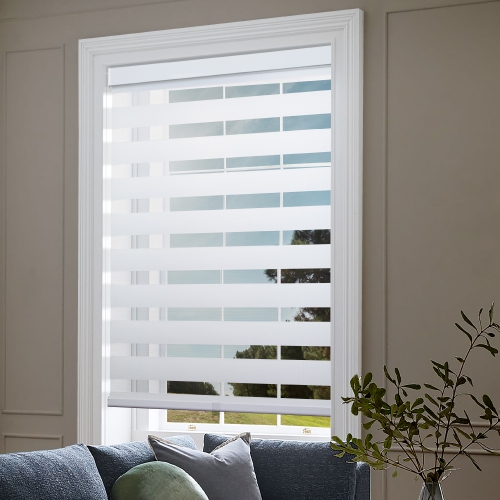
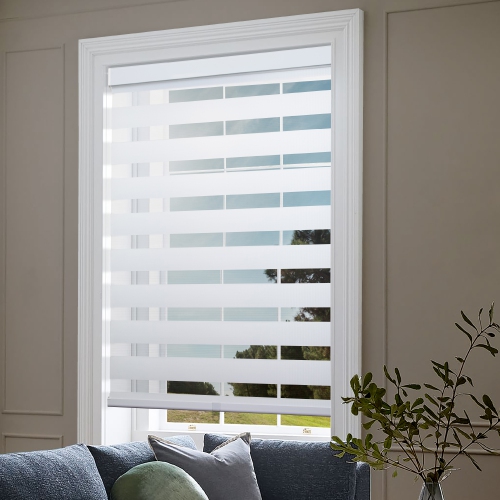

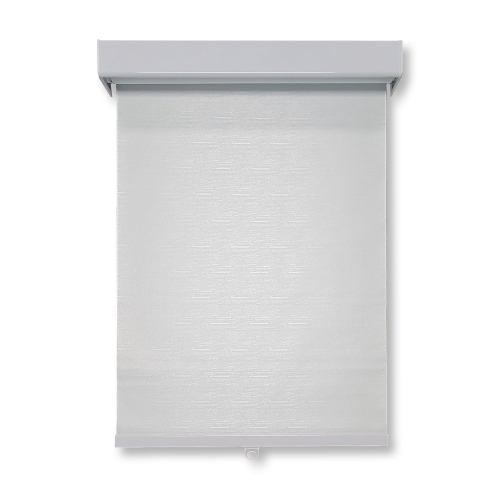

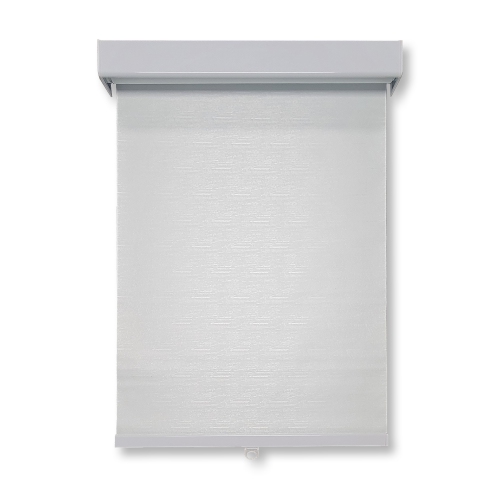
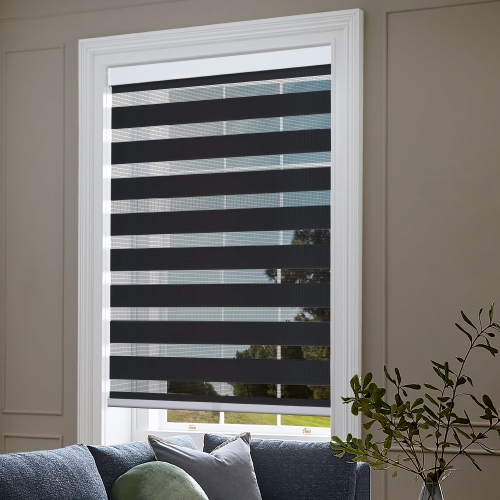
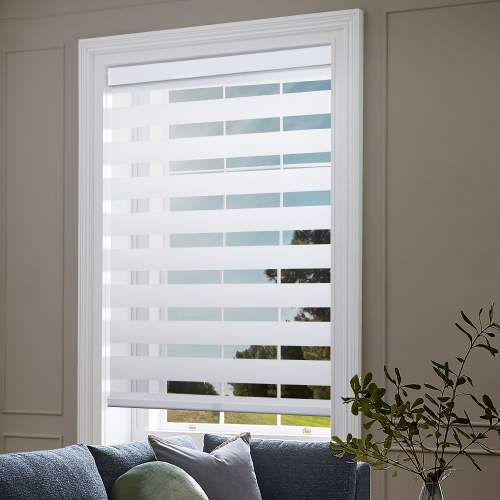
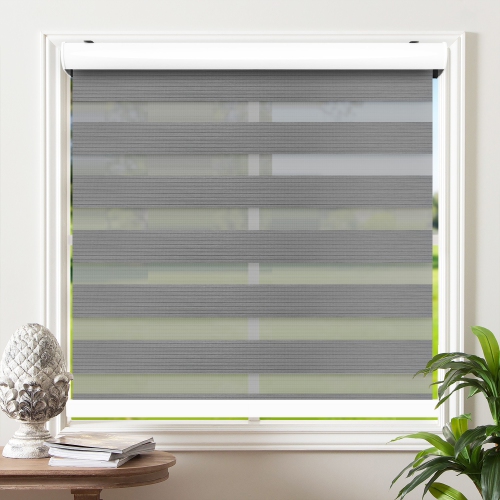
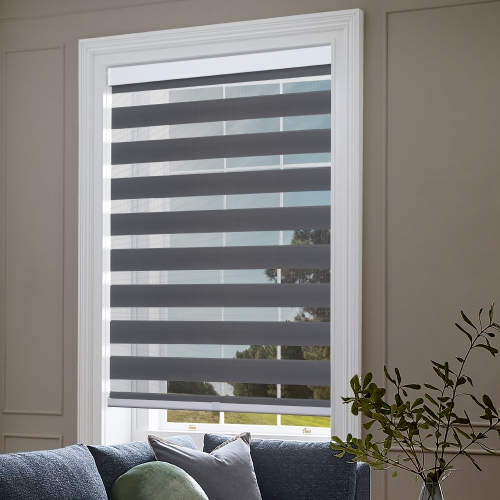
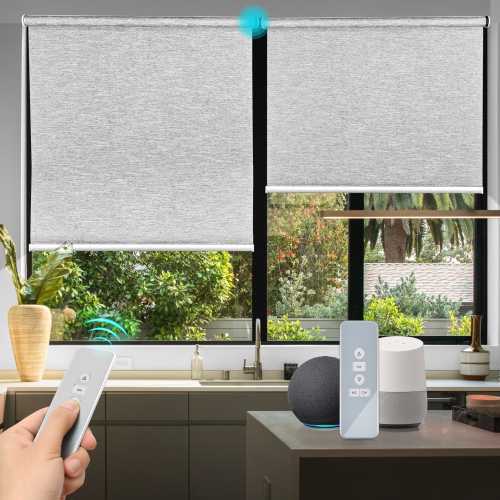
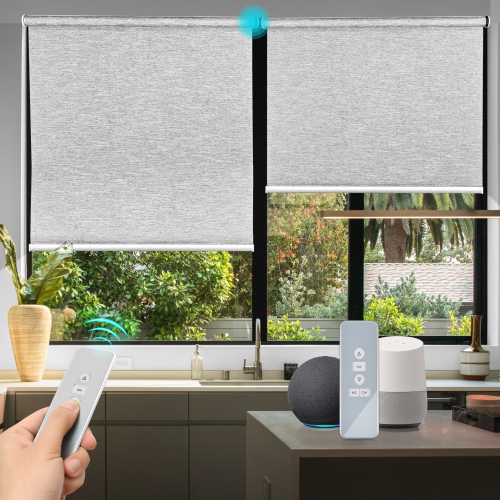
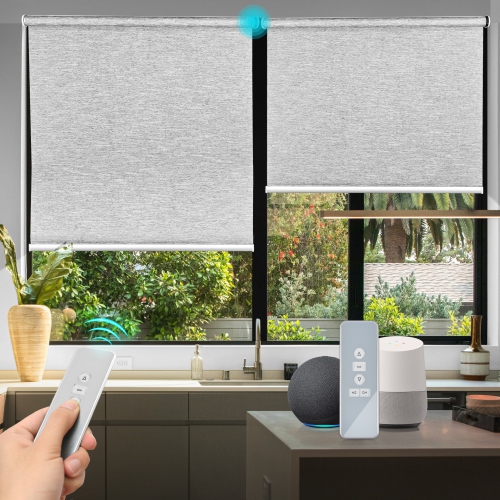
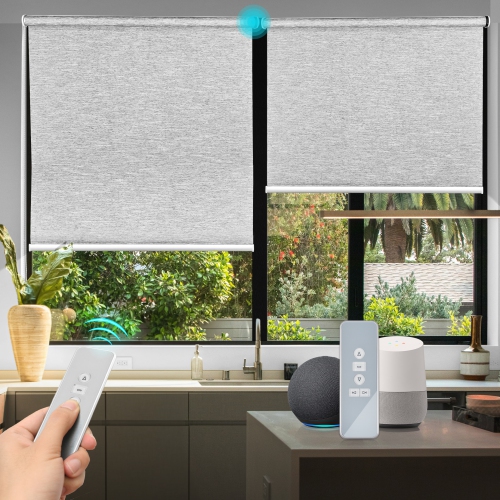
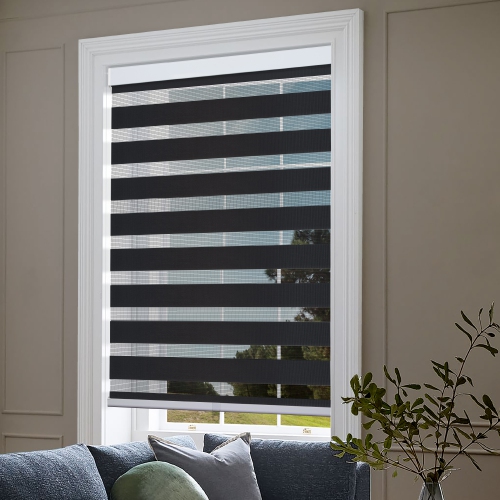
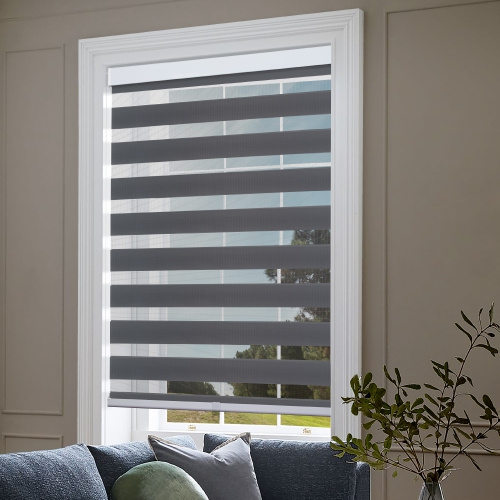
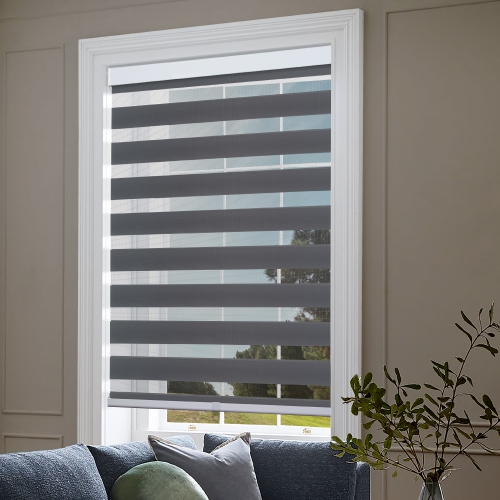
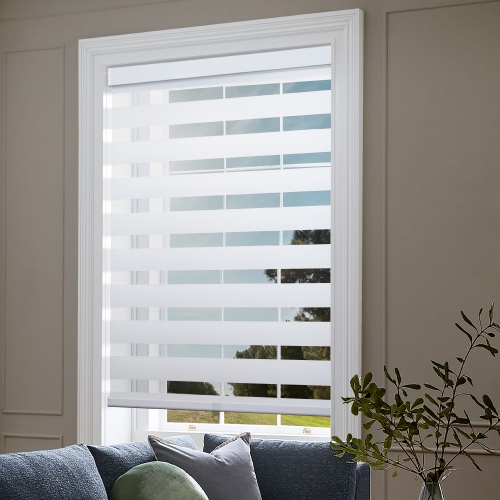

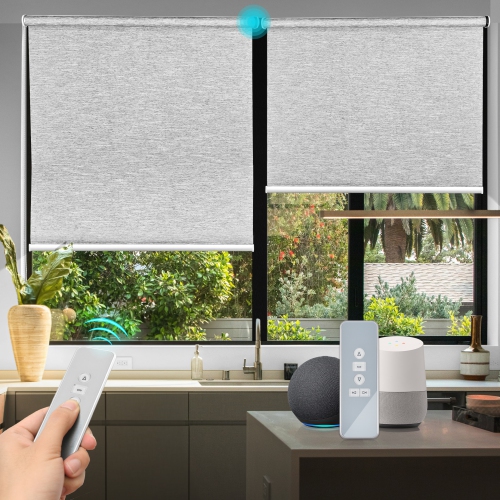
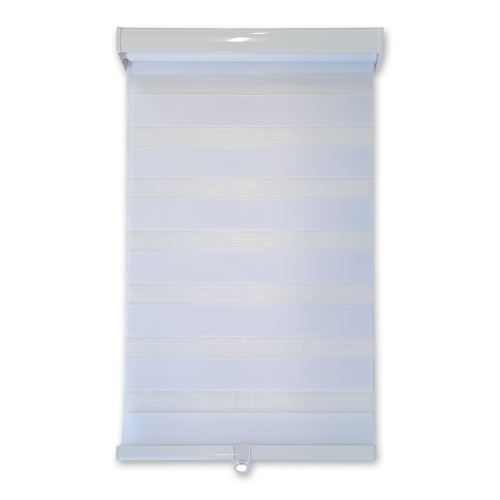
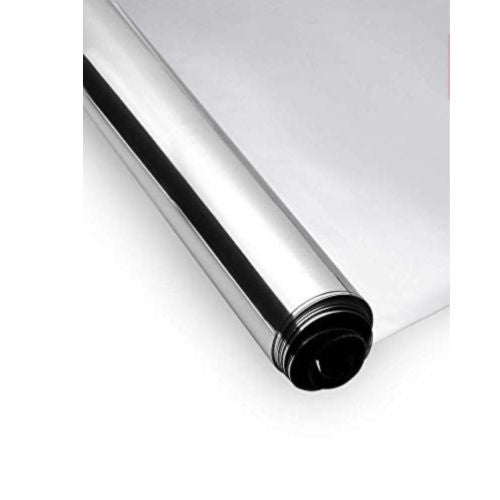
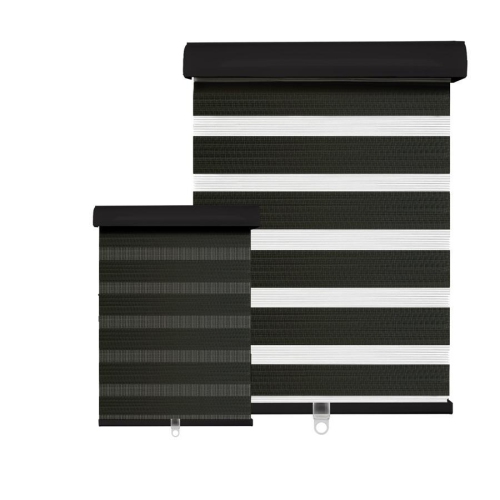


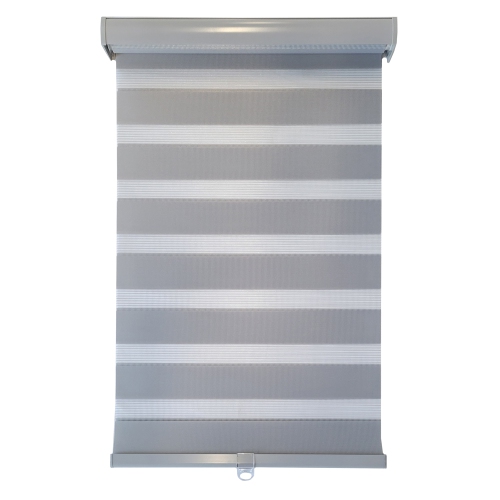
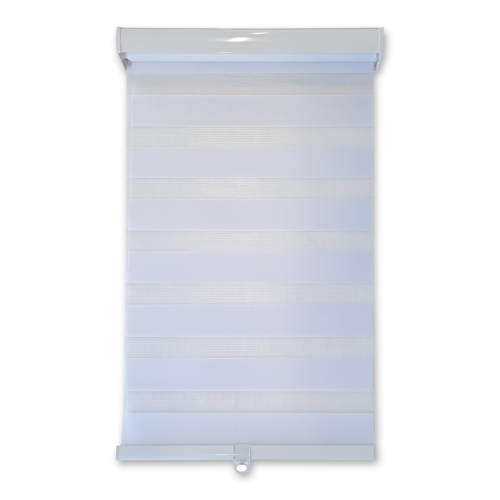
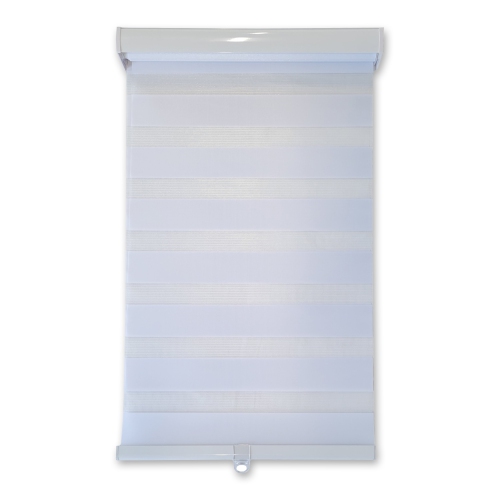
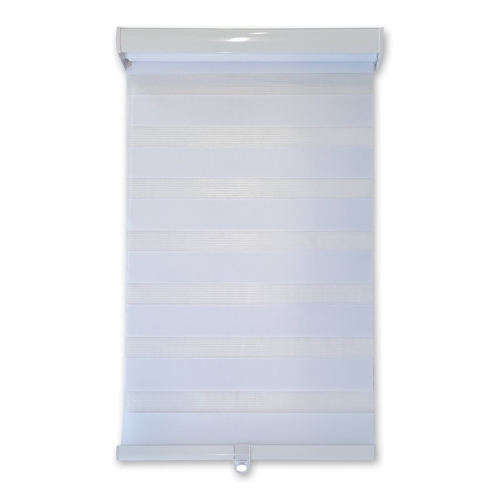
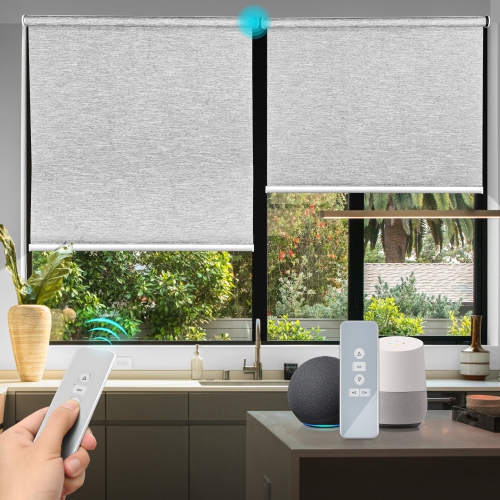
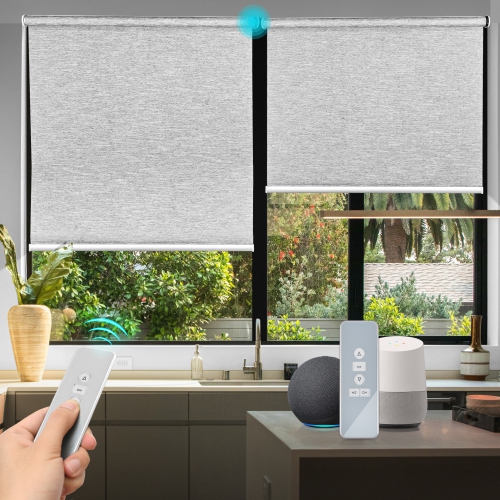
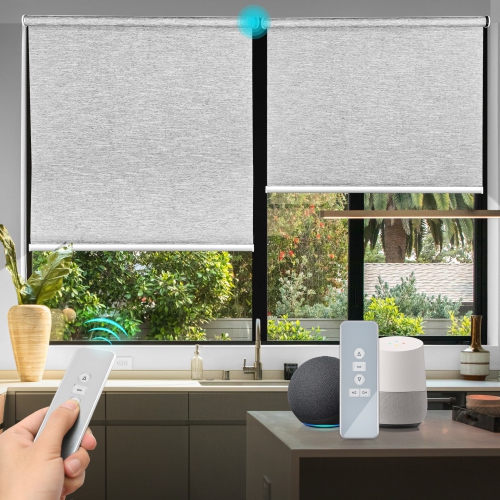
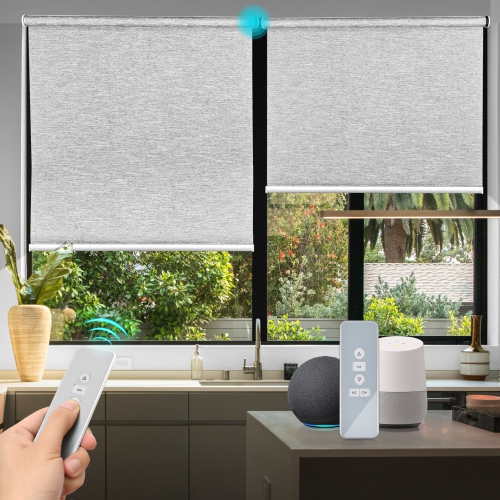
How blinds balance room style with everyday light control
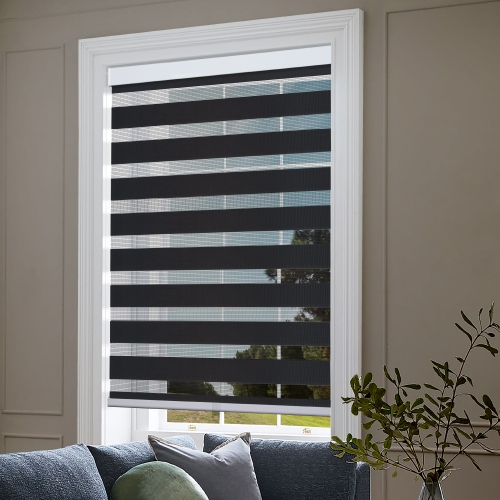
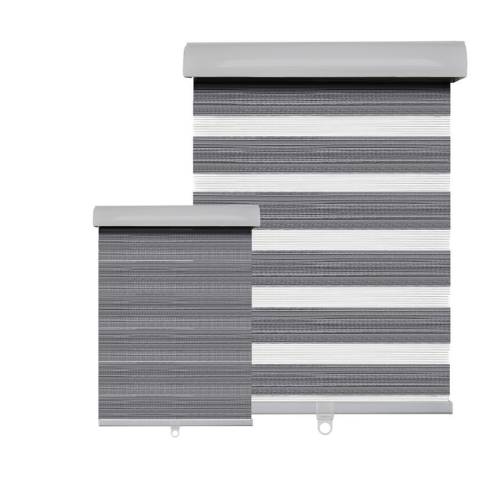
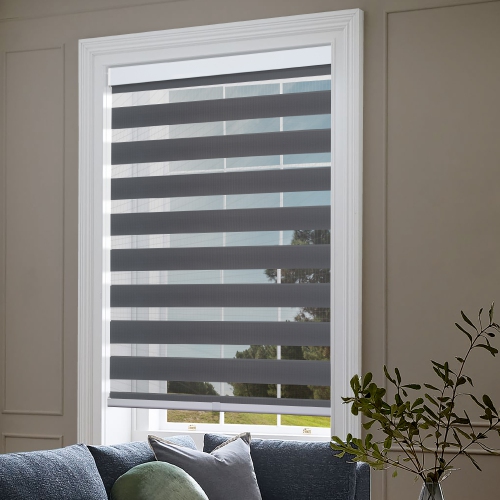
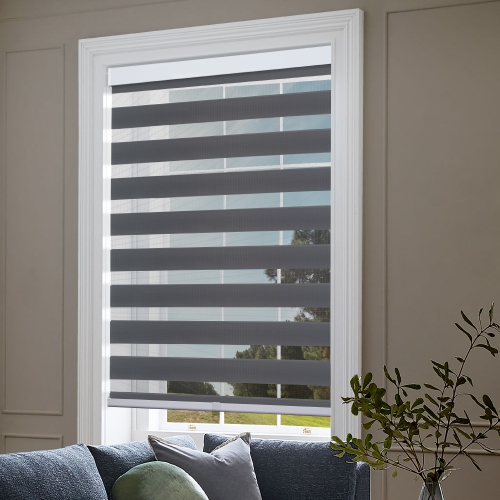
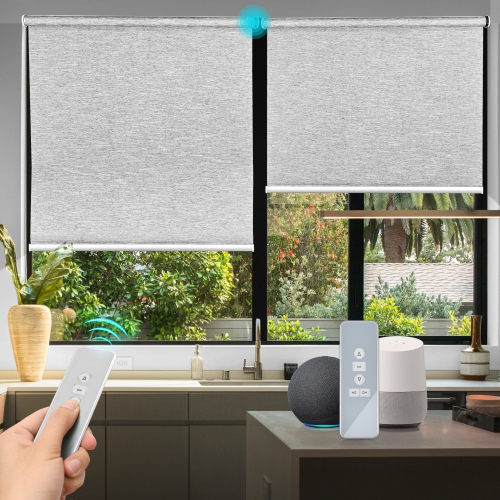
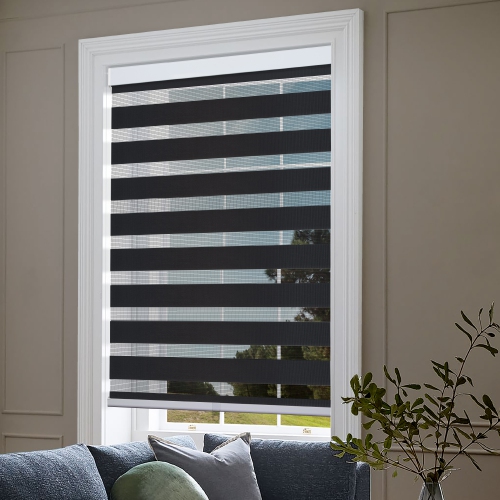
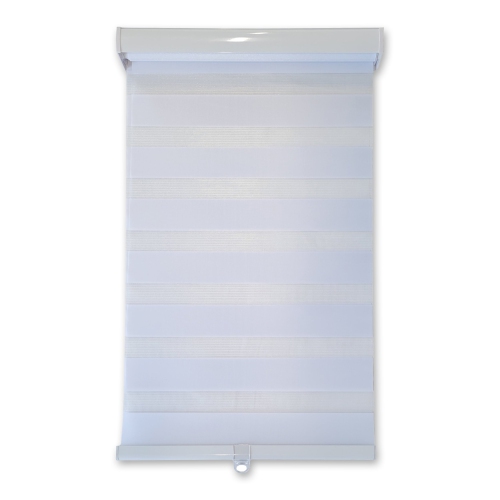
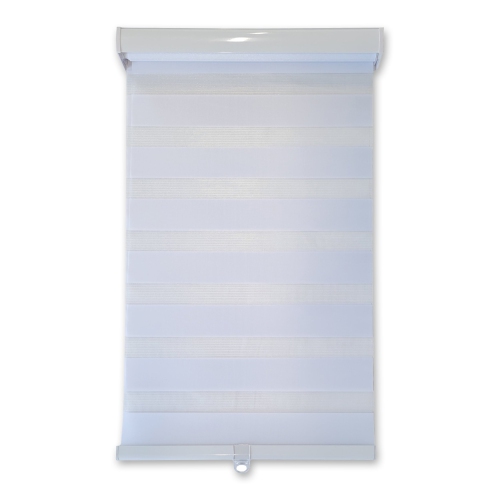
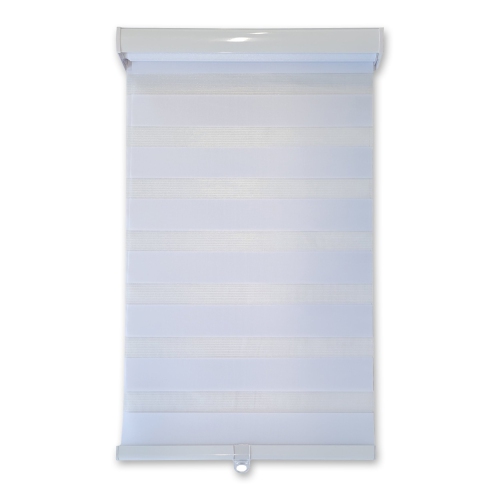
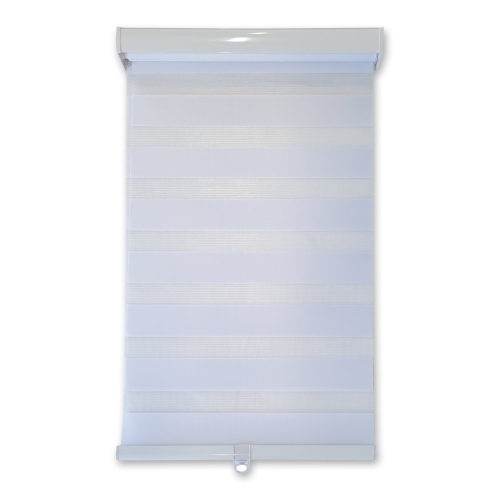
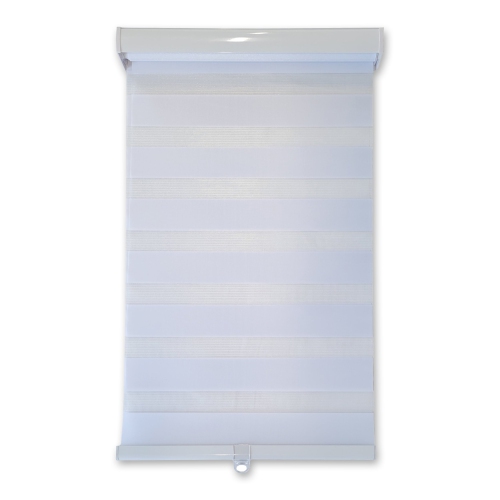
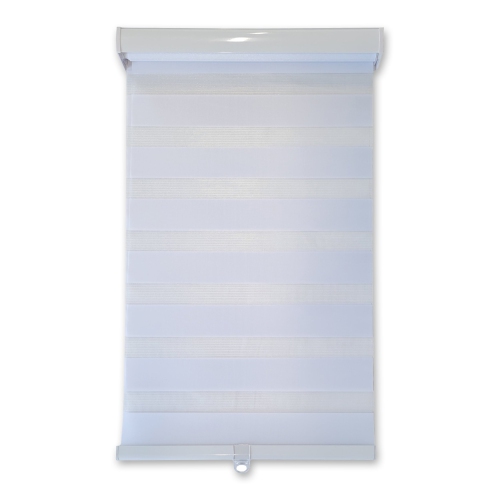
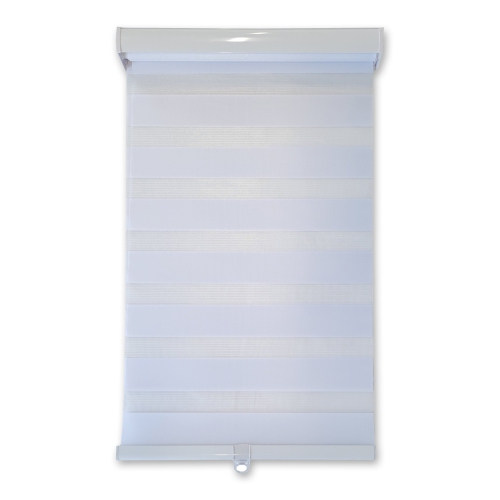
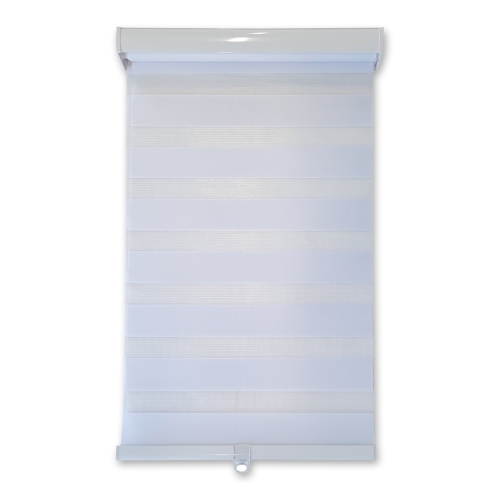
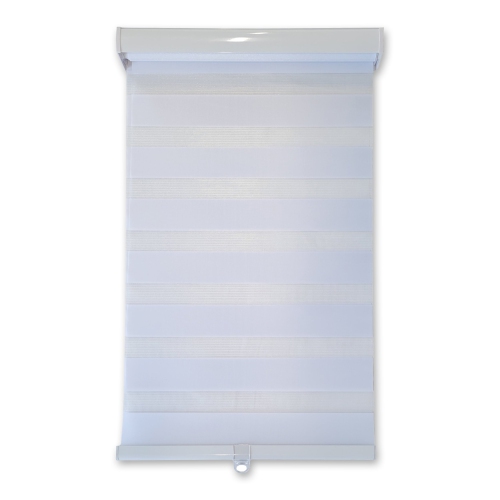
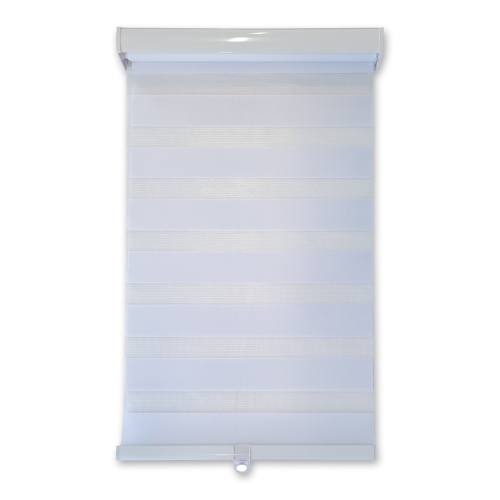
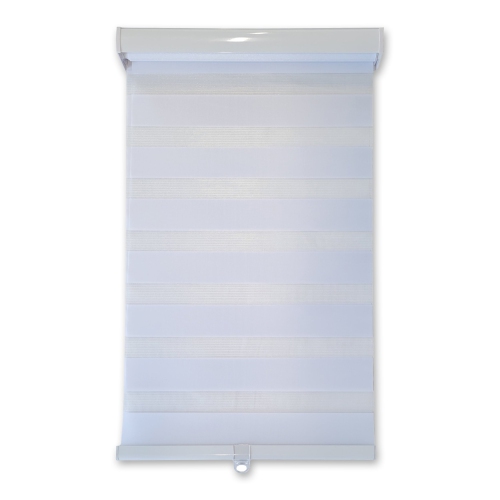
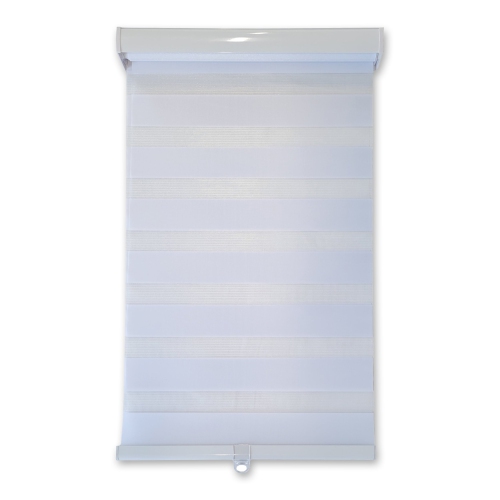
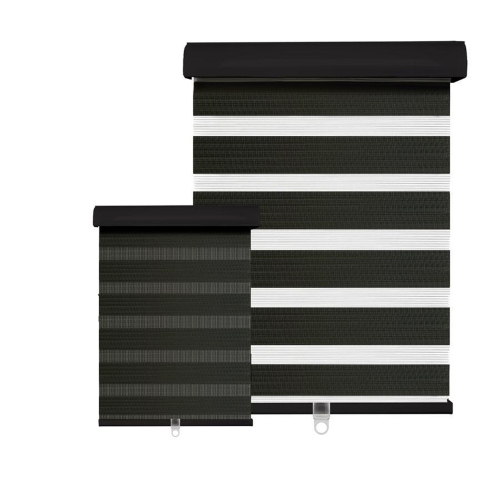
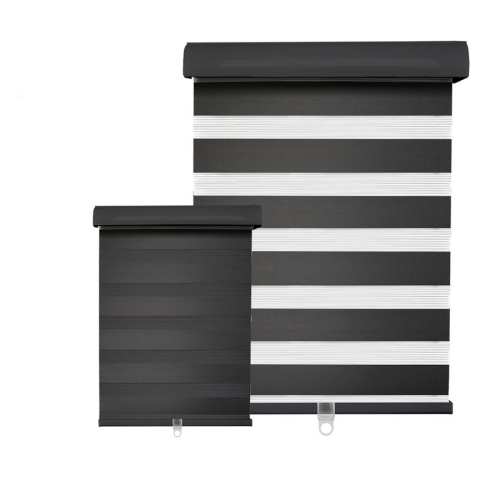
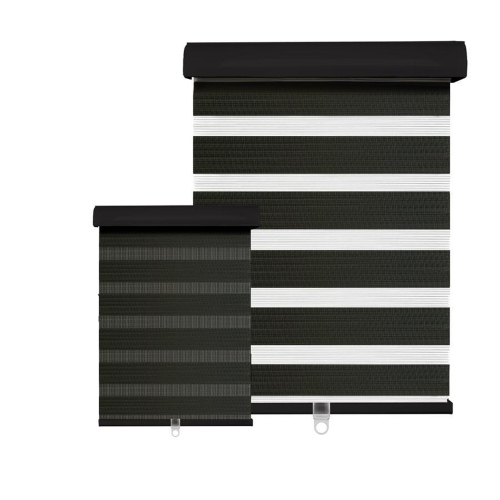
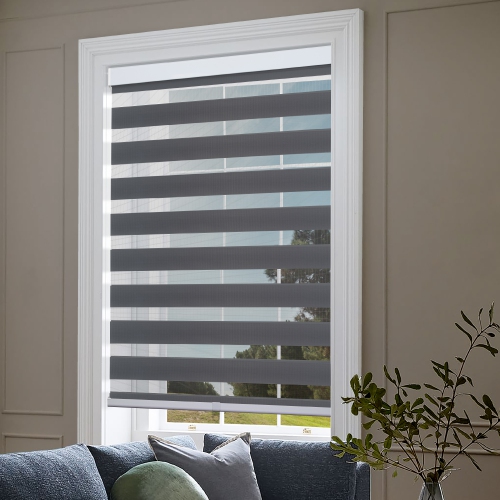
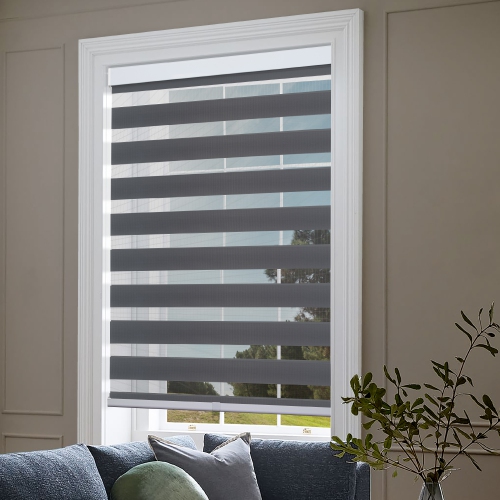
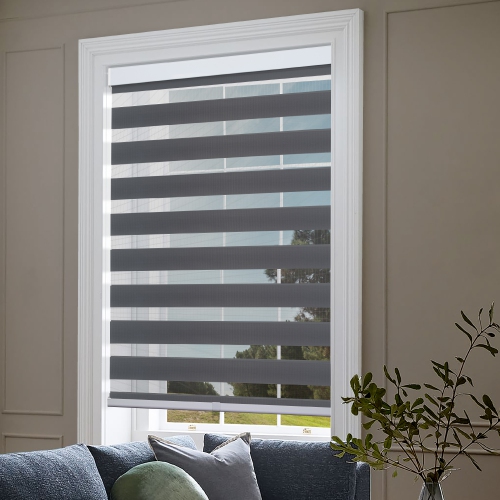
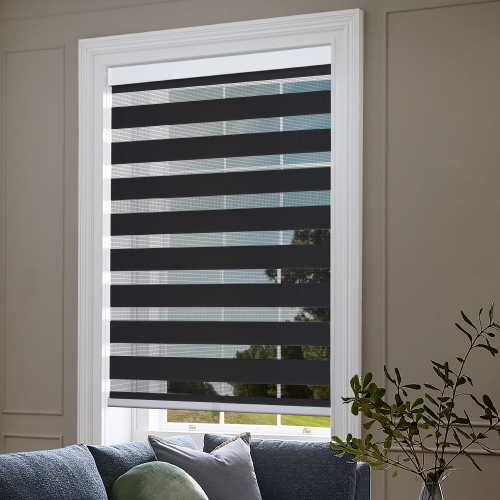
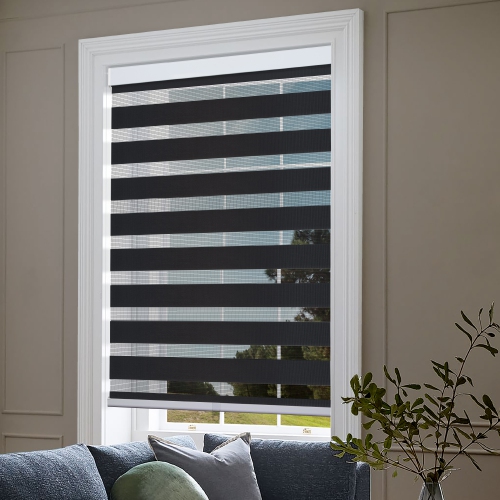
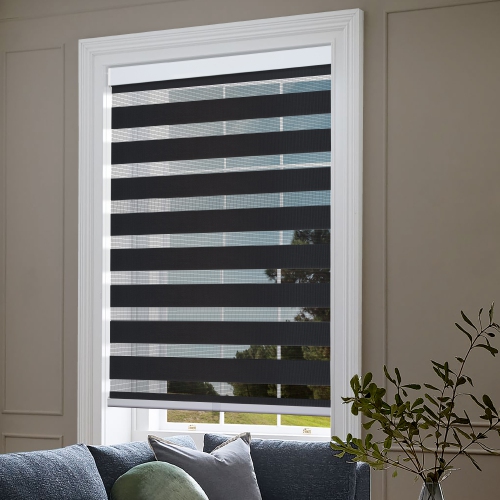
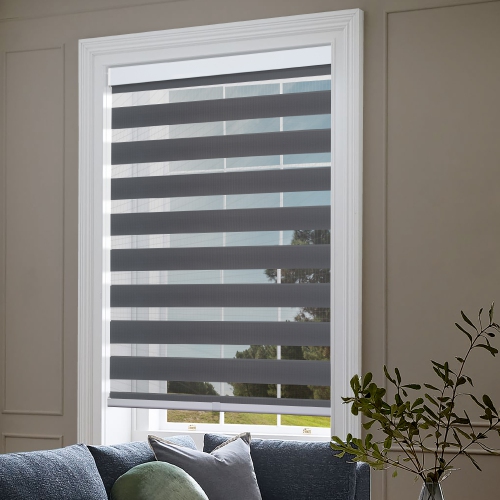
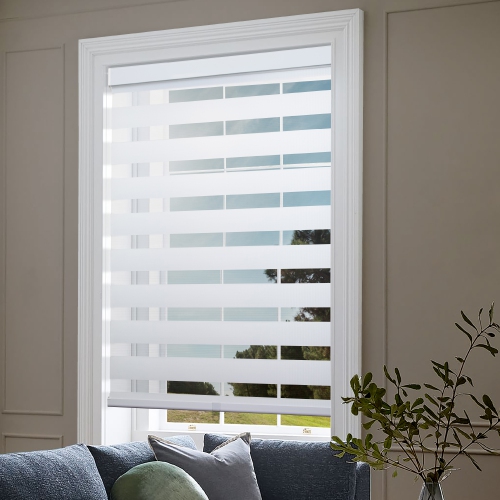
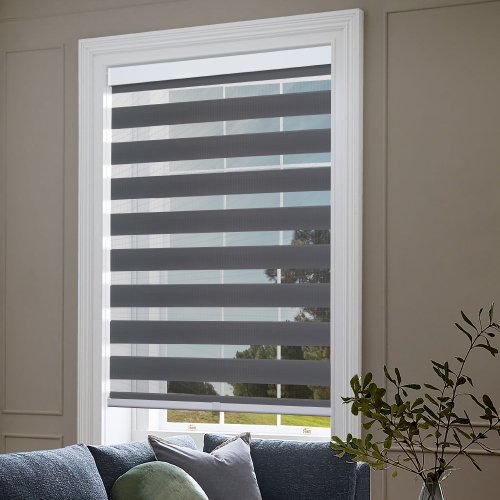
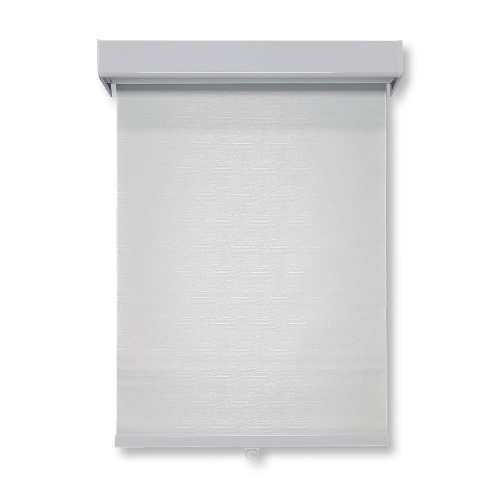
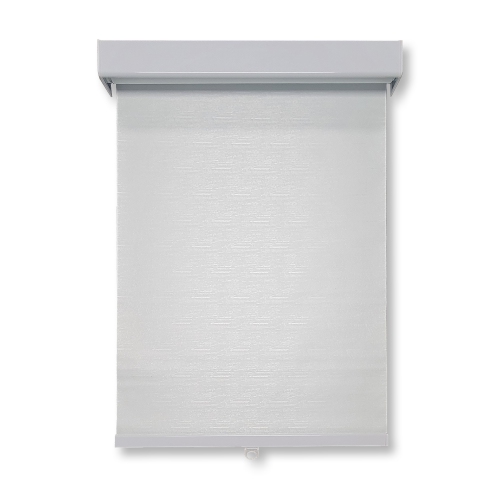
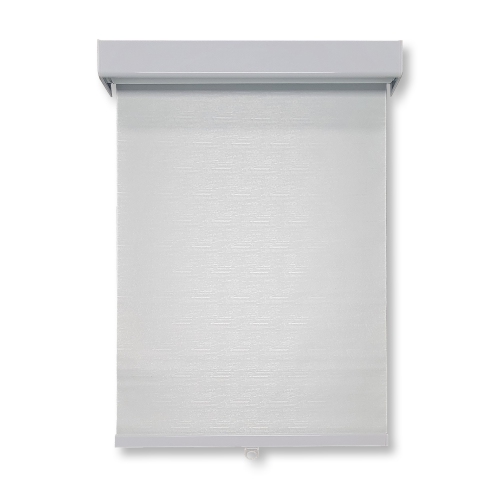
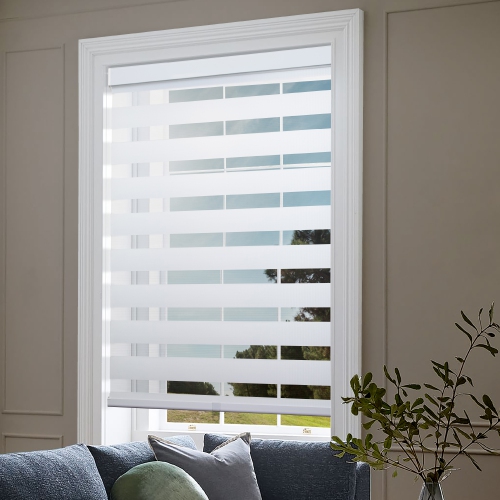
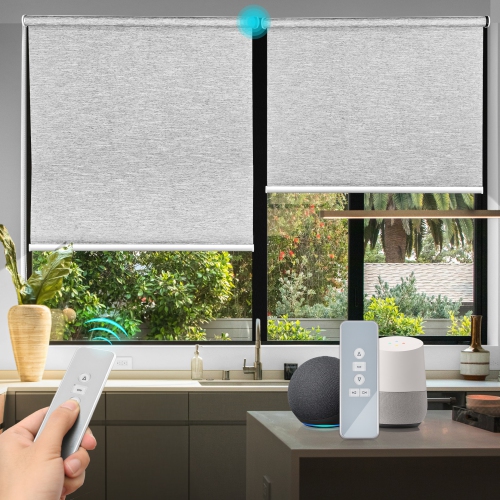
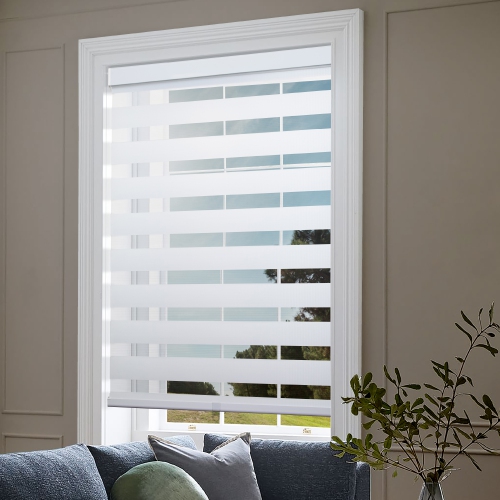
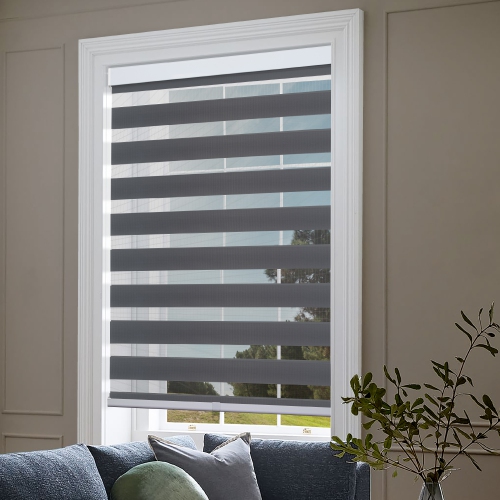
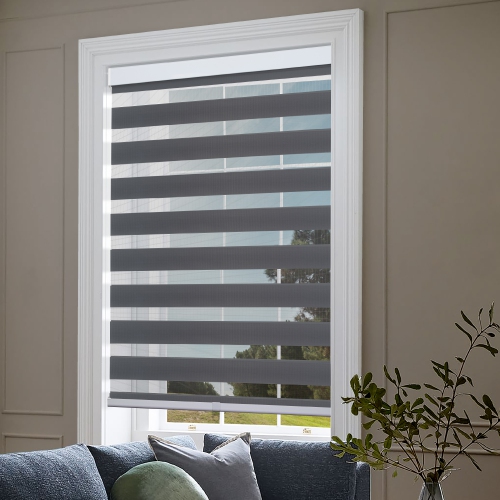
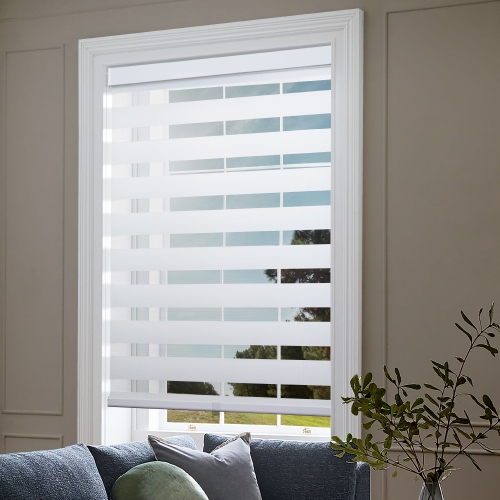
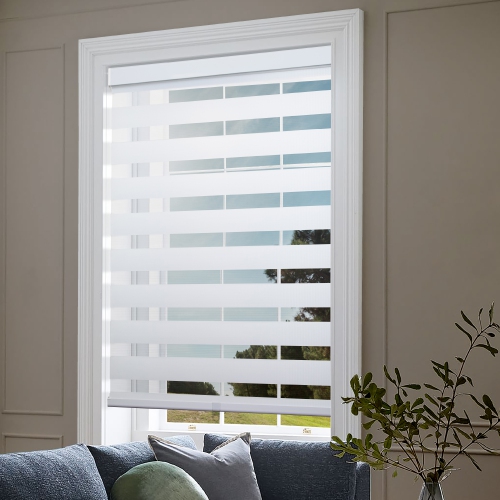
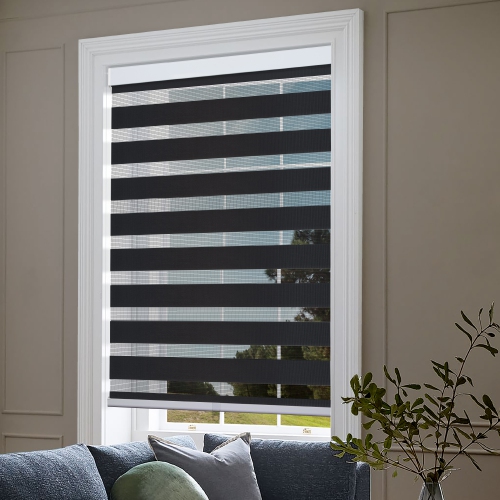
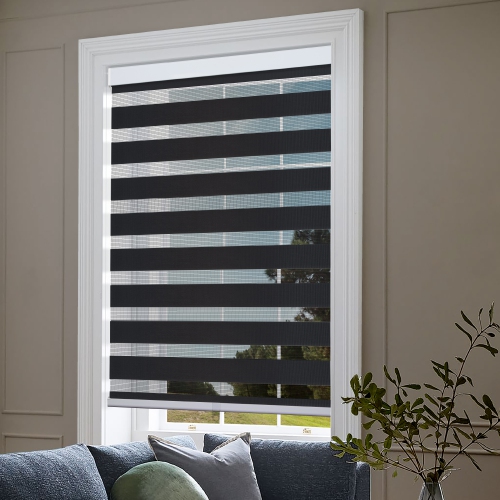
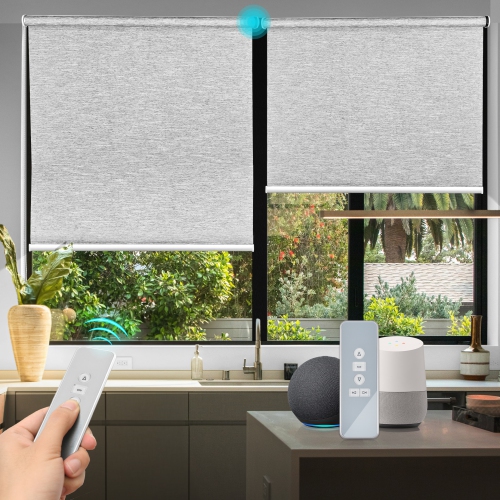
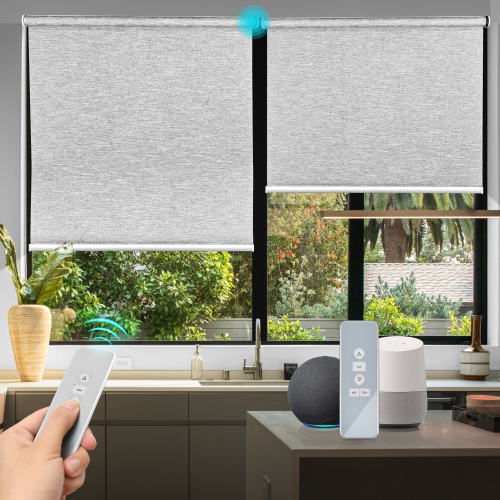
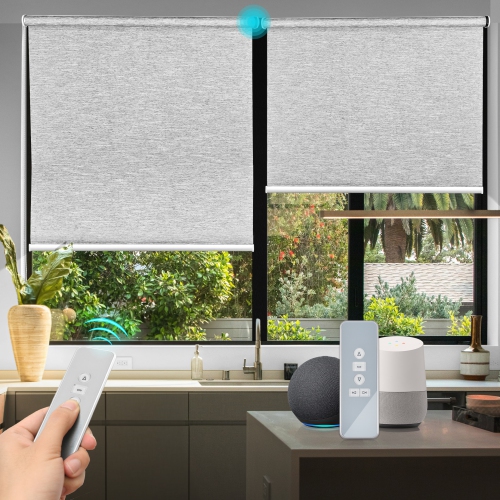
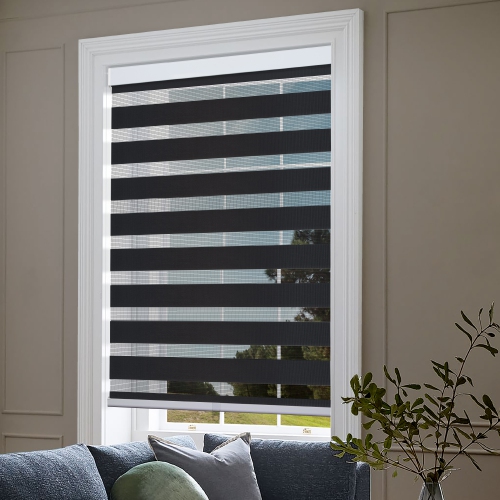
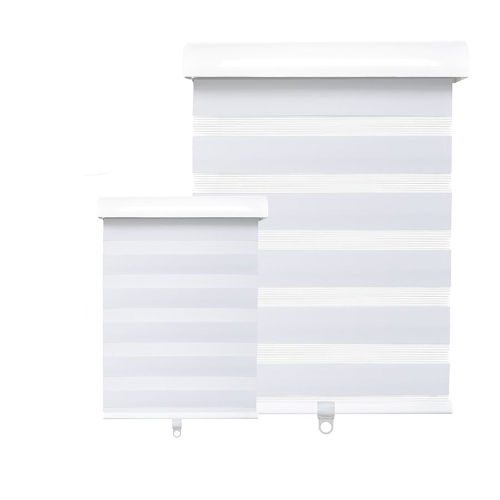
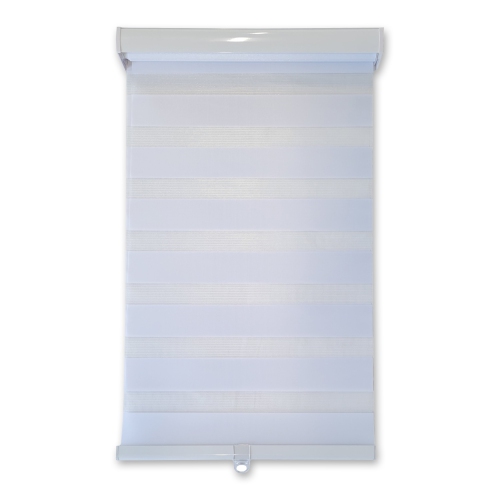
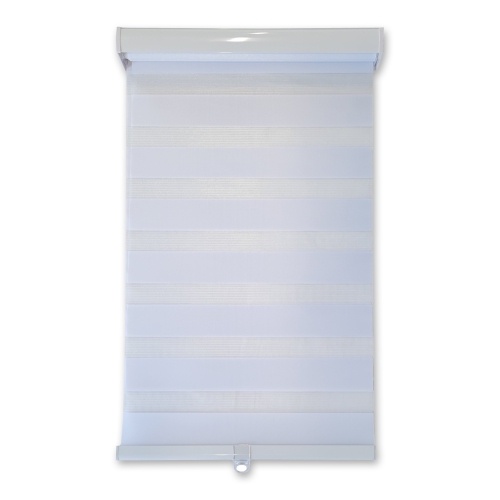
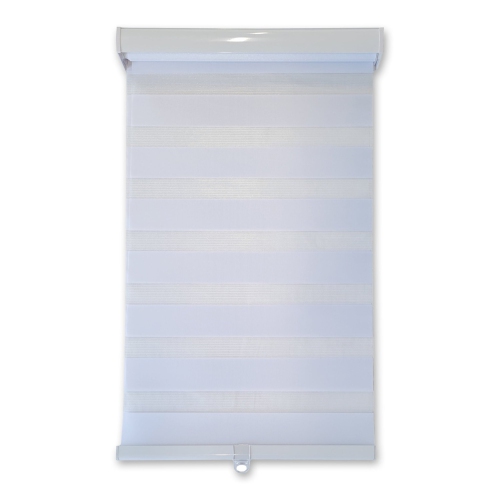
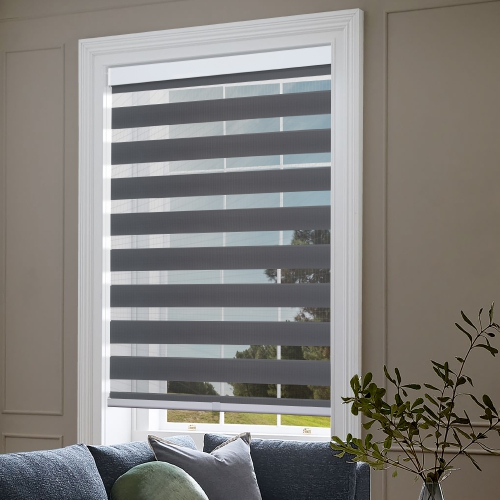
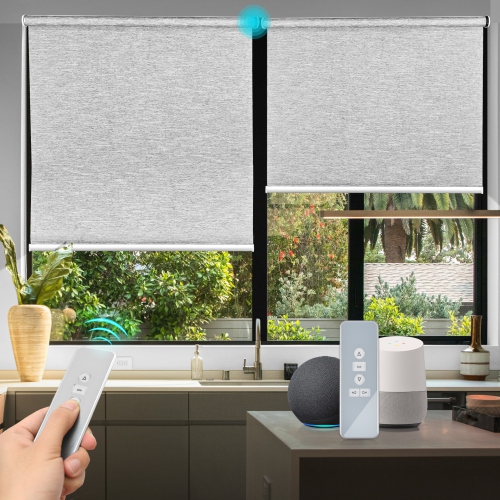
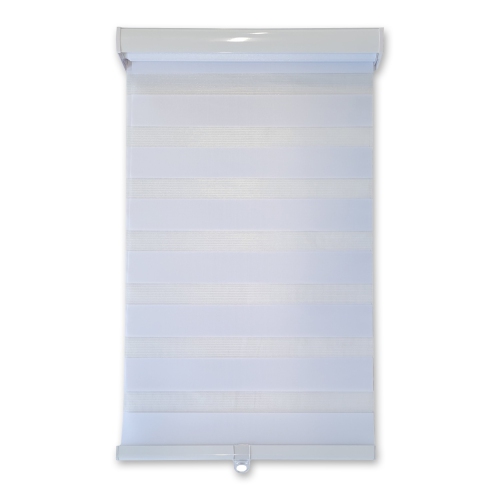
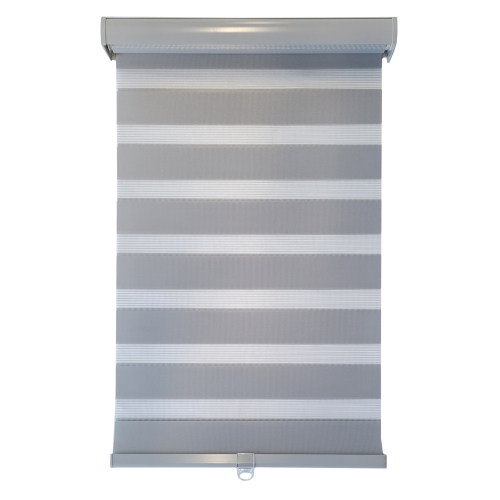
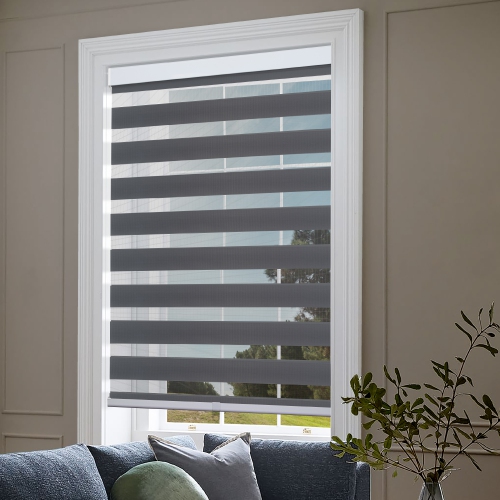
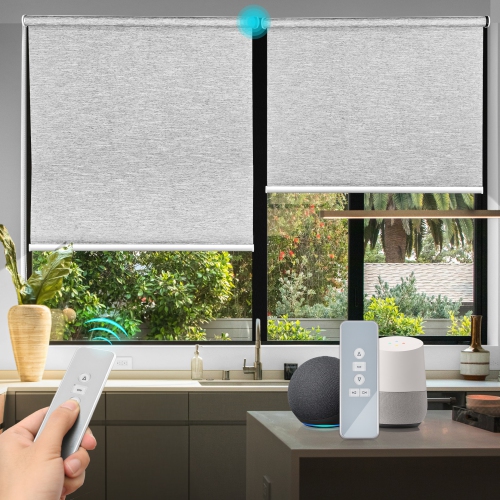
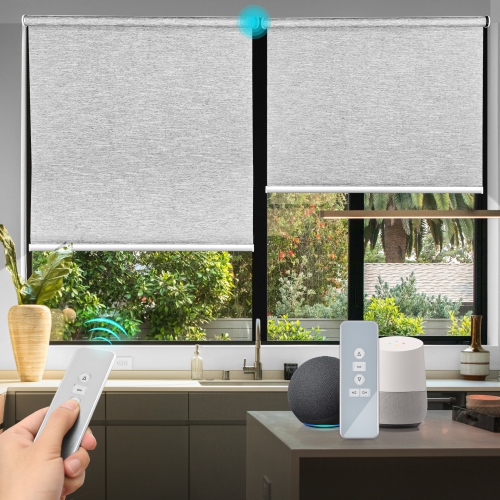
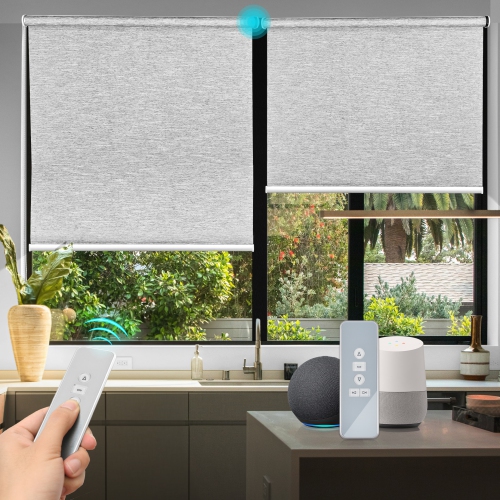
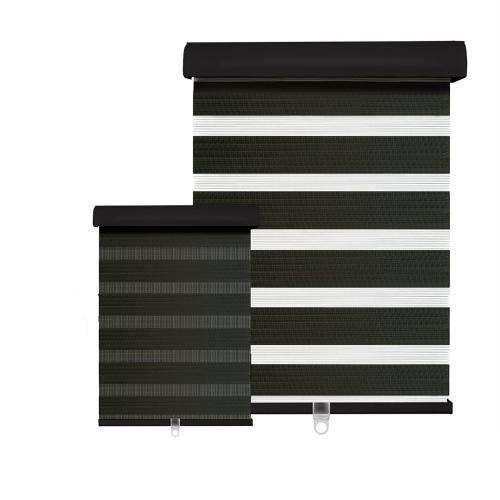
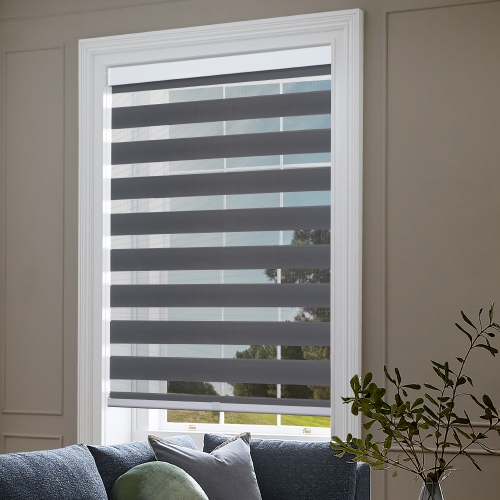
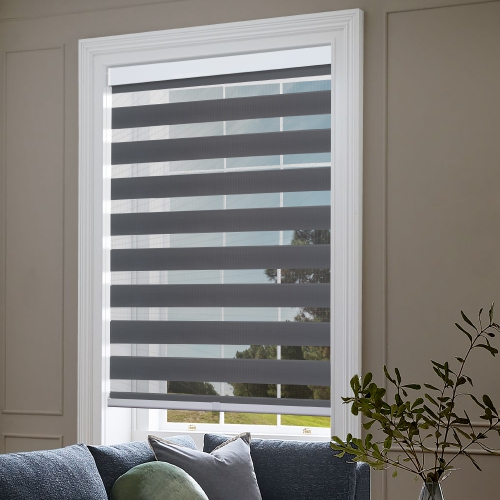
Decorative window blinds bring colour, texture, and structure to a room while helping manage the light and privacy that make it comfortable to use. Unlike a purely ornamental window accent, a blind becomes part of an everyday routine: opened to brighten a breakfast nook, angled to soften glare beside a reading chair, or lowered for privacy in a bedroom. The visual effect depends on both the material and the shape of the covering. Horizontal slats create a measured, linear look that suits anything from a simple apartment interior to a room with detailed trim and traditional furniture. Wider slats make a stronger architectural statement, while narrower slats introduce a finer pattern across the window. Fabric styles can soften hard surfaces such as glass tables, tile floors, and metal shelving, particularly when the fabric has a subtle weave rather than a flat finish. White and cream blend easily with pale walls, charcoal adds definition around a window, and wood tones can connect the treatment to flooring, cabinetry, or a favourite piece of furniture. A close colour match produces a quiet, integrated effect; a deliberate contrast makes the window more prominent. Materials also influence where blinds work best. Wood offers natural grain and variation, but its suitability depends on the room’s moisture levels and the manufacturer’s care requirements. Faux wood can provide a similar visual weight with different maintenance needs, and some moisture-resistant designs are better suited to kitchens or bathrooms. Aluminum has a crisp appearance and is often easy to wipe clean, although thinner slats need gentle handling to avoid bending. Fabric coverings vary considerably in opacity, surface texture, and cleaning requirements. A softly patterned fabric may add interest without competing with artwork, while a textured neutral can bring depth to a room with a restrained palette. For a cohesive result, it helps to consider blinds alongside the window trim, nearby furnishings, and any curtains that will frame them.
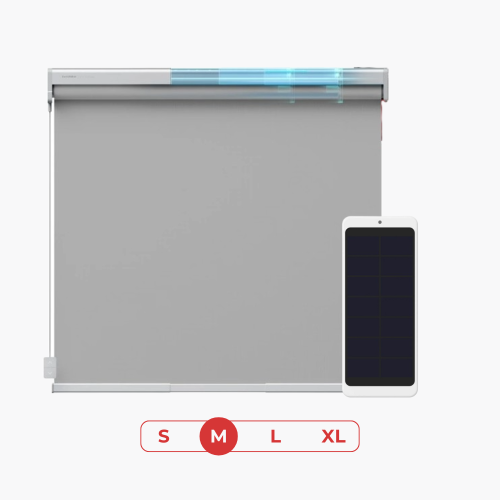
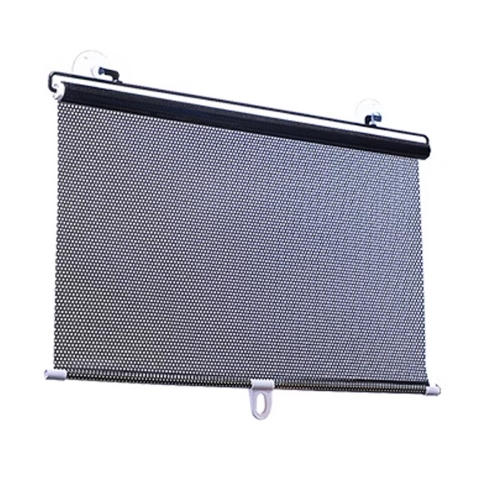
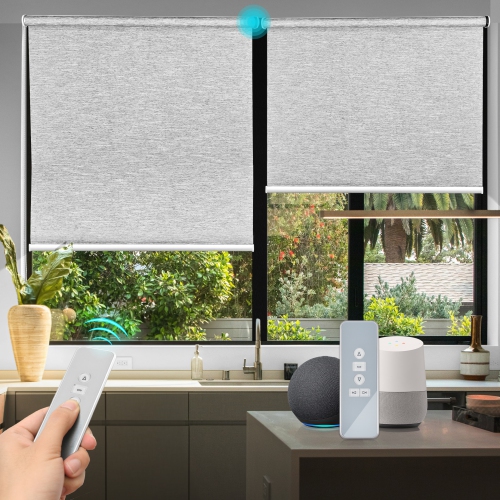
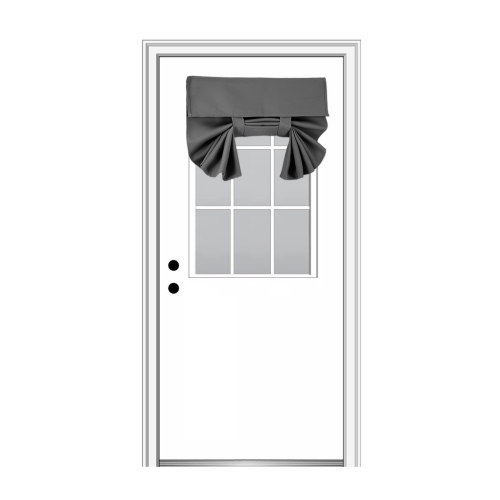
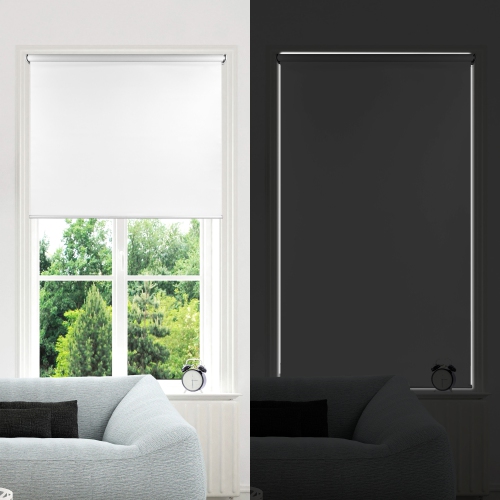
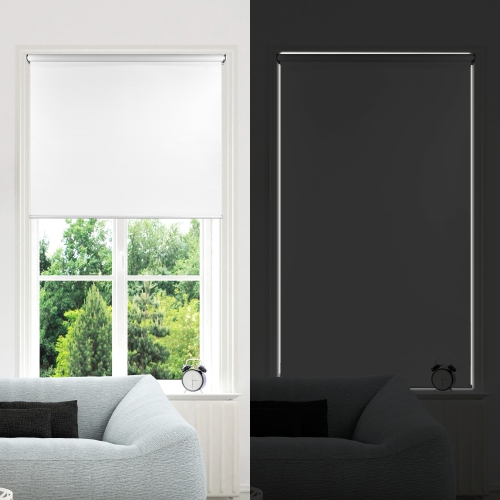
Fit has as much influence on the finished appearance as colour or material. An inside-mounted blind sits within the window recess, leaving the surrounding trim visible and giving the treatment a tailored profile. That approach requires enough mounting depth, as well as clearance for handles, locks, and any other hardware that projects into the opening. An outside-mounted blind sits above or beyond the recess and can be useful where the frame is shallow or where greater coverage is preferred. Measurements should follow the manufacturer’s directions, since sizing conventions and allowances differ between designs. Checking the width at several points is particularly useful in older homes, where a window opening may not be perfectly square. The height matters too: a blind that stops short of its intended resting point can leave an awkward gap, while excess length may interfere with a sill or nearby surface. On a door, clearance and secure positioning deserve particular attention so the covering does not obstruct the handle or swing loosely during normal use. Light control is another distinction worth considering closely. Adjustable slats allow light to be redirected without fully uncovering the window, whereas many roller-style coverings change exposure by moving up or down. Light-filtering fabrics soften brightness but do not necessarily prevent silhouettes from being visible when indoor lights are on. Room-darkening and blackout descriptions should be checked against the construction of the whole treatment, because light can still pass around the edges even when the covering itself is opaque. This matters in bedrooms used by daytime sleepers, media rooms, and shared spaces where someone may be working while others relax. For a dedicated desk area, Office Window Blinds offer a related focus on window treatments for workspaces. Screen position, window direction, and the ability to adjust light throughout the day all affect comfort. Cordless operation can also simplify the appearance, and homes with children or pets should use coverings without accessible operating cords, with installation and safety directions followed carefully.
Everyday durability comes from a combination of suitable materials, sound installation, and care that matches the finish. Blinds beside a kitchen sink may encounter splashes, while those near a cooking area can collect a film that requires more than occasional dusting. A treatment in a quiet sitting room faces different demands from one raised and lowered several times a day at a frequently used door. For busy spaces, the ease of operating the mechanism and reaching every part for cleaning can matter just as much as the initial appearance. Regular, gentle dusting helps preserve the look of slats and textured surfaces without allowing buildup to settle into joints or folds. A soft cloth or a vacuum attachment used at low suction may be suitable, depending on the material and the care label. Washable does not automatically mean machine washable, and fabric coverings may require spot cleaning or professional attention rather than soaking. Wood finishes generally need protection from excess moisture, while abrasive pads and harsh cleaners can damage painted, coated, or printed surfaces. Supporting a slat during cleaning helps reduce the chance of bending or twisting it, and smooth operation is a reason to address resistance rather than force the covering into place. The way blinds share the window with other furnishings also affects daily use. Curtains need enough clearance to move freely, a sofa should not block access to the controls, and plants on a sill should not catch the lower edge as it moves. In an open-plan living area, repeating a colour or slat profile across nearby windows can tie separate seating and dining zones together without making every detail identical. Bedrooms may call for a softer finish and stronger light control, while a craft corner benefits from adjustable brightness and easy access to the window. The most successful decorative blinds suit these ordinary moments, combining an appealing surface with a fit and function that feel natural in the room.
Fit has as much influence on the finished appearance as colour or material. An inside-mounted blind sits within the window recess, leaving the surrounding trim visible and giving the treatment a tailored profile. That approach requires enough mounting depth, as well as clearance for handles, locks, and any other hardware that projects into the opening. An outside-mounted blind sits above or beyond the recess and can be useful where the frame is shallow or where greater coverage is preferred. Measurements should follow the manufacturer’s directions, since sizing conventions and allowances differ between designs. Checking the width at several points is particularly useful in older homes, where a window opening may not be perfectly square. The height matters too: a blind that stops short of its intended resting point can leave an awkward gap, while excess length may interfere with a sill or nearby surface. On a door, clearance and secure positioning deserve particular attention so the covering does not obstruct the handle or swing loosely during normal use. Light control is another distinction worth considering closely. Adjustable slats allow light to be redirected without fully uncovering the window, whereas many roller-style coverings change exposure by moving up or down. Light-filtering fabrics soften brightness but do not necessarily prevent silhouettes from being visible when indoor lights are on. Room-darkening and blackout descriptions should be checked against the construction of the whole treatment, because light can still pass around the edges even when the covering itself is opaque. This matters in bedrooms used by daytime sleepers, media rooms, and shared spaces where someone may be working while others relax. For a dedicated desk area, Office Window Blinds offer a related focus on window treatments for workspaces. Screen position, window direction, and the ability to adjust light throughout the day all affect comfort. Cordless operation can also simplify the appearance, and homes with children or pets should use coverings without accessible operating cords, with installation and safety directions followed carefully.
Everyday durability comes from a combination of suitable materials, sound installation, and care that matches the finish. Blinds beside a kitchen sink may encounter splashes, while those near a cooking area can collect a film that requires more than occasional dusting. A treatment in a quiet sitting room faces different demands from one raised and lowered several times a day at a frequently used door. For busy spaces, the ease of operating the mechanism and reaching every part for cleaning can matter just as much as the initial appearance. Regular, gentle dusting helps preserve the look of slats and textured surfaces without allowing buildup to settle into joints or folds. A soft cloth or a vacuum attachment used at low suction may be suitable, depending on the material and the care label. Washable does not automatically mean machine washable, and fabric coverings may require spot cleaning or professional attention rather than soaking. Wood finishes generally need protection from excess moisture, while abrasive pads and harsh cleaners can damage painted, coated, or printed surfaces. Supporting a slat during cleaning helps reduce the chance of bending or twisting it, and smooth operation is a reason to address resistance rather than force the covering into place. The way blinds share the window with other furnishings also affects daily use. Curtains need enough clearance to move freely, a sofa should not block access to the controls, and plants on a sill should not catch the lower edge as it moves. In an open-plan living area, repeating a colour or slat profile across nearby windows can tie separate seating and dining zones together without making every detail identical. Bedrooms may call for a softer finish and stronger light control, while a craft corner benefits from adjustable brightness and easy access to the window. The most successful decorative blinds suit these ordinary moments, combining an appealing surface with a fit and function that feel natural in the room.
Top selling and popular products
-
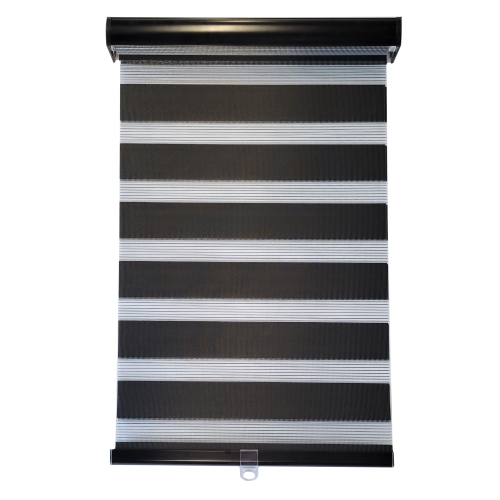 Your price for this item is $134.97
 -
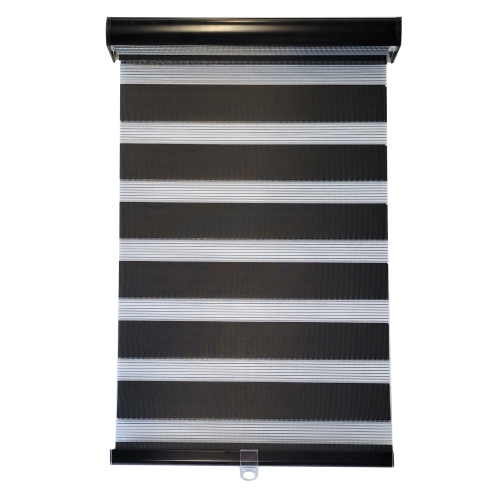 Your price for this item is $119.97
 -
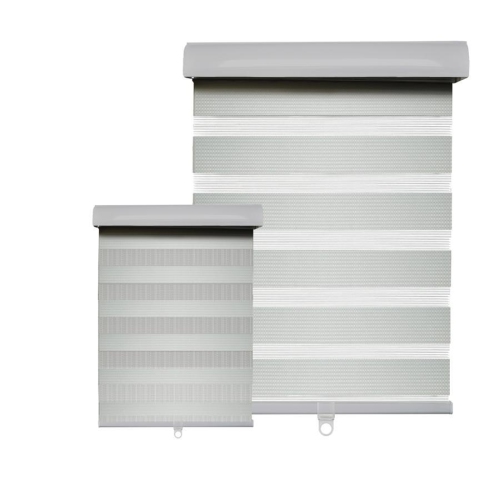 Your price for this item is $57.97
 -
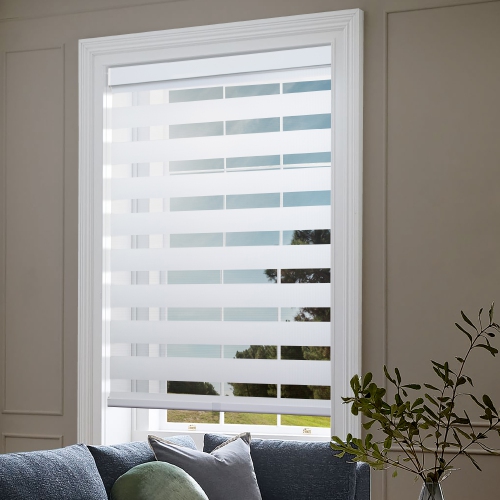 Your price for this item is $61.99
 -
 Your price for this item is $68.99
 -
 Your price for this item is $75.99
 -
 Your price for this item is $46.99
 -
 Your price for this item is $33.99
Discover more categories related to Decorative Window Blinds
Top Collections:
Pokemon Centers, Kindle Devices, Best Budget Office Chairs, Apple iPhones 16, Best Laptops for Writers, iPhone 15 Apple, Canon G7X Cameras, Refurbished Apple Laptops, Alarm Clock, Motorola Razr Phones
Some products may be subject to Environmental Handling Fees
(EHF) depending on your province.
Learn more about EHFs.