Modern Window Shades
Enhance the ambiance of any room in your home with our collection of modern window shades. Combining style and functionality, these window treatments are designed to elevate your space while providing privacy and light control. From sleek roller shades to elegant Roman shades, our selection offers a variety of options to suit your aesthetic preferences and practical needs. Explore our range of modern window shades to find the perfect solution for your living space.
Sort
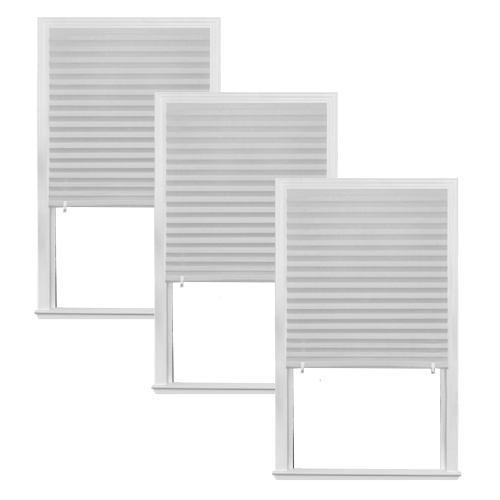
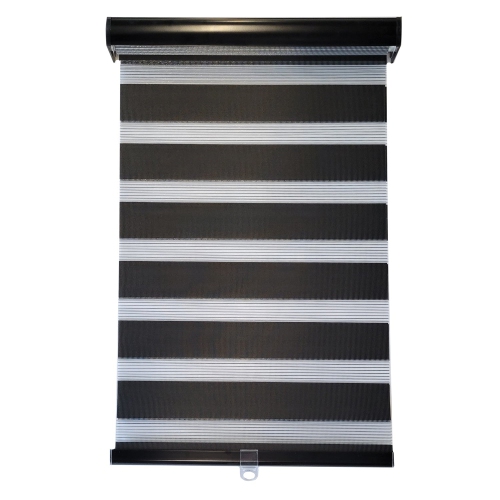
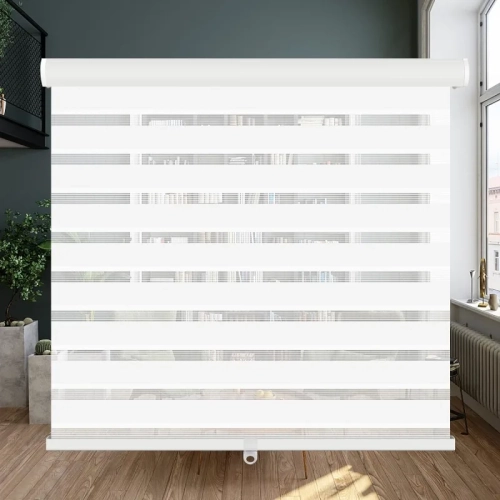
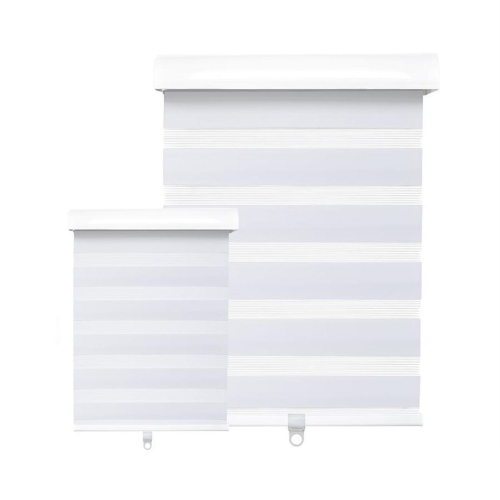

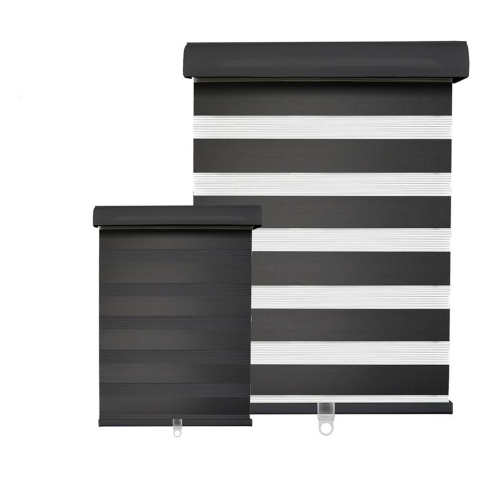
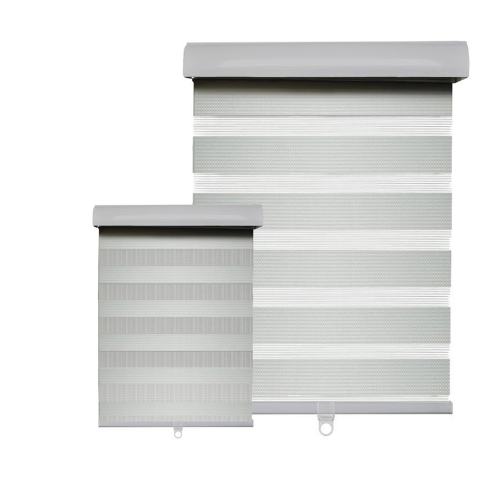
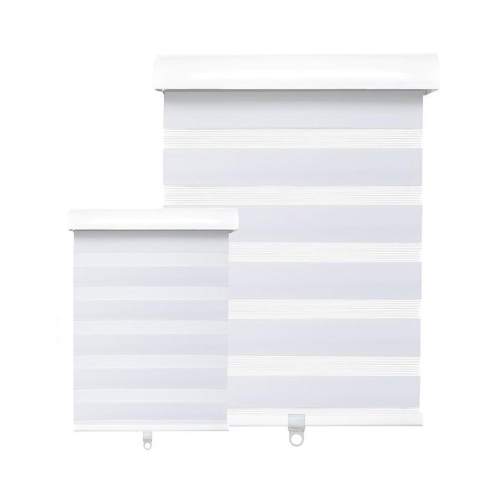
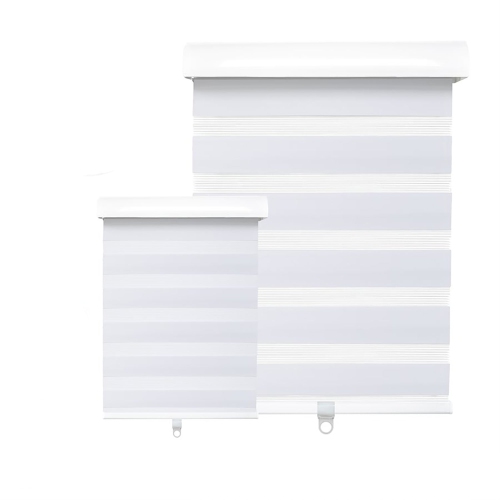
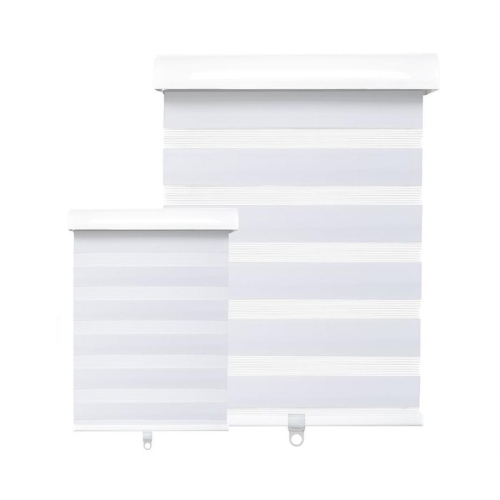
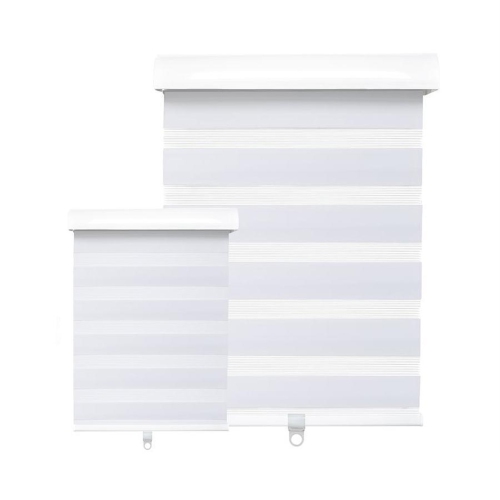
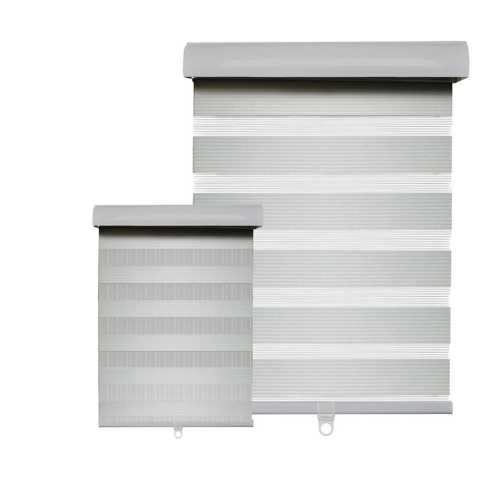
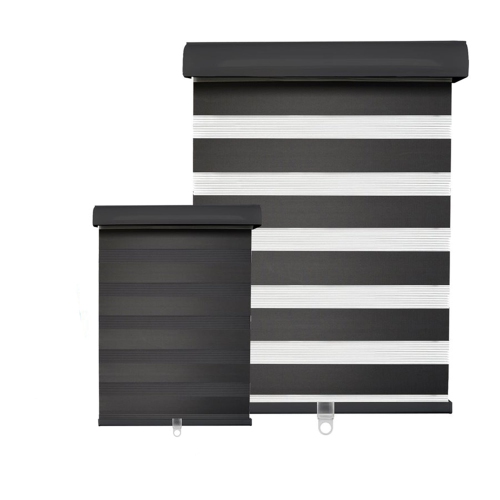
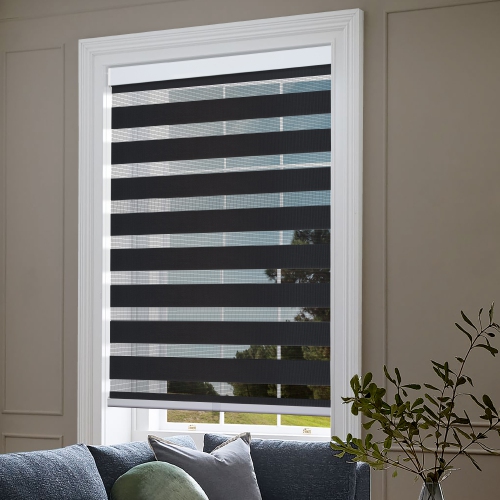
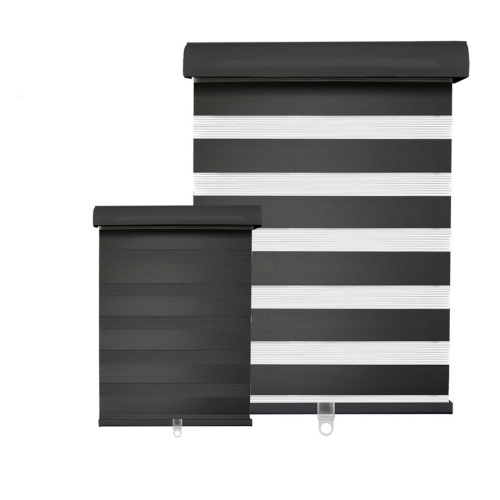
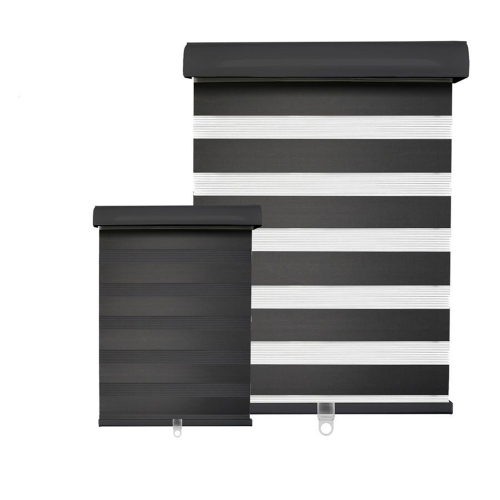
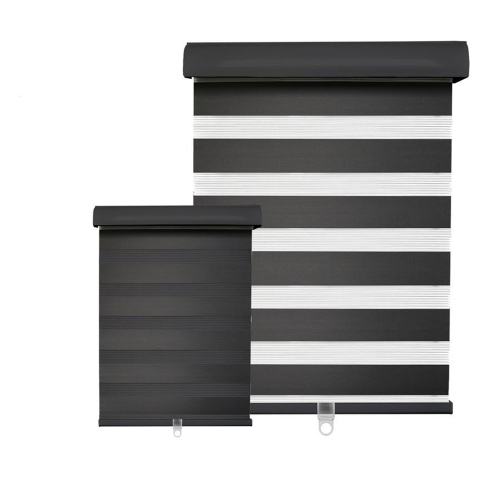
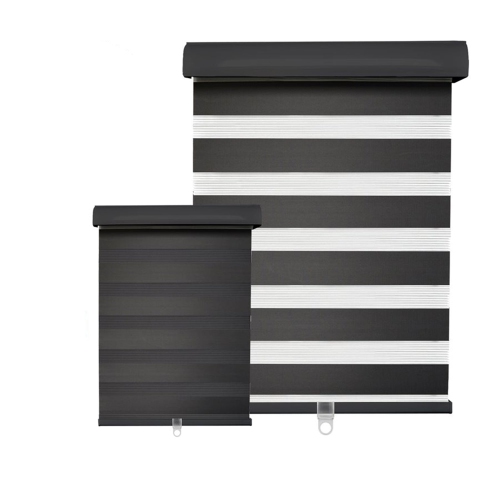
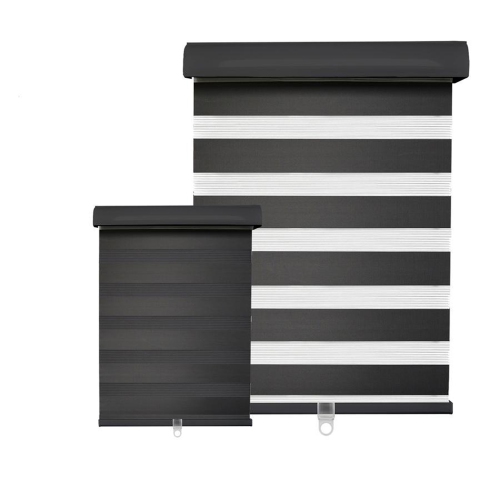
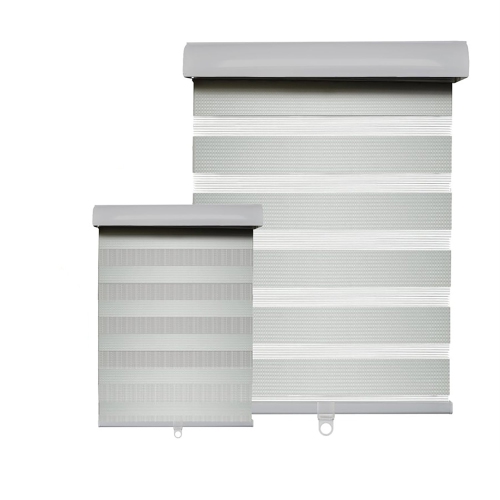


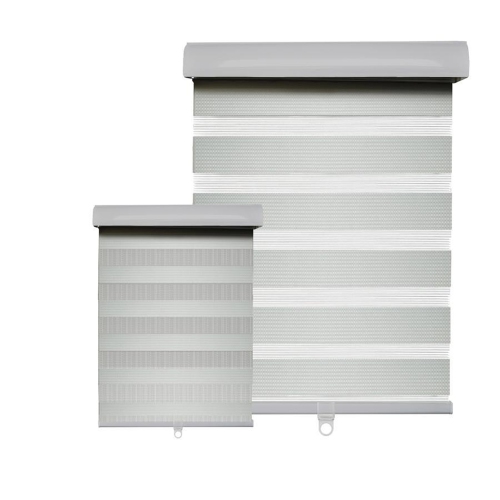
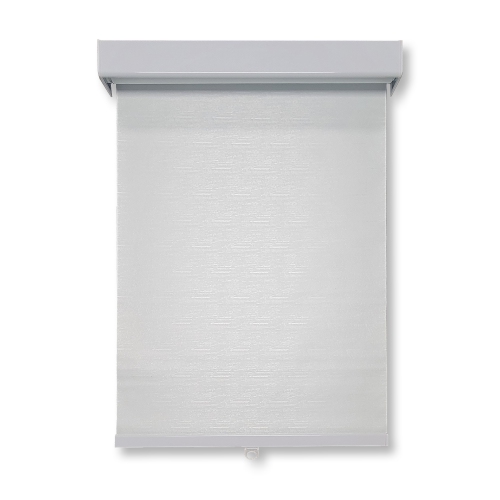
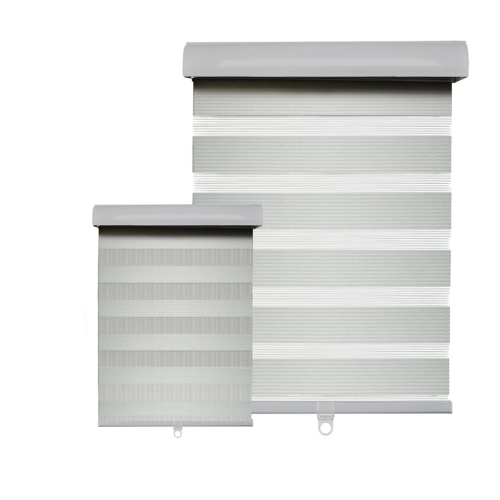
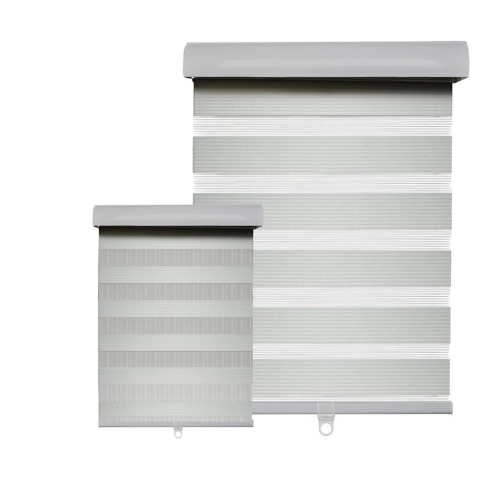
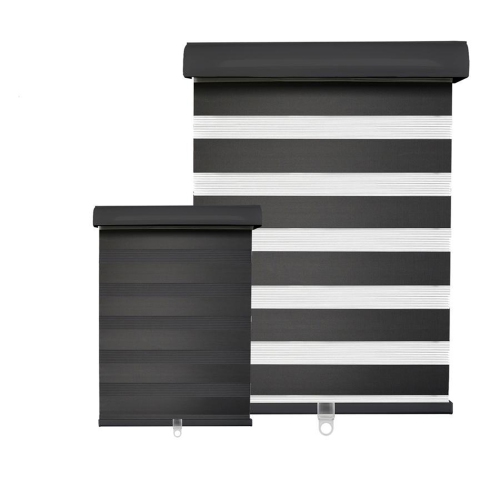
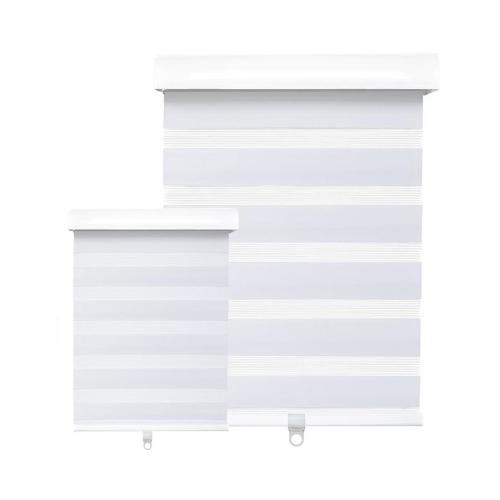
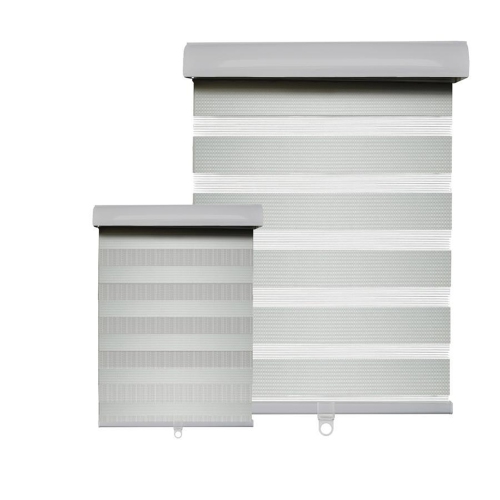
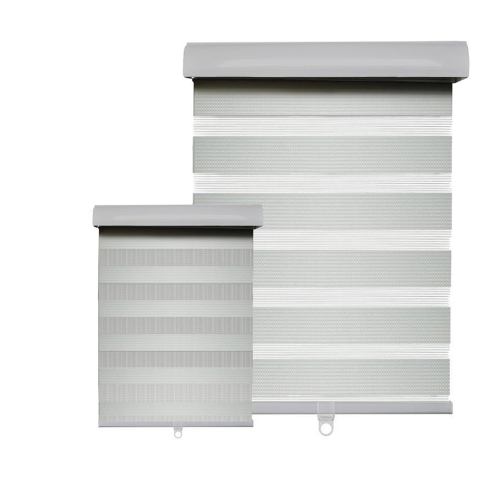
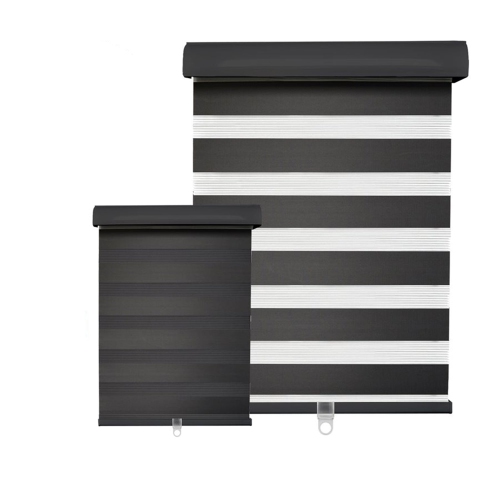
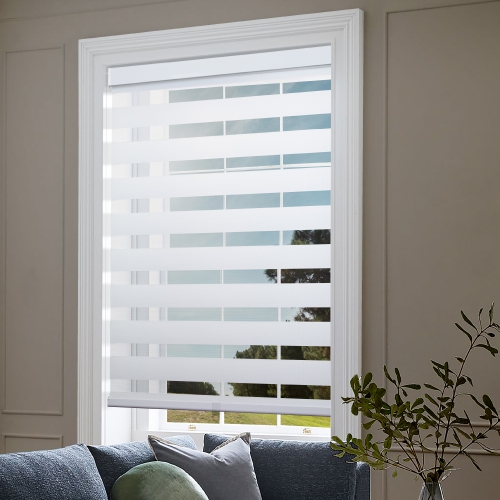
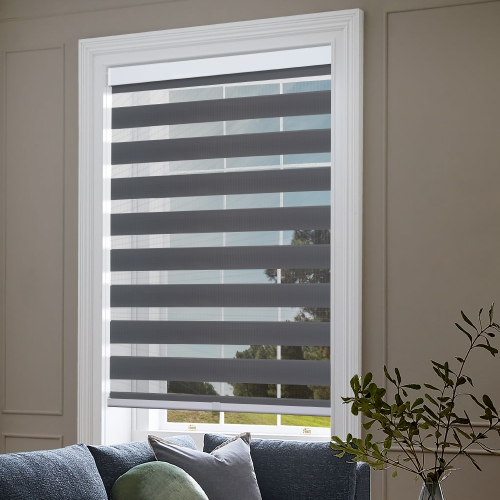
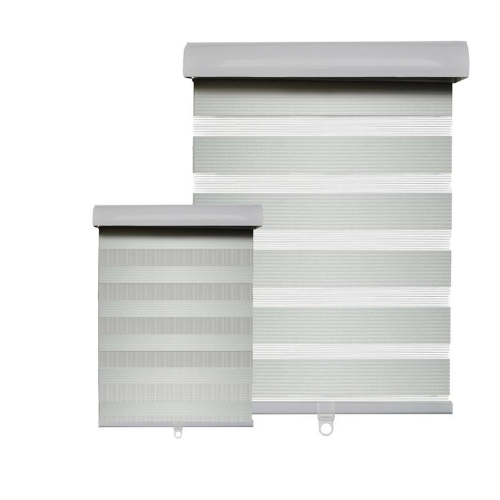
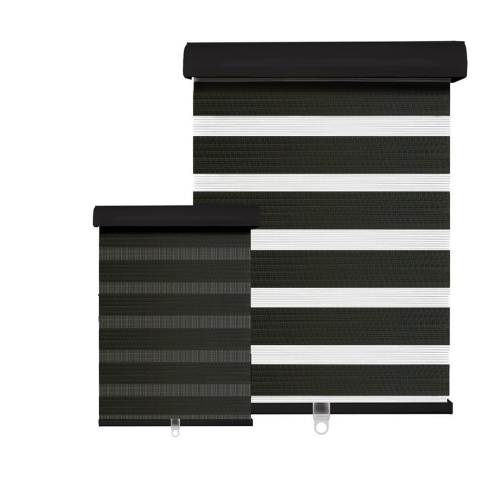
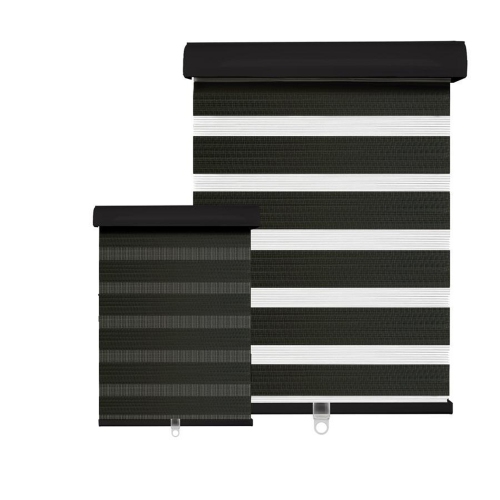
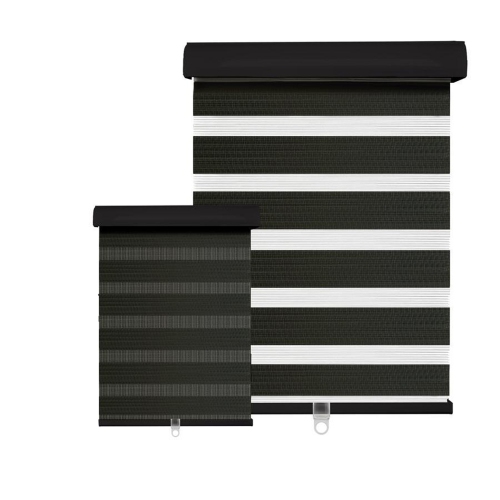
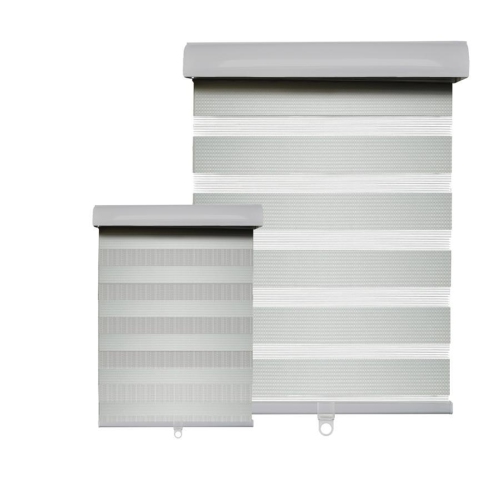
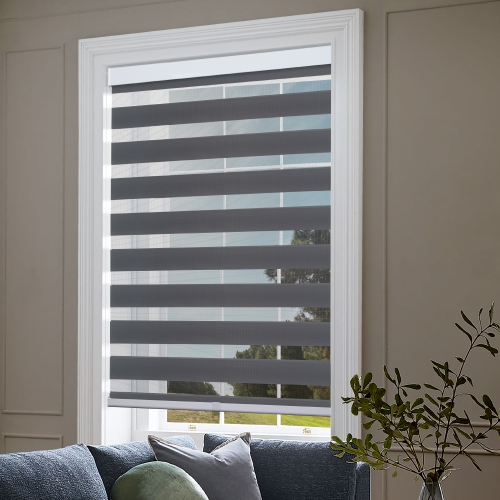
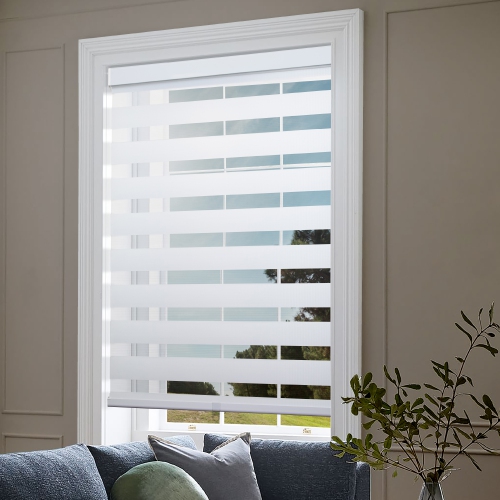
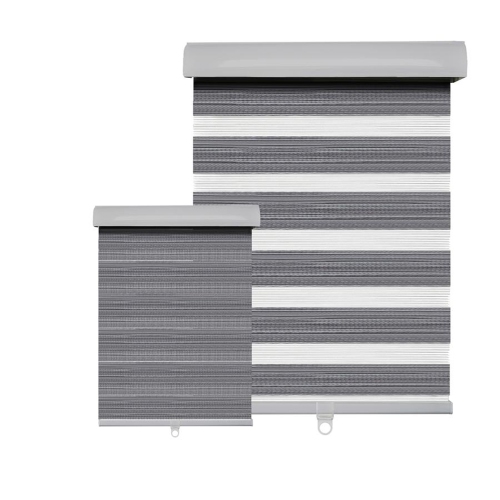
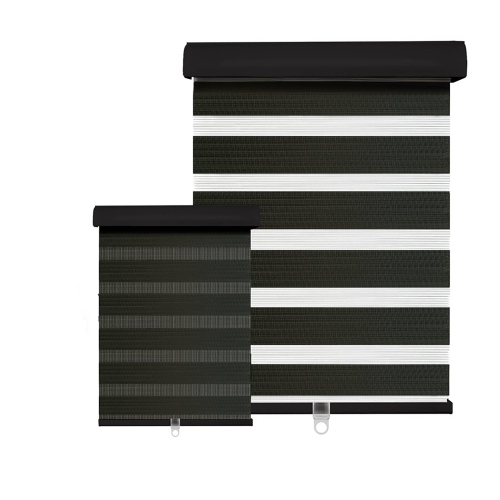
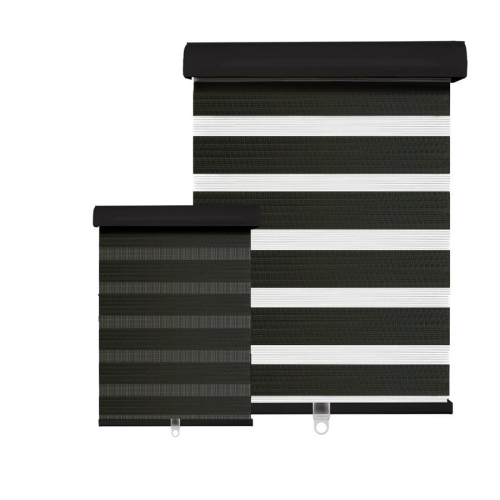
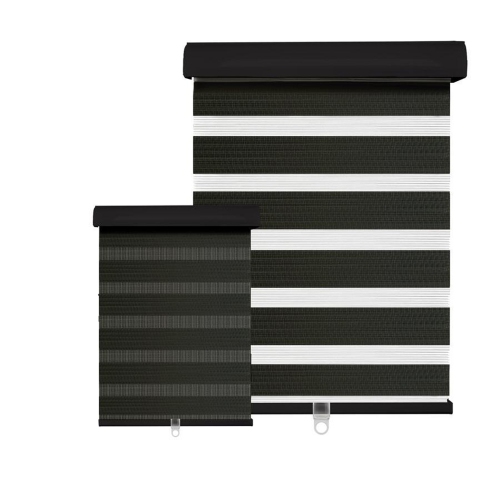
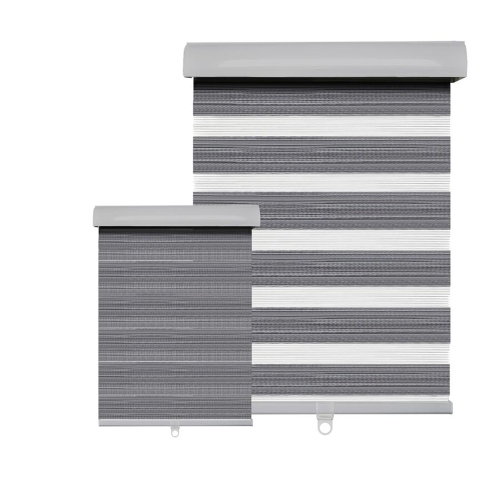
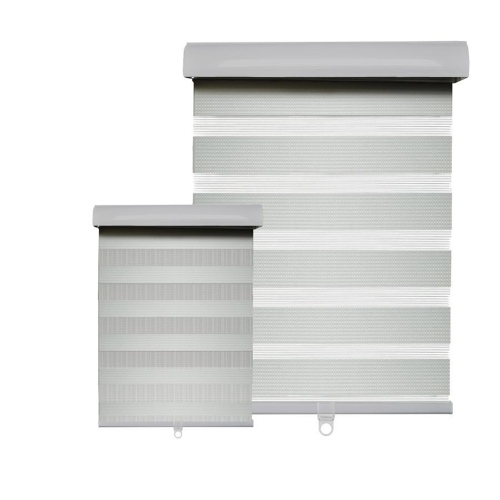
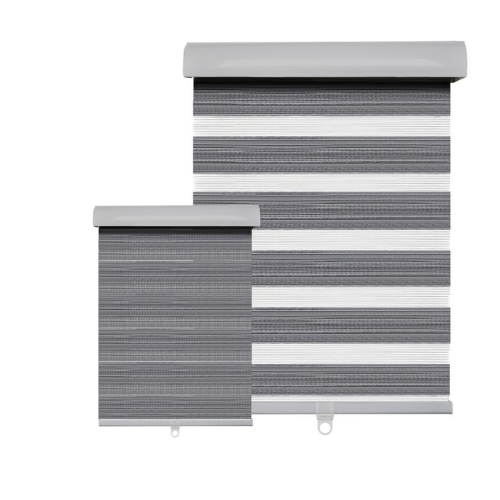
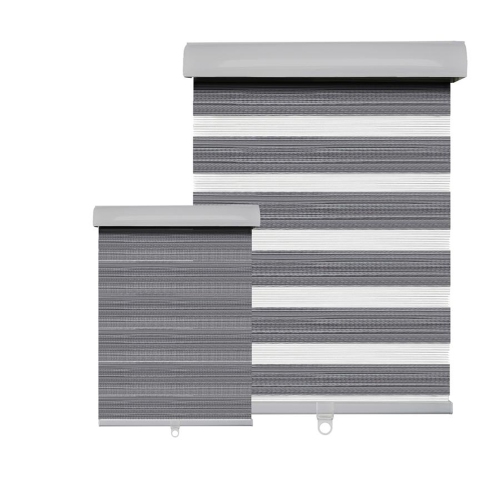
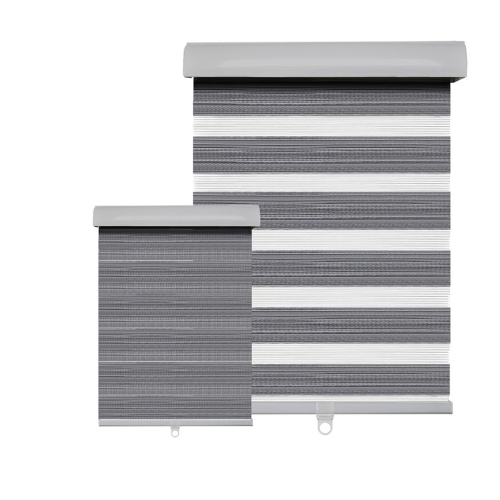
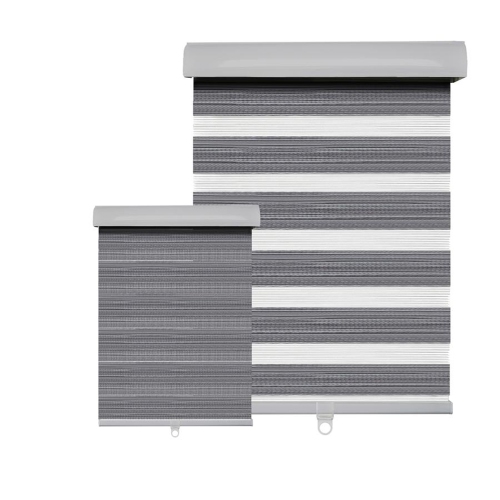
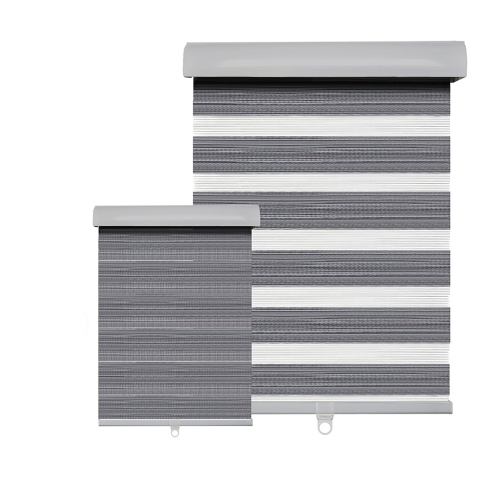
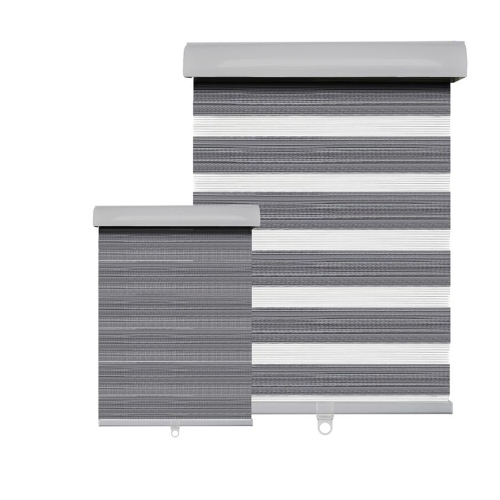
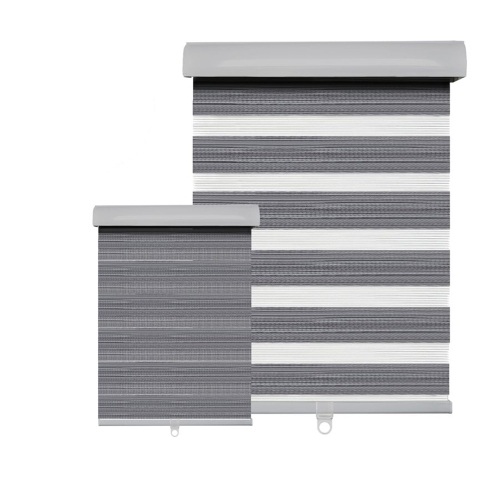
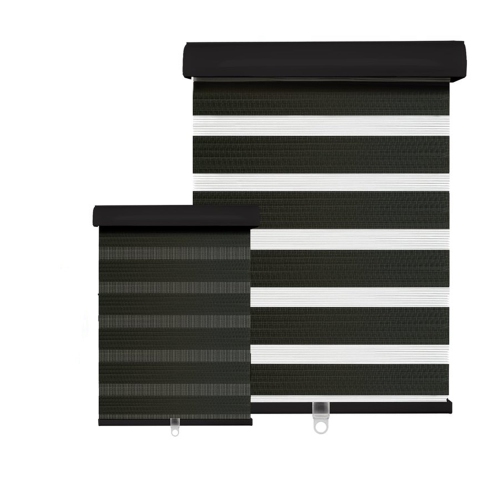

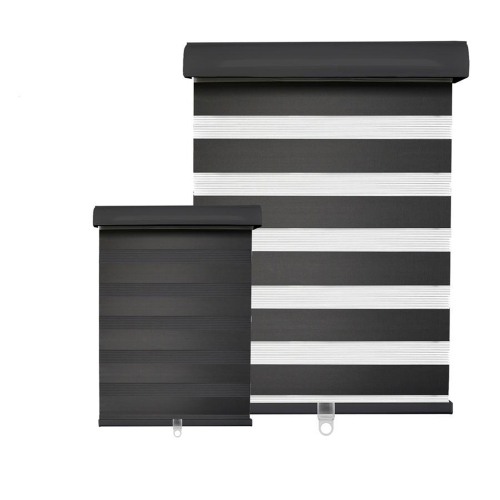
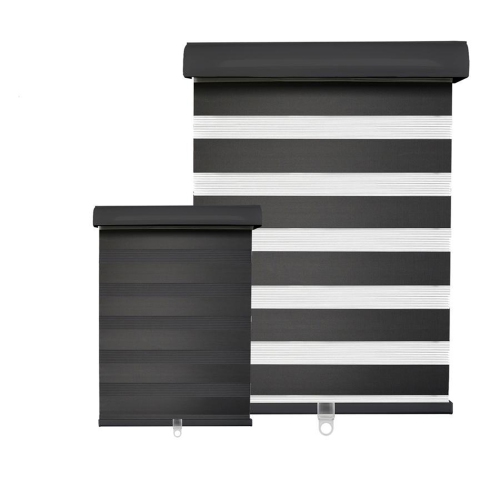
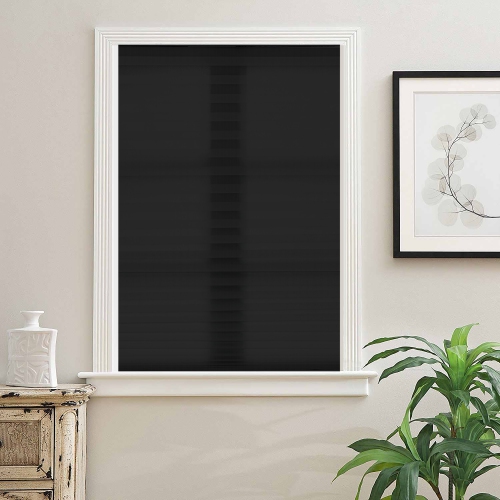
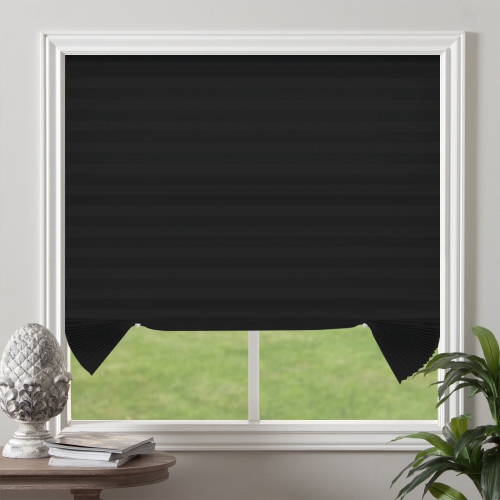
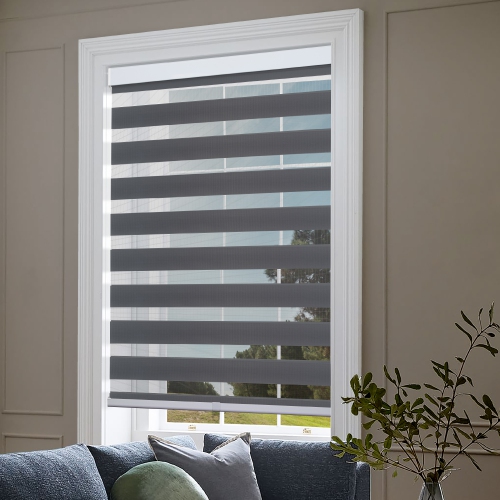
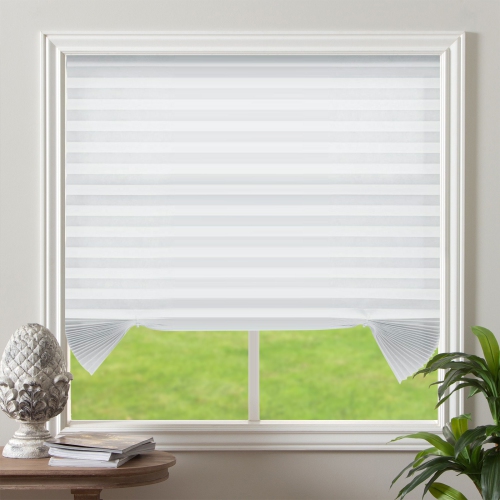
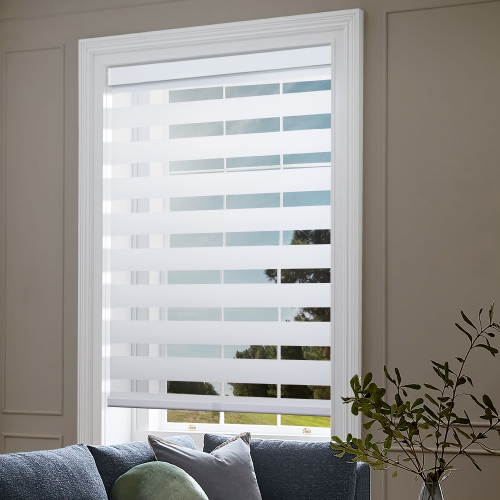
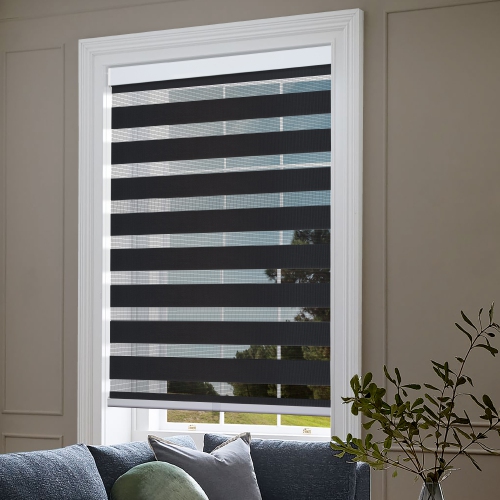
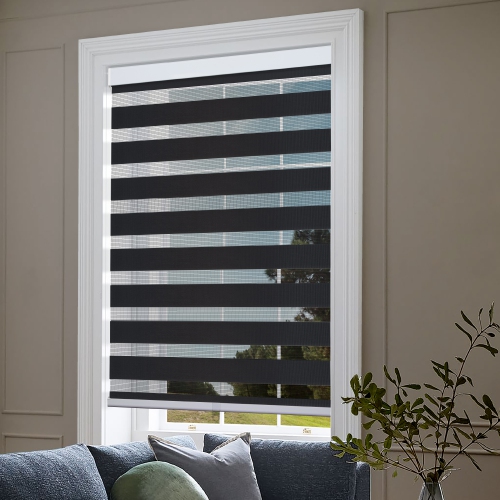
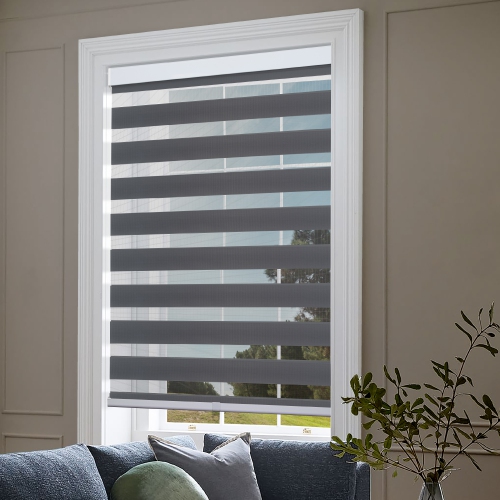
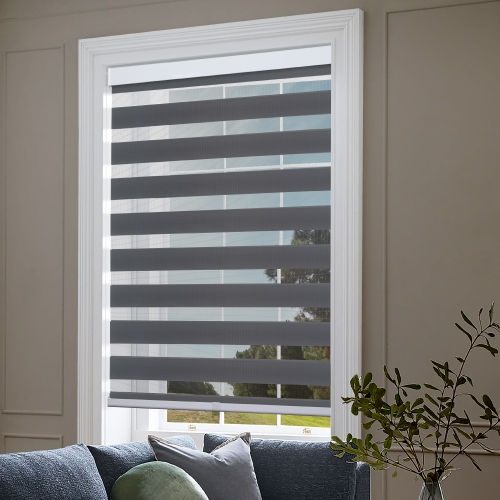
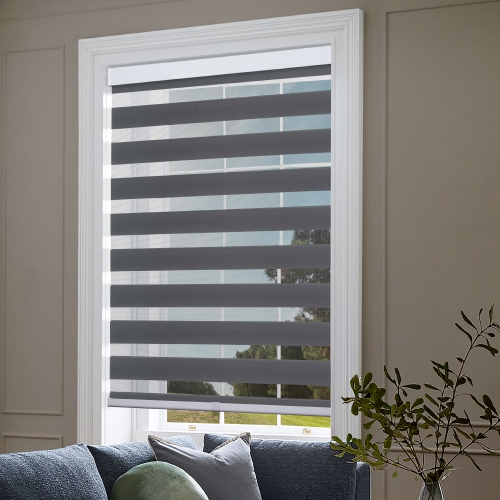
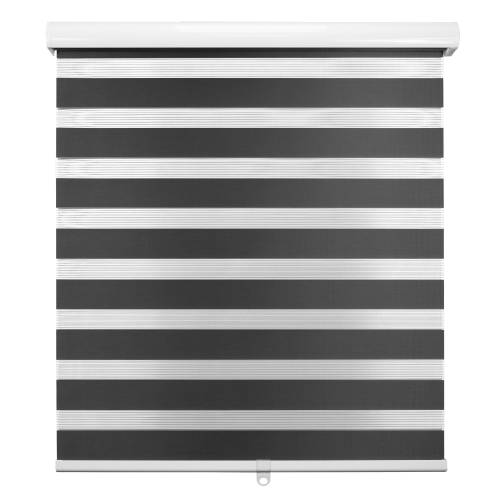

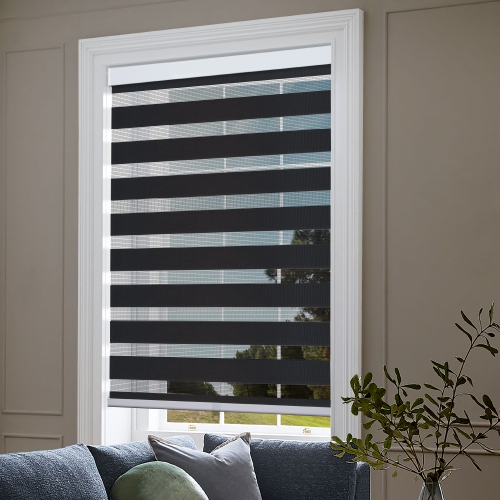

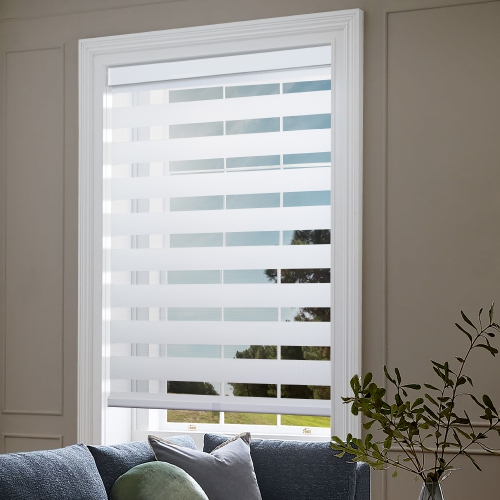
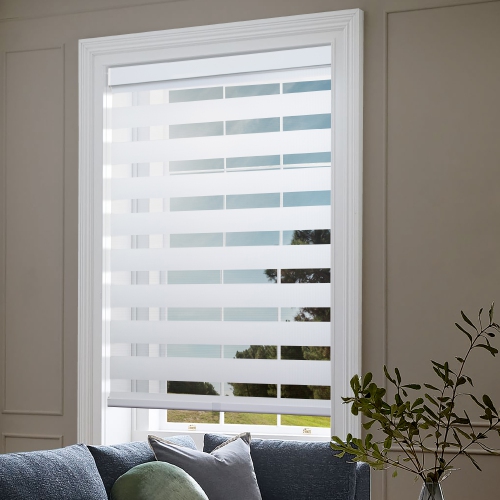
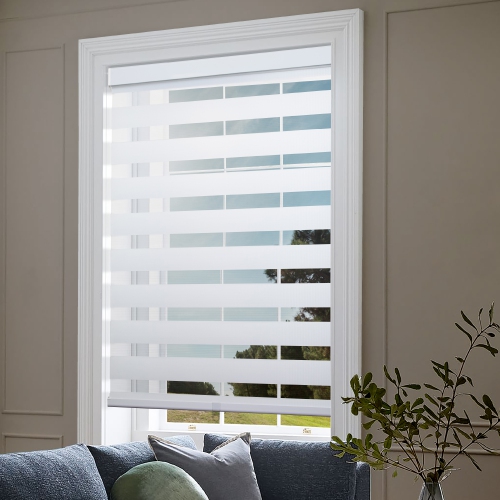
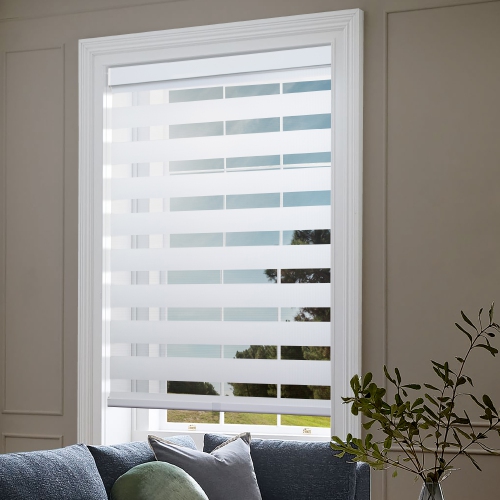
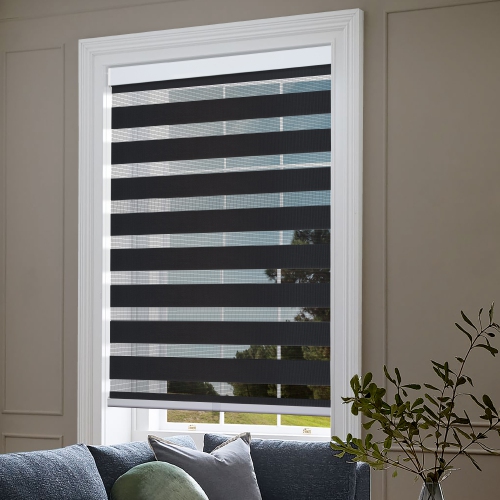
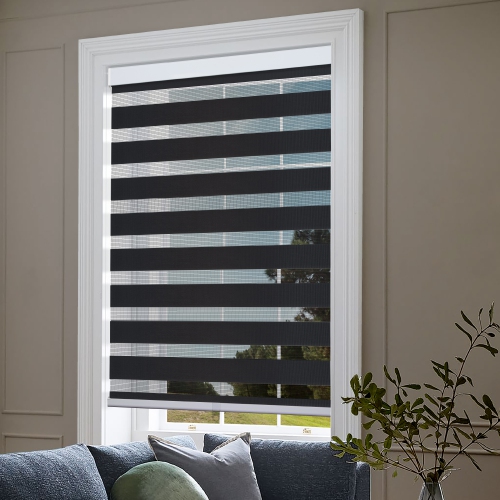
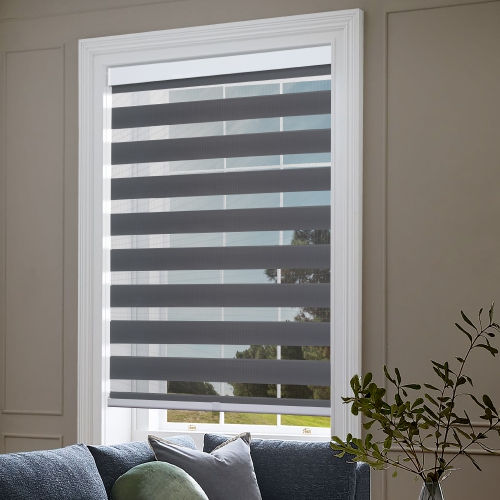
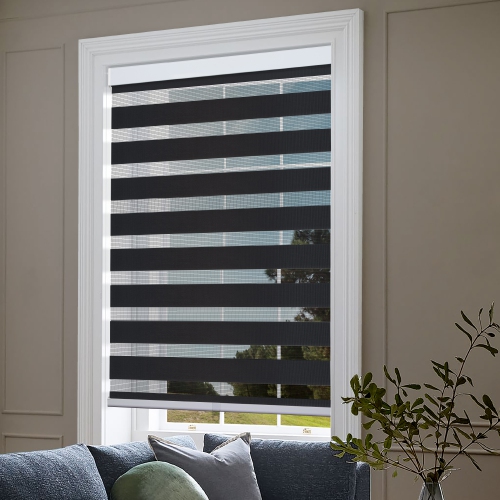

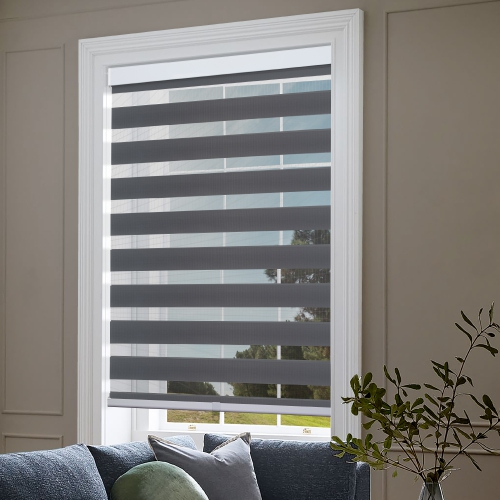
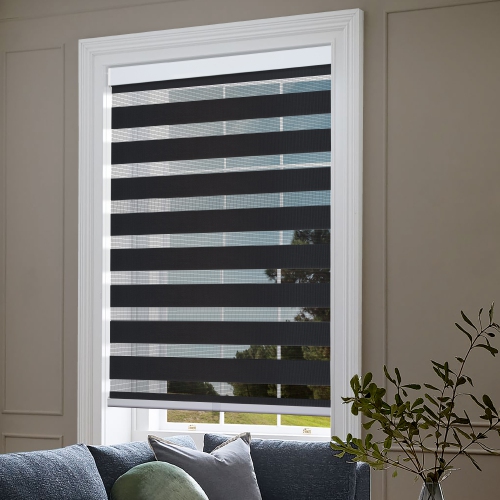
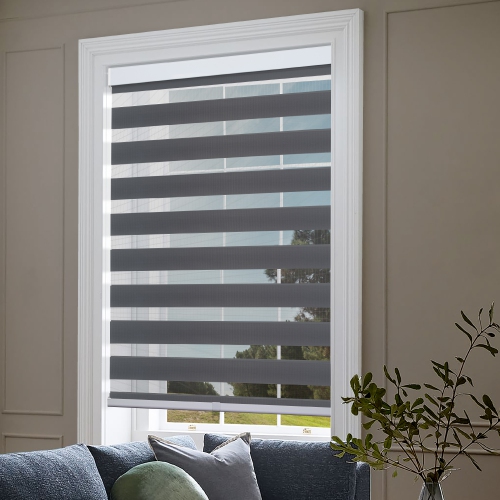
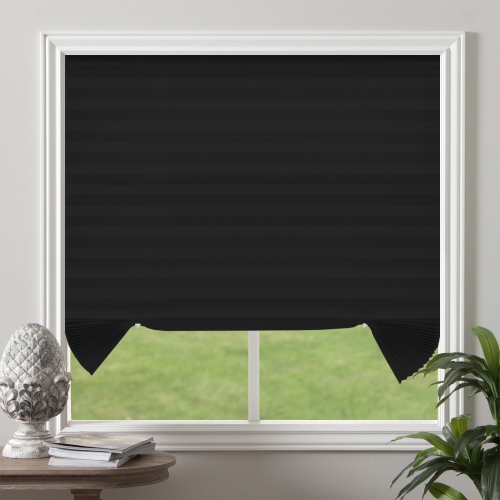
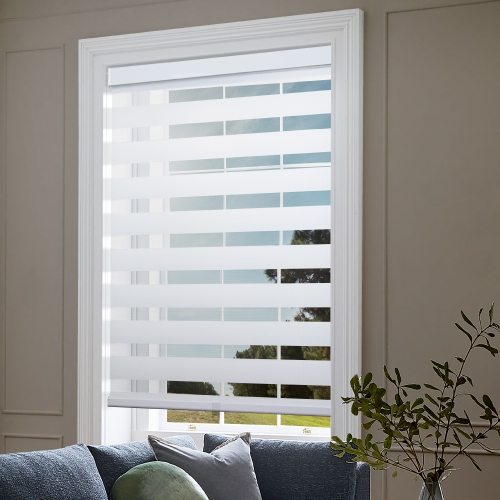
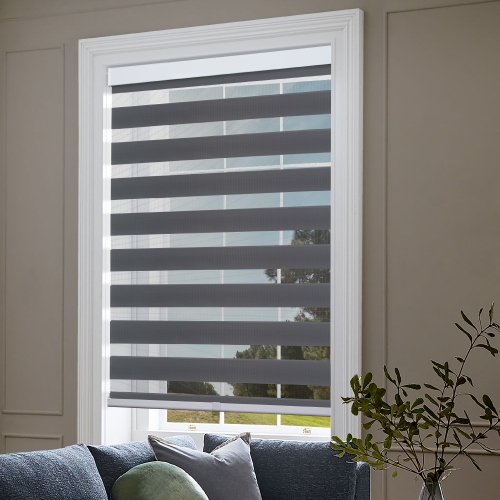
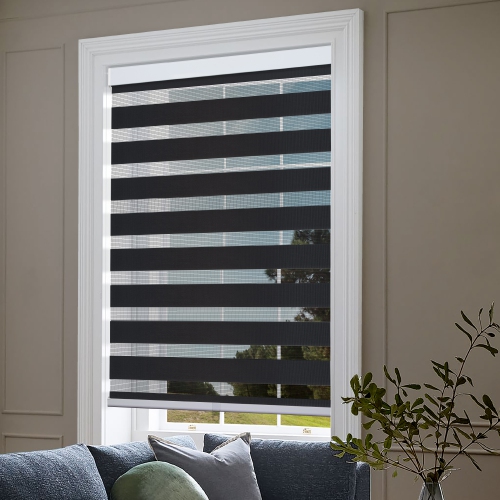
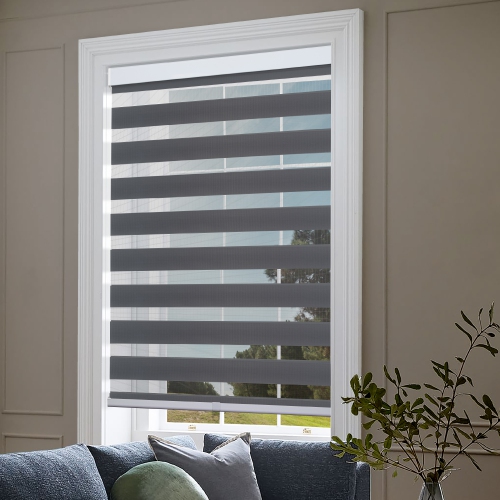
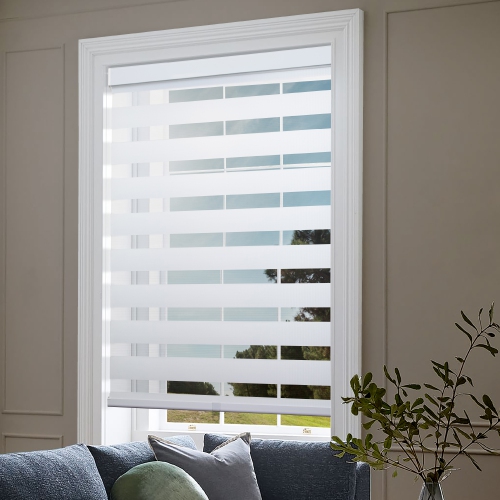
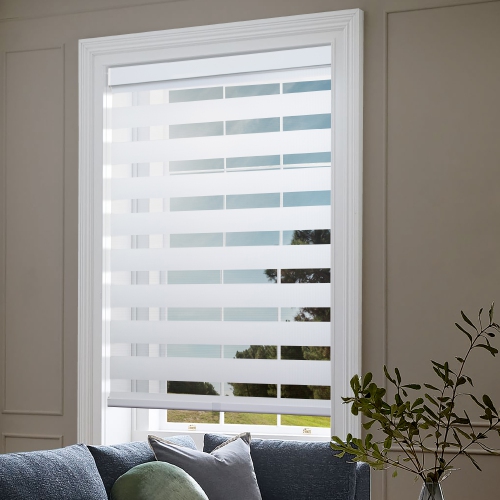
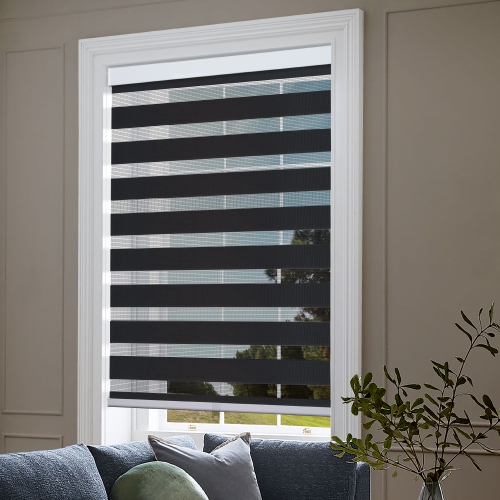
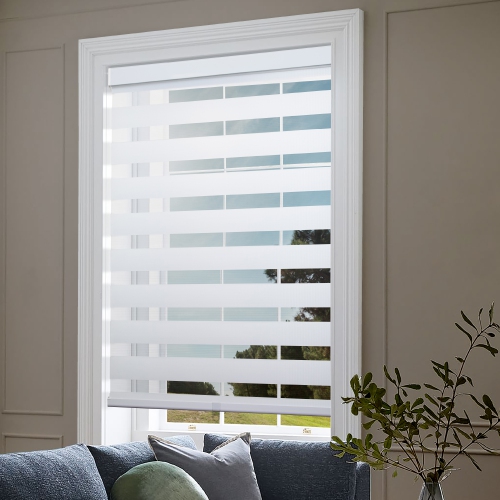
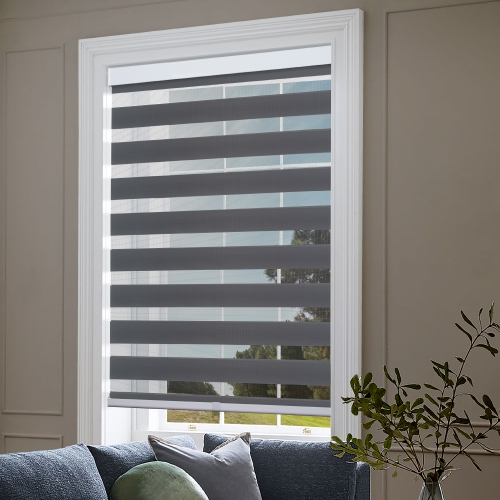
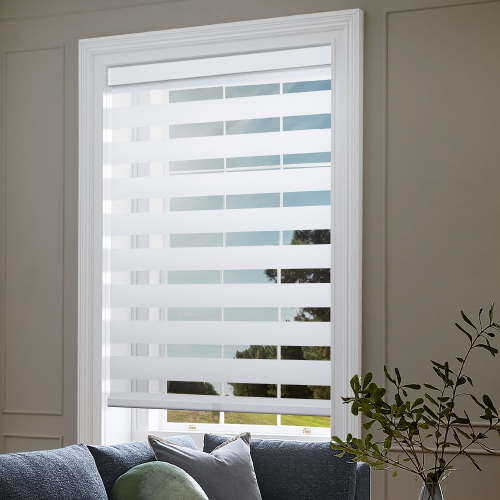
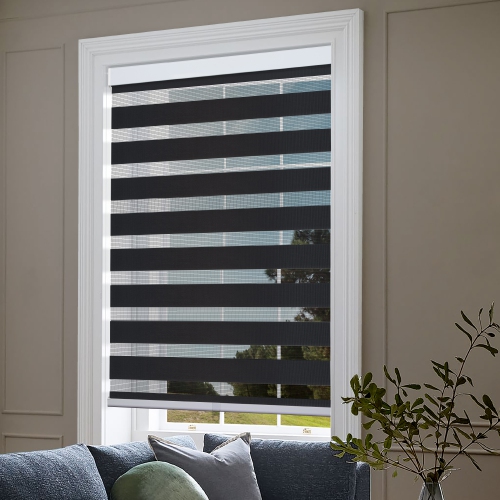
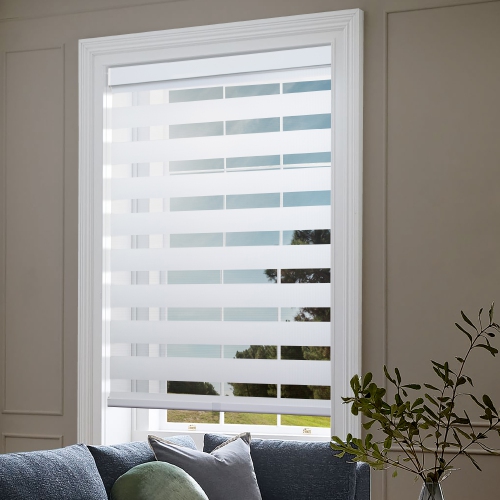
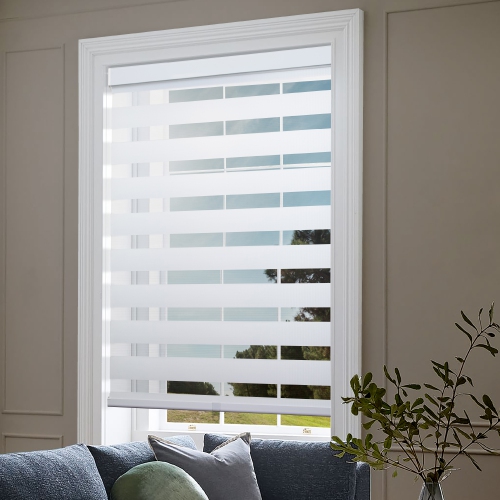
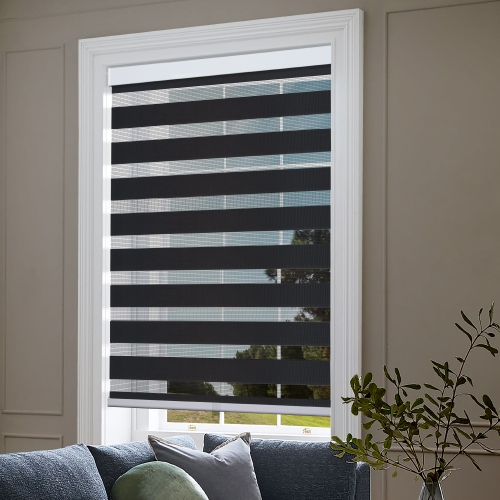
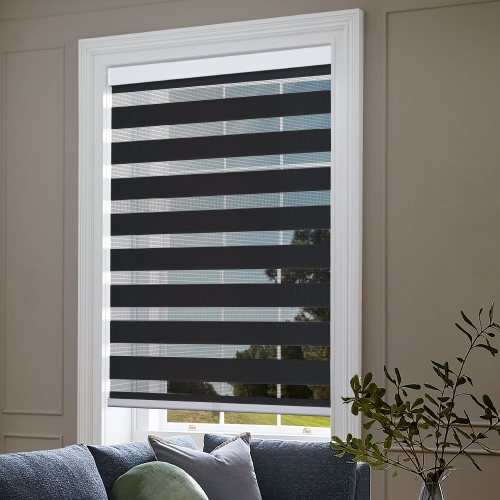

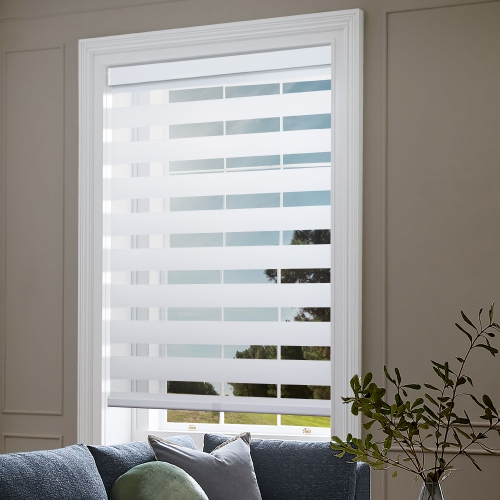
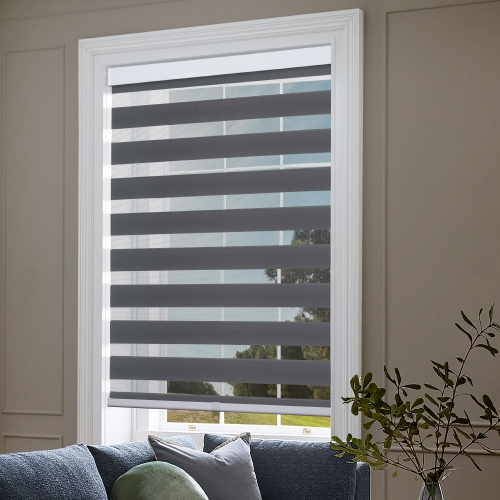
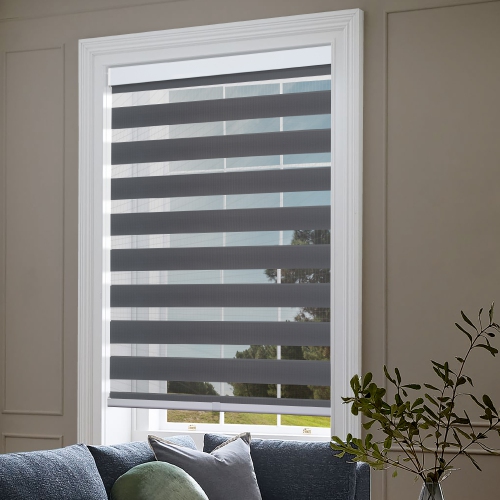

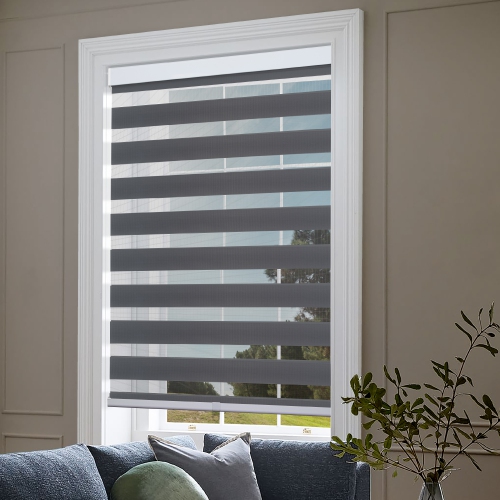
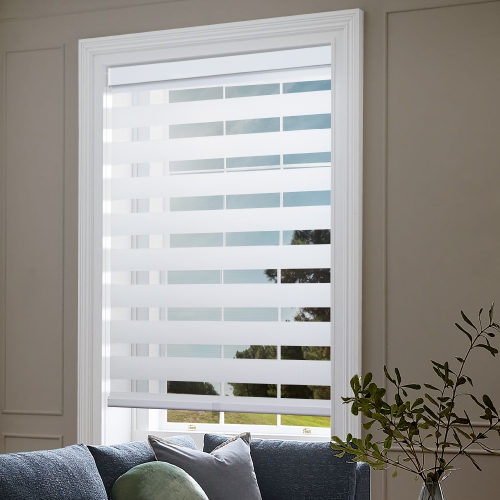
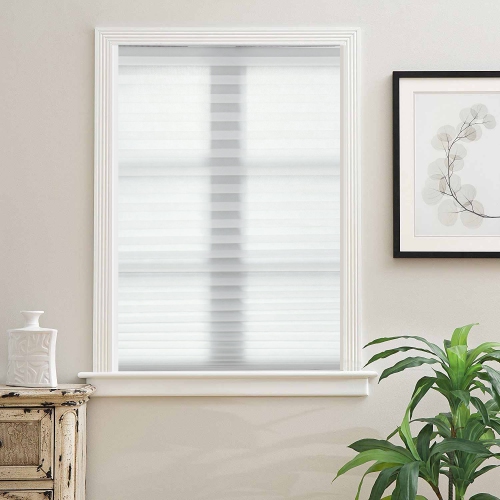

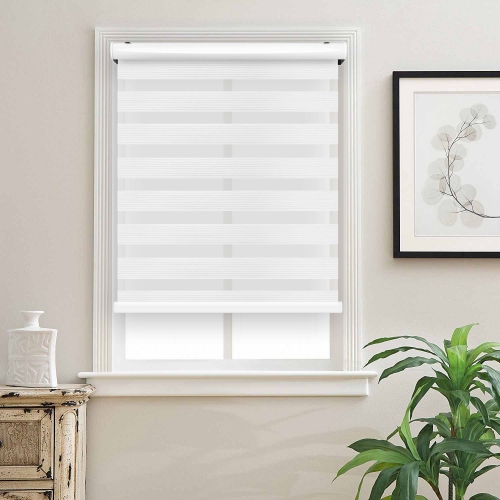
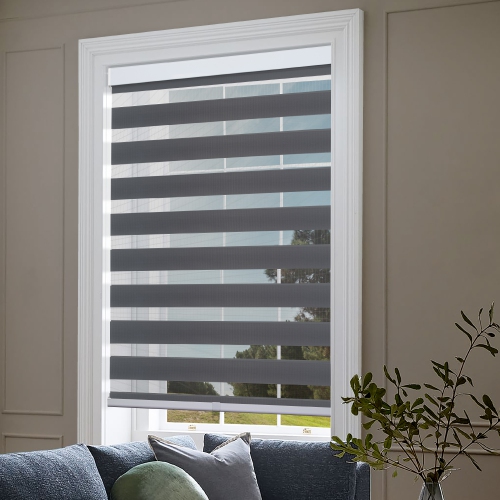
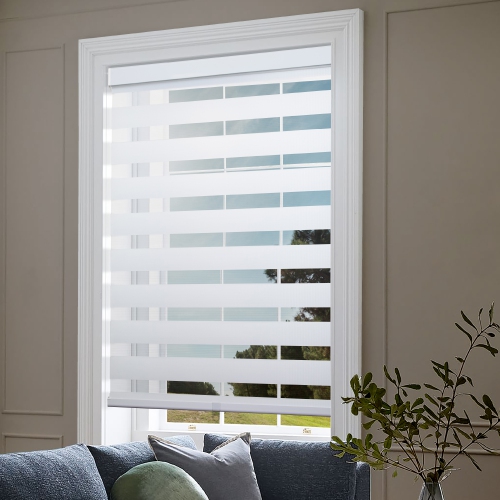
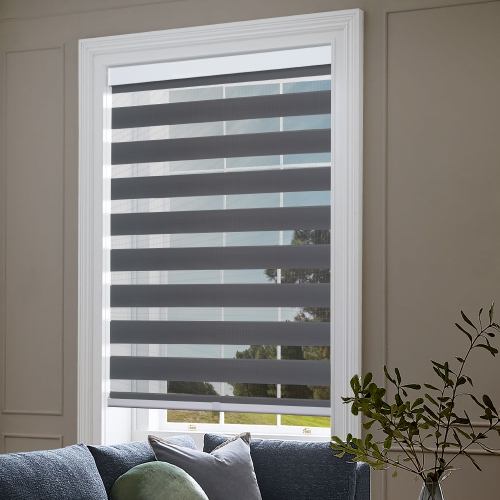
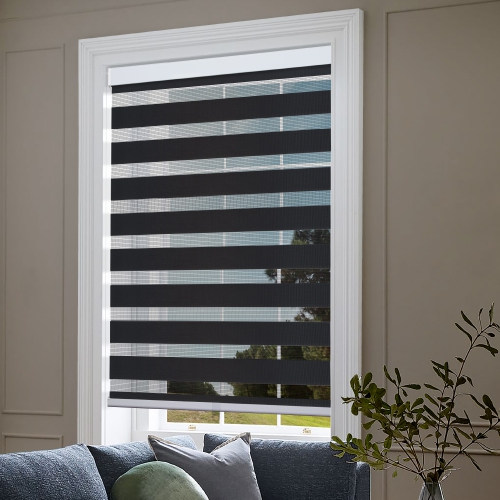
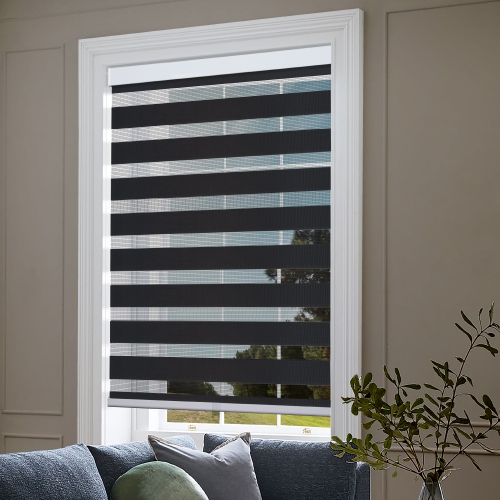
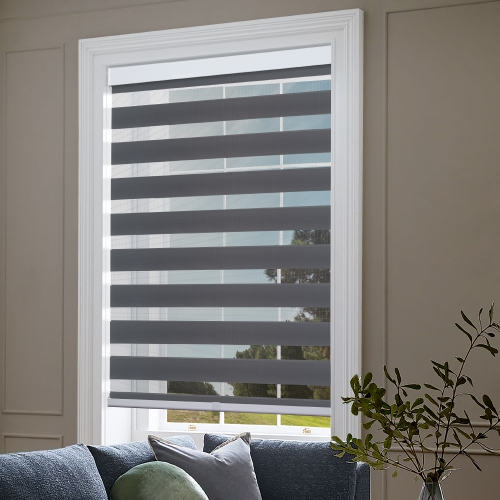
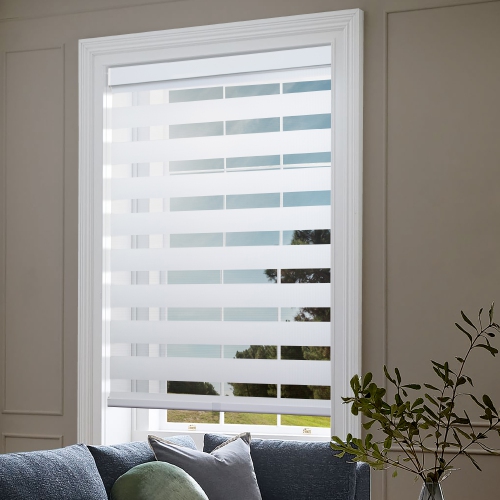
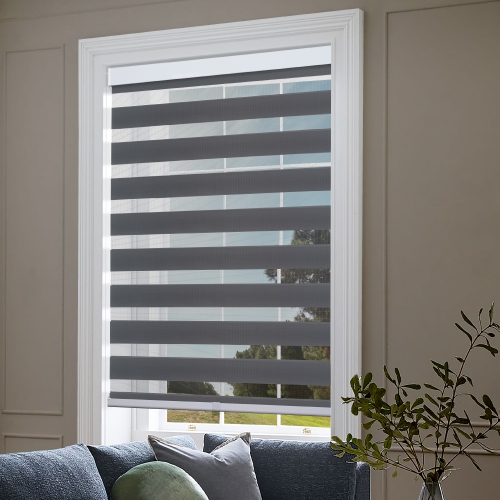

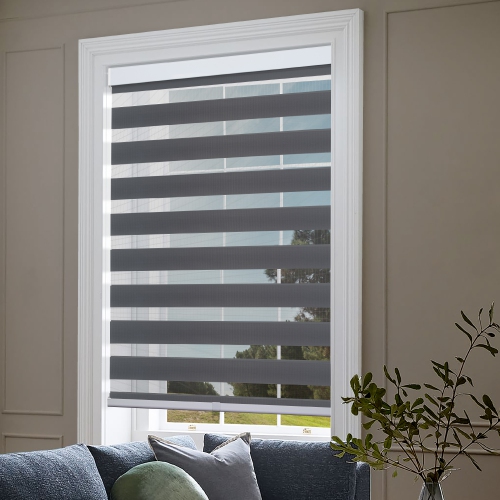

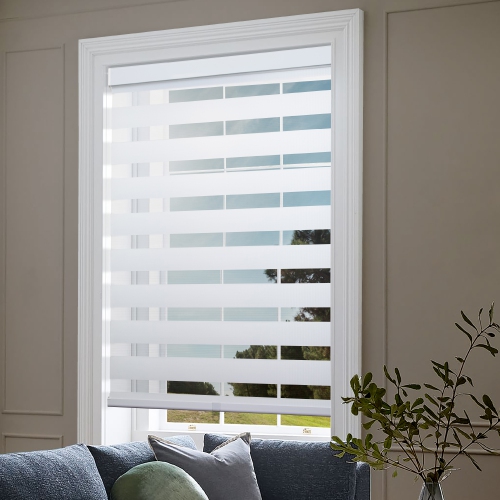
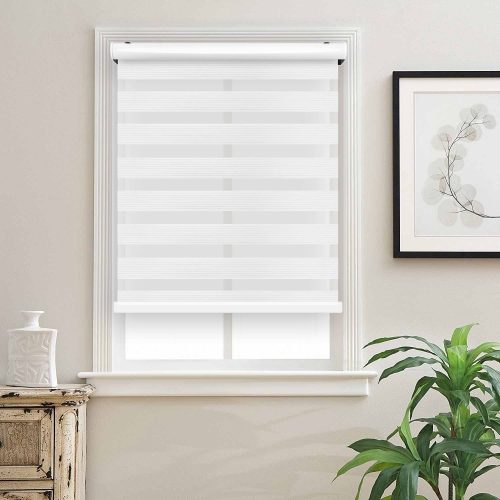
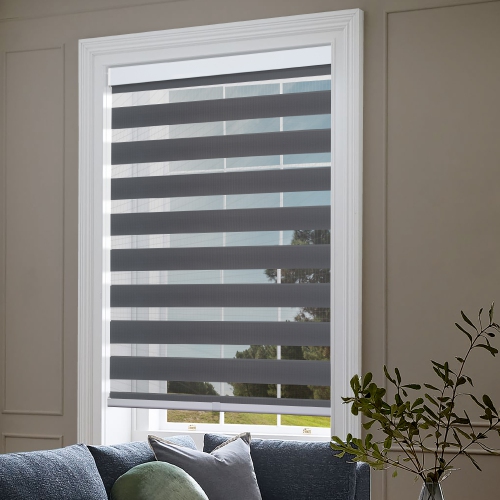
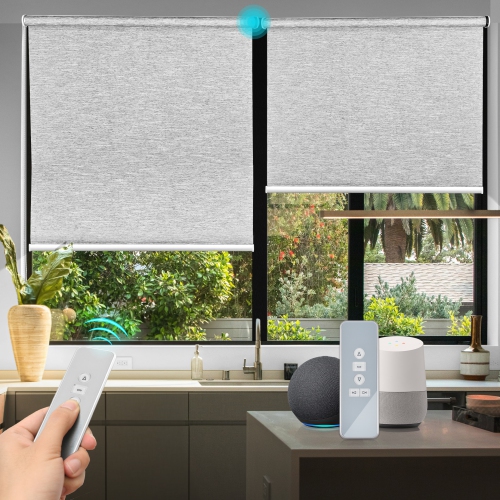
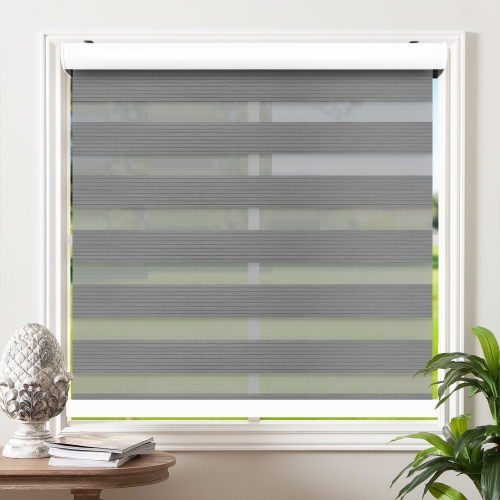
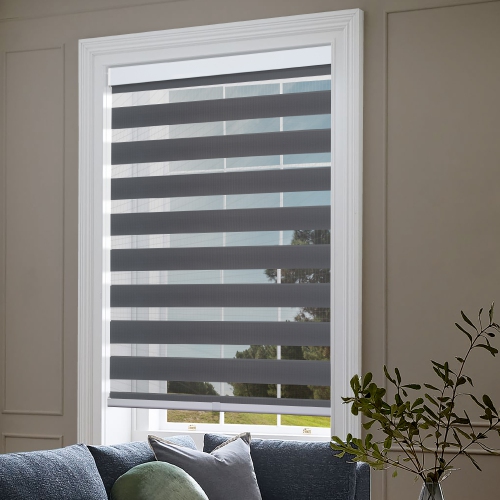
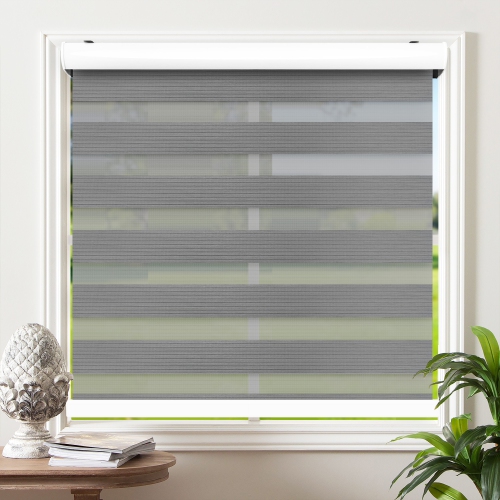
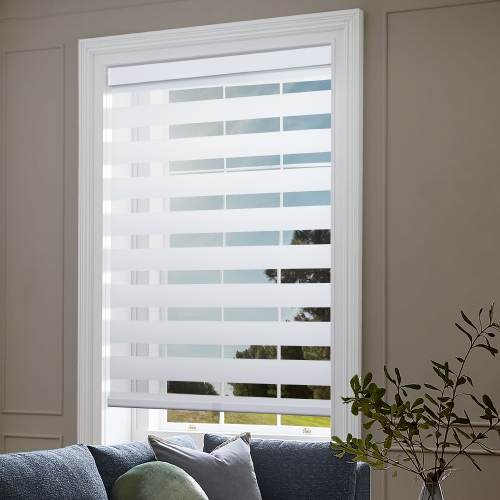
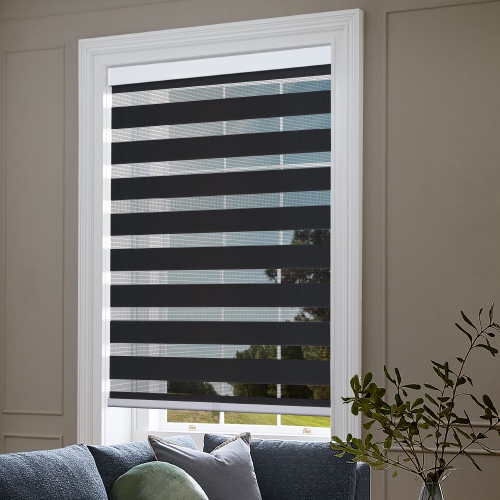
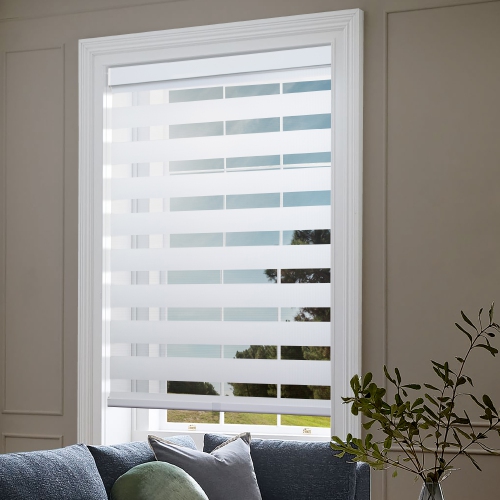
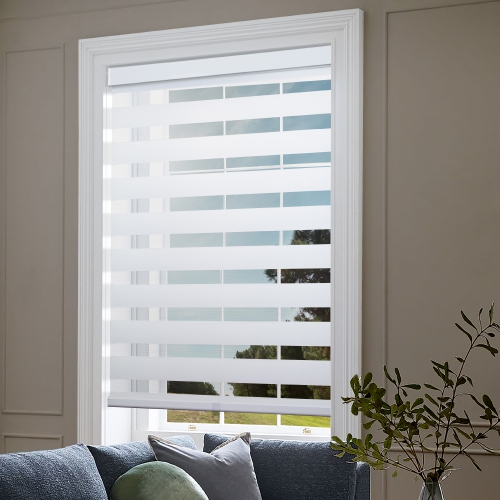
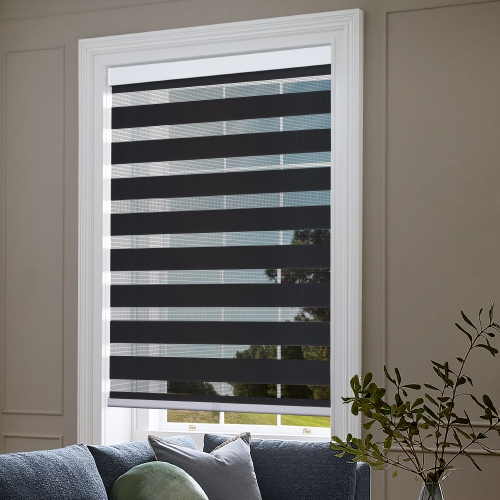

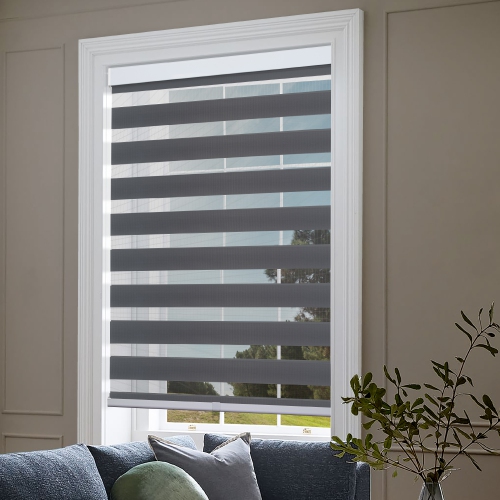
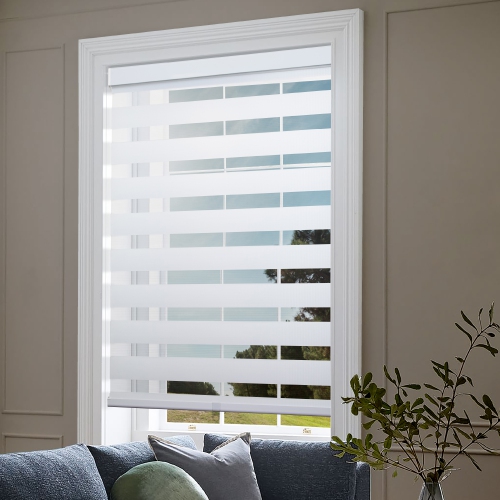
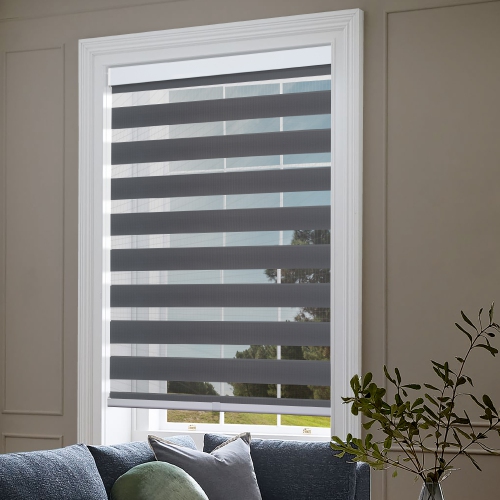
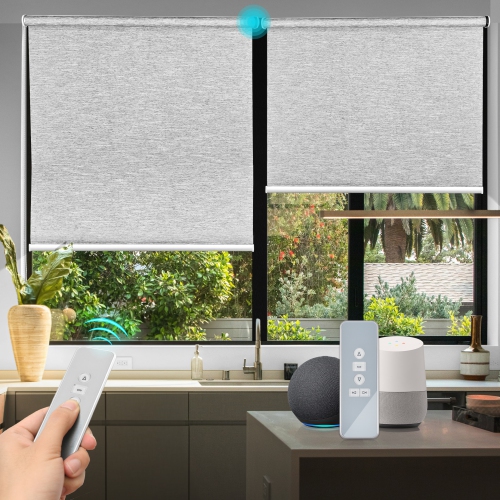
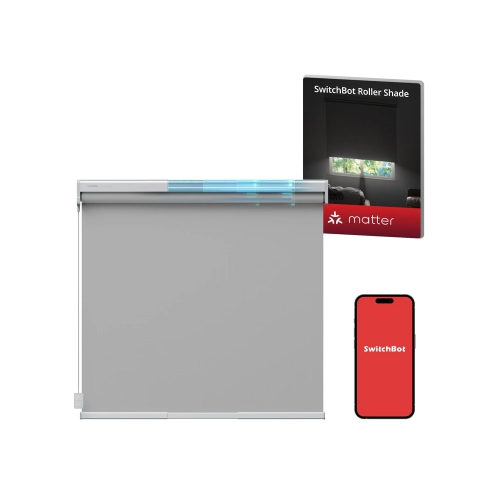
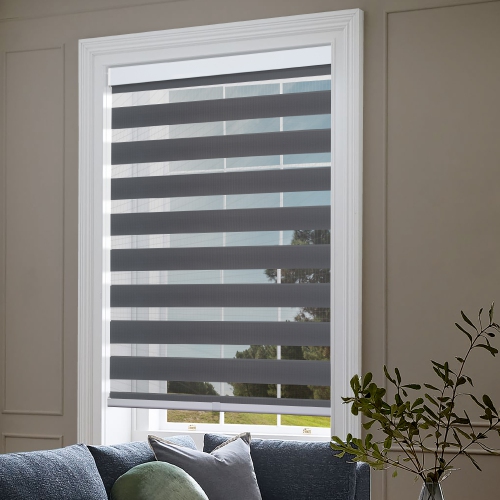
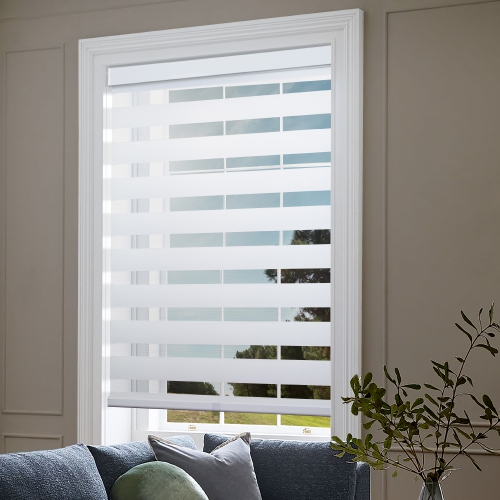
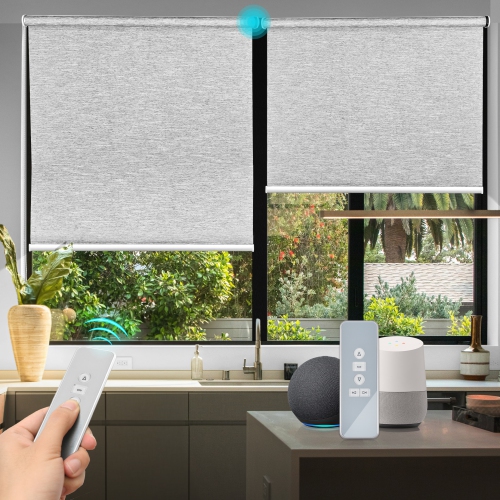
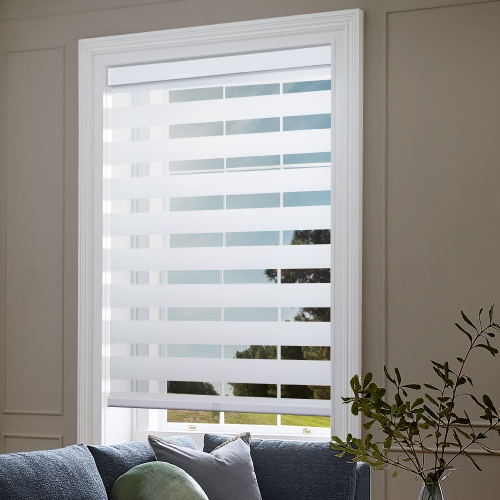
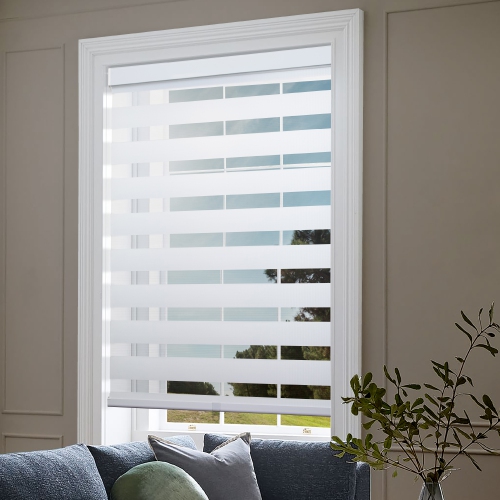
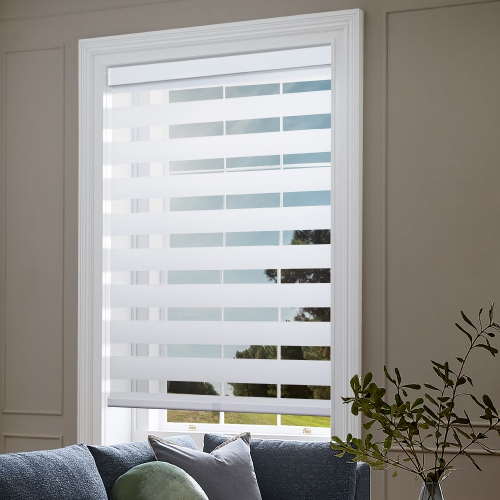
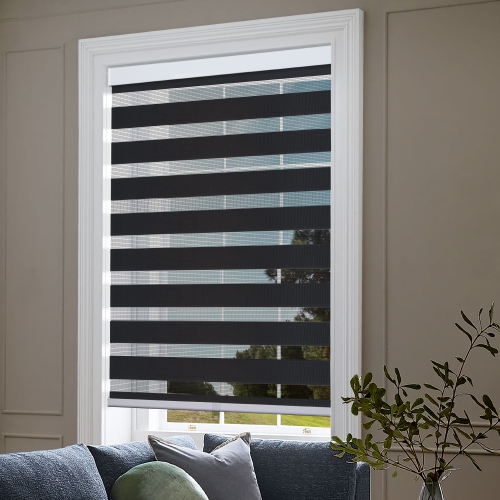
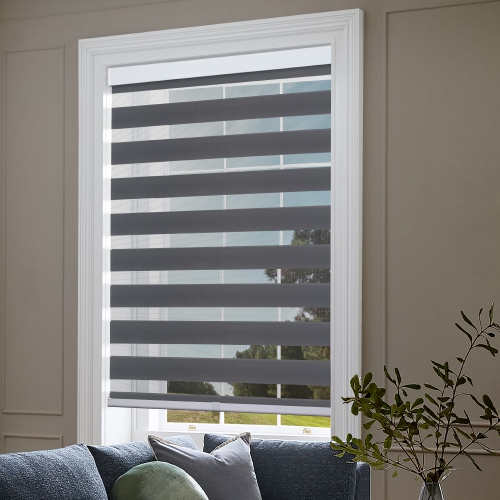
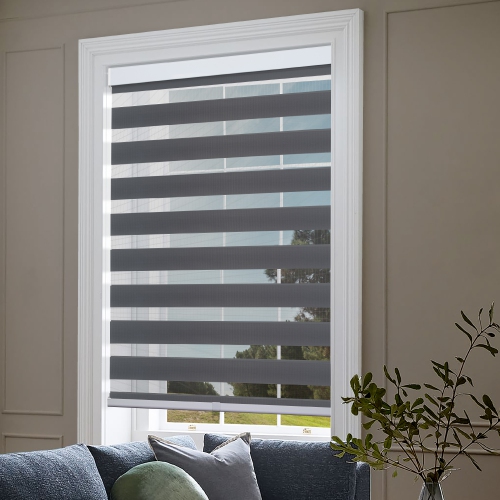
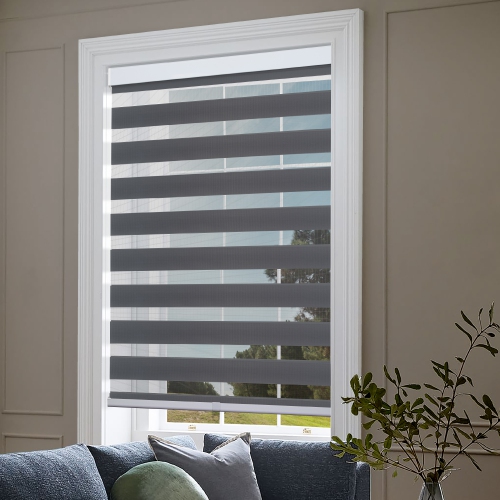
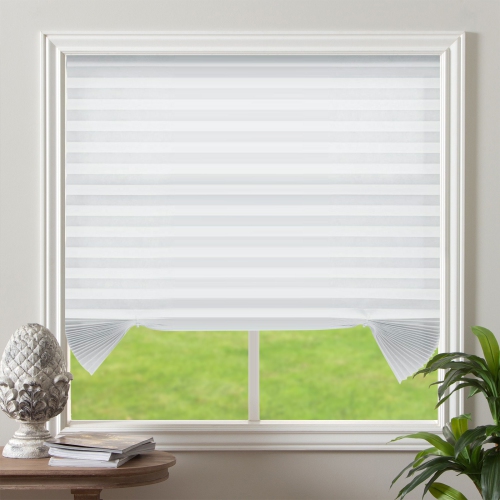
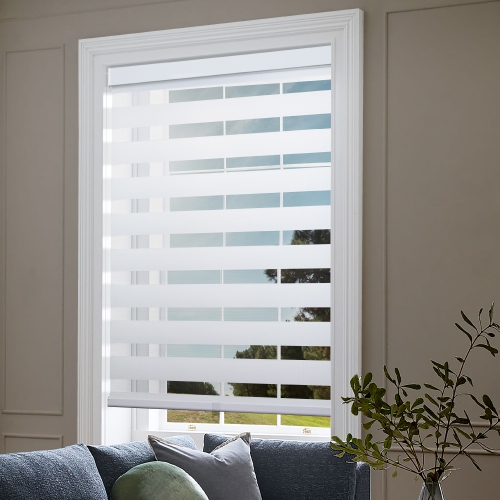
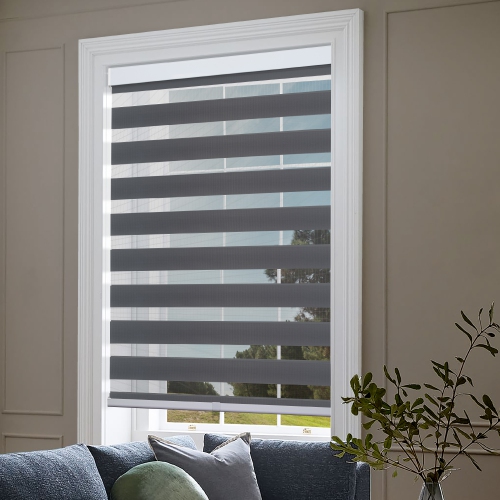
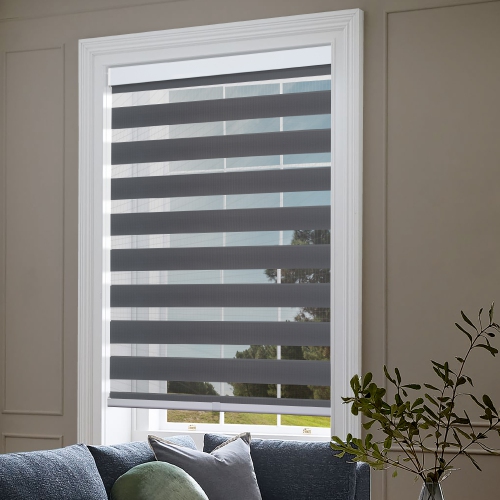
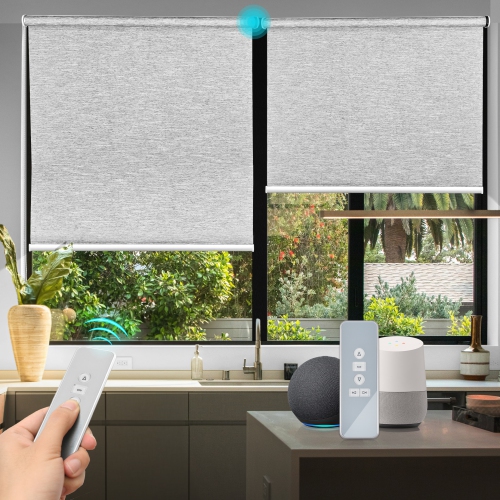
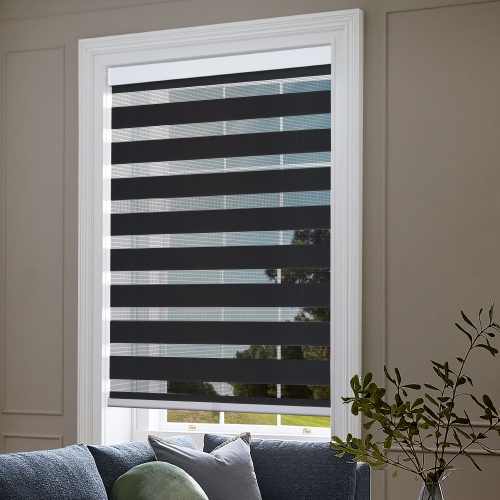
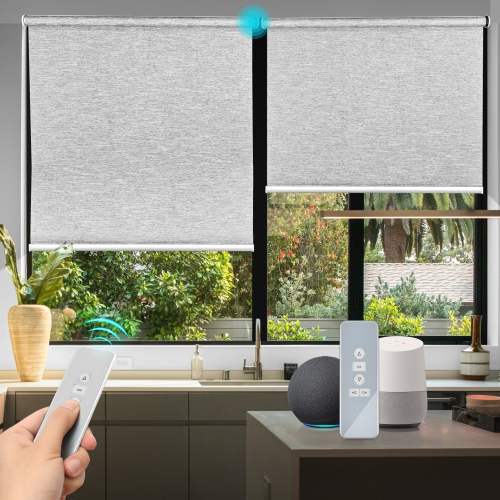
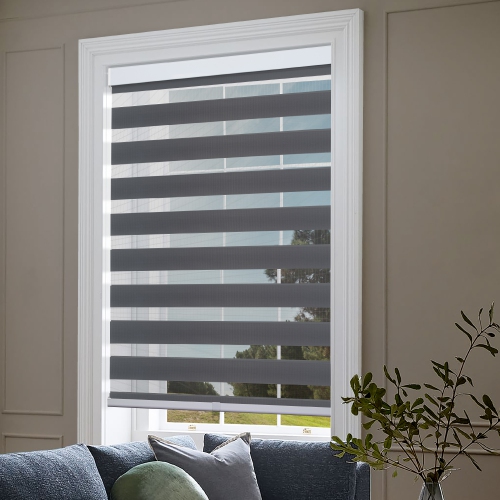
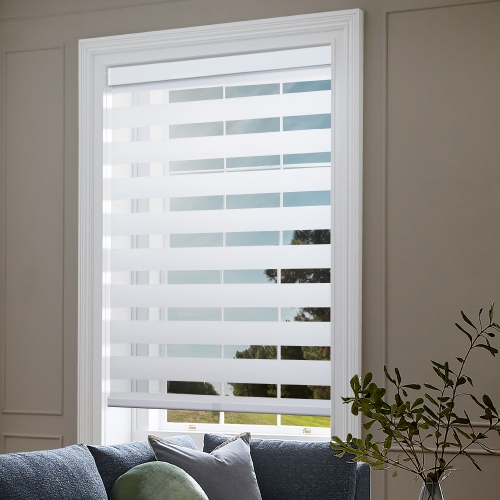
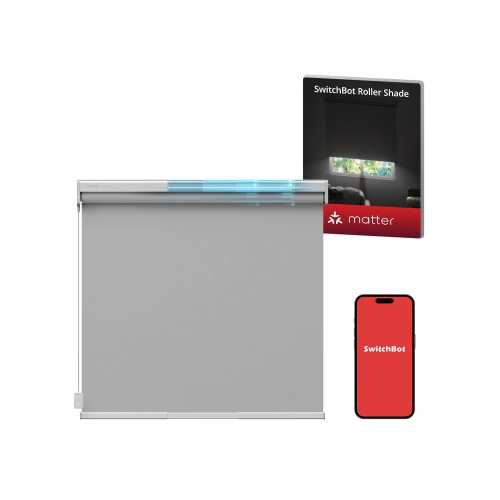
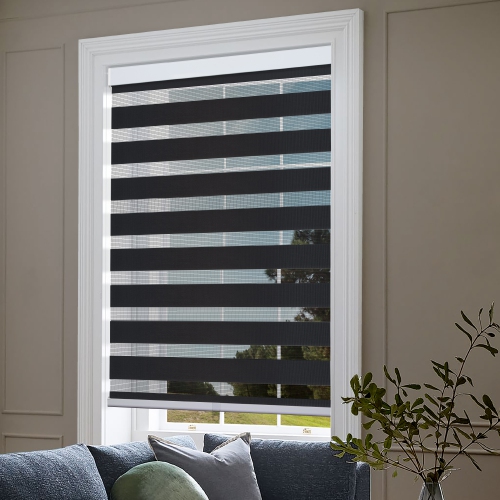
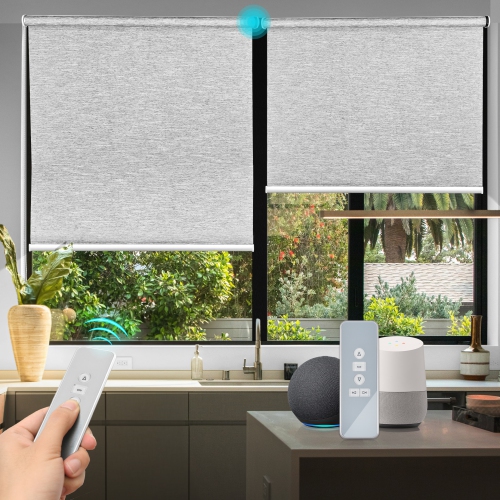
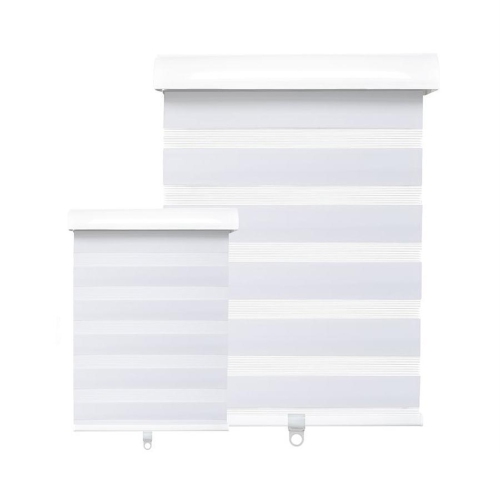
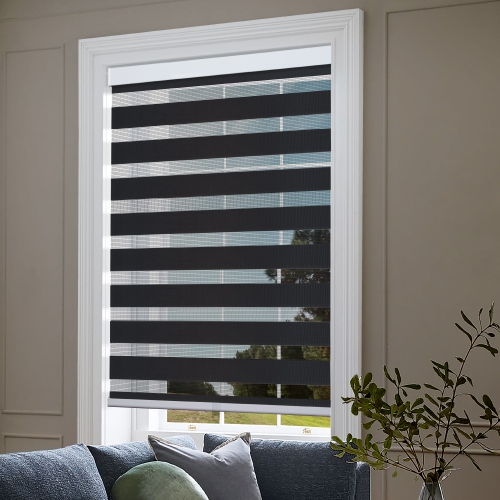
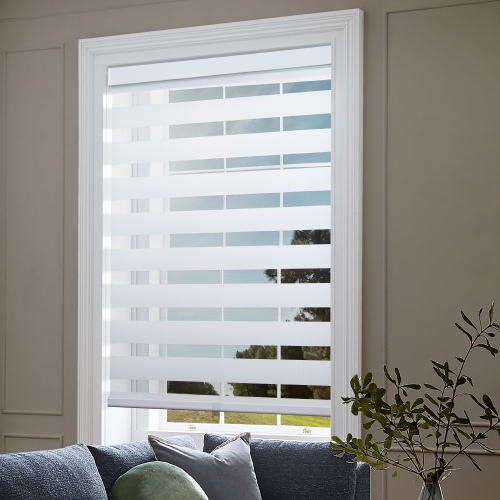
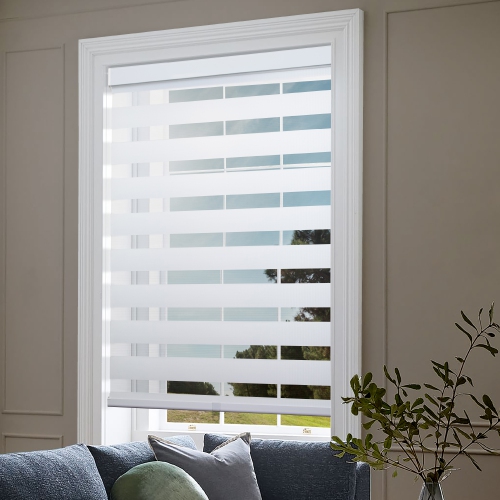

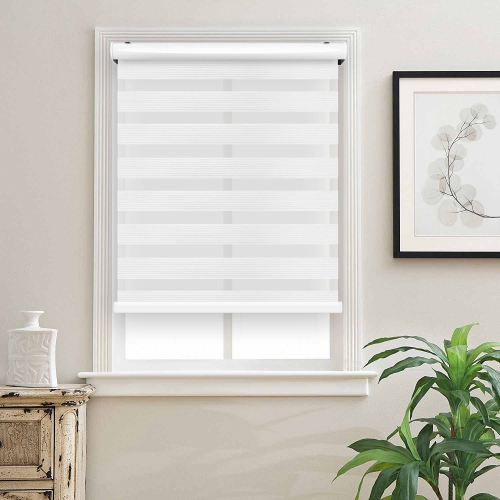
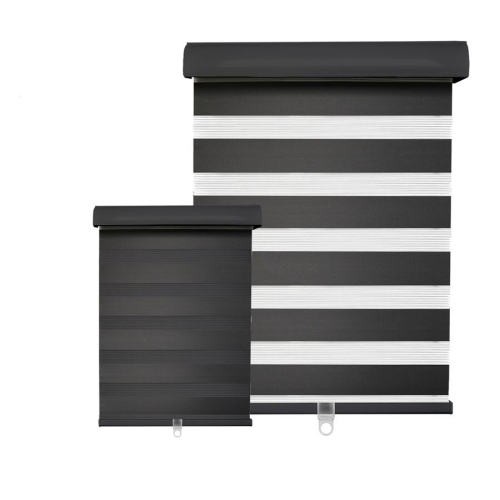
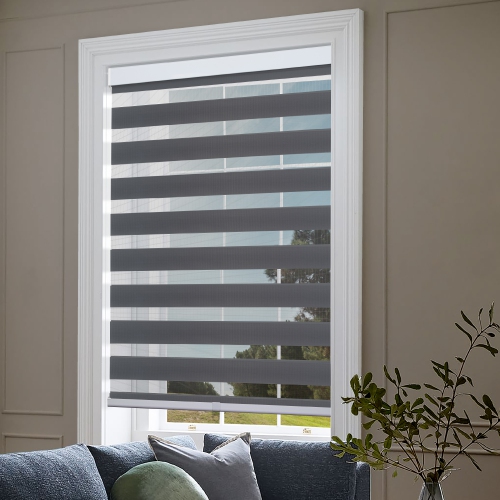
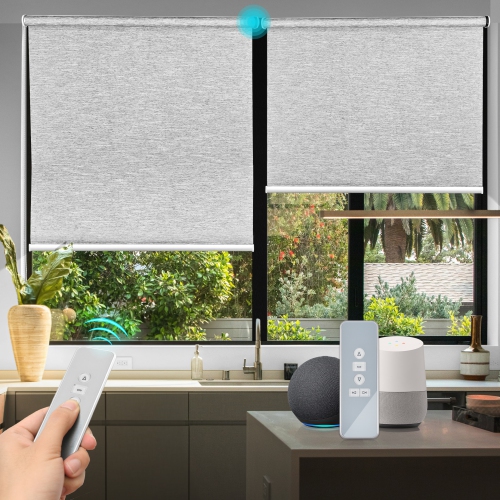
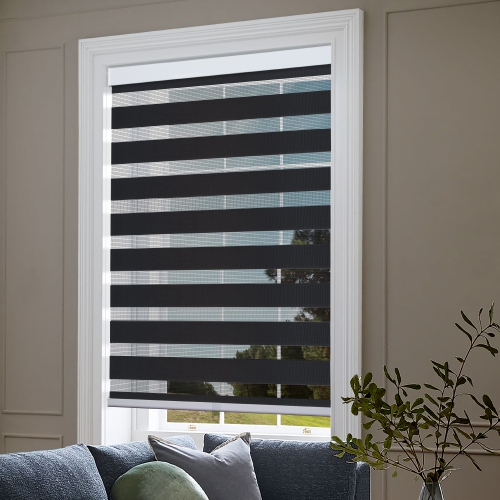
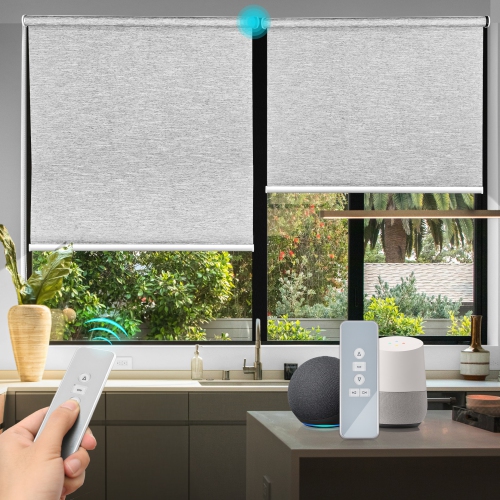
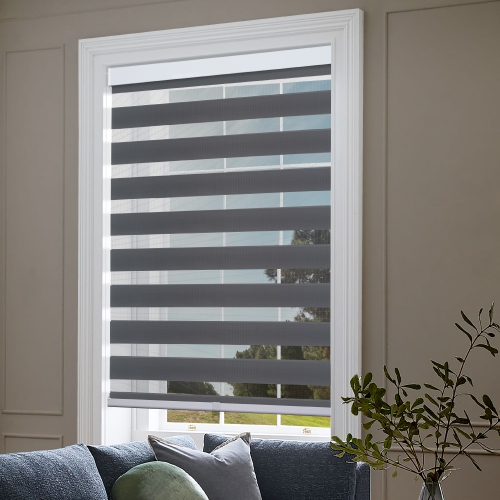
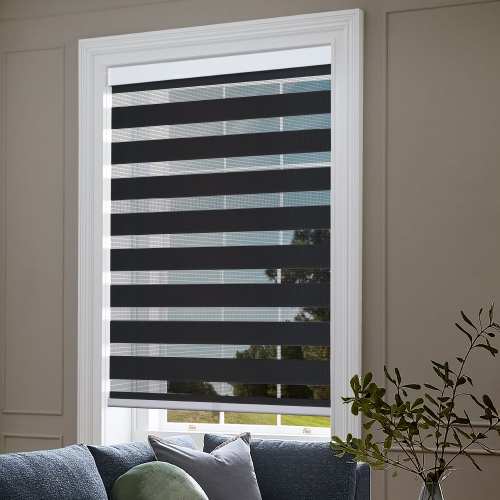
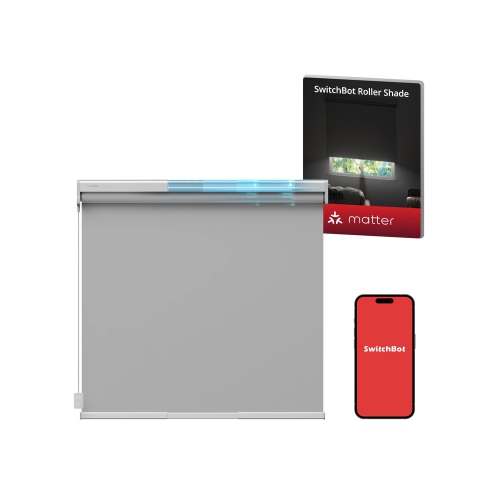
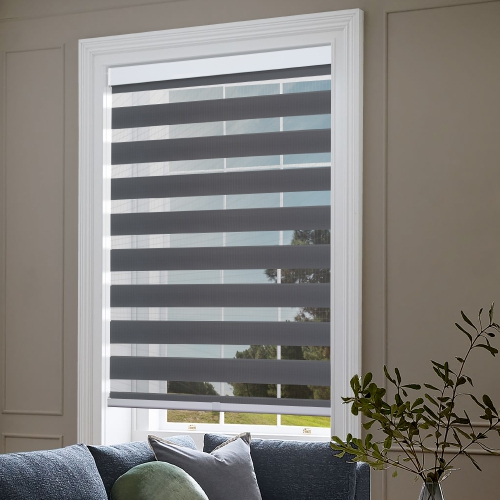
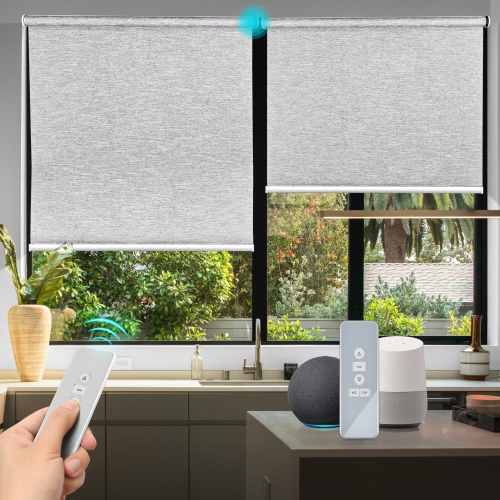
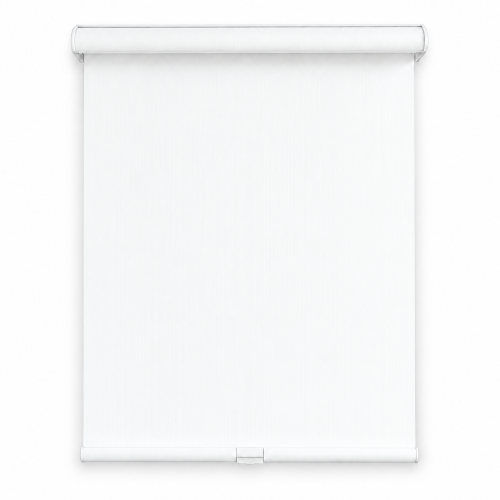
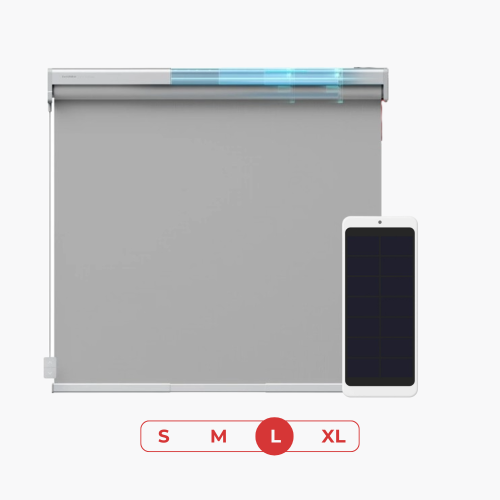
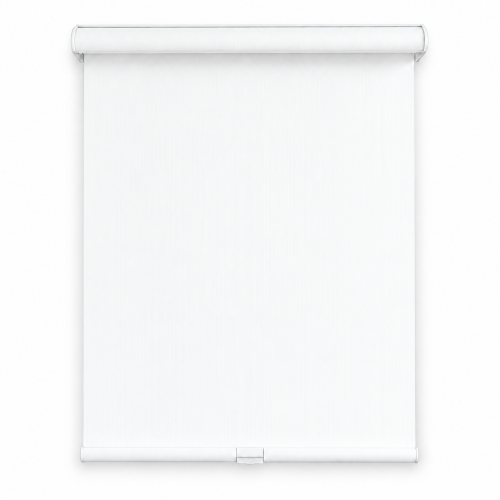
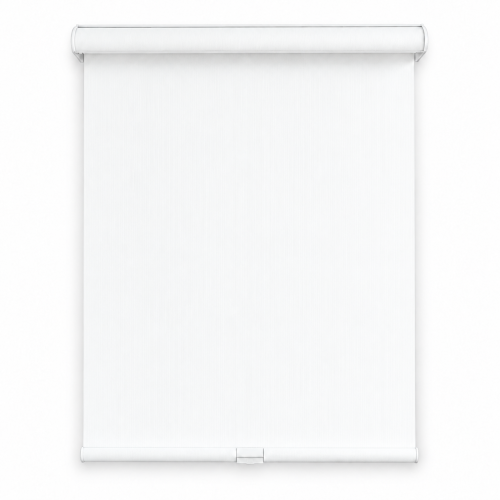
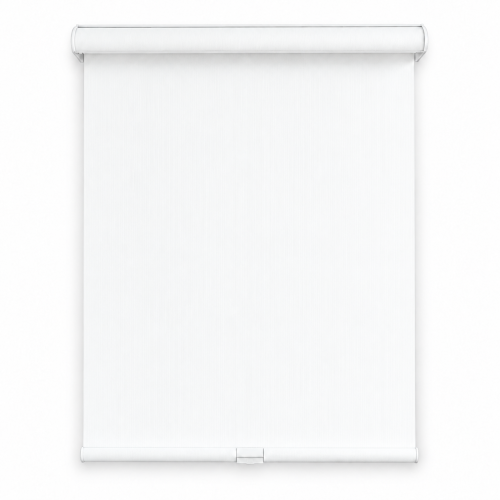
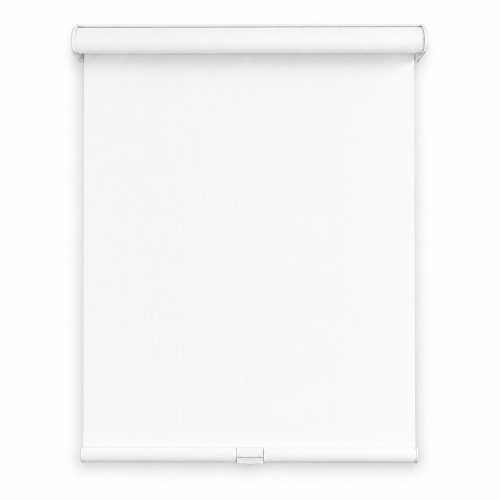
Clean lines with light control tailored to each room
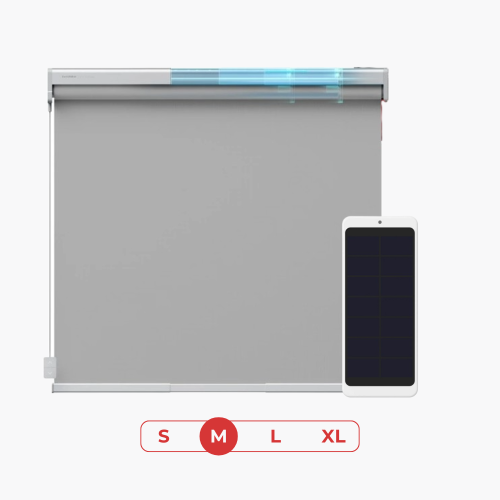
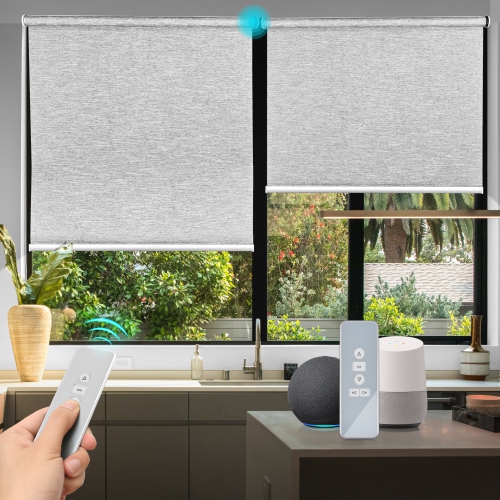
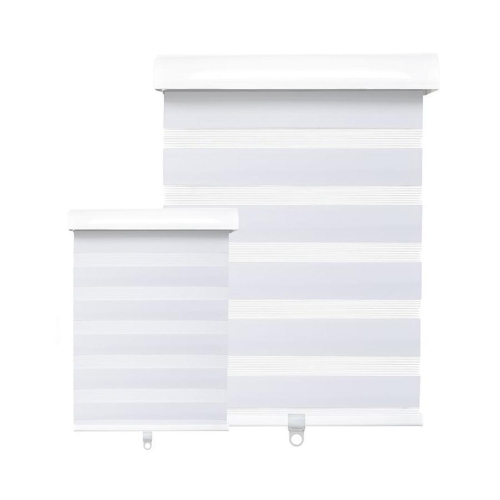
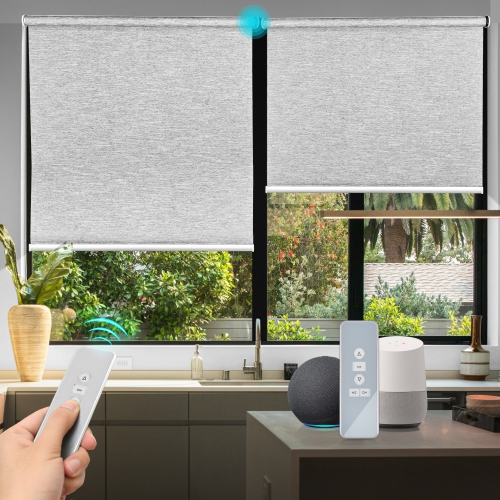
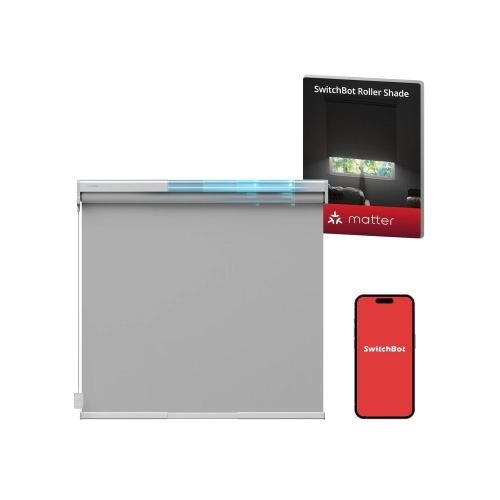
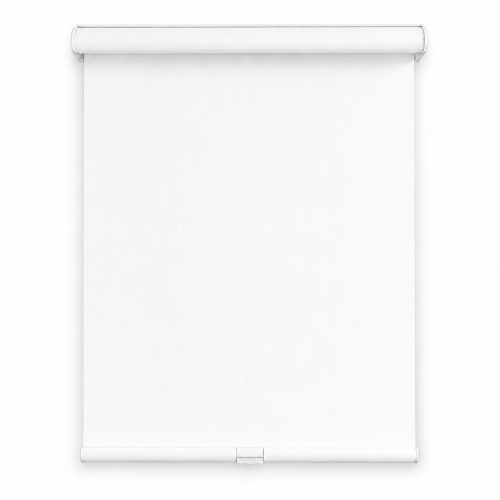
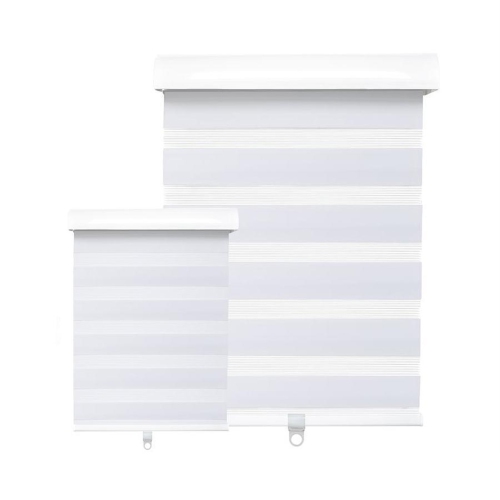
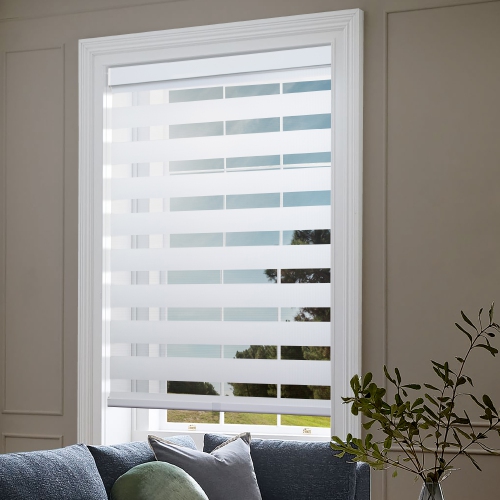
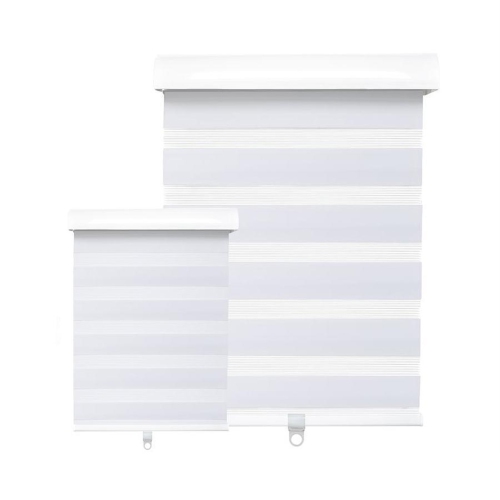
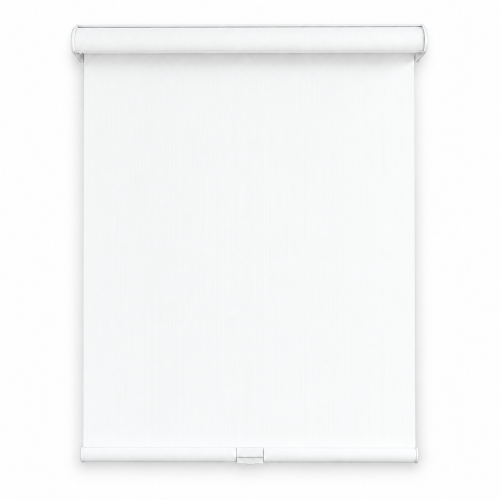
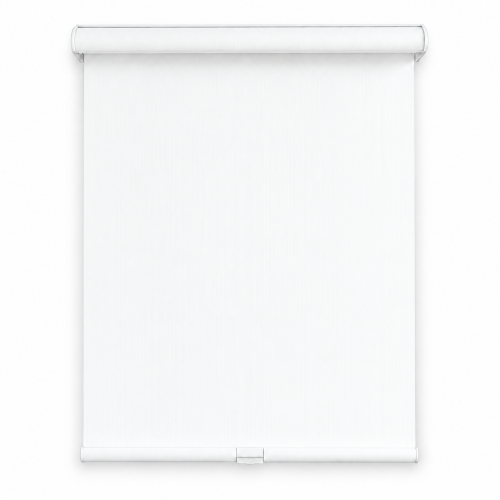
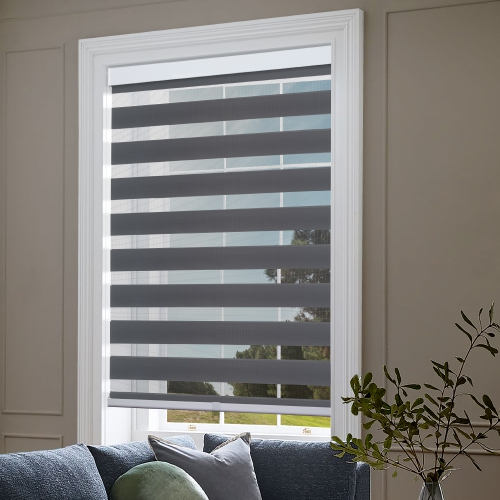
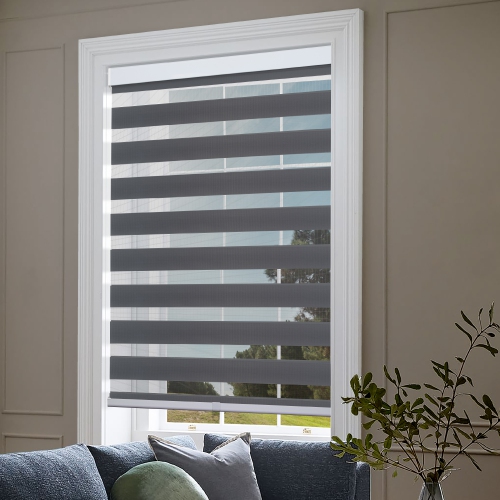
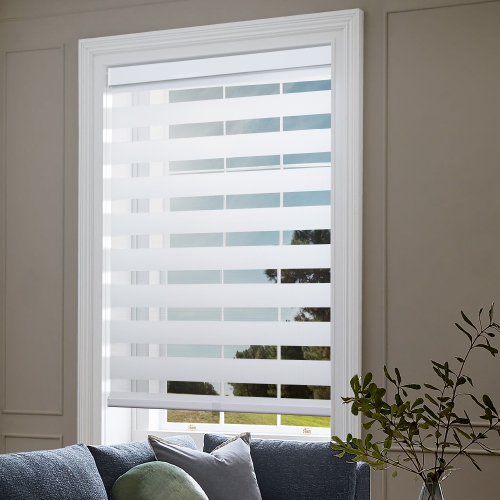
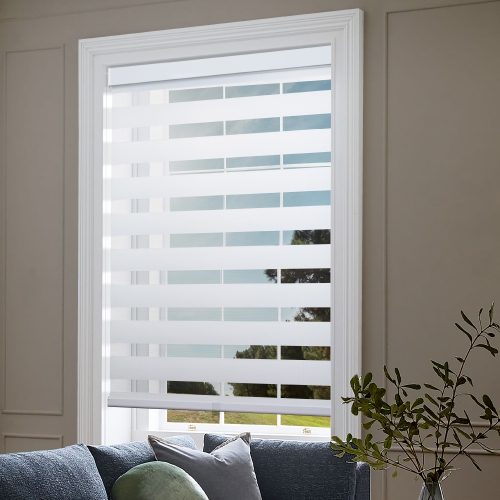
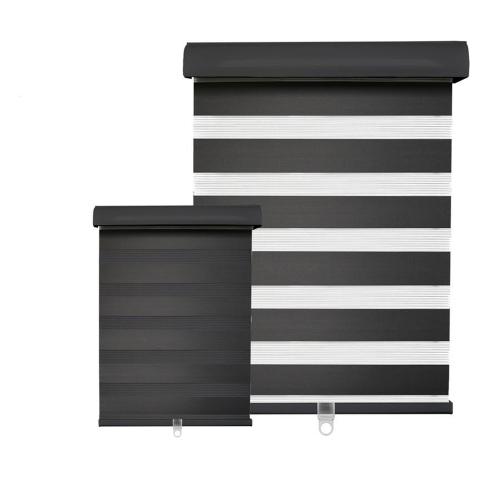
Modern window shades bring clean lines, adjustable privacy, and controlled daylight to living rooms, bedrooms, kitchens, and home offices. Their streamlined shapes work particularly well with uncluttered interiors, but fabric texture and colour can also soften rooms furnished with wood, leather, or metal. The main styles include roller shades, zebra shades, cellular shades, and Roman shades, each with a different appearance and way of managing light. Roller shades use a continuous panel of material that rolls around a tube, leaving a compact profile above the glass when raised. A smooth, neutral fabric can blend into the wall, while a textured weave adds detail without a busy pattern. Zebra shades, also called dual shades, combine alternating sheer and opaque bands; adjusting their alignment changes the balance between visibility and privacy. Cellular shades have a honeycomb structure that gives the fabric depth while allowing it to compress into a relatively small stack. Roman shades gather into soft folds as they rise, offering a more tailored, fabric-focused finish. The right style often depends on how the room is used. A living room overlooking a shared walkway may benefit from light-filtering fabric that softens the view without making the space feel closed off. A bedroom used by someone who sleeps during daylight hours calls for stronger light blocking. In a home office, an adjustable shade can reduce glare across a monitor while leaving enough natural light for reading documents or taking video calls. Modern does not have to mean stark white or grey: oatmeal, warm beige, charcoal, and muted colours can all suit a simple silhouette. Matching the shade’s undertone to flooring, cabinetry, or upholstery helps the window feel connected to the rest of the room. For an open-plan space, repeating the same fabric or colour across nearby windows creates continuity, even when different window sizes require different shade dimensions.
Light control depends on both the fabric and the fit. Sheer materials diffuse daylight but generally offer limited privacy, especially when indoor lights are on after dark. Light-filtering fabrics soften brightness and obscure views to varying degrees, although silhouettes may still be visible through some materials. Room-darkening shades reduce incoming light more substantially, while blackout fabrics are designed to prevent light from passing through the material itself. A blackout fabric does not necessarily make a room completely dark: gaps at the sides, above the headrail, or along the sill can still admit light. This distinction matters in bedrooms, nurseries, and spaces used for watching films. An inside mount places the shade within the window recess for a neat, built-in appearance and leaves surrounding trim visible. It requires enough recess depth for the mounting hardware, along with clearance for handles, locks, and any window section that opens inward. An outside mount sits above or around the opening and can extend beyond its edges, helping reduce side gaps and cover uneven trim. Measurements should follow the manufacturer’s directions, since some shades are ordered by opening size while others use finished dimensions or include specified deductions. Checking width at several points helps reveal an opening that is not perfectly square, and the advertised shade width may refer to the full assembly rather than the fabric alone. Wide picture windows and sliding doors need particular attention to coverage, operating weight, and access. The proportions found in Large Window Shades are especially relevant to broad openings where a narrow treatment would leave too much glass exposed. Depending on the mounting surface and shade design, separate panels may allow more flexible control than one continuous covering. For a sliding door, placing a division near the opening section can make everyday access easier. Above a window, the rolled fabric or folded stack also takes up space, so its raised position should leave the intended view and opening usable.
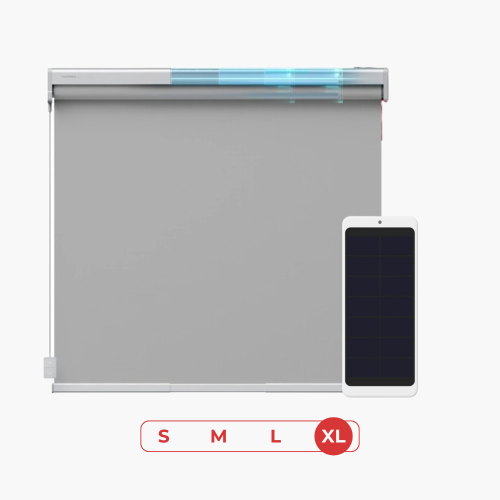
Materials, operating mechanisms, and care requirements shape how comfortably modern window shades fit into everyday routines. Polyester fabrics are common because they can hold their shape and offer a wide range of textures and opacity levels, although cleaning methods vary with the weave, backing, and finish. Natural-fibre and woven materials introduce visible texture and subtle variation, making them appealing beside wood furniture or tactile upholstery; an added lining may be needed when stronger privacy is important. In a kitchen, a shade near a sink or cooking area should have care instructions suited to occasional splashes or residue, and it should remain clear of heat sources and moving fixtures. Bathrooms require materials and hardware specifically suitable for moisture exposure rather than a fabric chosen on appearance alone. Cordless manual shades offer a tidy look and are typically adjusted at the bottom rail or with another integrated control. Motorized shades can be useful behind a deep sofa, above a stair landing, or across several windows that are awkward to reach. Power arrangements differ, so battery access, charging needs, and any required electrical connection deserve attention before installation. Smart controls are not universal: app operation, scheduling, voice control, and integration with other devices depend on the motor and compatible accessories. For homes with children or pets, designs without accessible cords help address a significant window-covering hazard, while secure installation and keeping climbable furniture away from windows remain important. Durability is also about the moving parts. A shade used several times a day benefits from a mechanism that operates smoothly without twisting the fabric or pulling the bottom rail out of alignment. Gentle handling, appropriate mounting hardware, and regular light dusting help preserve its finish. Spot cleaning should be done only as directed, since soaking, harsh cleaners, or vigorous scrubbing can damage coatings, adhesives, or structured fabrics. With the right balance of texture, coverage, and easy operation, window shades become an unobtrusive part of daily life, whether that means protecting privacy at a street-facing window or lowering glare beside a favourite reading chair.
Top selling and popular products
-
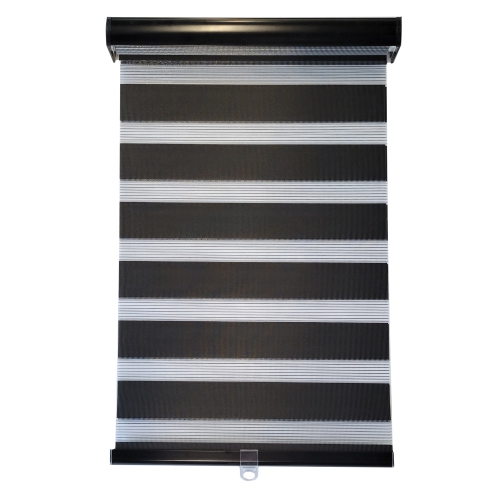 Your price for this item is $143.97
-
 Your price for this item is $164.97
-
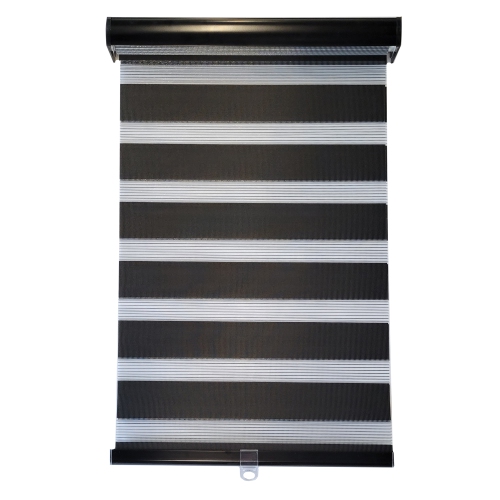 Your price for this item is $138.97
-
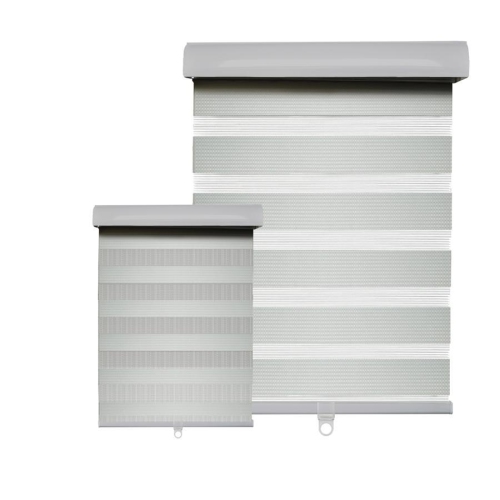 Your price for this item is $57.97
-
 Your price for this item is $45.99
-
 Your price for this item is $80.99
-
 Your price for this item is $82.99
-
 Your price for this item is $43.99
Discover more categories related to Modern Window Shades
Top Collections:
Pokemon Centers, Kindle Devices, Best Black Friday Deals This Year, Pokémon 30th Celebration Cards, Best Black Friday Deals On Electronics, Best Cameras for Sports Photography, Best Black Friday Deals On Apple Products, Canon G7X Cameras, iPhone 15 Apple, Candle Warmer Lights
Some products may be subject to Environmental Handling Fees
(EHF) depending on your province.
Learn more about EHFs.