Digital Lockboxes
Keep your valuables secure with our selection of digital lockboxes, designed to provide you with peace of mind whether you're at home or on the go. These innovative devices offer advanced security features such as keypad entry, fingerprint recognition, and Bluetooth connectivity, ensuring that only authorized users can access your belongings. With various sizes and styles available, you can find the perfect digital lockbox to suit your needs and keep your items safe from theft or damage. Upgrade your security system today with our range of reliable and modern digital lockboxes.
Sort
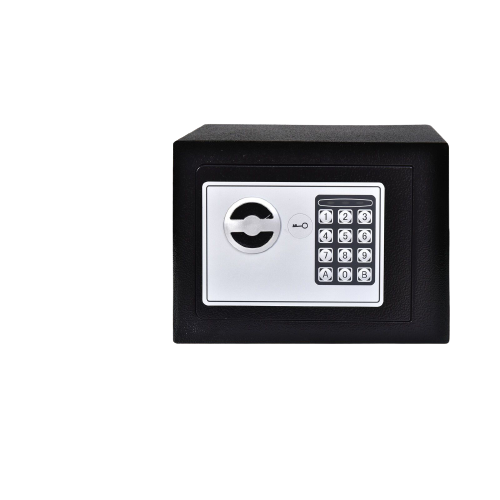
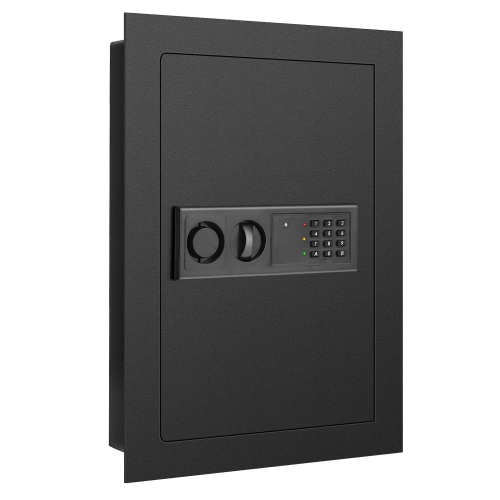
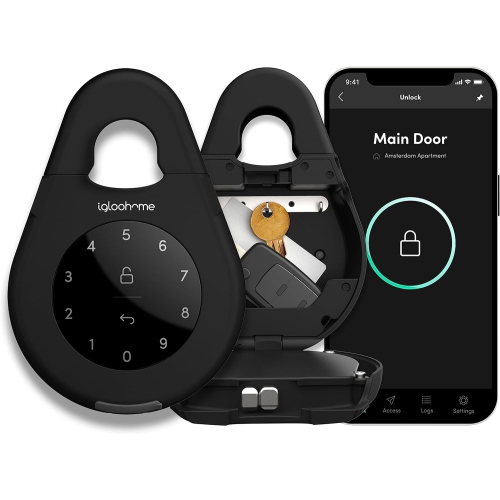
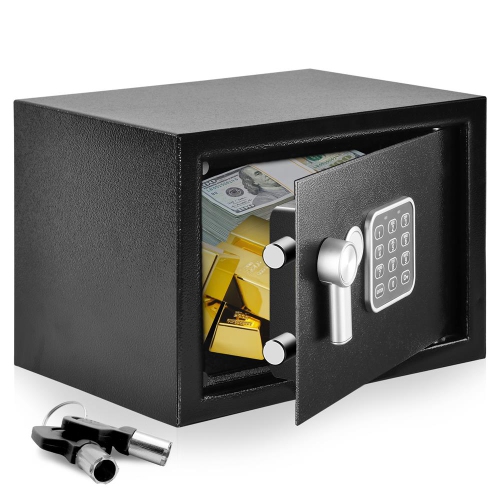
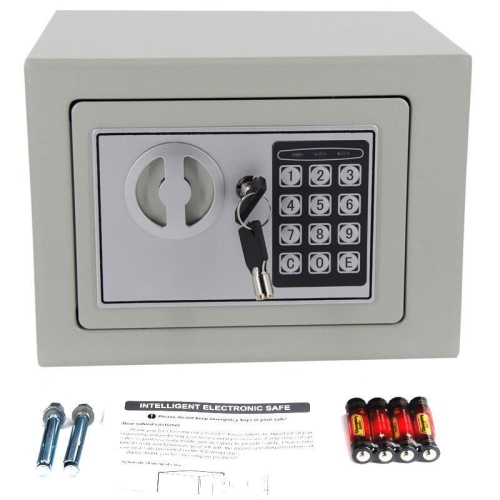
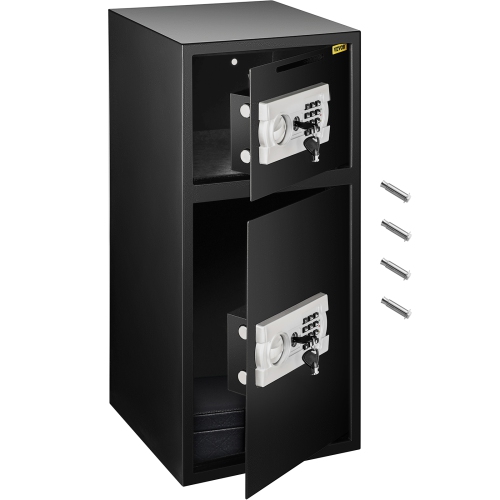
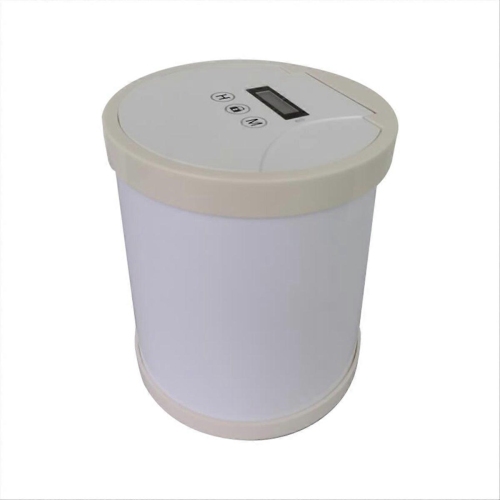
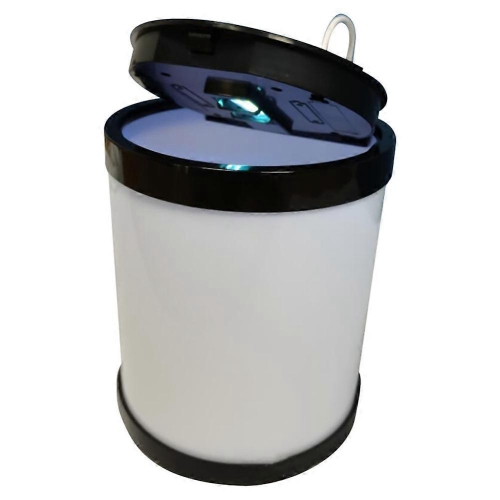
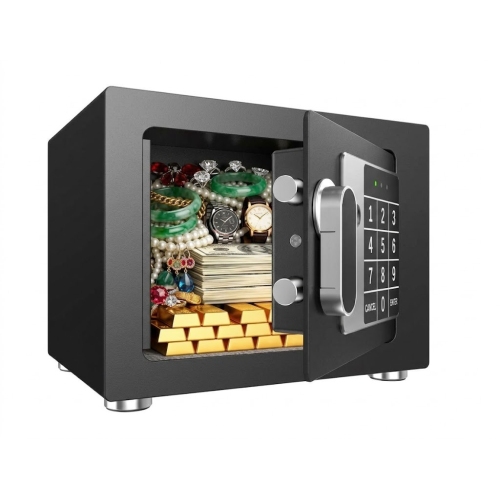
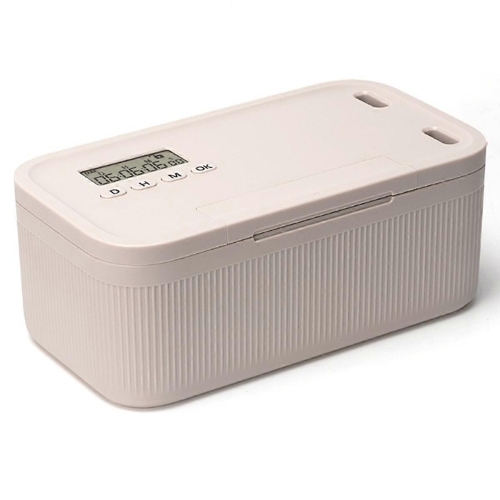
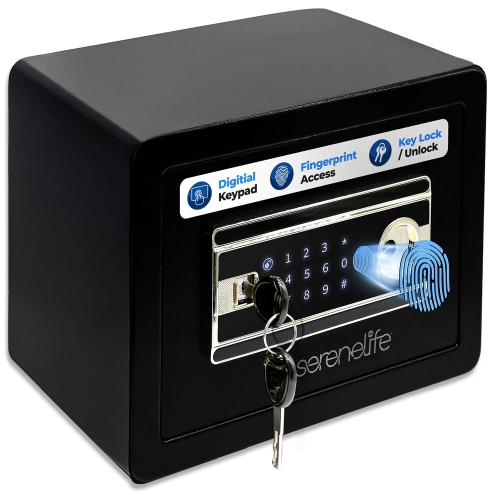
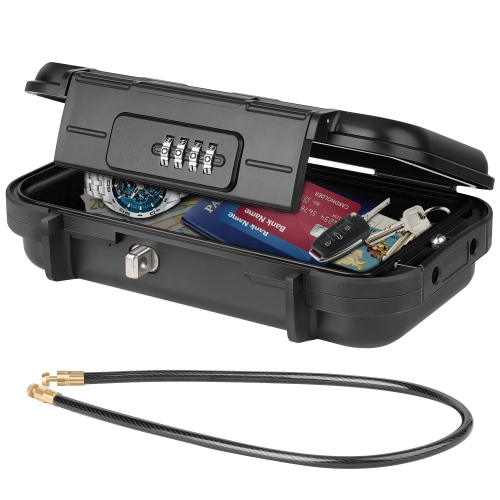



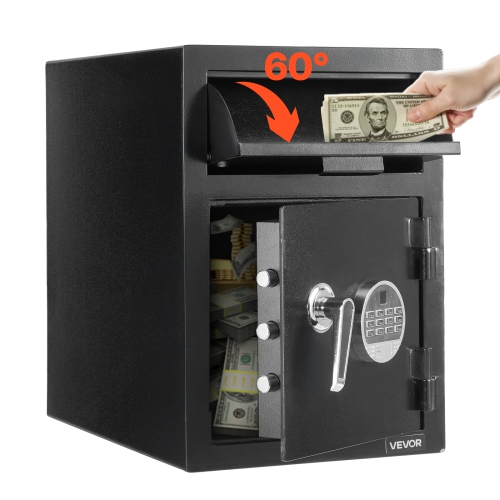
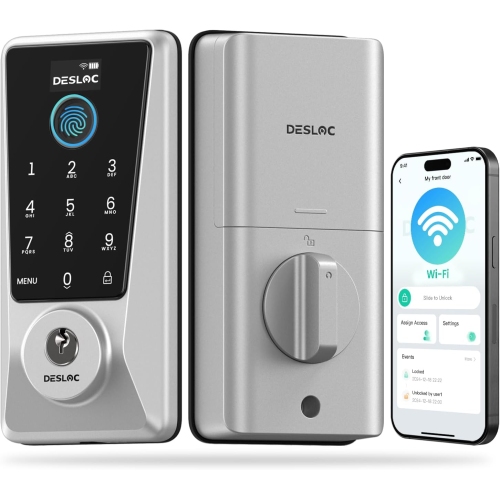
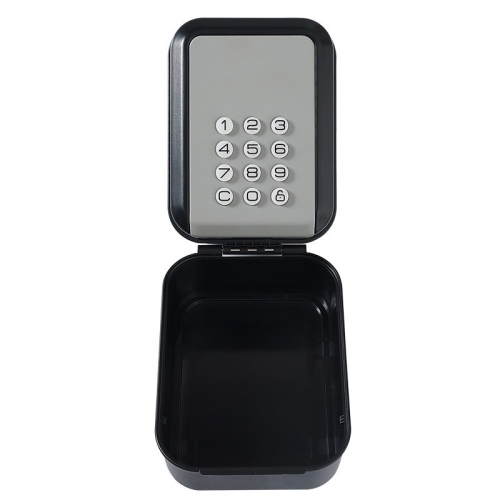

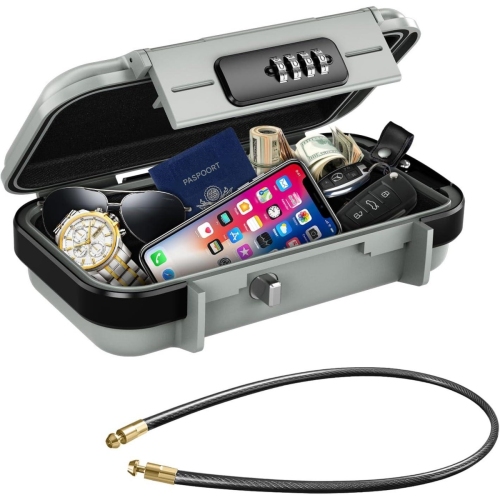

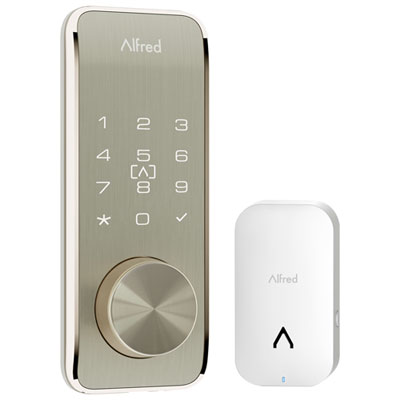
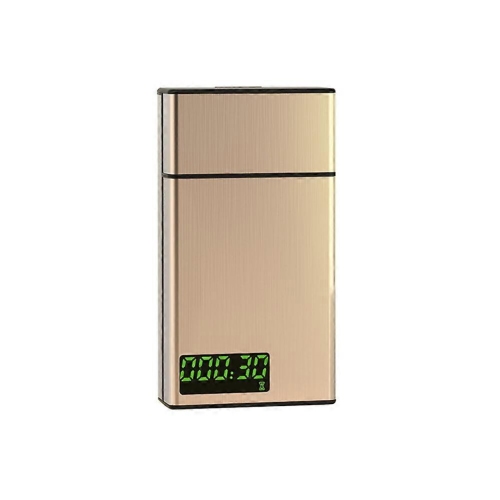
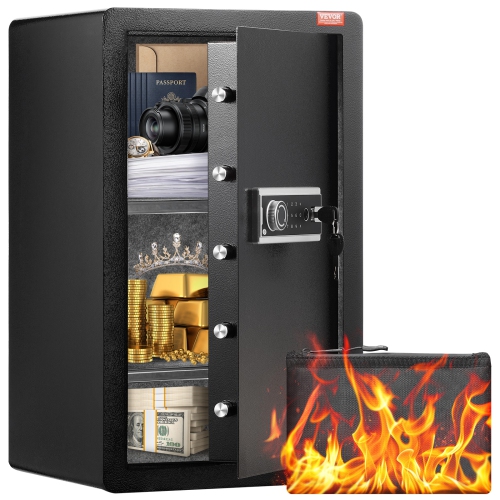
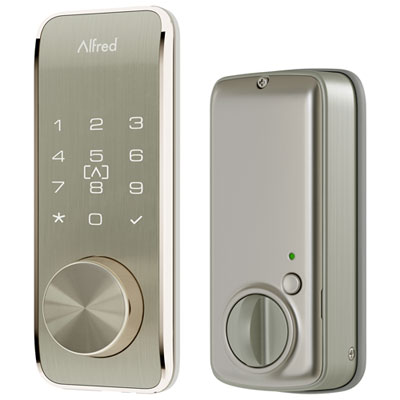

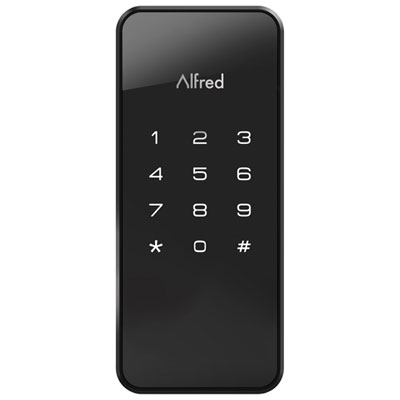
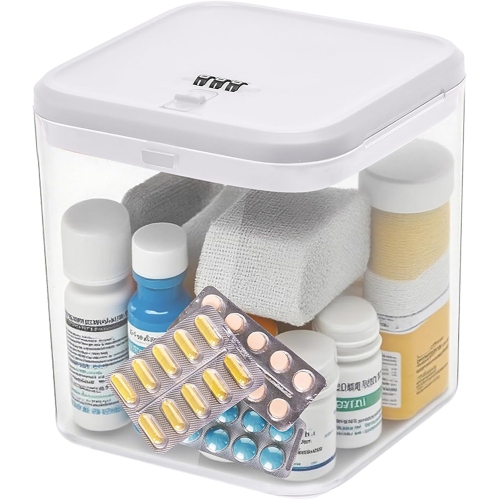
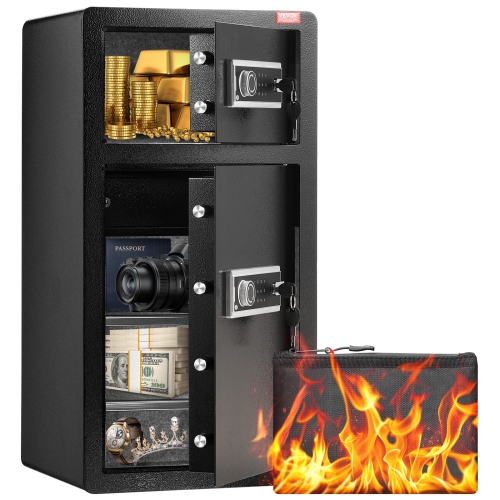
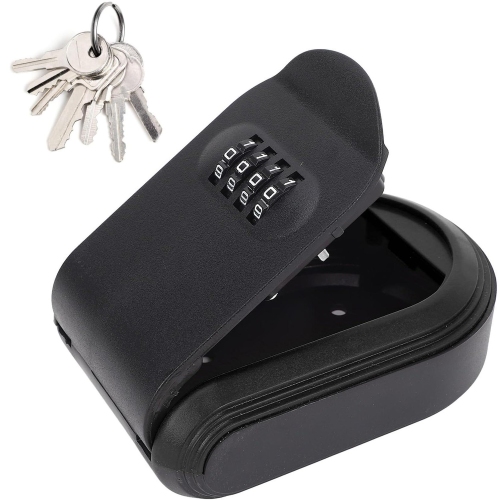
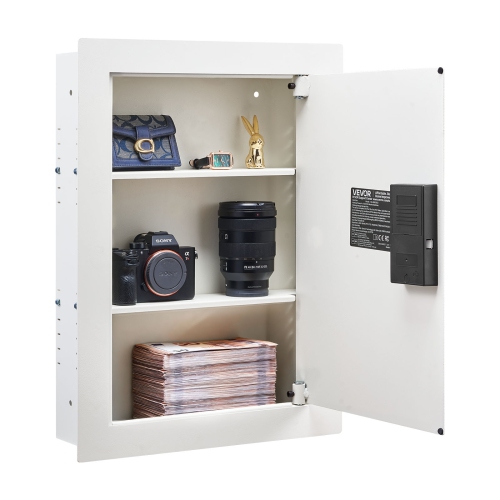
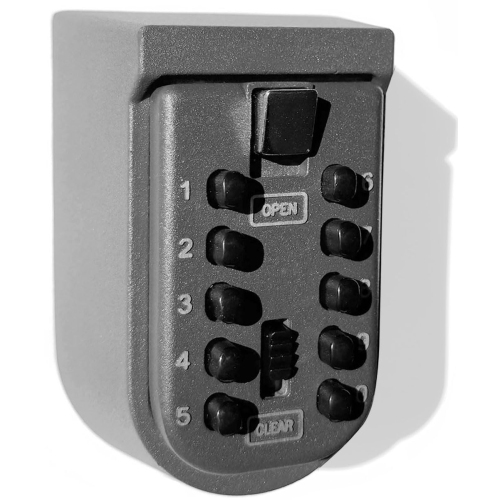
Controlled access for spare keys and small valuables
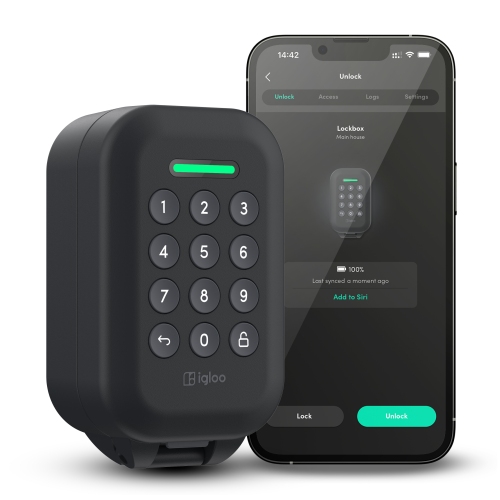
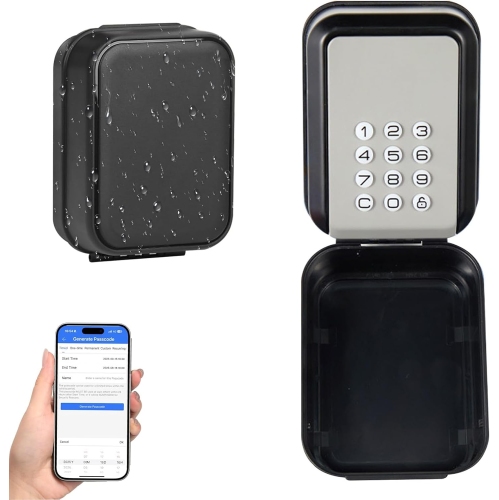
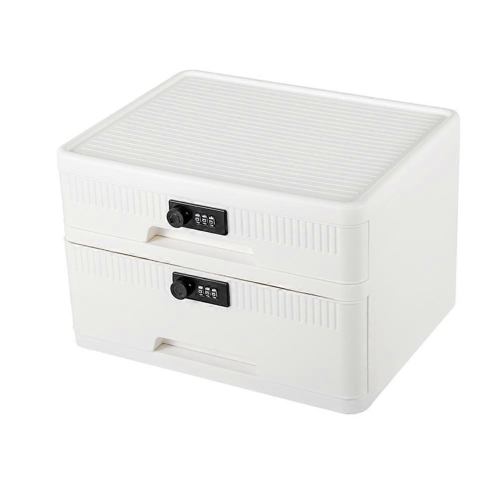
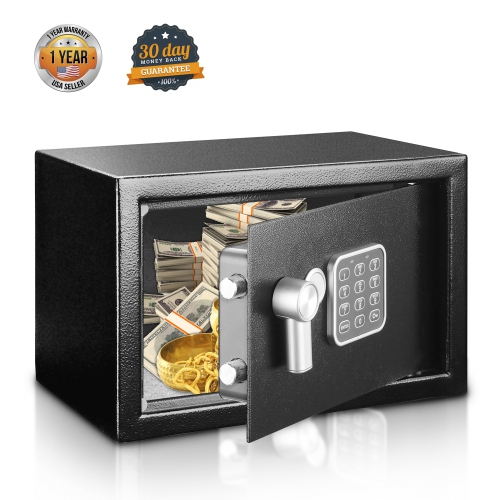
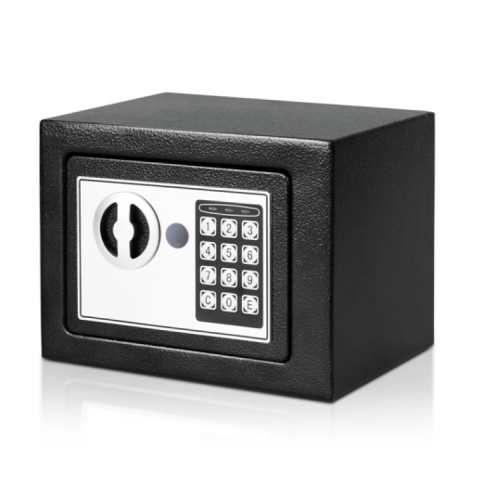
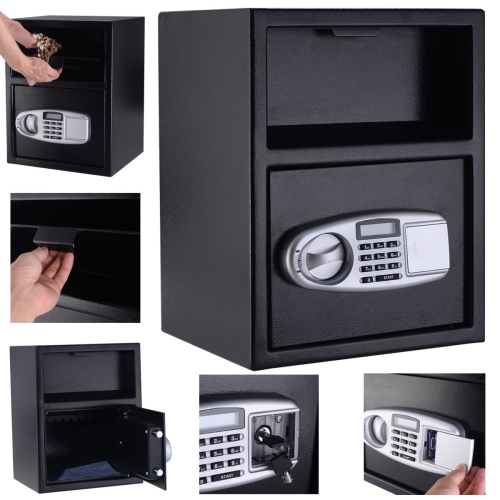
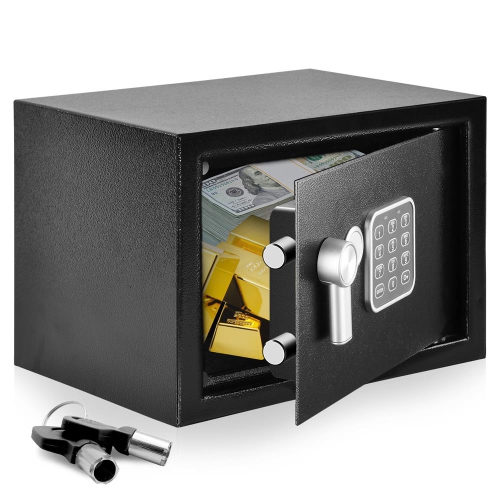
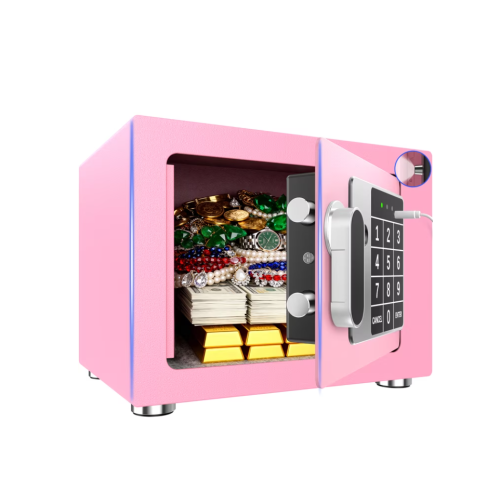
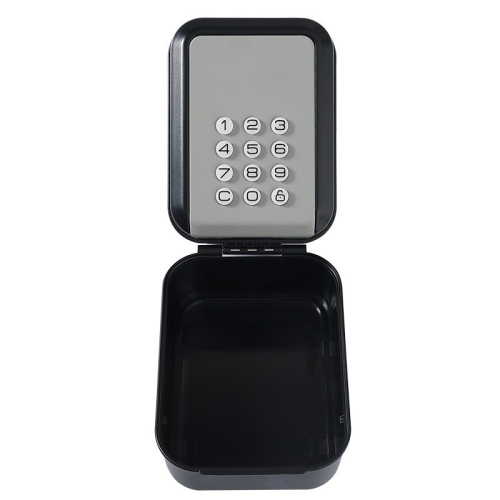
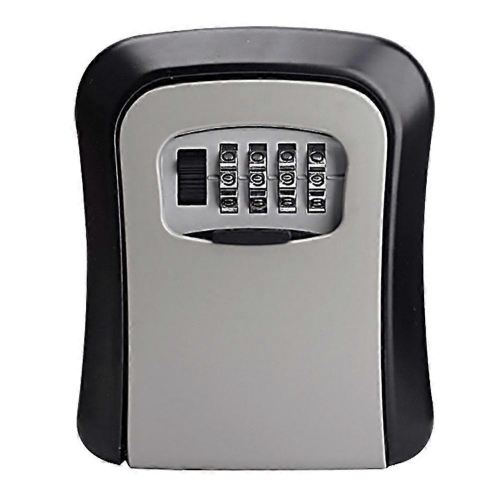
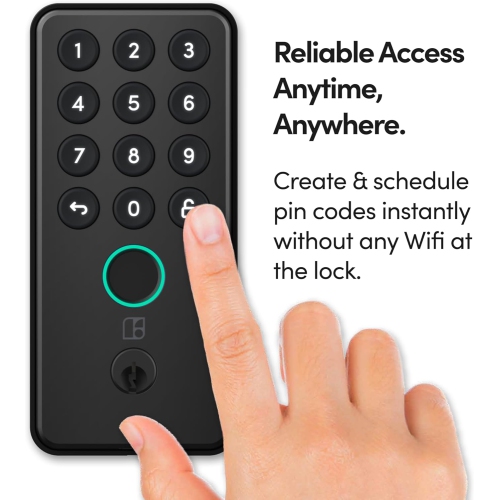
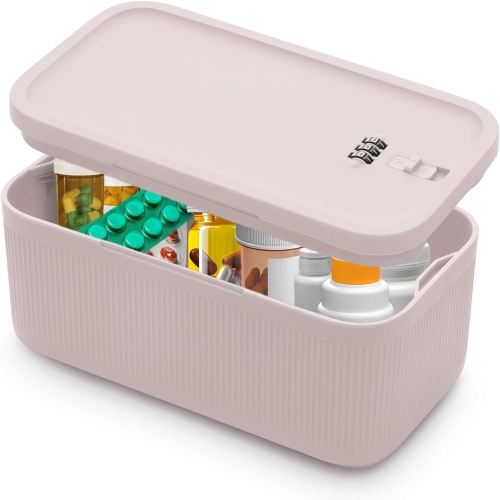
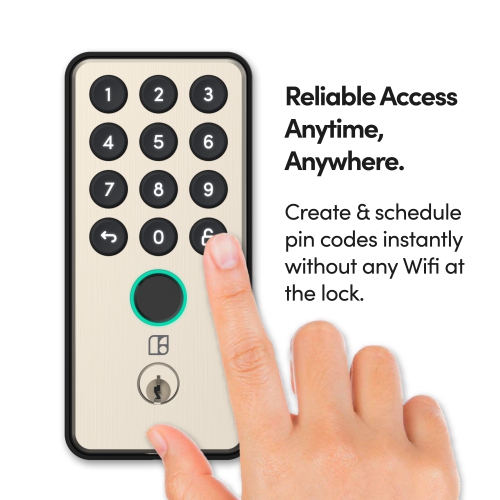
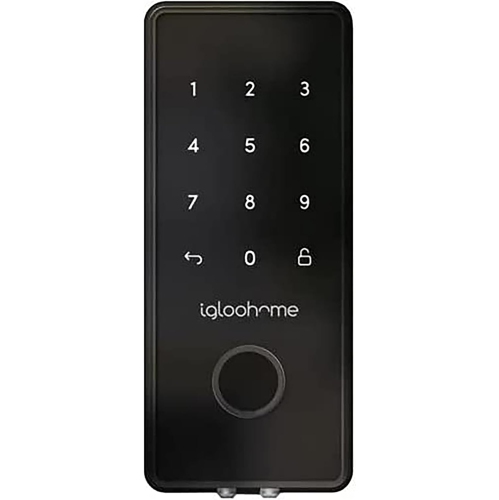
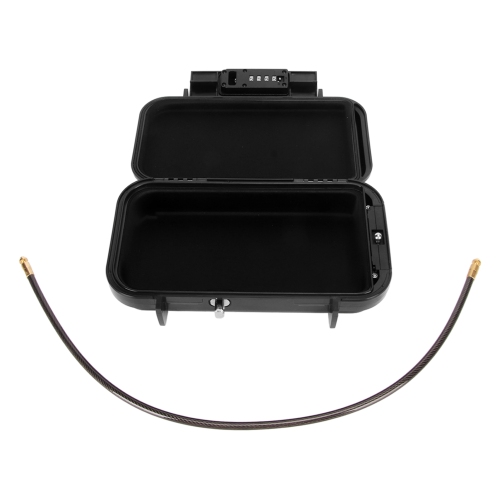
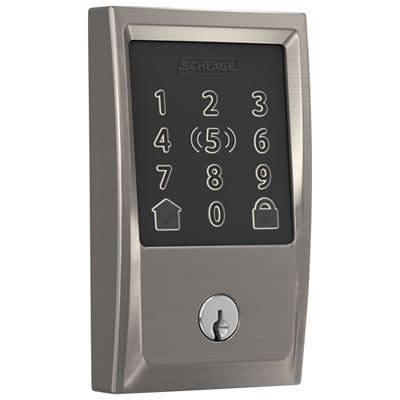
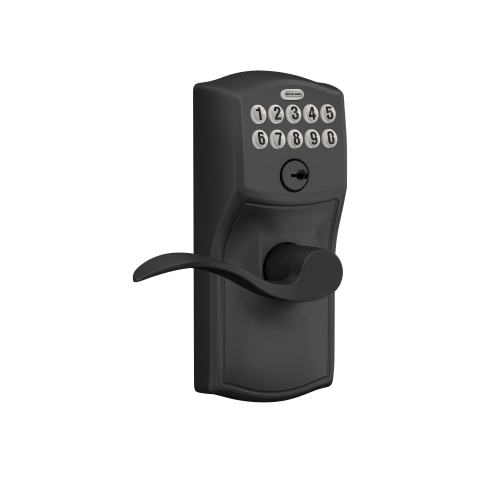
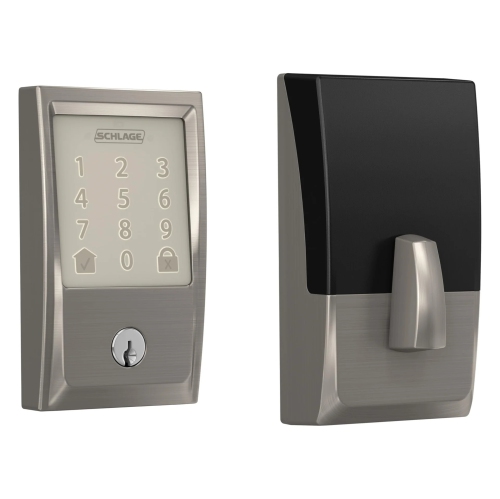
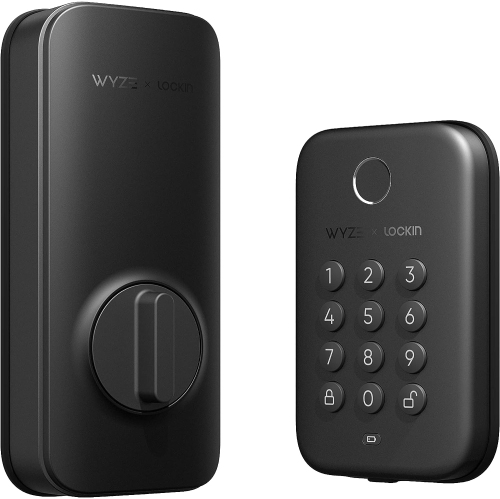
Digital lockboxes provide physical storage with electronic access, making it easier to keep keys or small valuables behind a controlled entry point. The category includes compact key storage boxes for shared property access and larger keypad-operated boxes for belongings such as documents, cash, or jewellery. A digital key lockbox can hold a spare house key for a family member, give a cleaner access without leaving a key under a planter, or support entry arrangements at a rental property. In an office or workshop, it can keep a shared key in a consistent location rather than passing it between several people. Within the wider range of Lock Boxes, digital models offer different ways to manage that access. A standalone electronic keypad typically accepts a stored PIN without requiring a phone, while connected designs may support an app, Bluetooth, fingerprint access, or temporary codes. These features vary by model and are not interchangeable: Bluetooth generally requires a compatible device nearby, whereas remote management may depend on a separate gateway, a Wi-Fi connection, or another supported connection. Some systems can generate time-limited codes that work without an internet connection at the box, but that capability needs to be explicitly supported. For a household arranging occasional visits from a dog walker, a code with a defined access window can be more practical than sharing a permanent household PIN. For a property manager coordinating several authorized visitors, individual credentials can make access easier to organize. Activity histories, where supported, may show when the lock was opened or which credential was used, but they do not necessarily confirm a visitor’s identity or whether a key was returned. The value of these features lies in matching the access method to the people using it: a straightforward keypad can suit a shared family routine, while app-based controls can be useful when permissions change regularly.
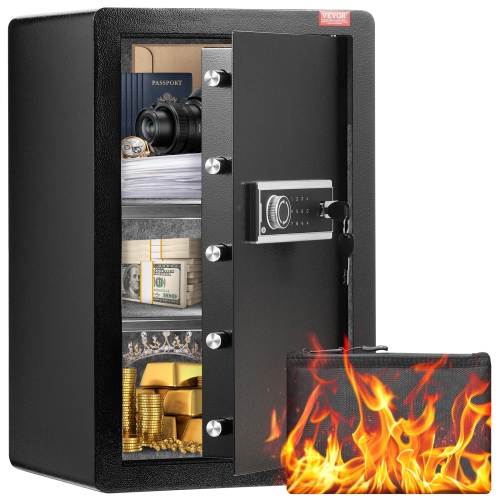
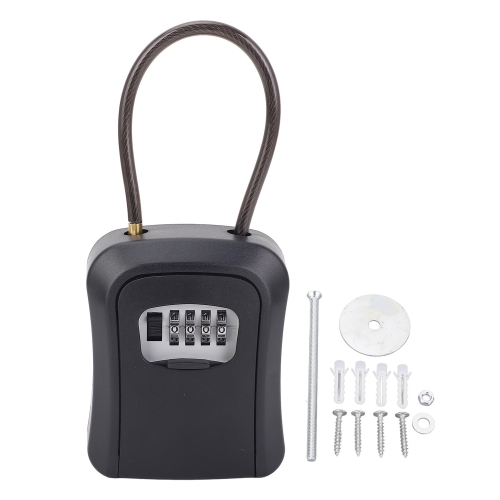
Construction, capacity, and installation shape how a digital lockbox fits into everyday use. Steel and zinc alloy are common materials for key storage bodies, while larger storage boxes often use formed steel panels and a hinged door. Material alone does not establish security; body thickness, hinge protection, locking components, and attachment points all contribute to the finished design. A compact box intended to discourage casual access is different from a safe with independently verified resistance to forced entry. Fire protection and water protection are also separate characteristics, and an electronic lock does not establish either one. For key storage, usable interior space matters more than an exterior measurement. A compartment that fits a single flat key may not comfortably hold a bulky vehicle fob, several keys on a ring, or a key with a large plastic head. Space around the contents helps the door close without pressing against the latch or trapping a ring. Larger digital storage boxes have similar considerations: an envelope may fit easily where a document folder, passport wallet, or small cash tray does not. Shelves, removable hooks, and interior lining can help separate belongings, although their usefulness depends on what needs to be stored. Wall-mounted key boxes create a fixed access point, while shackle-mounted designs can attach to a suitable anchor without permanent wall fixings. The strength of that anchor and the surrounding surface remain part of the overall setup. A sturdy box attached to a weak fitting offers a different level of protection from one secured to an appropriate solid surface. Indoor and outdoor applications also require different construction details. An outdoor-rated housing may include a keypad cover, seals, or a protective finish, with any stated ingress rating describing particular test conditions rather than complete protection against every exposure. Placement that leaves enough room to open the door, enter a code, and retrieve the contents makes the box easier for authorized users to operate.
Power arrangements and routine care are important parts of living with a digital lockbox, especially when it holds the only spare key to a property. Many electronic locks use replaceable batteries, while some designs use rechargeable power. Battery type, expected service life, and low-power alerts differ, and connected features can affect power use. A warning on the keypad or in an app is helpful, but it still depends on someone noticing and responding to it. Backup access may take the form of an override key, external battery contacts, or an emergency power port; none of these should be assumed unless specified for the model. An external power connection generally supplies temporary power to the lock rather than bypassing the access credential. An override key stored inside the same locked box will not help during a lockout, so its storage location deserves consideration. Everyday usability matters just as much as the unlocking method. Clearly spaced buttons, readable markings, and a door that stays accessible while retrieving a key can make a meaningful difference for someone carrying bags or managing limited hand dexterity. A fingerprint reader may offer convenient access for enrolled users, while an alternative entry method can be useful when a fingerprint is not accepted. For shared access, separate credentials can reduce the need to circulate one permanent code, and removing permissions after a visitor or service arrangement ends helps keep access organized. App-based systems also introduce account management, phone compatibility, and possible subscription requirements that are distinct from the lockbox itself. Routine care is usually straightforward: a soft cloth, attention to the manufacturer’s cleaning directions, and periodic checks of the door, latch, battery compartment, and fixings help identify wear. Harsh cleaners or unapproved lubricants can damage finishes or interfere with components. Whether used by a busy household, a caregiver coordinating visits, or a small business managing shared keys, a well-matched digital lockbox combines suitable storage space with dependable access arrangements and a clear plan for authorized backup entry.
Top selling and popular products
-
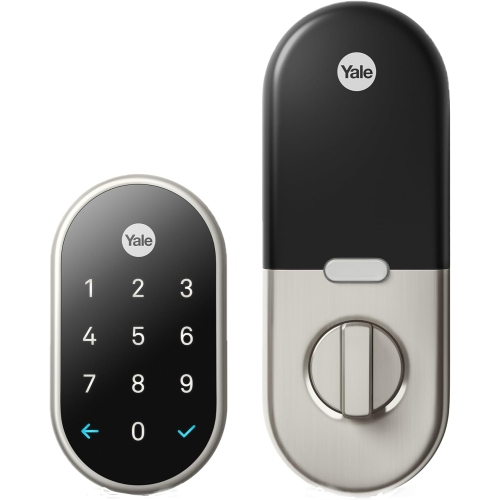 Your price for this item is $369.55
-
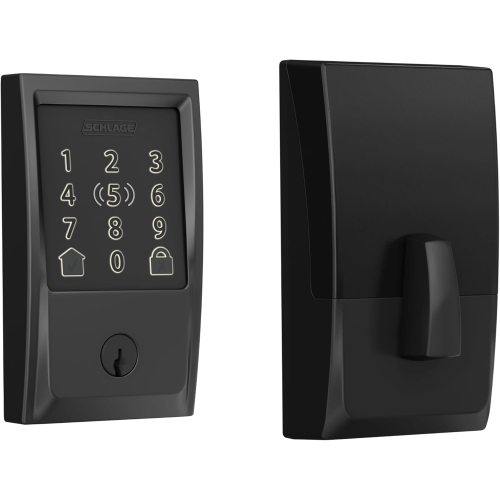 Your price for this item is $359.99
-
 Your price for this item is $319.98
-
 Your price for this item is $155
-
 Your price for this item is $289.99
-
 Your price for this item is $149
-
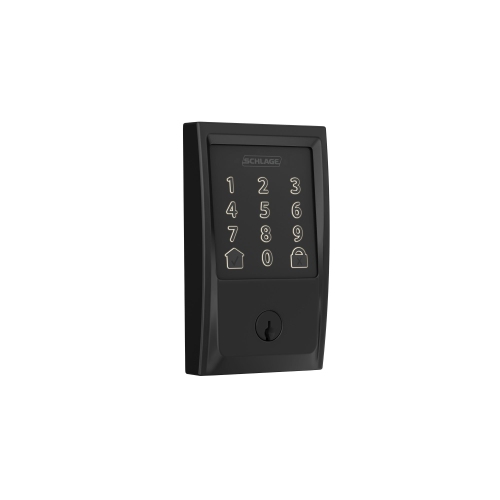 Your price for this item is $289.99
-
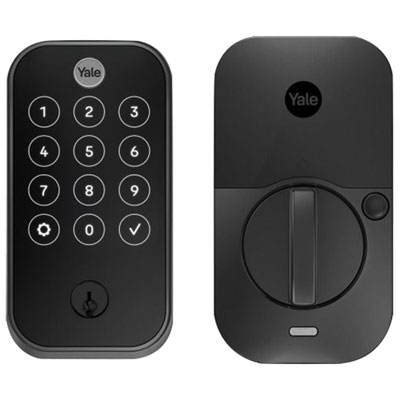 Your price for this item is $349.99
Discover more categories related to Digital Lockboxes
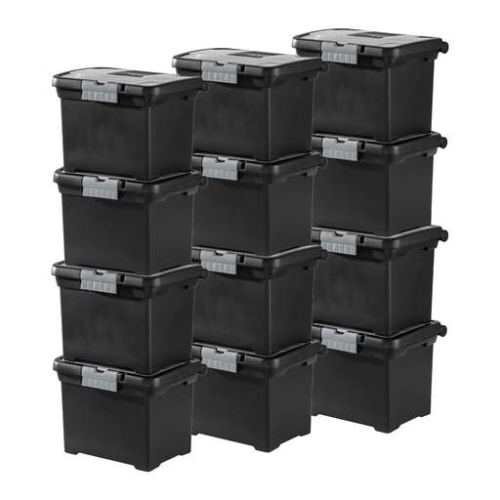
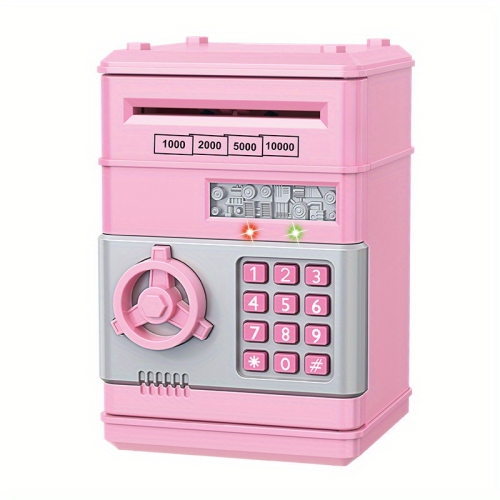
Top Collections:
Pokemon Centers, Kindle Devices, Best Budget Office Chairs, Canon G7X Cameras, Apple iPhones 16, Samsung Galaxy Phones, Refurbished Apple Laptops, Laptops for Students, iPhone 15 Apple, Budget Smartphones
Some products may be subject to Environmental Handling Fees
(EHF) depending on your province.
Learn more about EHFs.