Lock Boxes
Discover the perfect solution for securing your valuables with our diverse selection of lock boxes. Whether you need a compact option for personal items or a robust choice for important documents, our range offers something for every need. Designed with both security and convenience in mind, these lock boxes provide peace of mind wherever you are. Explore various sizes, styles, and features that ensure your belongings are protected while remaining easily accessible to you. Keep your essentials safe and organized with a lock box that suits your lifestyle.
Sort
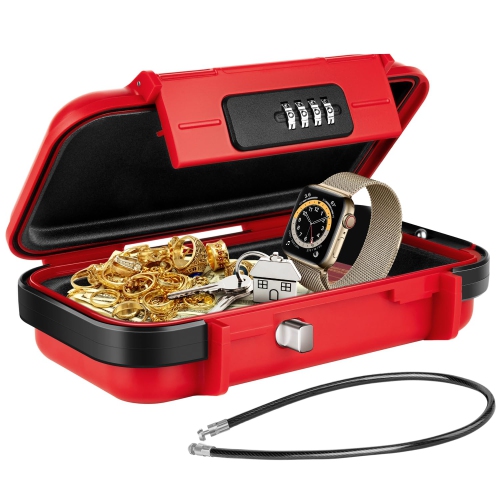
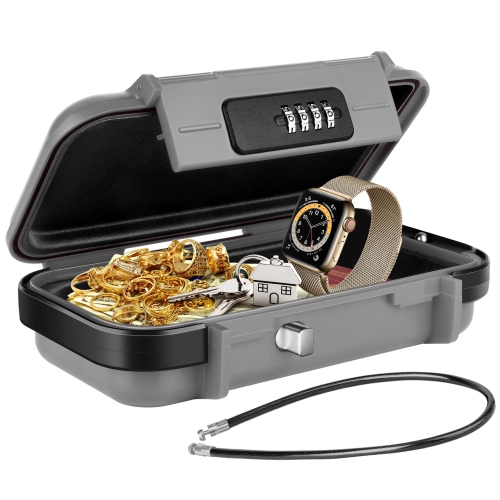
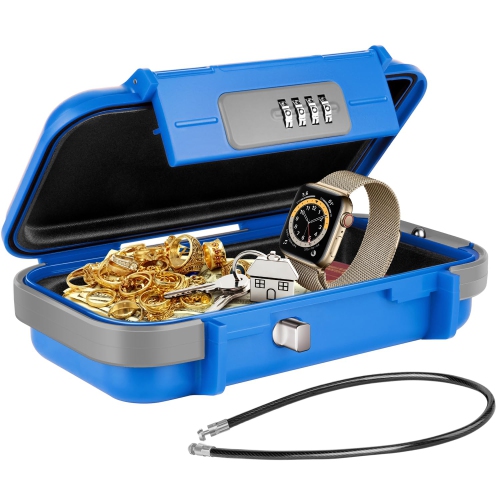
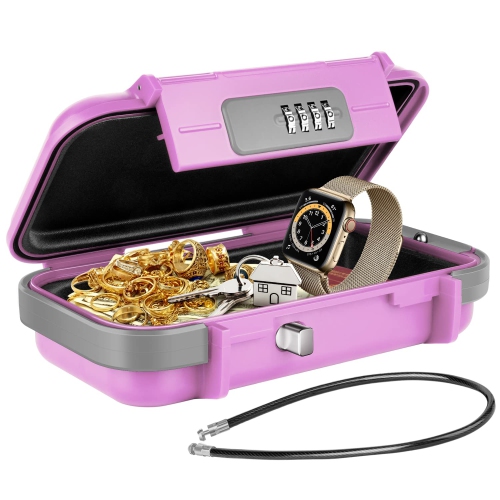
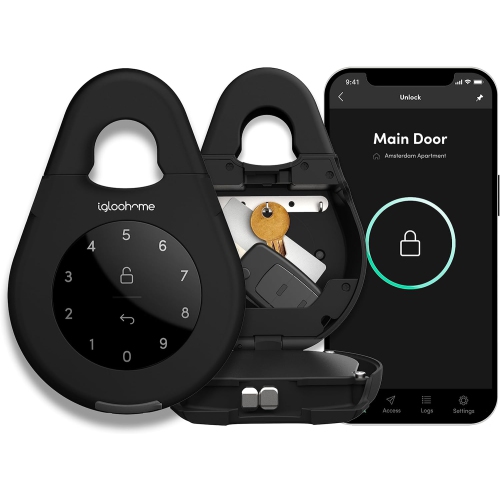
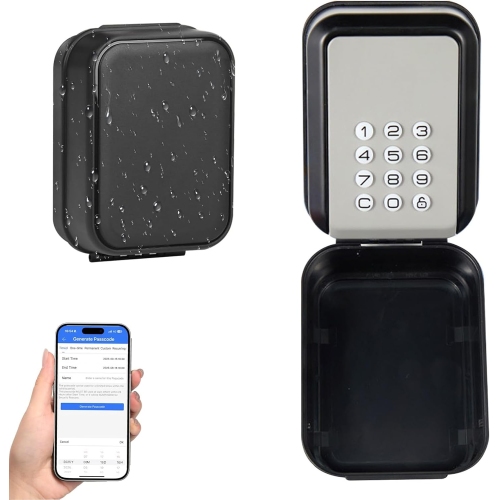
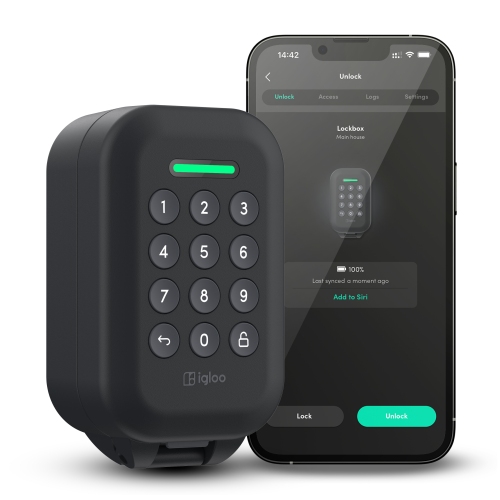
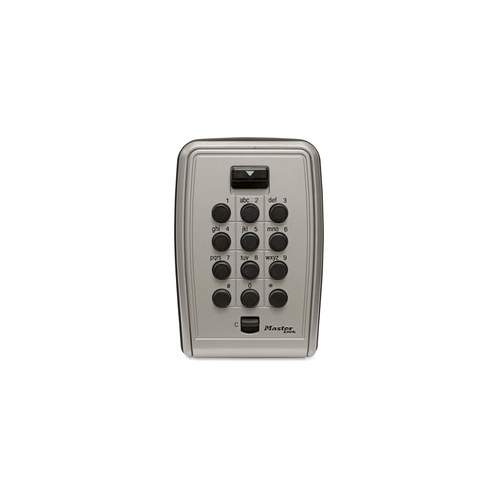
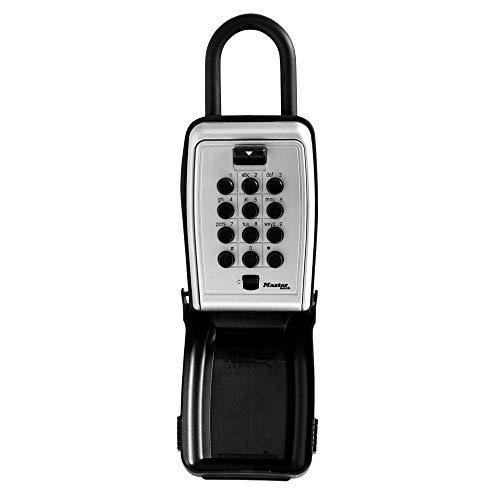
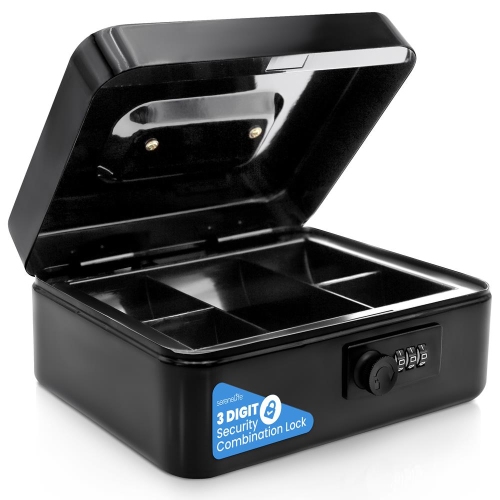
![WUHAN YUYOU Key Lock Box With Combination Lock for Storing House Keys – Hanging Style [Large, Pvc Material] (Gray – 1-Pack)](https://multimedia.bbycastatic.ca/multimedia/products/500x500/202/20212/20212187.jpeg)
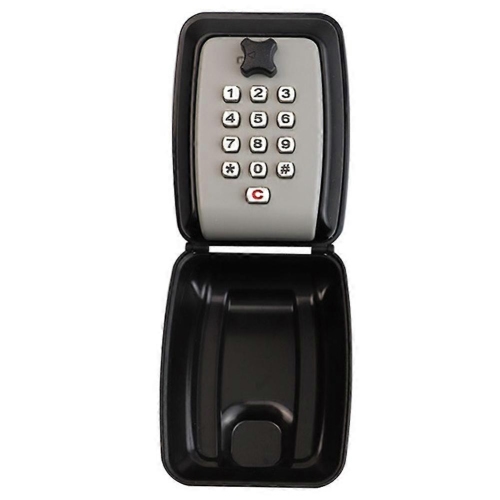
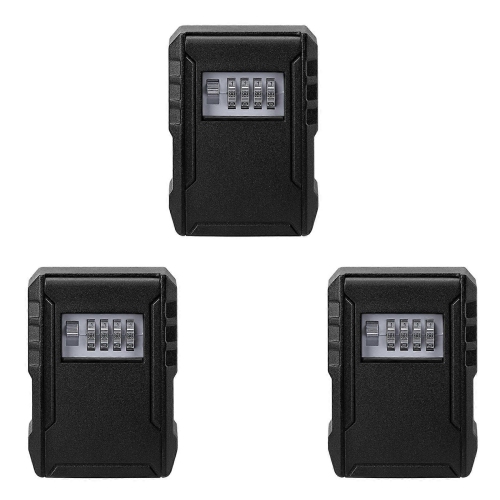
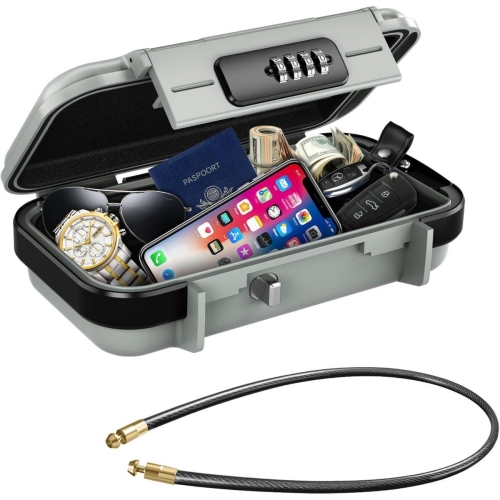
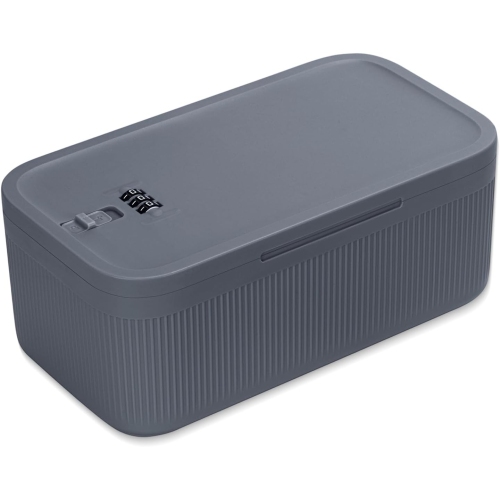
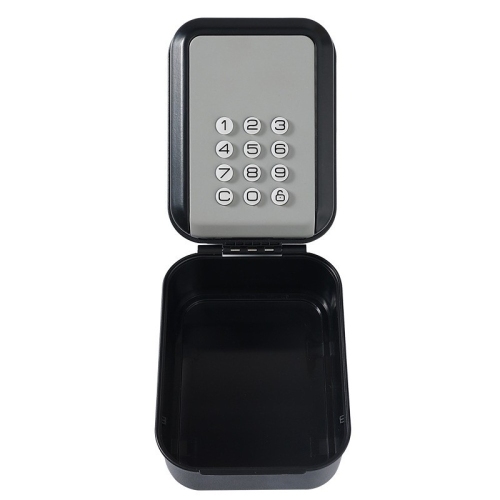
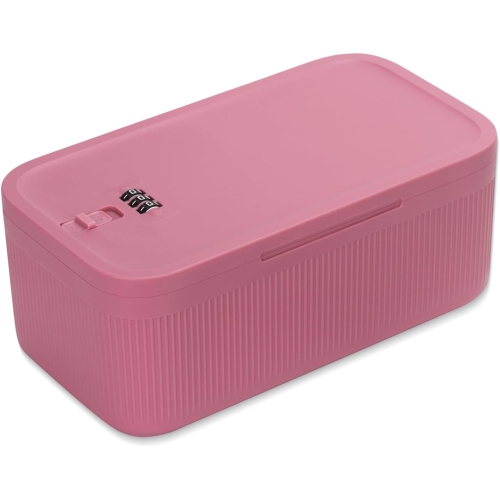
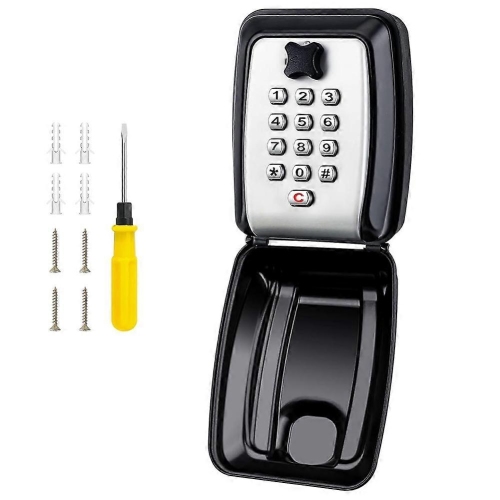
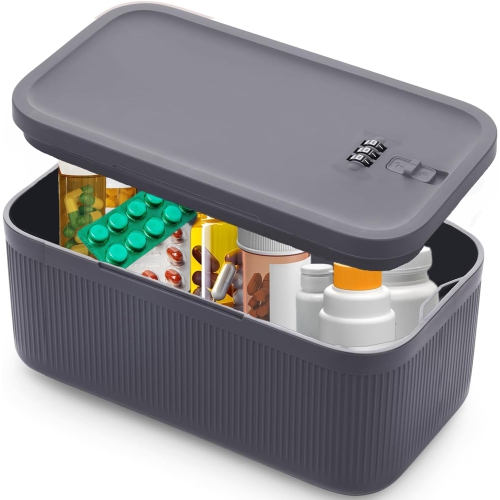
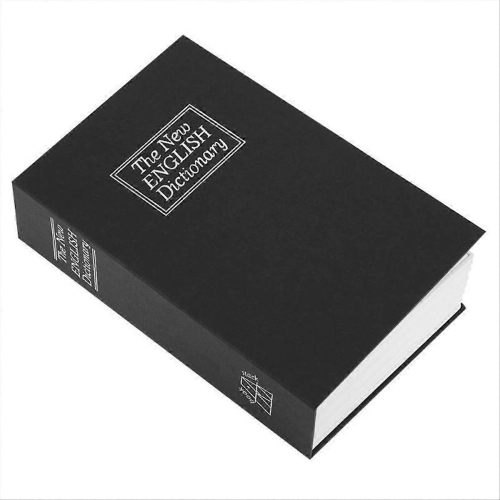
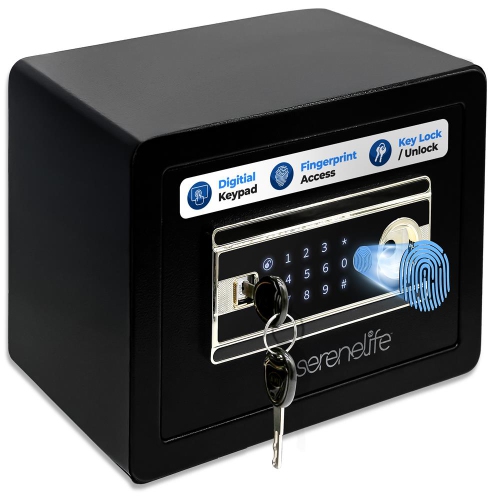
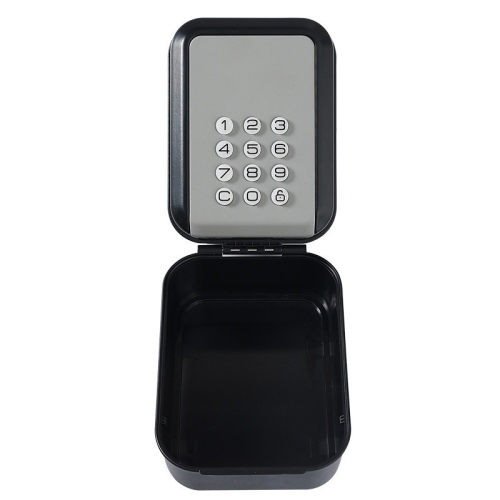
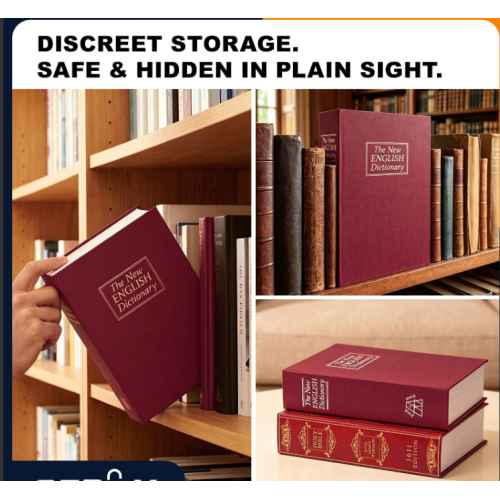
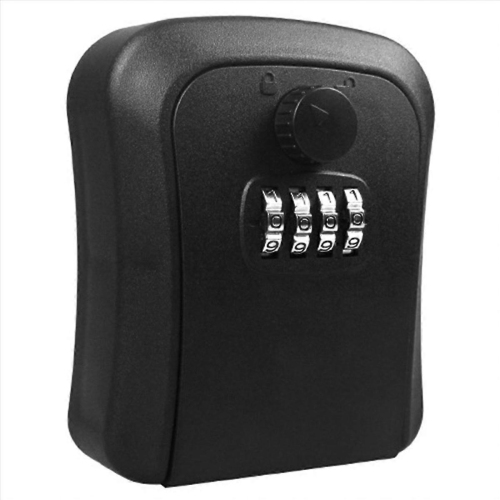
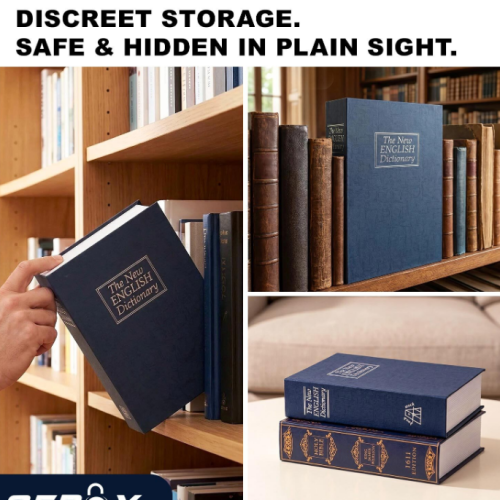
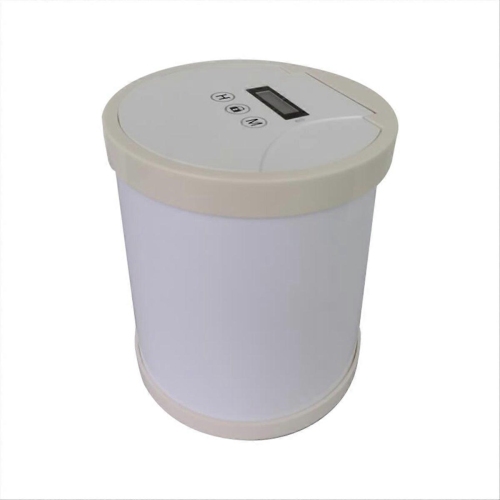
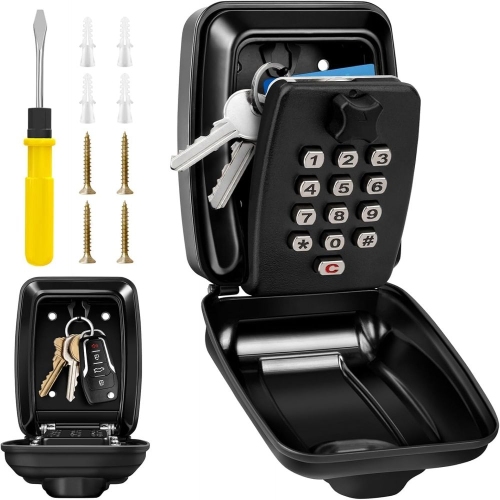
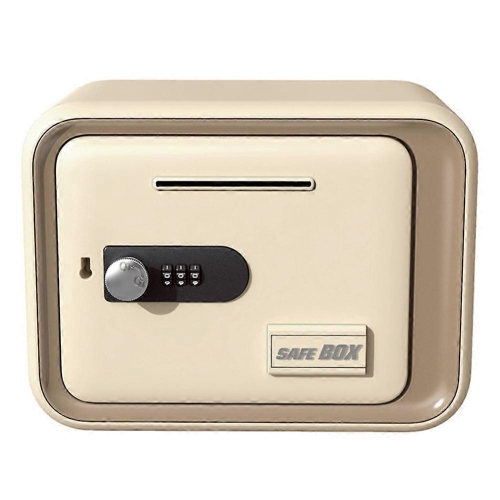
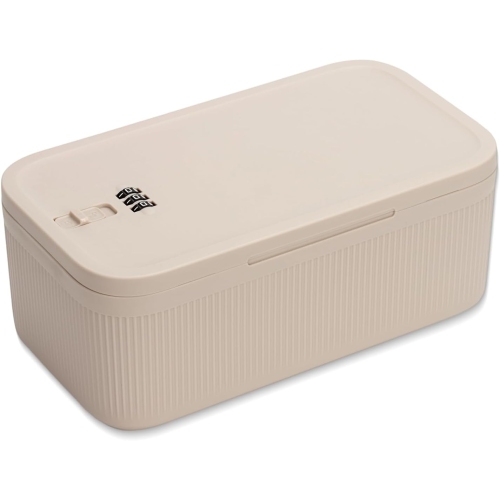
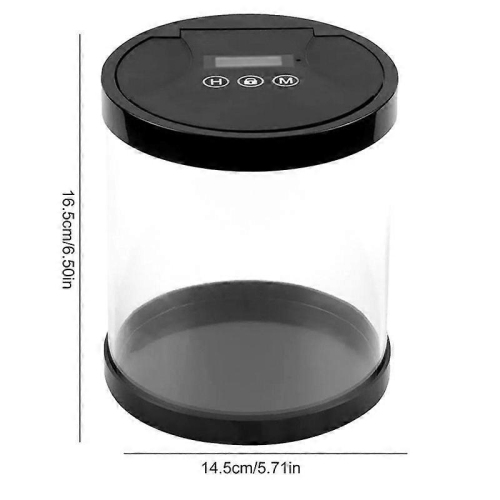
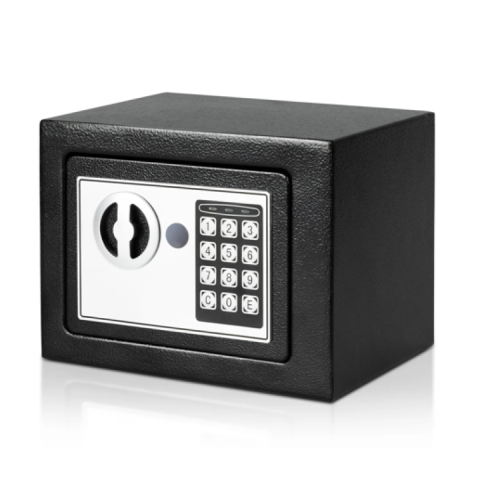
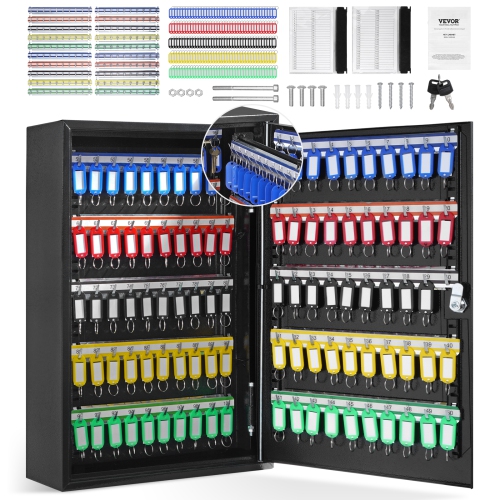
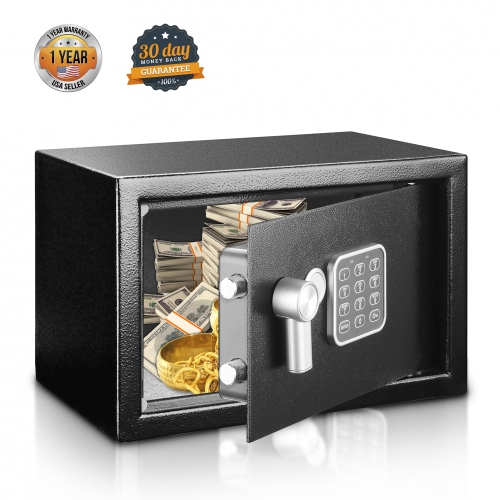
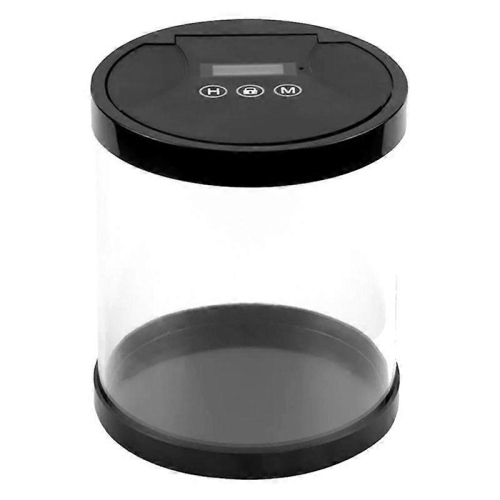
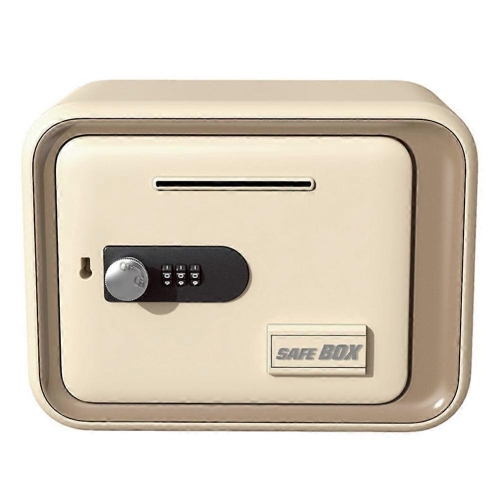
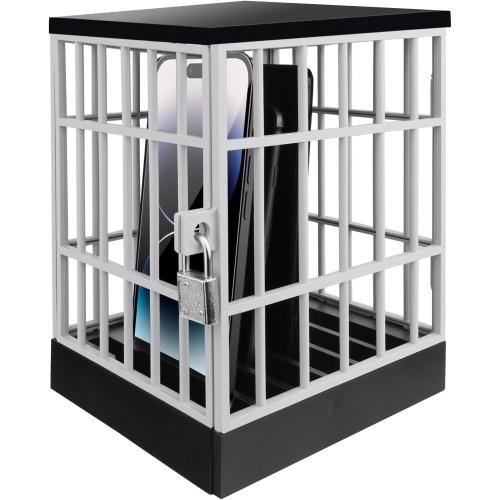
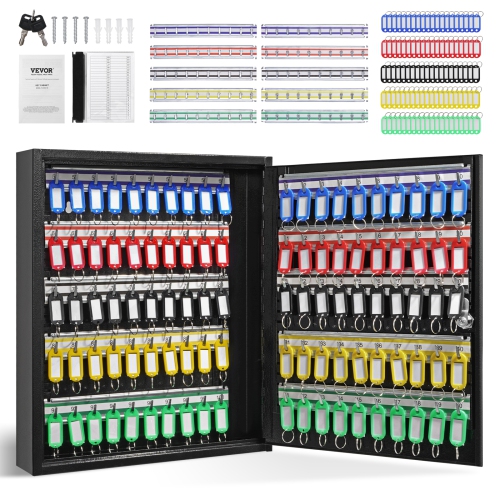
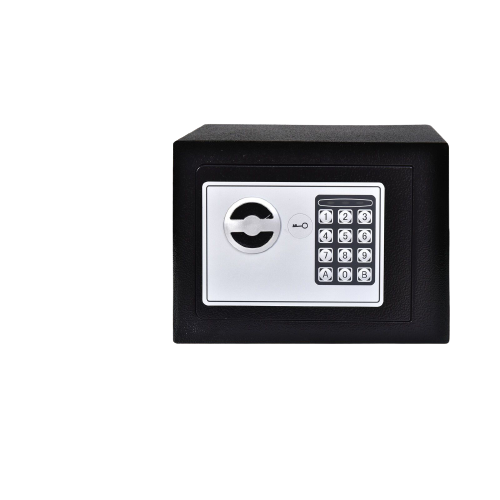
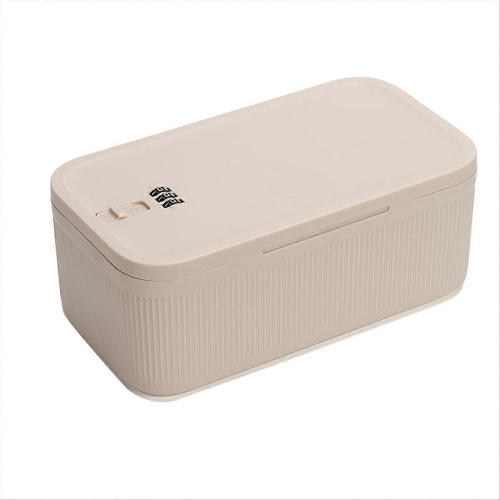
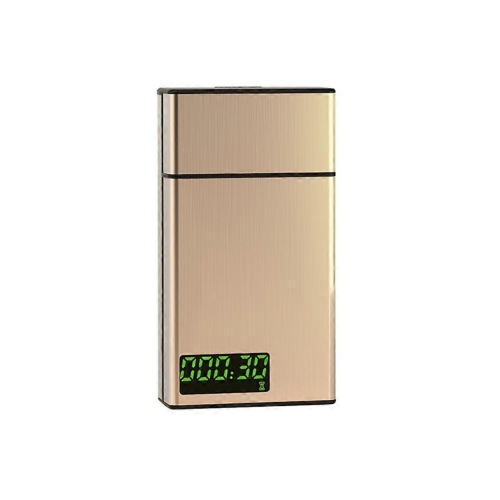
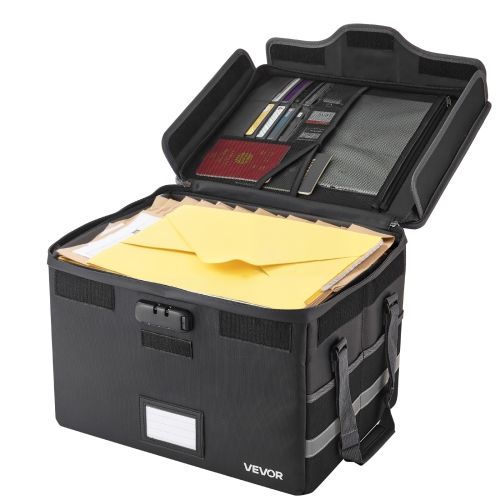
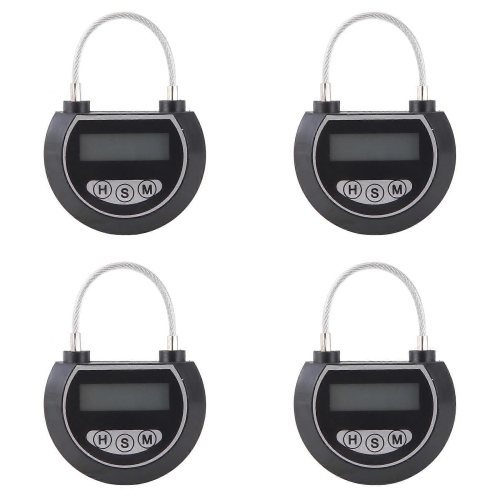
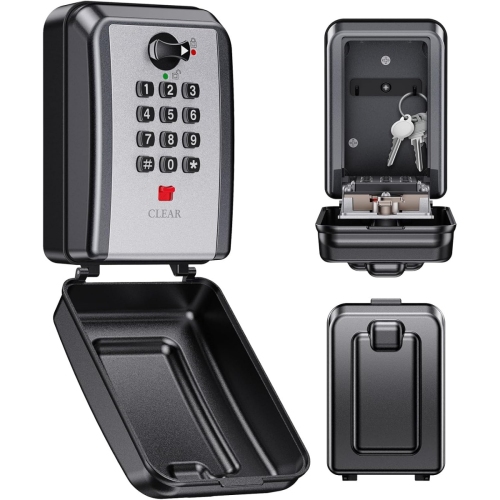
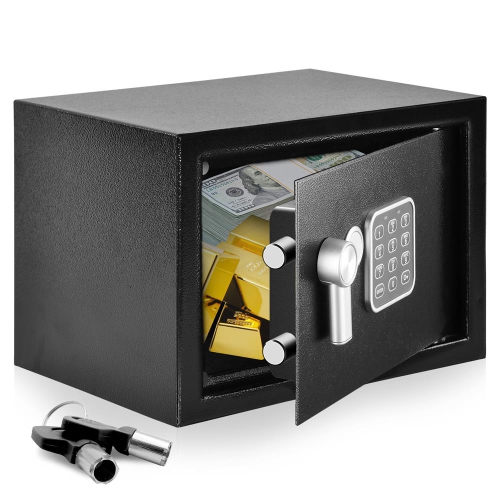
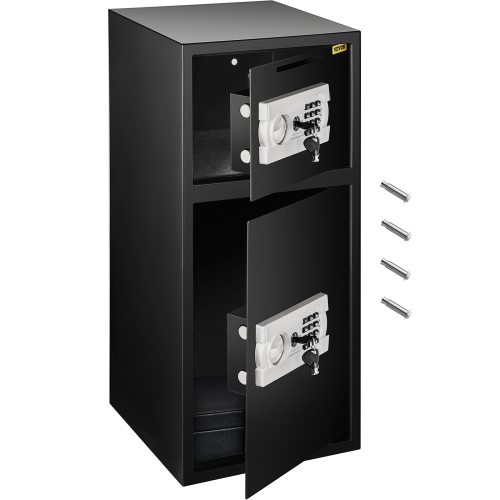
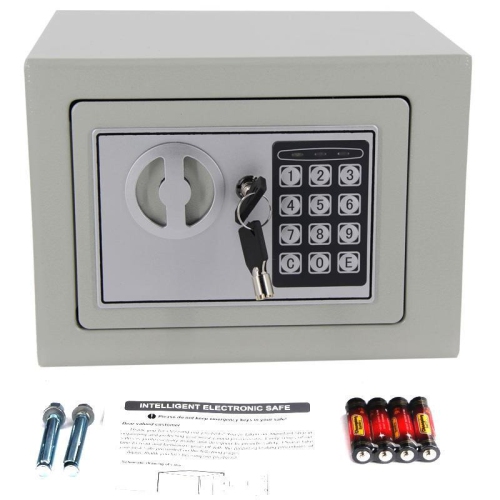
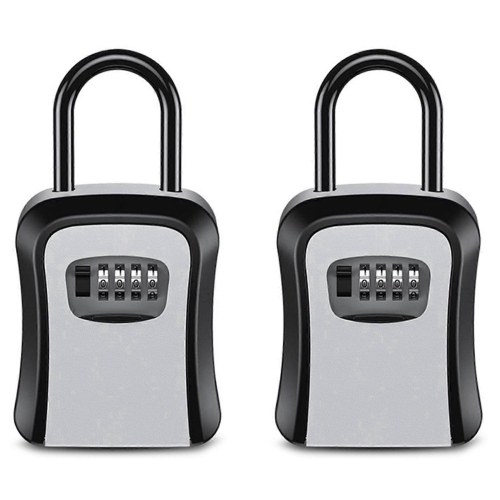
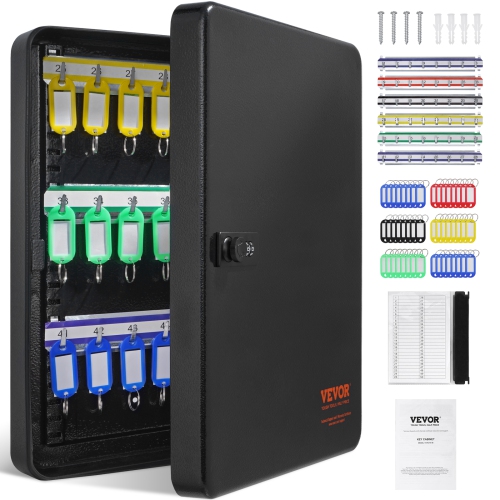
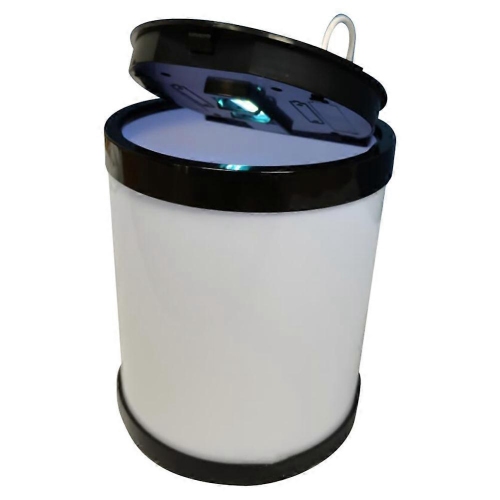
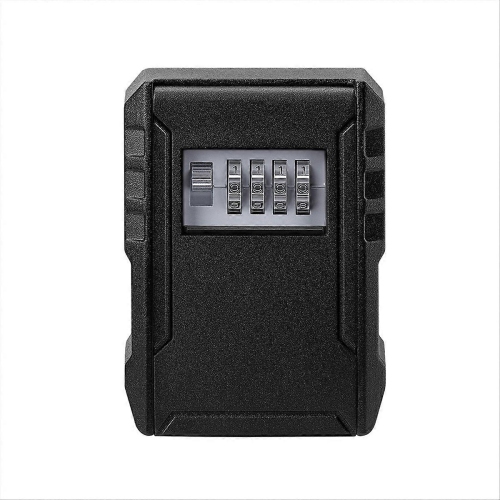
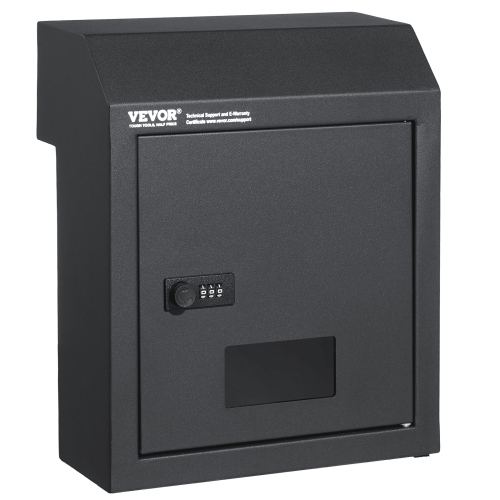
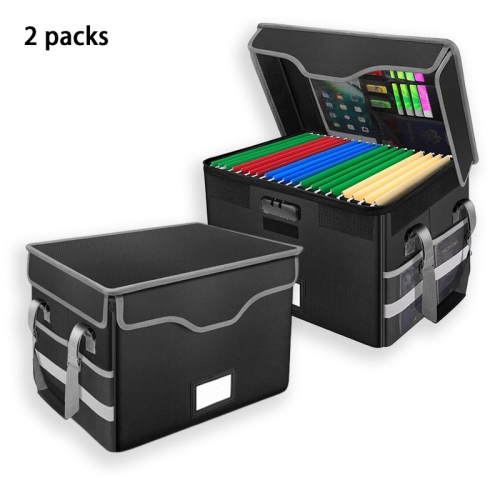
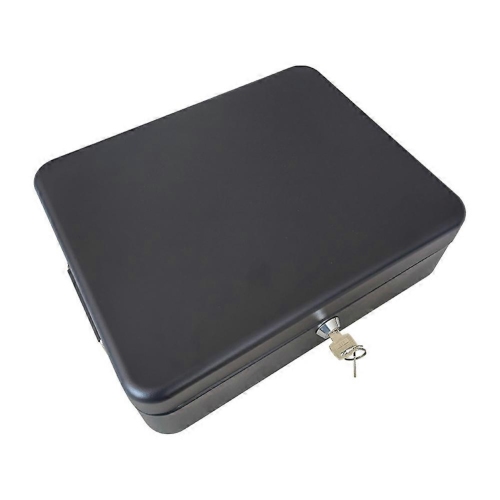
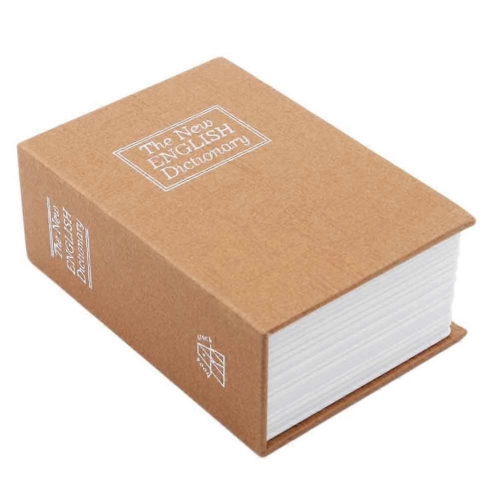
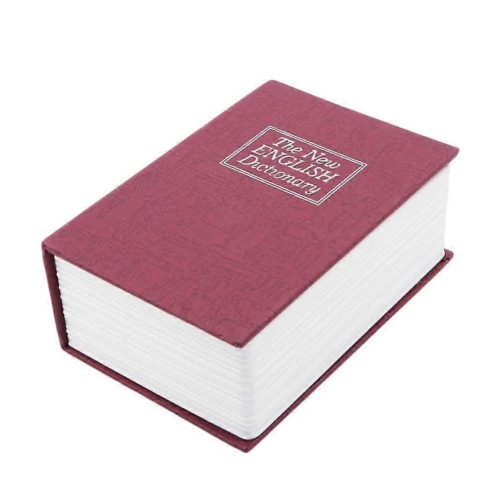
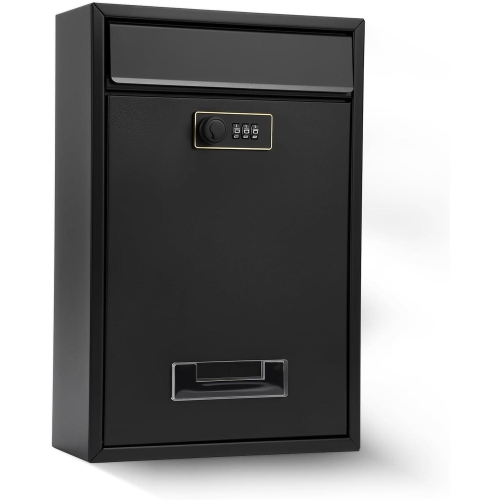
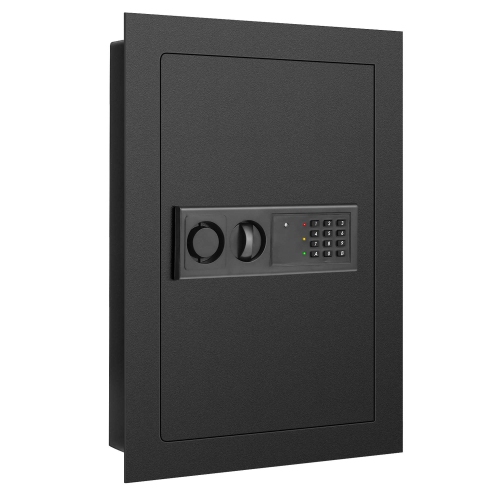
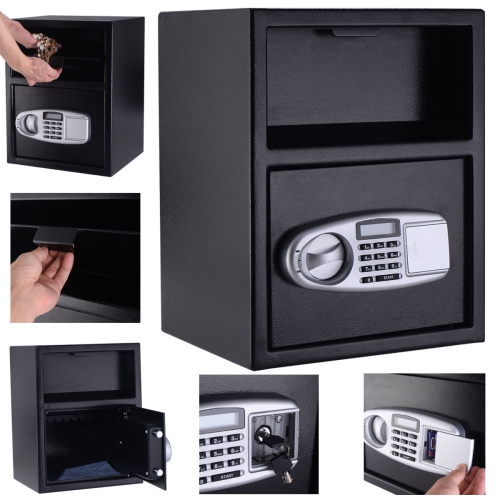
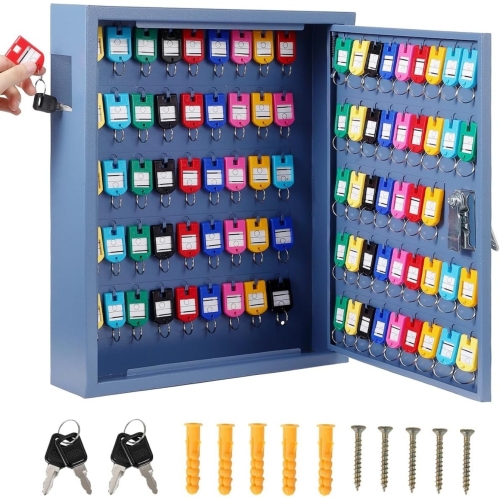
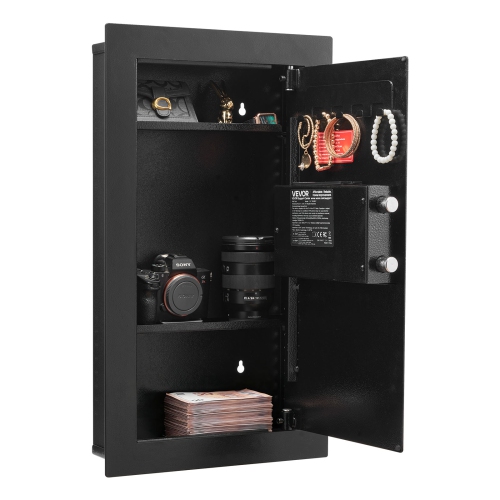
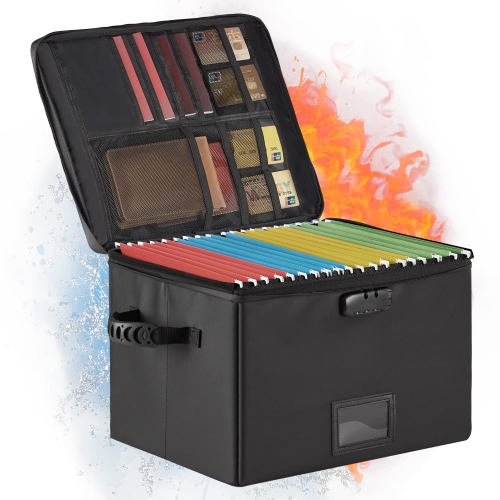
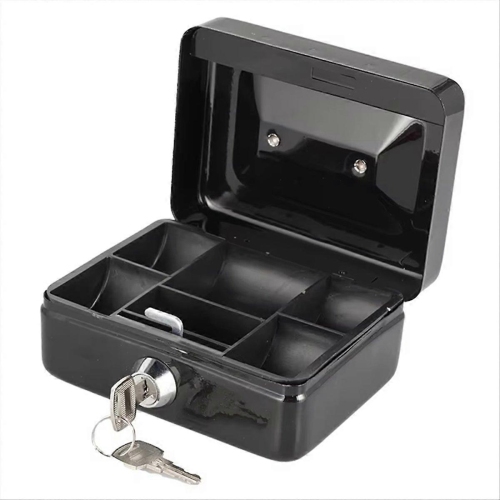
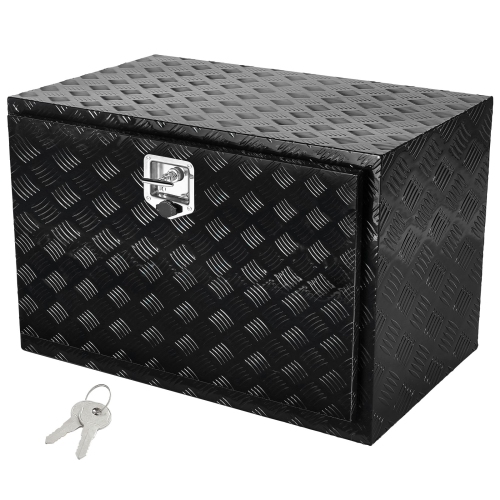
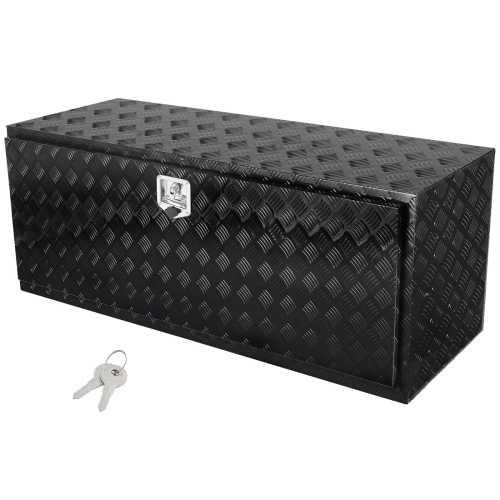
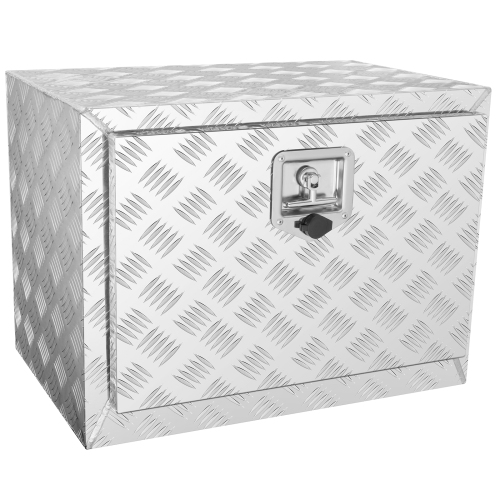
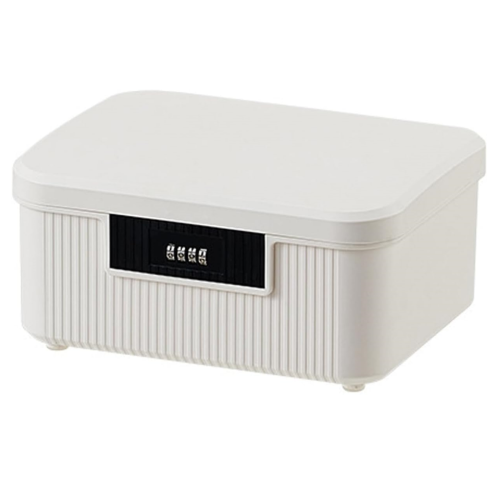
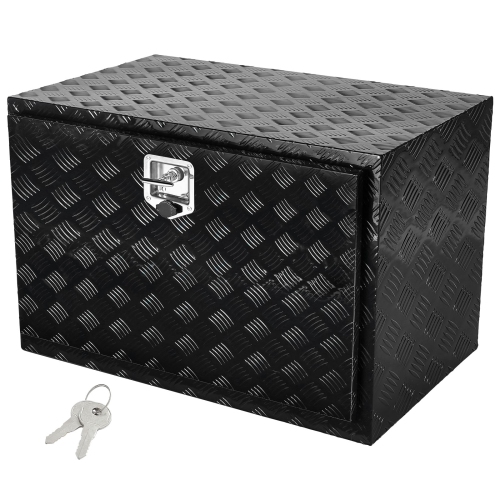
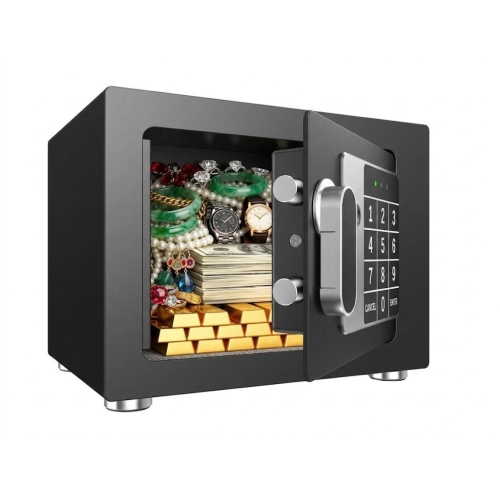
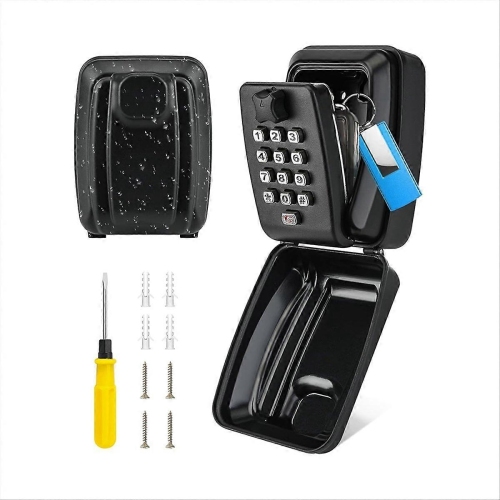
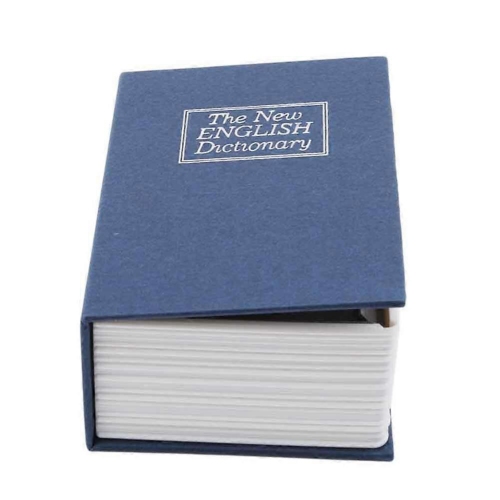
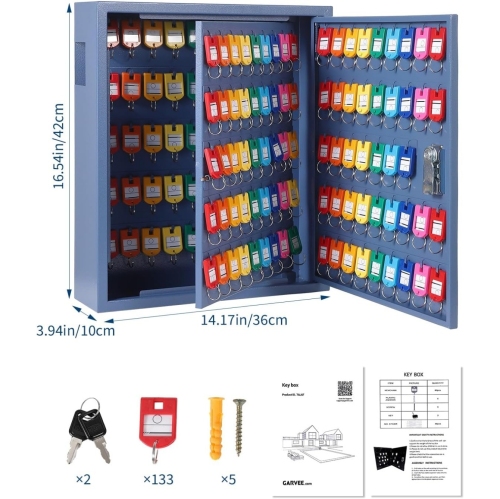
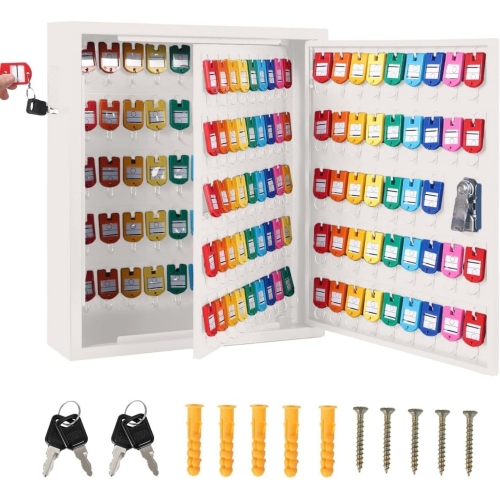
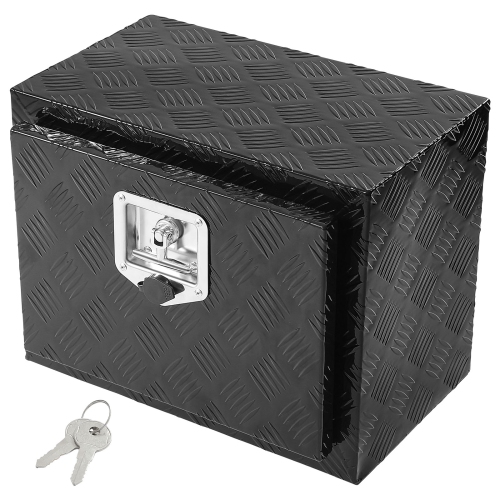

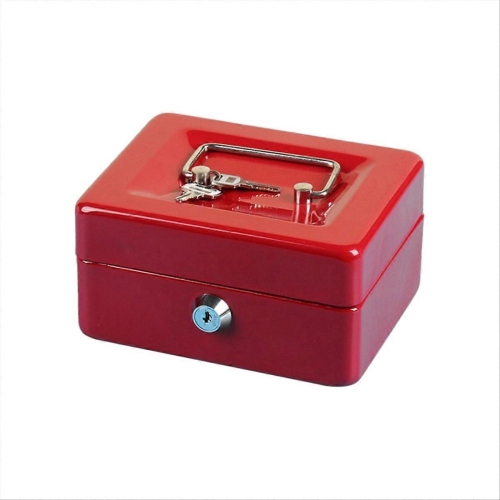
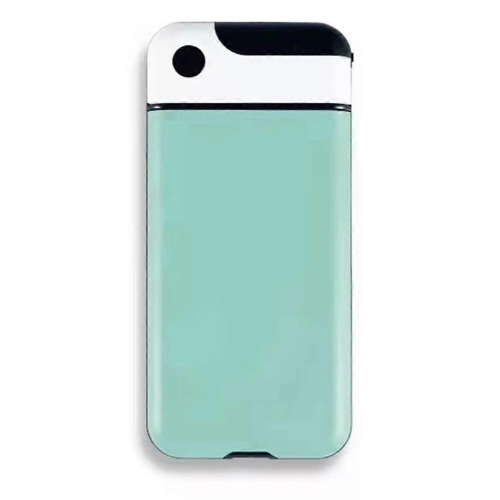
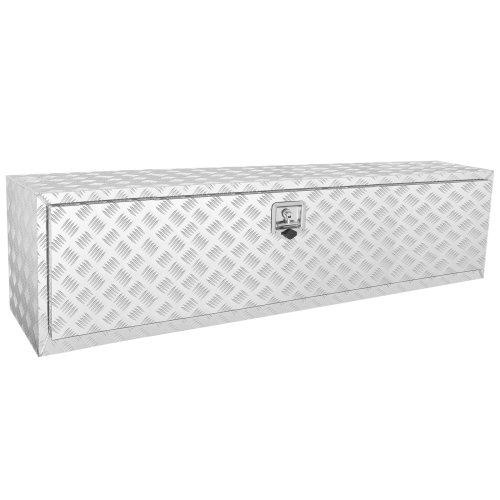
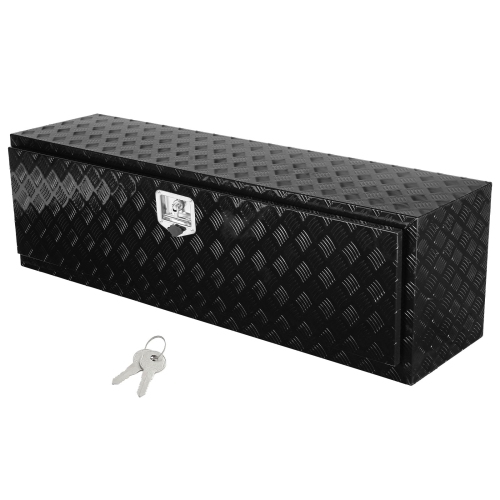
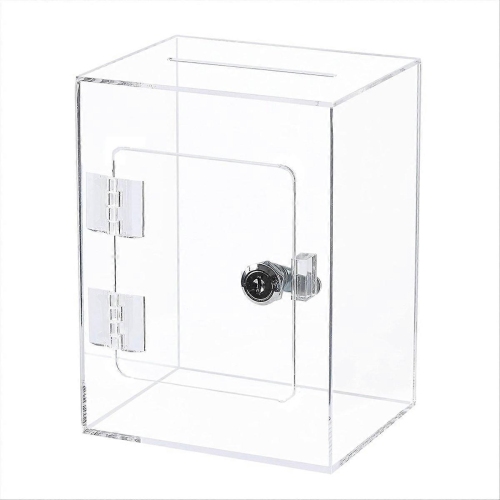
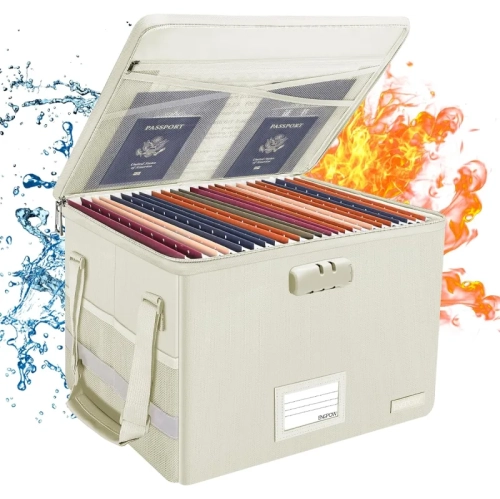
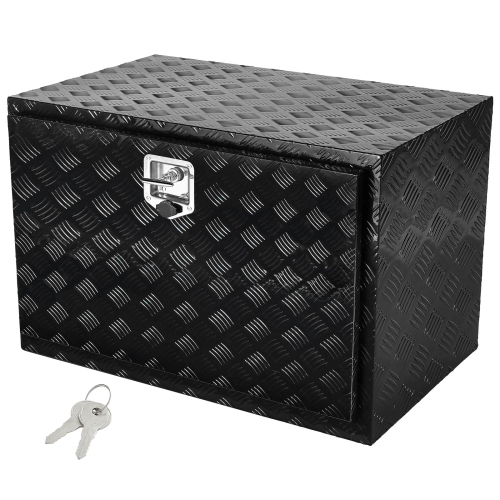
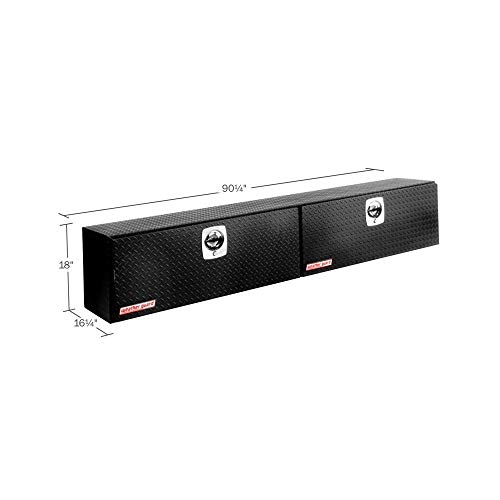
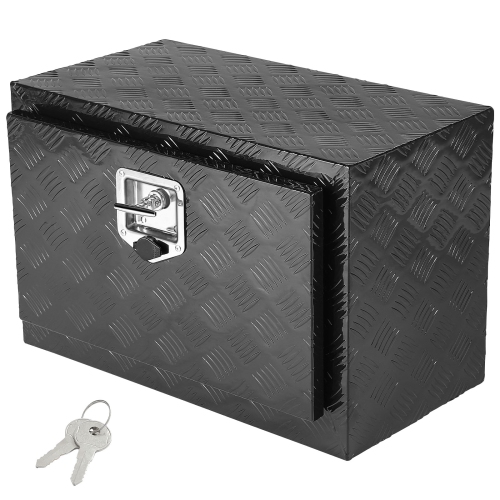
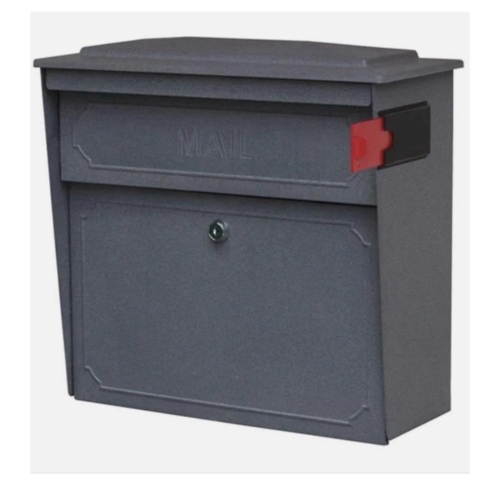
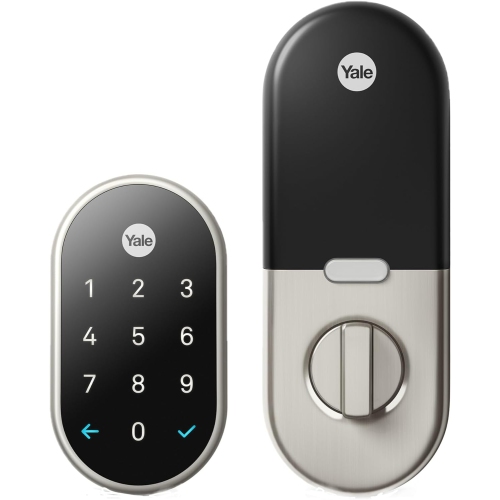
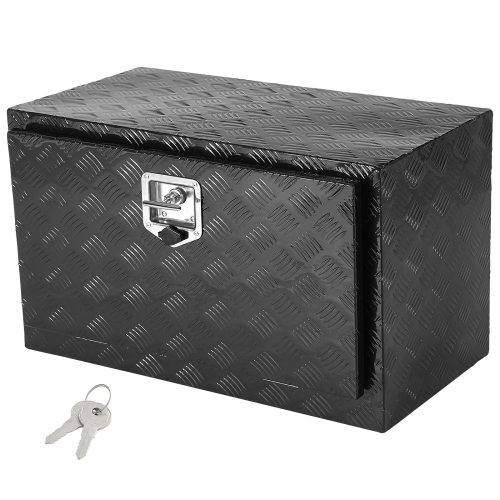
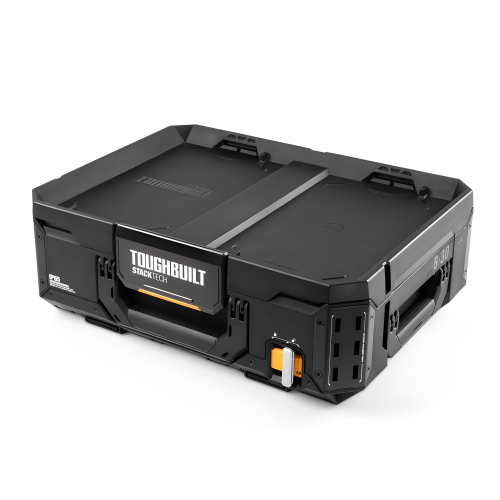
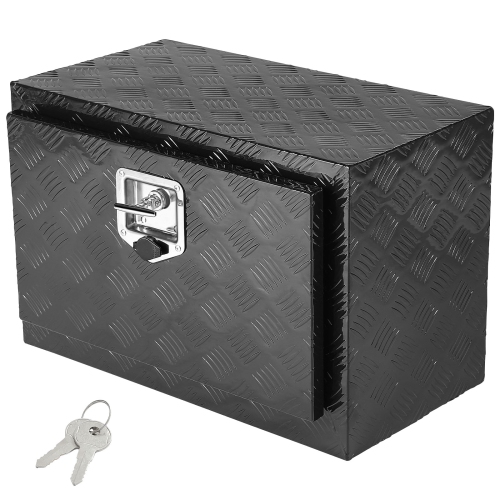
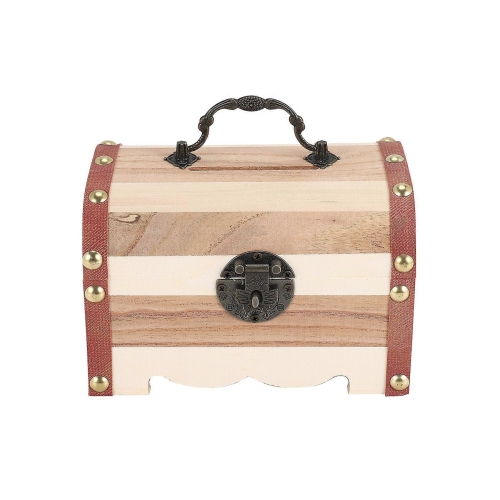
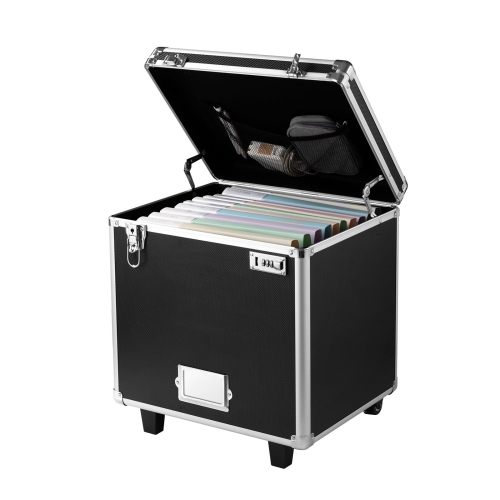
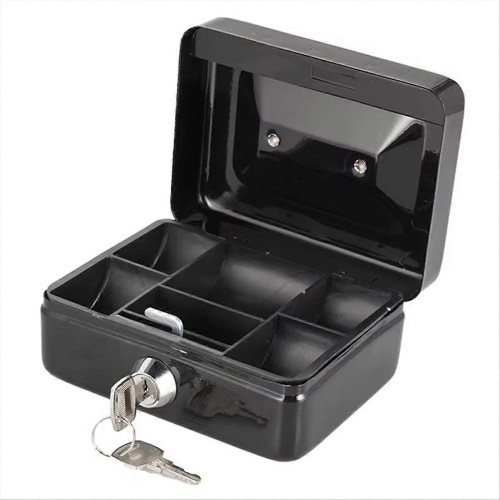
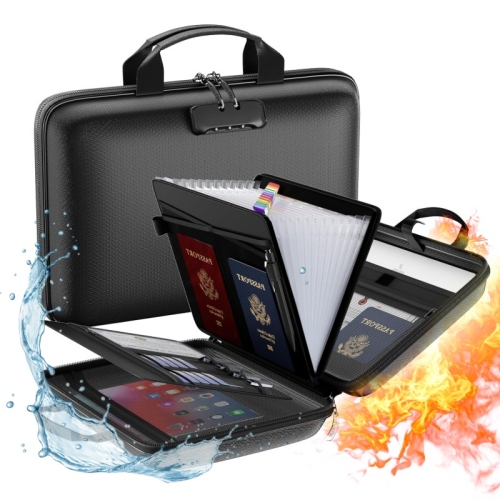
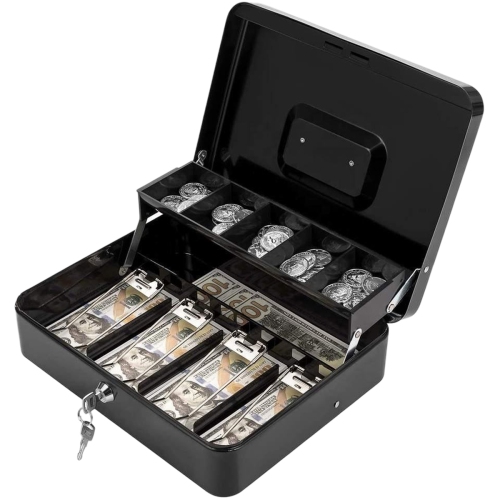
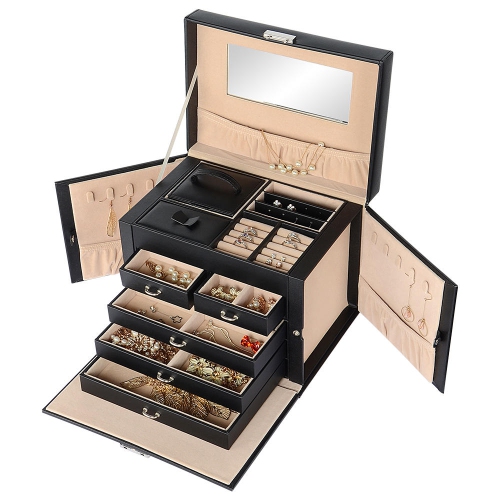
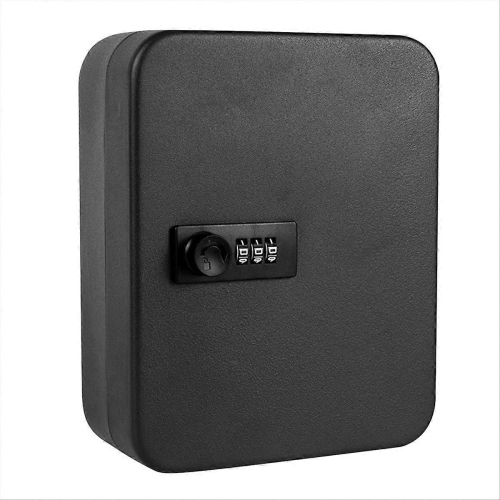
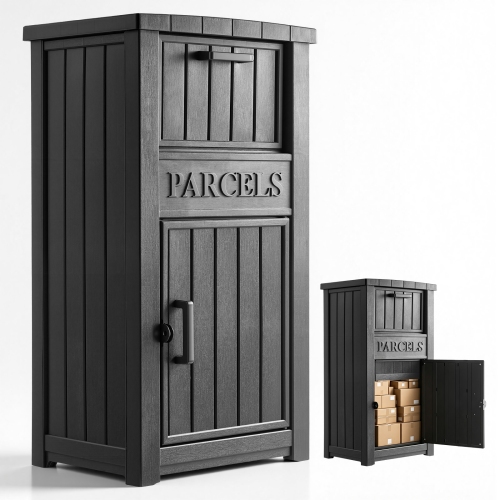
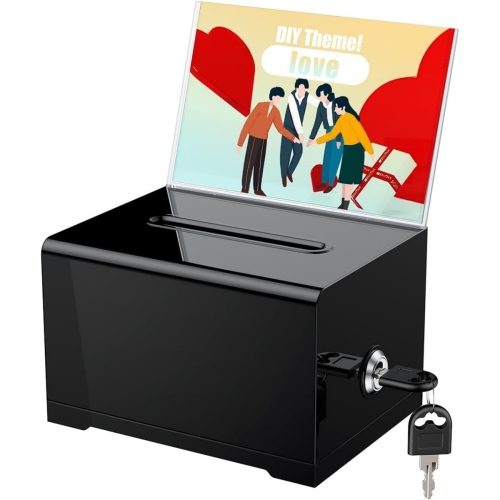
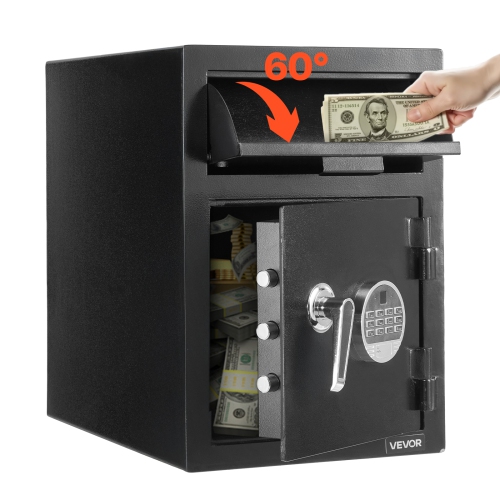
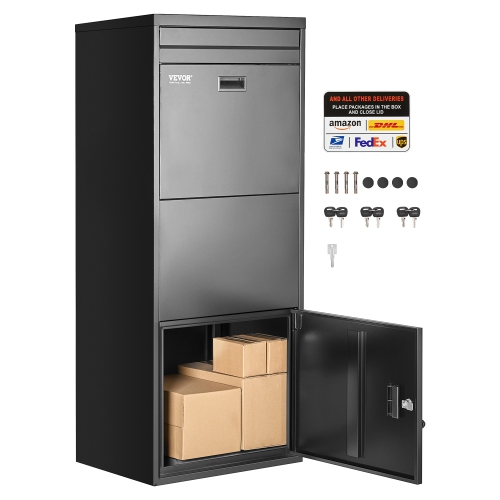
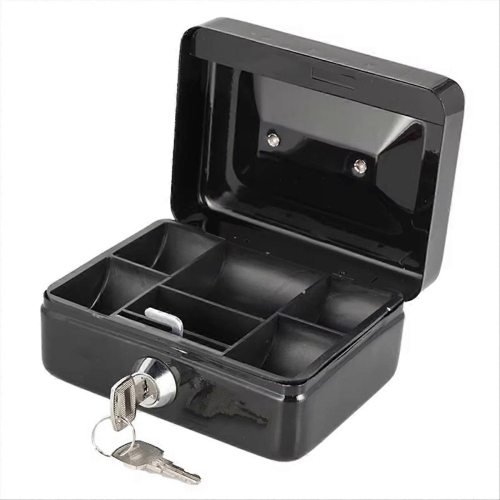
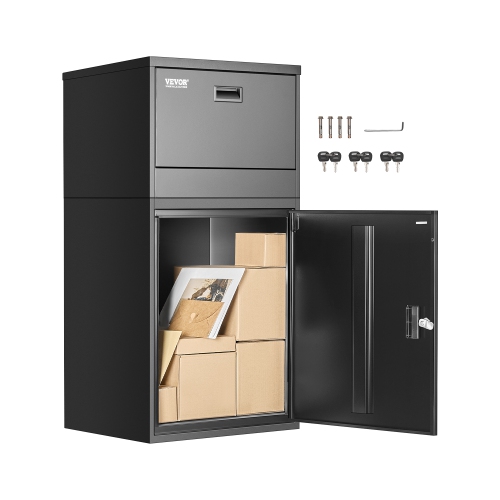
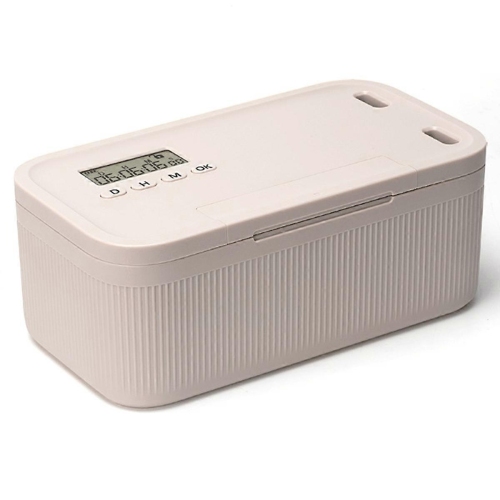
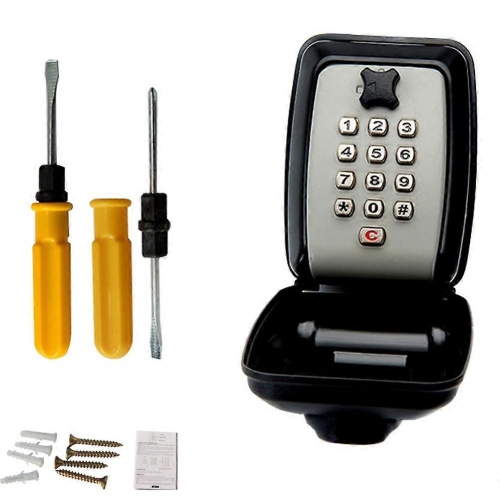
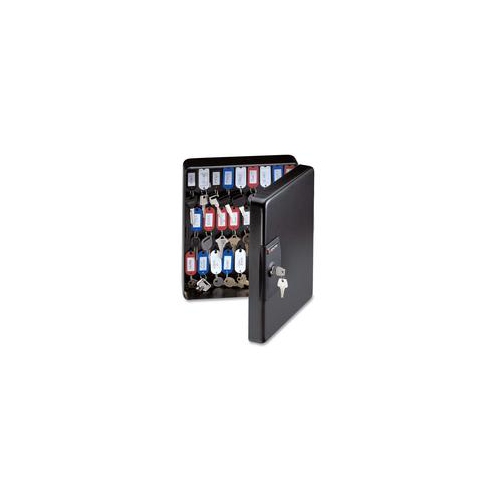
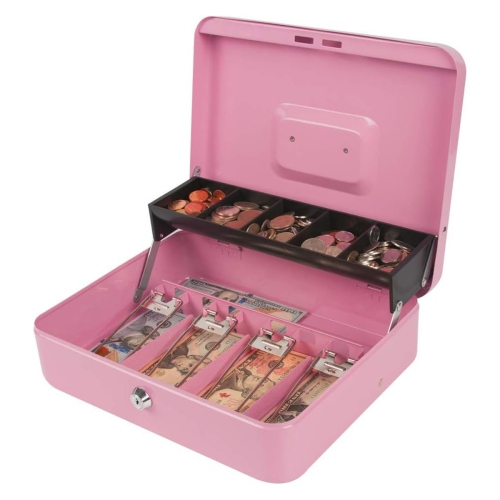
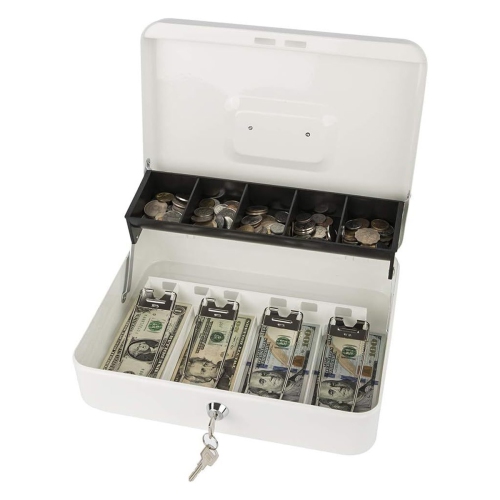
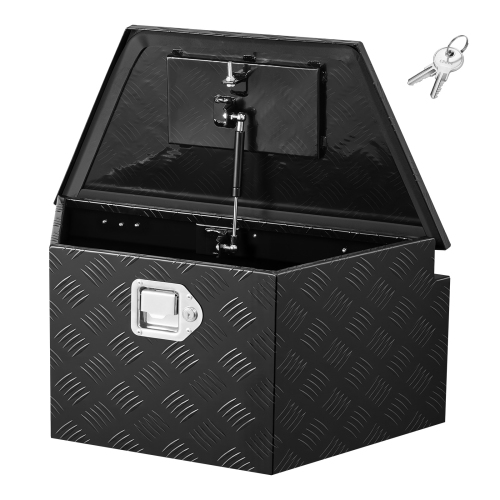
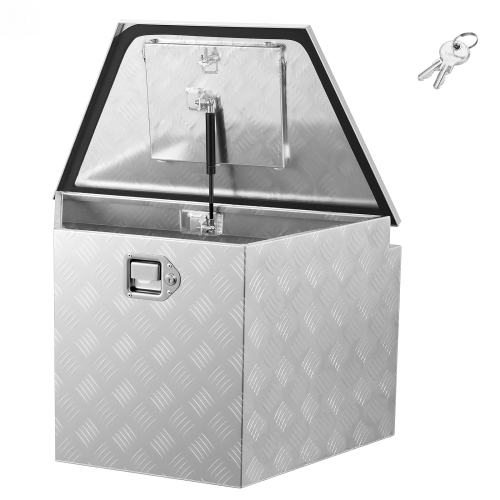
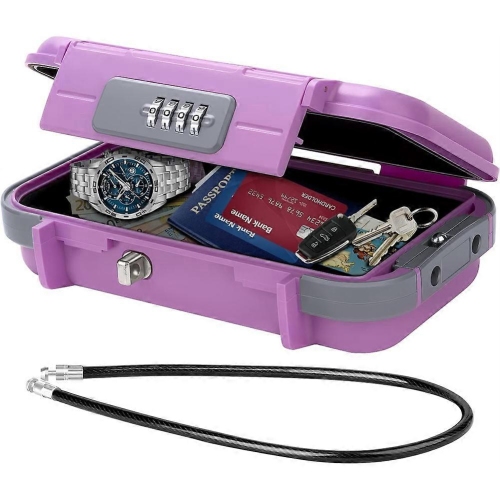
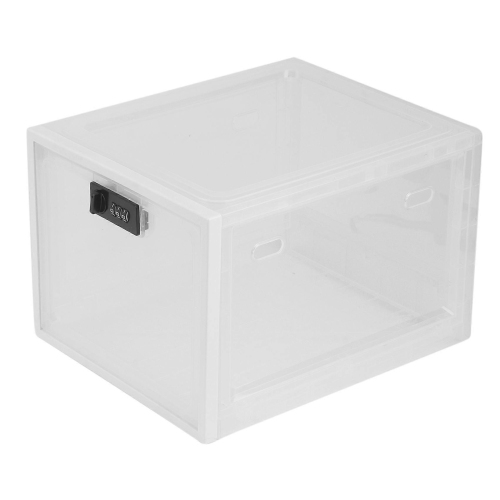
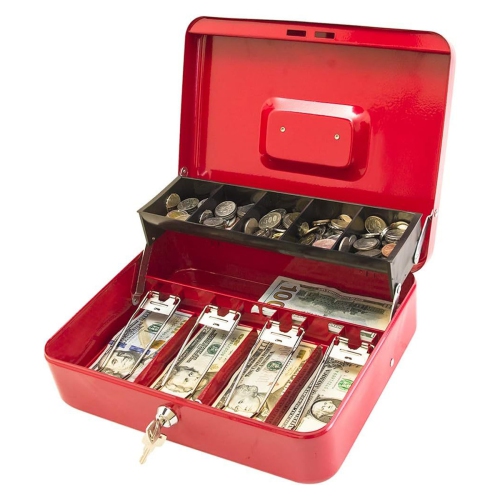
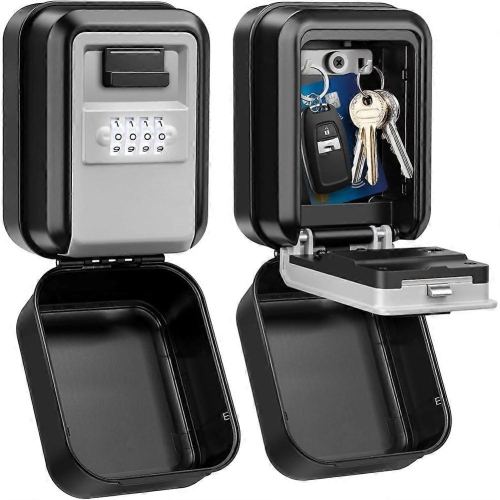
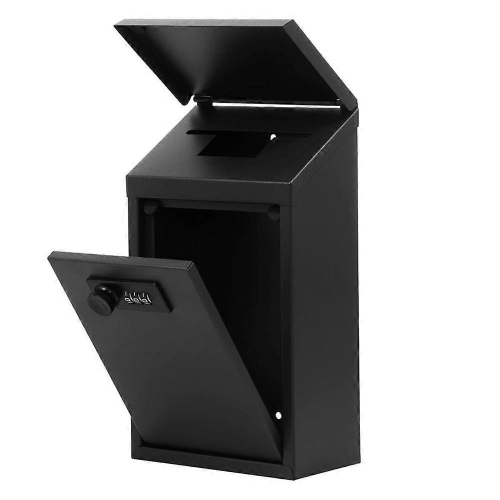
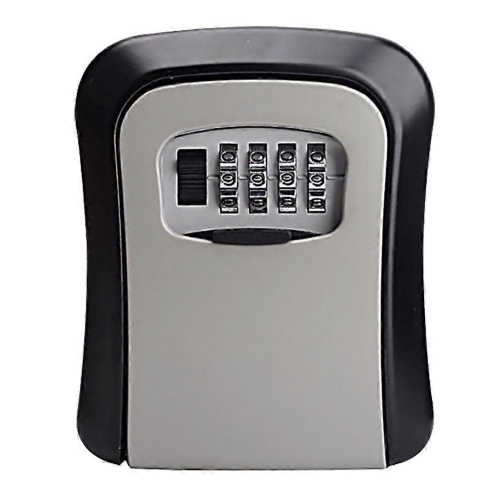
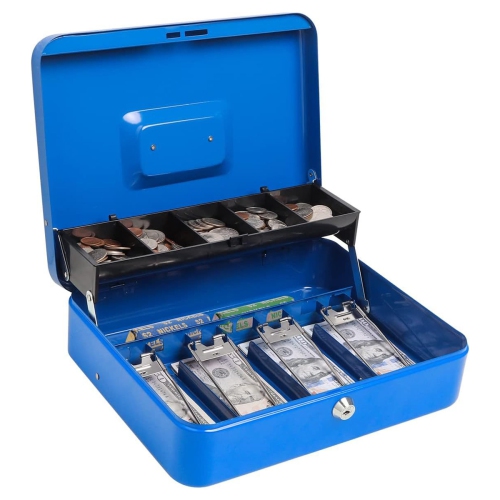
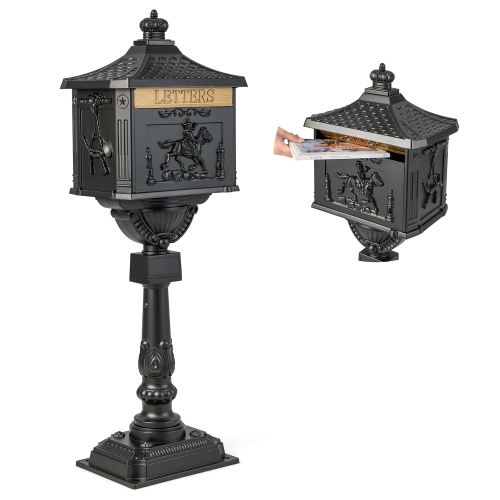
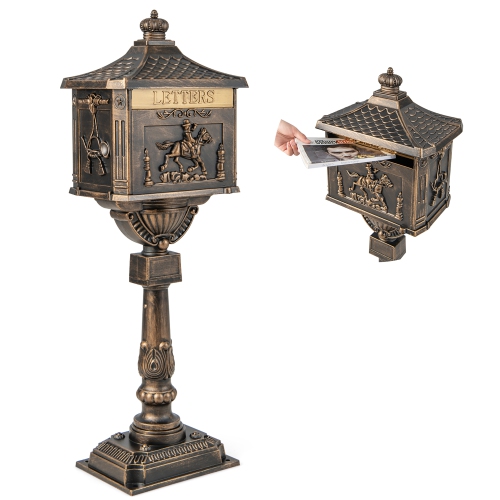
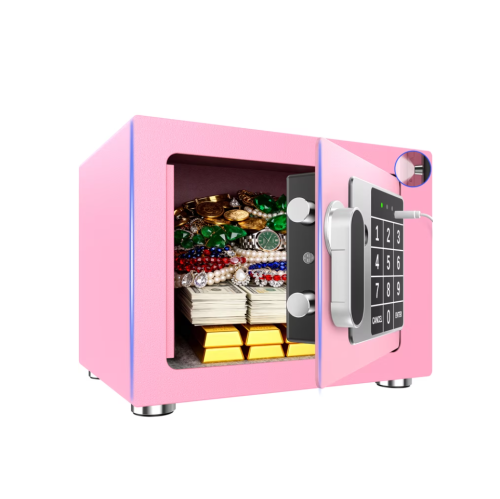
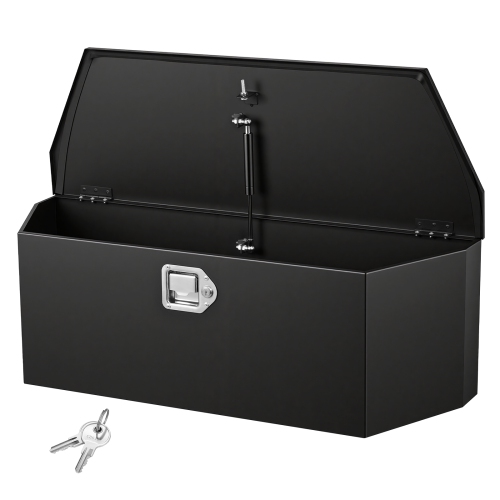
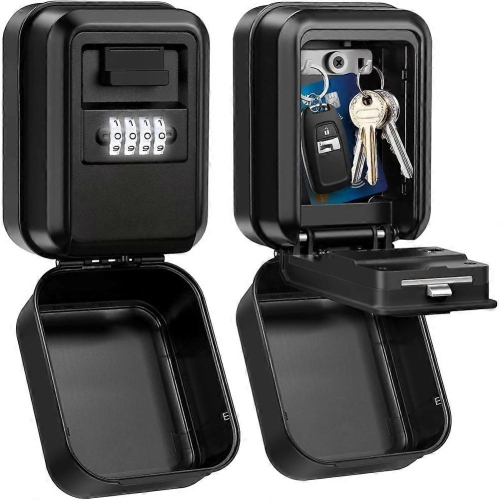
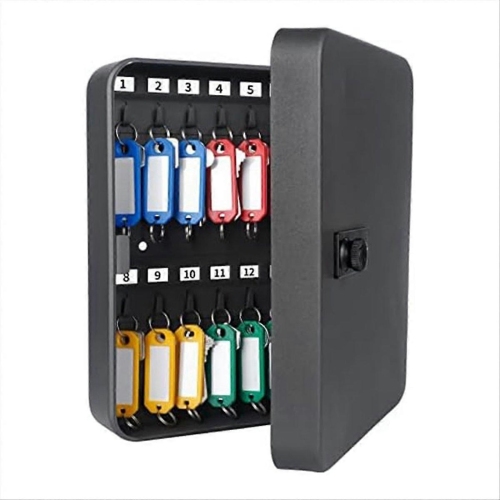
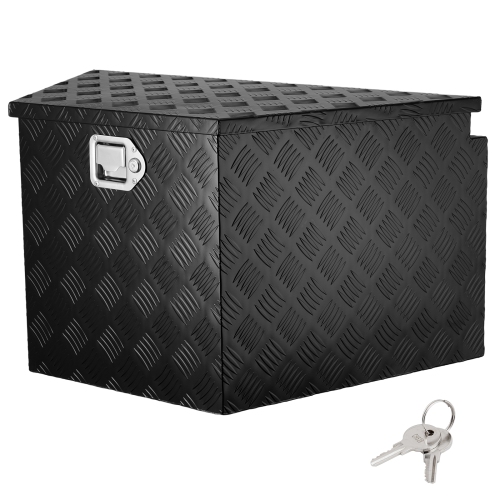
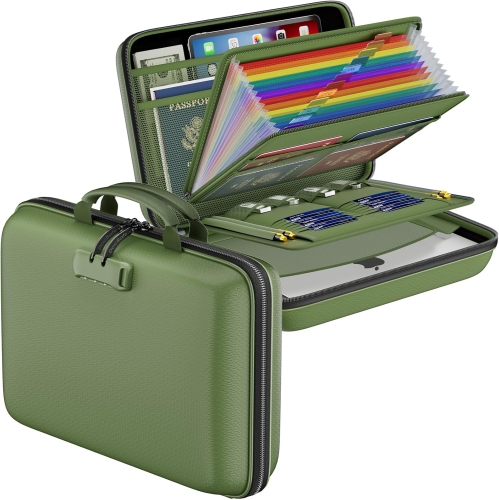
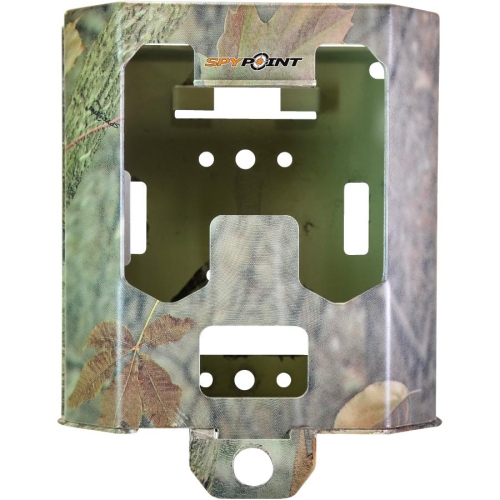
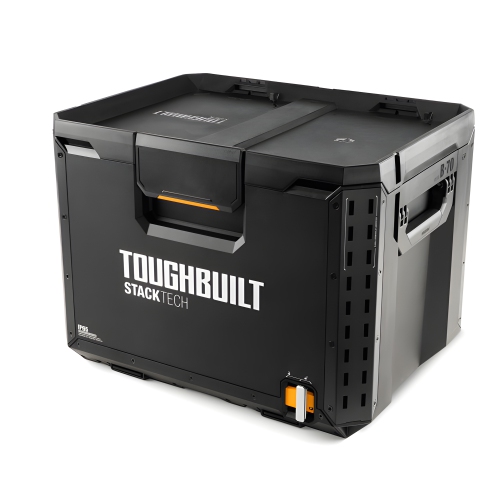
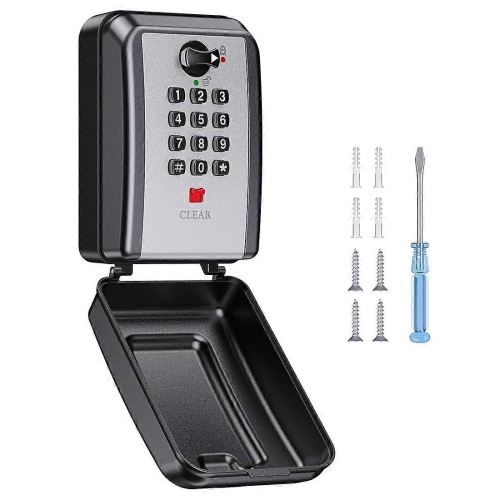
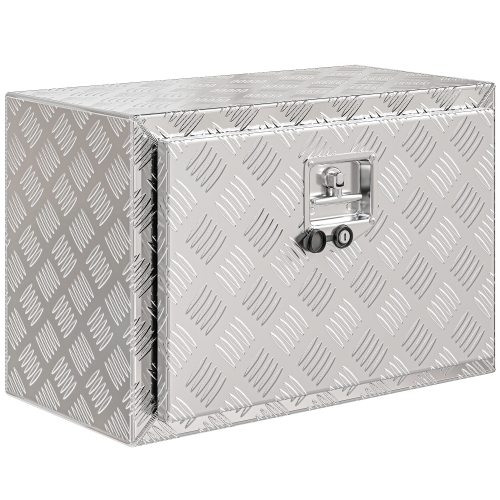
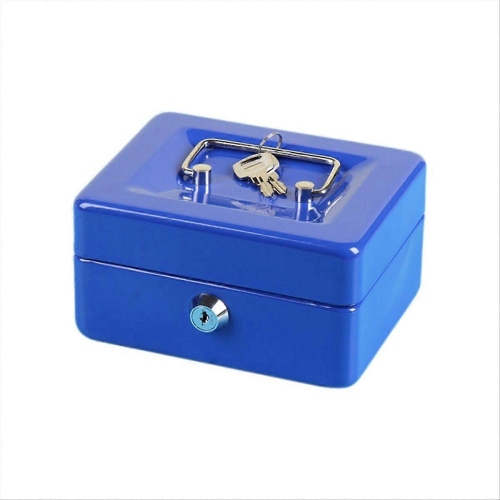
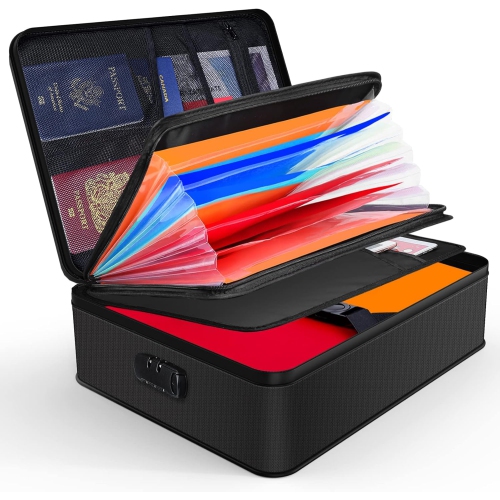
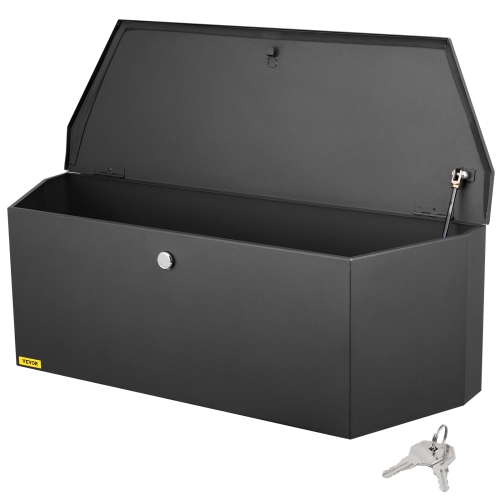
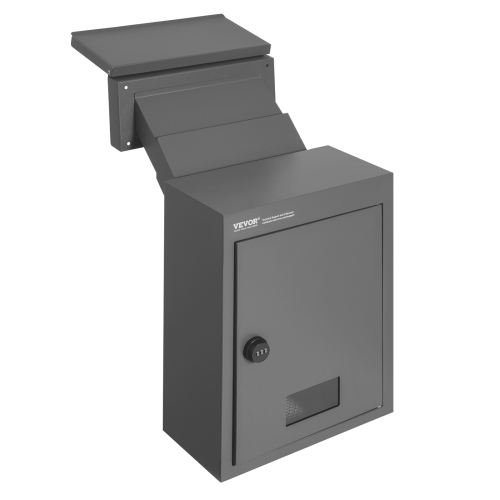
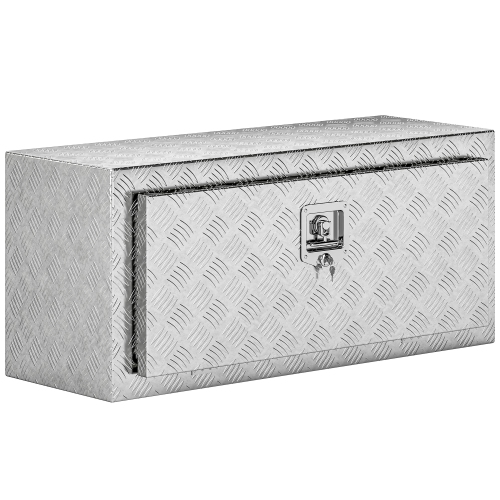
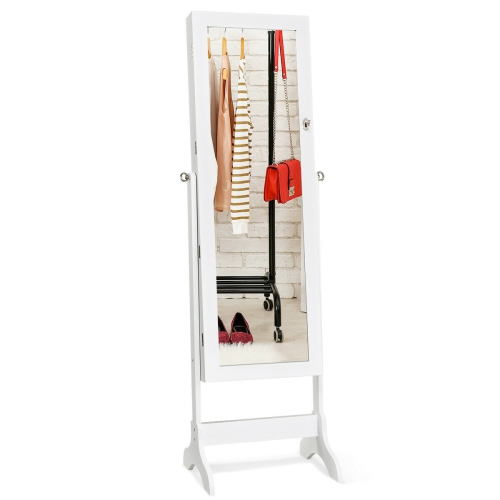

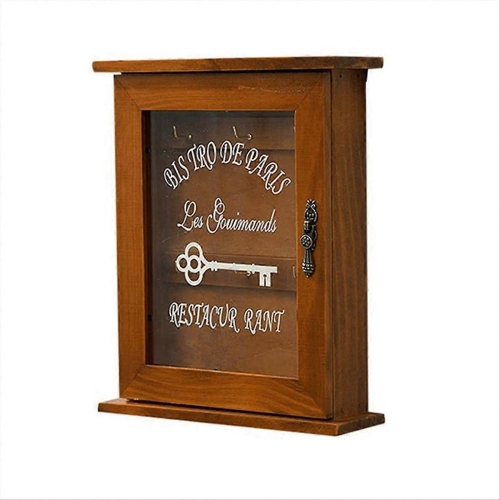


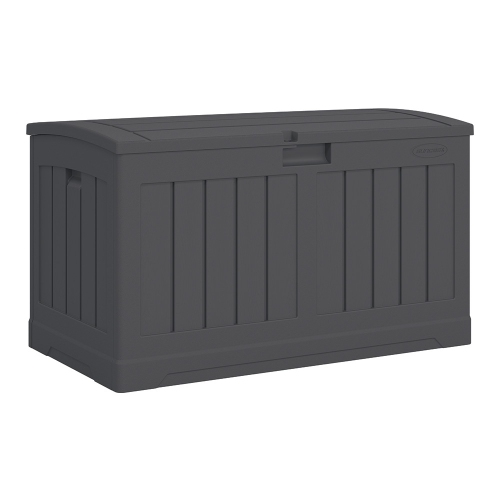
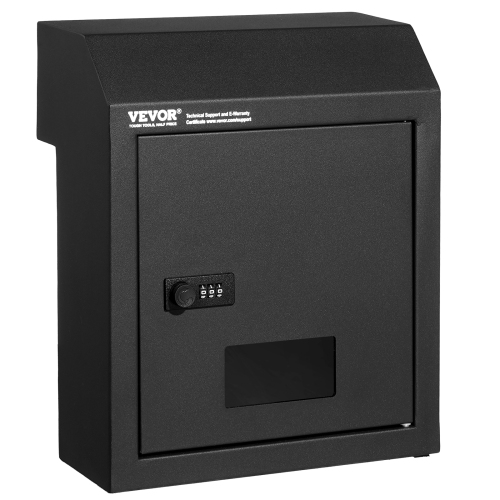
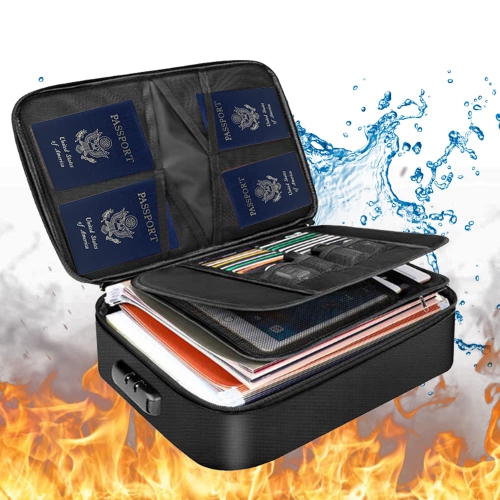
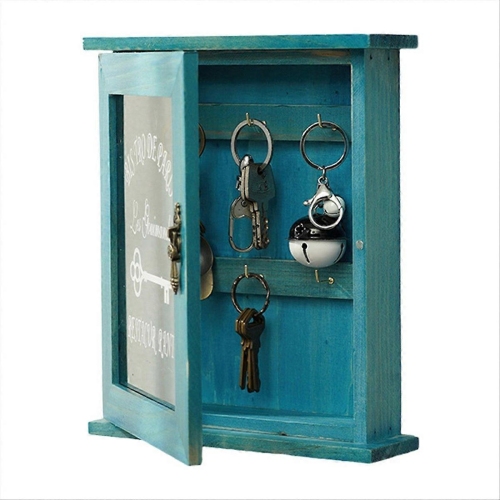
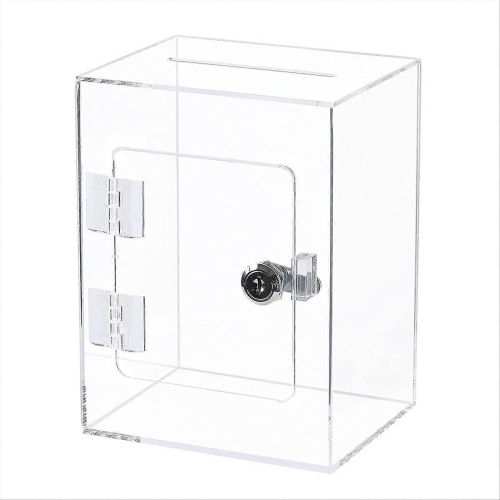

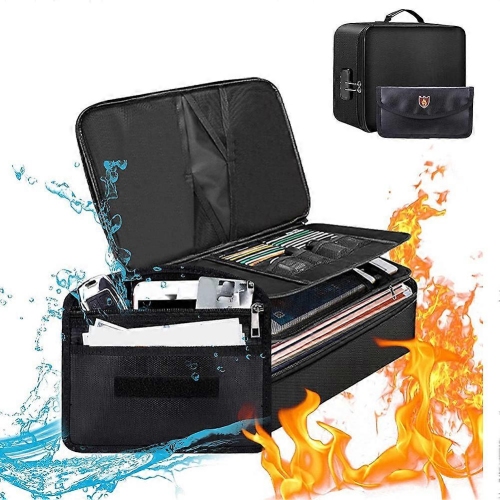
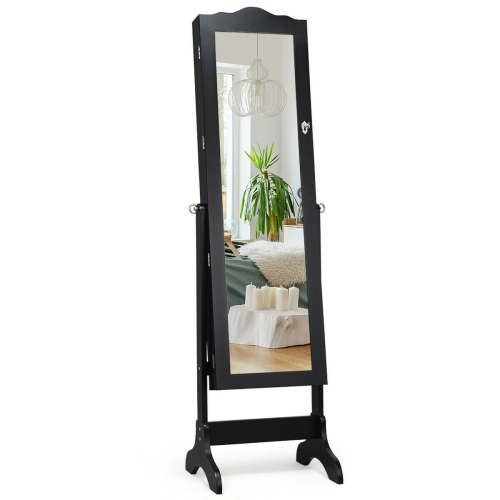
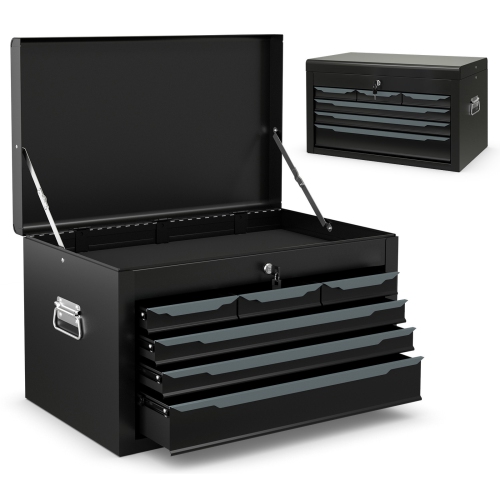
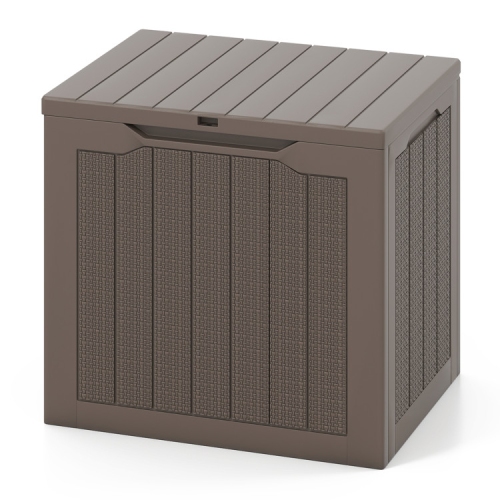
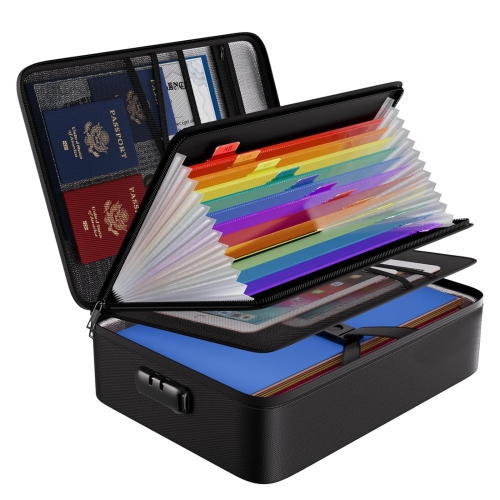
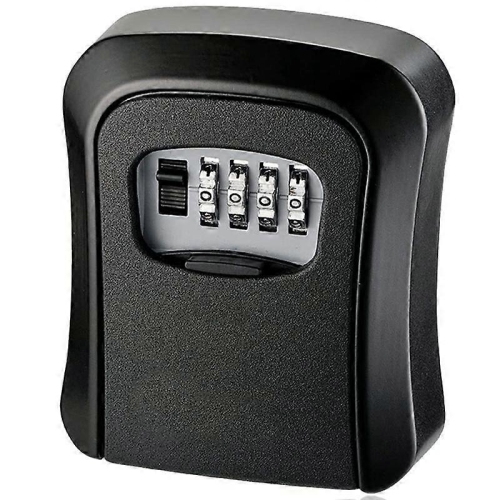
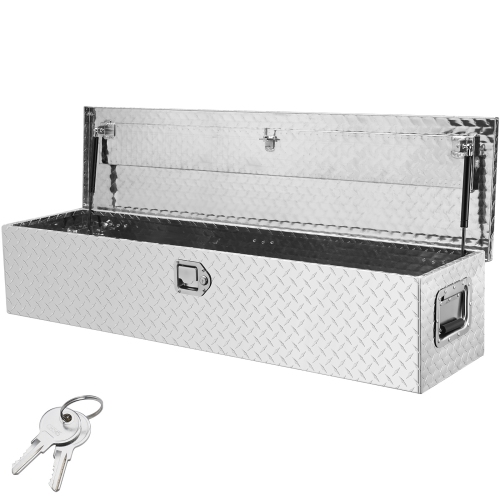
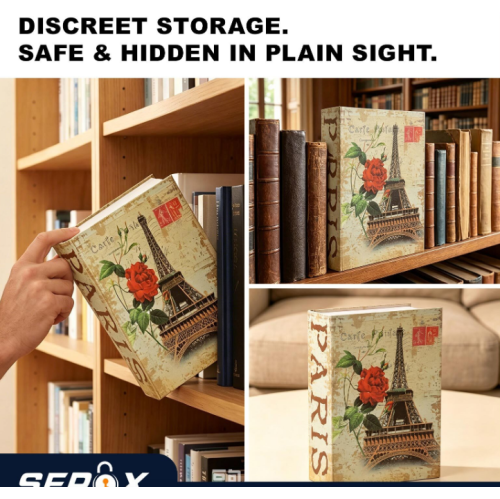
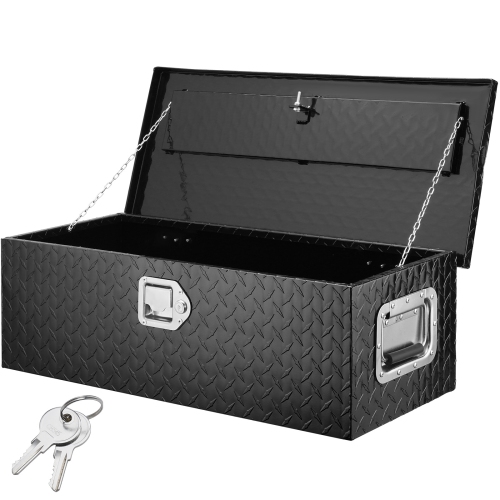
Practical privacy for valuables, documents, and everyday essentials
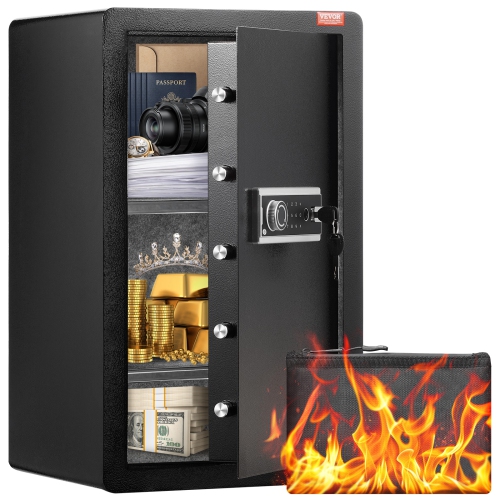
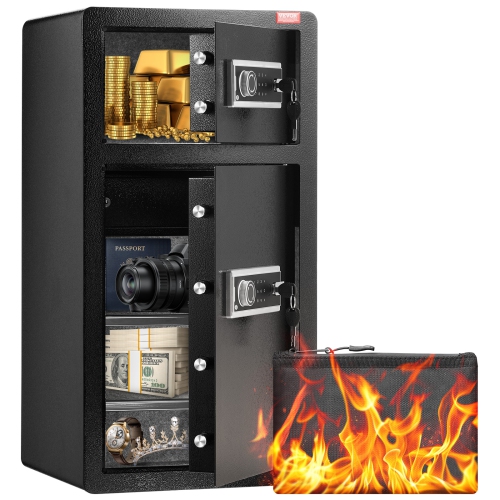
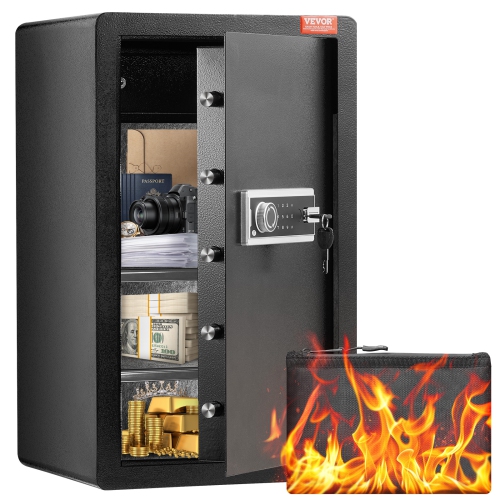
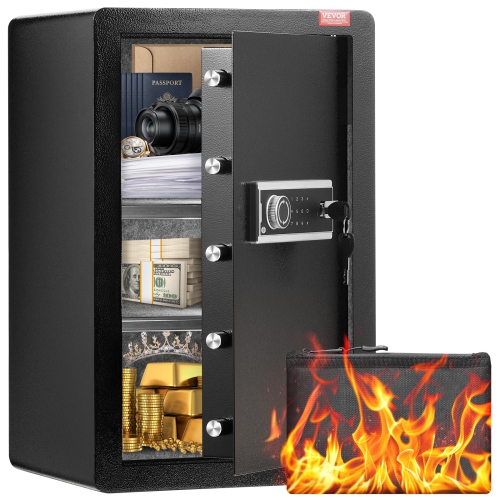
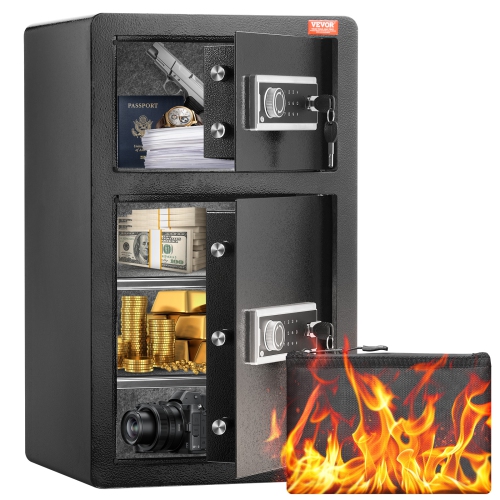
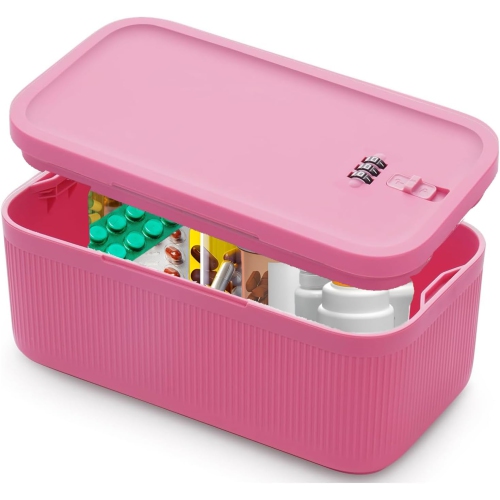
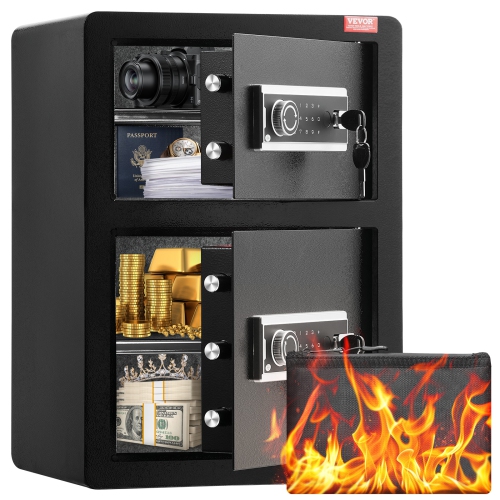
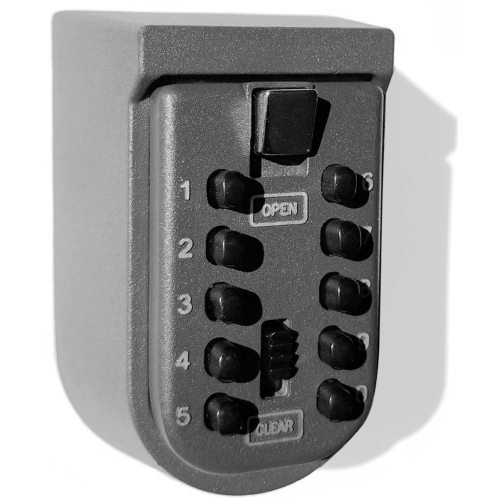
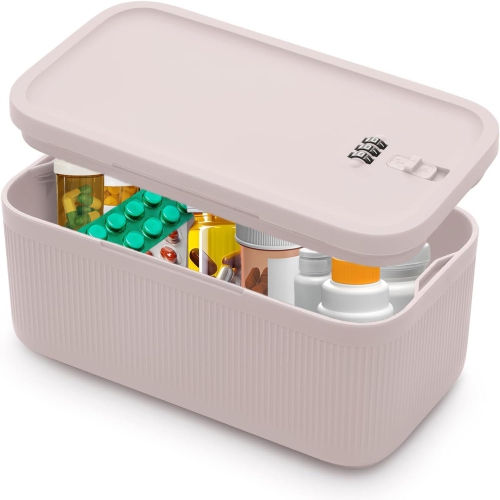
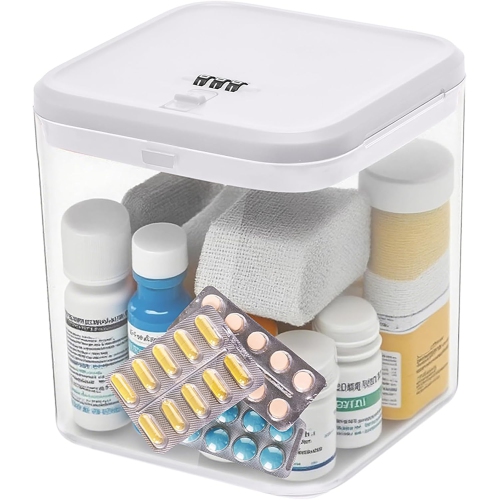
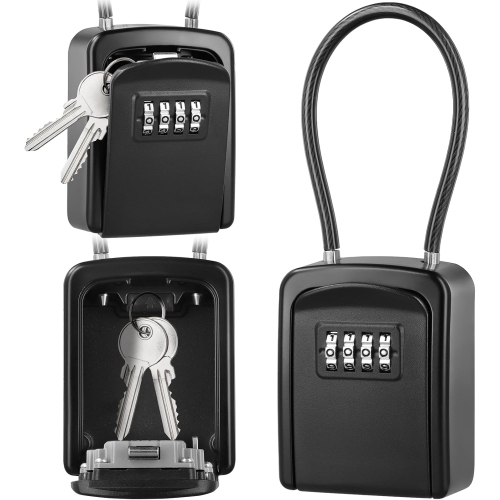
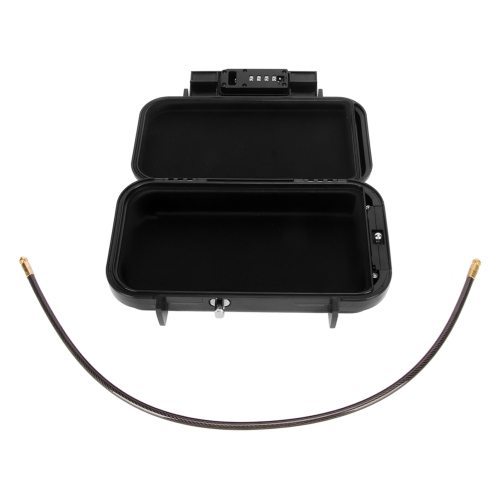
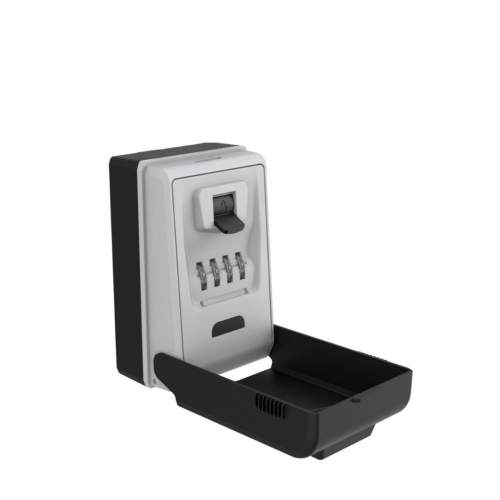
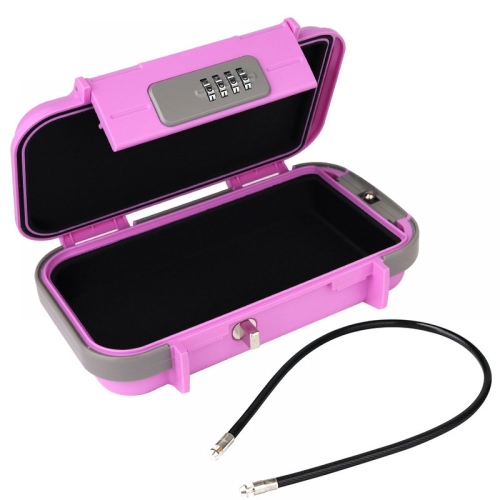
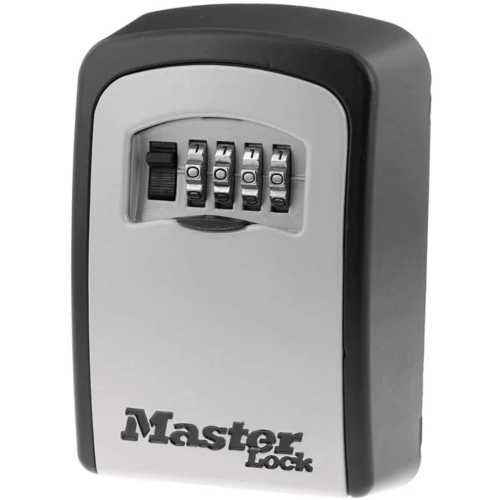
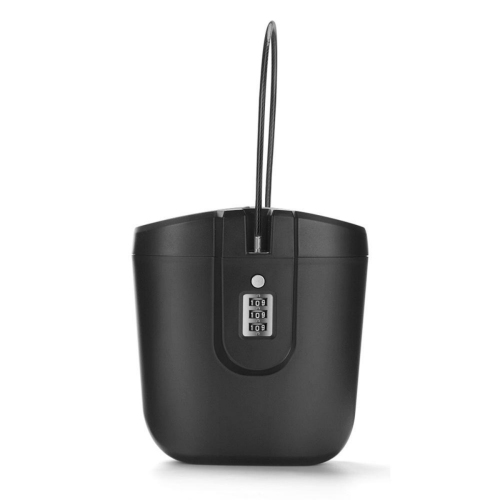
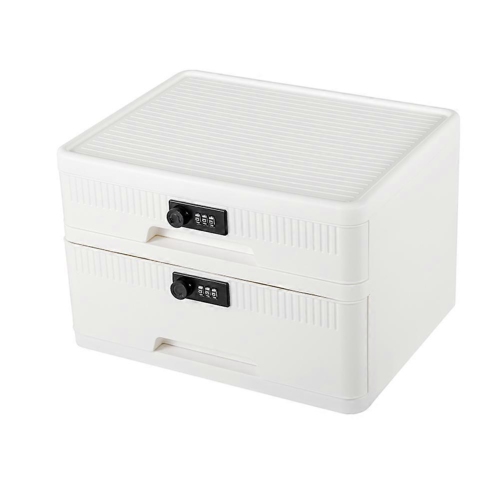
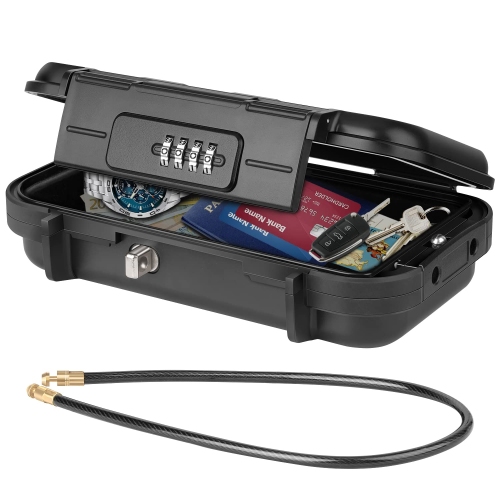
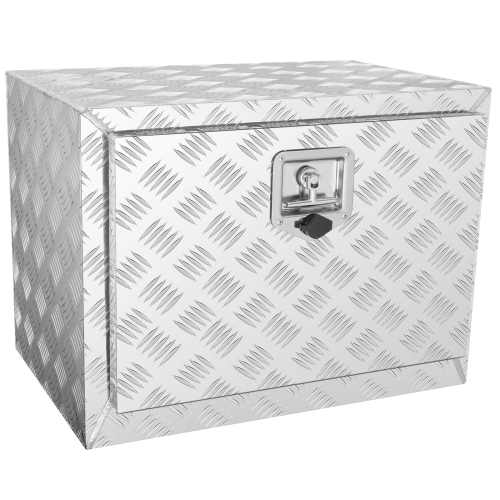
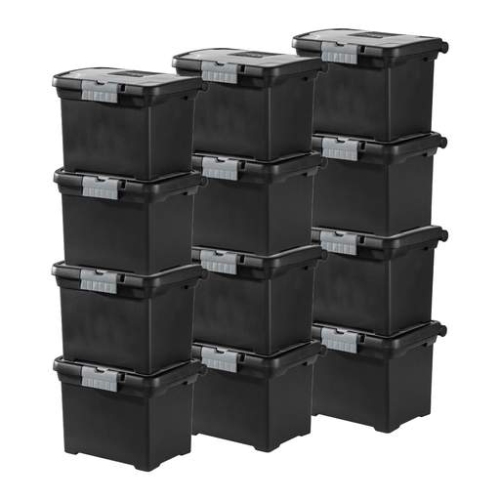
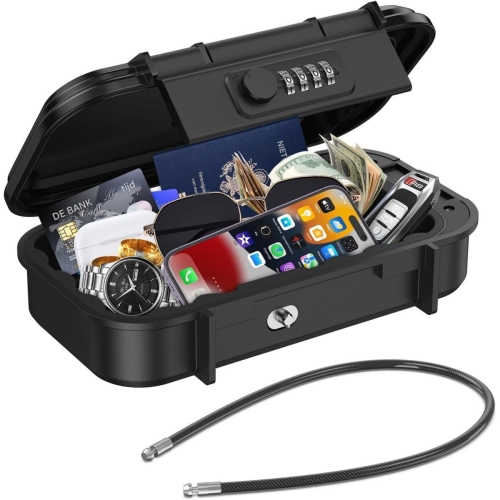
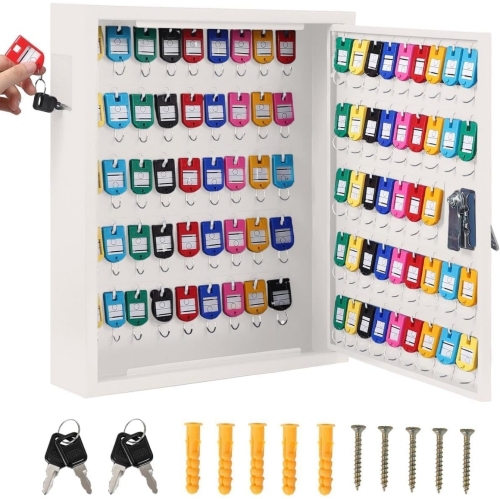
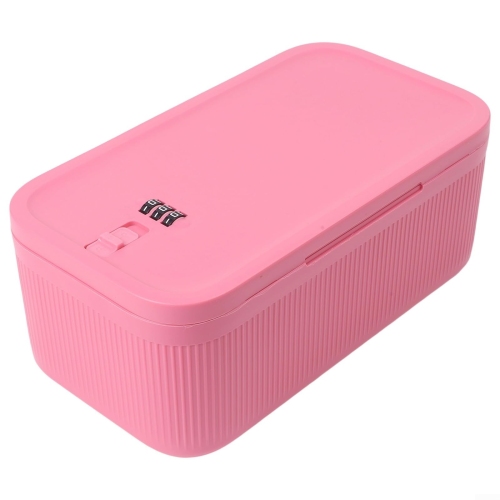
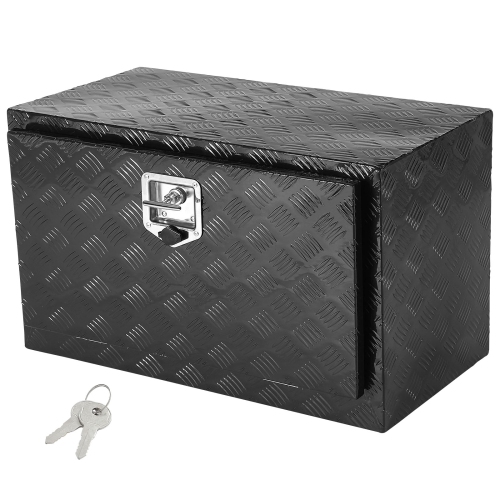
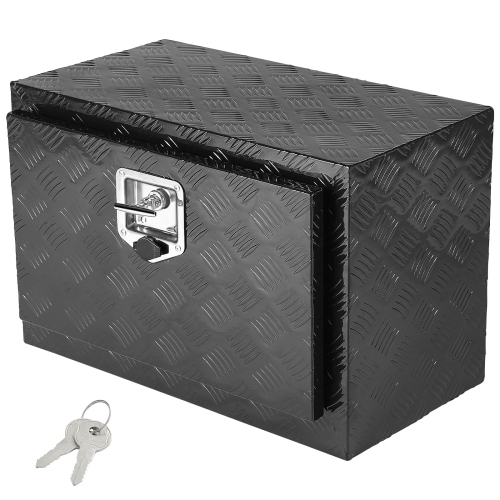
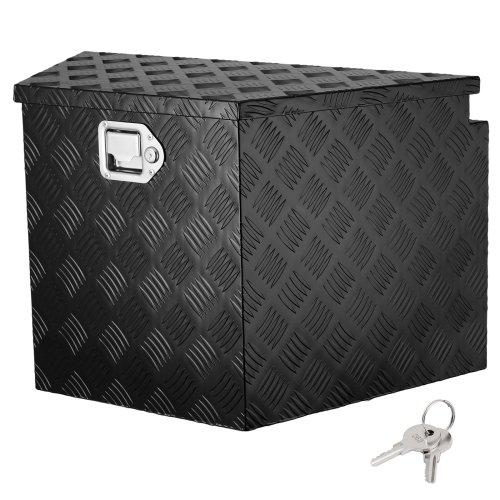
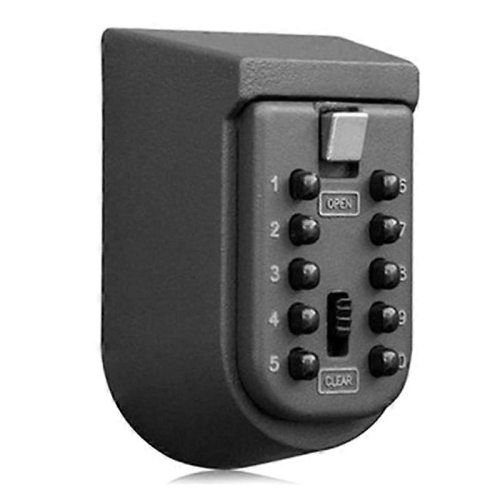
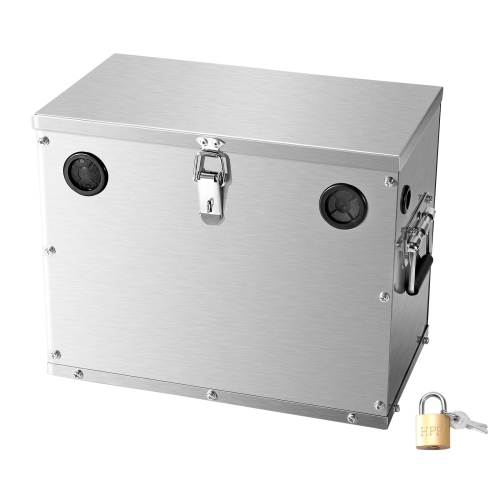
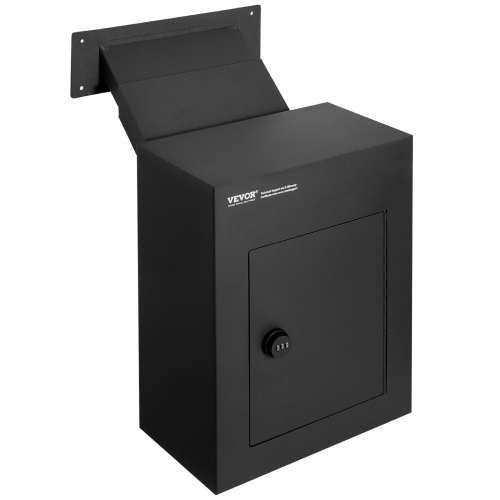
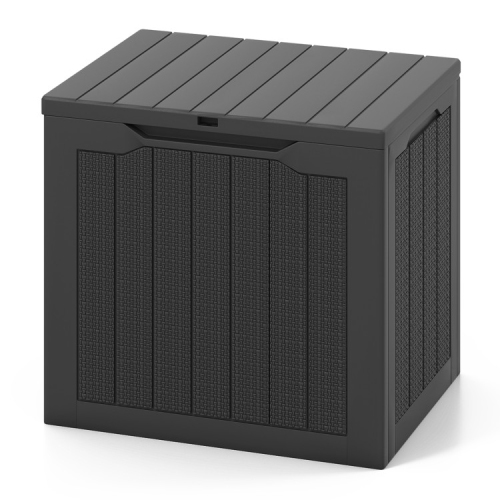
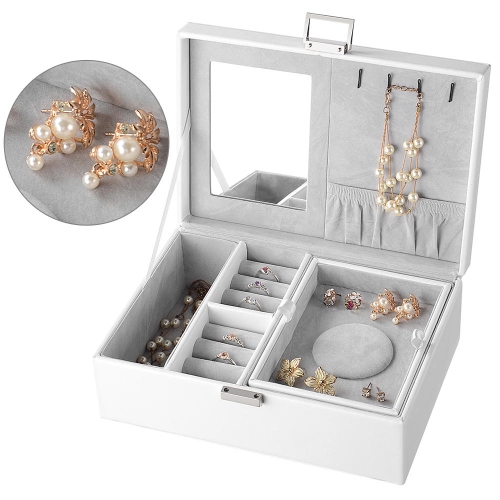
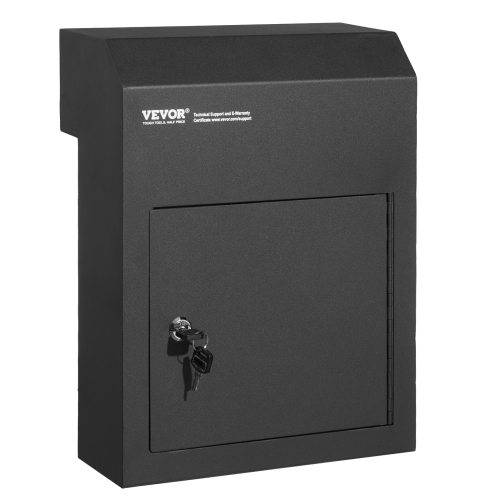
Lock boxes offer a practical way to keep small valuables, important documents, cash, keys, cards, and personal items together in one controlled location. They can be useful at home, in an office, in a dorm room, at a cottage, or while travelling, especially when several people share the same space. A lock box on a closet shelf can provide a simple layer of privacy for passports, spare keys, gift cards, or financial paperwork, while a compact portable option can help keep essential items organized in a desk drawer, vehicle, or overnight bag. Some people choose a lock box for everyday peace of mind, while others use one to create a consistent home for items that are easy to misplace. That habit can make a noticeable difference when the power goes out, guests are visiting, children are exploring, or you need to find an important document quickly. Lock boxes can also complement broader organization around the home. For papers, craft materials, office supplies, and other belongings that do not necessarily require a lock, Storage Boxes can help keep shelves, cabinets, and work areas orderly, leaving the lock box to handle the items that need restricted access or additional privacy.
When comparing lock boxes, start with the items you plan to store and measure the largest object rather than choosing based only on the outside dimensions. Interior space can be reduced by hinges, a locking mechanism, a handle, or a removable tray, so checking usable capacity is important. A shallow box may be well suited to cards, keys, and small documents, while a deeper design can accommodate electronics, personal keepsakes, or several envelopes without forcing them inside. Consider whether the box will remain in one place or move between rooms and locations. A carry handle can make transport easier, but a heavier construction may feel more reassuring for a box that will stay in a cabinet or on a shelf. The locking style is another central consideration. Keyed locks are familiar and do not depend on batteries, while combination mechanisms can be convenient for people who prefer not to keep track of a separate key. Electronic locks may offer quick access and features such as programmable codes, but they require attention to batteries and backup entry methods. Look for smooth operation, a clear locking indicator, and a design that feels straightforward to use in low light or when you are in a hurry. If the box is intended for shared use, think about who needs access and whether the lock can be managed without confusion. A secure box should also fit naturally into its surroundings; a slim design may sit neatly in a drawer, whereas a sturdier case may be better suited to a shelf, cabinet, or office area.
Lock boxes can serve many different routines and households. A student might use one for identification, small electronics, spare keys, and important paperwork in a shared residence. A home office can benefit from a dedicated place for cheques, company cards, receipts, and confidential notes at the end of the workday. Families may use one to hold passports, emergency cash, spare access cards, or records that should remain together when preparing for a trip. During the warmer months, a lock box can help keep small valuables organized while you move between the house, cottage, campsite, and vehicle; during the cooler months, it can provide a reliable place for seasonal documents, travel items, or household records. These boxes can also make thoughtful practical gifts for someone moving into a first apartment, setting up a home office, starting school, or taking on responsibility for a household. Choose the size and locking method according to the recipient’s routine rather than simply selecting the most compact option. Before placing a lock box in service, decide where it will live, who should know about it, and how its key or access code will be managed. Keep the box away from unnecessary moisture and extreme heat unless it is specifically designed for those conditions, and review any stated security, fire-resistance, or water-resistance ratings carefully so expectations match the intended use. With the right capacity, lock type, and placement, a lock box becomes an unobtrusive part of daily organization: a dependable spot for the small but important things that deserve to be kept together and out of casual reach.
When comparing lock boxes, start with the items you plan to store and measure the largest object rather than choosing based only on the outside dimensions. Interior space can be reduced by hinges, a locking mechanism, a handle, or a removable tray, so checking usable capacity is important. A shallow box may be well suited to cards, keys, and small documents, while a deeper design can accommodate electronics, personal keepsakes, or several envelopes without forcing them inside. Consider whether the box will remain in one place or move between rooms and locations. A carry handle can make transport easier, but a heavier construction may feel more reassuring for a box that will stay in a cabinet or on a shelf. The locking style is another central consideration. Keyed locks are familiar and do not depend on batteries, while combination mechanisms can be convenient for people who prefer not to keep track of a separate key. Electronic locks may offer quick access and features such as programmable codes, but they require attention to batteries and backup entry methods. Look for smooth operation, a clear locking indicator, and a design that feels straightforward to use in low light or when you are in a hurry. If the box is intended for shared use, think about who needs access and whether the lock can be managed without confusion. A secure box should also fit naturally into its surroundings; a slim design may sit neatly in a drawer, whereas a sturdier case may be better suited to a shelf, cabinet, or office area.
Lock boxes can serve many different routines and households. A student might use one for identification, small electronics, spare keys, and important paperwork in a shared residence. A home office can benefit from a dedicated place for cheques, company cards, receipts, and confidential notes at the end of the workday. Families may use one to hold passports, emergency cash, spare access cards, or records that should remain together when preparing for a trip. During the warmer months, a lock box can help keep small valuables organized while you move between the house, cottage, campsite, and vehicle; during the cooler months, it can provide a reliable place for seasonal documents, travel items, or household records. These boxes can also make thoughtful practical gifts for someone moving into a first apartment, setting up a home office, starting school, or taking on responsibility for a household. Choose the size and locking method according to the recipient’s routine rather than simply selecting the most compact option. Before placing a lock box in service, decide where it will live, who should know about it, and how its key or access code will be managed. Keep the box away from unnecessary moisture and extreme heat unless it is specifically designed for those conditions, and review any stated security, fire-resistance, or water-resistance ratings carefully so expectations match the intended use. With the right capacity, lock type, and placement, a lock box becomes an unobtrusive part of daily organization: a dependable spot for the small but important things that deserve to be kept together and out of casual reach.
Top selling and popular products
-
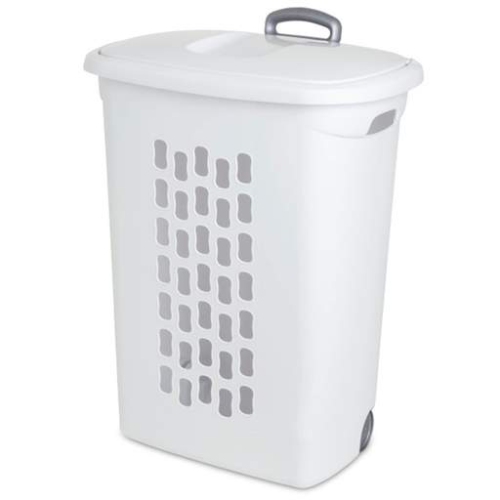 Your price for this item is $517.99
 -
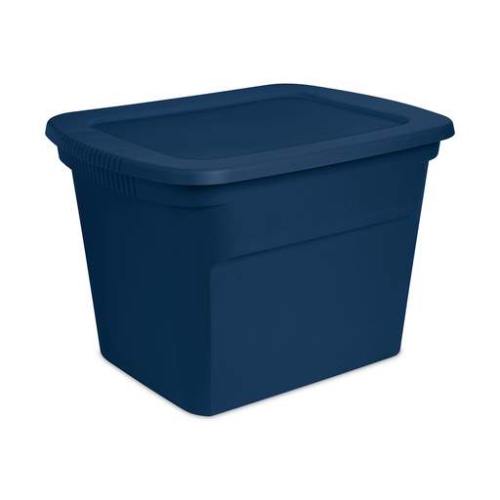 Your price for this item is $881.99
 -
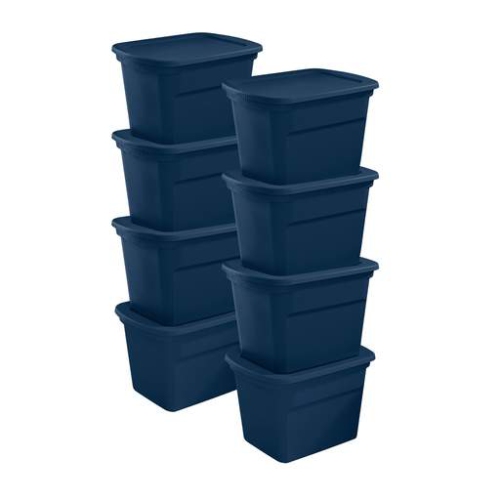 Your price for this item is $227.99
 -
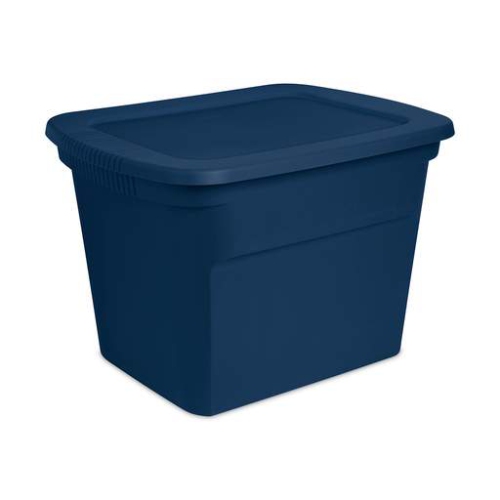 Your price for this item is $661.99
 -
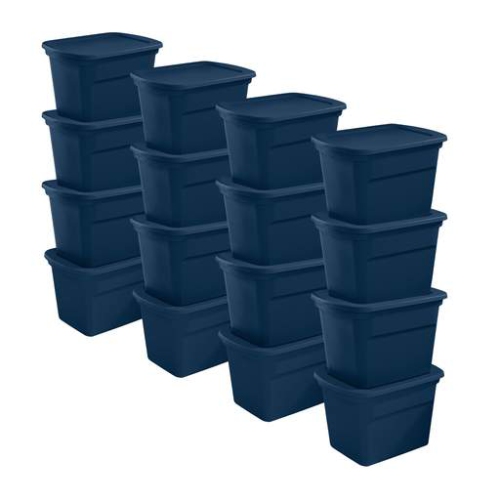 Your price for this item is $440.99
 -
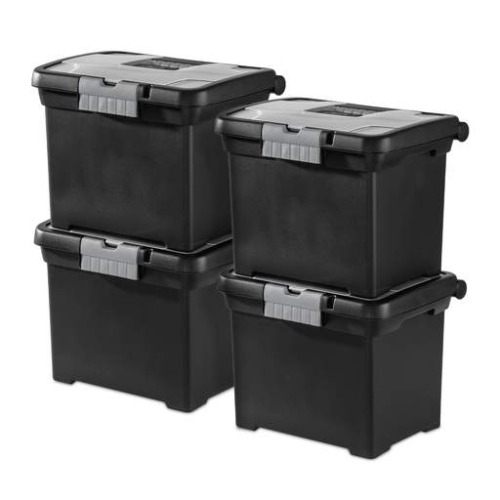 Your price for this item is $132.99
 -
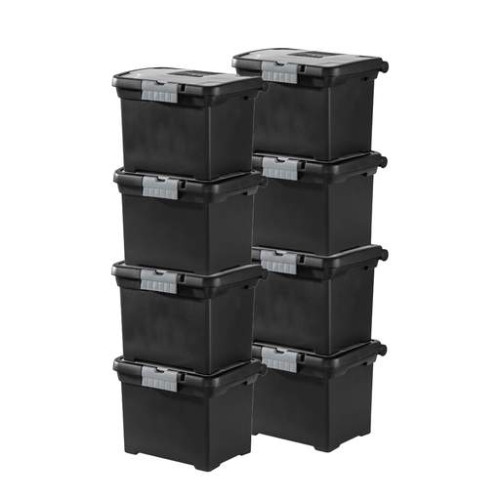 Your price for this item is $260.99
 -
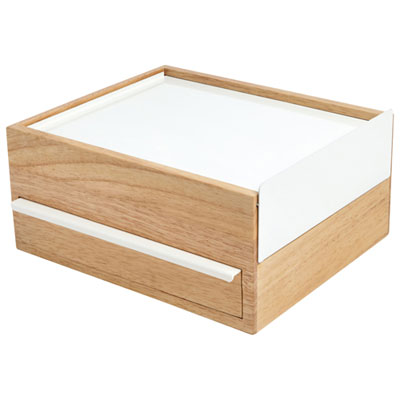 Your price for this item is $64.98
Discover more categories related to Lock Boxes
Top Collections:
Pokemon Centers, Best Cameras for Sports Photography, Kindle Devices, Samsung Galaxy Phones, Canon G7X Cameras, Pokémon 30th Celebration Cards, Refurbished Apple Laptops, iPhone 15 Apple, Laptops for Students, Budget Smartphones
Some products may be subject to Environmental Handling Fees
(EHF) depending on your province.
Learn more about EHFs.