Digital Weather Stations
Stay one step ahead of the weather with our collection of digital weather stations. These innovative devices provide accurate and up-to-date information about temperature, humidity, barometric pressure, and more. Whether you're a weather enthusiast, an avid gardener, or simply want to plan your day with precision, our digital weather stations offer the convenience and reliability you need. With a wide range of features and designs to choose from, finding the perfect weather station to suit your needs has never been easier. Explore our selection today and take control of your local forecast.
Sort
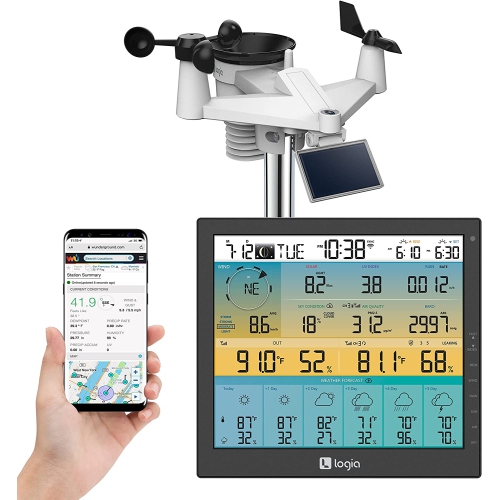
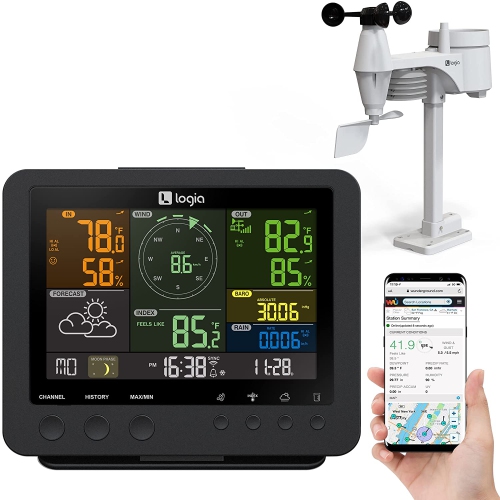
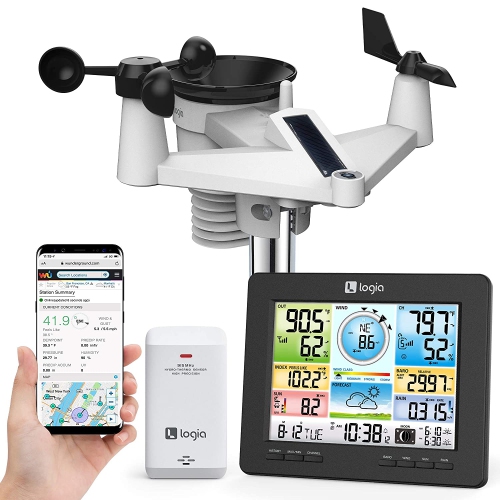
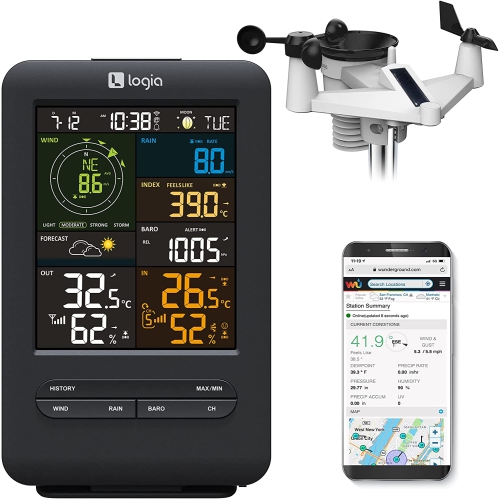


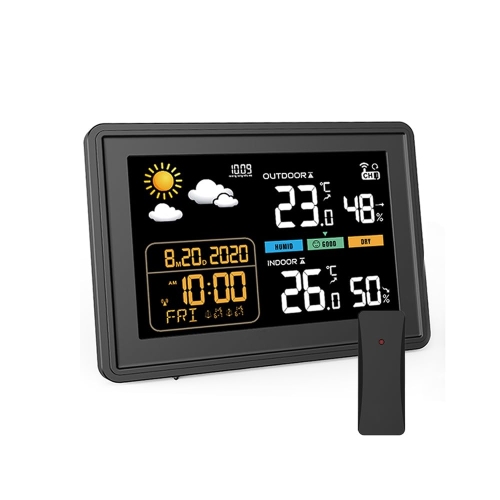
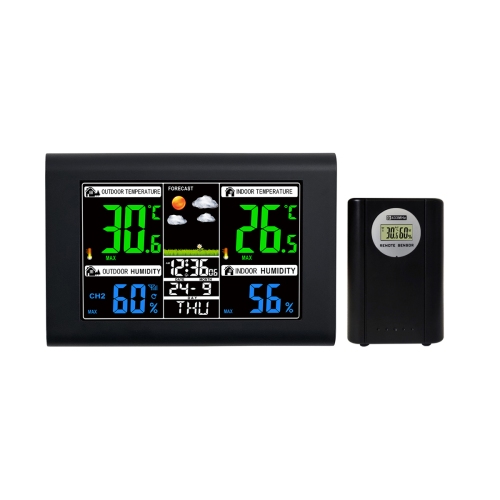
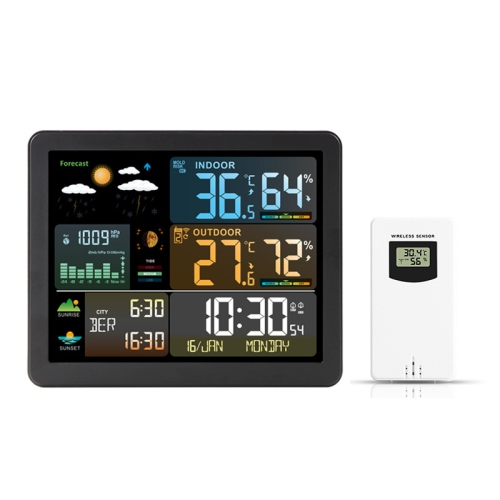
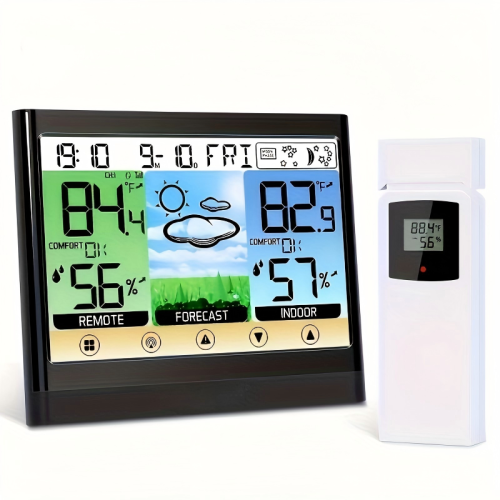

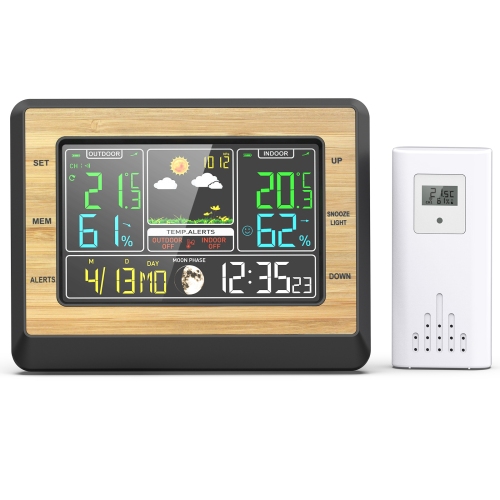
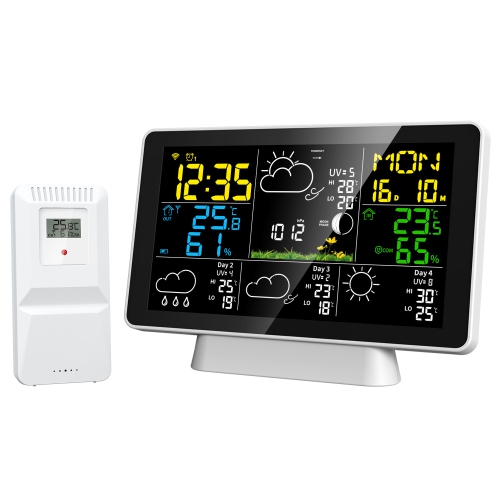


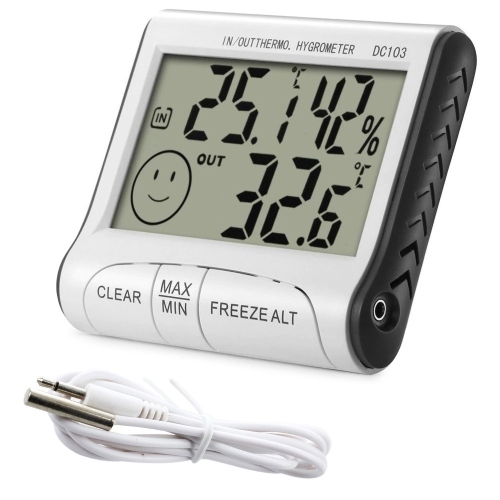


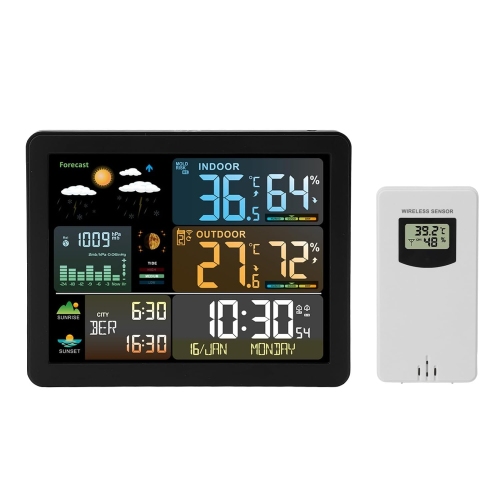
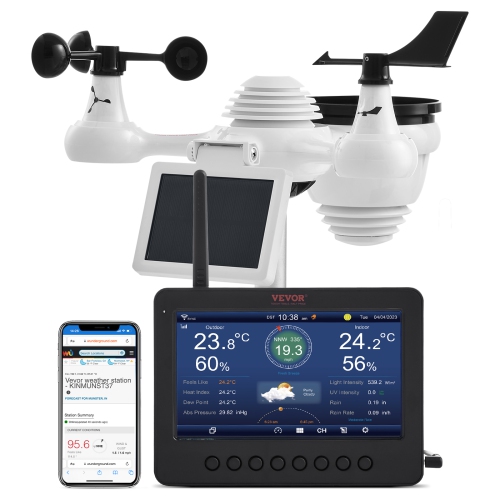


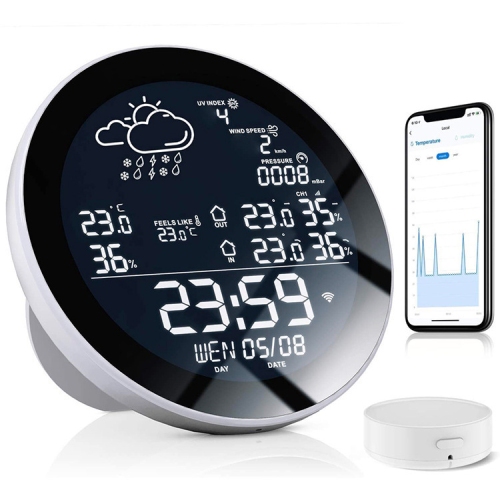

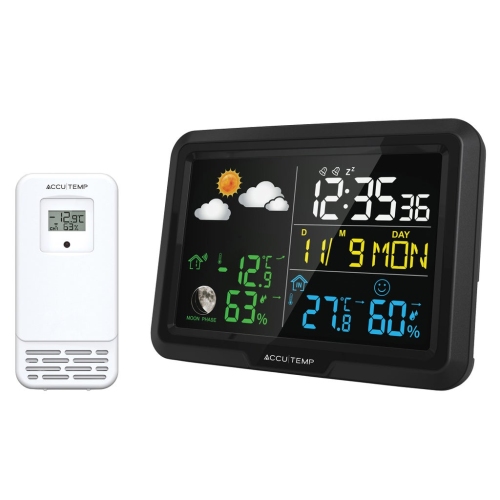

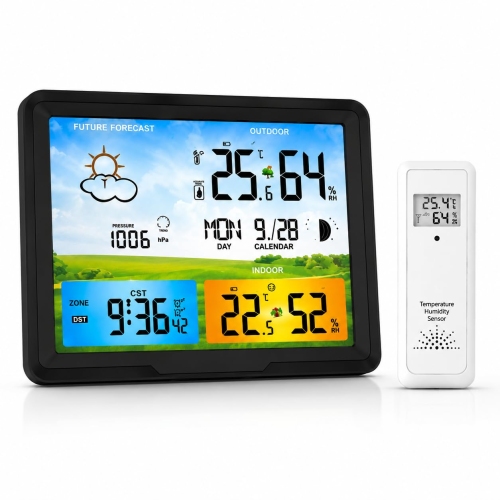


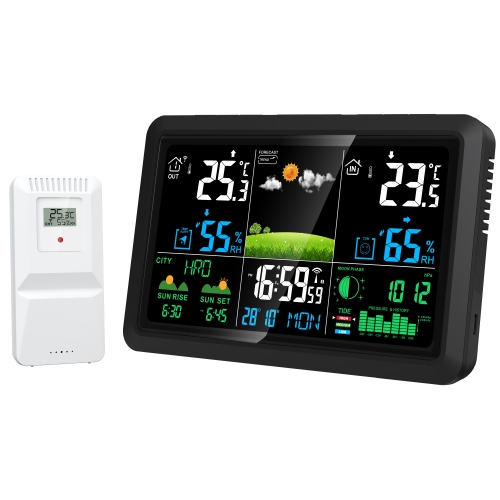

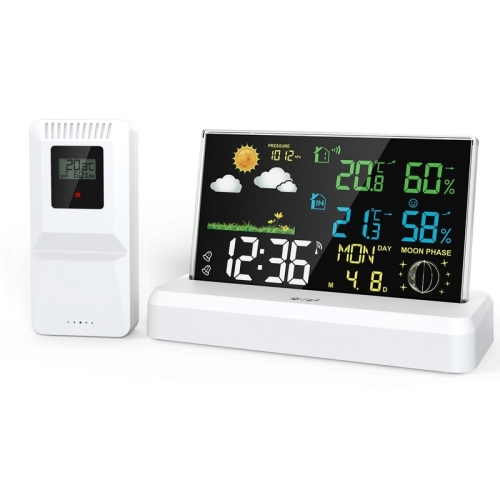
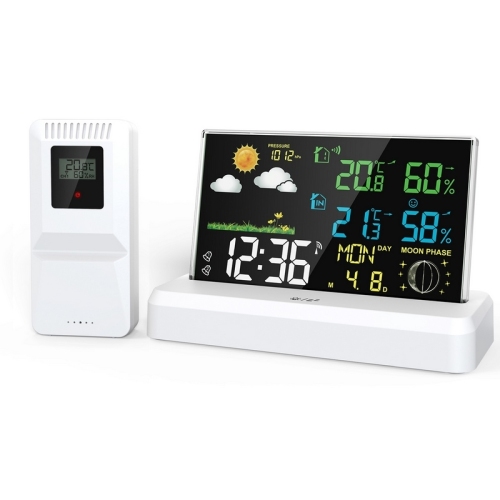
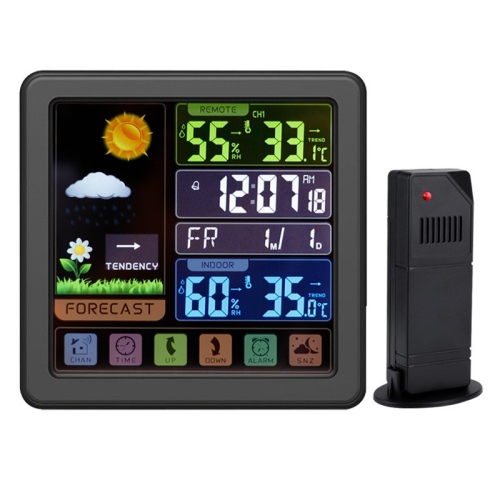

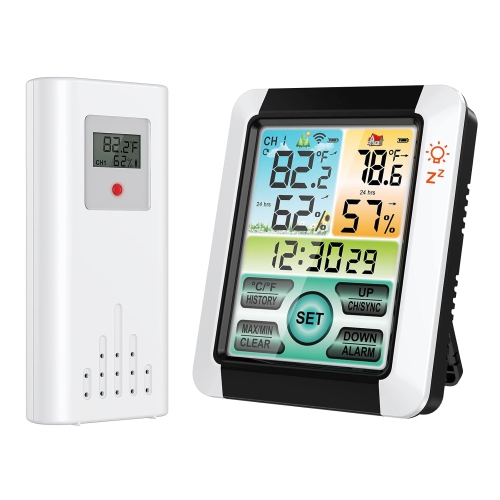

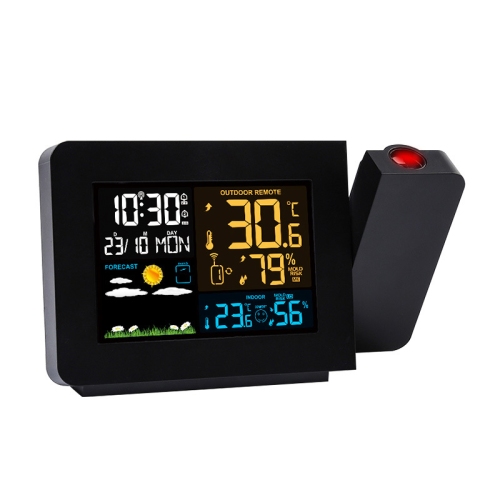
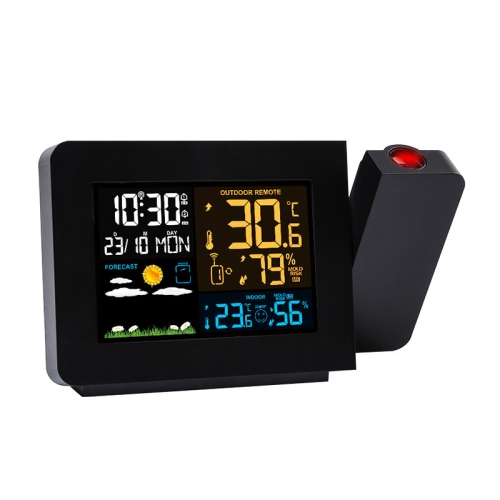





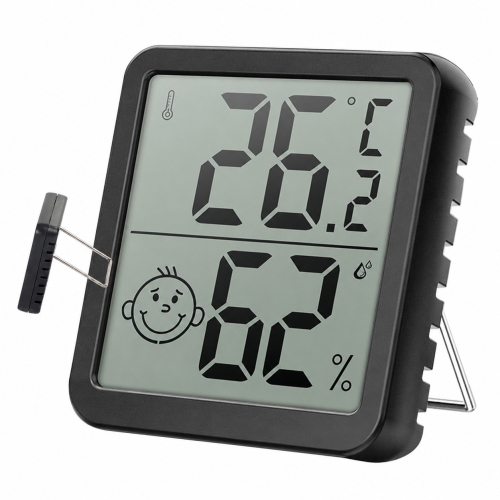
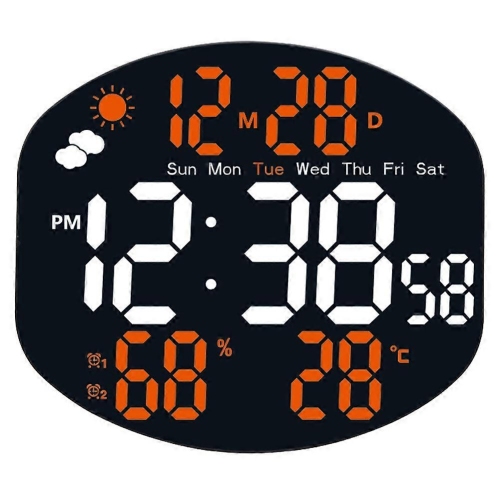
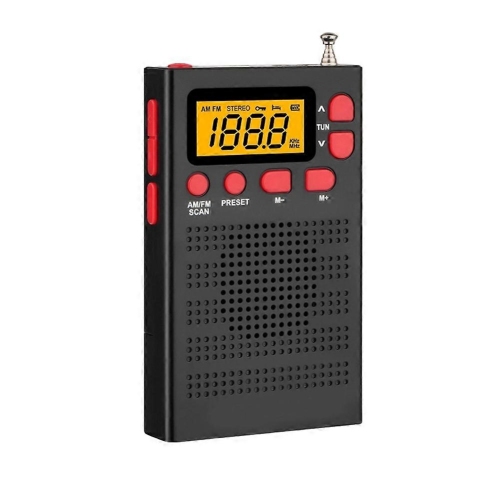

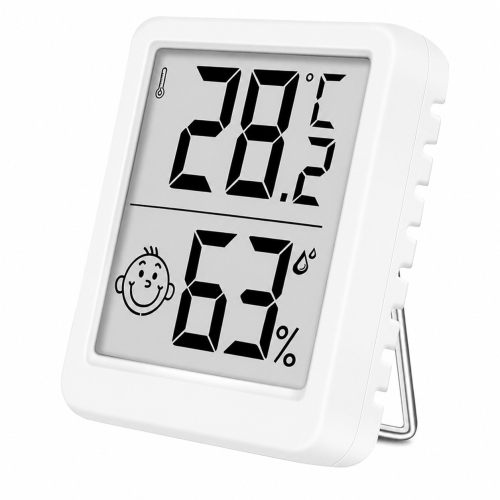
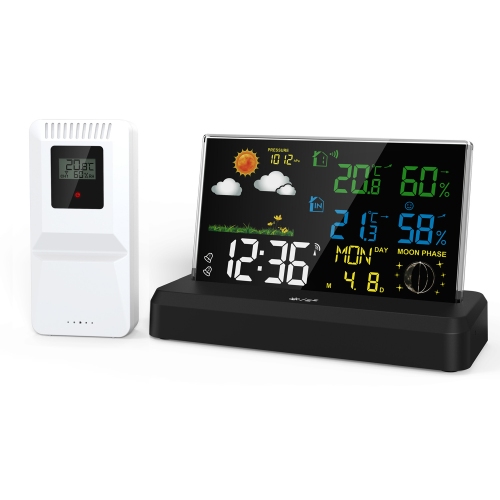
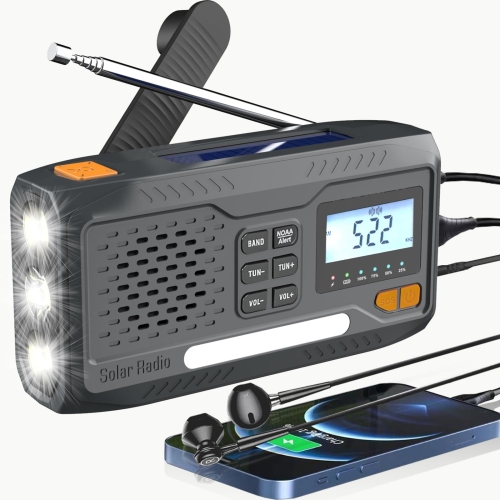
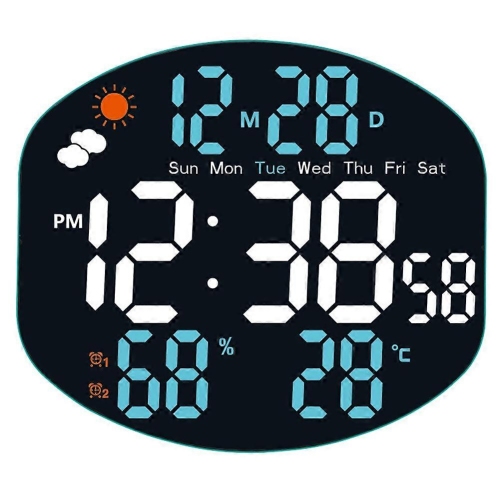
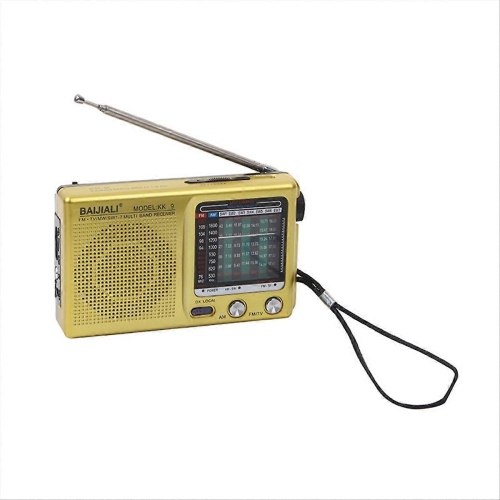
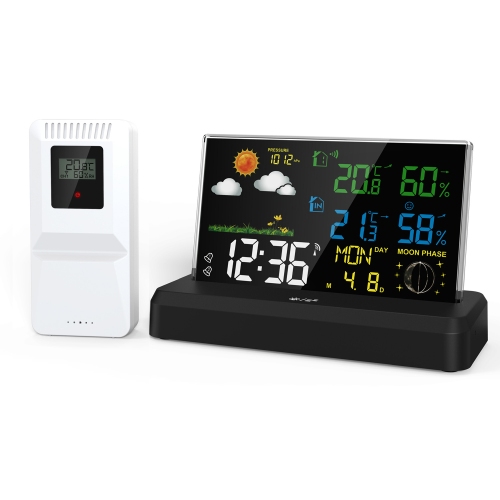
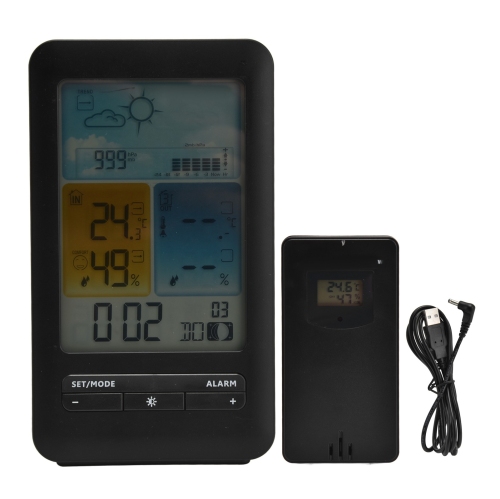

A closer look at weather outside your door
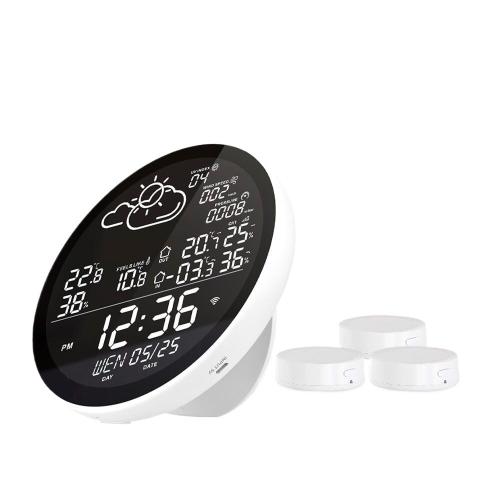
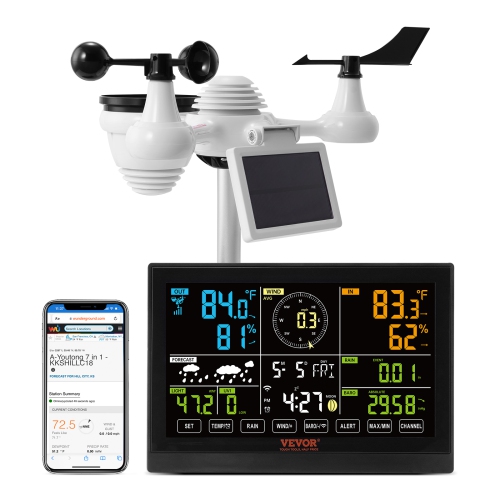
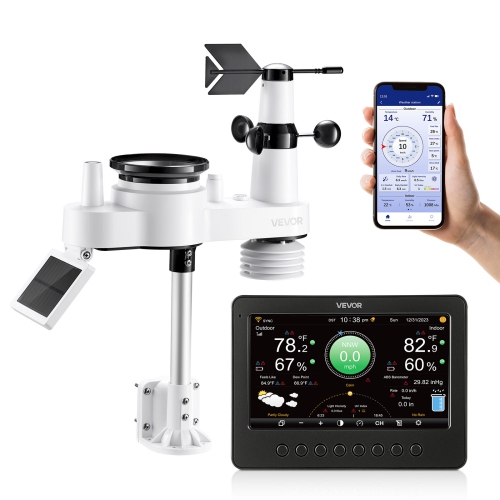
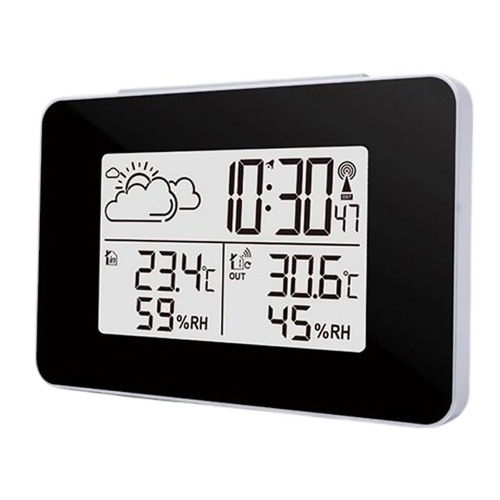
Digital weather stations measure local conditions and bring the readings together on an indoor display, a connected app, or both. Depending on the sensors included, they can track temperature, relative humidity, air pressure, wind speed and direction, and rainfall. A simple setup pairs a tabletop console with a wireless outdoor temperature and humidity sensor, while a more comprehensive station uses a backyard sensor array to capture wind and rain as well. The practical difference is how much of the weather outside your door becomes visible at a glance. An outdoor temperature reading can help with choosing layers before a morning walk, while indoor humidity readings can reveal how dry a bedroom becomes when the heating runs. For households interested mainly in comparing conditions inside and outside, indoor outdoor weather stations bring those measurements together without necessarily requiring a large outdoor installation. More extensive systems suit gardeners following overnight temperature drops, weather enthusiasts watching pressure trends, and homeowners curious about rainfall across their property. Sensor counts alone do not tell the whole story: descriptions such as five-in-one or seven-in-one refer to a collection of measurements or functions, and the exact combination varies. Some stations add light or ultraviolet measurements, while others calculate values such as dew point, heat index, or wind chill from sensor readings. Forecast symbols also need a little context. Many standalone stations estimate approaching changes using air-pressure trends rather than receiving a detailed regional forecast. A cloud or rain symbol is therefore an indication of a possible pattern, not a promise of precipitation at a particular time. Local measurements are especially useful where nearby buildings, slopes, or bodies of water create noticeable differences from a distant reporting location. They complement official forecasts and weather alerts rather than replacing them, offering a closer view of everyday conditions around a home, cottage, or garden.
The most useful digital weather station is one whose display, sensor layout, and connection options fit the space where it will be used. On a kitchen counter, large temperature digits and clearly separated indoor and outdoor readings can matter more than a screen crowded with charts. In a bedroom, adjustable brightness and a backlight that can be dimmed or switched off may be more comfortable after dark. Colour displays can make information easier to distinguish, but viewing angles and readability in bright daylight still matter. Some consoles need mains power for continuous illumination, with batteries providing backup or more limited operation; others are designed primarily for battery use. A wireless sensor connection does not automatically mean the station connects to the internet. Standalone systems transmit readings to a nearby console, while Wi-Fi-enabled systems may support remote viewing, alerts, or measurement history through a compatible app or online service. Those connected features depend on the model and may require an account, a supported home network, and an internet connection. For someone checking a cottage from home, remote access can be valuable, provided power and connectivity remain active at the property. For someone who simply wants the outdoor temperature beside the kettle, a clear standalone display may be all that is needed. Wireless range deserves similar attention: an advertised range generally assumes open space, while brick walls, metal siding, floors, and other obstacles can reduce the distance a signal travels reliably. The physical fit matters too, from the footprint of a freestanding console to the clearance required around a wall-mounted display. Outdoor temperature sensors usually need a shaded, ventilated location away from dryer vents, windows, and sun-warmed masonry. Wind sensors need open exposure, and rain collectors need a level position clear of overhanging branches and roof runoff. A combined sensor array makes installation simpler, though finding one location suitable for every measurement may involve compromises, particularly on a sheltered balcony or in a small courtyard.
Durability depends on both construction and placement, especially during the cooler months when damp leaves, frost, and wind-driven precipitation can affect outdoor equipment. Sensor housings are commonly made from moulded plastic, with protective covers designed to shield electronics while allowing the airflow or movement needed for measurement. Weather-resistant construction is intended for specified outdoor exposure, but it does not mean every component can be submerged or left in standing water. Published operating-temperature limits, mounting requirements, and battery recommendations are more useful indicators of suitability than appearance alone. Secure brackets and appropriate mounting hardware help keep an array level and steady, while accessible placement makes routine cleaning and battery changes less awkward. Rain collectors can become blocked by leaves or debris, and wind cups need room to rotate freely. Many household rain gauges measure liquid precipitation and are not designed to measure snowfall accurately; collected snow may register only after melting, and freezing conditions can interfere with operation. Gentle cleaning according to the care directions helps protect vents, seals, and moving parts. Indoor consoles generally need only a soft, dry cloth and a position away from splashes or direct heat. Batteries also perform differently in low temperatures, so the battery type specified for the outdoor sensor matters. Beyond basic maintenance, measurement resolution, stated accuracy, and update frequency affect how readings should be interpreted. A display showing decimal places does not necessarily mean its readings are accurate to that same degree, and a slow update interval may not capture brief wind gusts. Minimum and maximum readings, adjustable alerts, and stored history can add useful context, whether the interest is an overnight low near tender plants or a pattern of dry indoor air. Digital weather stations can also make thoughtful gifts for gardeners, cottage owners, curious families, and people who enjoy following the weather. A straightforward display suits casual daily checks, while expandable sensors and downloadable history offer more scope for an ongoing hobby. The lasting appeal is practical: seeing what the air is doing just outside the window, understanding how conditions change through the day, and having that information close at hand.
Top selling and popular products
-
 Your price for this item is $301.99
-
 Your price for this item is $169
-
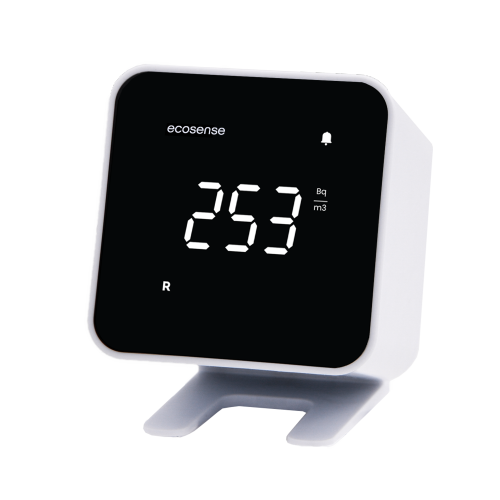 Your price for this item is $139
-
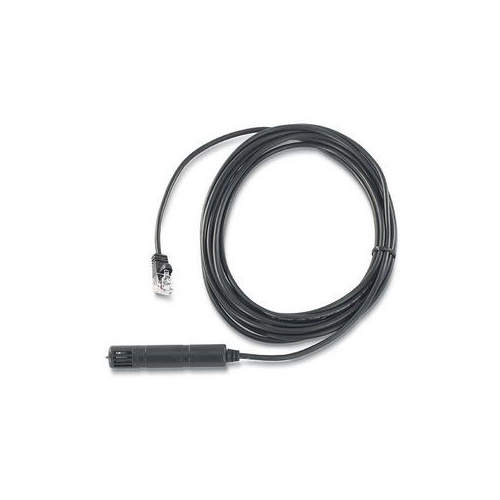 Your price for this item is $217.68
-
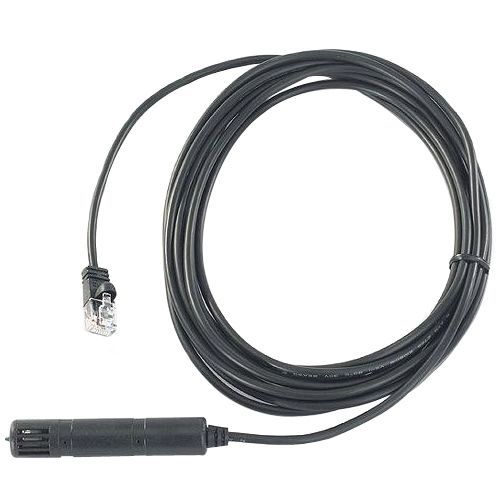 Your price for this item is $255.89
-
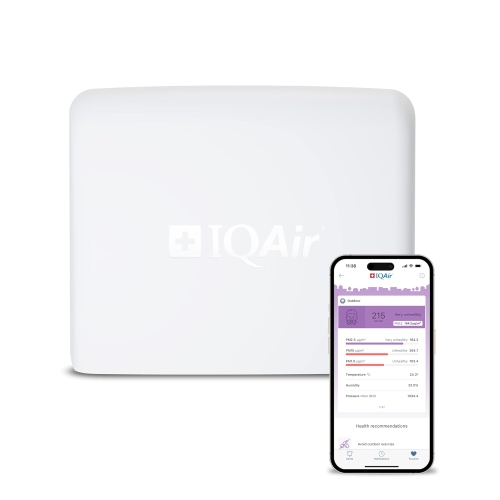 Your price for this item is $429.99
-
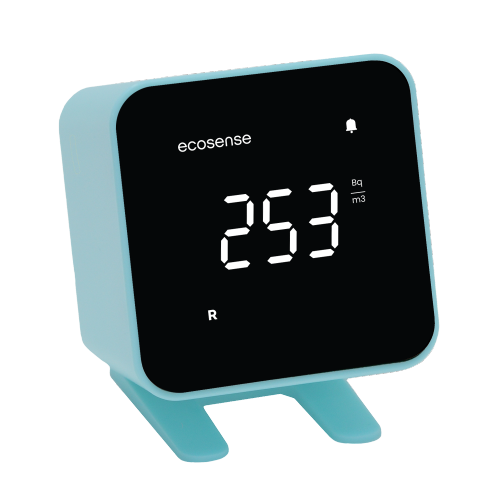 Your price for this item is $139
-
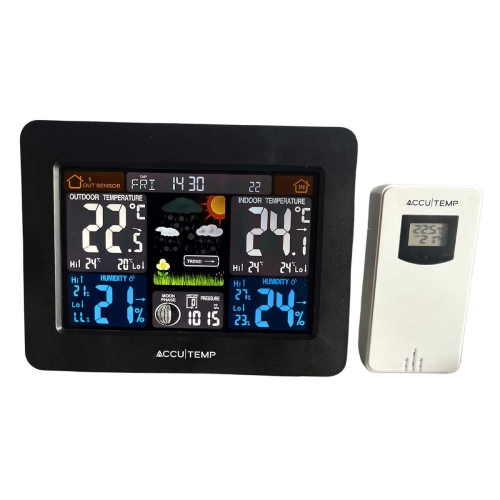 Your price for this item is $68.83
Discover more categories related to Digital Weather Stations
Top Collections:
Pokemon Centers, Kindle Devices, Best Cameras for Sports Photography, Pokémon 30th Celebration Cards, Apple iPhones 16, Canon G7X Cameras, iPhone 15 Apple, Flip Phones, Samsung Galaxy Phones, Alarm Clock
Some products may be subject to Environmental Handling Fees
(EHF) depending on your province.
Learn more about EHFs.