Indoor Outdoor Weather Stations
Stay ahead of the weather with our selection of indoor outdoor weather stations. Whether you're a weather enthusiast, an avid gardener, or simply want to stay informed about the conditions outside your home, our range of weather stations has got you covered. Designed to provide accurate and real-time data, these weather stations offer a comprehensive view of temperature, humidity, wind speed, and more. With both indoor and outdoor sensors, you can monitor the climate inside your home as well as the conditions in your backyard or garden. Explore our collection of indoor outdoor weather stations and take control of your environment today.
Sort
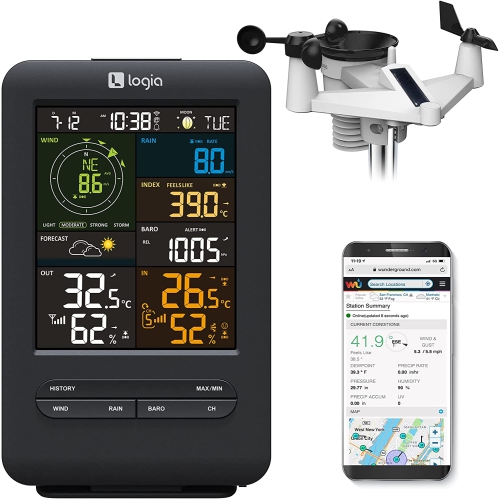
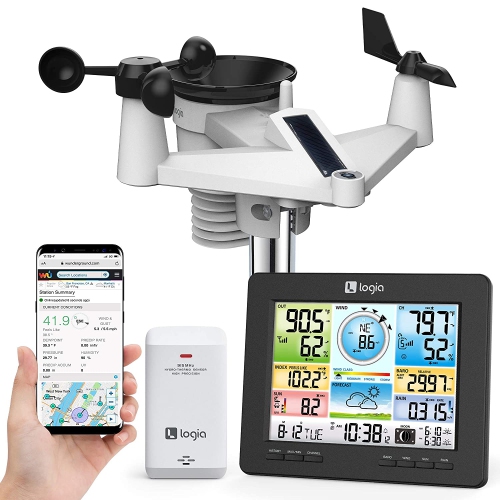


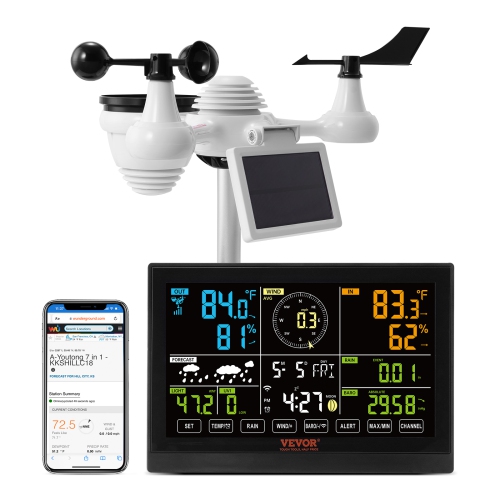
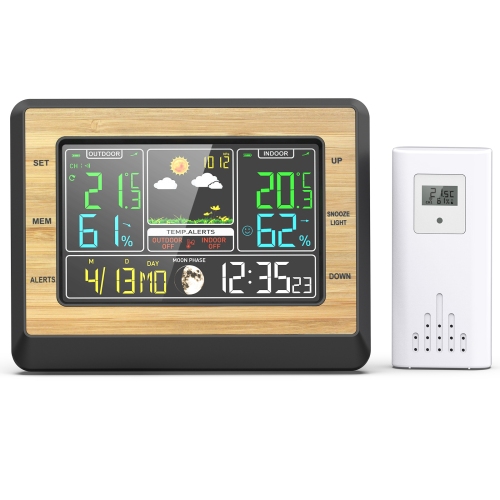

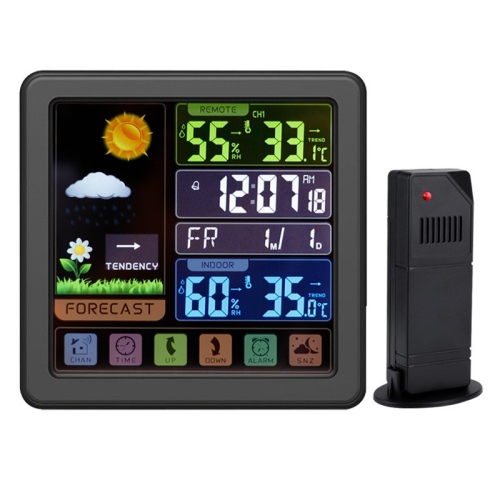

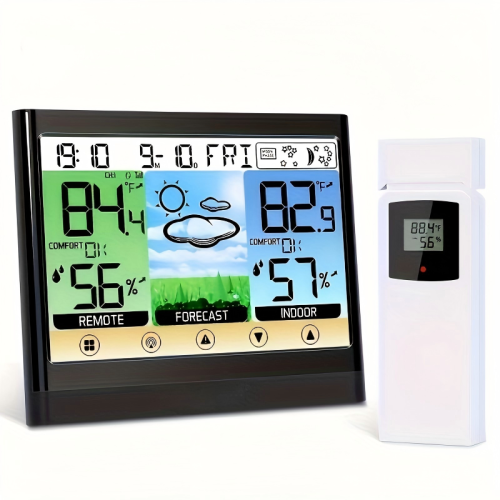


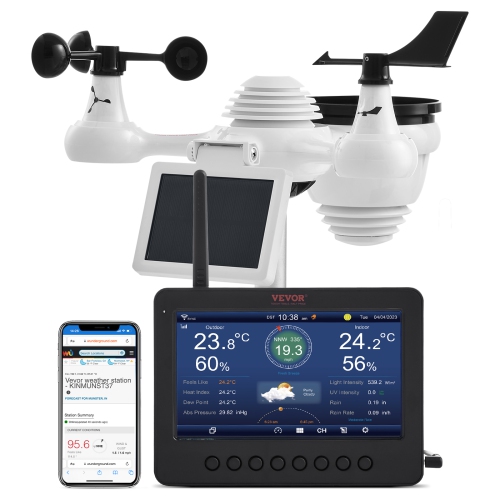


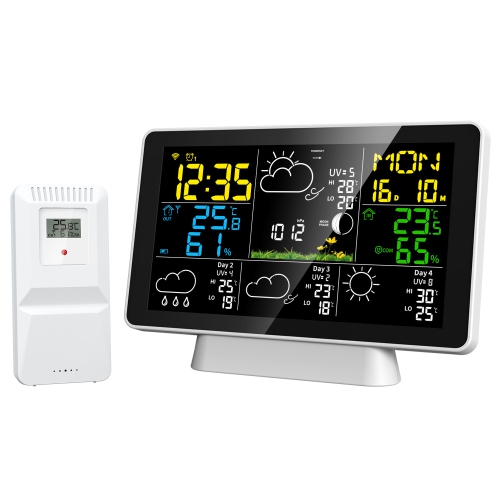

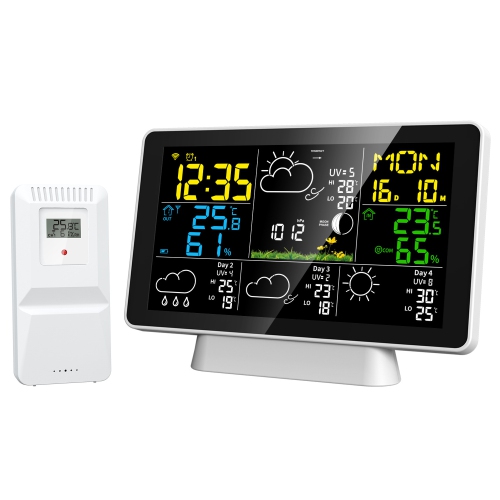


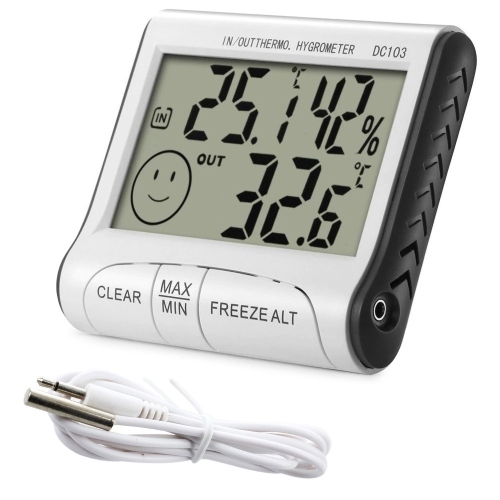
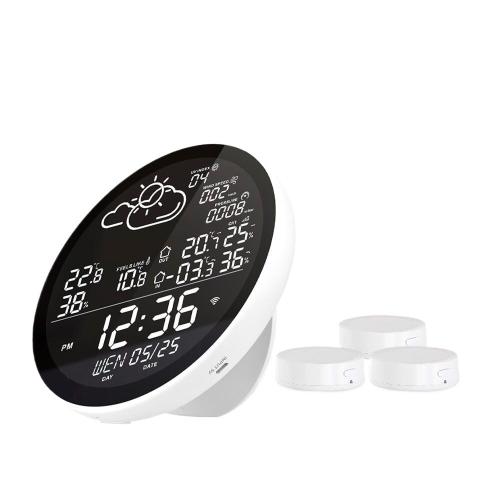
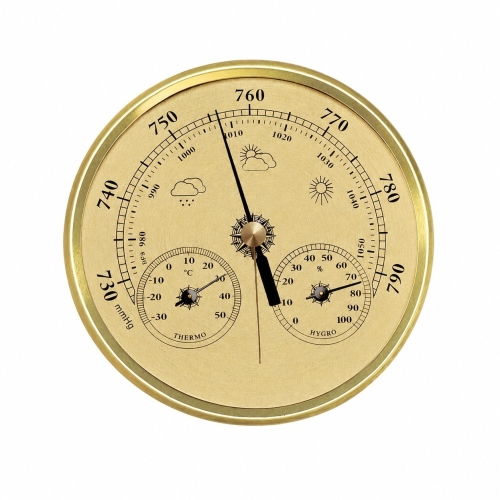
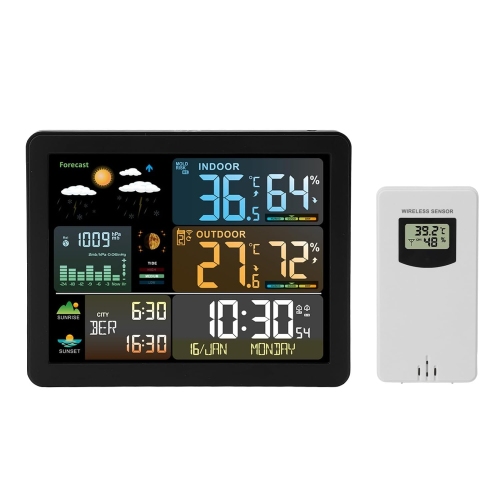


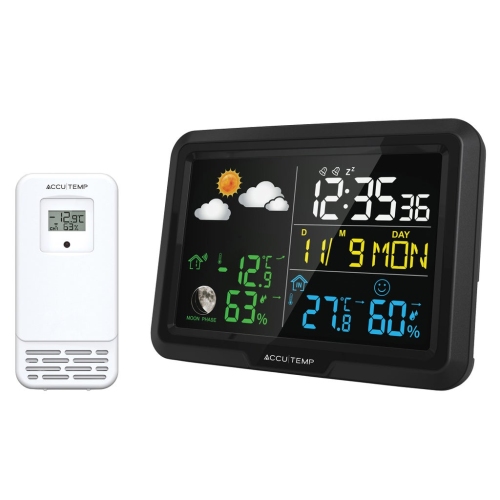
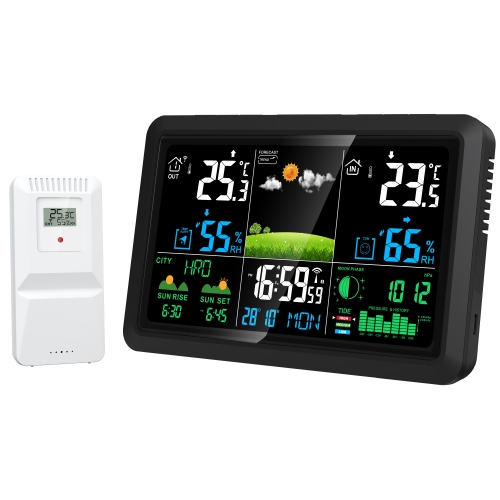
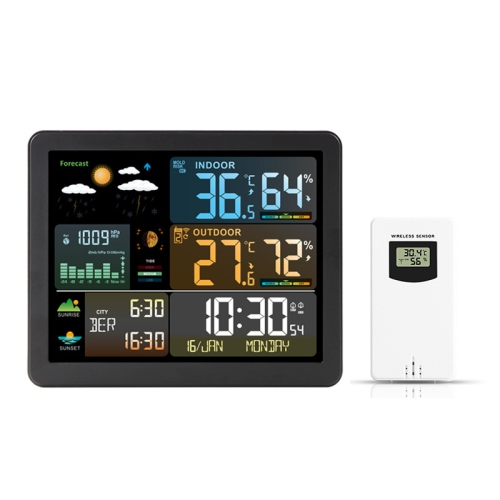
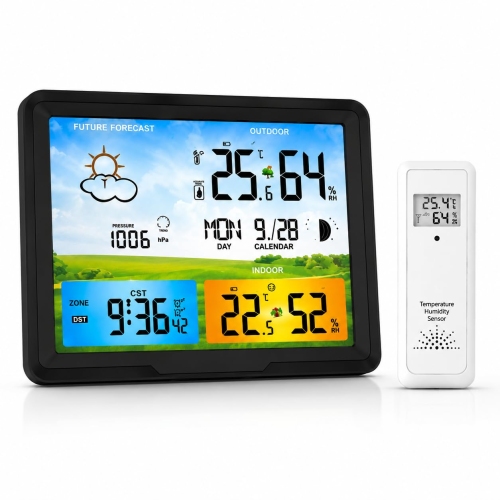

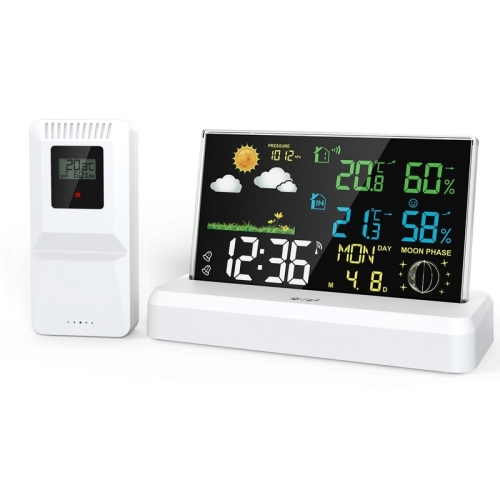
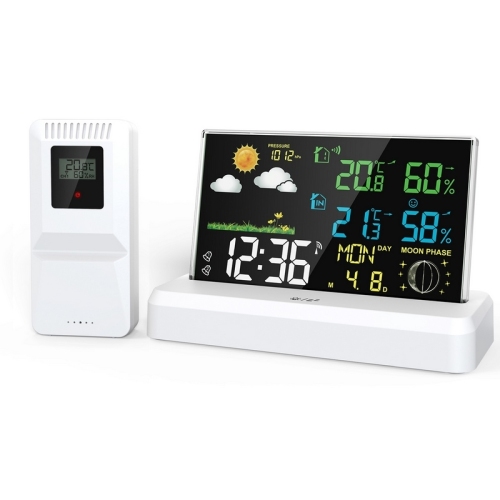
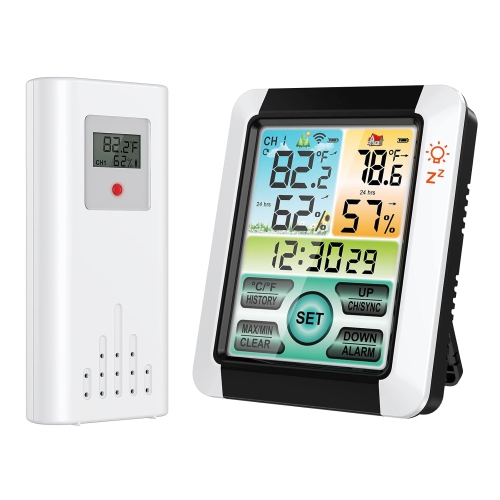
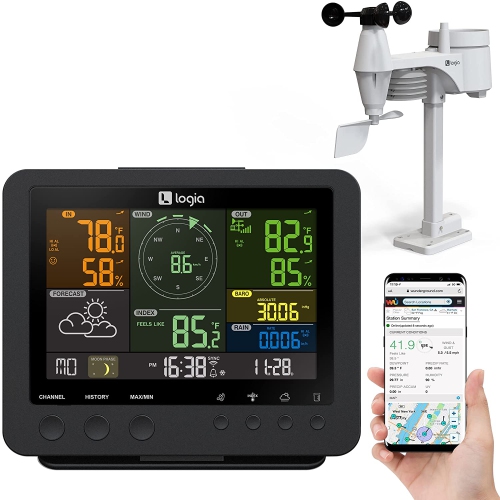


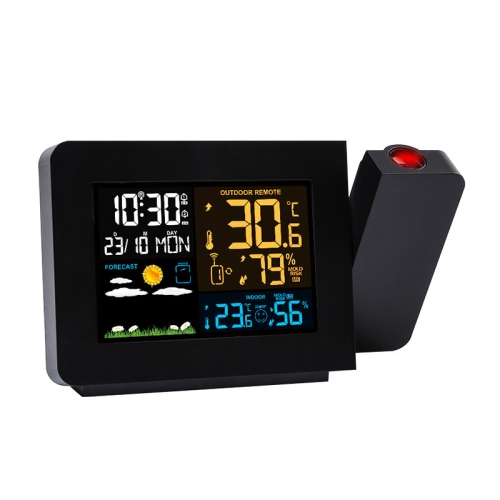
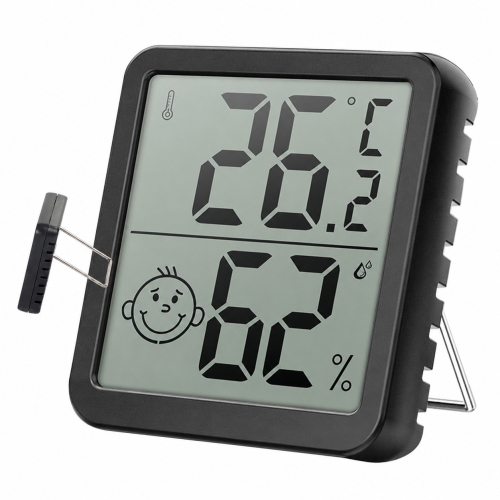
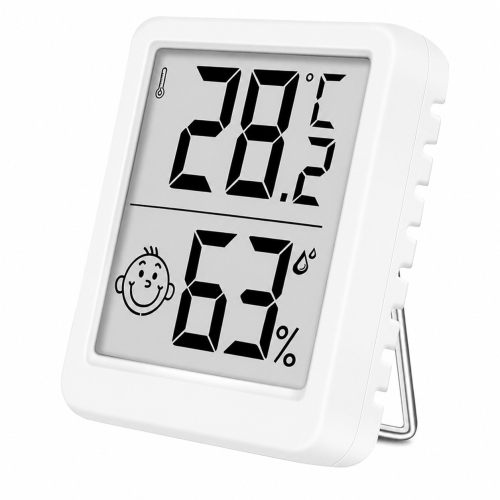
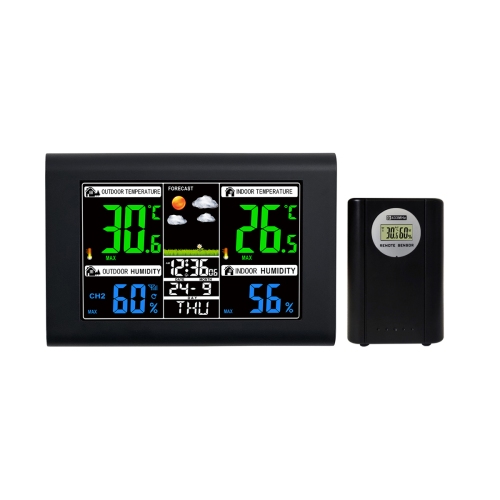

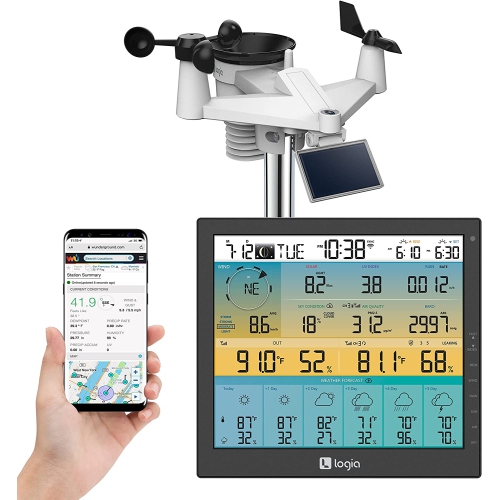

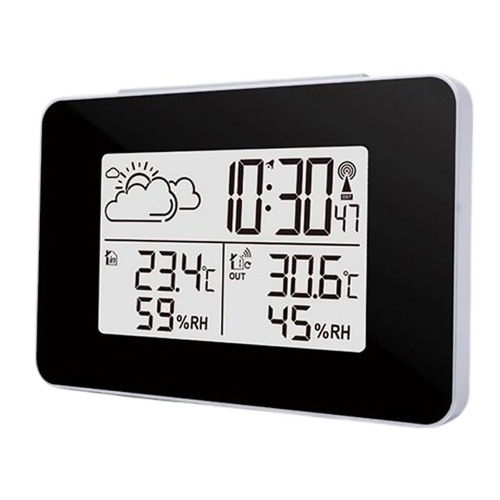

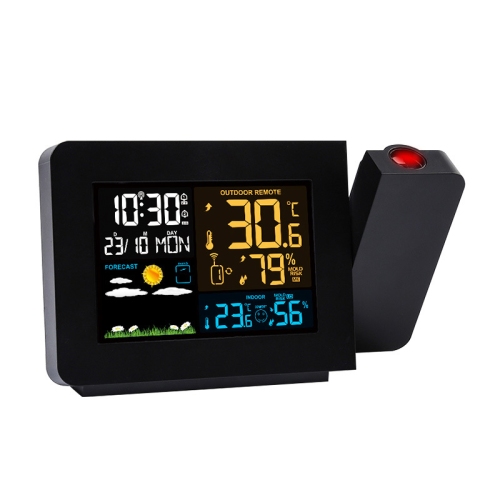

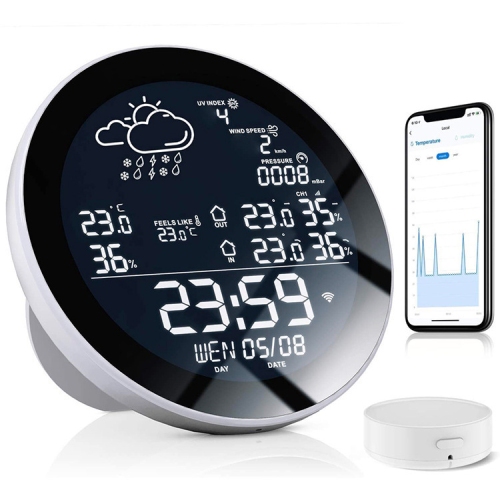


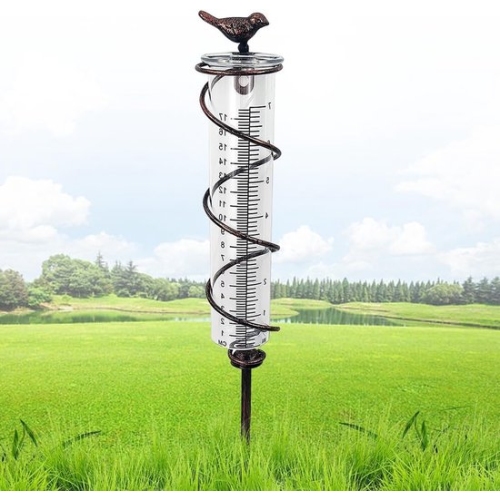
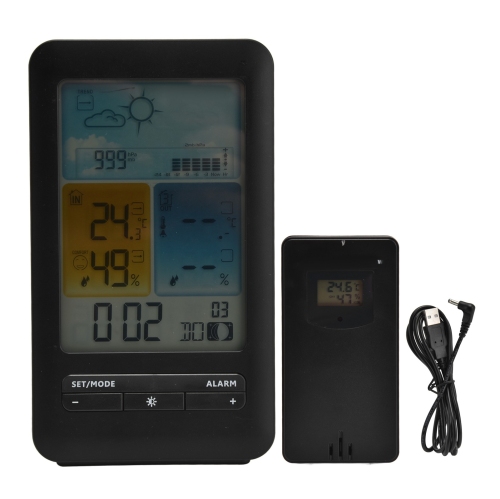
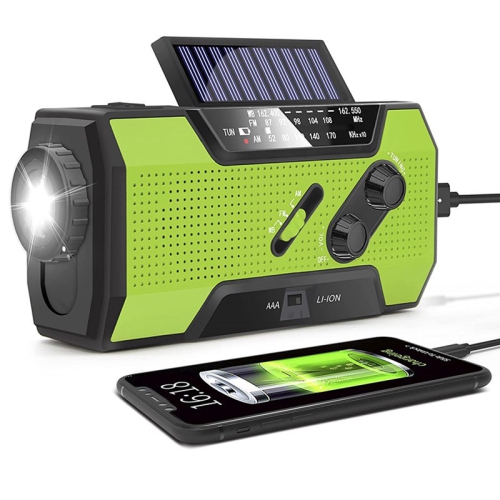
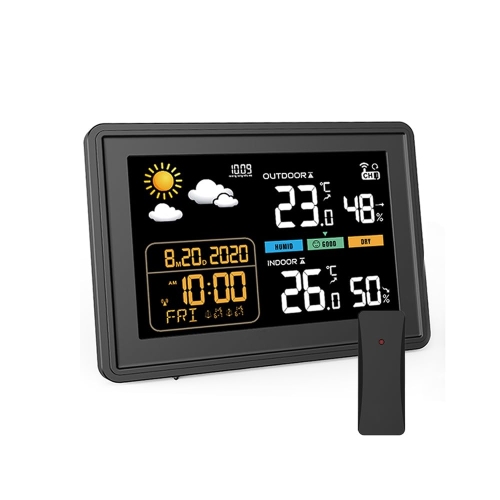
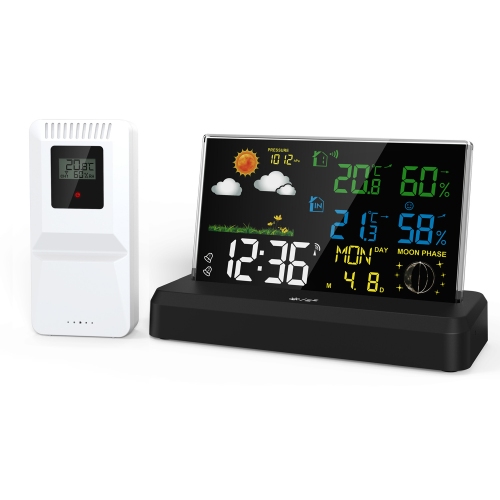
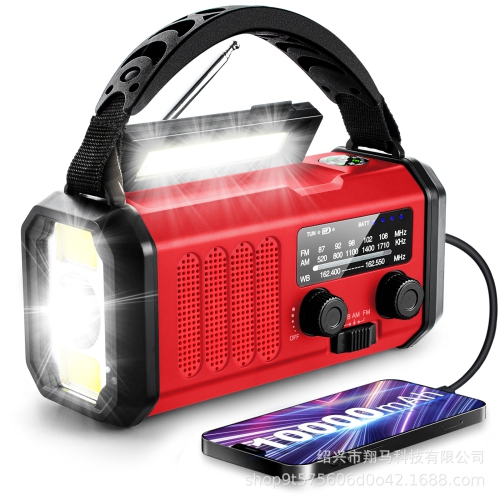

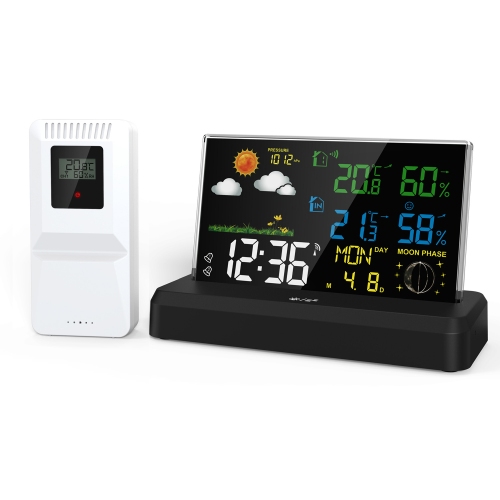
Local readings help track conditions at home and beyond
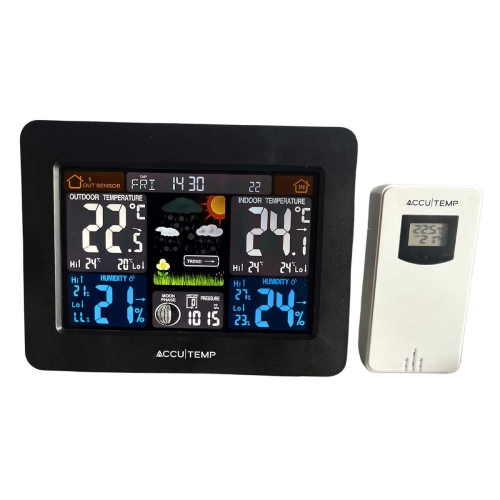
Indoor outdoor weather stations bring useful local readings into the home, helping you keep an eye on conditions beyond what a regional forecast can provide. Most models use a wireless outdoor sensor and an indoor display to show measurements such as indoor and outdoor temperature, humidity, time, date, and daily highs and lows. This can be helpful in a family room, kitchen, home office, workshop, cottage, or entryway where a quick glance provides a better sense of what is happening around your property. For example, a chilly reading near the garden may encourage you to protect delicate plants, while a sharp change in humidity indoors can signal that it is time to adjust heating, ventilation, or a humidifier. During the cooler months, indoor readings can also help you make bedrooms, nurseries, and living spaces more comfortable without relying solely on how the air feels. When choosing a station, consider which measurements matter most to you. A basic temperature and humidity monitor is often a practical choice for apartments, smaller homes, and anyone who wants straightforward information on an easy-to-read screen. More advanced systems may add wind speed, wind direction, rainfall, barometric pressure, dew point, heat index, frost alerts, and weather trend indicators. These extra details can be useful for gardeners, homeowners who spend time outdoors, hobbyists, boaters, campers, and anyone who enjoys recording local conditions. Some displays use colour screens, backlighting, large digits, or adjustable brightness, making readings easier to see from across a room or during early mornings and darker afternoons. Others connect through Wi-Fi so information can be viewed in a mobile app, shared with compatible online services, or checked while you are away from home. If you are comparing more display-focused options, explore Digital Weather Stations for additional ways to monitor readings indoors.
Placement and sensor performance are important parts of the buying decision. The outdoor sensor should be positioned where it can receive a clear signal from the main display and where its readings will not be distorted by direct heat from a wall, roof, vent, barbecue, or paved surface. A shaded, well-ventilated location is generally better for temperature readings, while rain and wind sensors need unobstructed positioning to collect useful information. Wireless transmission distances vary by design and by the number of walls, floors, trees, and other obstacles between the sensor and display; open-area ranges can be considerably greater than the distance available in a typical home. Check the stated transmission range and think about where the sensor will sit before choosing a model, especially for a detached garage, large yard, cottage, or multi-level house. Power options also deserve attention. Many units use batteries, some outdoor sensors include a built-in solar panel to help extend operating time, and certain displays can run from an adapter with battery backup. A station with memory functions can record recent high and low readings, while alerts can notify you when temperatures rise above or fall below a preferred setting. These features can support practical routines, from deciding when to open a window to checking conditions before a morning commute, a dog walk, a round of golf, or time in the garden. Indoor outdoor weather stations can also make thoughtful gifts for new homeowners, gardeners, grandparents, cottage owners, students moving into their first apartment, or anyone who enjoys practical gadgets with an everyday purpose. A simpler model may suit someone who values clear information without complicated setup, while a connected system can appeal to a data-minded user who likes reviewing trends over several days. Before purchasing, compare the display size, sensor count, measurement range, refresh rate, alert settings, connectivity, mounting options, and power requirements. It is also worth considering whether you want a compact device for one room or a fuller monitoring system that can follow conditions across a larger property. With the right combination of measurements and placement, a weather station becomes a dependable part of daily routines, offering a detailed picture of the air inside your home and the conditions just outside the door as the seasons shift.
Placement and sensor performance are important parts of the buying decision. The outdoor sensor should be positioned where it can receive a clear signal from the main display and where its readings will not be distorted by direct heat from a wall, roof, vent, barbecue, or paved surface. A shaded, well-ventilated location is generally better for temperature readings, while rain and wind sensors need unobstructed positioning to collect useful information. Wireless transmission distances vary by design and by the number of walls, floors, trees, and other obstacles between the sensor and display; open-area ranges can be considerably greater than the distance available in a typical home. Check the stated transmission range and think about where the sensor will sit before choosing a model, especially for a detached garage, large yard, cottage, or multi-level house. Power options also deserve attention. Many units use batteries, some outdoor sensors include a built-in solar panel to help extend operating time, and certain displays can run from an adapter with battery backup. A station with memory functions can record recent high and low readings, while alerts can notify you when temperatures rise above or fall below a preferred setting. These features can support practical routines, from deciding when to open a window to checking conditions before a morning commute, a dog walk, a round of golf, or time in the garden. Indoor outdoor weather stations can also make thoughtful gifts for new homeowners, gardeners, grandparents, cottage owners, students moving into their first apartment, or anyone who enjoys practical gadgets with an everyday purpose. A simpler model may suit someone who values clear information without complicated setup, while a connected system can appeal to a data-minded user who likes reviewing trends over several days. Before purchasing, compare the display size, sensor count, measurement range, refresh rate, alert settings, connectivity, mounting options, and power requirements. It is also worth considering whether you want a compact device for one room or a fuller monitoring system that can follow conditions across a larger property. With the right combination of measurements and placement, a weather station becomes a dependable part of daily routines, offering a detailed picture of the air inside your home and the conditions just outside the door as the seasons shift.
Top selling and popular products
-
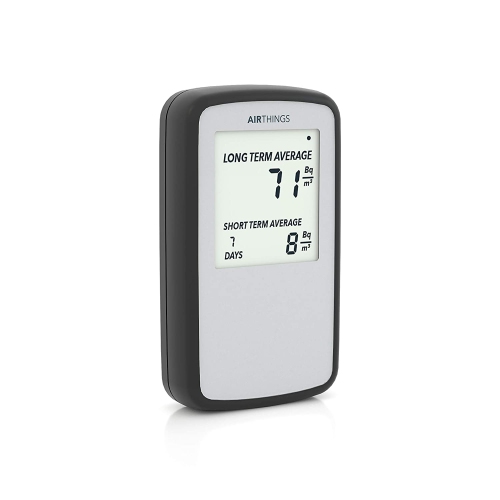 Your price for this item is $301.99
-
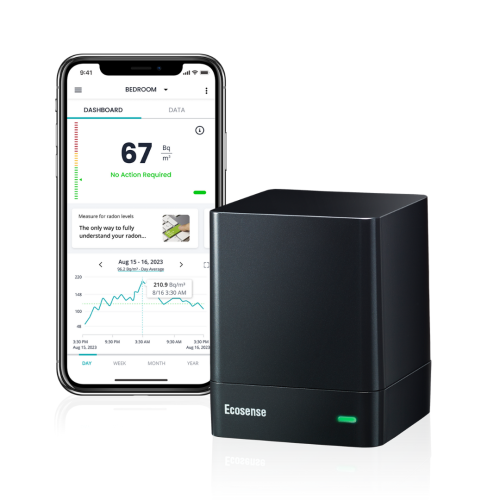 Your price for this item is $169
-
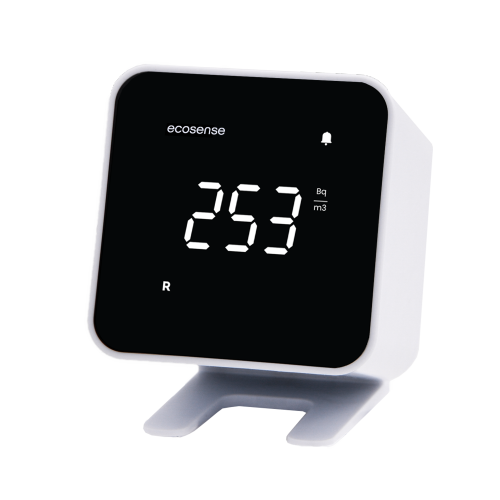 Your price for this item is $139
-
 Your price for this item is $217.68
-
 Your price for this item is $255.89
-
 Your price for this item is $429.99
-
 Your price for this item is $139
-
 Your price for this item is $68.83
Discover more categories related to Indoor Outdoor Weather Stations
Top Collections:
Pokemon Centers, Kindle Devices, Best Cameras for Sports Photography, Pokémon 30th Celebration Cards, Apple iPhones 16, Canon G7X Cameras, iPhone 15 Apple, Flip Phones, Samsung Galaxy Phones, Alarm Clock
Some products may be subject to Environmental Handling Fees
(EHF) depending on your province.
Learn more about EHFs.