Ecobee Premium Thermostats
Upgrade your home's comfort and control with the Ecobee Premium Thermostat. Designed to help you manage your indoor climate with ease, this advanced thermostat offers intuitive operation and seamless integration into your daily routine. Whether you're looking to enhance convenience or streamline temperature adjustments, the Ecobee Premium Thermostat delivers a modern solution for any living space. Explore options that fit your needs and experience a new level of home management today.
Sort
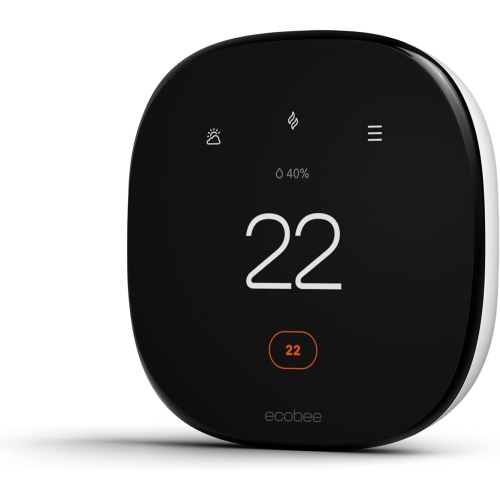
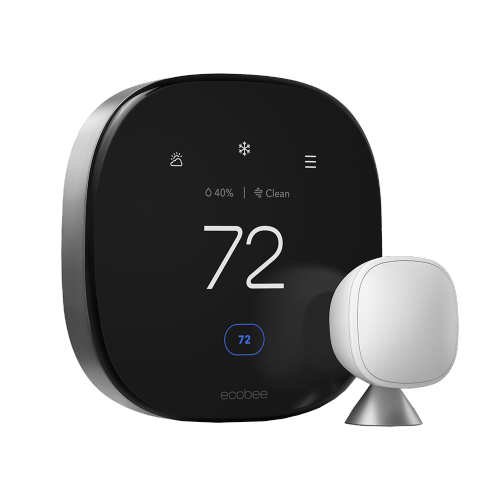
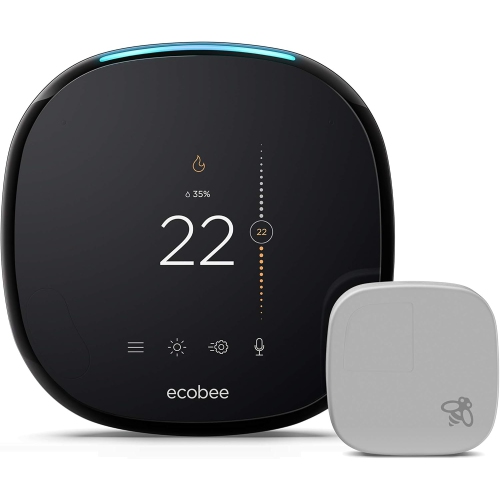
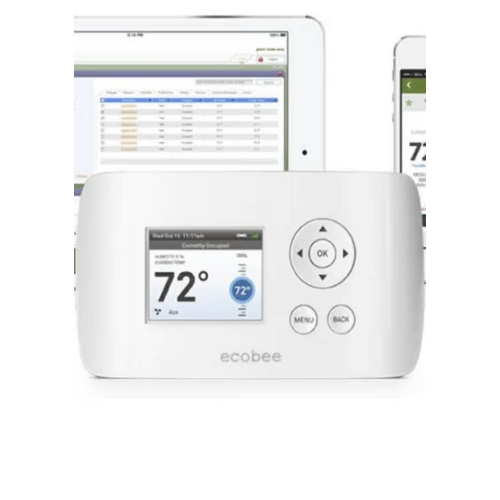
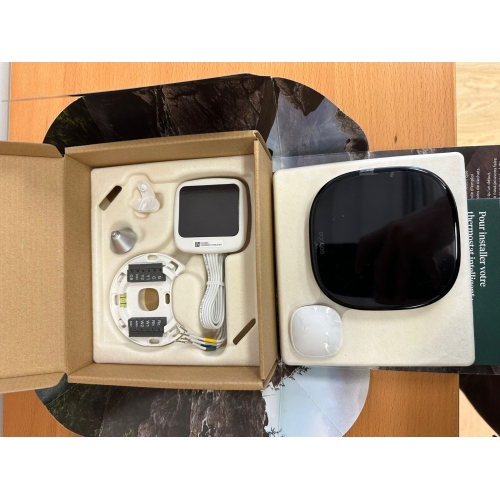
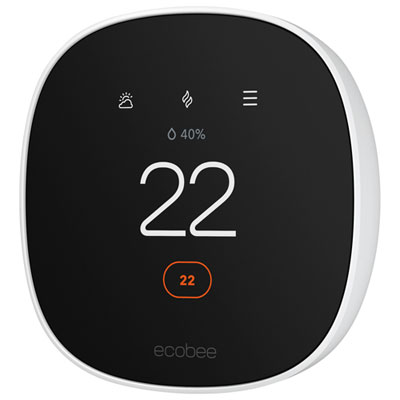
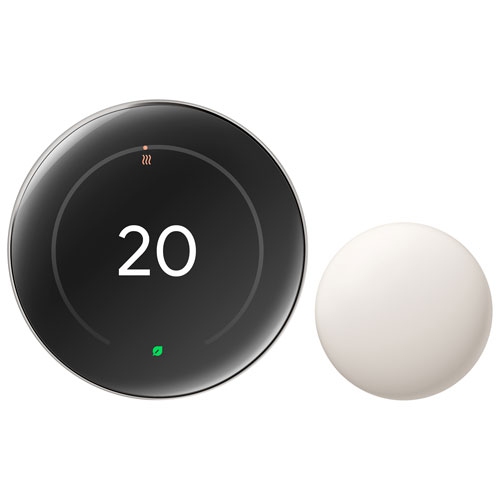
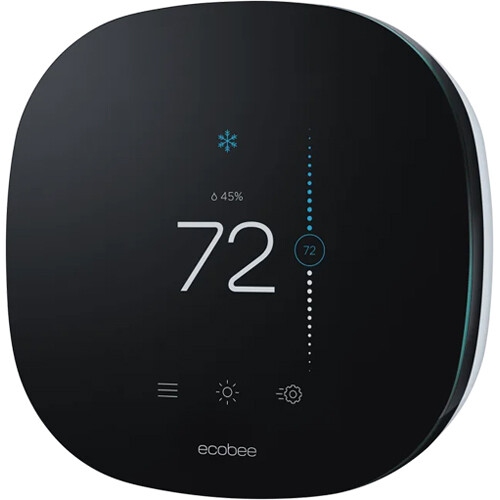
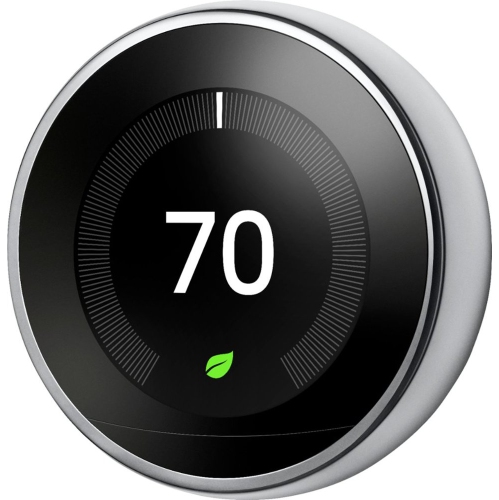
How room sensing takes temperature readings beyond the hallway
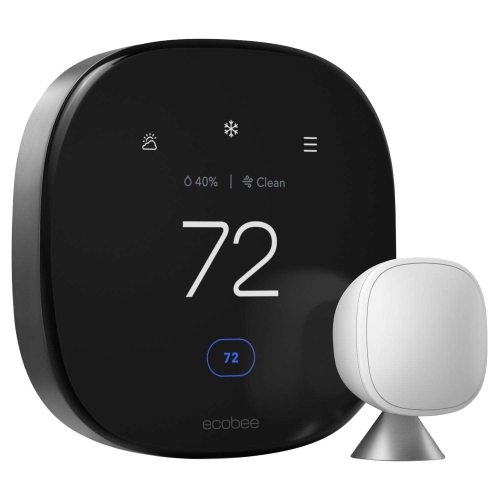
Premium smart thermostats bring temperature control, connected convenience, and a clear view of household comfort to one wall-mounted device. Designed for compatible heating and cooling systems, they combine a touchscreen with Wi-Fi connectivity so settings can be adjusted at home or through a mobile app. Their appeal goes beyond replacing a familiar dial or button panel: a thoughtfully matched thermostat can make daily routines feel more consistent, from warming the kitchen before breakfast to settling into a comfortable bedroom at night. During the cooler months, scheduling and remote access are especially useful for households with changing work hours, school routines, or regular trips away. Rather than keeping the same temperature all day, compatible controls can follow a schedule or use supported occupancy features to adjust settings when people come and go. Actual energy use depends on the building, insulation, equipment, weather, and chosen temperatures; a smart thermostat cannot correct a draughty window or an undersized furnace. Within this category, premium finishes often include a glass display and metal housing, giving a practical household control a more polished appearance in a hallway or living space. Screen readability, touch responsiveness, and the visibility of temperature information matter just as much as the finish, particularly when several family members share the controls. For shoppers comparing premium Wi-Fi smart thermostats, the most meaningful differences are usually heating-system compatibility, room-sensing capabilities, supported connected-home features, and the information shown on the display. These thermostats suit homeowners updating older controls, households building a connected home, and people who want convenient access to settings without walking to the hallway each time. They can also be a practical housewarming gift when the recipient’s wiring, heating equipment, and installation permissions have been confirmed beforehand. In a rental or condominium, approval requirements and responsibility for the heating controls are part of that fit, especially where equipment or temperature management is shared.
Room sensing is one of the features that can make premium thermostat controls feel more relevant to everyday life. A hallway may reach the set temperature while an upstairs bedroom remains cool, or an office with afternoon sun may feel warmer than the rest of the house. With compatible remote sensors, the thermostat can use readings from selected rooms rather than relying only on the temperature at its wall location. Some sensors also detect occupancy, allowing supported comfort settings to give greater weight to spaces people are using. This does not turn a single-zone heating system into independently controlled rooms, and it cannot guarantee the same temperature everywhere. Instead, it gives the system a more useful picture of conditions beyond the hallway. Sensor placement matters: a shelf away from direct sunlight, supply vents, exterior doors, and heat-producing electronics generally provides a more representative reading than a sunny windowsill or the top of a television cabinet. Indoor air quality features add another layer of information on supported thermostats. Humidity readings can help explain why a room feels dry or clammy, while certain air quality sensors can flag changes associated with airborne compounds from activities such as cooking or cleaning. The exact measurements vary, and an estimated carbon dioxide reading is not equivalent to a dedicated carbon dioxide measurement. Air quality notifications provide context rather than a medical assessment, and a thermostat does not replace a certified smoke or carbon monoxide alarm. Similarly, displaying humidity does not automatically mean the thermostat can control a humidifier or dehumidifier; that requires suitable equipment, wiring, and supported controls. Voice features and connected-home integrations may offer hands-free adjustments, shared routines, or access through an existing household platform. Built-in voice capability, compatibility with an external speaker, and support through a separate home hub are different arrangements, so the required hardware matters. Where motion-based functions or alarm-sound notifications are supported, they may also depend on account settings, additional devices, or an ongoing service. These distinctions help keep expectations grounded in what the complete setup can actually do.
Physical and electrical compatibility remain central to choosing a premium smart thermostat, even when the display and app are the most visible features. Many connected thermostats are designed for compatible low-voltage heating and cooling equipment, but they are not universal replacements for line-voltage controls used with some electric baseboard heaters. Furnace, boiler, heat pump, auxiliary heat, and multi-stage configurations each have their own requirements. A wire count alone does not establish compatibility: terminal labels, control-board connections, and the equipment’s documented specifications provide a more reliable basis for checking fit. A common wire, often called a C-wire, supplies continuous power in many installations. Where a suitable common wire is absent, a supported power adapter may be an option, but it is not a solution for every system and may require access to the heating equipment. Professional installation is useful when wiring is unclear, several heating stages are involved, or the setup includes separate accessories. Wall fit also deserves attention. The new housing may leave old paint edges or screw holes visible, while a compatible trim plate can help cover the previous thermostat’s footprint. Reliable home Wi-Fi is important for app access, updates, and connected features, and supported network requirements should be checked before installation. Everyday usability also includes understanding which local controls remain accessible if internet service is interrupted. For lasting performance, the thermostat and any room sensors need sensible placement and light, careful cleaning rather than intensive maintenance. A soft, dry cloth is generally appropriate for routine dusting, with the manufacturer’s care directions taking priority; spraying liquid directly onto the screen or housing can damage electronic components. Battery-powered room sensors need occasional battery replacement, and keeping their openings clear helps them function as intended. In a busy household, a durable housing, readable screen, straightforward controls, and dependable access for authorised users often matter more than a long feature list. Matched to the home’s equipment and daily routines, a premium smart thermostat offers a convenient way to manage heating and cooling while keeping comfort information close at hand.
Room sensing is one of the features that can make premium thermostat controls feel more relevant to everyday life. A hallway may reach the set temperature while an upstairs bedroom remains cool, or an office with afternoon sun may feel warmer than the rest of the house. With compatible remote sensors, the thermostat can use readings from selected rooms rather than relying only on the temperature at its wall location. Some sensors also detect occupancy, allowing supported comfort settings to give greater weight to spaces people are using. This does not turn a single-zone heating system into independently controlled rooms, and it cannot guarantee the same temperature everywhere. Instead, it gives the system a more useful picture of conditions beyond the hallway. Sensor placement matters: a shelf away from direct sunlight, supply vents, exterior doors, and heat-producing electronics generally provides a more representative reading than a sunny windowsill or the top of a television cabinet. Indoor air quality features add another layer of information on supported thermostats. Humidity readings can help explain why a room feels dry or clammy, while certain air quality sensors can flag changes associated with airborne compounds from activities such as cooking or cleaning. The exact measurements vary, and an estimated carbon dioxide reading is not equivalent to a dedicated carbon dioxide measurement. Air quality notifications provide context rather than a medical assessment, and a thermostat does not replace a certified smoke or carbon monoxide alarm. Similarly, displaying humidity does not automatically mean the thermostat can control a humidifier or dehumidifier; that requires suitable equipment, wiring, and supported controls. Voice features and connected-home integrations may offer hands-free adjustments, shared routines, or access through an existing household platform. Built-in voice capability, compatibility with an external speaker, and support through a separate home hub are different arrangements, so the required hardware matters. Where motion-based functions or alarm-sound notifications are supported, they may also depend on account settings, additional devices, or an ongoing service. These distinctions help keep expectations grounded in what the complete setup can actually do.
Physical and electrical compatibility remain central to choosing a premium smart thermostat, even when the display and app are the most visible features. Many connected thermostats are designed for compatible low-voltage heating and cooling equipment, but they are not universal replacements for line-voltage controls used with some electric baseboard heaters. Furnace, boiler, heat pump, auxiliary heat, and multi-stage configurations each have their own requirements. A wire count alone does not establish compatibility: terminal labels, control-board connections, and the equipment’s documented specifications provide a more reliable basis for checking fit. A common wire, often called a C-wire, supplies continuous power in many installations. Where a suitable common wire is absent, a supported power adapter may be an option, but it is not a solution for every system and may require access to the heating equipment. Professional installation is useful when wiring is unclear, several heating stages are involved, or the setup includes separate accessories. Wall fit also deserves attention. The new housing may leave old paint edges or screw holes visible, while a compatible trim plate can help cover the previous thermostat’s footprint. Reliable home Wi-Fi is important for app access, updates, and connected features, and supported network requirements should be checked before installation. Everyday usability also includes understanding which local controls remain accessible if internet service is interrupted. For lasting performance, the thermostat and any room sensors need sensible placement and light, careful cleaning rather than intensive maintenance. A soft, dry cloth is generally appropriate for routine dusting, with the manufacturer’s care directions taking priority; spraying liquid directly onto the screen or housing can damage electronic components. Battery-powered room sensors need occasional battery replacement, and keeping their openings clear helps them function as intended. In a busy household, a durable housing, readable screen, straightforward controls, and dependable access for authorised users often matter more than a long feature list. Matched to the home’s equipment and daily routines, a premium smart thermostat offers a convenient way to manage heating and cooling while keeping comfort information close at hand.
Top selling and popular products
-
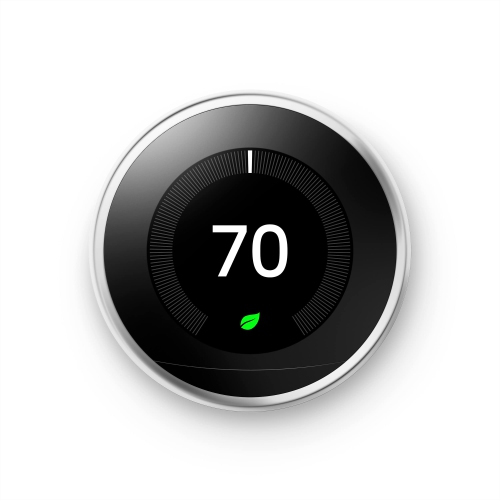 Your price for this item is $329.99
 -
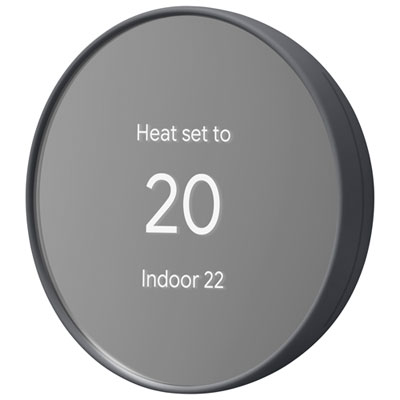 Your price for this item is $125.99
 -
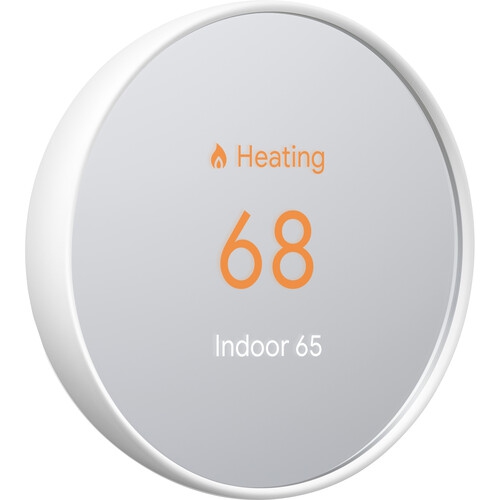 Your price for this item is $149.99
 -
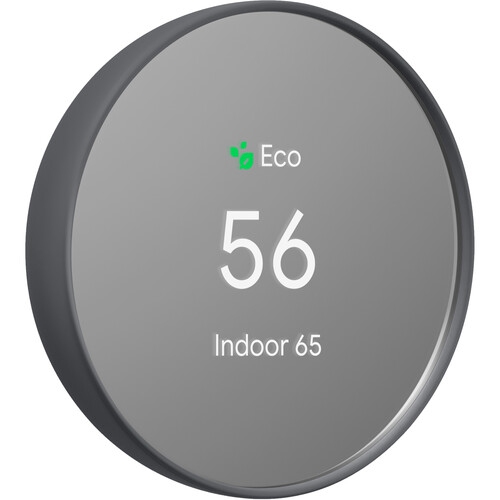 Your price for this item is $139
 -
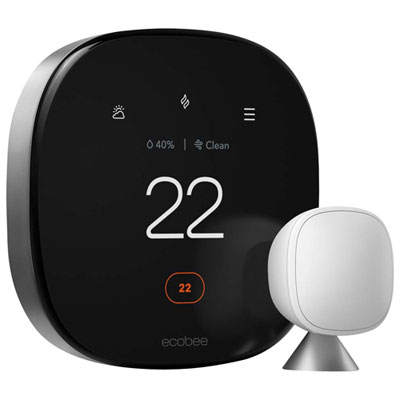 Your price for this item is $279.99
 -
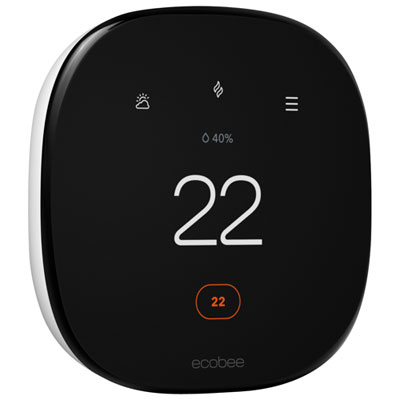 Your price for this item is $204.99
 -
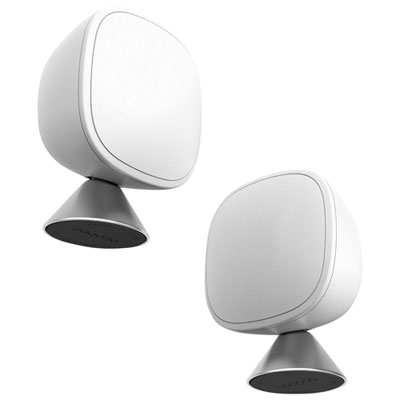 Your price for this item is $73.98
 -
 Your price for this item is $239.99
Discover more categories related to Ecobee Premium Thermostats
Top Collections:
Pokemon Centers, Kindle Devices, Best Budget Office Chairs, Apple iPhones 16, Best Laptops for Writers, iPhone 15 Apple, Canon G7X Cameras, Refurbished Apple Laptops, Alarm Clock, Motorola Razr Phones
Some products may be subject to Environmental Handling Fees
(EHF) depending on your province.
Learn more about EHFs.