Fingerprint Smart Locks
Fingerprint Smart Locks offer a modern solution for secure and convenient access to your home or office. With advanced biometric technology, these locks provide a keyless entry experience that helps simplify daily routines. Designed to fit seamlessly into various door types, Fingerprint Smart Locks combine style and functionality to enhance both security and ease of use. Explore options that suit your space and enjoy the confidence that comes with innovative access control.
Sort
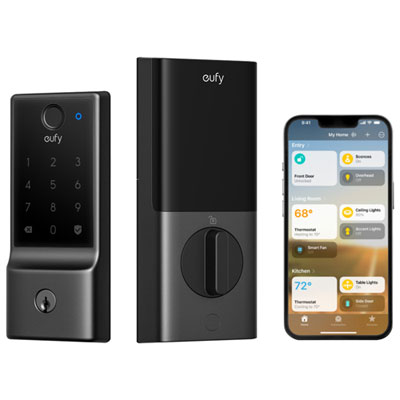
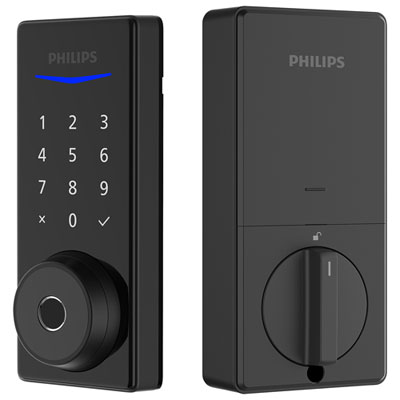
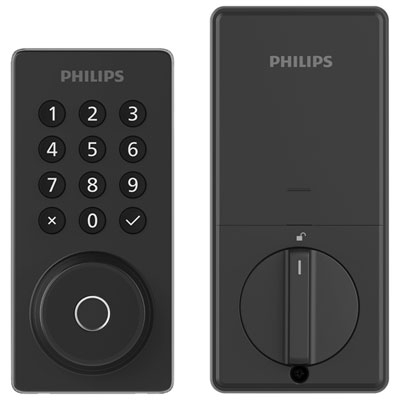
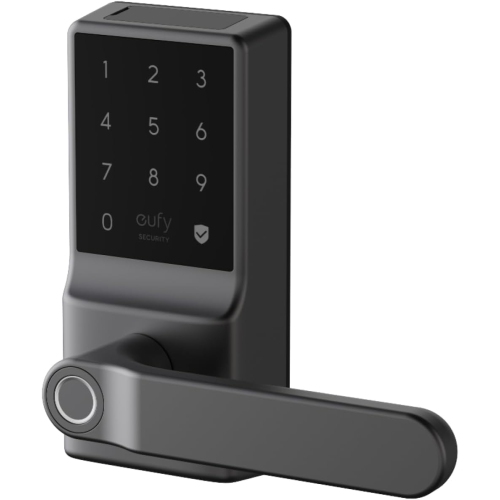
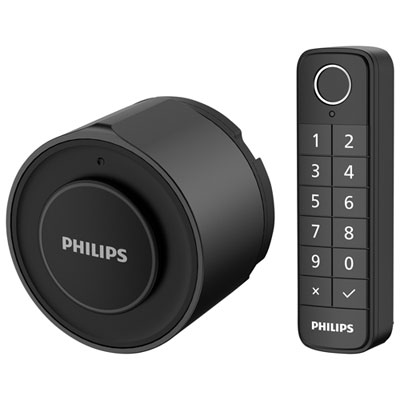

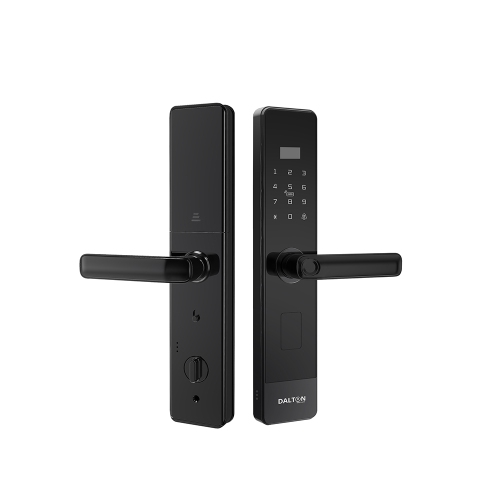
Keyless entry starts with a familiar touch
Fingerprint smart locks are electronic door locks that use a registered fingerprint to authorize entry, allowing a door to be unlocked without inserting a key or entering a code. They can serve as the main lock on a compatible entrance or form part of a broader smart home setup, depending on their design and connectivity. A household member places an enrolled finger on the reader, and the lock compares the scan with a stored biometric template before releasing the locking mechanism. That simple interaction can be useful when arriving home with shopping bags, heading out for a walk without a key ring, or giving several family members their own way to enter. Fingerprint entry is not necessarily the only access method: depending on the model, alternatives may include a keypad, a mobile app, a physical key or a supported digital credential. Having more than one method matters when a finger is wet, dirty, bandaged or otherwise difficult for the reader to recognize. Enrolling more than one finger, where supported, adds flexibility without requiring another person’s assistance. For people accustomed to unlocking phones with fingerprint scanners, touching a sensor at the door offers a similarly familiar interaction, although phone compatibility and door-lock compatibility are separate considerations. Fingerprint capacity also varies, so a lock intended for a busy household should accommodate everyone who needs regular access, including any additional fingers enrolled for convenience. Children, older adults and anyone with limited hand movement may find the reader’s position and the effort required to operate the handle especially important. A clearly positioned sensor, comfortable grip and straightforward backup method can matter more in daily use than a long list of connected features. Fingerprint recognition should be treated as a convenient access option rather than a promise that every scan will succeed on the first attempt.
The right physical fit is just as important as the unlocking method. Fingerprint smart locks include deadbolt replacements, integrated handle sets and lever-style locks, with different designs suited to entrance doors, side doors or rooms where controlled access is appropriate. A deadbolt and a lever lock perform different jobs, so the existing door hardware helps determine which style makes sense. Relevant measurements include door thickness, the diameter of the existing bore hole and the backset, which is the distance from the door’s edge to the centre of that hole. The spacing between separate handle and deadbolt openings can also affect whether a larger interior housing will fit. Doors with mortise locks, interconnected hardware or multipoint locking systems may require a specifically compatible replacement rather than a standard cylindrical lock. Before choosing a configuration, confirm the door’s opening direction, the clearance around trim and the space available on both sides for the lock body. For an exterior entrance, hardware should be rated for that intended location; an interior privacy lock is not a substitute for an entrance lock. Metal components such as steel bolts and zinc-alloy housings are common, while the finish influences how the lock coordinates with hinges, handles and nearby fixtures. Finish colour alone does not establish strength, so construction, applicable security ratings and installation quality deserve attention as well. A properly aligned door should latch and lock without being pushed, pulled or lifted into position. If the bolt rubs against the strike plate, correcting that fit helps the motor operate as intended and avoids unnecessary strain. Care is generally straightforward: follow the manufacturer’s cleaning directions, keep the reader free of residue and avoid abrasive cleaners that could damage its surface or finish. Renters and condominium residents should also confirm permission to replace hardware and check any applicable building or fire-door requirements before making changes.
Connected features determine how a fingerprint door lock fits into the rest of a household’s routine. Bluetooth commonly supports nearby app access, while Wi-Fi or a compatible hub may enable functions such as remote status checks, notifications and access management away from home. These capabilities are not universal, and some require additional hardware or a particular home network setup. A lock that accepts fingerprints at the door does not automatically support remote unlocking, voice control or every smart home platform. For shared households, separate user profiles can make access easier to manage than passing around a single code. Where supported, temporary or scheduled PINs can give a dog walker, visiting relative or service provider access during an agreed period without enrolling a fingerprint. Activity history may help distinguish who unlocked the door and when, but the detail recorded depends on the lock and the access method used. Automatic locking is another practical feature, particularly for households with frequent departures, though a timer-based function should not be confused with confirmation that the door is physically closed. A separate or built-in door-position sensor may be needed for that information. Privacy deserves equal attention: useful details include where fingerprint templates are stored, how access permissions are protected and how enrolled users can be removed. Strong app credentials, multifactor authentication where offered and ongoing software support help protect connected access. Power arrangements also affect everyday ownership. Many fingerprint smart locks run on replaceable batteries or a rechargeable battery pack, with battery life influenced by usage, connectivity and door alignment. Low-battery alerts are helpful, but a practical backup plan remains important. Some locks provide an external emergency power connection, which may temporarily power the lock rather than recharge its battery; others rely on a mechanical key or another documented method. Keeping that backup accessible from outside, rather than behind the locked door, helps prevent a small maintenance task from becoming a lockout. The most useful combination is one that matches the door, supports the household’s access needs and remains straightforward to operate and maintain.
Top selling and popular products
-
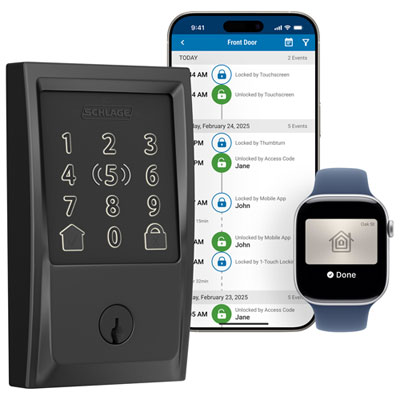 Your price for this item is $399.99
-
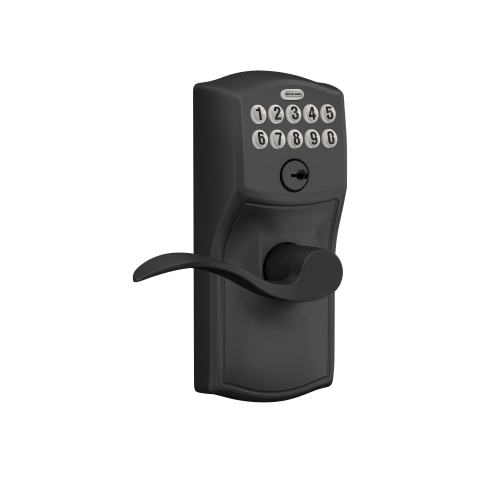 Your price for this item is $145
-
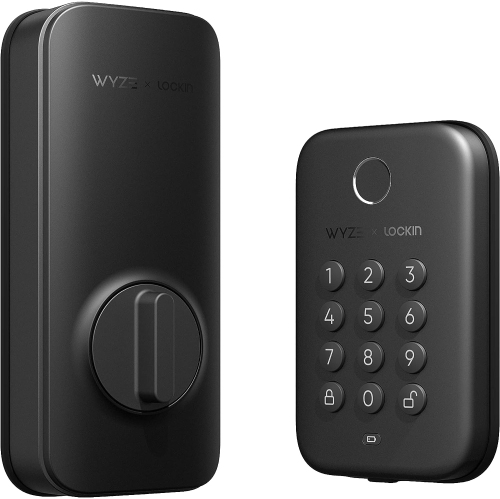 Your price for this item is $149
-
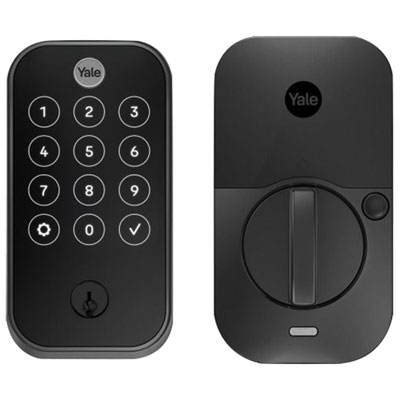 Your price for this item is $349.99
-
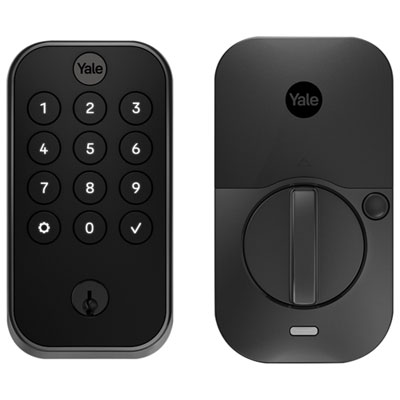 Your price for this item is $318.99
-
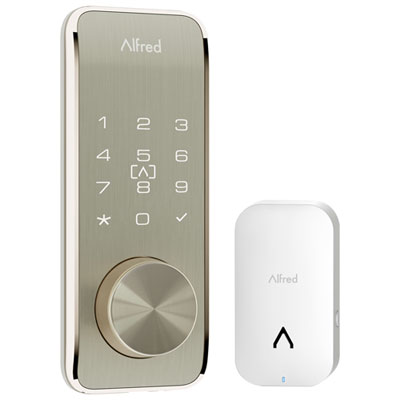 Your price for this item is $399.97
-
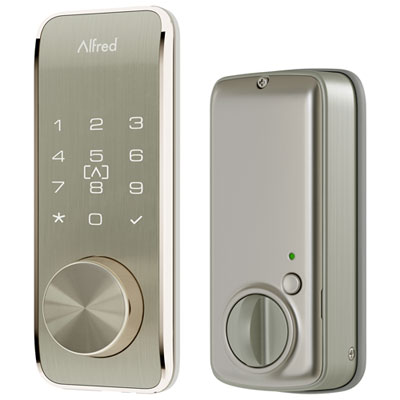 Your price for this item is $349.99
-
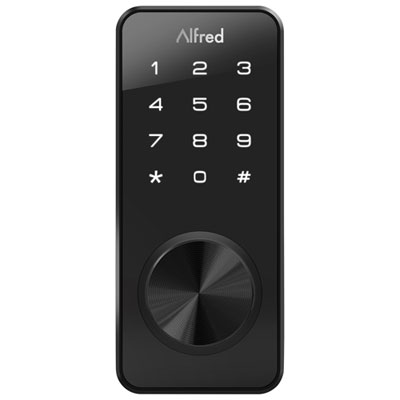 Your price for this item is $214.99
Discover more categories related to Fingerprint Smart Locks
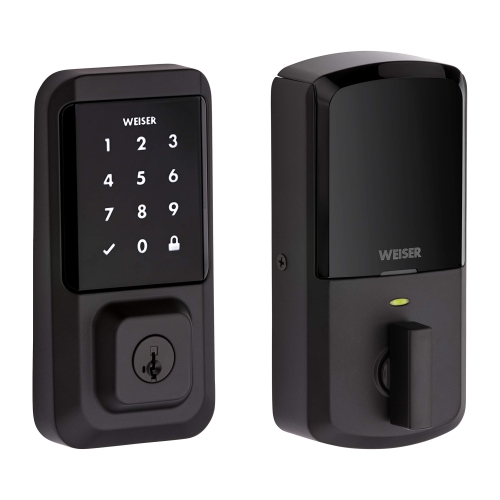
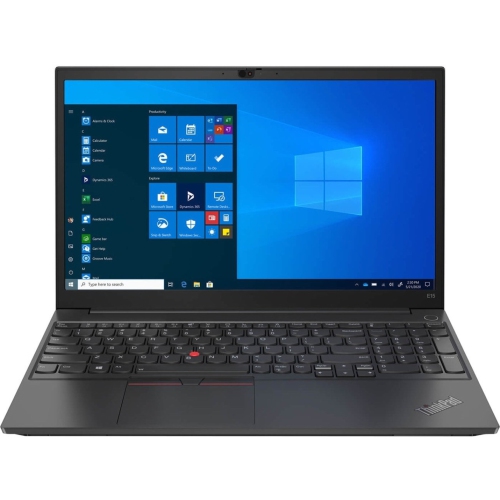
Top Collections:
Best Black Friday Deals This Year, Best Black Friday Deals On Electronics, Kindle Devices, Pokemon Centers, Best Black Friday Deals On Apple Products, Best Cameras for Sports Photography, Dyson Airwrap, Pokémon 30th Celebration Cards, Apple iPhone 17 Pro, Canon G7X Cameras
Some products may be subject to Environmental Handling Fees
(EHF) depending on your province.
Learn more about EHFs.