Home Intercom Systems
Upgrade your home with the convenience and security of a modern home intercom system. Stay connected with family members in different rooms or enhance your home's security by easily screening visitors at the door. Our selection of home intercom systems offers a range of features to suit your needs, whether you're looking for simple two-way communication or advanced video monitoring capabilities. Explore our collection to find the perfect solution for enhancing communication and safety within your home.
Sort
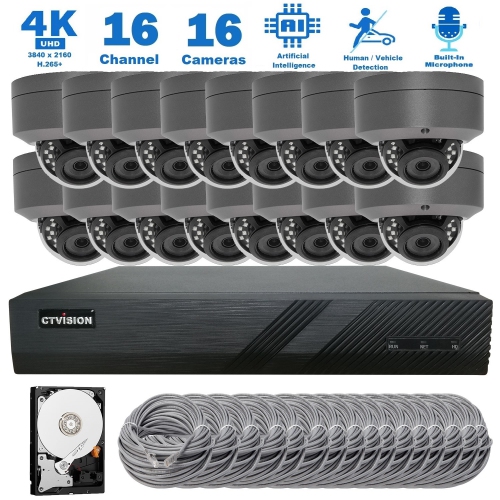
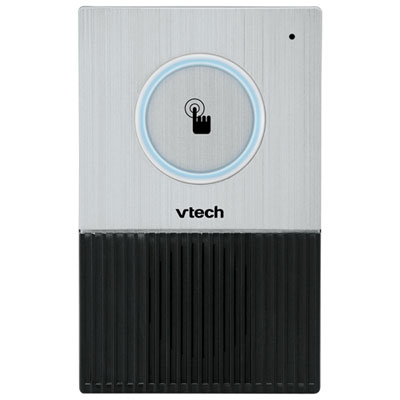
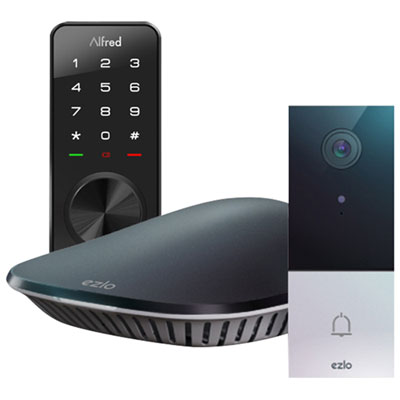
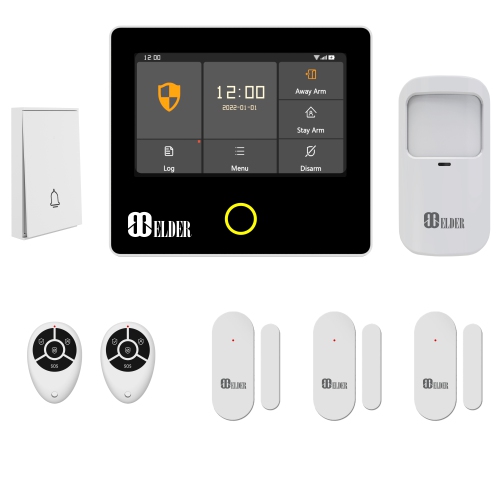
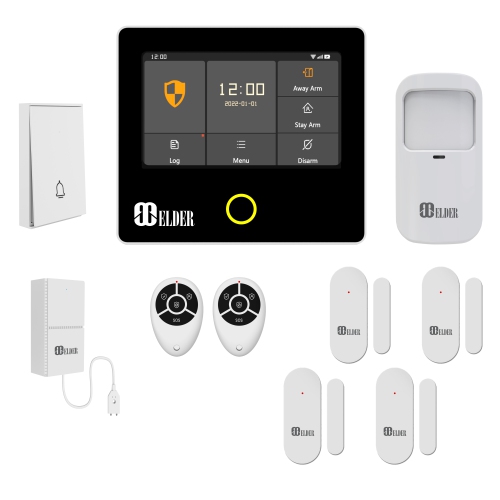
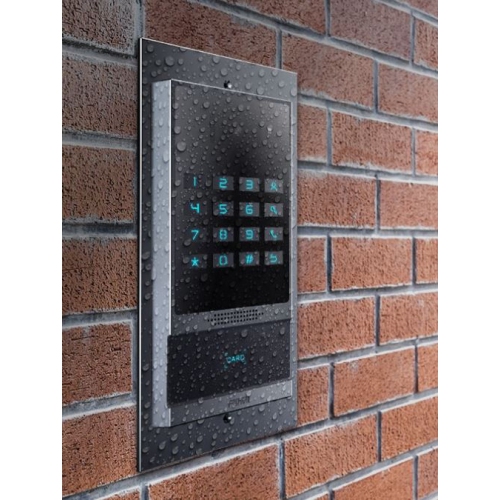
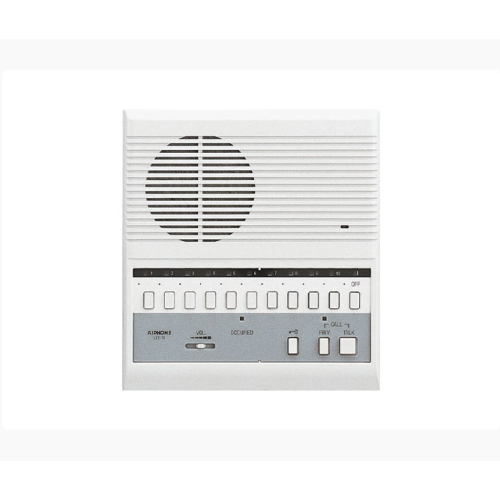
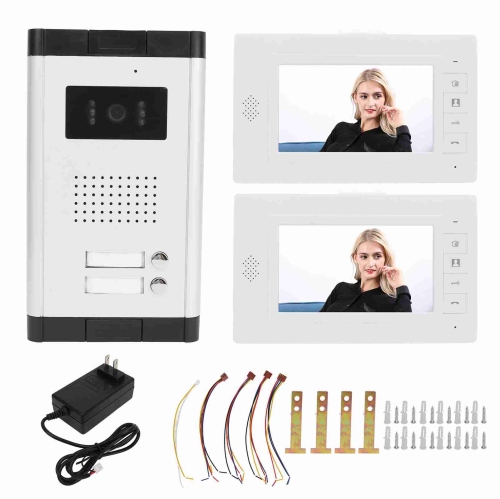
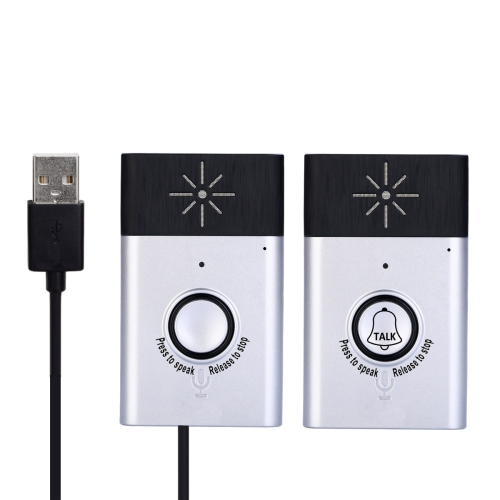
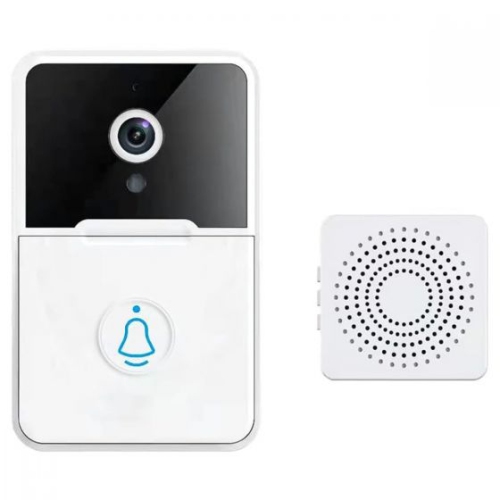
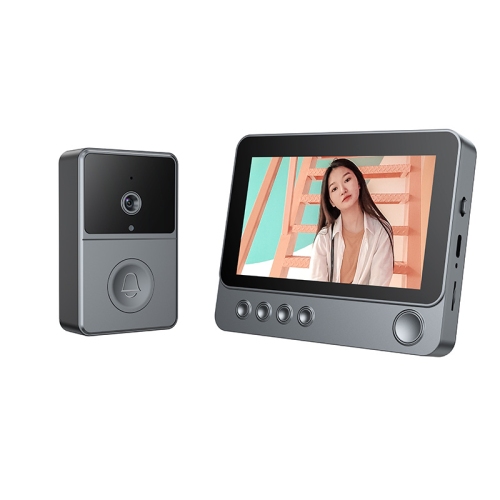
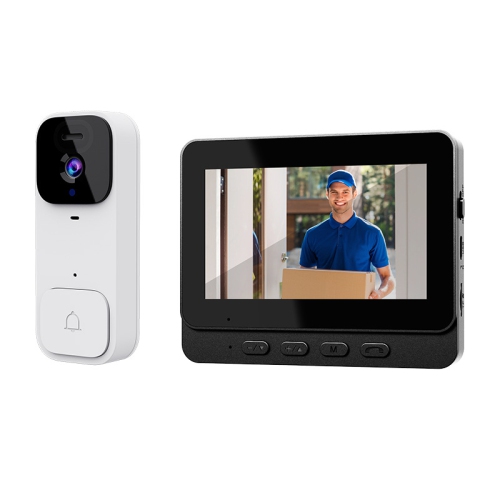
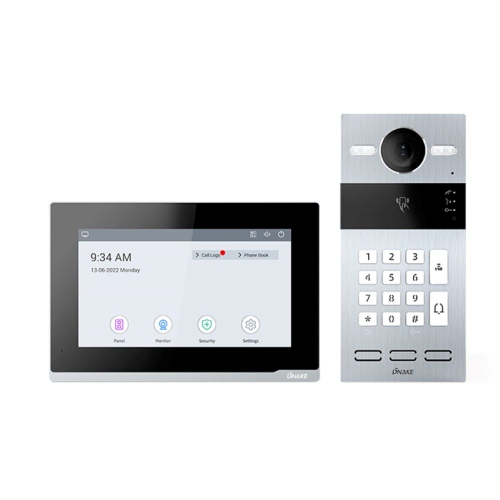
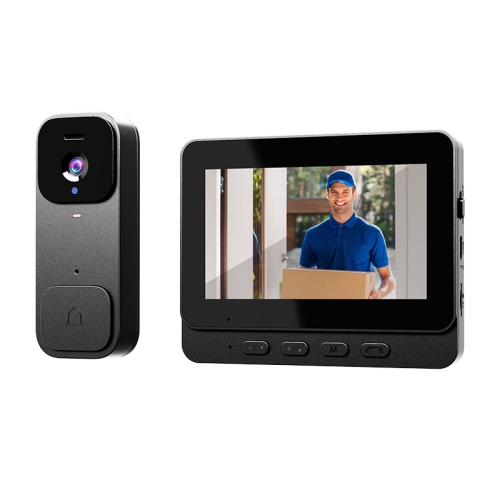
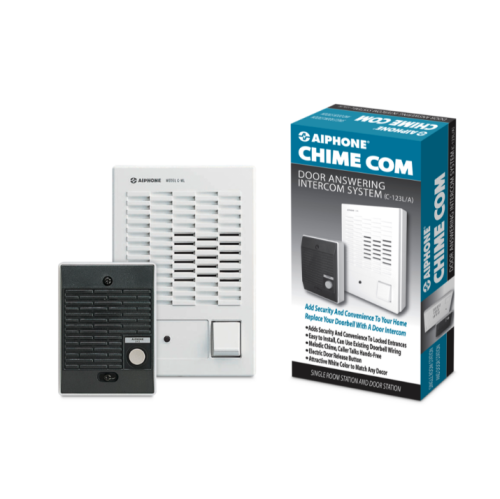
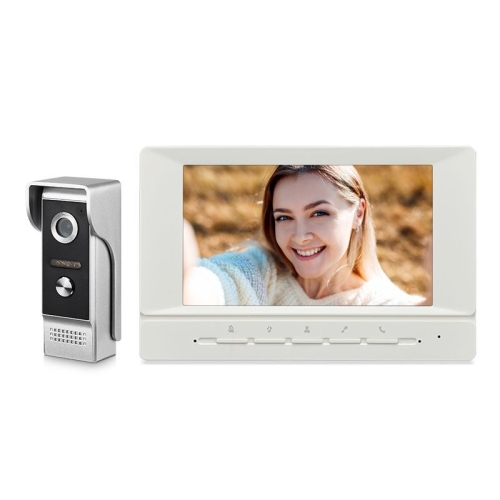
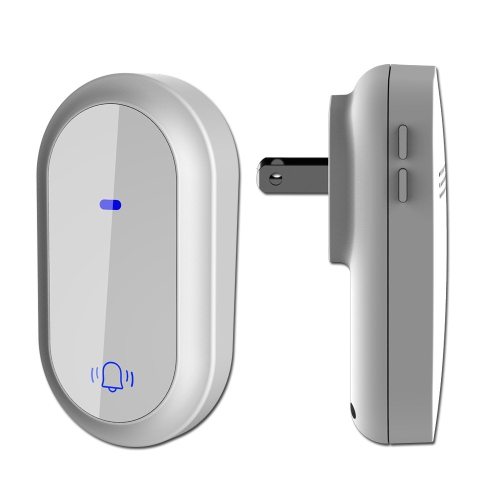
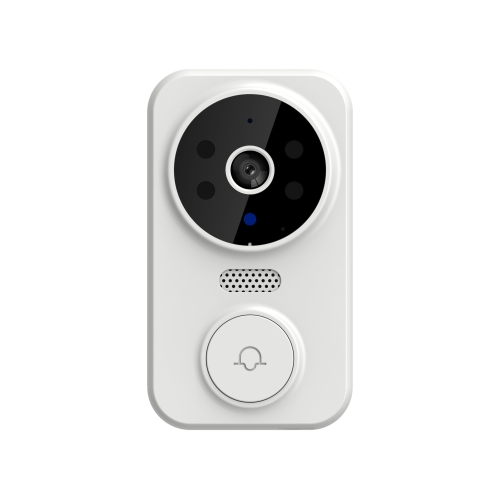
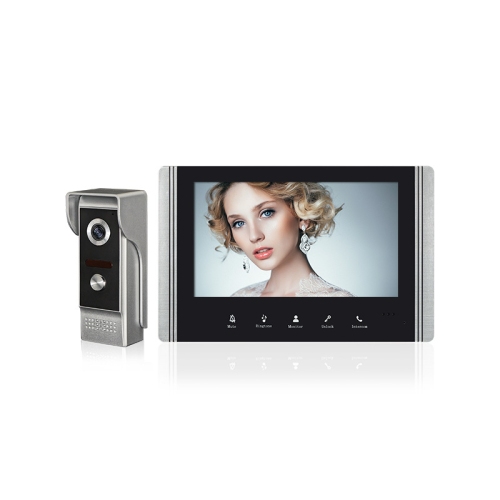
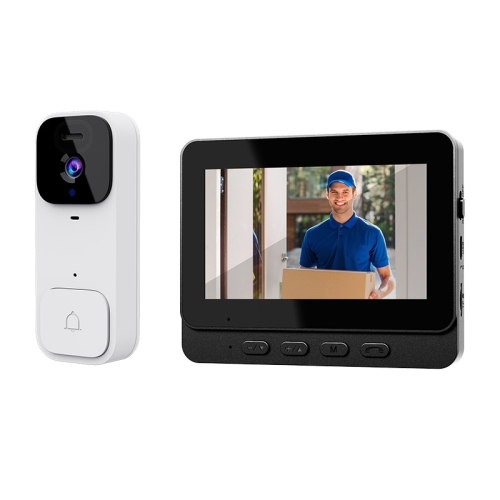
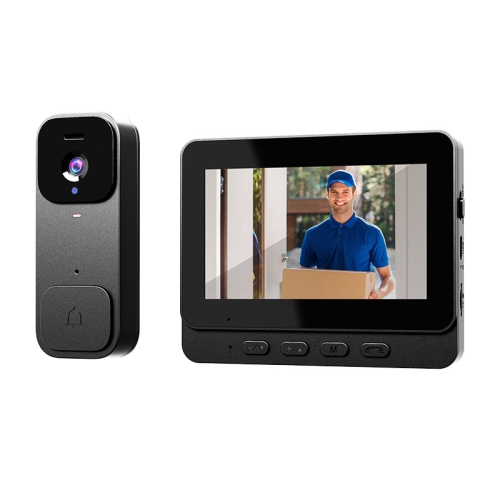
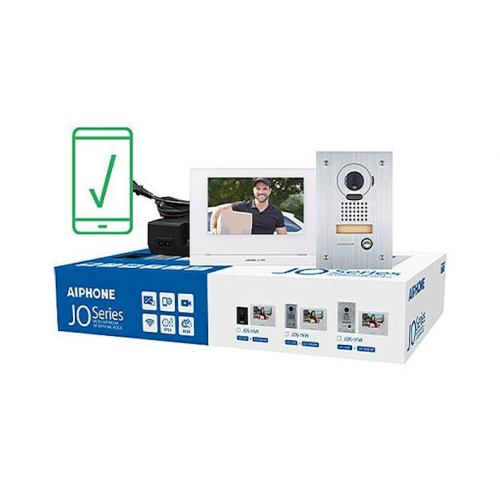
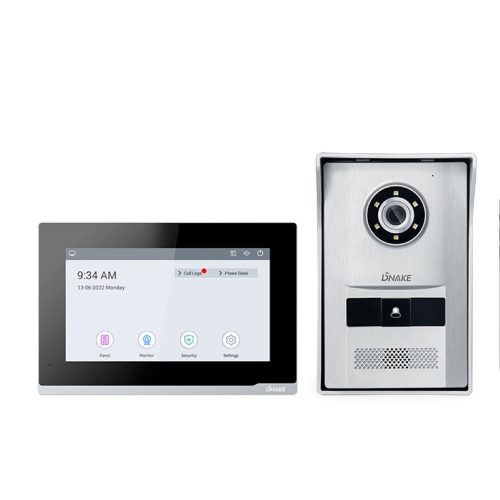
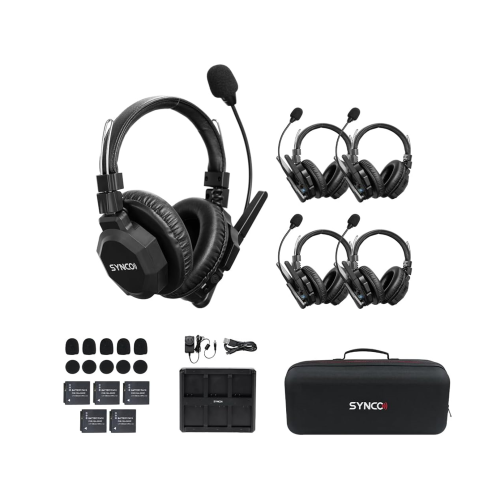
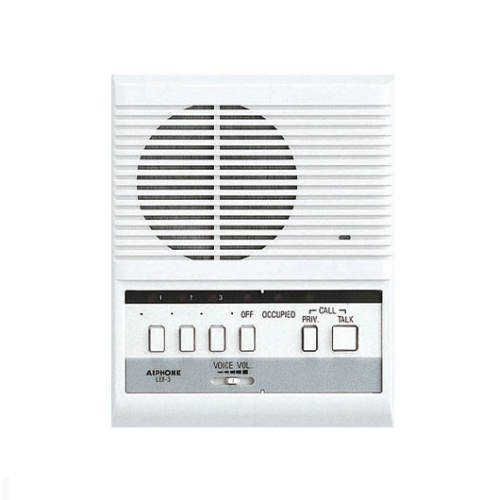
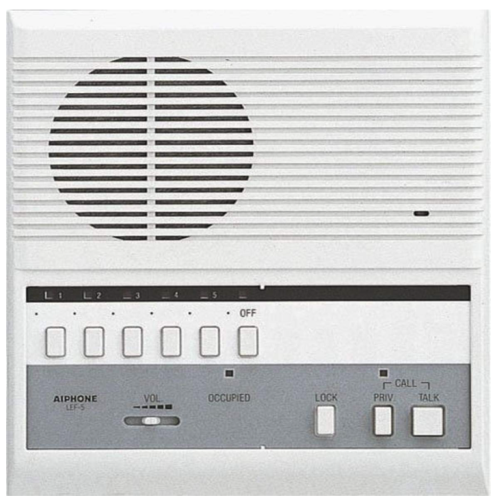
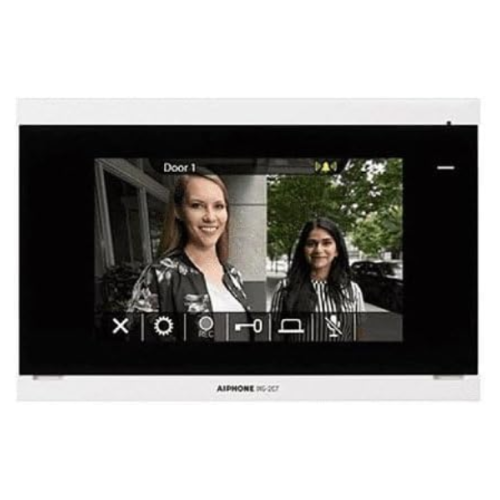
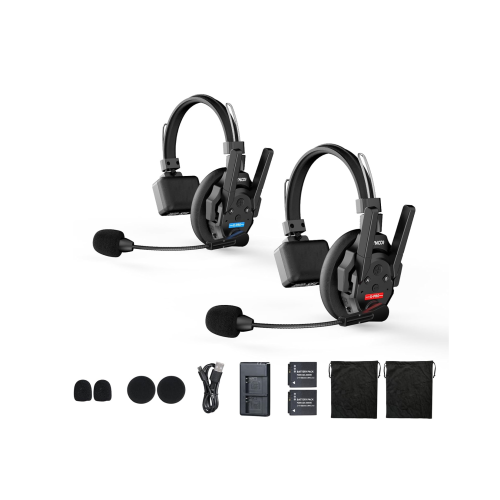
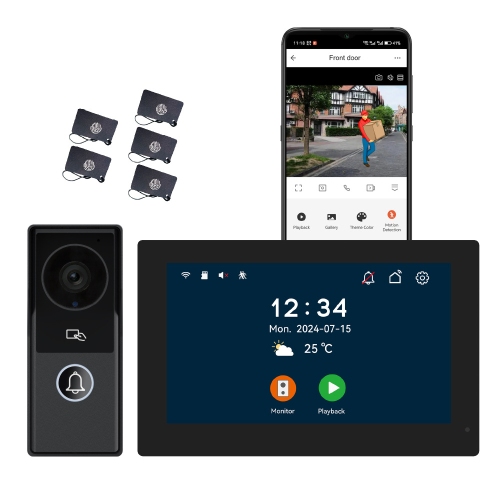
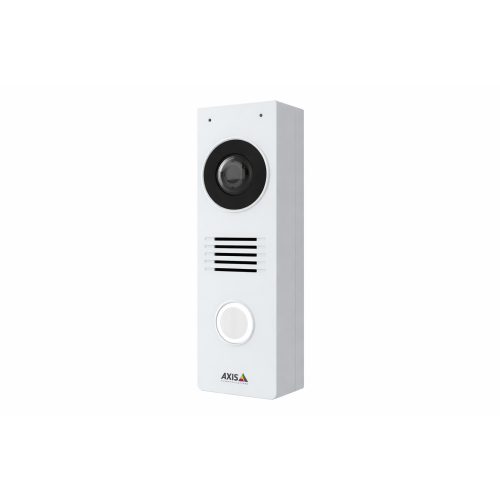
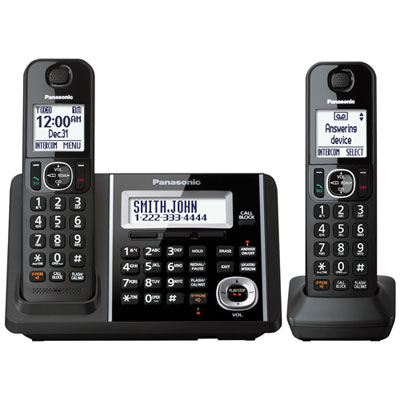
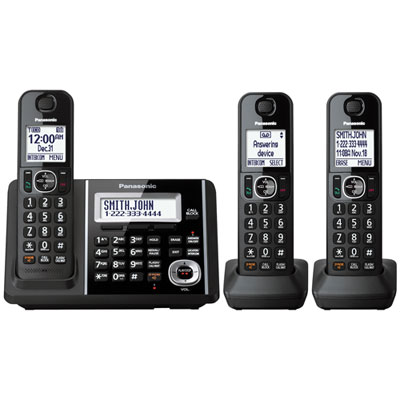
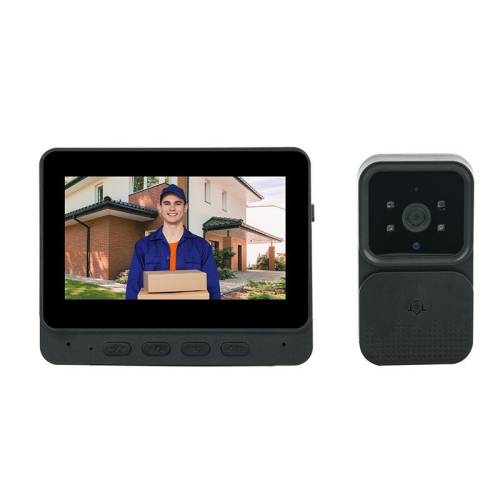
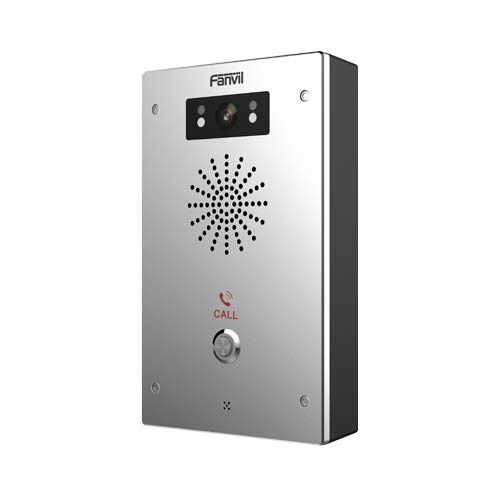

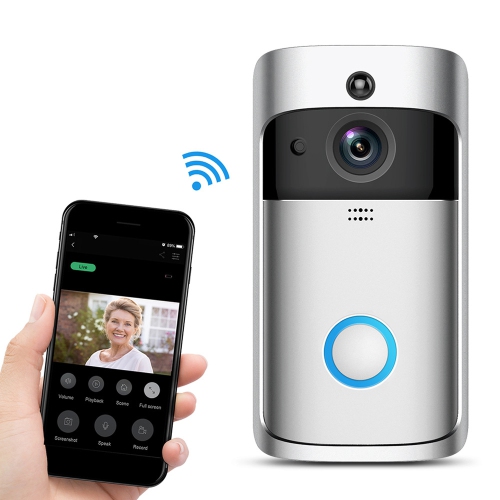
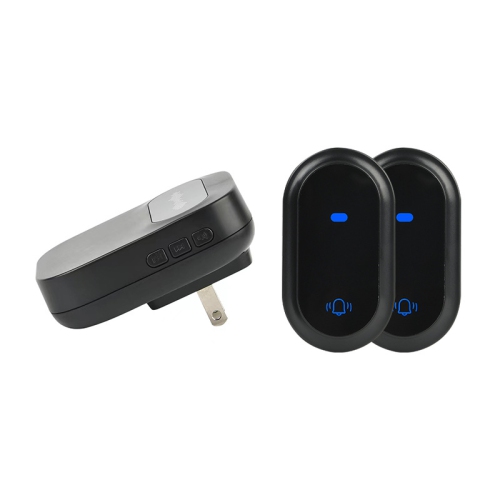
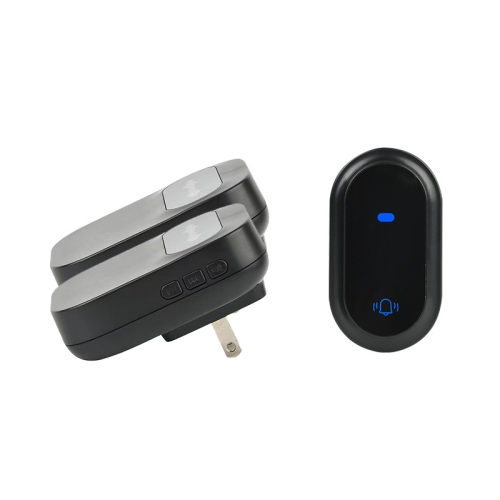
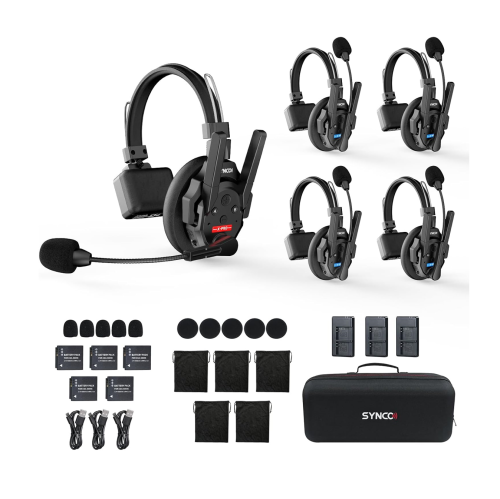
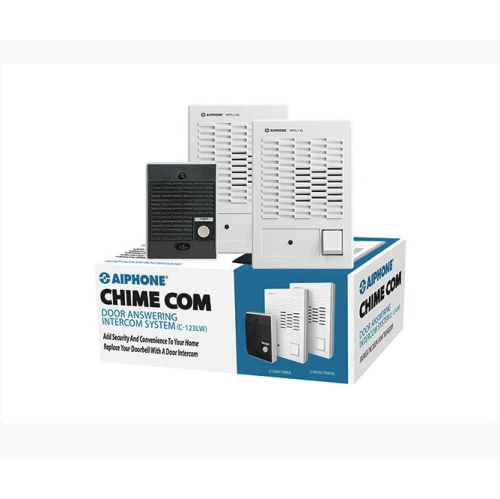
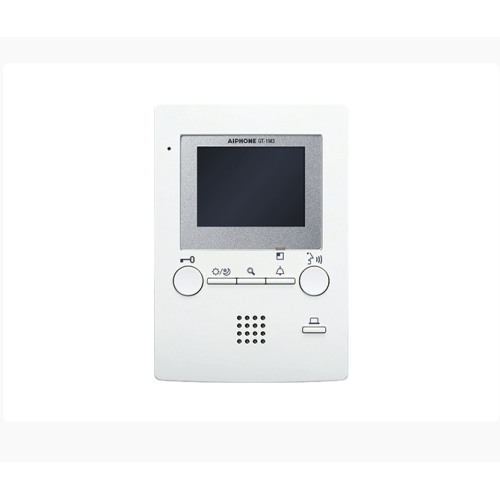
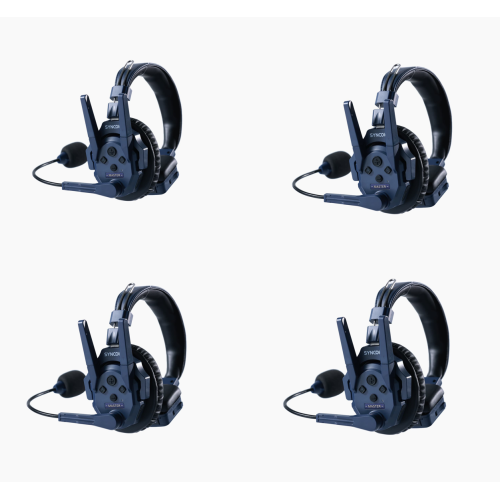
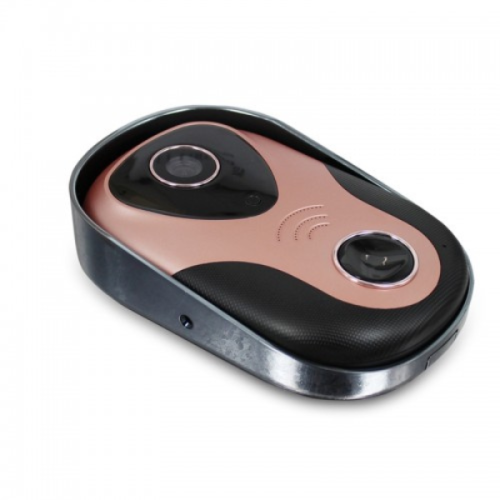
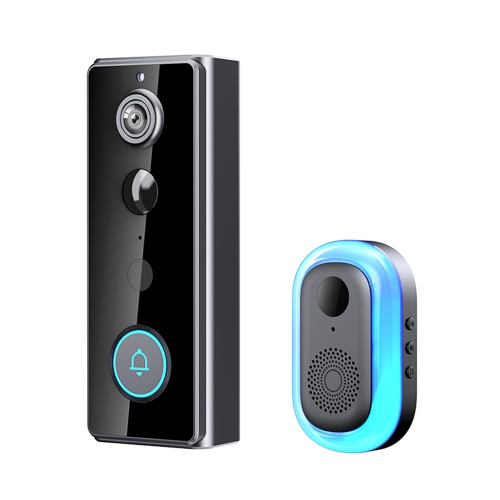
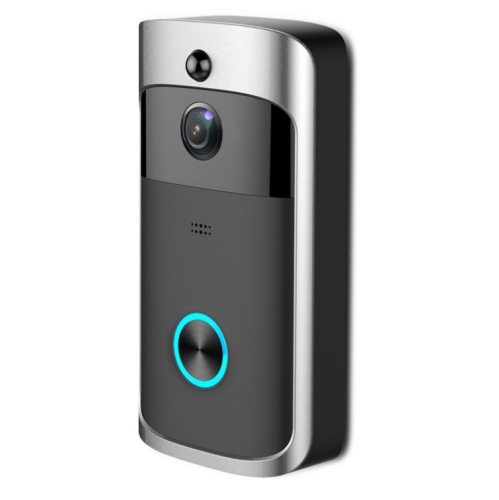
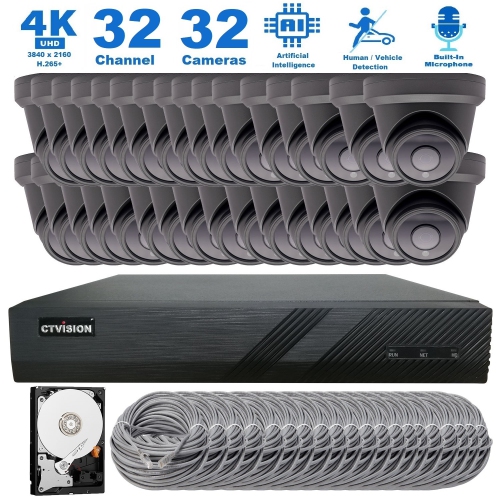
Room-to-room conversations without a trip down the hall
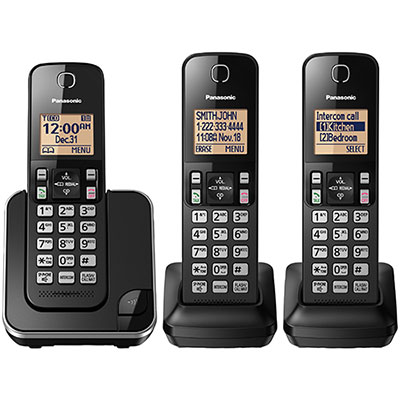
Home intercom systems let people speak between rooms, broadcast a message throughout the house, or communicate with someone at an entrance without walking to the door. A typical setup uses two or more connected stations, with microphones, speakers, and controls for calling another station or answering an incoming call. Audio intercoms focus on voice communication, while video intercoms add a camera and screen so a resident can see a visitor as well as hear them. The distinction matters in everyday use: calling someone from the kitchen to an upstairs bedroom is a different task from checking who has arrived at the front entrance. Room-to-room systems suit households spread across several floors, families with a playroom away from the main living area, and people who spend time in a home office or workshop. An announcement function can make dinner calls less of a shouting match, while individual station calling allows a conversation with one person rather than every occupied room. For households supporting an older adult or someone with limited mobility, an accessible bedside station can make it easier to ask another person at home for assistance. An intercom is a convenience for communication, however, not a substitute for a monitored medical alert system or emergency service. Within the broader selection of Intercom Systems, the most relevant differences for home use are where conversations need to happen, how many stations must connect, and whether communication stays inside the home or includes the front door. Some systems support a single pair of stations; others allow additional compatible stations as household needs change. Labels or assigned room names can help everyone distinguish the bedroom station from the basement one. For a shared household, clear controls and a familiar calling sound often matter more than a long feature list, particularly when several people need to use the system comfortably without reaching for a phone.
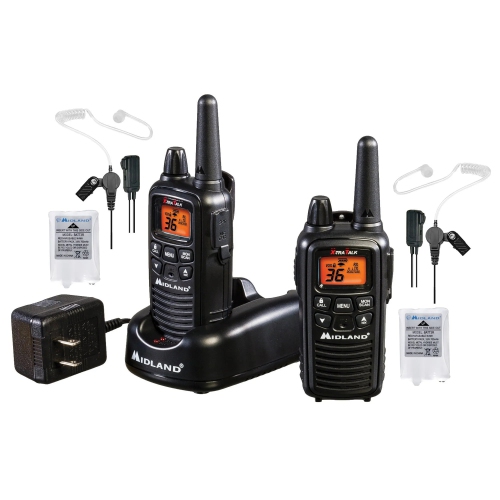
Wired and wireless home intercom systems differ in both installation and day-to-day operation. A hardwired intercom connects stations through dedicated cabling and typically suits a permanent installation, a renovation, or the replacement of an older built-in system. Existing wall openings and wires do not guarantee compatibility: the wire count, cable condition, power requirements, and station dimensions all need to match the replacement system’s requirements. Retrofit faceplates may cover an older opening, but they do not resolve an electrical mismatch. Professional installation may be appropriate when work involves concealed wiring or a connection to household electrical power. Wireless intercoms exchange audio without a dedicated communication cable between stations, although each station still needs power from an outlet, batteries, or a rechargeable battery. Some use a direct radio connection and operate without Wi-Fi or internet access; others connect through a home network and may depend on an app or internet service for particular functions. A wireless label therefore does not necessarily mean cordless, portable, or independent of a router. Plug-in stations work well in fixed locations such as a kitchen counter or hallway shelf, provided the power cord can sit clear of walkways. Portable stations offer more flexibility between a desk and a sitting area, but charging routines and battery life become part of daily use. Stated wireless range is often measured under open conditions, so actual coverage can be shorter through concrete walls, metal doors, multiple floors, or other obstructions. A detached garage requires particular attention to distance and the construction of both buildings; an indoor range estimate alone cannot confirm that connection. For Wi-Fi intercoms, coverage needs to reach each installation point, not just the rooms where phones usually work well. The number of supported stations, pairing method, and compatibility between components also matter when extending a system. Stations from different product families are not automatically interchangeable, even if their appearance and advertised functions seem similar.
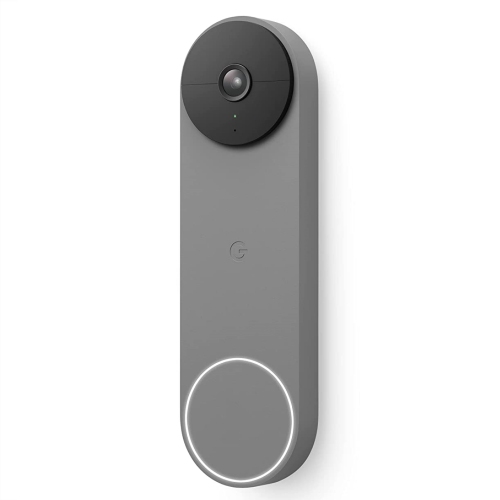
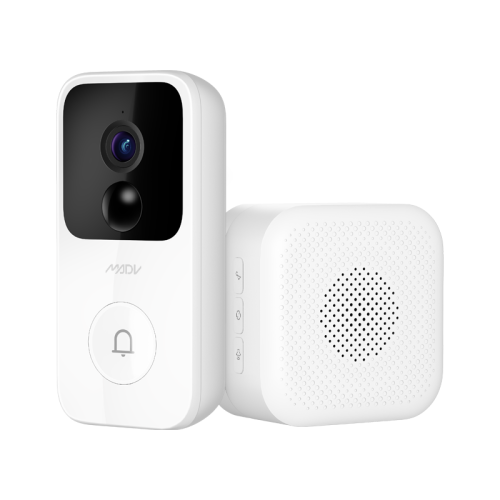
Conversation quality and ease of use make a noticeable difference once an intercom becomes part of the household routine. Full-duplex audio allows both people to speak and hear at the same time, much like a telephone conversation. Half-duplex communication allows one person to speak at a time, often through a push-to-talk control, which can be straightforward for brief messages but less natural for longer exchanges. Adjustable speaker volume, distinct call tones, and microphone clarity help a message remain understandable beside a running dishwasher or from across a room. Large, clearly marked buttons and visible call indicators can make controls easier to find, though accessibility features vary and should match the intended user’s needs. Automatic answering and room-monitoring functions deserve careful attention to consent and privacy, especially in bedrooms or shared spaces. A mute control or do-not-disturb setting gives residents more say over when a station can be heard. For connected systems, account security, supported software updates, and the option to turn off remote access are useful considerations; a direct radio connection should not be assumed private unless its security features support that claim. Door-entry intercoms add another set of practical details, including camera viewing angle, mounting height, visitor audio, and compatibility with any separate door-release hardware. A video doorbell is not necessarily a whole-home intercom, and phone notifications do not automatically provide calling between indoor stations. Physical fit matters as much as connectivity: a low-profile wall station keeps a hallway clear, while a stable tabletop base helps prevent movement when someone presses a button. Housings are commonly plastic, with metal faceplates used on some fixed entry stations; durable buttons, secure mounting points, and protected cable connections are worth attention wherever equipment receives frequent use. Components installed outside need a manufacturer rating suitable for that location. Routine care is usually simple: follow the manufacturer’s cleaning directions, avoid spraying liquid into speaker openings, and keep microphone grilles unobstructed. Checking station connections, power supplies, and rechargeable batteries periodically helps keep the system ready for the ordinary moments it is meant to simplify, from answering a visitor to calling upstairs without leaving the kitchen.
Wired and wireless home intercom systems differ in both installation and day-to-day operation. A hardwired intercom connects stations through dedicated cabling and typically suits a permanent installation, a renovation, or the replacement of an older built-in system. Existing wall openings and wires do not guarantee compatibility: the wire count, cable condition, power requirements, and station dimensions all need to match the replacement system’s requirements. Retrofit faceplates may cover an older opening, but they do not resolve an electrical mismatch. Professional installation may be appropriate when work involves concealed wiring or a connection to household electrical power. Wireless intercoms exchange audio without a dedicated communication cable between stations, although each station still needs power from an outlet, batteries, or a rechargeable battery. Some use a direct radio connection and operate without Wi-Fi or internet access; others connect through a home network and may depend on an app or internet service for particular functions. A wireless label therefore does not necessarily mean cordless, portable, or independent of a router. Plug-in stations work well in fixed locations such as a kitchen counter or hallway shelf, provided the power cord can sit clear of walkways. Portable stations offer more flexibility between a desk and a sitting area, but charging routines and battery life become part of daily use. Stated wireless range is often measured under open conditions, so actual coverage can be shorter through concrete walls, metal doors, multiple floors, or other obstructions. A detached garage requires particular attention to distance and the construction of both buildings; an indoor range estimate alone cannot confirm that connection. For Wi-Fi intercoms, coverage needs to reach each installation point, not just the rooms where phones usually work well. The number of supported stations, pairing method, and compatibility between components also matter when extending a system. Stations from different product families are not automatically interchangeable, even if their appearance and advertised functions seem similar.
Conversation quality and ease of use make a noticeable difference once an intercom becomes part of the household routine. Full-duplex audio allows both people to speak and hear at the same time, much like a telephone conversation. Half-duplex communication allows one person to speak at a time, often through a push-to-talk control, which can be straightforward for brief messages but less natural for longer exchanges. Adjustable speaker volume, distinct call tones, and microphone clarity help a message remain understandable beside a running dishwasher or from across a room. Large, clearly marked buttons and visible call indicators can make controls easier to find, though accessibility features vary and should match the intended user’s needs. Automatic answering and room-monitoring functions deserve careful attention to consent and privacy, especially in bedrooms or shared spaces. A mute control or do-not-disturb setting gives residents more say over when a station can be heard. For connected systems, account security, supported software updates, and the option to turn off remote access are useful considerations; a direct radio connection should not be assumed private unless its security features support that claim. Door-entry intercoms add another set of practical details, including camera viewing angle, mounting height, visitor audio, and compatibility with any separate door-release hardware. A video doorbell is not necessarily a whole-home intercom, and phone notifications do not automatically provide calling between indoor stations. Physical fit matters as much as connectivity: a low-profile wall station keeps a hallway clear, while a stable tabletop base helps prevent movement when someone presses a button. Housings are commonly plastic, with metal faceplates used on some fixed entry stations; durable buttons, secure mounting points, and protected cable connections are worth attention wherever equipment receives frequent use. Components installed outside need a manufacturer rating suitable for that location. Routine care is usually simple: follow the manufacturer’s cleaning directions, avoid spraying liquid into speaker openings, and keep microphone grilles unobstructed. Checking station connections, power supplies, and rechargeable batteries periodically helps keep the system ready for the ordinary moments it is meant to simplify, from answering a visitor to calling upstairs without leaving the kitchen.
Top selling and popular products
-
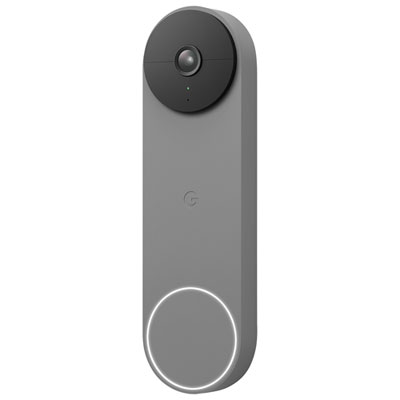 Your price for this item is $239.99
 -
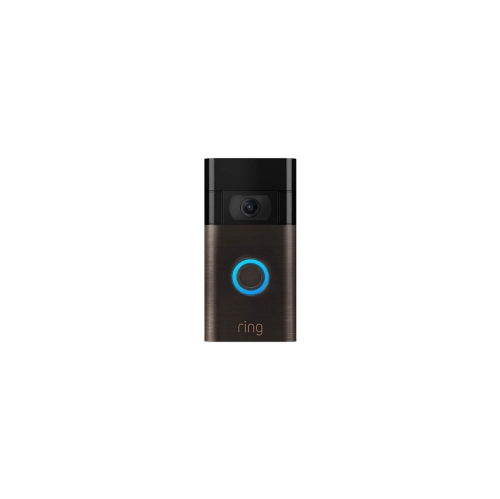 Your price for this item is $249.59
 -
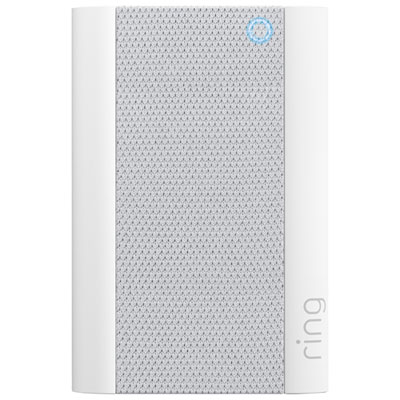 Your price for this item is $74.99
 -
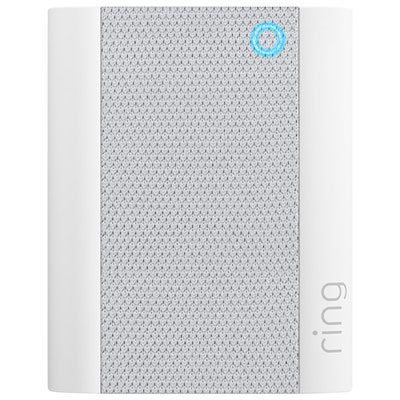 Your price for this item is $49.99
 -
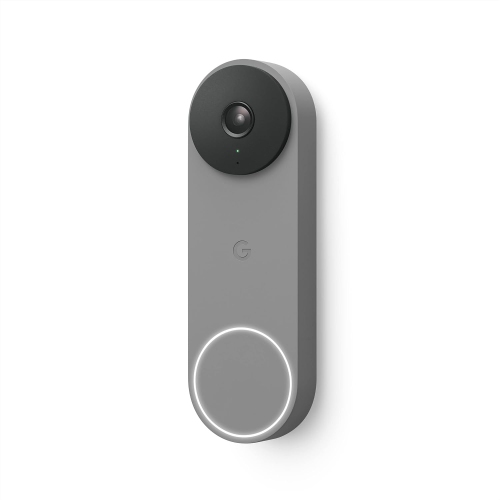 Your price for this item is $199
 -
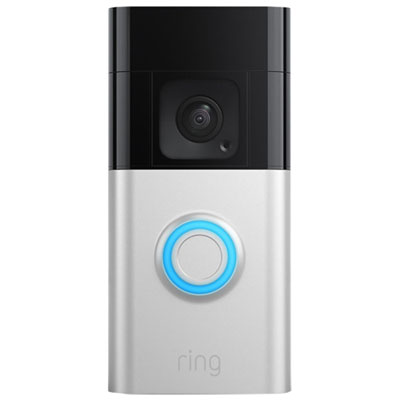 Your price for this item is $209.99
 -
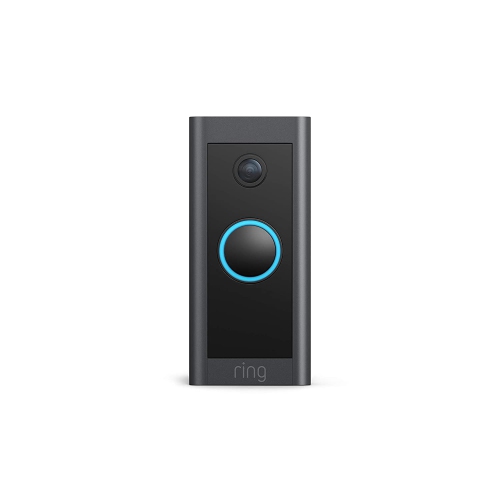 Your price for this item is $89.25
 -
 Your price for this item is $254.99
Discover more categories related to Home Intercom Systems
Top Collections:
Pokemon Centers, Kindle Devices, Best Budget Office Chairs, Apple iPhones 16, Best Laptops for Writers, iPhone 15 Apple, Canon G7X Cameras, Refurbished Apple Laptops, Alarm Clock, Motorola Razr Phones
Some products may be subject to Environmental Handling Fees
(EHF) depending on your province.
Learn more about EHFs.