Intercom Systems
An intercom system can provide a convenient and efficient way to stay connected with family members, colleagues, or employees in different areas of the building. Whether you're looking for a simple two-way communication system or a more advanced model with additional features, an intercom system can help streamline communication and improve overall productivity. Explore our selection of intercom systems to find the perfect solution for your needs.
Sort

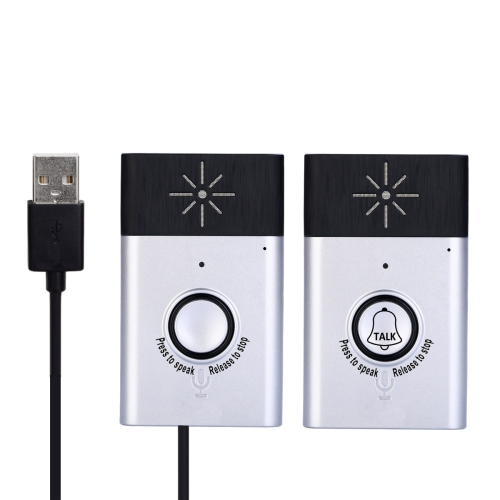
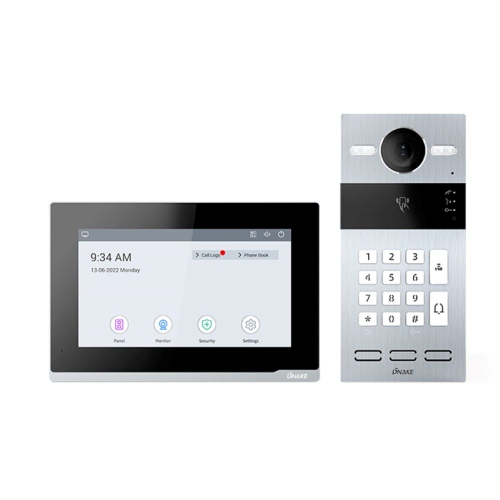
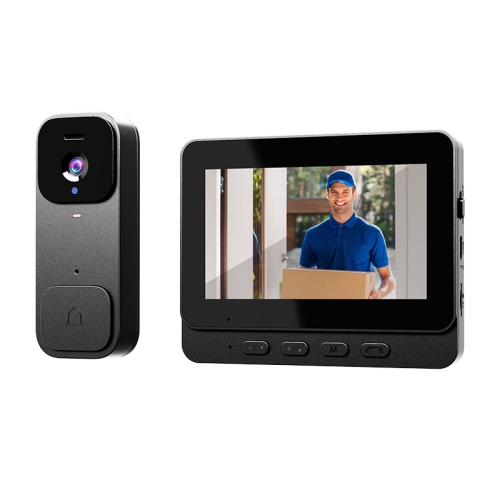
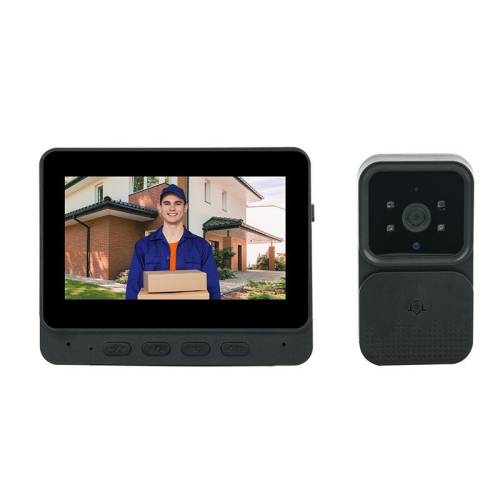
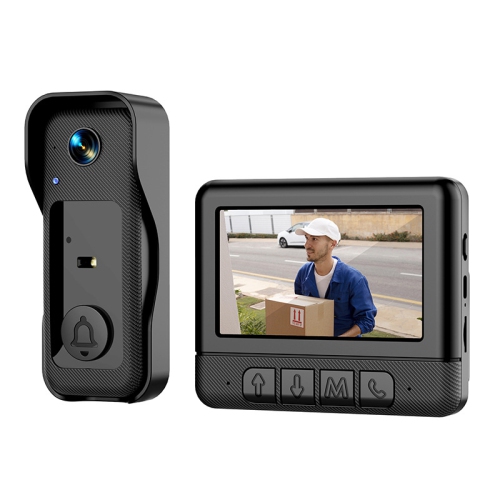
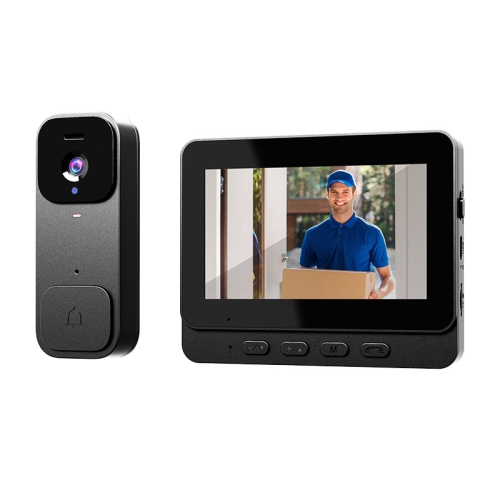
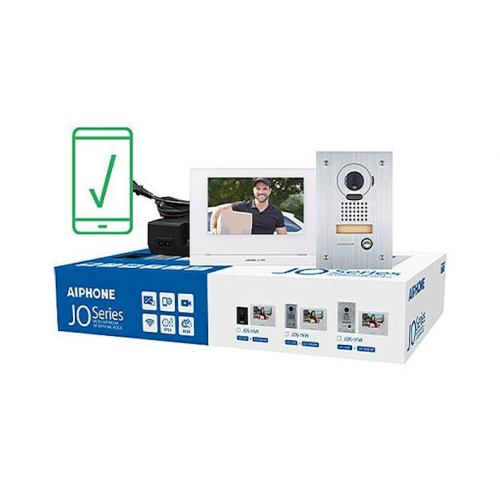
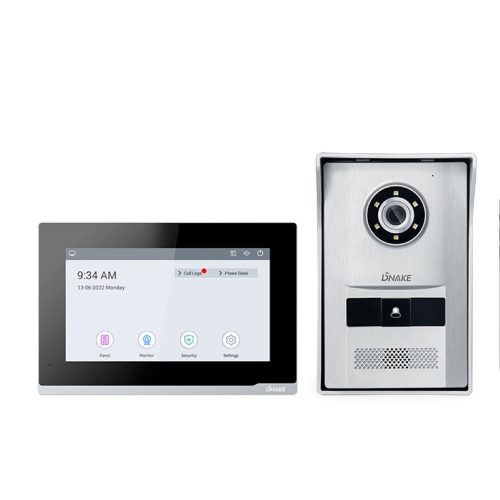
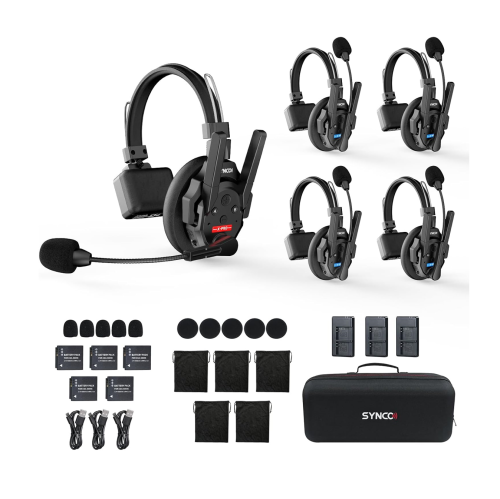
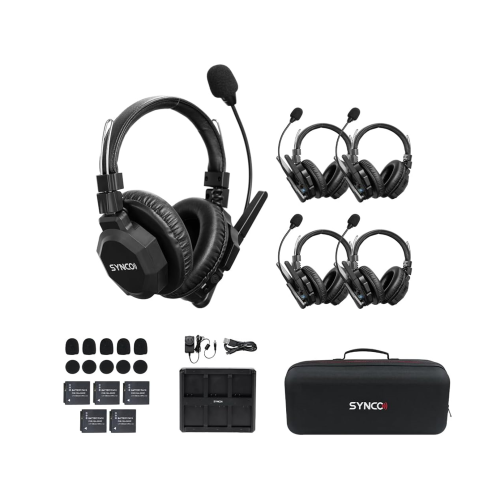
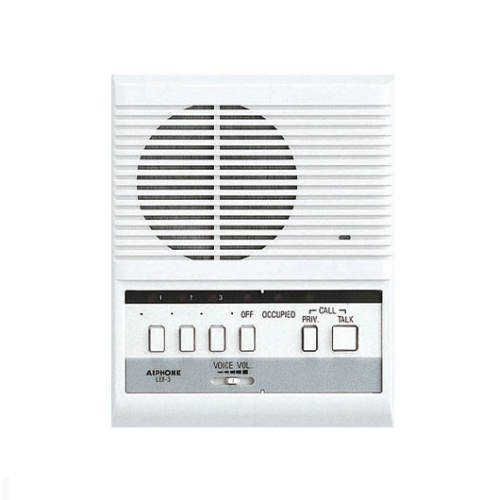
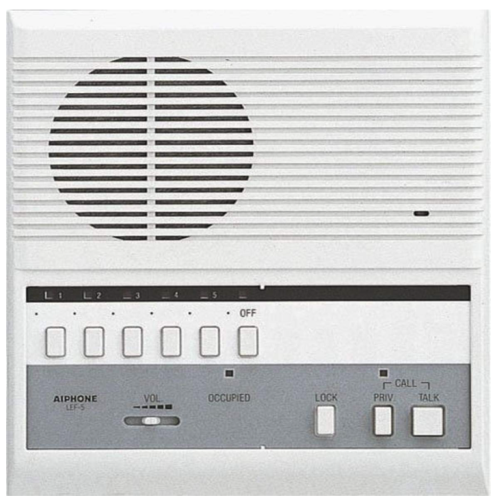
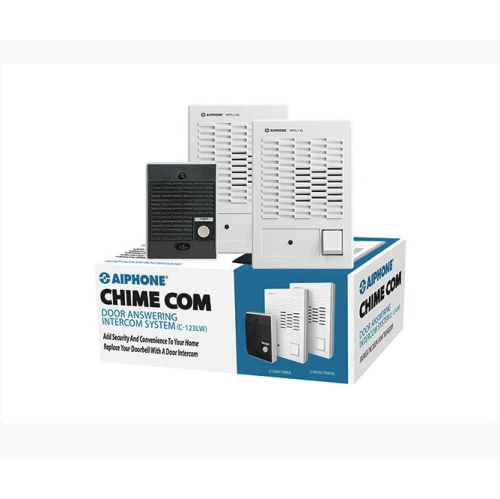
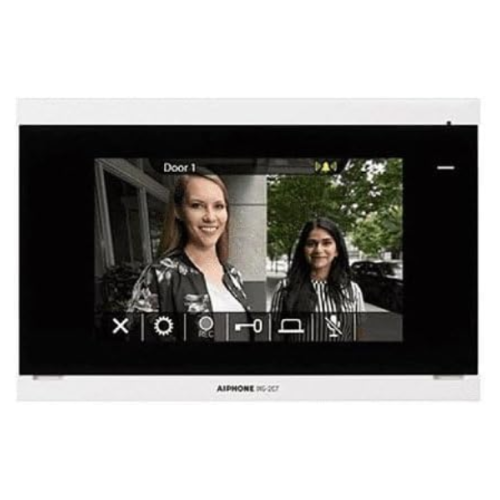
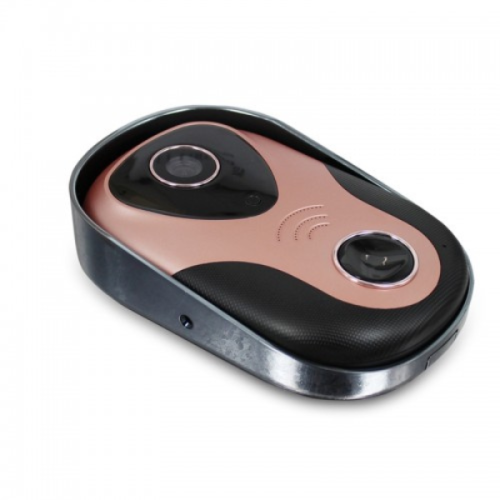
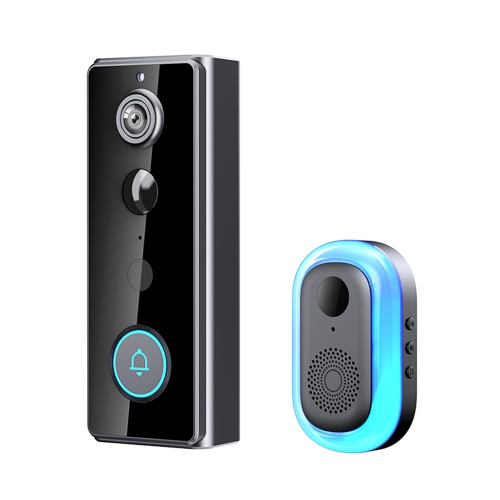
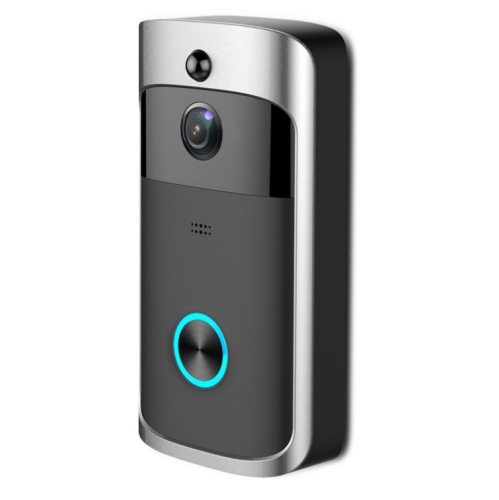
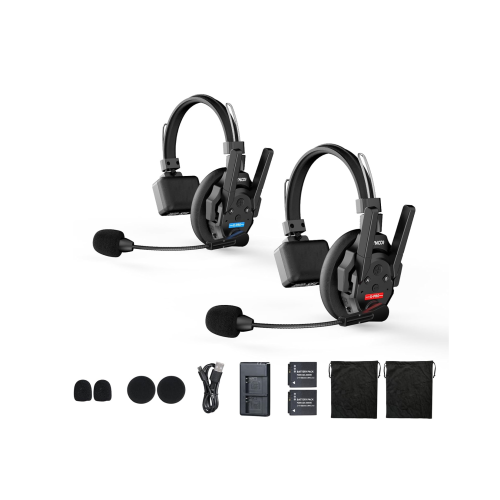
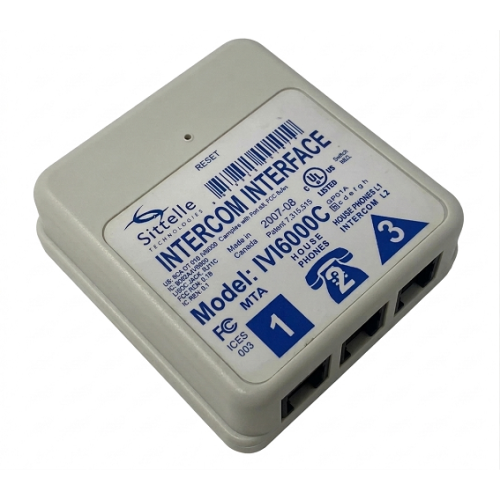
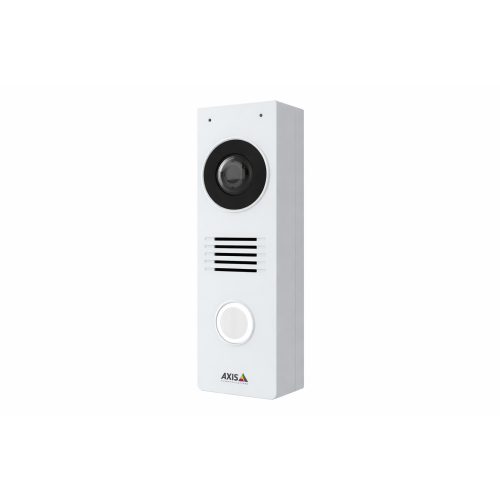
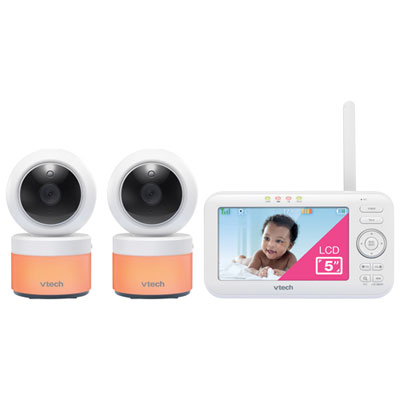
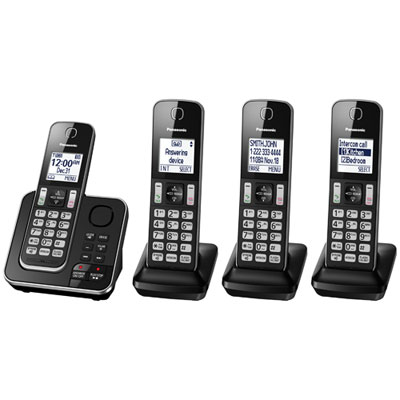
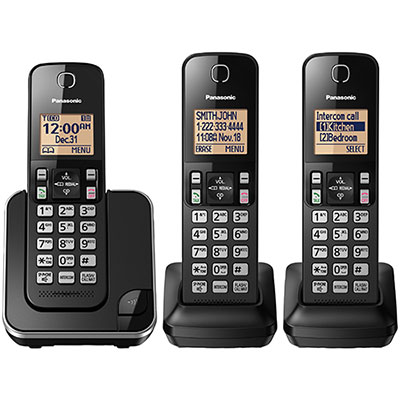
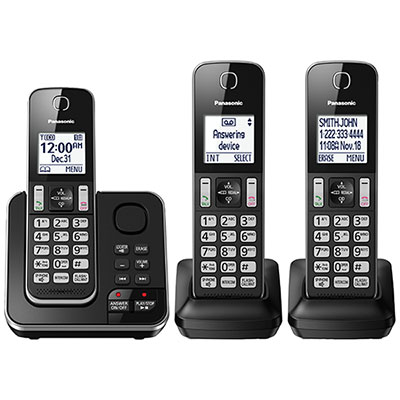
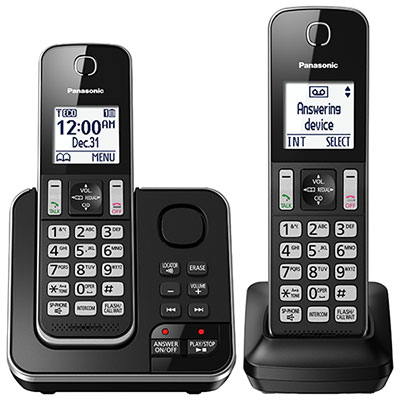
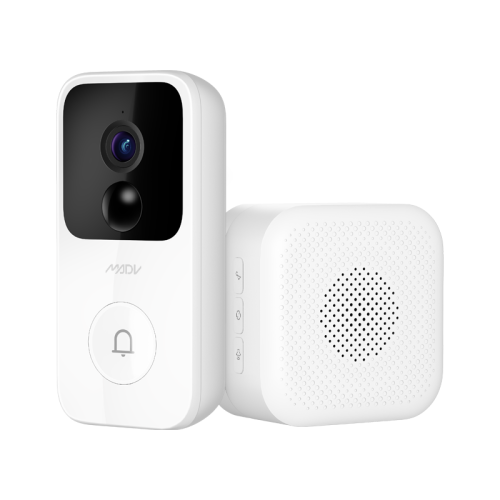
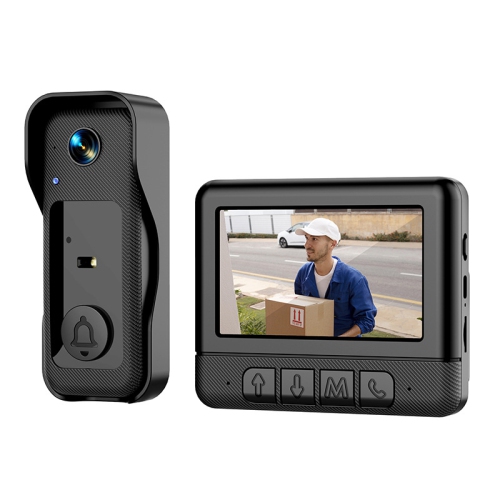
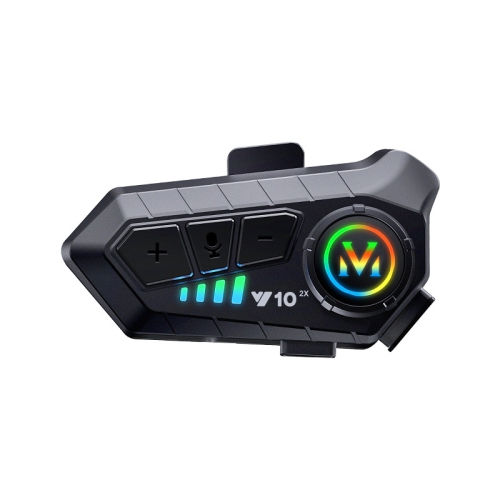

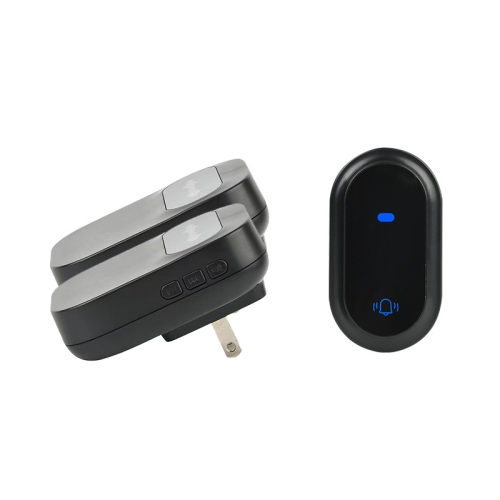
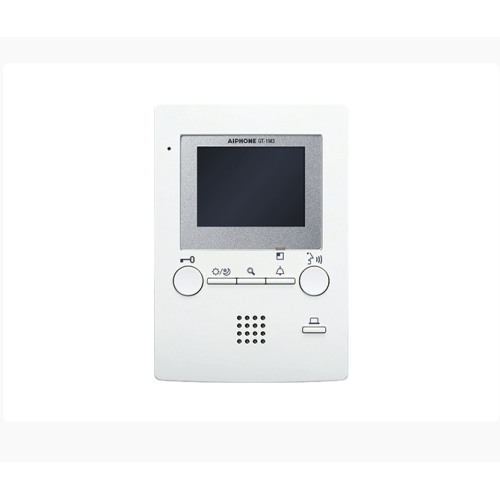

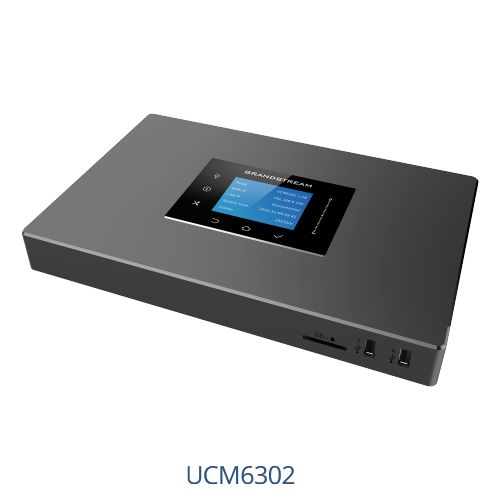

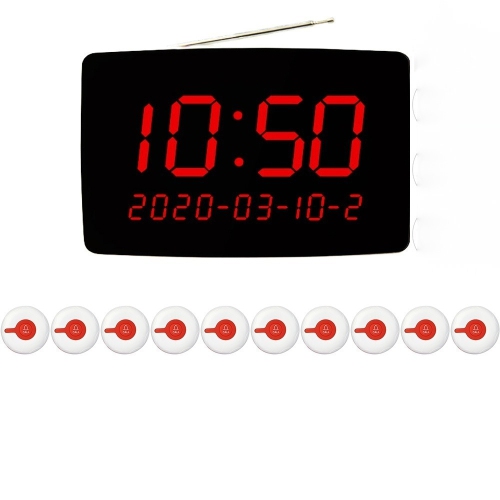
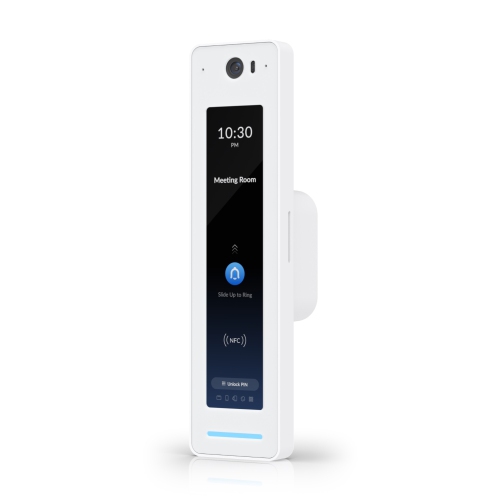

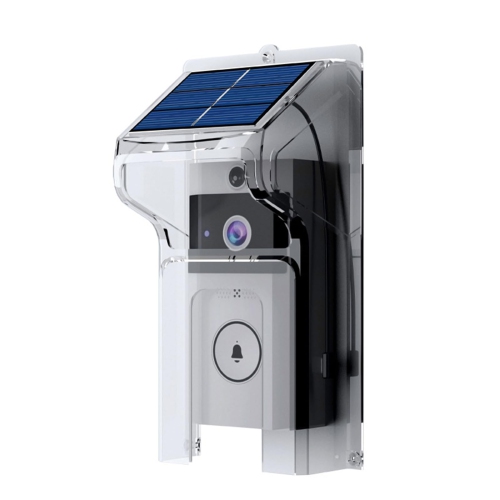
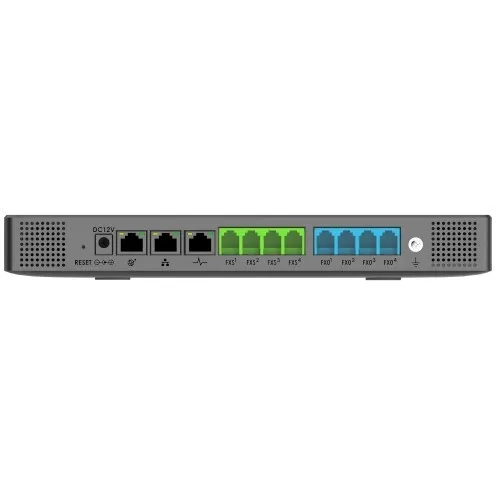
Room-to-room conversations and visitor calls without the walk
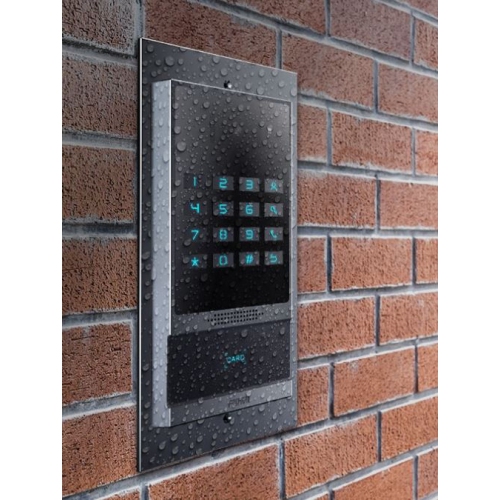
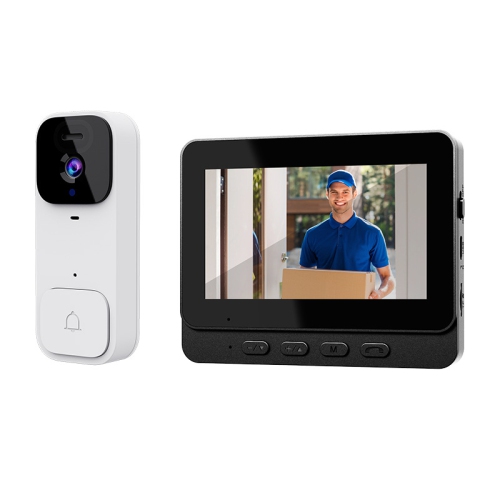
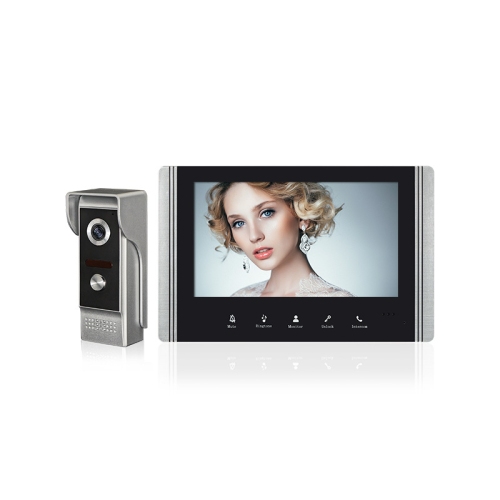
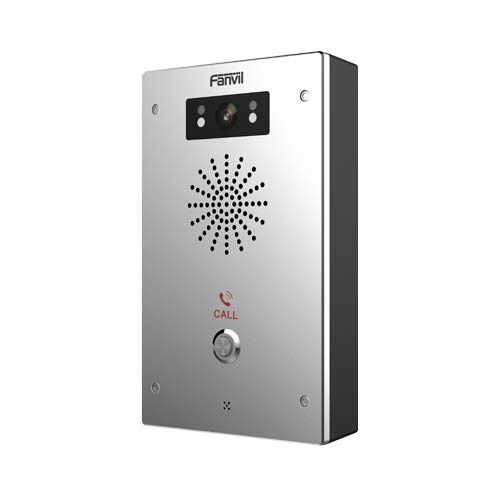
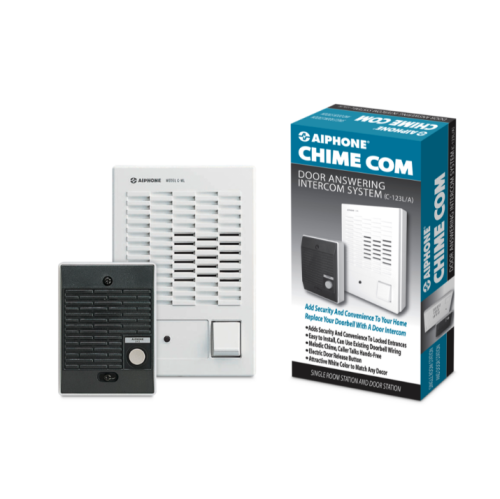
Intercom systems provide two-way audio or video communication between rooms, work areas, or building entrances. A typical setup connects two or more stations so people can speak without moving from one space to another; a video intercom also shows who is at the camera-equipped station. These systems can serve a busy household, a multilevel home, a reception desk, or a small business with separate front and back workspaces. Someone working upstairs can answer a call from the kitchen, while a receptionist can speak to a visitor before opening a controlled entrance. The main types are wired intercoms, wireless intercoms, and network-connected systems with features such as indoor video monitors or mobile app access. Wired systems carry communication through physical cables and can offer a consistent connection when properly installed. Wireless systems use radio frequencies or Wi-Fi, depending on their design, and may reduce the need to run communication cables between stations. Neither type is automatically better for every building: existing wiring, wall construction, room layout, and the distance between stations all affect the fit. Audio-only systems suit straightforward conversations where seeing the other person is unnecessary. Video systems add visual context at an entrance, which can be useful when speaking with a delivery driver or identifying a visitor before granting access. Full-duplex audio lets both people speak and listen at the same time, much like an ordinary conversation. Half-duplex or push-to-talk designs require people to take turns transmitting, which can work well for short, clear messages. Sound quality depends on more than speaker volume. Microphone placement, background noise, connection quality, and the distance from the person speaking all influence how easily a message is understood. In a home with several floors or a business with separate departments, individual station calling can keep a conversation focused, while an all-call function, where supported, allows an announcement to reach multiple stations.
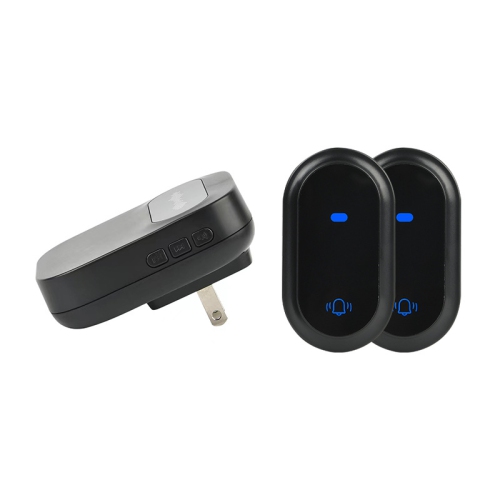
The physical layout of a property helps determine which intercom features will be useful day to day. A tabletop station can sit within reach on a desk or kitchen counter, while a wall-mounted unit keeps the surface clear and gives everyone a predictable place to answer. Dimensions, mounting depth, cable routes, and access to a suitable power source matter as much as the appearance of the faceplate. Wireless communication does not necessarily mean cable-free operation: some stations still need a nearby electrical outlet, and others use batteries that require charging or replacement. Published wireless range figures often describe open-space test conditions rather than performance through a finished building. Concrete, brick, metal doors, and multiple floors can reduce the distance a signal travels reliably. A detached workshop may therefore present a different challenge from a room across the hall, even when the straight-line distance looks similar. Wi-Fi intercoms also depend on adequate network coverage at each required location. Local radio-based systems may operate without internet access, while remote smartphone functions generally need a working internet connection; the exact requirements vary by system. For a wired installation, cable type, cable length, power requirements, and station compatibility need to match the system specifications. Existing intercom wiring is not universally compatible with a replacement setup, and any connections involving mains electricity or controlled door hardware may call for a qualified installer. Expandability is another practical distinction. A two-station arrangement may cover a single entrance and one indoor room, whereas a larger household or workplace may benefit from additional stations with clear room labels. Compatible stations are essential, since devices that use the same broad technology do not necessarily communicate with one another. Large buttons, readable displays, adjustable volume, and visible call indicators can make shared stations easier to use for people with different needs. For a seated user, mounting height and the viewing angle of a screen can be particularly important.
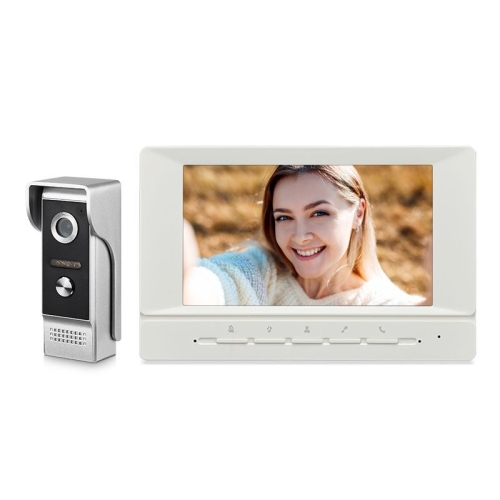
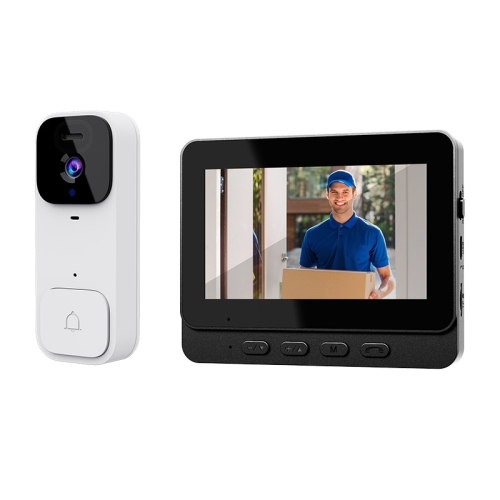
Video intercom systems bring additional considerations around camera coverage, screen clarity, and entrance control. A camera should capture the area where a visitor naturally stands, rather than only a narrow view beside the door. A wider viewing angle can show more of the entrance, although placement still affects whether faces are easy to see. Performance in dim lighting, resistance to glare, and an indoor monitor that remains readable from its installed position all contribute to a useful picture. Some systems support remote answering through an app, while others are designed primarily for communication between dedicated stations. App compatibility, account requirements, permissions for multiple users, and which functions remain operational during an internet interruption are worth understanding before installation. Door-release features are limited to systems designed to work with compatible locks, gate operators, or access-control equipment; an intercom alone does not make an ordinary door remotely unlockable. For shared buildings, installation and entry permissions may also require approval from the property manager. Privacy features can be just as useful as convenience features. Microphone muting, adjustable call settings, and clear indicators for active communication help people manage interruptions and understand when a station is in use. If video storage is supported, access permissions and storage settings deserve attention, particularly at a shared entrance. Materials and construction should match the intended location: moulded plastic housings can suit indoor stations, while metal faceplates and secure mounting hardware may be useful in frequently used entry areas. Equipment installed outside needs a manufacturer-specified rating appropriate to that placement. Routine care is generally straightforward, with gentle cleaning according to the manufacturer's directions, unobstructed microphone and speaker openings, and periodic checks of cables, brackets, and batteries. Connected systems also benefit from supported software updates and strong account protection. For spaces that need a presenter’s voice amplified to an audience rather than conversations between stations, Microphone Systems serve a different purpose. An intercom is centred on direct communication: hearing a call clearly, reaching the intended room, and answering an entrance from a convenient location. Matching those everyday tasks to the installation, controls, and supported connections makes the system easier to live or work with.
The physical layout of a property helps determine which intercom features will be useful day to day. A tabletop station can sit within reach on a desk or kitchen counter, while a wall-mounted unit keeps the surface clear and gives everyone a predictable place to answer. Dimensions, mounting depth, cable routes, and access to a suitable power source matter as much as the appearance of the faceplate. Wireless communication does not necessarily mean cable-free operation: some stations still need a nearby electrical outlet, and others use batteries that require charging or replacement. Published wireless range figures often describe open-space test conditions rather than performance through a finished building. Concrete, brick, metal doors, and multiple floors can reduce the distance a signal travels reliably. A detached workshop may therefore present a different challenge from a room across the hall, even when the straight-line distance looks similar. Wi-Fi intercoms also depend on adequate network coverage at each required location. Local radio-based systems may operate without internet access, while remote smartphone functions generally need a working internet connection; the exact requirements vary by system. For a wired installation, cable type, cable length, power requirements, and station compatibility need to match the system specifications. Existing intercom wiring is not universally compatible with a replacement setup, and any connections involving mains electricity or controlled door hardware may call for a qualified installer. Expandability is another practical distinction. A two-station arrangement may cover a single entrance and one indoor room, whereas a larger household or workplace may benefit from additional stations with clear room labels. Compatible stations are essential, since devices that use the same broad technology do not necessarily communicate with one another. Large buttons, readable displays, adjustable volume, and visible call indicators can make shared stations easier to use for people with different needs. For a seated user, mounting height and the viewing angle of a screen can be particularly important.
Video intercom systems bring additional considerations around camera coverage, screen clarity, and entrance control. A camera should capture the area where a visitor naturally stands, rather than only a narrow view beside the door. A wider viewing angle can show more of the entrance, although placement still affects whether faces are easy to see. Performance in dim lighting, resistance to glare, and an indoor monitor that remains readable from its installed position all contribute to a useful picture. Some systems support remote answering through an app, while others are designed primarily for communication between dedicated stations. App compatibility, account requirements, permissions for multiple users, and which functions remain operational during an internet interruption are worth understanding before installation. Door-release features are limited to systems designed to work with compatible locks, gate operators, or access-control equipment; an intercom alone does not make an ordinary door remotely unlockable. For shared buildings, installation and entry permissions may also require approval from the property manager. Privacy features can be just as useful as convenience features. Microphone muting, adjustable call settings, and clear indicators for active communication help people manage interruptions and understand when a station is in use. If video storage is supported, access permissions and storage settings deserve attention, particularly at a shared entrance. Materials and construction should match the intended location: moulded plastic housings can suit indoor stations, while metal faceplates and secure mounting hardware may be useful in frequently used entry areas. Equipment installed outside needs a manufacturer-specified rating appropriate to that placement. Routine care is generally straightforward, with gentle cleaning according to the manufacturer's directions, unobstructed microphone and speaker openings, and periodic checks of cables, brackets, and batteries. Connected systems also benefit from supported software updates and strong account protection. For spaces that need a presenter’s voice amplified to an audience rather than conversations between stations, Microphone Systems serve a different purpose. An intercom is centred on direct communication: hearing a call clearly, reaching the intended room, and answering an entrance from a convenient location. Matching those everyday tasks to the installation, controls, and supported connections makes the system easier to live or work with.
Top selling and popular products
-
 Your price for this item is $239.99
 -
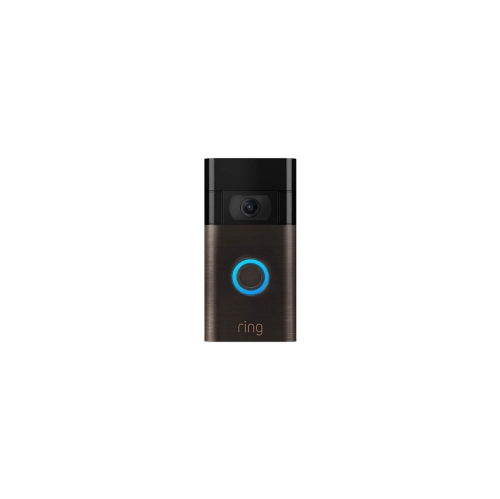 Your price for this item is $249.59
 -
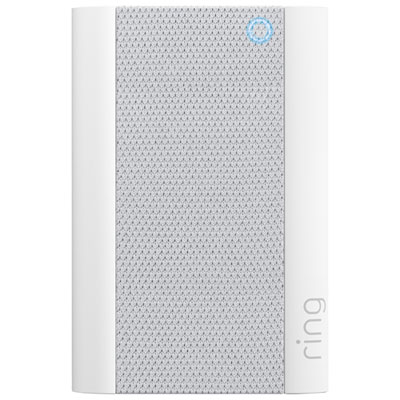 Your price for this item is $74.99
 -
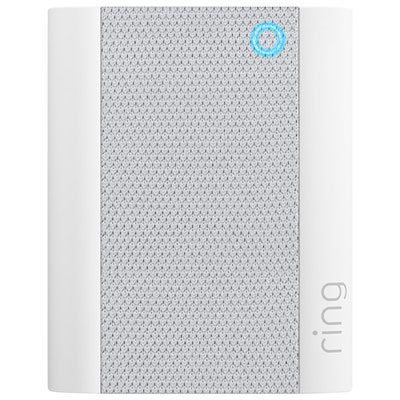 Your price for this item is $49.99
 -
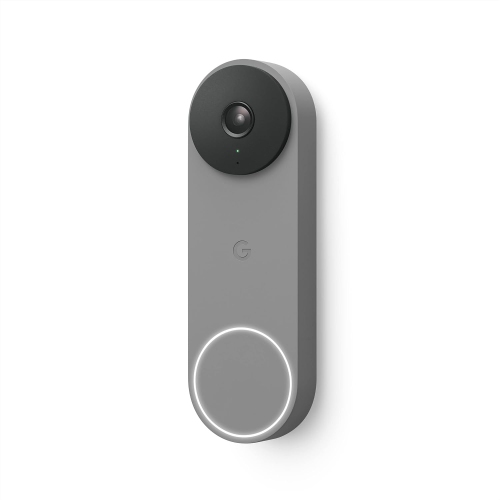 Your price for this item is $199
 -
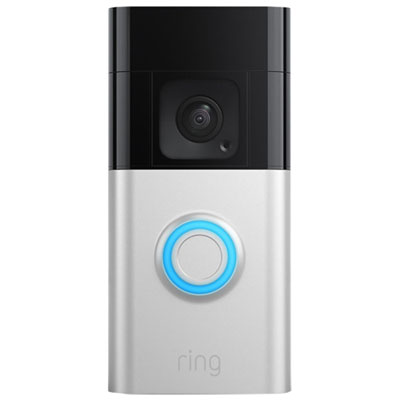 Your price for this item is $209.99
 -
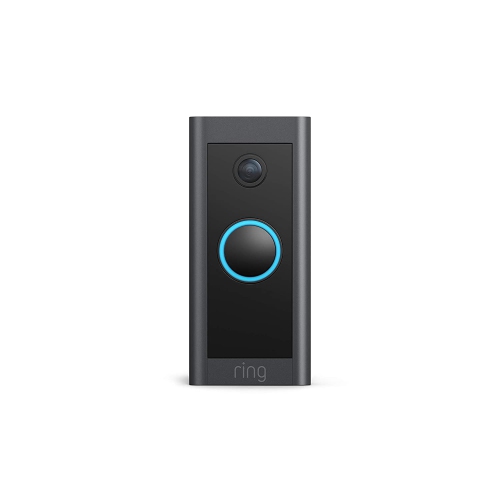 Your price for this item is $89.25
 -
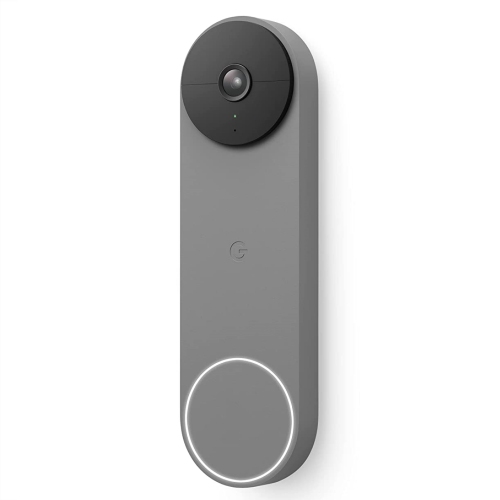 Your price for this item is $254.99
Discover more categories related to Intercom Systems
Top Collections:
Pokemon Centers, Kindle Devices, Best Budget Office Chairs, Apple iPhones 16, Best Laptops for Writers, iPhone 15 Apple, Canon G7X Cameras, Refurbished Apple Laptops, Alarm Clock, Motorola Razr Phones
Some products may be subject to Environmental Handling Fees
(EHF) depending on your province.
Learn more about EHFs.