Indoor Led Lighting
Looking to brighten up your home with energy-efficient and stylish indoor LED lighting solutions? Look no further than our wide selection of indoor LED lighting options that are perfect for any room in your home. From sleek and modern designs to functional and versatile fixtures, our indoor LED lighting collection offers a variety of options to suit your style and needs. Illuminate your living space with the latest in LED technology, providing you with long-lasting, cost-effective, and environmentally friendly lighting solutions.
Sort


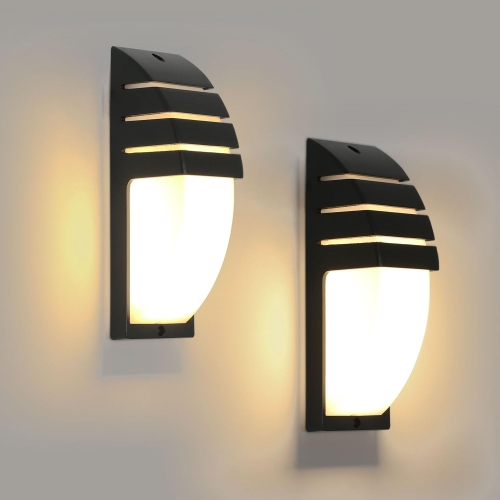
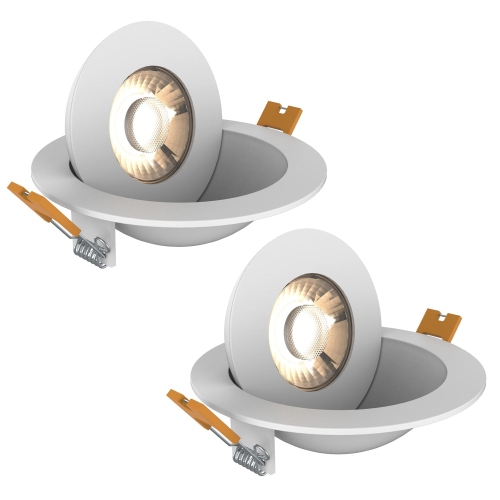
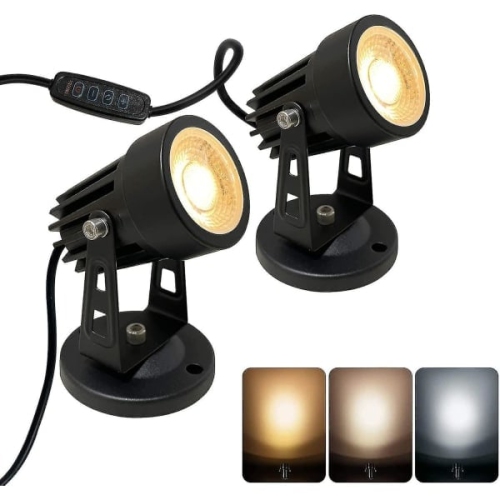
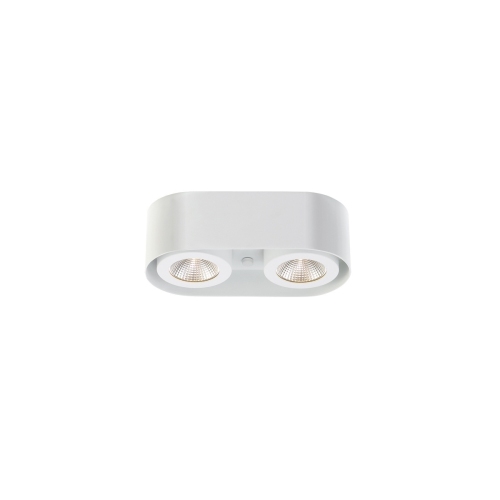

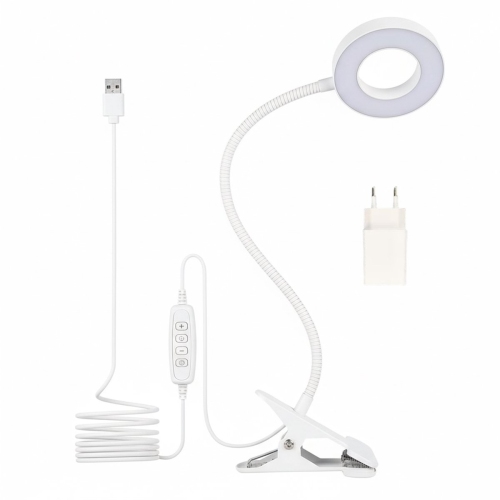
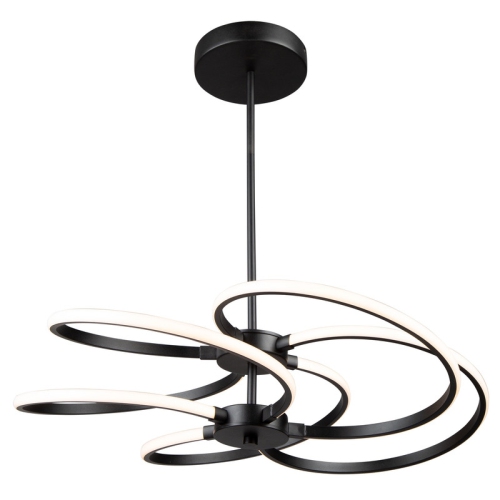
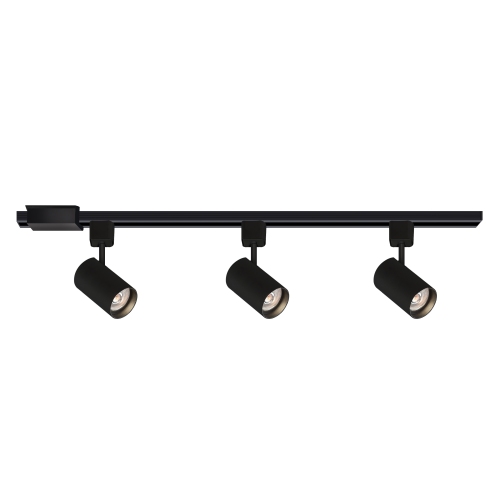
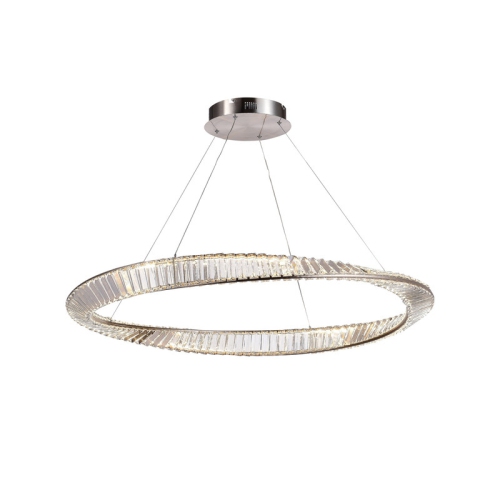

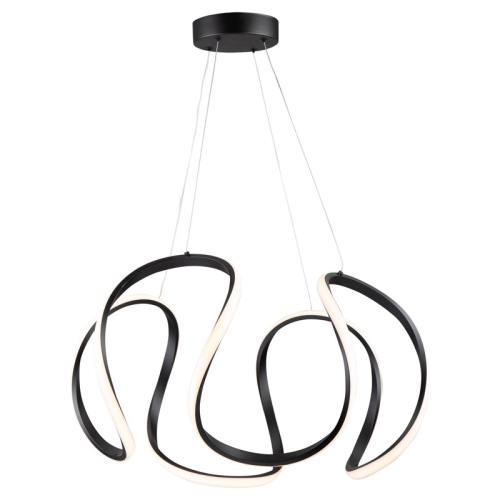
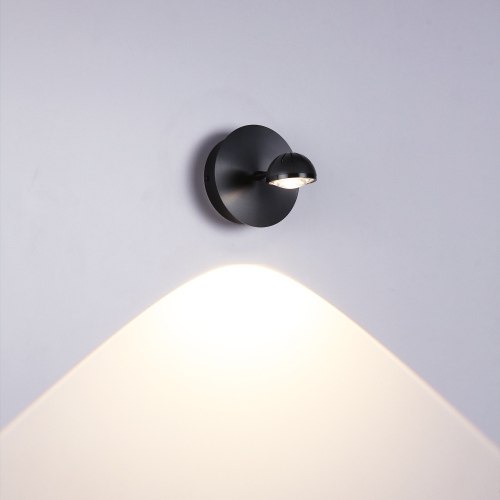
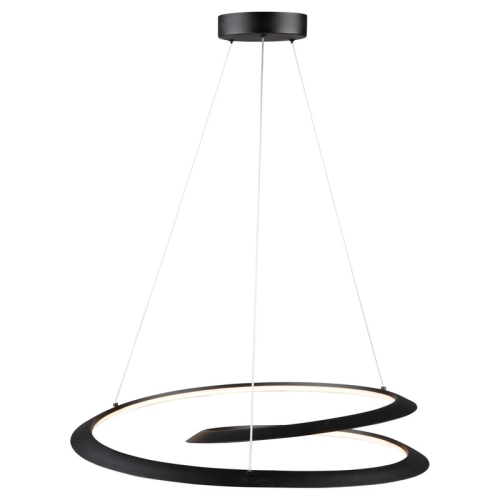
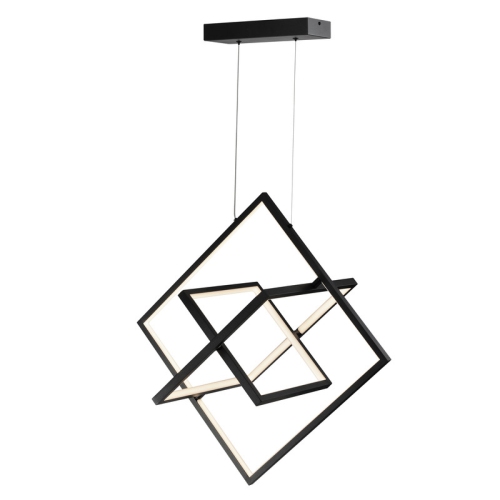

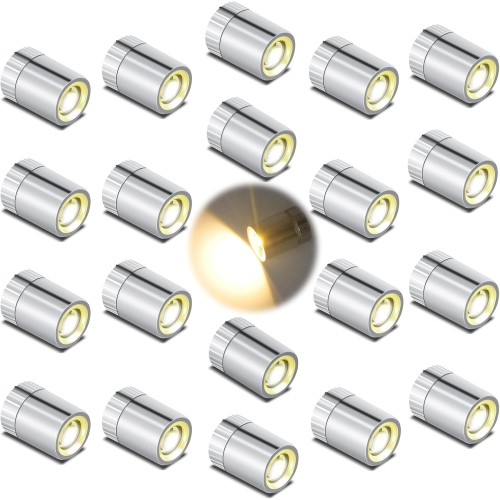
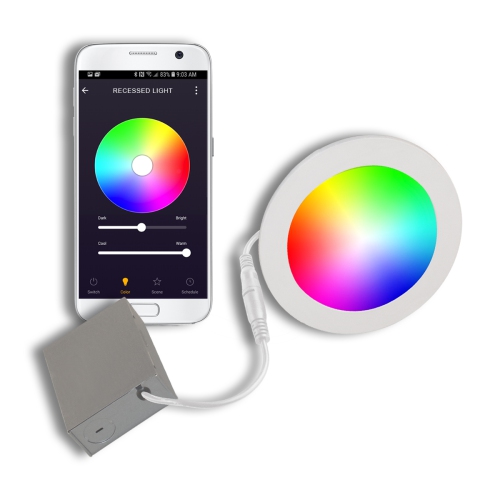
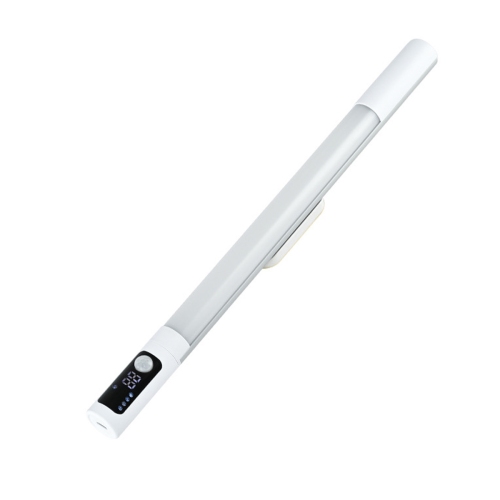
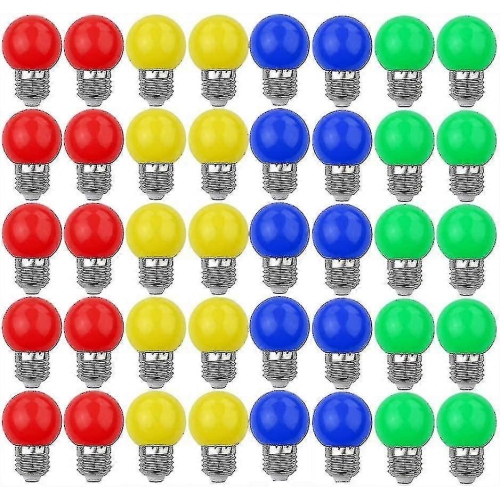








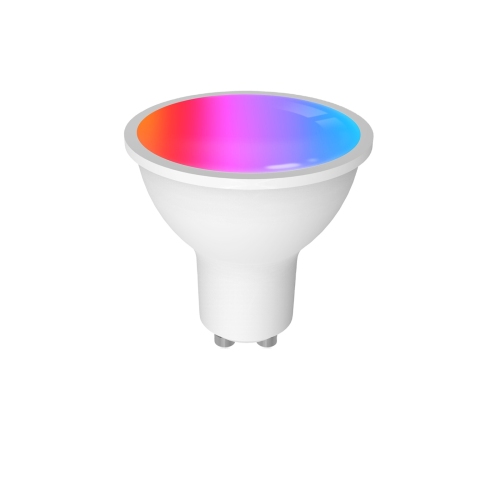
Why balanced lighting matters more than maximum brightness
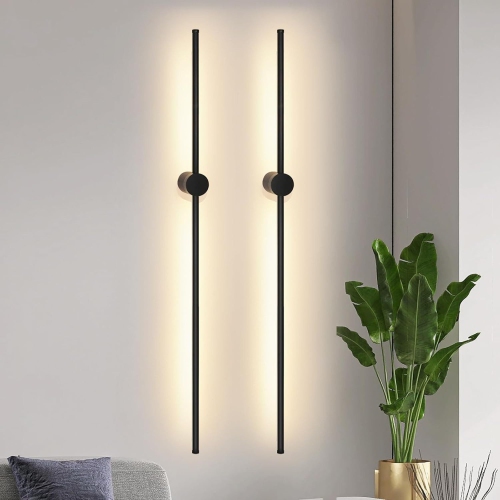
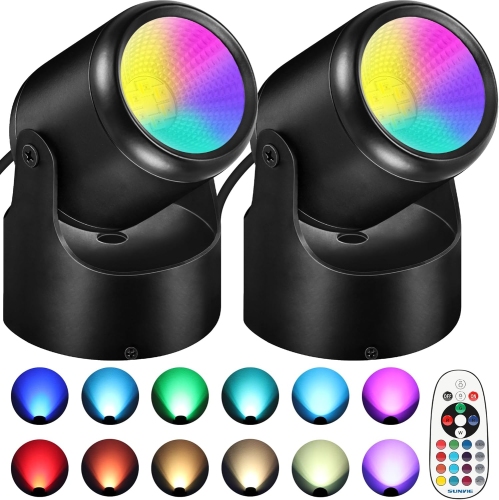
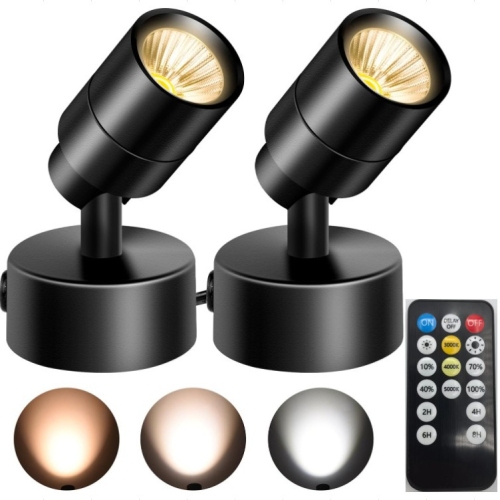
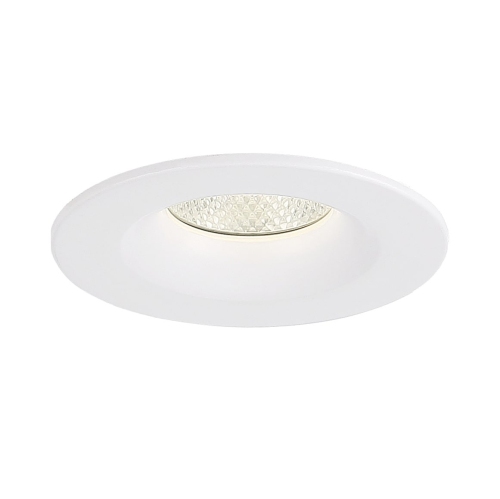
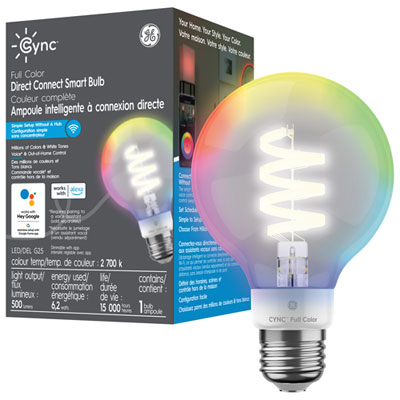
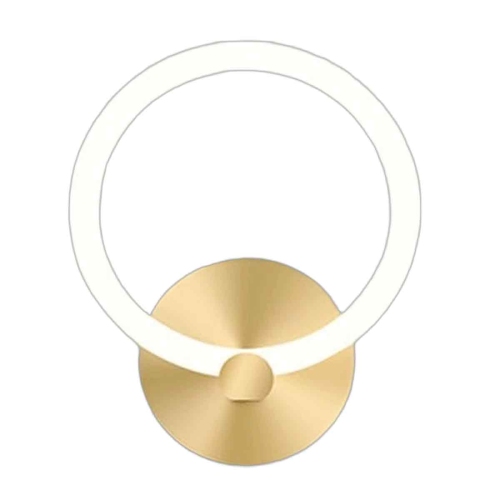
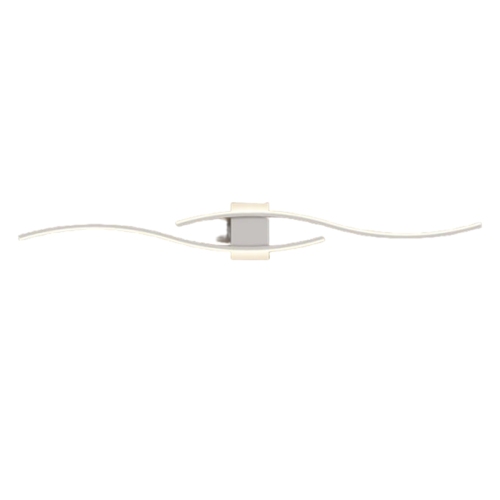
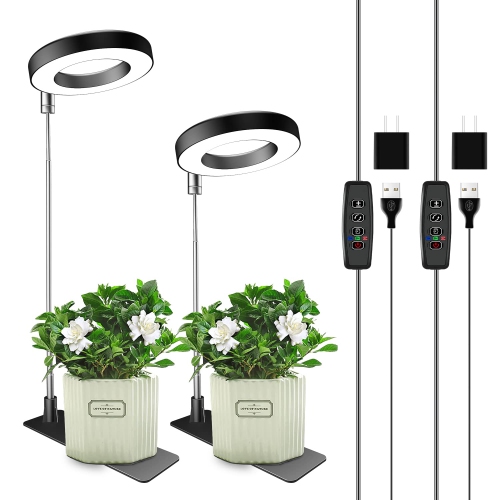
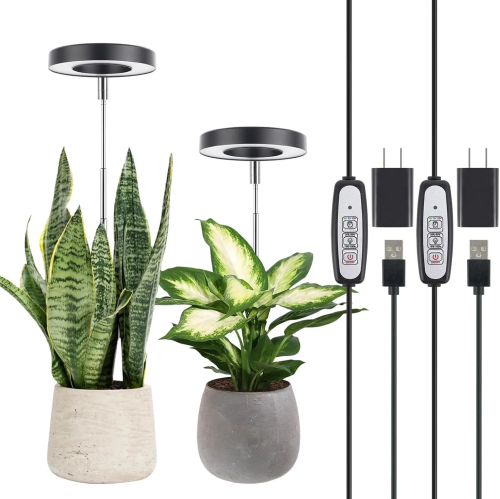
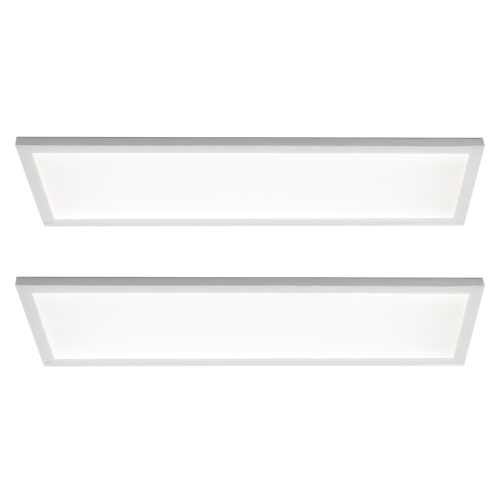
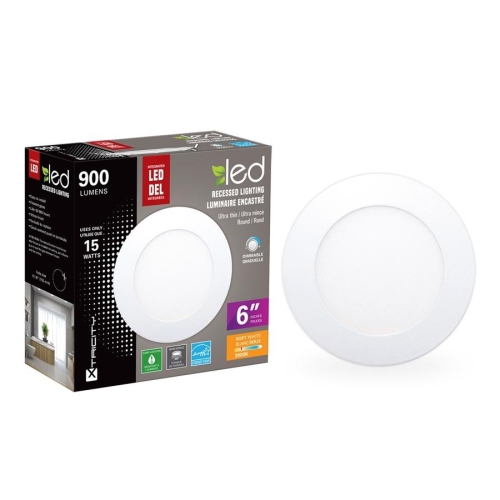
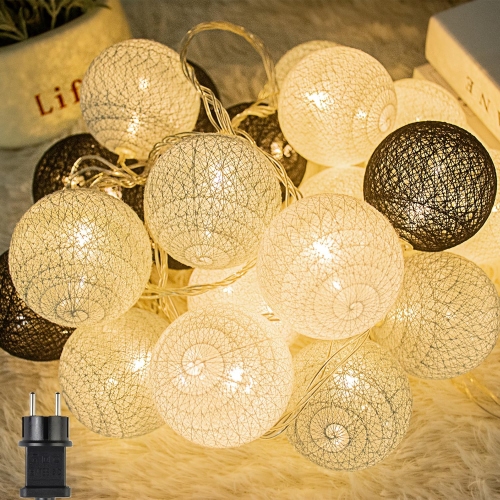
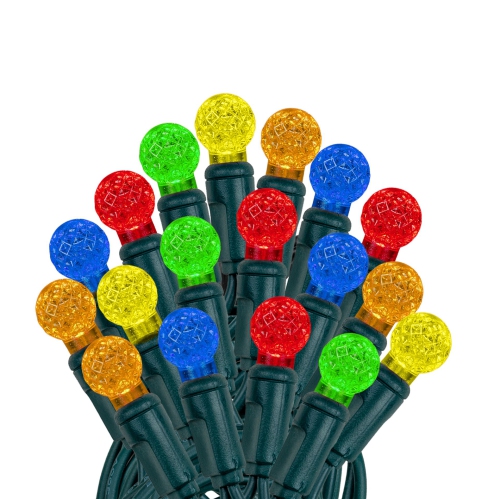
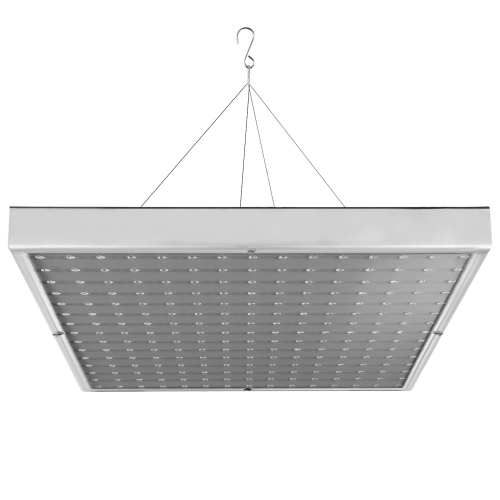
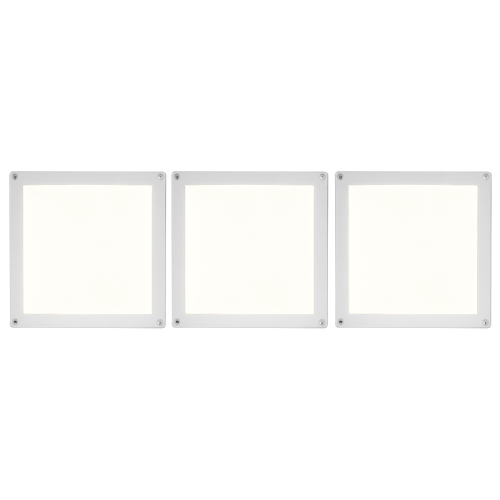
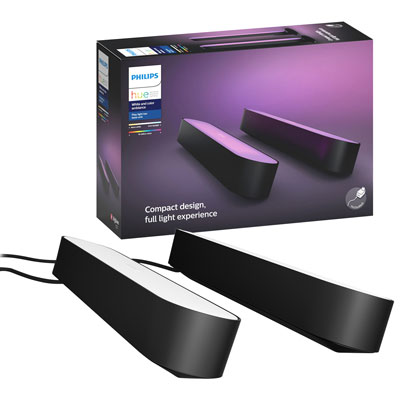
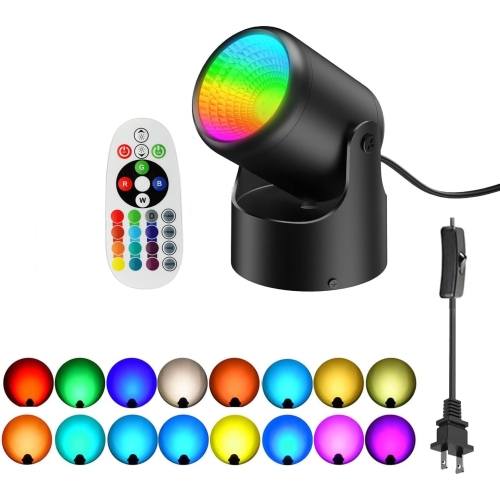
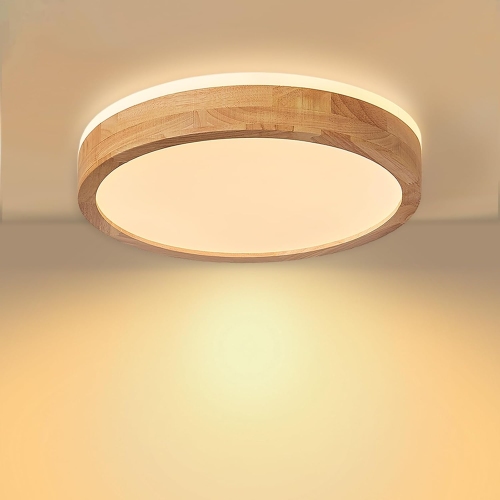
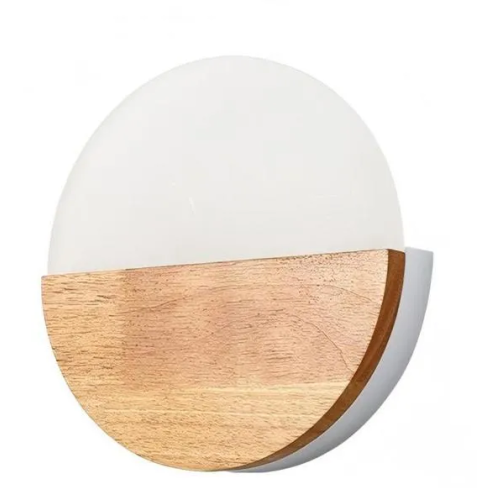
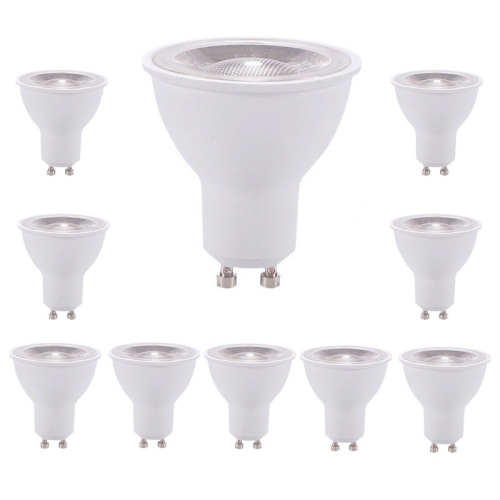
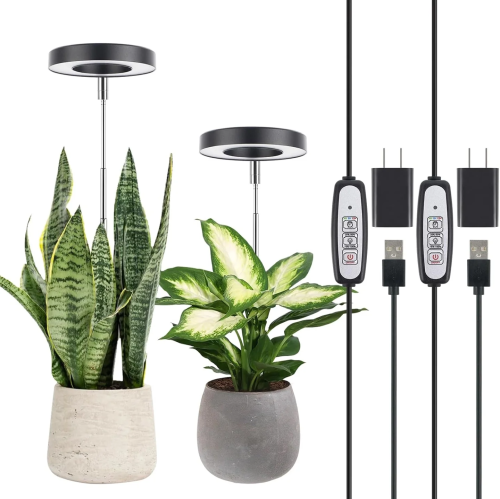
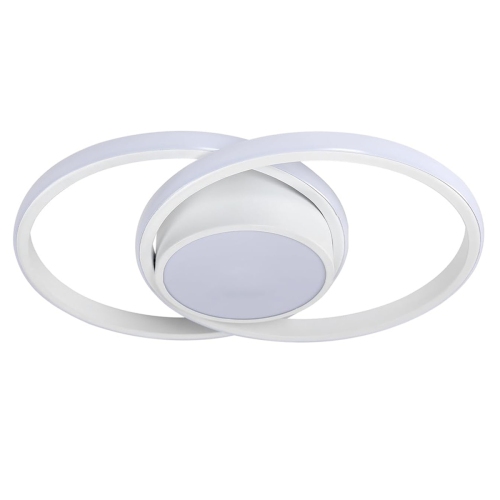
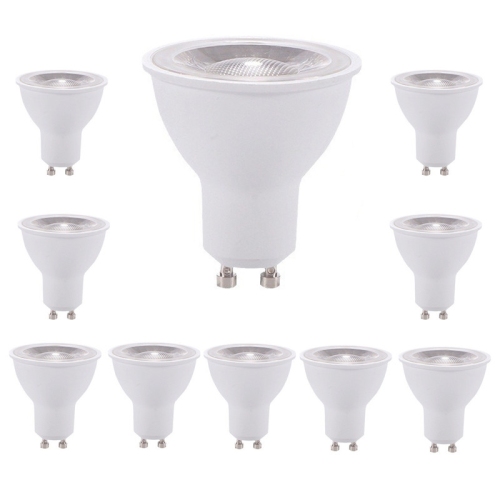
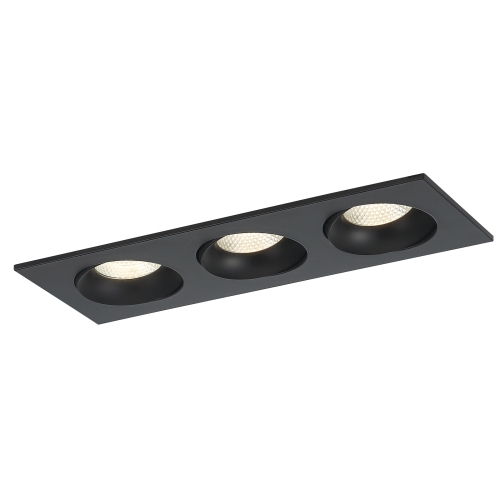
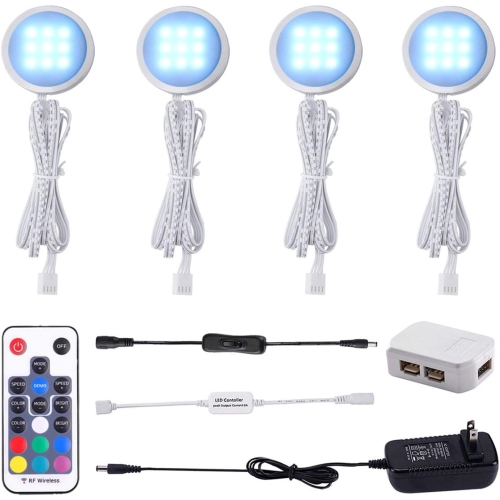
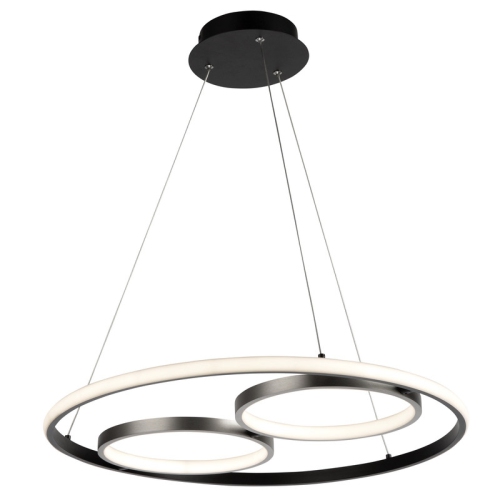
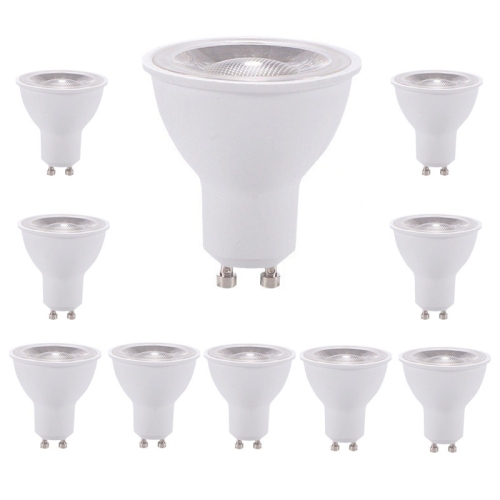
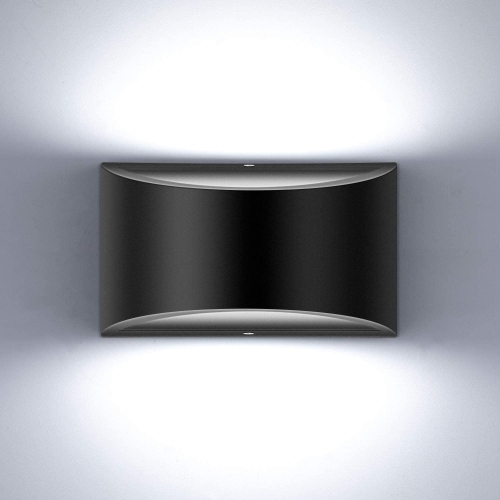
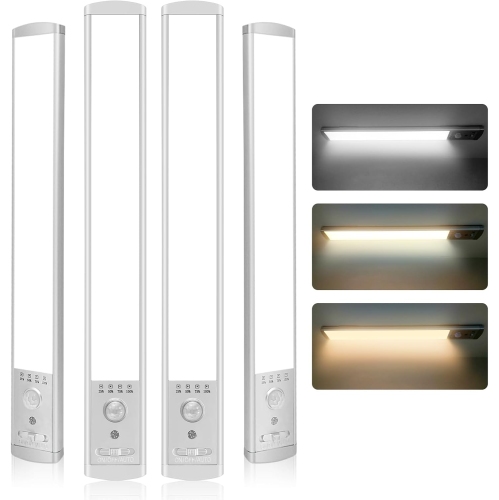
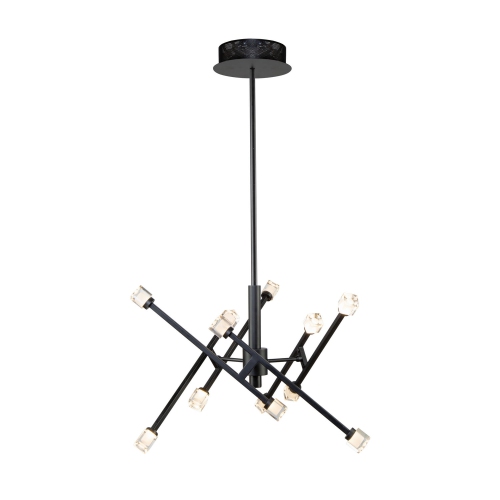
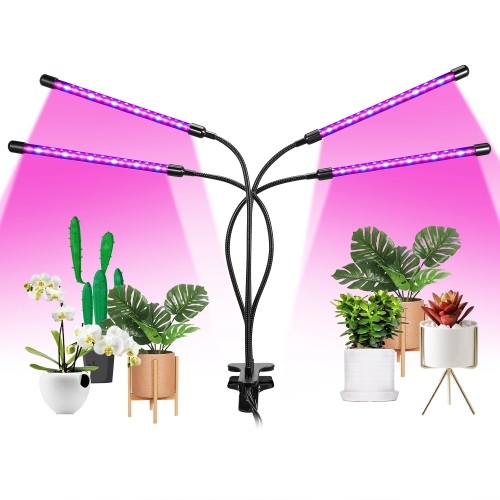
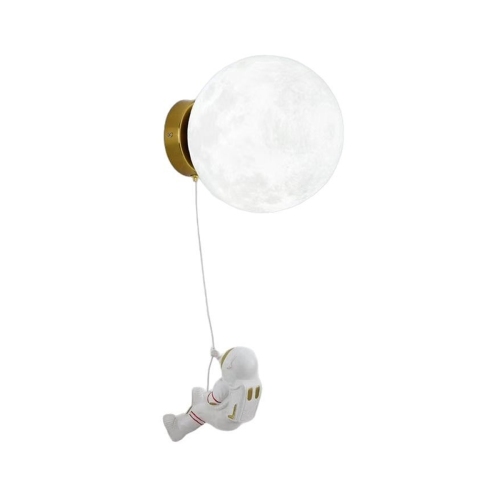
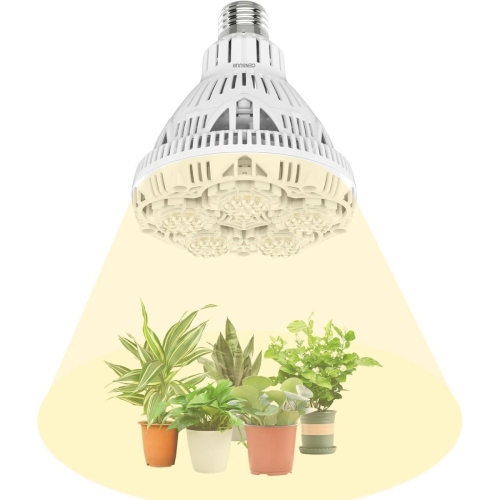
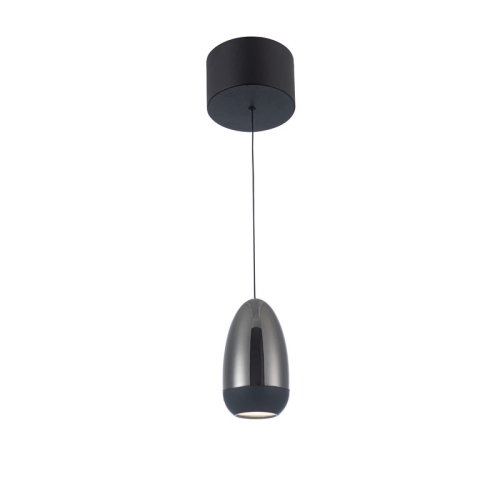
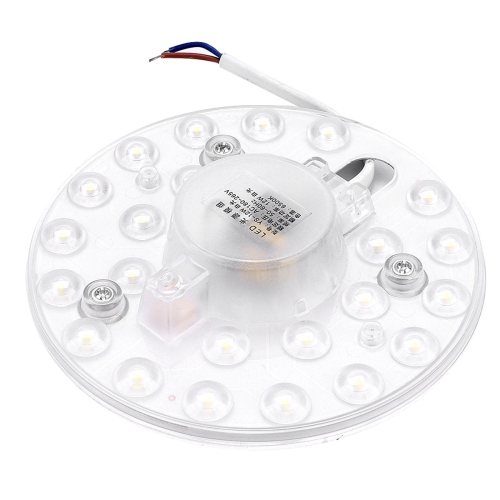
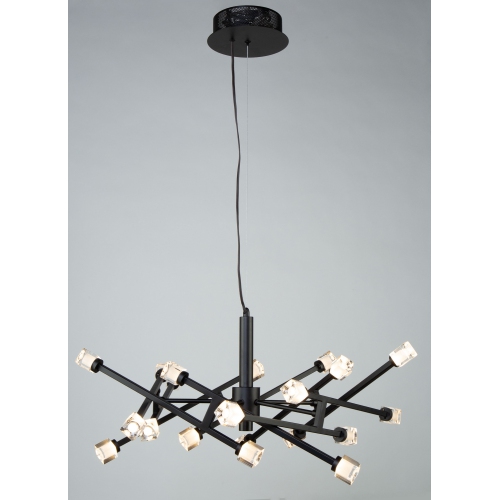
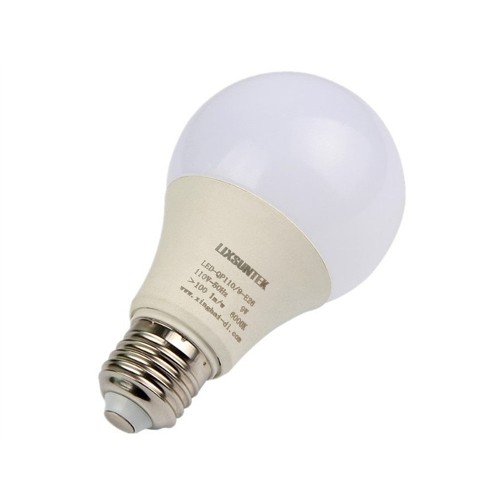
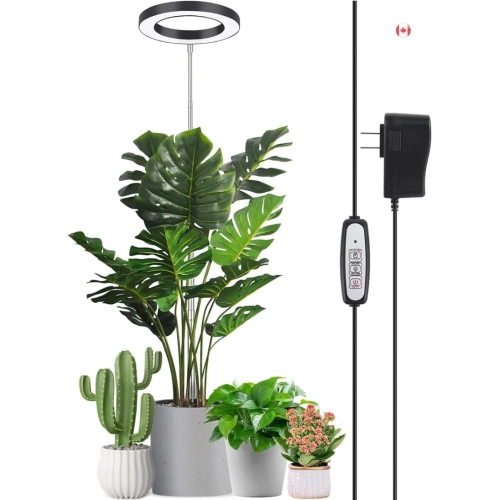
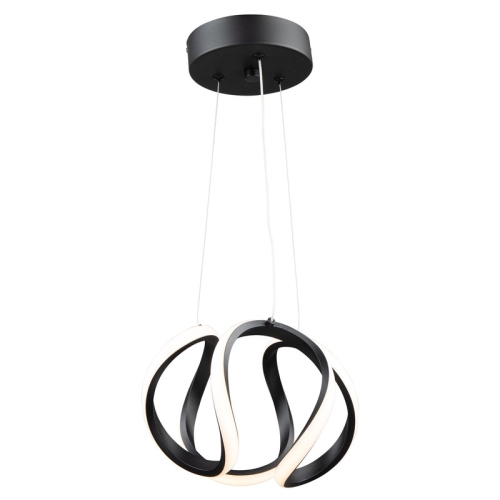
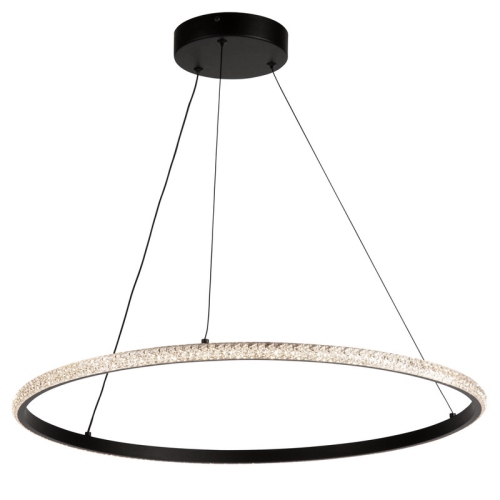
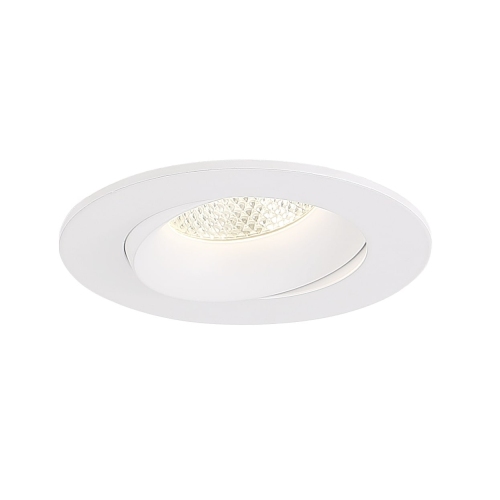
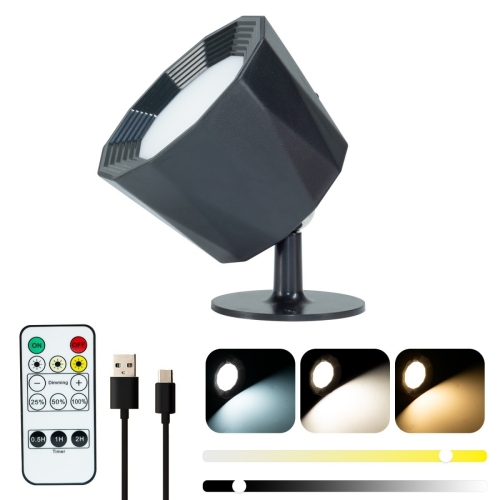
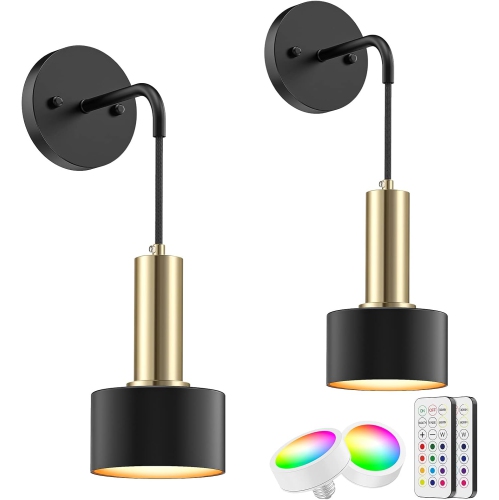
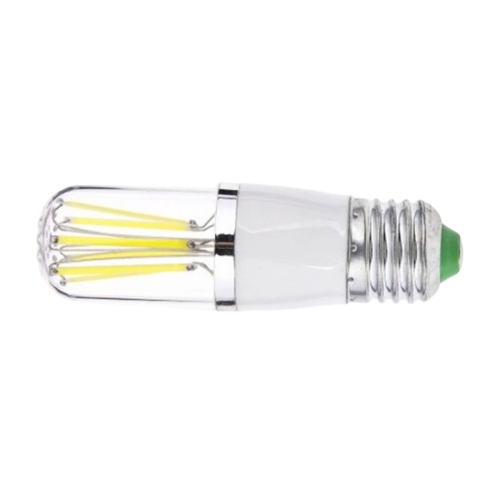
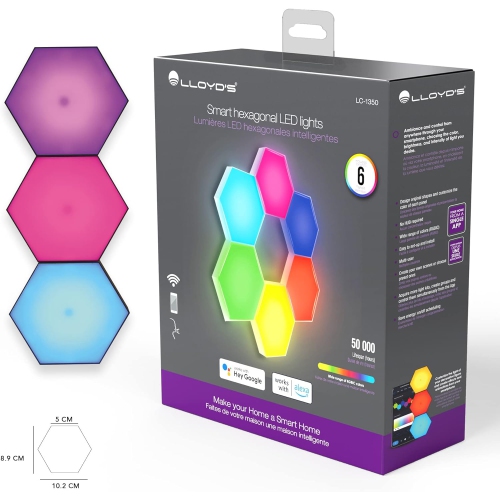
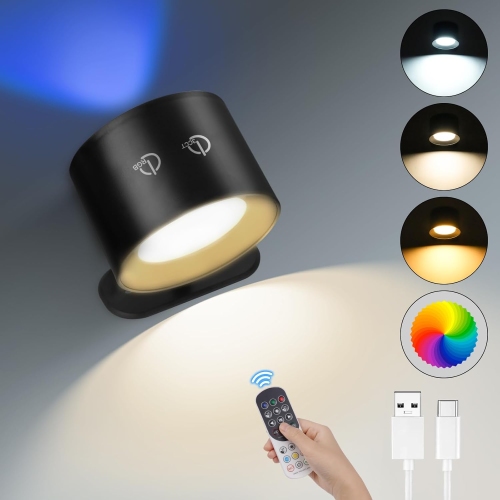
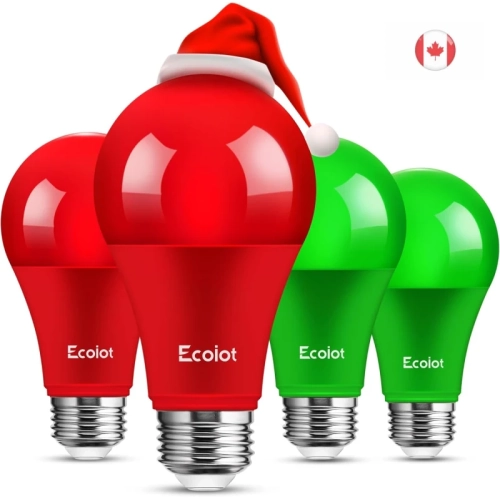
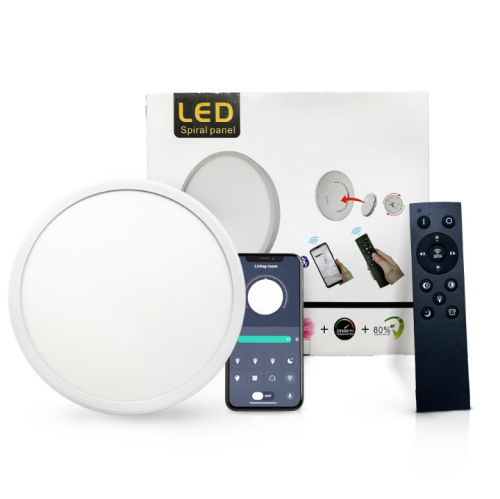
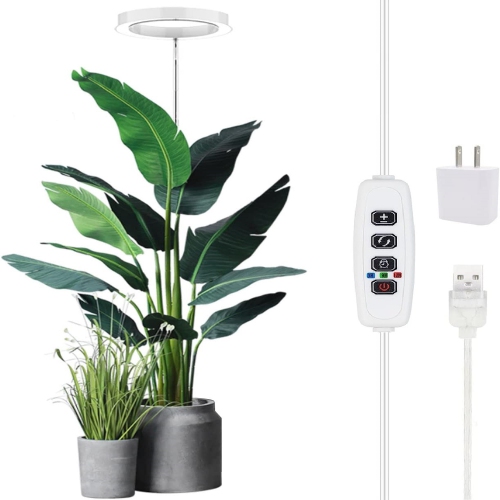
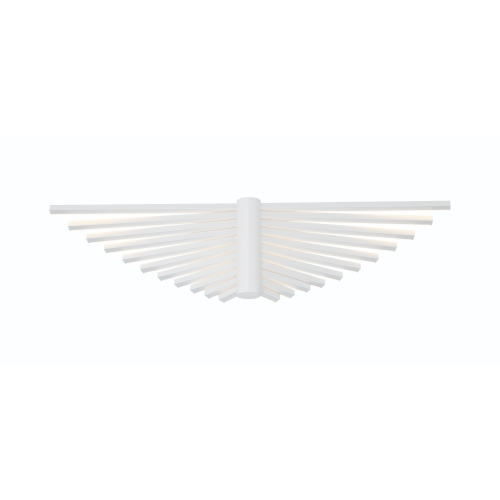
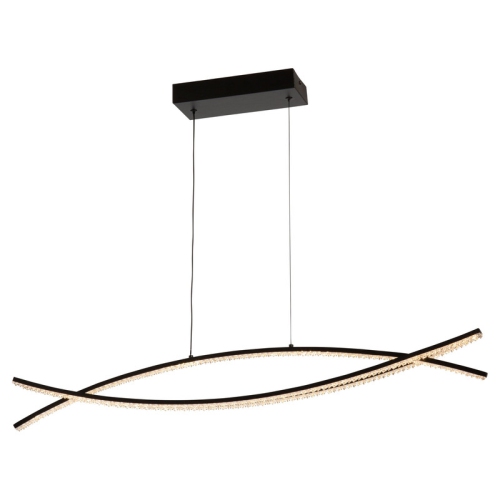
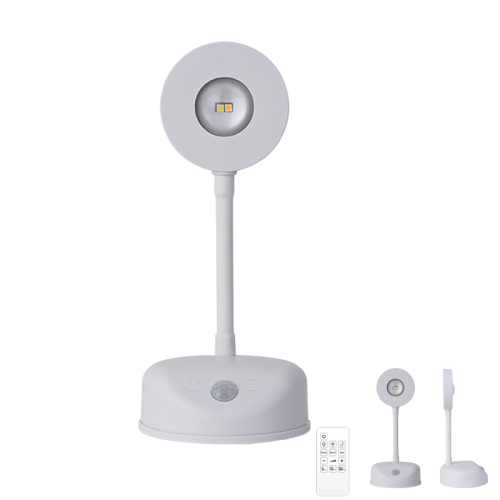
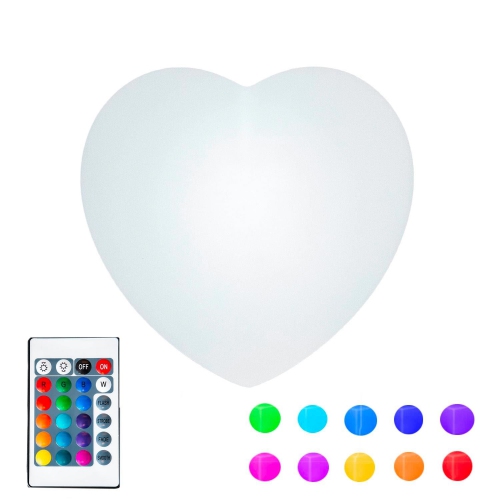
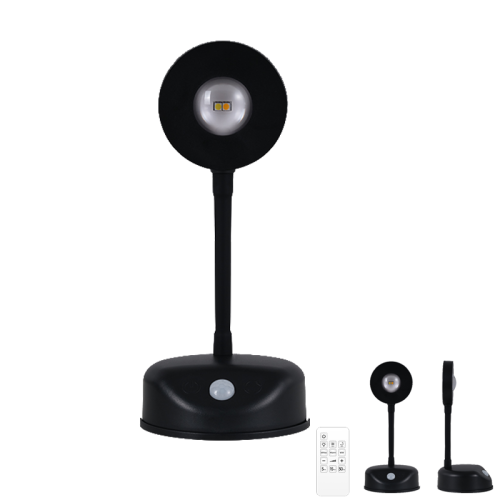
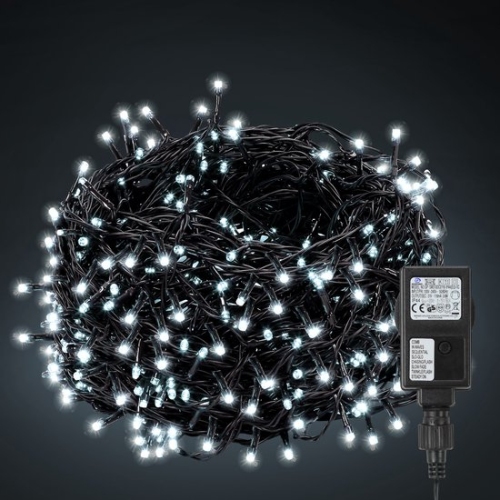
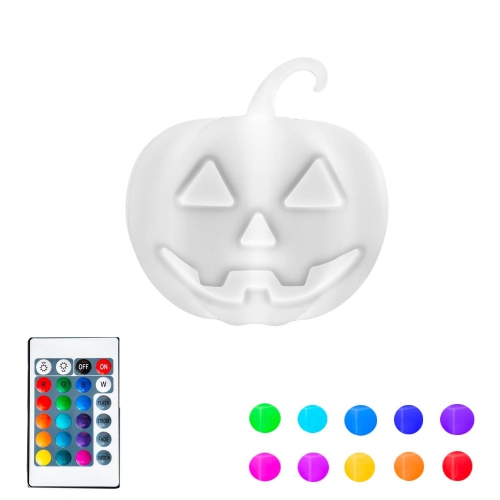
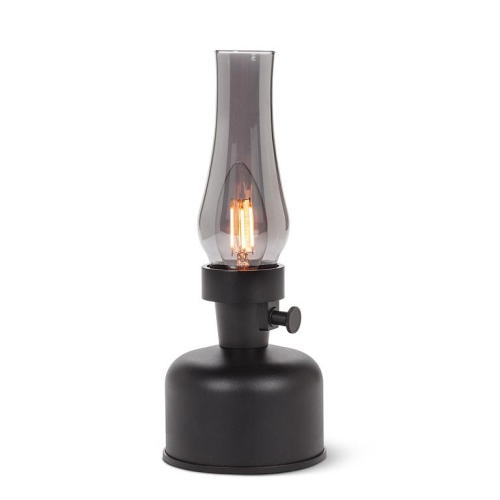
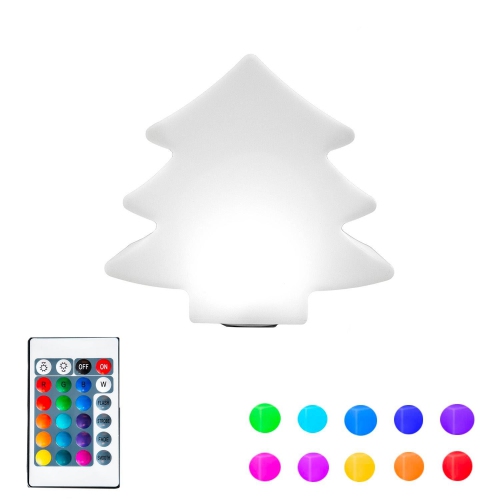
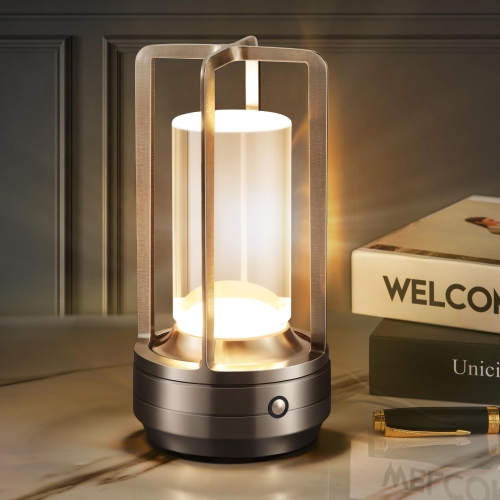
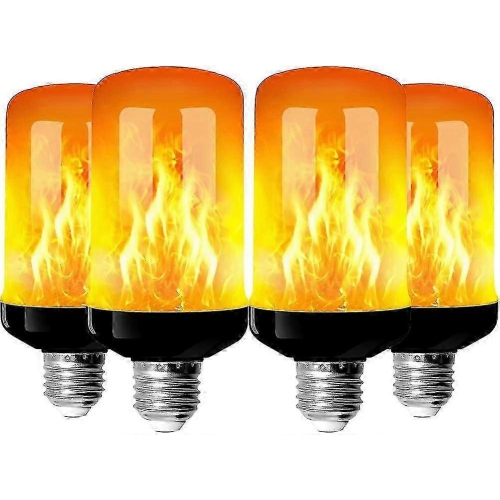
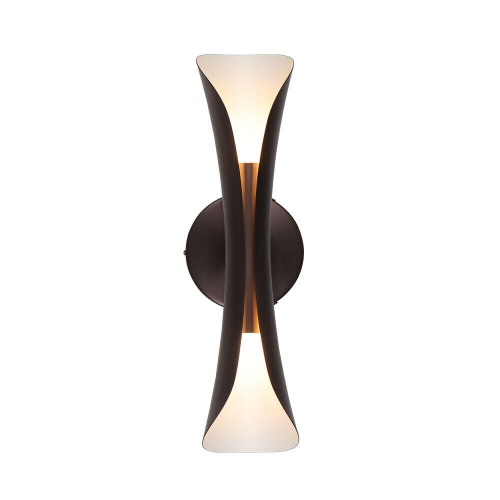
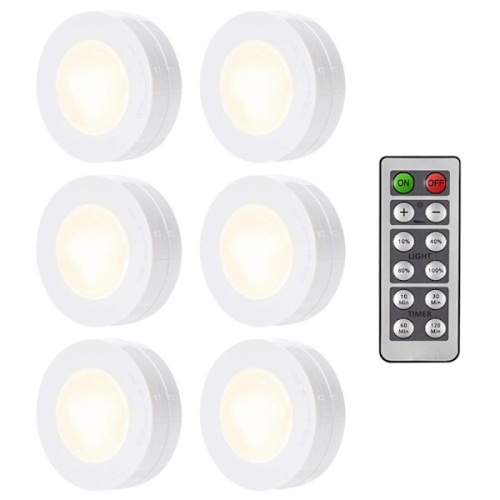
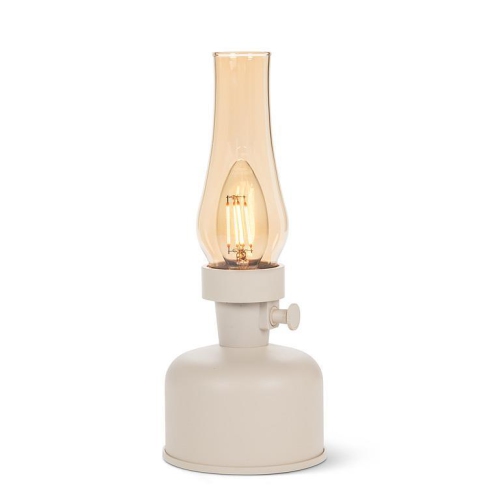
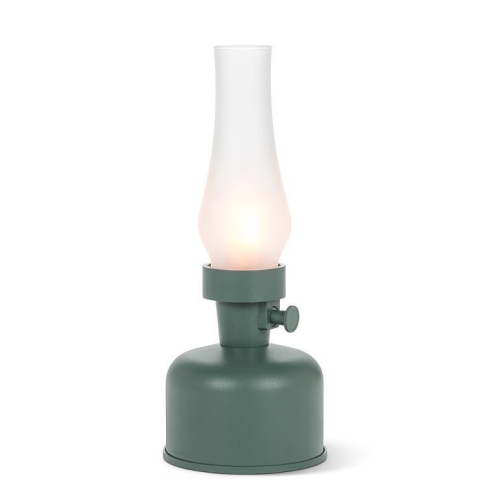
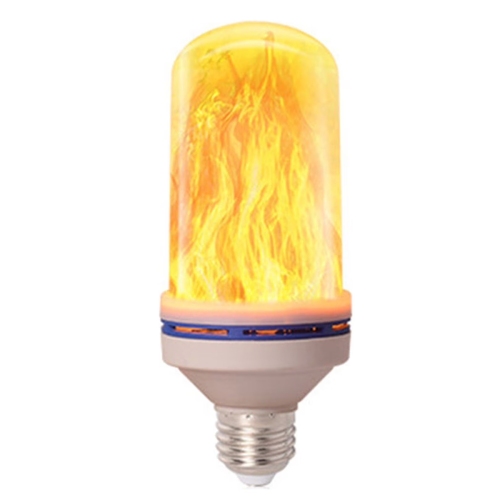
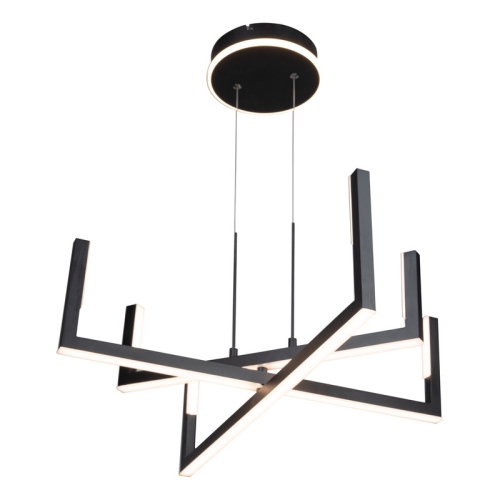
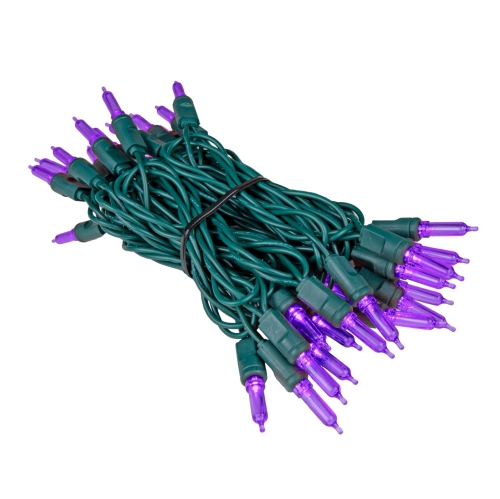
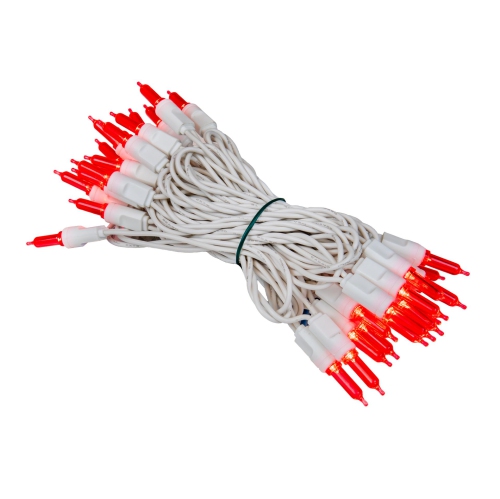
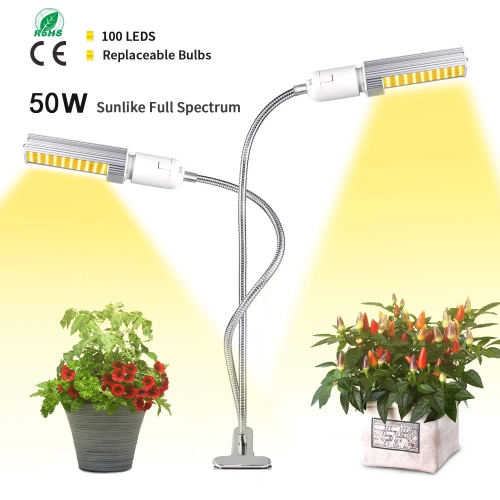
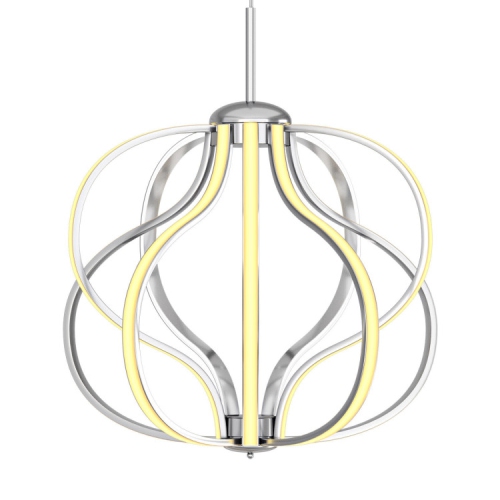
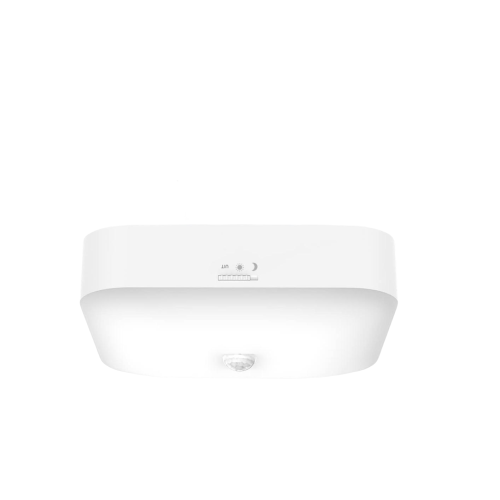
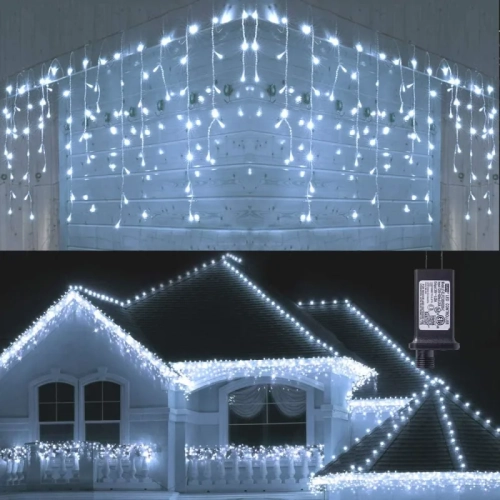
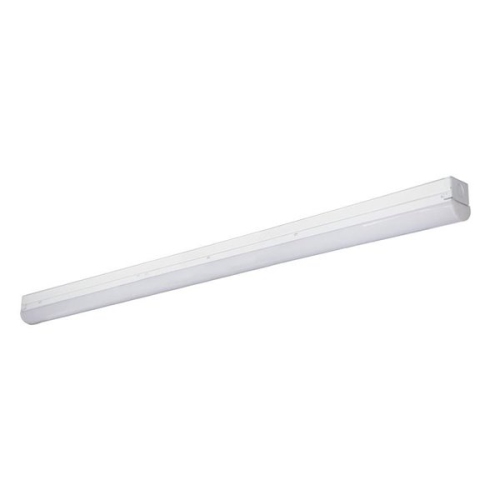
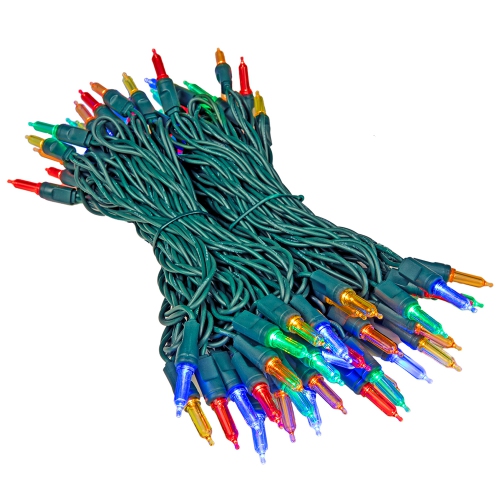
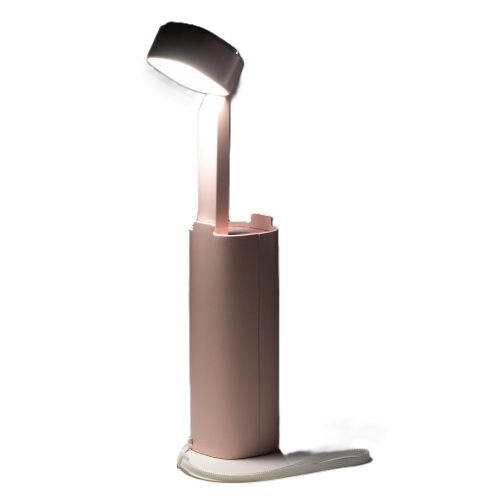
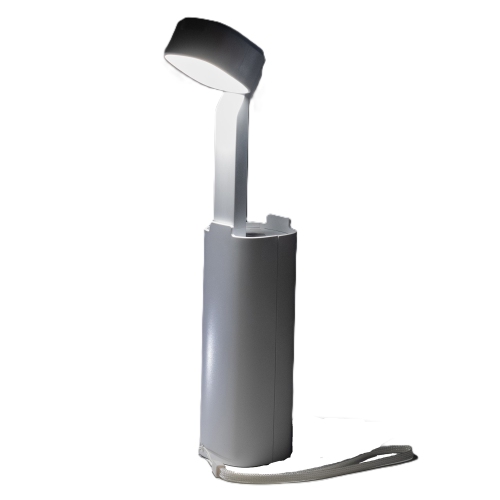
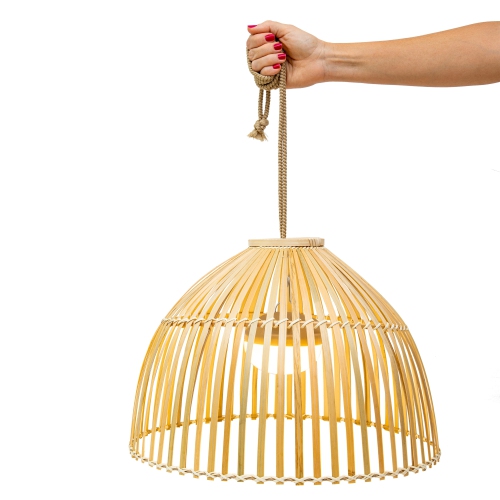
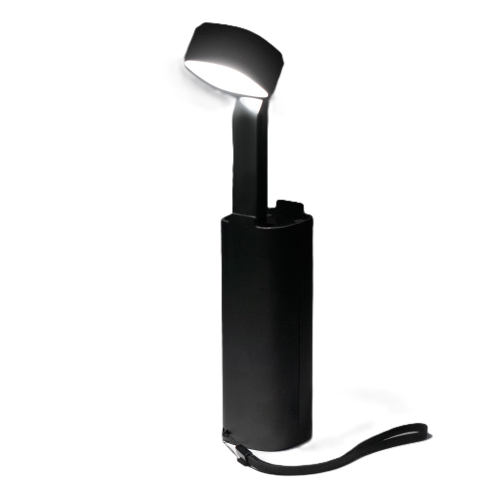
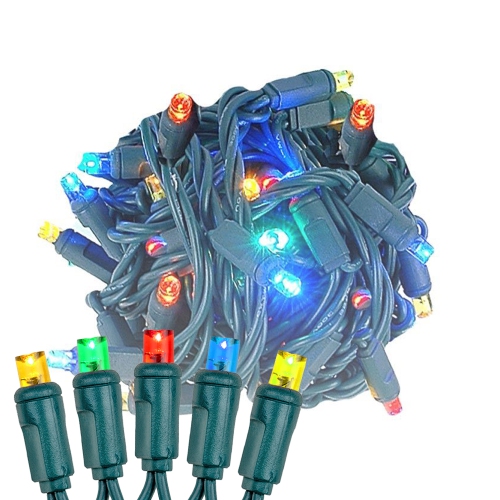
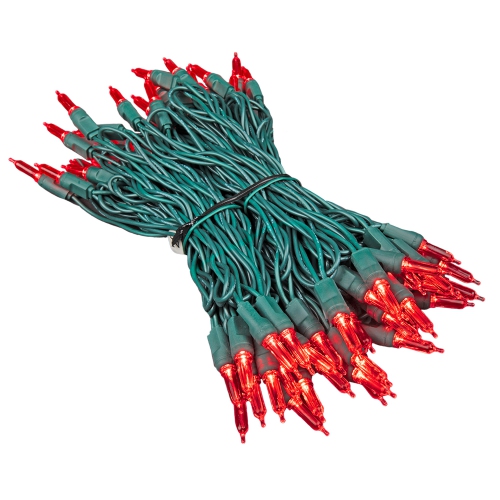
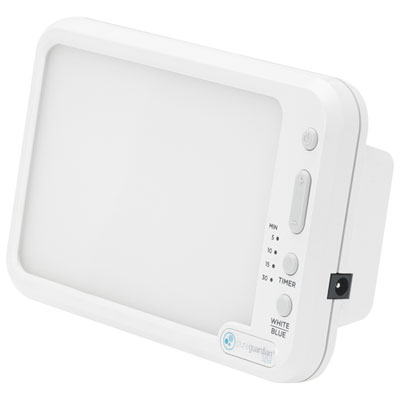
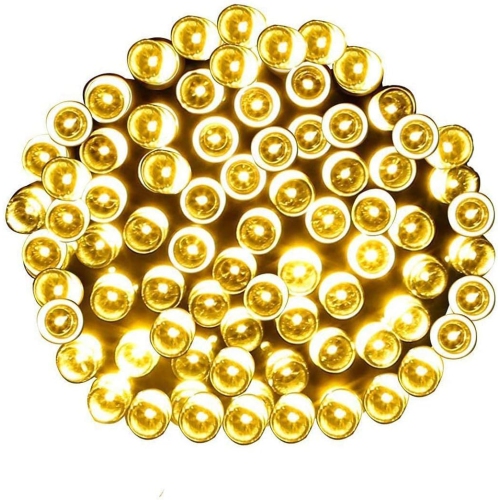
Indoor LED lighting includes bulbs, ceiling fixtures, recessed downlights, lamps, light bars, and flexible strips designed to illuminate interior spaces. LED stands for light-emitting diode, a semiconductor component that produces light when electrical current passes through it. In a home, these lights serve three main purposes: general lighting for moving comfortably around a room, task lighting for activities such as reading or preparing food, and accent lighting that highlights shelves, artwork, or architectural details. A living room might combine a broad ceiling light with a focused reading lamp and a soft glow behind a media unit, allowing each part of the space to feel comfortable without making every surface equally bright. Brightness is measured in lumens, while watts describe power consumption; wattage alone does not indicate how much light an LED will provide. A bulb producing approximately 800 lumens can suit many table lamps, although shade design, placement, and the surrounding room affect the result. Colour temperature describes whether white light looks warm, neutral, or cool. Warm white light around 2700 K to 3000 K often suits bedrooms and relaxed seating areas, while neutral white around 3500 K to 4000 K can provide a crisp appearance over a work surface. Daylight-style options around 5000 K to 6500 K have a cooler appearance that some people prefer for detailed activities. These descriptions concern the appearance of the light, not how much heat it gives off. Colour rendering matters, too: lighting with a high colour rendering index can help clothing, food, and artwork appear closer to their natural colours. Adjustable-white lighting offers flexibility where one room serves several purposes, such as a dining area that also functions as a homework space. Coloured accent lighting creates a different effect, adding a wash of blue, violet, or another chosen shade without replacing the white light needed for everyday tasks. Comfortable indoor lighting usually depends on a balance of brightness, light direction, and contrast rather than the brightest possible fixture.
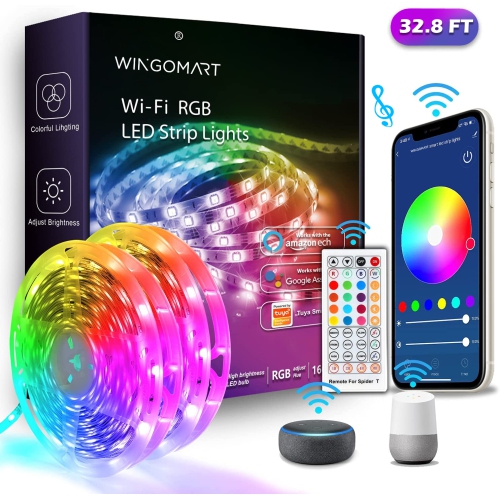
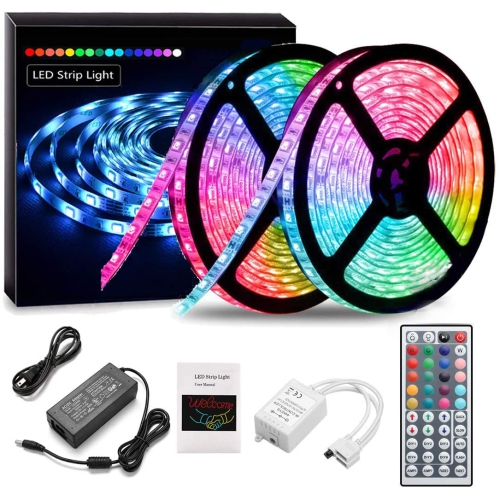
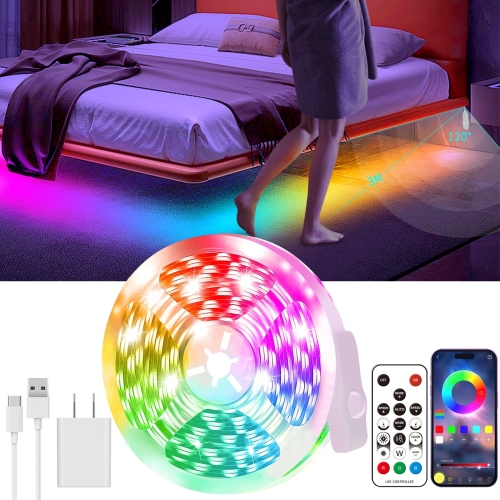
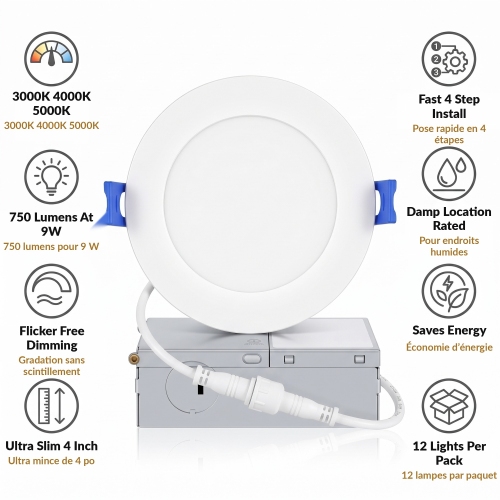
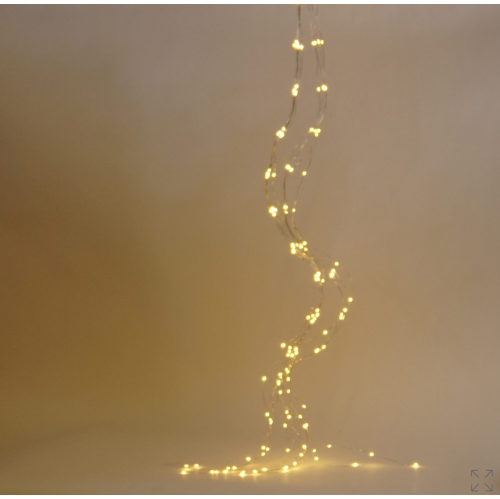
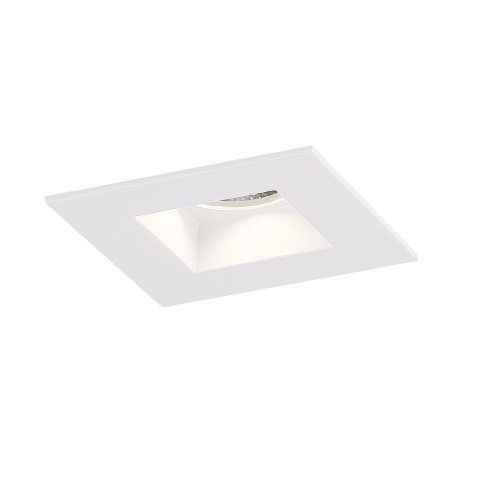
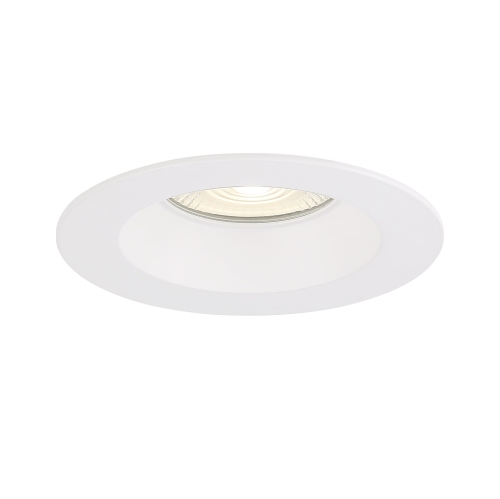
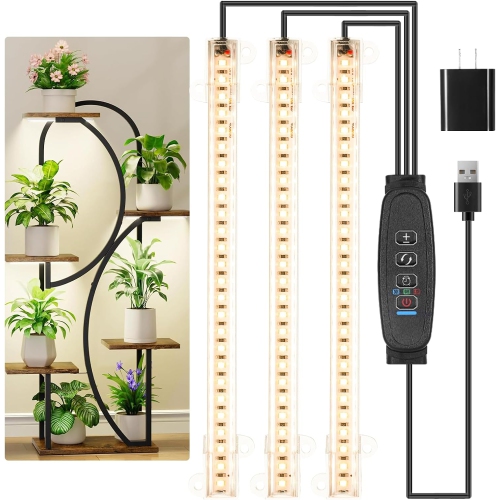
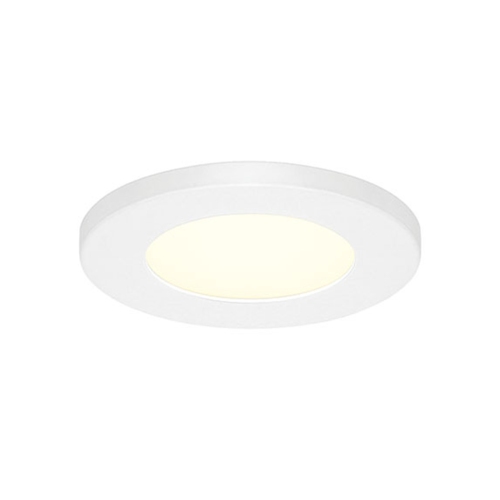
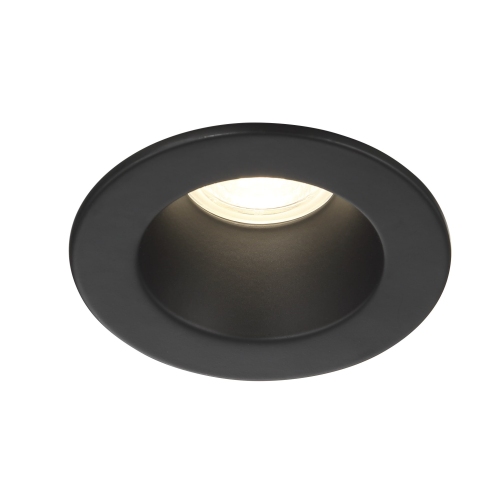
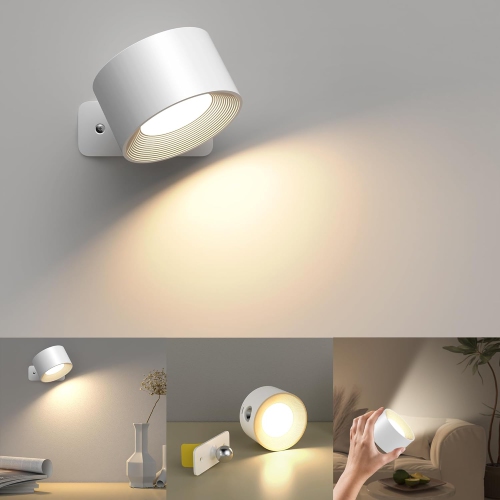
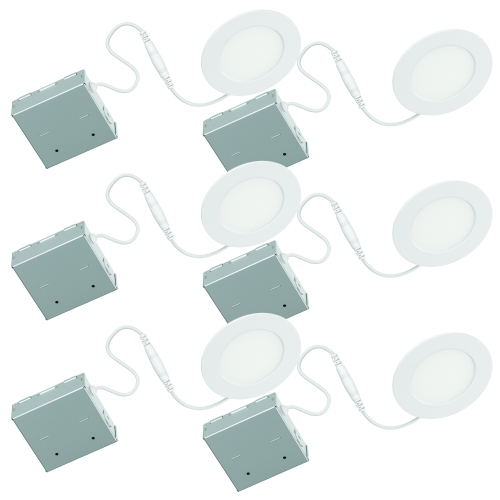
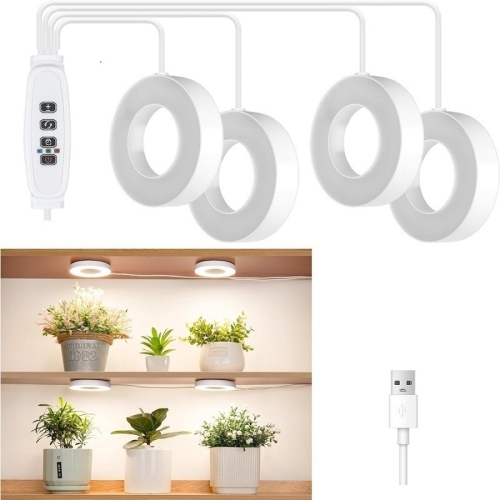
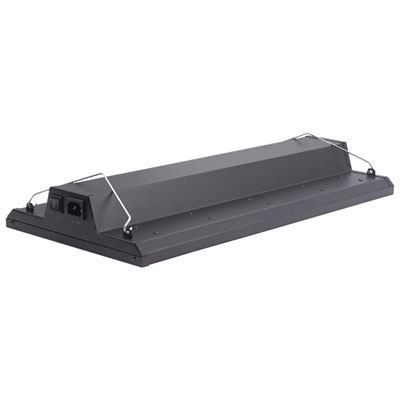
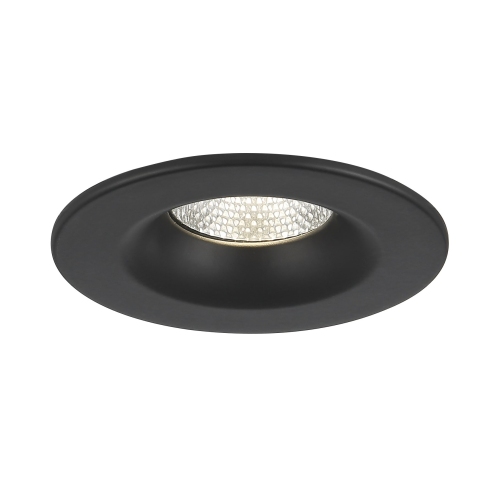
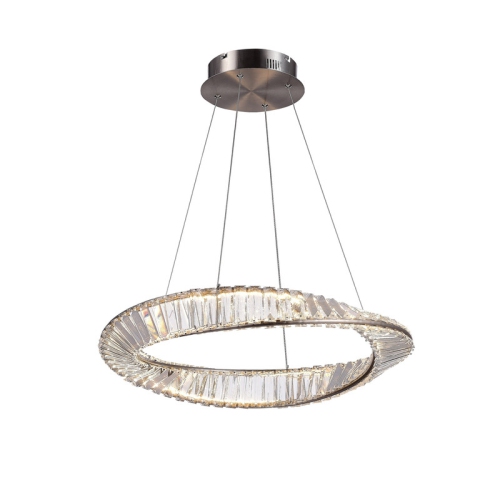
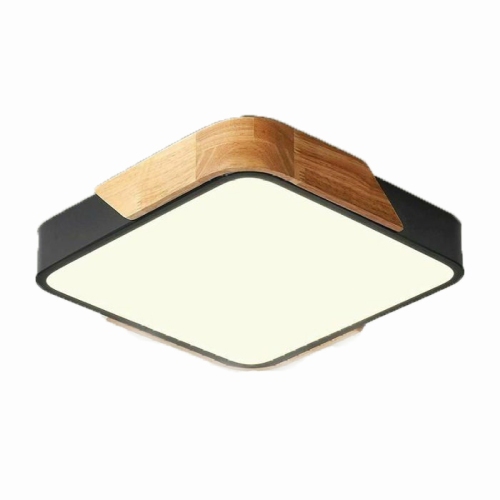
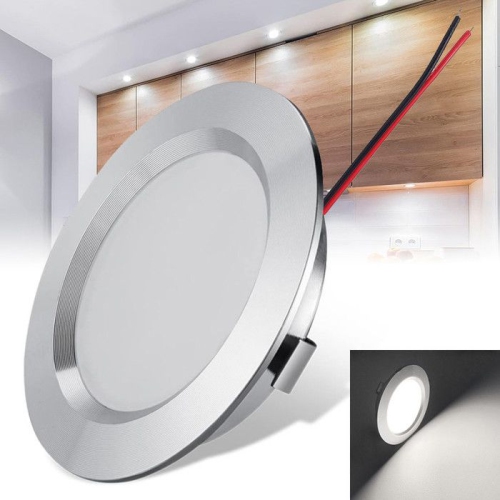
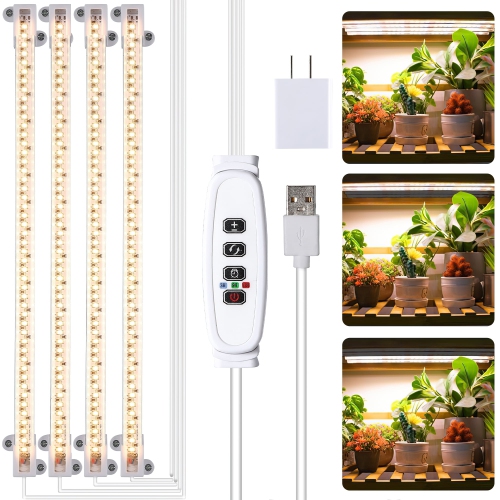
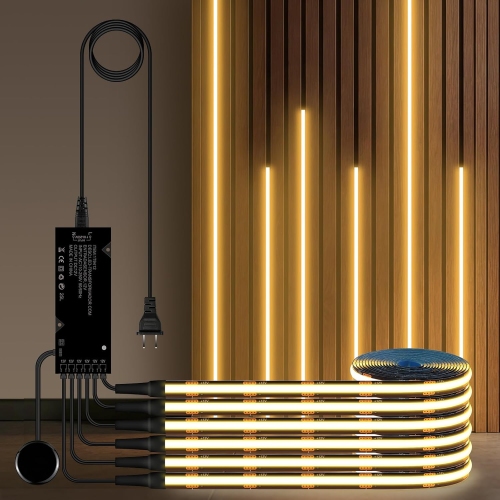
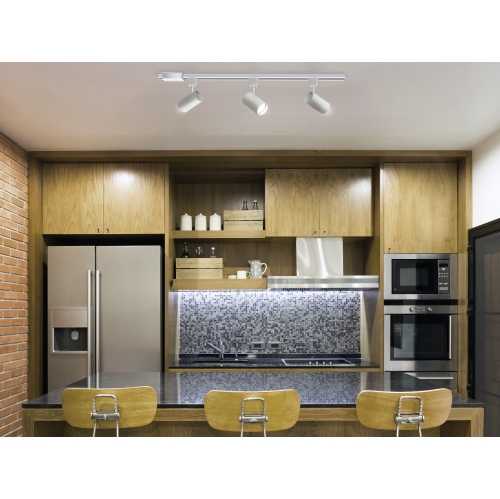
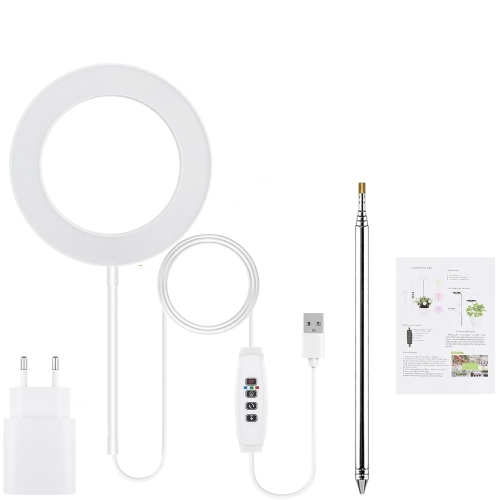
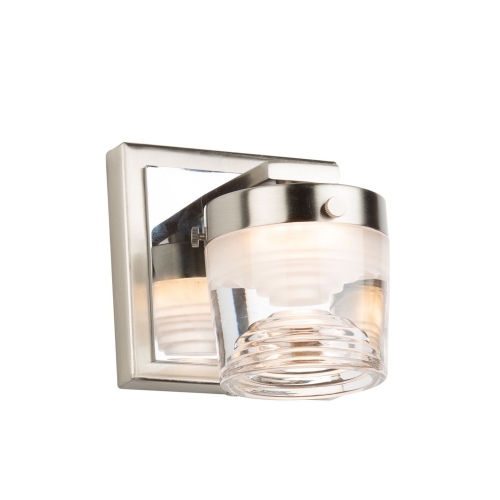
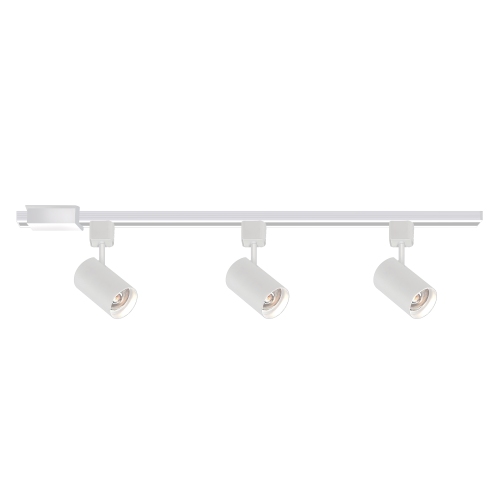
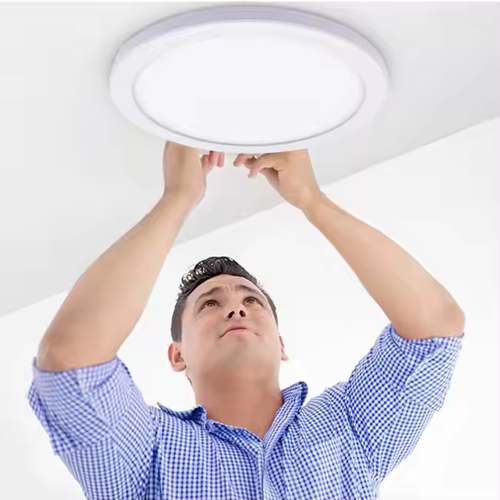
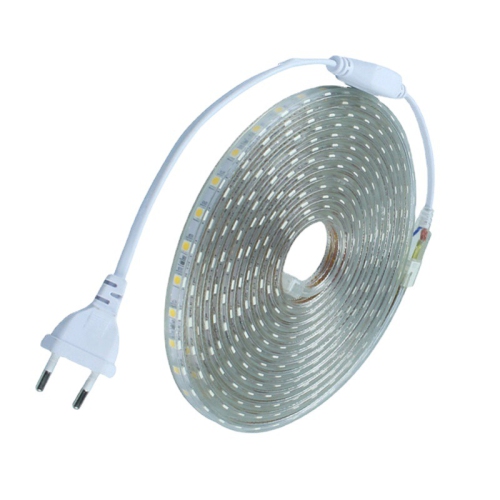
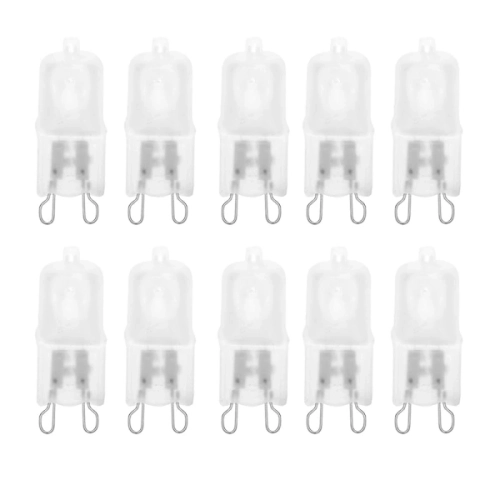
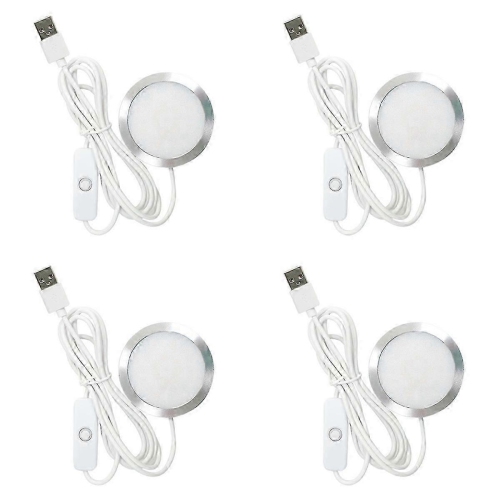
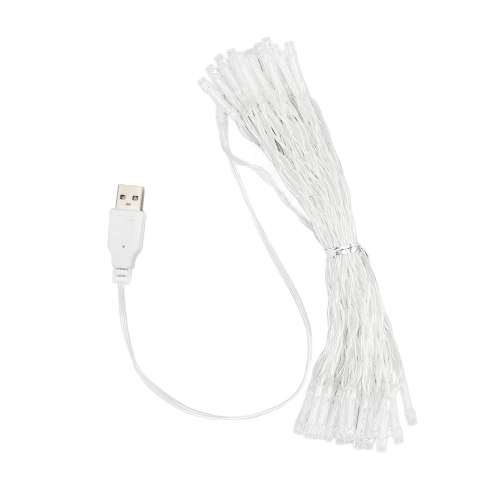
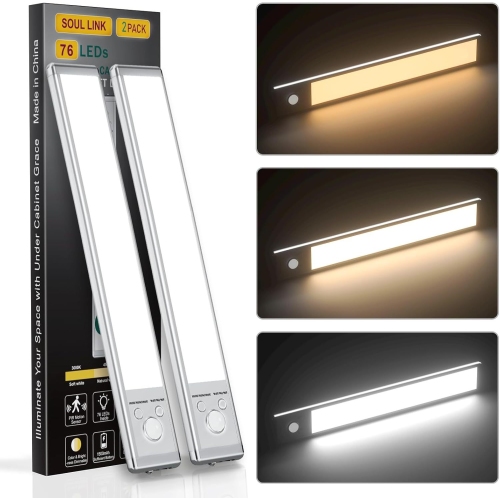
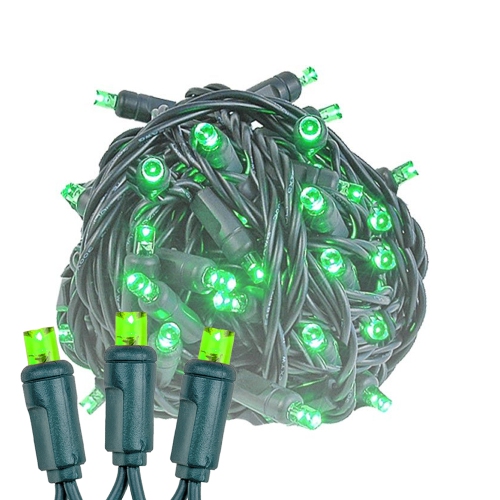
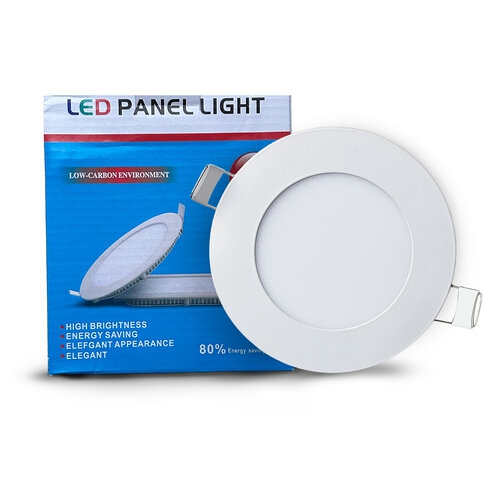
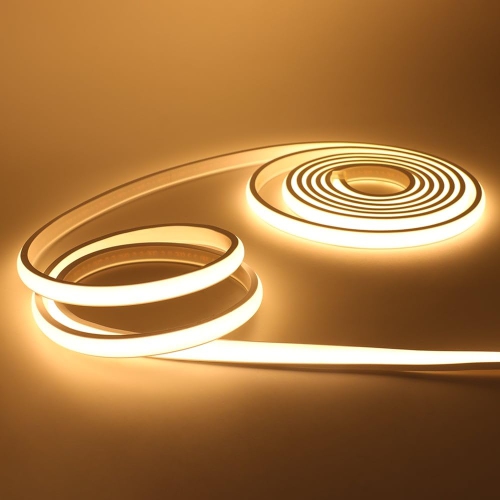
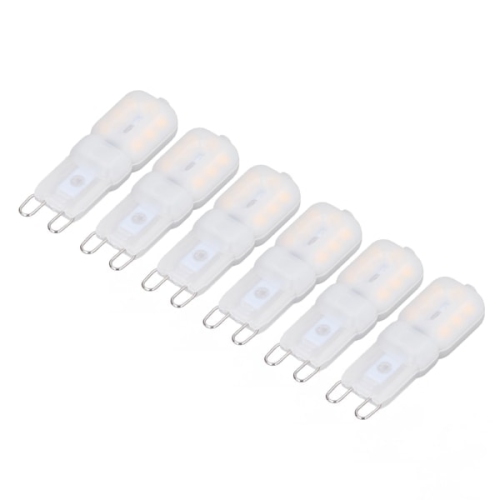
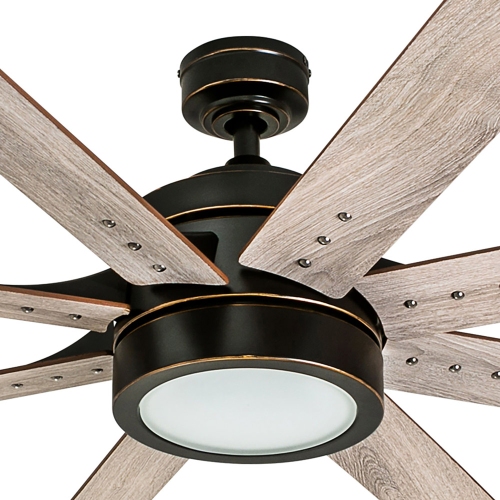
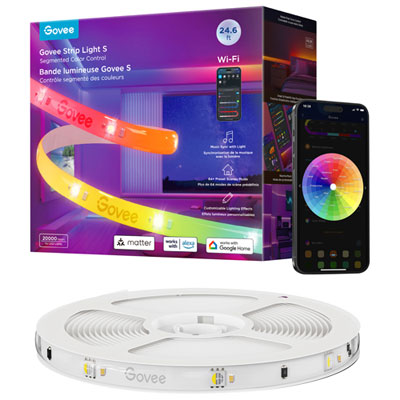
The shape and placement of a light source influence how well it works in a particular space. Flexible Indoor LED Strips can follow the underside of a cabinet, run behind a headboard, or trace the edge of a shelving unit, creating a continuous line of illumination where a conventional lamp would be awkward. When positioned behind a lip or inside a suitable channel, strips can light a surface while keeping the individual LEDs out of direct view. Diffusers soften the appearance of individual points of light, although the final effect depends on LED spacing, diffuser depth, and the distance from the illuminated surface. Under-cabinet lighting is especially useful when a person standing at a kitchen counter would otherwise cast a shadow from the ceiling light. At a desk, a shaded or adjustable light can direct illumination onto a keyboard, notebook, or craft project without shining into the user's eyes or reflecting strongly in a monitor. Ceiling fixtures provide broader coverage, while directional spotlights and recessed fittings concentrate light within a defined beam. Physical fit is as important as appearance: bulb bases, fixture dimensions, ceiling clearances, and recessed cut-out sizes need to match the intended location. Strip installations also depend on compatible voltage, connectors, controllers, and power supplies, with maximum run lengths set by the manufacturer. Trimming is appropriate only for strips designed to be cut, and only at their marked cutting points. Aluminium housings and channels can provide sturdy support and help manage heat, while plastic covers and diffusers affect weight, light distribution, and cleaning needs. Adhesive-backed lighting generally needs a clean, dry, suitable mounting surface; textured finishes and delicate paint can complicate installation or removal. Plug-in designs can suit spaces where permanent alterations are impractical, while hardwired fixtures require appropriate electrical installation. In bathrooms and other locations exposed to moisture, the fixture's location rating matters more than its appearance. A light intended for a dry room is not automatically suitable near a shower or anywhere it may be splashed.
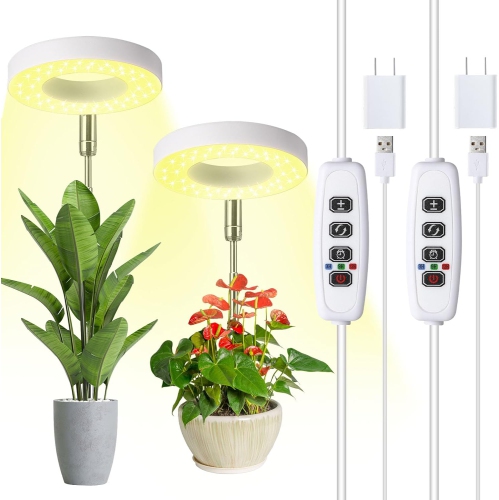
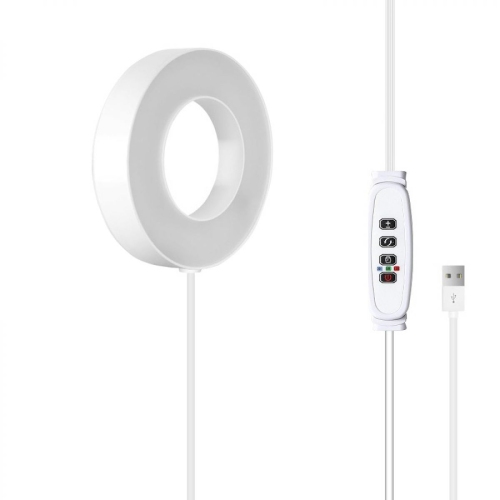
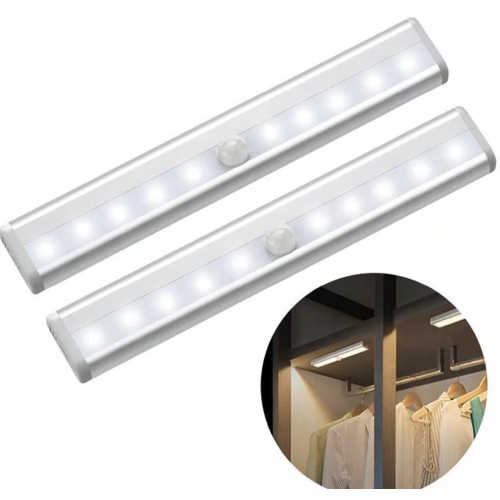
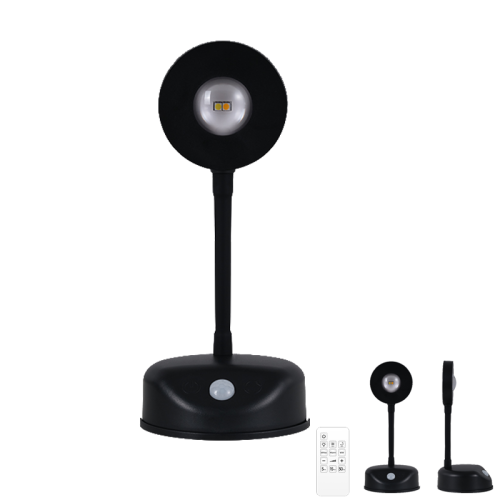
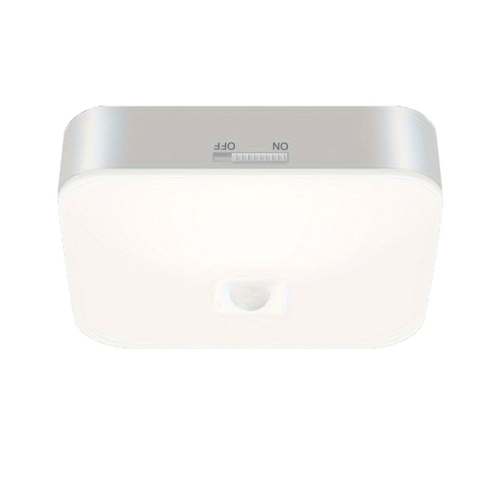
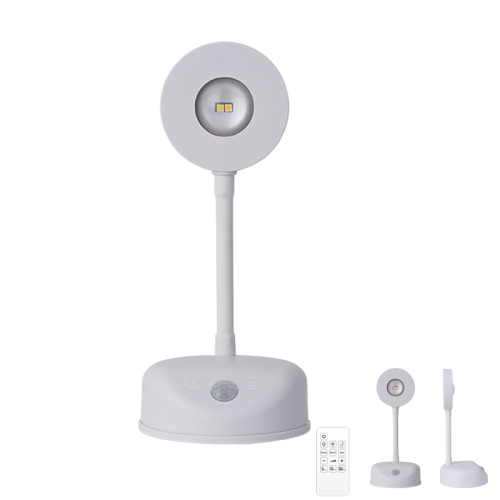
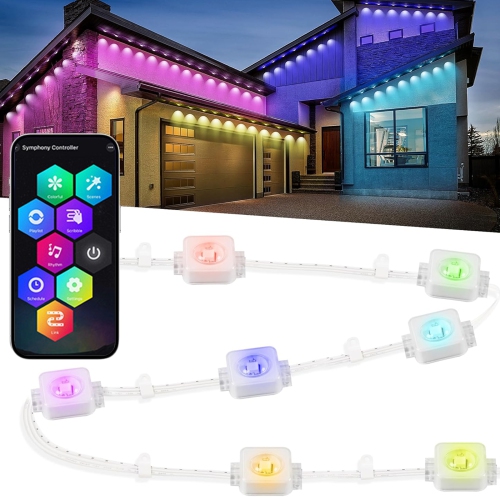
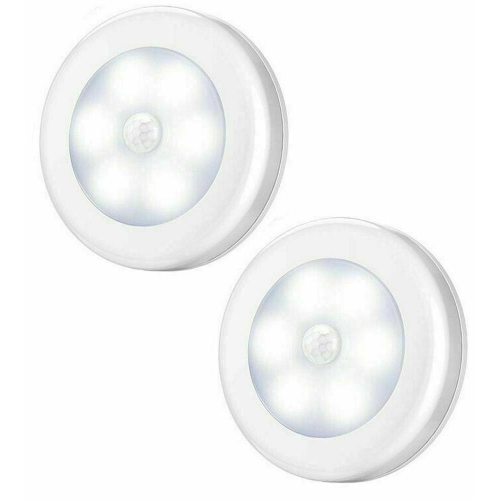
Controls determine how easily indoor LED lighting adapts to daily routines. A simple on-off switch may be enough for a utility space, while dimming can make a bedroom or dining area more versatile. Dimmable LEDs need compatible controls, since an unsuitable dimmer can cause flickering, buzzing, or an uneven brightness range. Smart lighting may offer app control, schedules, voice control, adjustable white light, or colour settings, but capabilities differ between designs. Some systems connect through Wi-Fi, while others need a separate hub or another supported connection, so compatibility with the intended phone, home network, and control platform is worth considering. Physical controls remain useful in shared households, particularly when guests or family members need to operate the lights without an app. Motion activation can be practical inside a wardrobe or along a frequently used passage, provided sensor placement and shut-off timing suit the space. For reading, sewing, or model building, accessible controls and an adjustable lamp head can be more valuable than elaborate lighting effects. Durability depends on construction, ventilation, operating conditions, and the quality of the electrical components, not simply on the LED designation. LEDs can last a long time, but their stated lifespan is an estimate rather than a guarantee, and light output may gradually decline. Enclosed fixtures need bulbs specifically rated for that use, as restricted airflow can affect performance. Integrated LED fixtures contain the light source as part of the fitting; designs with replaceable bulbs offer a different approach to maintenance. Routine care generally involves switching the light off, allowing it to cool, and removing dust with a soft, dry cloth, following the manufacturer's cleaning directions. Abrasive cleaners and excess moisture can damage finishes or electrical parts. Recognized Canadian electrical safety certification is another important consideration. For students furnishing a study corner, renters personalizing a room, or someone receiving a useful housewarming gift, compatible connections, manageable installation, and comfortable light output make indoor LED lighting easier to enjoy day after day.
Top selling and popular products
-
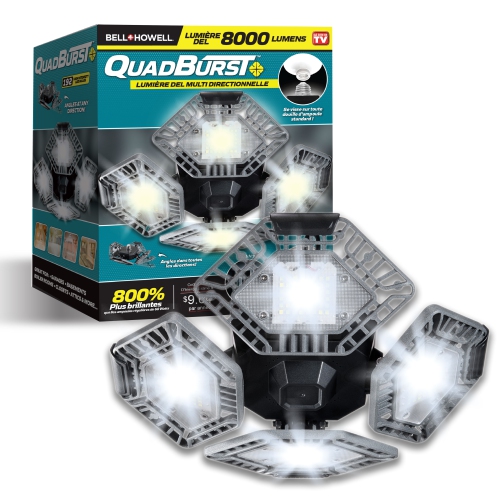 Your price for this item is $49.95
-
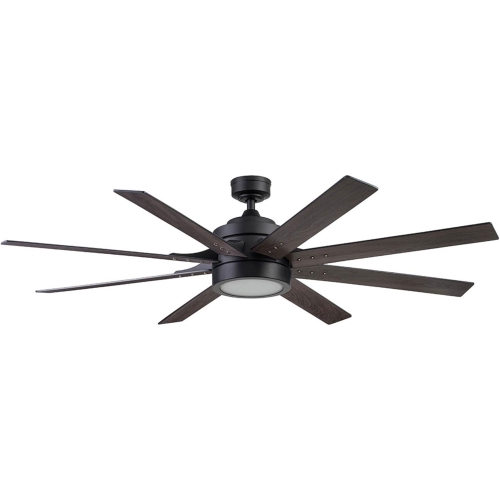 Your price for this item is $491.99
-
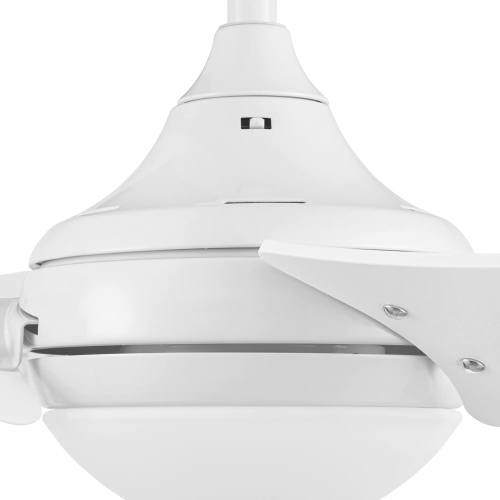 Your price for this item is $239.99
-
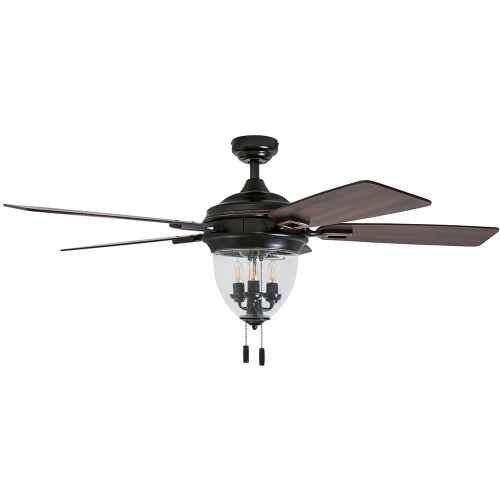 Your price for this item is $368.99
-
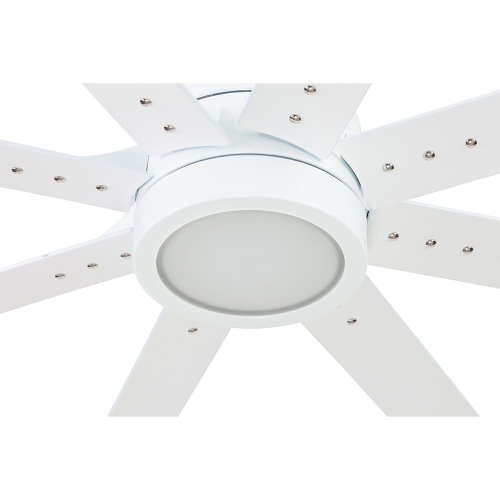 Your price for this item is $502.99
-
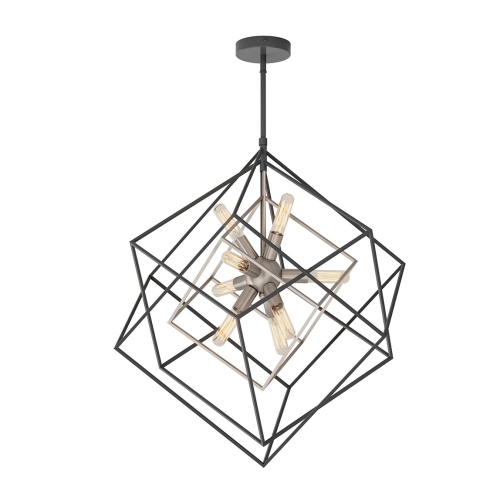 Your price for this item is $299
-
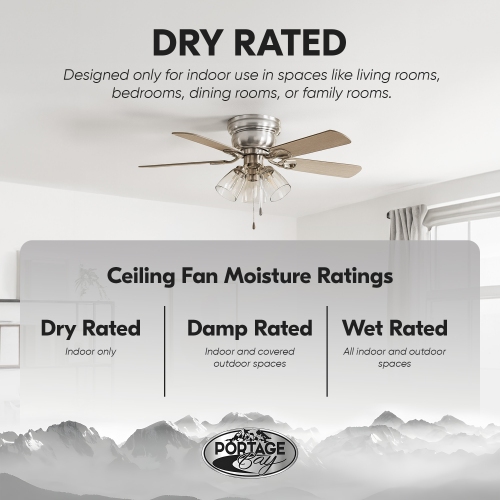 Your price for this item is $239.99
-
 Your price for this item is $536.99
Discover more categories related to Indoor Led Lighting

Top Collections:
Best Black Friday Deals This Year, Best Black Friday Deals On Electronics, Kindle Devices, Pokemon Centers, Best Black Friday Deals On Apple Products, Best Cameras for Sports Photography, Dyson Airwrap, Pokémon 30th Celebration Cards, Apple iPhone 17 Pro, Canon G7X Cameras
Some products may be subject to Environmental Handling Fees
(EHF) depending on your province.
Learn more about EHFs.