IP Dome Cameras
Capture every detail with our selection of IP dome cameras. These advanced surveillance devices offer unrivaled clarity and coverage, ensuring that you never miss a moment. Whether you need to monitor your home, office, or any other space, our IP dome cameras provide the perfect solution. With their sleek design and cutting-edge technology, these cameras blend seamlessly into almost any environment while delivering high-quality video footage. Enhance your security system and gain peace of mind with our range of IP dome cameras.
Sort




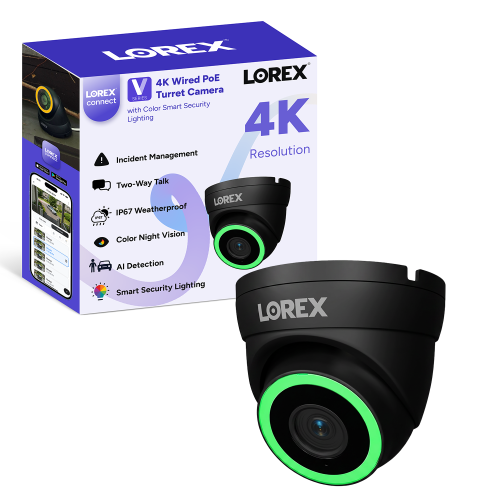
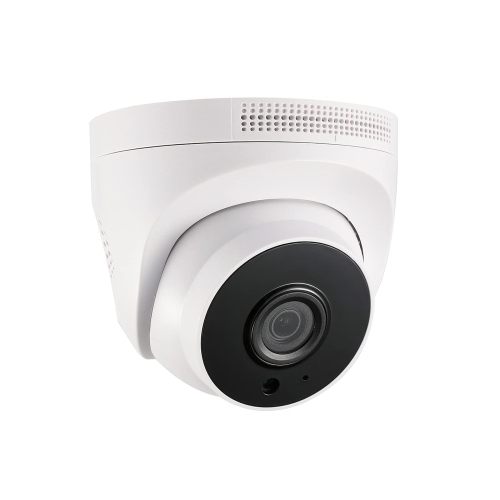
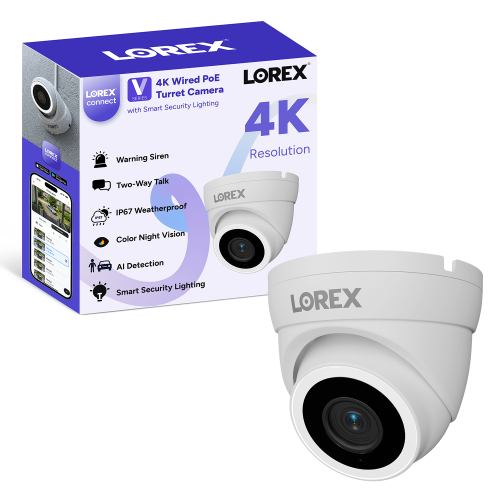
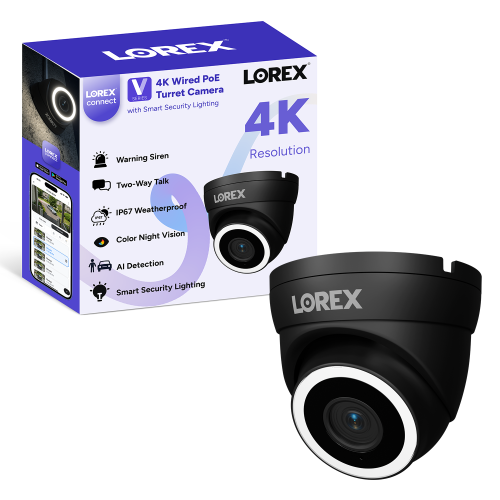





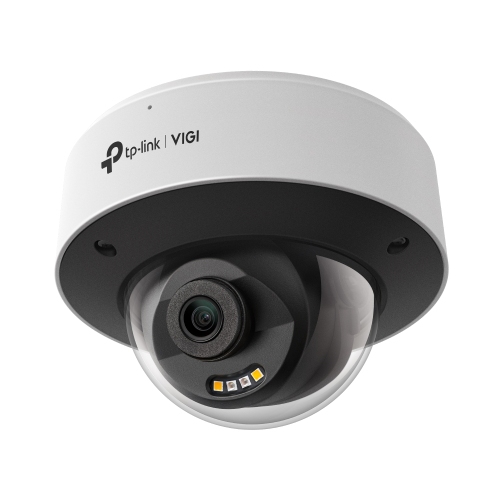
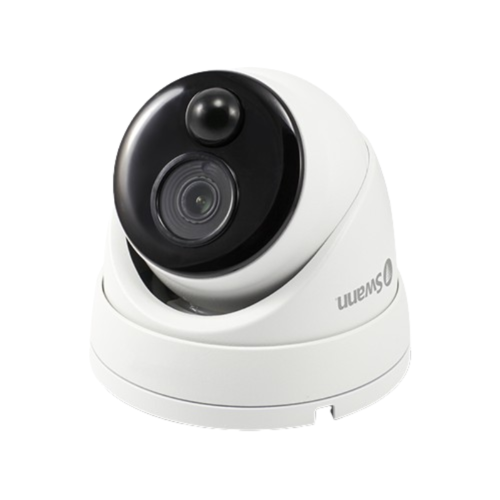
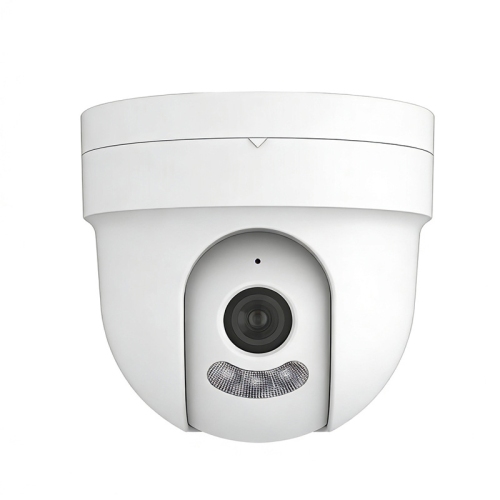
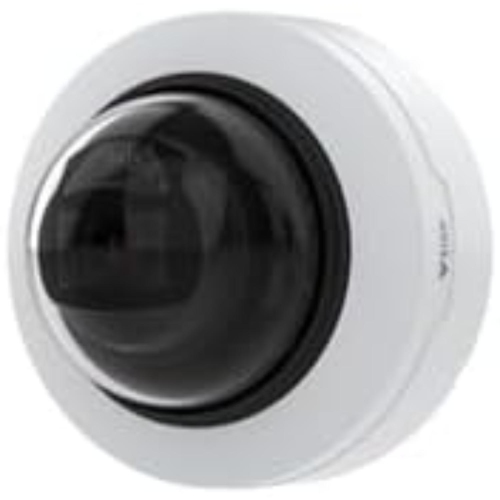
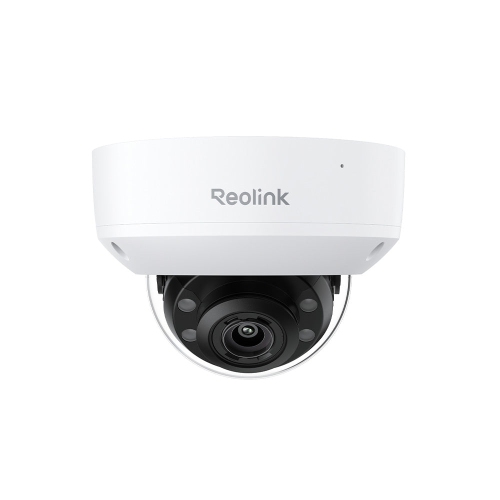
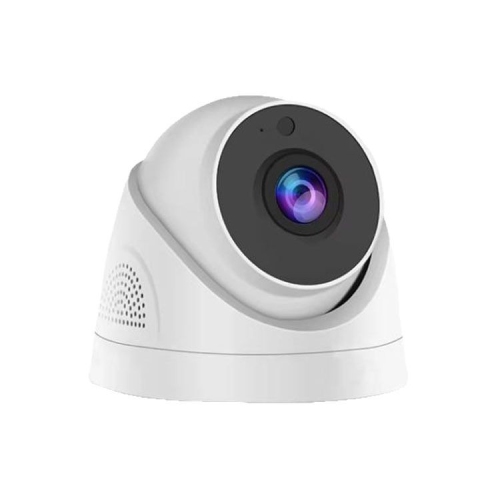
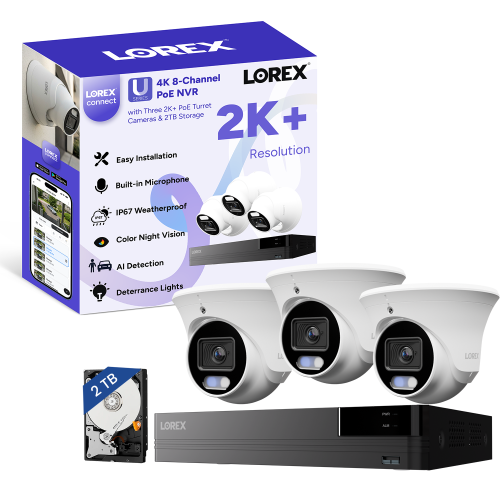
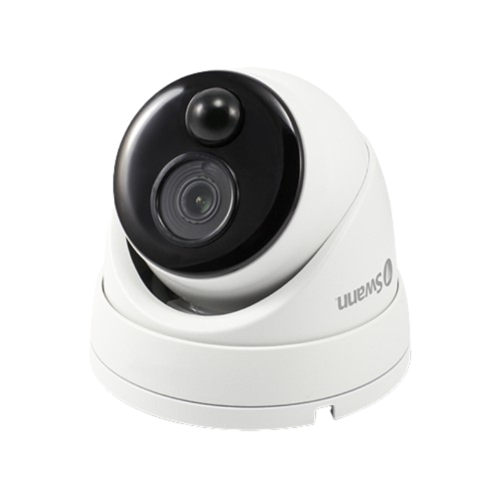
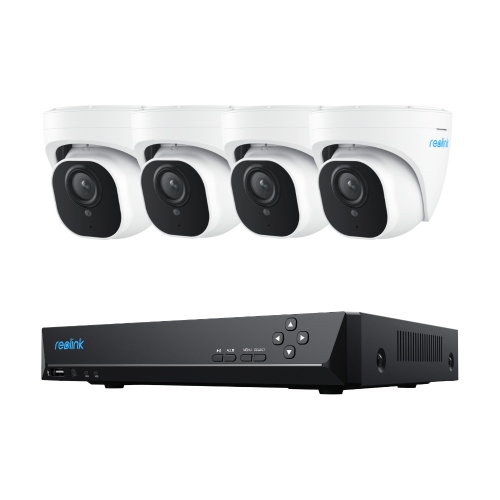
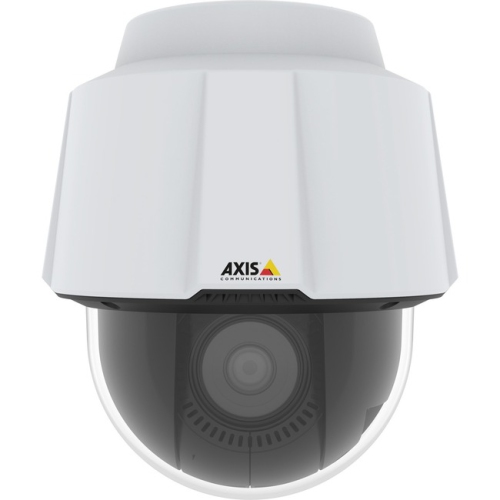
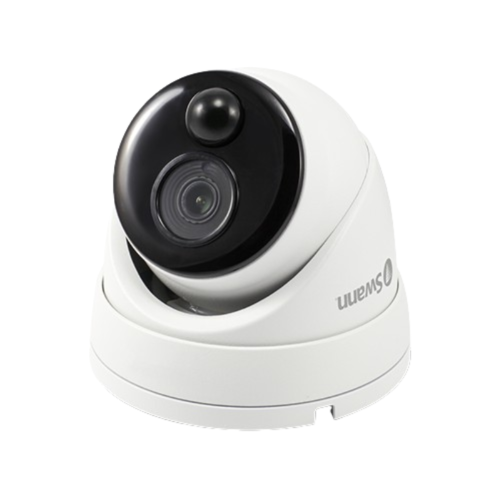
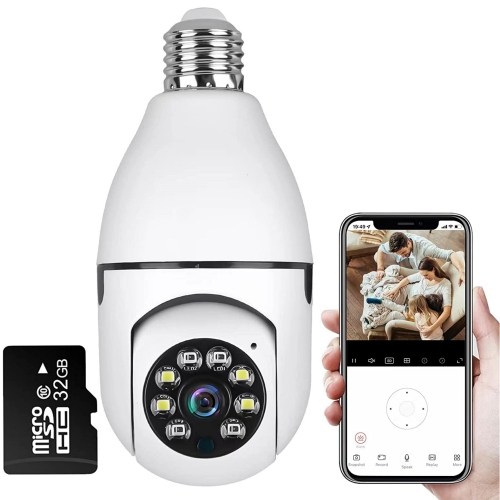

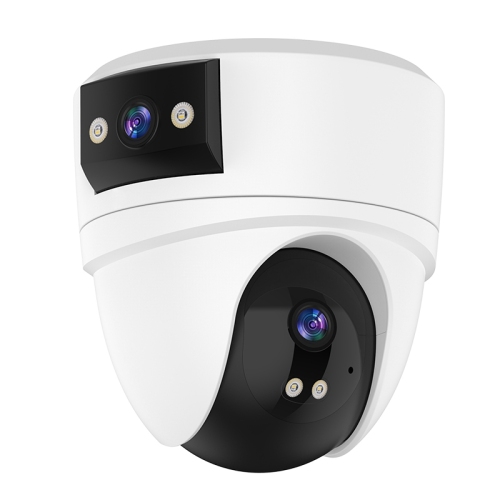

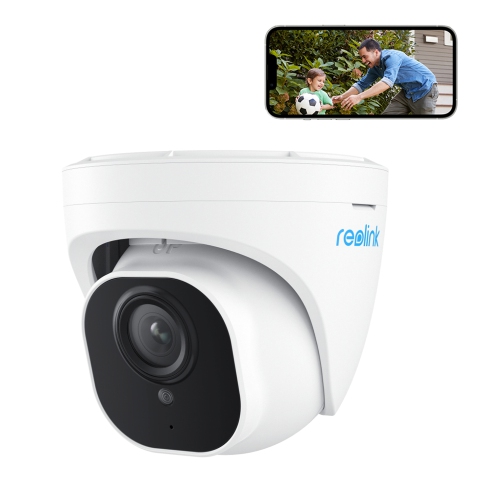
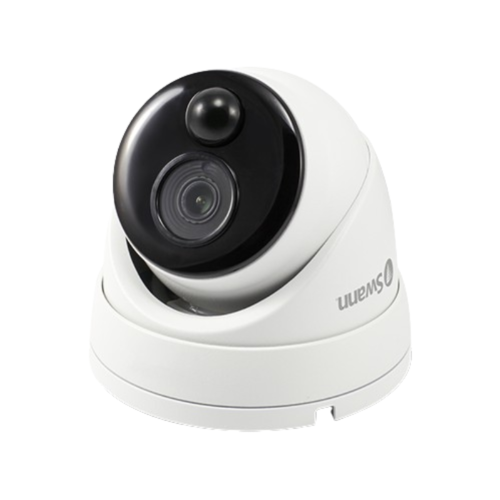



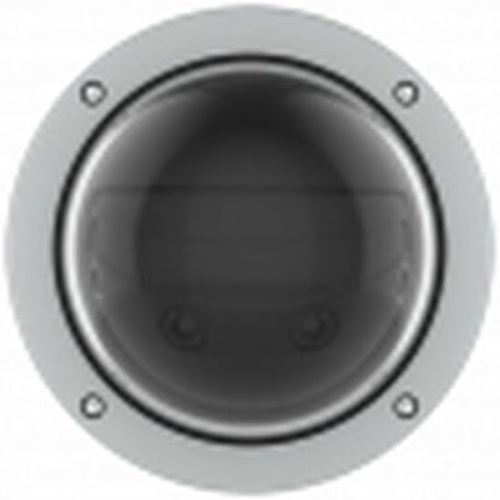
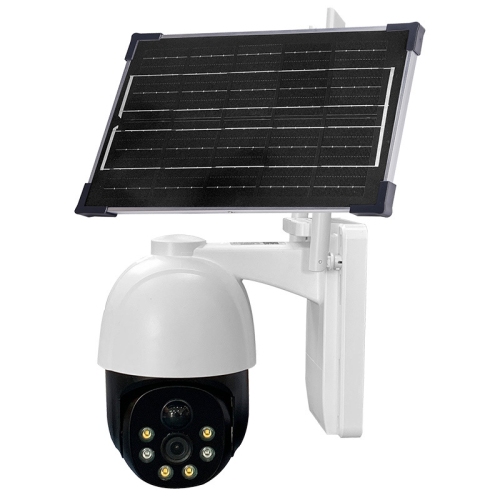
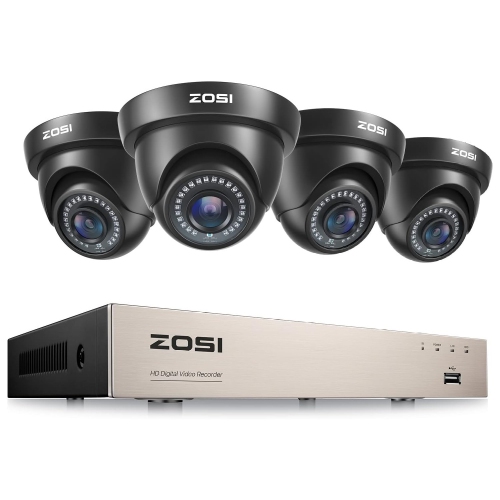
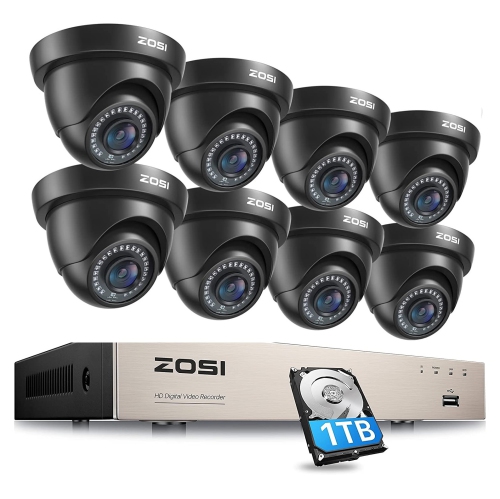
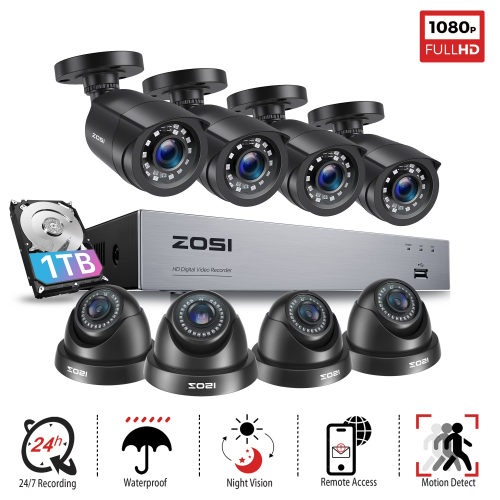
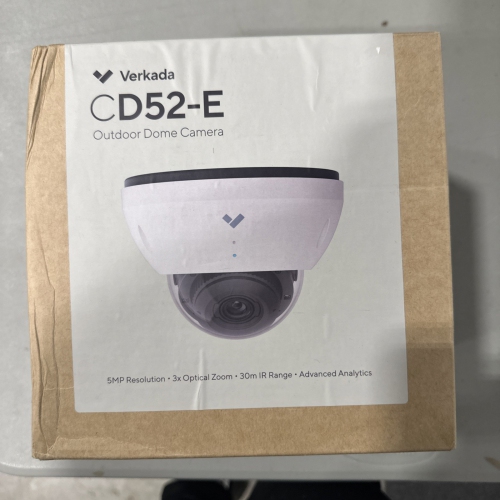

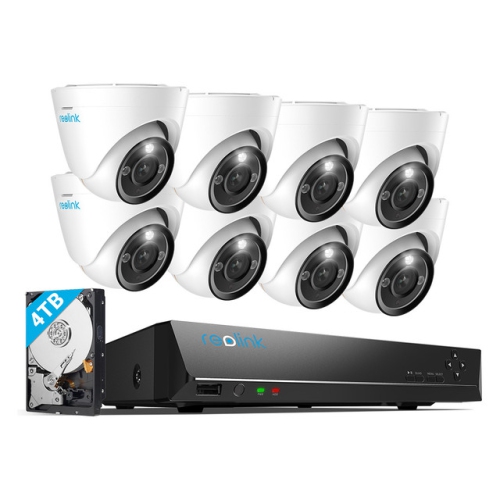

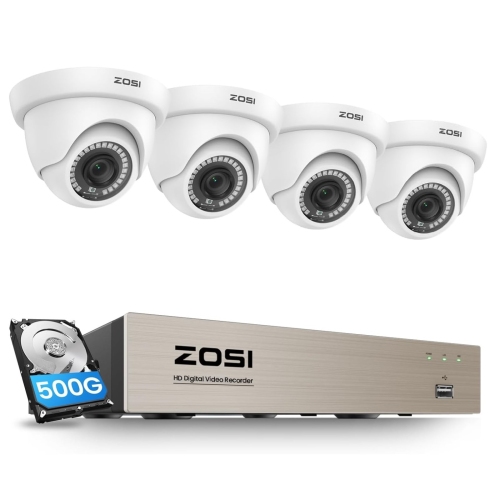
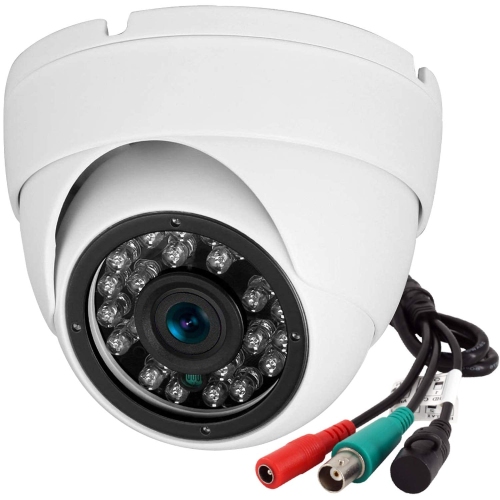

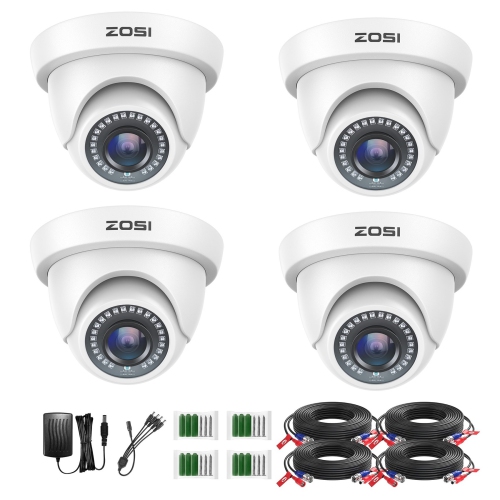
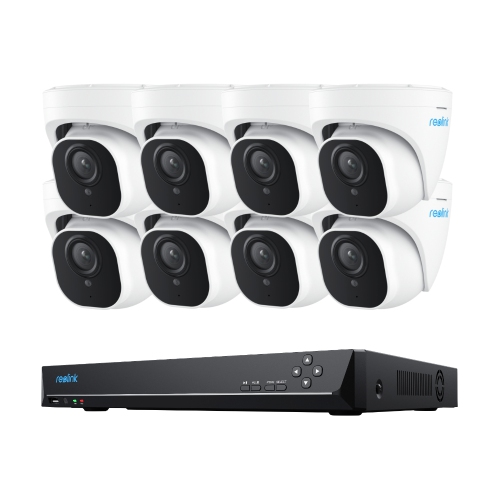

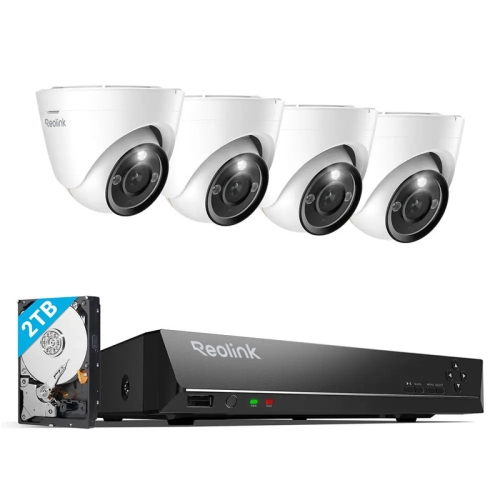
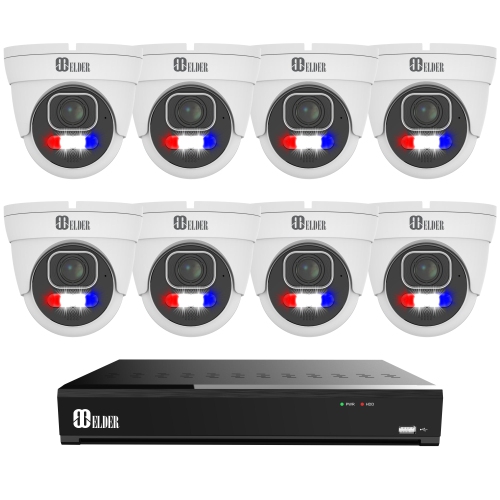
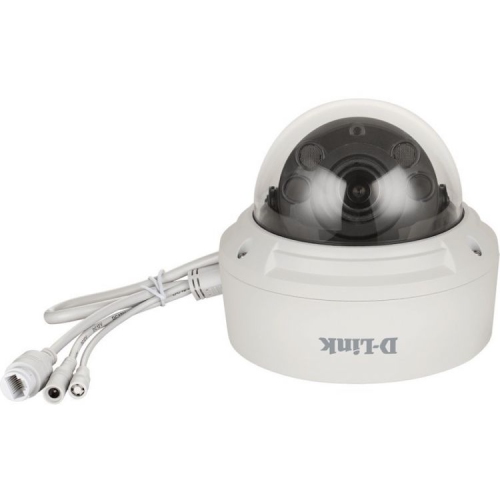
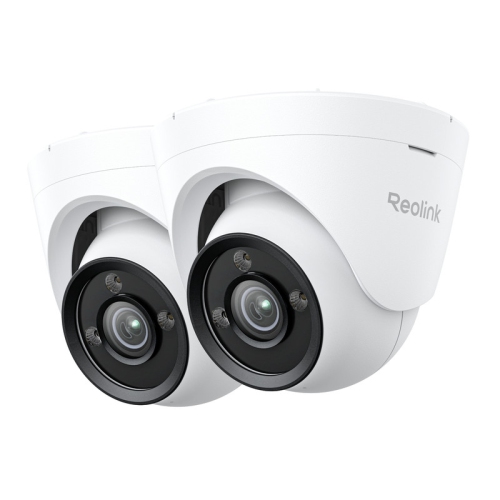

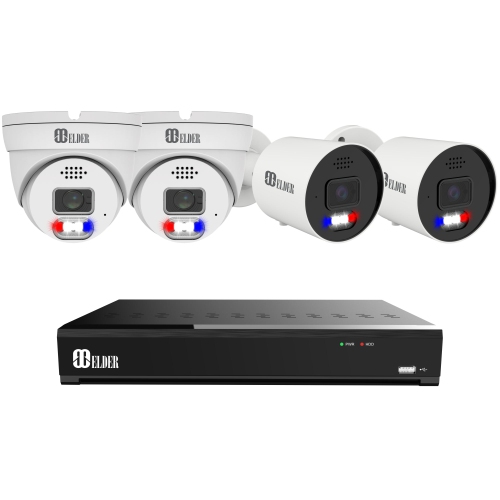



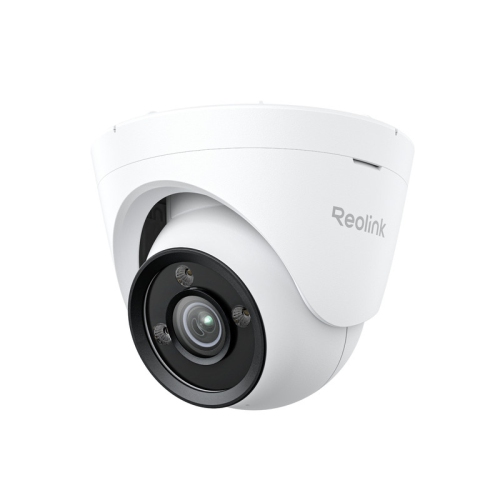
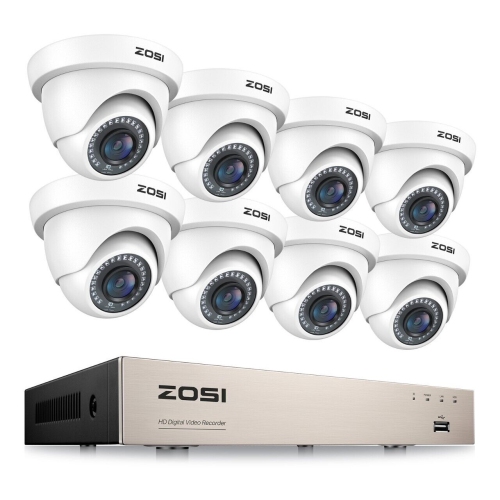

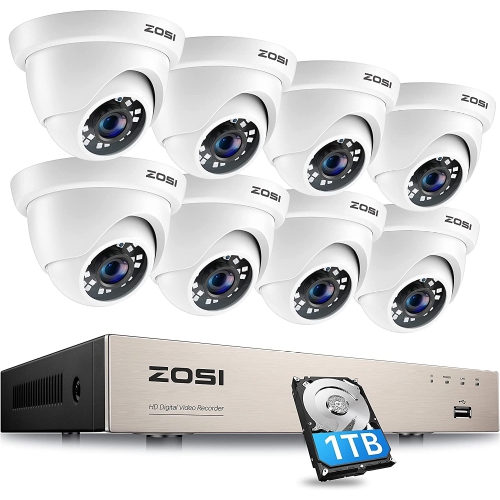
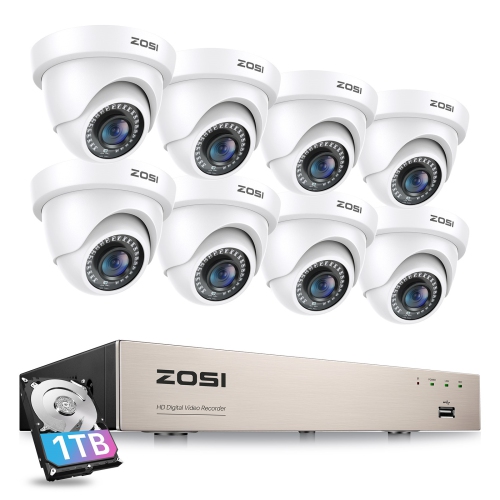
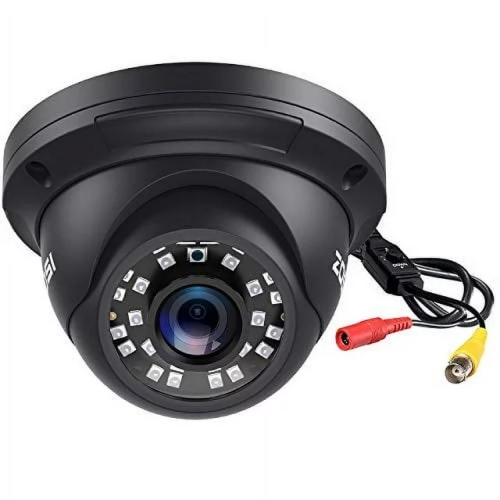

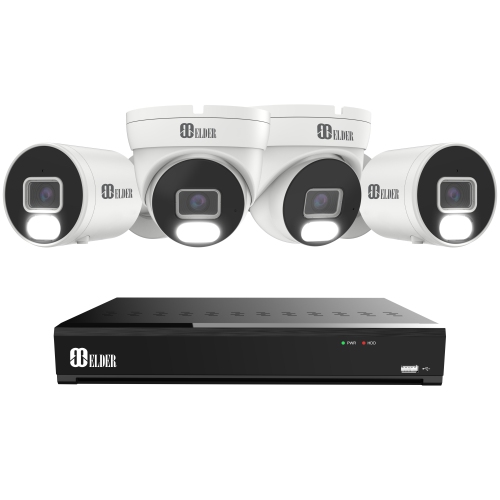
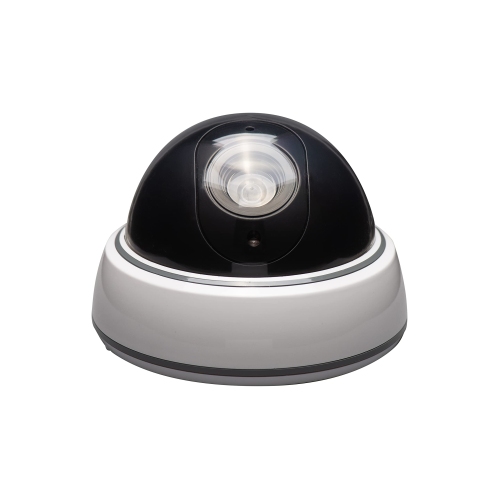

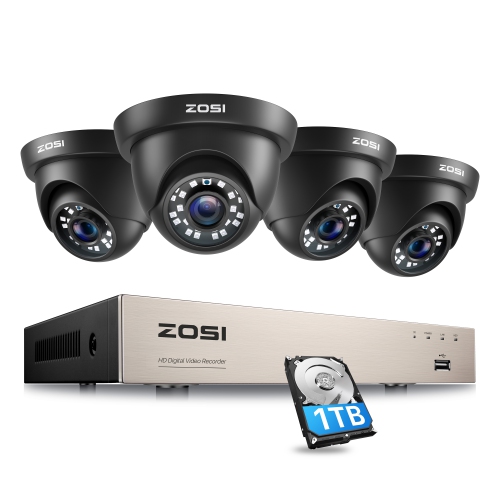
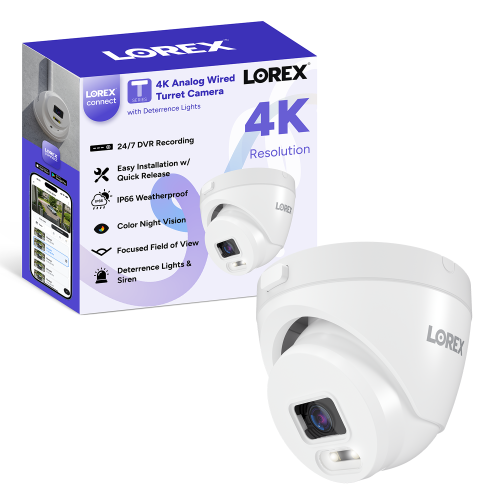

How low-profile cameras fit into your security network
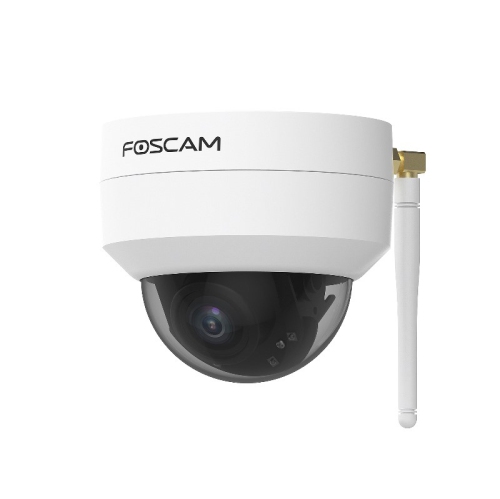
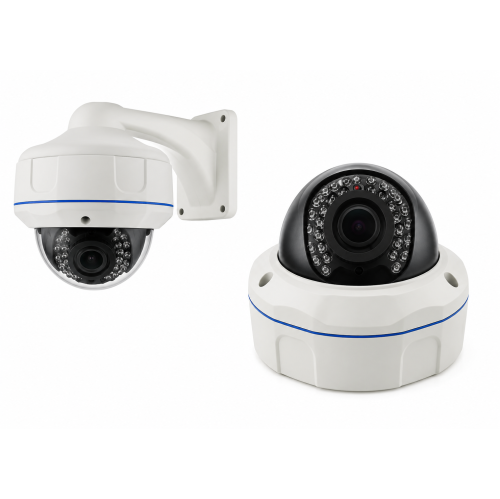
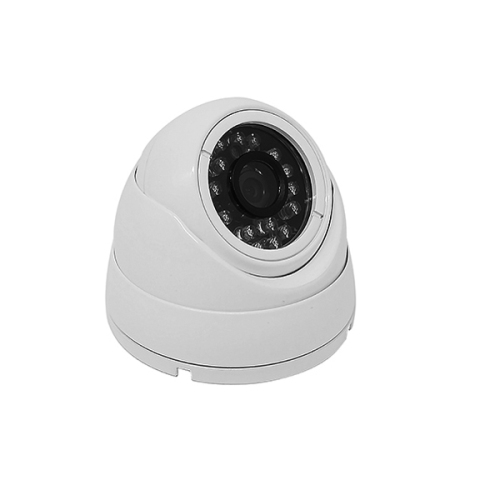
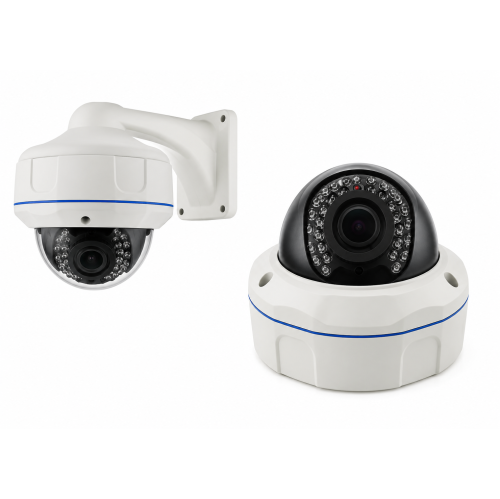
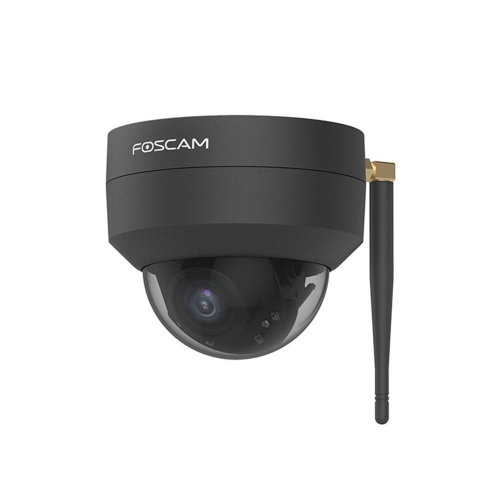
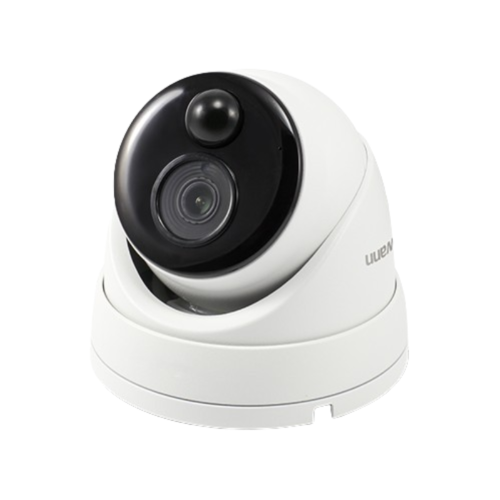
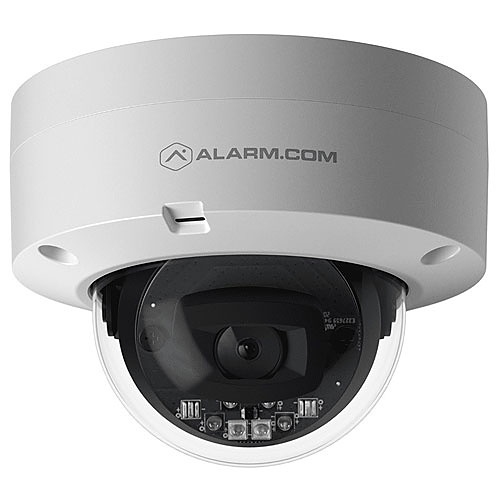
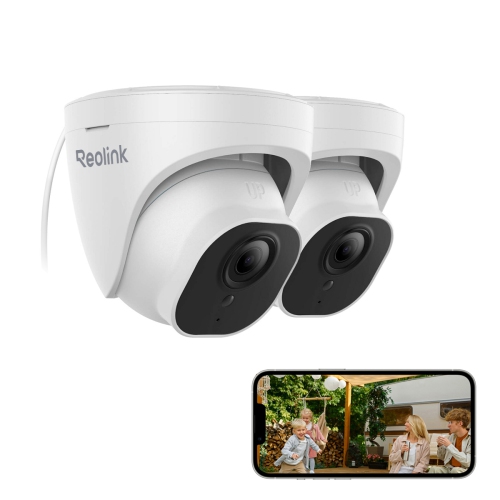
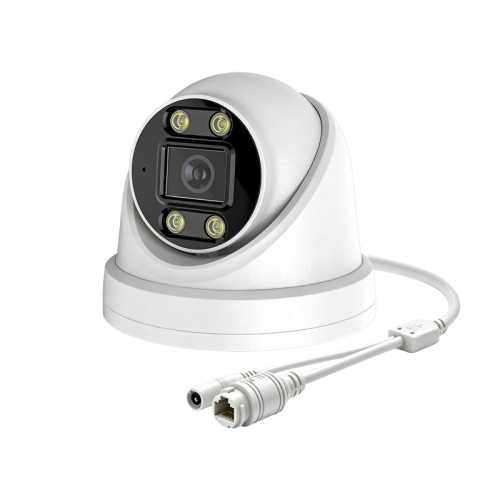
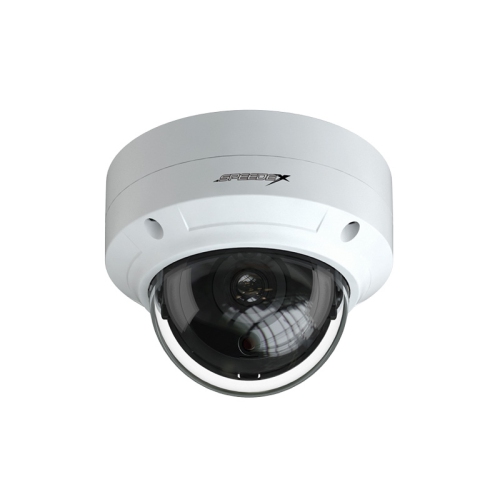
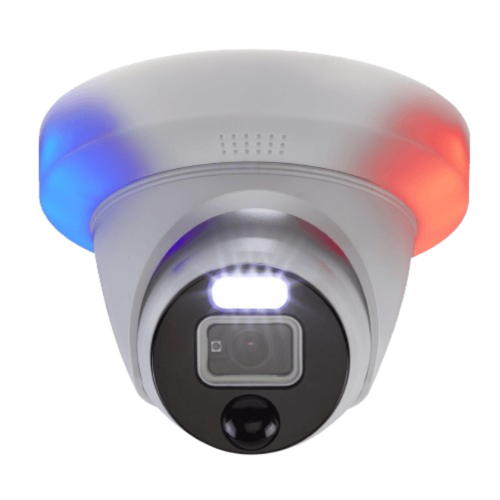
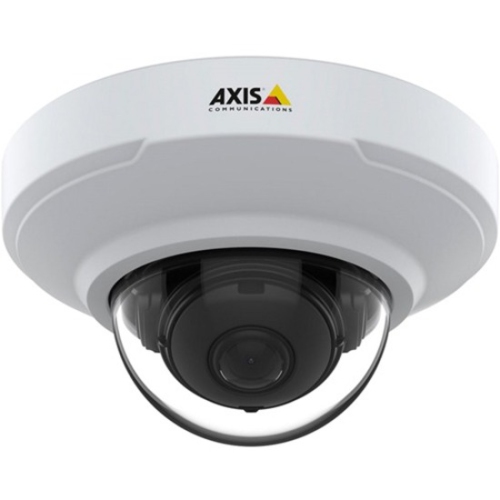
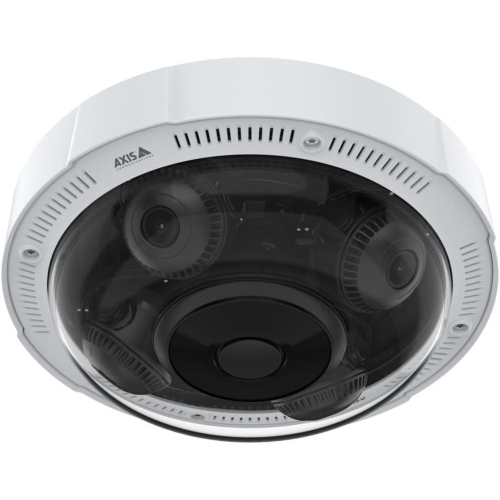
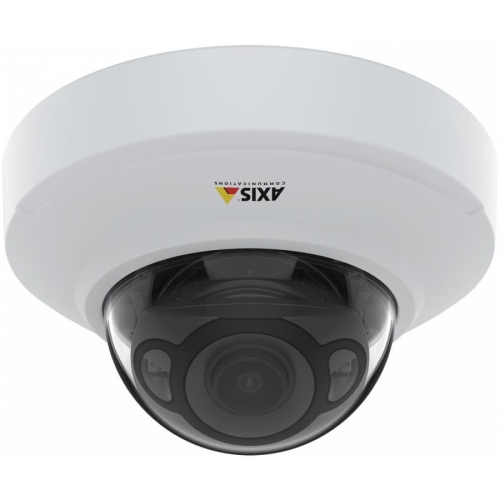
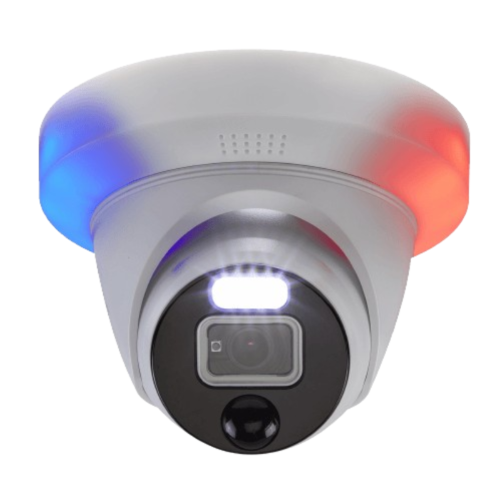
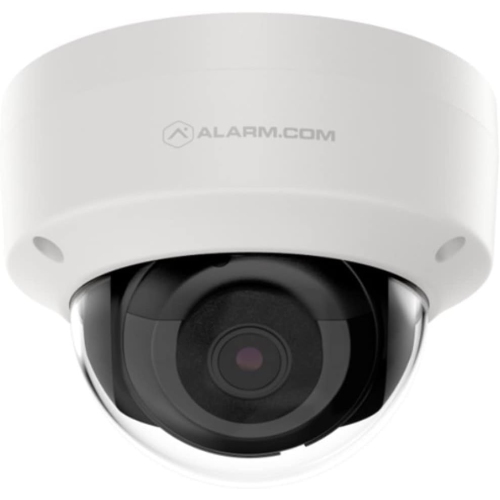
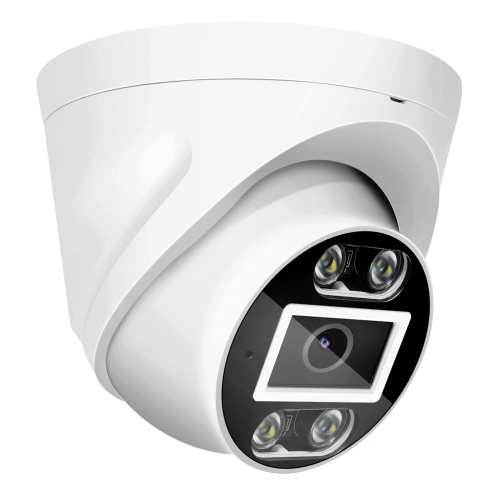
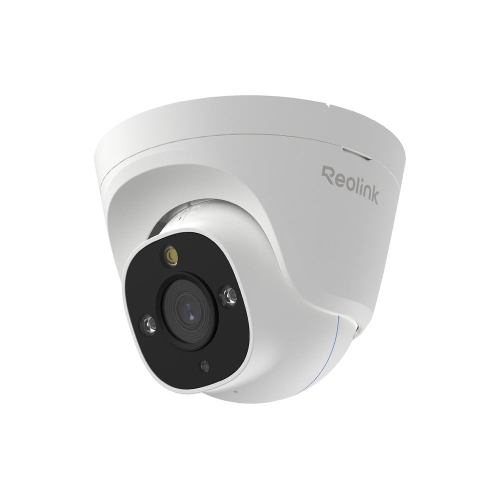
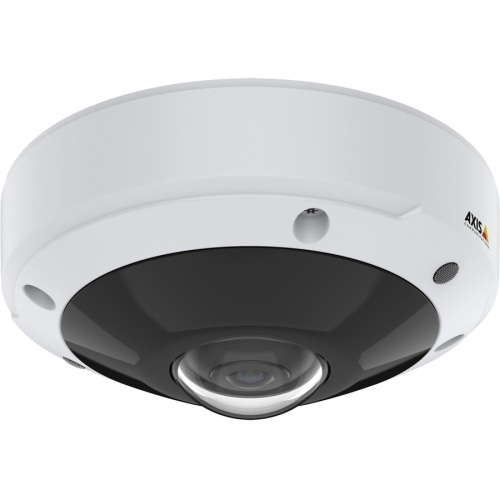
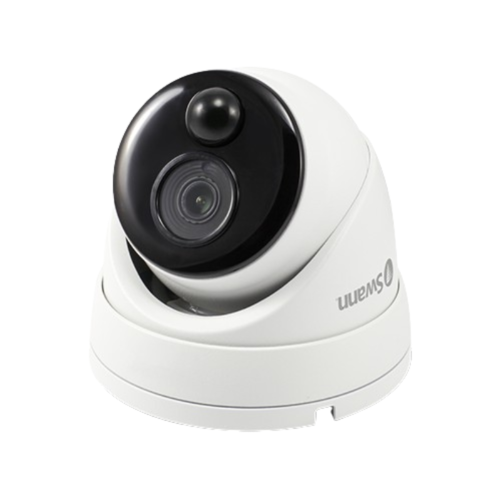
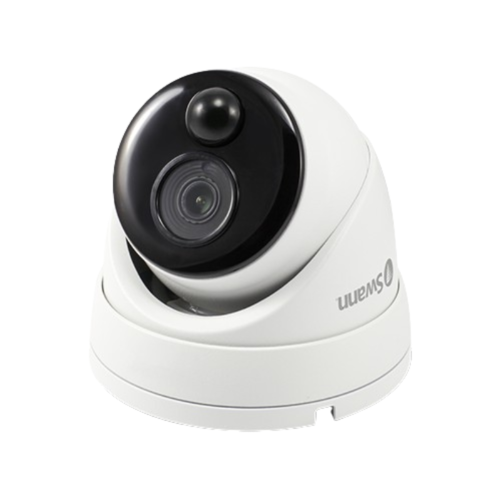
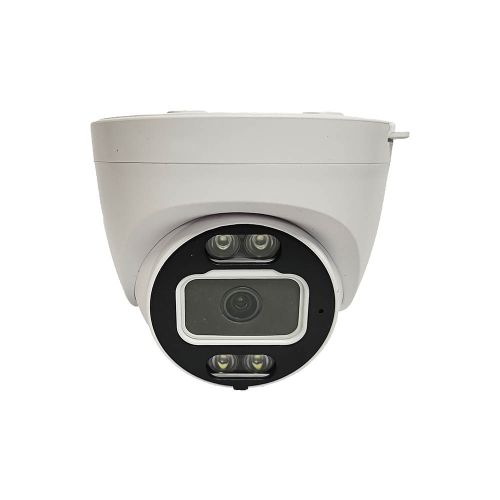
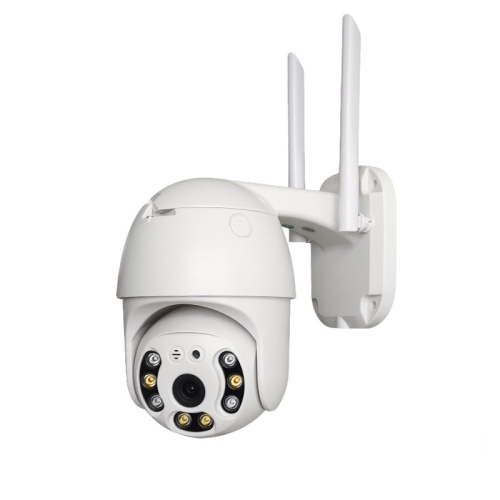
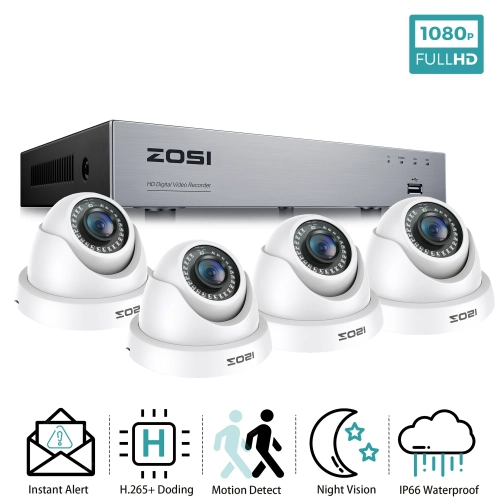
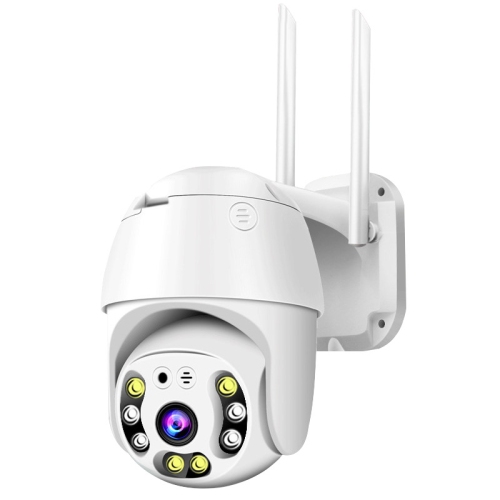
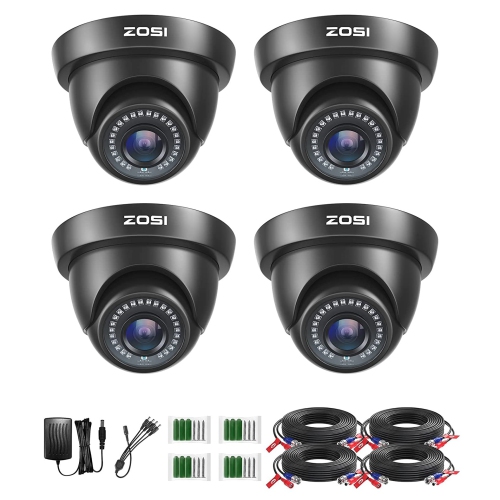
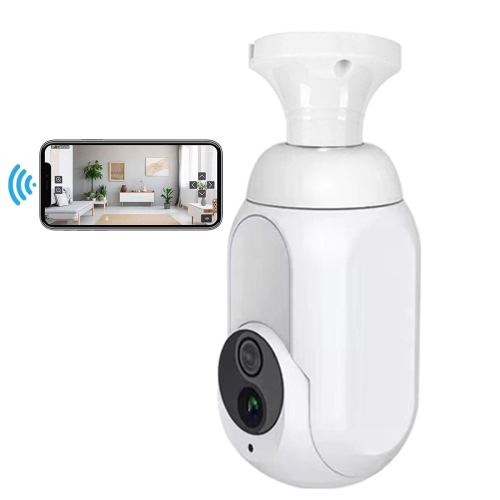
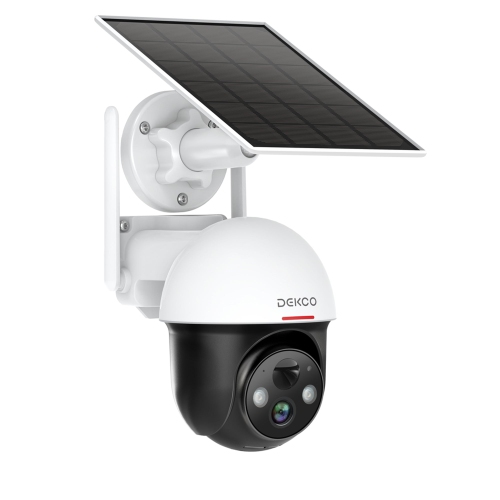
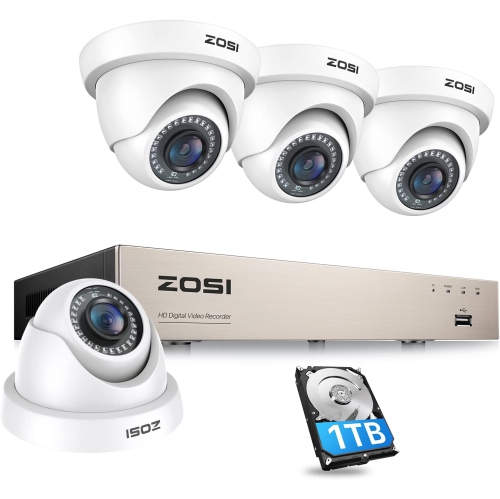
IP dome cameras are network-connected security cameras housed beneath a rounded cover, designed to capture video for viewing and recording through a compatible network system. Their low-profile shape fits neatly against ceilings, soffits, and suitable wall mounts, making them a practical choice for entrances, hallways, reception areas, and covered outdoor spaces. The dome helps shield the lens and can make its viewing direction less obvious, although the camera itself should remain visibly positioned where monitoring is appropriate. For homeowners, an IP dome camera can provide a clear view of a front entrance or garage access door; for small businesses, it can help monitor a checkout area, stockroom entrance, or shared corridor. Within the broader range of Dome Cameras, IP designs use Internet Protocol to send video across a network, rather than relying on a traditional analogue video connection. Many wired models support Power over Ethernet, or PoE, which carries power and data through a single Ethernet cable when connected to a compatible PoE switch, injector, or network video recorder. This can simplify installation where adding a separate electrical outlet would be inconvenient, but the camera’s power requirements still need to match the connected equipment. Wi-Fi connectivity is a separate feature rather than a defining characteristic of an IP camera, and wireless models still need a suitable power source. A local network connection does not necessarily require internet access for local viewing or recording, though remote access and cloud-based functions generally do. Recording options may include a network video recorder, an onboard memory card, or a supported cloud service, depending on the camera. Compatibility matters when expanding an existing setup: supported video formats, recorder channel limits, storage capacity, and access to features such as motion alerts all affect how smoothly the system works. ONVIF support can help devices from different manufacturers communicate, but matching supported profiles and checking feature compatibility remain important. A camera that connects successfully may not share every advanced function with the recorder.
Image quality depends on more than the resolution printed in a specification list. IP dome cameras may offer resolutions such as 1080p, 2K, 5MP, or 4K, with higher pixel counts potentially providing more detail when reviewing footage or enlarging part of a scene. That extra detail is most useful when the lens, lighting, camera position, and recording settings are suited to the space. A wide-angle lens can show the full width of a small reception area, while a narrower view may better capture people approaching a particular doorway. Covering an entire driveway and clearly identifying a face at its far end are different tasks, even with the same camera. Fixed lenses suit locations where the required framing is predictable; varifocal lenses allow the viewing angle to be adjusted within a specified range. A motorized varifocal lens can make that adjustment more convenient, but it does not automatically mean the camera can pan and tilt. Many dome cameras have a lens that is aimed during installation and then stays in place. Mounting height also changes the result: a very high ceiling may provide a useful overview while showing mostly the tops of people’s heads. Wide dynamic range can help balance a bright exterior doorway against a darker interior, reducing the chance that someone entering appears only as a silhouette. For low-light monitoring, infrared illumination can provide black-and-white footage, while colour night vision depends on the camera’s sensor, available light, or supplementary lighting. A stated night-vision distance should not be treated as a guarantee of facial detail at that distance. Nearby walls, glass, and even dirt on the dome can reflect infrared light back towards the lens and wash out the image. Frame rate influences how smoothly movement is captured, while exposure settings affect motion blur. Video compression and recording quality also shape the final result, alongside the network bandwidth and storage needed to retain footage for the intended period.
The housing, mounting hardware, and operating specifications determine where an IP dome camera belongs and how well it stands up to everyday use. Housings may combine metal or durable plastic bodies with clear protective domes, but material alone does not establish weather resistance or impact protection. For outdoor installations, an appropriate ingress protection rating helps indicate resistance to dust and water. An IP67 rating, for example, describes dust-tight construction and protection against temporary immersion under specified test conditions; it does not make every installation waterproof. The IP in this rating refers to ingress protection, not the Internet Protocol connection used to transmit video. Cable entries, junction boxes, seals, and mounting surfaces also need suitable protection. An IK10 impact rating indicates a tested level of impact resistance, not an indestructible or tamper-proof camera. This distinction is useful for accessible locations such as building entrances, where a sturdy housing and concealed cabling can reduce exposure to accidental knocks or interference. In Canadian outdoor settings, the specified operating temperature deserves close attention, particularly as cooler weather brings frost, snow, and repeated temperature changes. A sheltered mounting position can reduce direct exposure, but it does not replace an outdoor rating or adequate cold-weather capability. Indoors, the base should fit securely on the intended surface, with the correct mount for the camera’s weight and viewing angle. Routine care is straightforward: inspect seals and cable connections, remove cobwebs, and gently clean the dome with a soft cloth and manufacturer-approved methods. Abrasive cleaners or rough wiping can scratch the cover and reduce clarity, especially at night. A useful setup also accounts for daily operation, including who receives alerts, who can view footage, and how long recordings are kept. Motion zones and supported person or vehicle detection can help limit notifications from moving branches or passing traffic, though detection accuracy varies. Strong passwords, supported firmware updates, and controlled remote access help protect the system. Camera placement should respect neighbouring properties and private spaces, with audio capture and shared-area monitoring handled according to applicable requirements. Together, thoughtful positioning and compatible equipment make footage more useful when reviewing an entrance, checking a delivery, or understanding activity around a property.
Top selling and popular products
-
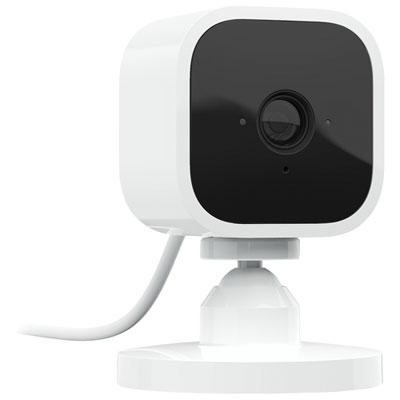 Your price for this item is $14.97
-
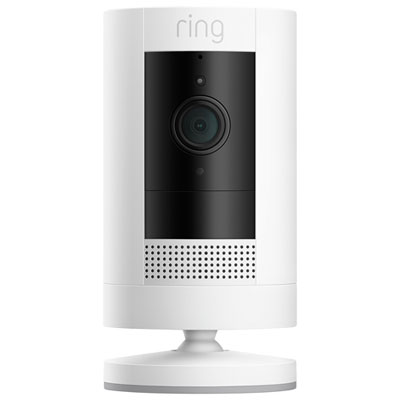 Your price for this item is $109.99
-
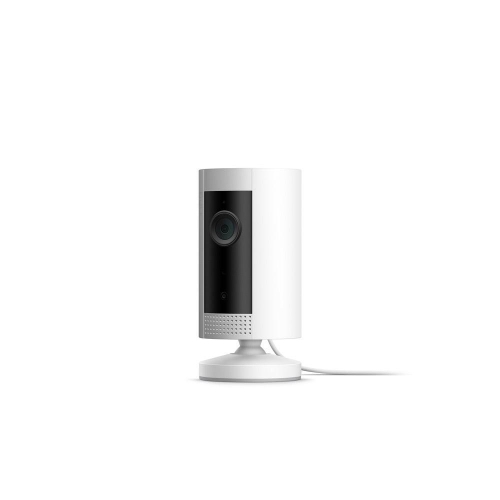 Your price for this item is $79.25
-
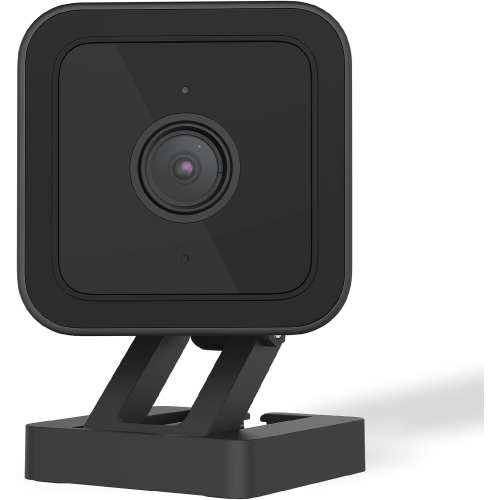 Your price for this item is $95.99
-
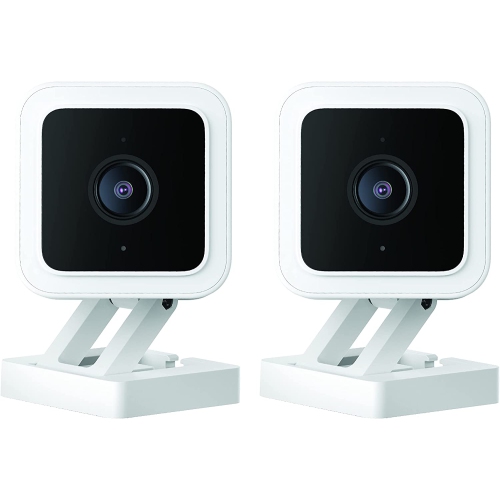 Your price for this item is $110.48
-
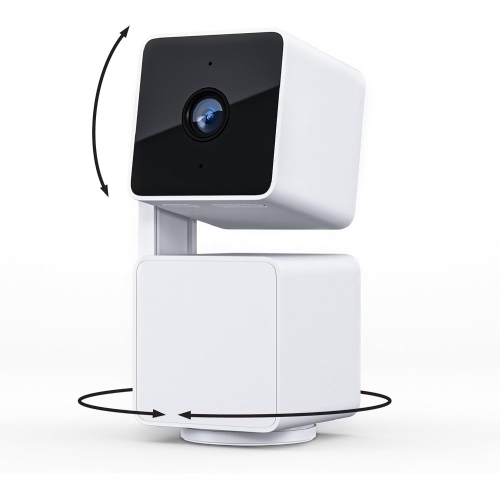 Your price for this item is $110.99
-
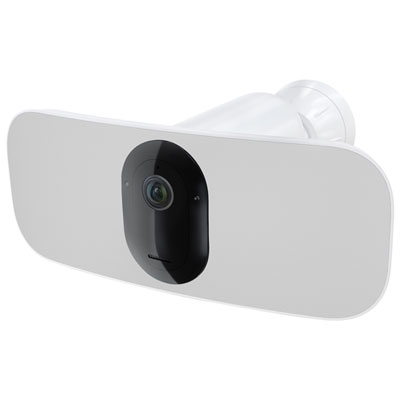 Your price for this item is $329.95
-
 Your price for this item is $105.99
Discover more categories related to IP Dome Cameras
Top Collections:
Pokemon Centers, Kindle Devices, Best Cameras for Sports Photography, Pokémon 30th Celebration Cards, Apple iPhones 16, Canon G7X Cameras, iPhone 15 Apple, Flip Phones, Samsung Galaxy Phones, Alarm Clock
Some products may be subject to Environmental Handling Fees
(EHF) depending on your province.
Learn more about EHFs.