Outdoor Dome Security Cameras
If you're looking for a security camera that can be placed almost anywhere, consider an outdoor dome security camera. These cameras are designed to be mounted on a wall or placed on a roof, and they can be used inside or outside. Here are some great options available.
Sort
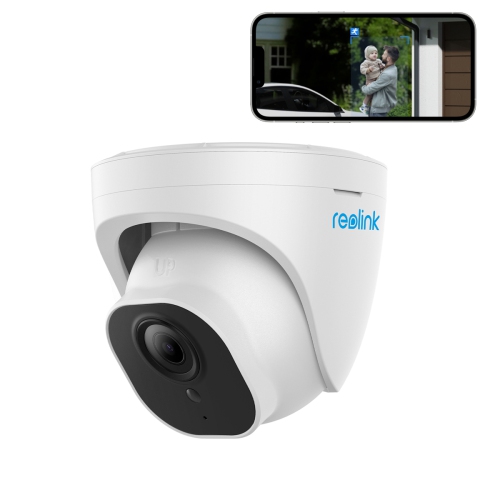

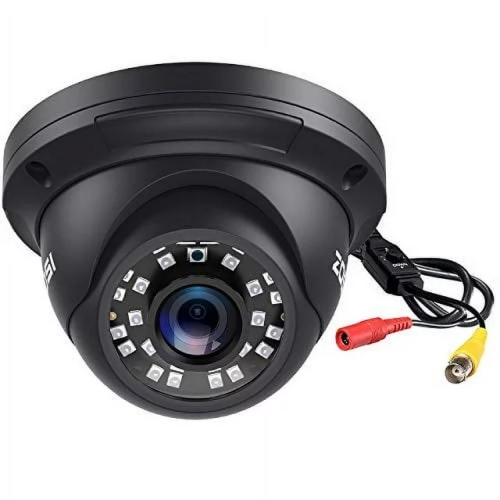
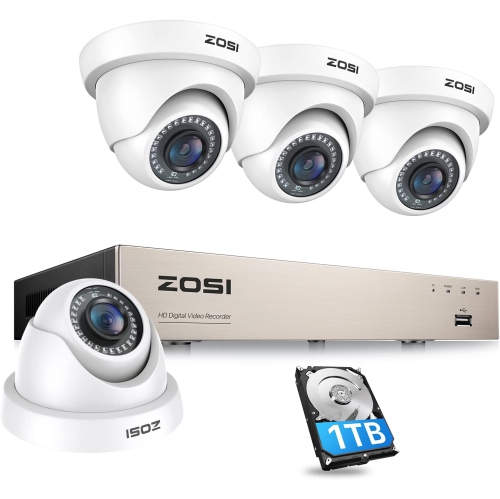
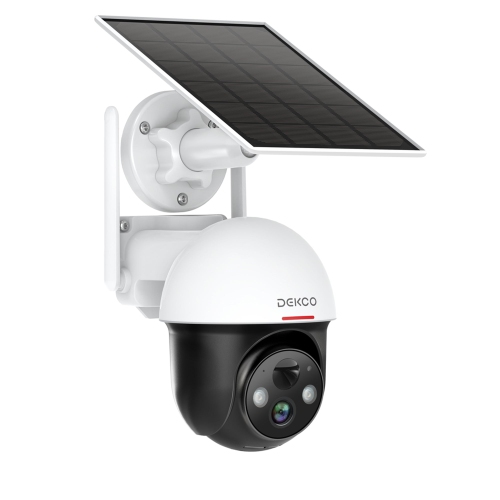



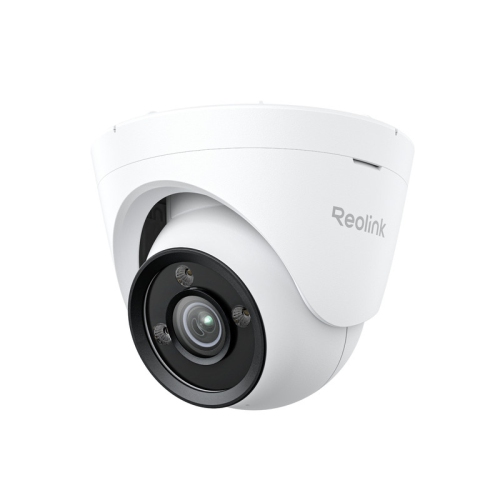
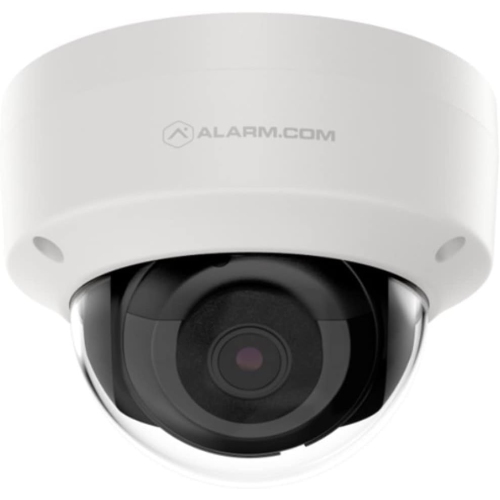
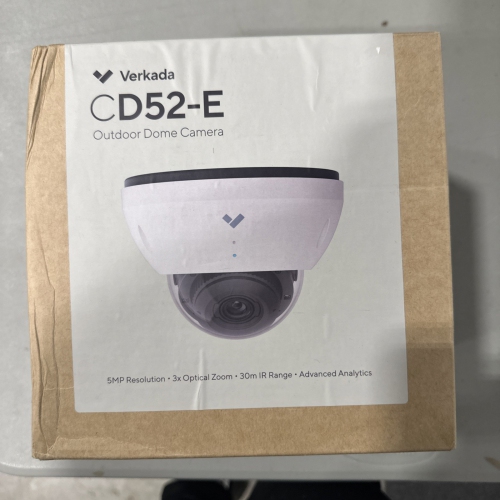
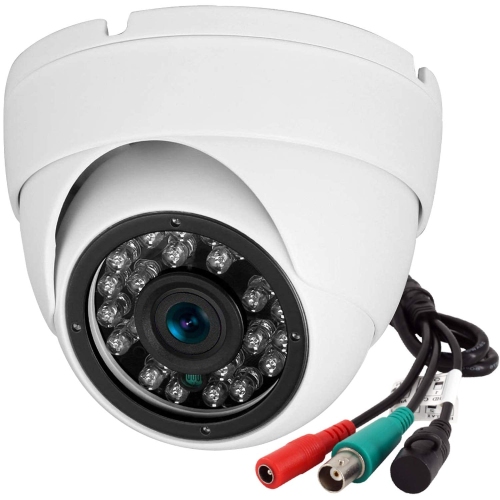
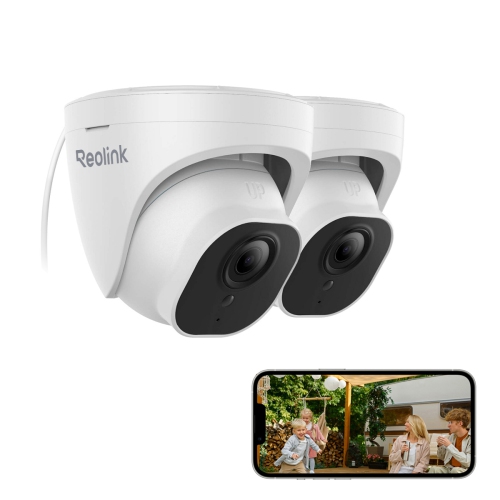
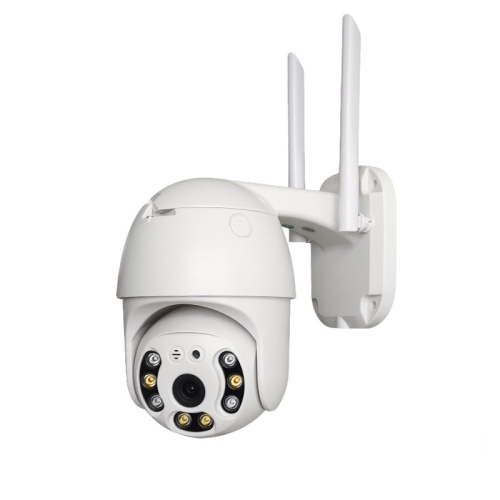
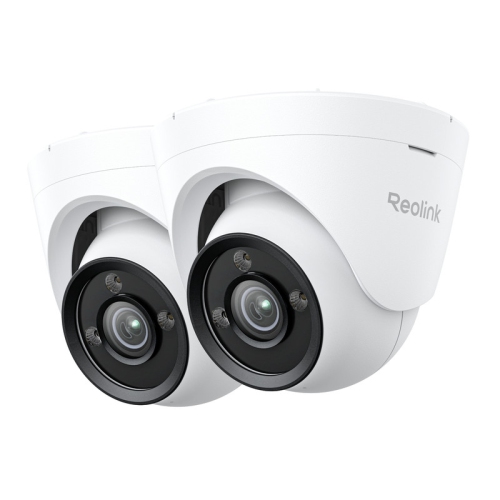

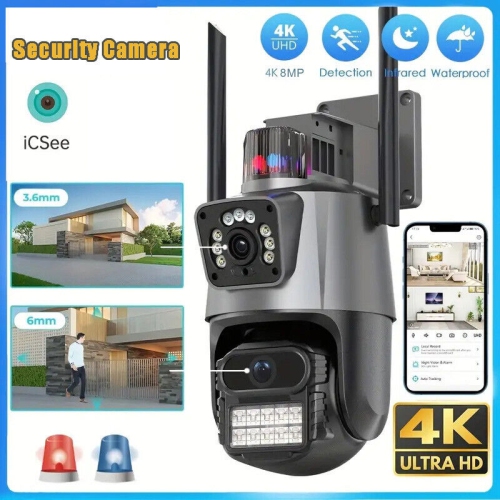


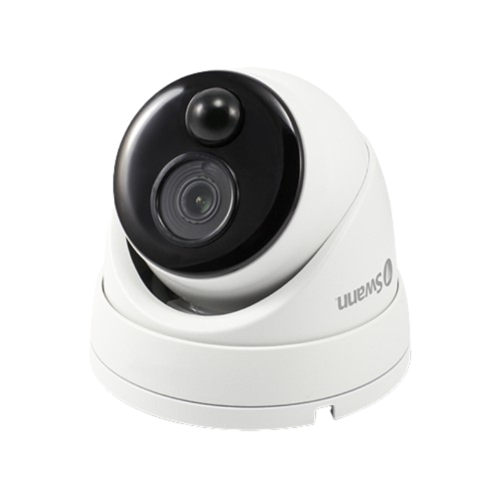

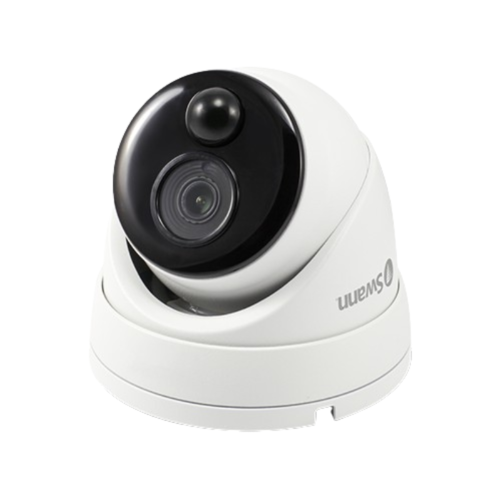
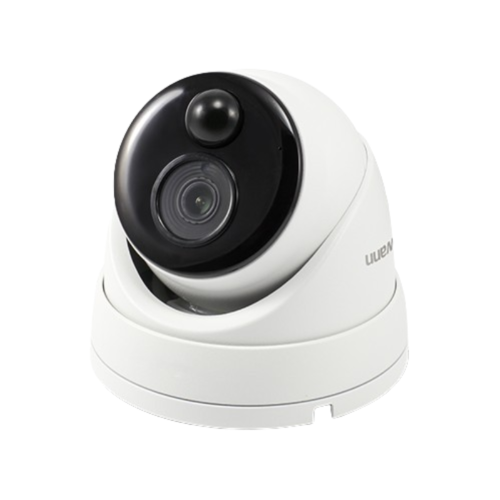
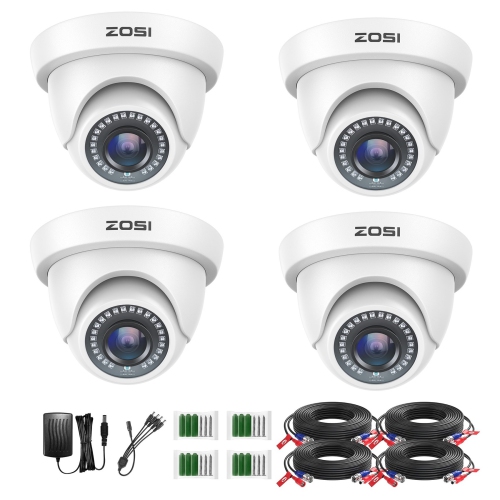
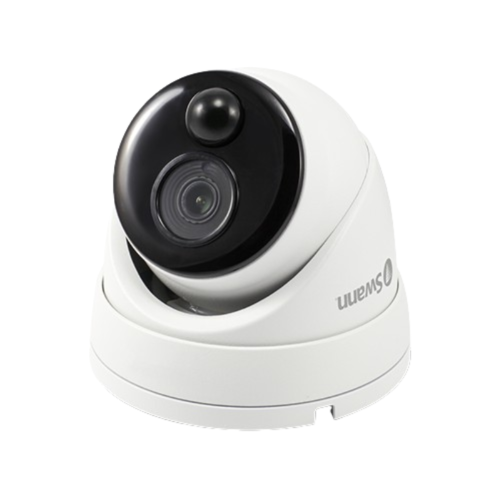
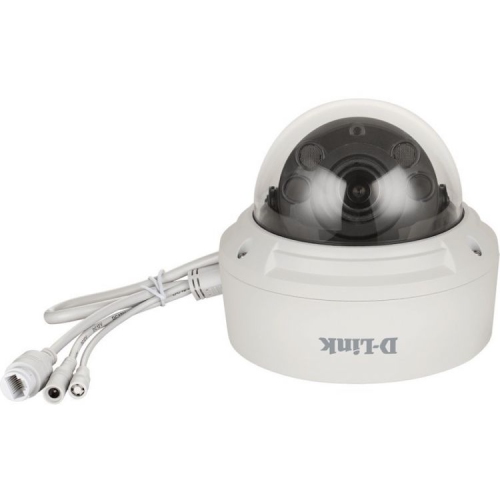
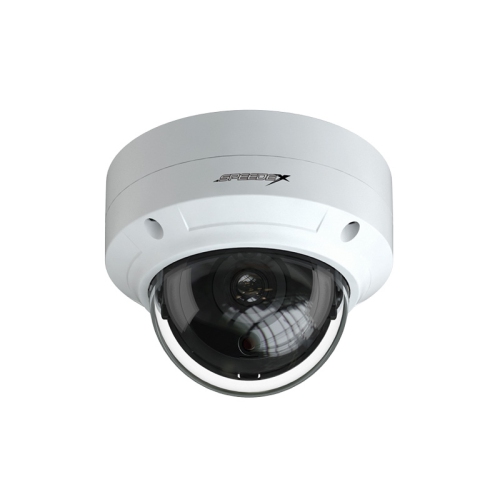
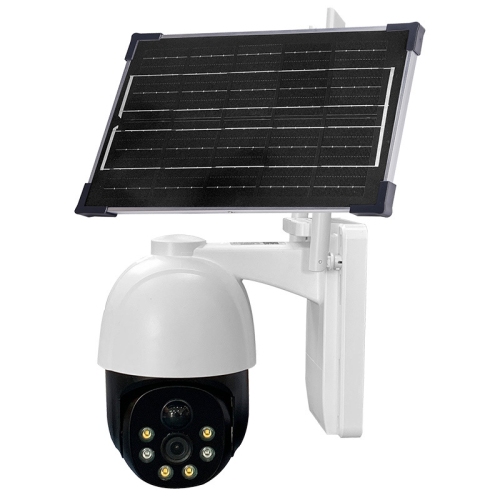
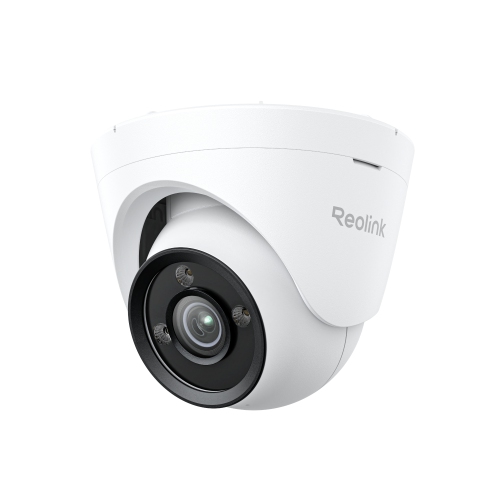

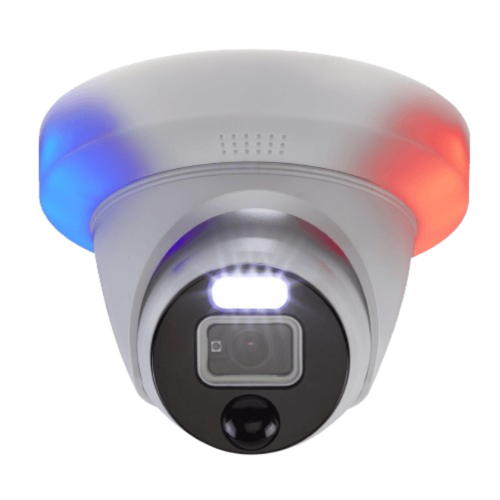

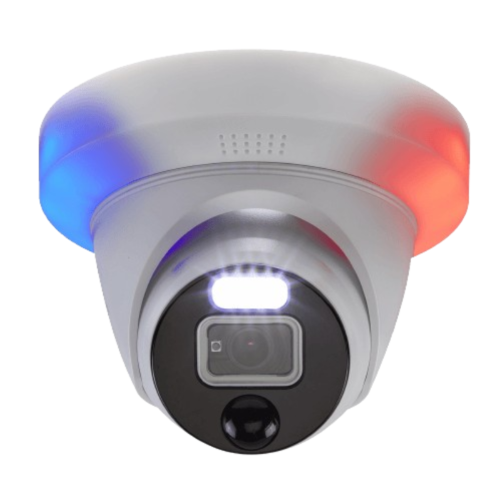
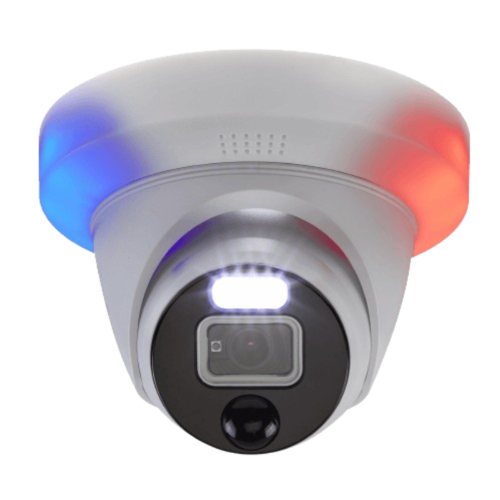

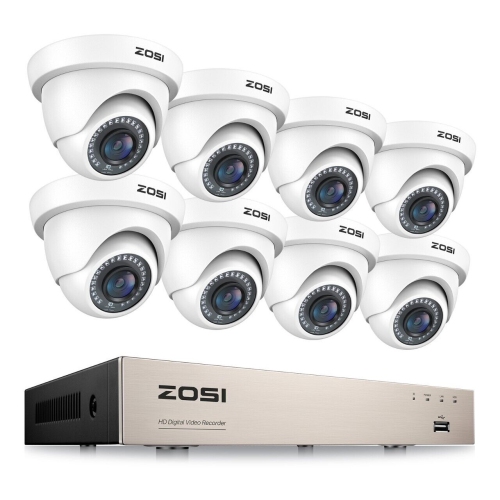

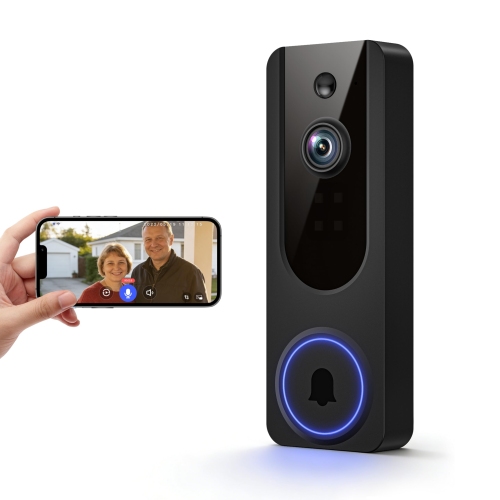
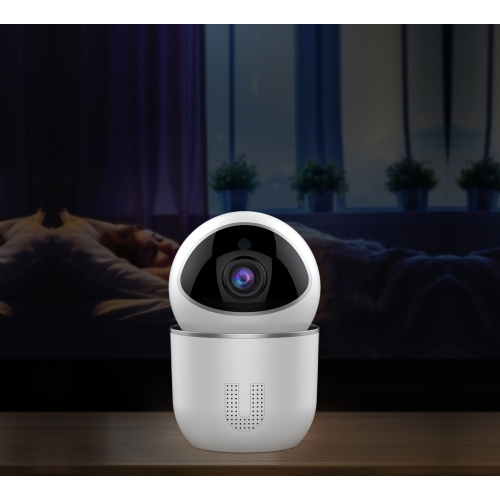

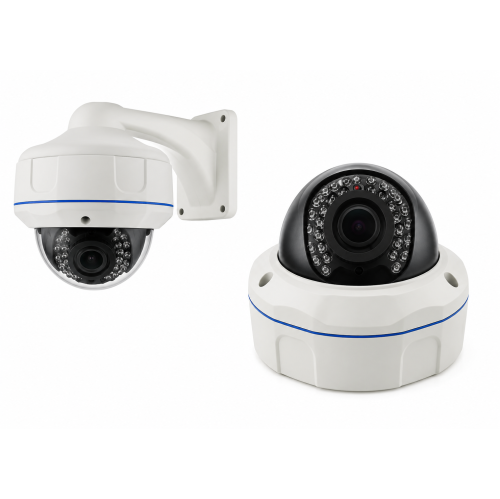
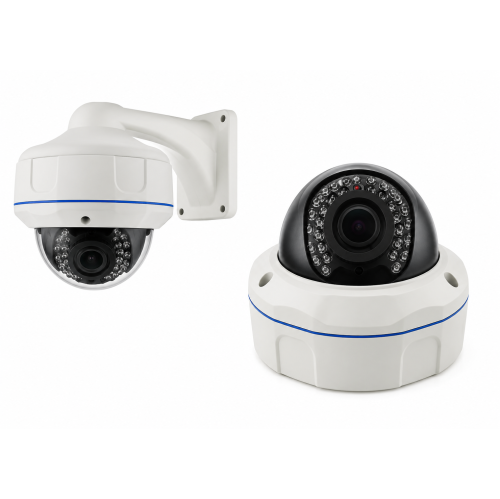
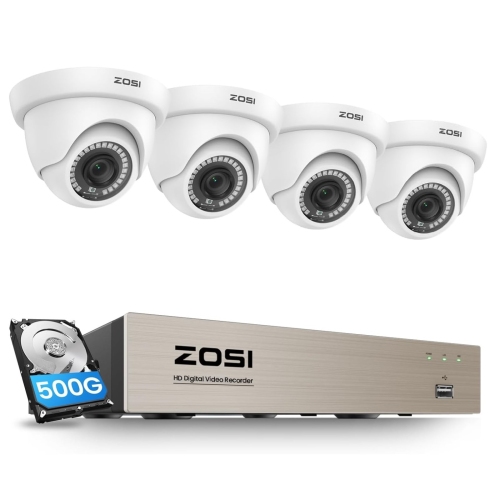
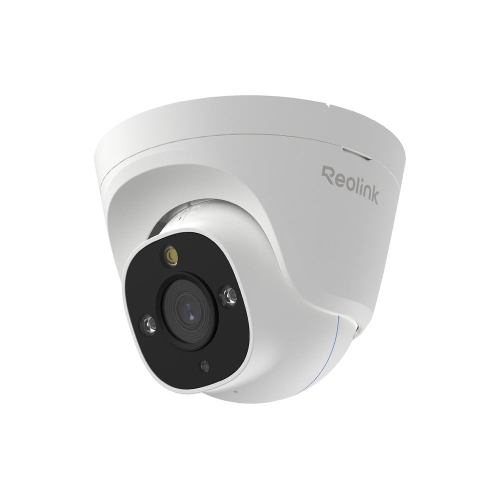
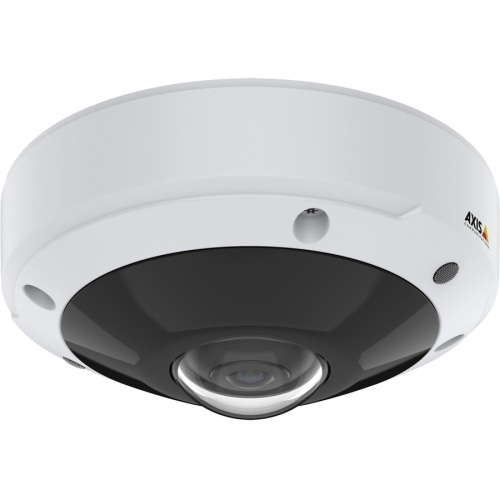

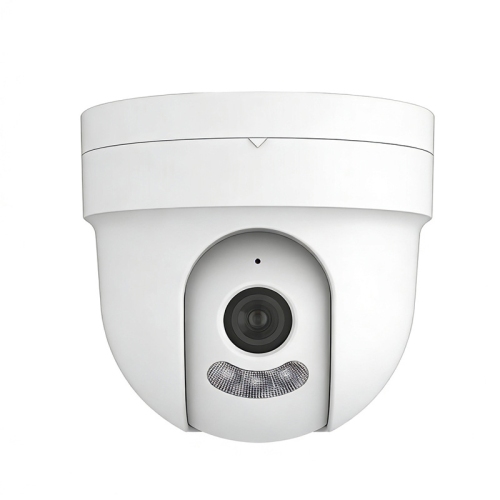
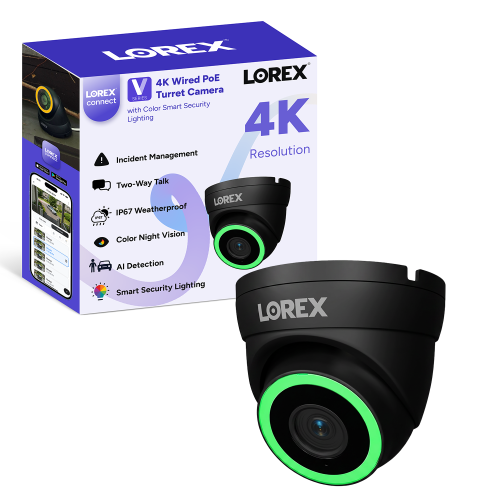
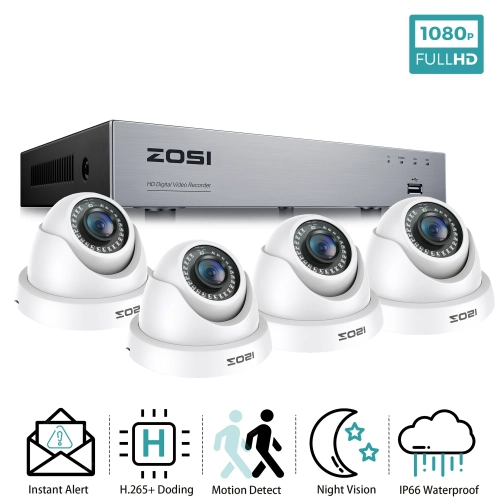

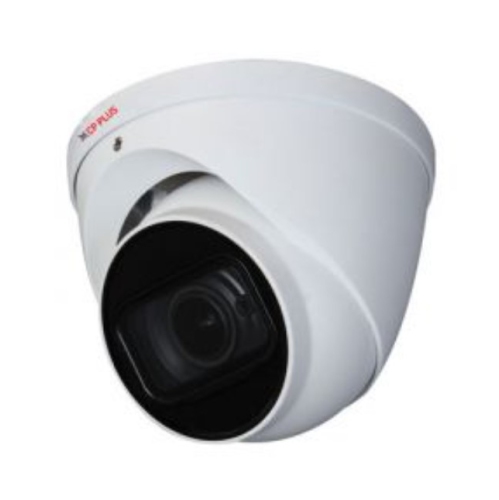
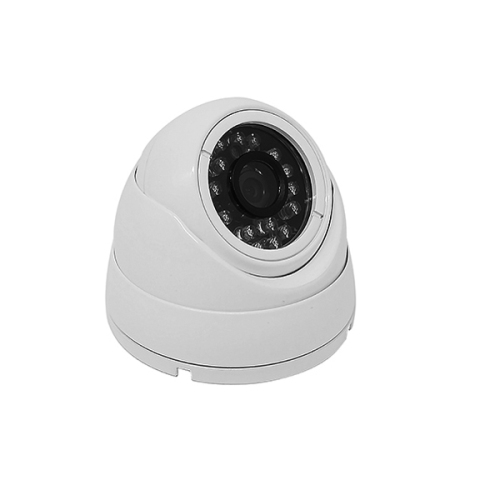
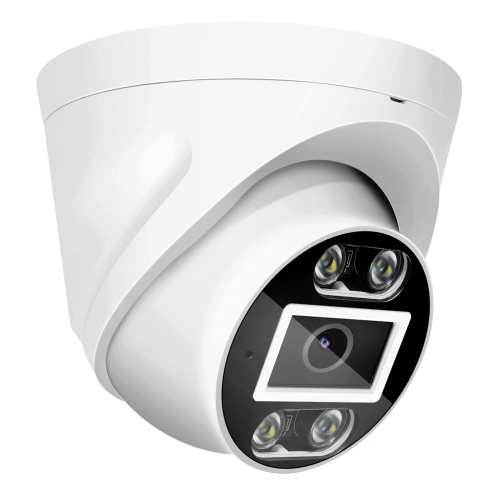


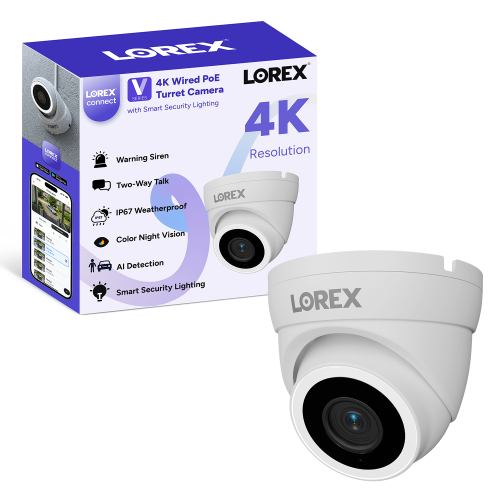
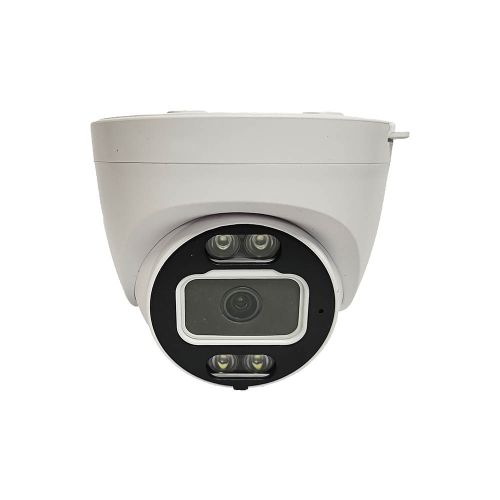

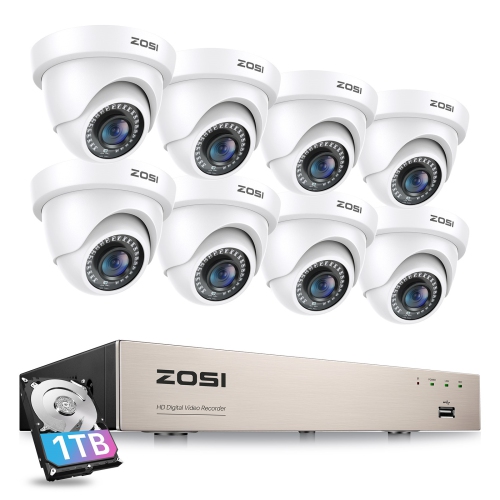

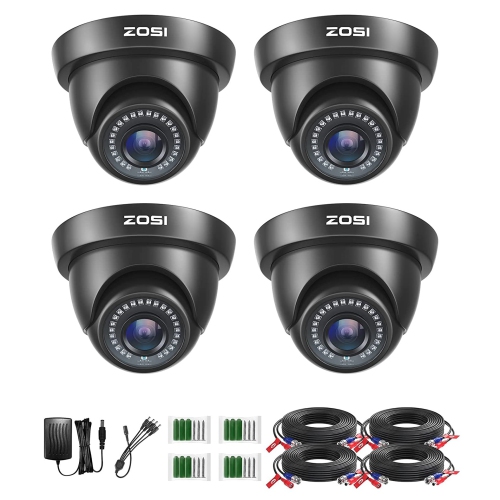

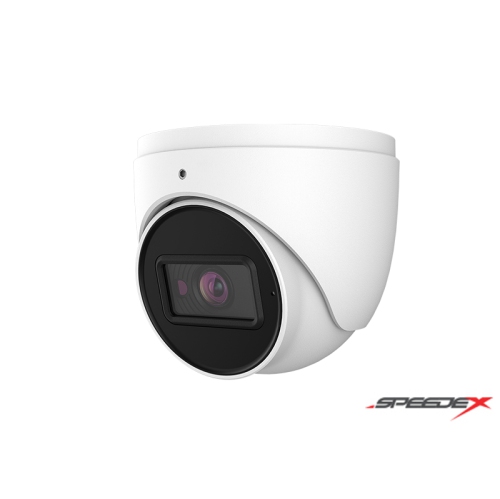

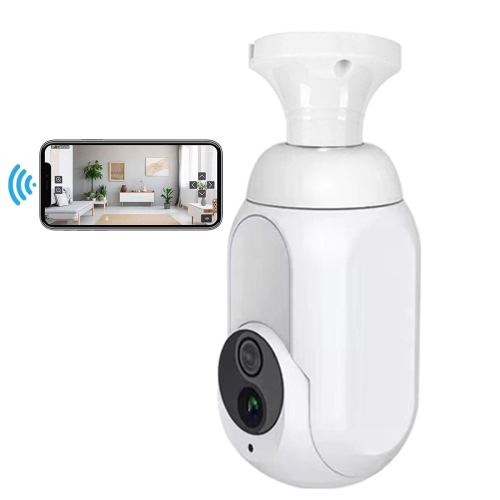

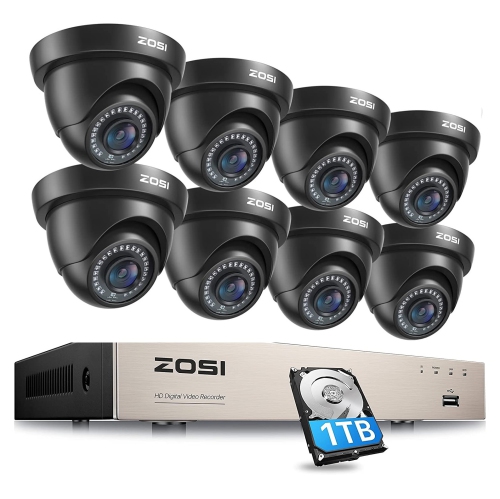
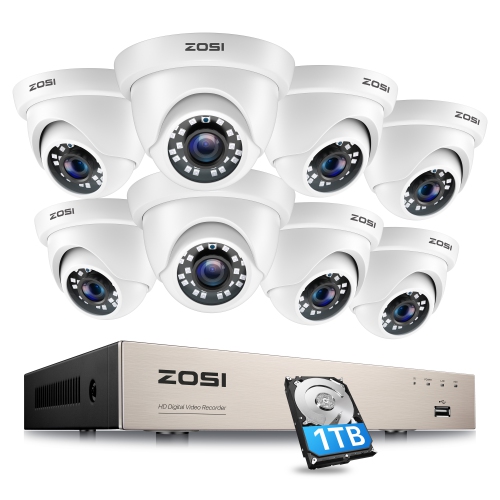

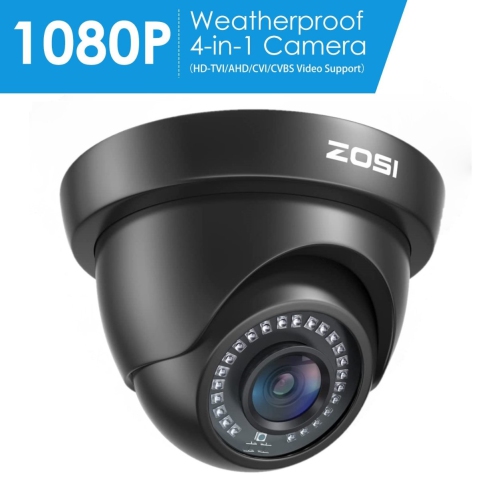
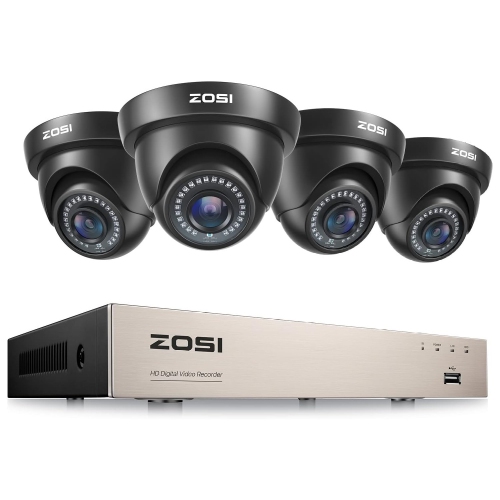
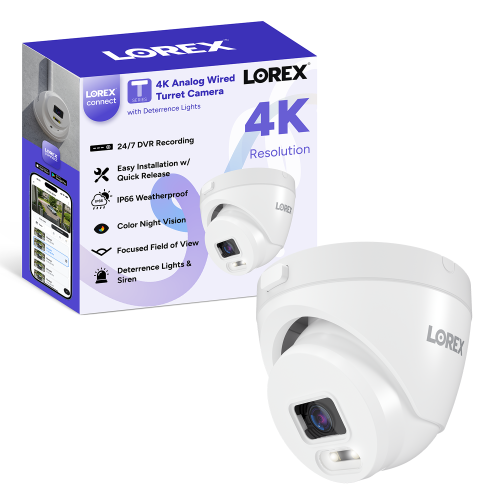
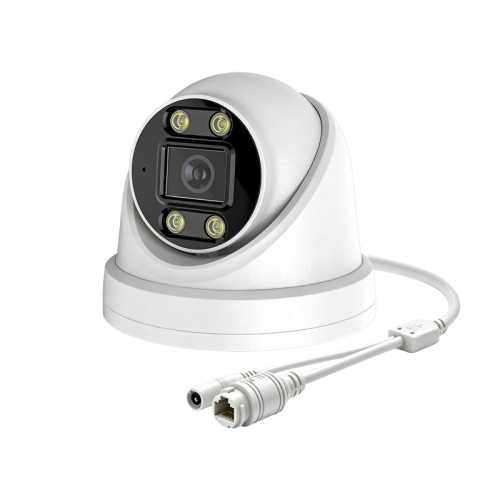
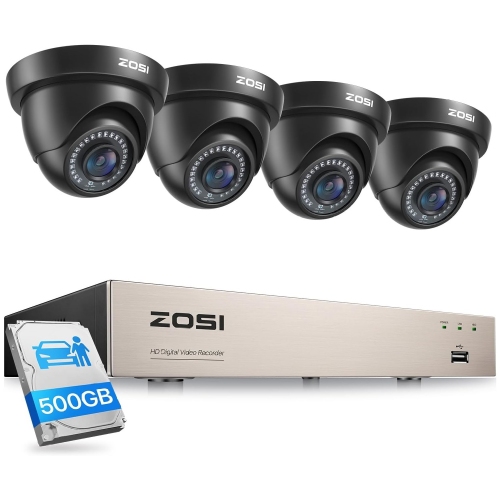
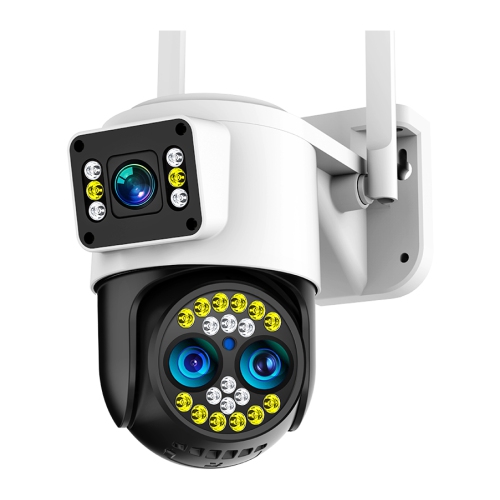
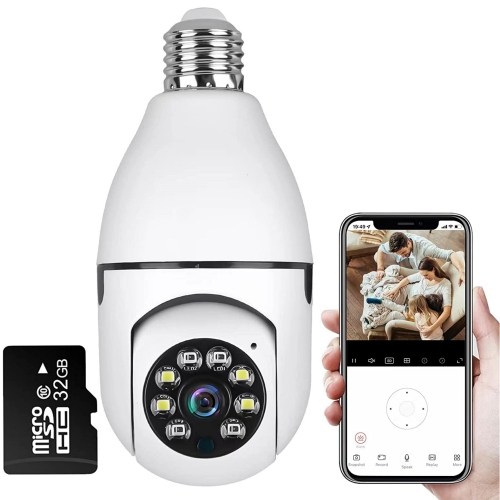
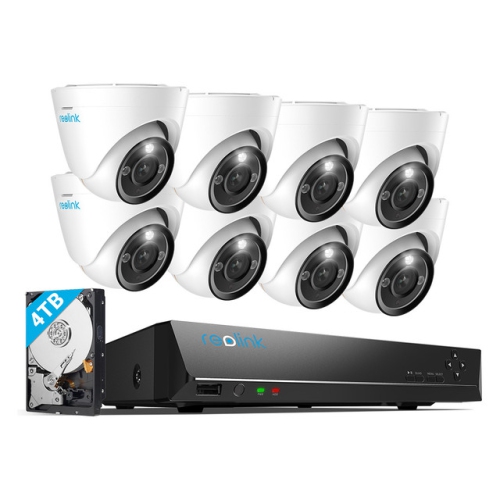
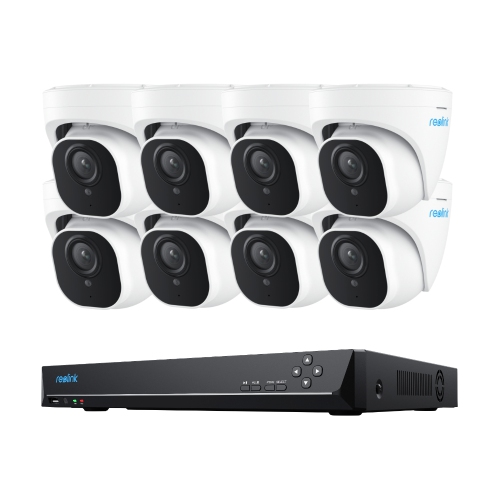
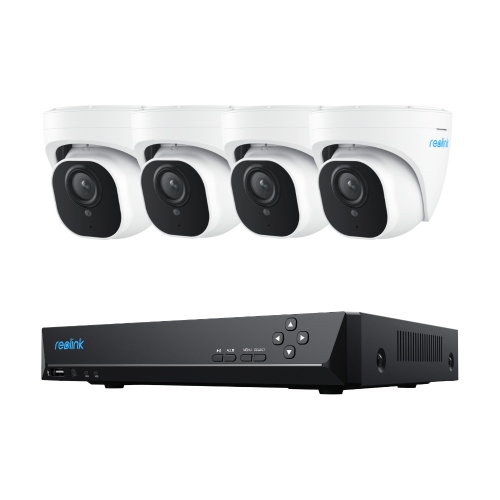
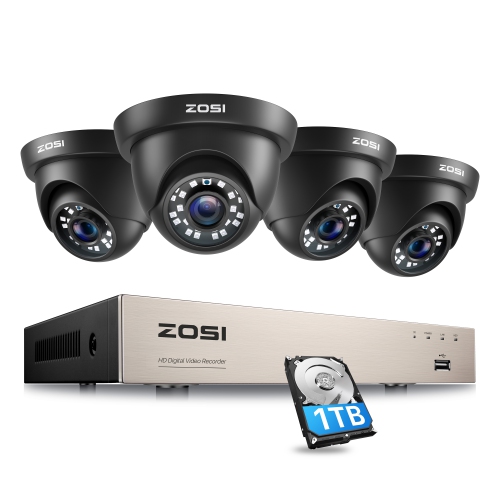
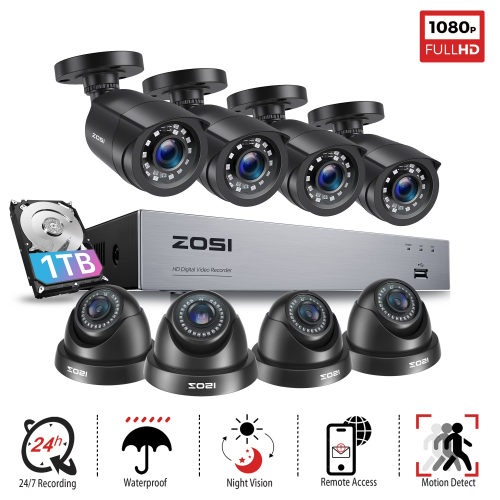
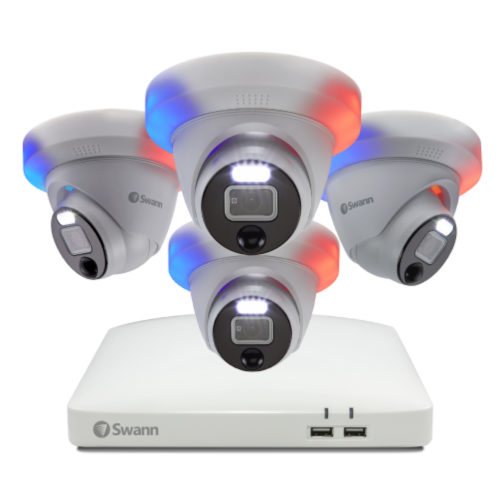

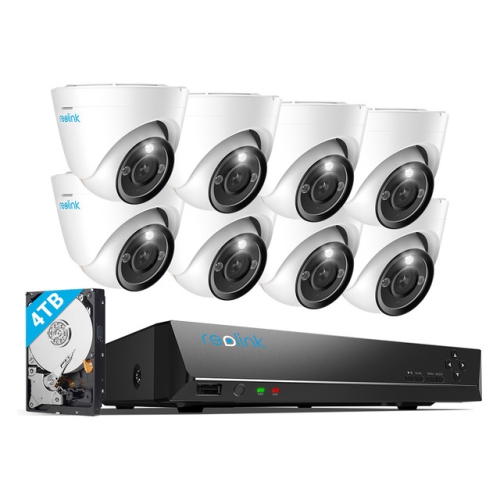
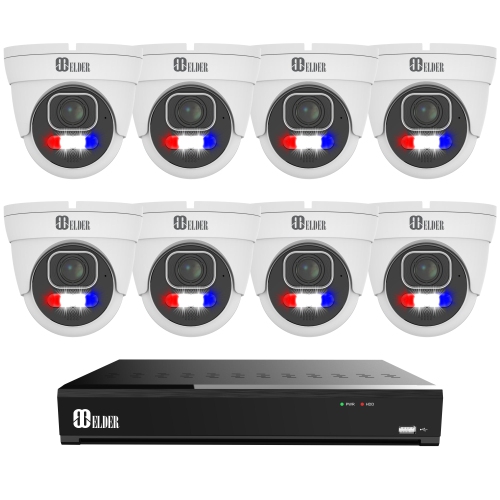


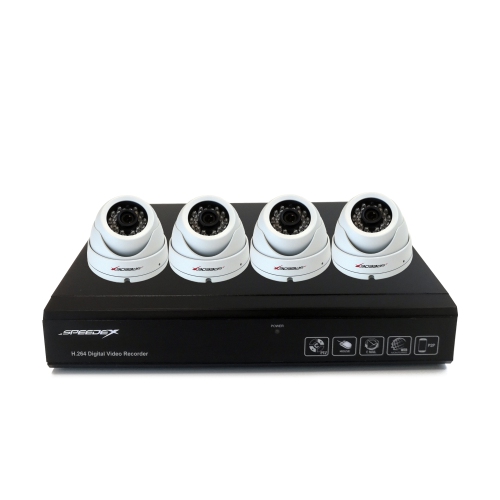

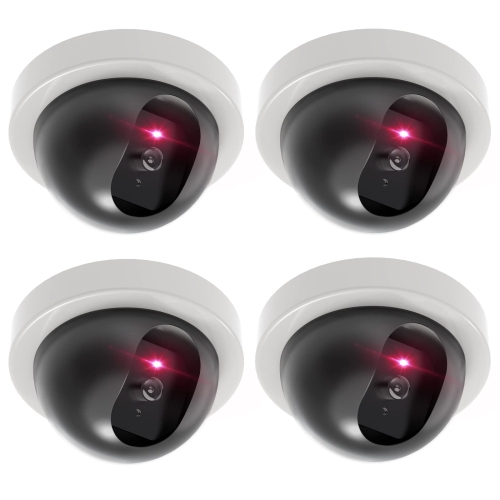


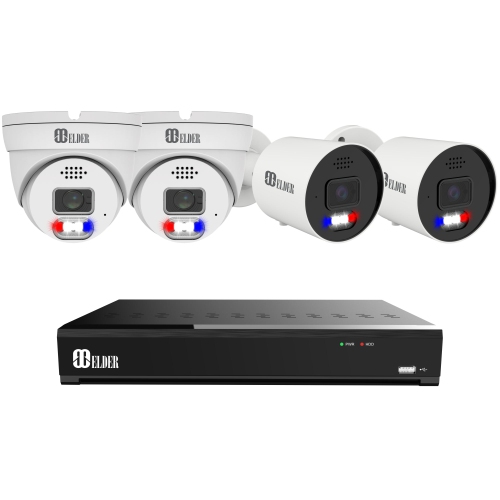

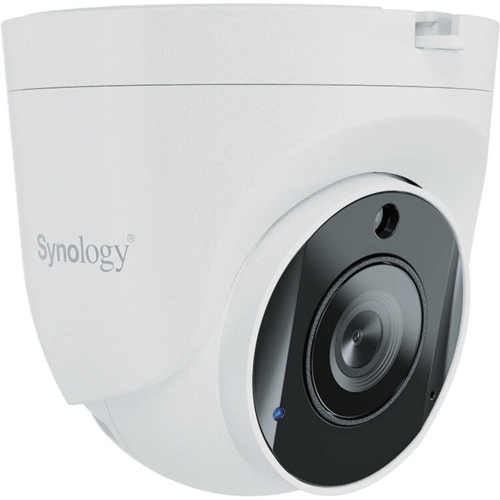
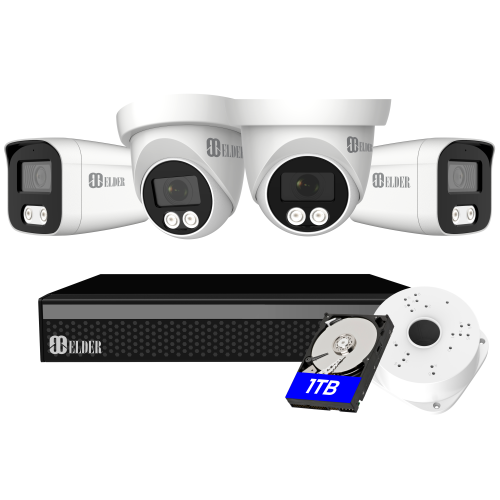

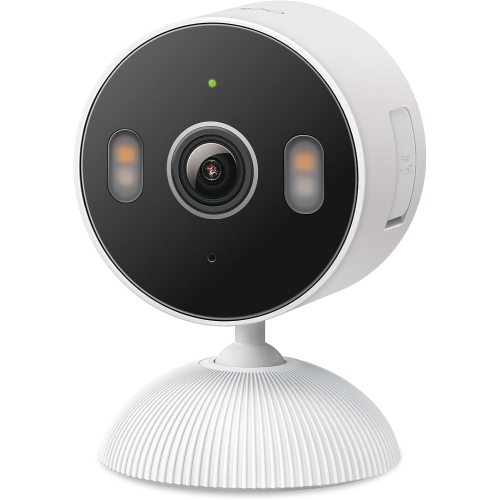
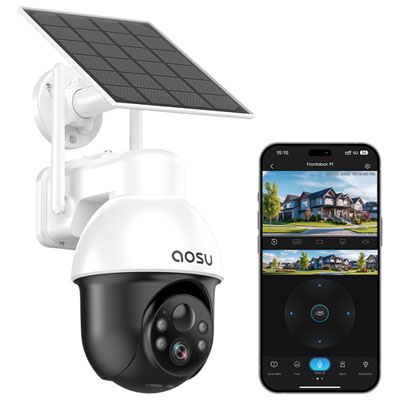
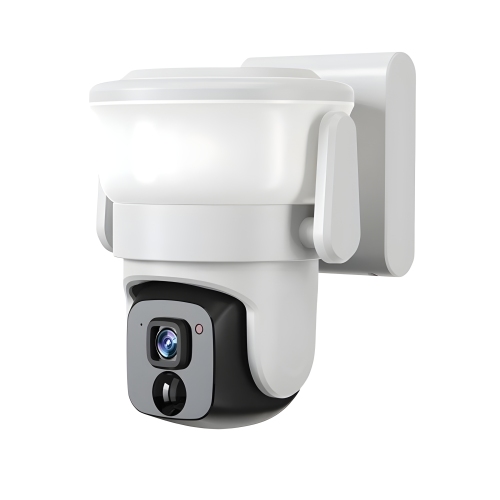
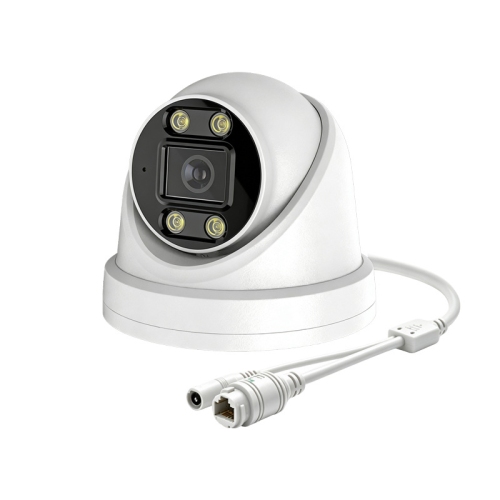

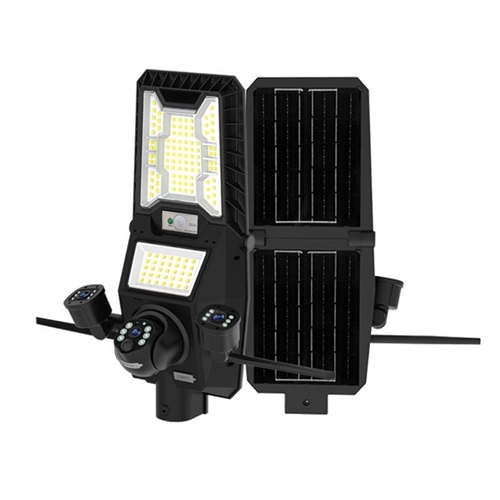

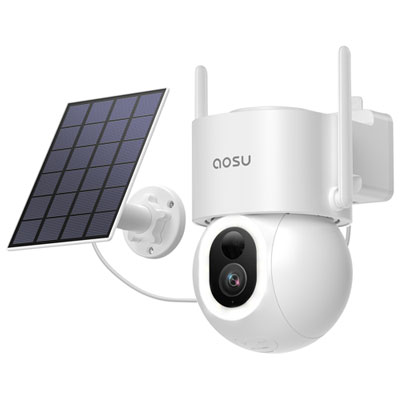

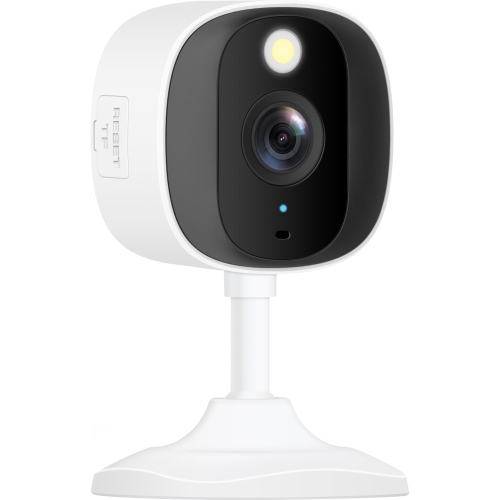
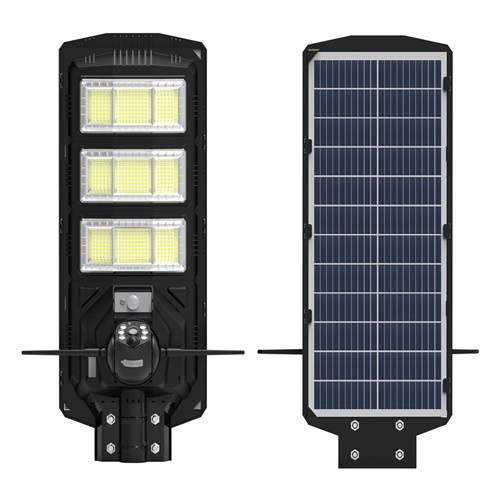
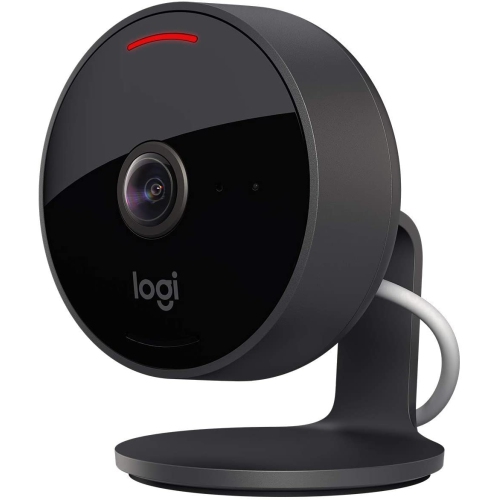
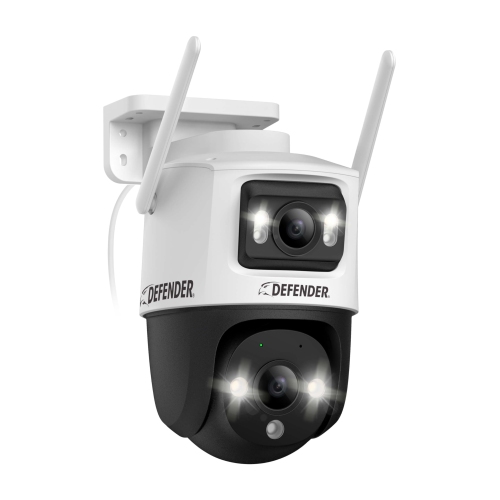

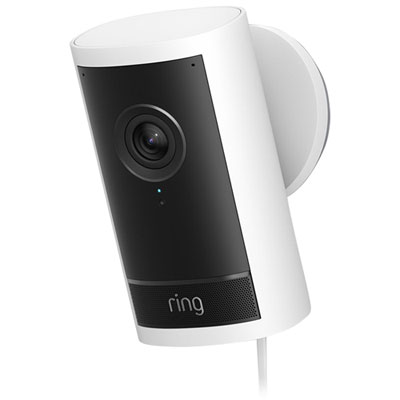
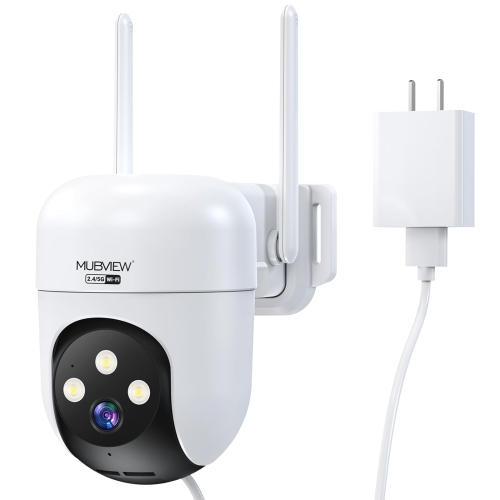

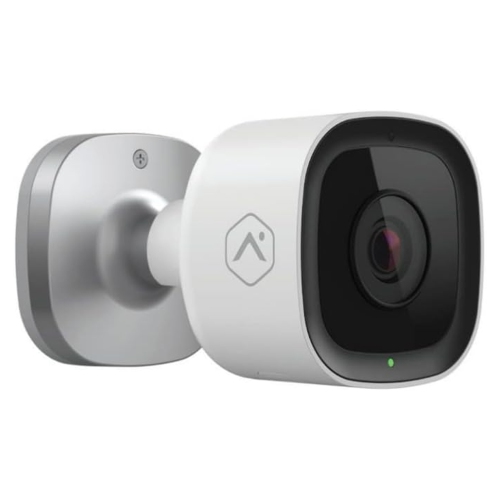
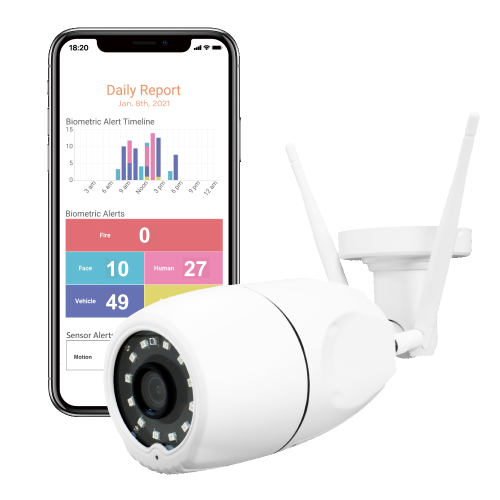
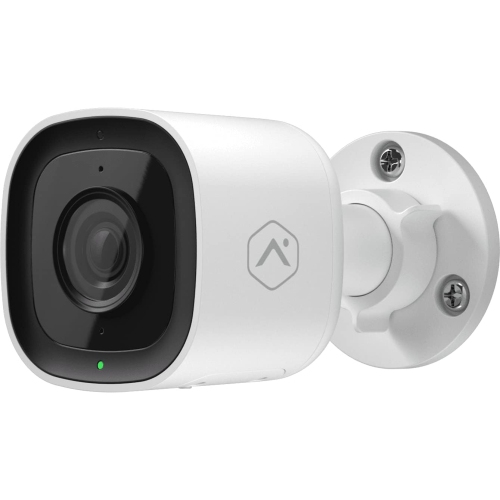
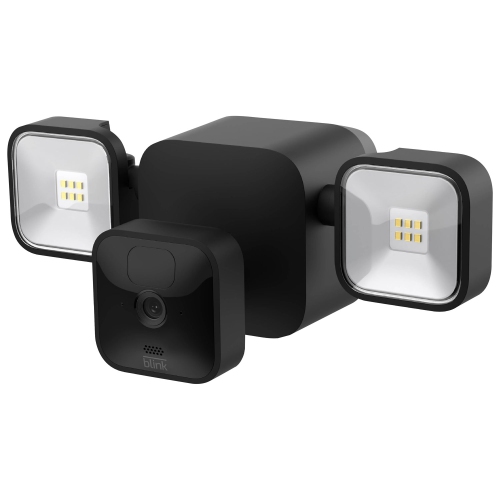
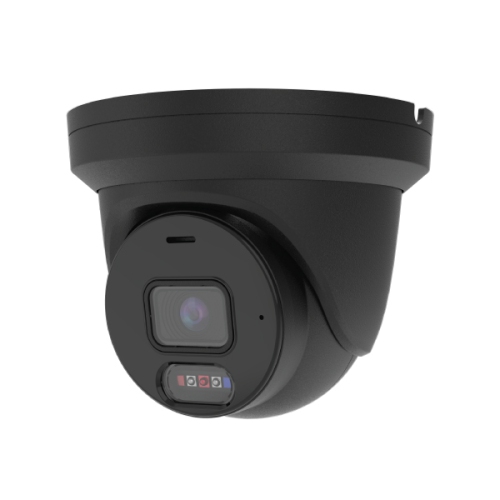
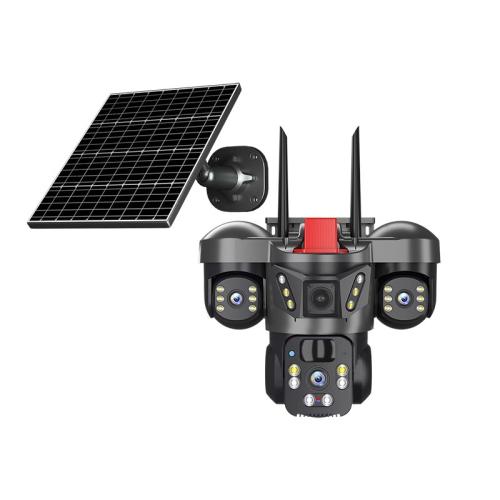
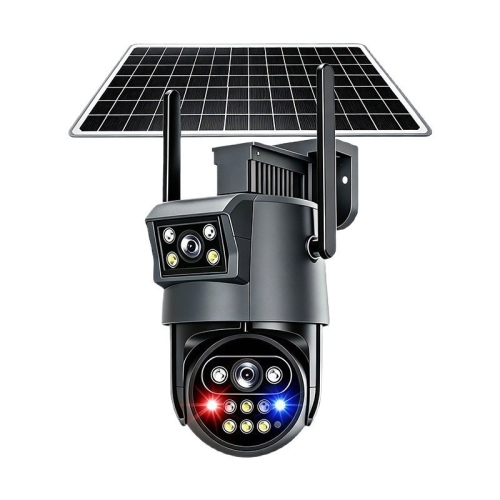
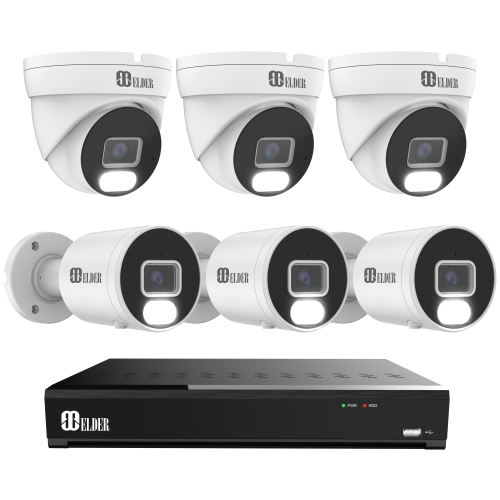
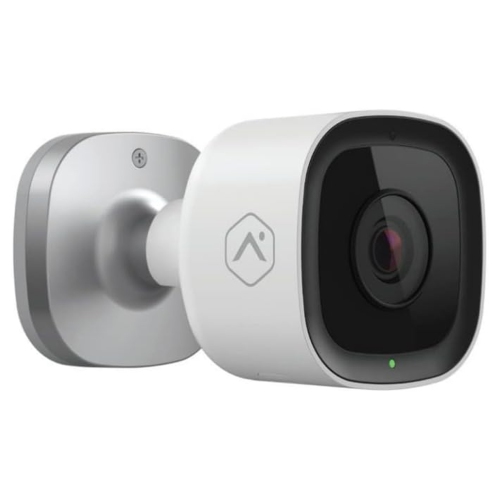
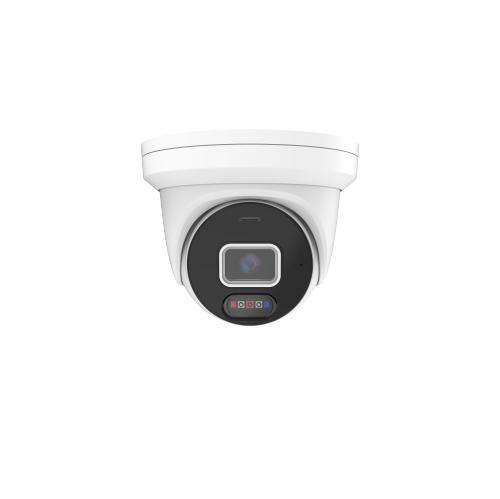
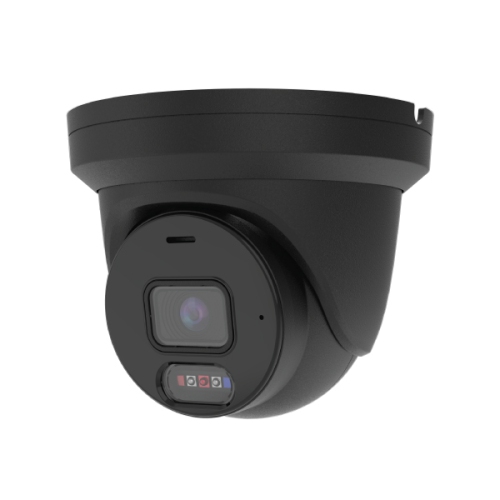
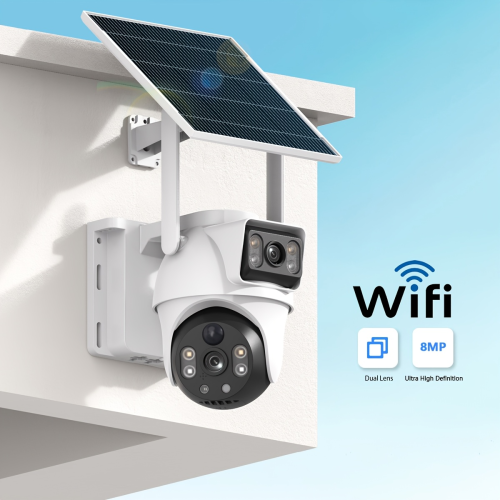

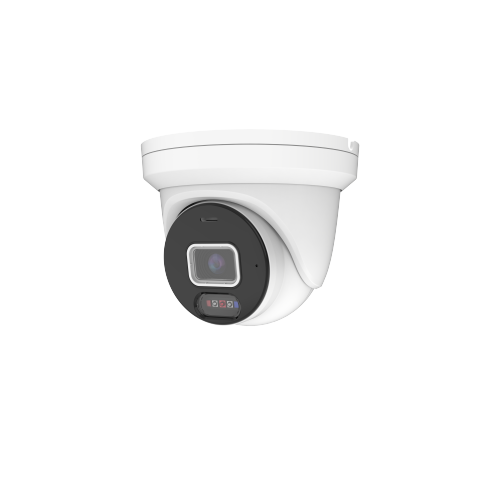
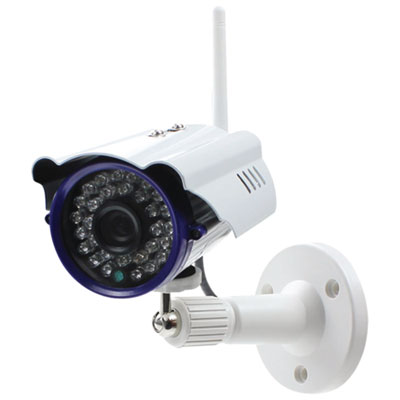

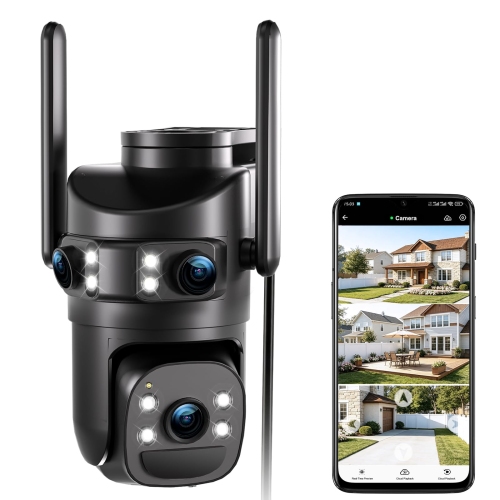
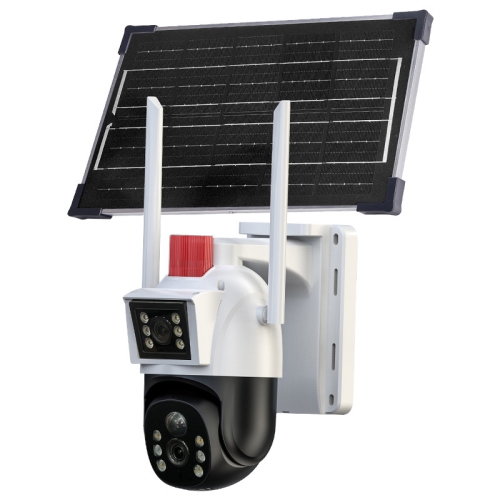

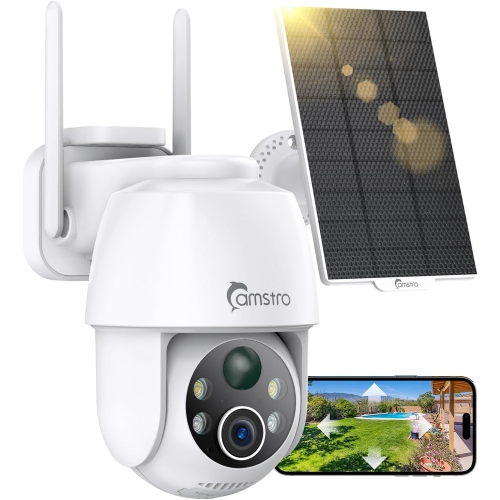
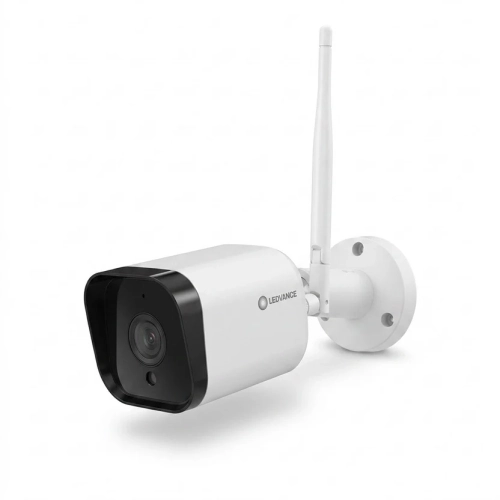


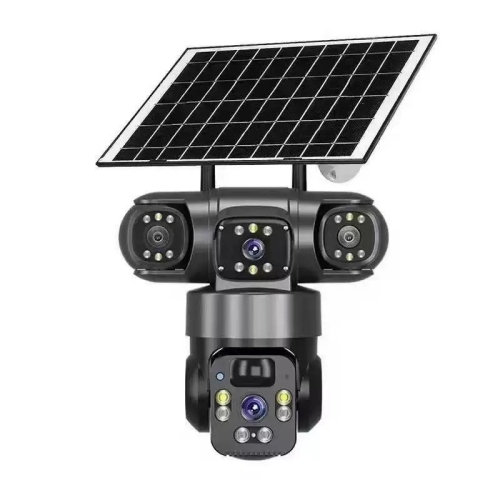
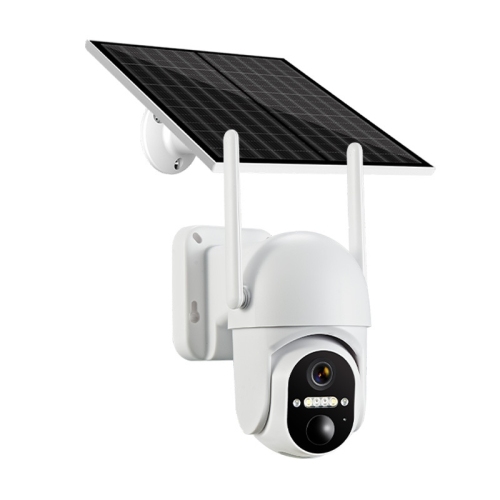

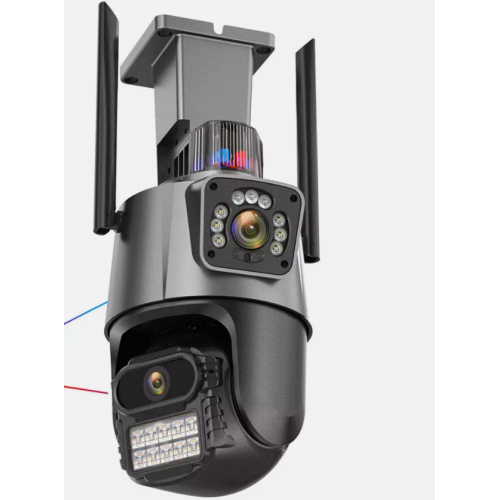
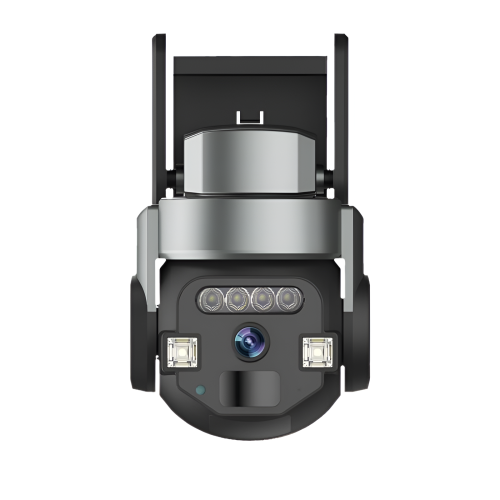
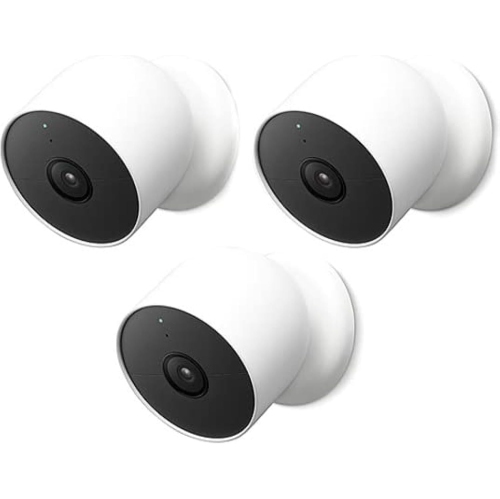


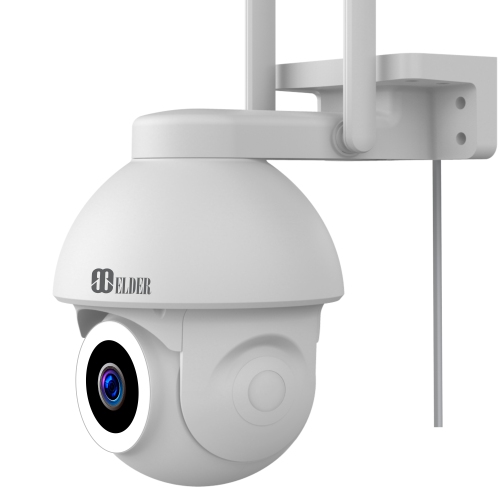
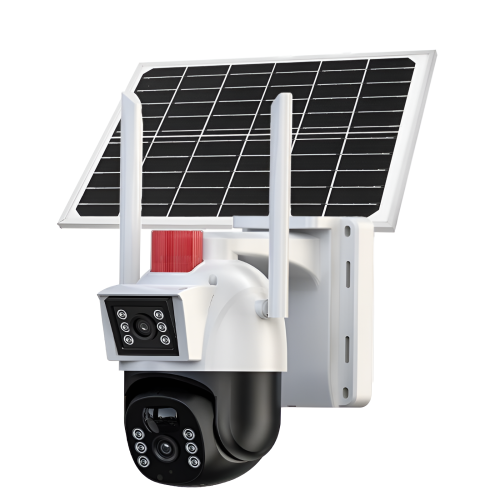
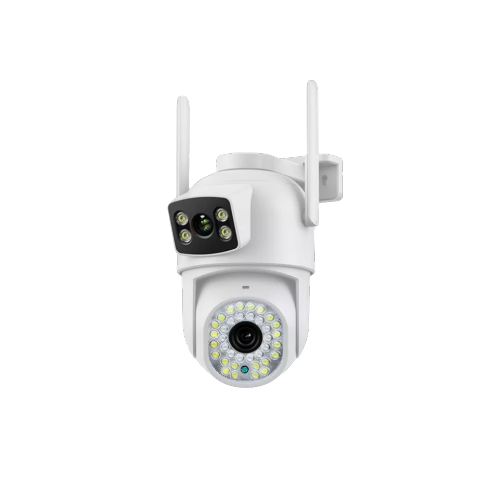

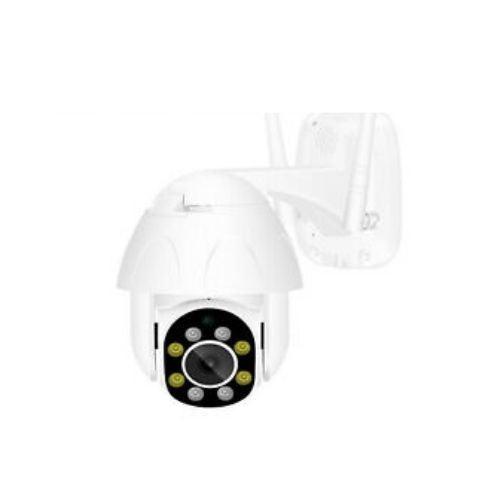
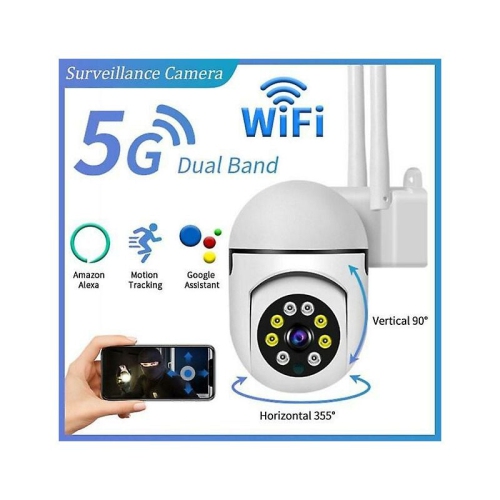
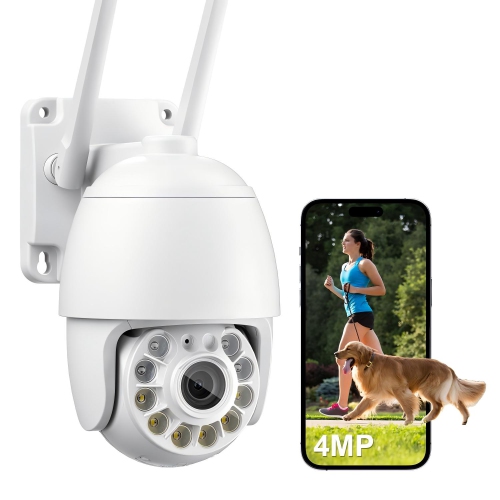
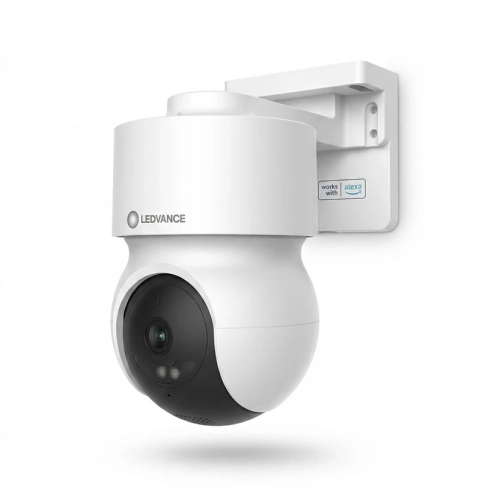
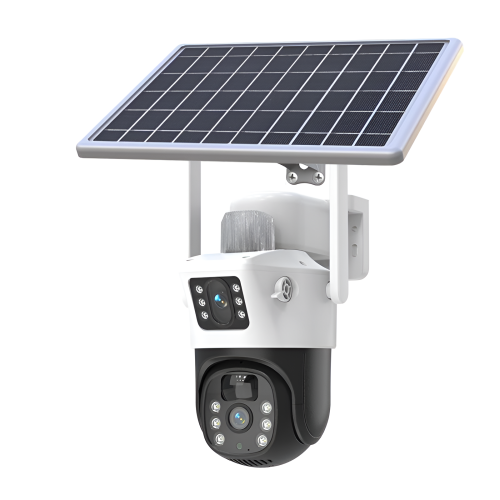


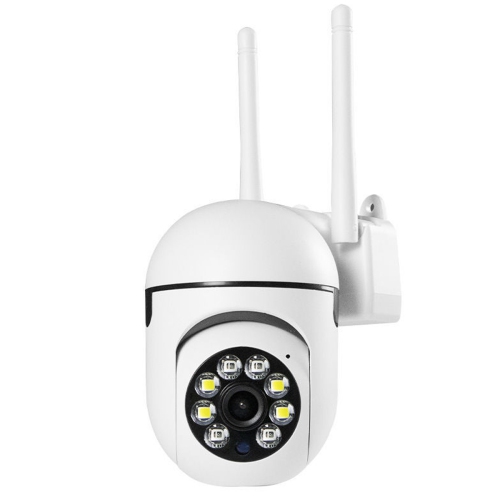
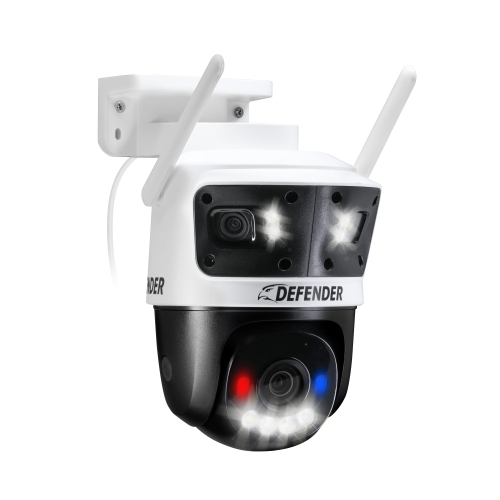
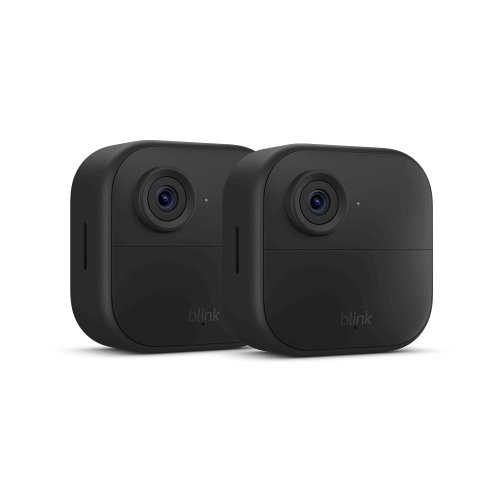
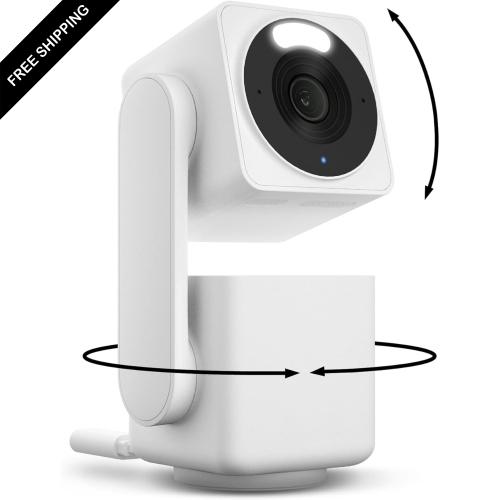
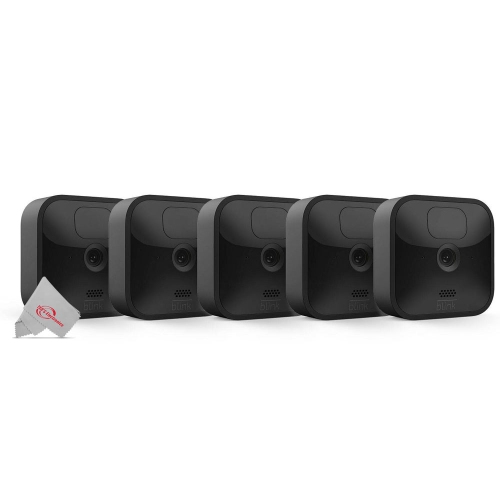
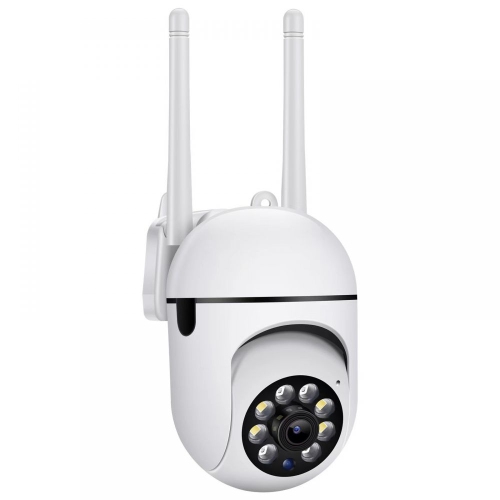
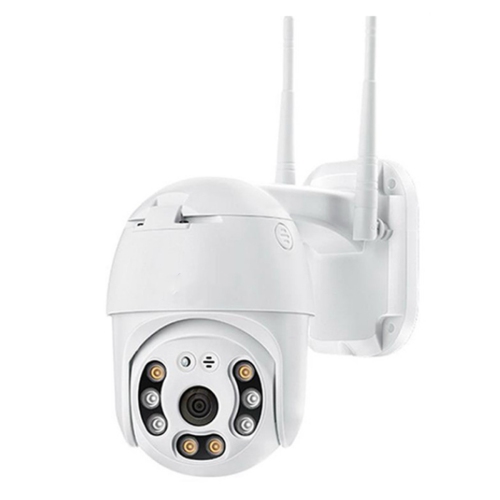

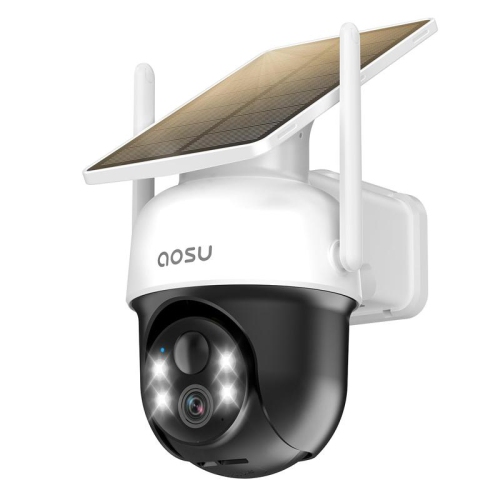


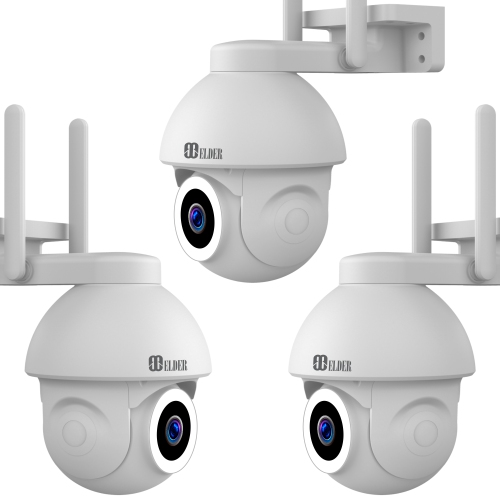
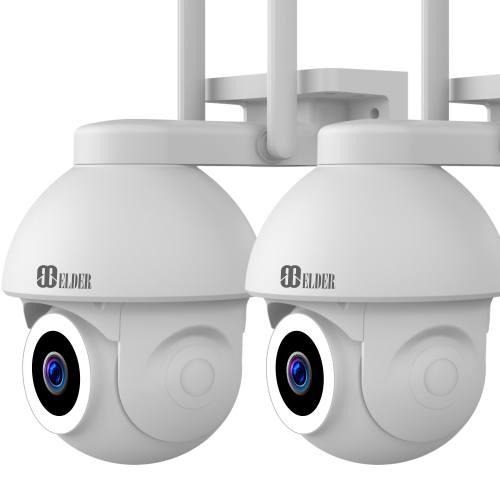
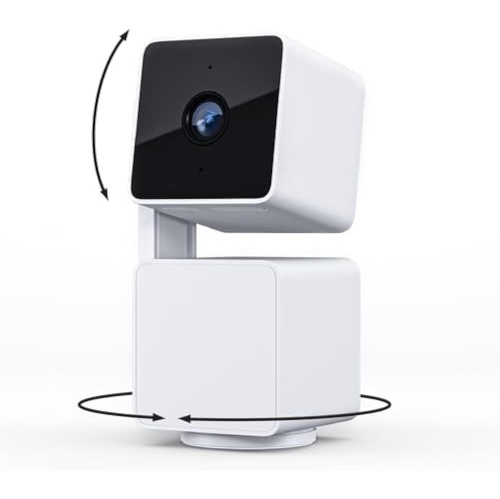

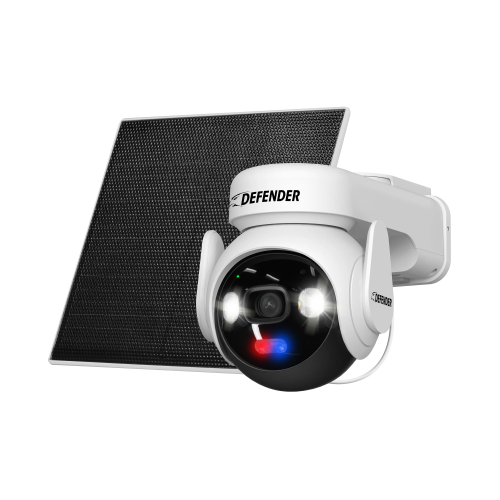
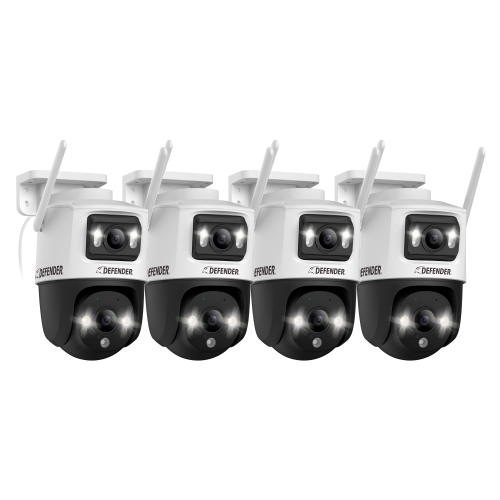
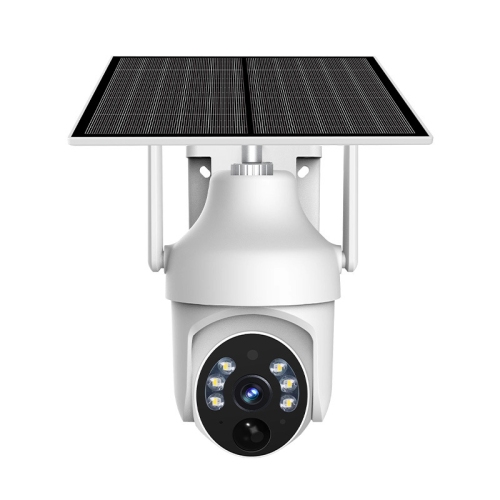
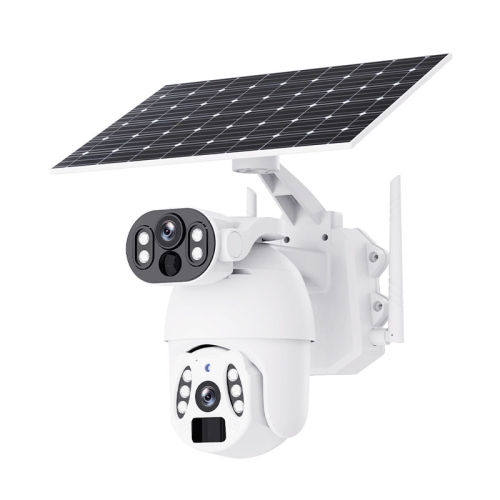
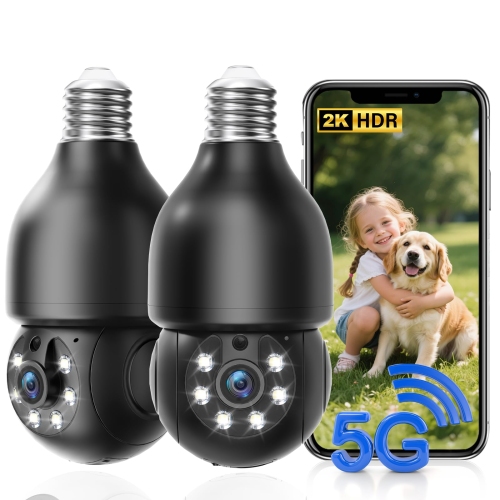
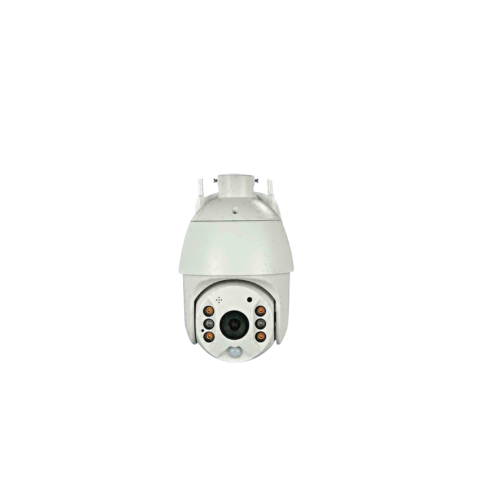
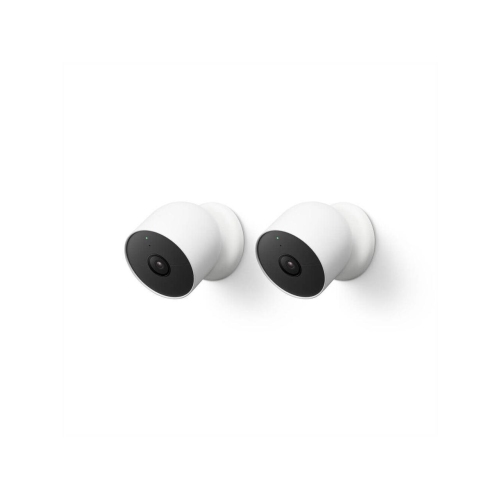
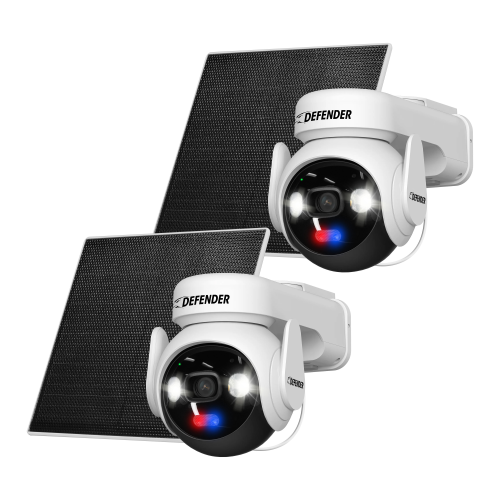
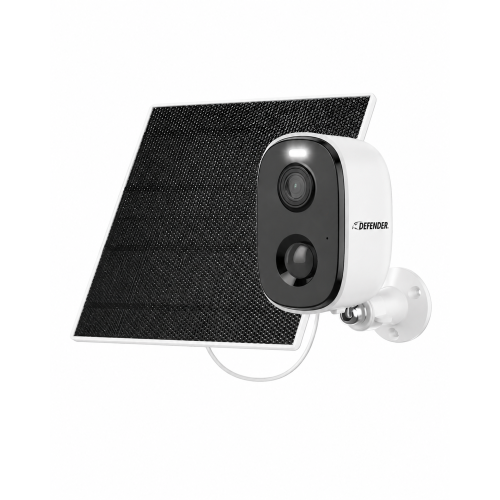
Discreet coverage with weather-resistant protection and smarter monitoring
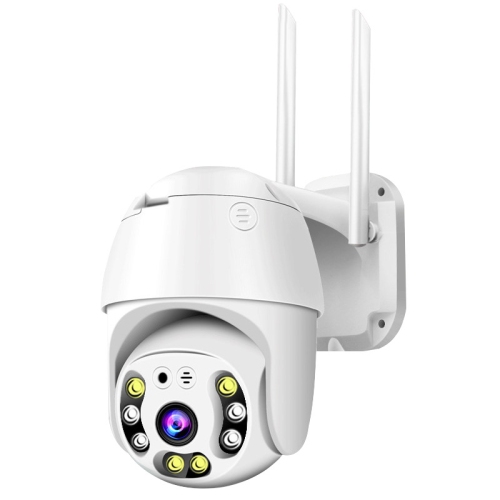
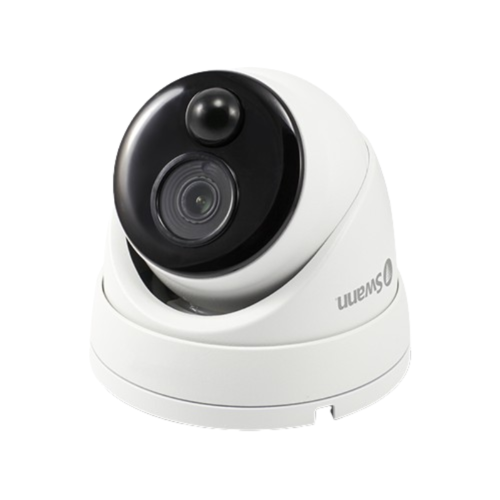
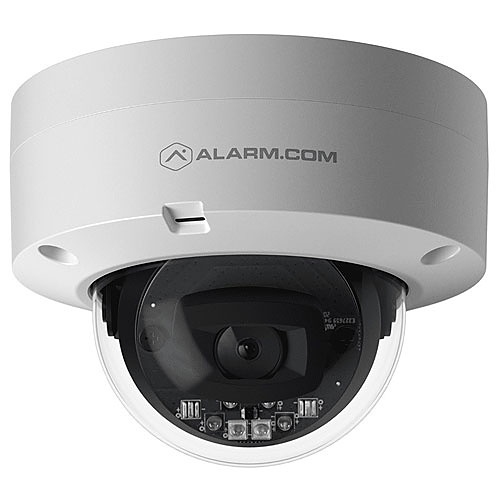
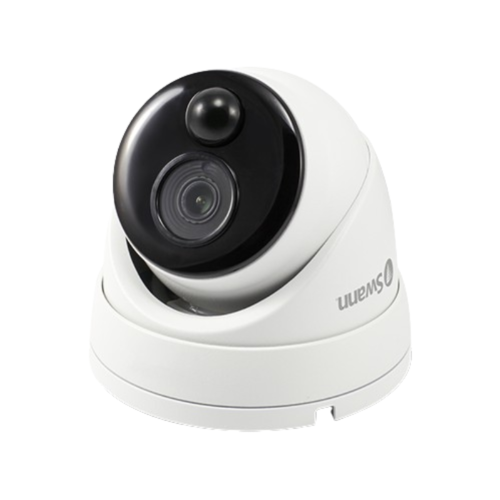
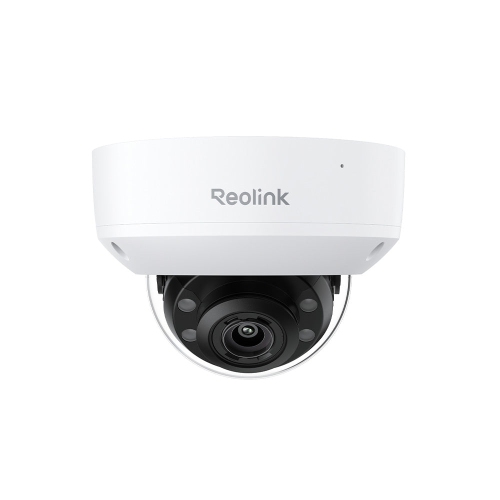
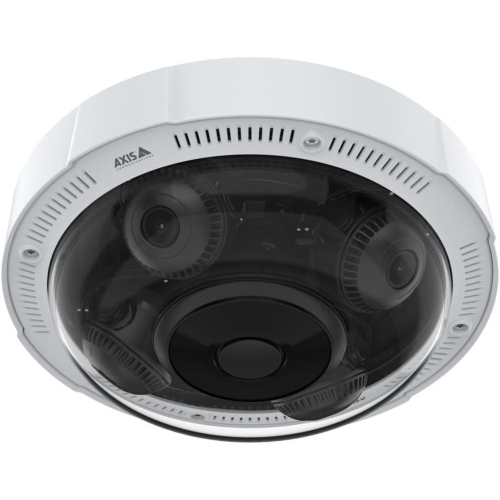
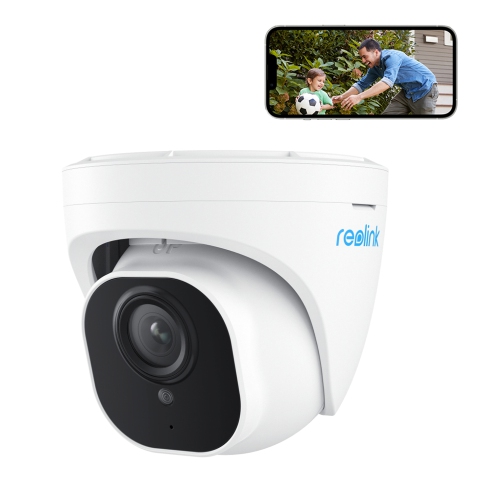
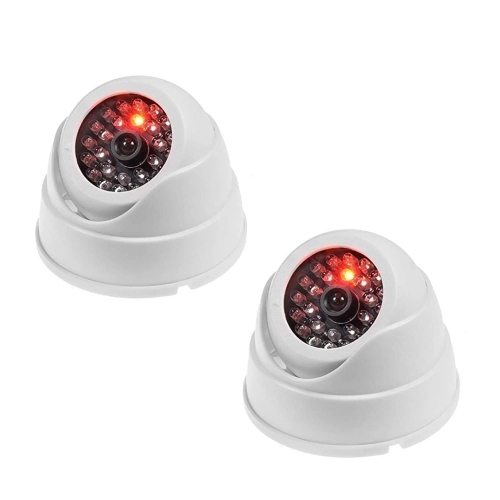
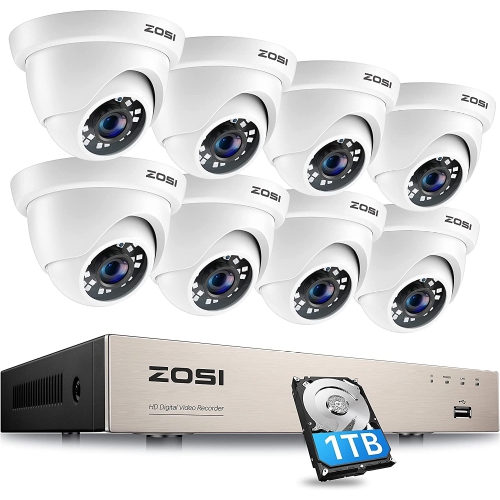
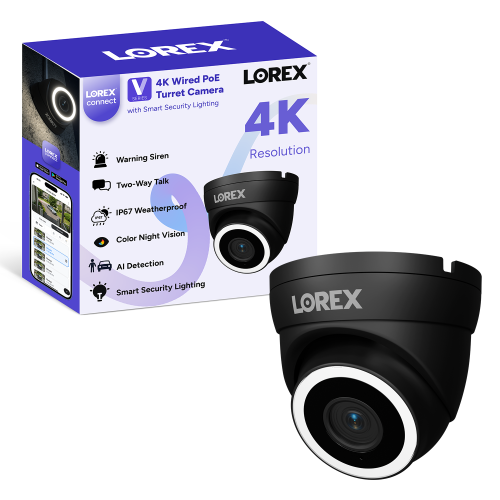
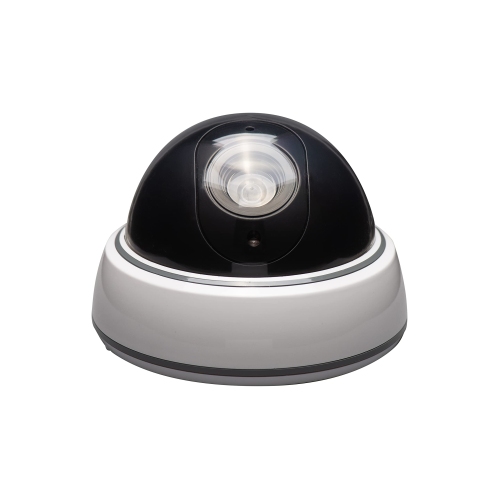
Outdoor dome security cameras offer a practical way to monitor the exterior of a home, cottage, garage, workshop, apartment building, or small business while keeping the camera profile relatively discreet. Their rounded, low-profile housings are designed to sit neatly beneath soffits, covered entrances, carports, and other exterior overhangs, where they can observe driveways, walkways, patios, loading areas, and doorways without drawing unnecessary attention. The dome shape can make it less obvious which direction the lens is facing, while some models add vandal-resistant housings that help protect the camera from tampering, impacts, and accidental knocks. When comparing options, look for an outdoor-rated design with an IP66 or IP67 weather-resistance rating to help guard against rain, blowing dust, snow, and changing temperatures during the warmer and cooler parts of the year. A sturdy metal housing and an IK10 impact-resistance rating may be particularly useful for cameras mounted in accessible areas or on a commercial property. It is also worth considering the location before choosing a camera. Dome cameras are often easiest to install on a flat ceiling or soffit, where the lens can be adjusted to cover the desired area and the housing can help shield the connection from direct exposure. Wall mounting may be possible with the right bracket, but it can affect the viewing angle and should be planned carefully to prevent moisture from collecting around the lens cover. A clear view of the intended area, minimal glare from nearby lights, and a mounting height that is difficult to reach can make a noticeable difference to everyday performance.
Image quality is one of the most important factors when selecting outdoor dome security cameras. Higher-resolution cameras can provide more detail across a driveway or entrance, which may help with identifying faces, clothing, vehicle features, or packages, although resolution should be considered alongside lighting, lens quality, and the distance to the subject. A wide-angle view can cover more space with fewer cameras, while a narrower field of view may be better for focusing on a gate, side entrance, or specific parking spot. Some cameras use infrared LEDs to produce black-and-white footage in darkness, while others offer colour night vision when there is enough ambient light or use an integrated spotlight to illuminate movement. Smart motion detection can help distinguish people, vehicles, pets, or general activity from rustling branches and passing shadows, reducing unnecessary alerts on a phone. Features such as adjustable detection zones, privacy areas, two-way audio, built-in sirens, and notifications can make the system more useful without requiring constant monitoring. Storage is another key consideration. Depending on the camera and system, footage may be saved to a microSD card, a network video recorder, a compatible hub, or a secure cloud service. Check recording length, subscription requirements, overwrite settings, and whether important clips can be downloaded or shared. For households with multiple cameras, a wired system can provide a dependable connection and consistent video quality. Many professional-style dome cameras use Power over Ethernet, or PoE, allowing one Ethernet cable to carry both power and data between the camera and a compatible network switch or recorder. If you are comparing connection types across a wider selection, Outdoor Wired Security Cameras can help place PoE and other wired options in context.
These cameras can suit people who want a more complete view of the areas just beyond their doors, particularly when exterior lighting, landscaping, or building layout creates blind spots. A homeowner may install one under the front soffit to watch the approach to the entrance and another over the garage to keep an eye on the driveway, bicycles, tools, or vehicles. At a cottage or seasonal property, an outdoor dome camera can provide visibility around an otherwise quiet building when the owners are away, with remote notifications offering useful awareness of activity near entrances or outbuildings. Small-business owners may use them to monitor customer entrances, service doors, delivery areas, and parking spaces, while landlords and property managers can consider them for common exterior areas where a discreet, weather-resistant design is appropriate. They can also be a thoughtful housewarming gift for someone moving into a new home, a practical addition to a home office, or a useful choice for a family member improving security around a garage or workshop. Installation planning remains important: confirm that the mounting surface is solid, the camera has a clear line of sight, the cable route is protected, and the network or power connection reaches the intended location. During periods of heavy rain, falling leaves, early darkness, or colder weather, a clean lens cover and well-positioned lighting can help preserve image quality. Review local privacy requirements before recording shared walkways, neighbours’ property, or public areas, and use privacy masking where available. The best choice balances coverage, durability, night-time performance, connection method, storage, and ease of use, creating a security setup that fits naturally into the property rather than becoming another complicated system to manage.
Top selling and popular products
-
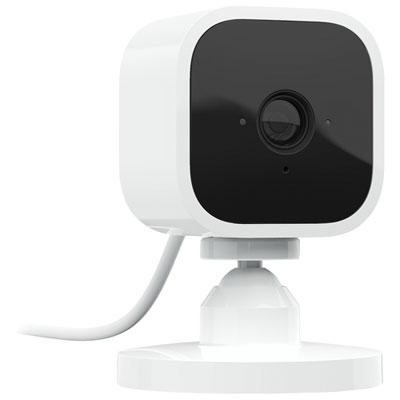 Your price for this item is $14.97
-
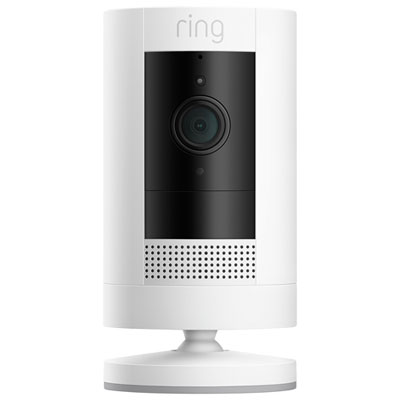 Your price for this item is $109.99
-
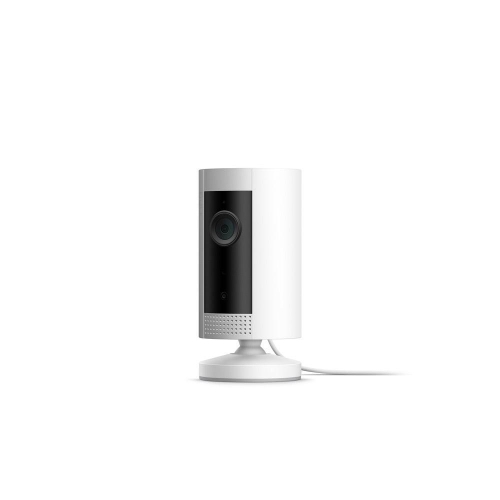 Your price for this item is $79.25
-
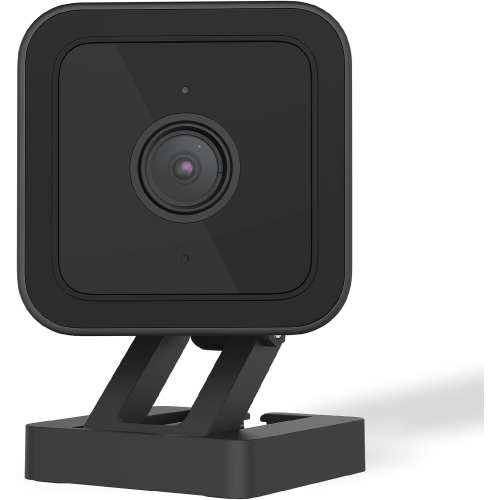 Your price for this item is $95.99
-
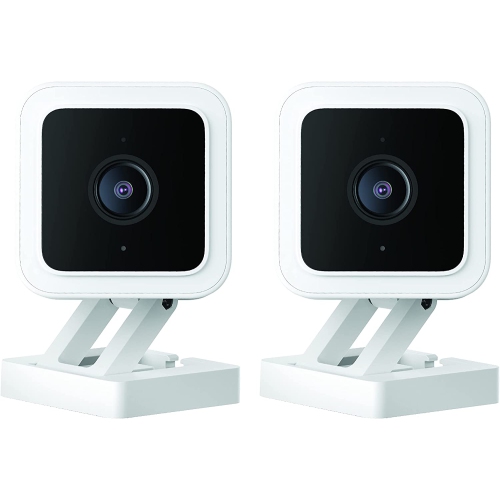 Your price for this item is $110.48
-
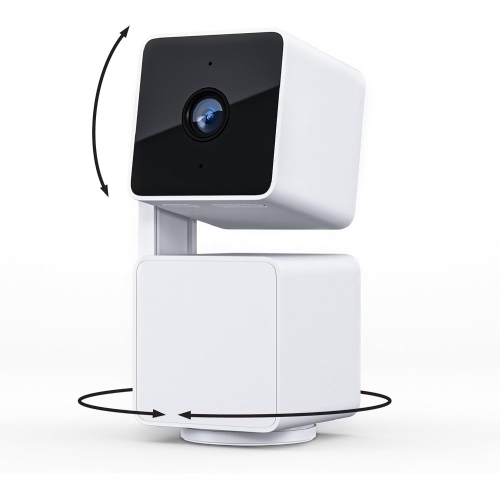 Your price for this item is $110.99
-
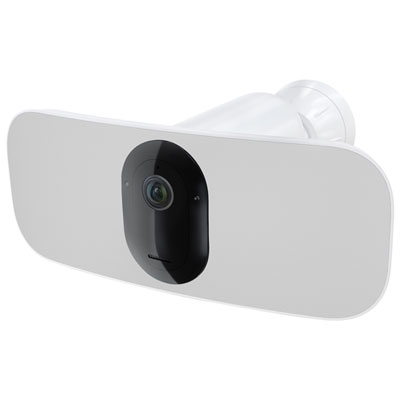 Your price for this item is $329.95
-
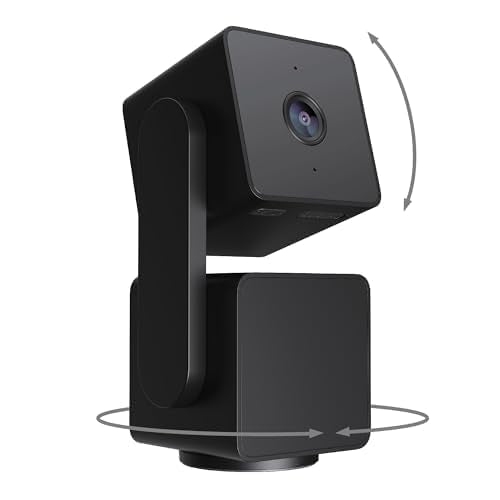 Your price for this item is $105.99
Discover more categories related to Outdoor Dome Security Cameras
Top Collections:
Pokemon Centers, Kindle Devices, Best Cameras for Sports Photography, Pokémon 30th Celebration Cards, Apple iPhones 16, Canon G7X Cameras, iPhone 15 Apple, Flip Phones, Samsung Galaxy Phones, Alarm Clock
Some products may be subject to Environmental Handling Fees
(EHF) depending on your province.
Learn more about EHFs.