Motion Sensing Devices
Motion-sensing devices offer a convenient and futuristic way to automate your home or office environment. With advanced technology that can detect movement and trigger various actions, these devices provide added security, energy efficiency, and convenience. Whether you're looking to enhance your smart home setup or simply want to make everyday tasks easier, motion-sensing devices are versatile gadgets that can cater to a range of needs. Explore our selection of cutting-edge motion-sensing devices to discover how you can bring innovation into your space.
Sort

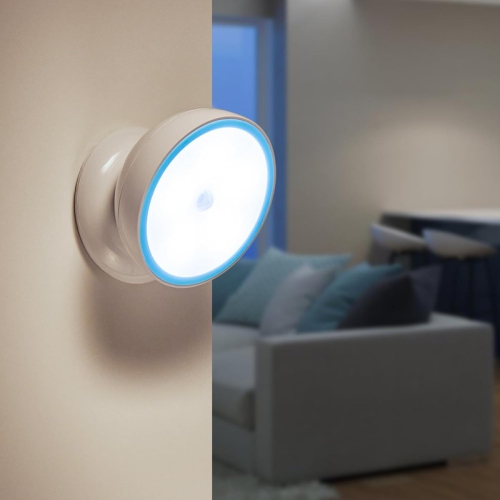
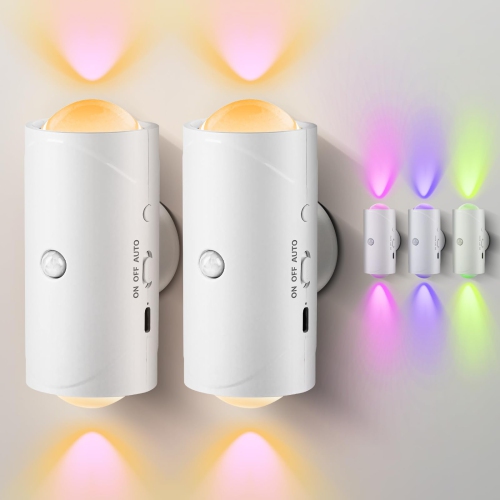
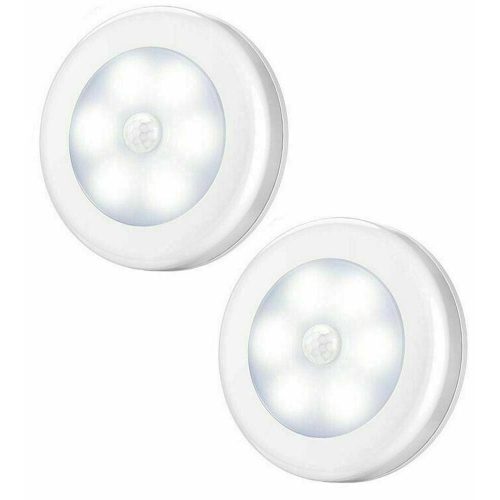
![YOULIGHTS Rechargeable Night Lights w Motion Sensors - [2 Pack] Wireless Stick On Motion Detection Lights w Warm & Soft Glow, Ideal for Bathroom](https://multimedia.bbycastatic.ca/multimedia/products/500x500/185/18588/18588679.jpeg)

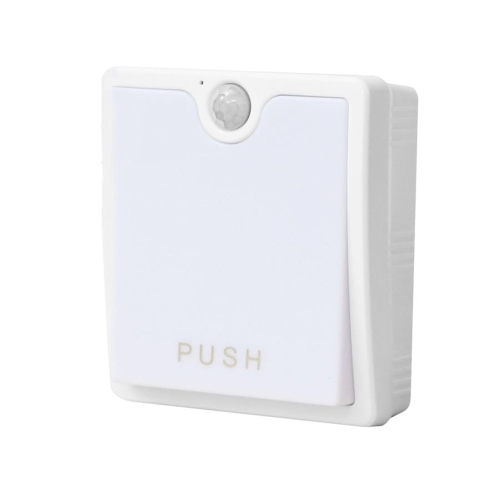
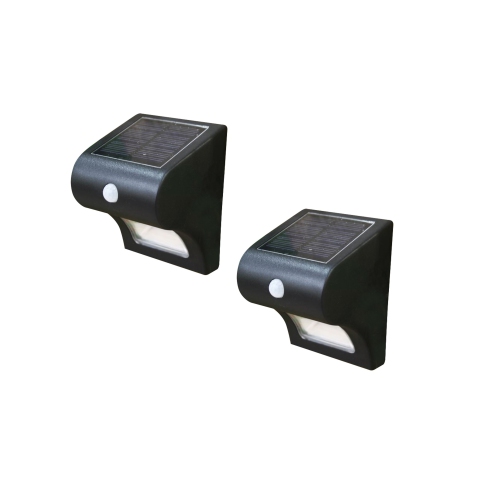

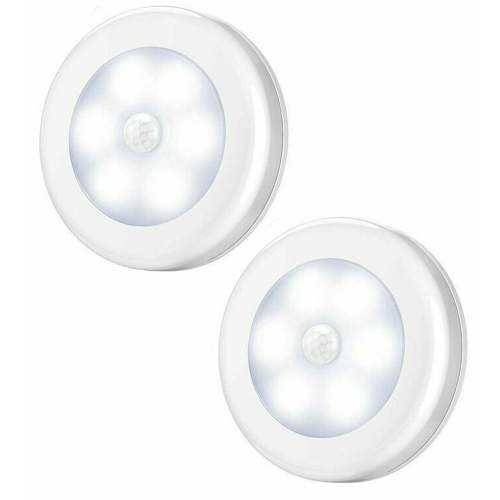

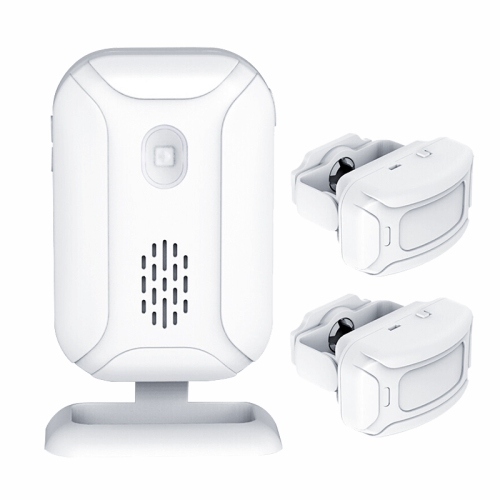
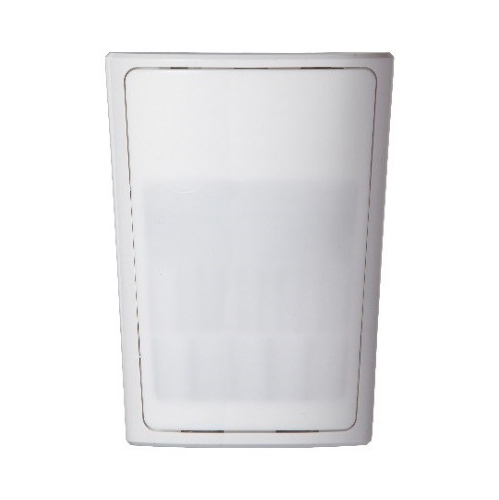
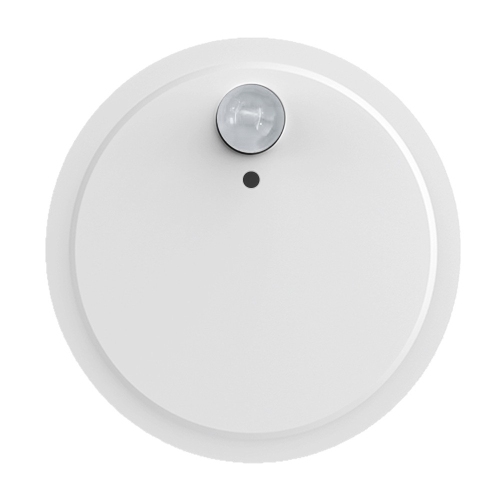
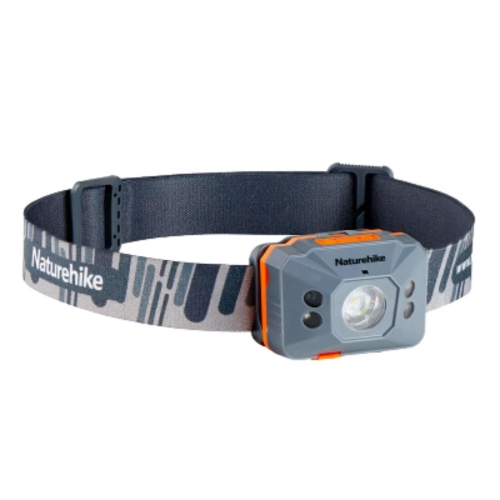
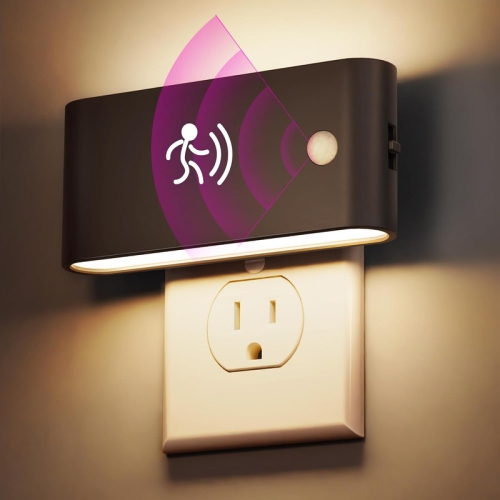
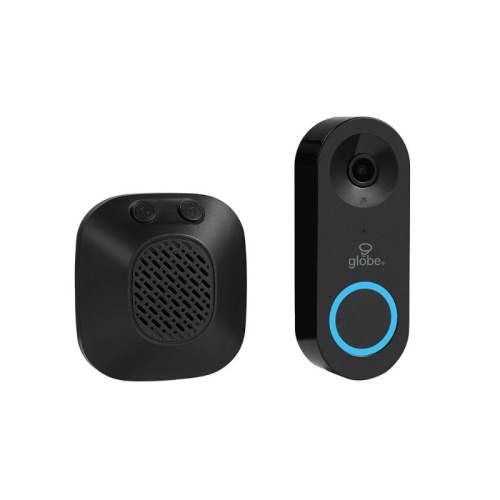
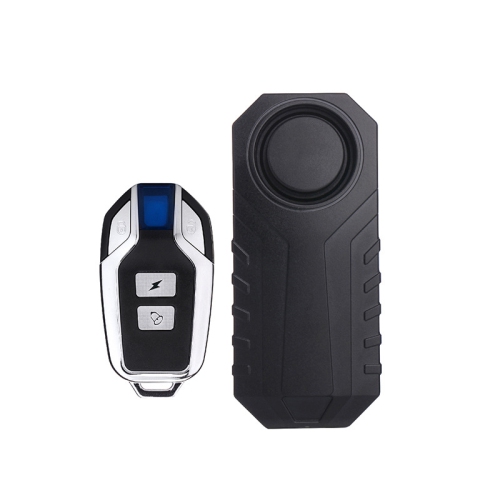
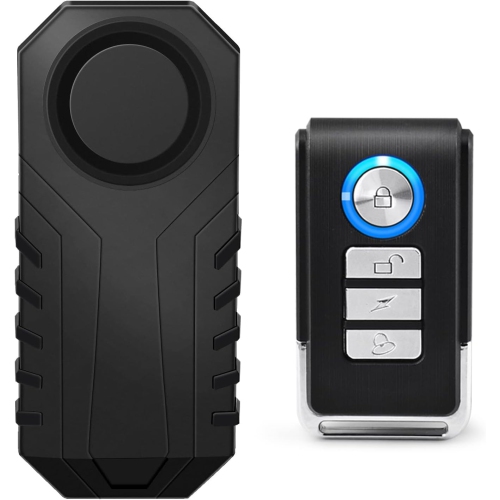
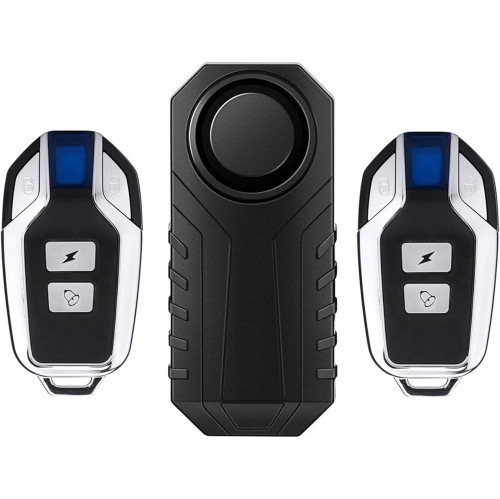
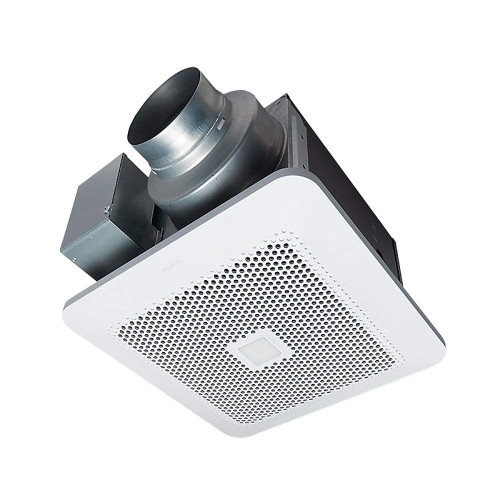
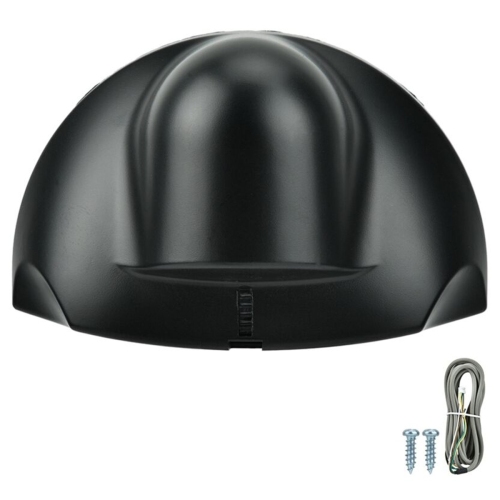
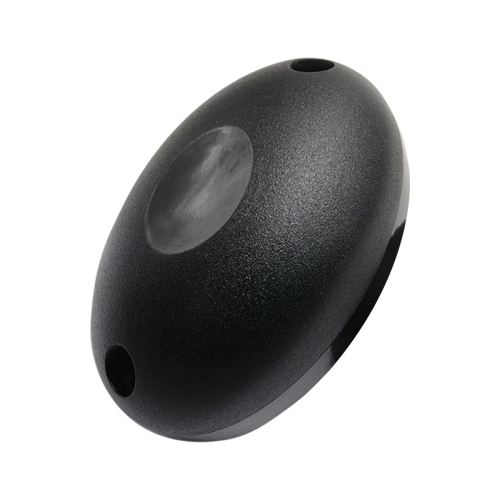
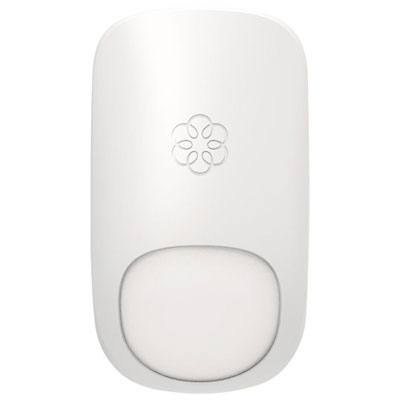
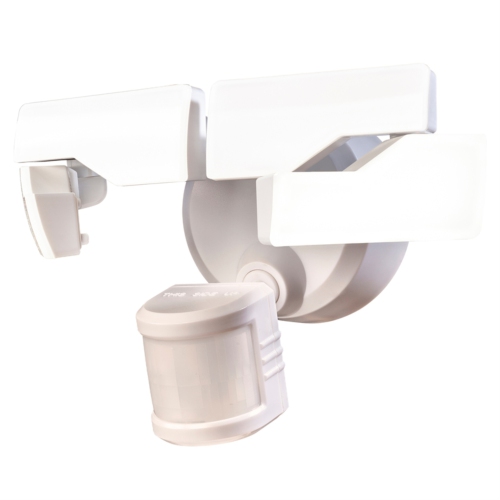
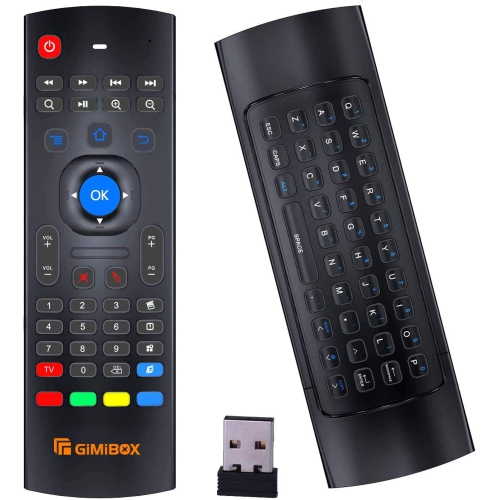
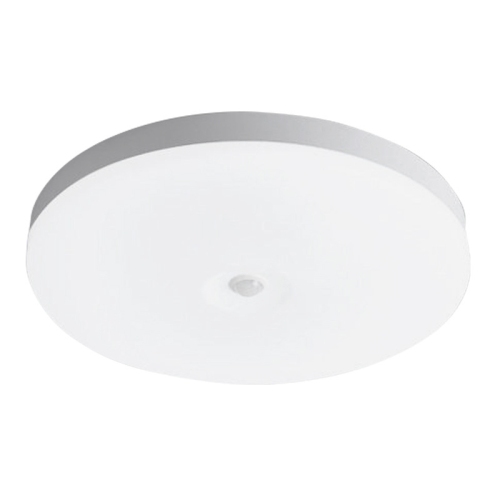
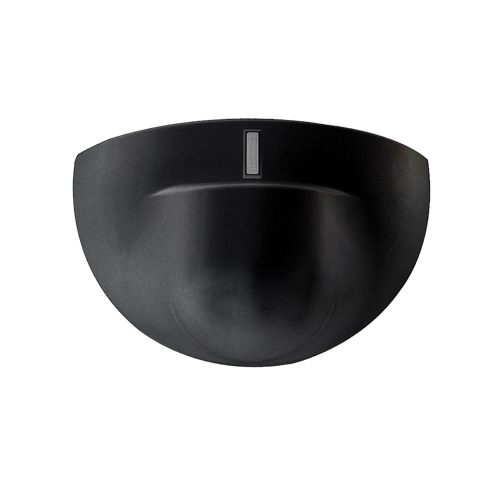
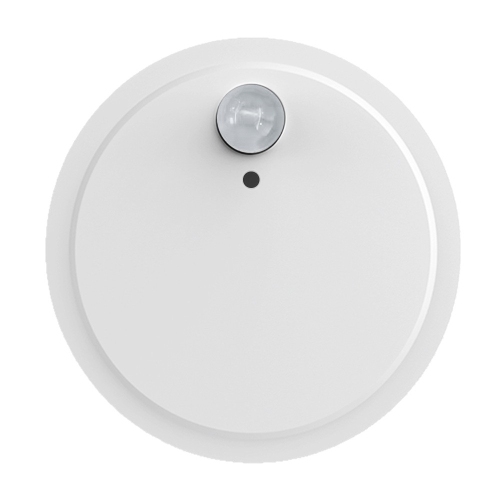
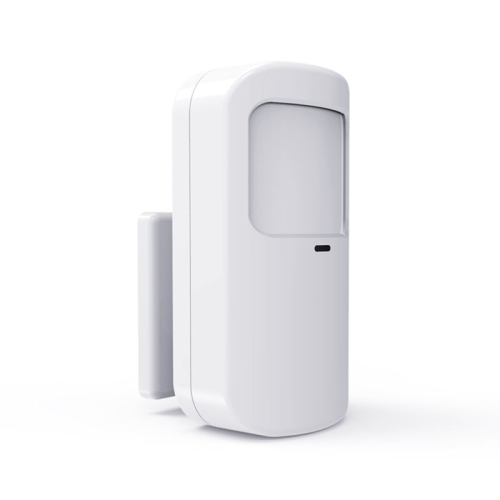
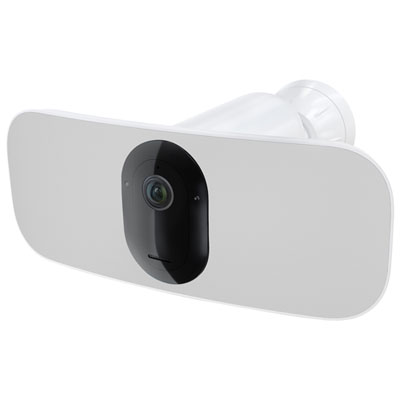
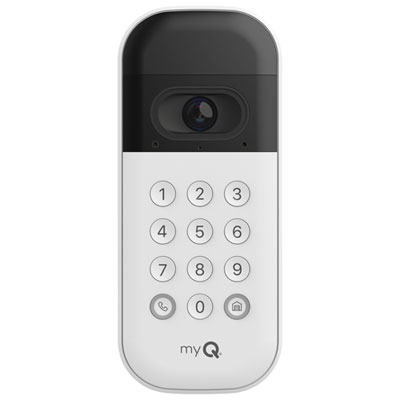


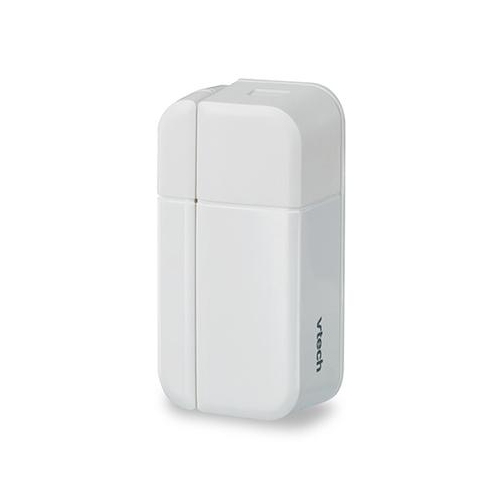


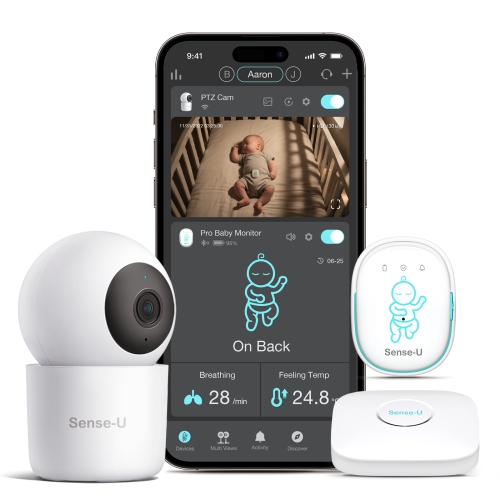
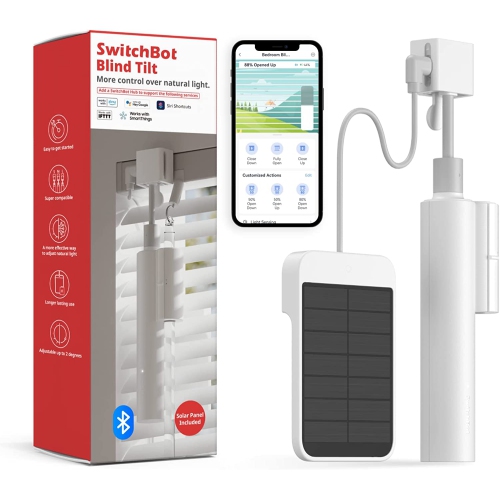
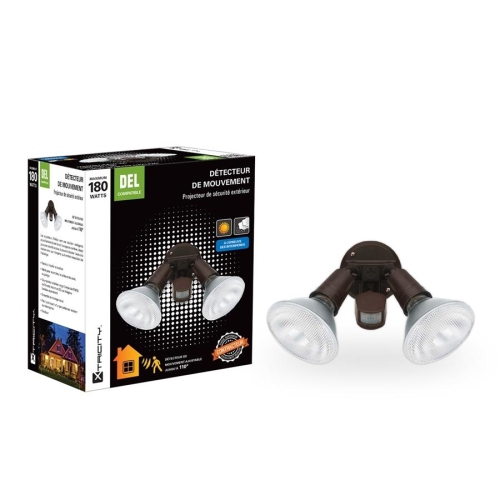

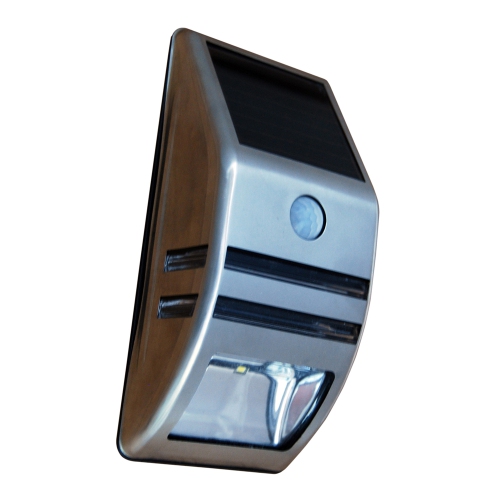
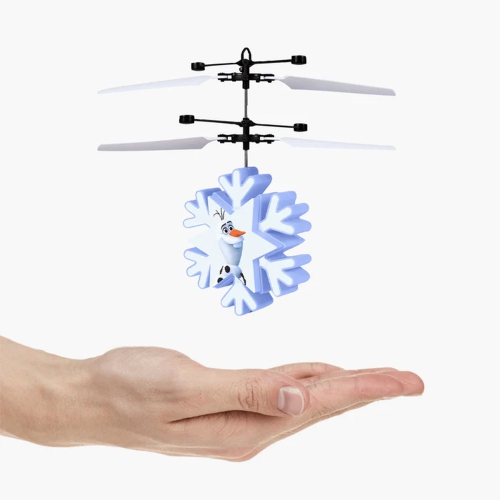
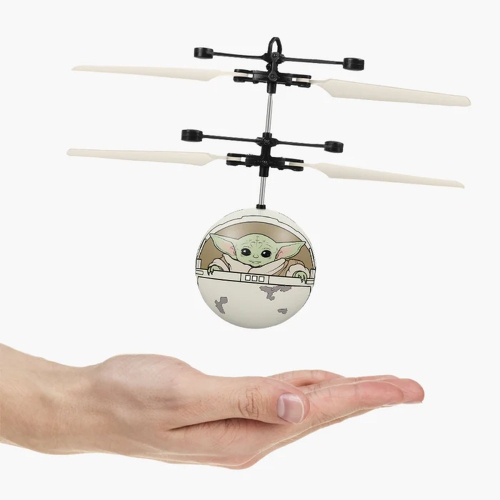

How motion sensing supports lighting, alerts, and routines
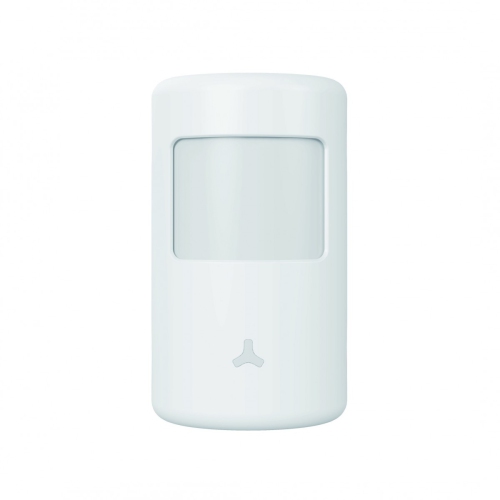
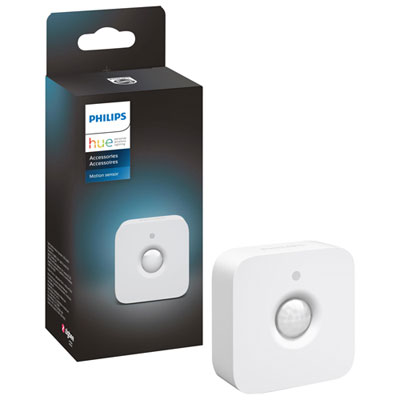
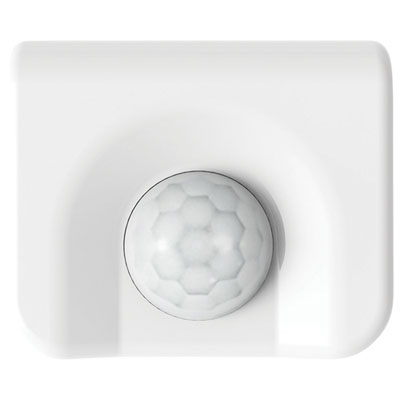
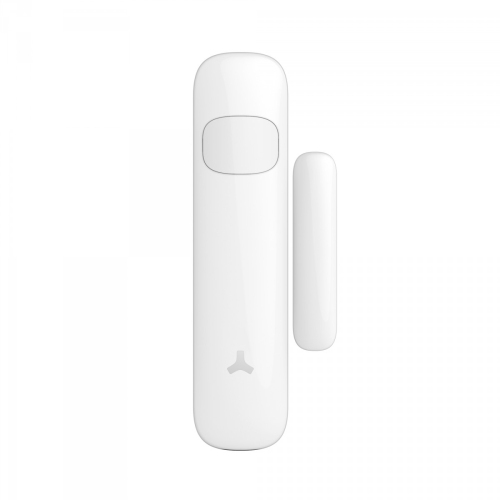
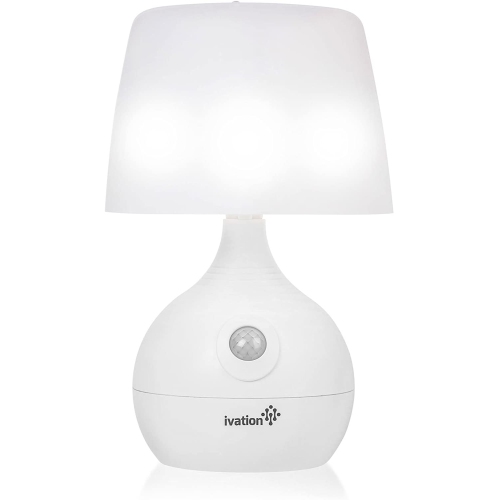
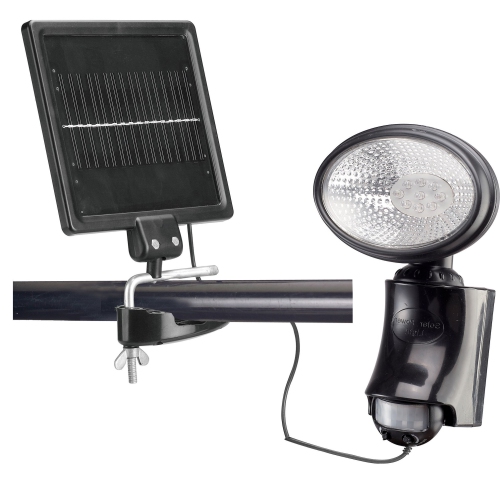
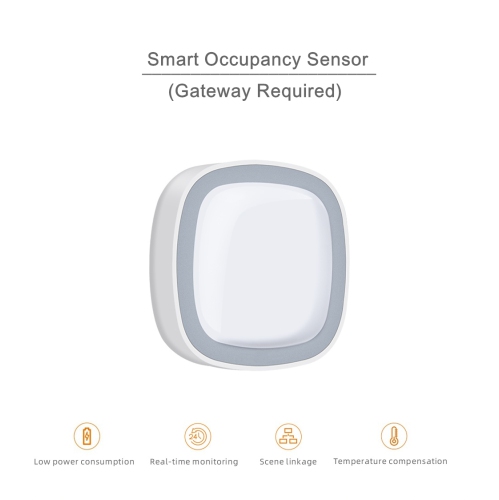
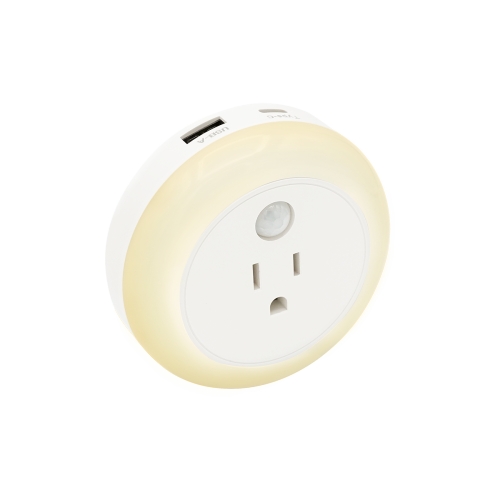
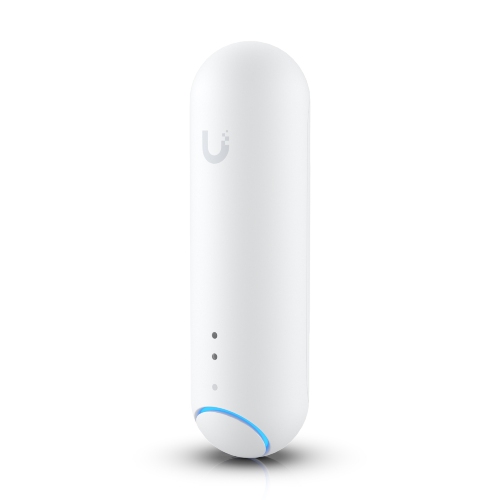
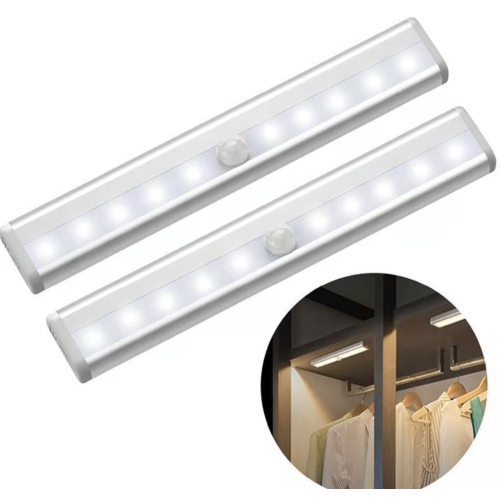
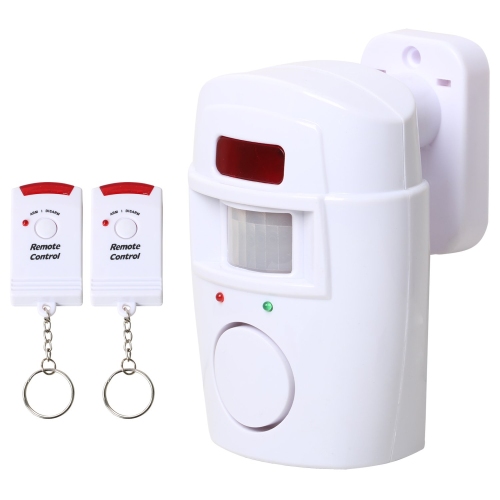
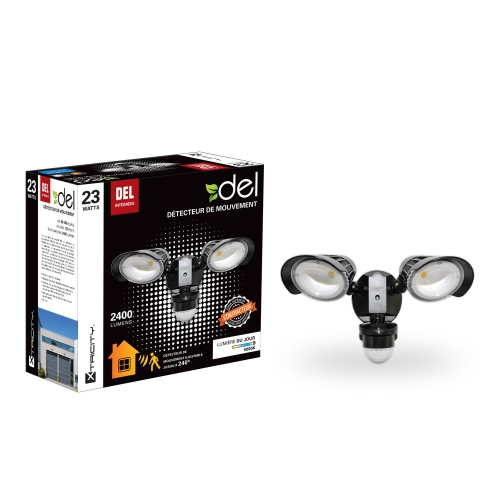
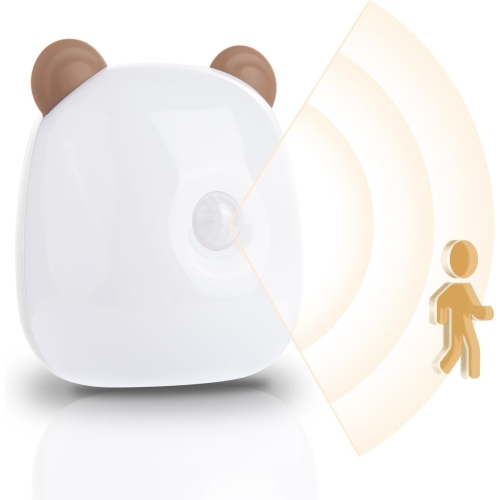
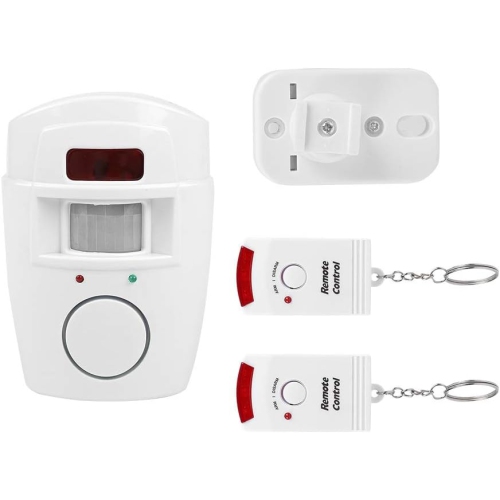
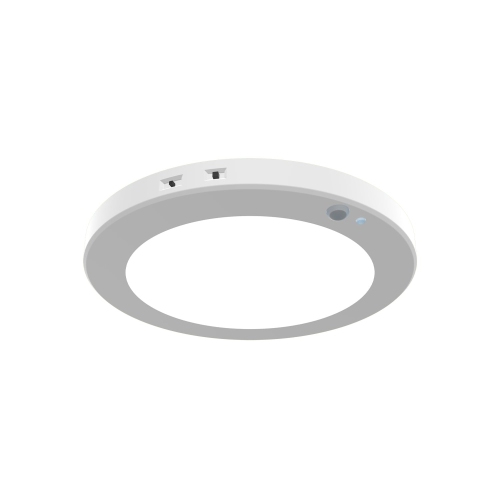
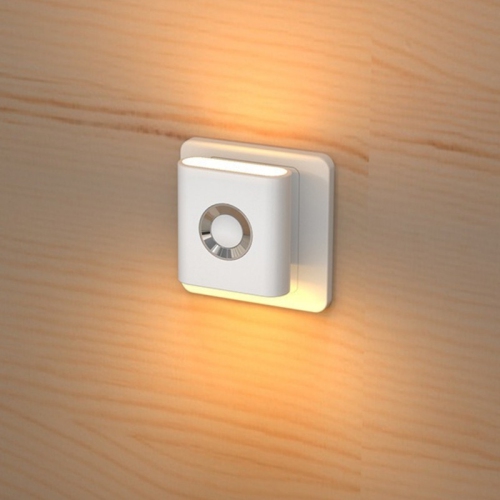
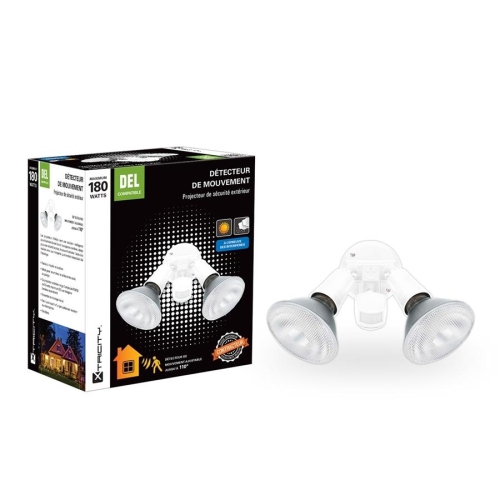
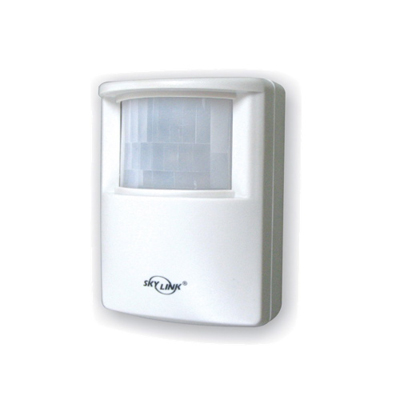
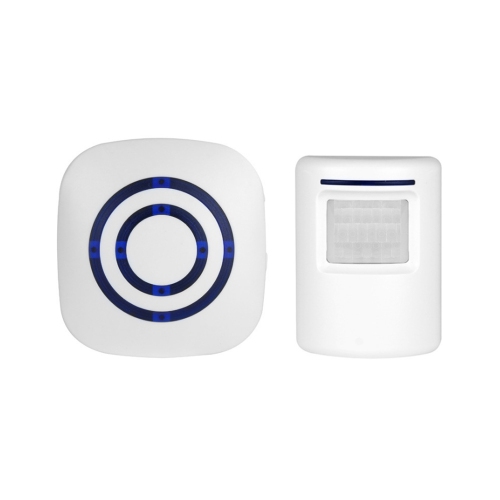
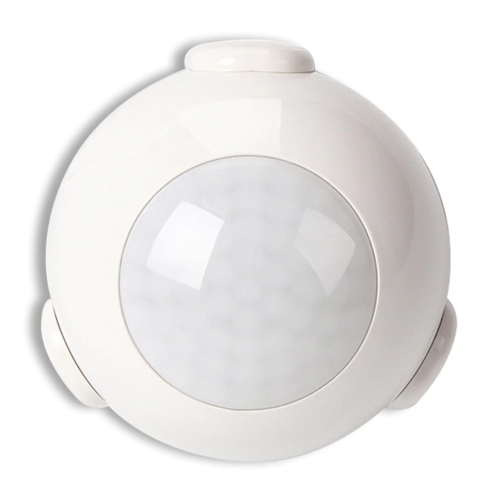
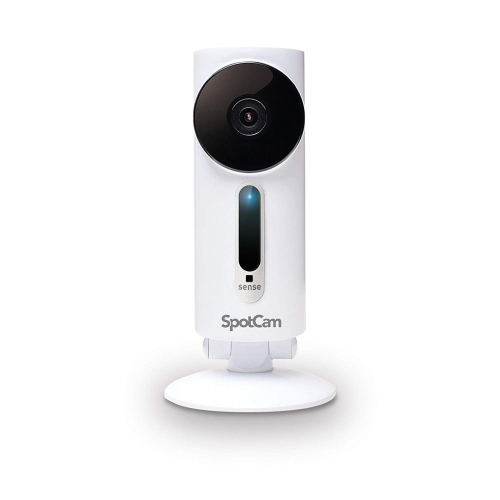
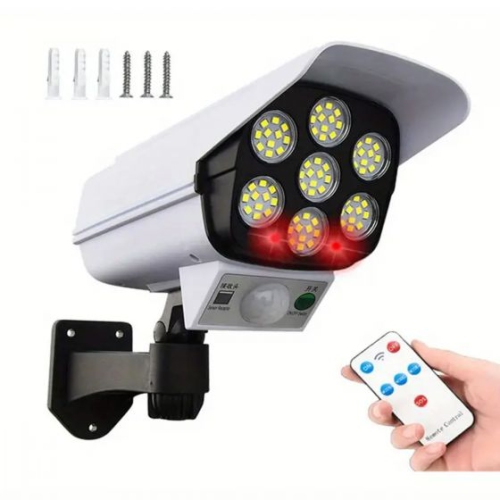
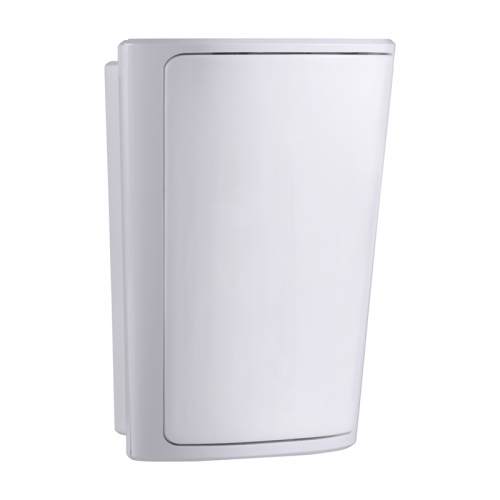
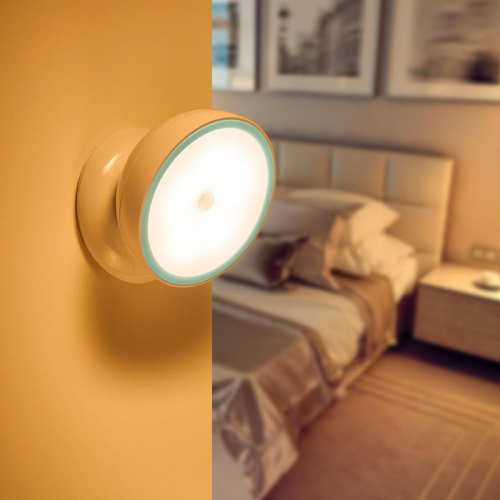
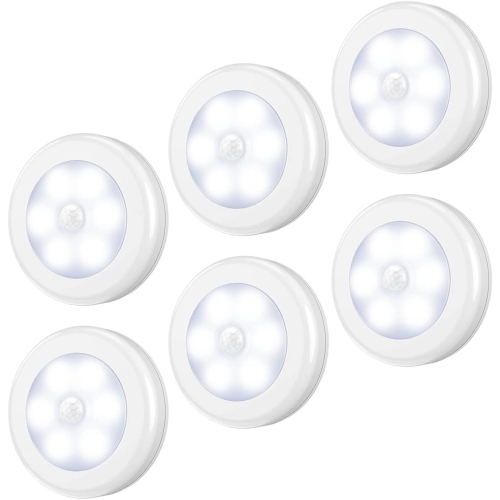
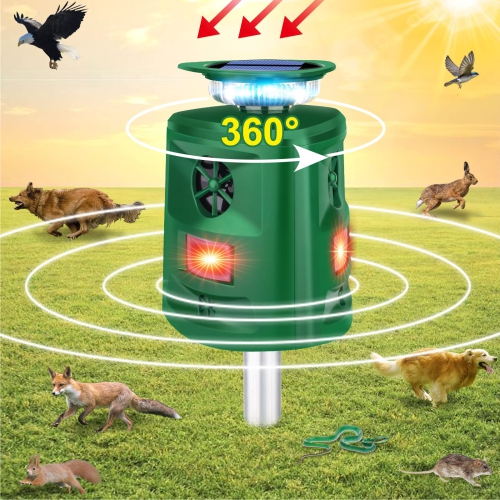
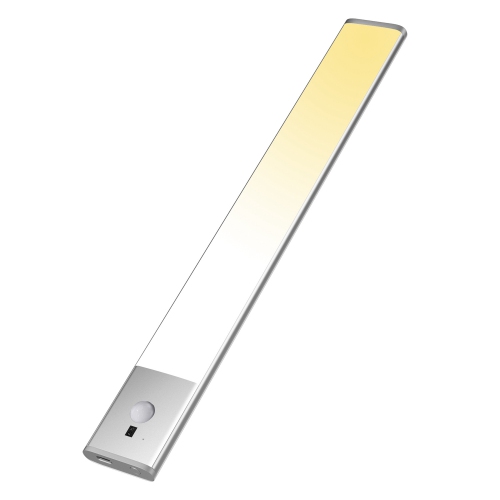
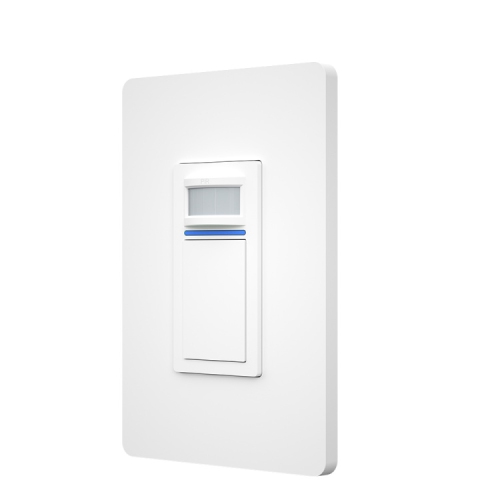
Motion sensing devices detect movement by measuring changes in the space around them, helping homes and work areas respond automatically when someone—or something—enters a monitored zone. Depending on the design, a sensor may use passive infrared (PIR) technology to recognize changes in heat emitted by people and animals, or active sensing methods that send out signals and measure how they reflect back. Some devices combine two sensing methods to improve accuracy and reduce false triggers in busy or sensitive areas. This range of technology makes motion sensors useful for much more than basic security. They can turn lights on when someone approaches a dark hallway, send an alert when movement is detected near an entrance, announce activity in another room, or trigger a connected routine that fits the way a household operates. Smaller units can be discreetly placed in entryways, stairwells, bedrooms, storage rooms, offices, or near frequently used pathways. Explore Small Motion Sensors when a compact option is better suited to a shelf, corner, doorway, or other space where a larger device would feel out of place. During the cooler months, motion-activated lighting can be especially helpful around entrances, garages, and walkways when daylight fades earlier and coats, bags, and parcels make it harder to reach for a switch. Indoors, an automatic light can provide a gentle path through a hallway without flooding the rest of the home with brightness. A sensor can also be useful in rooms that are easy to overlook, such as a basement stairwell, laundry area, or mudroom where someone may arrive with full hands. When selecting a device, start with the area it needs to cover and the type of movement it should recognize. A narrow detection angle may suit a doorway, while a wider field of view can monitor an open room. Range matters as well: a sensor placed at the end of a long corridor needs different coverage from one mounted beside a bedside table. Consider whether movement should be detected only when a person enters, or whether pets, changing temperatures, passing vehicles, or moving branches could also activate it. Placement, sensitivity controls, and the ability to define activity zones can make a noticeable difference in everyday use.
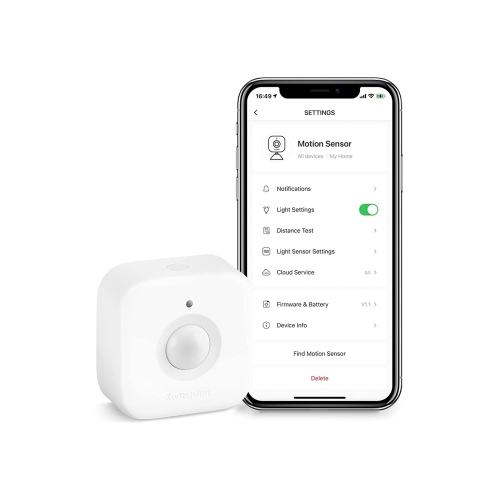
The right motion sensing device also depends on how it connects with the rest of a home or workspace. Some operate independently and provide a chime, light, or local notification, while others connect through a compatible hub, mobile app, or smart-home platform to create more flexible routines. Before buying, check the required connection type, wireless range, supported devices, and whether a separate hub or bridge is needed. Battery-powered models are convenient for renters, finished rooms, and locations without nearby outlets, but battery life can vary according to sensitivity, temperature, connection strength, and the amount of activity in the area. Wired options can be a practical choice for a fixed location that needs consistent operation. For outdoor use, look for construction and weather-resistance ratings suited to exposure from rain, snow, dust, and changing temperatures; an indoor sensor placed on a porch or in an unheated garage may not perform as intended. Think about notification preferences, too. A bright light, audible alert, phone notification, or quiet automation may each be appropriate in different situations. Someone who wants to know when a child opens a back door may prefer a timely alert, while a household trying to reduce nighttime disturbances may want motion to activate a low-level light only. Caregivers may use sensors as an additional awareness tool near a bedroom, doorway, or stairwell when a family member needs help moving around, although a motion sensor should not be treated as a replacement for direct supervision or a dedicated medical monitoring system. For home security, sensors can add awareness around entrances, garages, side passages, and rooms containing valuables, but they work best as one part of a broader setup that may include locks, lighting, cameras, and notifications. Privacy is another important consideration. A simple motion sensor generally detects movement rather than recording images, which may appeal to people who want activity awareness without placing a camera in a private room. Even so, review app permissions, account access, notification settings, and data handling before connecting any device to a home network.
Motion sensing devices can be a thoughtful gift for someone settling into a new home, improving accessibility, creating a more convenient routine, or adding an extra layer of awareness to a property. They are particularly practical for people who often carry groceries through the front door, navigate dim stairs, care for children, or want lights and alerts to respond without relying on a wall switch. A small sensor can also be useful for a student residence, home office, workshop, or rental where permanent wiring may not be desirable. To get the most reliable results, install the device at a height and angle recommended by the manufacturer, point it toward the direction people naturally walk, and avoid placing it directly beside heat sources, vents, reflective surfaces, or windows with strong sunlight. Test it at different times of day and from several approaches before finalizing the position. In an entryway, allow enough time for someone to unlock the door and set down their belongings; in a hallway, adjust the detection area so movement is noticed before a person reaches the stairs. If pets share the space, look for pet-aware settings or place the sensor above the height of smaller animals where appropriate. Outdoor units may need seasonal checks as snowbanks, garden growth, decorations, or furniture can change the detection path. A well-chosen device should fit naturally into the rhythm of the space: lights come on as footsteps approach, an alert arrives when activity occurs in a monitored area, or a connected routine quietly handles a task in the background. With attention to sensing technology, coverage, installation, connectivity, privacy, and everyday habits, motion sensing devices can make homes and workspaces feel more responsive without adding a complicated step to the routine.
The right motion sensing device also depends on how it connects with the rest of a home or workspace. Some operate independently and provide a chime, light, or local notification, while others connect through a compatible hub, mobile app, or smart-home platform to create more flexible routines. Before buying, check the required connection type, wireless range, supported devices, and whether a separate hub or bridge is needed. Battery-powered models are convenient for renters, finished rooms, and locations without nearby outlets, but battery life can vary according to sensitivity, temperature, connection strength, and the amount of activity in the area. Wired options can be a practical choice for a fixed location that needs consistent operation. For outdoor use, look for construction and weather-resistance ratings suited to exposure from rain, snow, dust, and changing temperatures; an indoor sensor placed on a porch or in an unheated garage may not perform as intended. Think about notification preferences, too. A bright light, audible alert, phone notification, or quiet automation may each be appropriate in different situations. Someone who wants to know when a child opens a back door may prefer a timely alert, while a household trying to reduce nighttime disturbances may want motion to activate a low-level light only. Caregivers may use sensors as an additional awareness tool near a bedroom, doorway, or stairwell when a family member needs help moving around, although a motion sensor should not be treated as a replacement for direct supervision or a dedicated medical monitoring system. For home security, sensors can add awareness around entrances, garages, side passages, and rooms containing valuables, but they work best as one part of a broader setup that may include locks, lighting, cameras, and notifications. Privacy is another important consideration. A simple motion sensor generally detects movement rather than recording images, which may appeal to people who want activity awareness without placing a camera in a private room. Even so, review app permissions, account access, notification settings, and data handling before connecting any device to a home network.
Motion sensing devices can be a thoughtful gift for someone settling into a new home, improving accessibility, creating a more convenient routine, or adding an extra layer of awareness to a property. They are particularly practical for people who often carry groceries through the front door, navigate dim stairs, care for children, or want lights and alerts to respond without relying on a wall switch. A small sensor can also be useful for a student residence, home office, workshop, or rental where permanent wiring may not be desirable. To get the most reliable results, install the device at a height and angle recommended by the manufacturer, point it toward the direction people naturally walk, and avoid placing it directly beside heat sources, vents, reflective surfaces, or windows with strong sunlight. Test it at different times of day and from several approaches before finalizing the position. In an entryway, allow enough time for someone to unlock the door and set down their belongings; in a hallway, adjust the detection area so movement is noticed before a person reaches the stairs. If pets share the space, look for pet-aware settings or place the sensor above the height of smaller animals where appropriate. Outdoor units may need seasonal checks as snowbanks, garden growth, decorations, or furniture can change the detection path. A well-chosen device should fit naturally into the rhythm of the space: lights come on as footsteps approach, an alert arrives when activity occurs in a monitored area, or a connected routine quietly handles a task in the background. With attention to sensing technology, coverage, installation, connectivity, privacy, and everyday habits, motion sensing devices can make homes and workspaces feel more responsive without adding a complicated step to the routine.
Top selling and popular products
-
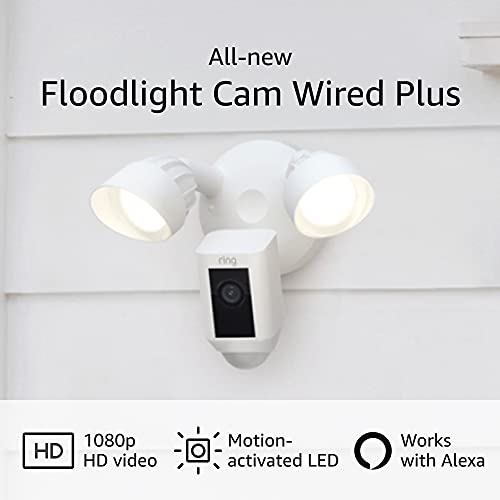 Your price for this item is $349.99
 -
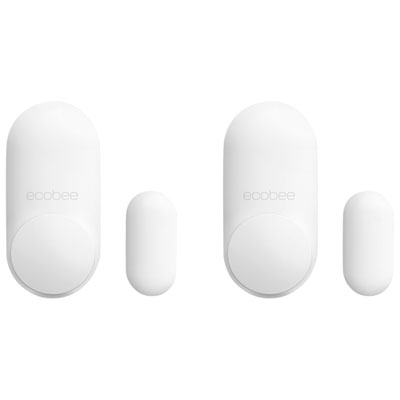 Your price for this item is $59.99
 -
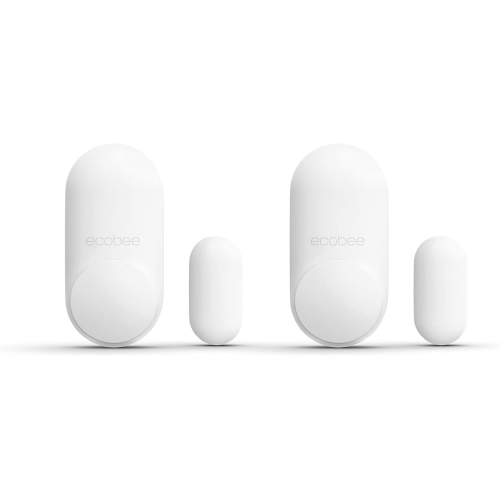 Your price for this item is $99.99
 -
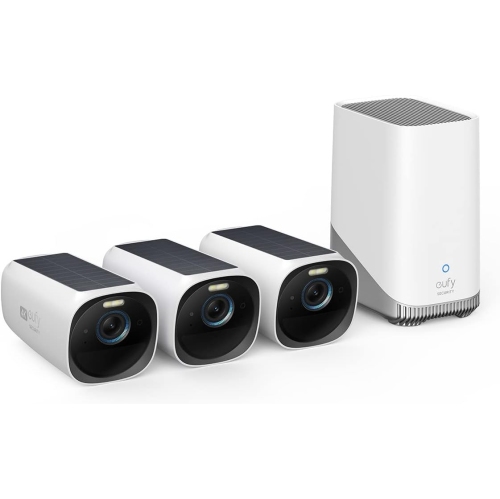 Your price for this item is $799.99
 -
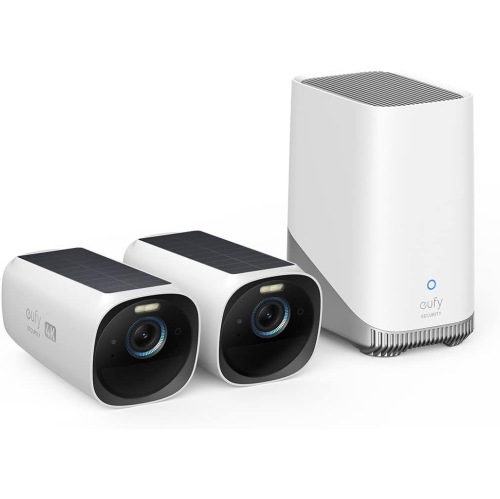 Your price for this item is $549.99
 -
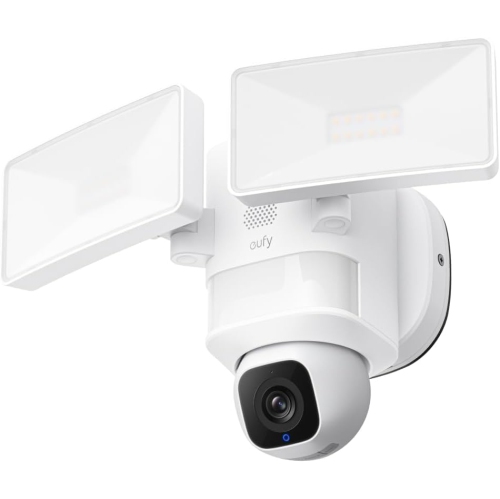 Your price for this item is $229.99
 -
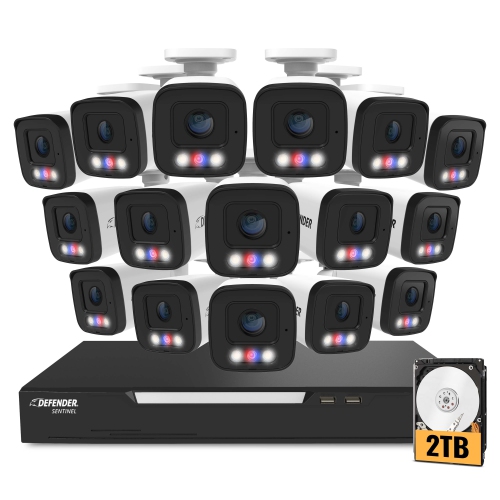 Your price for this item is $1859.99
 -
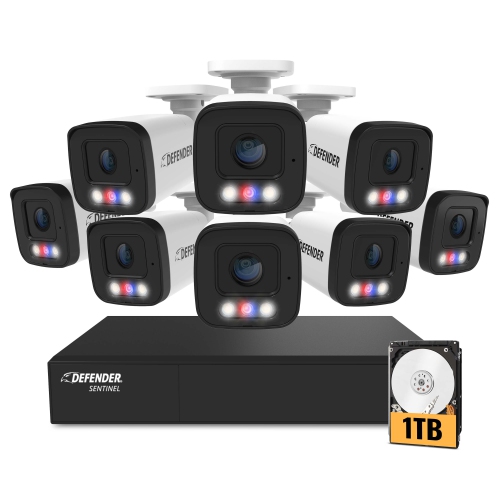 Your price for this item is $899.99
Discover more categories related to Motion Sensing Devices
Top Collections:
Pokemon Centers, Kindle Devices, Best Budget Office Chairs, Apple iPhones 16, Canon G7X Cameras, iPhone 15 Apple, Alarm Clock, Refurbished Apple Laptops, Flip Phones, Best Laptops for Writers
Some products may be subject to Environmental Handling Fees
(EHF) depending on your province.
Learn more about EHFs.