Smart Motion Detectors
Upgrade your home security with smart motion detectors. These cutting-edge devices use advanced technology to detect movement and activity in and around your home, providing you with an extra layer of protection. Whether you're looking to deter potential intruders or simply keep an eye on your property, these smart motion detectors offer a range of features to suit your needs. From customizable sensitivity settings to seamless integration with other smart home devices, you can enjoy peace of mind knowing that your home is always monitored and secure. Explore our selection of smart motion detectors and take the first step towards a safer home today.
Sort
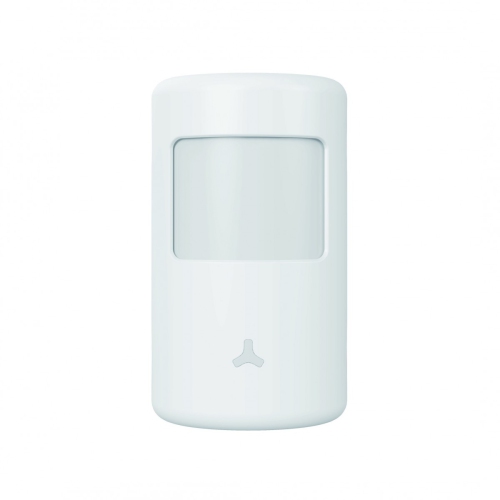
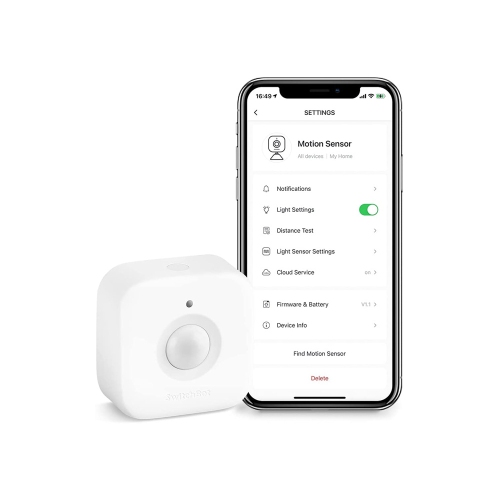
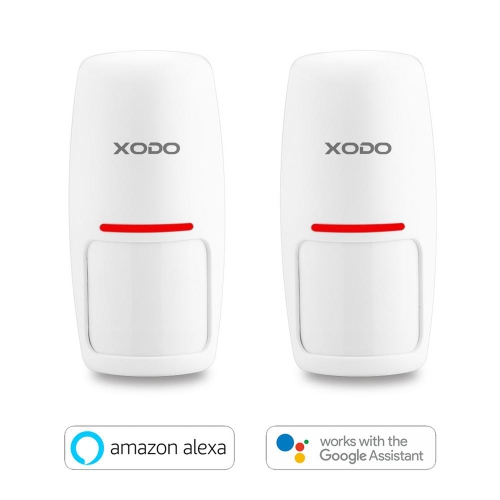
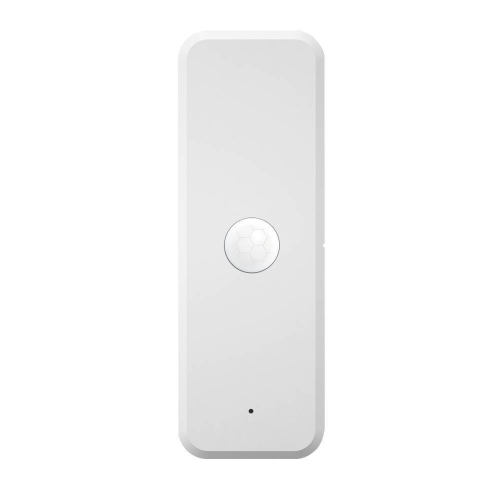
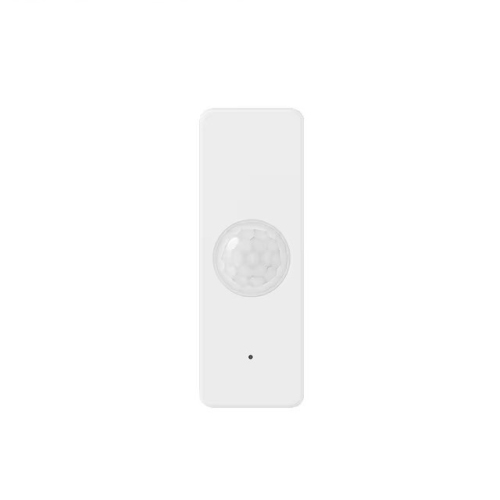
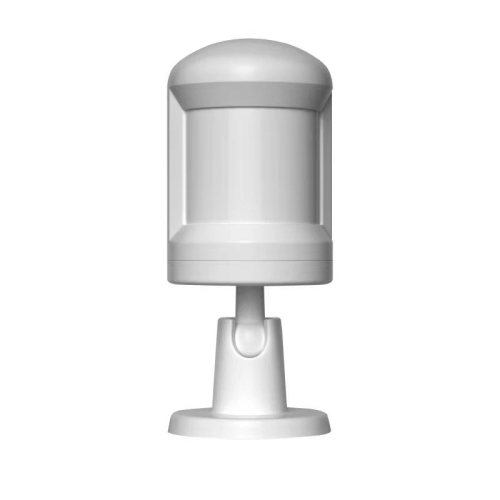
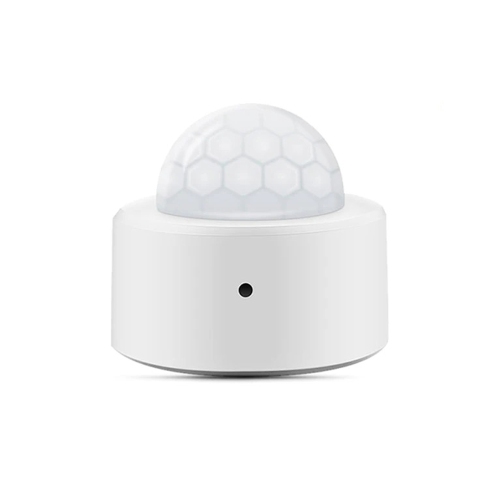
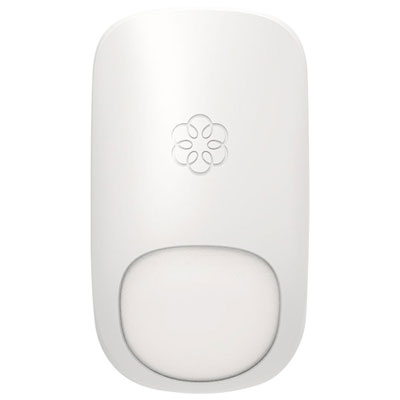
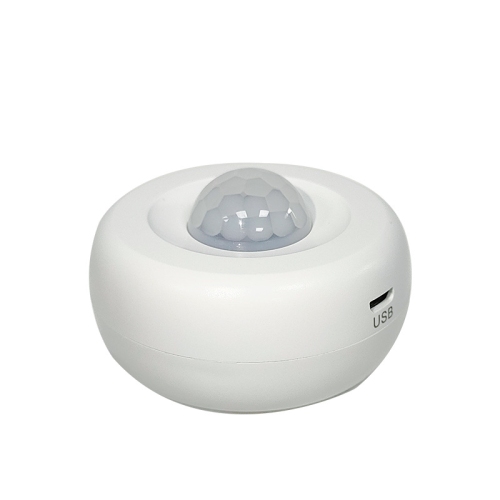
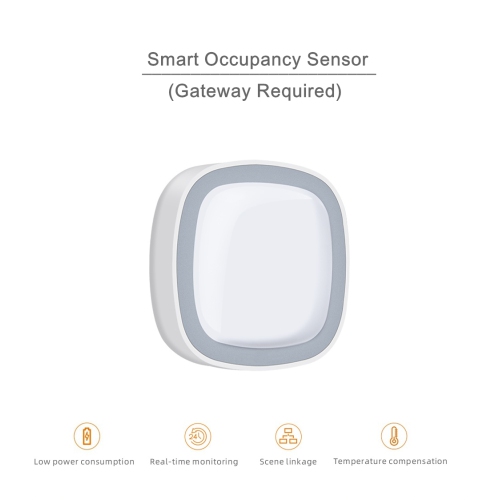
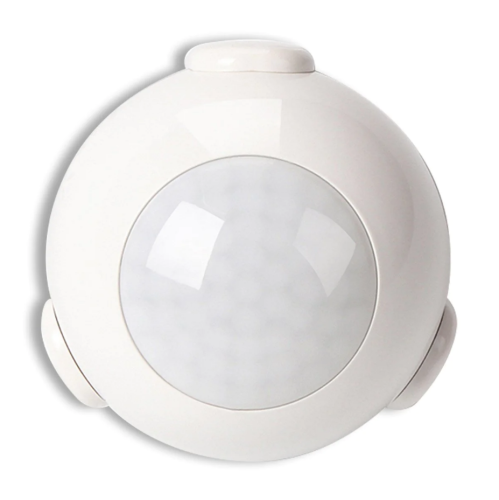
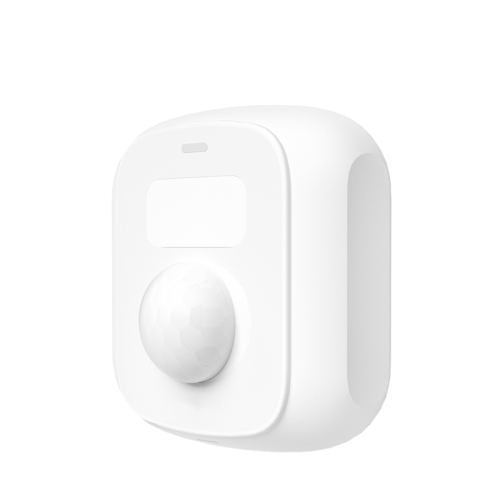
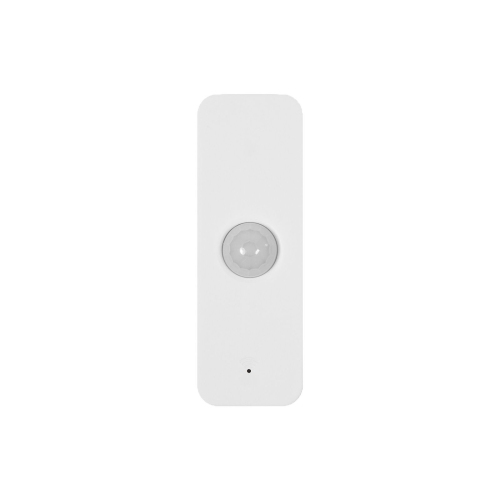
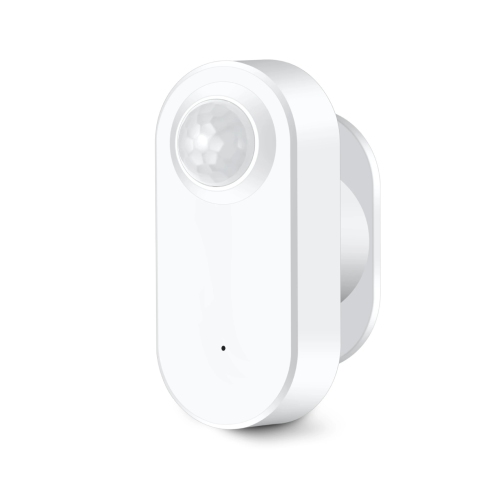
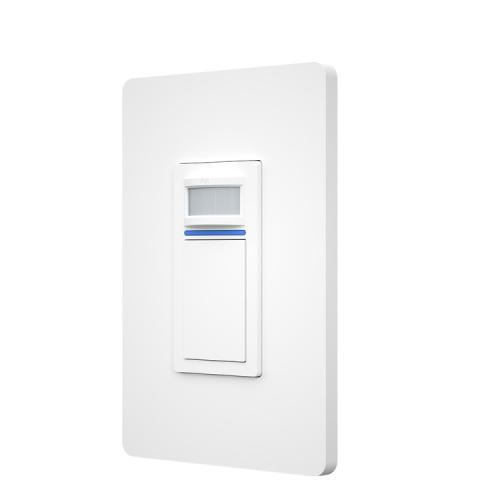
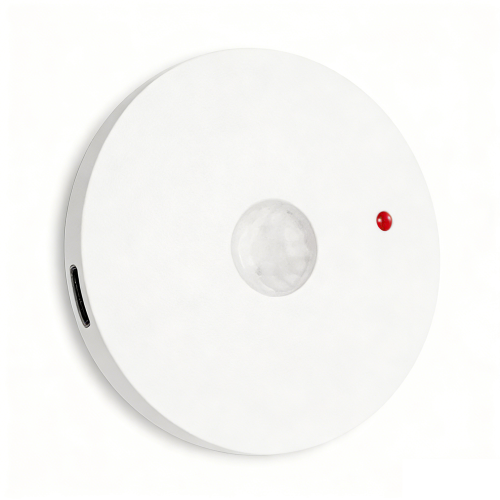
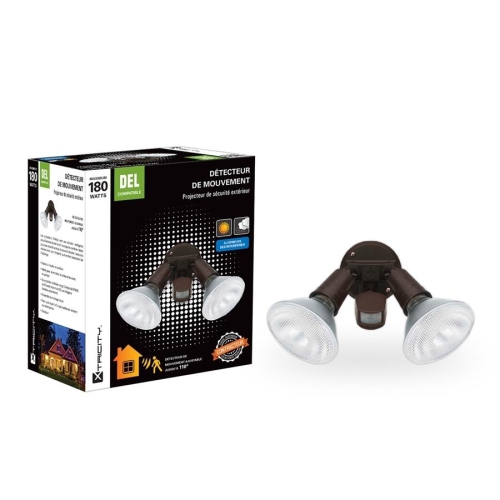

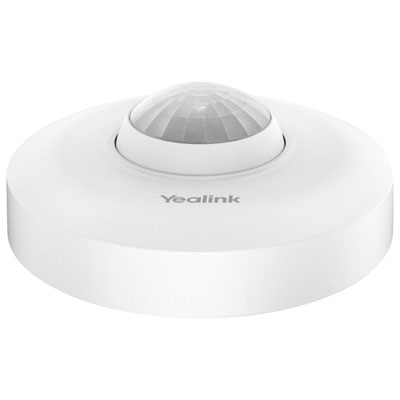
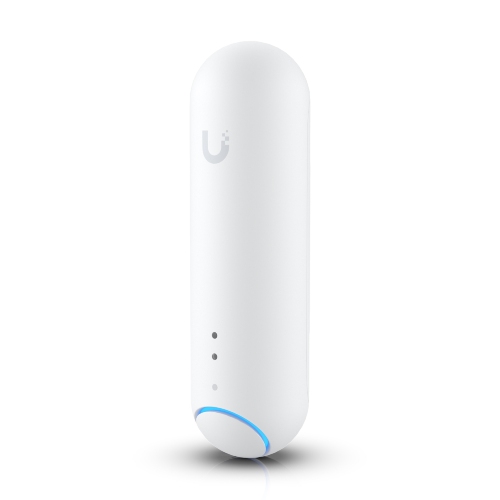
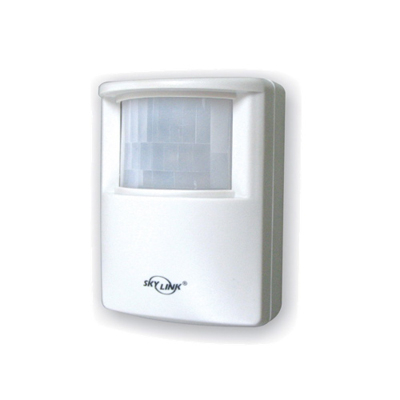
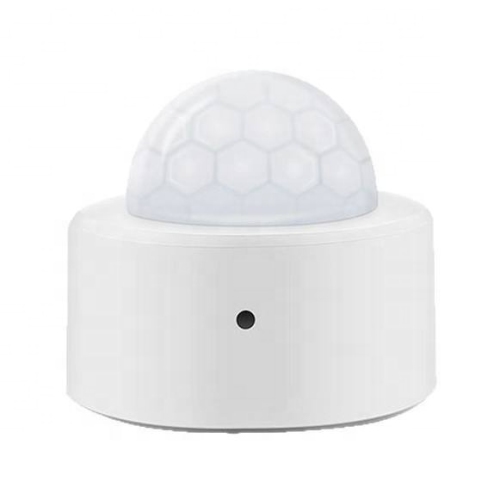
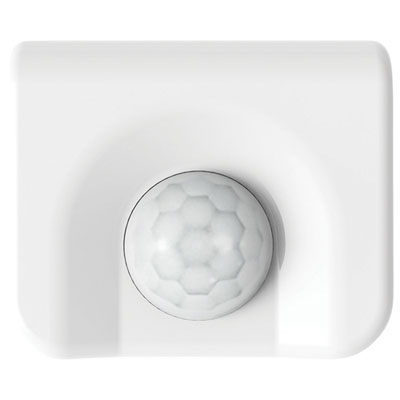
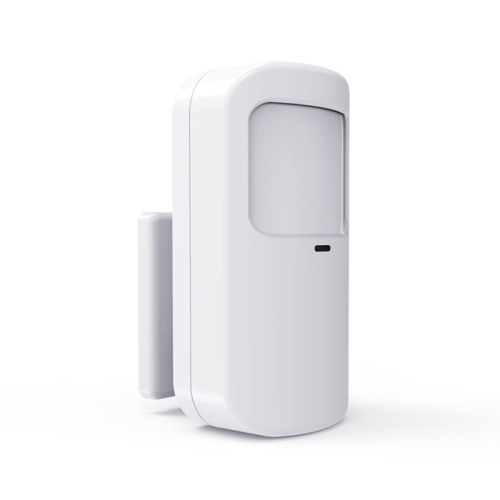
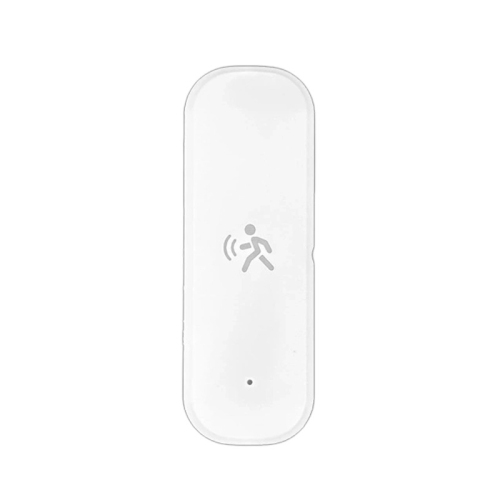
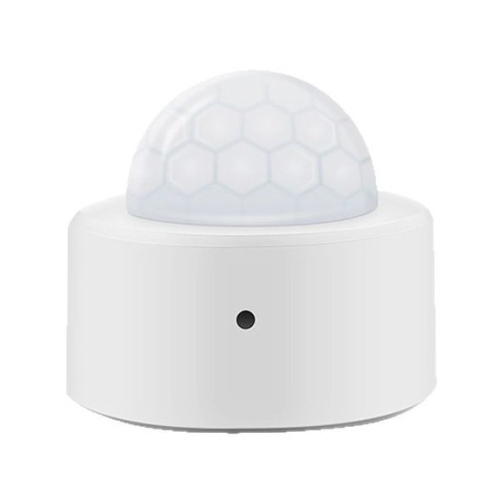
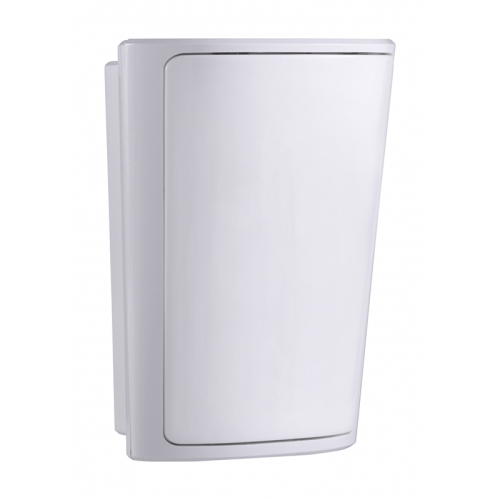

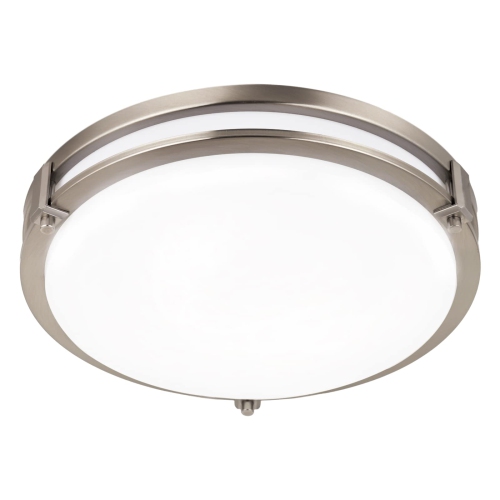
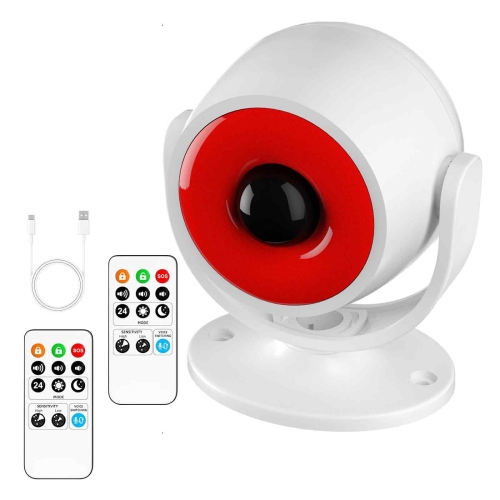
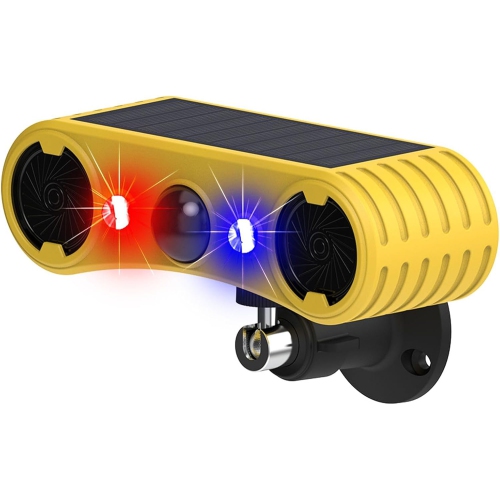
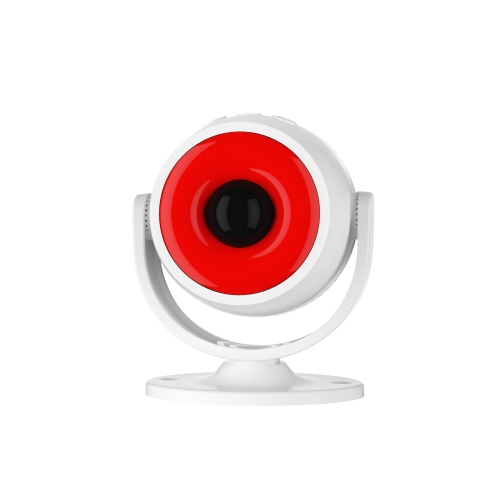
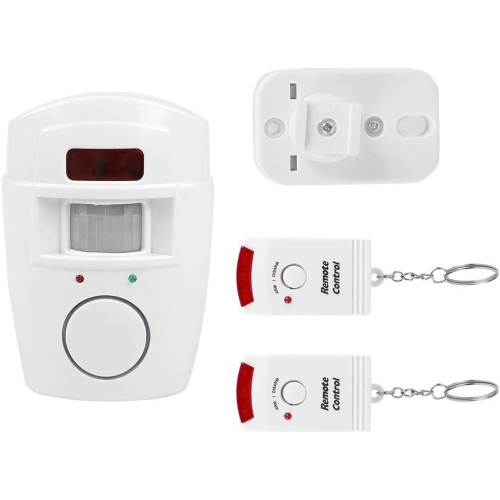

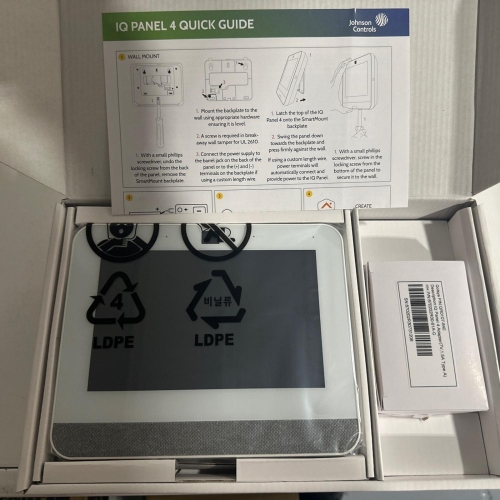
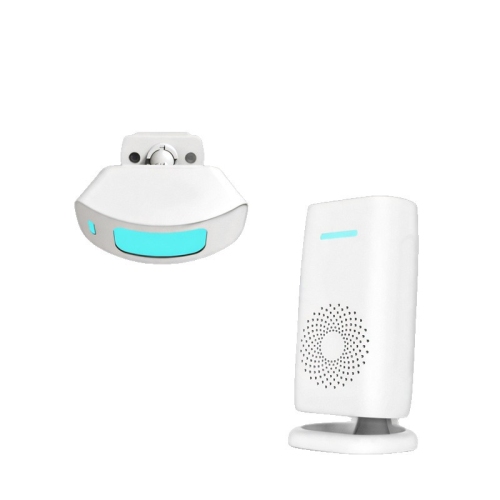
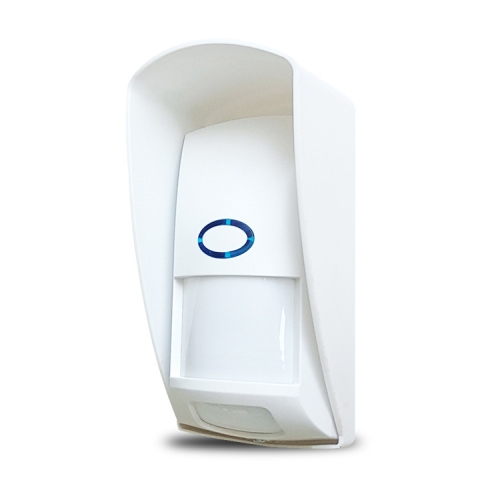
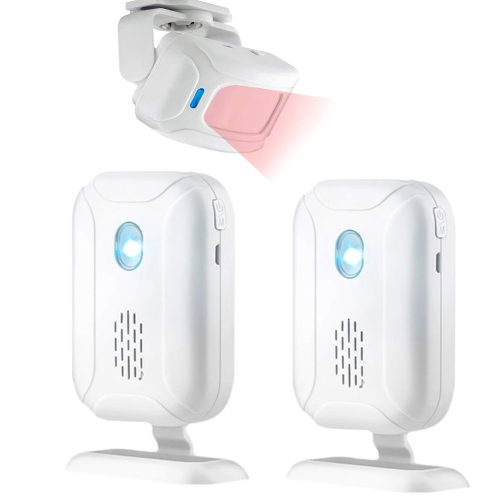
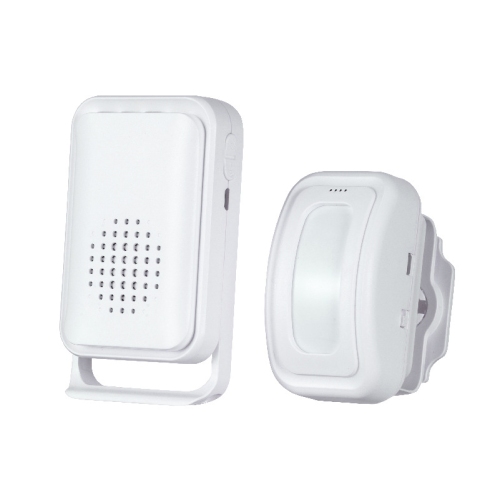
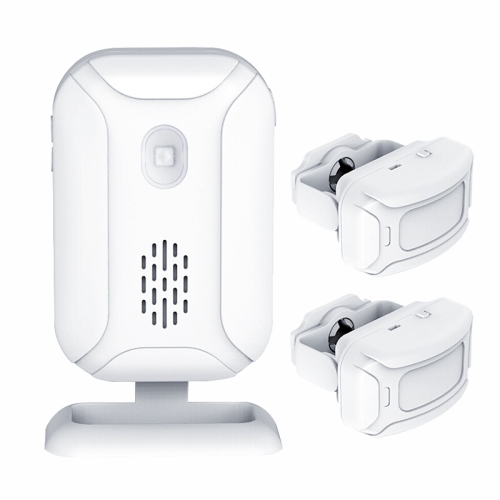
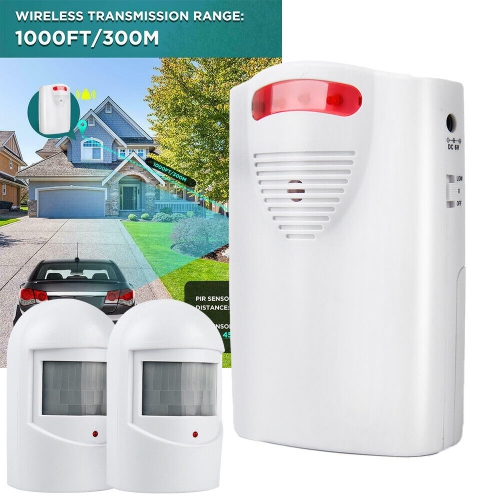
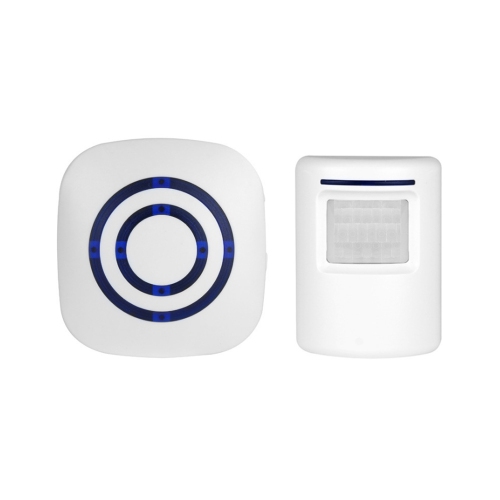
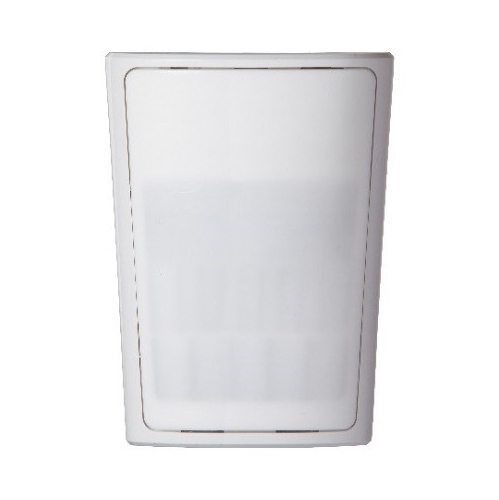
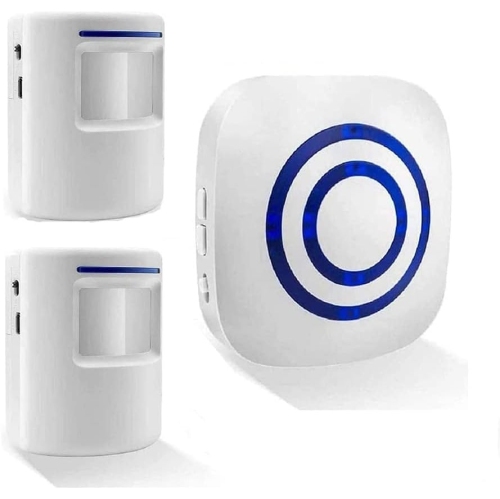
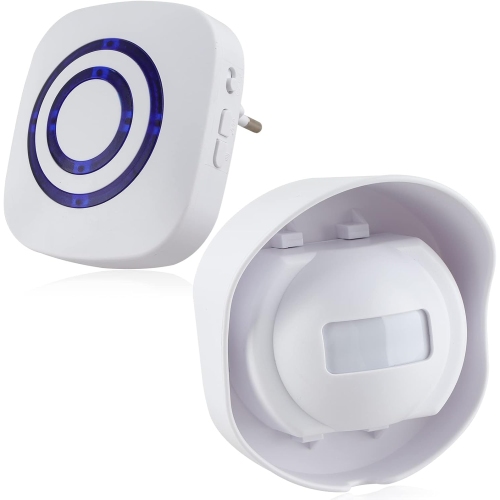
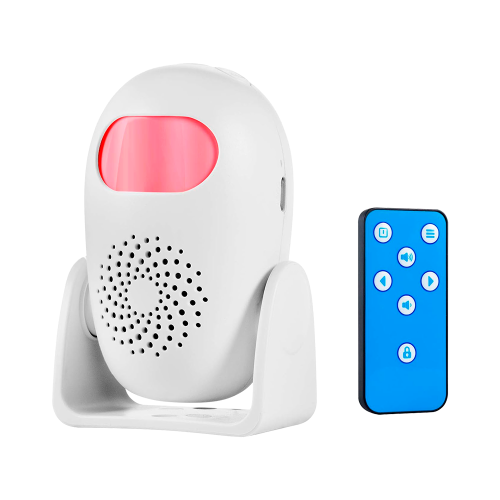
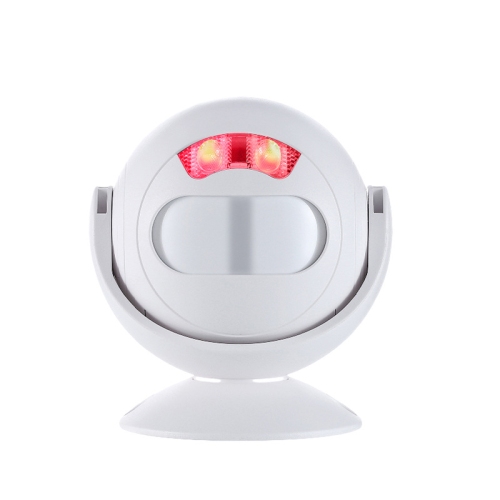
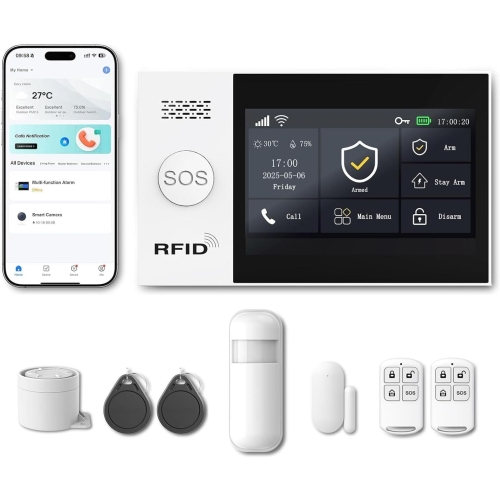
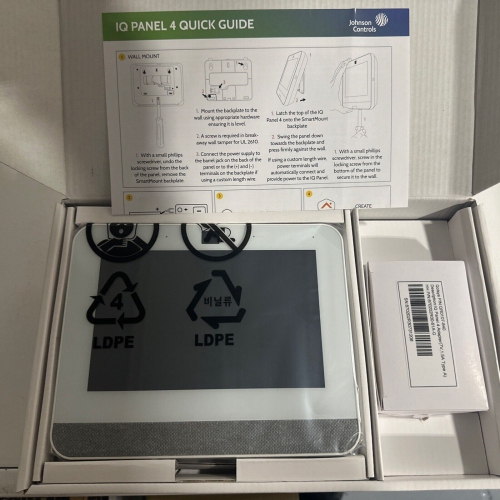
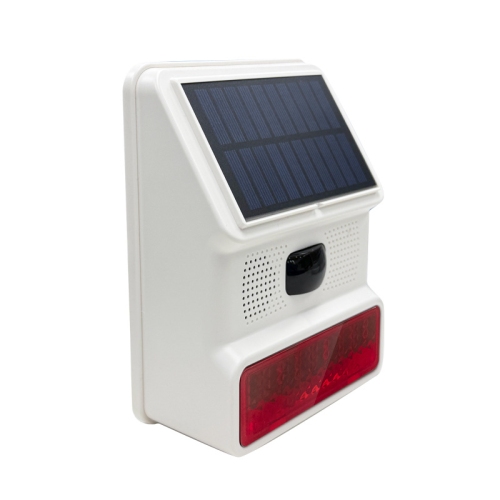
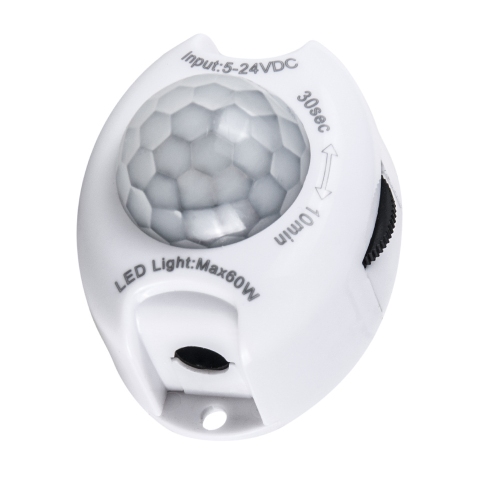
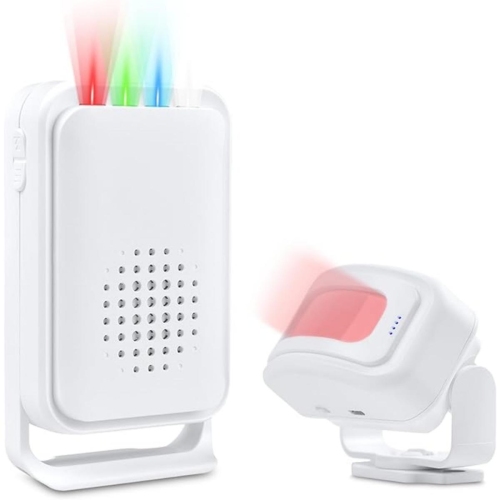
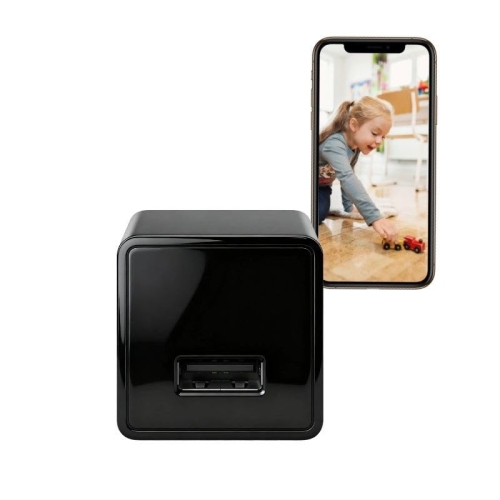
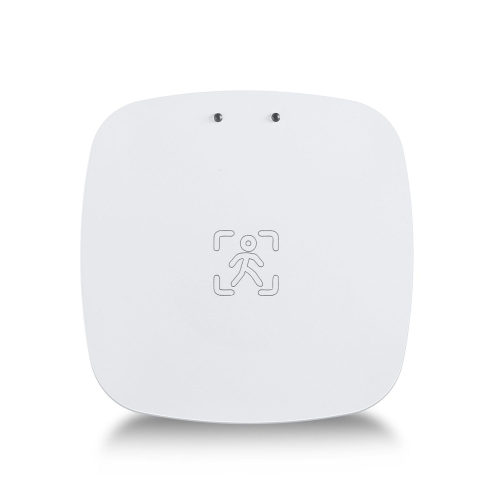
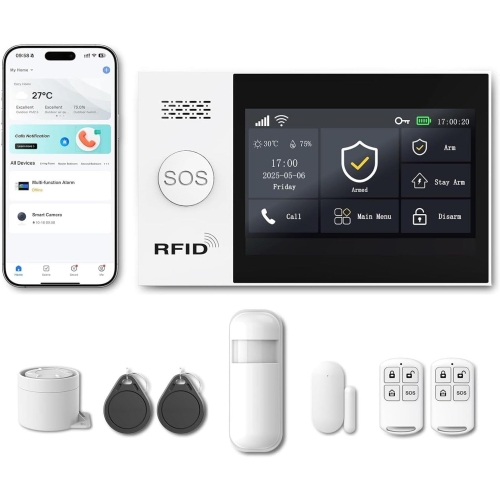
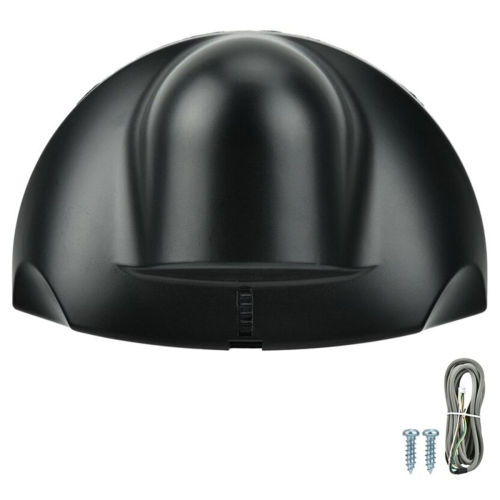
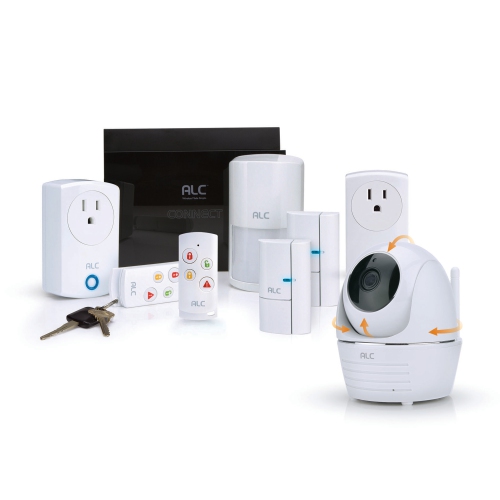
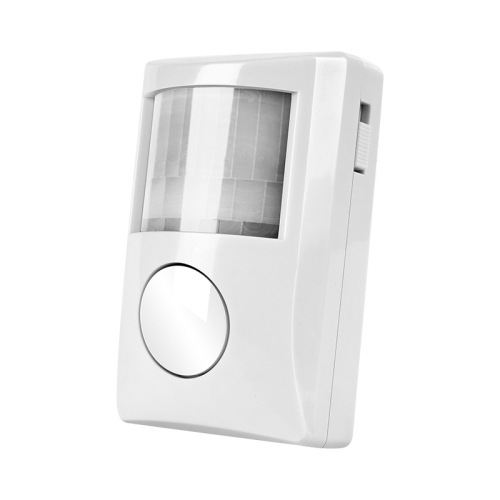
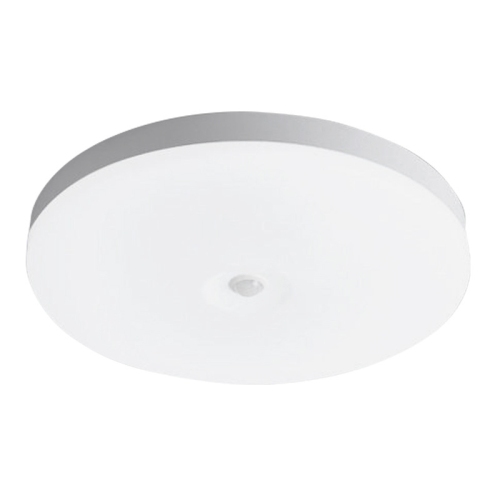
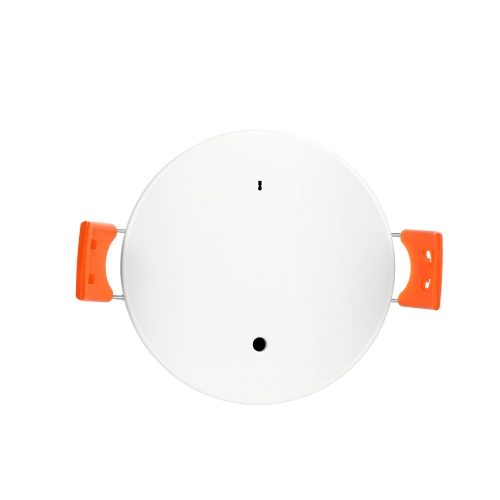
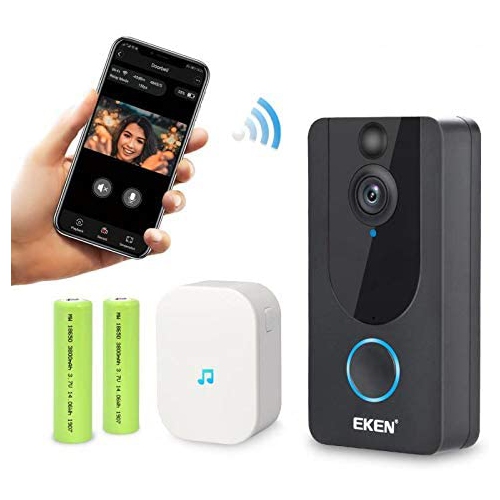
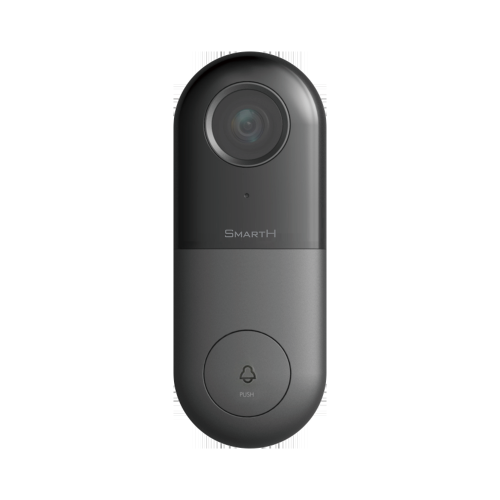
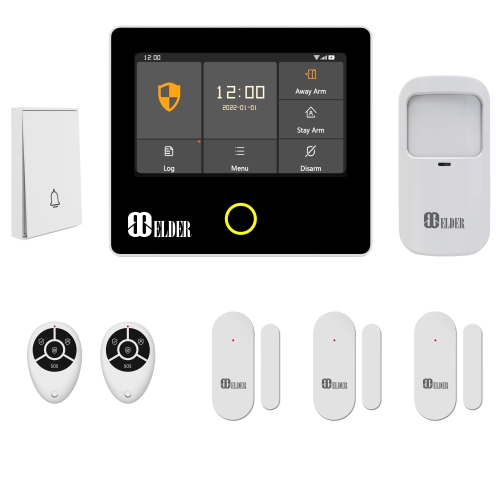
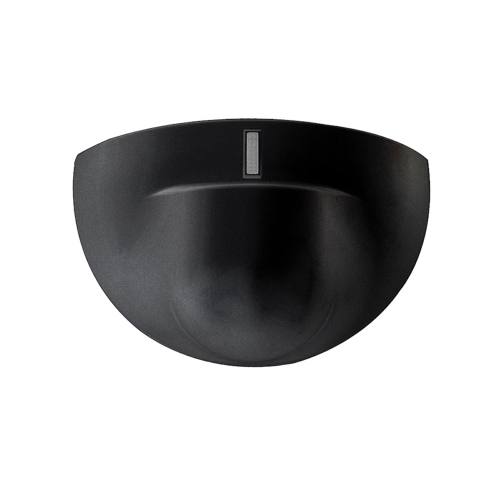
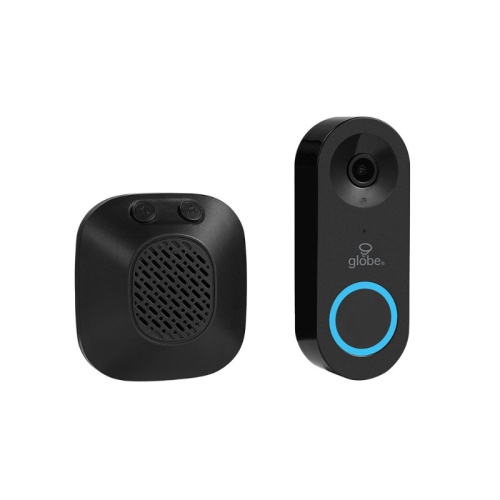
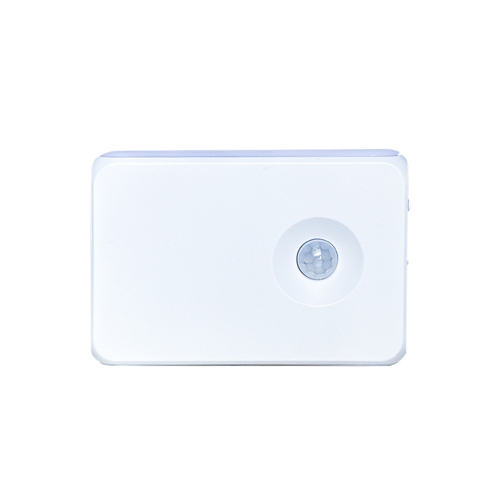
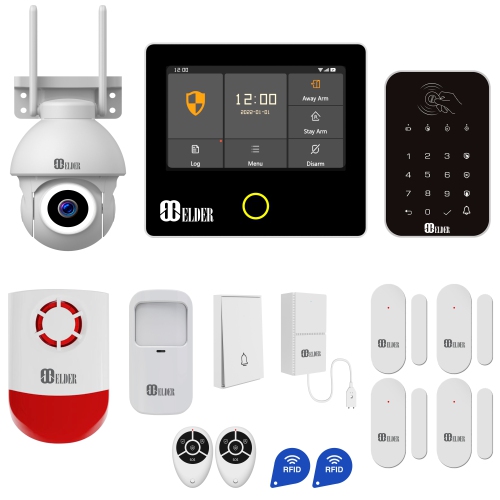
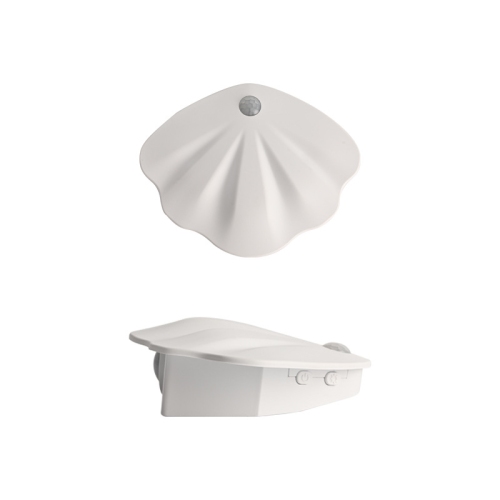
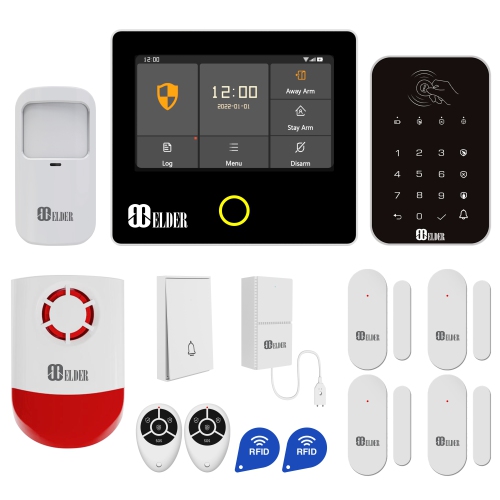
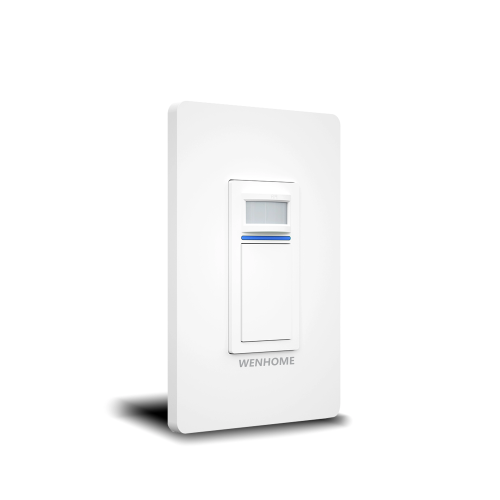
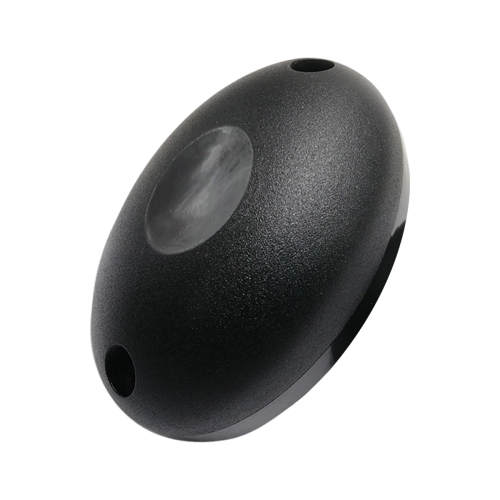
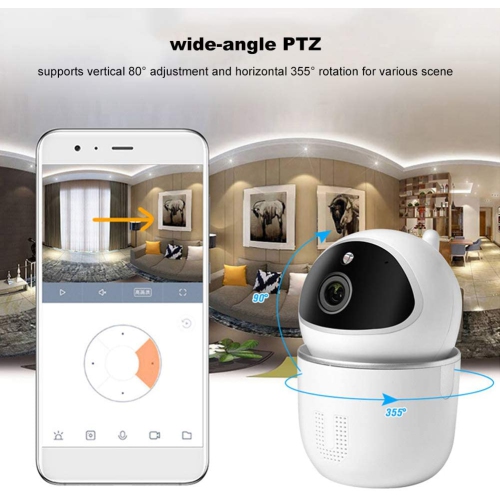
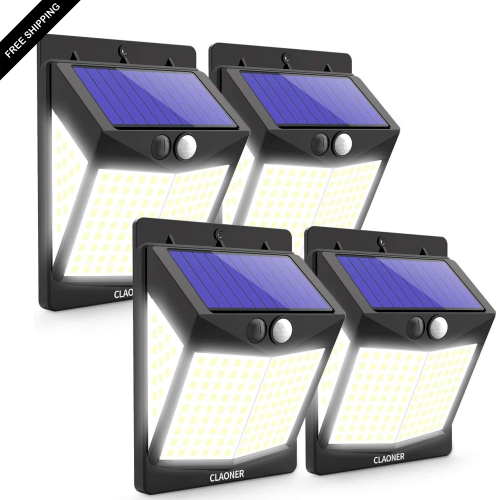
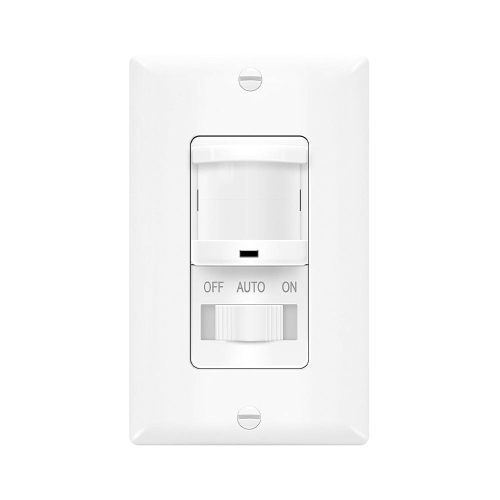
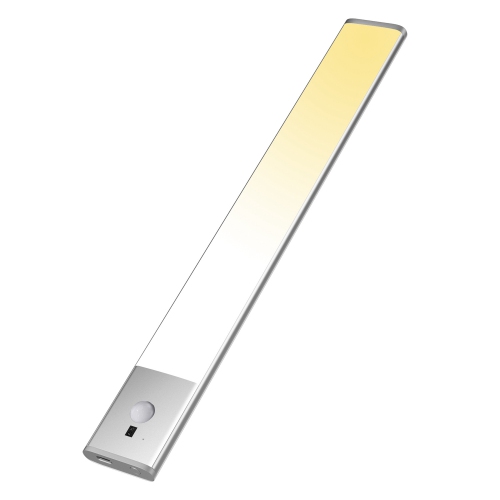
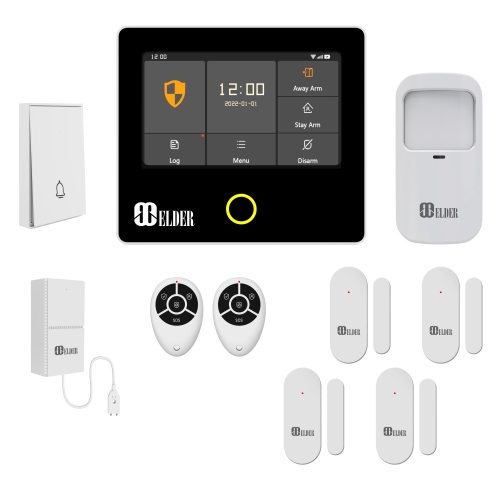
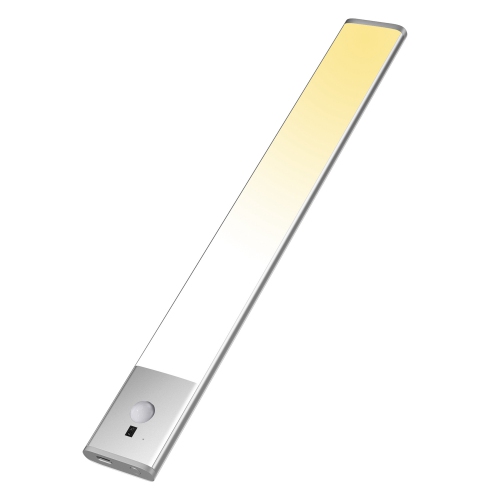
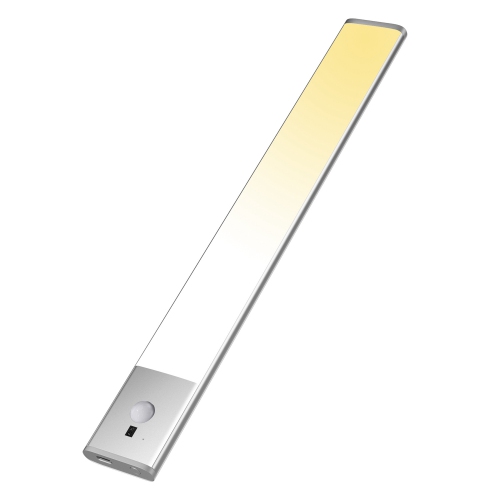

How movement triggers lights and useful home alerts
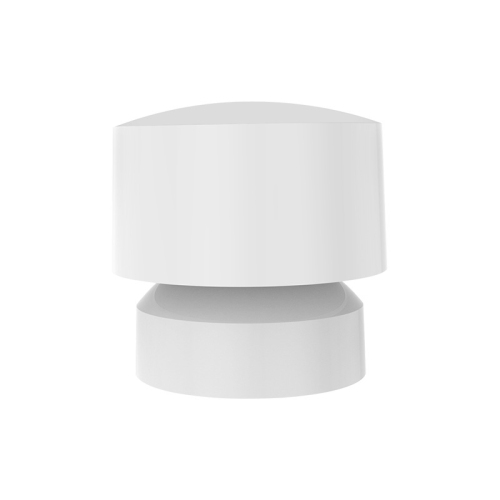
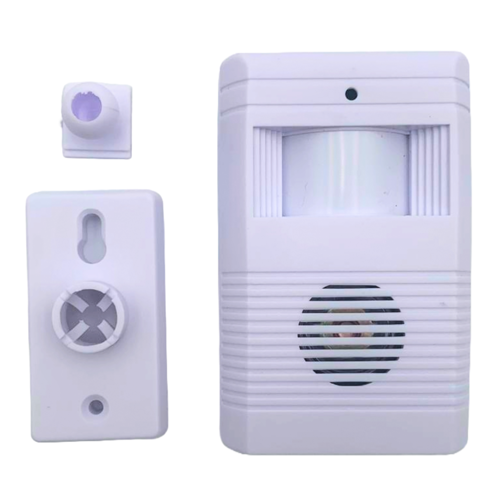
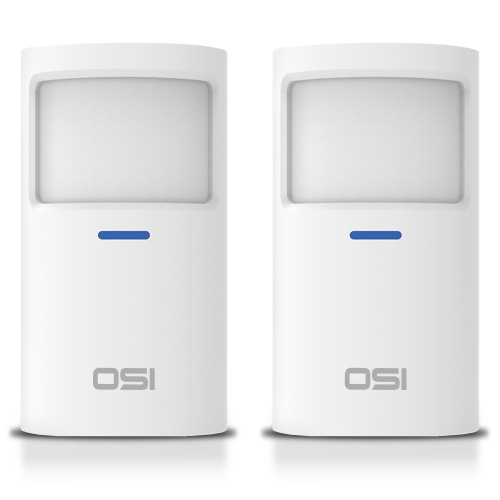
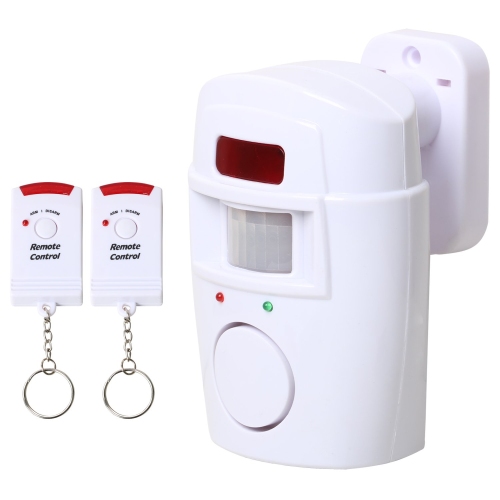
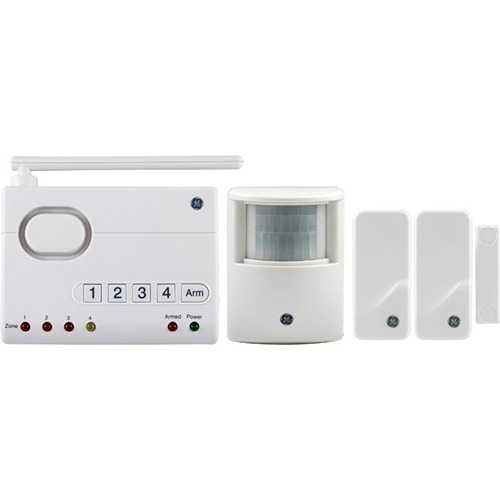
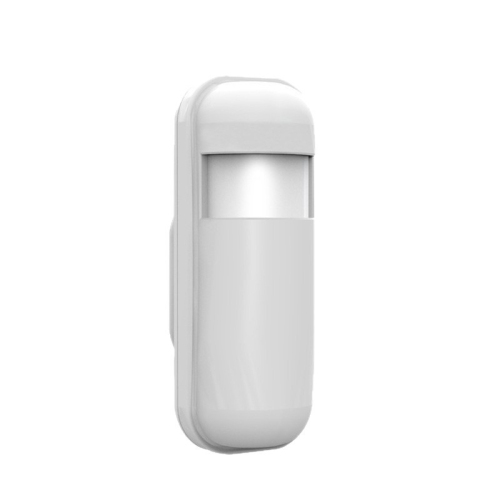
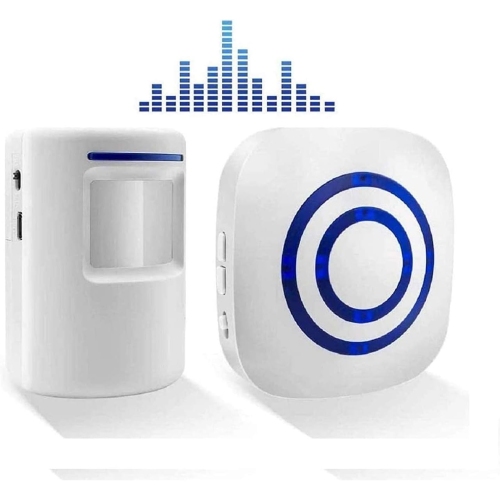
Smart motion detectors sense movement and pass that information to a compatible smart home system, which can switch on lights, send a phone notification, or trigger another connected action. They bring everyday convenience to spaces where reaching for a switch is awkward, such as a hallway entered with full grocery bags or a laundry room approached with a basket in both hands. They can also support home security by reporting activity in an entrance, basement, or other area where movement may be unexpected. The most useful distinction is between detecting someone moving through a room and detecting someone who remains in it. Many motion detectors use passive infrared, or PIR, technology to sense changes in infrared energy as a person crosses the detection area. This suits walk-through spaces and many security applications, but it may not register someone sitting quietly at a desk. Radar-based presence sensors can detect smaller movements, making them another option for rooms where lights need to remain on during reading or computer work. Their performance still depends on placement, settings, and room layout; no sensing technology guarantees perfect detection in every situation. Detection range describes how far a sensor can register movement, while its viewing angle describes how widely it covers a space. A broad angle can suit an open living area, whereas a narrower detection zone may be easier to manage near a doorway. Adjustable sensitivity and configurable delays help shape how the system responds. For example, a hallway light might turn on promptly when movement begins and remain lit briefly after the hallway is empty. In a living room, a longer delay can make more sense. Features such as light-level sensing can also allow an automation to respond only when the room is dim, provided the detector and connected system support that condition. These differences help distinguish a simple movement alert from a setup that fits comfortably into daily routines.
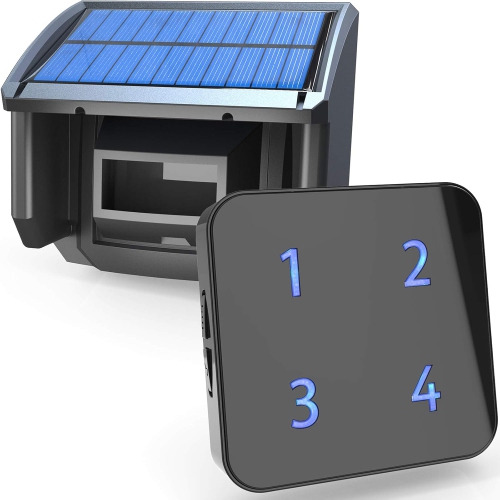
Compatibility determines what a smart motion detector can actually do within a connected home. Some detectors communicate over Wi-Fi, while others use protocols such as Zigbee, Z-Wave, or Thread and need compatible supporting hardware. A hub, bridge, or Thread border router may be required, depending on the connection type and system. Matter support can help devices work across compatible platforms, but it does not mean that every feature or setting will appear in every app. The important details include whether motion status is shared, which automation triggers are supported, and whether sensitivity or timeout controls remain accessible. A detector that works within a security system may not automatically control unrelated smart lighting, even when both can be managed from a phone. For homes that need flexible placement without a signal cable, Wireless Motion Detectors include options that communicate wirelessly, though power requirements still vary. Battery-powered designs can be convenient on a shelf or wall, while powered designs need a suitable outlet or electrical connection. Battery life depends on the detector, frequency of activity, reporting settings, and signal quality rather than a single expectation that applies across the category. Connection strength matters, too: walls, distance, and the placement of supporting equipment can affect reliability. Local automation support is worth distinguishing from remote access. Some actions can run through a compatible local controller, while phone notifications or control away from home may require an internet connection and an associated service. Privacy considerations include what activity history is retained, where it is processed, and who can access it. Motion detection alone does not require video recording, although a detector may be linked to a separate camera through an automation. For shared households, permissions and notification settings can keep routine movement from becoming a stream of unnecessary alerts while preserving useful updates when the home is unoccupied.
The physical design of a smart motion detector affects how easily it fits into a room and how well it continues to perform. Compact housings can sit discreetly among everyday furnishings, while wall brackets and angled mounts offer more control over the detection area. Plastic housings are common, but the quality of the bracket, battery cover, and mounting hardware also matters when a detector will be adjusted or serviced regularly. Adhesive mounting can suit some rental spaces, provided the surface and mounting method are appropriate; screw-mounted brackets generally offer a more secure attachment where drilling is permitted. A removable sensor body makes battery changes easier without disturbing its aim. Placement should match the manufacturer's specified height and orientation, with a clear view of the intended detection zone. Tall furniture, open doors, curtains, and shelving can block coverage, while nearby heat sources or moving objects may contribute to unwanted triggers with some technologies. Radar-based sensors can respond beyond the intended area in certain layouts, so detection boundaries deserve attention in rooms beside busy corridors. Pet-related features also vary. A detector described as pet-tolerant is not guaranteed to ignore every animal, particularly when a pet climbs onto furniture or moves close to the sensor. Homes with pets benefit from suitable positioning and realistic expectations about how the detection zone is used. Indoor and outdoor ratings are not interchangeable; a detector intended for an entrance inside the home should not be assumed suitable for an exposed exterior location. Routine care is generally straightforward: keep the sensing surface clear of dust, follow the manufacturer's cleaning directions, and avoid coatings or cleaners that could affect the lens or housing. Occasional checks after moving furniture or changing a battery help confirm that alerts and lighting actions still work as intended. For households adding connected lighting, simplifying frequently used spaces, or expanding a compatible security setup, smart motion detectors offer practical, unobtrusive control. Their value comes from matching sensing technology, connectivity, and placement to the activity in each room, rather than treating every doorway or living space alike.
Top selling and popular products
-
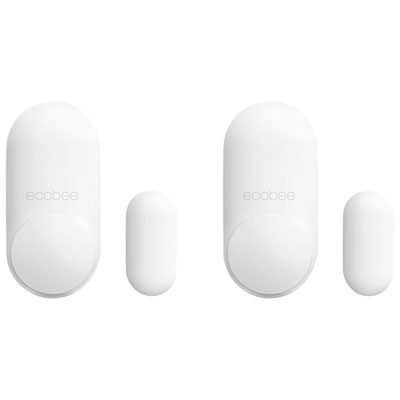 Your price for this item is $79.99
-
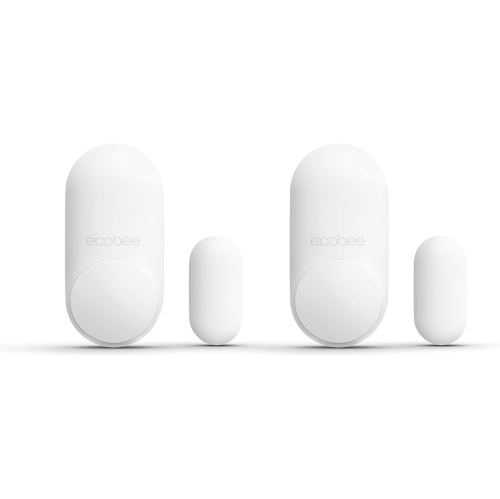 Your price for this item is $99.99
-
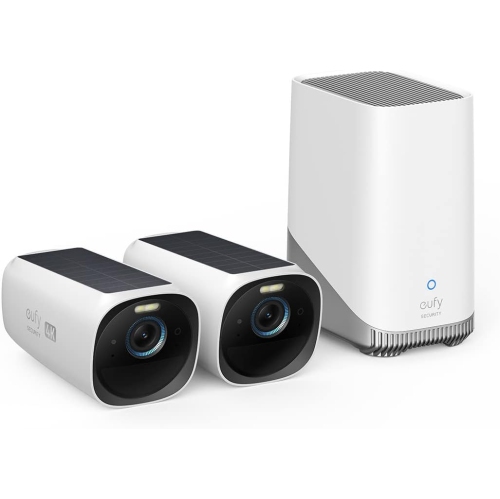 Your price for this item is $699.99
-
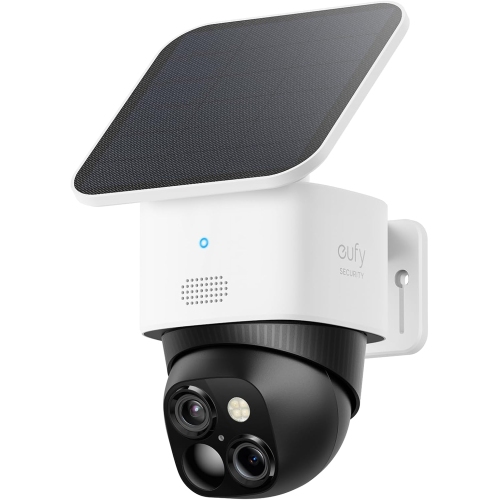 Your price for this item is $259.99
-
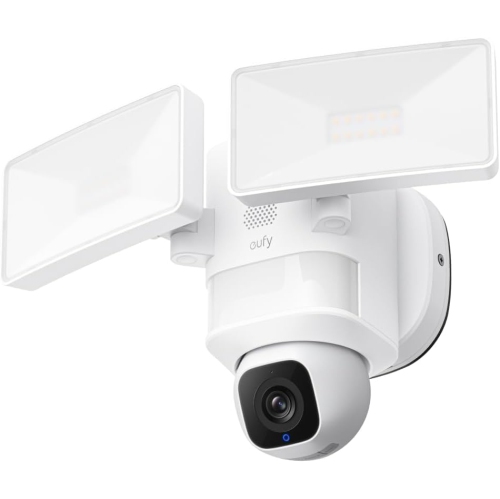 Your price for this item is $229.99
-
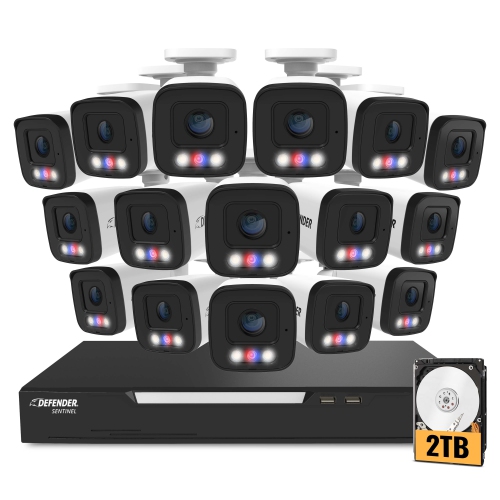 Your price for this item is $1159.99
-
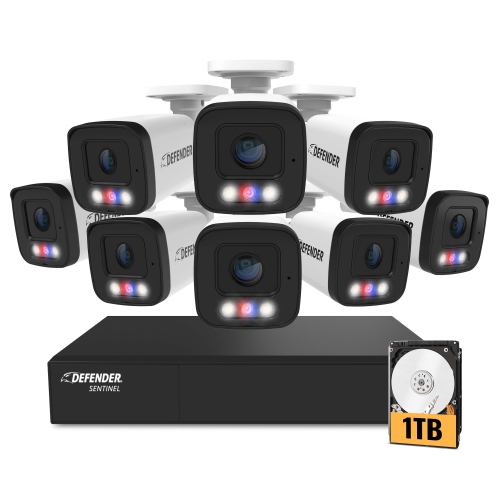 Your price for this item is $549.99
-
 Your price for this item is $222
Discover more categories related to Smart Motion Detectors
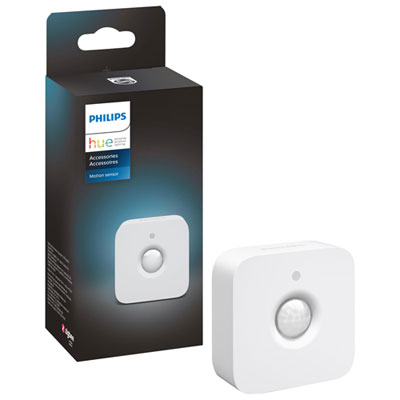
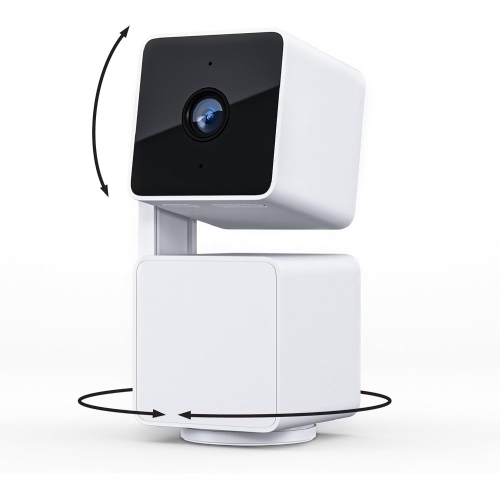
Top Collections:
Best Black Friday Deals This Year, Best Black Friday Deals On Electronics, Kindle Devices, Pokemon Centers, Best Black Friday Deals On Apple Products, Best Cameras for Sports Photography, Dyson Airwrap, Pokémon 30th Celebration Cards, Apple iPhone 17 Pro, Canon G7X Cameras
Some products may be subject to Environmental Handling Fees
(EHF) depending on your province.
Learn more about EHFs.