LTE Security Cameras
Upgrade your home security with LTE security cameras. Designed to provide reliable and fast connectivity, these advanced surveillance systems offer peace of mind and convenience. Whether you're monitoring your property remotely or keeping an eye on loved ones, LTE security cameras ensure crystal-clear video footage and real-time alerts, so you can stay informed and in control no matter where you are. With their cutting-edge technology and easy installation, these cameras are the perfect addition to almost any smart home setup.
Sort
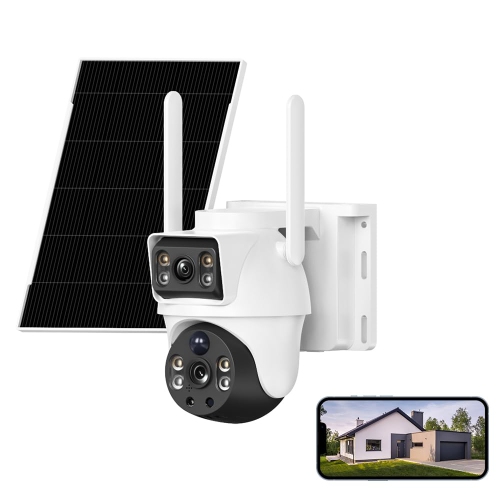
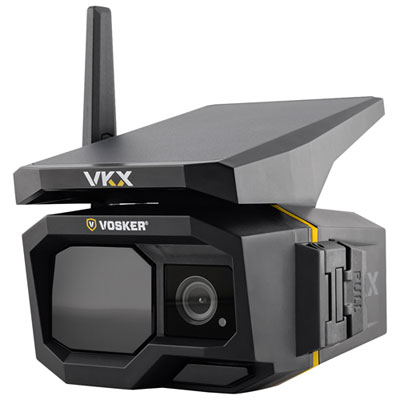
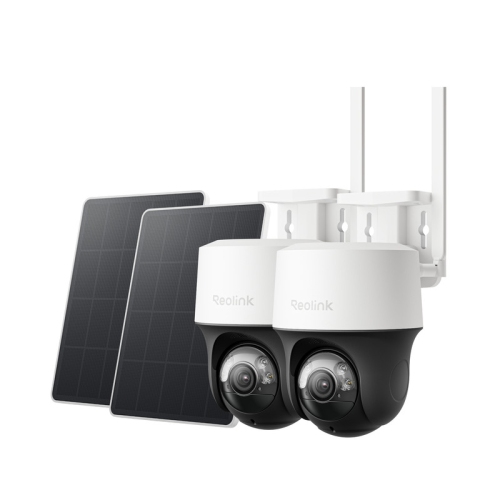
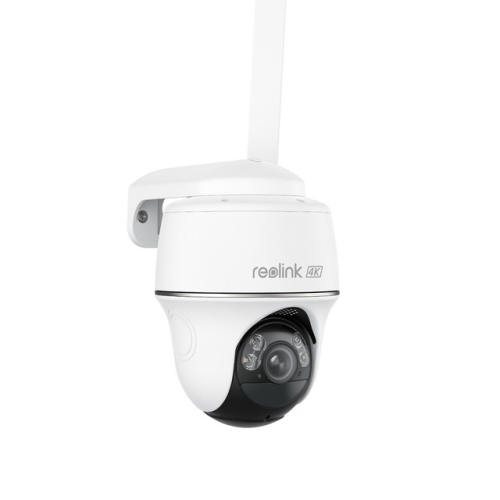
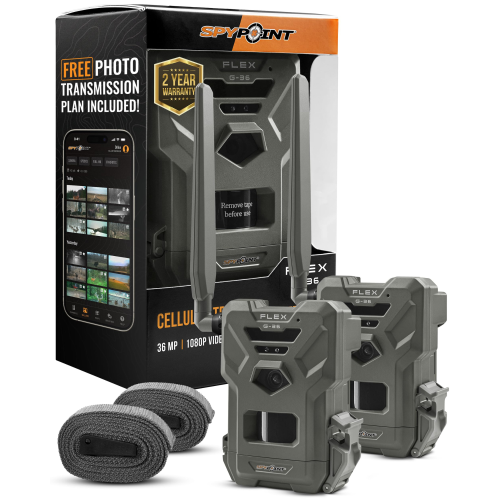
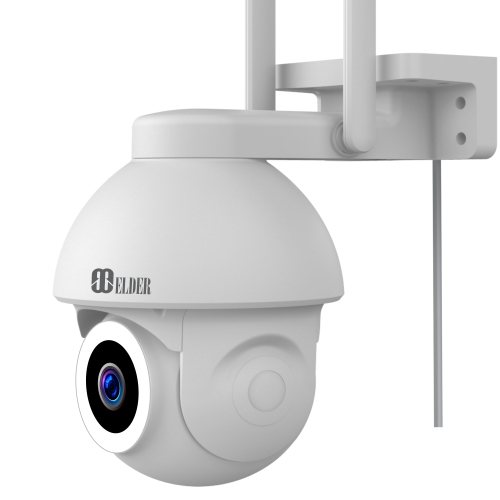
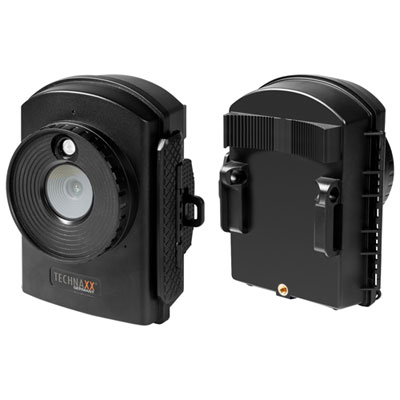
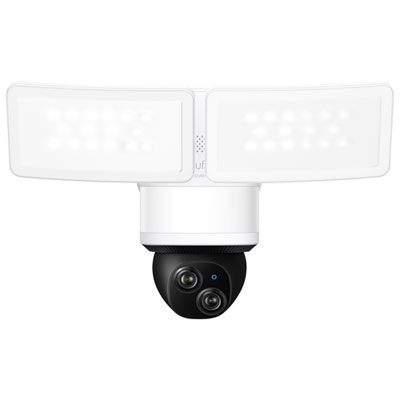
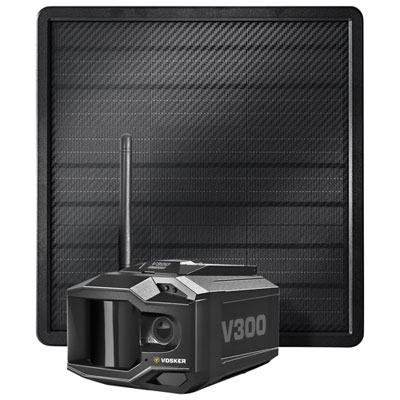
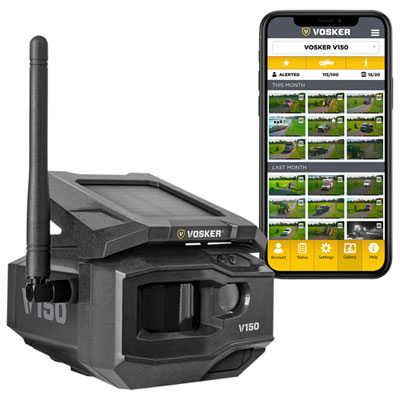
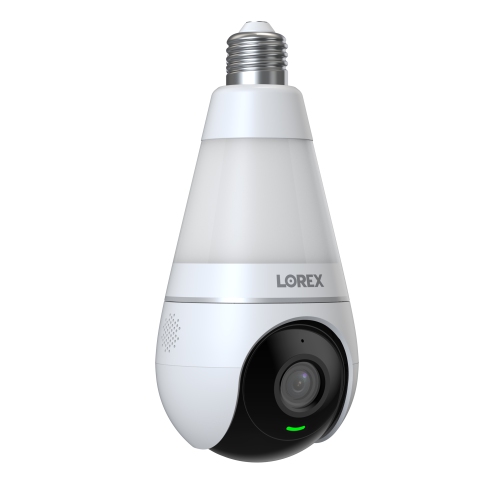
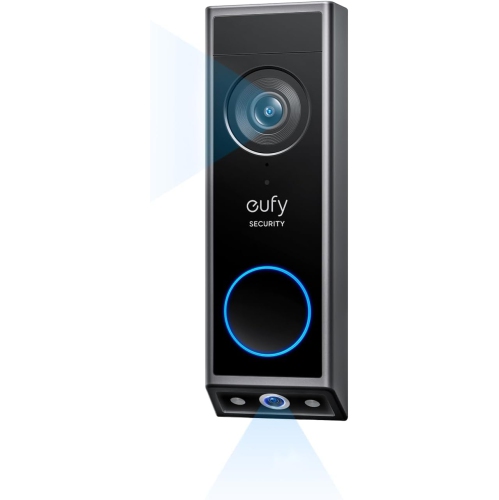
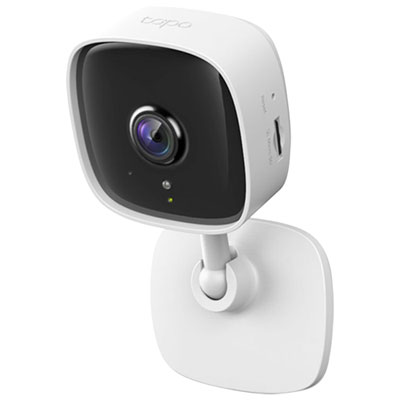
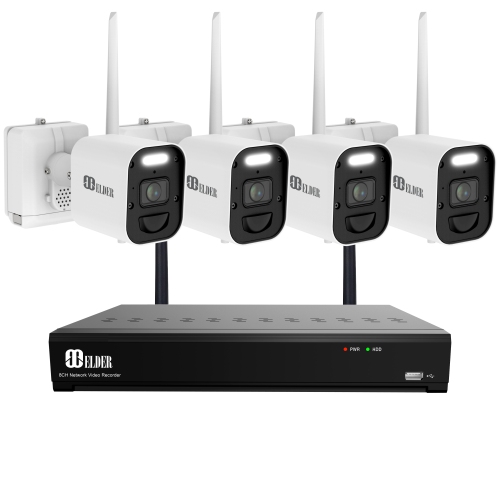
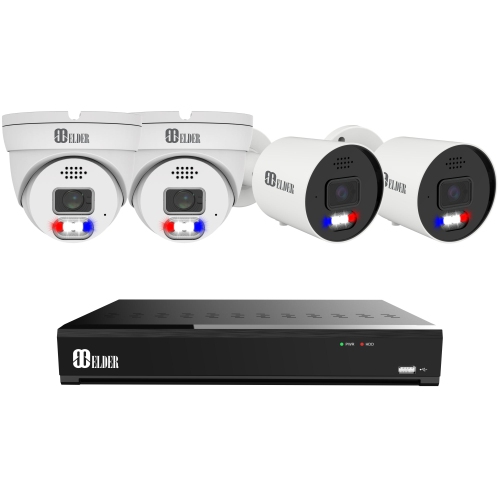
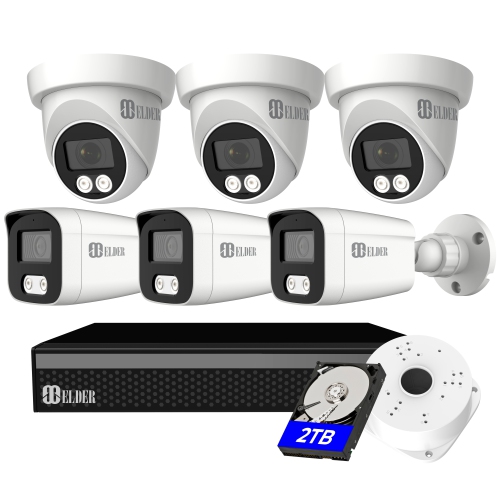
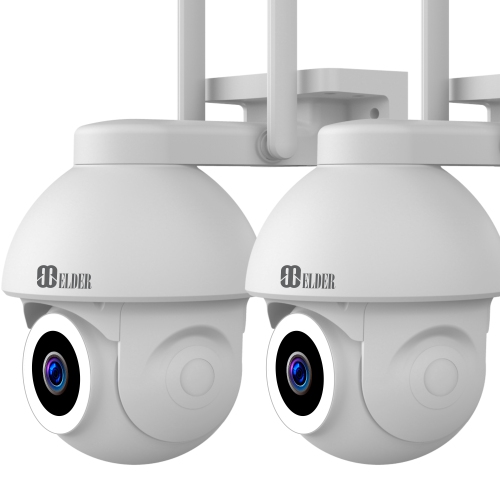
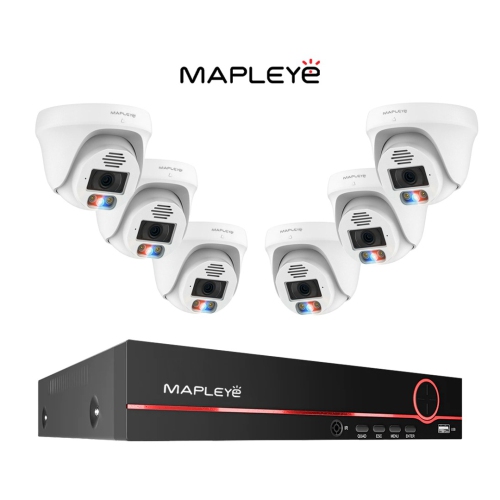
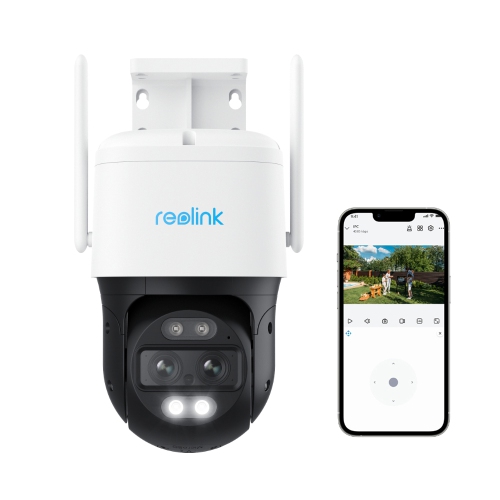
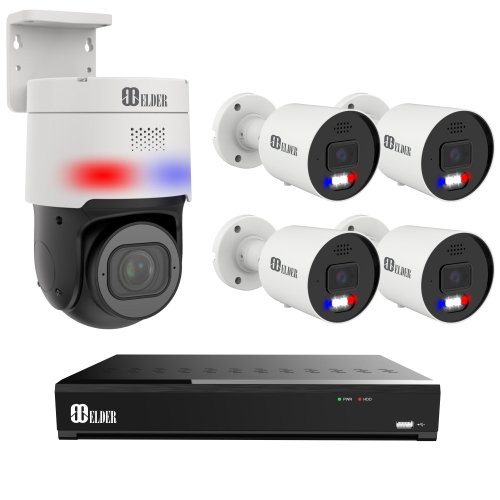
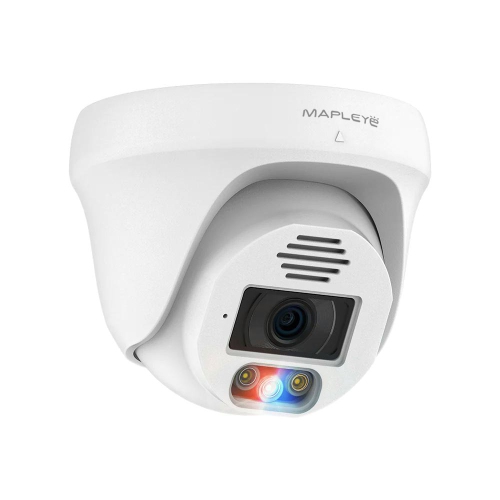
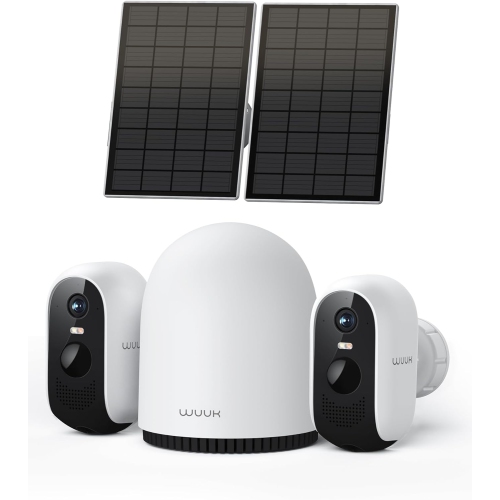
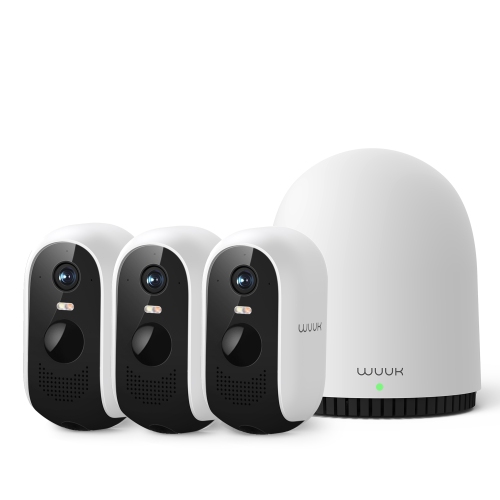
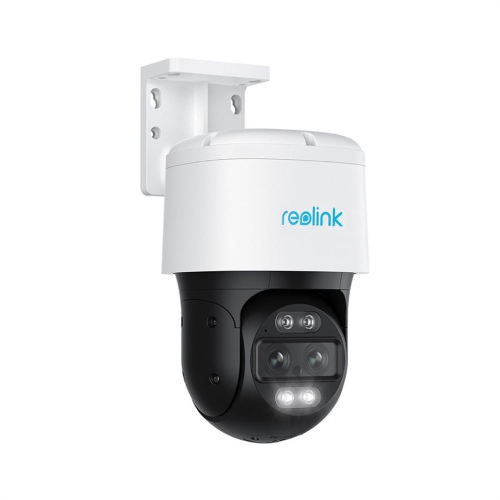
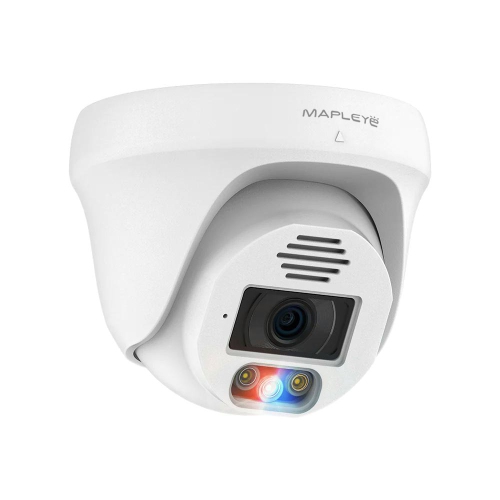
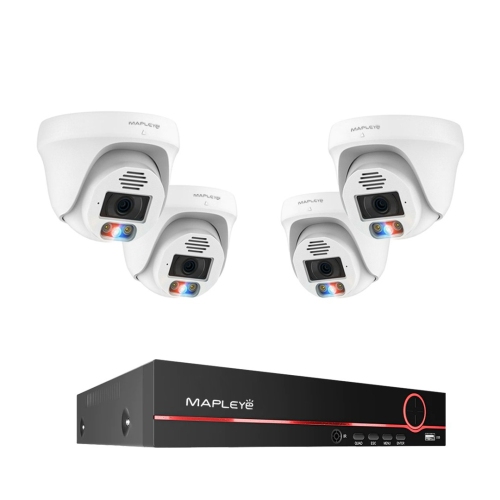
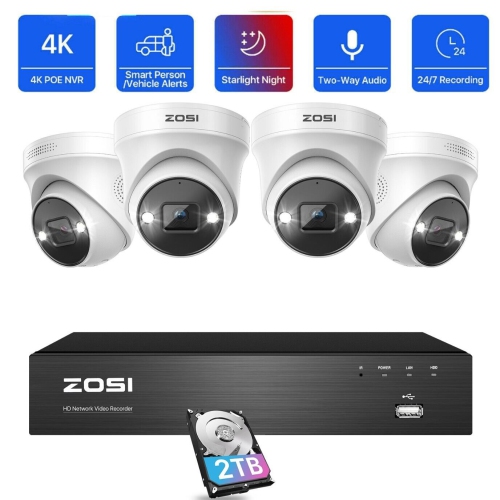
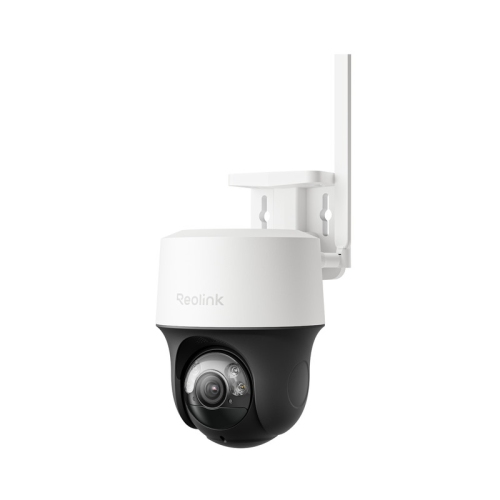
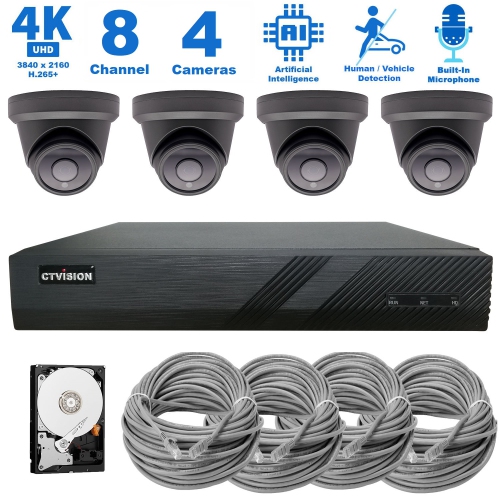
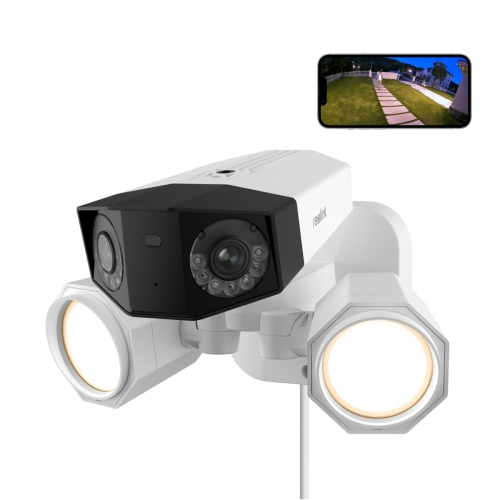
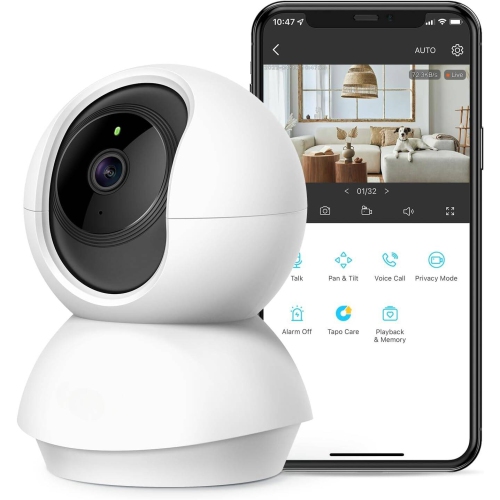
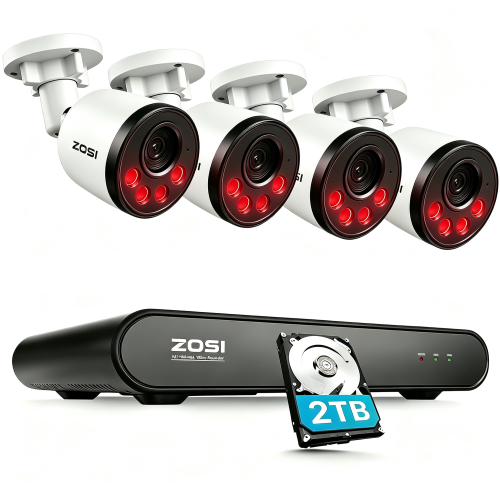
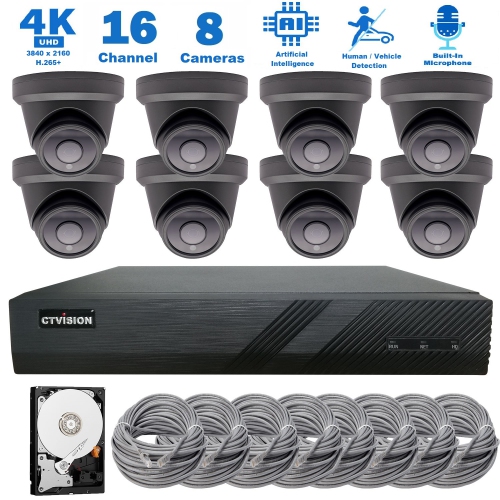
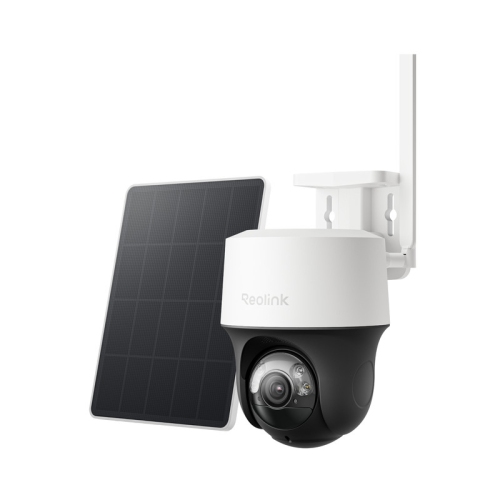
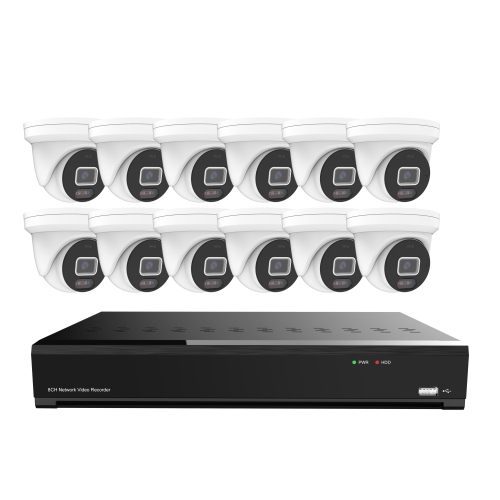
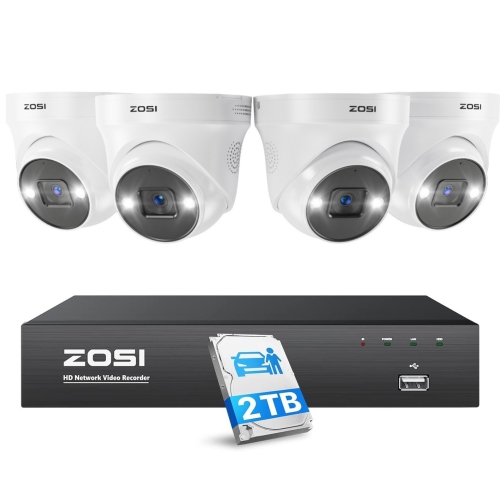
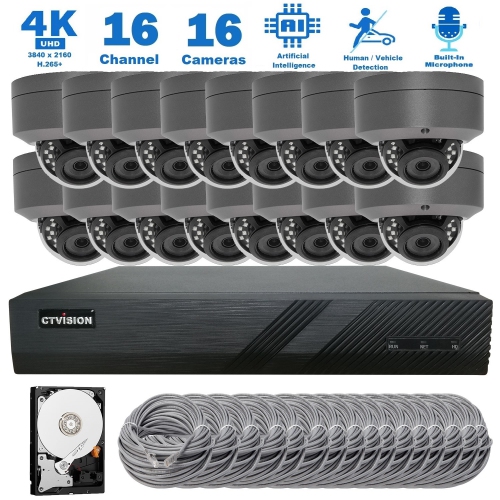
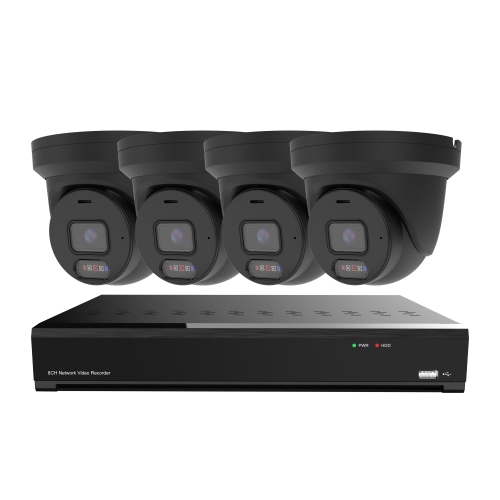
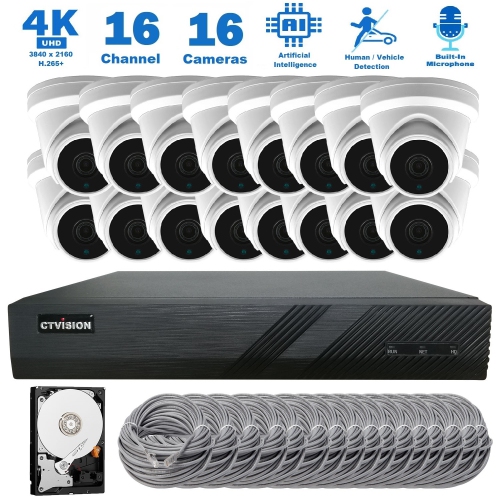
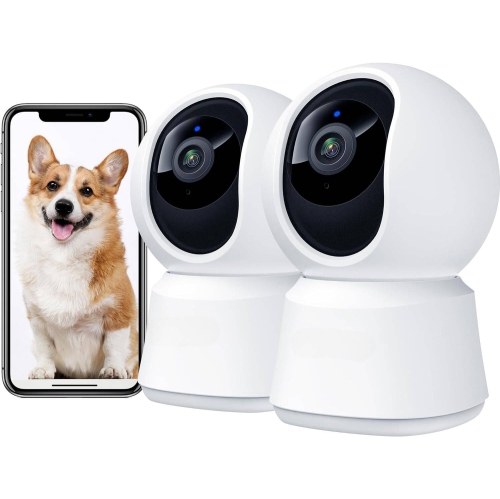

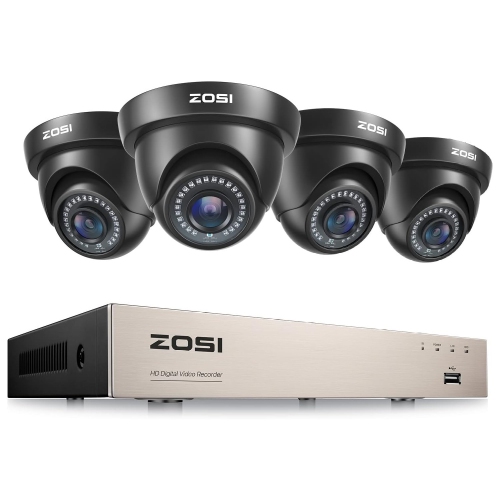
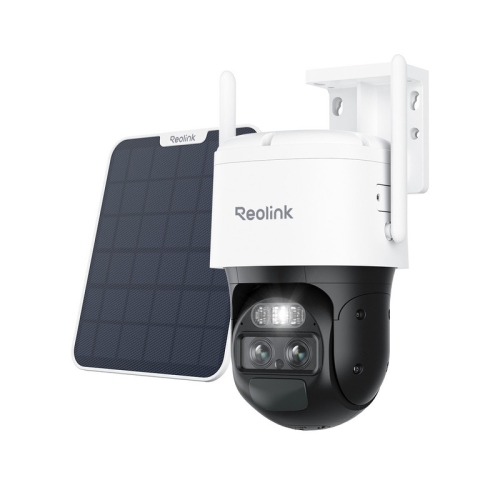
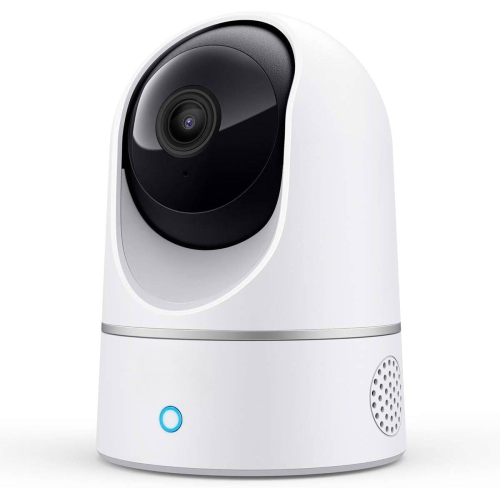

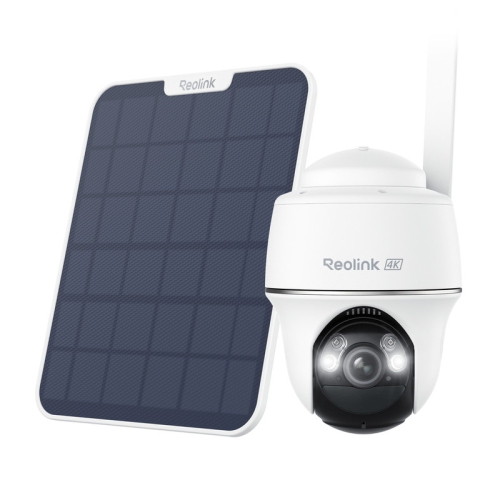
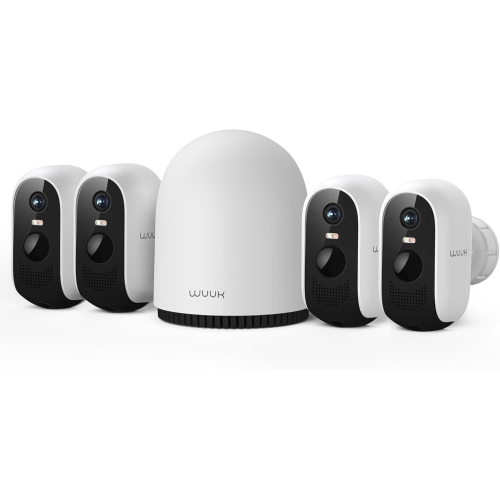
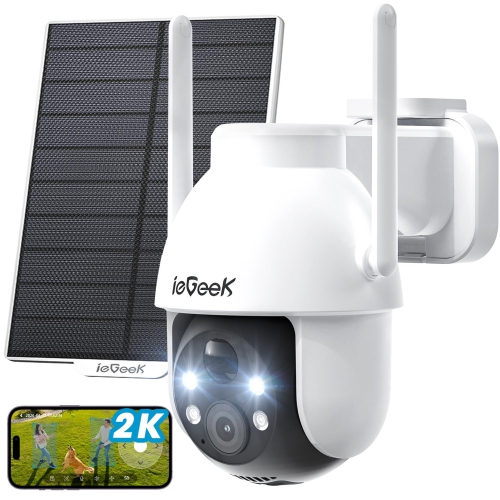
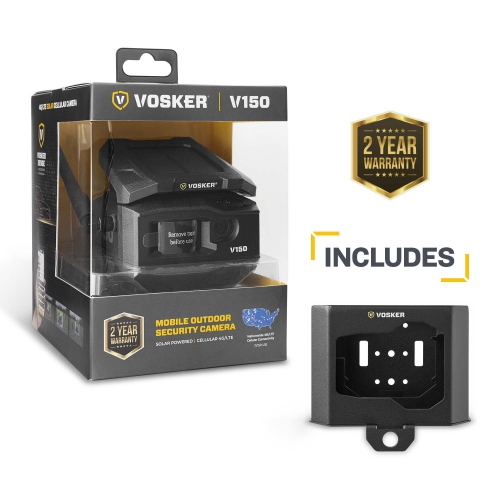
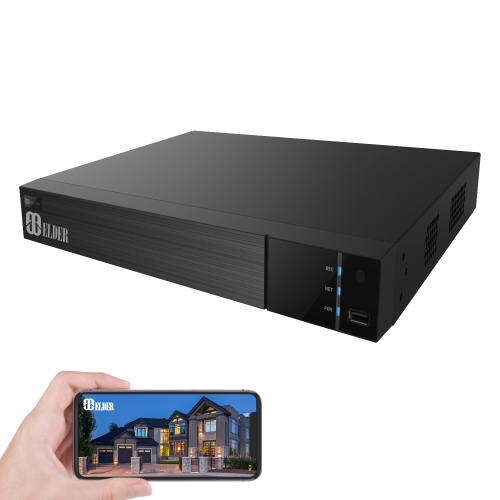
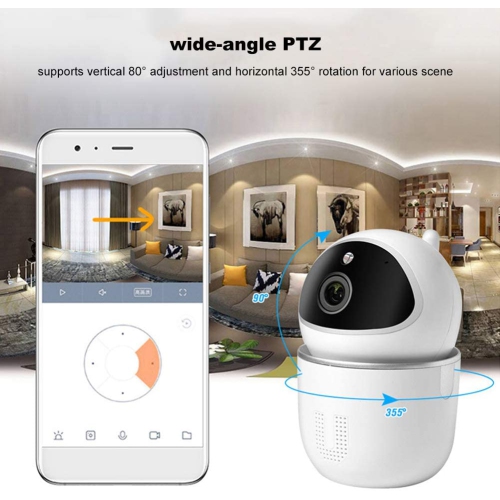
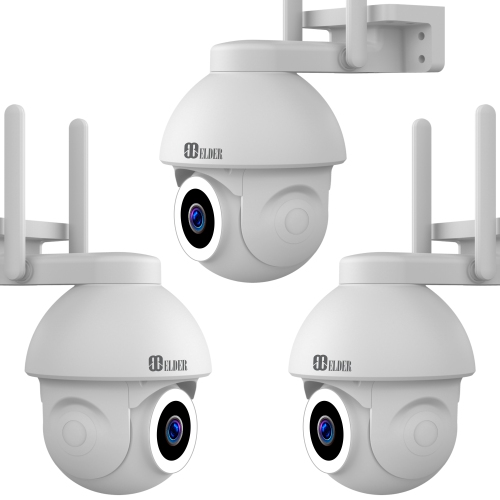
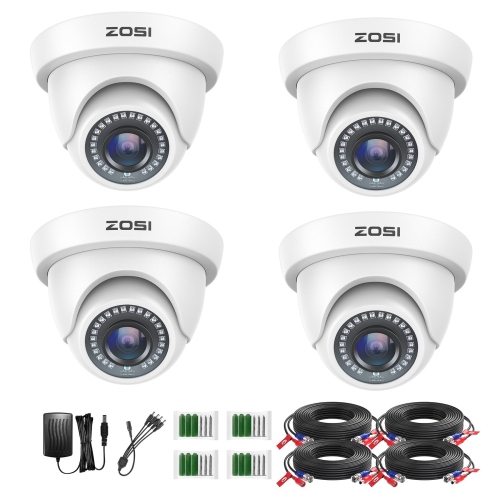
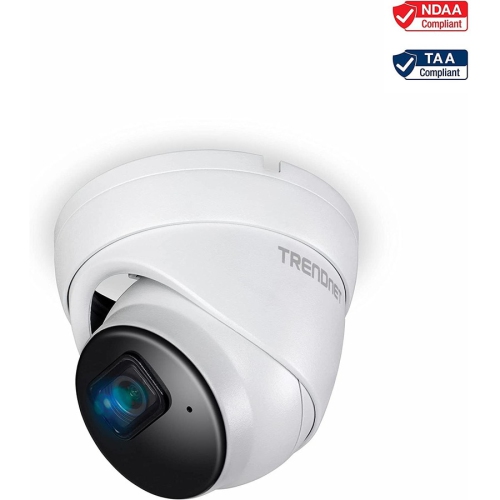
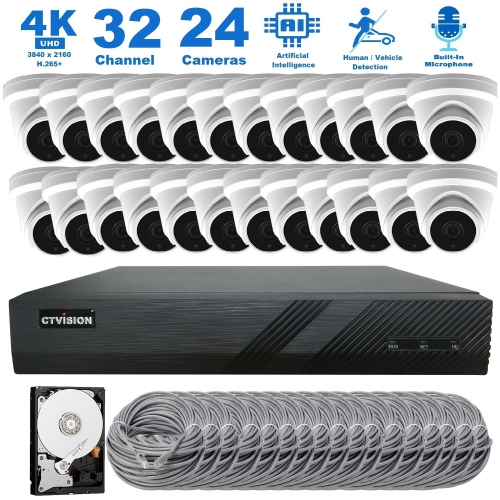
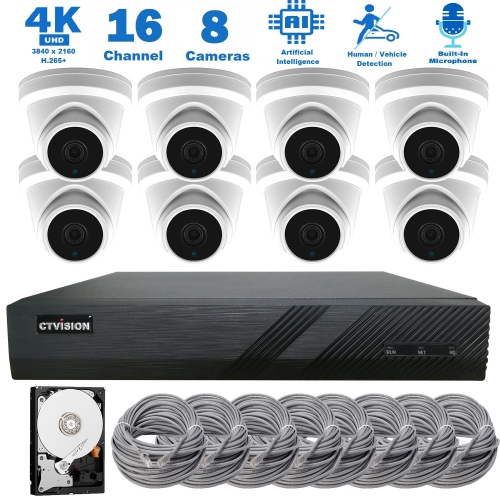
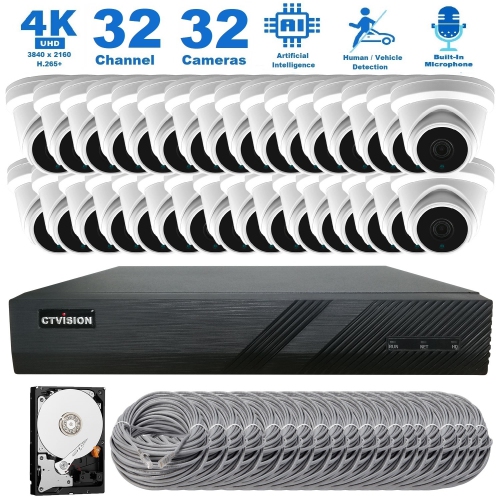
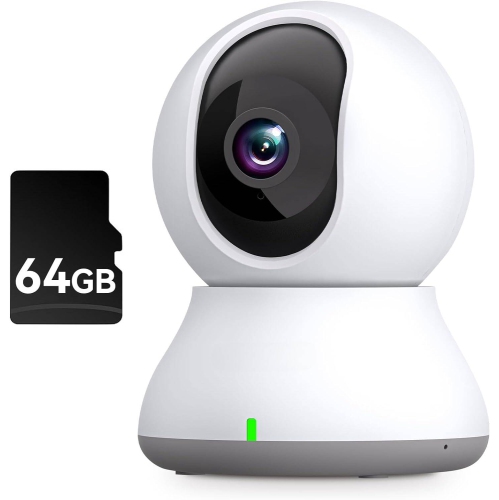
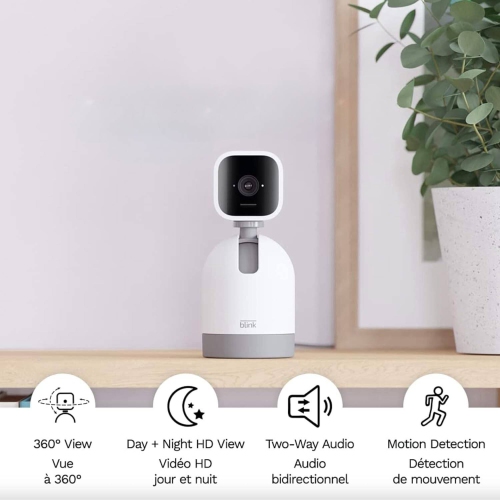
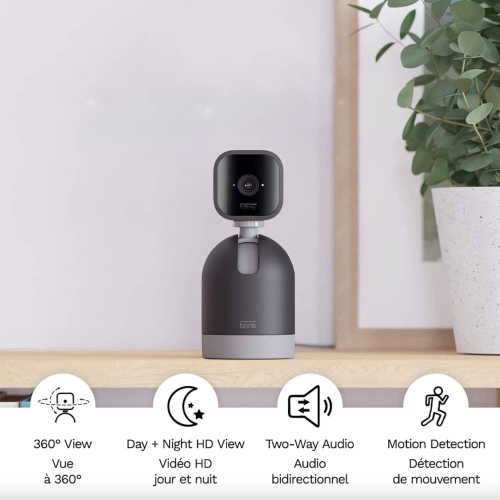
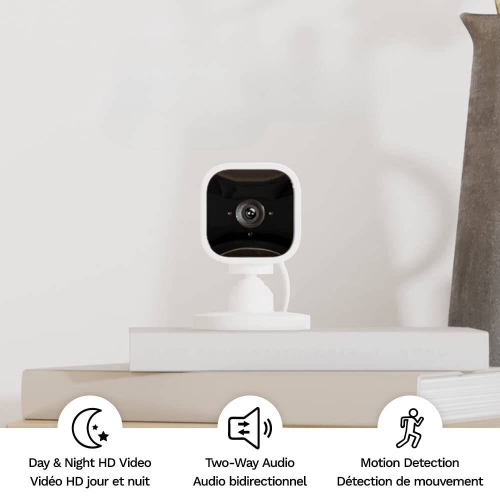

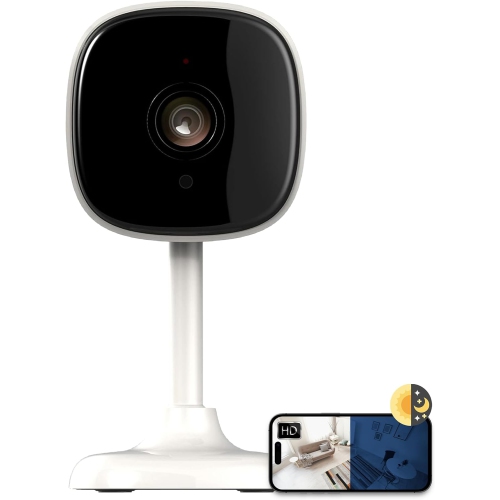
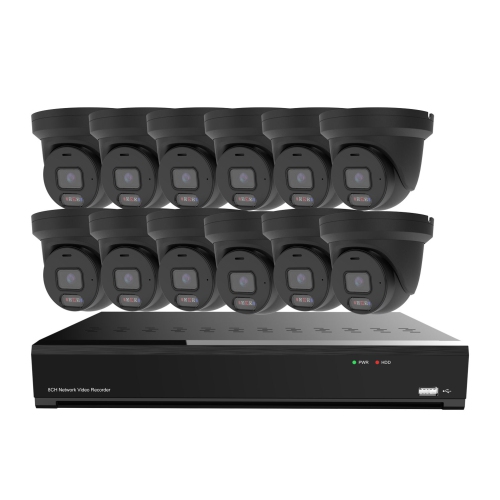
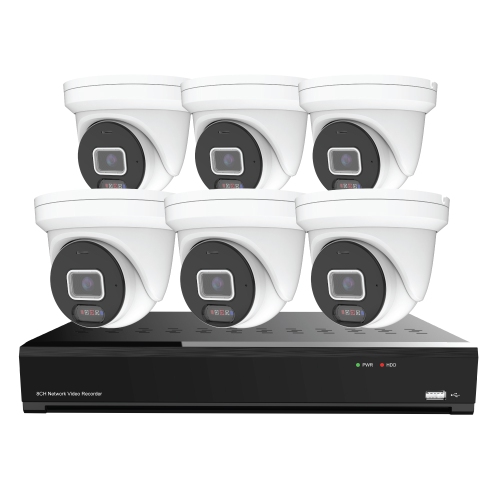
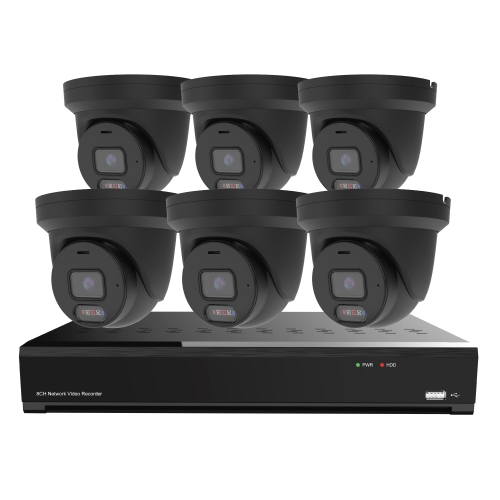
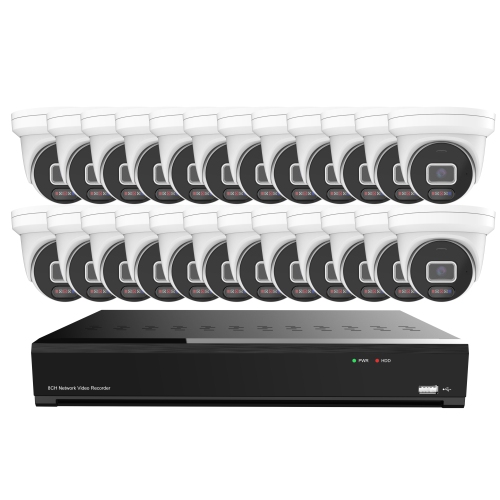
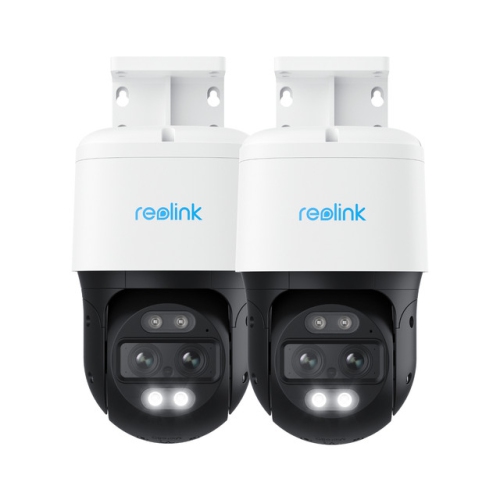
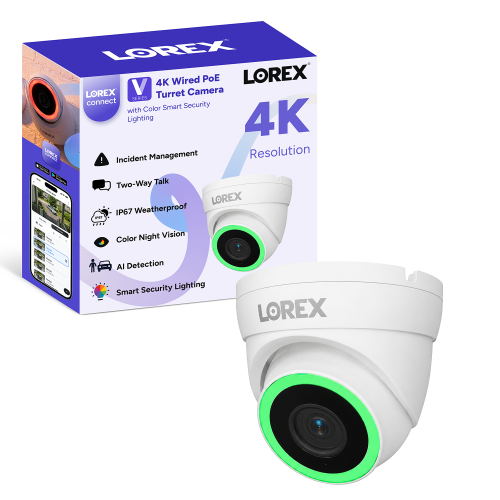
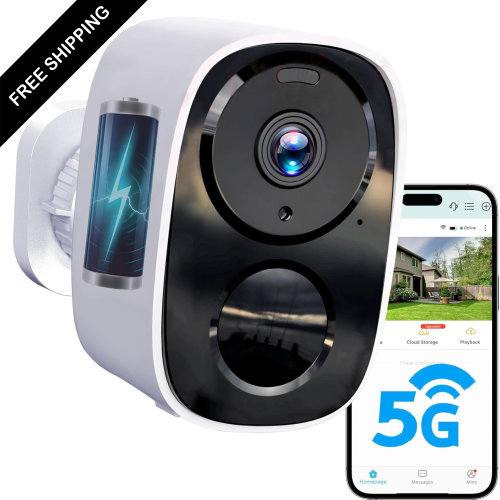
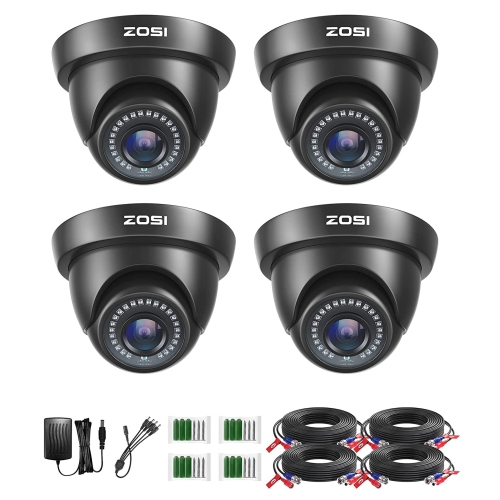
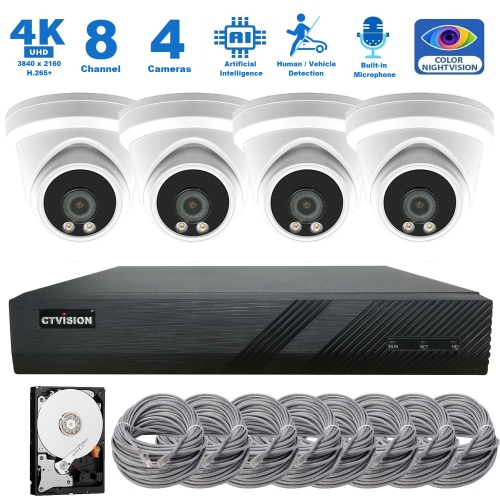
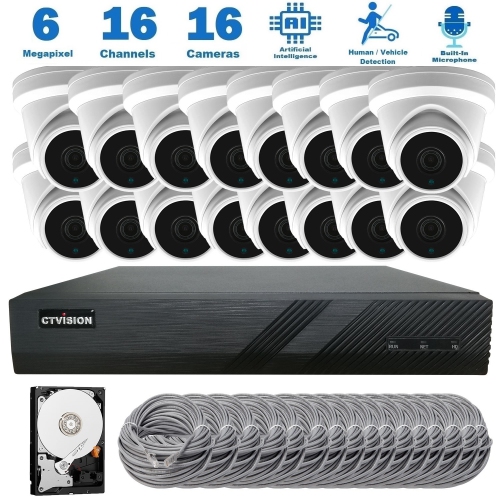
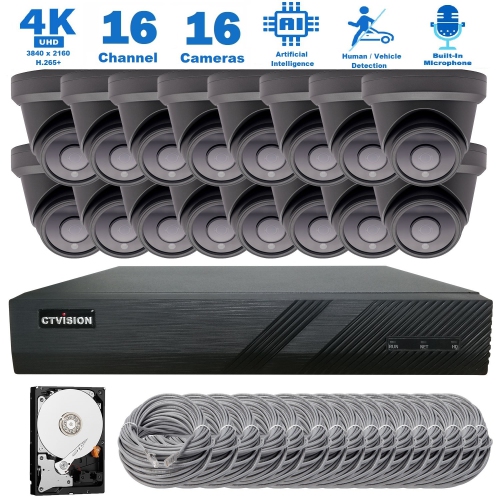
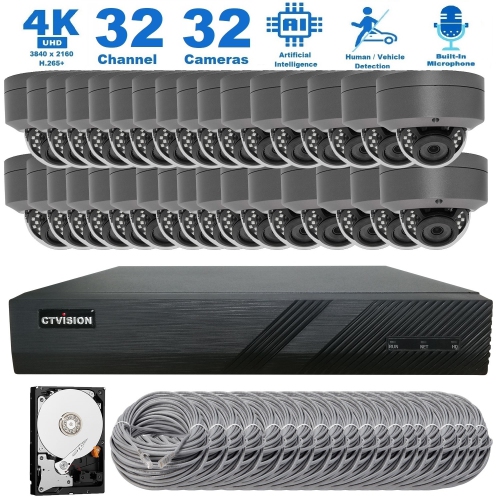
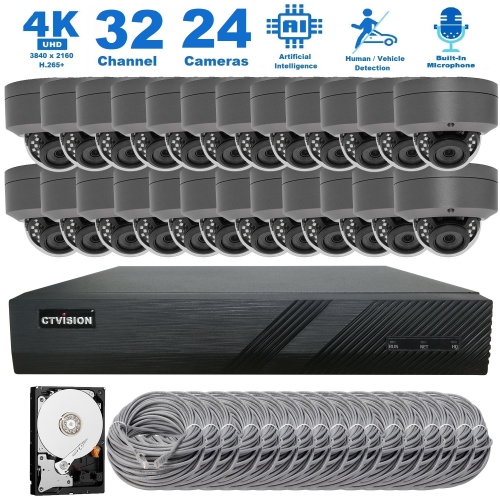
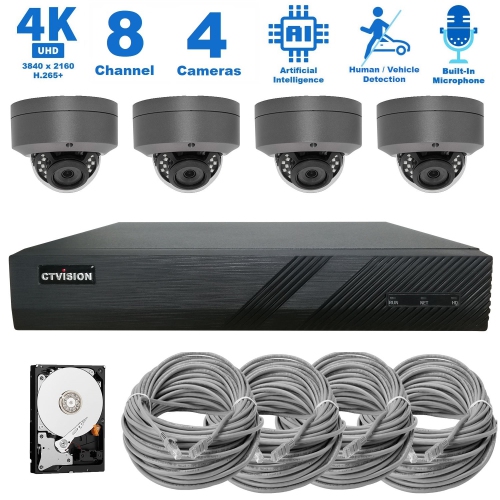
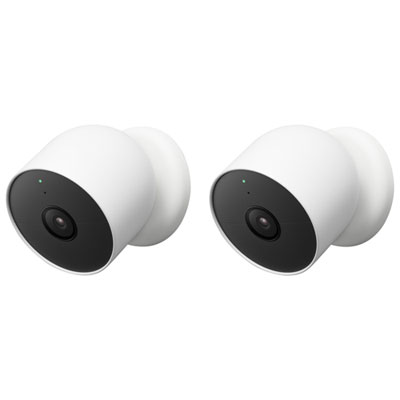
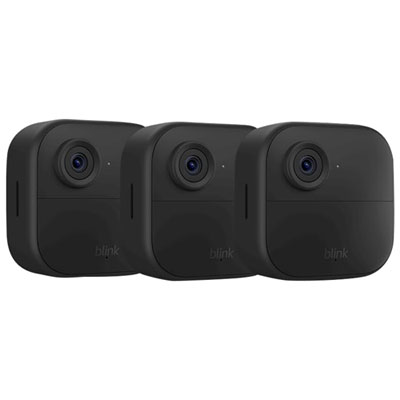
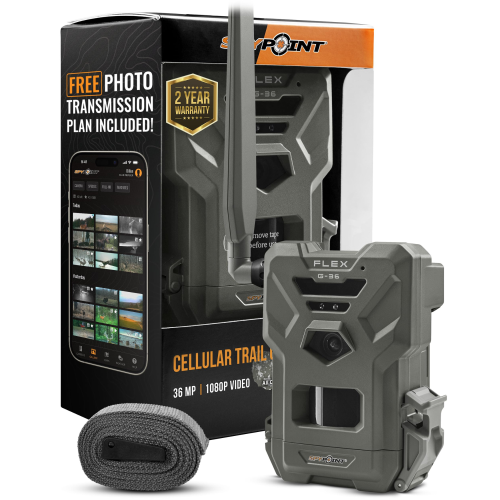
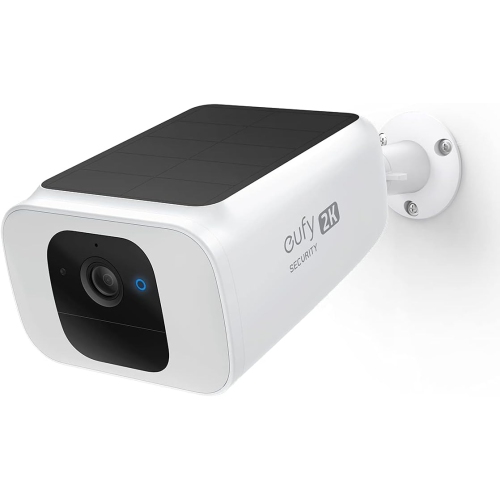
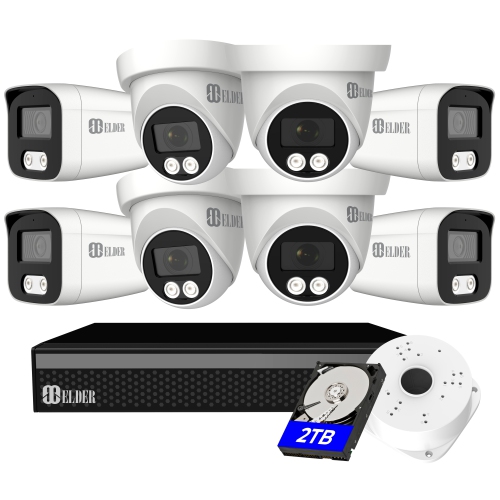
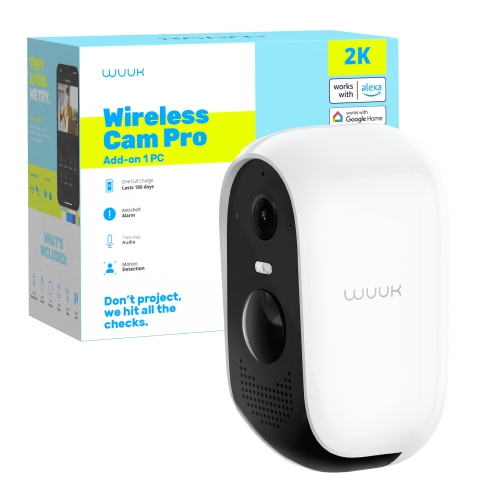
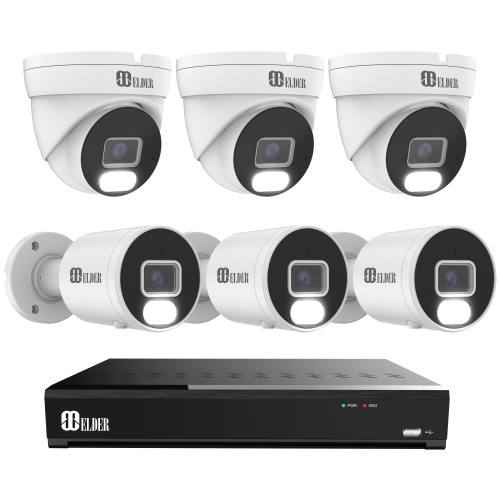
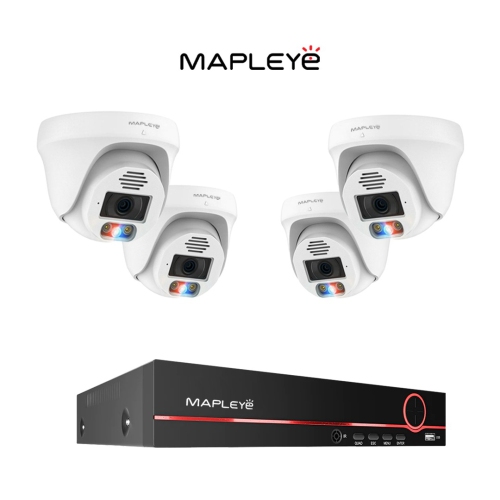
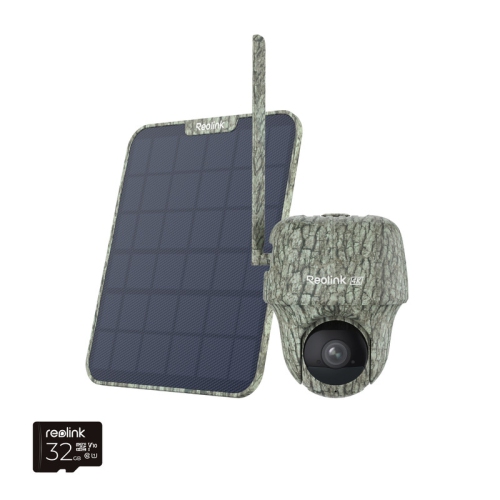
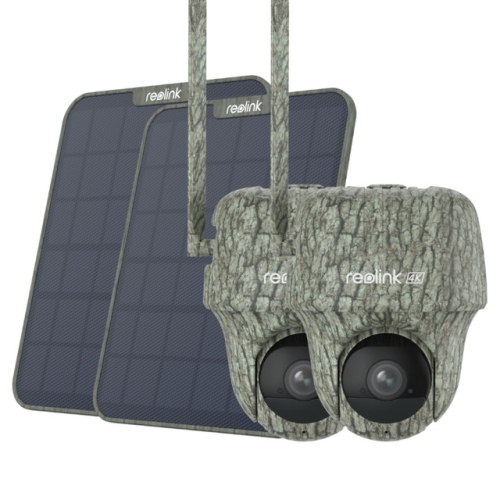
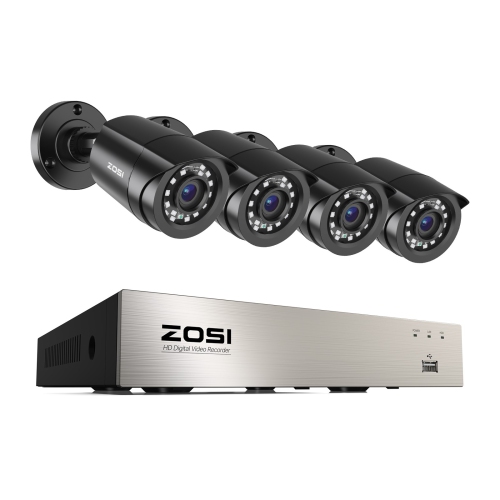
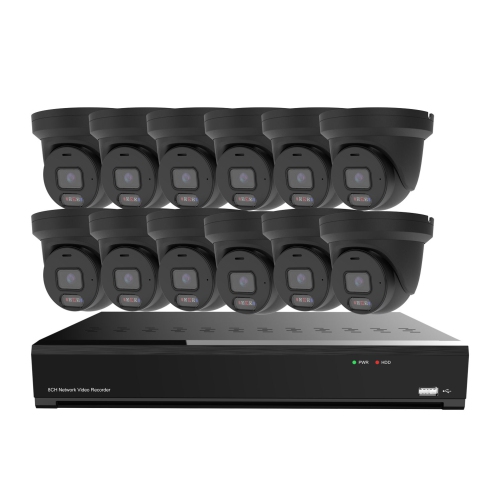
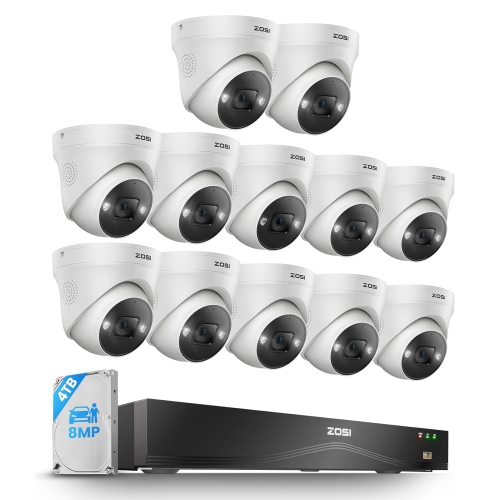
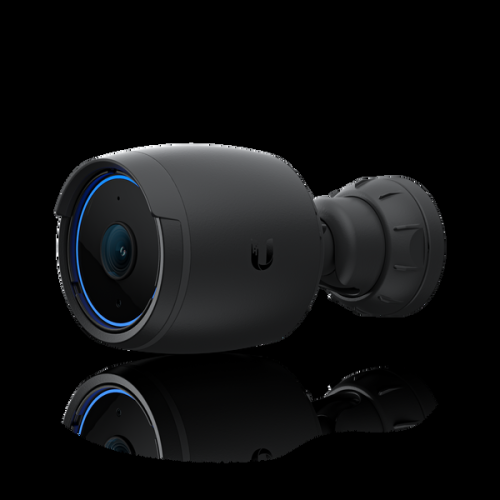
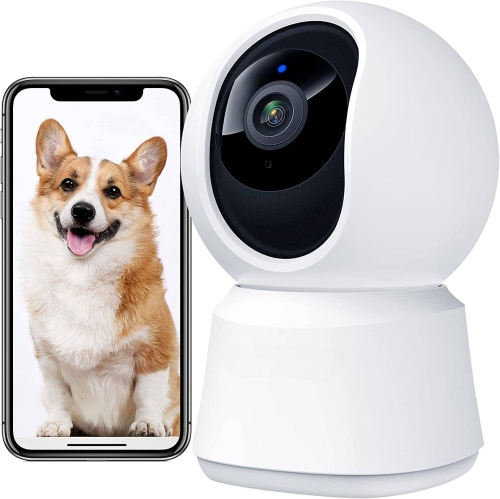
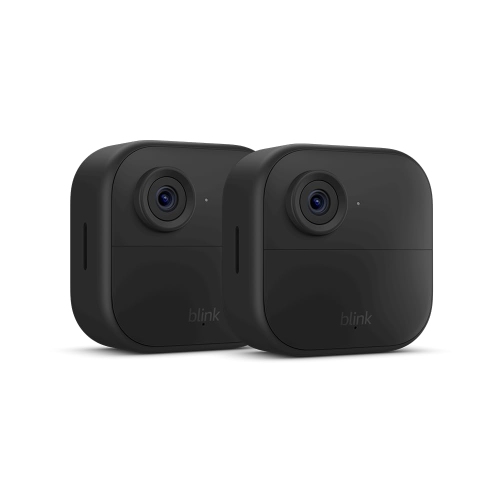
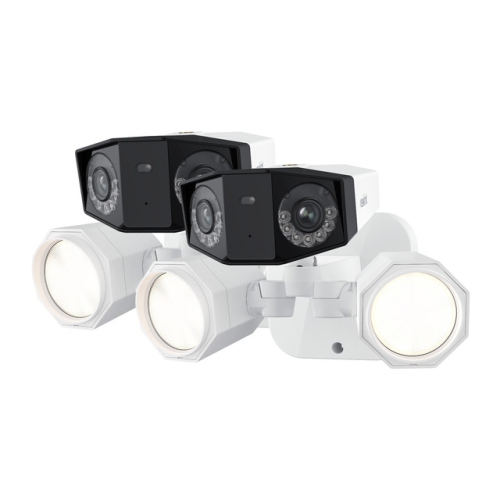
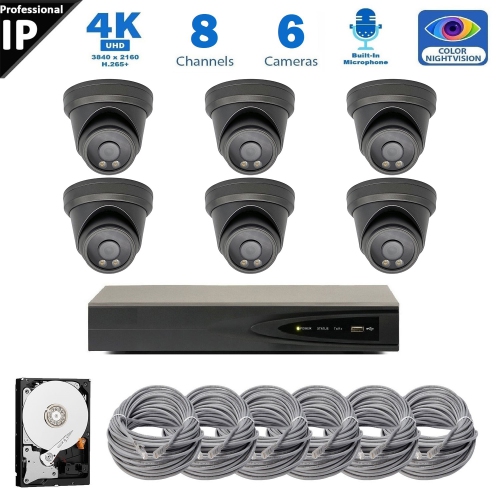
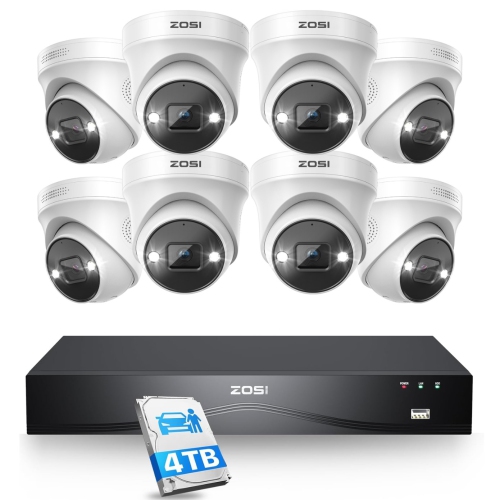
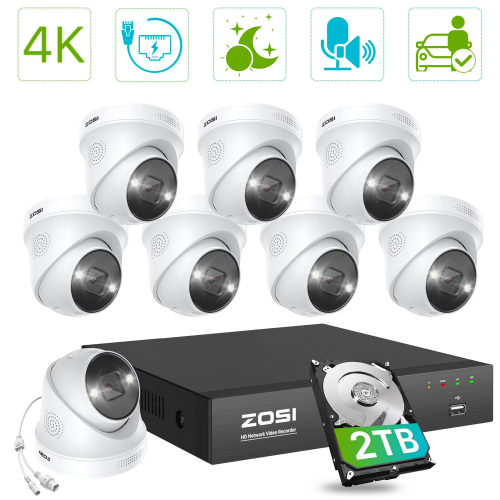

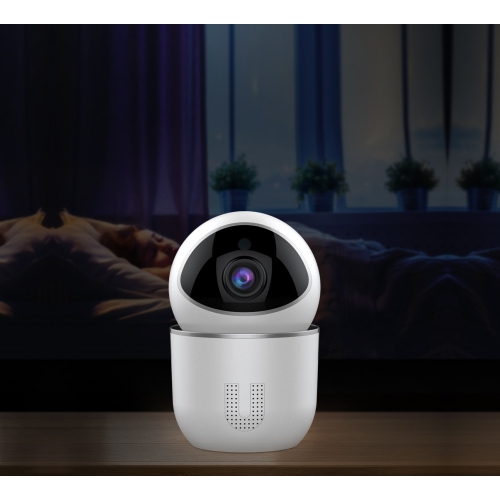
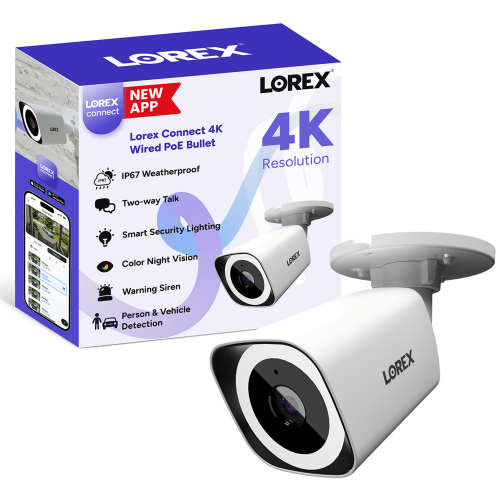
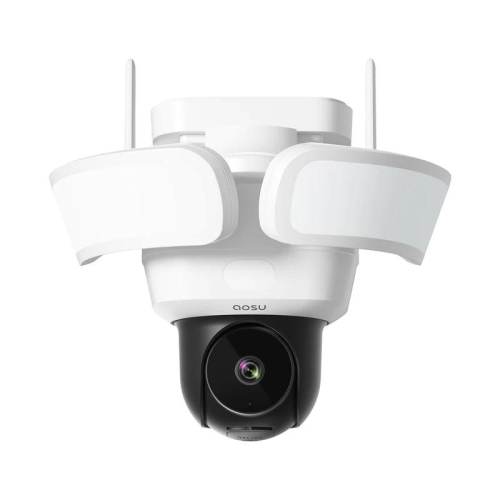
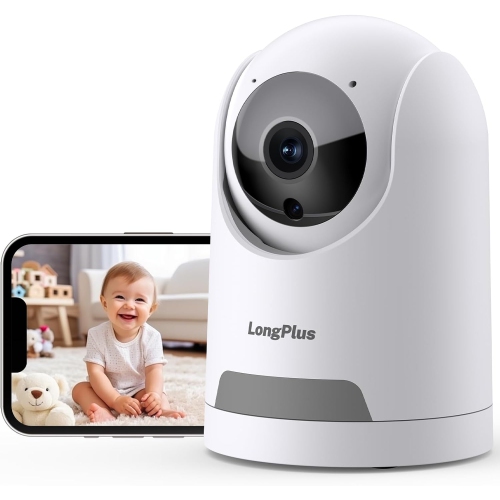
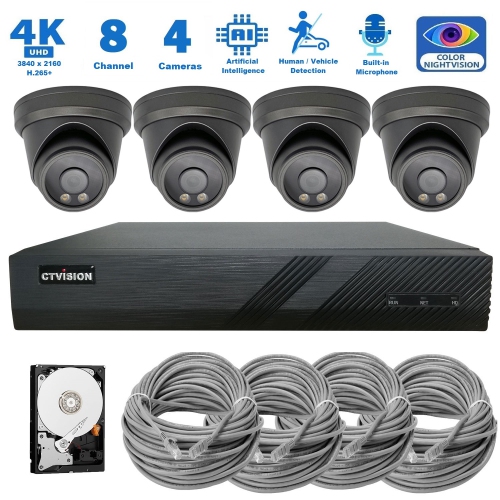
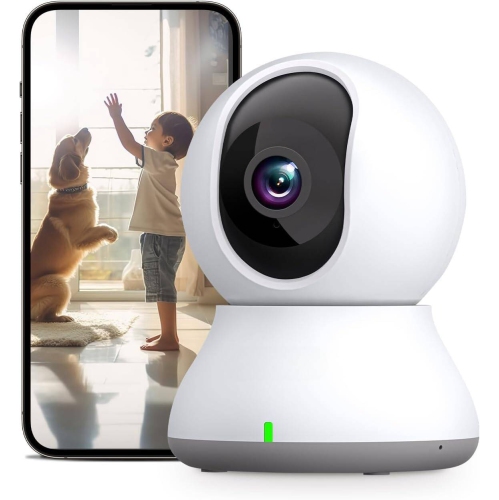
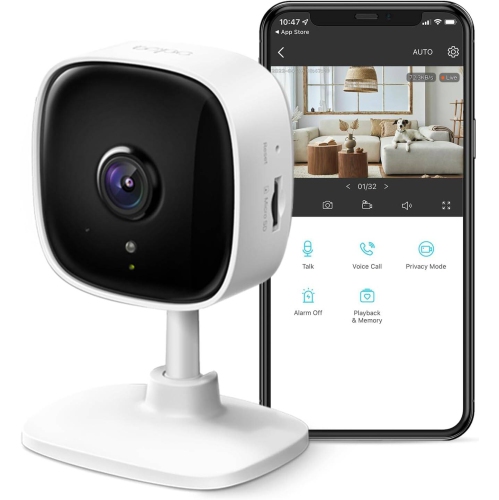
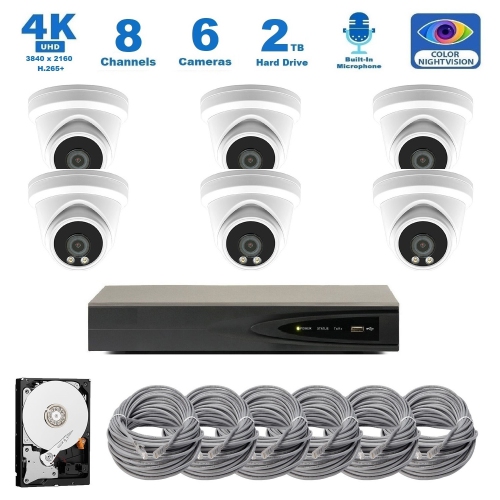
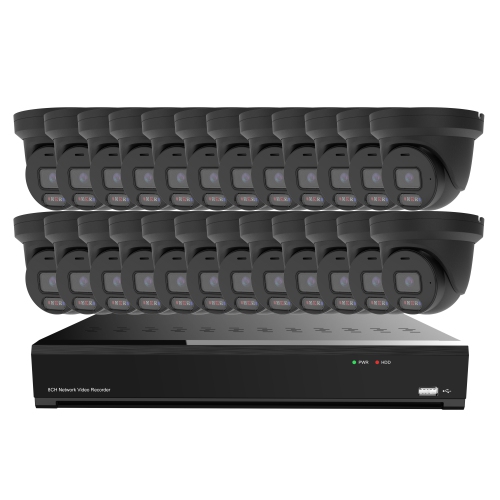
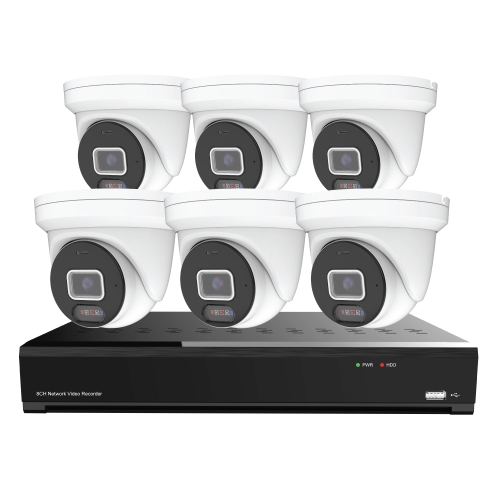
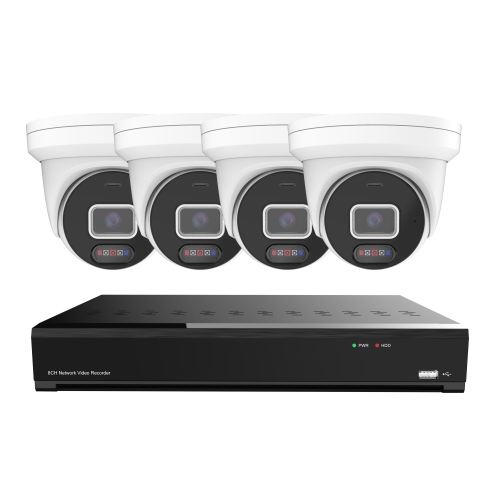
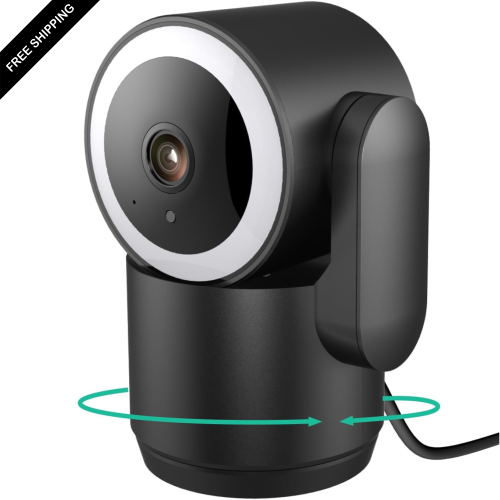

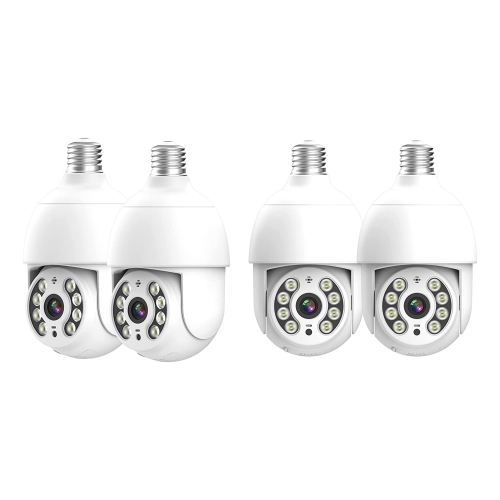
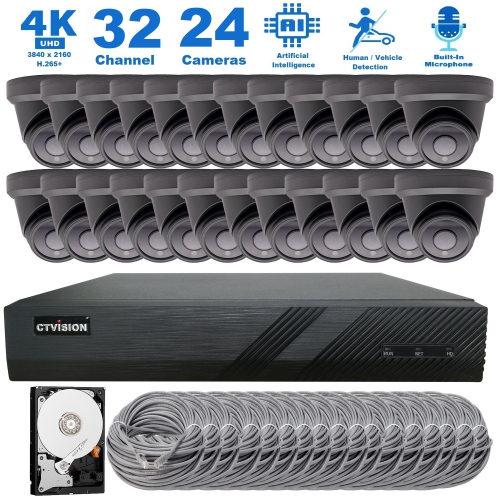
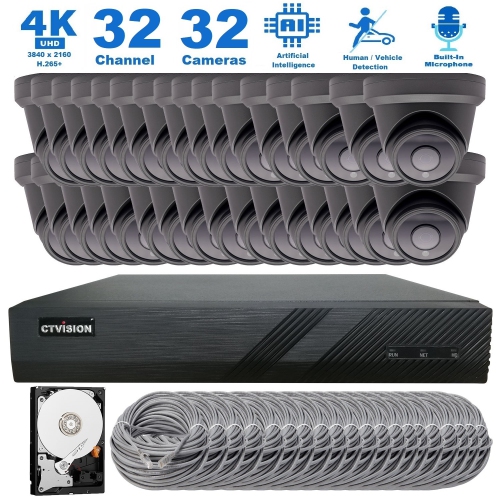
Reliable property monitoring where Wi-Fi and wired internet fall short
LTE security cameras have become a practical solution for anyone seeking reliable security coverage in locations where traditional Wi-Fi or wired internet access is unavailable or unreliable. These cameras use a mobile network connection—typically 4G LTE—paired with a SIM card, allowing them to transmit live video, motion alerts, and status updates directly to your smartphone or computer, no matter how remote the setting. This makes LTE security cameras especially popular for cabins tucked away in the woods, construction sites that move from location to location, farms, storage yards, and even boats or RVs. For families with a cottage or seasonal property, LTE security cameras offer peace of mind when the property is unoccupied, letting you check in at any time and receive instant notifications if movement is detected. They are also an excellent choice for small business owners who need to monitor off-grid job sites or for anyone looking for a backup surveillance solution in case of internet outages at home.
When considering an LTE security camera, it’s important to think about a few key features to match your needs. Power options are crucial—many LTE cameras come equipped with built-in rechargeable batteries and are often paired with solar panels, allowing for low-maintenance, long-term operation in outdoor environments. This combination is especially useful as the weather warms and you spend more time away from your primary residence, or during the cooler months when you want to keep an eye on properties that may be closed up for the season. Since LTE cameras rely on cellular networks, a data plan is required, similar to what you’d use with a smartphone. The amount of data you’ll need depends on how often you want to stream live video or receive motion alerts; many cameras are designed with smart detection features, such as AI-powered human or vehicle recognition, to minimize false alarms and conserve data usage. Local storage options, like microSD cards, add an extra layer of reliability by saving footage even if cellular reception drops temporarily. For those interested in comparing different surveillance technologies, you might also want to explore TVI Cameras, which offer another approach to security monitoring.
LTE security cameras can be a thoughtful and practical gift for anyone with a passion for the outdoors, a new property owner, or someone starting a new business venture in a remote location. They’re also a smart investment for parents wanting to keep an eye on backyard play areas, or for those who manage multiple properties and want to check in with just a few taps on their phone. As the seasons shift from late summer into the cooler months, LTE cameras provide peace of mind—whether you’re monitoring a garden shed as harvest approaches or ensuring your tools and equipment are safe on a job site that will soon see less daily traffic. Their flexibility, ease of installation, and independence from fixed internet connections make them a versatile option for almost any security scenario, helping you stay connected to the people and places that matter most, wherever you are.
When considering an LTE security camera, it’s important to think about a few key features to match your needs. Power options are crucial—many LTE cameras come equipped with built-in rechargeable batteries and are often paired with solar panels, allowing for low-maintenance, long-term operation in outdoor environments. This combination is especially useful as the weather warms and you spend more time away from your primary residence, or during the cooler months when you want to keep an eye on properties that may be closed up for the season. Since LTE cameras rely on cellular networks, a data plan is required, similar to what you’d use with a smartphone. The amount of data you’ll need depends on how often you want to stream live video or receive motion alerts; many cameras are designed with smart detection features, such as AI-powered human or vehicle recognition, to minimize false alarms and conserve data usage. Local storage options, like microSD cards, add an extra layer of reliability by saving footage even if cellular reception drops temporarily. For those interested in comparing different surveillance technologies, you might also want to explore TVI Cameras, which offer another approach to security monitoring.
LTE security cameras can be a thoughtful and practical gift for anyone with a passion for the outdoors, a new property owner, or someone starting a new business venture in a remote location. They’re also a smart investment for parents wanting to keep an eye on backyard play areas, or for those who manage multiple properties and want to check in with just a few taps on their phone. As the seasons shift from late summer into the cooler months, LTE cameras provide peace of mind—whether you’re monitoring a garden shed as harvest approaches or ensuring your tools and equipment are safe on a job site that will soon see less daily traffic. Their flexibility, ease of installation, and independence from fixed internet connections make them a versatile option for almost any security scenario, helping you stay connected to the people and places that matter most, wherever you are.
Top selling and popular products
-
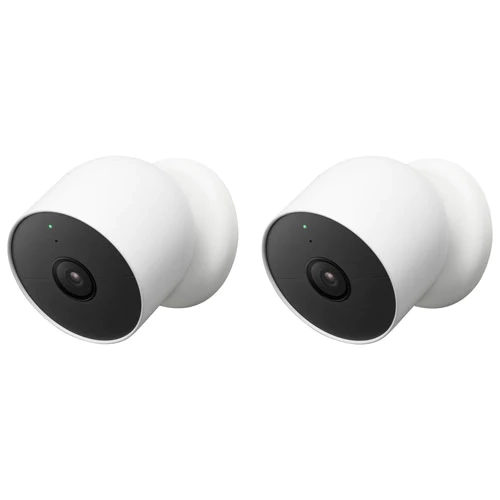 Your price for this item is $389.99
 -
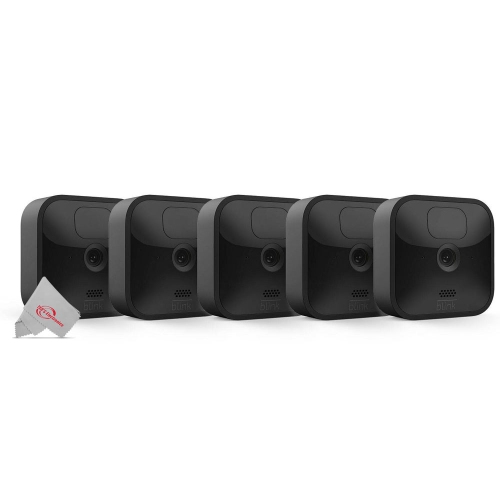 Your price for this item is $659.99
 -
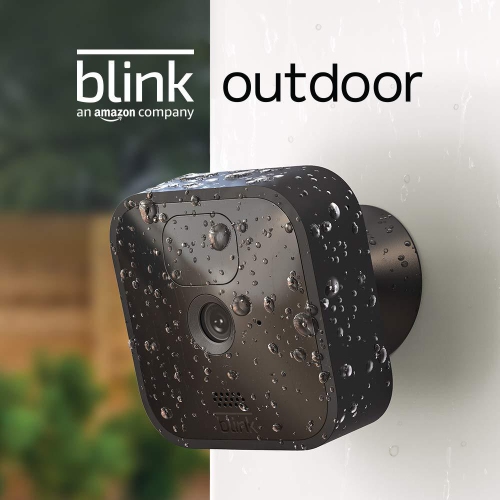 Your price for this item is $439.99
 -
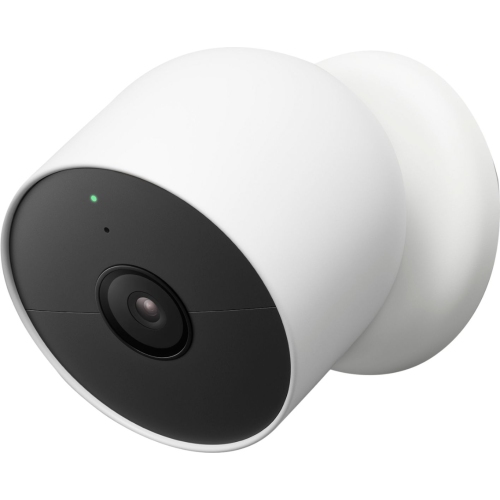 Your price for this item is $249.99
 -
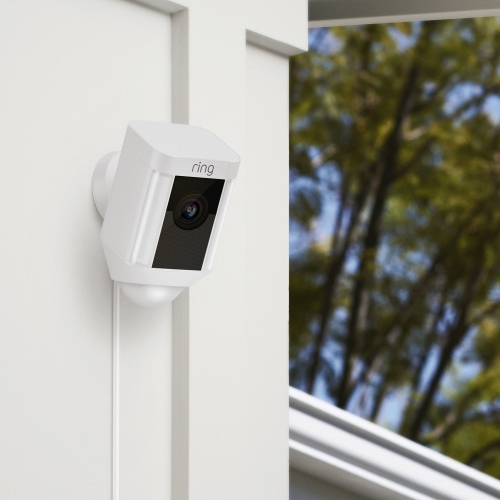 Your price for this item is $399.99
 -
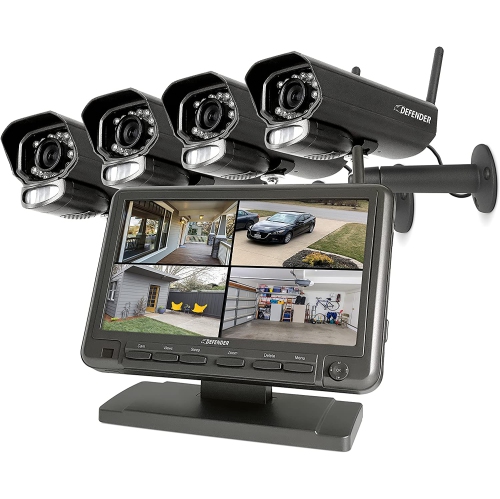 Your price for this item is $449.99
 -
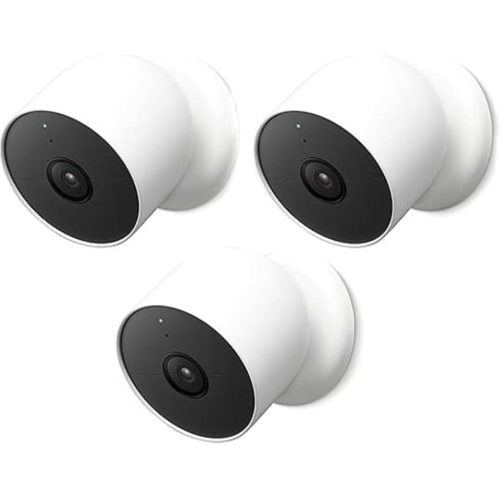 Your price for this item is $579.99
 -
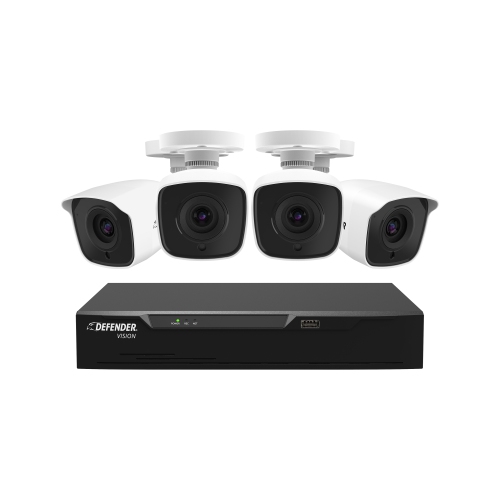 Your price for this item is $790.99
Discover more categories related to LTE Security Cameras
Top Collections:
Pokemon Centers, Kindle Devices, Best Budget Office Chairs, Apple iPhones 16, Best Laptops for Writers, iPhone 15 Apple, Canon G7X Cameras, Refurbished Apple Laptops, Alarm Clock, Motorola Razr Phones
Some products may be subject to Environmental Handling Fees
(EHF) depending on your province.
Learn more about EHFs.