TVI Cameras
Looking to amp up your home security? Look no further than our selection of TVI cameras. Designed to provide high-definition surveillance footage, these cameras offer crystal-clear images and exceptional video quality. Whether you need to keep an eye on your property, monitor your kids or pets, or simply gain peace of mind, our range of TVI cameras has got you covered. With their advanced features and easy installation, upgrading your home security has never been easier. Shop our collection today and take the first step towards a safer and more secure home.
Sort
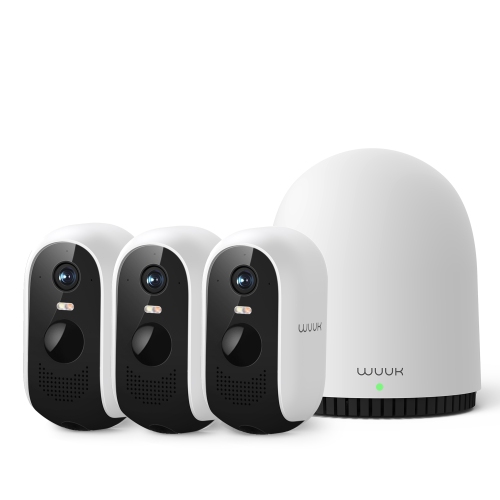
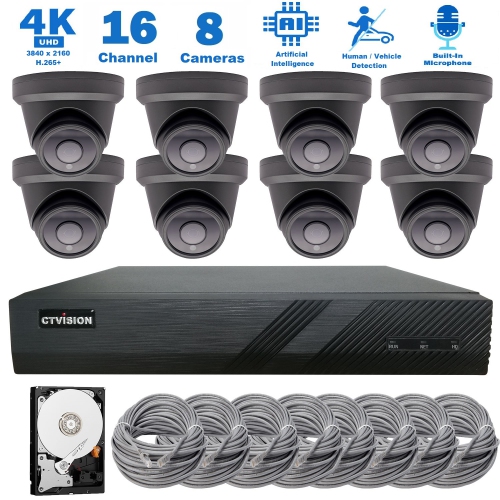
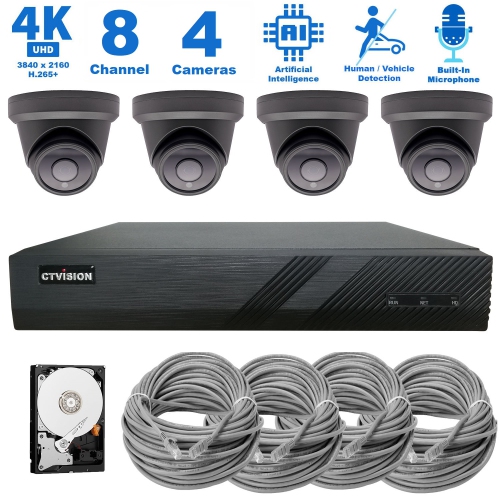
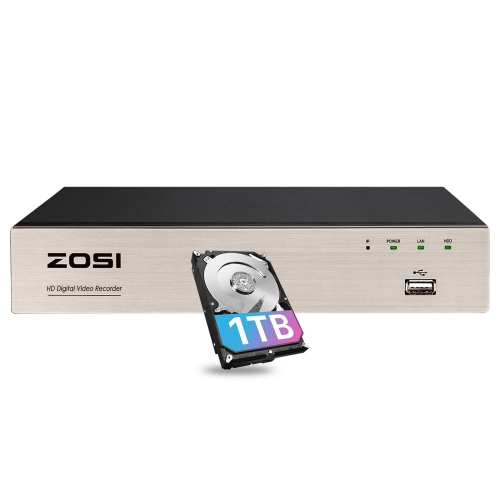
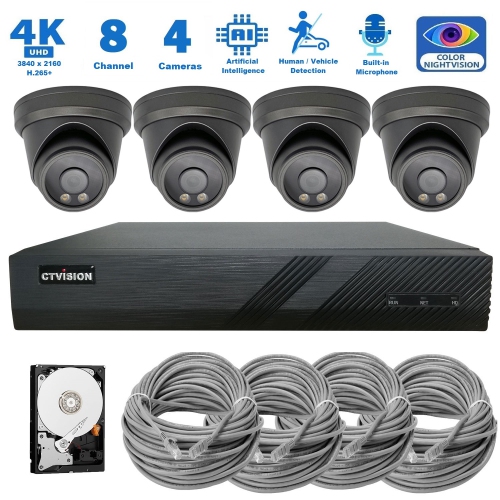
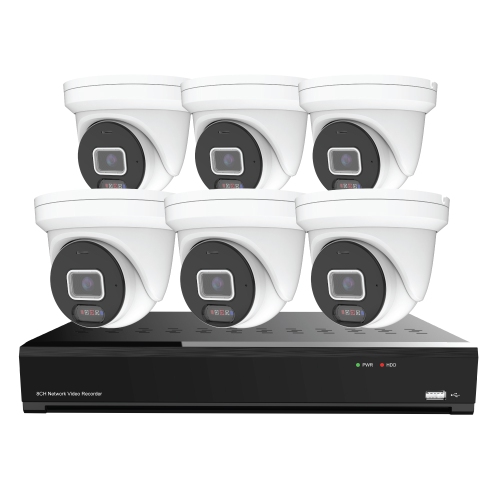
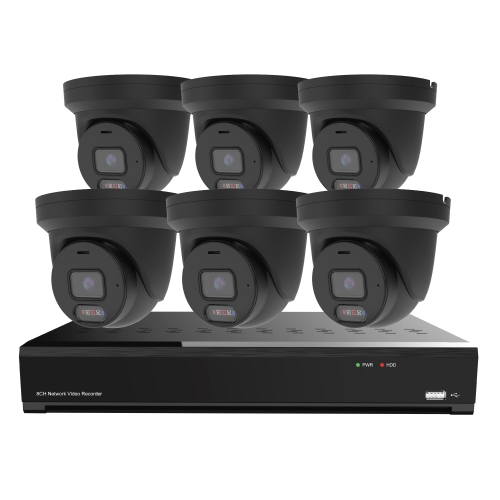
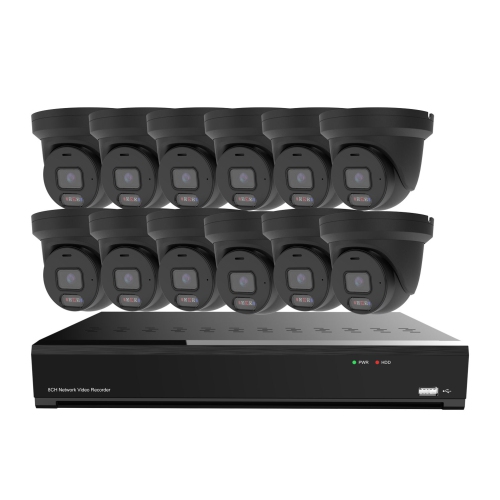
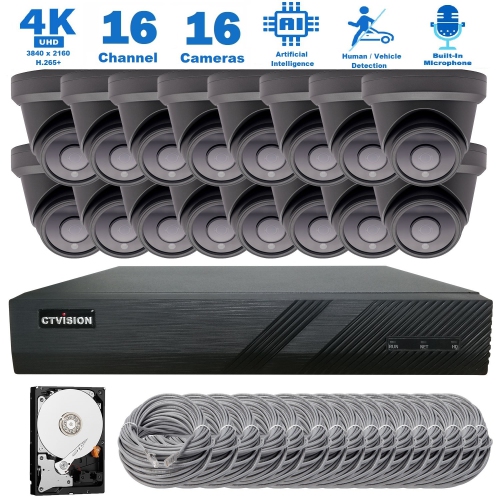
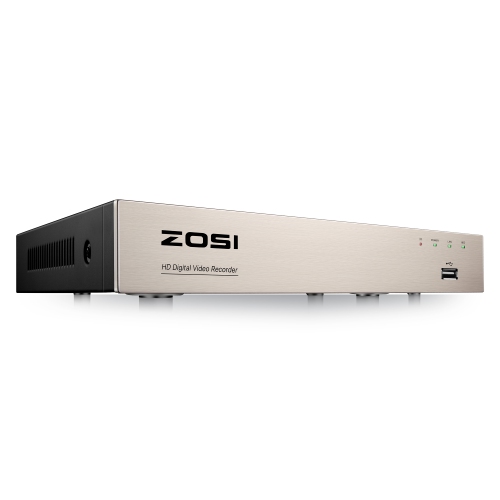
Upgrade existing coaxial systems with clearer security video
TVI cameras, short for Transport Video Interface cameras, are high-definition security cameras designed to work with many traditional CCTV systems. They send video over coaxial cable, typically through BNC connections, making them a practical option for replacing older standard-definition cameras without rebuilding an entire wired setup. If a home, cottage, small business, workshop, or multi-unit property already has RG59 or RG6 coaxial cable installed, TVI technology can make it possible to improve image quality while continuing to use much of the existing infrastructure. Depending on the camera and recorder, TVI systems can provide 1080p, 4MP, or 5MP video, giving you a clearer view of entrances, driveways, hallways, parking areas, storage rooms, and other spaces that benefit from reliable visual coverage. The direct wired connection can also provide a steady video signal with very little delay, which is useful when monitoring a live feed or checking what happened at a particular moment. TVI cameras are often chosen during security upgrades because installation can be straightforward: the camera connects to a compatible TVI or hybrid DVR through coaxial cable, while a separate power connection supplies electricity. Some systems use combination cables or accessories that simplify this arrangement. Long cable runs are another reason these cameras remain useful in larger homes and commercial properties. With suitable cable quality, connectors, power supplies, and signal equipment, TVI systems can transmit video across distances that may be difficult for some other wired arrangements, although the practical range depends on the resolution, cable condition, interference, and installation layout. A compatible DVR is essential, since the recorder receives the camera signal, stores footage, and may provide features such as remote viewing, motion-triggered recording, playback, scheduled recording, and user access controls. Before choosing a camera, check that the recorder supports the same TVI resolution and format, as well as the number of channels required for the installation. A hybrid DVR may be helpful if you plan to combine TVI cameras with other compatible camera types over time. It is also worth confirming whether the existing cables, connectors, power adapters, and mounting points are in good condition; older wiring can develop loose connections, corrosion, or signal loss that affects the final image. For a home installation, begin by considering the areas that need the most useful coverage rather than simply adding cameras wherever wiring is convenient. A front entry camera should show faces and packages at a practical height, while a driveway camera may need a wider view and enough detail to distinguish vehicles. At a cottage or rural property, a longer approach, gate, garage, or equipment area may call for a camera and lens combination suited to greater distance. Businesses may use TVI cameras to observe customer entrances, loading areas, stockrooms, staff-only doors, and cash-handling zones, subject to applicable privacy requirements and workplace policies. These cameras can also suit landlords, contractors, and new homeowners who want to modernize an installed security system during a renovation or move. They are less about decorative smart-home features and more about dependable coverage that can fit into a familiar wired layout.
When comparing TVI cameras, resolution is an important starting point, but it is not the only measure of useful performance. A higher resolution can reveal more detail, particularly when the scene is well lit and the lens is positioned at an appropriate distance, while a wide-angle lens can cover more area but may make people and objects appear smaller. Consider the balance between viewing width and identification detail for each location. Infrared night vision can help a camera record in darkness, but its effective range varies, and nearby walls, glass, foliage, or reflective surfaces can create glare or wash out the image. Cameras with day-and-night operation may use automatic switching to maintain a usable picture as light changes from bright afternoons to dim evenings. Outdoor installations should be matched with weather-resistant construction and securely fastened mounts, especially in areas exposed to rain, snow, wind, dust, or temperature swings. Indoor cameras may place more emphasis on a compact design, discreet placement, or a viewing angle that suits a hallway or room. Dome-style designs can be useful where a low-profile appearance and protected lens are priorities; browse HD Dome Cameras for related high-definition dome options. Also consider whether the camera has a fixed lens or an adjustable varifocal lens. Fixed lenses can be simple and cost-effective when the viewing area is predictable, while adjustable options provide more flexibility during installation. Cable routing deserves careful attention as well. Keep video cables away from sources of electrical interference where possible, use properly fitted connectors, and protect exterior runs from moisture and accidental damage. A neat installation makes future troubleshooting easier, particularly when several cameras meet at a central recorder. Storage capacity is another practical consideration: higher-resolution footage and longer recording schedules require more hard-drive space, while motion-based recording can reduce the amount of unused footage when appropriate. Think about how long recordings need to be retained and whether important clips should be backed up separately. Remote access can be convenient for checking a property while travelling or receiving alerts, but it relies on the recorder, network connection, account security, and app support working together. Strong passwords, software updates, and limited user permissions help protect access to recorded video. TVI cameras can be a thoughtful housewarming purchase for someone moving into a property with existing coaxial wiring, or a useful addition for a family member who wants clearer views around a garage, workshop, or entryway. They are also practical for small business owners who prefer a familiar wired system and want to improve image quality without replacing every cable. By matching the camera’s resolution, lens, night vision, weather protection, cable requirements, and recorder compatibility to the space, you can build a security setup that delivers clear, consistent coverage during bright summer days, darker evenings, and the cooler months ahead.
When comparing TVI cameras, resolution is an important starting point, but it is not the only measure of useful performance. A higher resolution can reveal more detail, particularly when the scene is well lit and the lens is positioned at an appropriate distance, while a wide-angle lens can cover more area but may make people and objects appear smaller. Consider the balance between viewing width and identification detail for each location. Infrared night vision can help a camera record in darkness, but its effective range varies, and nearby walls, glass, foliage, or reflective surfaces can create glare or wash out the image. Cameras with day-and-night operation may use automatic switching to maintain a usable picture as light changes from bright afternoons to dim evenings. Outdoor installations should be matched with weather-resistant construction and securely fastened mounts, especially in areas exposed to rain, snow, wind, dust, or temperature swings. Indoor cameras may place more emphasis on a compact design, discreet placement, or a viewing angle that suits a hallway or room. Dome-style designs can be useful where a low-profile appearance and protected lens are priorities; browse HD Dome Cameras for related high-definition dome options. Also consider whether the camera has a fixed lens or an adjustable varifocal lens. Fixed lenses can be simple and cost-effective when the viewing area is predictable, while adjustable options provide more flexibility during installation. Cable routing deserves careful attention as well. Keep video cables away from sources of electrical interference where possible, use properly fitted connectors, and protect exterior runs from moisture and accidental damage. A neat installation makes future troubleshooting easier, particularly when several cameras meet at a central recorder. Storage capacity is another practical consideration: higher-resolution footage and longer recording schedules require more hard-drive space, while motion-based recording can reduce the amount of unused footage when appropriate. Think about how long recordings need to be retained and whether important clips should be backed up separately. Remote access can be convenient for checking a property while travelling or receiving alerts, but it relies on the recorder, network connection, account security, and app support working together. Strong passwords, software updates, and limited user permissions help protect access to recorded video. TVI cameras can be a thoughtful housewarming purchase for someone moving into a property with existing coaxial wiring, or a useful addition for a family member who wants clearer views around a garage, workshop, or entryway. They are also practical for small business owners who prefer a familiar wired system and want to improve image quality without replacing every cable. By matching the camera’s resolution, lens, night vision, weather protection, cable requirements, and recorder compatibility to the space, you can build a security setup that delivers clear, consistent coverage during bright summer days, darker evenings, and the cooler months ahead.
Top selling and popular products
-
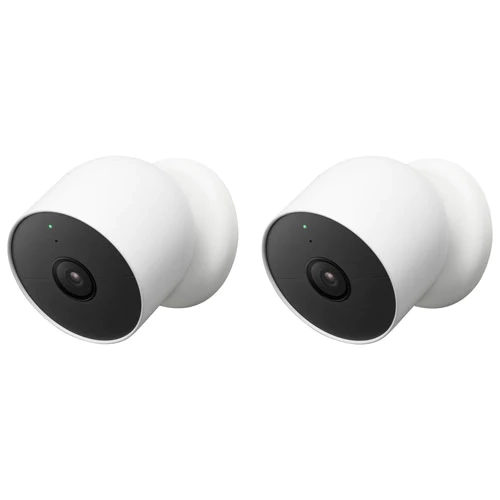 Your price for this item is $403.99
 -
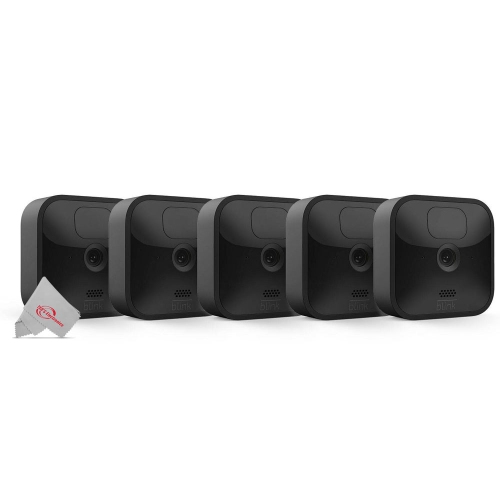 Your price for this item is $349.97
 -
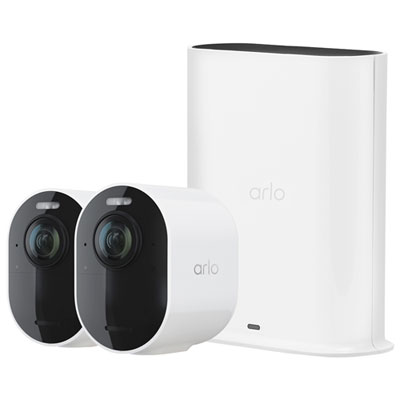 Your price for this item is $329.97
 -
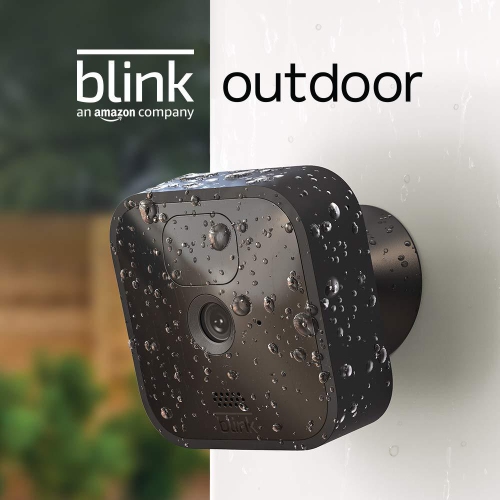 Your price for this item is $439.99
 -
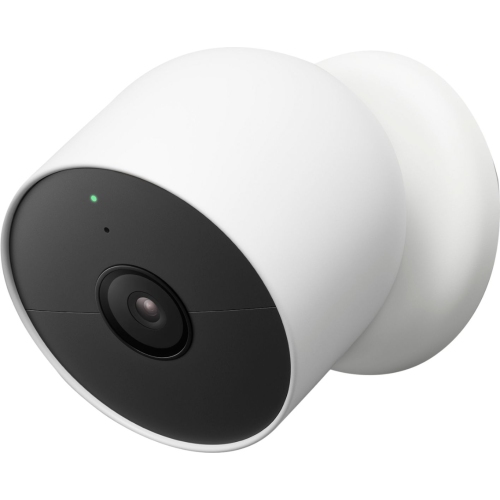 Your price for this item is $249.99
 -
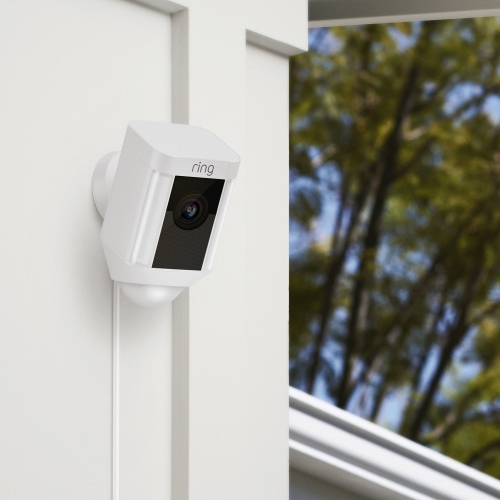 Your price for this item is $399.99
 -
 Your price for this item is $449.99
 -
 Your price for this item is $544.99
Discover more categories related to TVI Cameras
Top Collections:
Best Laptops for Video Editing, Pokemon Centers, Samsung Z Fold, Kindle Devices, Best Cell Phones Under $300, Best Laptop Computers for Students, iPhone 15 Apple, Best Cell Phones Under $500, Alarm Clock, Canon G7X Cameras
Some products may be subject to Environmental Handling Fees
(EHF) depending on your province.
Learn more about EHFs.