Security Light Cameras
Upgrade your home security with our selection of security light cameras. These innovative devices combine the functionality of outdoor lighting with advanced surveillance technology, giving you peace of mind and added protection for your property. Whether you're looking to deter potential intruders, monitor activity around your home, or simply enhance visibility in your outdoor spaces, our range of security light cameras offers a variety of features and options to suit your needs. With cutting-edge technology and easy installation, these devices are designed to keep you and your loved ones safe. Explore our collection today and take the first step towards a more secure home.
Sort

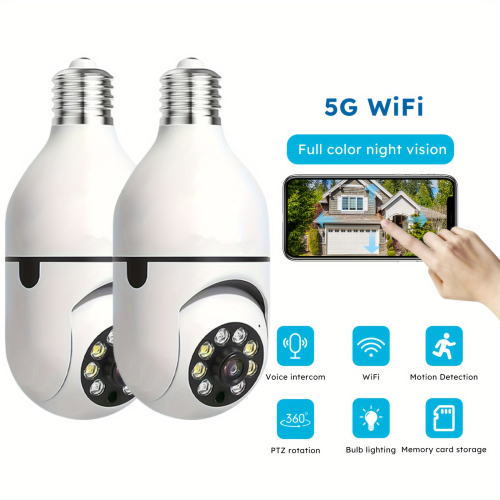
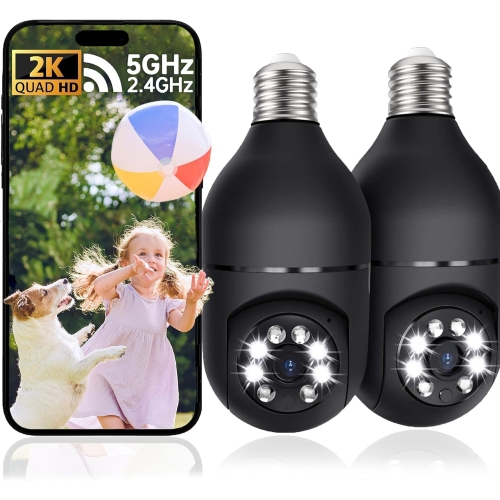
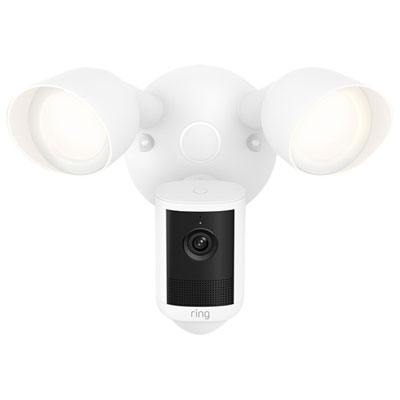

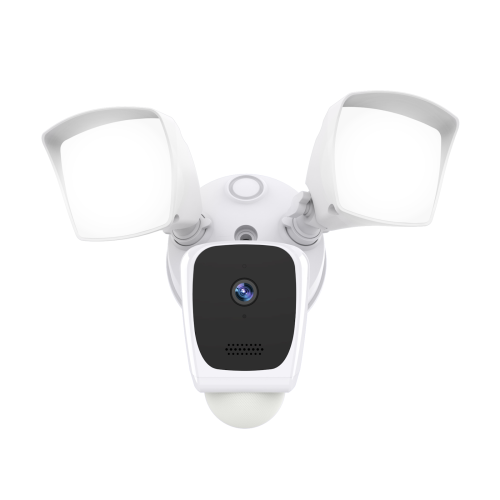

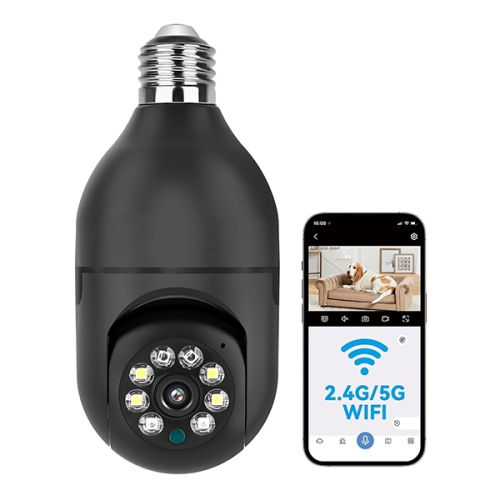
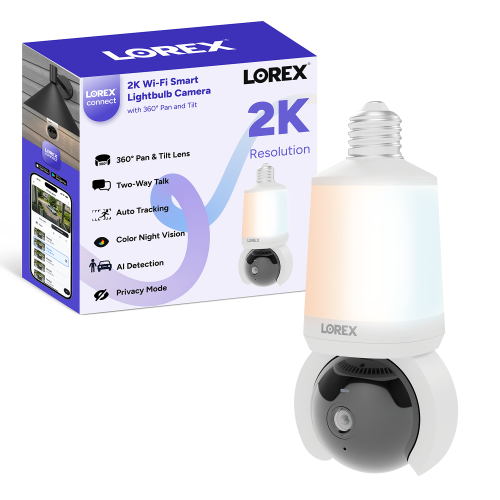
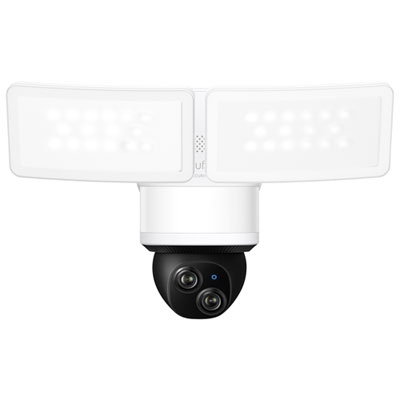


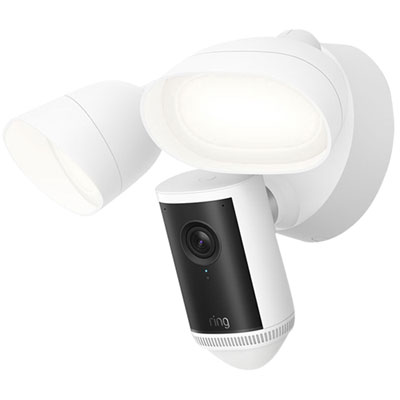


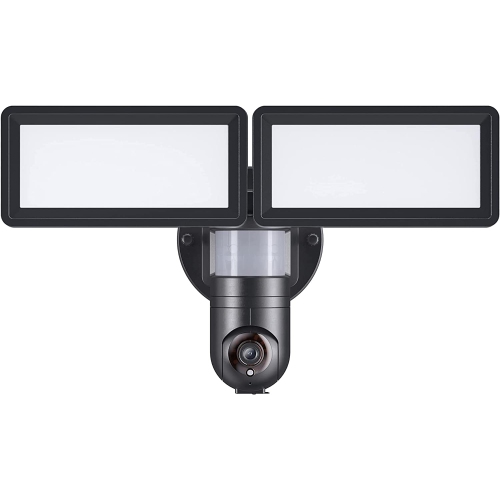
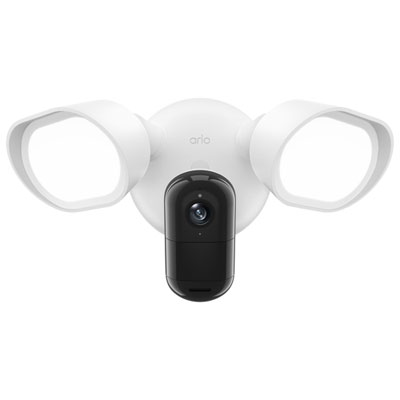
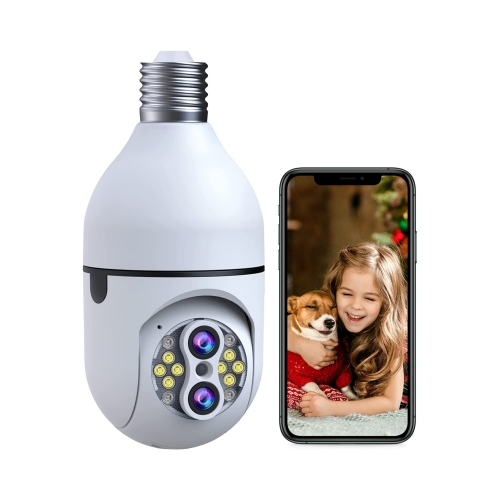
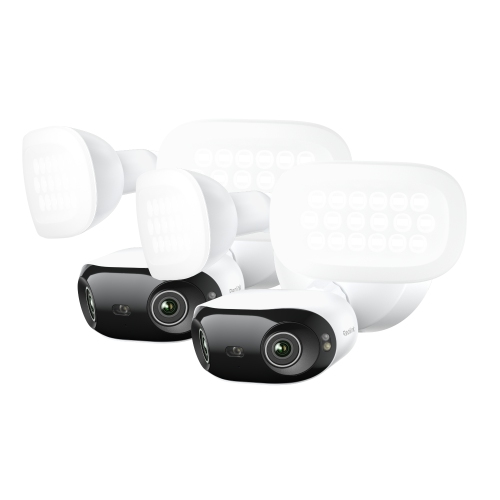
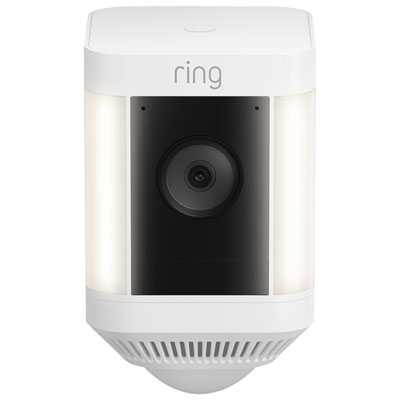
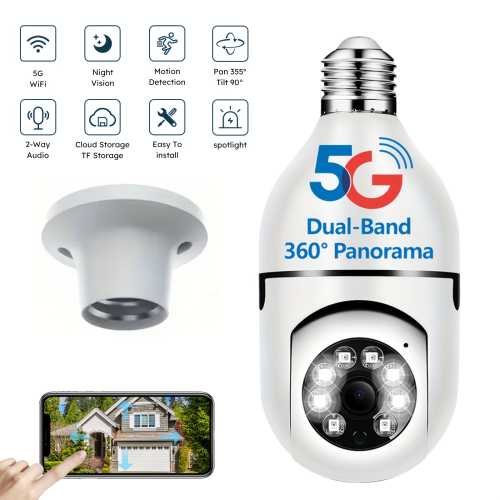
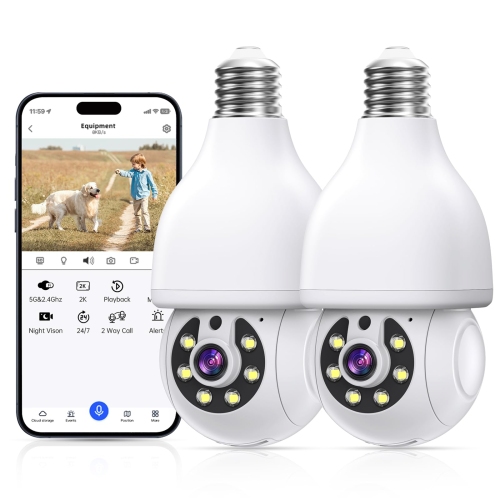
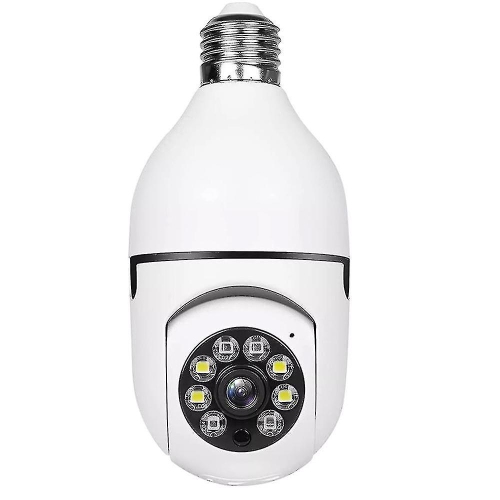
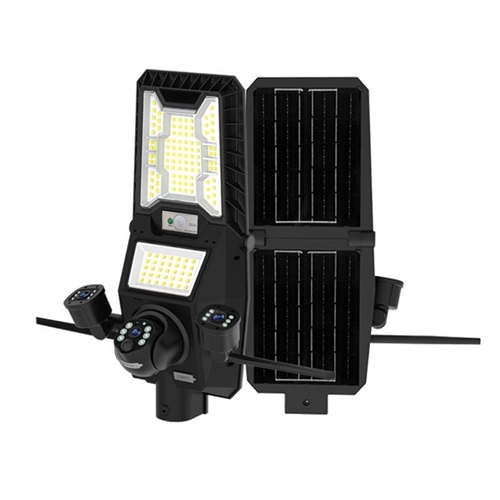
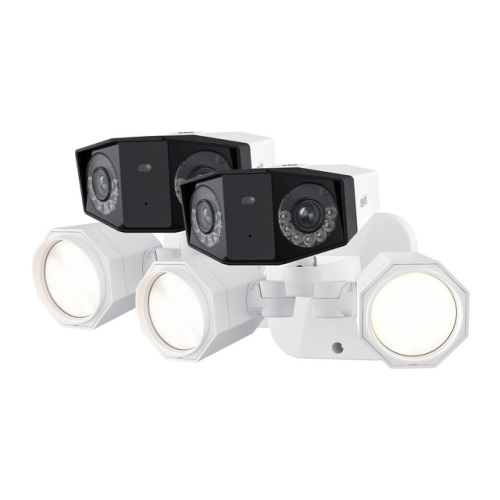
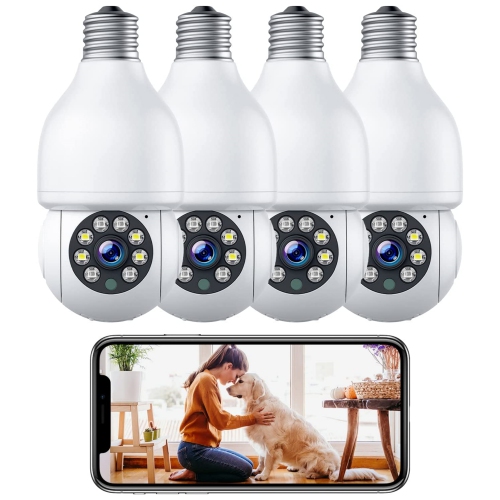
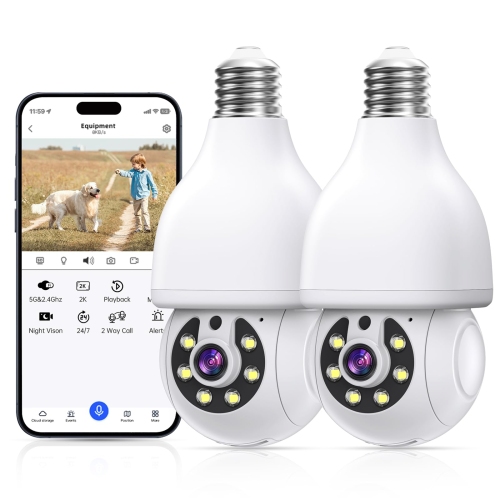
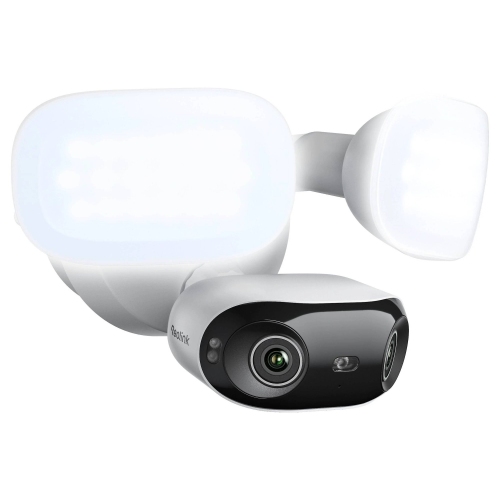
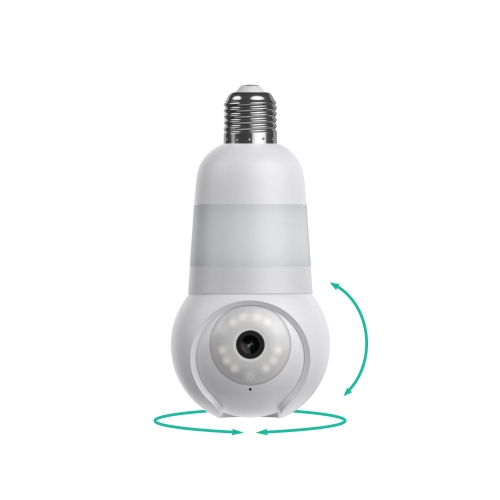
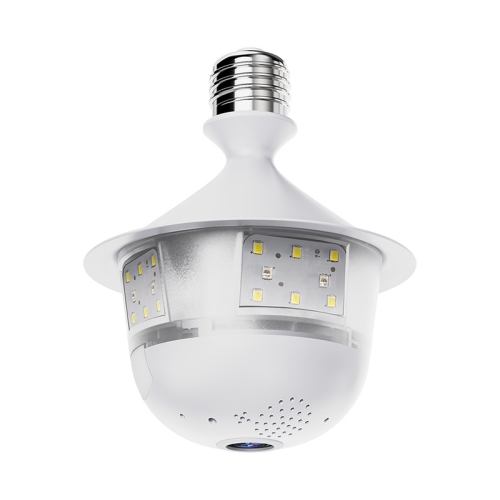
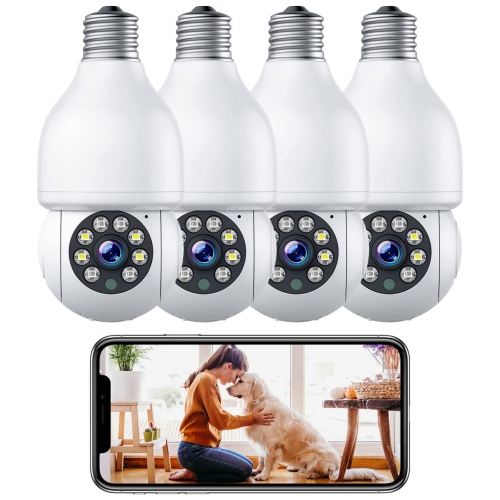
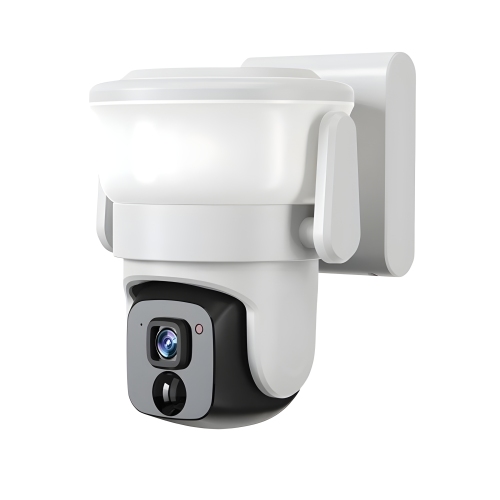

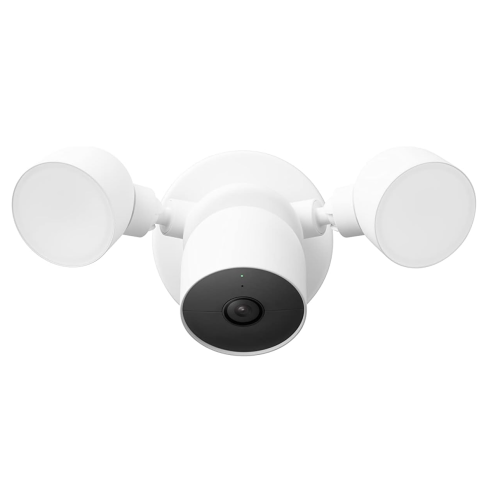

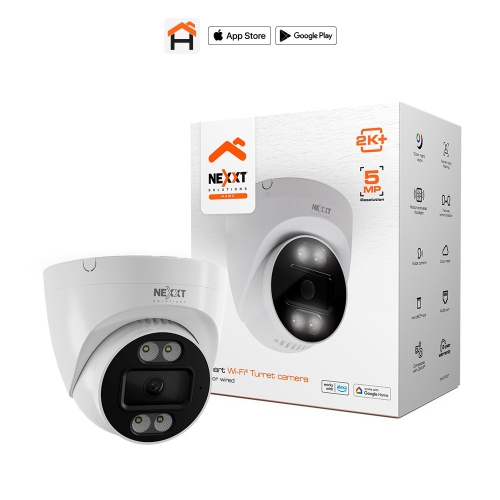
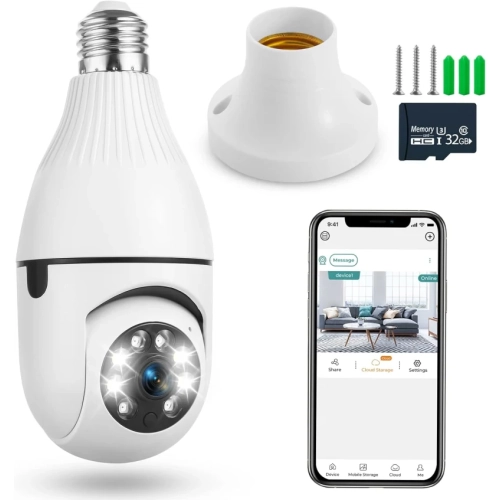
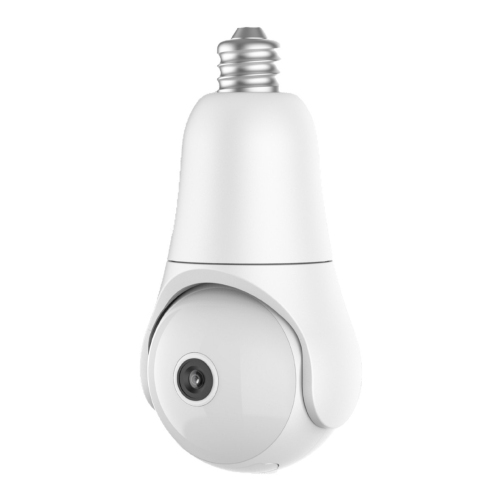
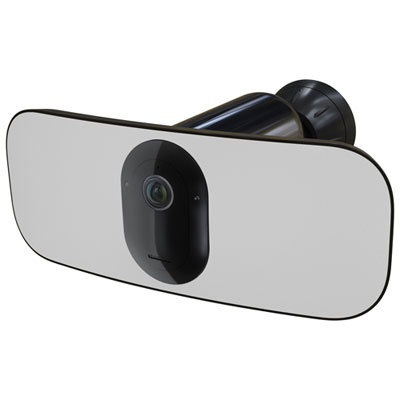

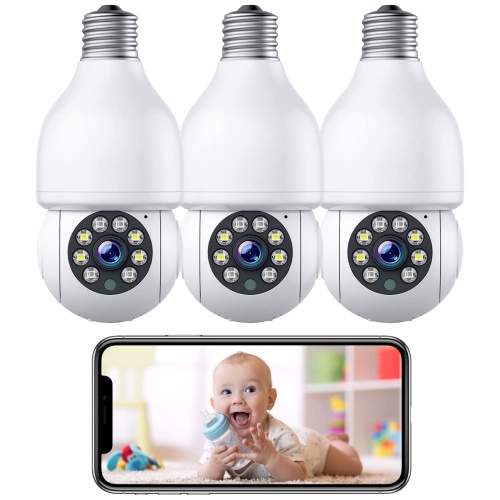
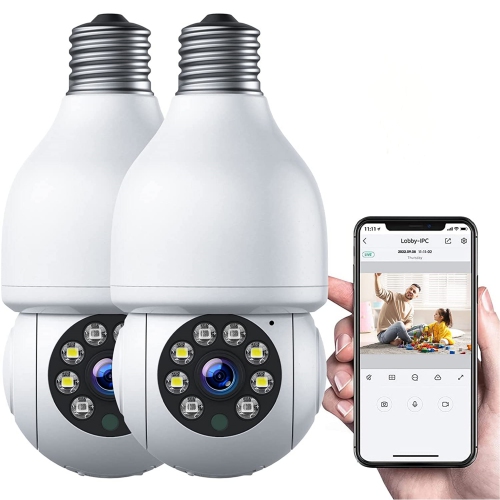
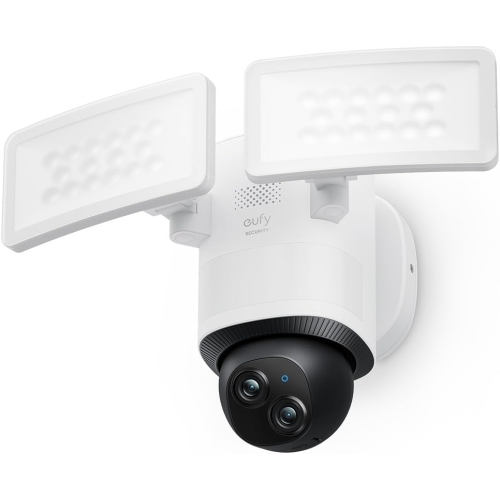
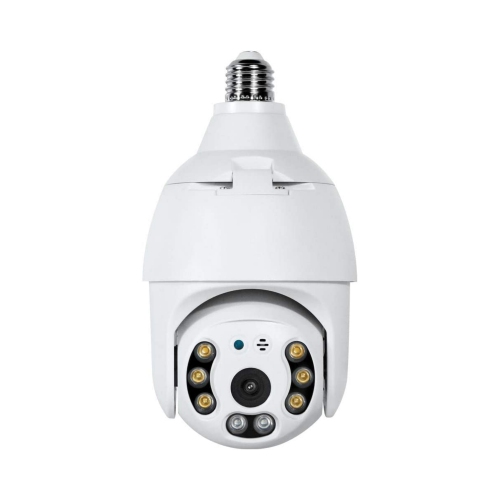
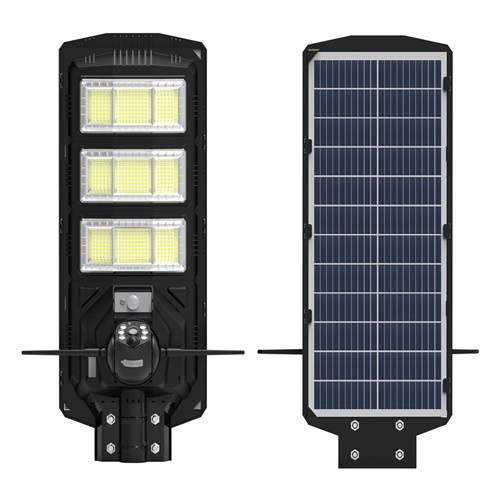
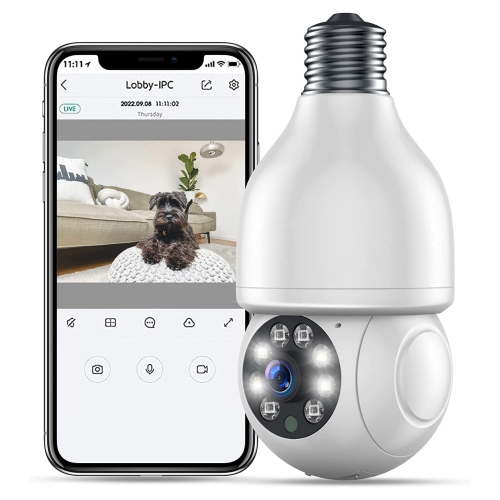
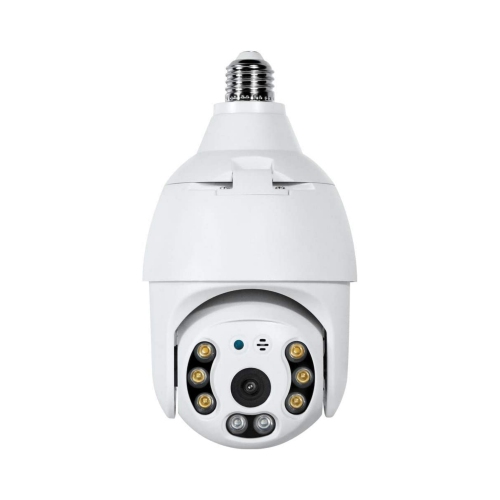
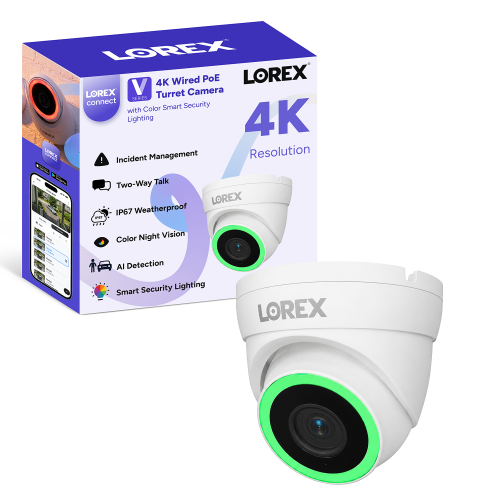
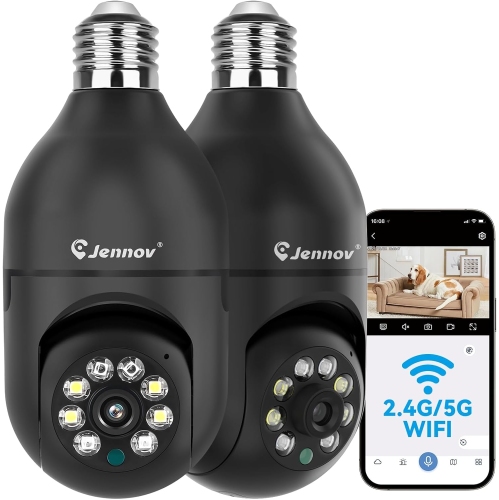
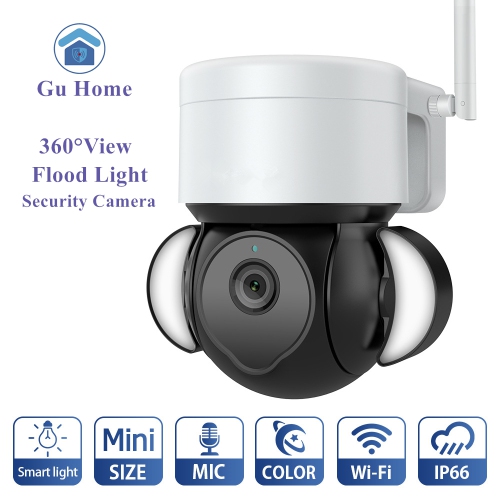
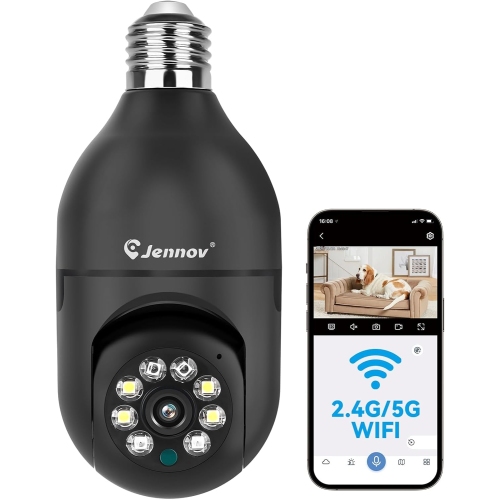
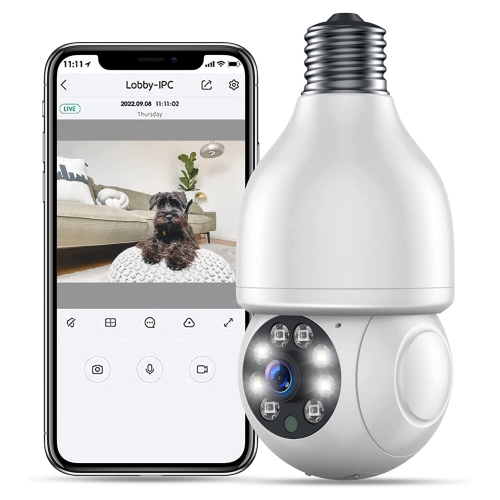
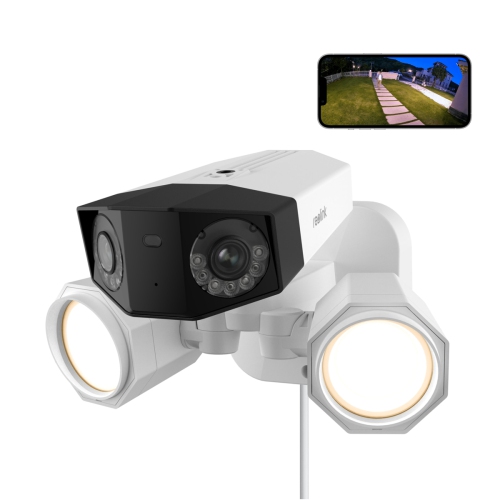
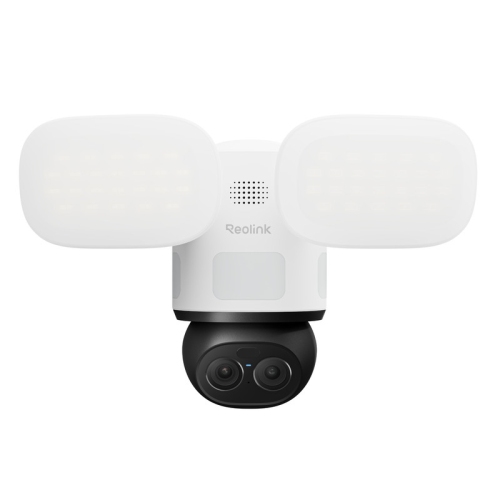
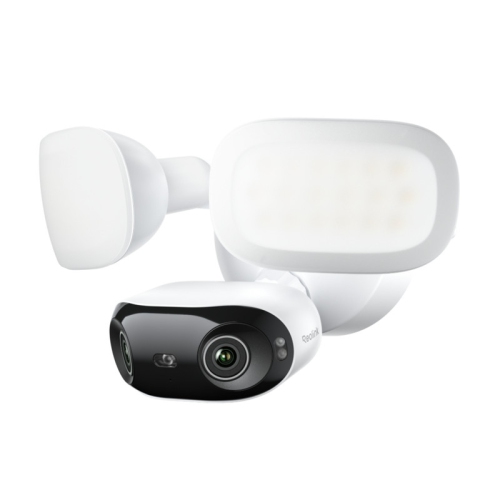
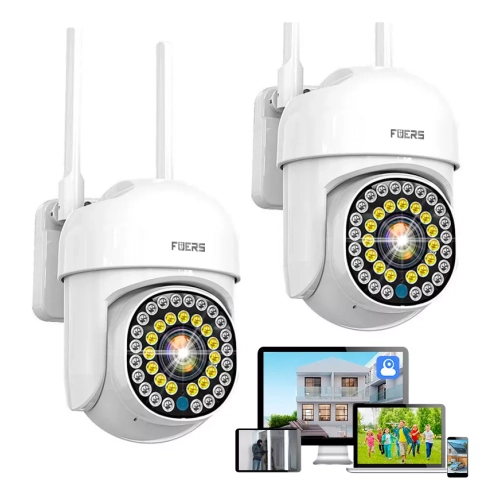
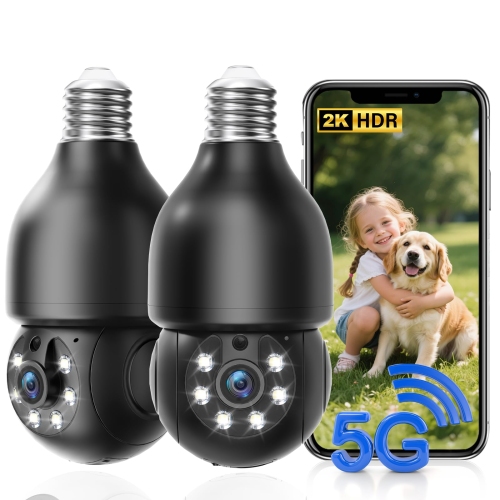
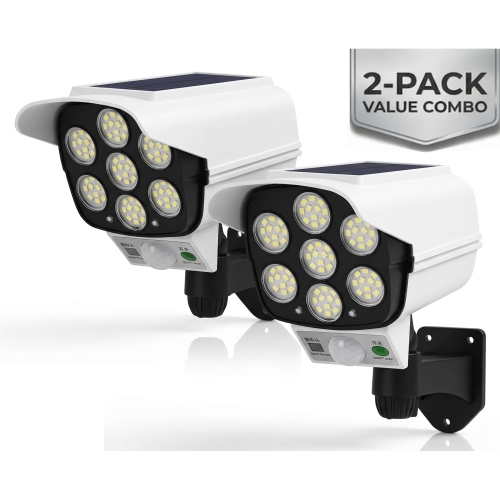
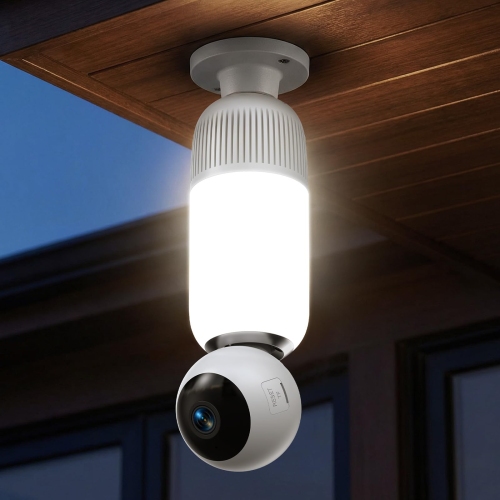
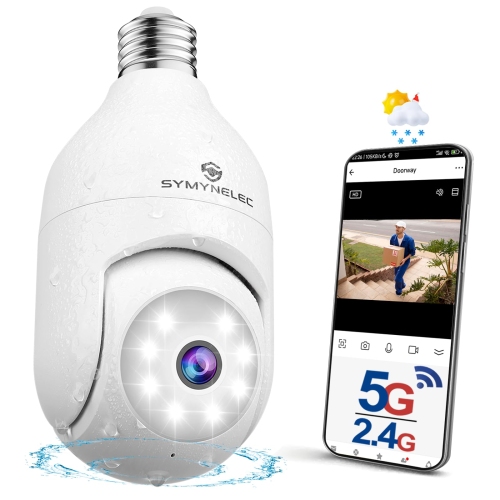

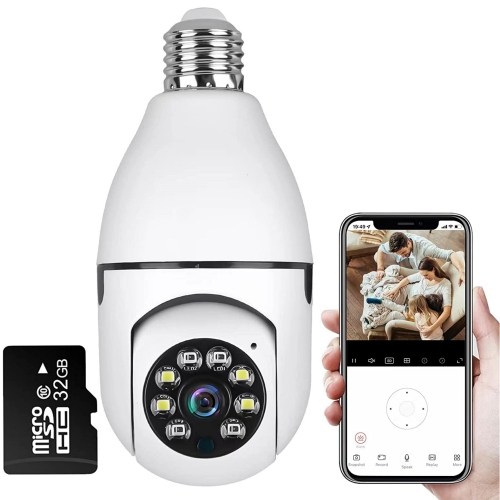

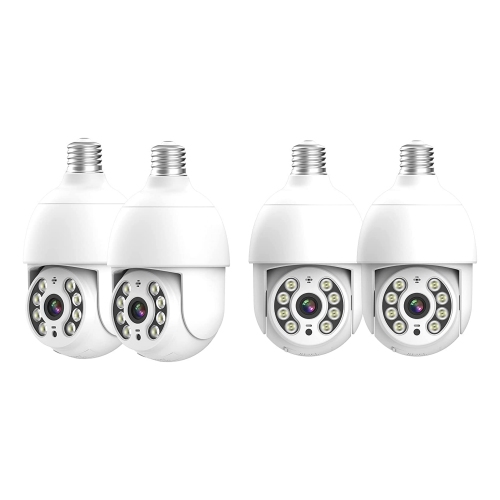
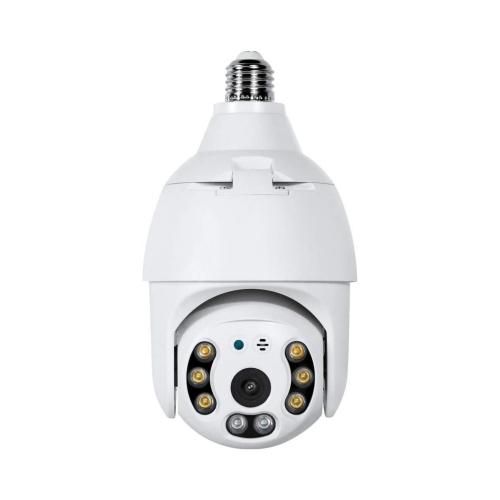
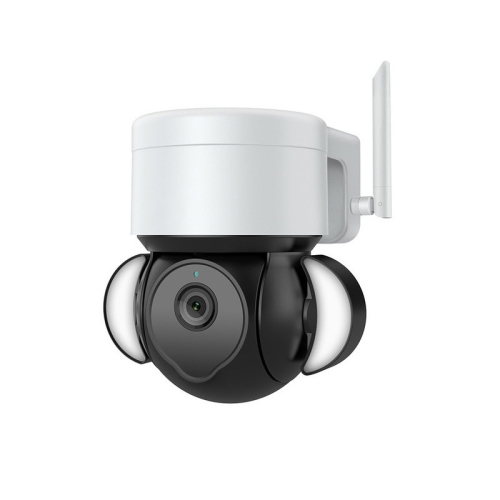
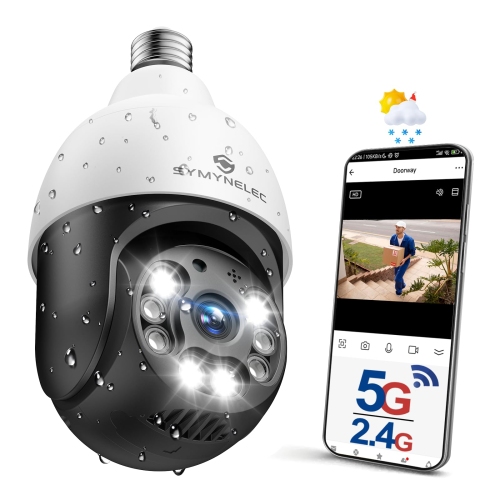
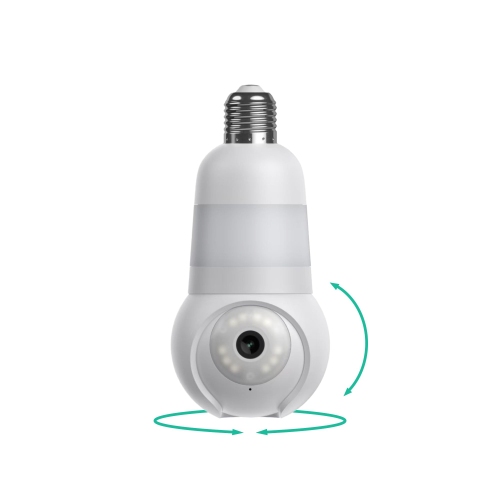
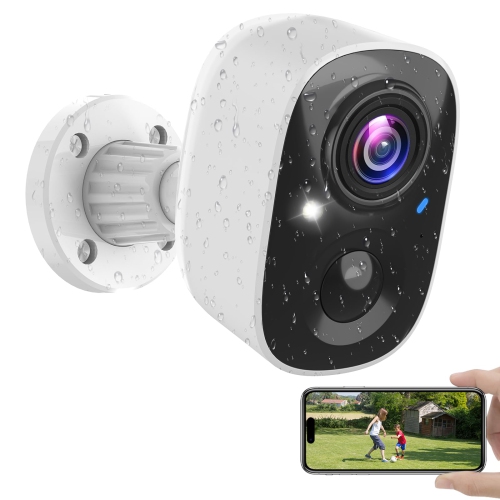
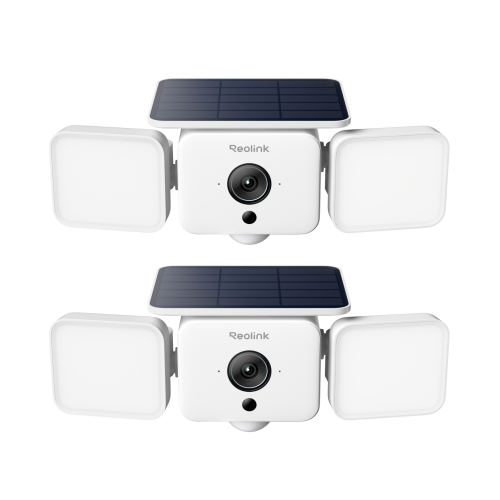
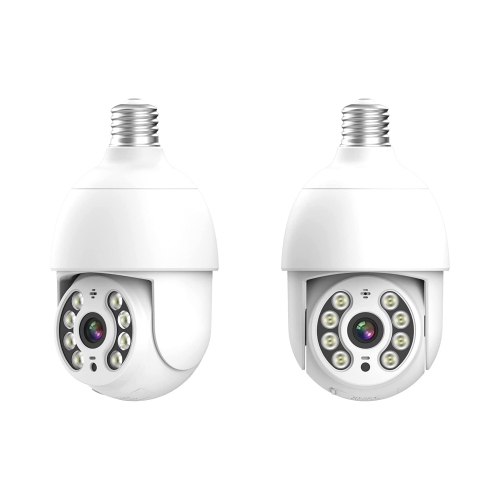
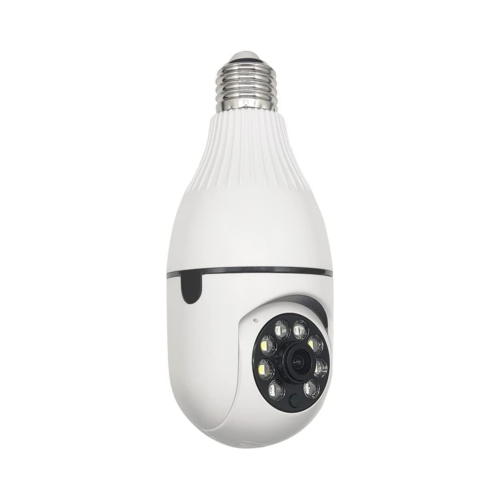

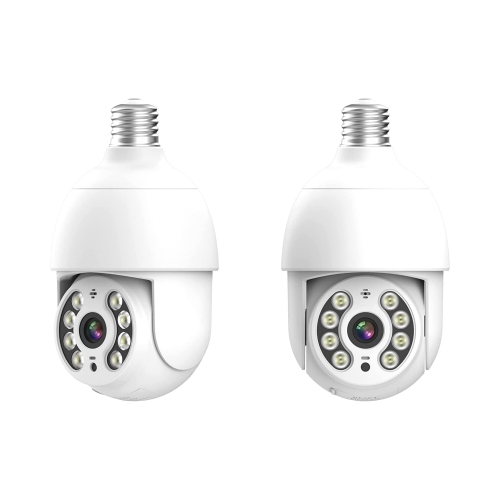

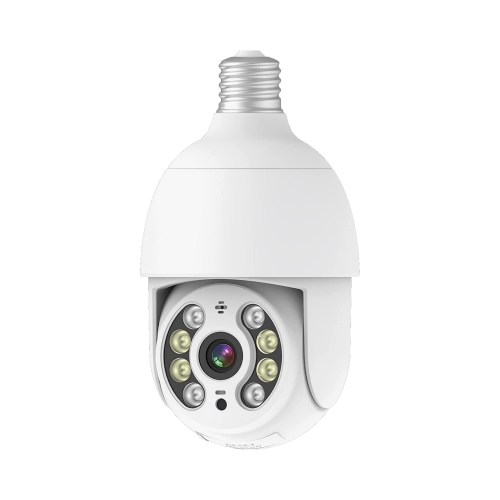
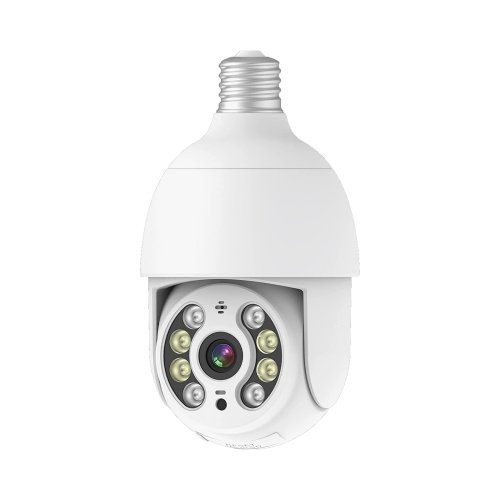
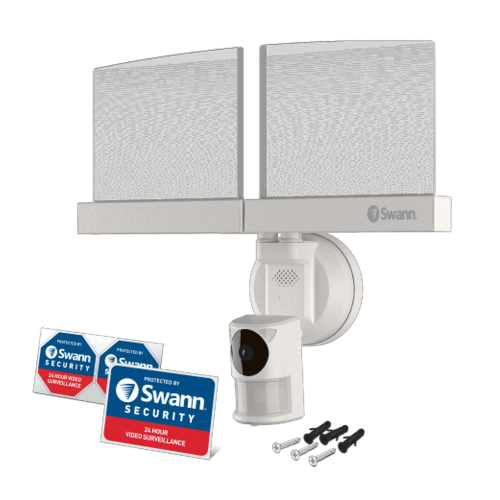
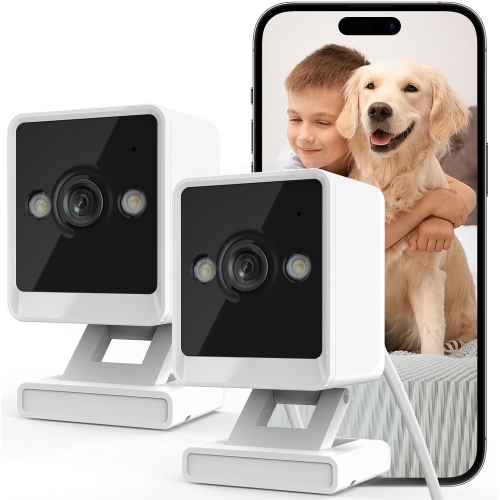
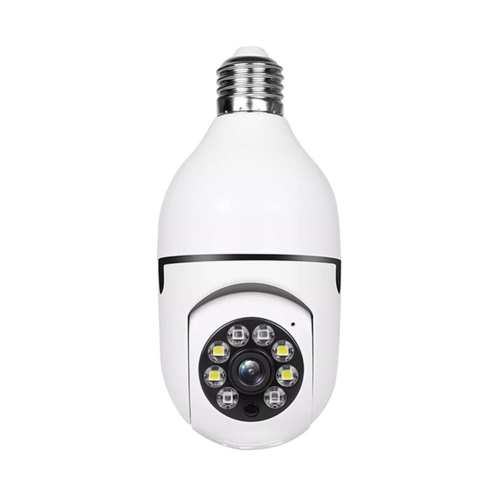

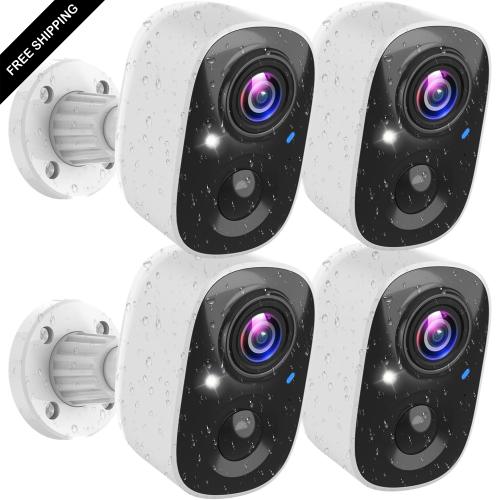
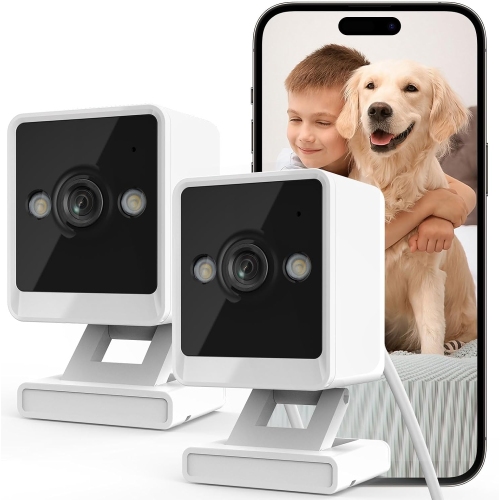


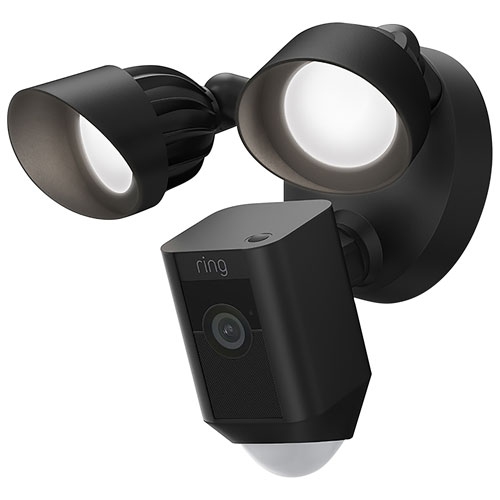
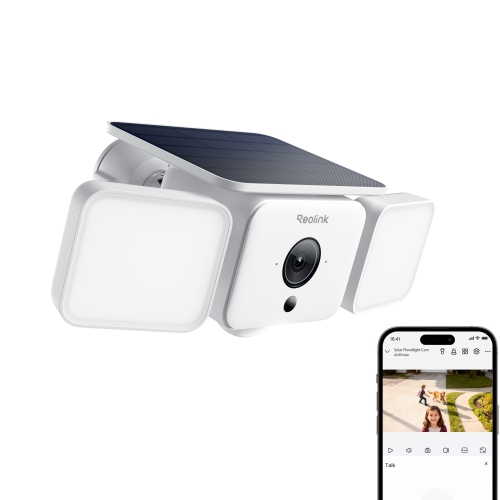
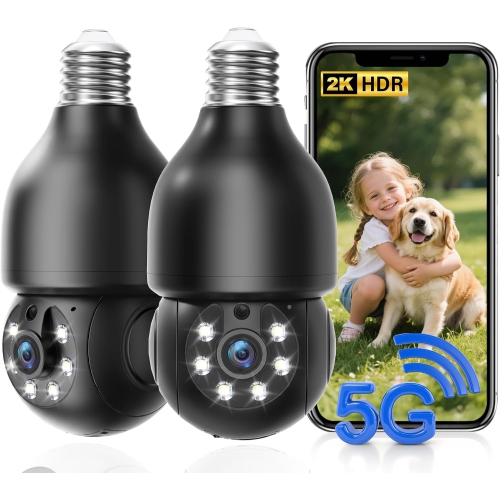
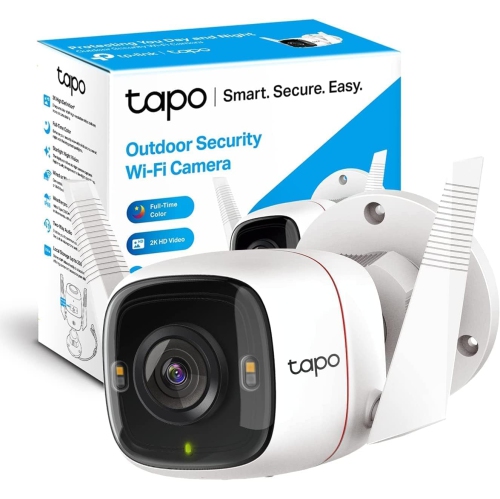
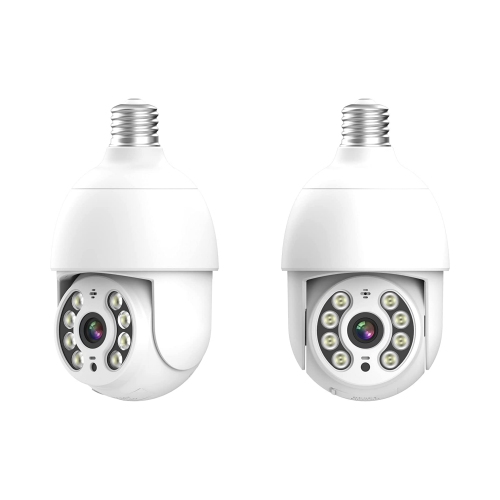
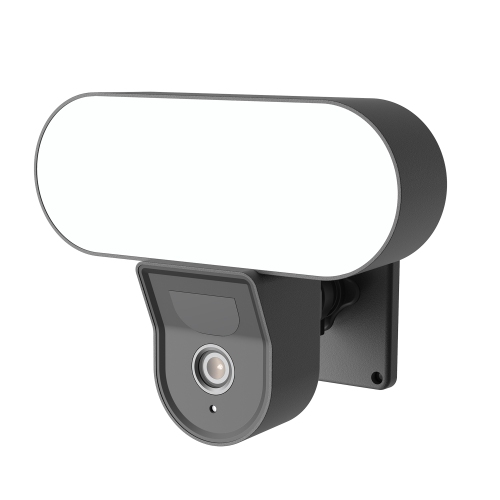

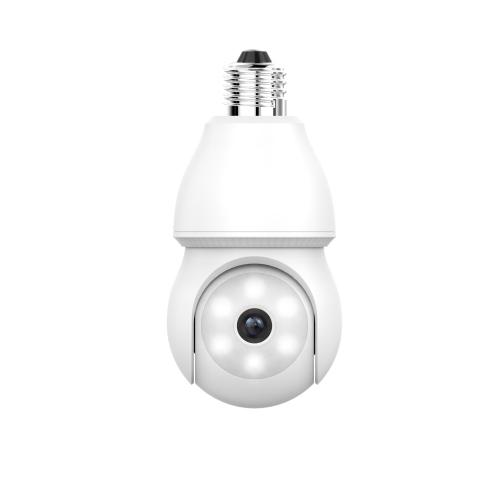
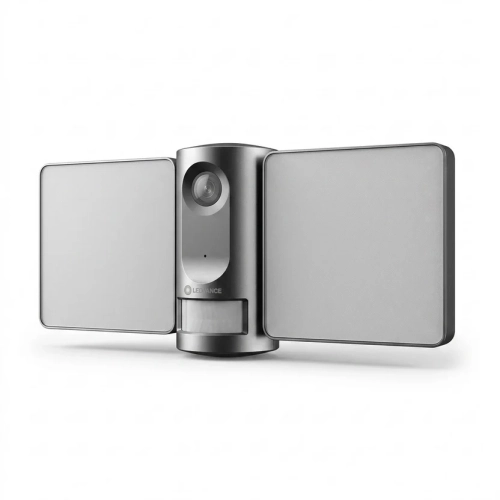
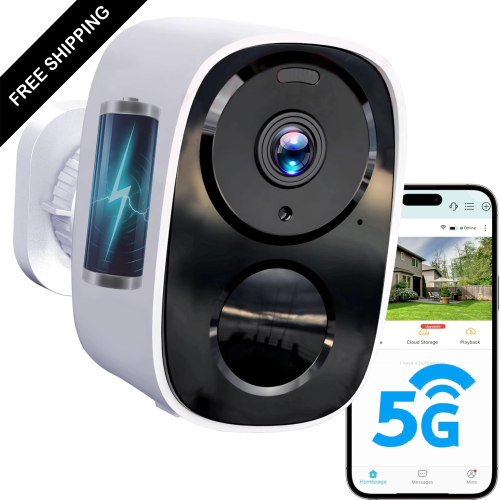
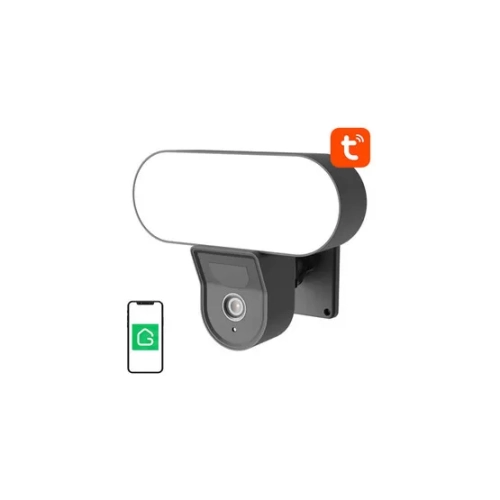
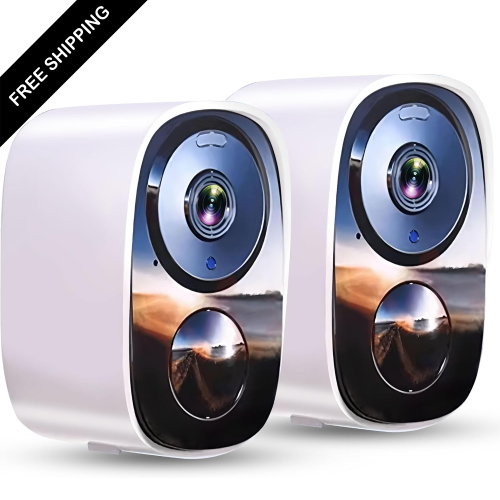
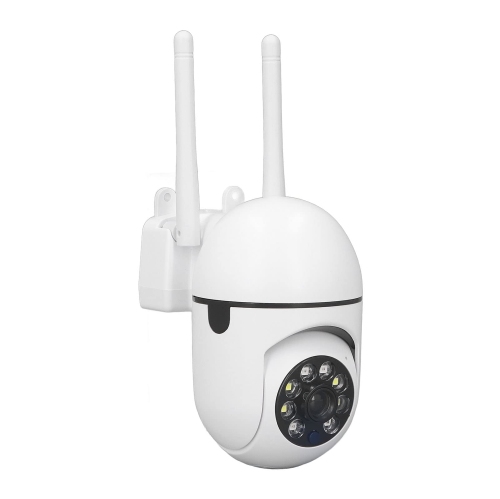
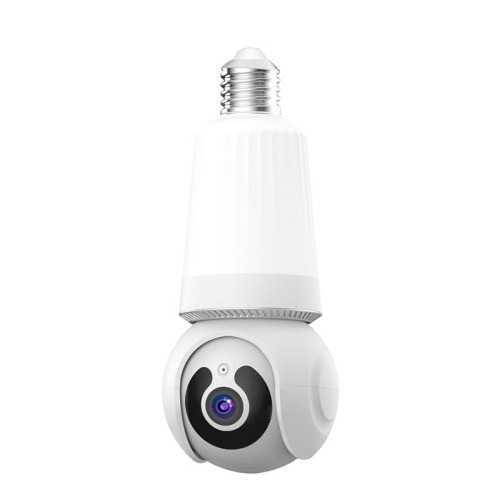
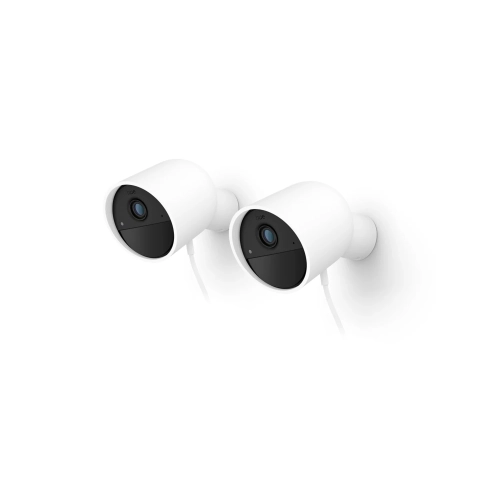
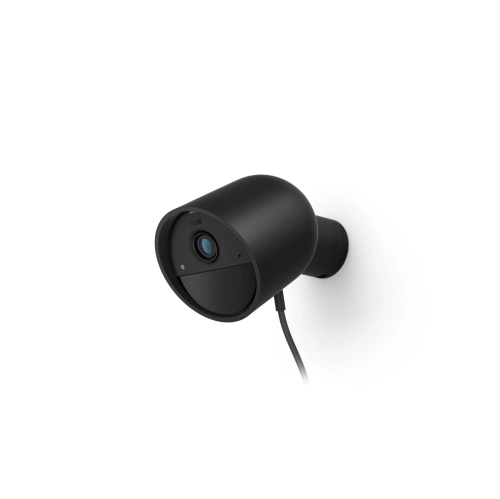
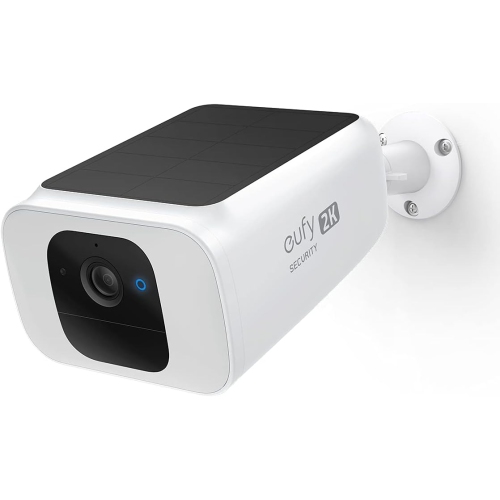
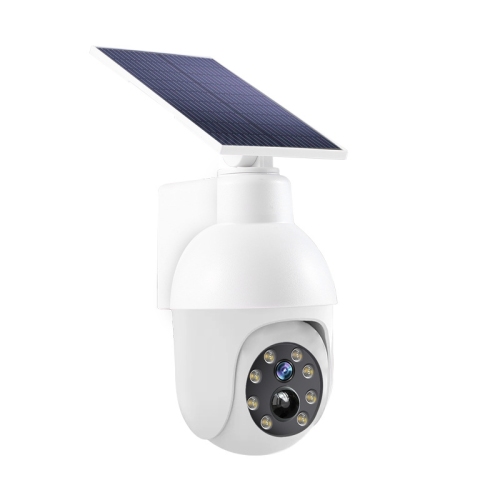
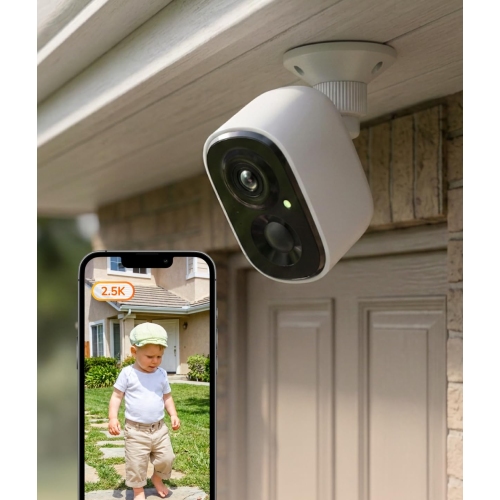

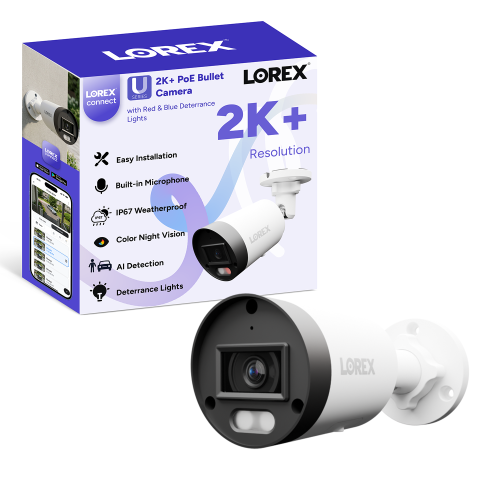
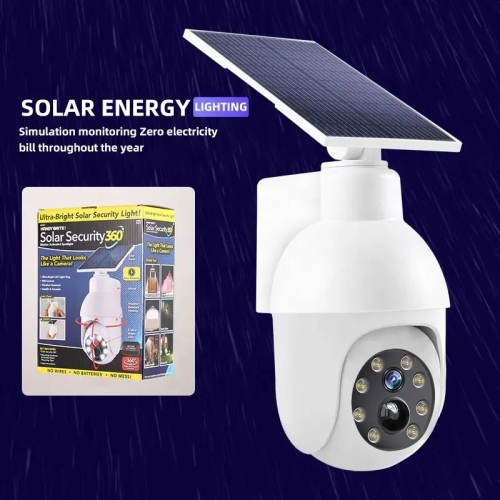
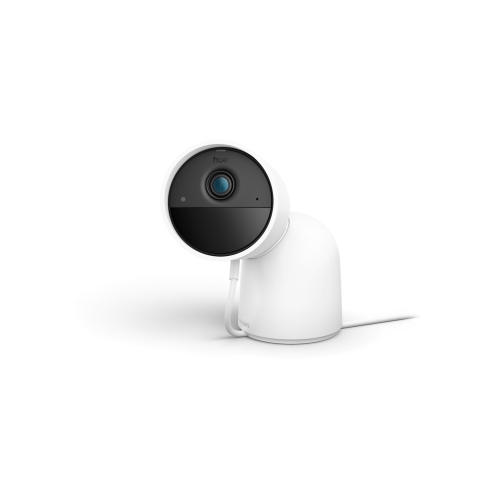
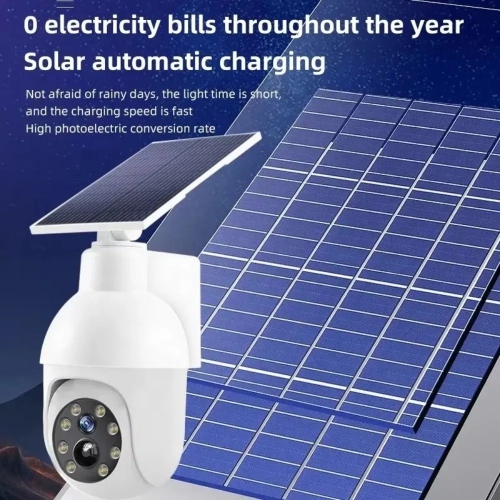

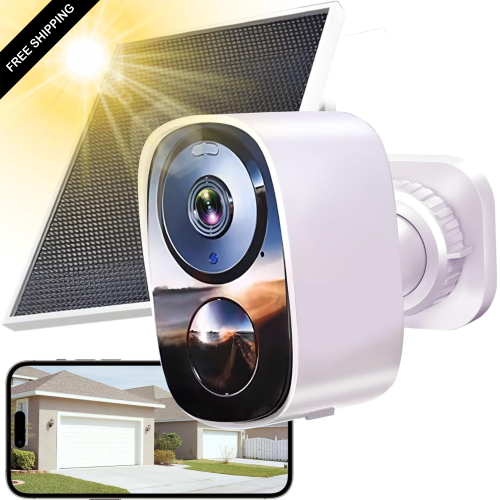
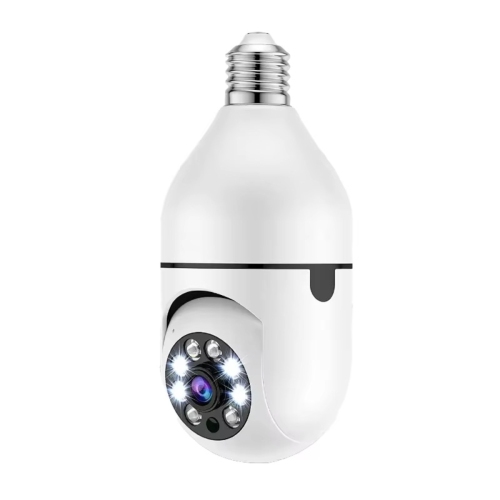
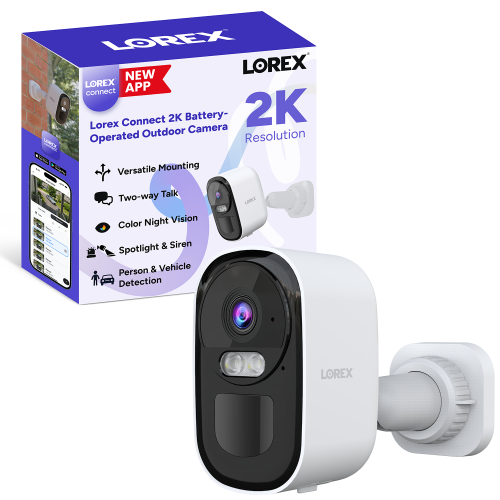
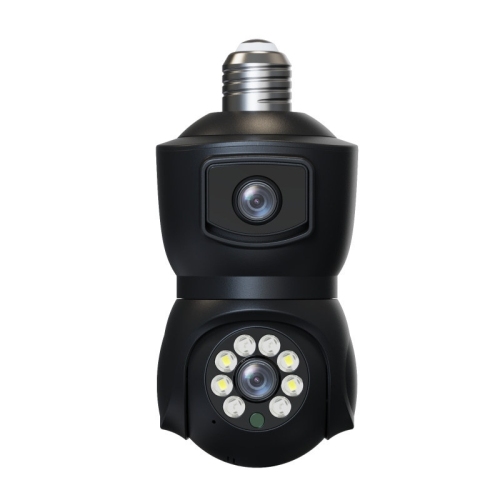
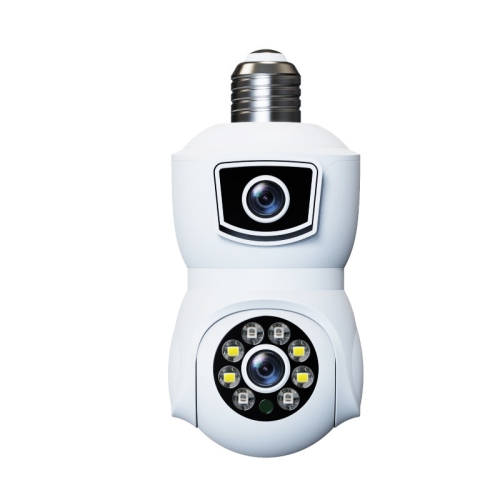
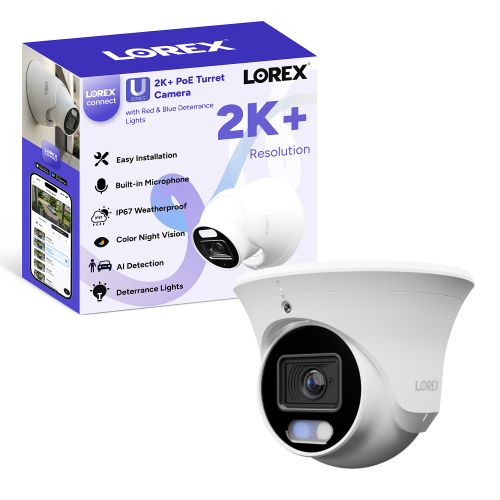
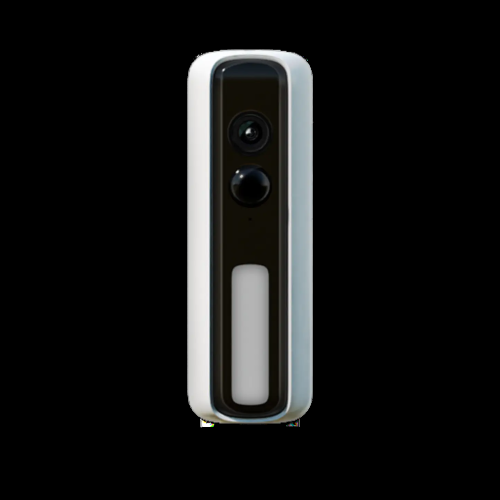
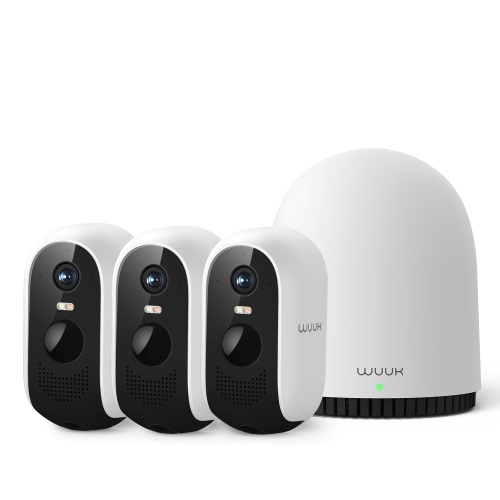
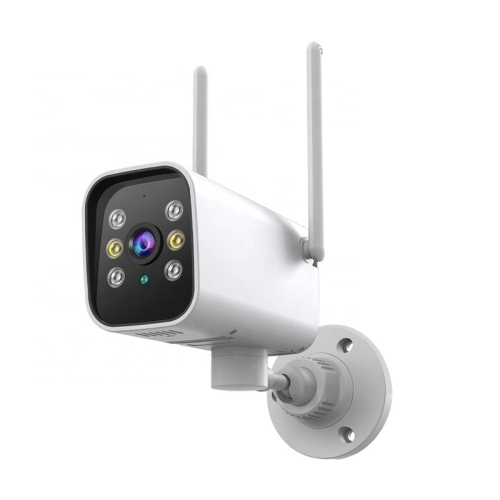
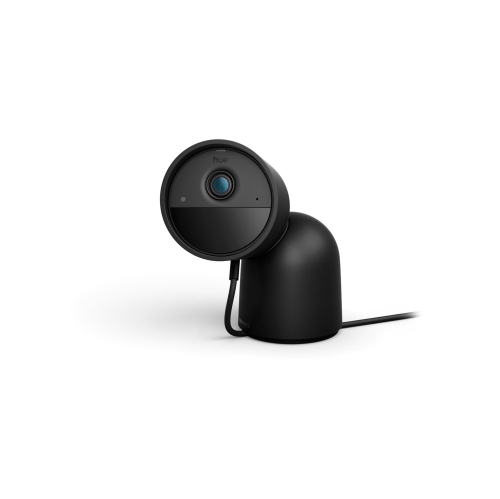
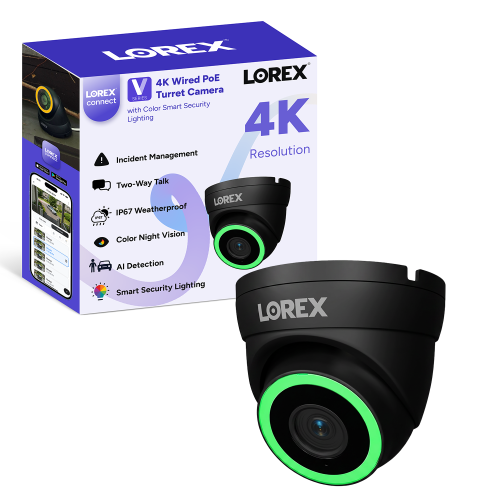
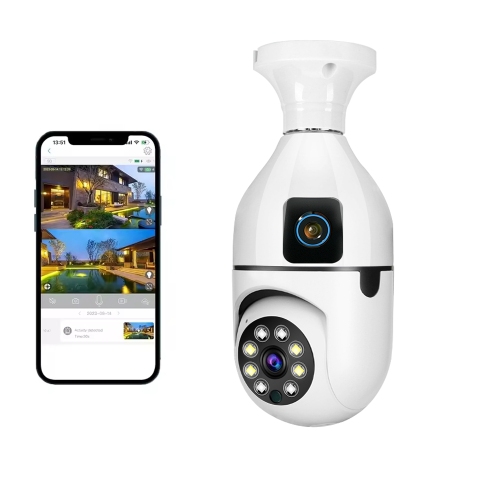
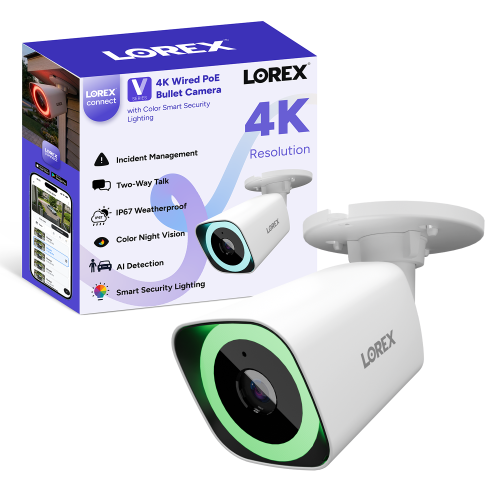
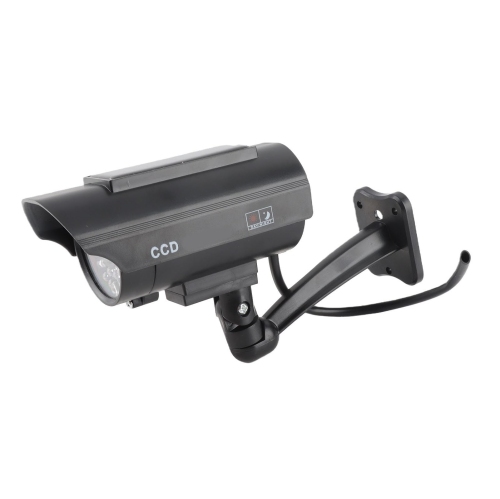
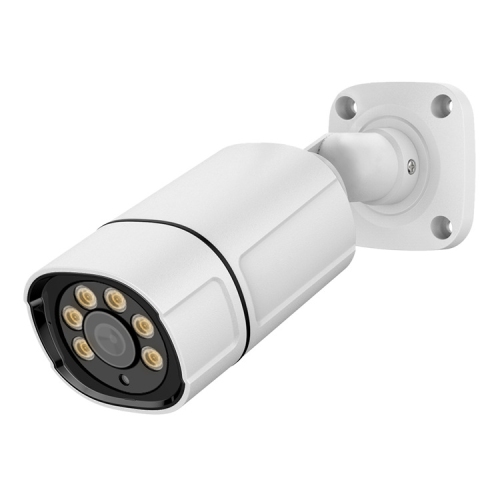
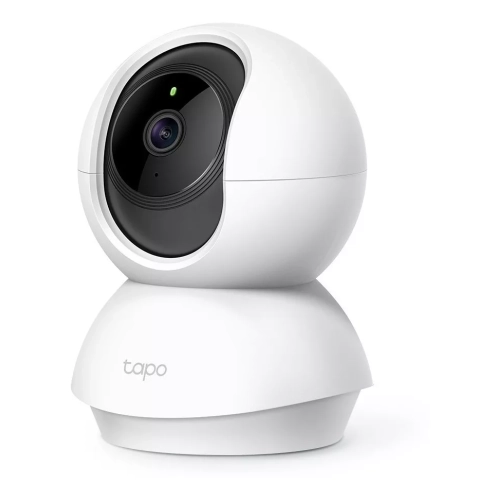
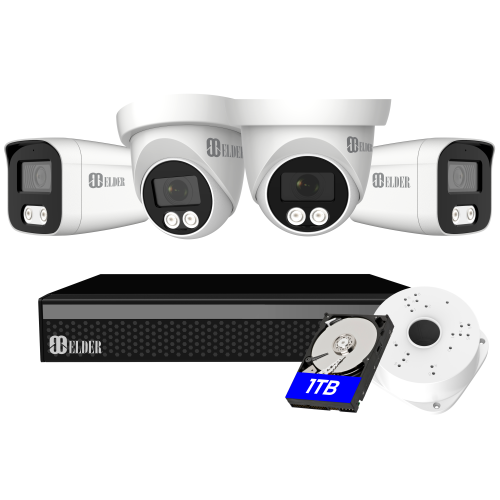
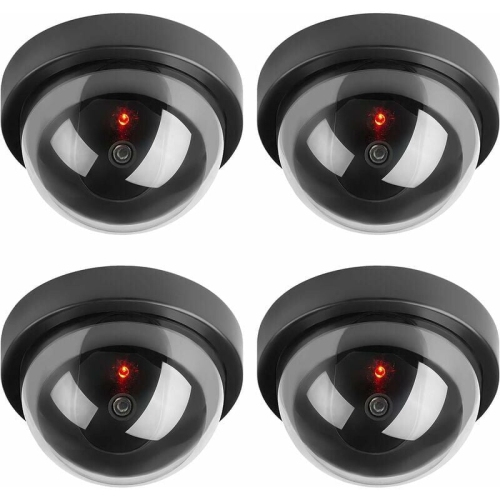
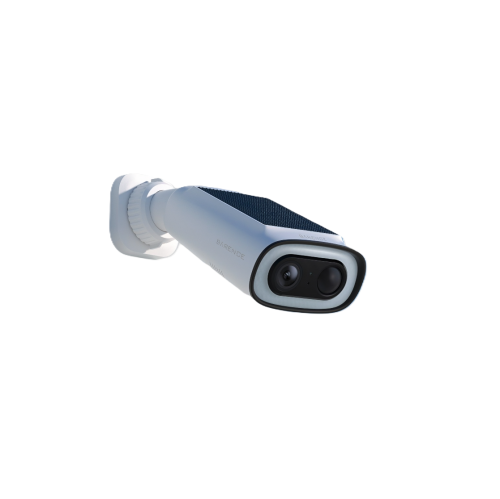
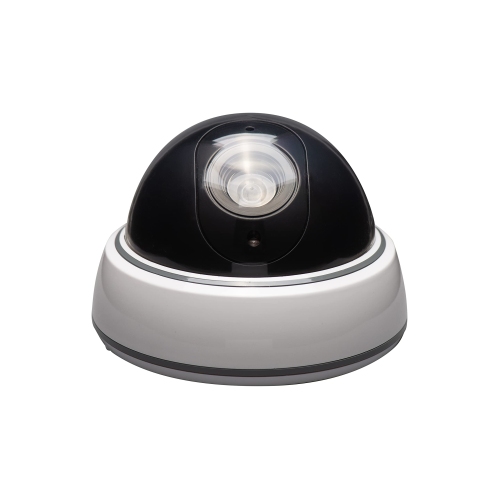
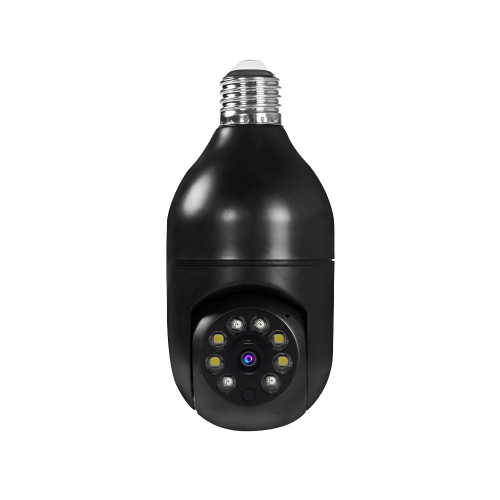
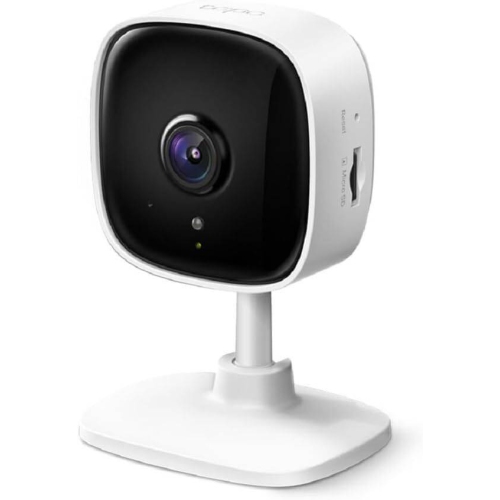
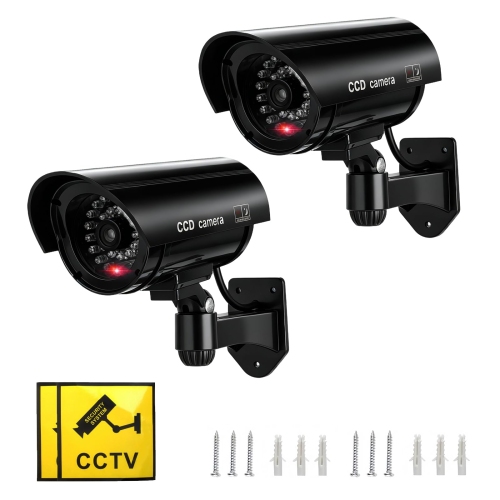
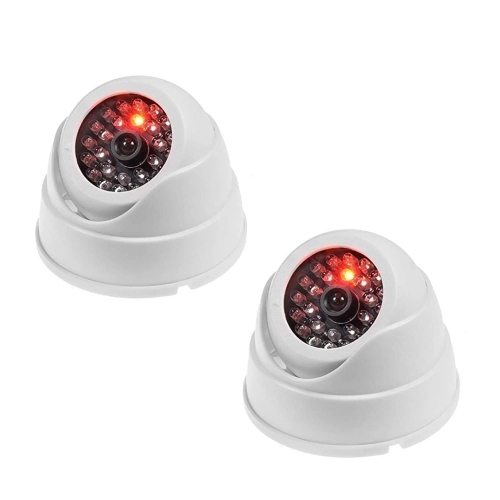
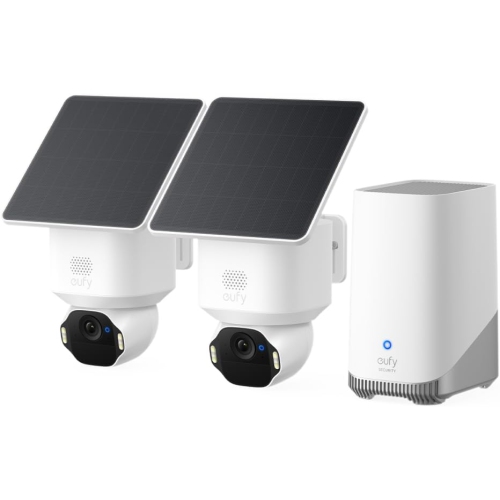
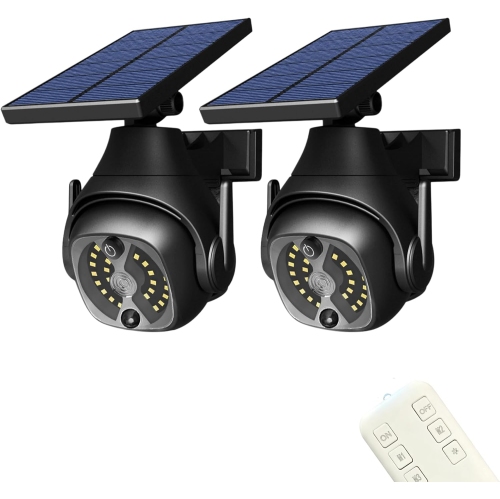

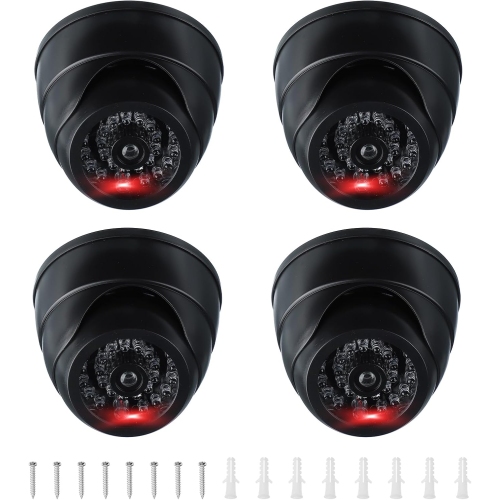
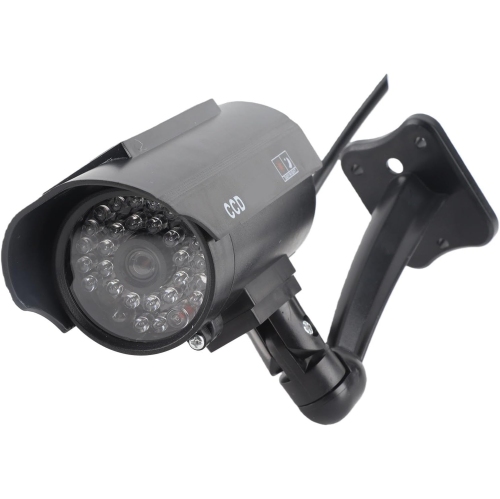
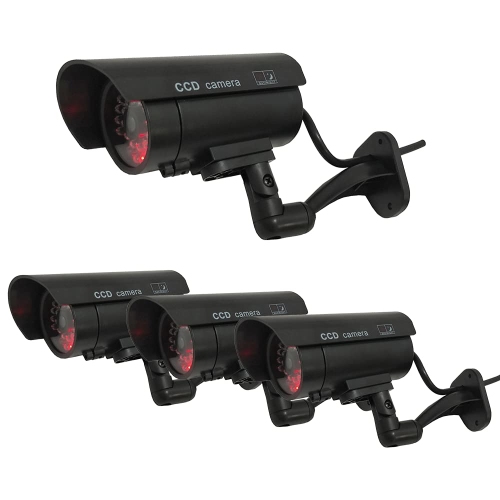
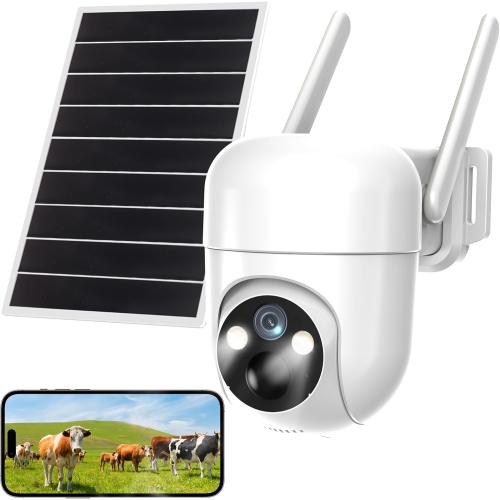
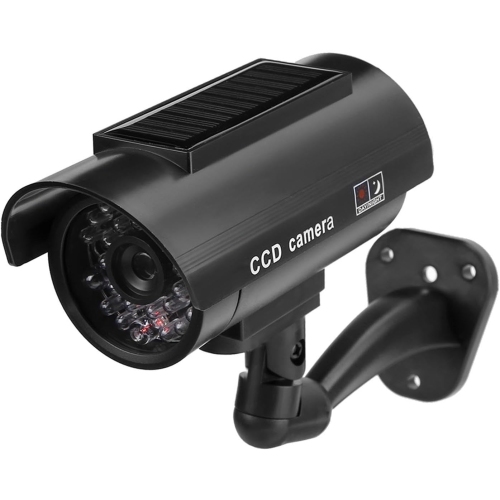
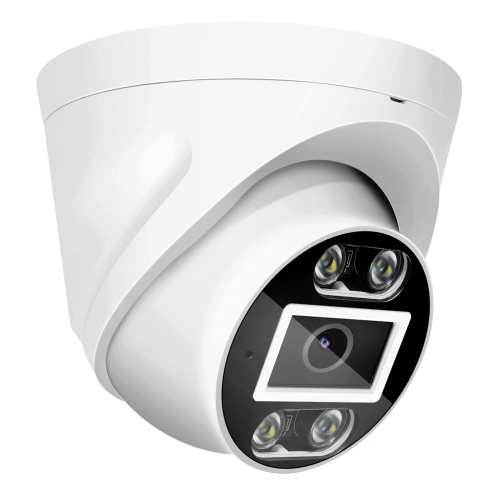
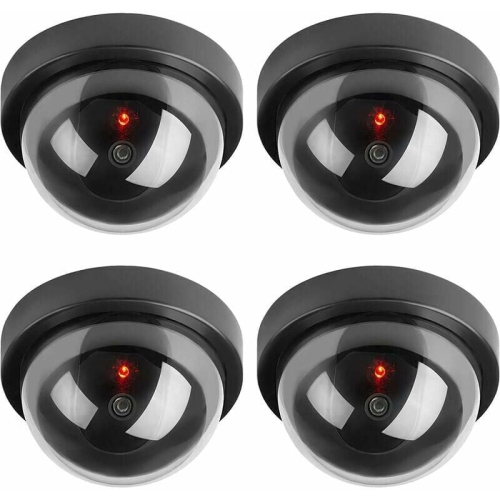
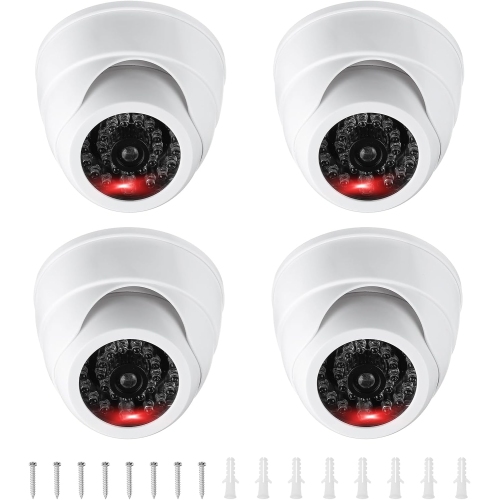
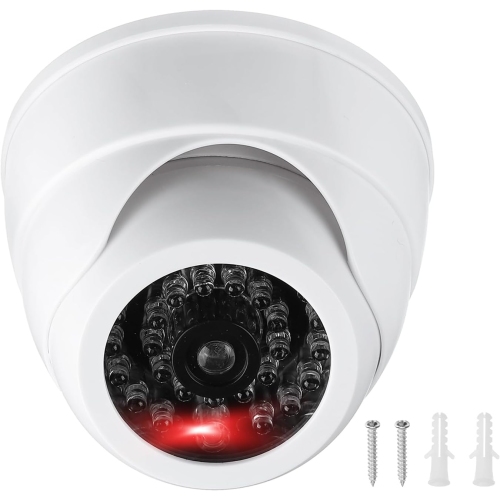
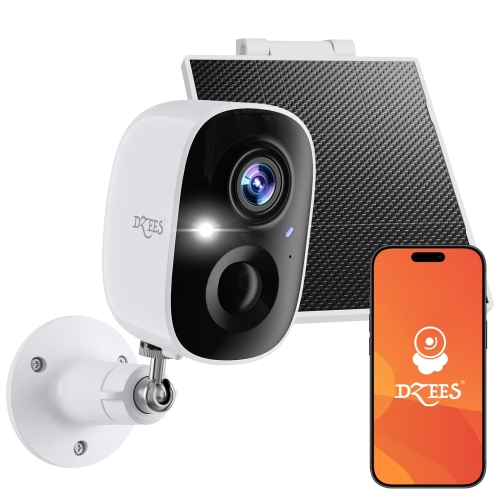
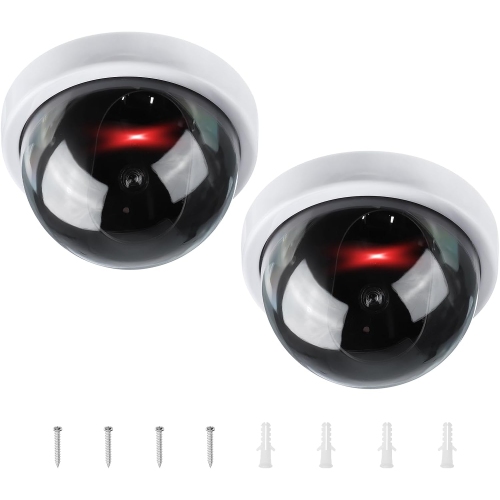
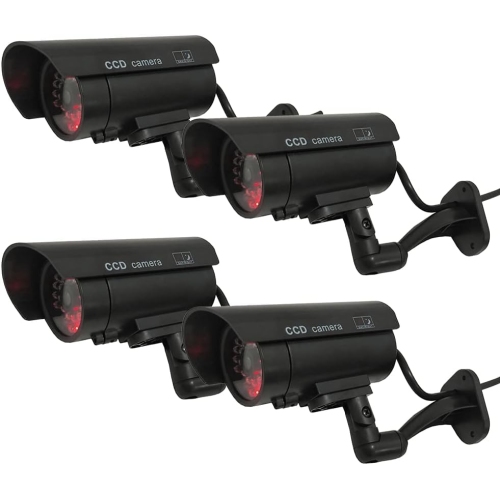
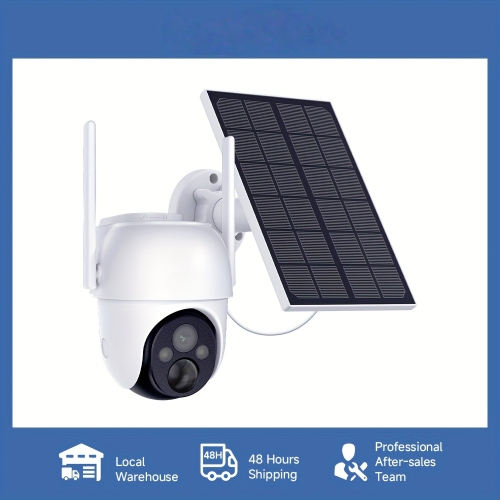
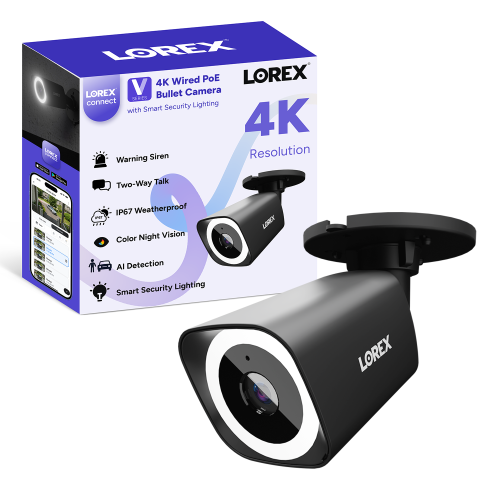
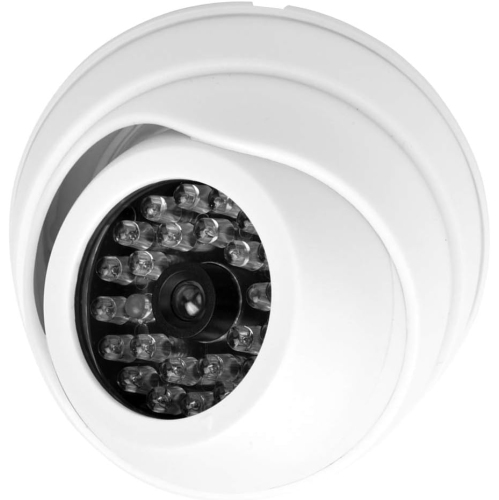
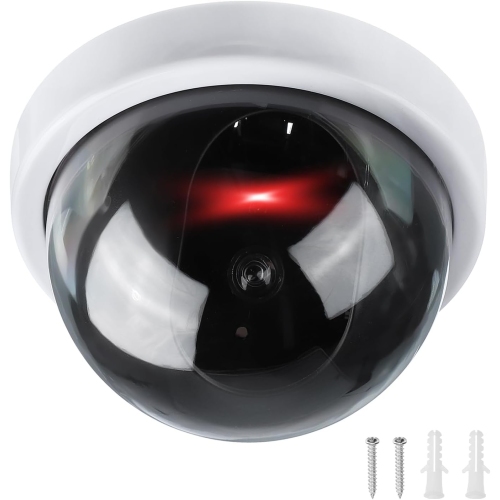
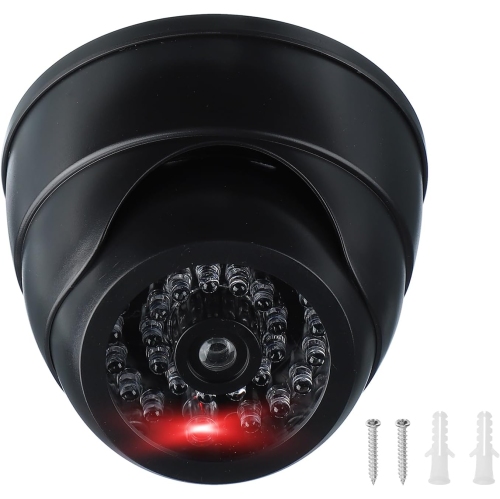
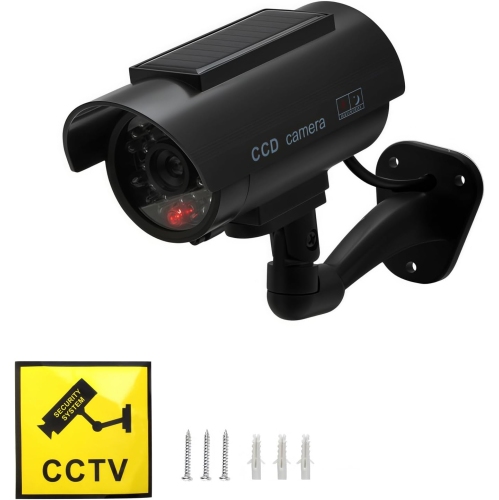
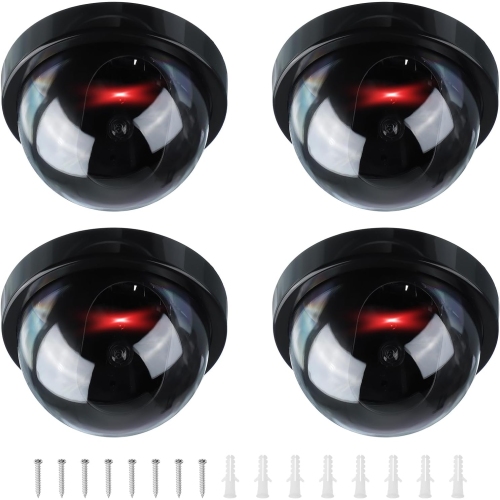
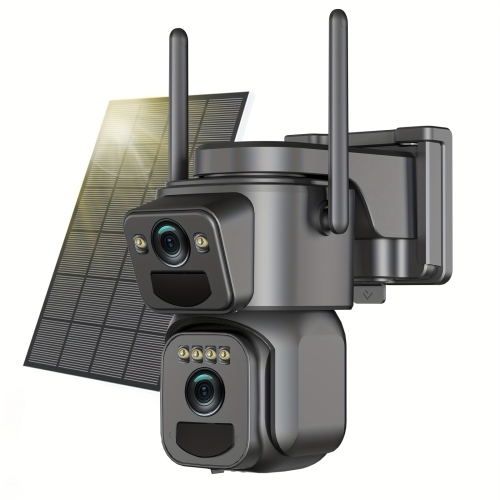
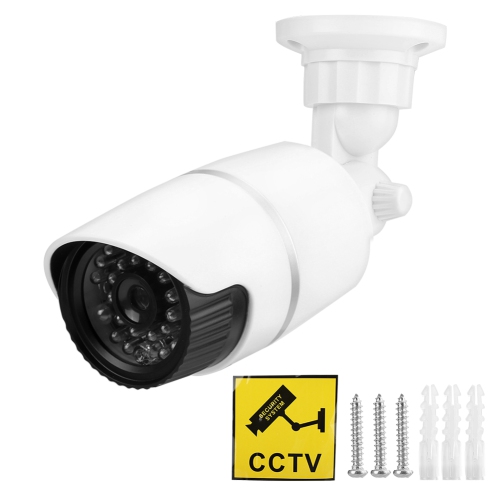
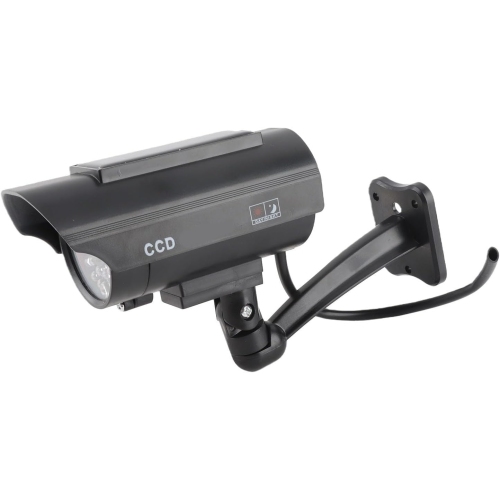
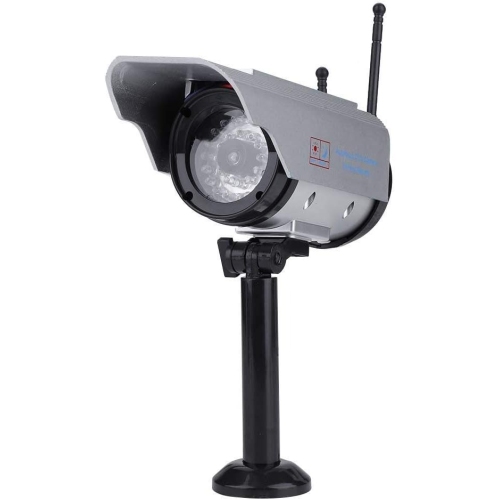
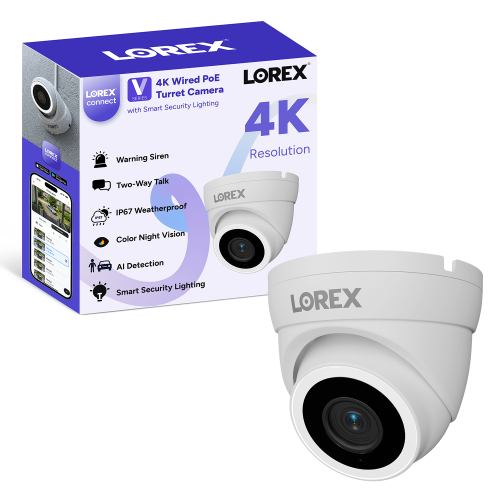
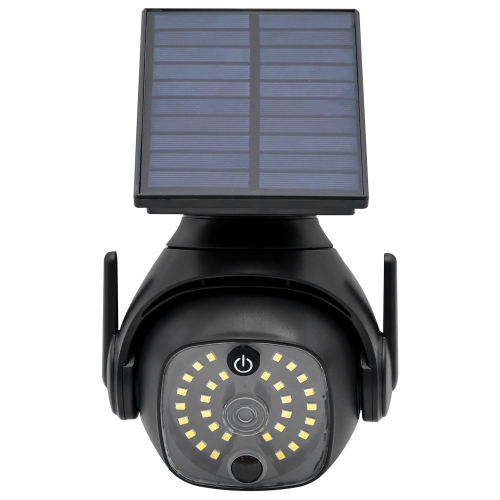
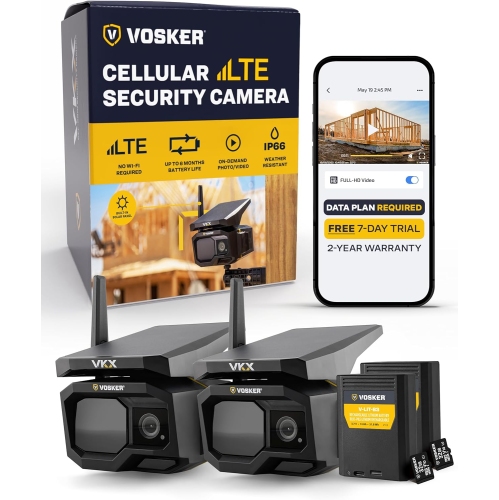
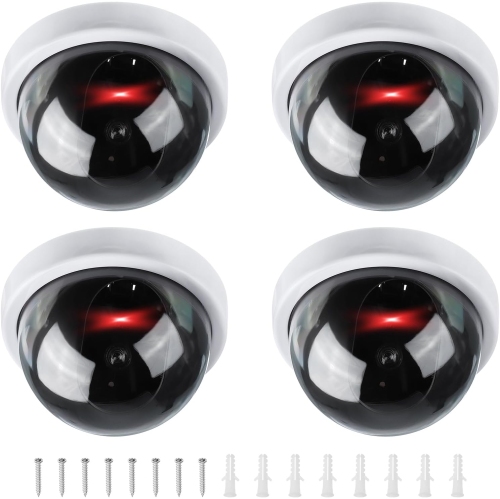
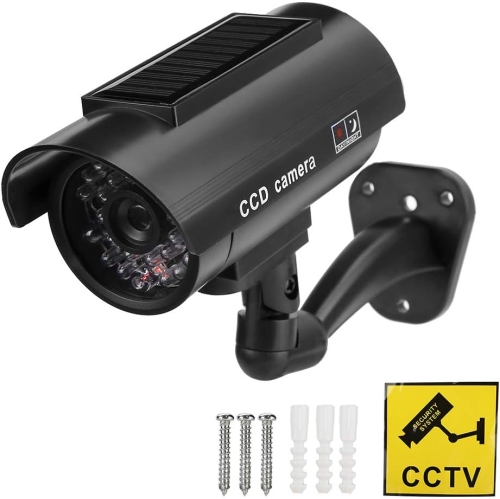
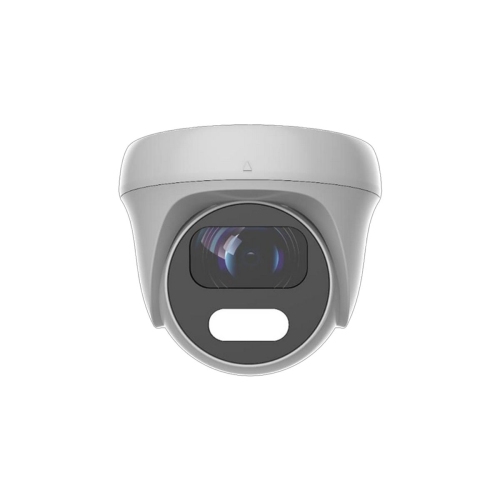
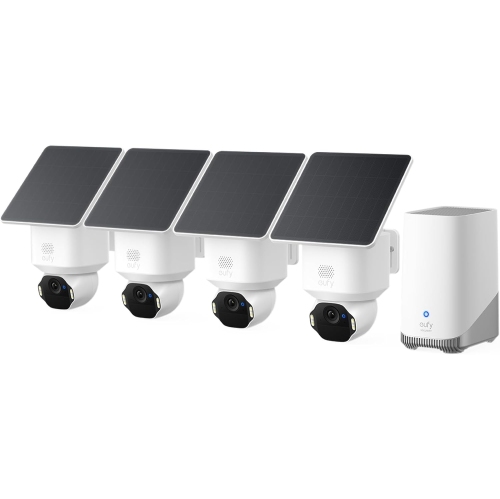
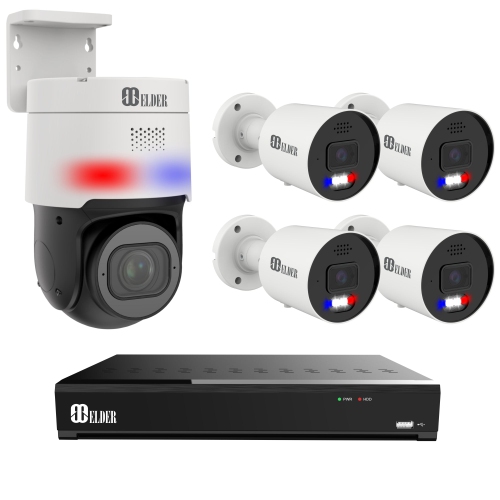
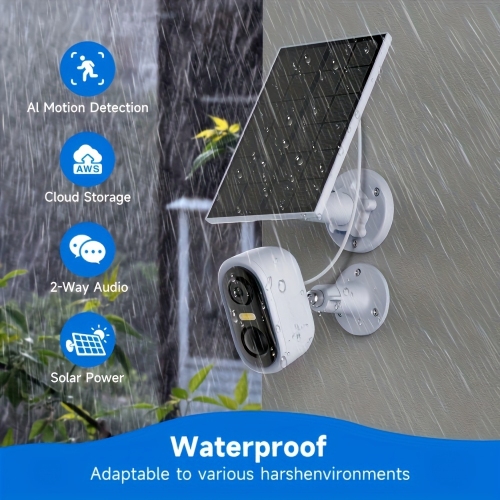
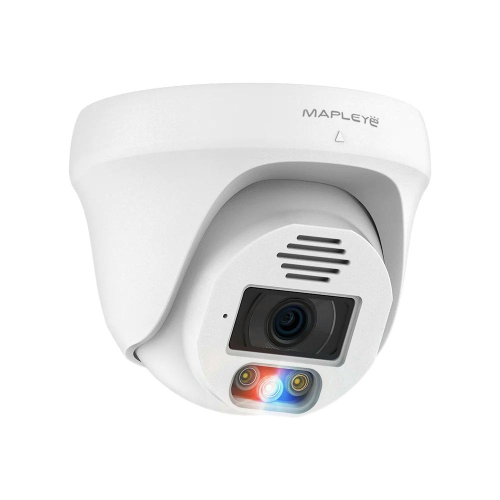
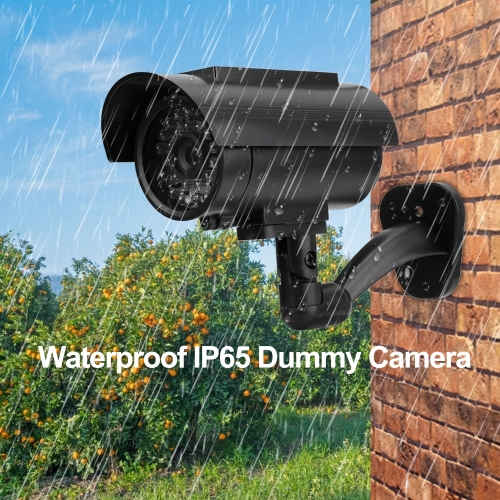
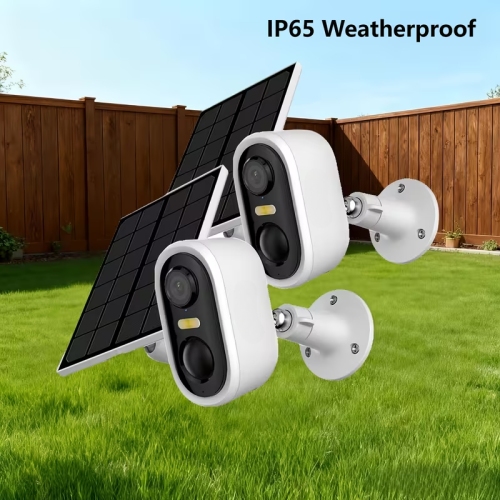
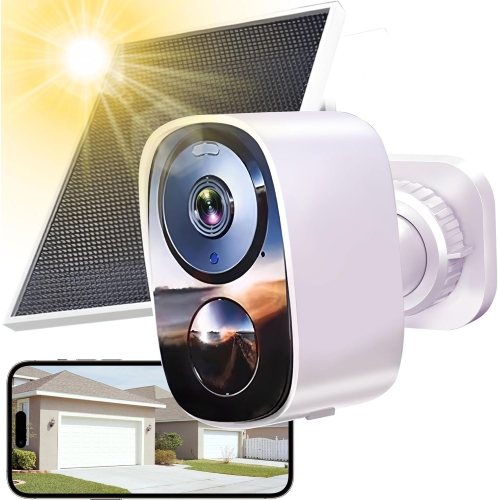
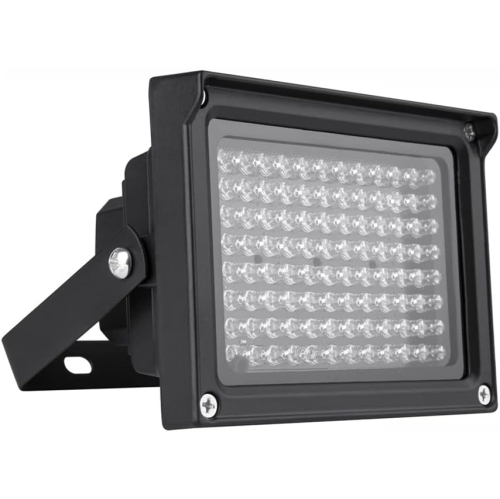

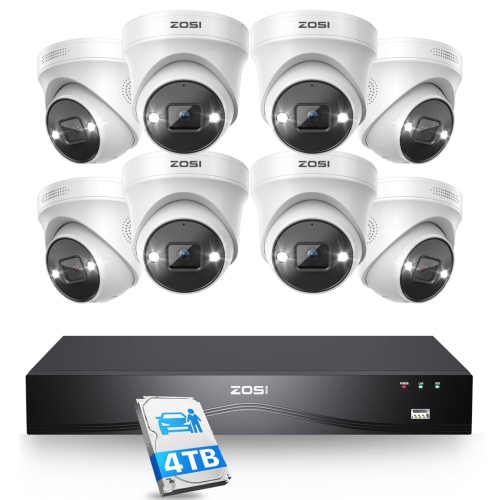

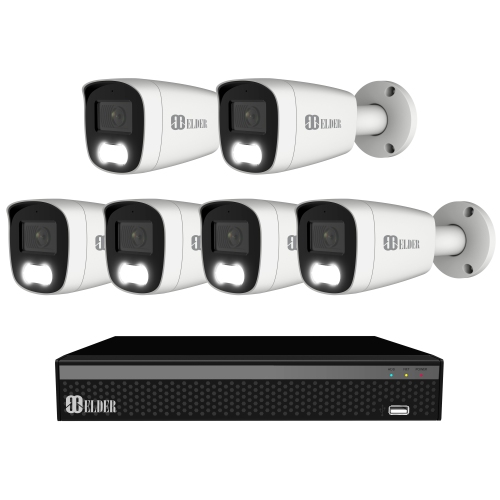
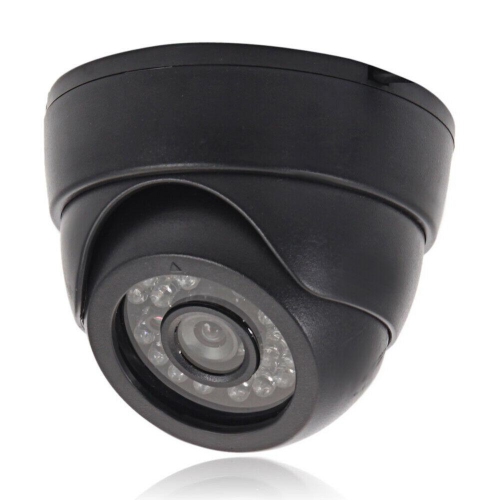
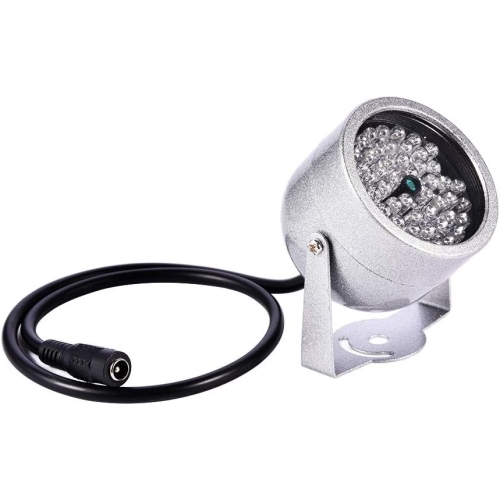

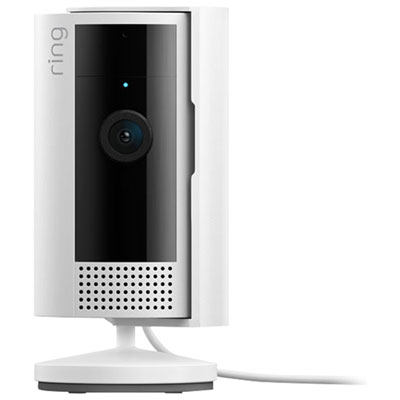
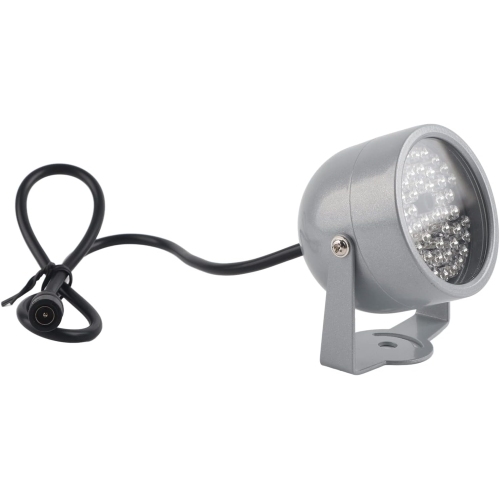
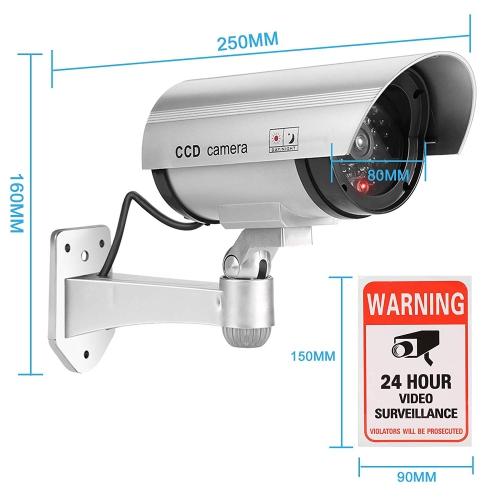
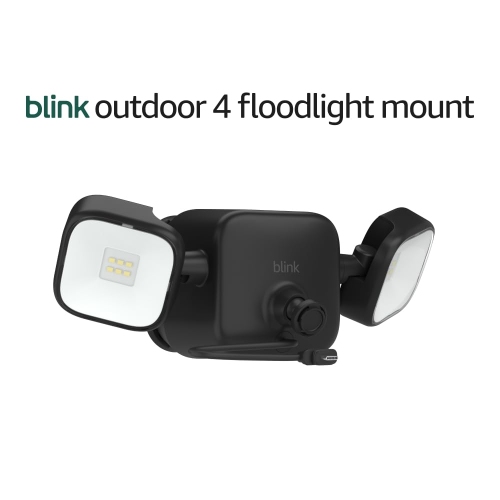
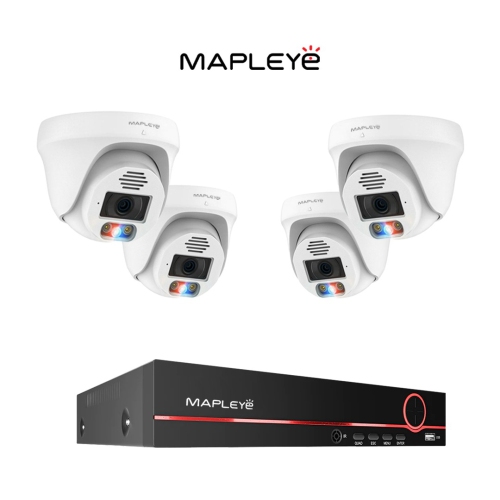
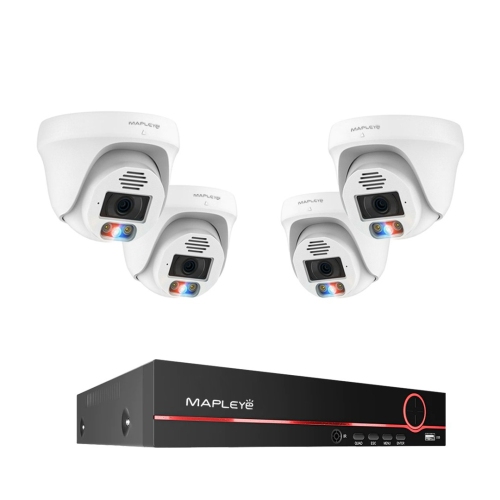
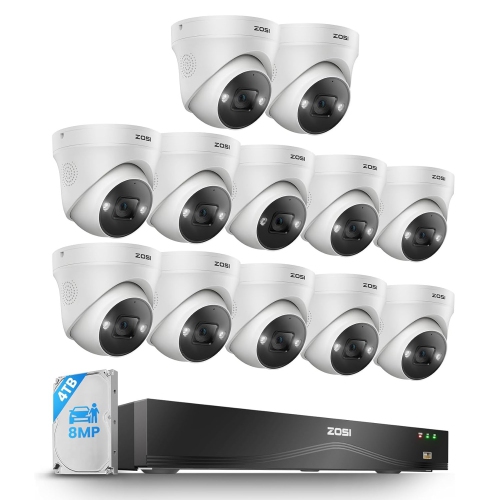
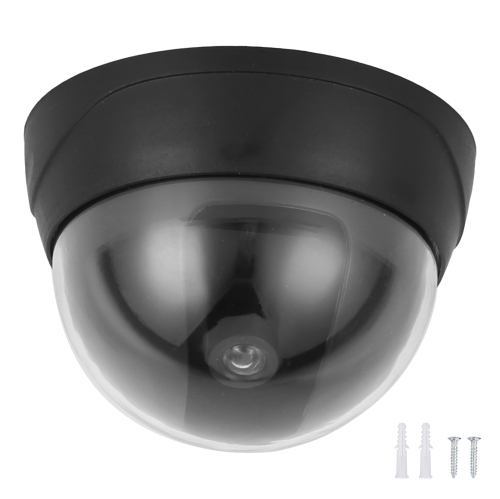
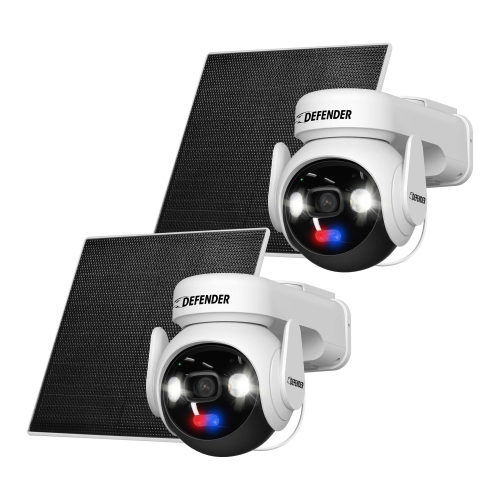
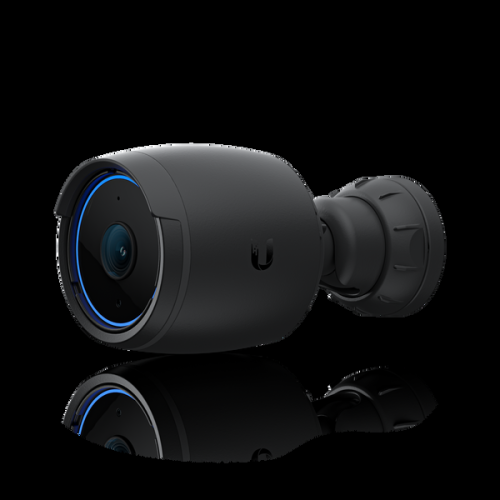
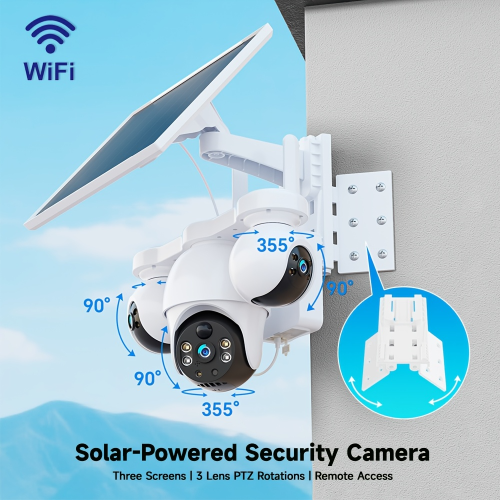
Motion-triggered lighting meets video monitoring at your door
Security light cameras combine outdoor lighting and video monitoring in a single fixture, bringing illumination and a camera view to entrances, driveways, garages, and side paths. Motion can trigger the light, start a recording, or send an alert to a connected phone, depending on the camera’s features and settings. This combination is useful when someone approaches the front steps with a delivery, a vehicle pulls into the driveway, or a household member arrives home after dark. Floodlight-style cameras typically spread light over a larger area, while spotlight-style cameras direct a smaller pool of light towards a particular doorway or path. Brightness is measured in lumens, but the shape and direction of the beam matter as much as the total output. Adjustable light heads can help illuminate a gate and a walkway without aiming directly at neighbouring windows. Camera resolution, commonly expressed as 1080p, 2K, or 4K, describes image detail, although a higher resolution alone does not guarantee that a distant face or licence plate will be readable. Distance, viewing angle, lighting, and movement all affect the result. A wide field of view can cover more of a driveway, while a narrower view may make better use of the image around a single entrance. Infrared night vision can capture footage without visible illumination, and colour night vision may use the fixture’s lights or available light to preserve colour details. The distinction matters when identifying the colour of a jacket or seeing where a parcel was placed. Two-way audio, where supported, allows a conversation through the camera’s app, while a built-in siren provides another way to draw attention to activity. For areas that need illumination without video monitoring, Security Lights serve a different purpose. A camera-and-light combination is most relevant where both visibility and a recorded view would be useful.
Power source and mounting requirements help determine how well a security light camera fits its intended location. Hardwired designs connect to household electrical wiring, making them a practical option where a suitable outdoor light connection already exists. Continuous electrical power does not automatically mean continuous video recording; some cameras record only when triggered, while others support longer recording through compatible storage and settings. Replacing an existing fixture also requires checking the mounting surface, electrical box, supply requirements, and clearance around the camera and light heads. Electrical work should follow applicable requirements and be completed by a qualified electrician where needed. Battery-powered designs offer more flexibility when there is no suitable wired connection, although their batteries need recharging and recording behaviour may be designed to limit power use. Frequent motion events, extended live viewing, and longer light activation can affect the interval between charges. Solar charging can help maintain a compatible battery-powered camera, but panel placement and sufficient direct sunlight remain important. A wireless connection usually refers to data transmission rather than the absence of a power cable, so power and connectivity specifications need separate attention. Wi-Fi reception at an exterior wall or detached garage can differ from reception inside the home. A reliable signal at the mounting point supports live viewing, alerts, and uploads, and compatibility with the home’s Wi-Fi bands should be confirmed. Physical fit matters too: some fixtures mount to a wall, others support installation beneath an eave, and not every camera can rotate far enough for both positions. Outdoor-rated aluminium or durable plastic housings, secure mounting hardware, and properly sealed cable entries contribute to a dependable installation. Dust and water-resistance ratings describe specific protection levels rather than making a fixture suitable for every location. Homeowners may favour a permanent installation, while tenants and condominium residents may need permission before changing exterior fixtures or drilling into shared surfaces.
Motion controls, video storage, and everyday maintenance shape how useful security light cameras remain after installation. Customizable activity zones can focus attention on a front path while reducing alerts from a nearby pavement or road. Detection zones and light-triggering areas may be controlled separately, allowing the light to cover a broad approach while notifications concentrate on the doorway. Person, vehicle, or animal detection can provide more relevant alerts when supported, but these features vary and should not be confused with guaranteed identification. Adjustable sensitivity, schedules, and light duration help tailor the fixture to household routines. A camera aimed too close to a wall may pick up reflected light, while one mounted too high may show the top of a visitor’s head instead of a useful face-level view. Checking the image in daylight and darkness helps reveal blind spots, glare, and obstructions before they become frustrating. Storage deserves the same attention as image quality. Local recording may use a compatible memory card, hub, or base station, while cloud recording stores footage remotely through an internet connection. Video history, extended retention, and certain detection functions may require a subscription. Storage capacity, recording quality, and event length affect how much footage can be retained, and older clips may be overwritten when storage fills. The ability to download a useful clip is worth considering alongside live viewing. During an internet interruption, remote access and notifications may stop even if supported local recording continues; loss of electrical power is a separate limitation. Secure account settings, multifactor authentication where offered, and software updates help protect access to the camera. Positioning the view around the property’s entrances rather than neighbouring windows also supports considerate use, alongside checking applicable video and audio recording rules. Routine care is straightforward: gently clean the lens and light covers according to the manufacturer’s directions, remove cobwebs that can obscure footage or trigger alerts, and periodically inspect the mount and charging connections. These details help keep lighting, recordings, and notifications useful without turning routine monitoring into a constant interruption.
Top selling and popular products
-
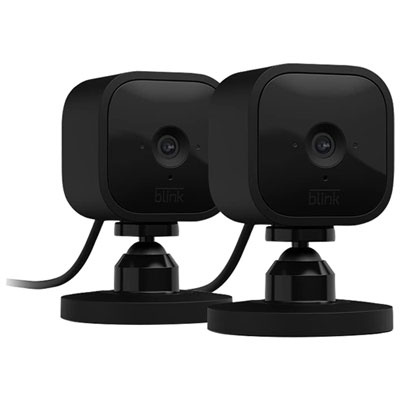 Your price for this item is $59.99
-
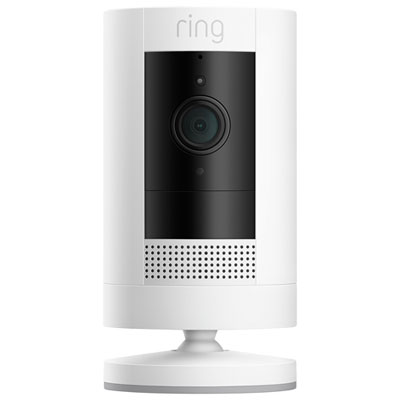 Your price for this item is $109.99
-
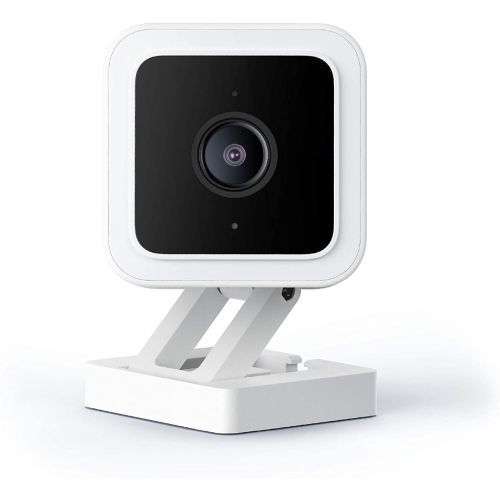 Your price for this item is $95.99
-
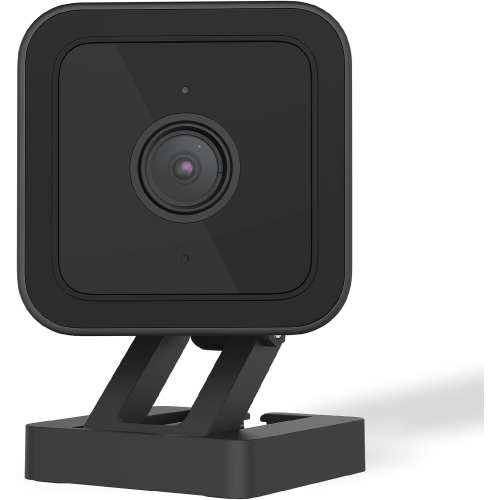 Your price for this item is $89.49
-
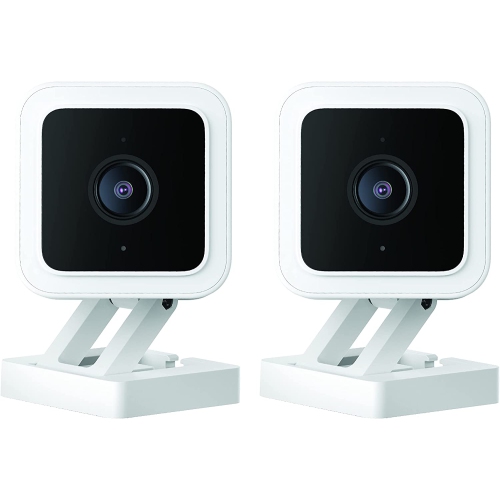 Your price for this item is $97.99
-
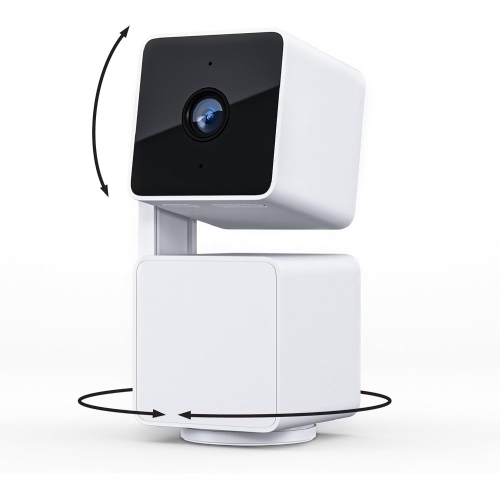 Your price for this item is $107.49
-
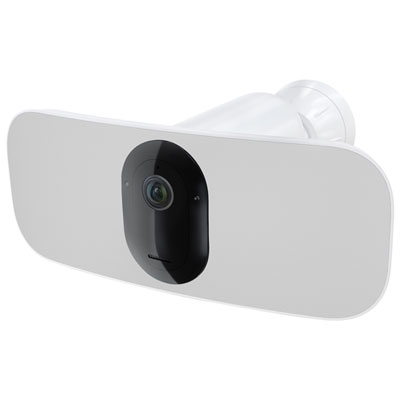 Your price for this item is $329.95
-
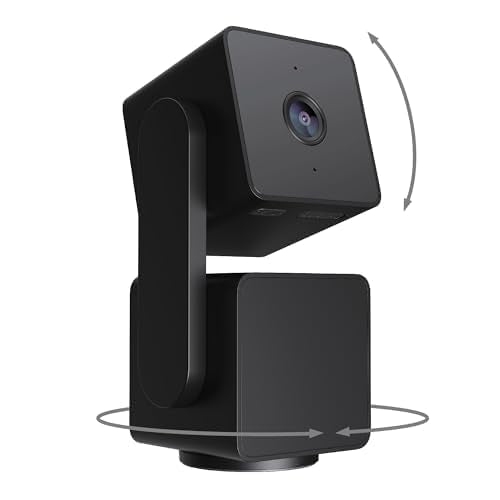 Your price for this item is $96.49
Discover more categories related to Security Light Cameras

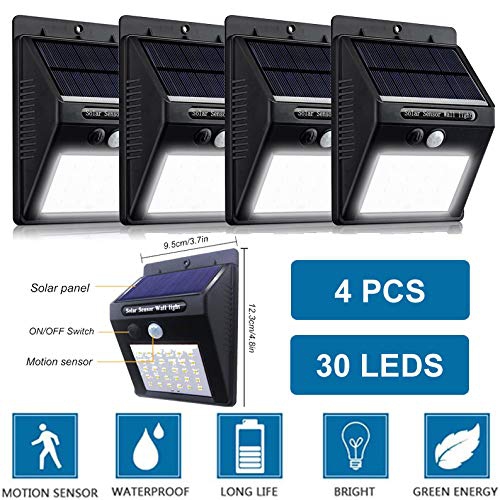
Top Collections:
Best Black Friday Deals This Year, Best Black Friday Deals On Electronics, Kindle Devices, Pokemon Centers, Best Black Friday Deals On Apple Products, Best Cameras for Sports Photography, Dyson Airwrap, Pokémon 30th Celebration Cards, Apple iPhone 17 Pro, Canon G7X Cameras
Some products may be subject to Environmental Handling Fees
(EHF) depending on your province.
Learn more about EHFs.