Motion Detection Lighting
Upgrade your home's lighting with motion detection technology. Motion detection lighting is a convenient and energy-efficient solution that automatically turns on when it detects movement in its vicinity. Say goodbye to fumbling for light switches in the dark or wasting electricity by leaving lights on when no one is around. Whether you're looking to enhance security, create a welcoming ambiance, or simply add convenience to your daily routine, motion detection lighting is the perfect choice. Explore our selection of motion detection lighting options and bring a new level of efficiency and ease to your home.
Sort
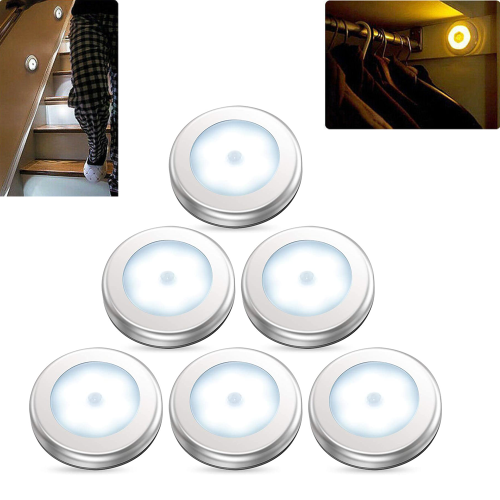
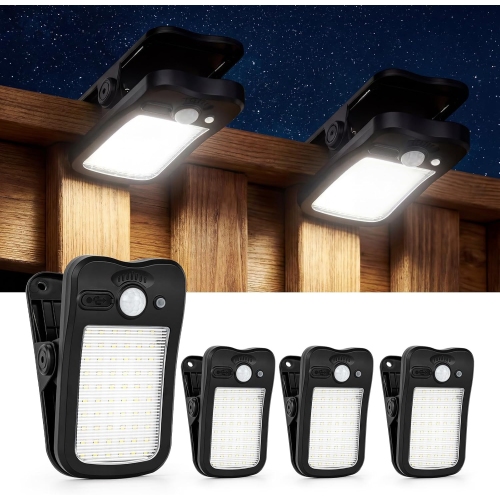
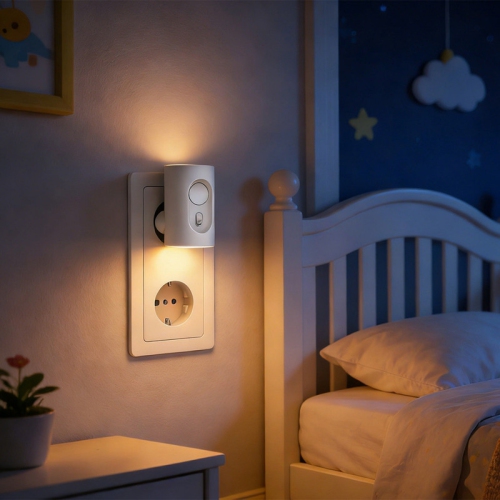
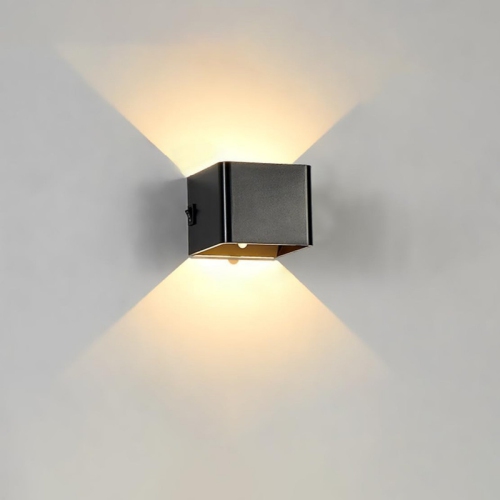

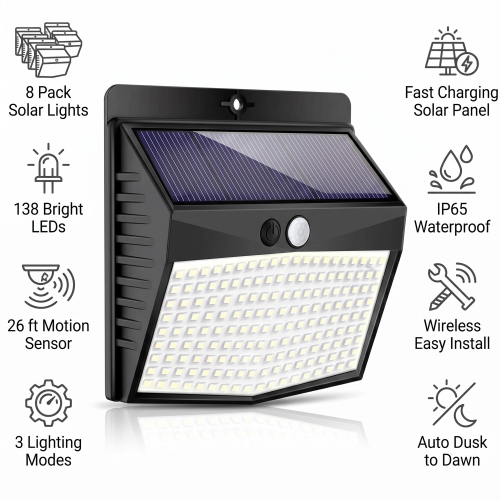
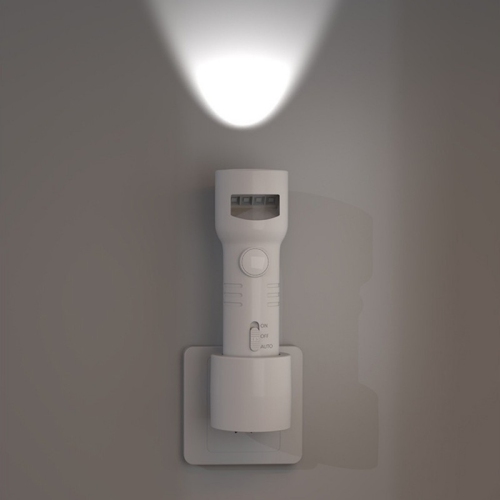
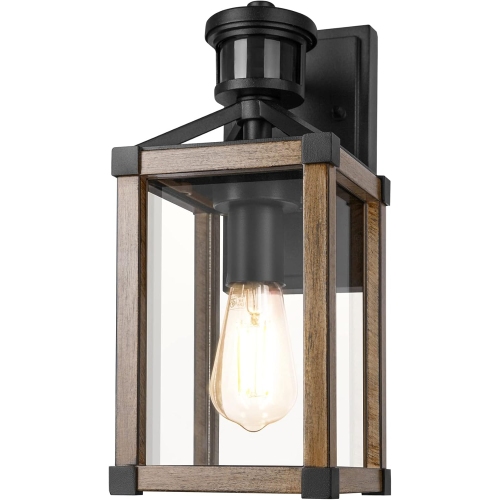
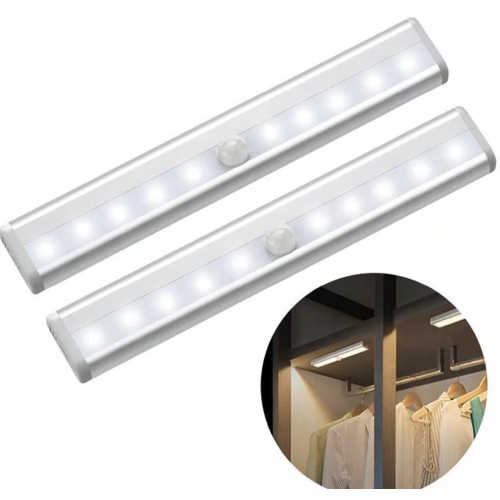
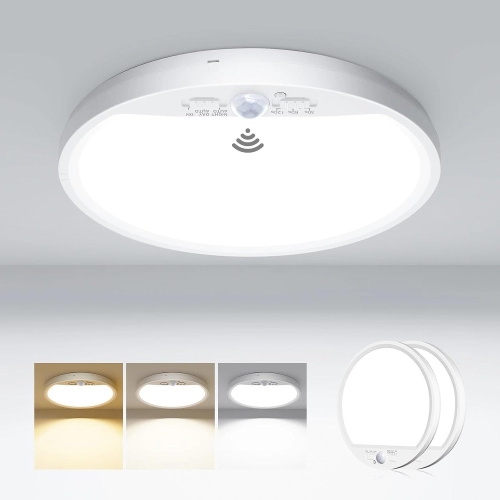
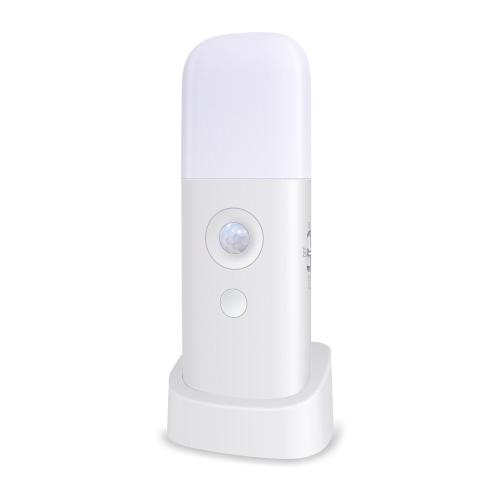
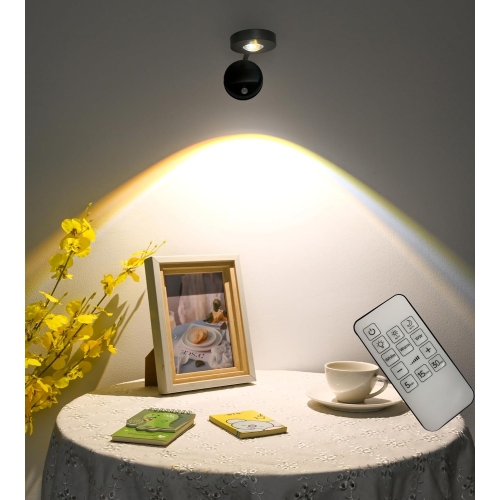
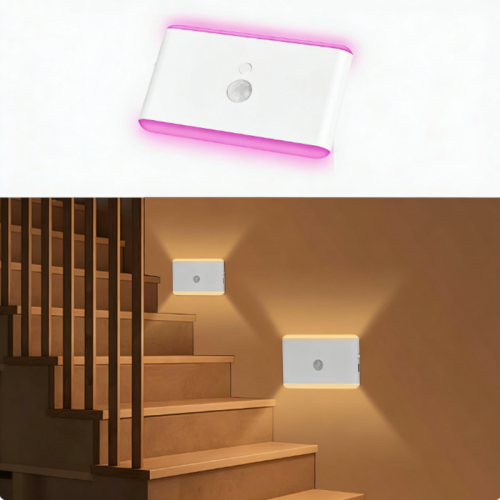
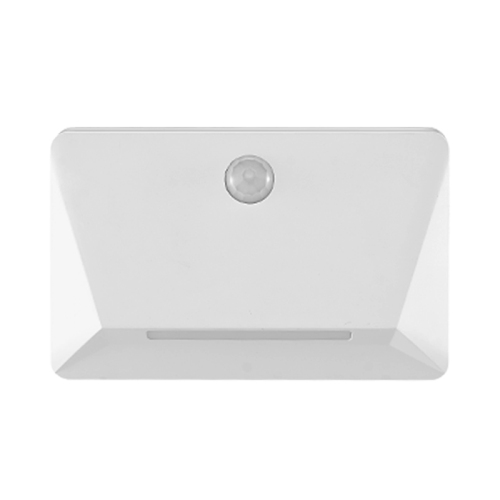
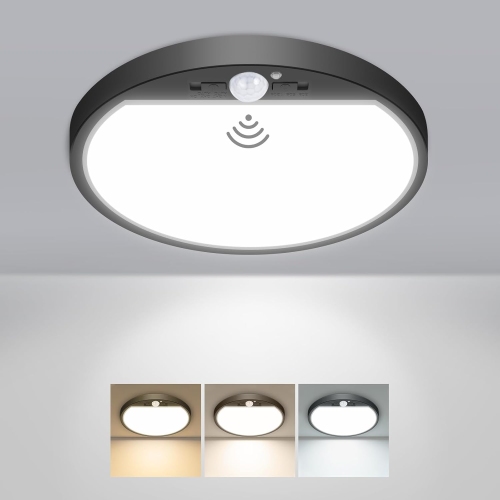
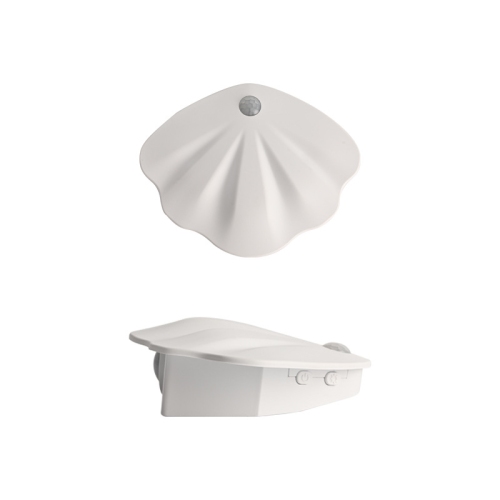
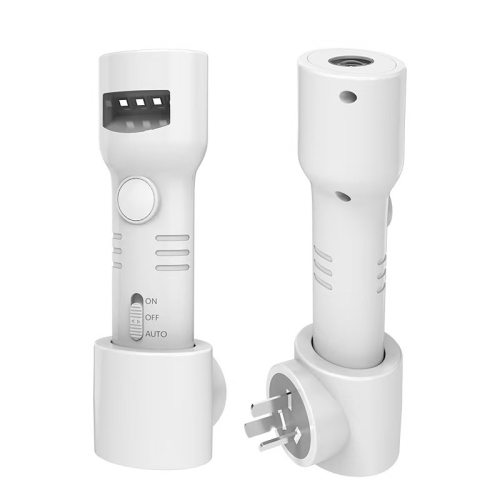
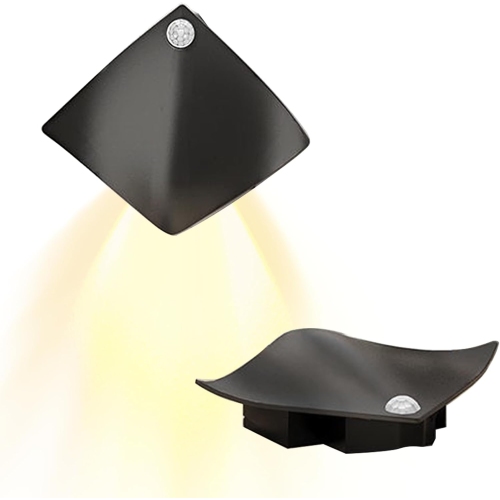
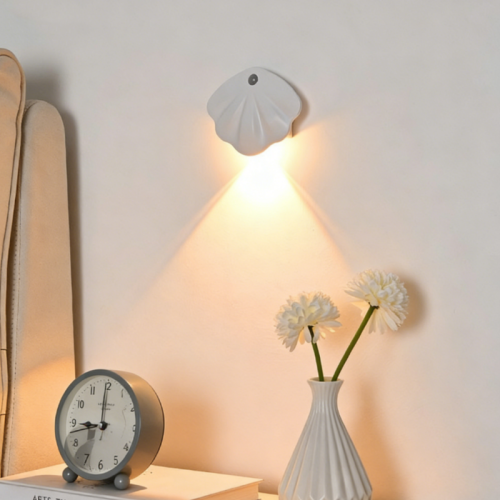
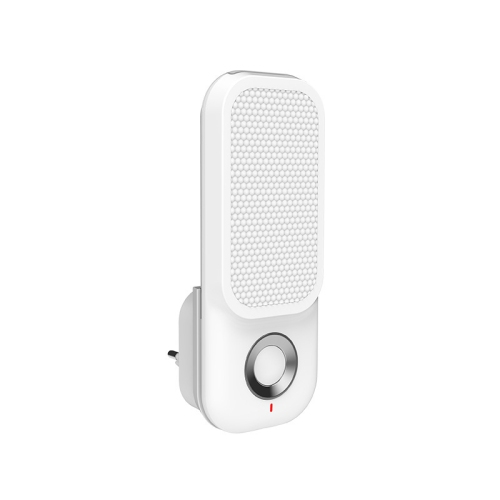
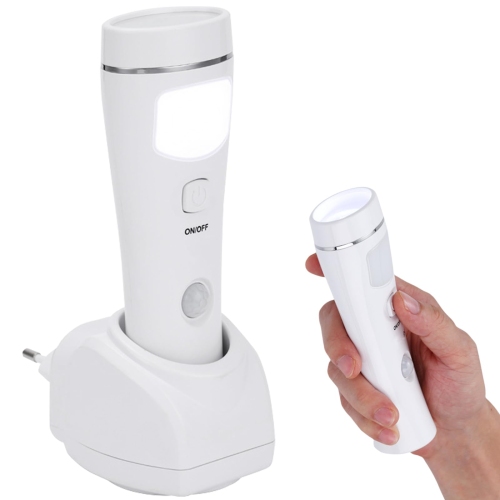
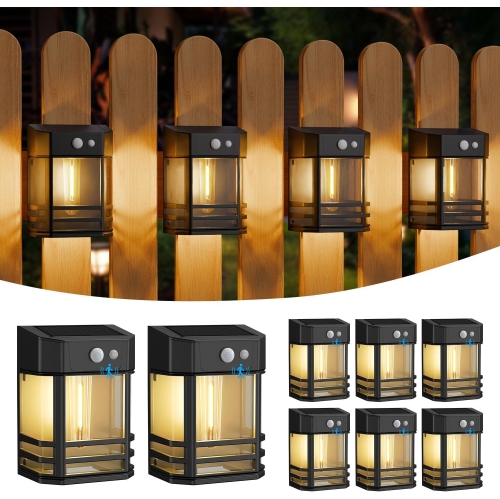
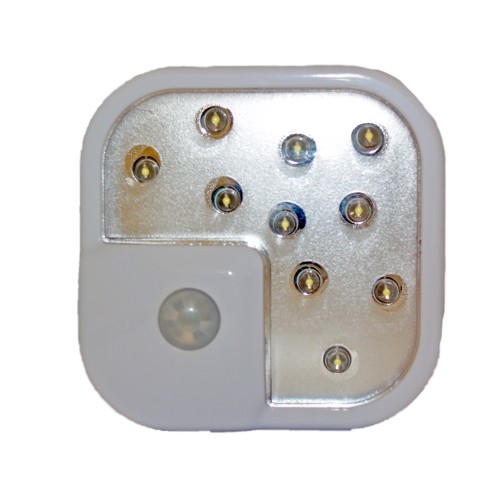
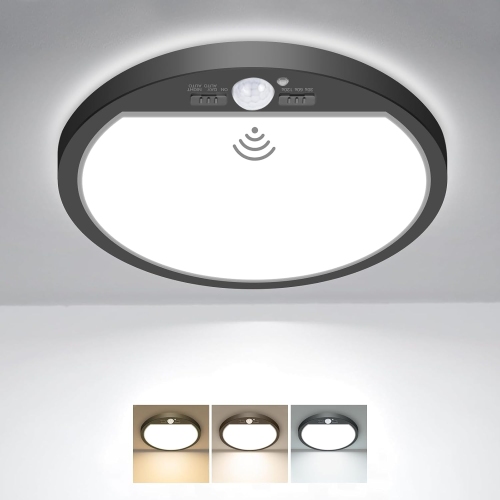
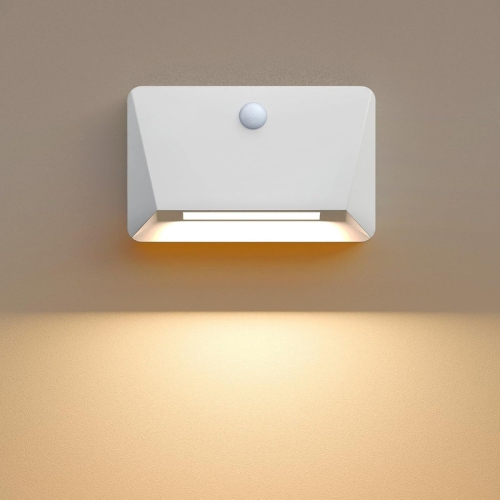
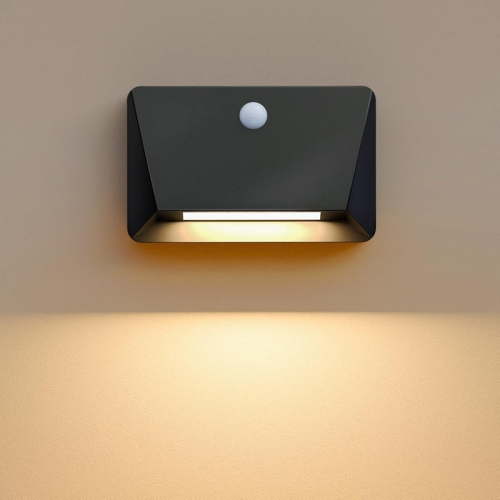
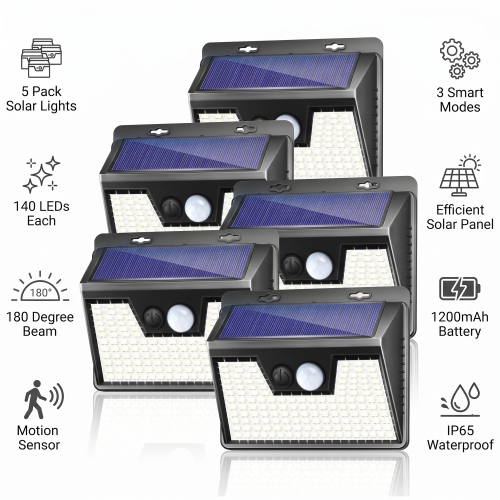
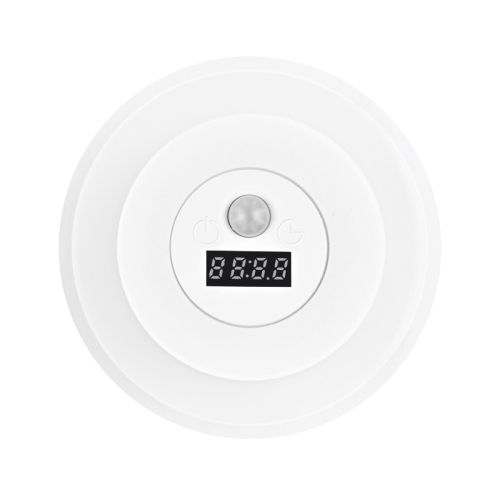
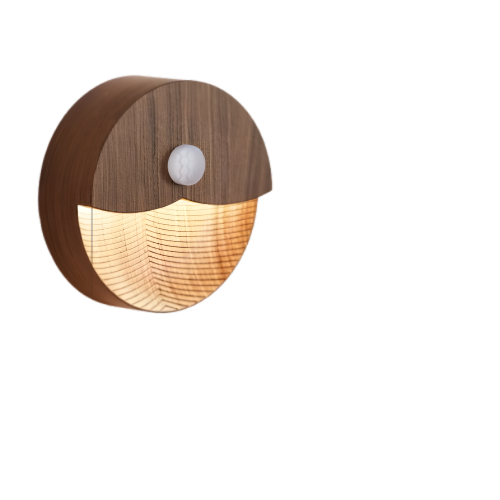
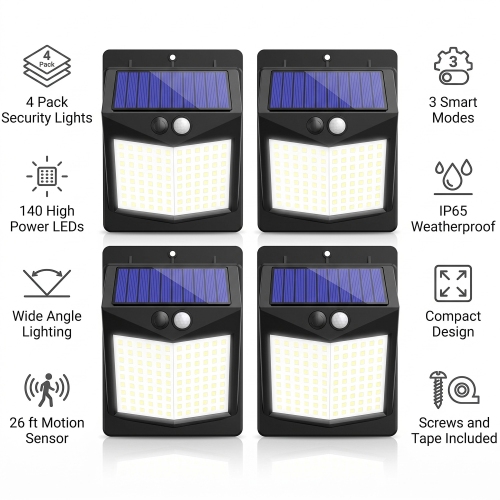
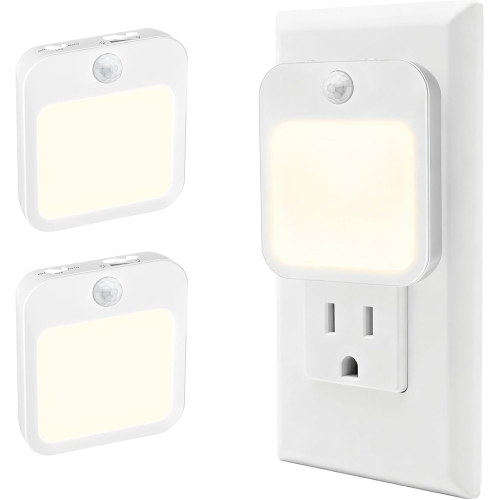
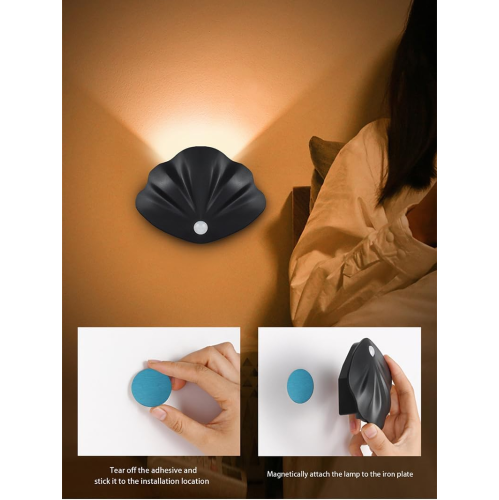
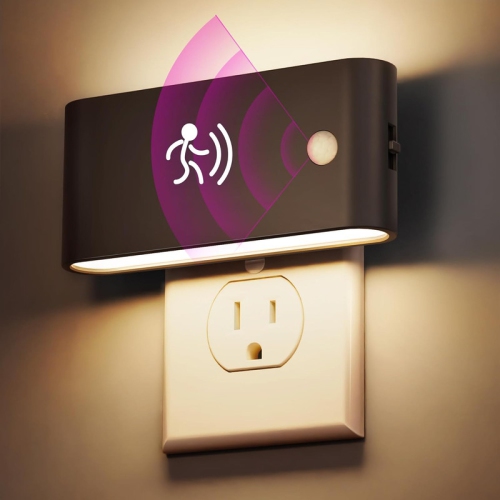
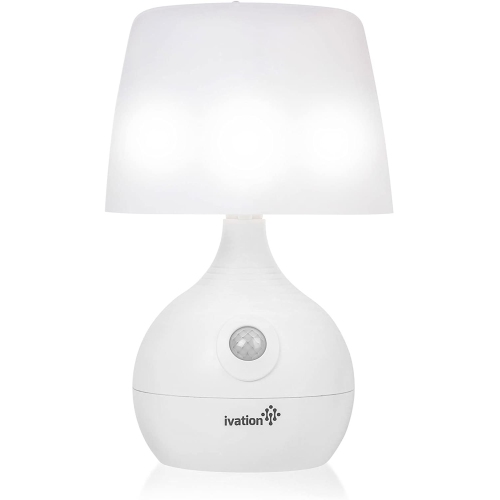
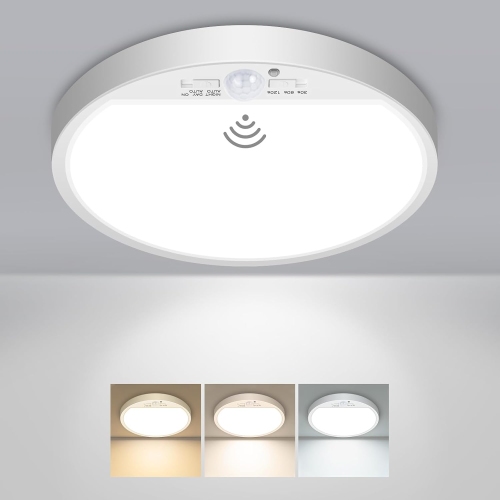
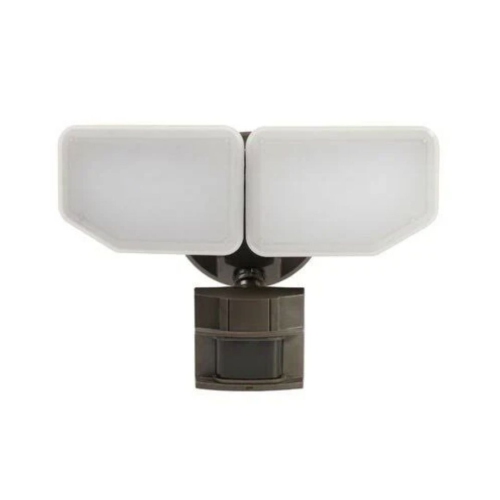
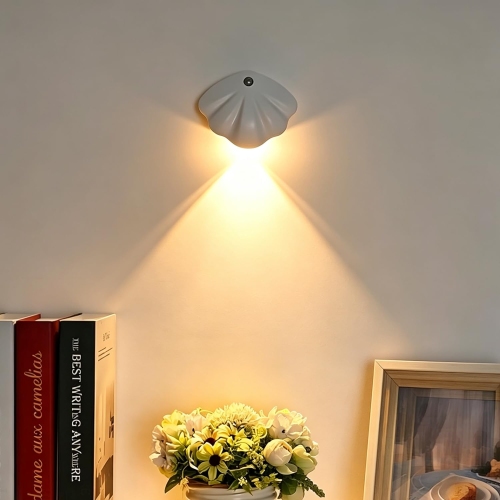
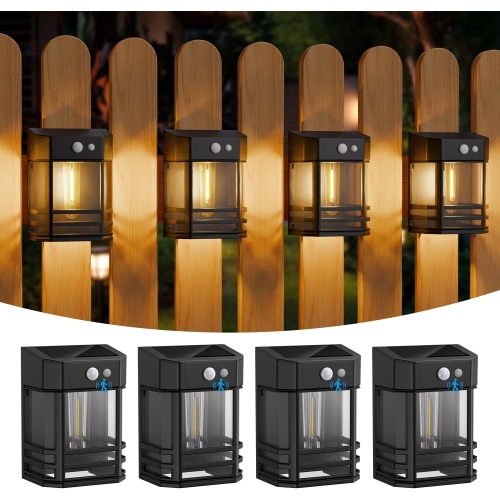
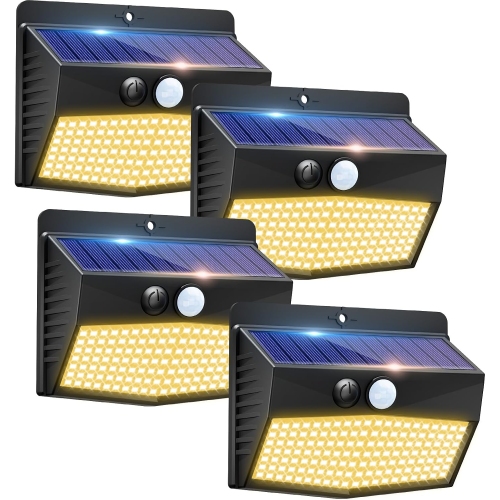
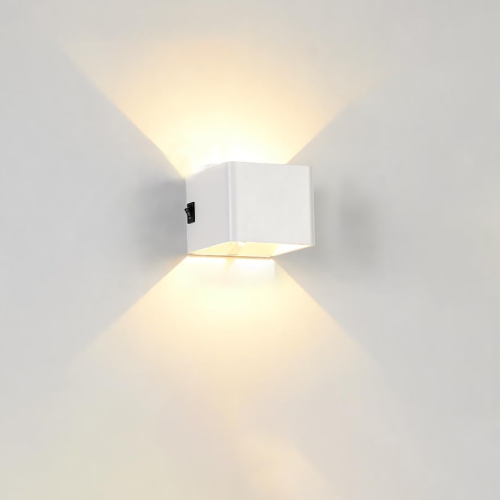
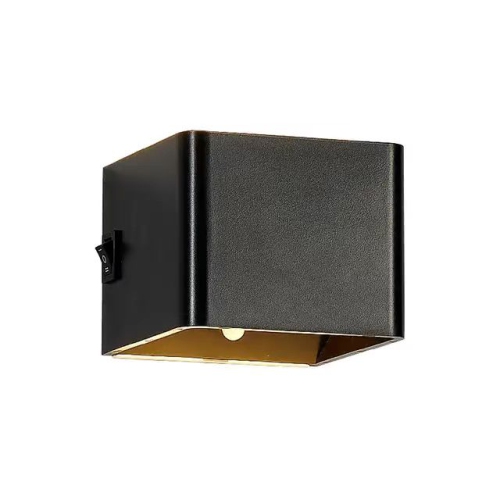
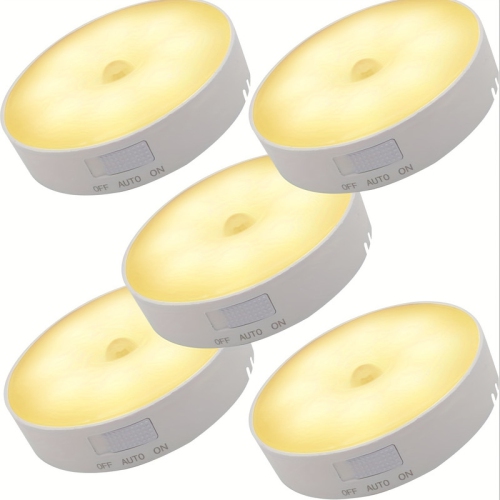
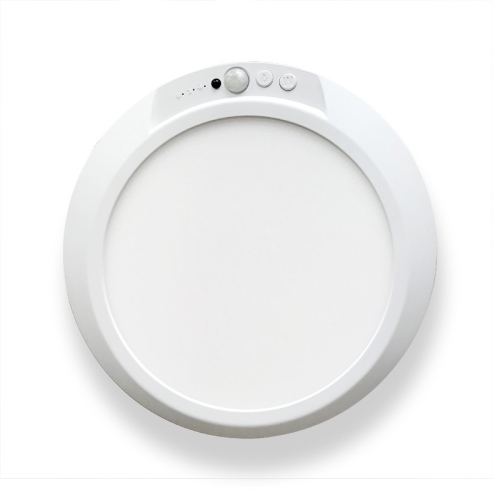
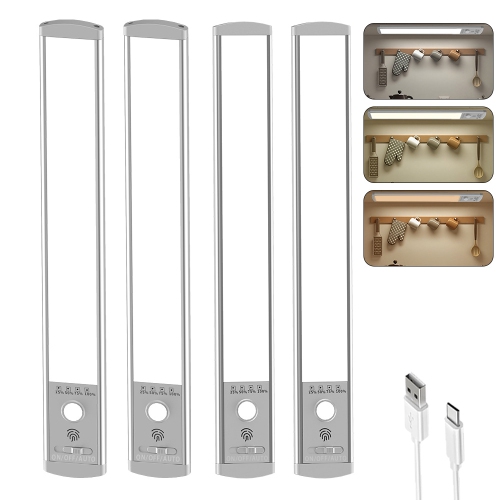
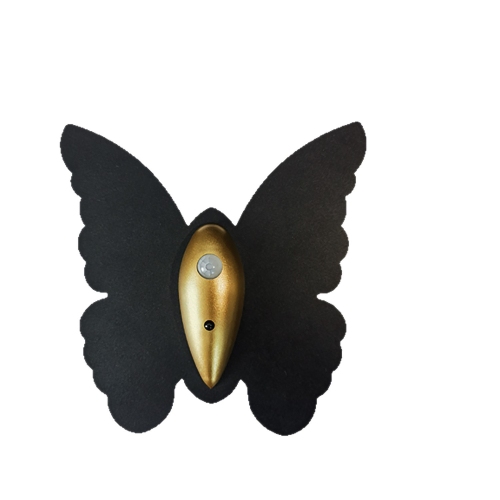
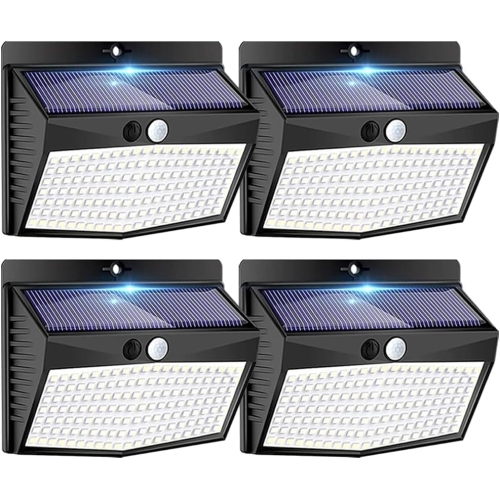
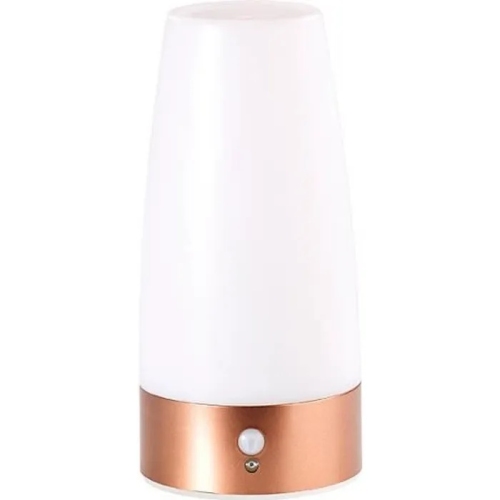
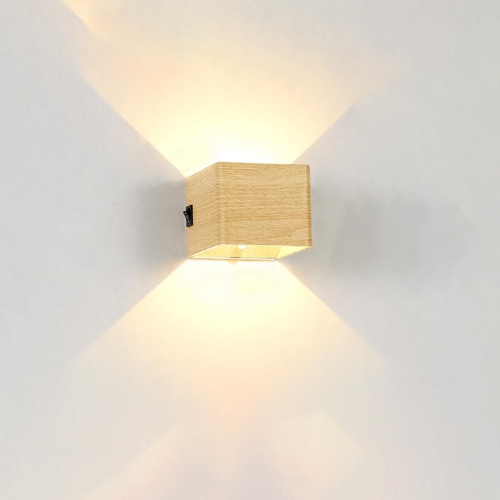
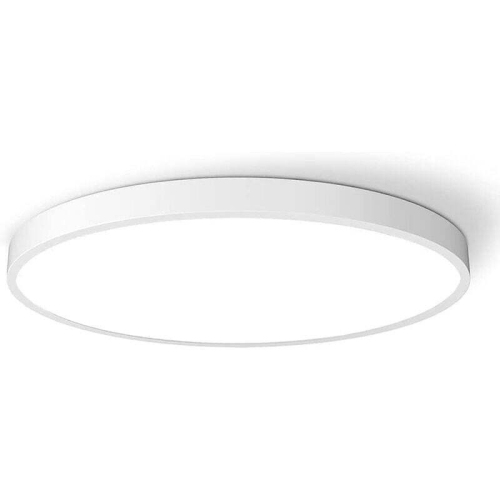
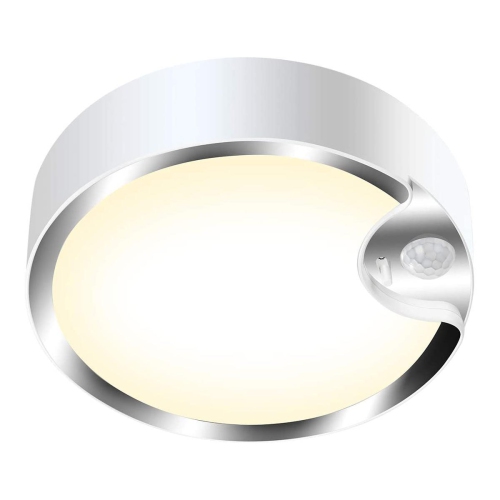
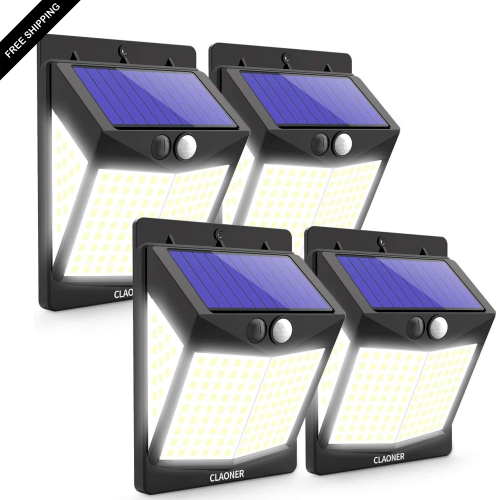
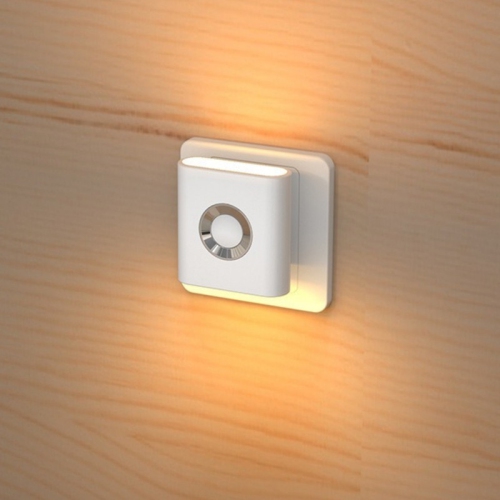
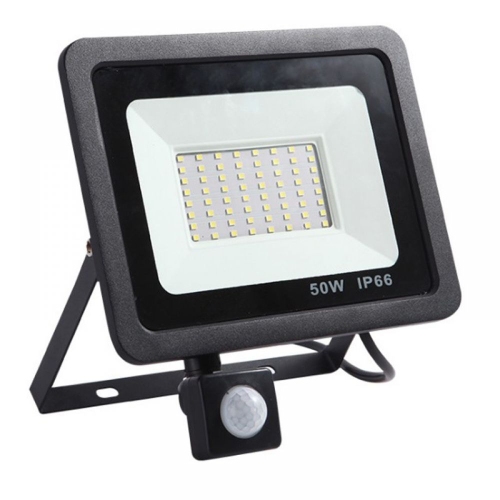
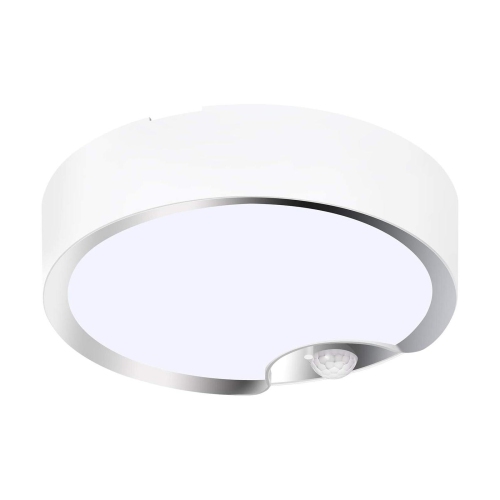
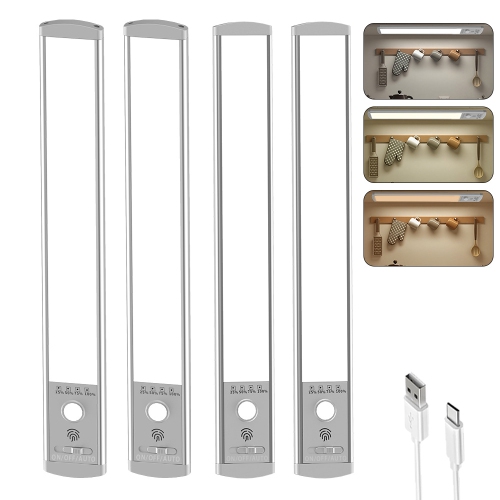
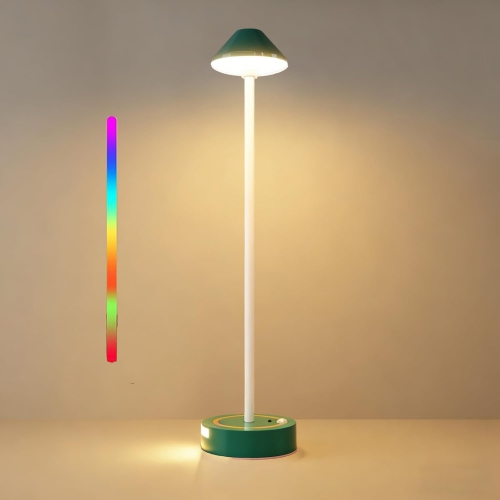
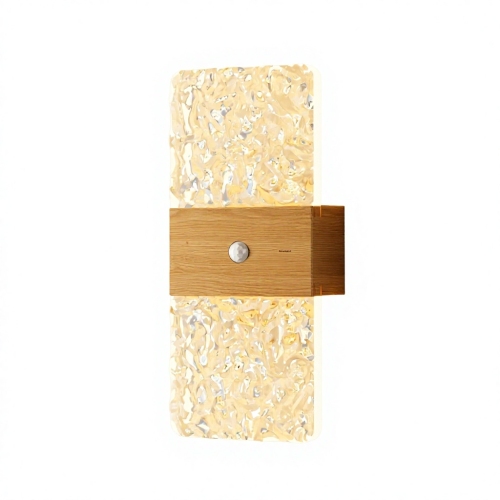
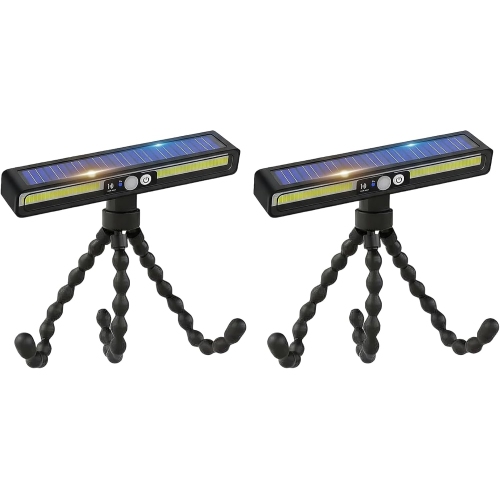
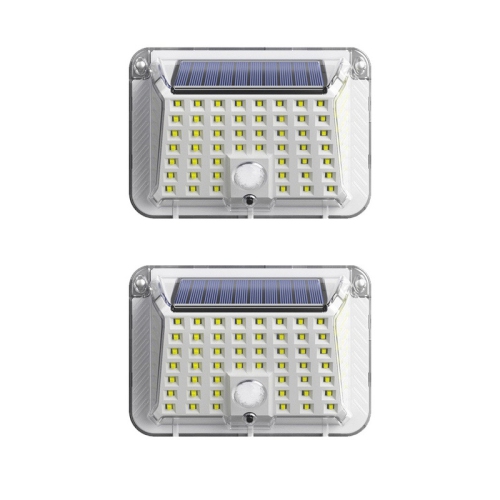
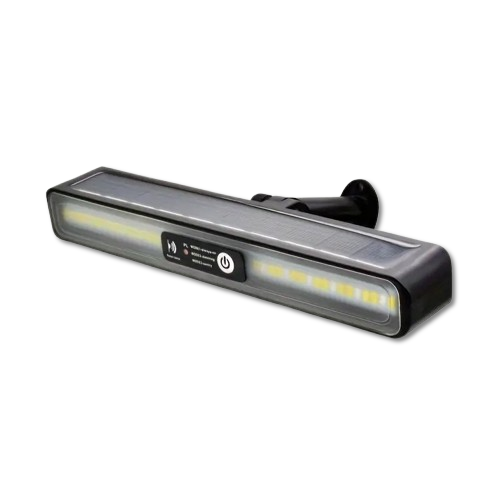
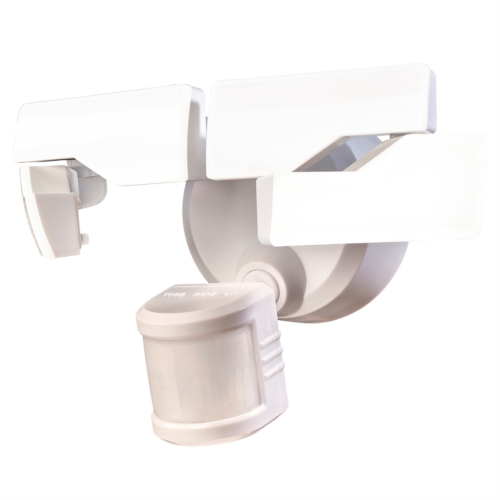
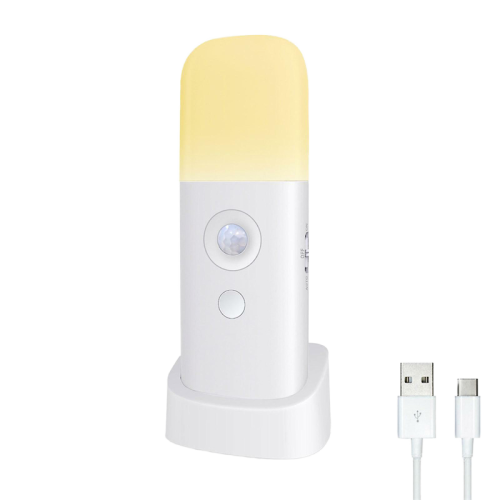
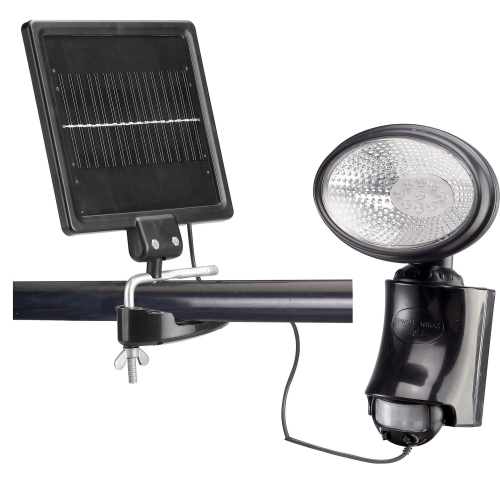
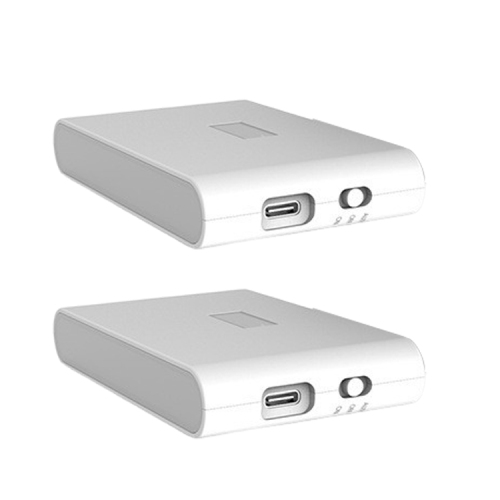
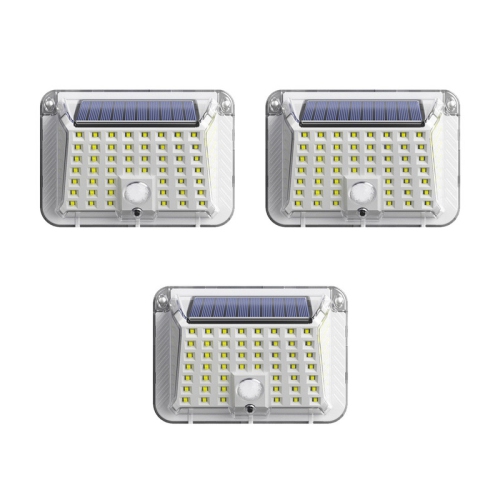
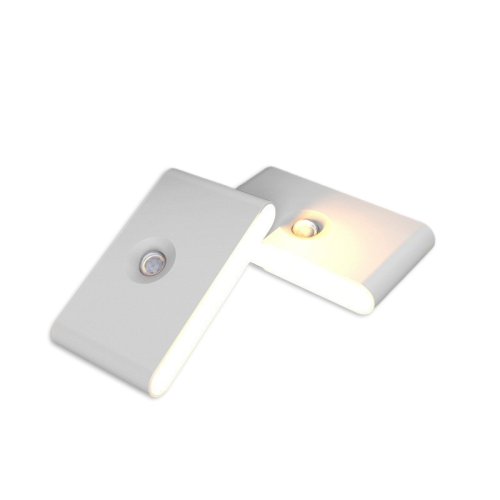
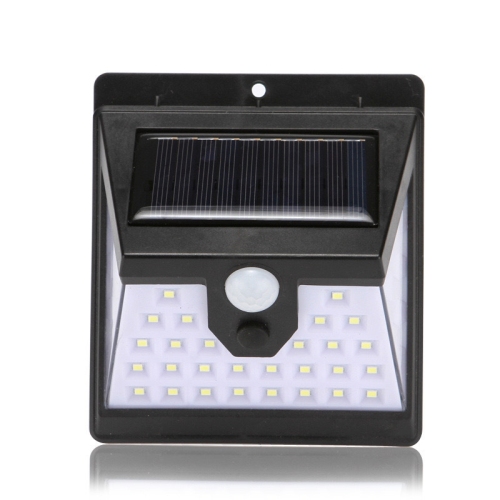
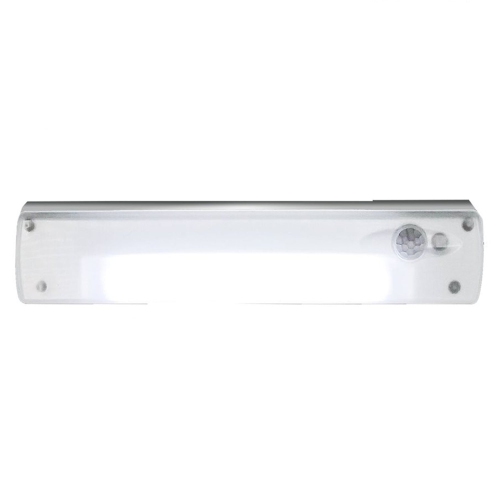
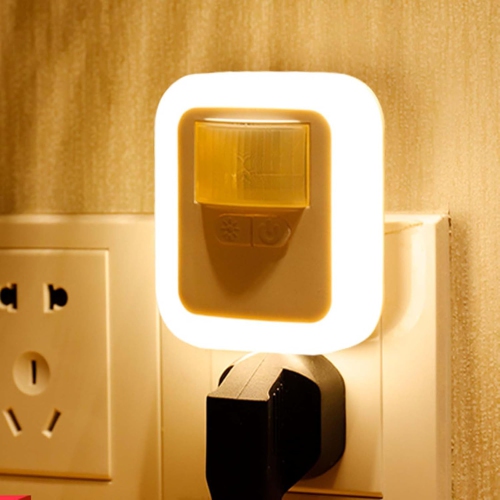
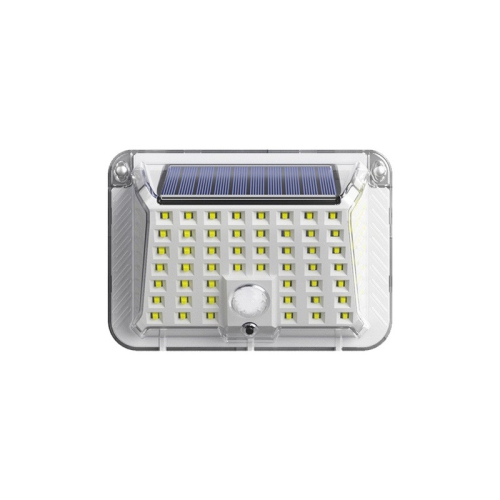
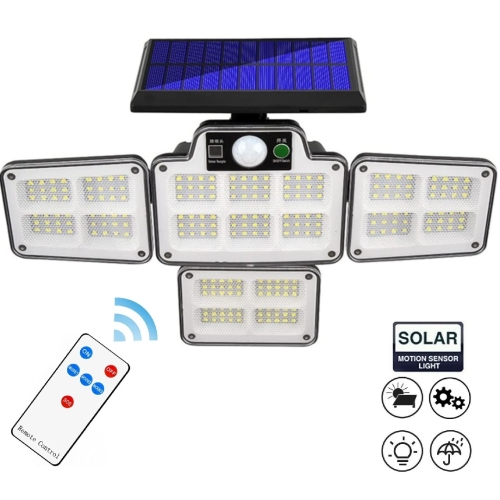
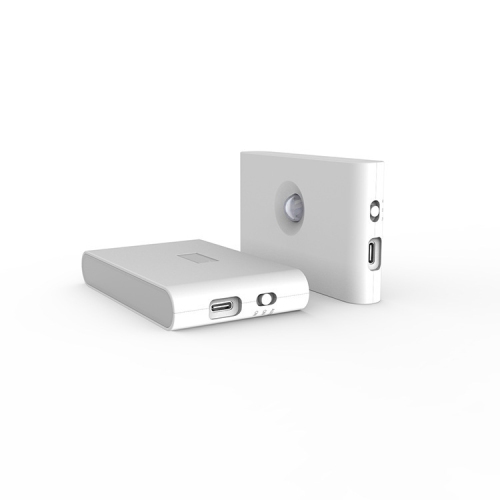
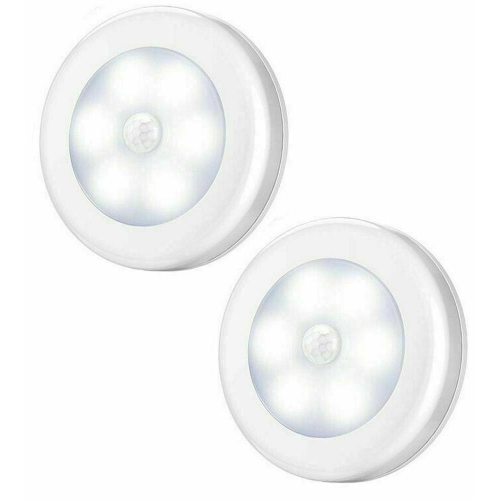
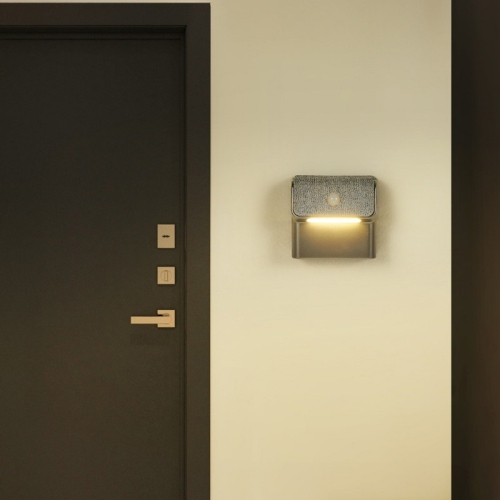
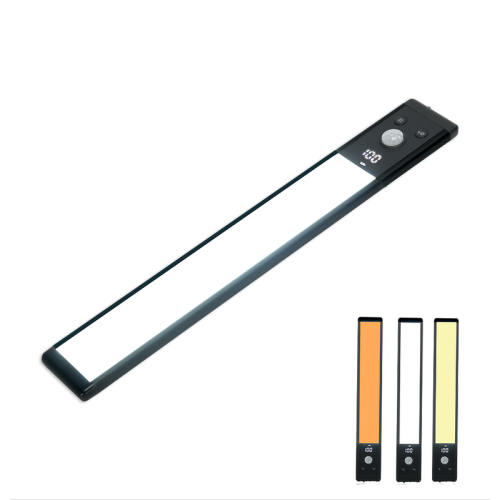
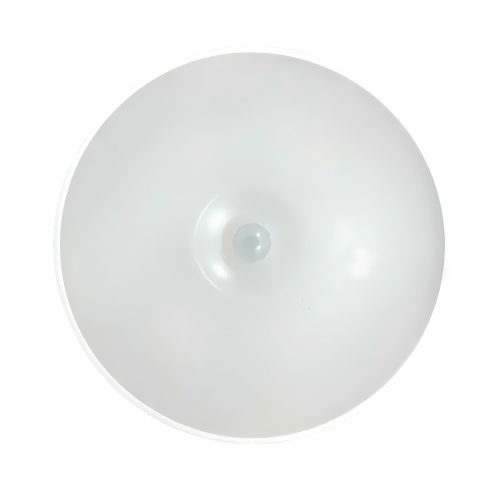
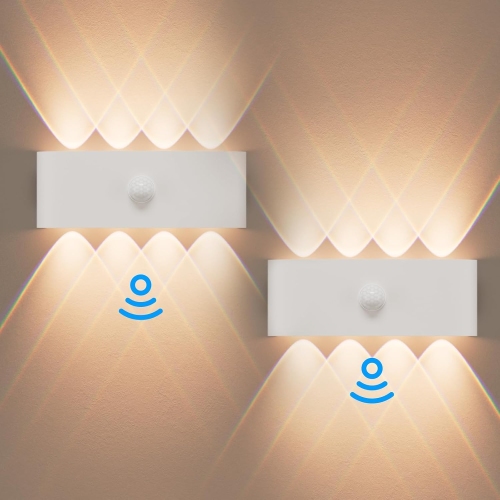
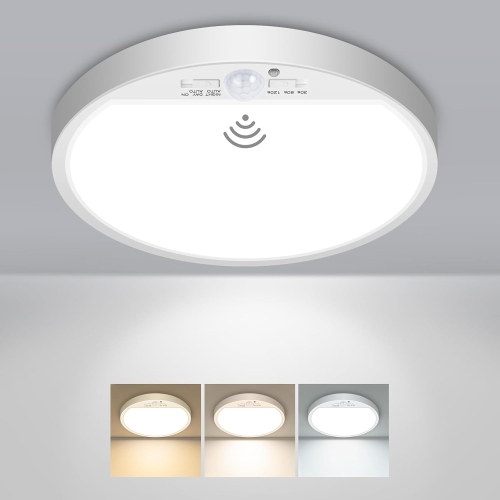
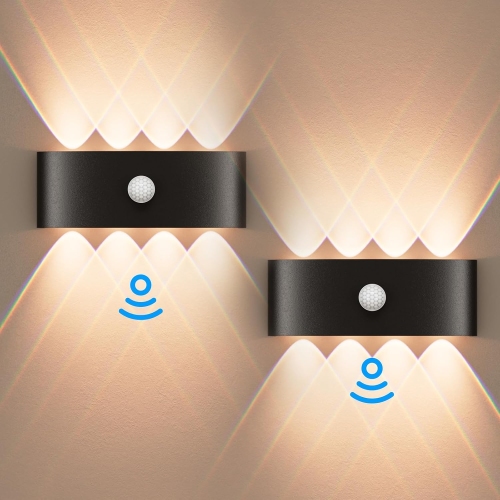
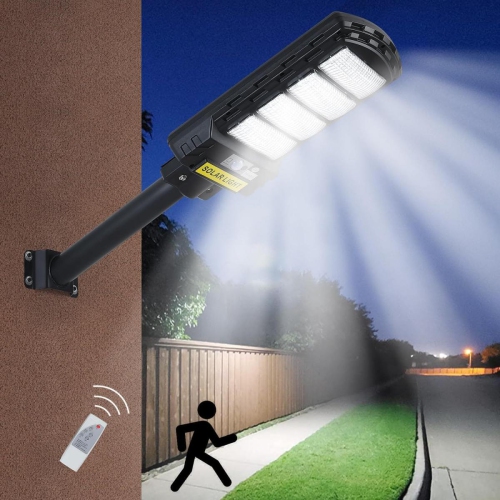
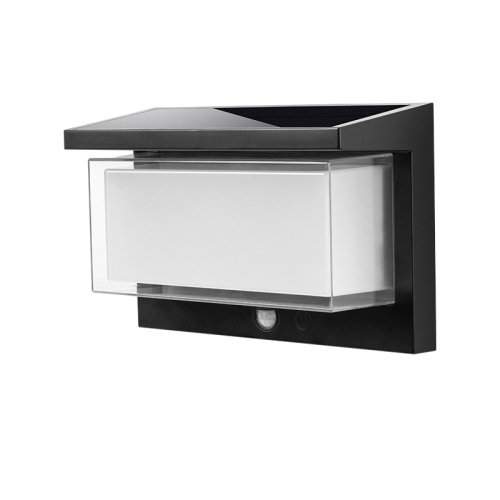
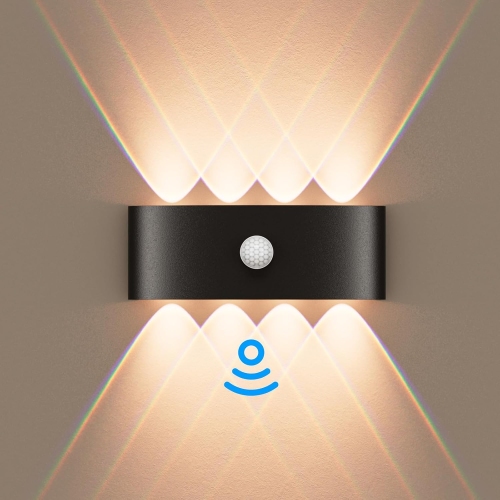
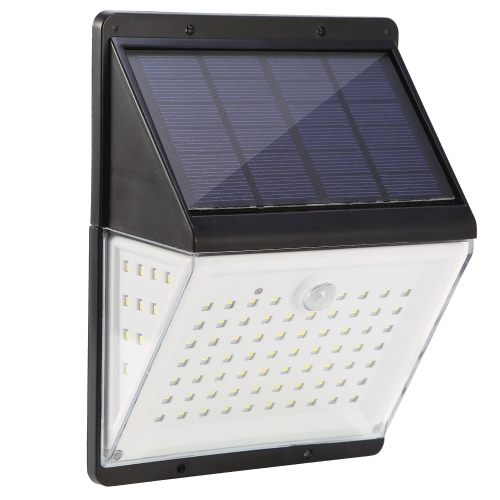
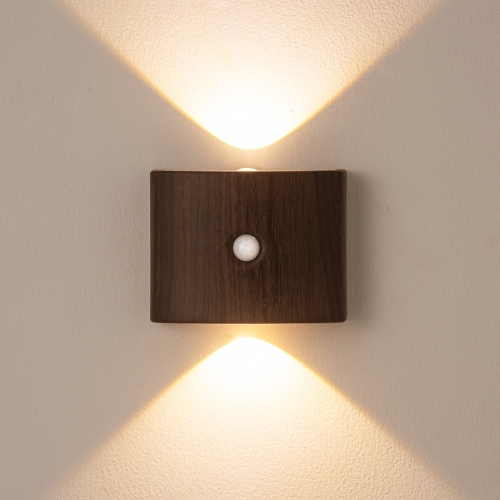
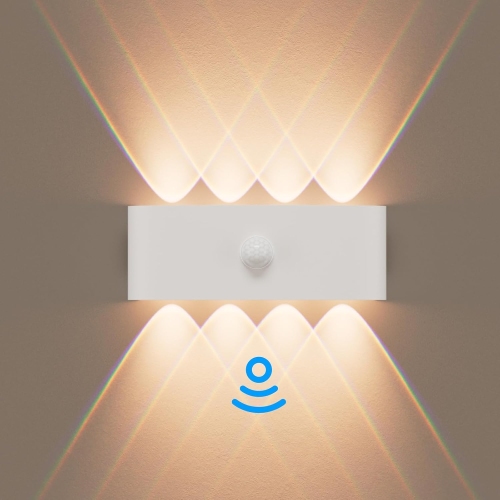
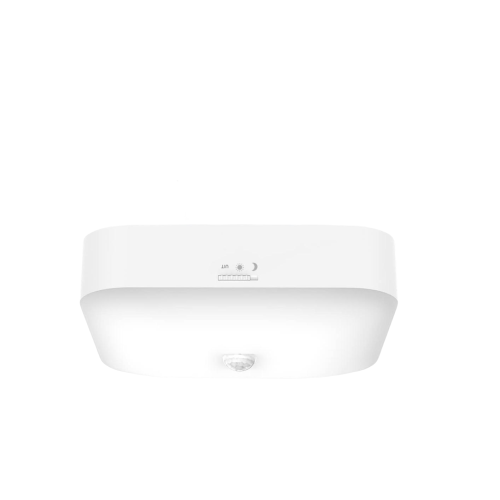
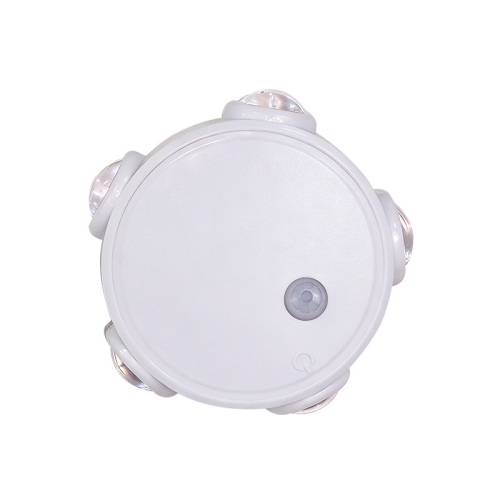
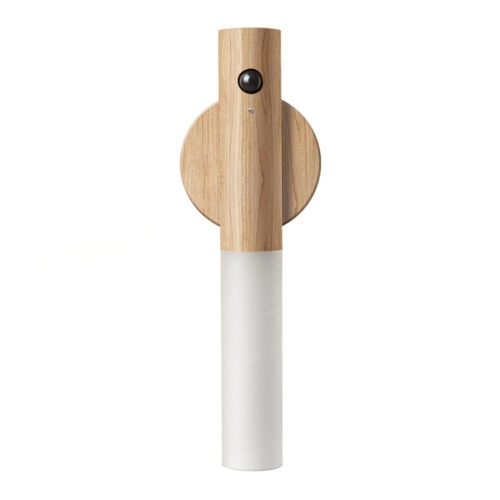
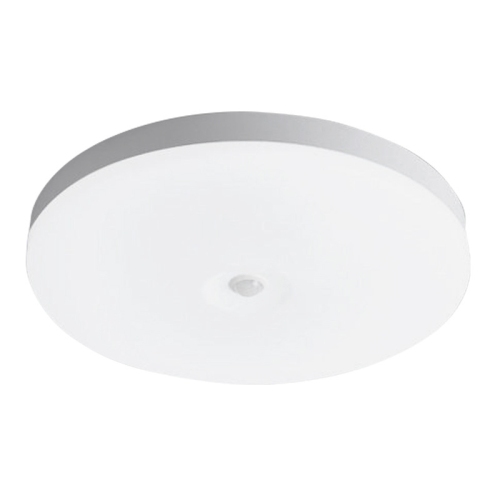
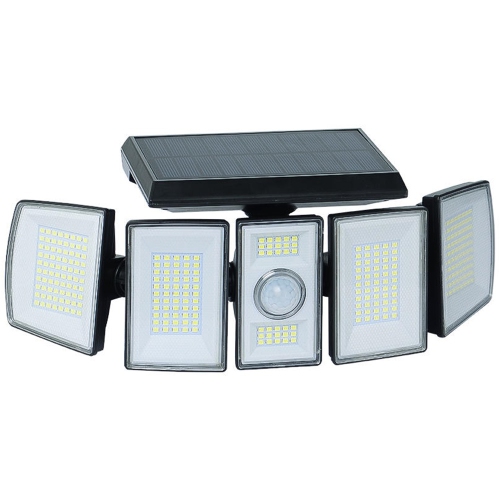
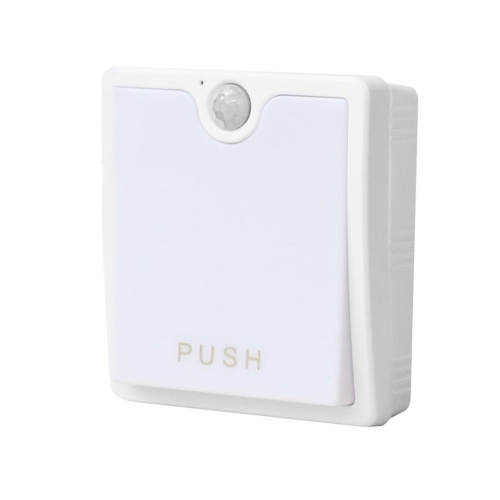
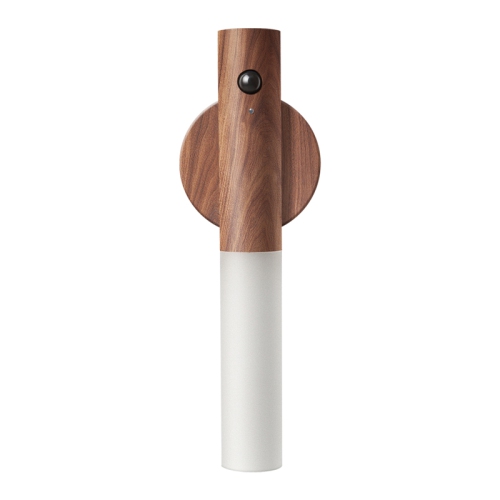
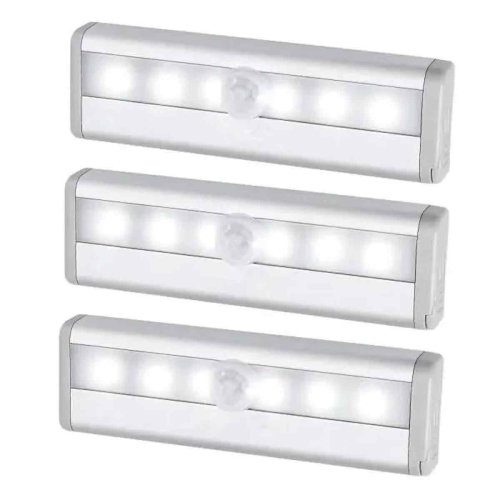
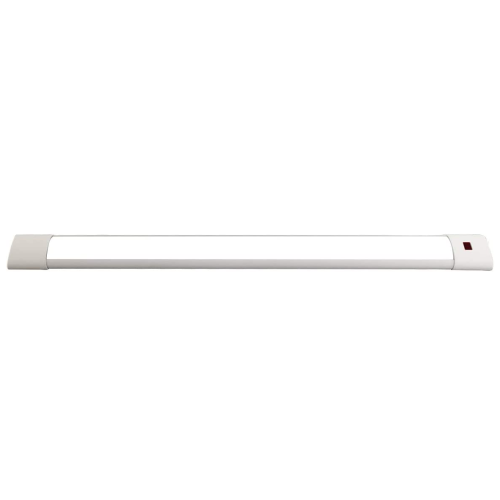
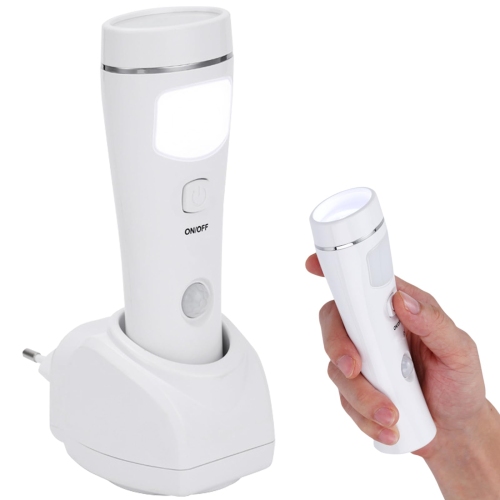
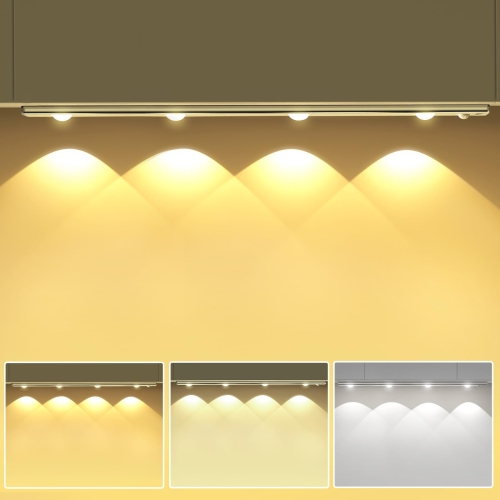
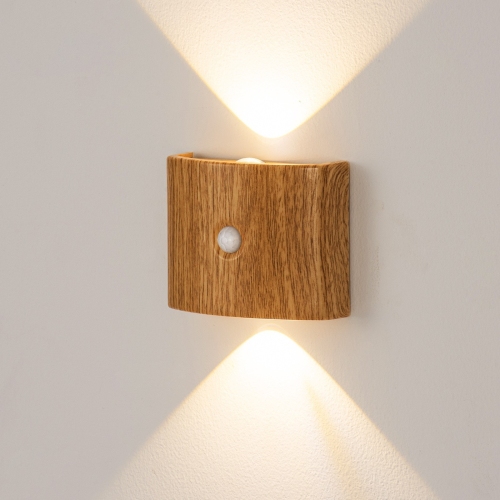
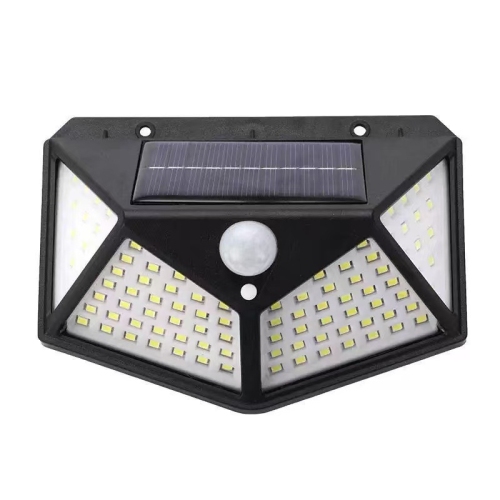
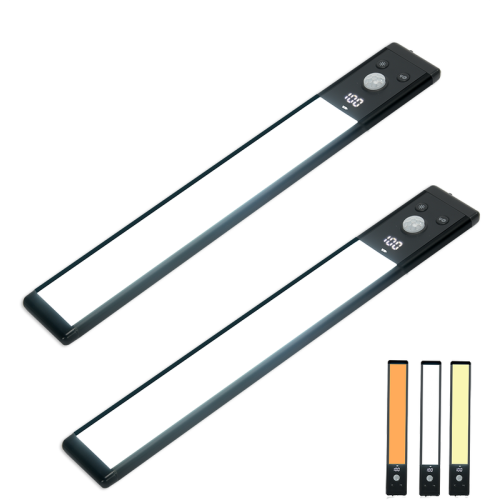

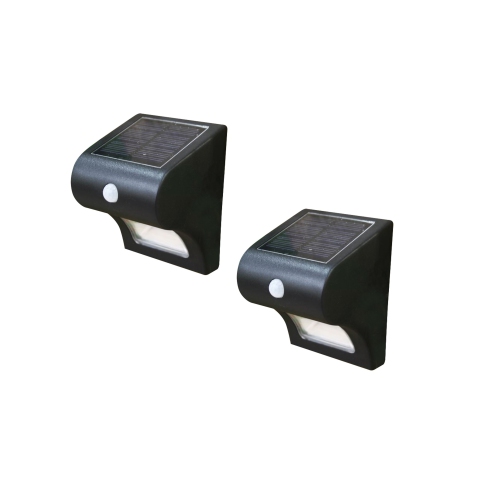
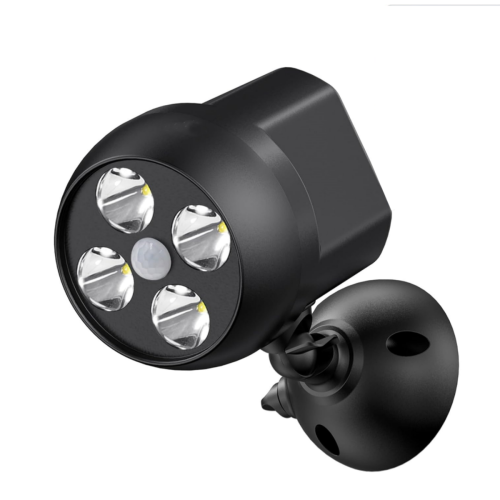
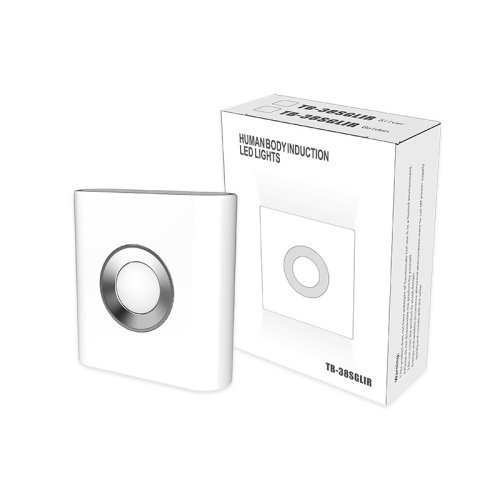
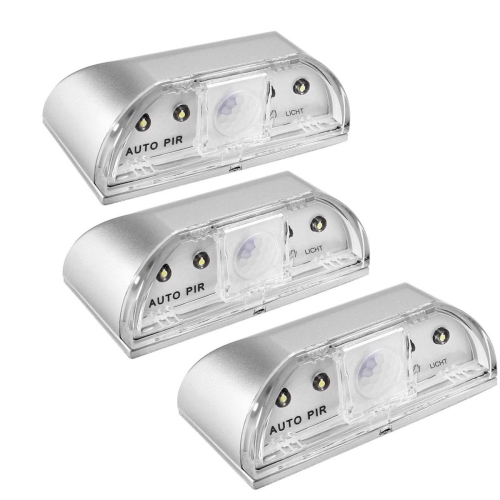
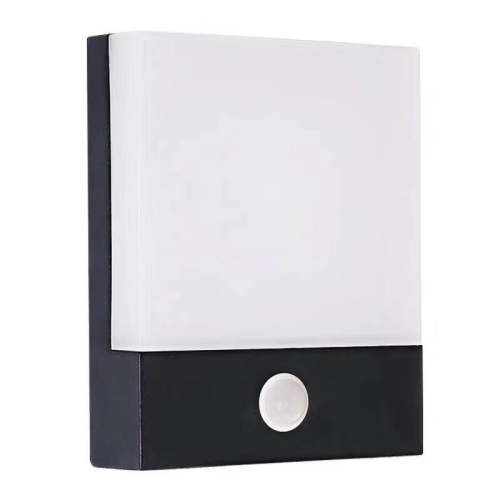
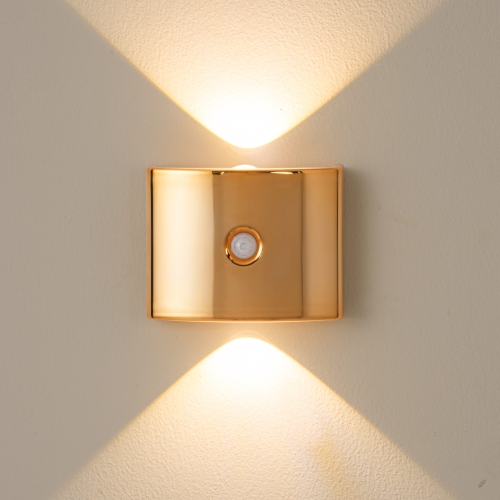
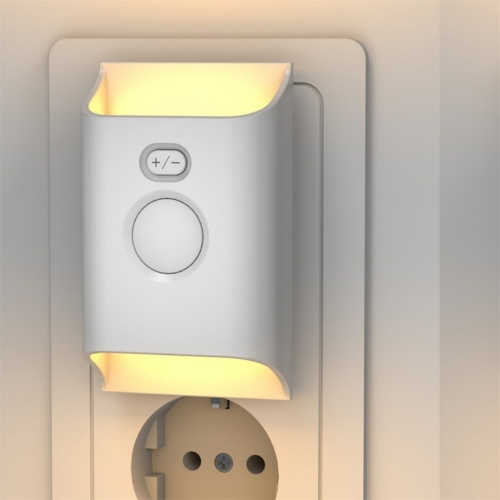
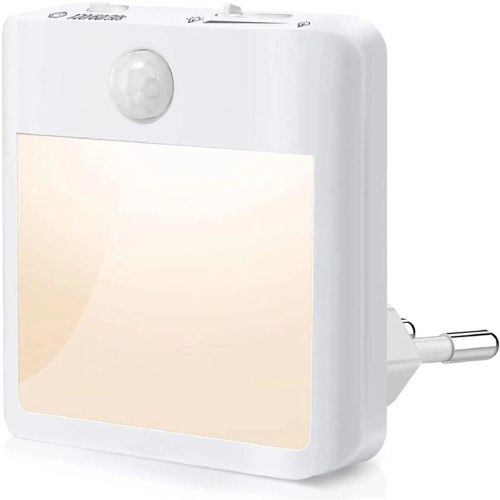
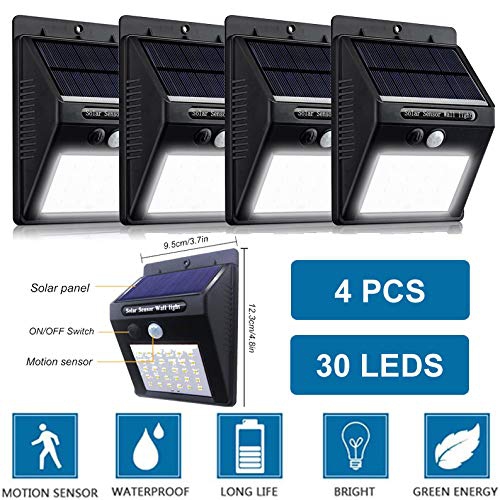
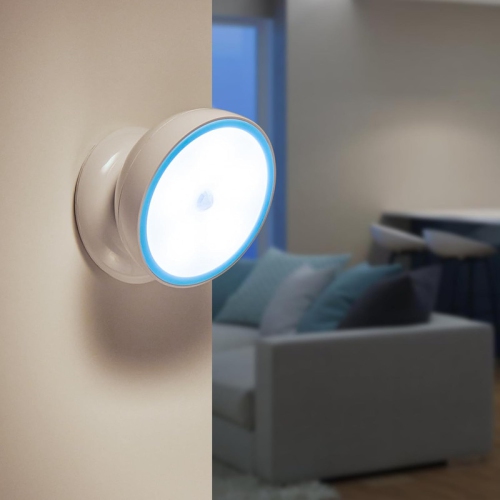
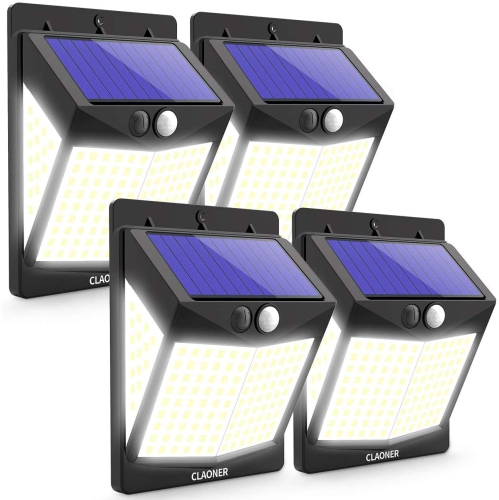
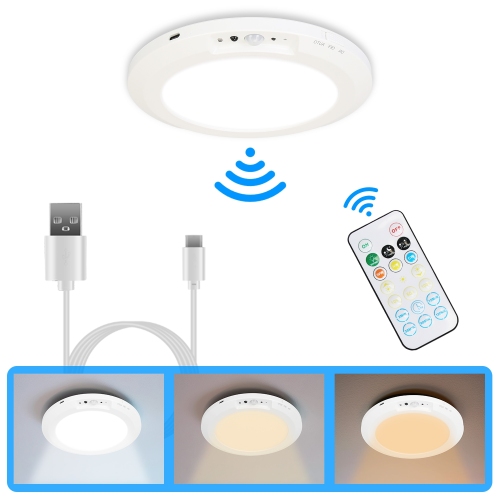
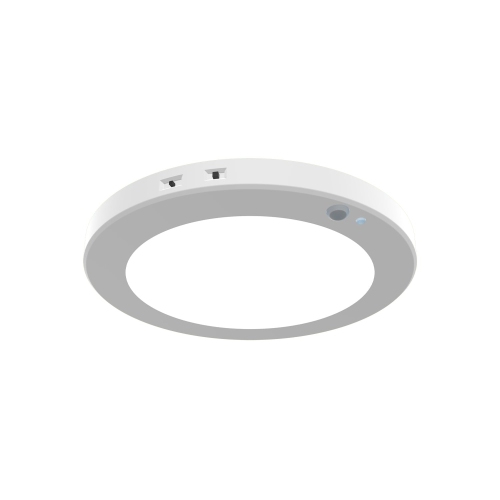
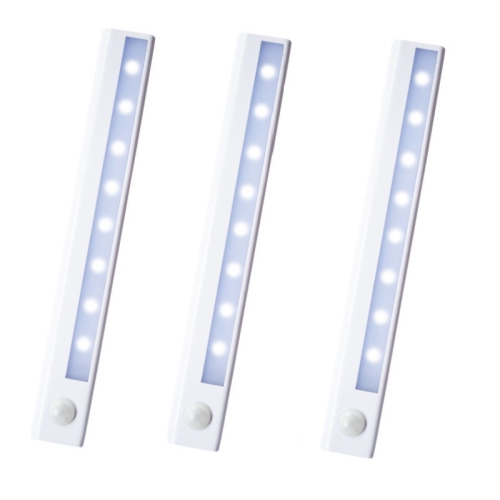
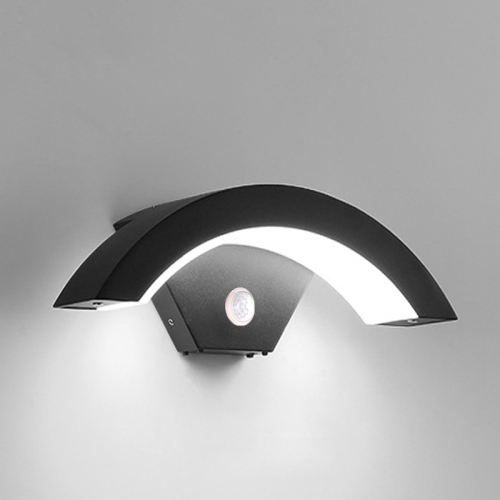
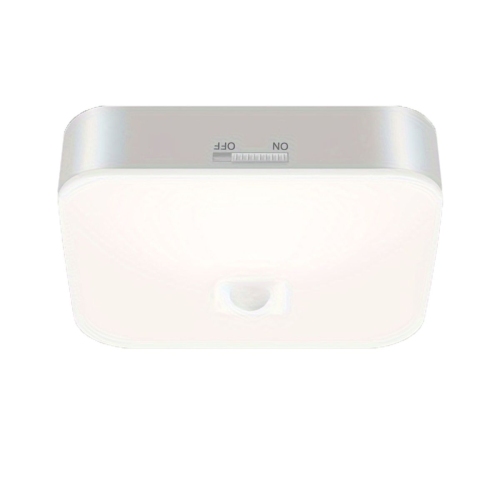

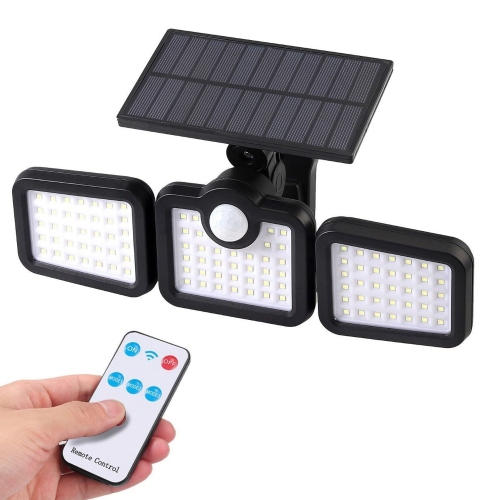
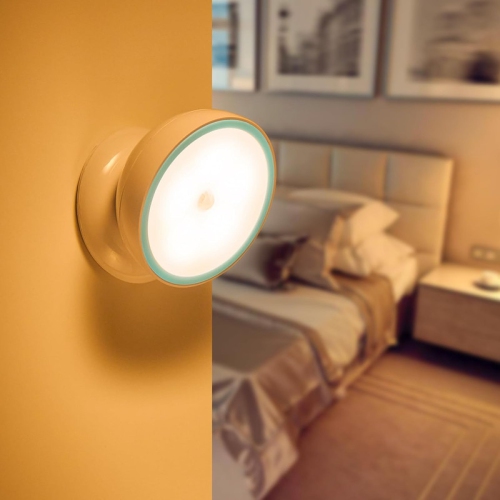
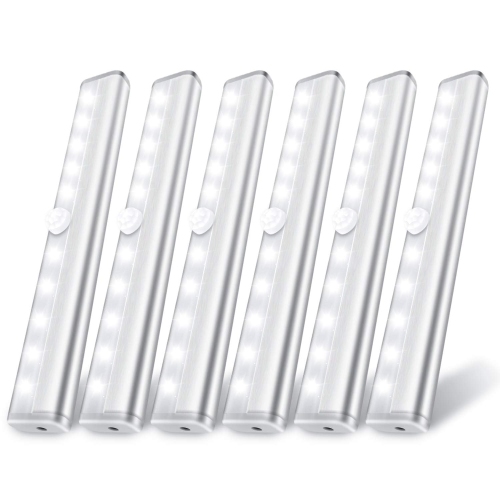
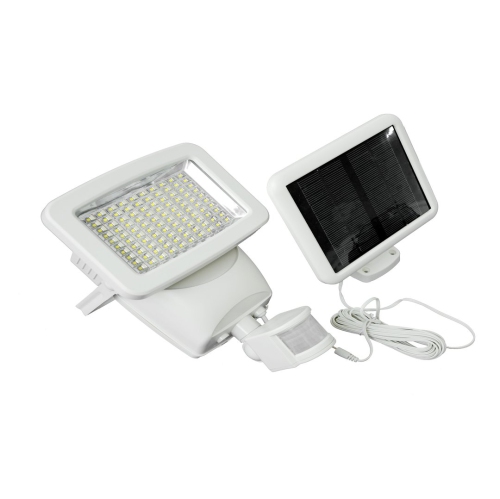
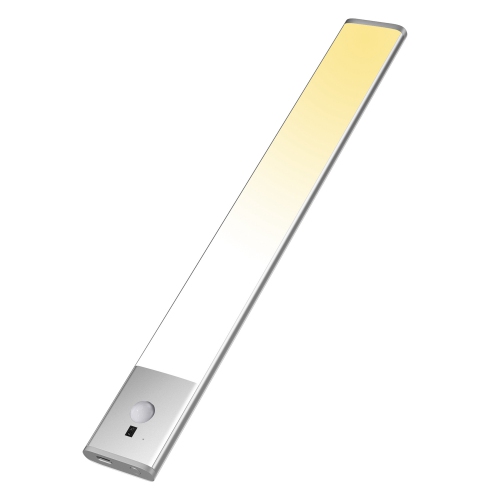
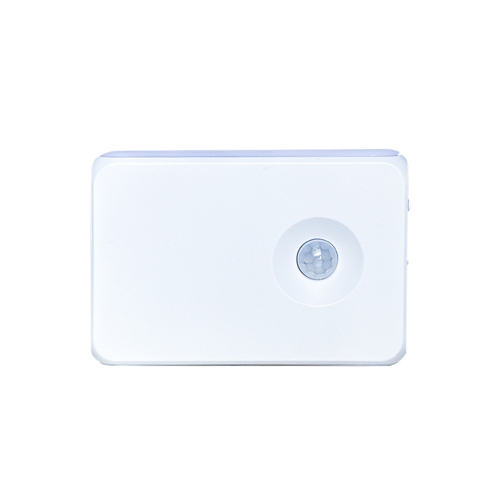
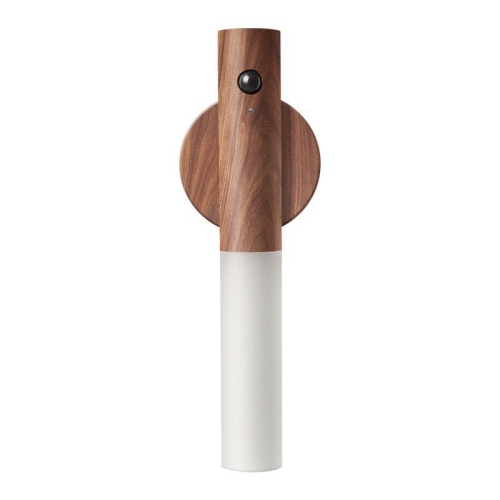
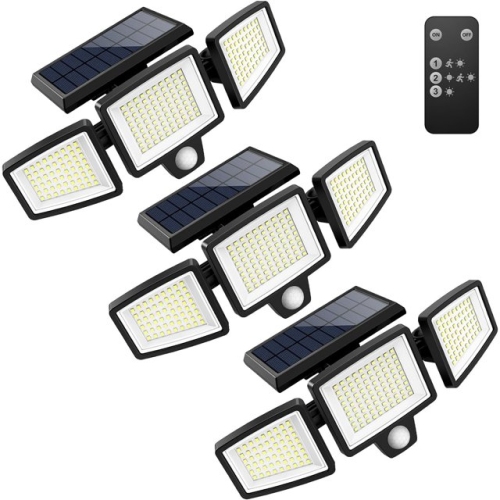
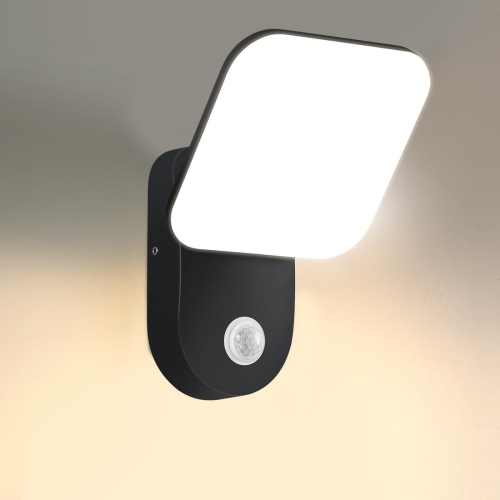
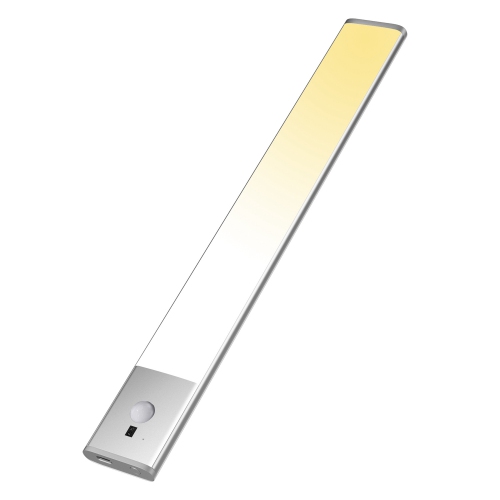

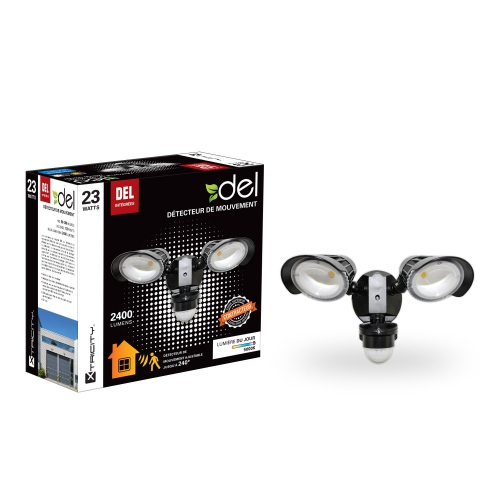
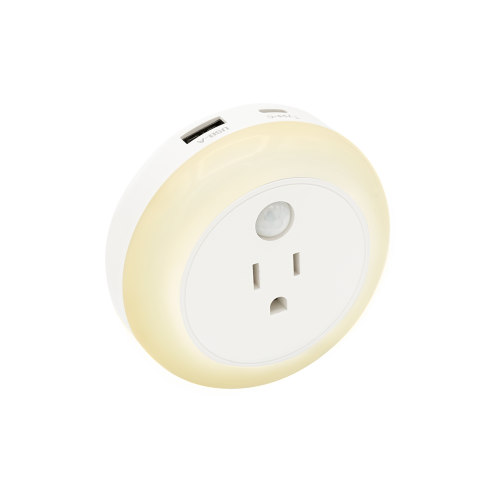
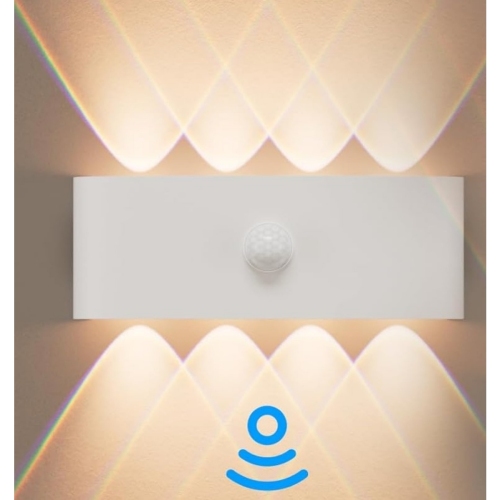
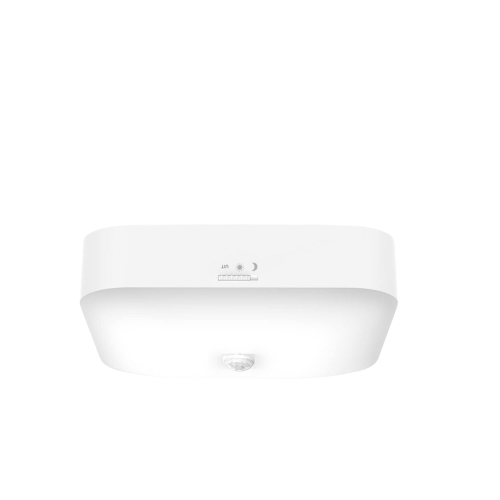
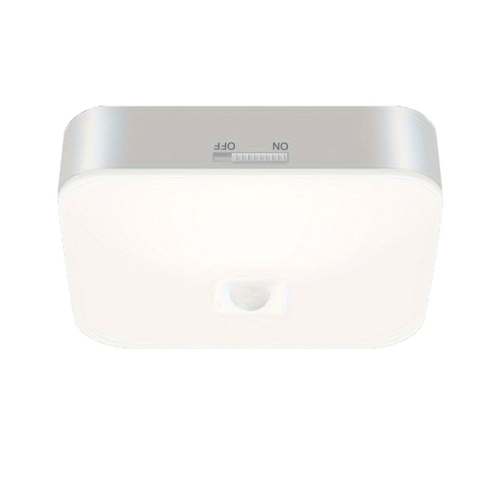
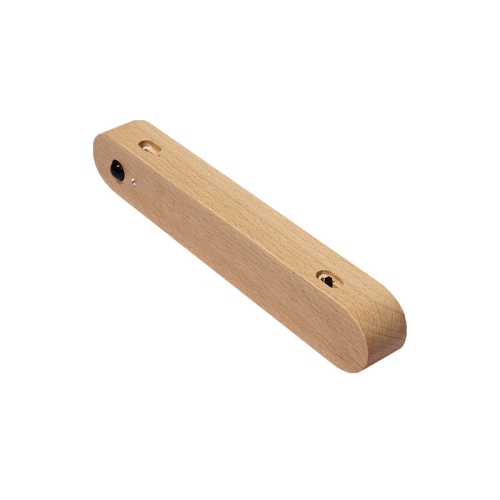
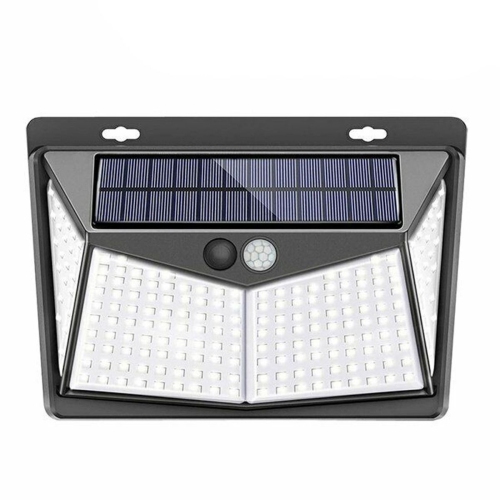
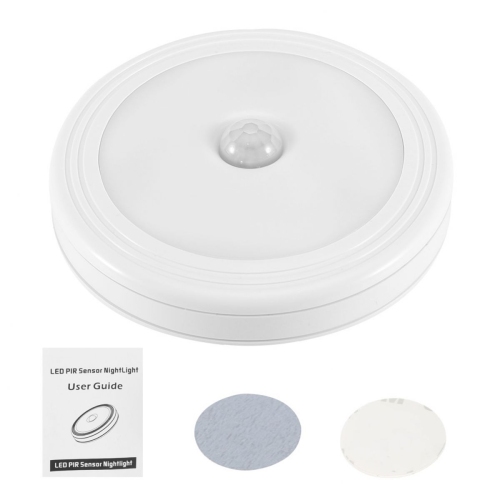
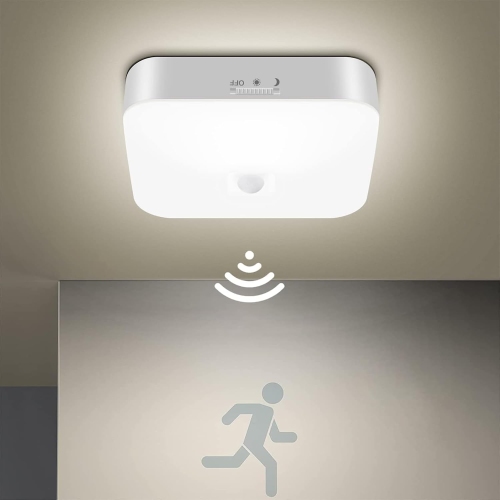
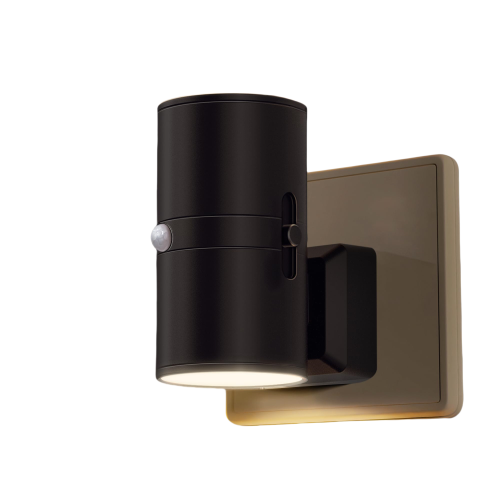
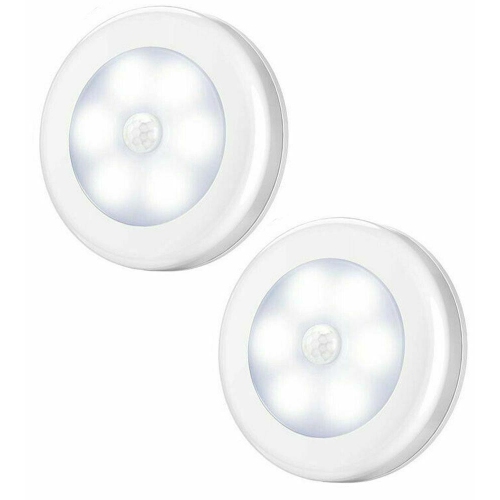
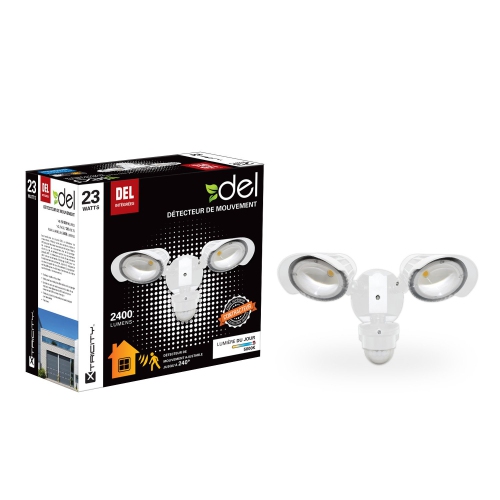

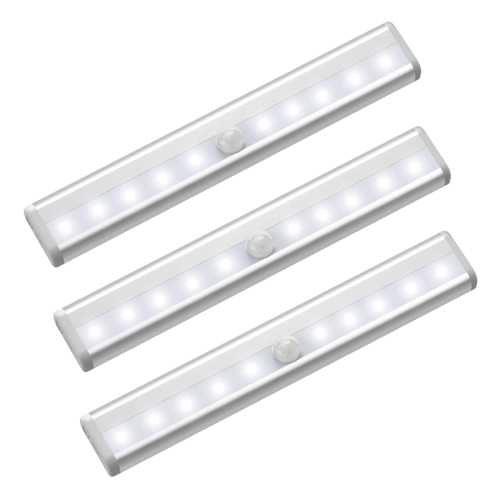
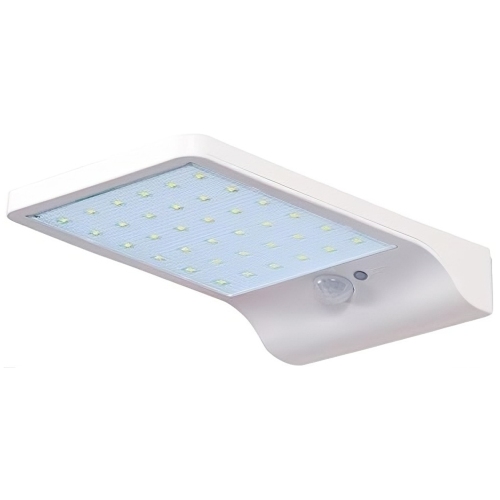
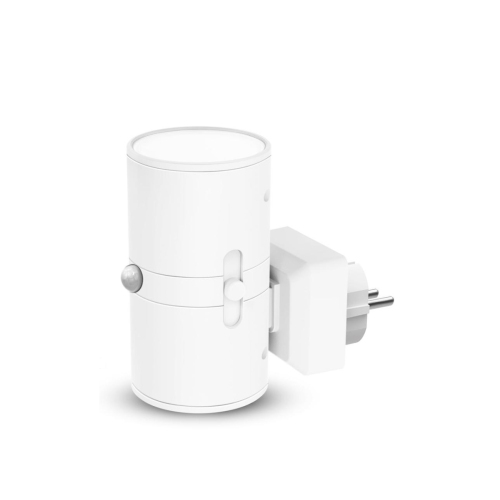
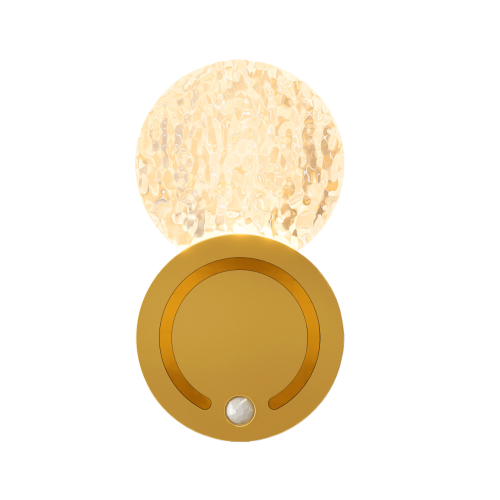
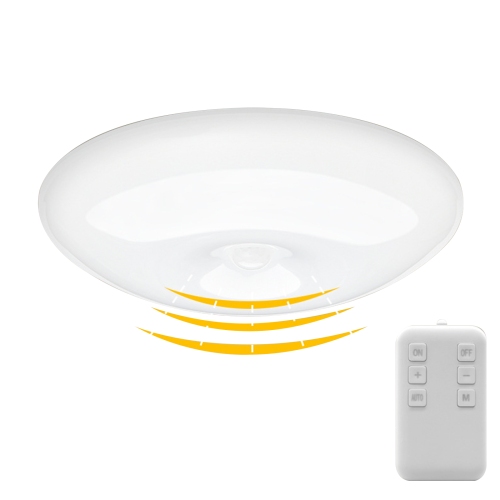
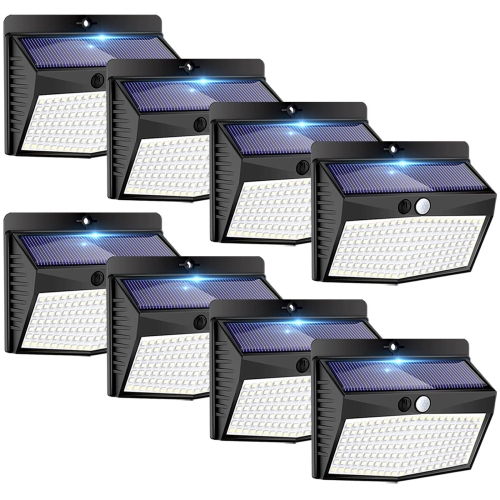
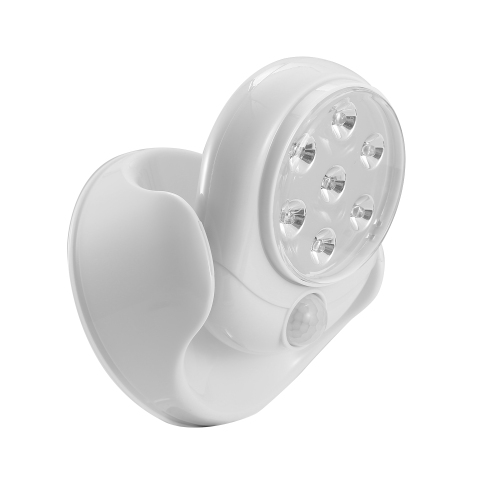
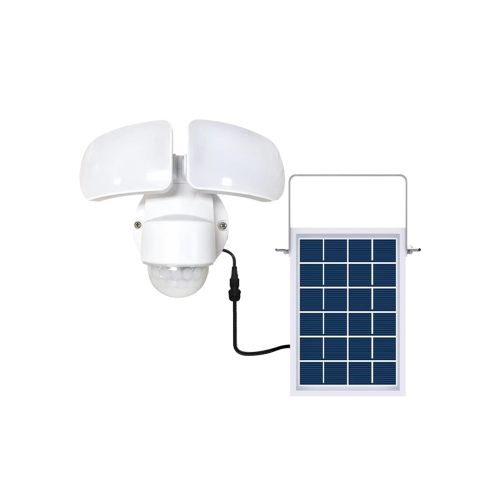
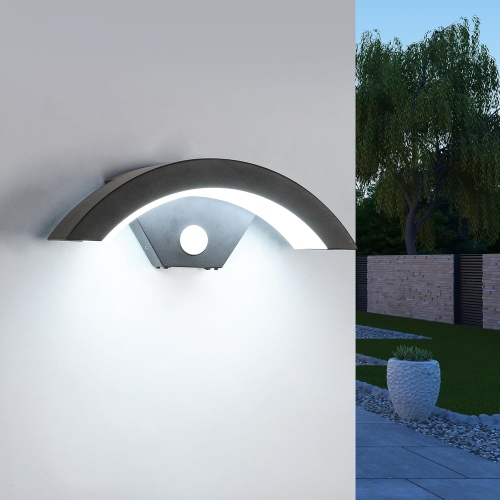
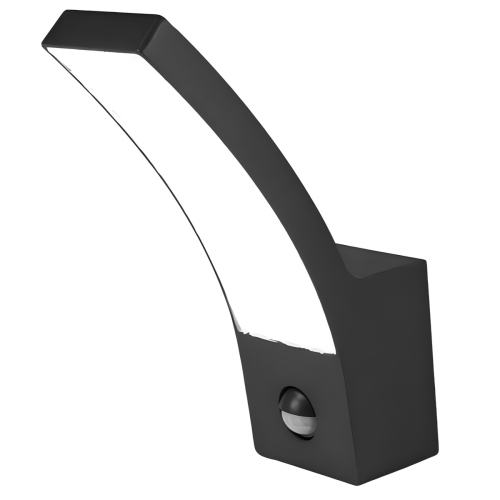
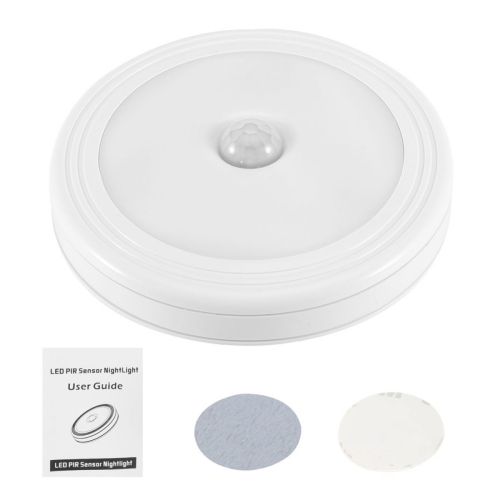
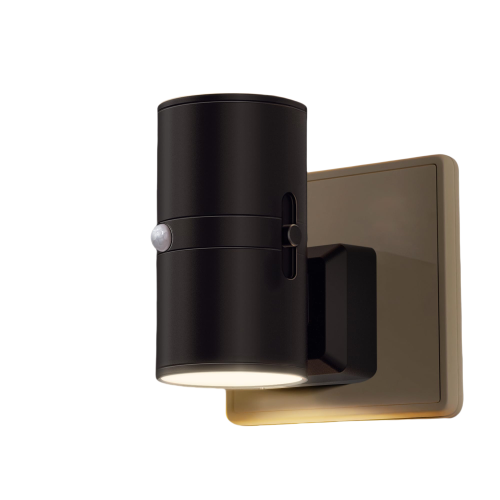


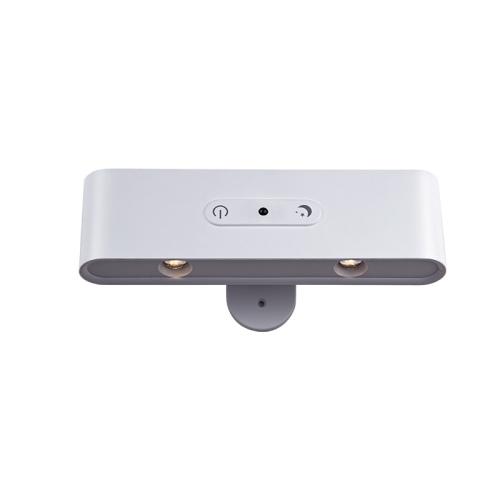
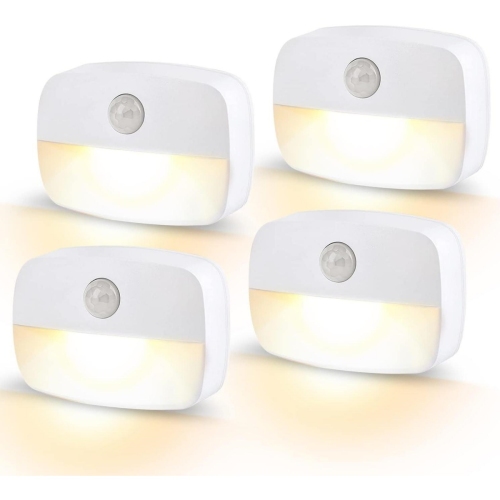
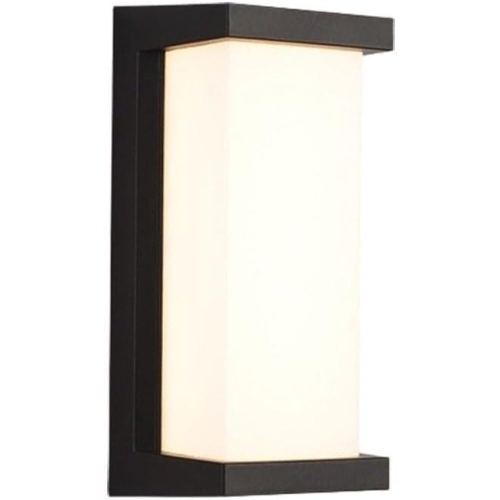
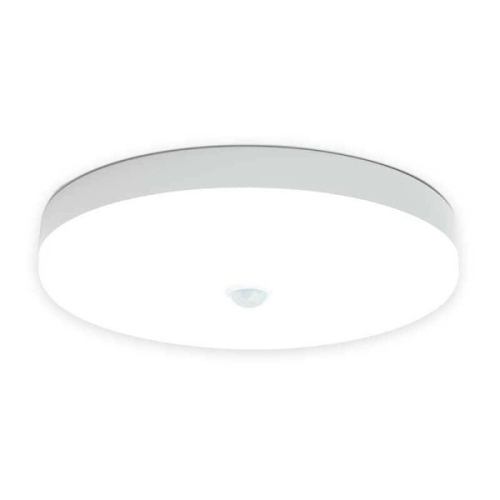
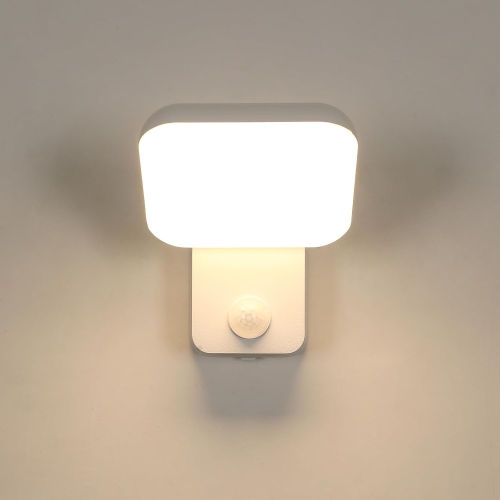
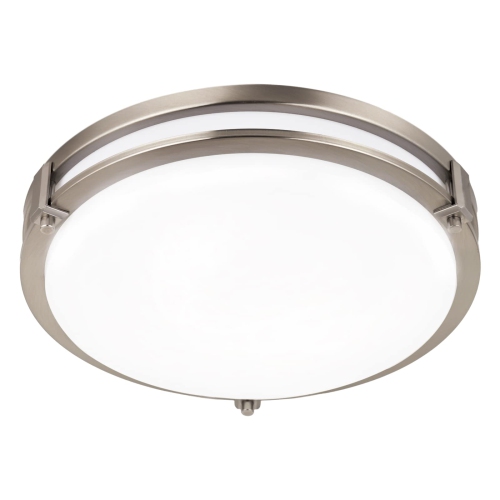
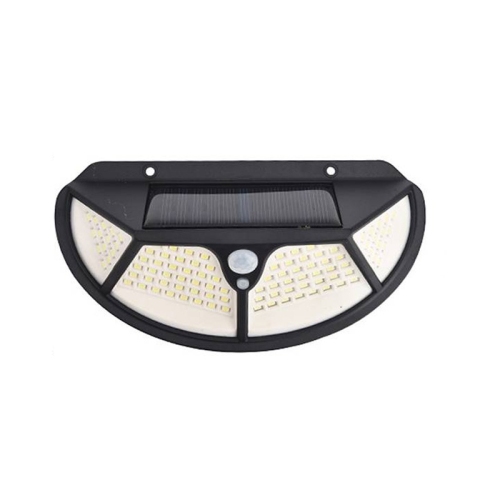
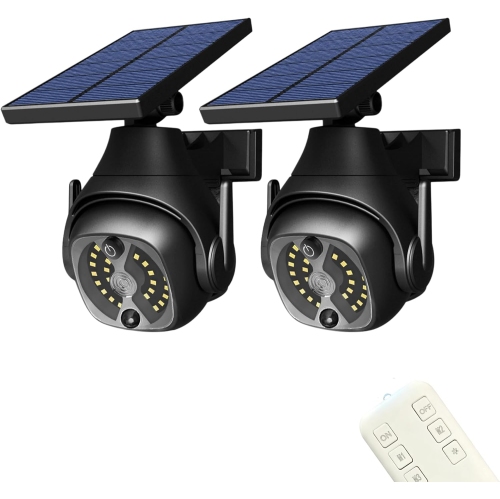
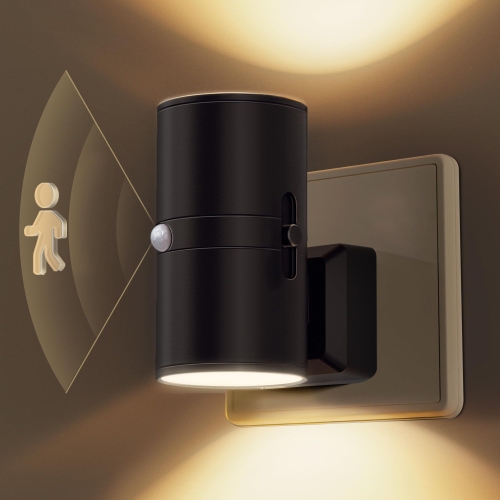
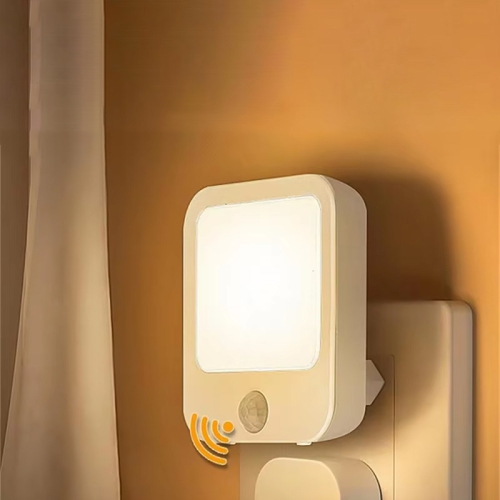
How sensor lights brighten indoor and outdoor spaces automatically
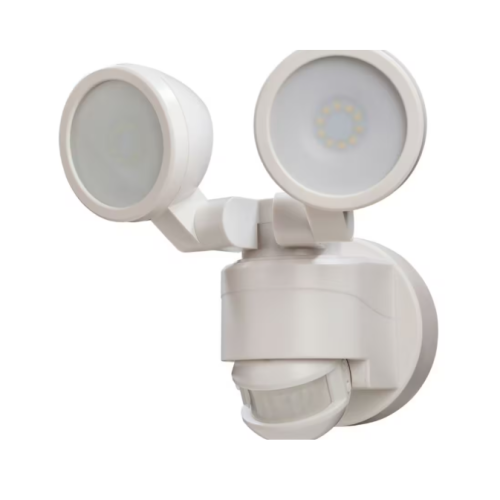
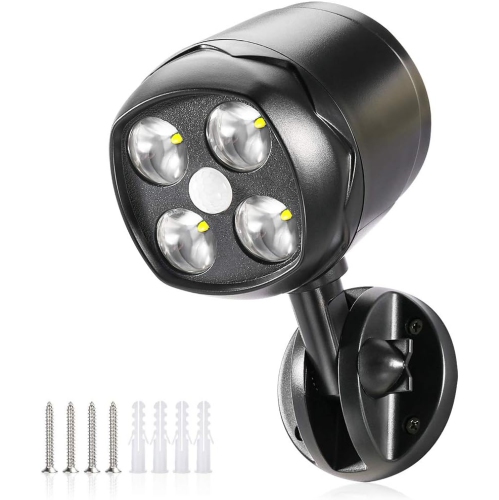
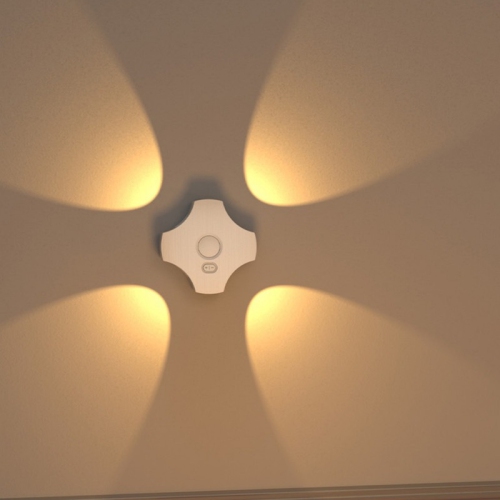
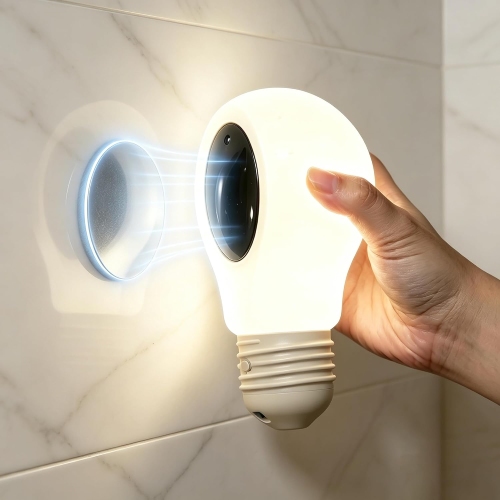
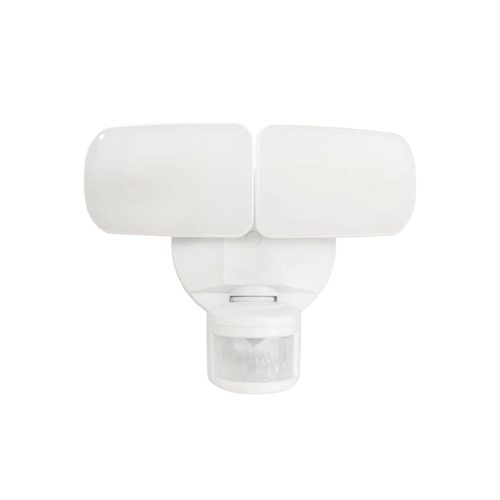
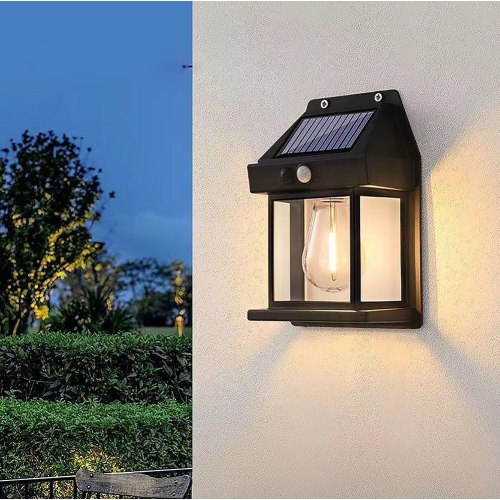
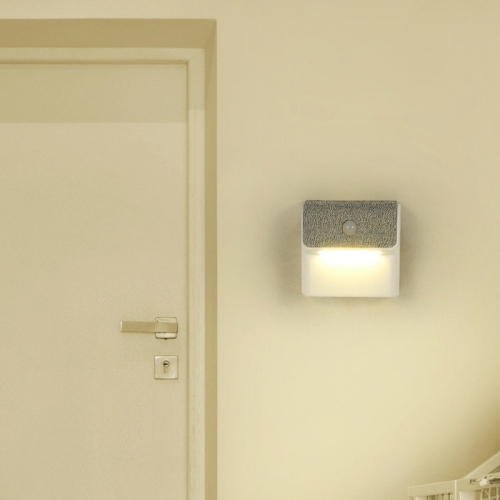
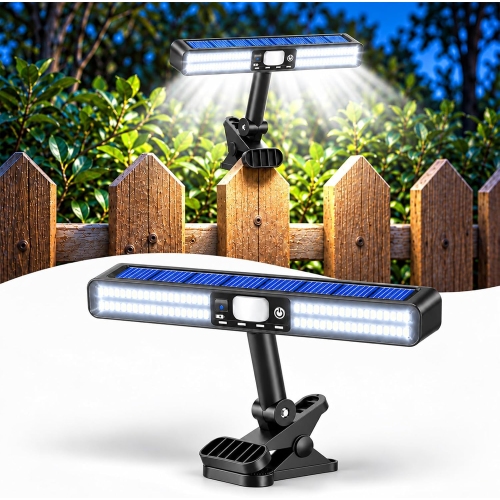
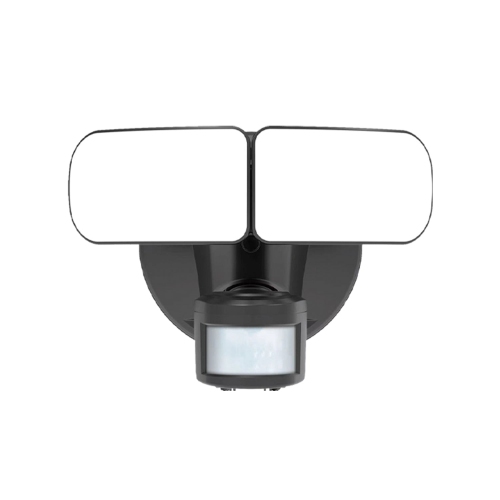
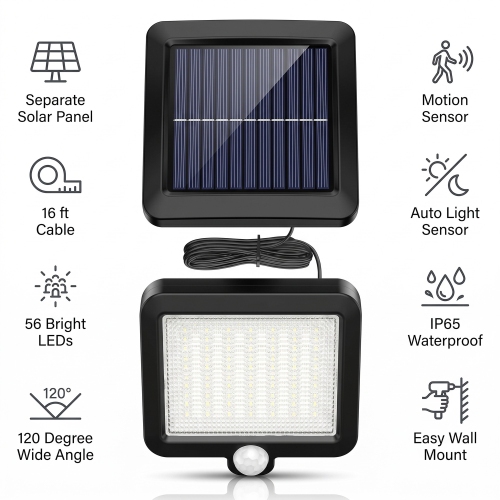
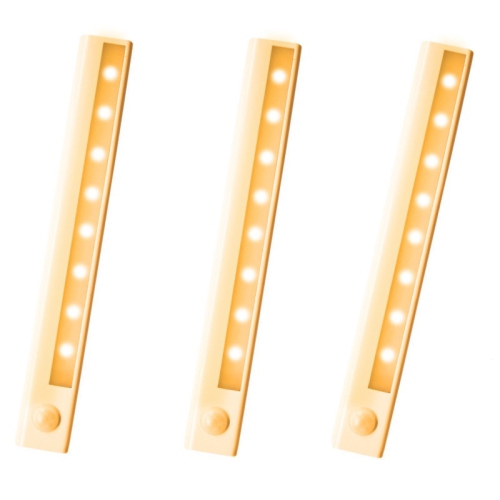
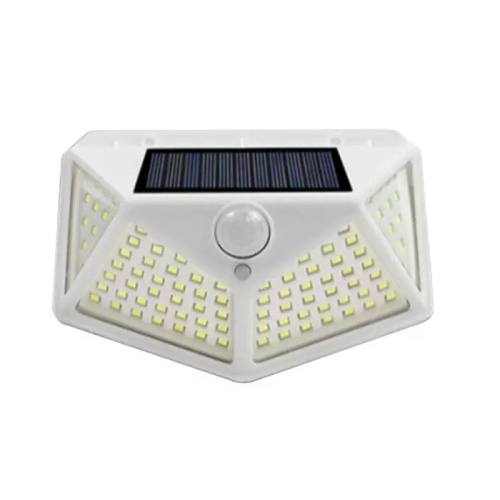
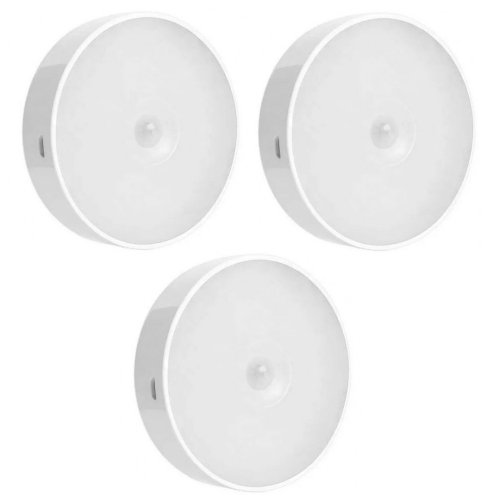
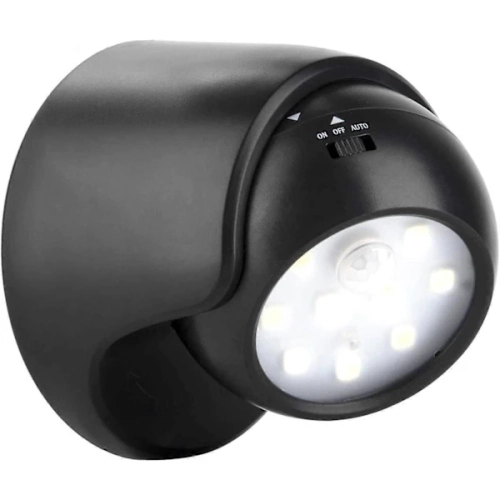
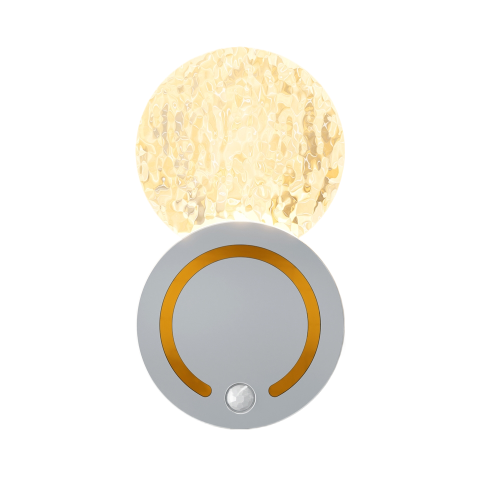
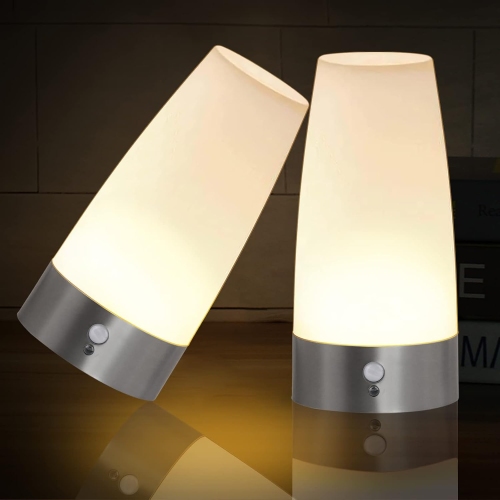
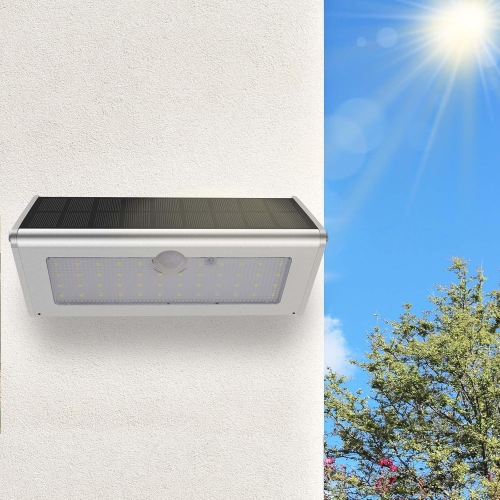
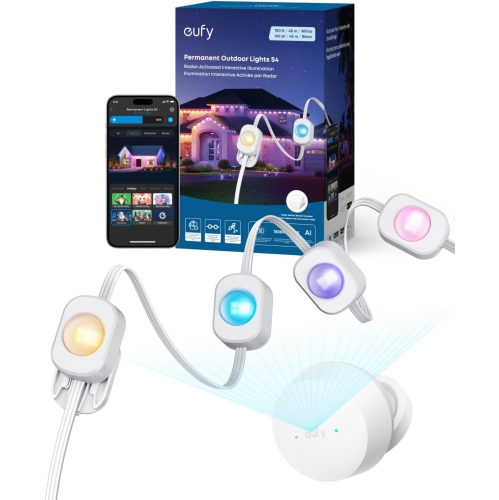
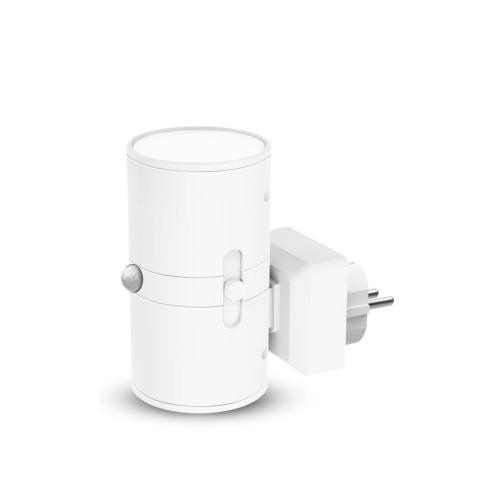
Motion detection lighting brings automatic illumination to the places where reaching for a switch is inconvenient, impractical, or unsafe. A motion sensor light turns on when its sensor detects movement, then switches off after a set period of inactivity, making it useful in rooms, entryways, stairwells, garages, sheds, patios, walkways, and driveways. Indoors, compact battery-powered puck lights can brighten a pantry, wardrobe, linen cupboard, hallway, or basement stair without requiring new wiring. They are especially helpful in homes where children, older adults, or guests may need to move through dim areas at night. In an entryway, a light that comes on as you approach can make it easier to find keys and see the lock; in a garage, it can illuminate the floor and storage shelves while your hands are full. Outdoor motion detection lighting can help define the edges of a deck, path, fence, or driveway, while brighter security-style fixtures can cast wide beams across larger areas. When shopping, consider the location first, since indoor and outdoor lights are designed for different conditions. Outdoor models should be rated for exterior use and positioned where rain, snow, dust, and changing temperatures will not interfere with operation. Indoor lights may be smaller and easier to attach with adhesive backing, magnetic mounts, or screws, while outdoor options may use more substantial brackets and weather-resistant housings. Placement also affects performance: a sensor aimed across a walkway usually detects movement more reliably than one pointed directly at someone approaching it. Keep nearby branches, hanging decorations, and other moving objects in mind, particularly as the weather warms and outdoor spaces become more active or during the cooler months when earlier sunsets make entry lighting especially useful.
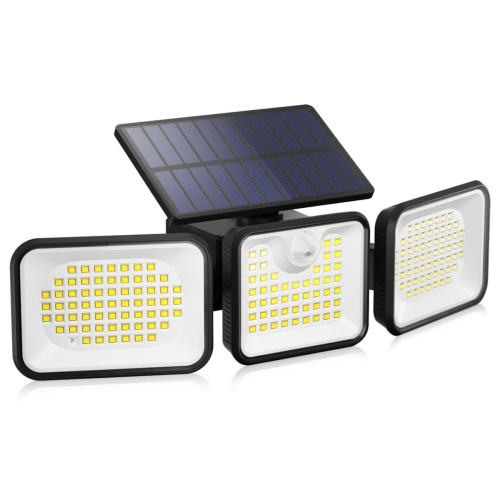
The power source is another important consideration. Battery-operated motion sensor lights are a practical choice for cupboards, closets, rental homes, staircases, sheds, and locations where running electrical wiring would be difficult. Look for accessible battery compartments and a mounting system that lets you remove the light easily when batteries need replacing. Solar-powered models are intended for outdoor areas with enough direct sunlight to charge during the day and can be convenient along fences, garden borders, pathways, and other places without a nearby outlet. Their performance can vary with placement, weather, shade, and the length of the available daylight, so positioning the panel is just as important as positioning the light. Hardwired motion sensor lights offer a more permanent installation and are often selected for garages, exterior walls, porches, and driveways where consistent brightness is a priority. Installation may require electrical expertise, especially when replacing an existing fixture or working near mains wiring. Brightness is measured in lumens, and the right level depends on the space. A light producing roughly 50 to 200 lumens may be suitable for a small closet, cabinet, hallway, or step, while larger outdoor areas may benefit from approximately 500 to 2,000 lumens or more. Higher brightness is not automatically better: a narrow side passage may need a focused beam, while a driveway or backyard may call for broader coverage. Adjustable heads allow you to direct one or more beams towards a gate, path, garage door, or landing, and adjustable sensor zones can help reduce unwanted activation from passing traffic or movement beyond your property. Browse Adjustable Motion Sensor Lights when you want more control over where illumination falls and where movement is detected.
Detection range and timing controls can make the difference between a light that feels helpful and one that activates at the wrong moments. Many sensors detect movement from approximately 15 to 50 feet away, although the actual range depends on the model, installation height, angle, temperature, and the size of the moving object. A sensor mounted too high may detect activity beyond the area you want to light, while one placed behind a post, overhang, or dense shrub may have a restricted view. Some lights include sensitivity, duration, or dusk-to-dawn settings, allowing you to decide how readily the sensor responds and how long the light stays on. A shorter duration can suit a hallway or front step, while a longer setting may be more convenient in a garage where you are carrying boxes or sorting tools. Motion detection lighting also makes a thoughtful housewarming gift, practical present for a first-time homeowner, or useful addition to a student residence, cottage, workshop, or apartment. It is the kind of gift that often becomes part of a daily routine: a soft light guiding someone to the bathroom at night, a brighter beam welcoming family home after an evening out, or a small cabinet light revealing the right shelf without disturbing the rest of the room. Before buying, check the mounting method, required batteries or wiring, weather rating, beam direction, sensor range, brightness, and compatibility with the intended location. With the right combination of placement and features, motion detection lighting can make dark transitions around the home feel more visible, comfortable, and manageable throughout the changing seasons.
Top selling and popular products
-
 Your price for this item is $232.99
-
 Your price for this item is $17.68
-
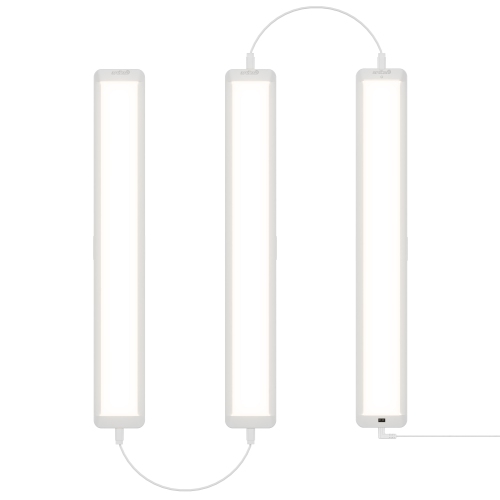 Your price for this item is $89.99
-
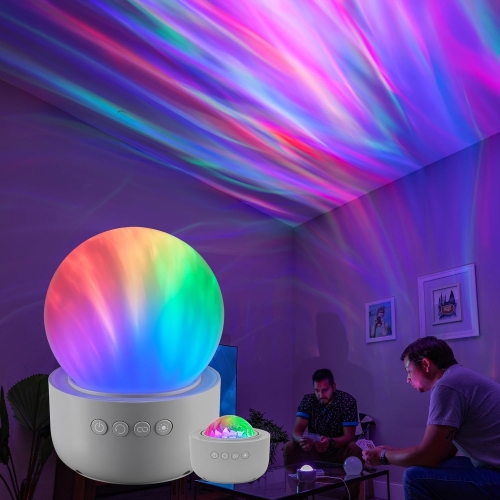 Your price for this item is $29.99
-
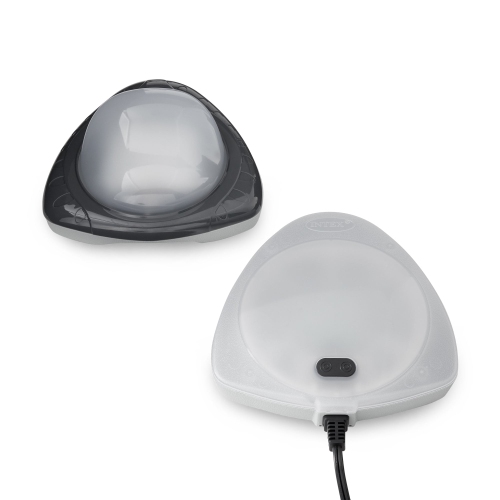 Your price for this item is $119.99
-
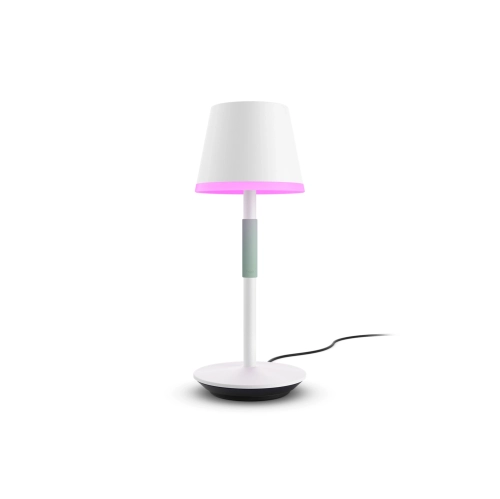 Your price for this item is $245.68
-
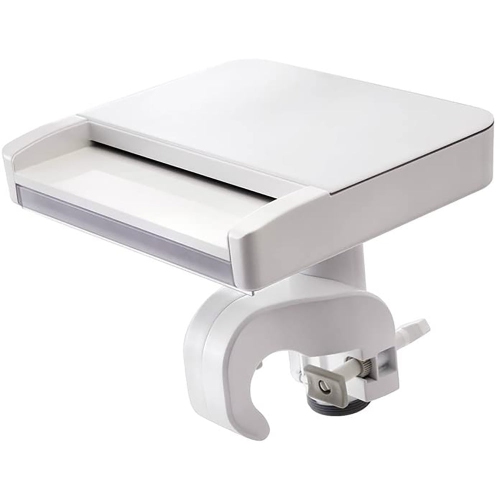 Your price for this item is $129.99
-
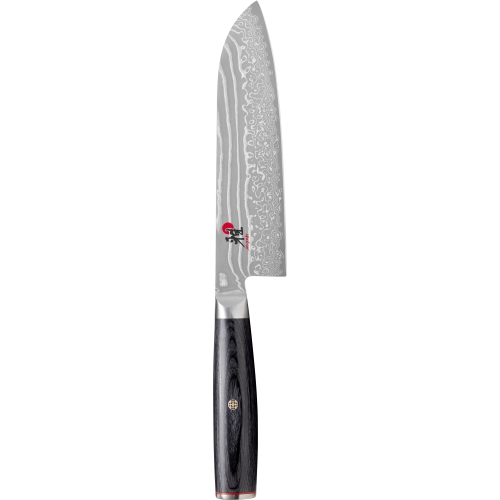 Your price for this item is $299.99
Discover more categories related to Motion Detection Lighting
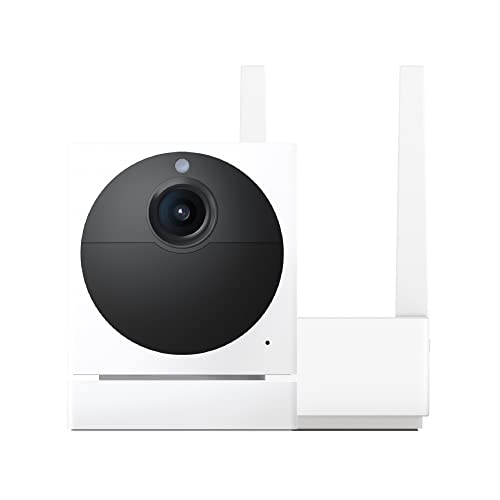
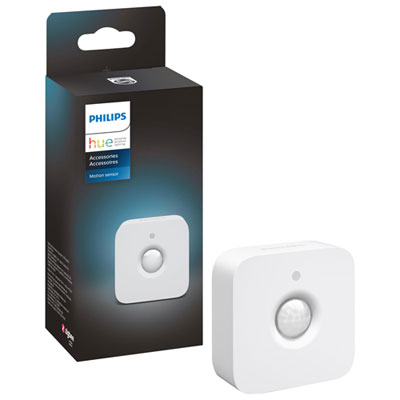
Top Collections:
Best Black Friday Deals This Year, Best Black Friday Deals On Electronics, Kindle Devices, Pokemon Centers, Best Black Friday Deals On Apple Products, Best Cameras for Sports Photography, Dyson Airwrap, Pokémon 30th Celebration Cards, Apple iPhone 17 Pro, Canon G7X Cameras
Some products may be subject to Environmental Handling Fees
(EHF) depending on your province.
Learn more about EHFs.