Security Lights With Motion Sensor
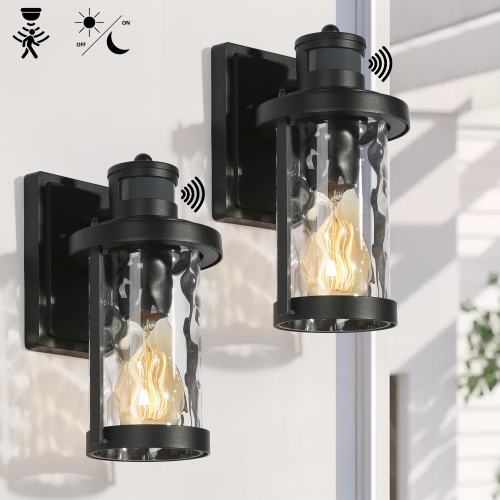
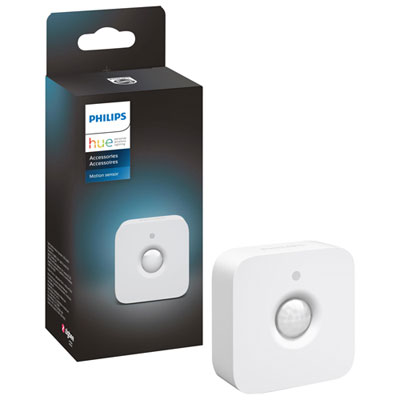
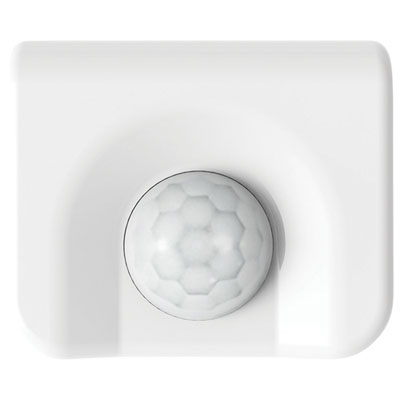
Enhance the security of your home or business with our range of security lights equipped with motion sensors. These innovative lighting solutions are designed to detect any movement within their range, instantly illuminating the area and deterring potential intruders. Whether you need to light up your driveway, backyard, or entrance, our selection of motion sensor security lights offers a reliable and convenient way to enhance your property's safety. With various styles and features available, finding the perfect security light to suit your needs has never been easier.
Sort

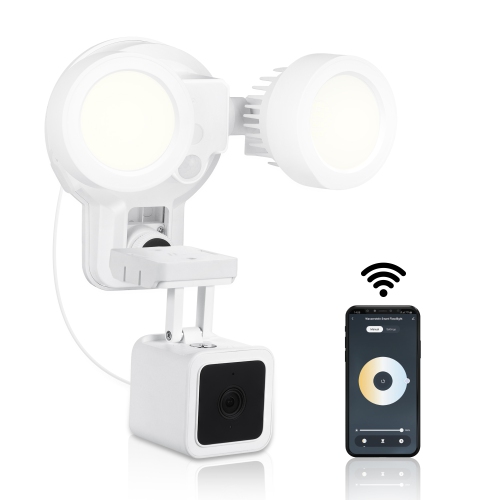
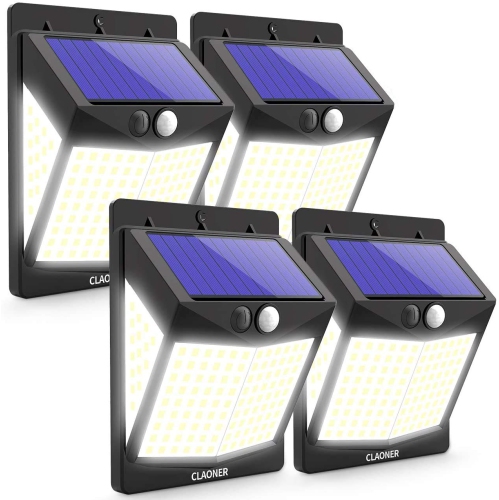
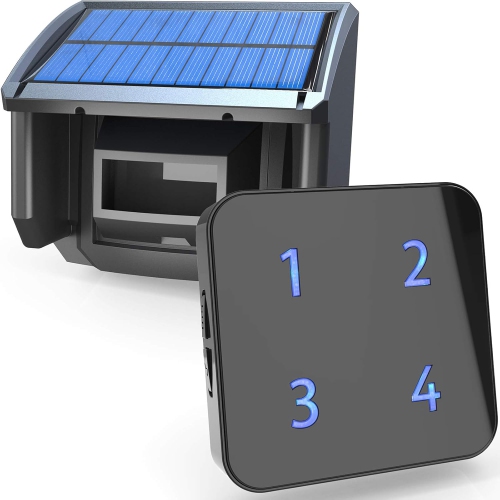
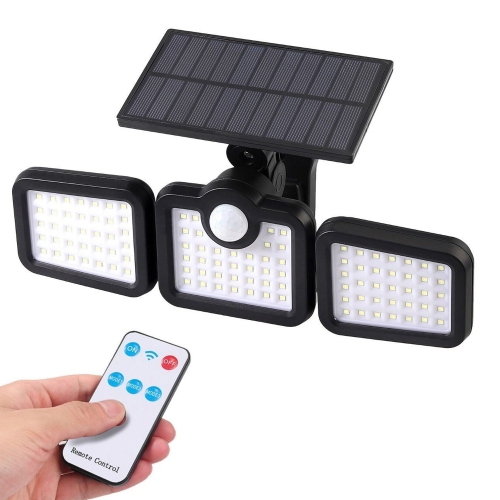





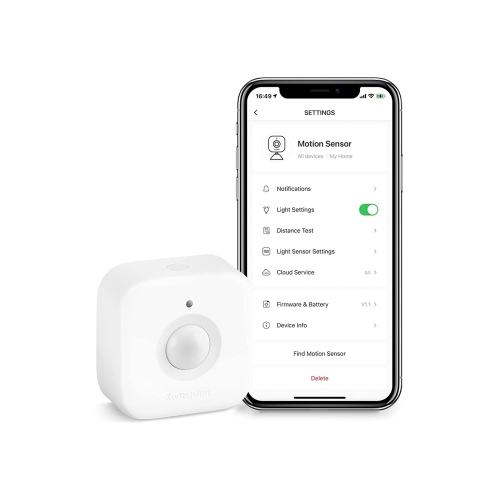
![YOULIGHTS Rechargeable Night Lights w Motion Sensors - [2 Pack] Wireless Stick On Motion Detection Lights w Warm & Soft Glow, Ideal for Bathroom](https://multimedia.bbycastatic.ca/multimedia/products/500x500/185/18588/18588679.jpeg)


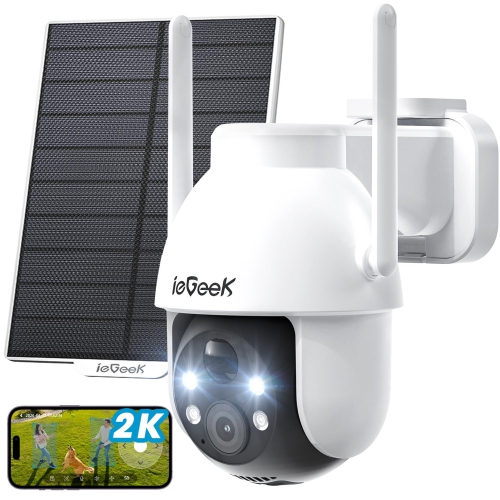
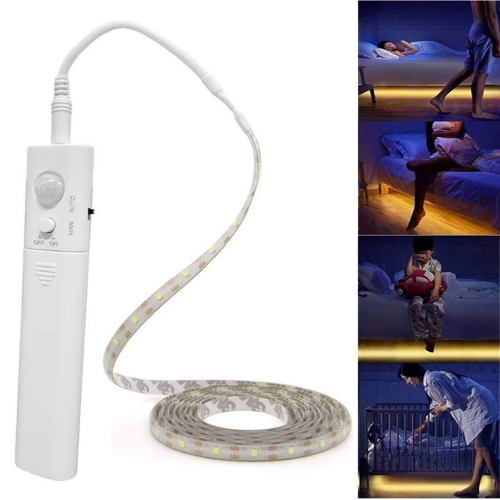


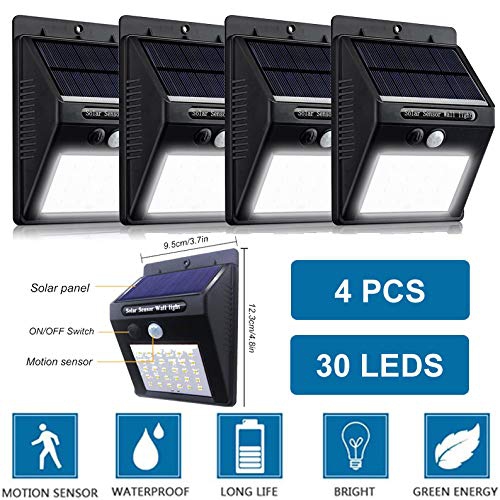
Key considerations for reliable lighting around your property
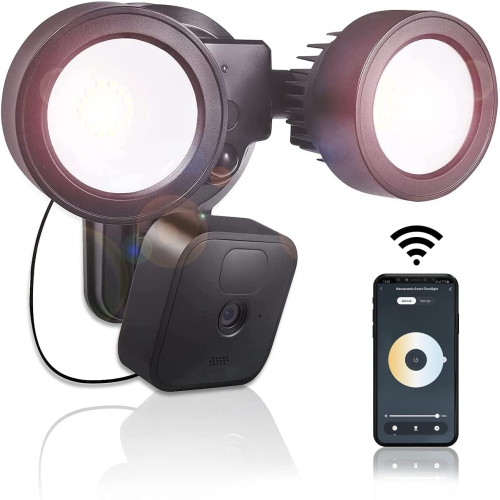
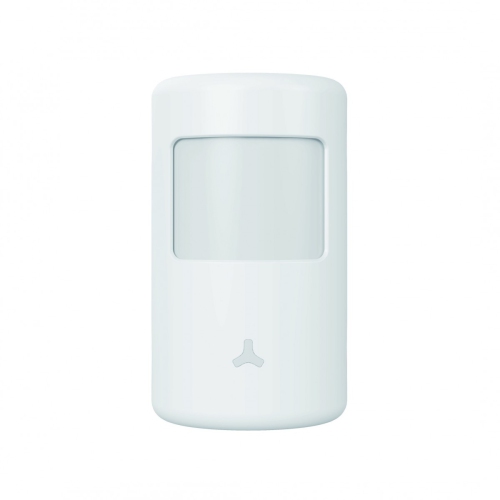
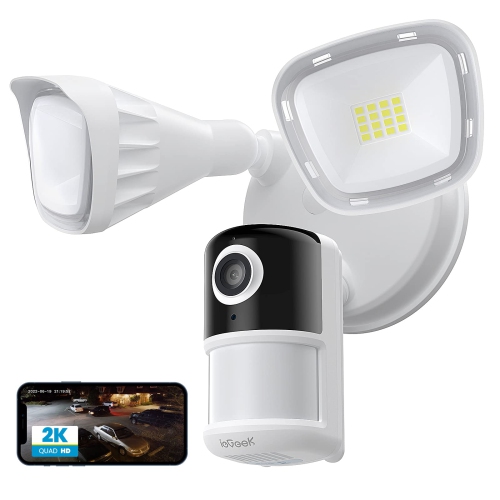
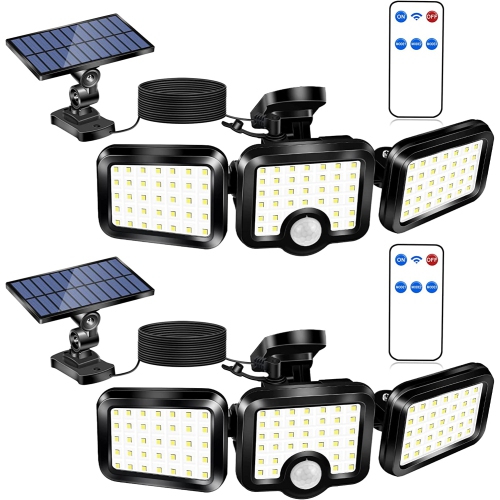
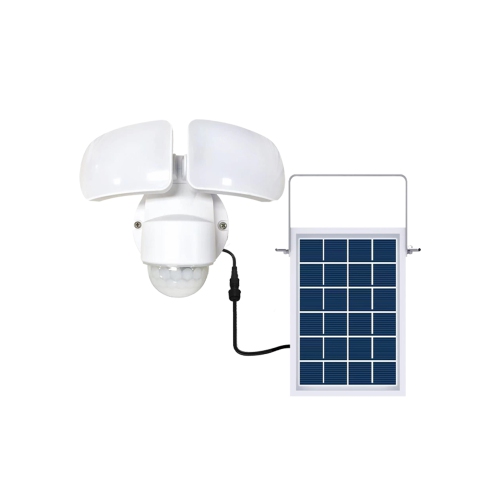
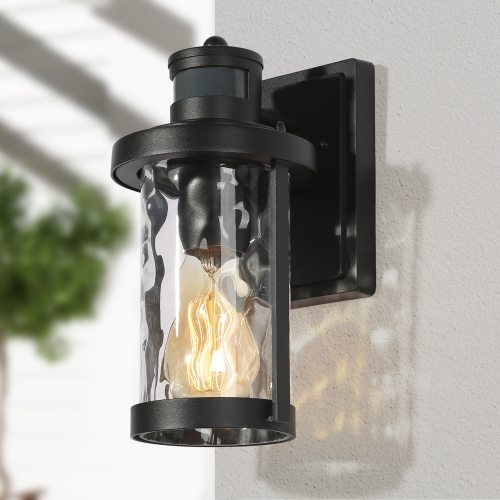
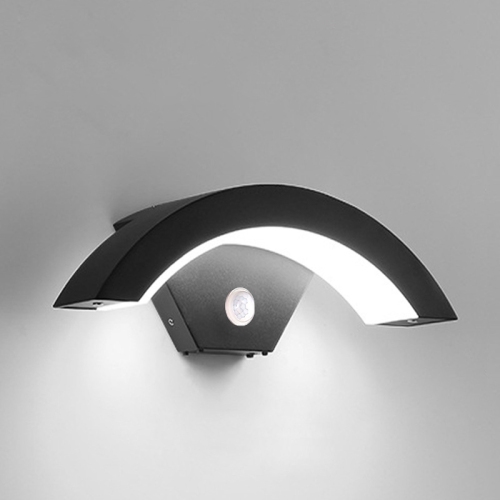
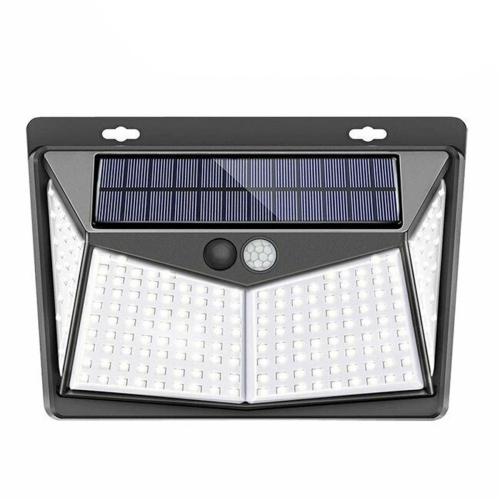
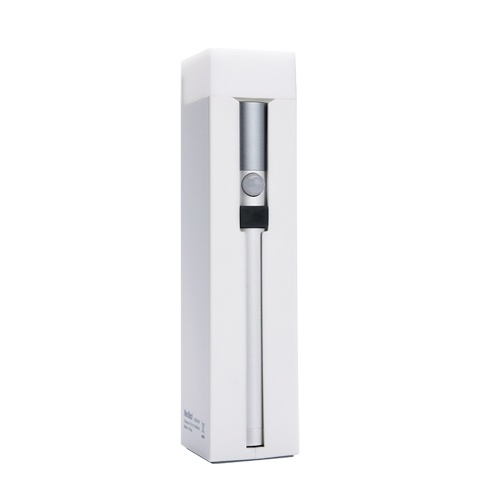
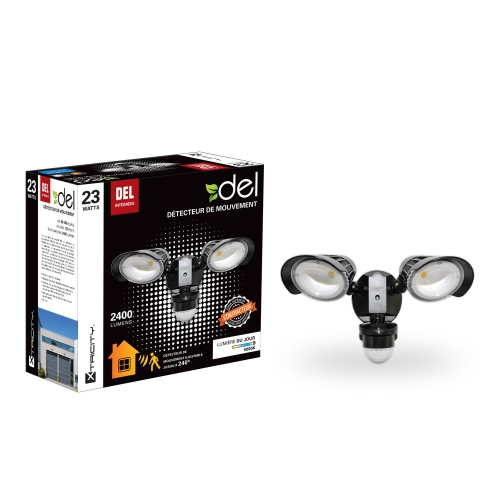
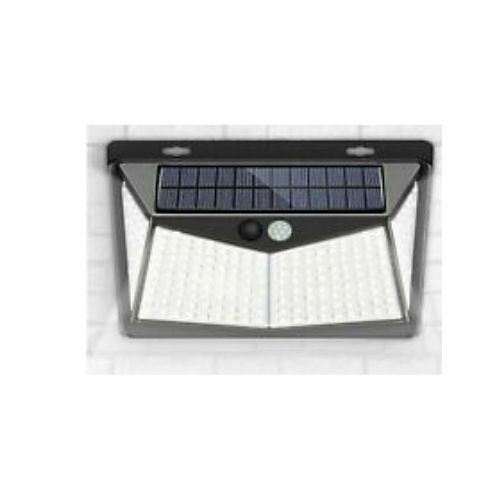
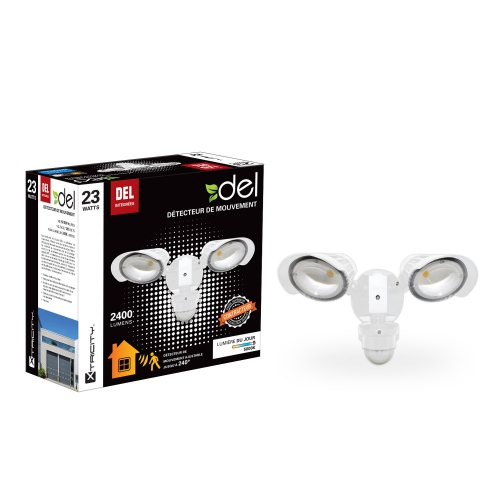
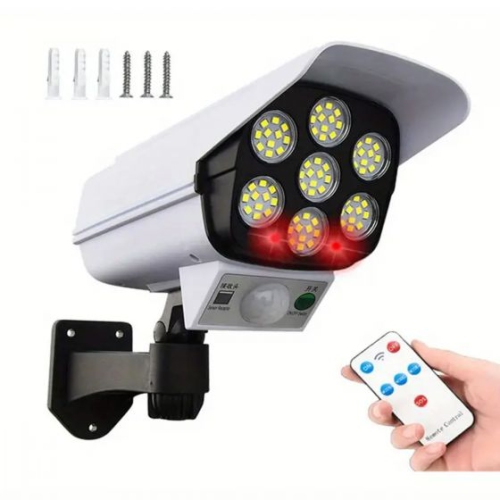
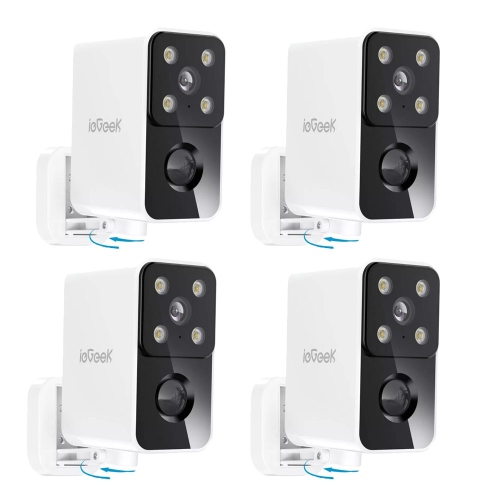
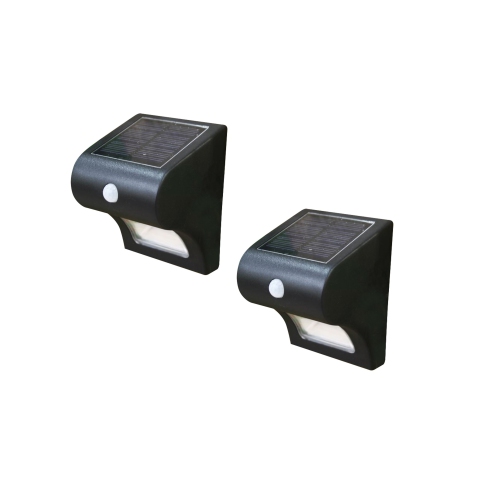
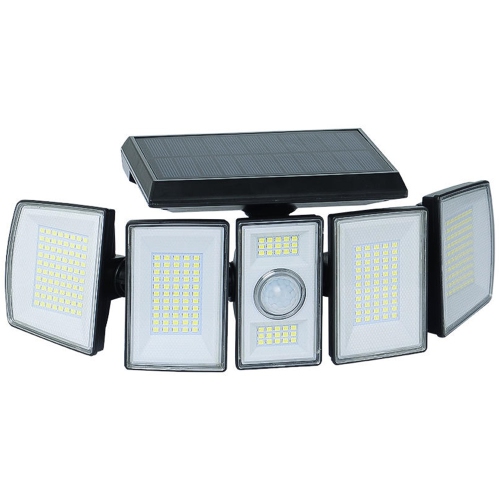
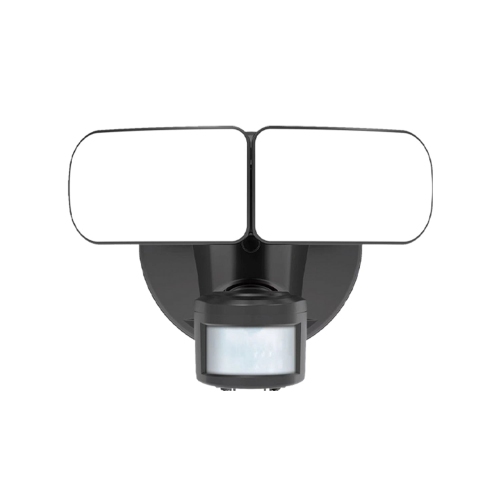
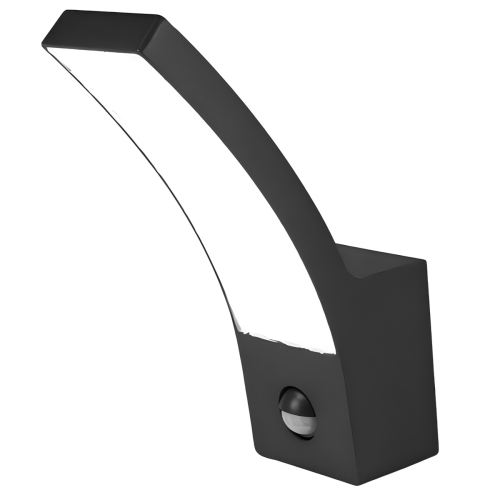
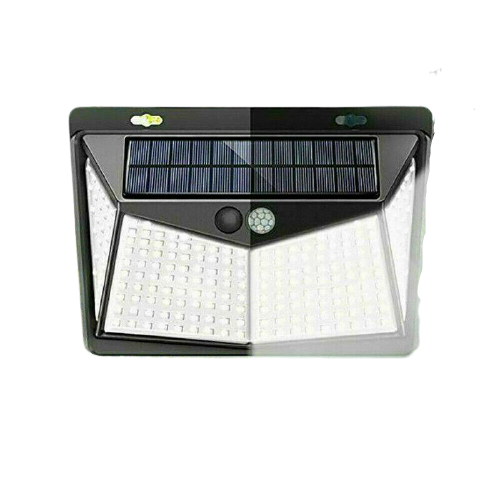
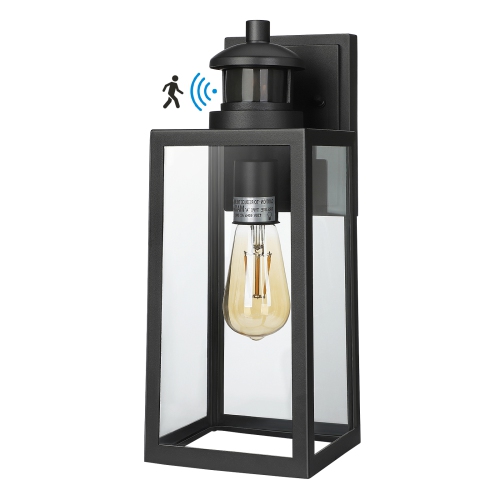
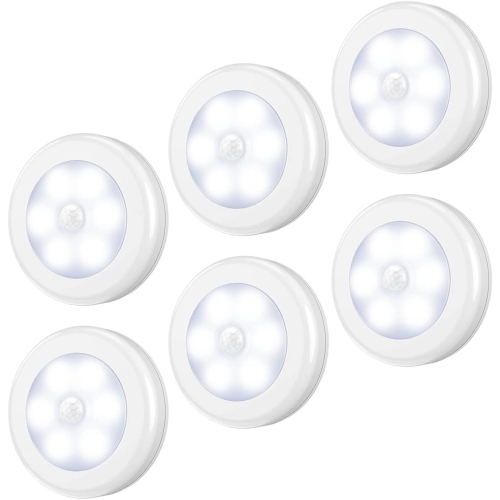
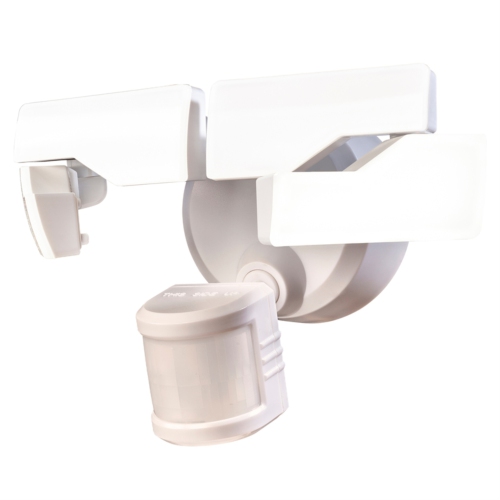
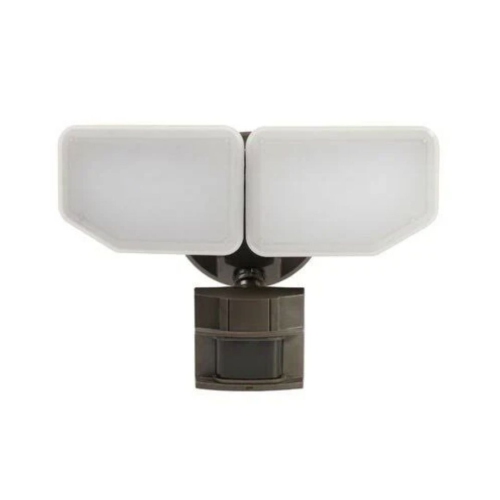
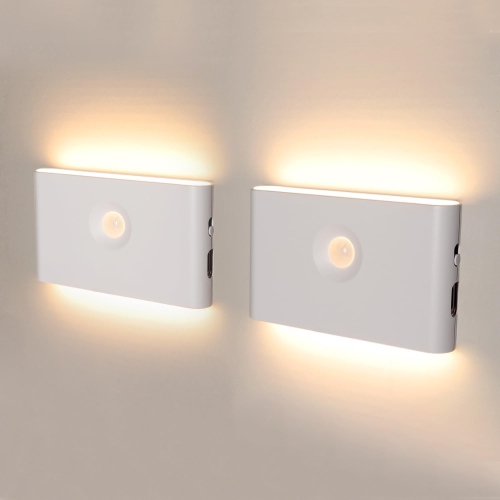
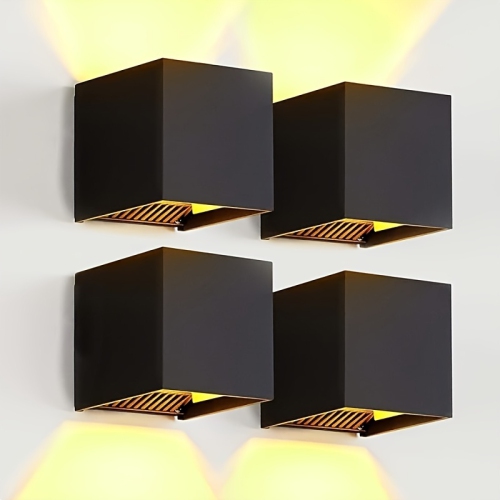
Security lights with motion sensors add practical illumination to the areas around your home that can become difficult to see after dark. These lights use a built-in sensor to detect movement within a defined area and switch on automatically, helping you see a walkway, front step, side entrance, garage door, deck, driveway, or backyard gate without leaving a light on continuously. A sudden burst of light can also make a property feel less inviting to unwanted visitors, while giving household members better visibility when carrying groceries, taking out the bins, unlocking a door, or checking a familiar sound outside. During the cooler months, when daylight fades earlier and wet or icy surfaces may be harder to spot, motion-activated lighting can be especially useful around steps and uneven paths. When choosing a light, consider the size and layout of the area first. A compact entryway may be well served by a fixture producing roughly 1500 to 2000 lumens, while a broad driveway, large yard, or detached garage may benefit from 3000 lumens or more. Lumens indicate the total amount of light produced, but beam direction and fixture placement are just as important. Two-head designs can spread illumination across separate zones, while adjustable heads let you aim light toward a path, vehicle, or doorway instead of directly into a window. A wide detection field of about 110 to 180 degrees can cover more of an approach, and adjustable sensitivity or distance controls can help reduce unwanted triggers from passing cars, nearby sidewalks, swaying branches, or pets. Take a moment to think about where movement is most likely to occur and where a person would naturally approach the property; positioning the sensor across that path is often more effective than pointing it straight toward the street.
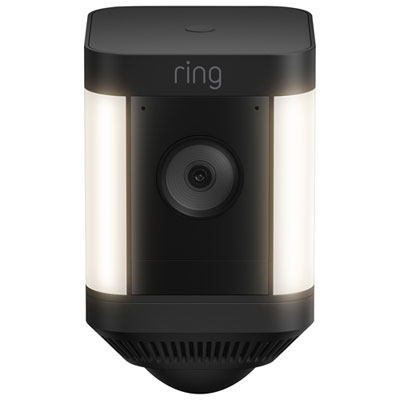
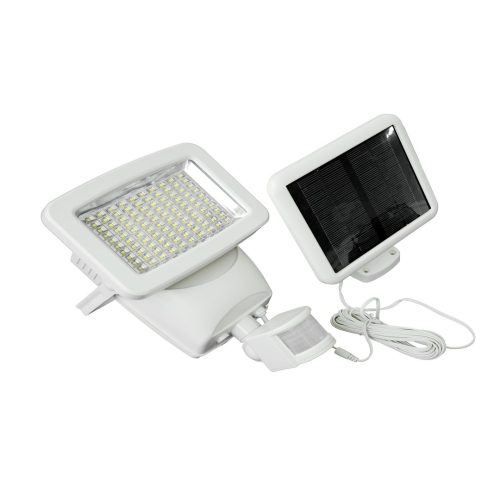
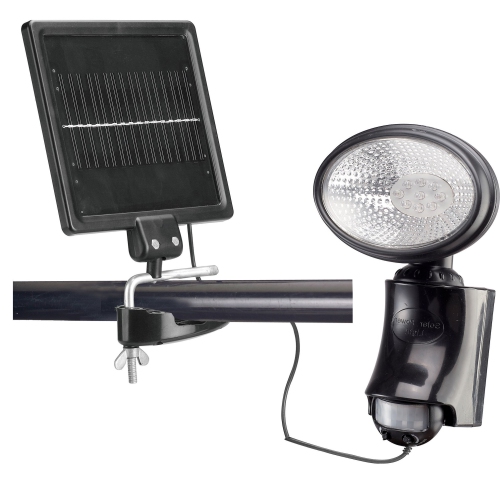
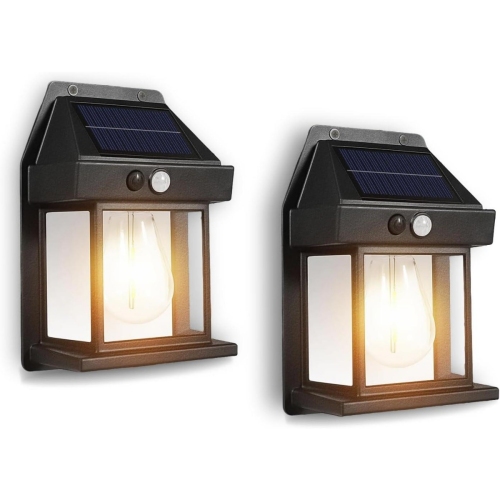
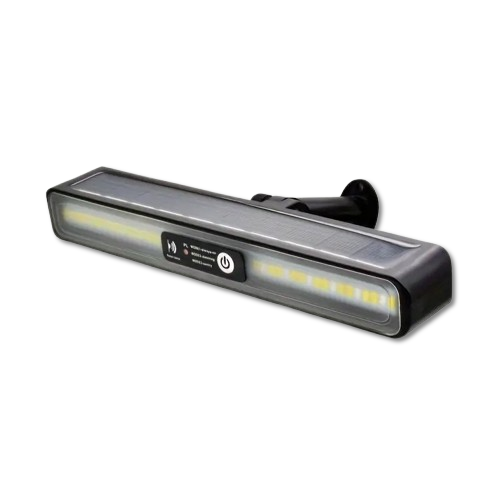
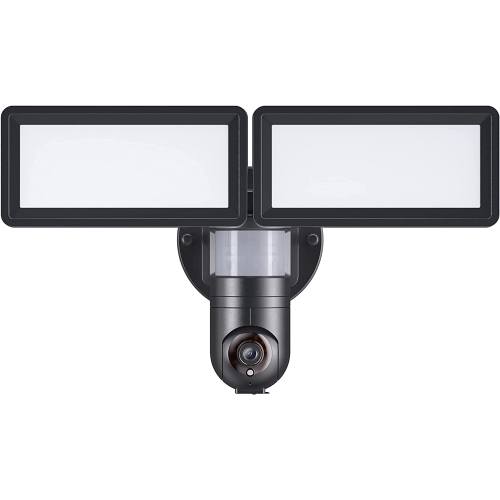
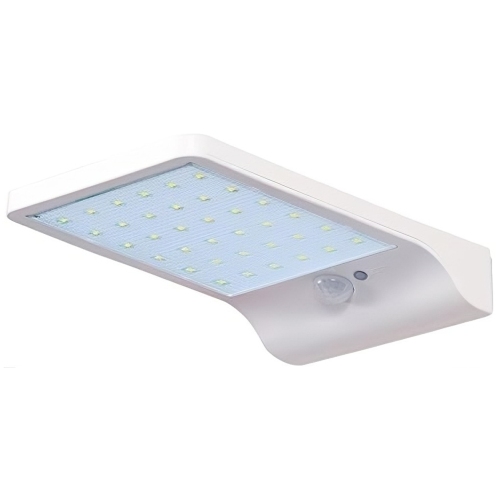
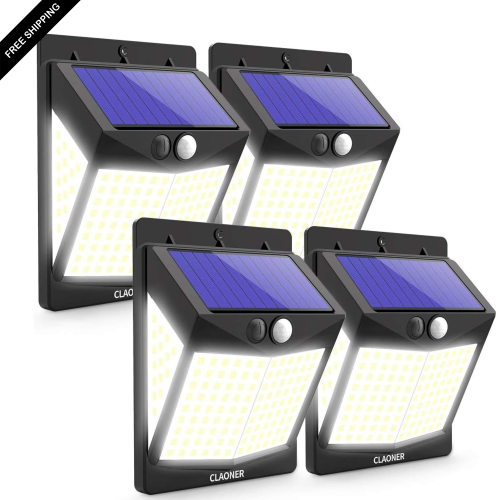
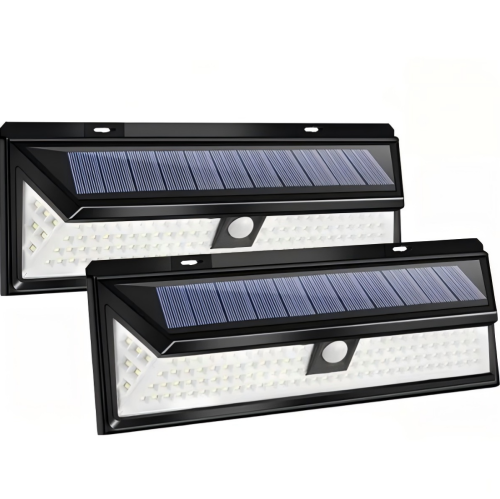
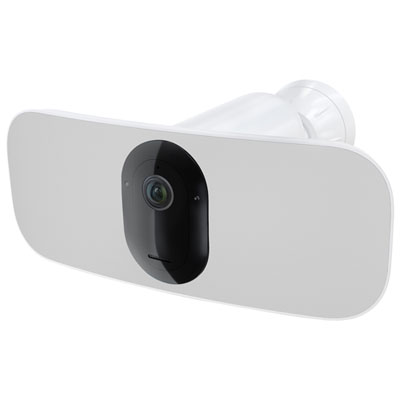
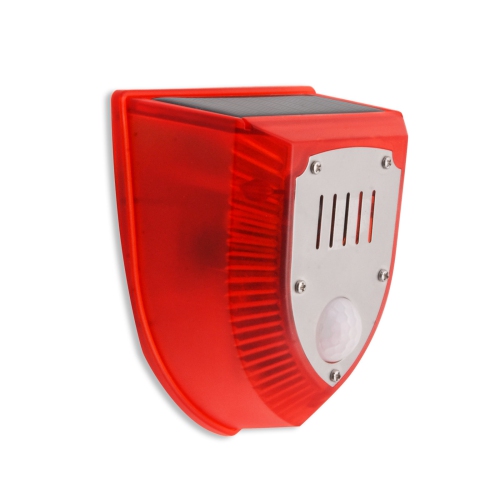
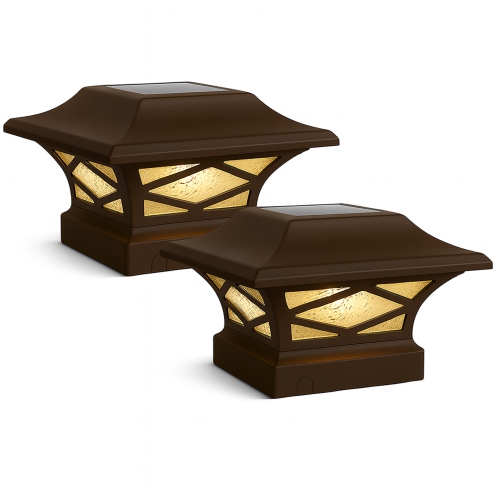
The power source is another important consideration. Hardwired security lights connect to your home’s electrical system and can provide dependable, consistent illumination without waiting for a battery to recharge. They are a practical choice for frequently used entrances, driveways, and locations where bright light is needed throughout the night. Installation may require existing wiring, a compatible junction box, and the help of a qualified professional, particularly when replacing an older exterior fixture or adding a new connection. Solar-powered models can be useful for areas where running electrical wiring would be difficult, such as a rear shed, garden gate, fence line, or detached garage. Their performance depends on receiving enough direct daylight, so look for a mounting position with a clear view of the sky and keep the panel free of dirt, leaves, and snow. Battery-powered options can also make sense where wiring is not available, though battery life and replacement requirements should be considered. Before choosing a fixture, check its intended location and installation requirements, including whether it is rated for outdoor use and designed to handle exposure to rain, wind, dust, or changing temperatures. Adjustable on-time settings are helpful when you want a short burst of light for a walkway or a longer period of illumination near a garage. Some models include a dusk-to-dawn setting, allowing the fixture to operate according to ambient light, while others offer separate controls for sensitivity, brightness, and duration. If you are adding connected features to your setup, Security Light Cameras may be worth exploring for situations where lighting and video monitoring are both priorities.
Security lights with motion sensors can suit a wide range of households and routines. They are useful for homeowners improving visibility at a front entrance, renters looking for a practical lighting option that fits an approved fixture location, and families who want a clearer view of a side path or backyard play area after sunset. They can also be a thoughtful housewarming gift, especially for someone moving into a home with a dark driveway, long walkway, or poorly lit back entrance. A light with broad coverage may appeal to a homeowner with a corner lot, while a compact, easily aimed fixture can be a better fit for a townhouse, balcony entrance, or narrow side passage. For a cottage or rural property, consider detection range, mounting height, and the distance between the light and the area that needs illumination; a sensor placed too high or too far away may not respond as expected. In winter-prone regions, keep snow accumulation and ice in mind when selecting a location, and avoid mounting the fixture where drifting snow can block the sensor or panel. It is also wise to test the light after installation during both daytime and nighttime conditions. Walk toward the property from several directions, observe where the light turns on, and adjust the angle or sensitivity if it activates too early or fails to cover a key approach. A well-placed fixture should brighten the right area without shining into neighbouring windows or creating glare for people arriving by car. Whether the goal is a more visible front step, a better-lit driveway, or added confidence when moving around the property after dark, choosing the right brightness, detection coverage, power source, and weather rating will help the light perform reliably through changing seasons.
The power source is another important consideration. Hardwired security lights connect to your home’s electrical system and can provide dependable, consistent illumination without waiting for a battery to recharge. They are a practical choice for frequently used entrances, driveways, and locations where bright light is needed throughout the night. Installation may require existing wiring, a compatible junction box, and the help of a qualified professional, particularly when replacing an older exterior fixture or adding a new connection. Solar-powered models can be useful for areas where running electrical wiring would be difficult, such as a rear shed, garden gate, fence line, or detached garage. Their performance depends on receiving enough direct daylight, so look for a mounting position with a clear view of the sky and keep the panel free of dirt, leaves, and snow. Battery-powered options can also make sense where wiring is not available, though battery life and replacement requirements should be considered. Before choosing a fixture, check its intended location and installation requirements, including whether it is rated for outdoor use and designed to handle exposure to rain, wind, dust, or changing temperatures. Adjustable on-time settings are helpful when you want a short burst of light for a walkway or a longer period of illumination near a garage. Some models include a dusk-to-dawn setting, allowing the fixture to operate according to ambient light, while others offer separate controls for sensitivity, brightness, and duration. If you are adding connected features to your setup, Security Light Cameras may be worth exploring for situations where lighting and video monitoring are both priorities.
Security lights with motion sensors can suit a wide range of households and routines. They are useful for homeowners improving visibility at a front entrance, renters looking for a practical lighting option that fits an approved fixture location, and families who want a clearer view of a side path or backyard play area after sunset. They can also be a thoughtful housewarming gift, especially for someone moving into a home with a dark driveway, long walkway, or poorly lit back entrance. A light with broad coverage may appeal to a homeowner with a corner lot, while a compact, easily aimed fixture can be a better fit for a townhouse, balcony entrance, or narrow side passage. For a cottage or rural property, consider detection range, mounting height, and the distance between the light and the area that needs illumination; a sensor placed too high or too far away may not respond as expected. In winter-prone regions, keep snow accumulation and ice in mind when selecting a location, and avoid mounting the fixture where drifting snow can block the sensor or panel. It is also wise to test the light after installation during both daytime and nighttime conditions. Walk toward the property from several directions, observe where the light turns on, and adjust the angle or sensitivity if it activates too early or fails to cover a key approach. A well-placed fixture should brighten the right area without shining into neighbouring windows or creating glare for people arriving by car. Whether the goal is a more visible front step, a better-lit driveway, or added confidence when moving around the property after dark, choosing the right brightness, detection coverage, power source, and weather rating will help the light perform reliably through changing seasons.
Top selling and popular products
-
 Your price for this item is $99.99
 -
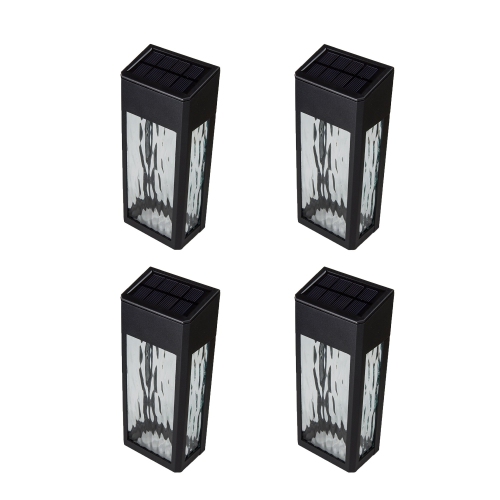 Your price for this item is $73.99
 -
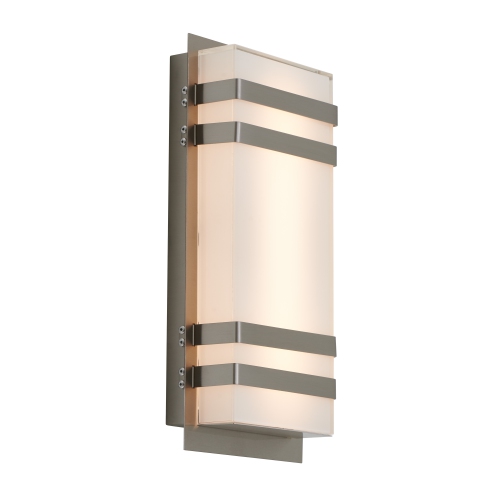 Your price for this item is $69.99
 -
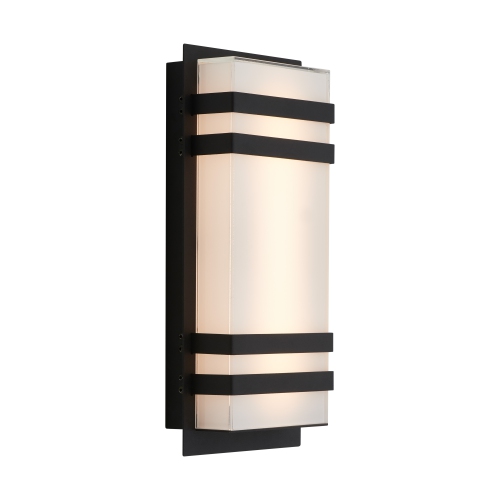 Your price for this item is $59.99
 -
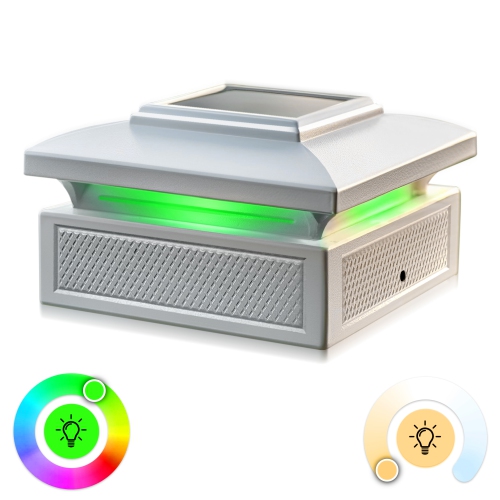 Your price for this item is $99.99
 -
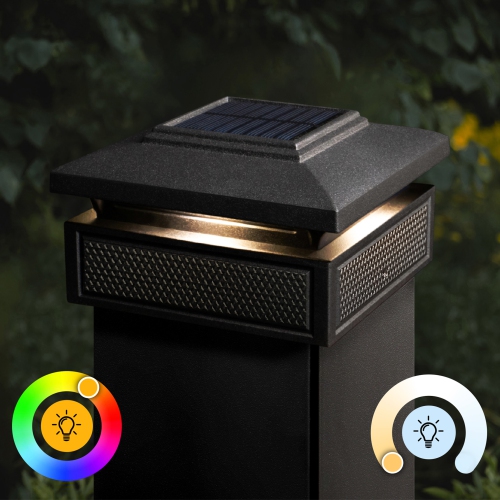 Your price for this item is $99.99
 -
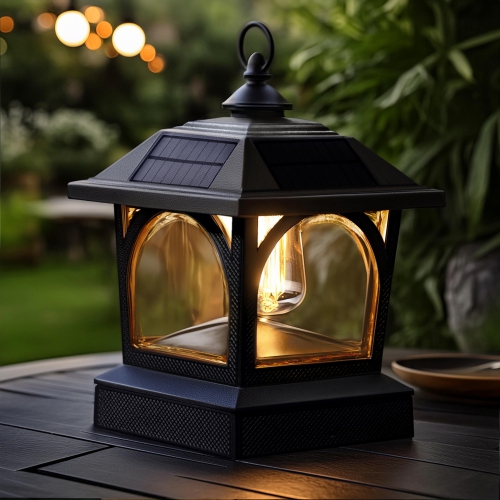 Your price for this item is $99.99
 -
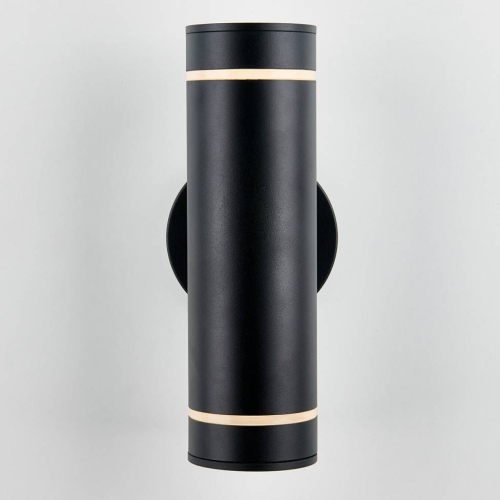 Your price for this item is $99
Discover more categories related to Security Lights With Motion Sensor
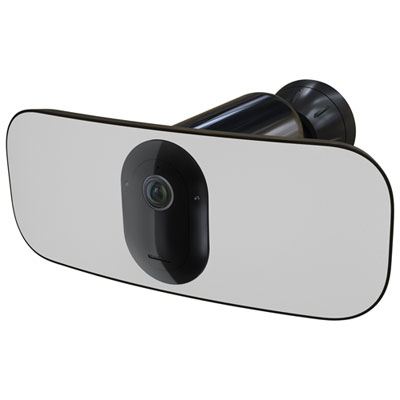
Top Collections:
Pokemon Centers, Kindle Devices, Best Budget Office Chairs, Apple iPhones 16, Best Laptops for Writers, iPhone 15 Apple, Canon G7X Cameras, Refurbished Apple Laptops, Alarm Clock, Motorola Razr Phones
Some products may be subject to Environmental Handling Fees
(EHF) depending on your province.
Learn more about EHFs.