Motion Sensor Smart Light Switches
Upgrade your home's lighting system with a Motion Sensor Smart Light Switch. Designed to bring convenience and energy efficiency to your space, these innovative switches automatically detect motion and turn on the lights, eliminating the need for fumbling in the dark or leaving lights on unnecessarily. With their sleek and modern designs, these smart light switches seamlessly blend into any decor while providing you with ultimate control over your lighting. Say goodbye to manual switches and hello to a smarter way of illuminating your home.
Sort
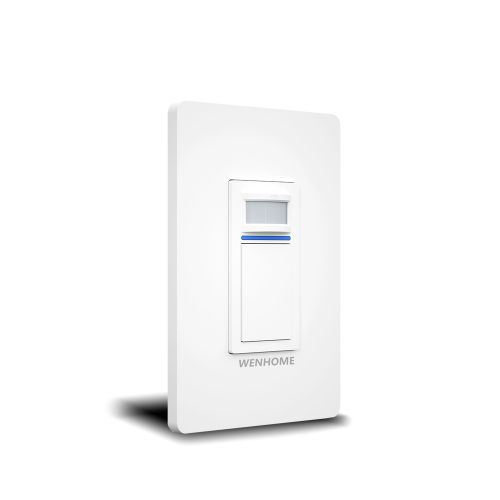
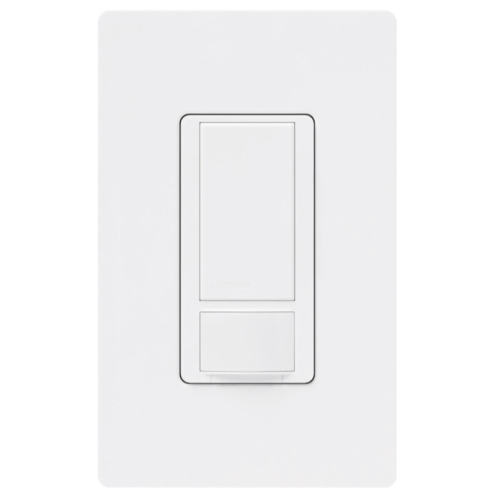
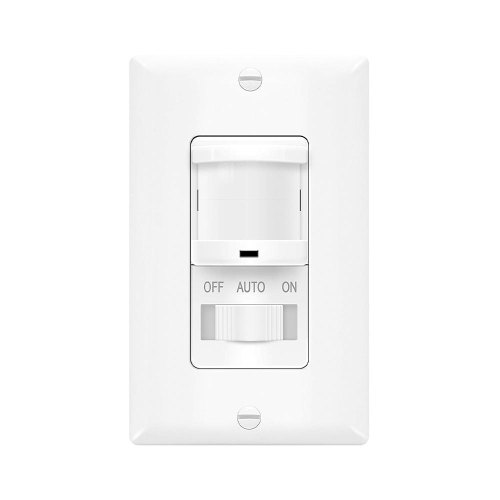
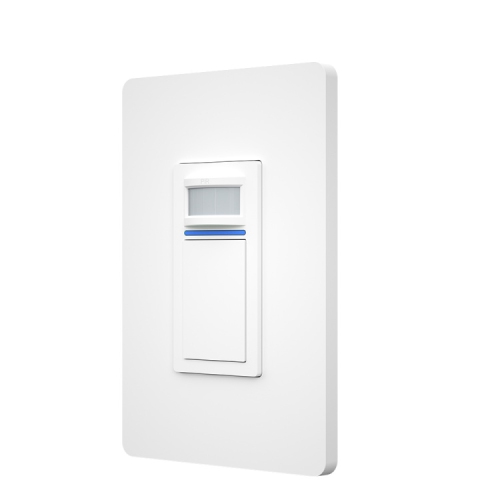
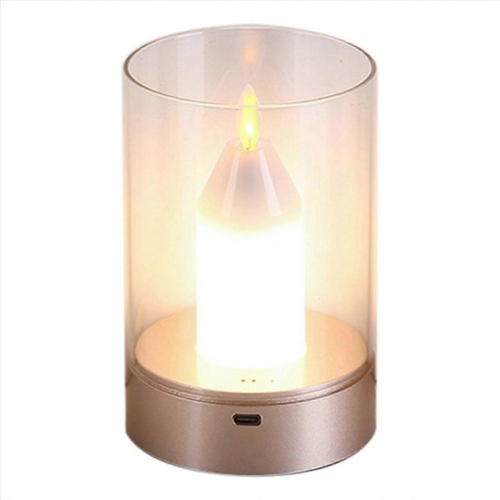
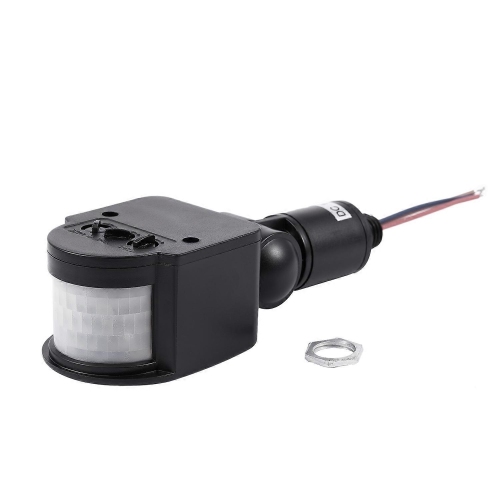
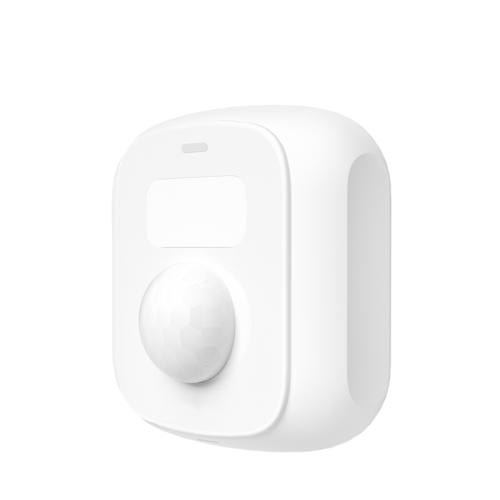
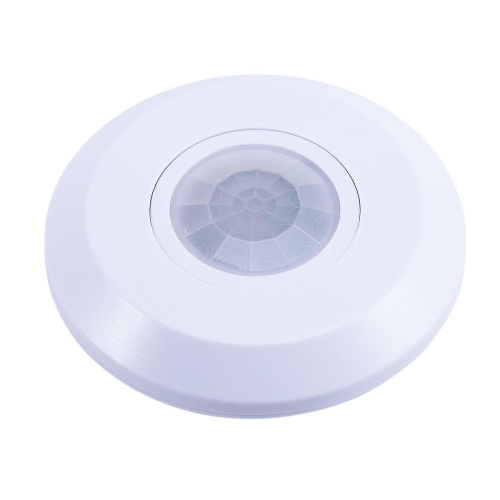
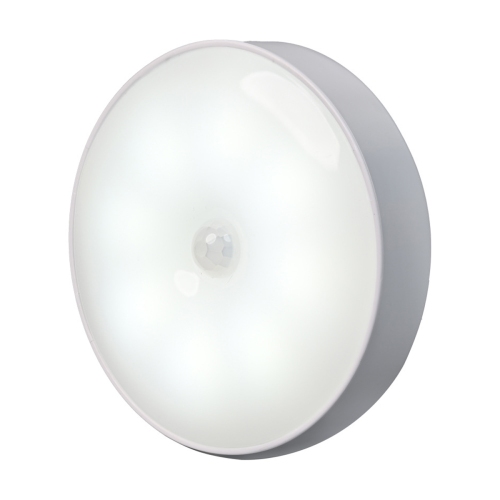
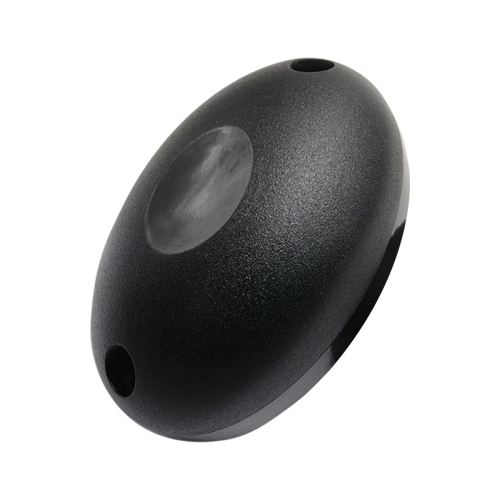
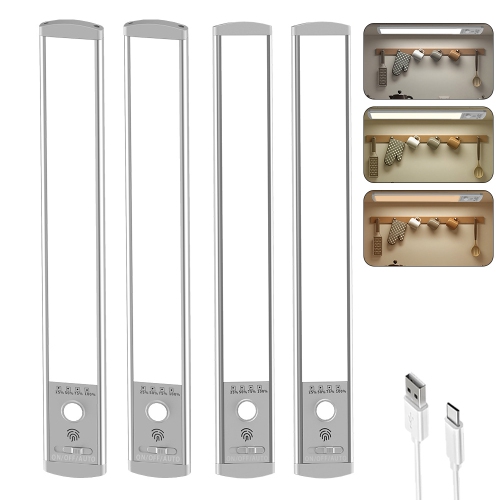
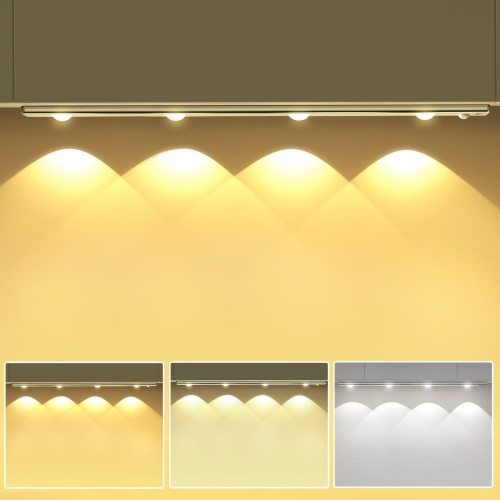
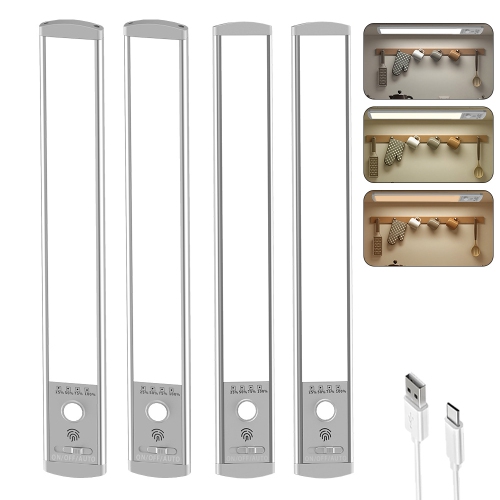
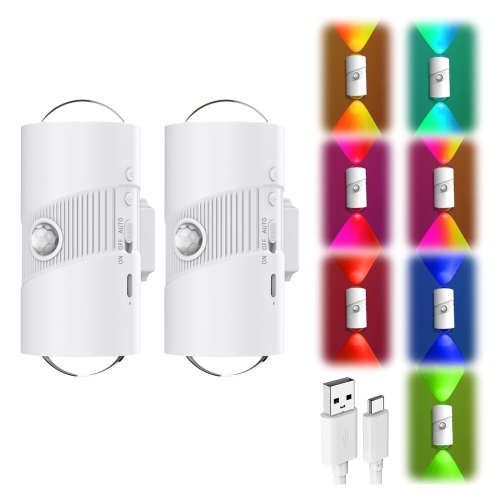
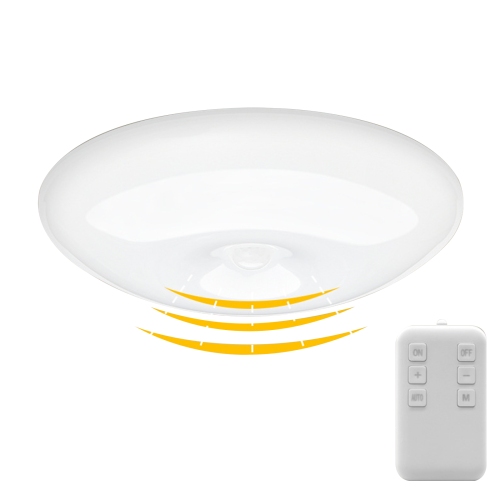
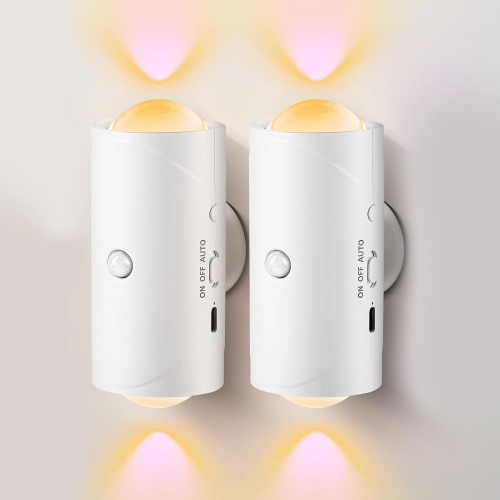
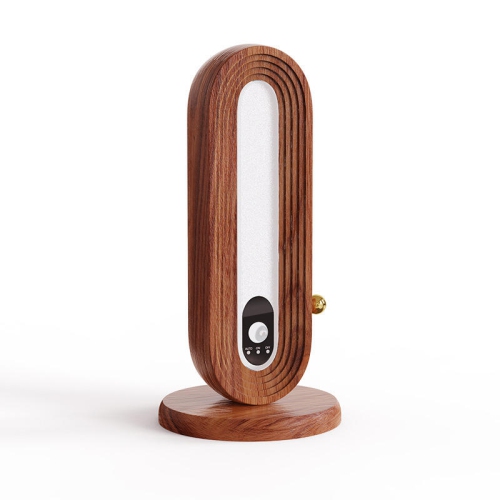
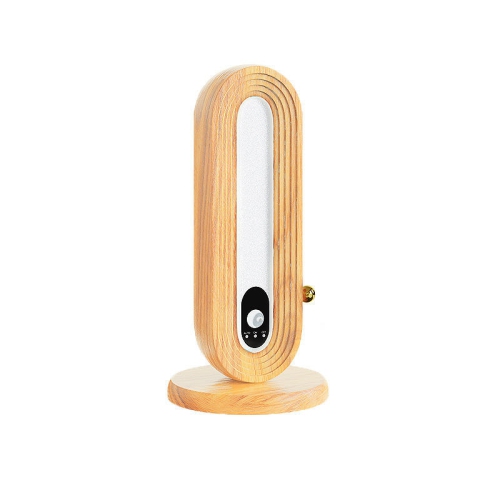
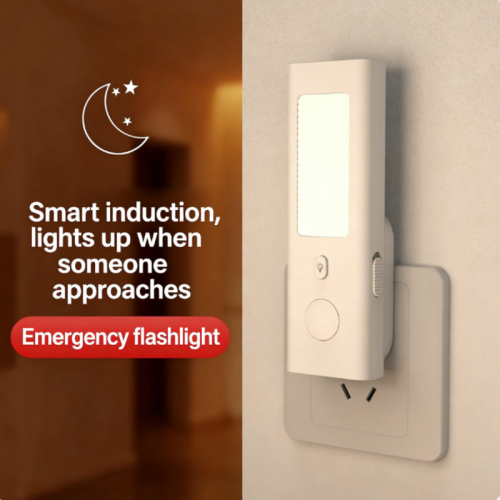
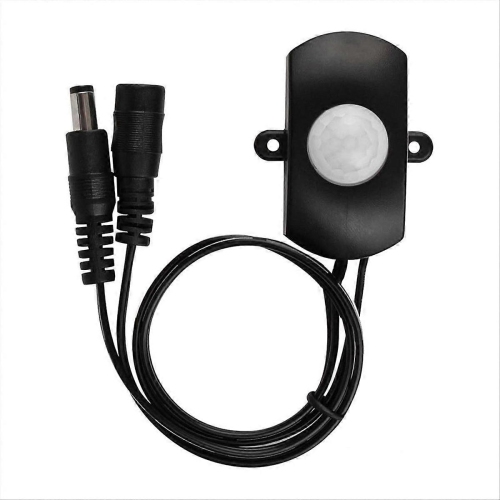
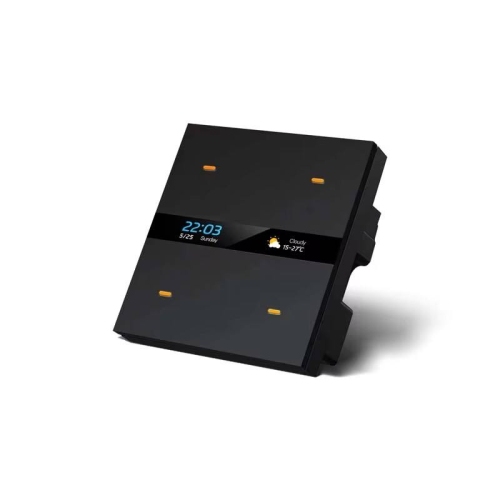
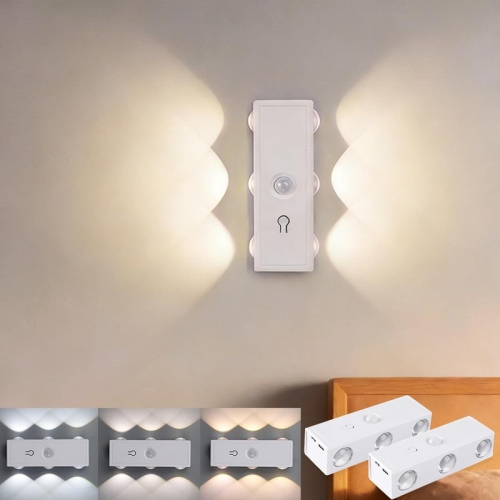
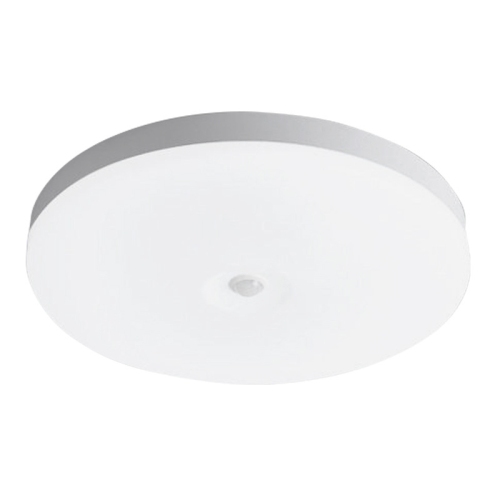
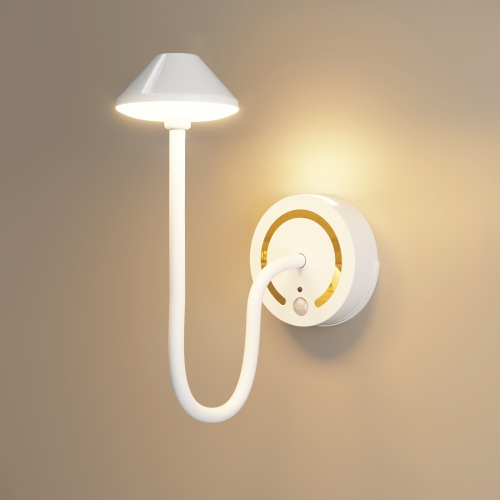
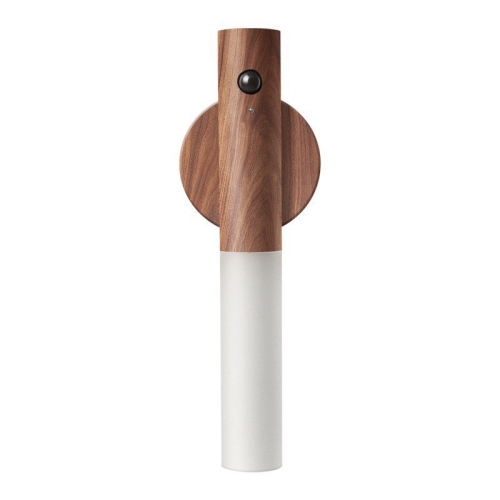
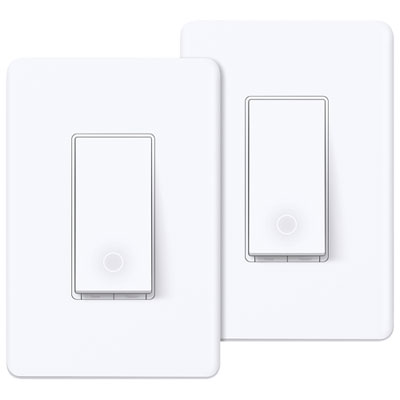
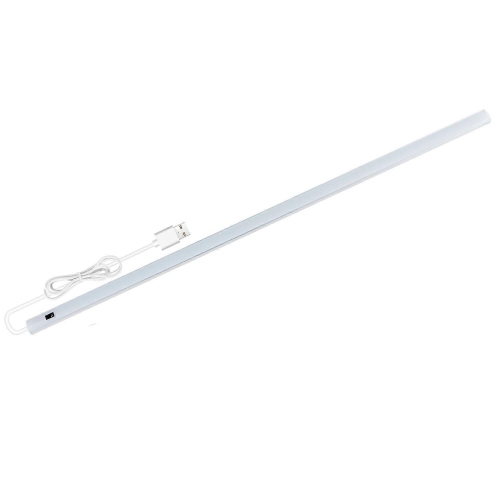
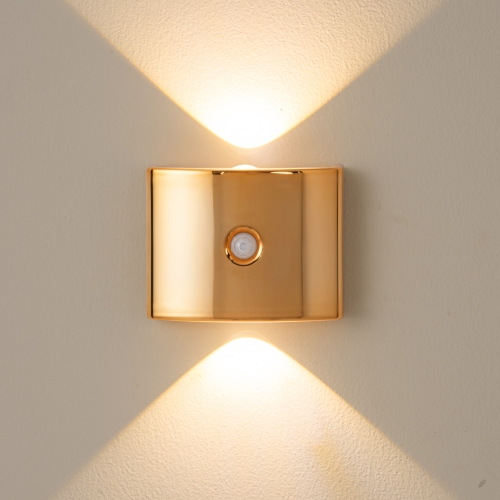
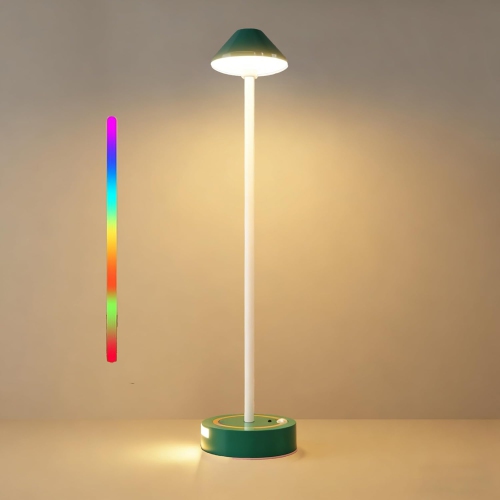
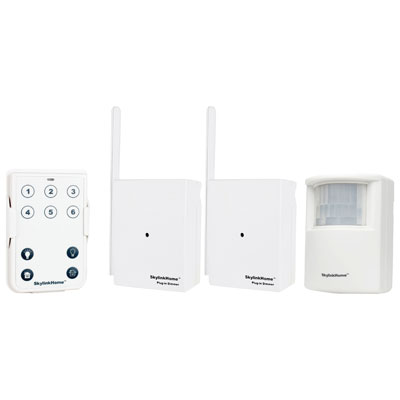
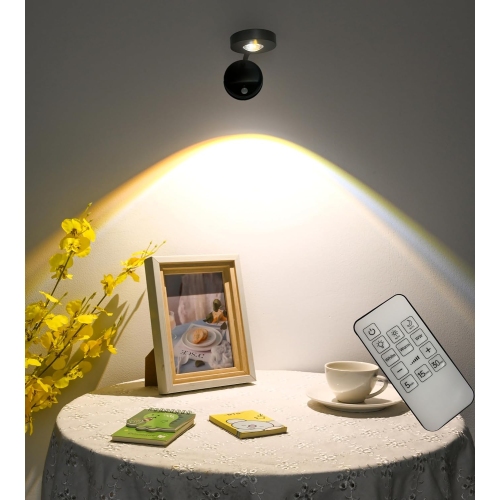
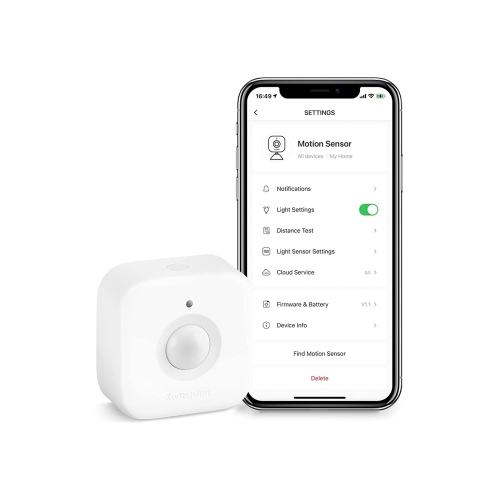
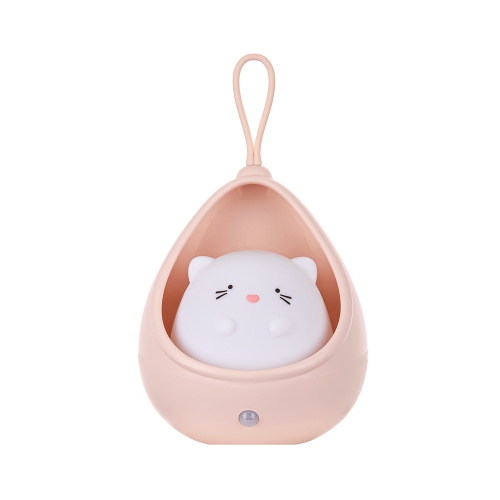
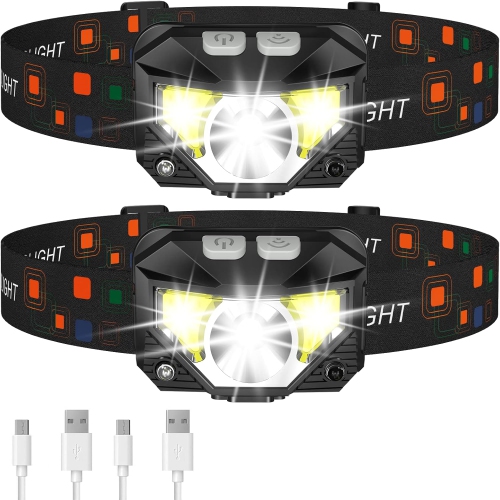
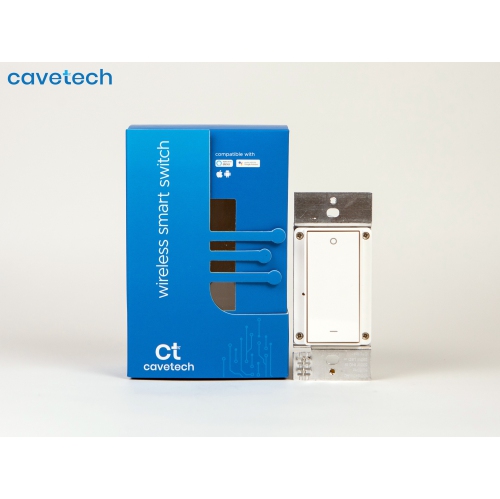
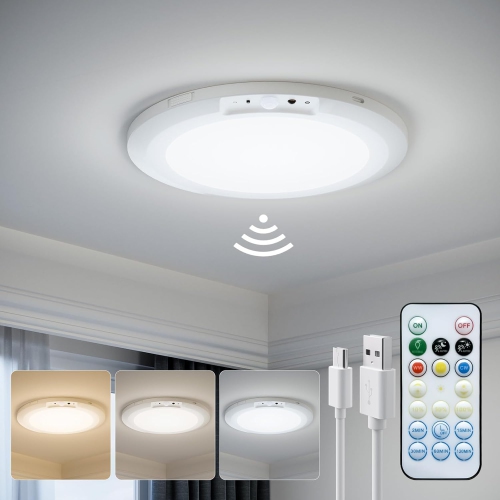
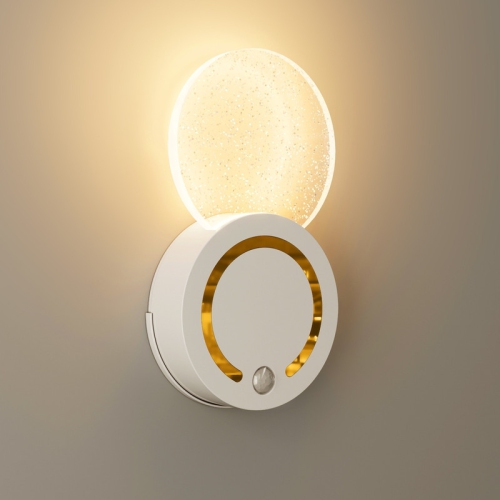
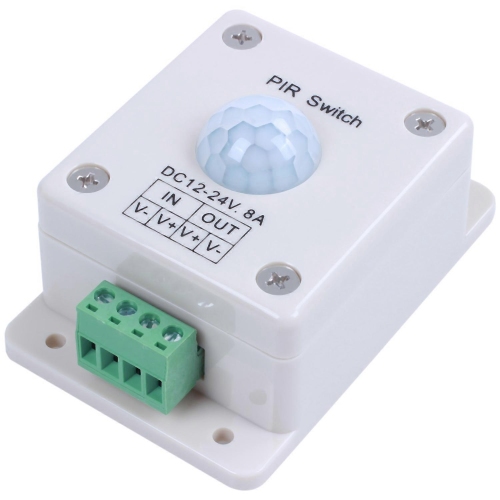
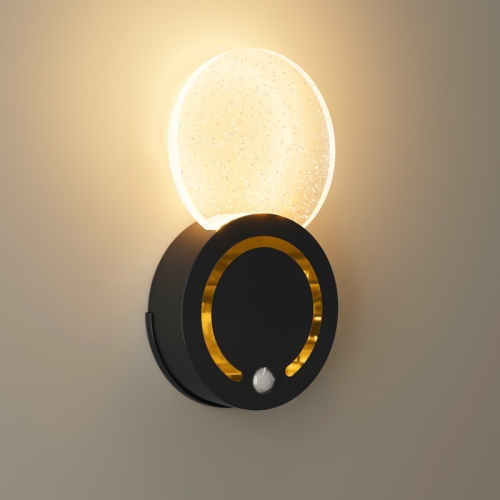
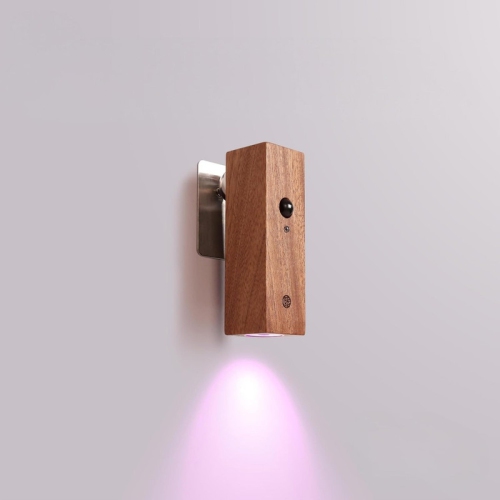
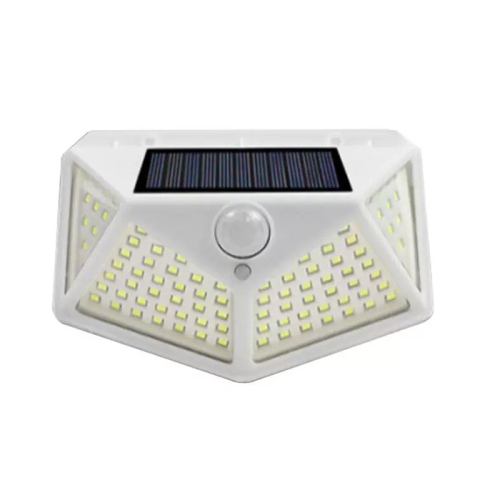
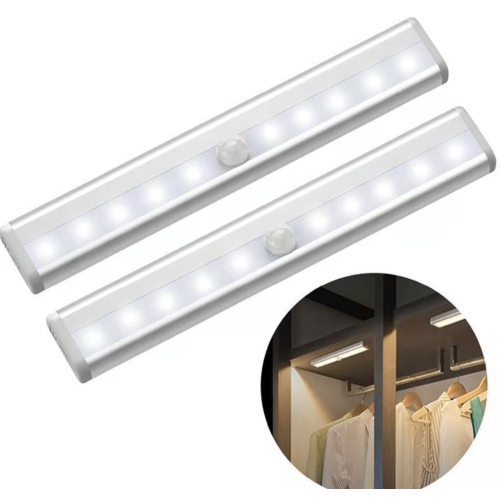
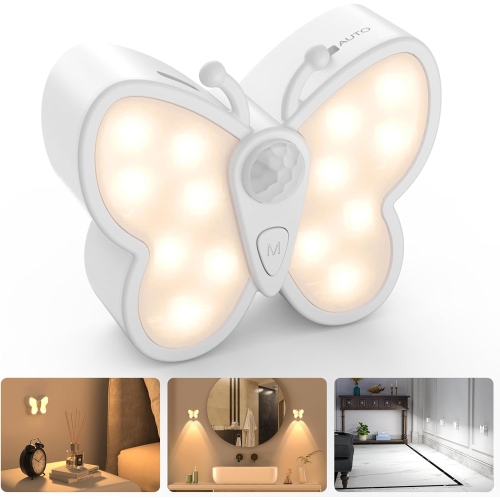
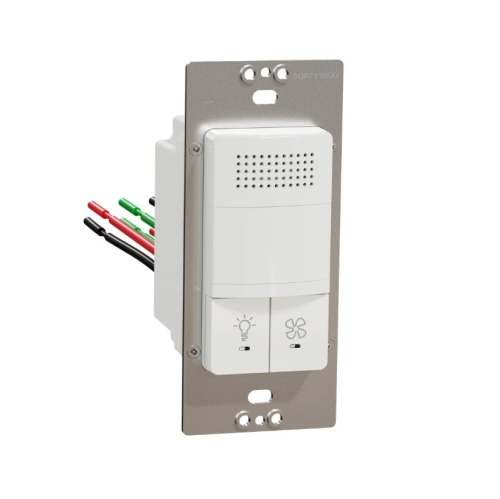
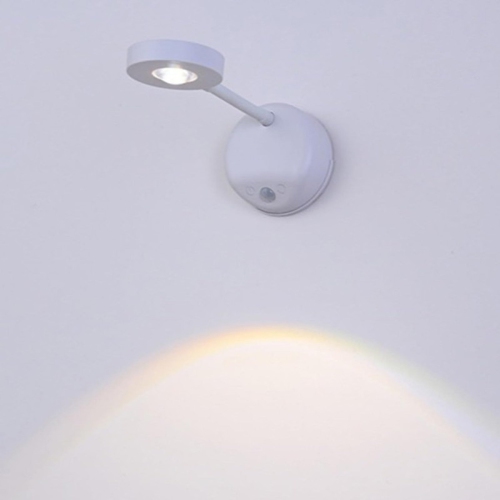
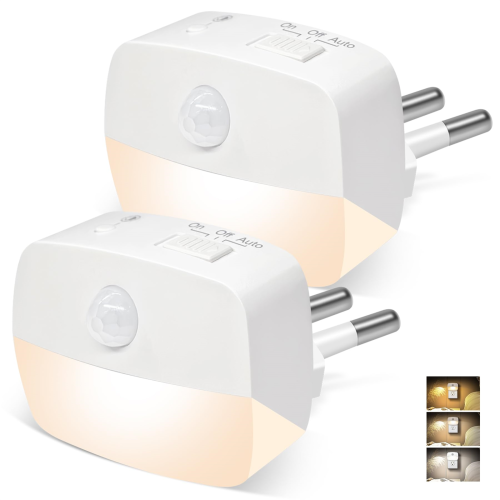
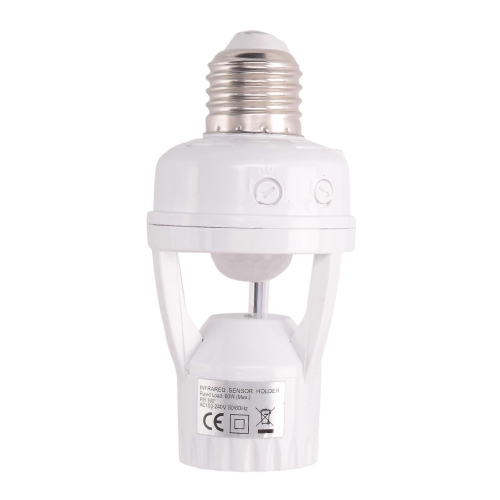
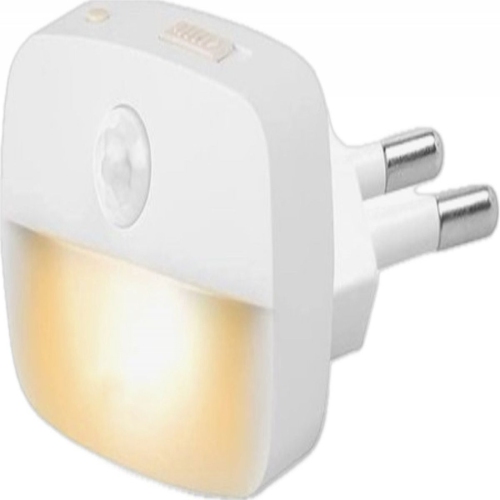

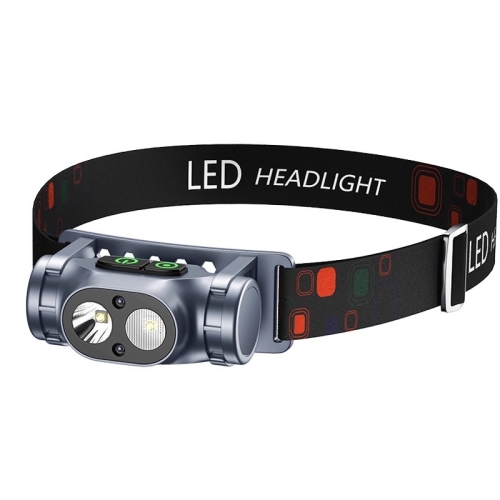
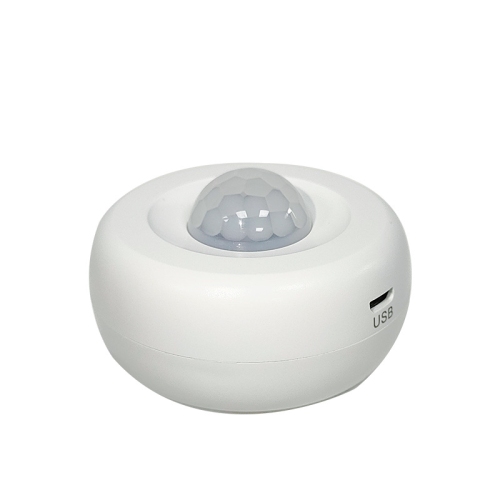
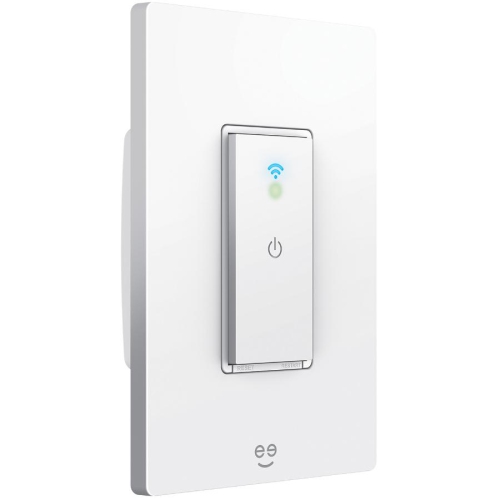
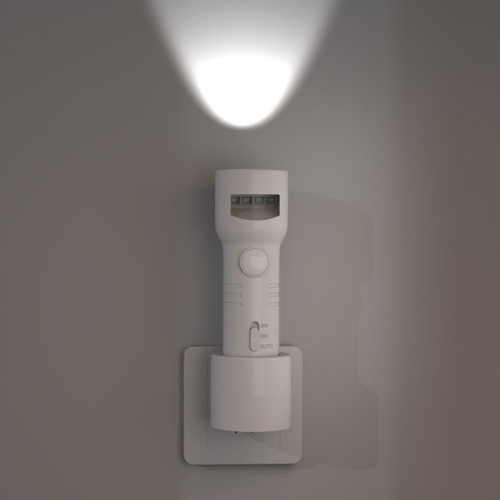
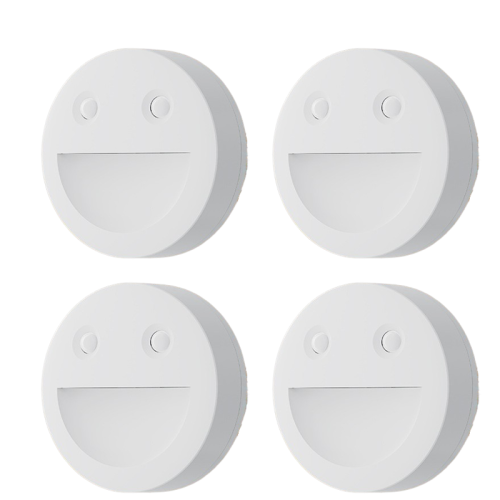
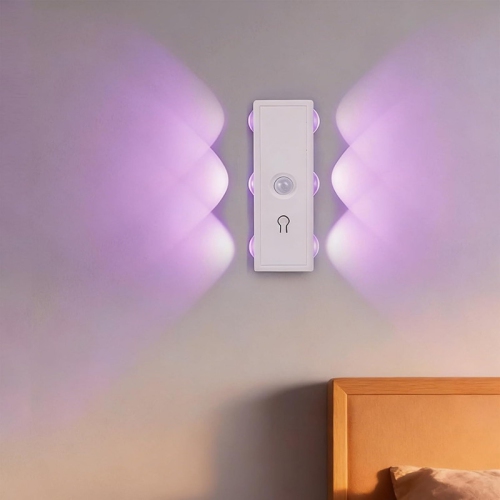
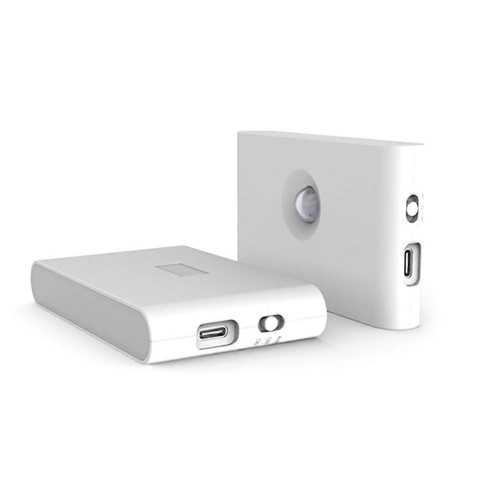
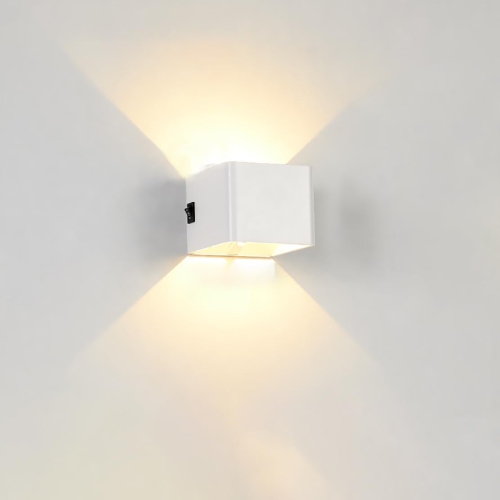
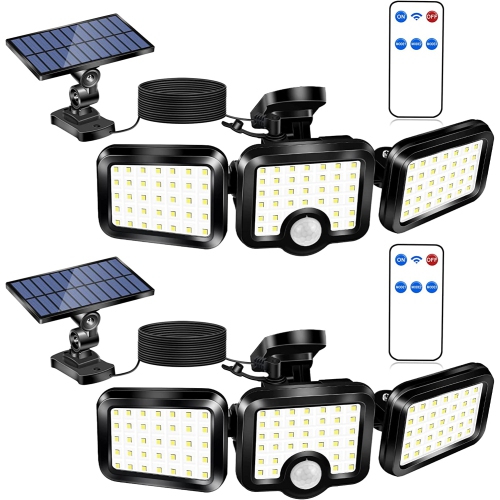
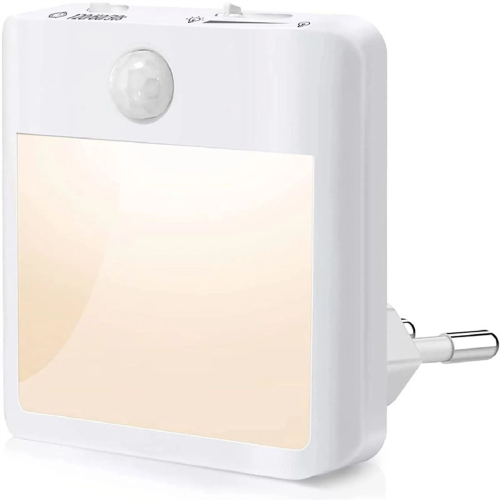
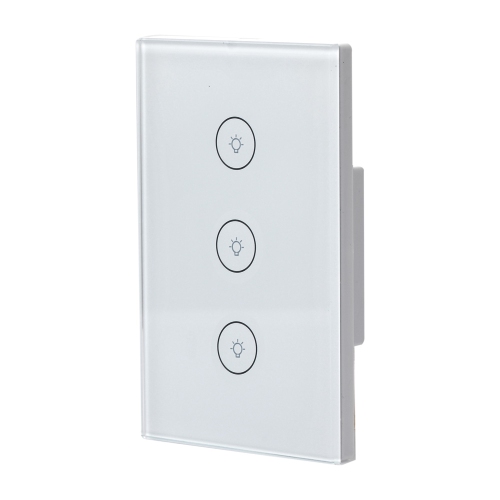
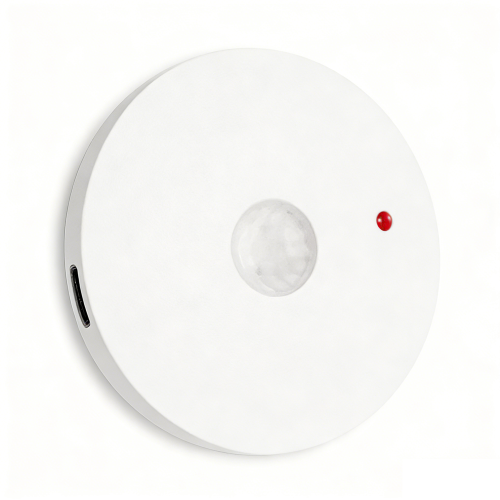
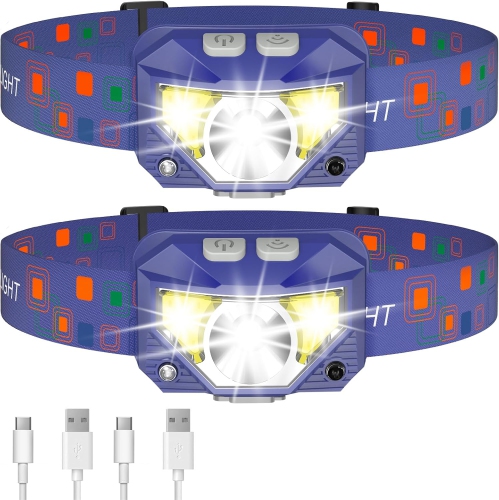
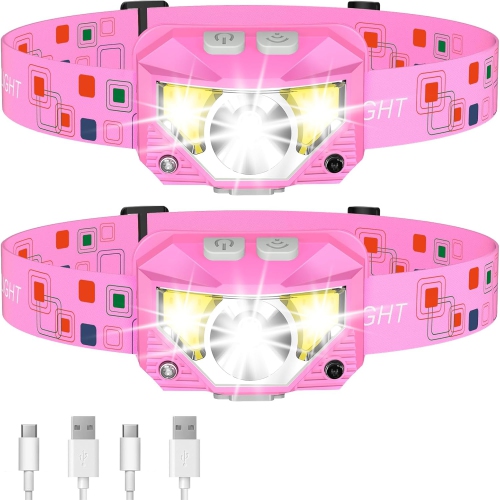

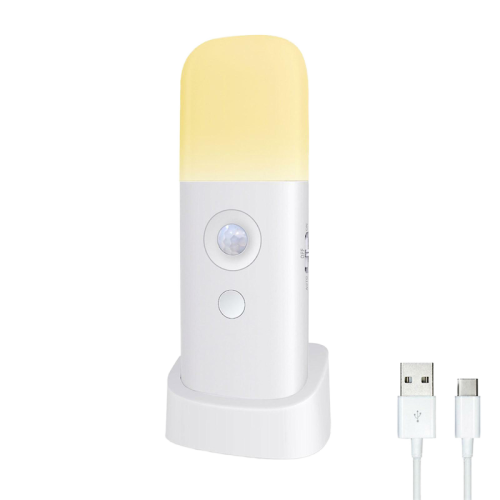
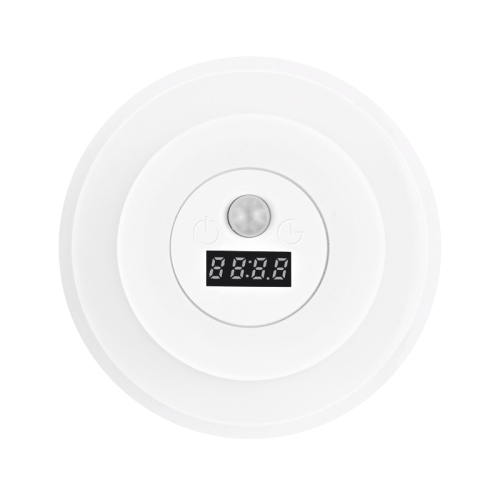
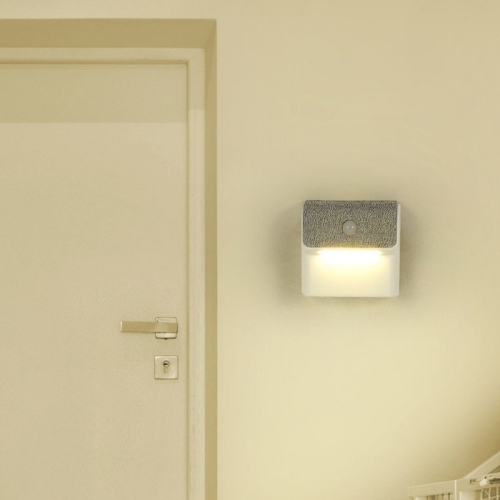
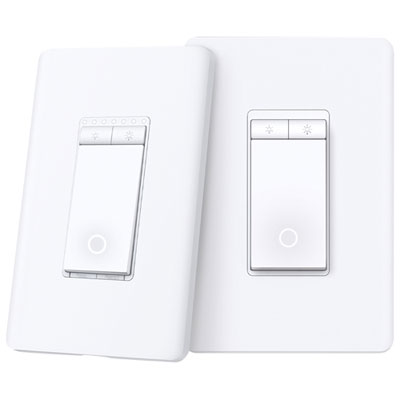
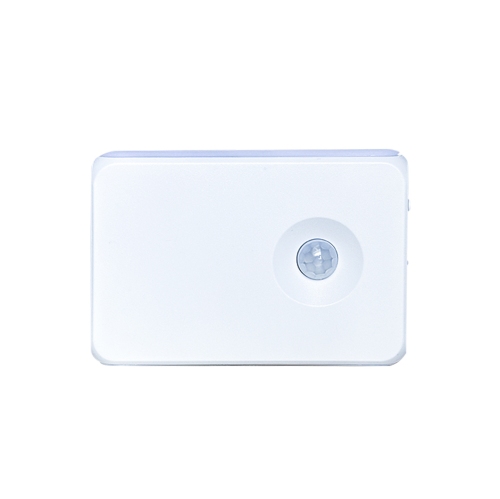

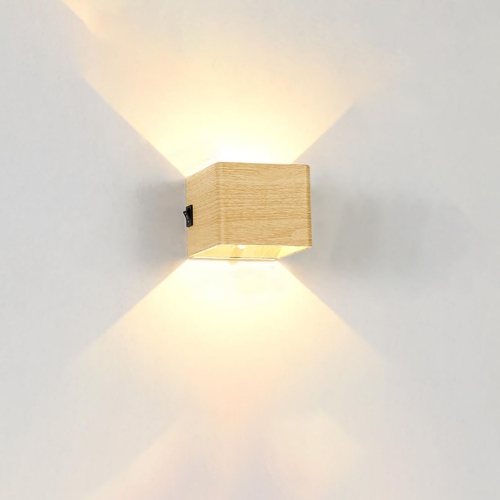

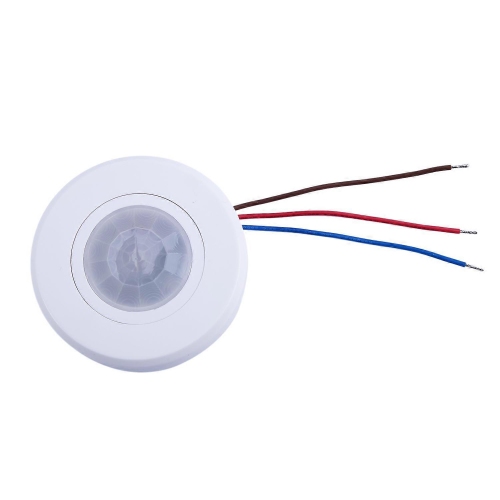
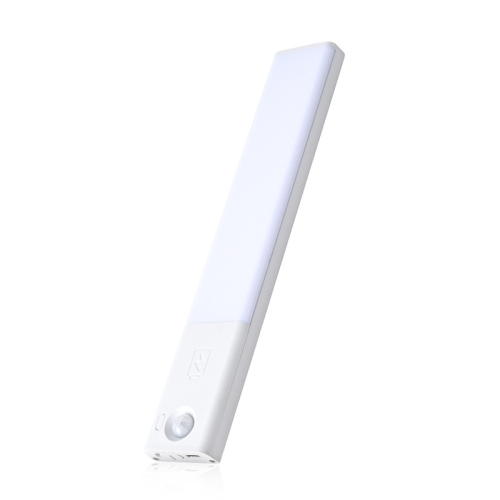
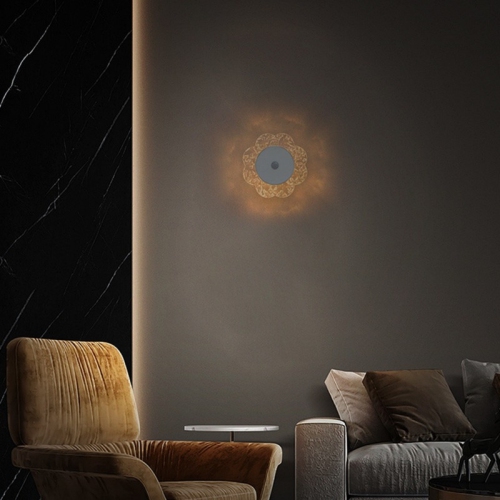
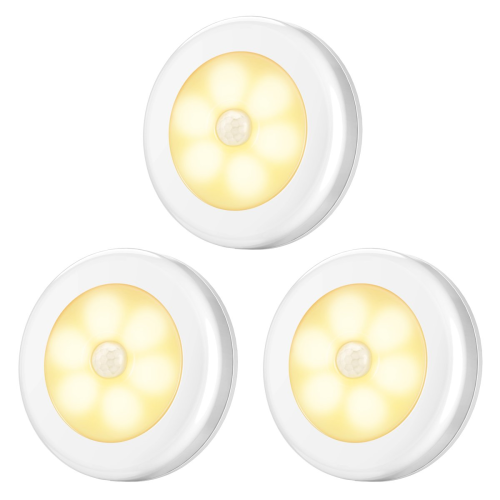
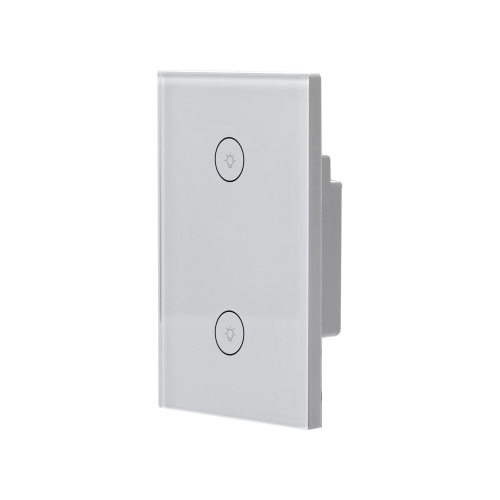
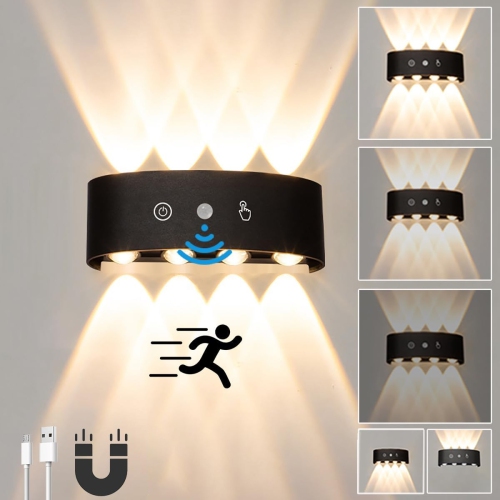
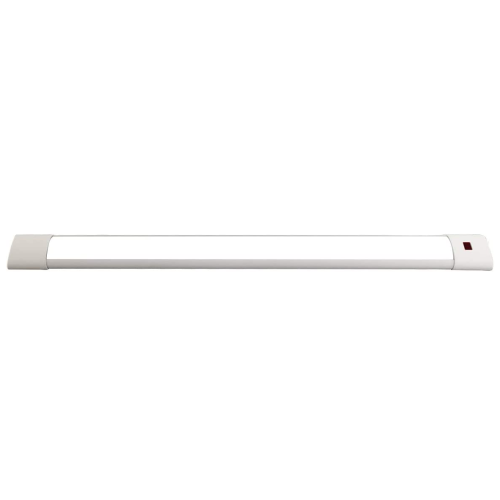
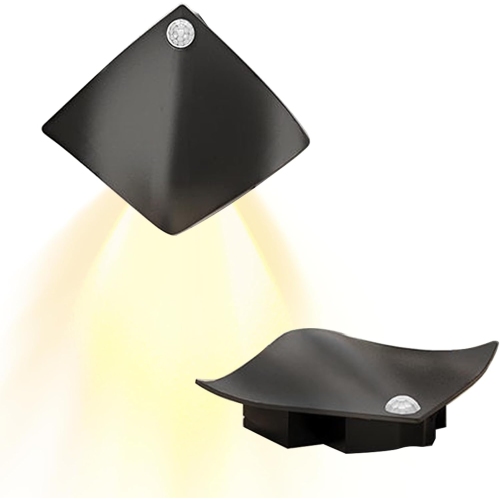
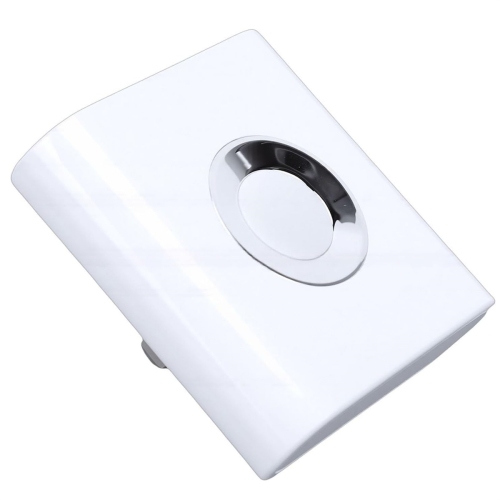
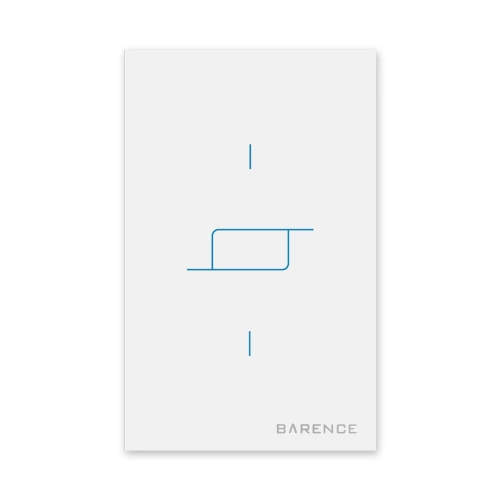
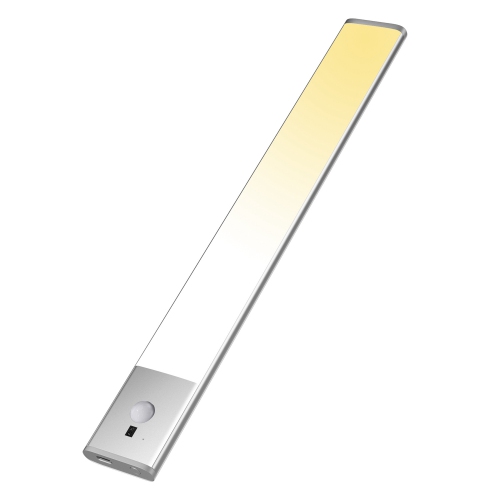

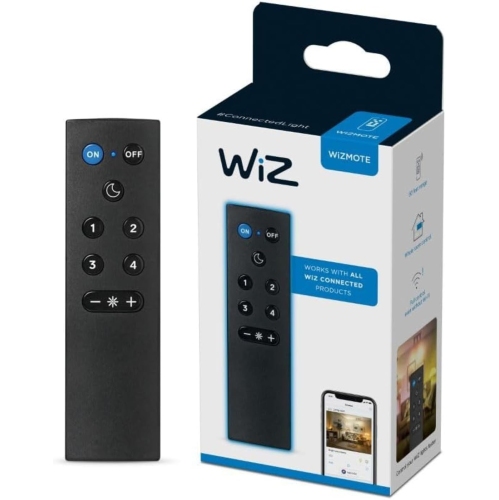
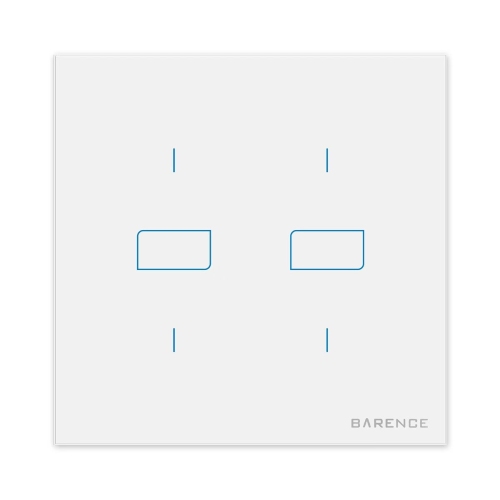
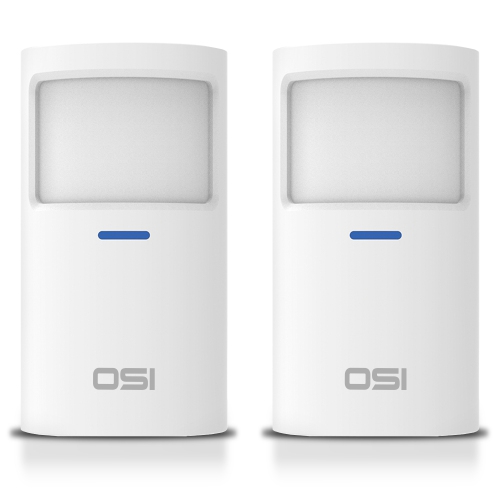
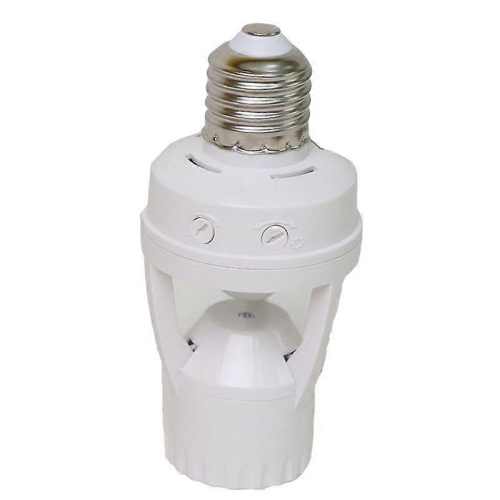
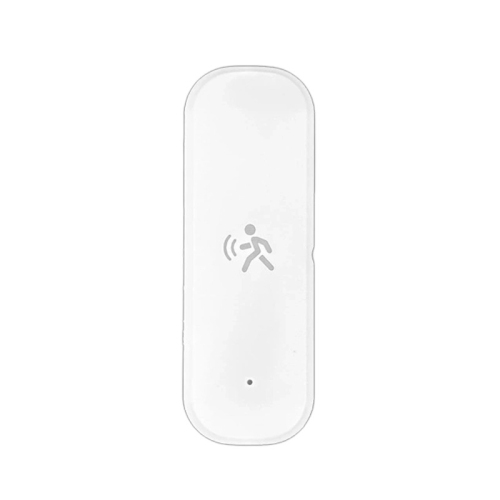
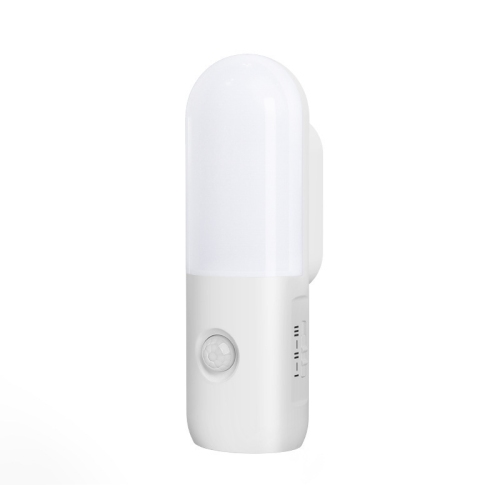
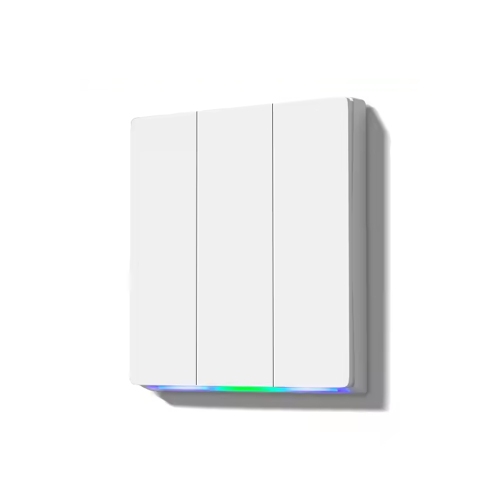
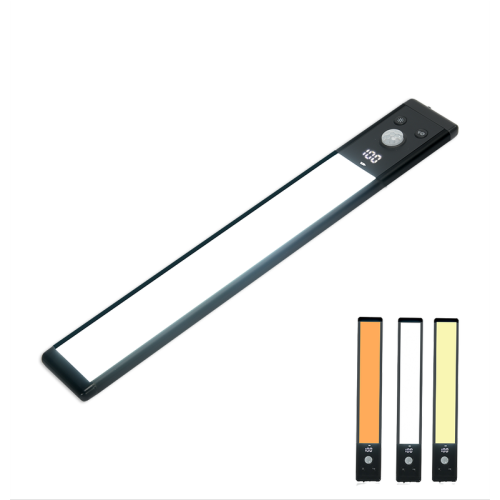
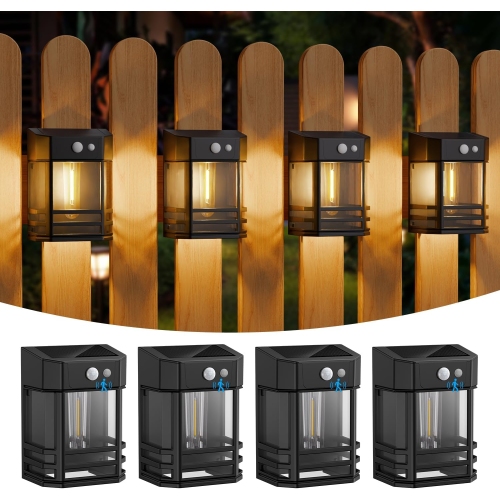
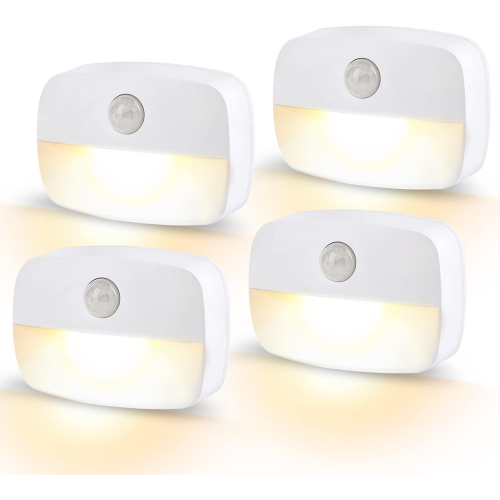
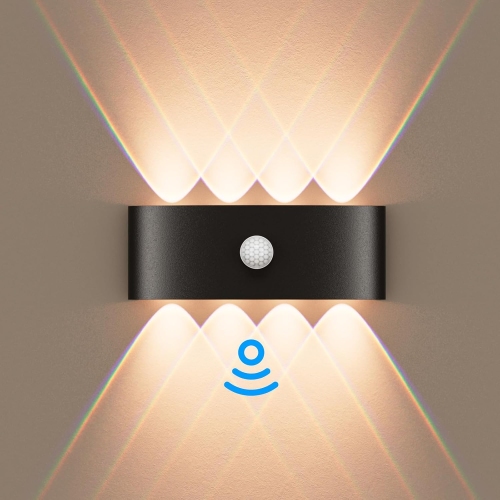
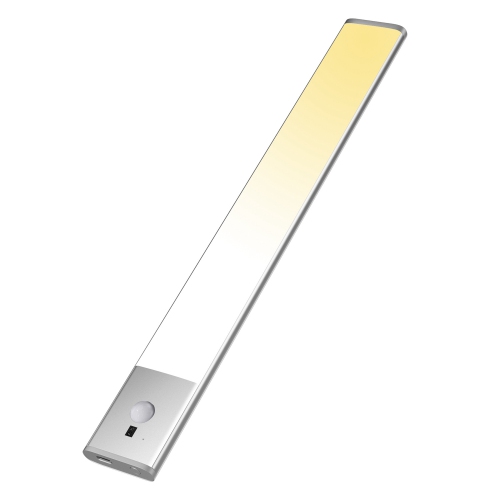
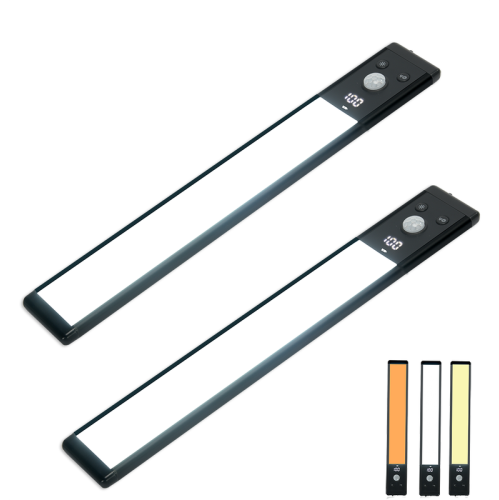
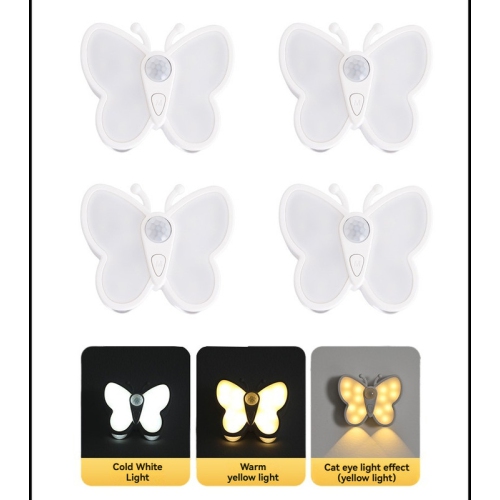

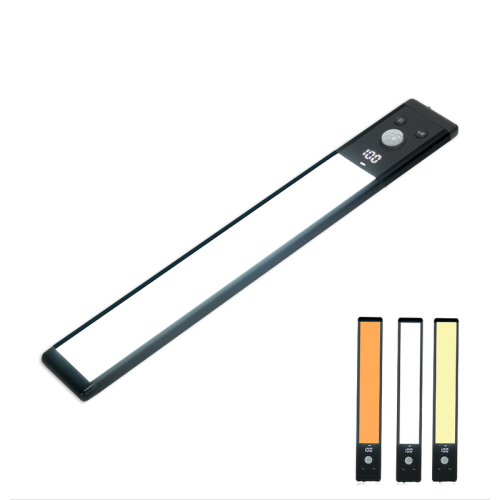
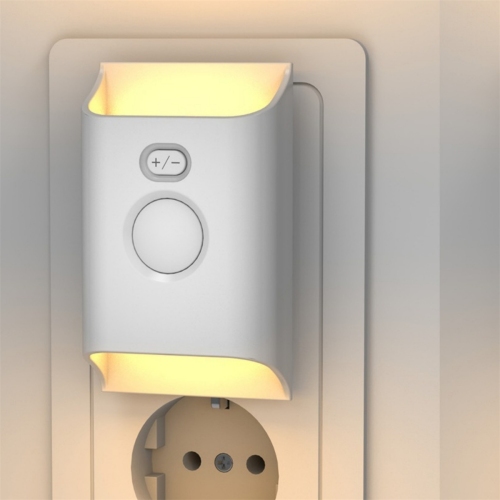
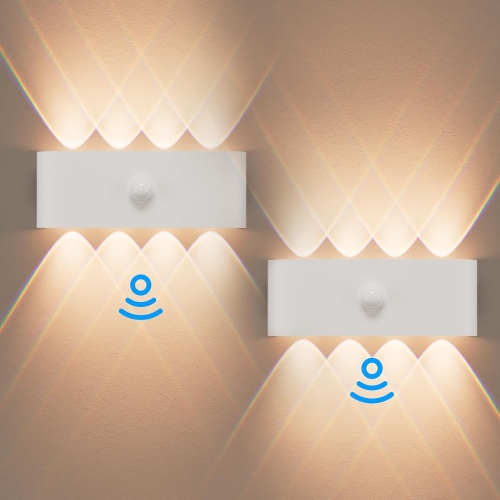
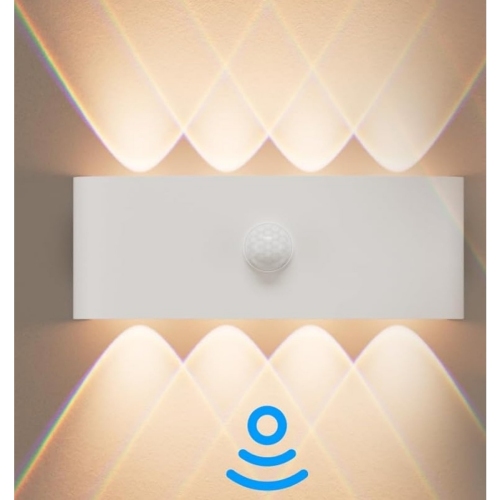
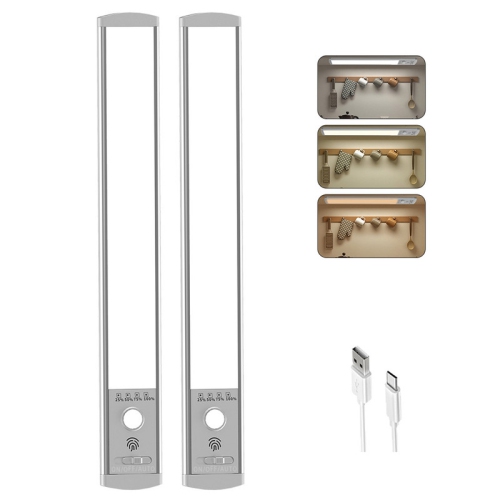
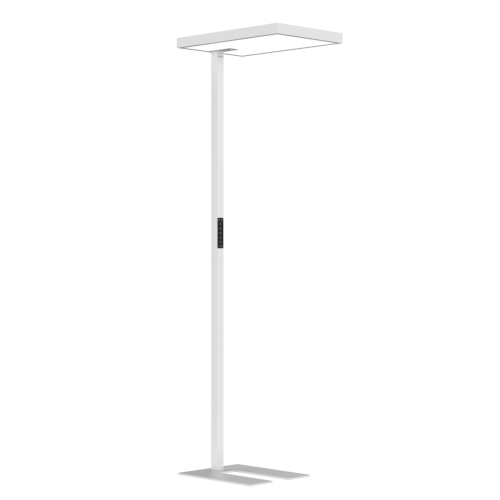
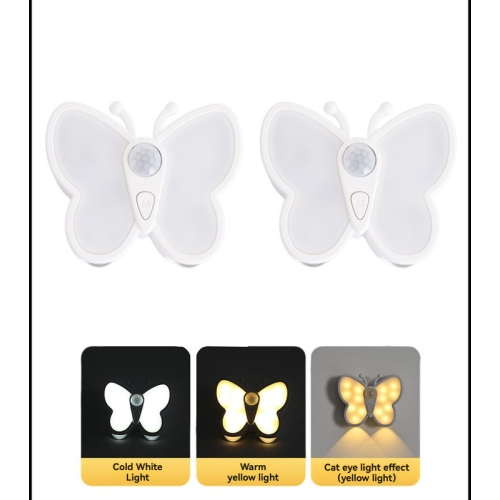
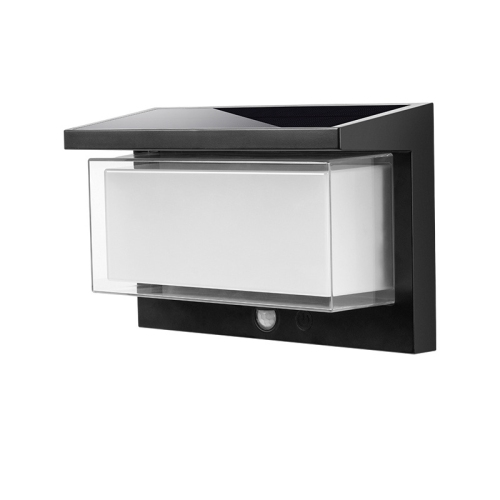
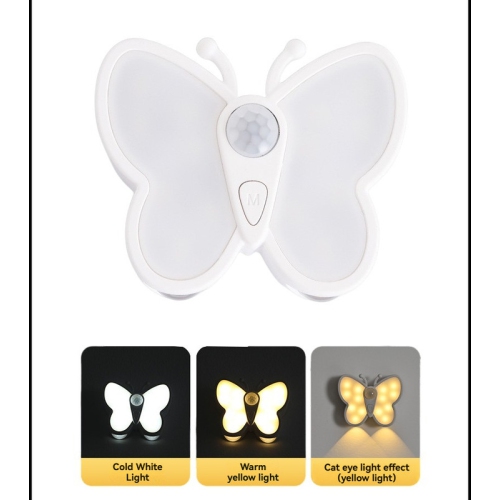
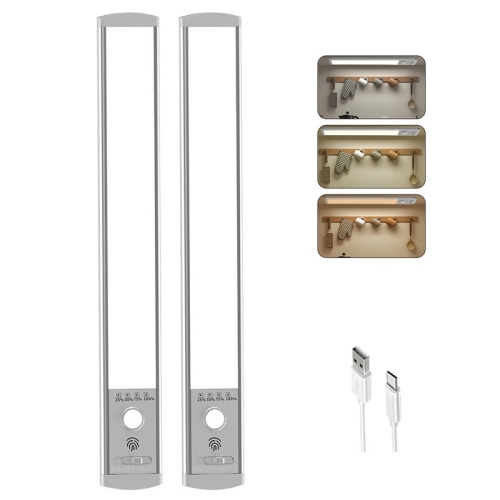
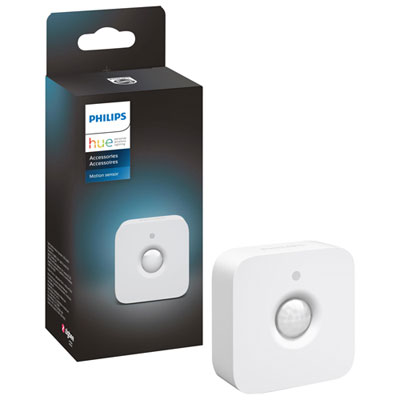
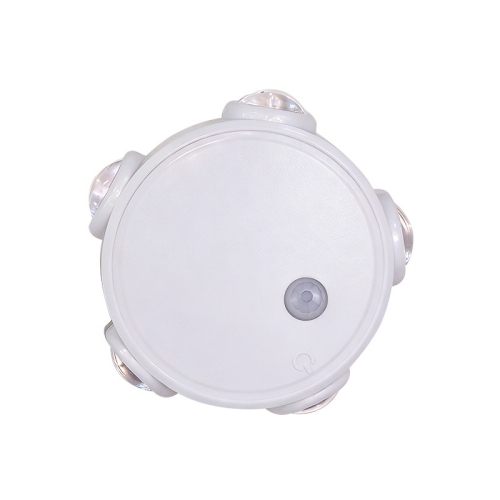
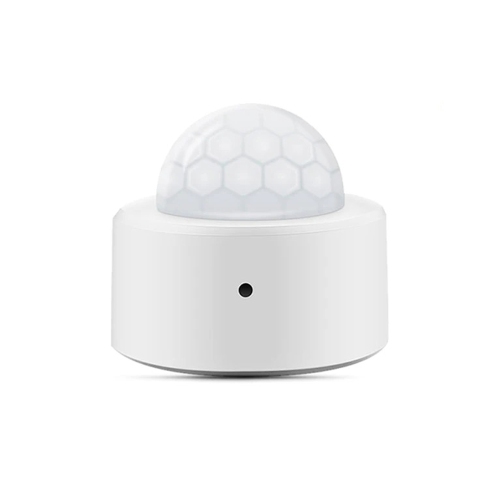
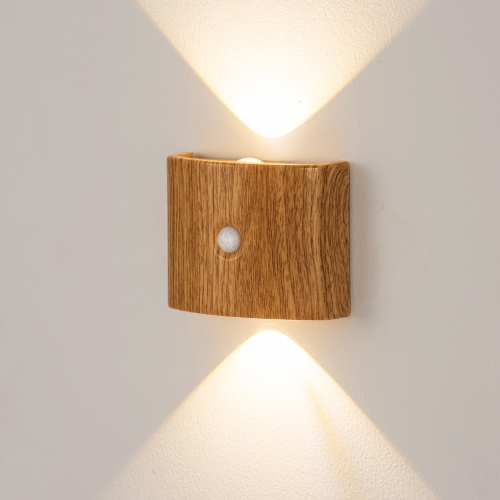
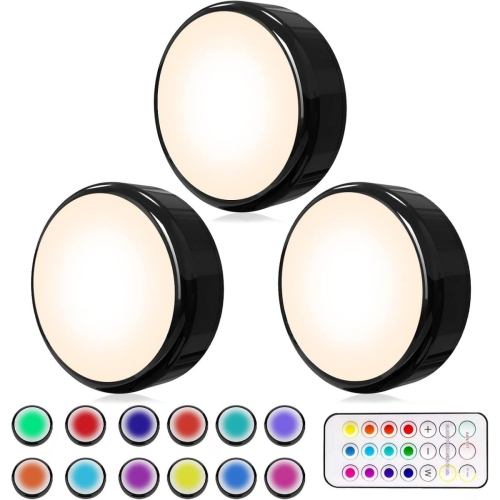
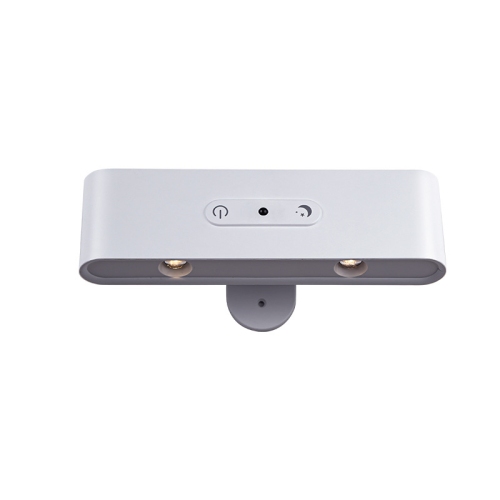
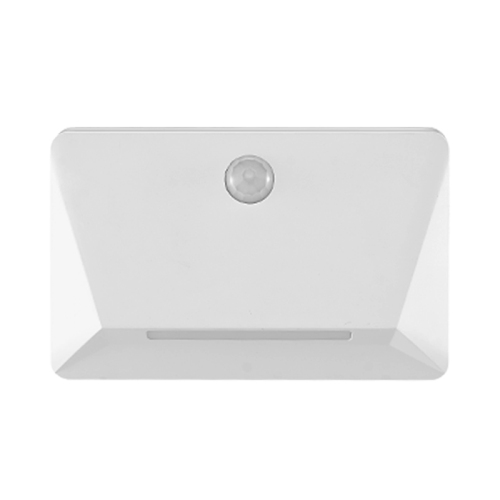
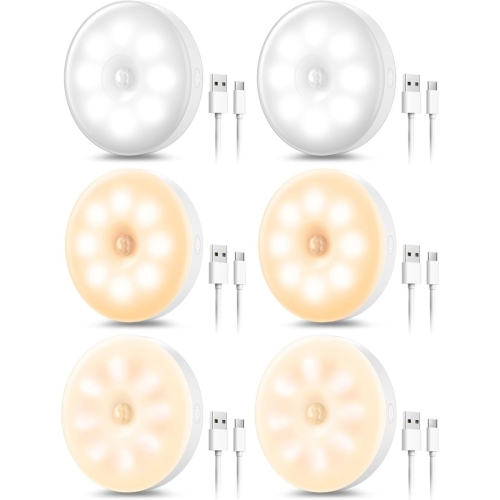

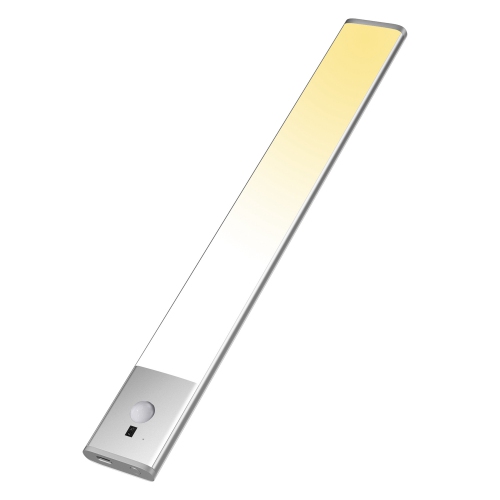
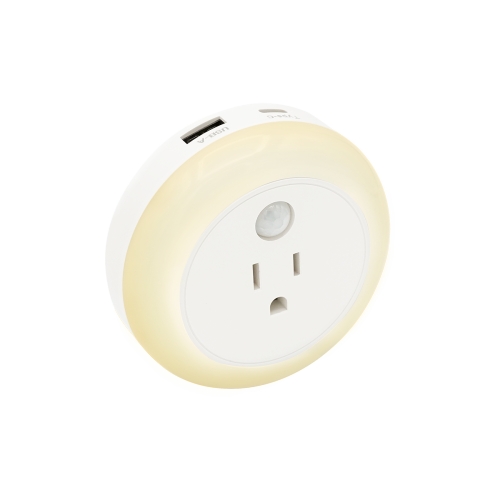
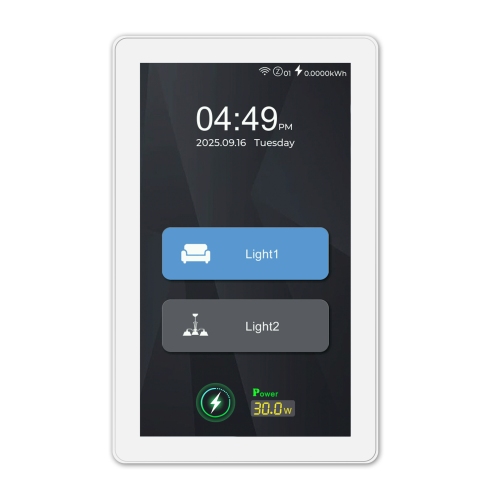
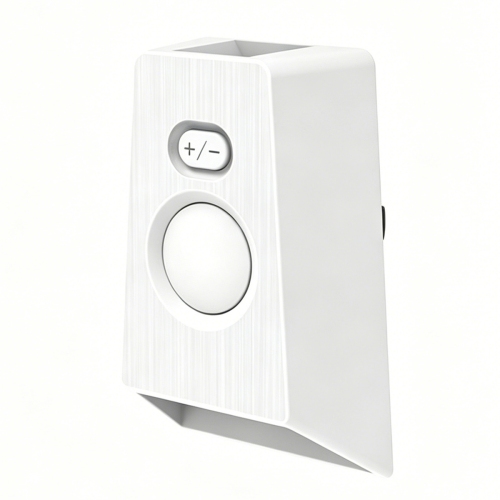
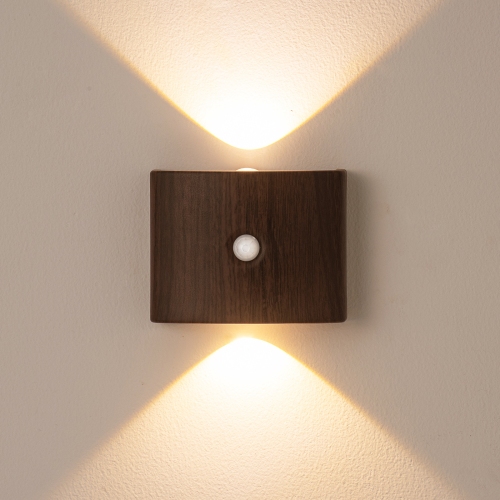

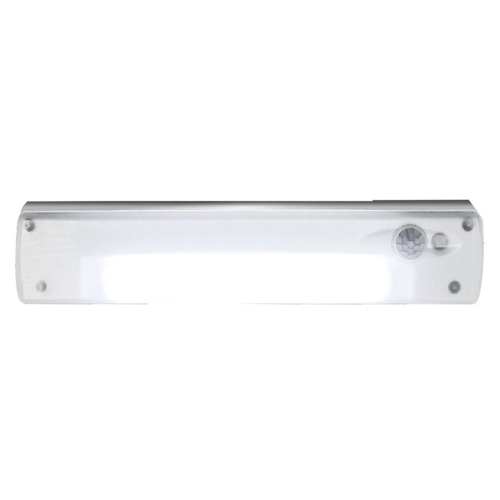
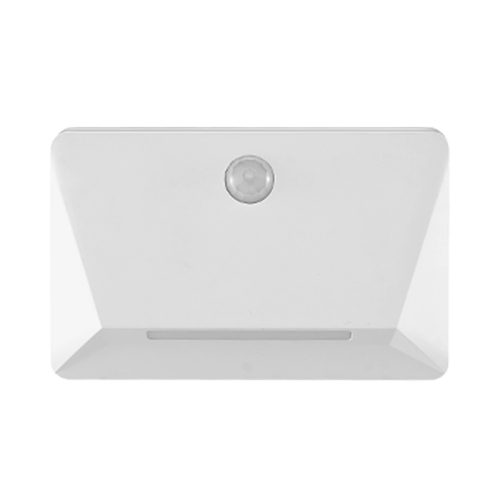
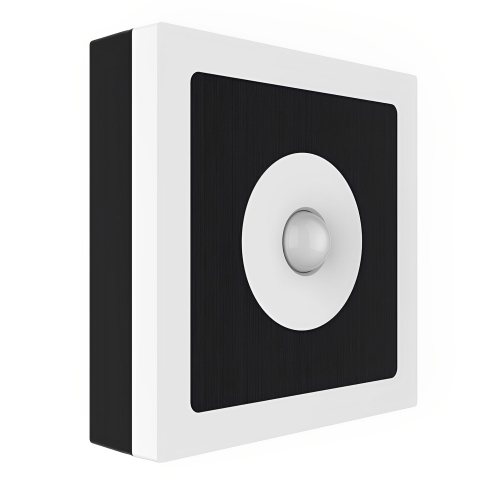
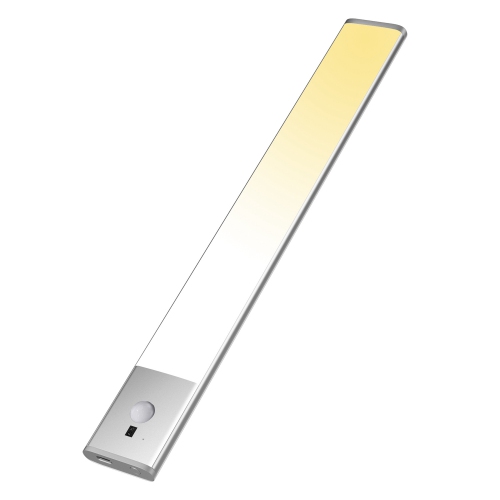
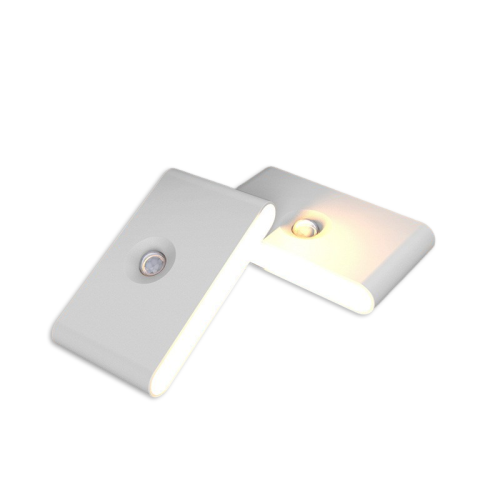
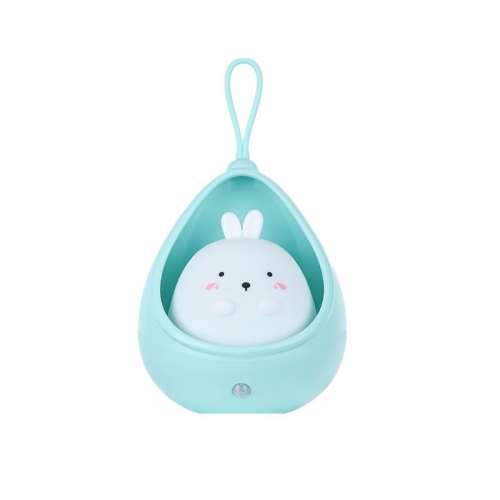
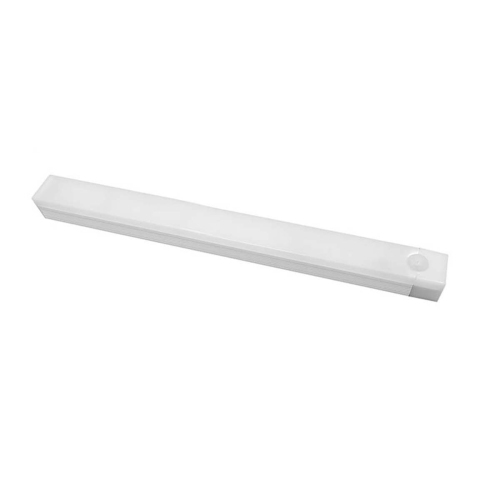
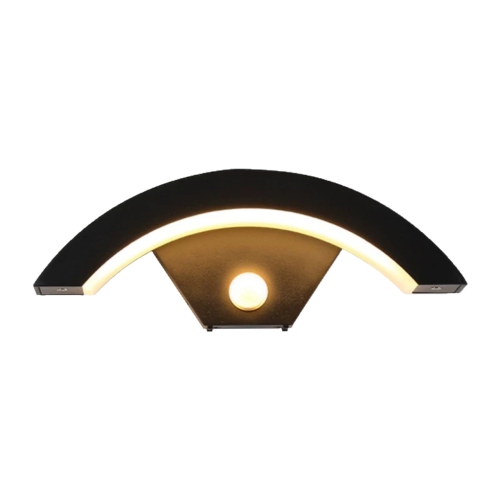

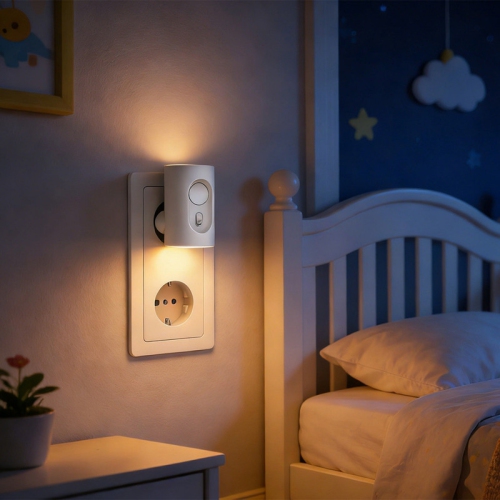
Automatic lighting that responds to movement and room activity
Motion sensor smart light switches combine the familiar control of a wall switch with automatic motion detection, making everyday lighting more convenient and responsive. When movement is detected, the connected light can turn on as you enter a room, then switch off after a chosen period without activity. This hands-free operation is especially useful in entryways, hallways, laundry rooms, closets, stairwells, garages, bathrooms, and other areas where reaching for a switch is awkward. Picture carrying a basket of laundry down a dim hallway, arriving home with your hands full of groceries, or guiding a child through the house during the night: the light can respond as soon as you walk into its detection area. These switches can also be helpful for older adults, people with limited mobility, and anyone who prefers a more automatic home setup. Some models offer occupancy mode, which turns the light on when motion is detected and off after the room has been empty for a set time. Vacancy mode requires the light to be switched on manually but turns it off automatically once movement stops, which can be preferable in rooms where you do not want the light activating every time someone passes by. Look for adjustable timeout settings so the light stays on for an appropriate length of time, whether you need only a brief interval in a corridor or several minutes in a laundry room, workshop, or bathroom. Detection range and coverage also matter. A compact room may work well with a wall-mounted sensor, while a large room, L-shaped space, or area with furniture blocking the direct line of sight may benefit from a switch that works with an additional wireless motion sensor.
Before choosing a motion sensor smart light switch, check the electrical setup and the type of lighting it will control. Many smart switches require a neutral wire in the wall box to power their internal electronics, while some installations may be compatible with models designed for homes without one. If you are unsure whether your wiring includes a neutral wire, turn off power at the breaker and have a qualified electrician inspect the box rather than relying on the appearance of the existing switch. You should also confirm whether the circuit is single-pole or 3-way. A single-pole setup controls a light from one location, whereas a 3-way arrangement allows the same light to be controlled from two switches, such as at the top and bottom of a staircase. Choosing a switch that does not match the wiring configuration can lead to compatibility problems, so review the installation requirements carefully. Dimming is another important consideration. If you want softer lighting for a hallway at night, a gentle glow in a bedroom, or adjustable brightness in a kitchen, choose a model designed for dimmable bulbs and verify that the bulbs themselves are compatible. Some smart switches are controlled through a mobile app over Wi-Fi, while others operate locally or use a separate hub. App-based models may provide scheduling, sensitivity adjustments, timeout controls, remote operation, and integration with compatible smart home platforms. Voice control can be useful when your hands are occupied, but it is worth checking which voice assistants and network bands are supported before buying. Ambient light detection is another practical feature: it can prevent the connected light from turning on when daylight is already bright enough, which is useful in rooms with large windows or skylights. Sensor placement, wall position, pets, fans, and heat sources can all affect performance, so review the recommended installation area and detection angle. A switch placed opposite a frequently used doorway may respond quickly, while one hidden behind a cabinet or installed where a door blocks its view may not detect movement as reliably.
Motion sensor smart light switches can suit many rooms and routines, and they can also make thoughtful housewarming, renovation, or new-home gifts for someone building a more convenient connected setup. They are particularly useful in homes with busy entryways, shared bathrooms, children’s bedrooms, basement stairs, or work areas where lights are often forgotten. During the warmer part of the year, they can help illuminate mudrooms, garages, and back entrances as people move between indoor and outdoor spaces; during the cooler months, automatic lighting can make early mornings and darker evenings feel more welcoming. For a guest room or rental property, a straightforward occupancy switch may offer intuitive operation without asking visitors to learn a complicated control system. In a family home, vacancy mode can be a better fit for rooms where people remain still for long periods, such as a home office or reading area, while occupancy mode may be more convenient in a passageway or storage space. If your preferred lighting location is not suited to a wall switch, explore related Motion Sensor Lights for options that can be placed on a ceiling, wall, cabinet, or other suitable surface. When comparing products, consider the light type, maximum load, bulb compatibility, sensor range, timeout options, ambient light settings, network requirements, and whether professional installation is recommended. It is also helpful to think through the real rhythm of the room: a sensor that reacts too quickly may feel intrusive, while one with a longer delay may leave the light on after everyone has left. The best choice should match the way the space is used, the available wiring, and the level of smart home control you want. With the right combination of features, a motion sensor smart light switch can make a dark stairway easier to navigate, a cluttered entryway simpler to manage, and ordinary lighting feel naturally connected to the way people move through the home.
Before choosing a motion sensor smart light switch, check the electrical setup and the type of lighting it will control. Many smart switches require a neutral wire in the wall box to power their internal electronics, while some installations may be compatible with models designed for homes without one. If you are unsure whether your wiring includes a neutral wire, turn off power at the breaker and have a qualified electrician inspect the box rather than relying on the appearance of the existing switch. You should also confirm whether the circuit is single-pole or 3-way. A single-pole setup controls a light from one location, whereas a 3-way arrangement allows the same light to be controlled from two switches, such as at the top and bottom of a staircase. Choosing a switch that does not match the wiring configuration can lead to compatibility problems, so review the installation requirements carefully. Dimming is another important consideration. If you want softer lighting for a hallway at night, a gentle glow in a bedroom, or adjustable brightness in a kitchen, choose a model designed for dimmable bulbs and verify that the bulbs themselves are compatible. Some smart switches are controlled through a mobile app over Wi-Fi, while others operate locally or use a separate hub. App-based models may provide scheduling, sensitivity adjustments, timeout controls, remote operation, and integration with compatible smart home platforms. Voice control can be useful when your hands are occupied, but it is worth checking which voice assistants and network bands are supported before buying. Ambient light detection is another practical feature: it can prevent the connected light from turning on when daylight is already bright enough, which is useful in rooms with large windows or skylights. Sensor placement, wall position, pets, fans, and heat sources can all affect performance, so review the recommended installation area and detection angle. A switch placed opposite a frequently used doorway may respond quickly, while one hidden behind a cabinet or installed where a door blocks its view may not detect movement as reliably.
Motion sensor smart light switches can suit many rooms and routines, and they can also make thoughtful housewarming, renovation, or new-home gifts for someone building a more convenient connected setup. They are particularly useful in homes with busy entryways, shared bathrooms, children’s bedrooms, basement stairs, or work areas where lights are often forgotten. During the warmer part of the year, they can help illuminate mudrooms, garages, and back entrances as people move between indoor and outdoor spaces; during the cooler months, automatic lighting can make early mornings and darker evenings feel more welcoming. For a guest room or rental property, a straightforward occupancy switch may offer intuitive operation without asking visitors to learn a complicated control system. In a family home, vacancy mode can be a better fit for rooms where people remain still for long periods, such as a home office or reading area, while occupancy mode may be more convenient in a passageway or storage space. If your preferred lighting location is not suited to a wall switch, explore related Motion Sensor Lights for options that can be placed on a ceiling, wall, cabinet, or other suitable surface. When comparing products, consider the light type, maximum load, bulb compatibility, sensor range, timeout options, ambient light settings, network requirements, and whether professional installation is recommended. It is also helpful to think through the real rhythm of the room: a sensor that reacts too quickly may feel intrusive, while one with a longer delay may leave the light on after everyone has left. The best choice should match the way the space is used, the available wiring, and the level of smart home control you want. With the right combination of features, a motion sensor smart light switch can make a dark stairway easier to navigate, a cluttered entryway simpler to manage, and ordinary lighting feel naturally connected to the way people move through the home.
Top selling and popular products
-
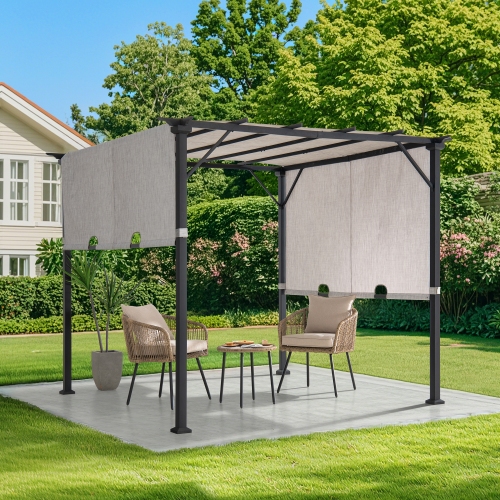 Your price for this item is $274.99
 -
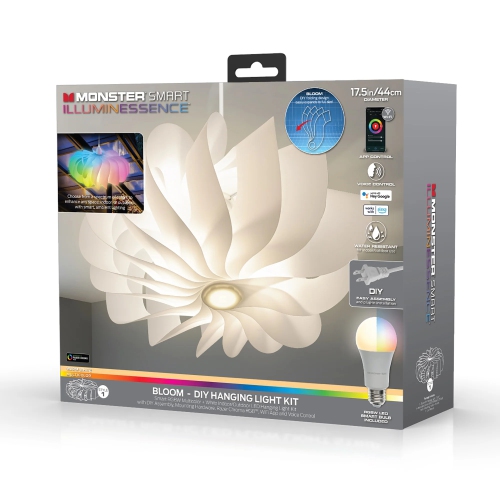 Your price for this item is $49.99
 -
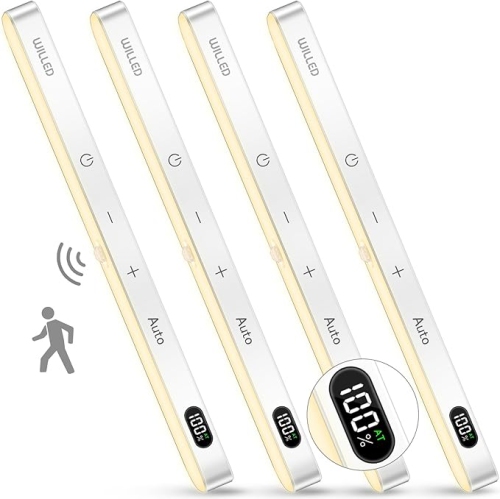 Your price for this item is $48.2
 -
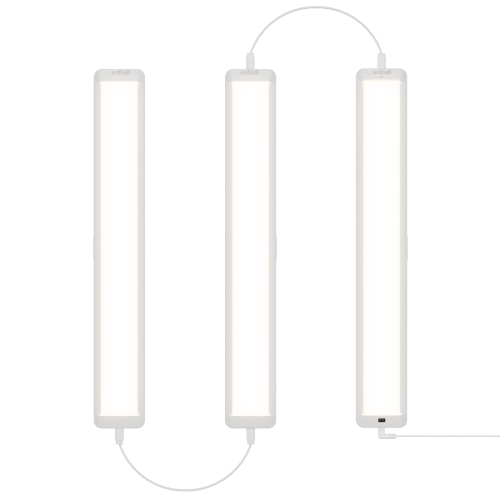 Your price for this item is $89.99
 -
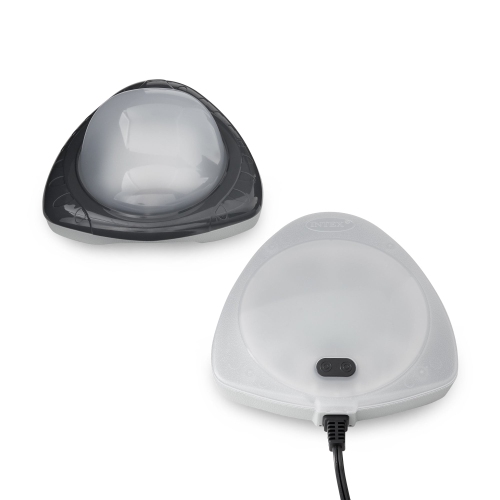 Your price for this item is $89.99
 -
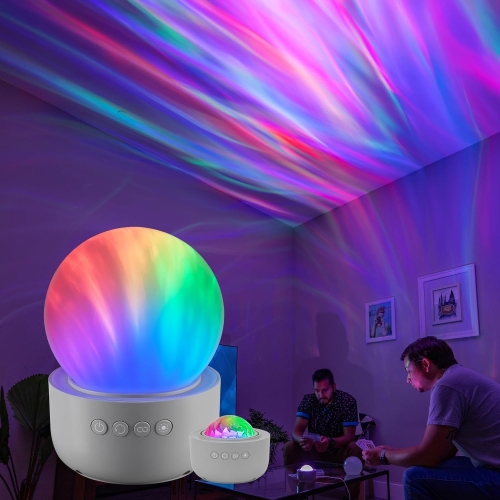 Your price for this item is $29.99
 -
 Your price for this item is $26.99
 -
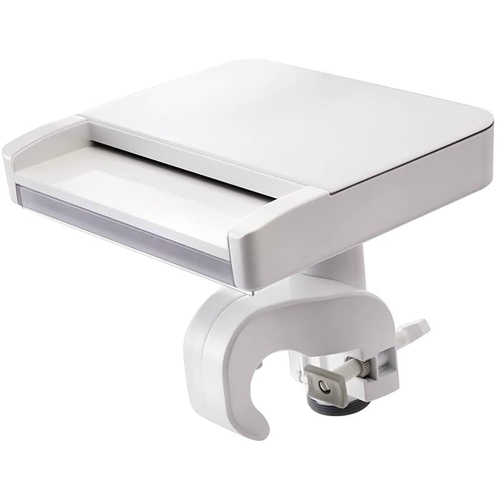 Your price for this item is $99.99
Discover more categories related to Motion Sensor Smart Light Switches
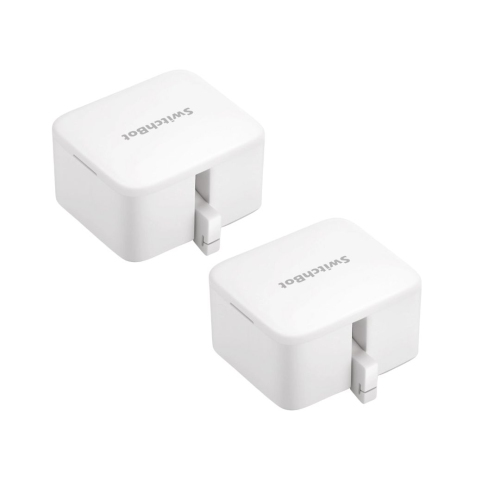
Top Collections:
Pokemon Centers, Best Cameras for Sports Photography, Kindle Devices, Samsung Galaxy Phones, Canon G7X Cameras, Pokémon 30th Celebration Cards, Refurbished Apple Laptops, iPhone 15 Apple, Laptops for Students, Budget Smartphones
Some products may be subject to Environmental Handling Fees
(EHF) depending on your province.
Learn more about EHFs.