Multi Zone Smart Thermostats
Upgrade your home's heating and cooling system with a Multi Zone Smart Thermostat. Designed to provide ultimate comfort and convenience, these innovative devices allow you to easily control the temperature in different areas of your home from a single hub. With advanced features like customizable schedules, energy-saving modes, and compatibility with smart assistants, a Multi Zone Smart Thermostat is the perfect addition to any modern household. Say goodbye to uneven temperatures and hello to a perfectly comfortable home all year round.
Sort

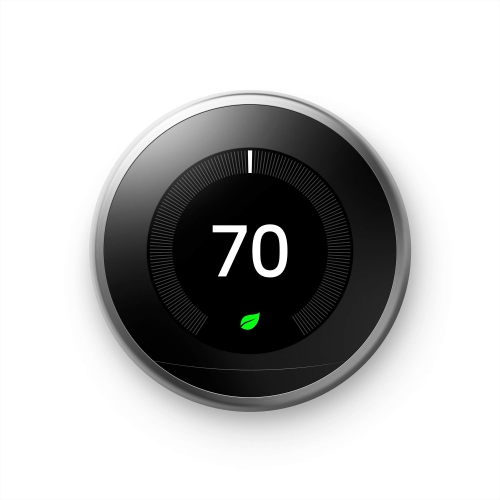
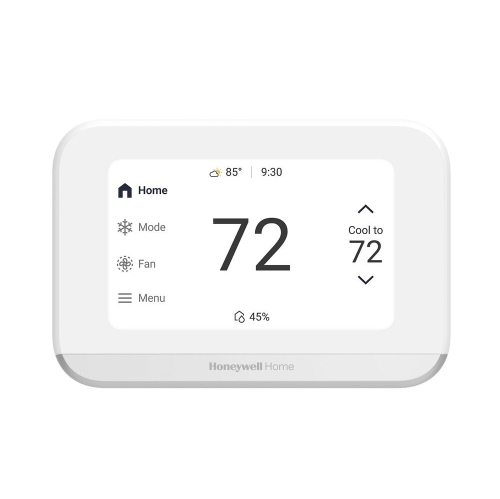
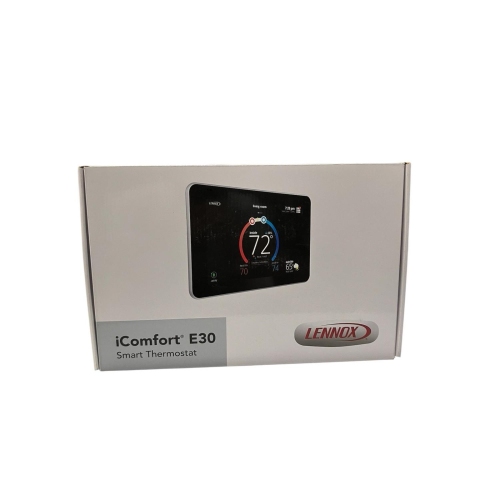


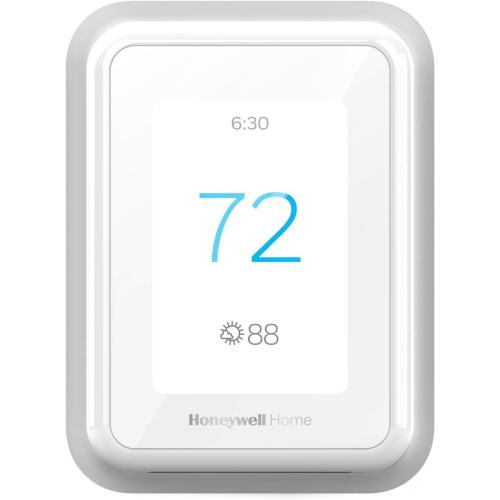
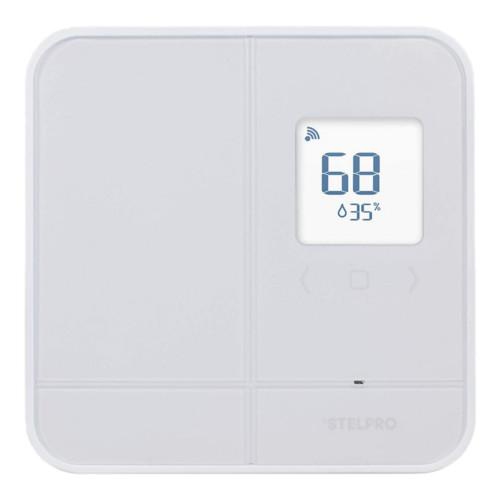

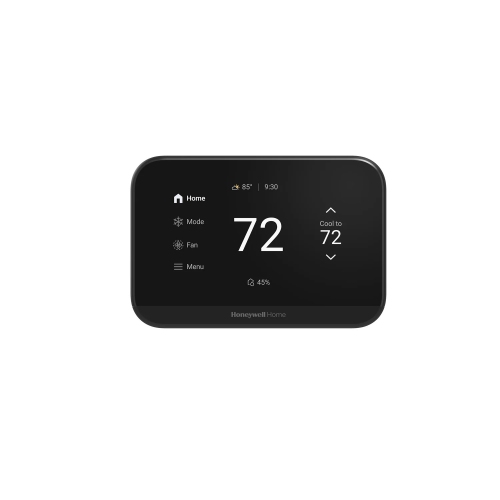
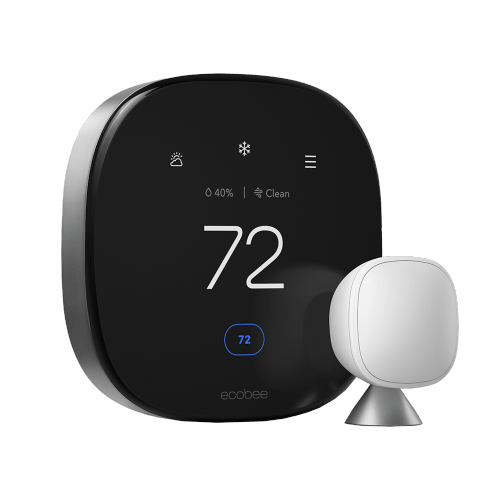


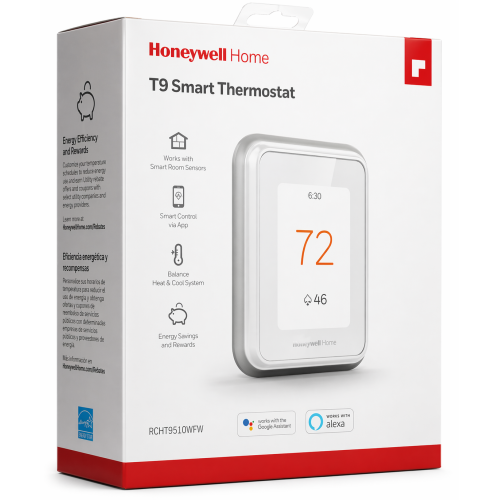
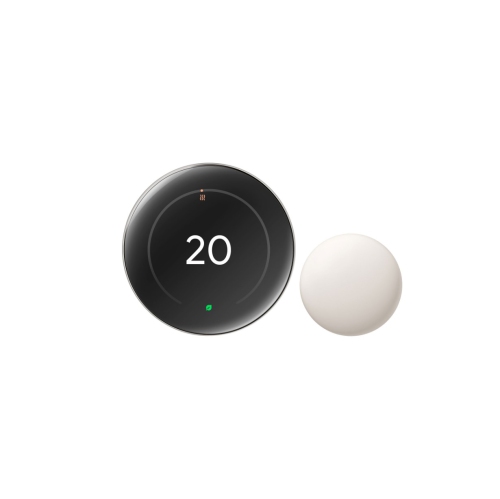

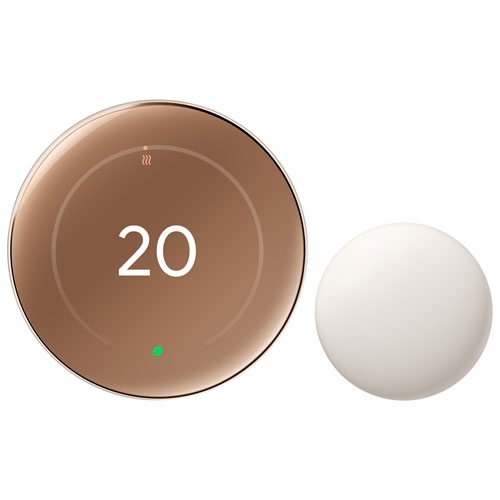

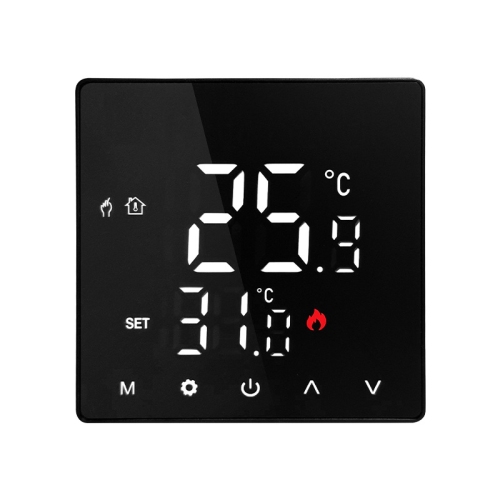


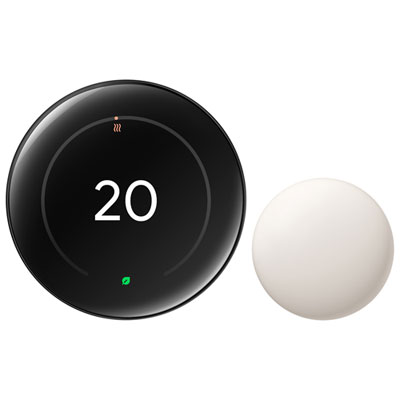





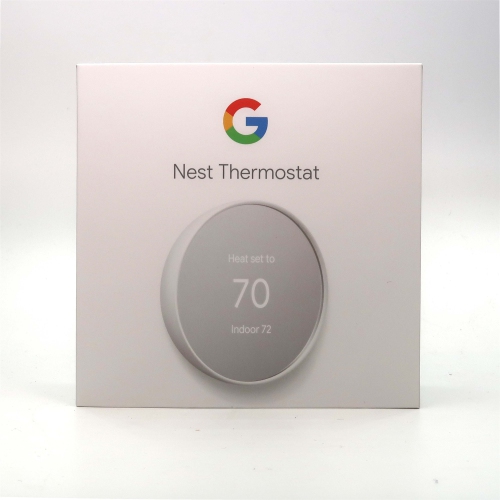
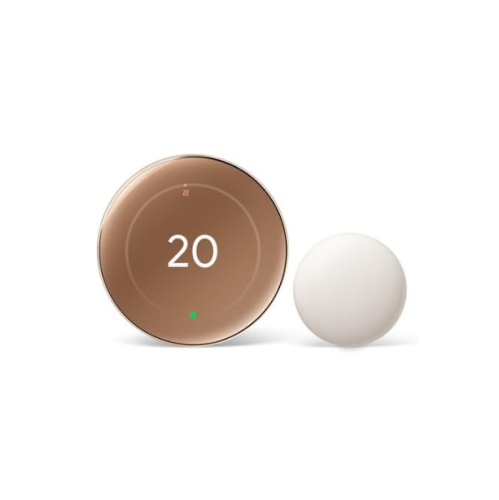
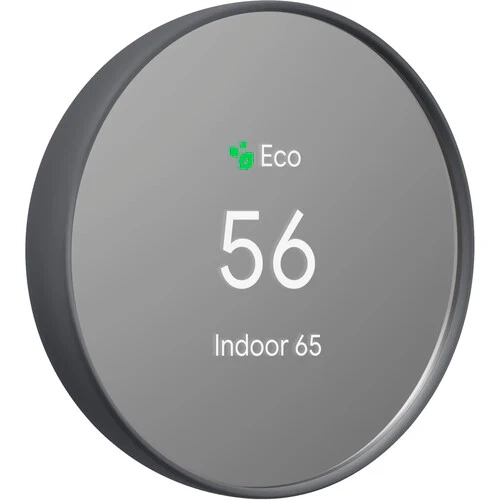
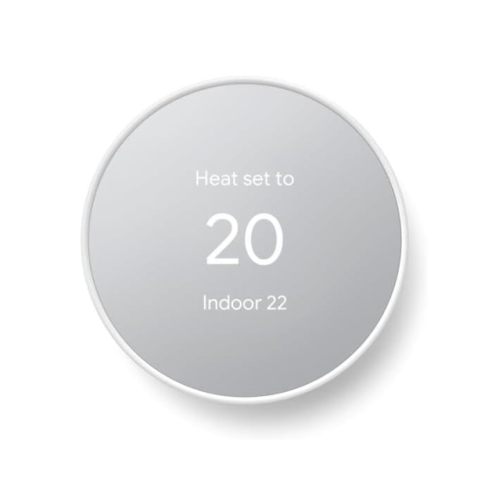



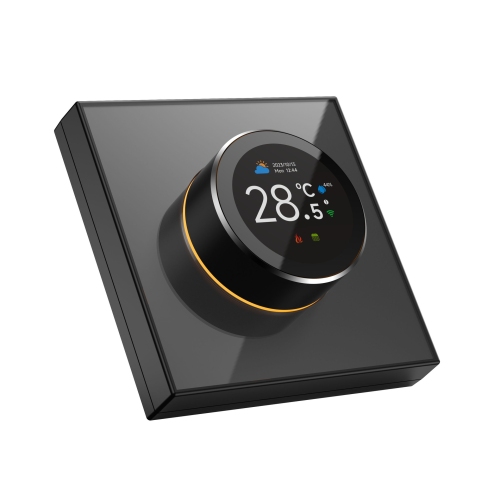
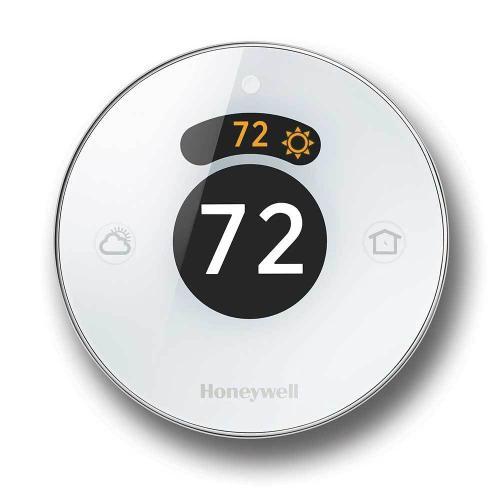
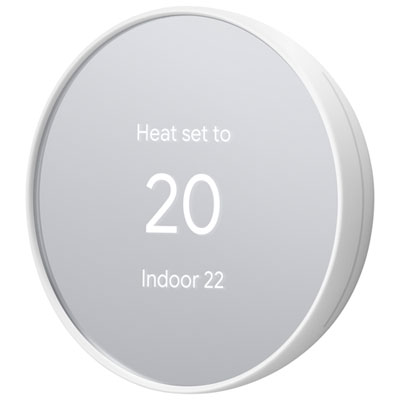
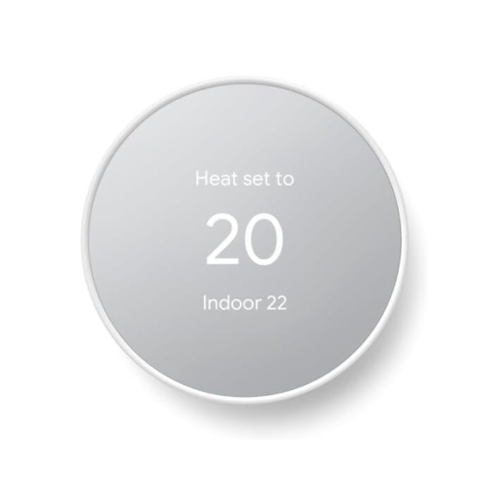

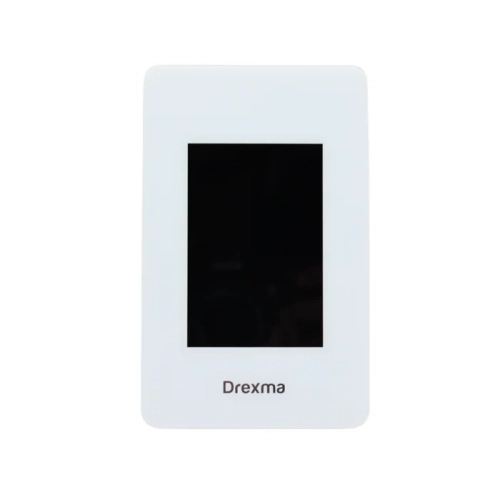
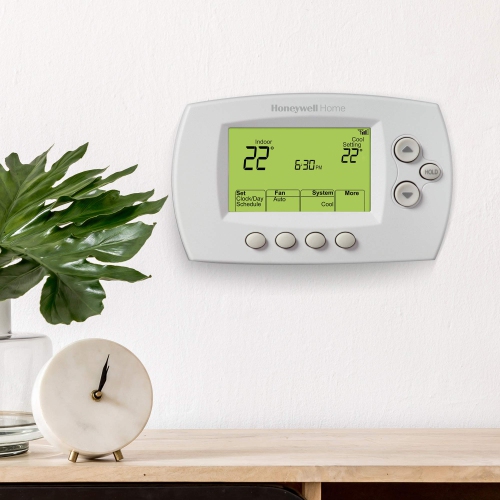
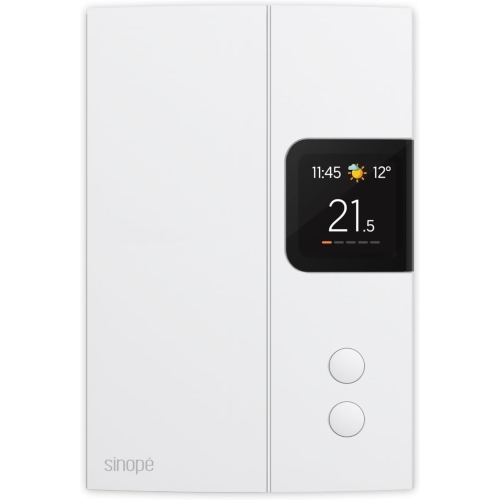
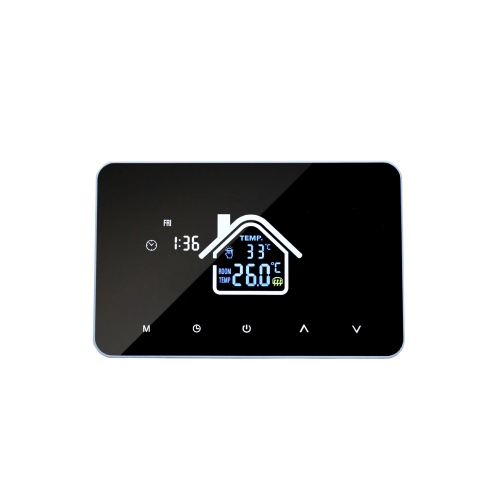
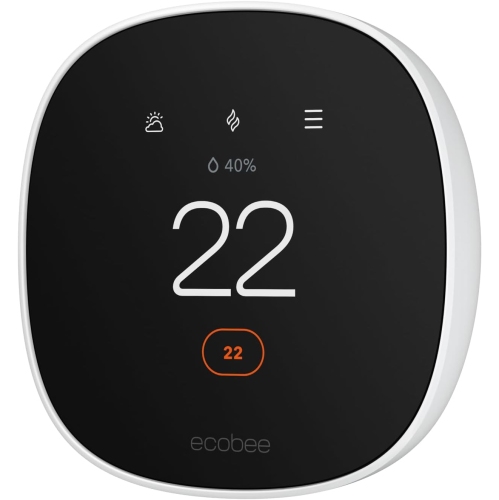
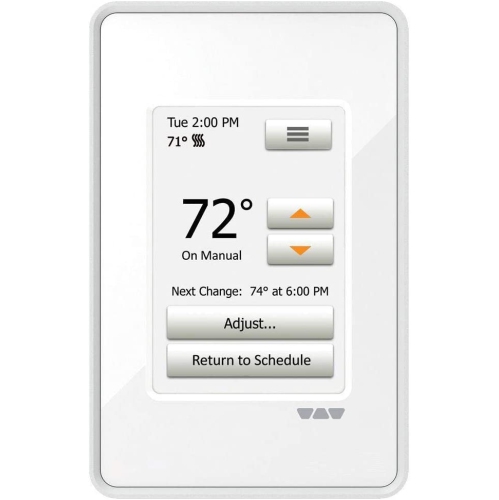
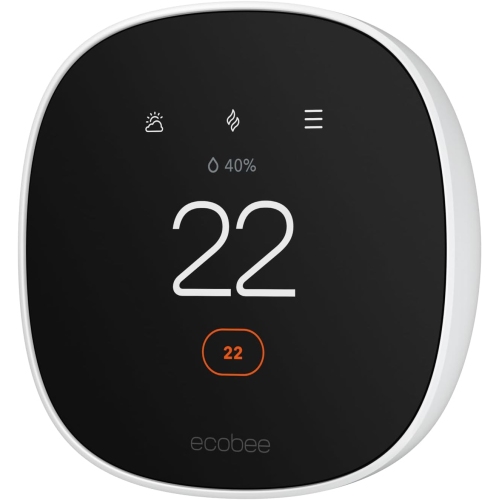

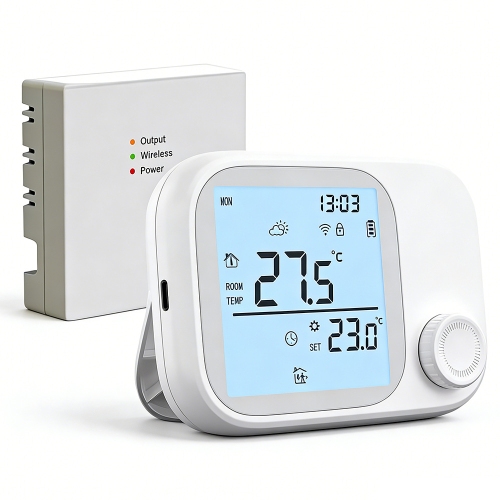
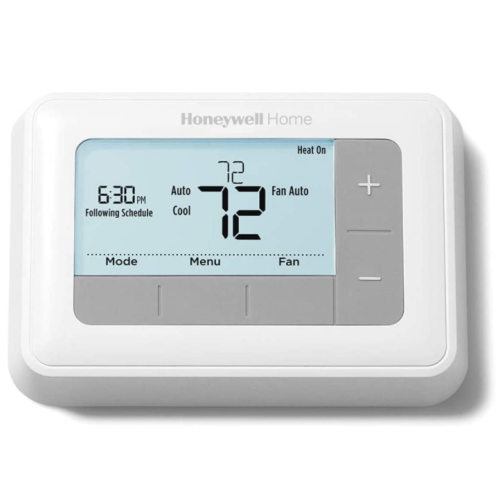

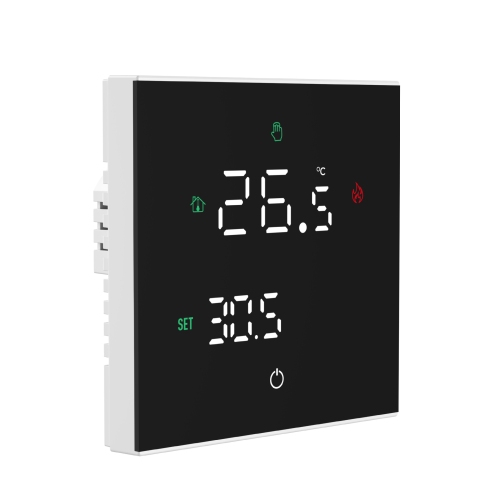
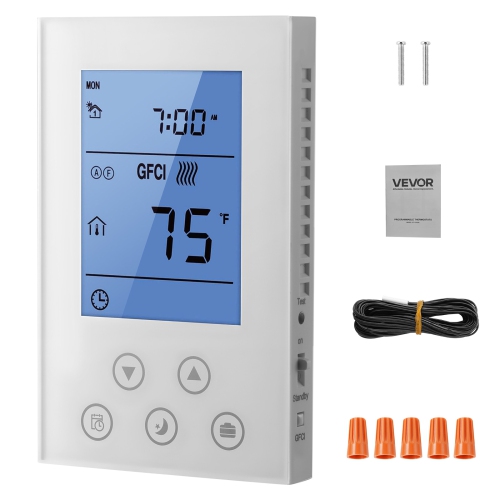
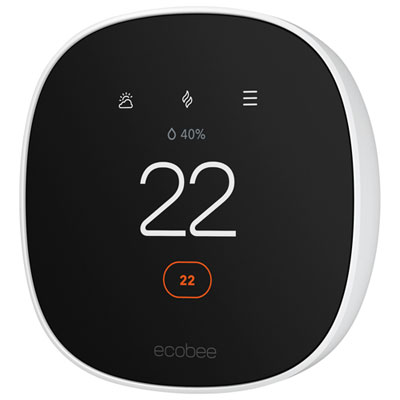
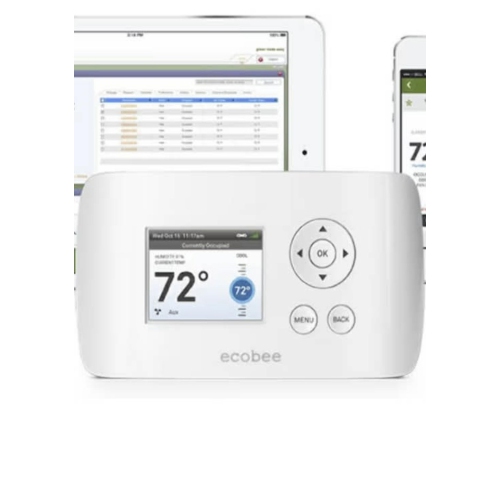
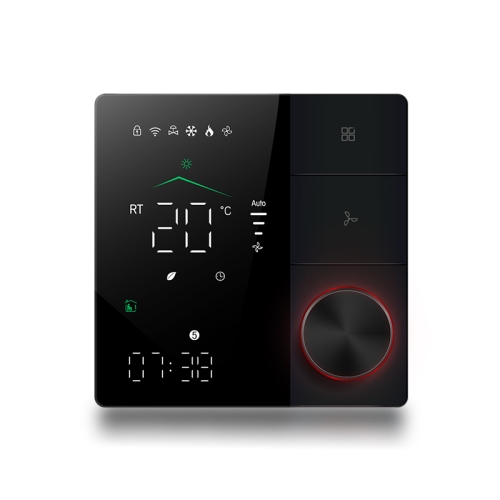
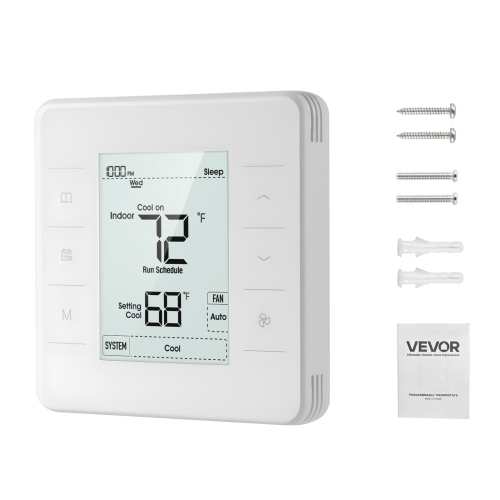
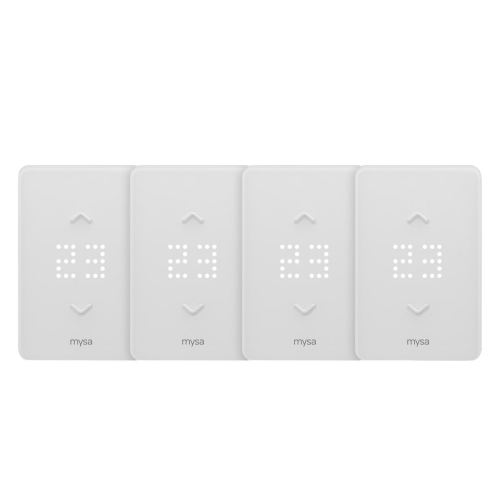
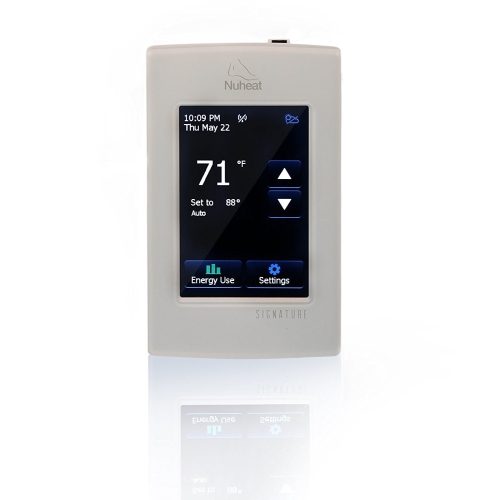


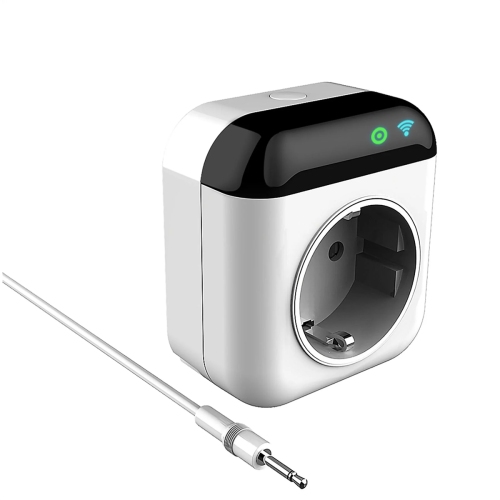

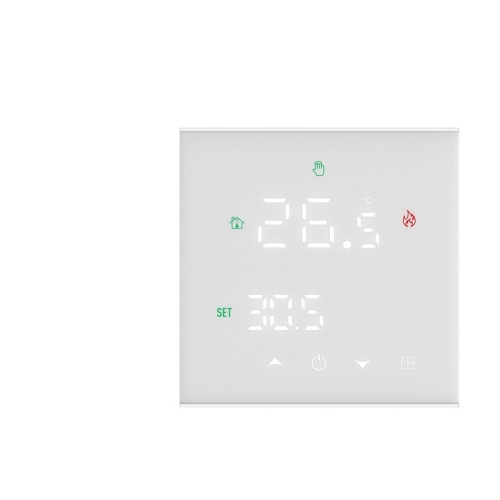
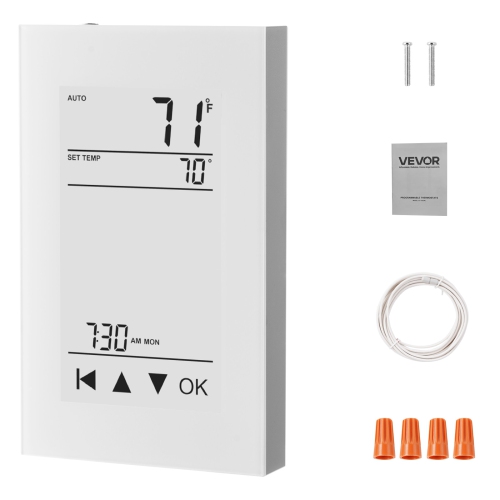


Personalized comfort across every room and season
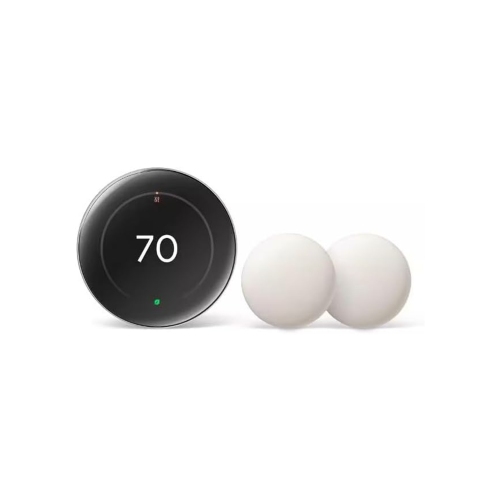
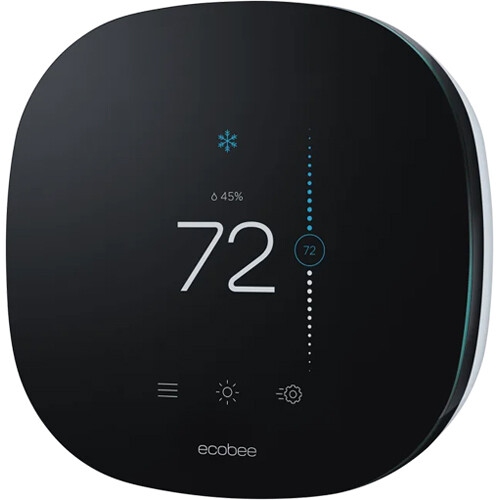
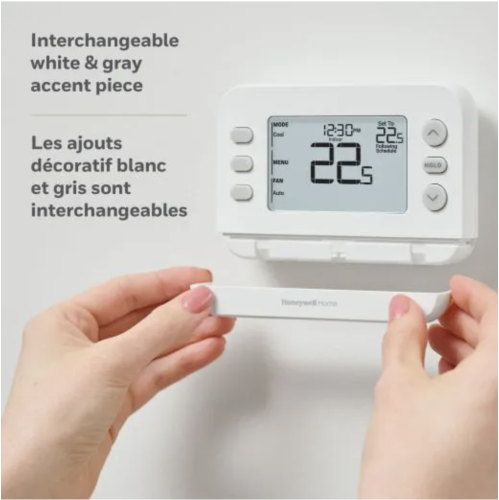
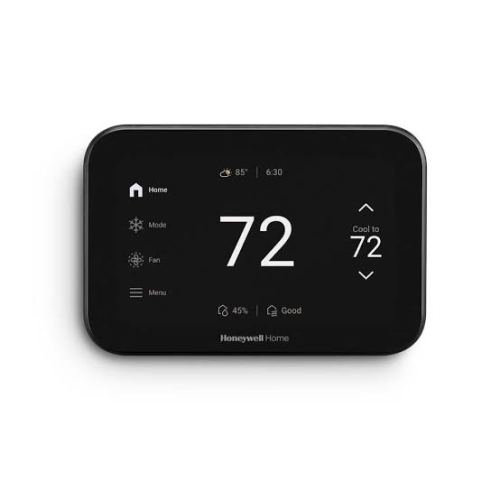
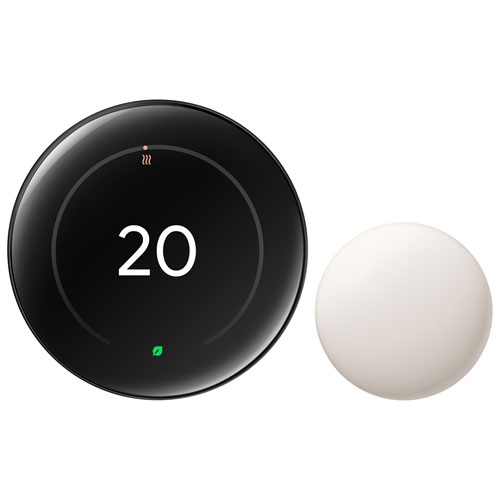
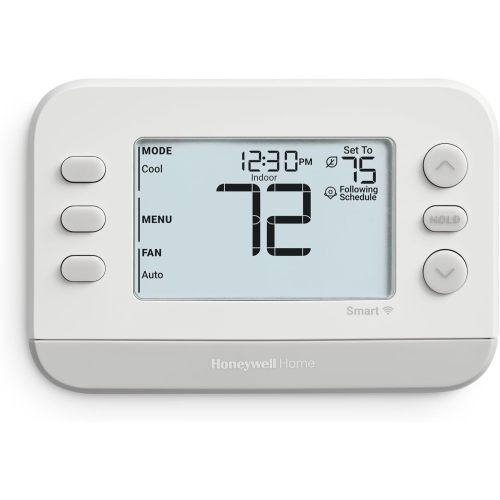
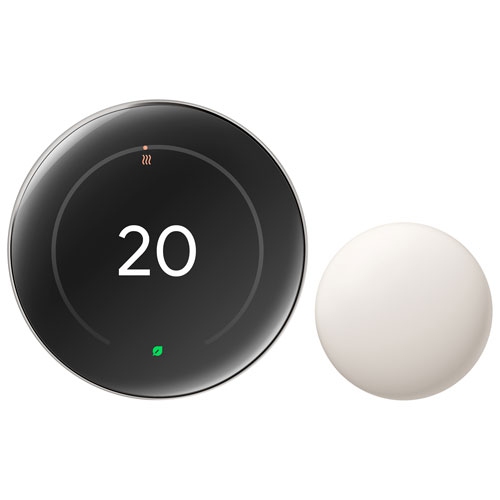
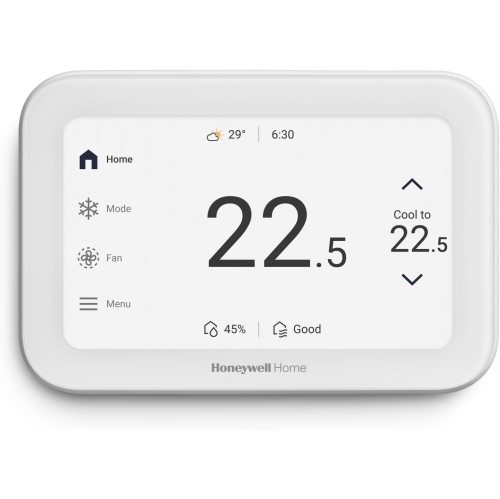
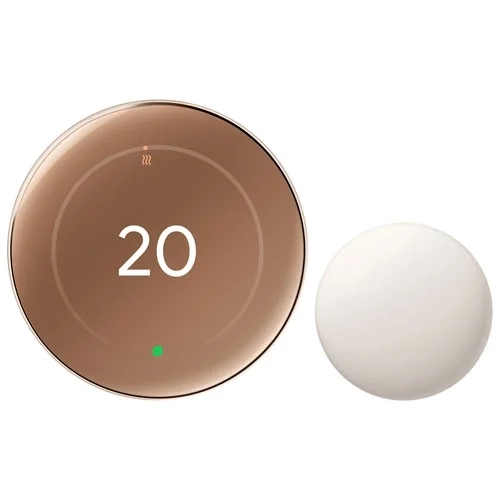
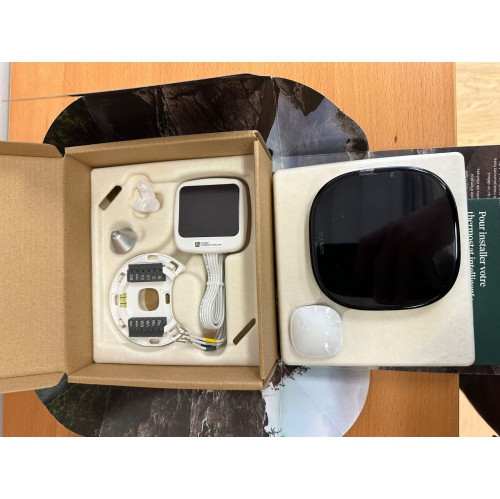
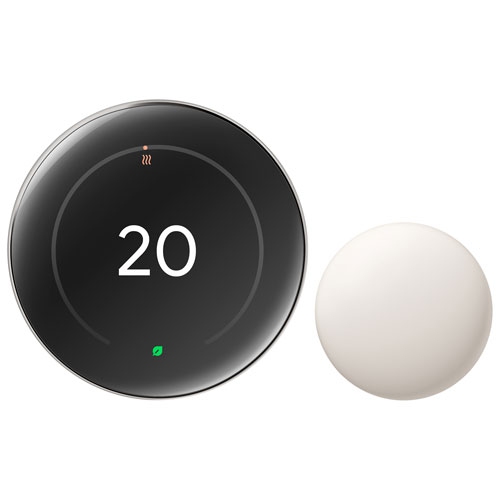
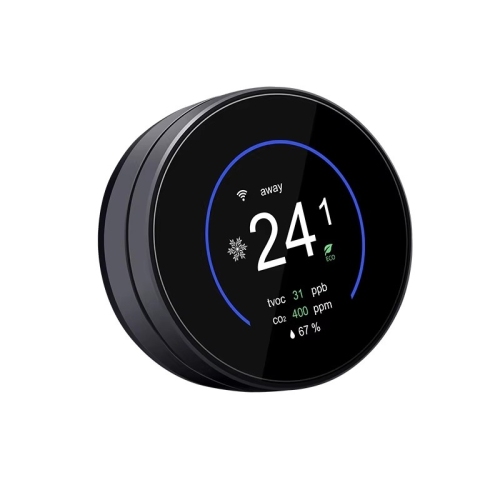
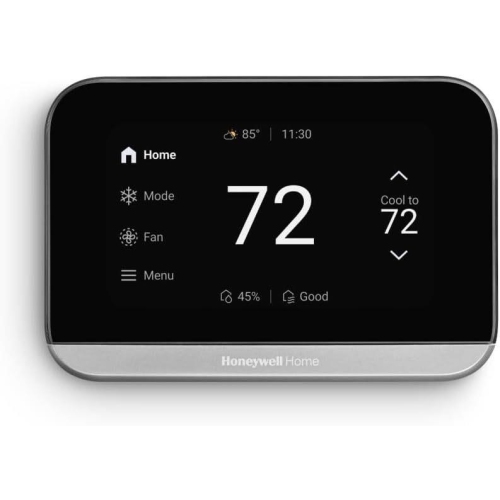
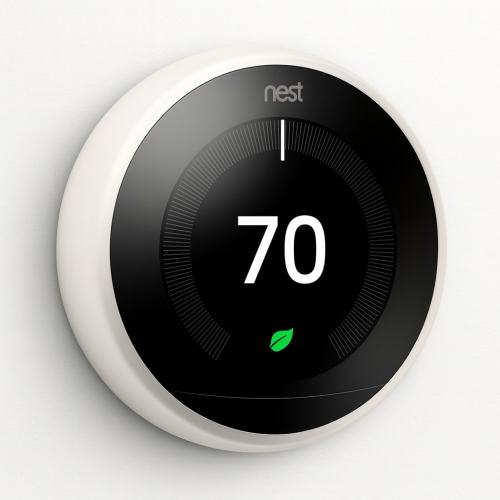
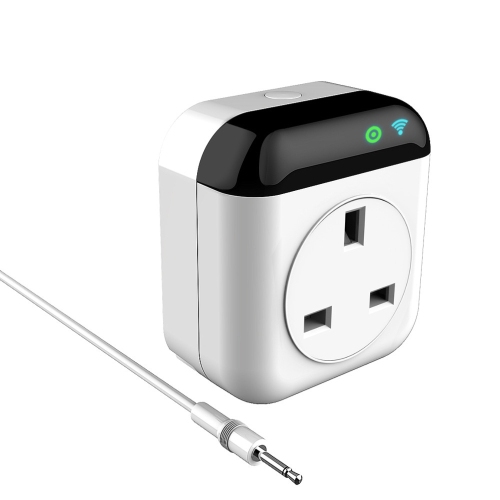
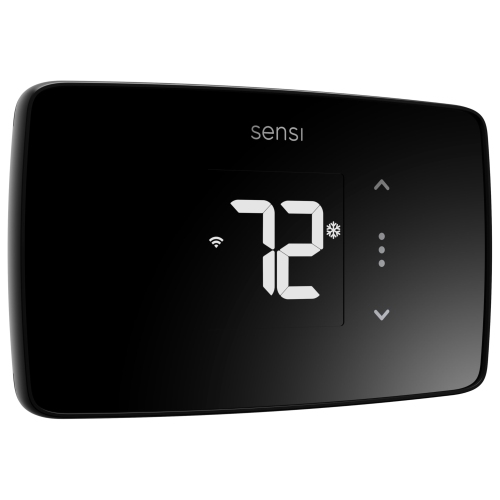
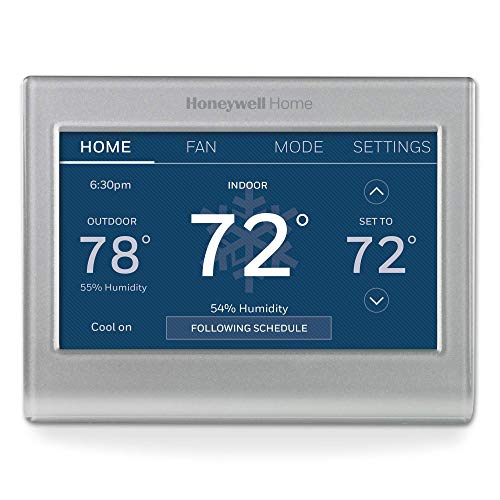
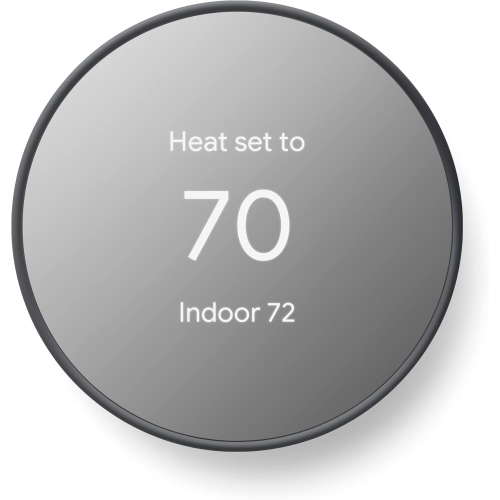
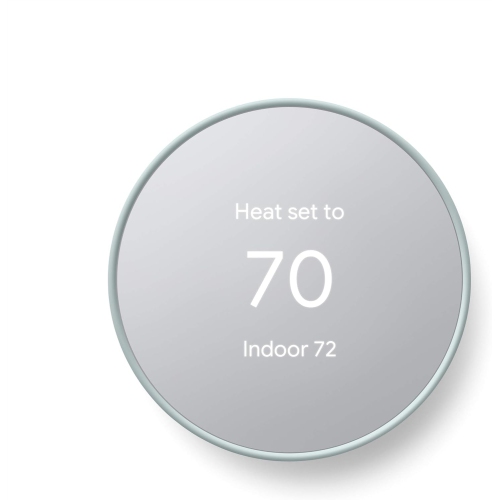
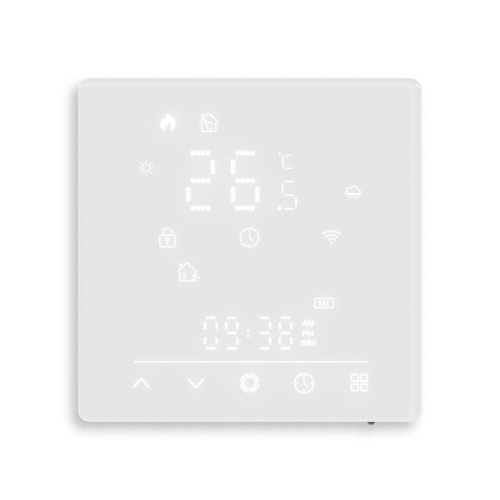
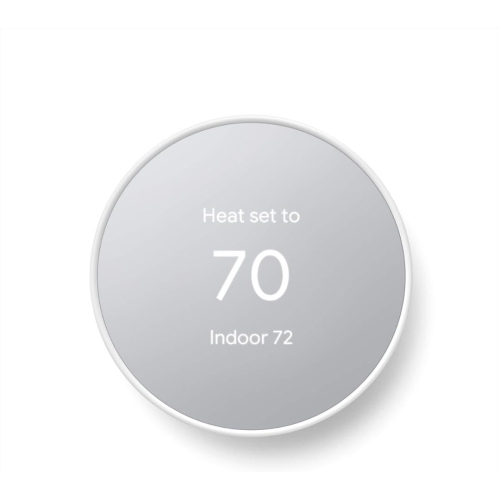
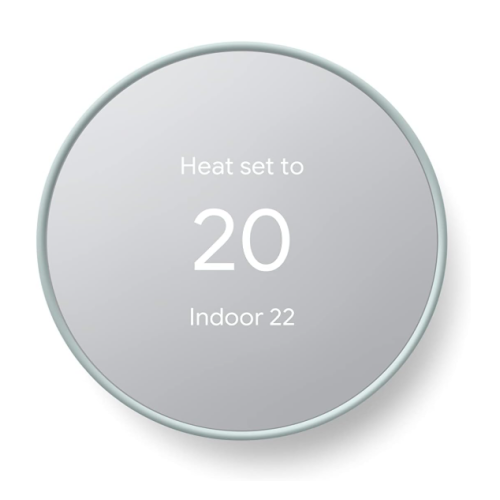
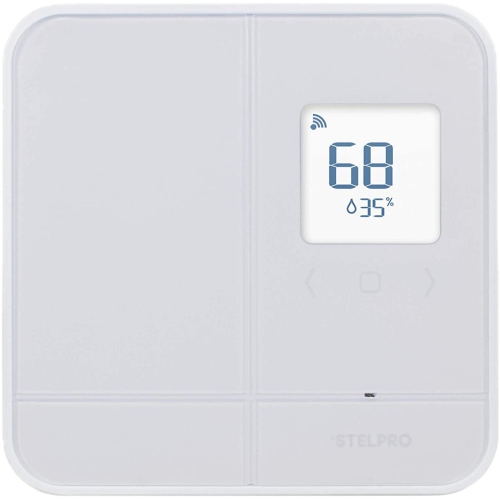
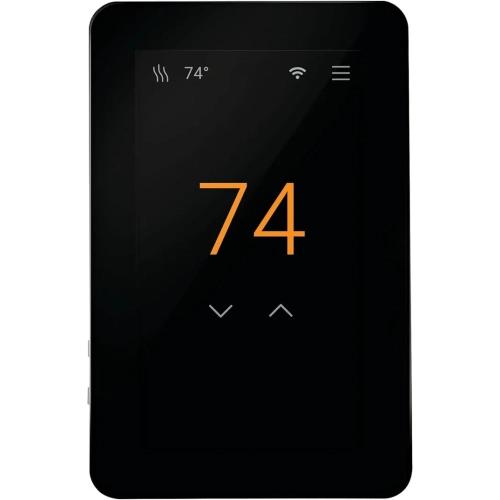
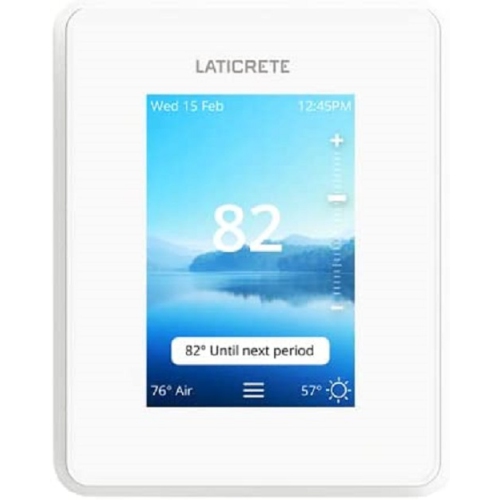
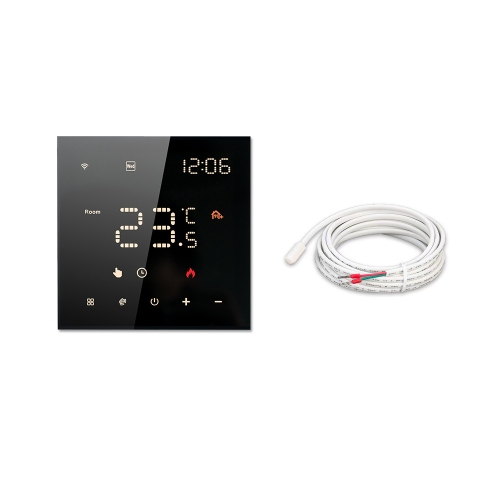
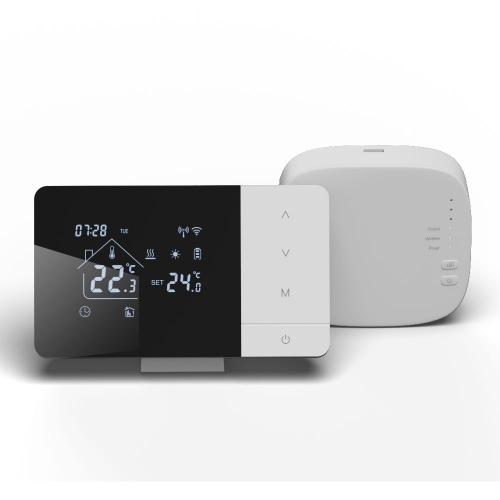
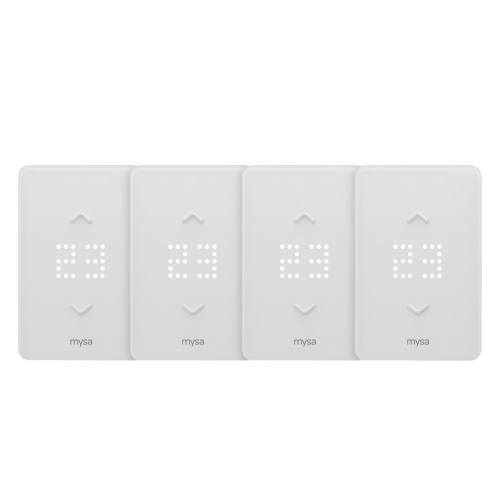
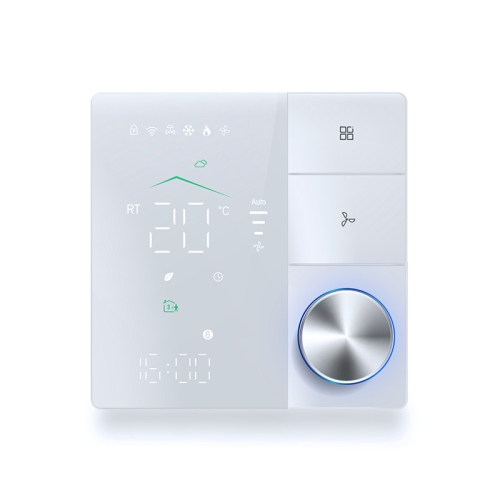
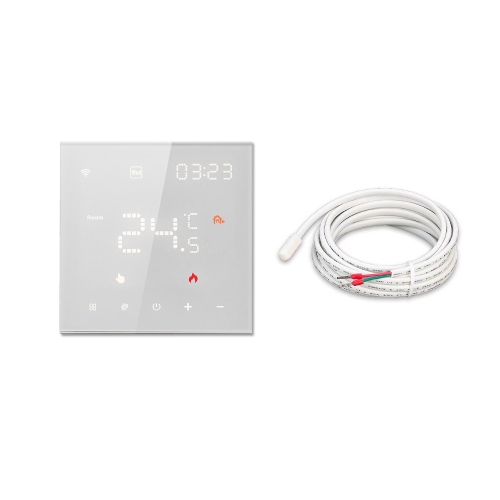
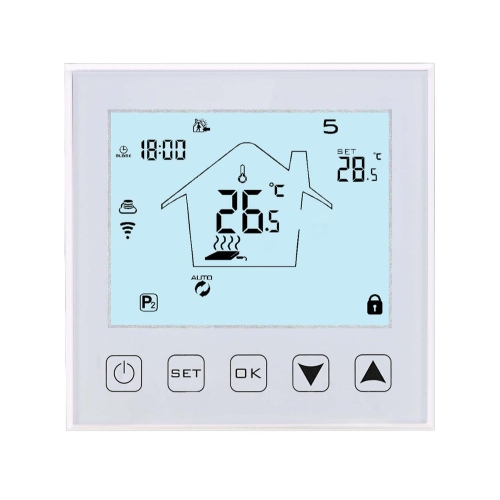
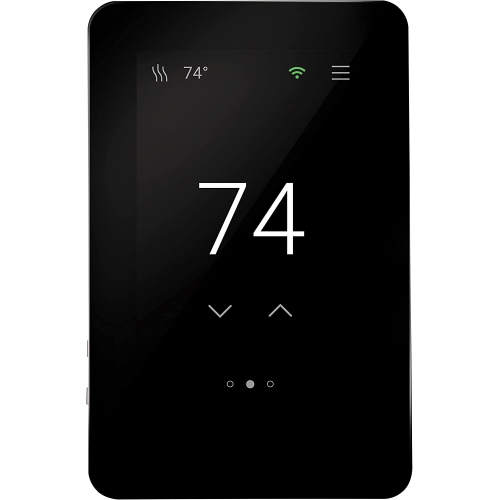
Multi-zone smart thermostats are designed for homes where one temperature setting does not suit every room. Instead of treating the entire house as a single space, a multi-zone system can manage separate areas independently, helping bedrooms, living spaces, home offices, basements, additions, and other parts of the home feel more comfortable throughout the day. A central control panel may communicate with individual thermostats or remote room sensors, while motorized dampers in ductwork or hydronic valves in a boiler system direct heating or cooling where it is needed. Depending on the home’s setup, zoning may involve several wall-mounted thermostats, a compatible hub, wireless sensors, or a combination of these components. This makes multi-zone smart thermostats especially useful in houses with multiple floors, open-concept areas beside enclosed rooms, large windows, vaulted ceilings, finished basements, or rooms that naturally run warmer or cooler than the rest of the home. They can also suit households with different schedules, such as people who work from home, children who sleep upstairs, or family members who prefer different temperatures. Remote control through a mobile app can make it easier to adjust settings while moving between rooms or away from home, while scheduling features can help maintain a comfortable routine during busy weekdays and quieter weekends. For a broader look at connected temperature control, explore Smart Thermostats for Home Comfort and compare options based on the way your household uses each space.
The most important buying consideration is compatibility with the heating and cooling equipment already installed. Forced-air systems typically rely on low-voltage wiring, a zone control board, and motorized dampers that open or close to redirect air through different duct branches. Some systems use separate thermostats for each zone, while others combine a primary thermostat with remote sensors that measure conditions in selected rooms. Hydronic systems, including boiler-based radiators and radiant floor heating, use valves to regulate the flow of heated water, so the thermostat must be designed to communicate with the appropriate controls. Electric baseboards, in-floor electric heating, and other line-voltage systems require a different type of thermostat than conventional forced-air equipment. Heat pumps, dual-fuel systems, fan coil units, and multi-stage heating or cooling equipment may have additional wiring and configuration requirements. Before choosing a system, check the voltage, number of wires, heating stages, cooling stages, and equipment type, then confirm whether a C-wire, equipment interface module, zone control board, or separate power supply is needed. Limited wiring does not always prevent a smart zoning installation, as some setups support wireless communication or use an interface module, but the available options depend on the HVAC design. Compatibility with a home’s Wi-Fi network, app requirements, voice assistants, and existing smart-home platform may also affect everyday use. Installation can be straightforward for a compatible replacement, but creating new zones may involve access to ductwork, electrical connections, valves, or control equipment. A qualified heating and cooling professional can identify the existing system, determine whether zoning is practical, and verify that airflow or water flow remains properly balanced. This is particularly important in older homes, renovations, and properties where rooms have been added over time.
A multi-zone smart thermostat can be a practical choice for anyone who wants more precise control than a single hallway thermostat can provide. It may help a parent keep sleeping areas comfortable without changing the temperature in a cooler basement, or allow a remote worker to focus on the office during the day while keeping unoccupied rooms on a different schedule. In a home with a guest room, nursery, workshop, or recreation area, individual zone settings can make occasional-use spaces easier to manage without relying on one setting for the entire house. During warmer periods, separate cooling control can make sun-facing rooms more comfortable, while during the cooler months, zoning can help address chilly bedrooms, draft-prone entryways, or living spaces that receive less heat. Room sensors may be placed away from the thermostat to provide a more representative reading, such as on a bedside table, shelf, or interior wall, rather than beside a door, window, kitchen appliance, or direct heat source. When selecting a system, consider how many zones are needed today, whether the controls can expand later, how settings are shared among household members, and whether alerts can identify unusual temperature changes, connectivity problems, or low battery levels. Clear displays and simple scheduling are valuable for everyday use, especially when several people adjust the temperature from different devices. These products can also make thoughtful housewarming gifts for someone moving into a larger home, finishing a basement, converting a room into an office, or upgrading an older heating setup, provided the recipient’s HVAC type and wiring are confirmed first. The right choice should fit the home’s equipment, layout, comfort preferences, and installation needs, creating a more manageable way to control separate areas as routines and weather conditions change.
Top selling and popular products
-
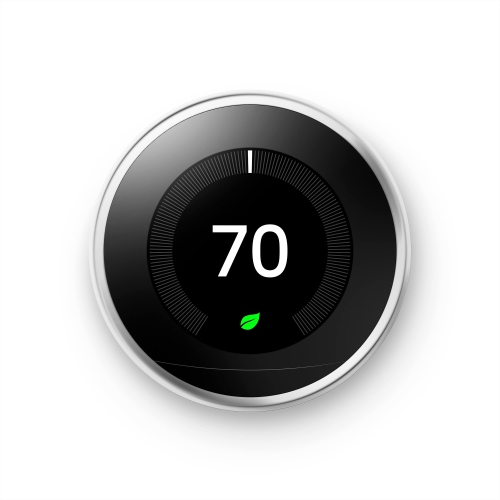 Your price for this item is $329.99
-
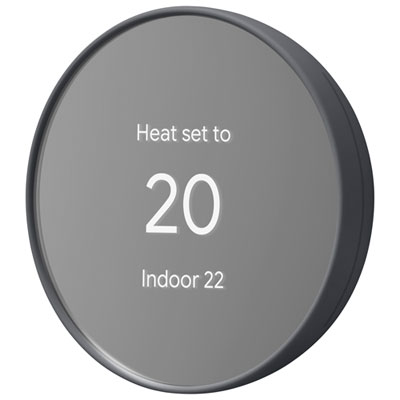 Your price for this item is $179.99
-
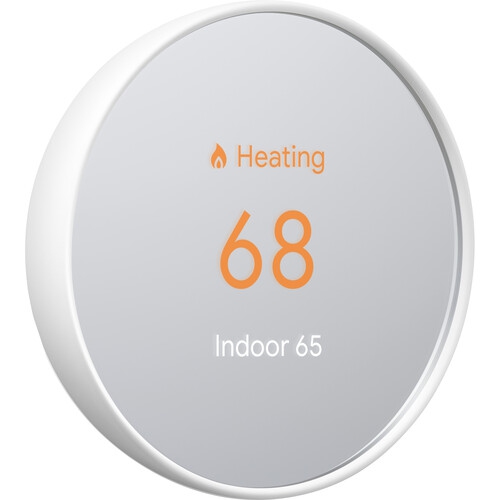 Your price for this item is $249.99
-
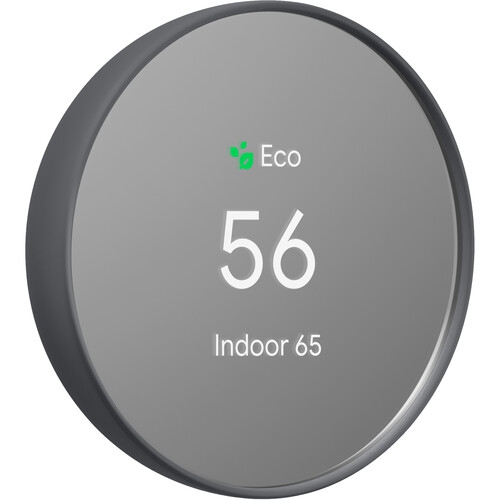 Your price for this item is $129.99
-
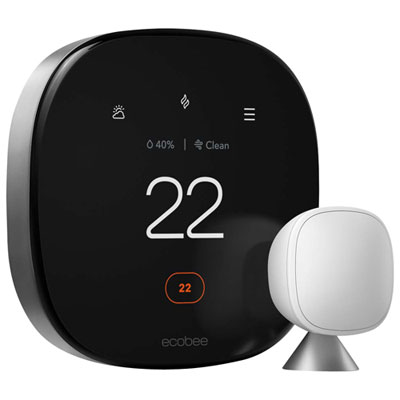 Your price for this item is $279.98
-
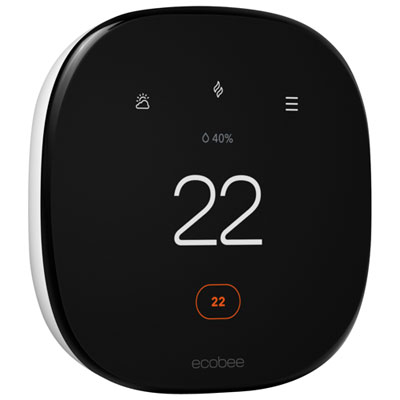 Your price for this item is $249.99
-
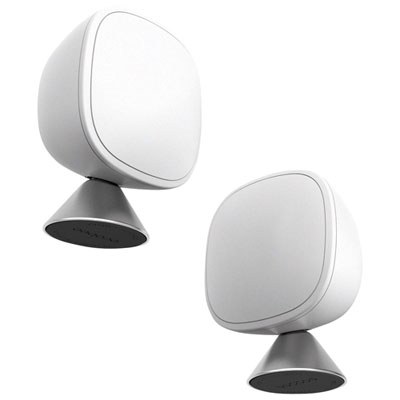 Your price for this item is $98.98
-
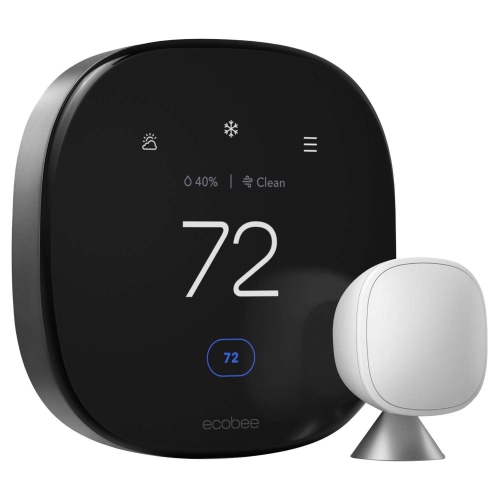 Your price for this item is $239.99
Discover more categories related to Multi Zone Smart Thermostats

Top Collections:
Pokemon Centers, Best Budget Office Chairs, Kindle Devices, Best Cameras for Sports Photography, Best Laptops for Writers, Pokémon 30th Celebration Cards, Laptops for Business Work, Samsung Galaxy Phones, Canon G7X Cameras, Best Cell Phones Under $300
Some products may be subject to Environmental Handling Fees
(EHF) depending on your province.
Learn more about EHFs.