Nest Hello Doorbell
Enhance your home's entryway with the Nest Hello Doorbell, designed to bring convenience and peace of mind right to your doorstep. Whether you're looking to upgrade your current setup or add a new layer of security, the Nest Hello Doorbell offers a seamless solution for monitoring visitors and staying connected. Discover options that blend style with functionality and make it easier than ever to keep an eye on what matters most. Explore the latest choices to find the perfect fit for your home.
Sort
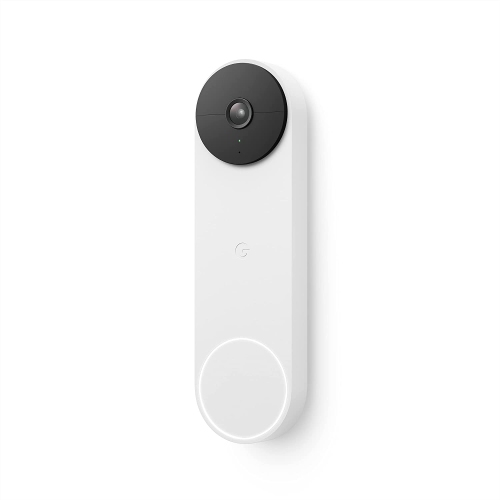
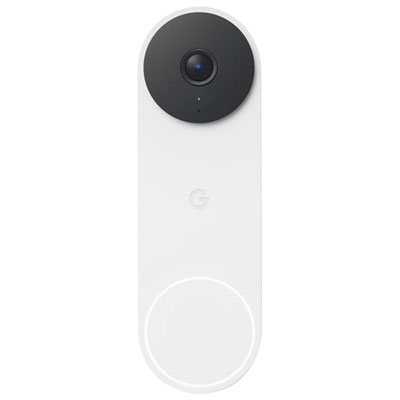
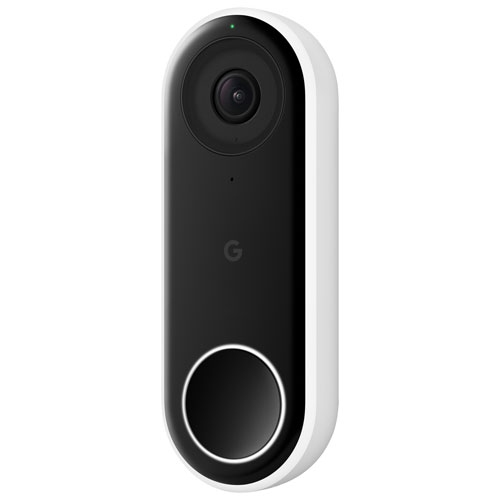
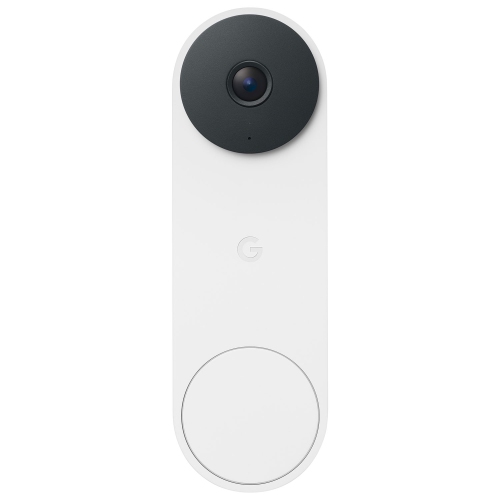
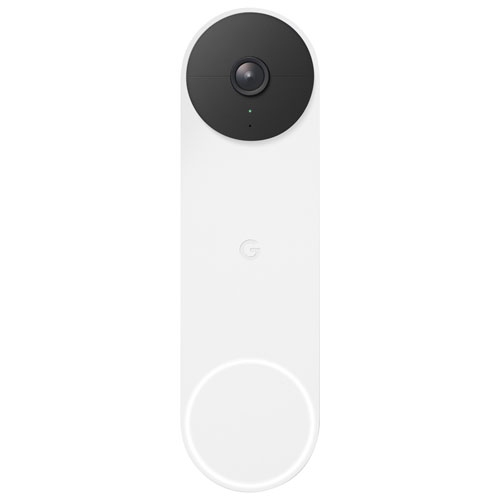
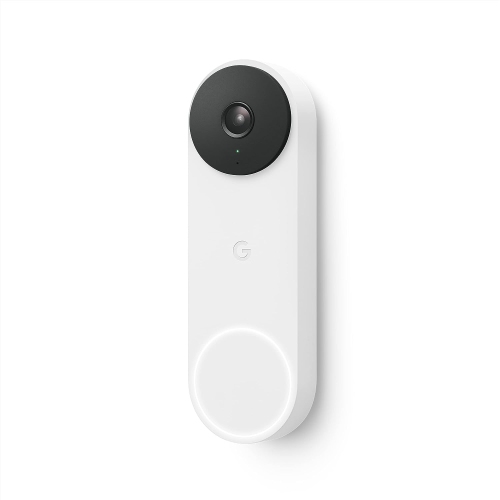
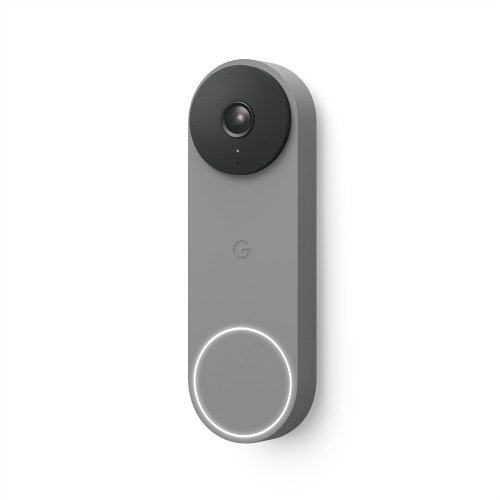
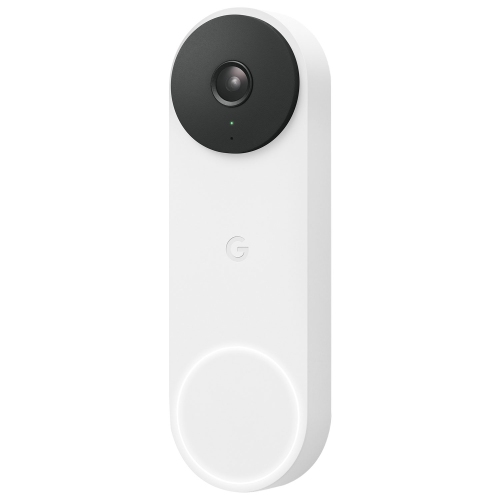
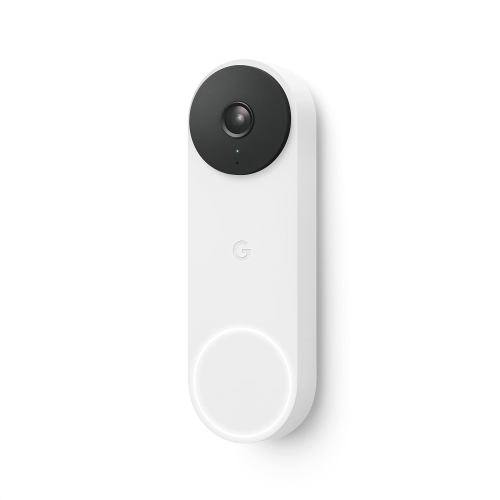
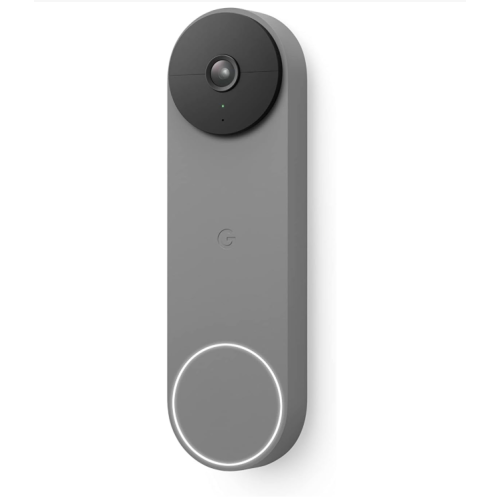
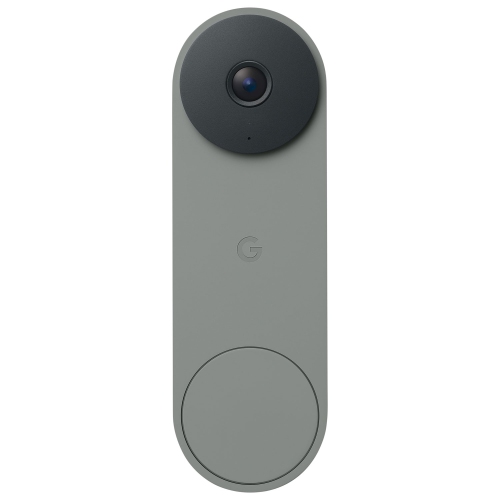
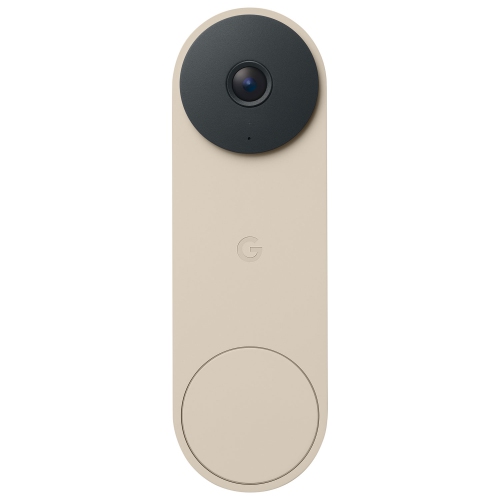
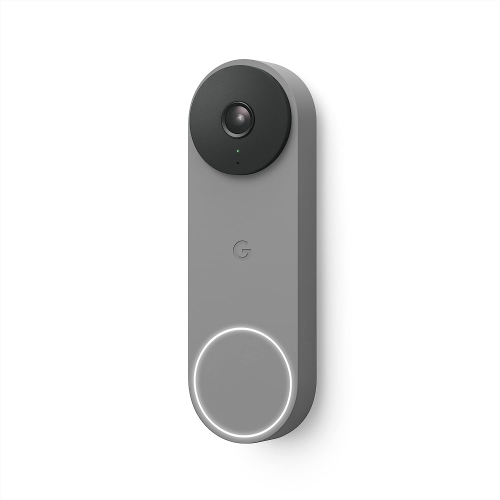
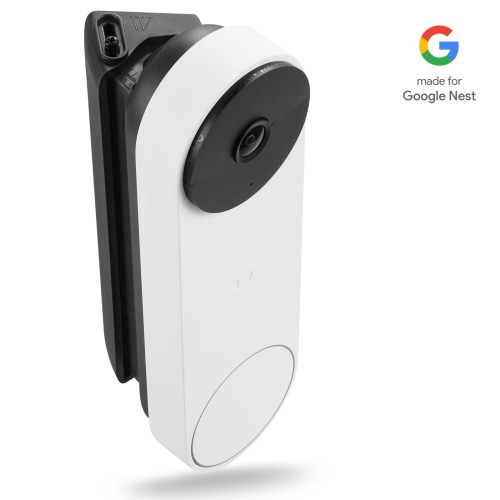
A live doorstep view without opening the door
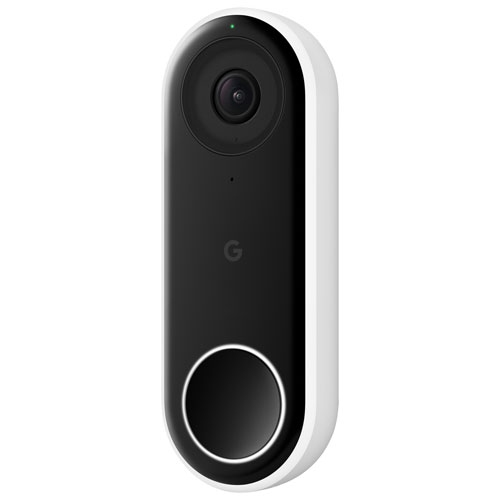
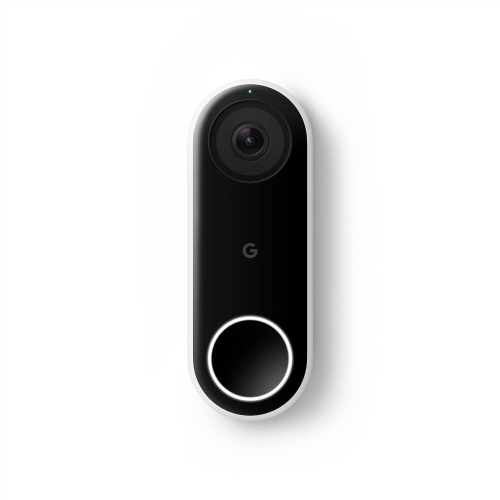
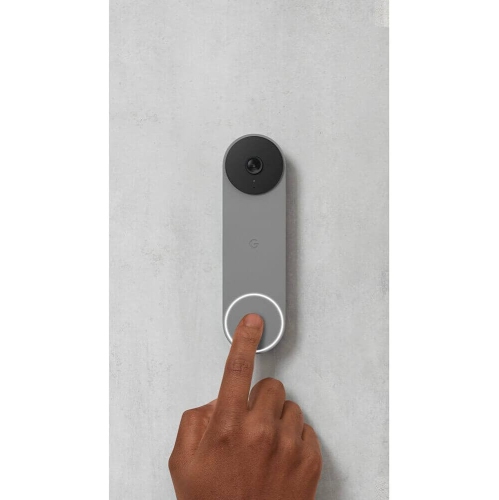
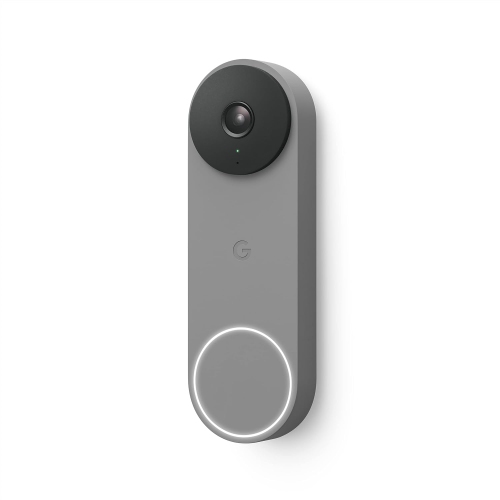
A wired video doorbell brings a live view of the front entrance to a compatible phone or connected display, making it easier to see who has arrived without opening the door. It combines the familiar function of a doorbell button with a camera, microphone, speaker, and app-based controls. For households receiving deliveries, welcoming family, or answering visitors from another room, that combination can make everyday arrivals easier to manage. A notification can draw attention to someone at the entrance, while two-way audio lets a household member ask a courier to leave a parcel beside the door or let a guest know someone is on the way. Video quality depends on more than resolution alone. A useful viewing angle captures the approach to the entrance, and a taller image may show more of a visitor from head to toe, depending on camera placement. High dynamic range, often called HDR, helps balance a bright background with a face in shadow, while night vision supports visibility when there is little light at the doorstep. Neither feature guarantees that every detail will be visible, so the relationship between the lens, doorway, and surrounding lighting matters. Live viewing and saved video history are also distinct functions: live viewing shows what is happening at that moment, while video history allows supported footage to be viewed later. Continuous wired power does not, by itself, mean a doorbell saves video around the clock. Event-based recording, continuous recording, and the length of retained history depend on the camera, service plan, settings, and network connection. For a closer look at this product family, Nest Doorbell Cameras brings together related doorbell camera options. The most useful fit is one that matches the entrance, the existing electrical setup, and the way people in the household prefer to answer the door.
Physical fit and electrical compatibility are central considerations for a wired doorbell camera, particularly when replacing a conventional push-button doorbell. Existing wires are a starting point, not proof that the installation will support a camera. The transformer needs to meet the doorbell’s stated voltage and power requirements, and the indoor chime must also be compatible if it is expected to keep ringing. Some installations require a chime connector or other specified components, while others need electrical changes before the camera can operate correctly. A qualified electrician can assess uncertain wiring or transformer requirements. The mounting surface deserves equal attention. Narrow door trim, a recessed entry, or a doorbell position close to a side wall can affect both installation and the camera’s view. Measuring the usable mounting area and considering the direction the lens will face helps avoid a setup that shows mostly brickwork or misses the spot where visitors stand. An angled mounting plate may improve coverage where supported, but it cannot remove every obstruction. A parcel placed immediately below the camera may still fall outside the frame, depending on the lens and mounting height. Durable housings, often made with rigid moulded plastic and metal mounting components, help protect the electronics through everyday use. Secure fasteners, suitable anchors, and a mounting plate that sits firmly against the surface are important for a stable installation. The finish can blend with door hardware or stand out enough to make the button easy to find. For renters and condominium residents, permission to alter wiring or drill into trim may be necessary, and shared entrances can introduce additional building rules. Intended installation location matters as well: an exterior rating does not make a device suitable for every placement. Following the manufacturer’s mounting and care requirements helps protect the housing, lens, and electrical connections. Routine care is usually straightforward, with a soft cloth used as directed to remove fingerprints and dust without scratching the camera window or forcing moisture into openings.
Day-to-day usefulness depends just as much on connectivity and controls as on the camera itself. A reliable Wi-Fi signal at the actual doorbell location is important because a connection that works well in the living room may be weaker beyond an exterior wall. Supported wireless bands, upload capacity, and household network traffic can affect how quickly live video opens and how smoothly a conversation carries through the speaker. Remote access generally requires working power, an internet connection, a compatible app, and the appropriate account permissions. During an interruption, connected functions may be unavailable, and the behaviour of the indoor chime depends on the installation. Smart alerts can make notifications more relevant by distinguishing certain types of activity, such as a person approaching rather than movement elsewhere in the frame. Where supported, activity zones help focus attention on the walkway instead of a busy stretch of pavement. Familiar-face recognition and other advanced functions may require a subscription and may be subject to regional availability or other restrictions; they should not be assumed to come with every camera. Recognition is not a guarantee of identity, either. Supported preset replies can be useful when speaking aloud is inconvenient, while compatible smart displays may show an entrance view or announce a visitor without someone reaching for a phone. These connections depend on the devices and settings involved, rather than working with every display or speaker. Shared access can suit partners, relatives, or caregivers, provided each person has an appropriate level of permission. Strong account protection, thoughtful notification settings, and a review of video retention and sharing controls help keep access manageable. Camera placement should respect neighbouring doors, windows, and shared spaces, with applicable privacy requirements taken into account. A video doorbell can be a thoughtful household gift when the recipient wants one and the wiring, account setup, and installation permissions have been confirmed beforehand. Whether used to greet a friend, check a delivery notification, or see the entrance from another room, it serves best as a convenient layer of awareness alongside sound locks and familiar household security habits, not as a guarantee that every arrival or incident will be captured.
Physical fit and electrical compatibility are central considerations for a wired doorbell camera, particularly when replacing a conventional push-button doorbell. Existing wires are a starting point, not proof that the installation will support a camera. The transformer needs to meet the doorbell’s stated voltage and power requirements, and the indoor chime must also be compatible if it is expected to keep ringing. Some installations require a chime connector or other specified components, while others need electrical changes before the camera can operate correctly. A qualified electrician can assess uncertain wiring or transformer requirements. The mounting surface deserves equal attention. Narrow door trim, a recessed entry, or a doorbell position close to a side wall can affect both installation and the camera’s view. Measuring the usable mounting area and considering the direction the lens will face helps avoid a setup that shows mostly brickwork or misses the spot where visitors stand. An angled mounting plate may improve coverage where supported, but it cannot remove every obstruction. A parcel placed immediately below the camera may still fall outside the frame, depending on the lens and mounting height. Durable housings, often made with rigid moulded plastic and metal mounting components, help protect the electronics through everyday use. Secure fasteners, suitable anchors, and a mounting plate that sits firmly against the surface are important for a stable installation. The finish can blend with door hardware or stand out enough to make the button easy to find. For renters and condominium residents, permission to alter wiring or drill into trim may be necessary, and shared entrances can introduce additional building rules. Intended installation location matters as well: an exterior rating does not make a device suitable for every placement. Following the manufacturer’s mounting and care requirements helps protect the housing, lens, and electrical connections. Routine care is usually straightforward, with a soft cloth used as directed to remove fingerprints and dust without scratching the camera window or forcing moisture into openings.
Day-to-day usefulness depends just as much on connectivity and controls as on the camera itself. A reliable Wi-Fi signal at the actual doorbell location is important because a connection that works well in the living room may be weaker beyond an exterior wall. Supported wireless bands, upload capacity, and household network traffic can affect how quickly live video opens and how smoothly a conversation carries through the speaker. Remote access generally requires working power, an internet connection, a compatible app, and the appropriate account permissions. During an interruption, connected functions may be unavailable, and the behaviour of the indoor chime depends on the installation. Smart alerts can make notifications more relevant by distinguishing certain types of activity, such as a person approaching rather than movement elsewhere in the frame. Where supported, activity zones help focus attention on the walkway instead of a busy stretch of pavement. Familiar-face recognition and other advanced functions may require a subscription and may be subject to regional availability or other restrictions; they should not be assumed to come with every camera. Recognition is not a guarantee of identity, either. Supported preset replies can be useful when speaking aloud is inconvenient, while compatible smart displays may show an entrance view or announce a visitor without someone reaching for a phone. These connections depend on the devices and settings involved, rather than working with every display or speaker. Shared access can suit partners, relatives, or caregivers, provided each person has an appropriate level of permission. Strong account protection, thoughtful notification settings, and a review of video retention and sharing controls help keep access manageable. Camera placement should respect neighbouring doors, windows, and shared spaces, with applicable privacy requirements taken into account. A video doorbell can be a thoughtful household gift when the recipient wants one and the wiring, account setup, and installation permissions have been confirmed beforehand. Whether used to greet a friend, check a delivery notification, or see the entrance from another room, it serves best as a convenient layer of awareness alongside sound locks and familiar household security habits, not as a guarantee that every arrival or incident will be captured.
Top selling and popular products
-
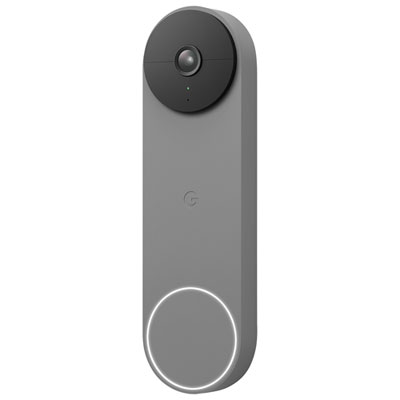 Your price for this item is $239.99
 -
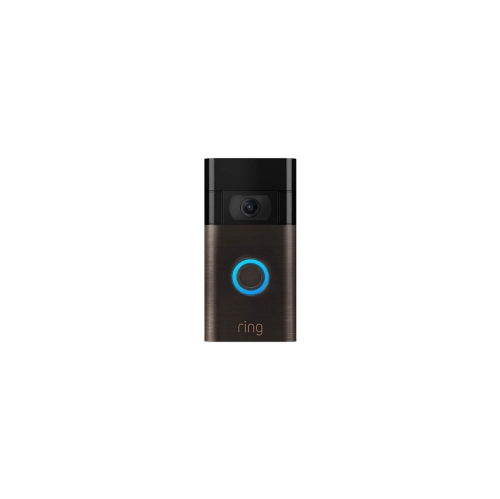 Your price for this item is $249.59
 -
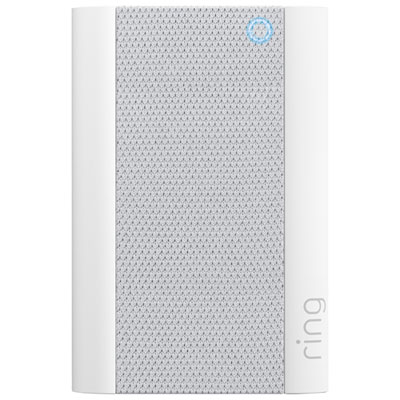 Your price for this item is $74.99
 -
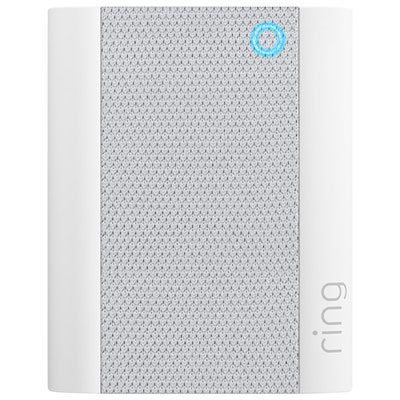 Your price for this item is $49.99
 -
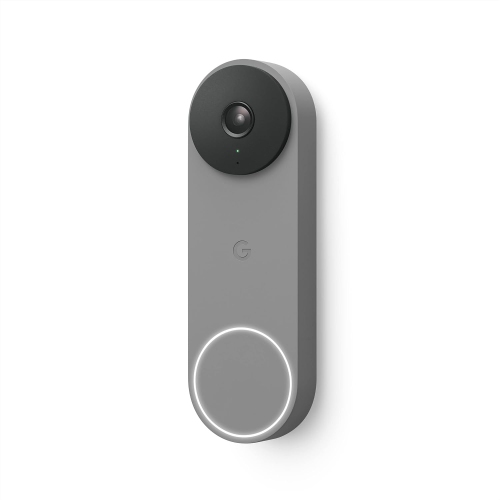 Your price for this item is $199
 -
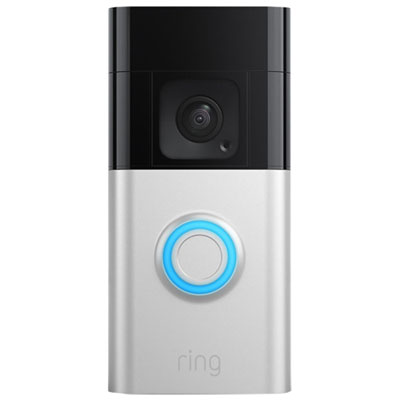 Your price for this item is $209.99
 -
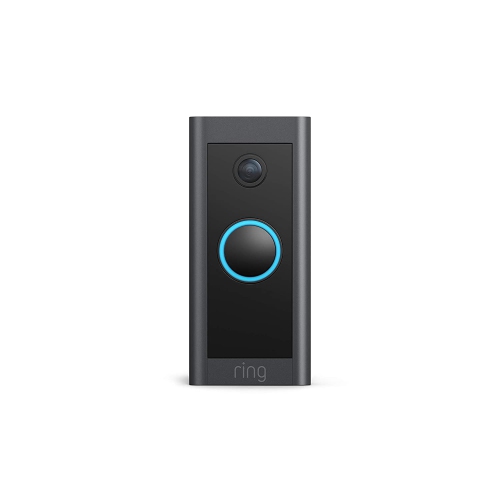 Your price for this item is $89.25
 -
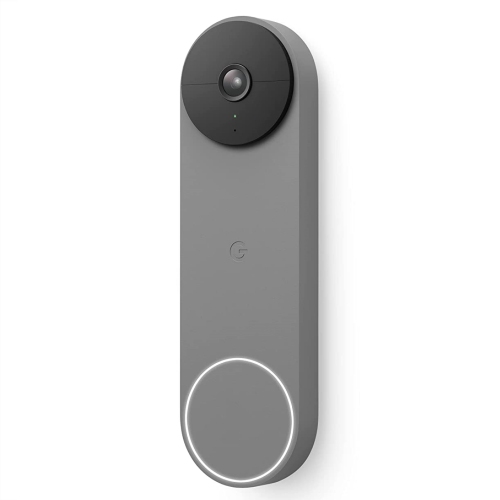 Your price for this item is $254.99
Discover more categories related to Nest Hello Doorbell
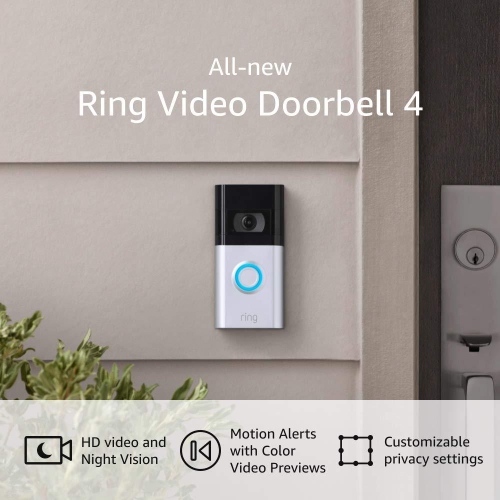
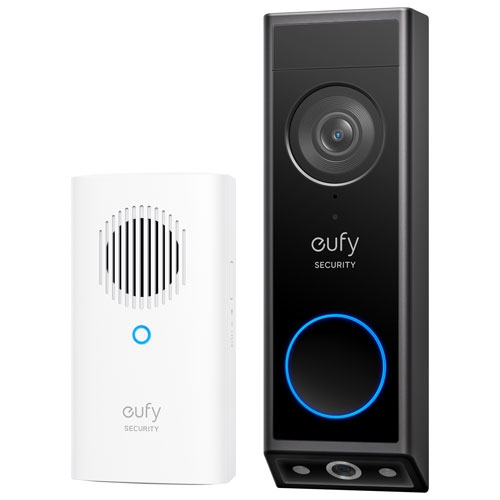
Top Collections:
Pokemon Centers, Kindle Devices, Best Budget Office Chairs, Apple iPhones 16, Best Laptops for Writers, iPhone 15 Apple, Canon G7X Cameras, Refurbished Apple Laptops, Alarm Clock, Motorola Razr Phones
Some products may be subject to Environmental Handling Fees
(EHF) depending on your province.
Learn more about EHFs.