White Light Bulbs
Brighten up your living space with our selection of white light bulbs. Whether you're looking to illuminate your home office for maximum productivity or create a cozy ambiance in the living room, we have a variety of white light bulbs to suit your needs. From energy-efficient LED bulbs to classic incandescent options, find the perfect lighting solution to enhance any room in your home. Browse through our collection and discover the right white light bulbs to brighten up your space today.
Sort
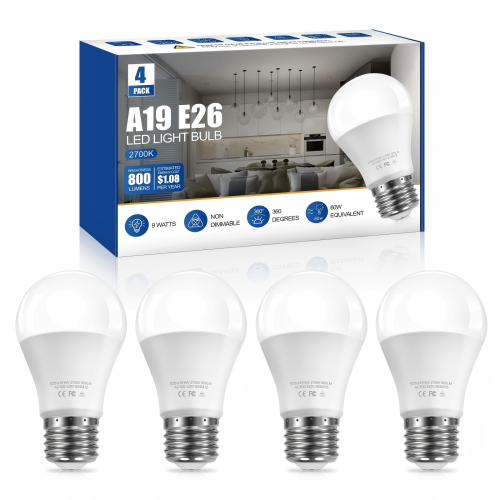
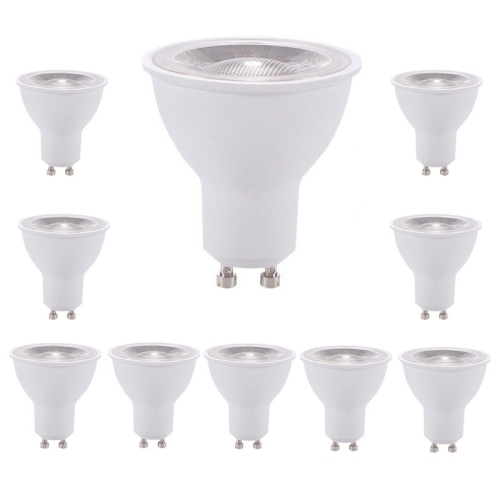
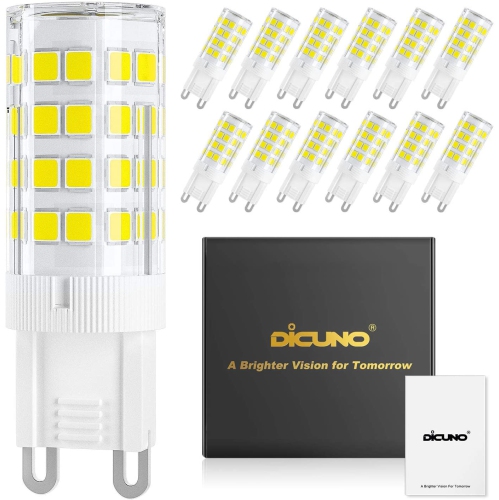
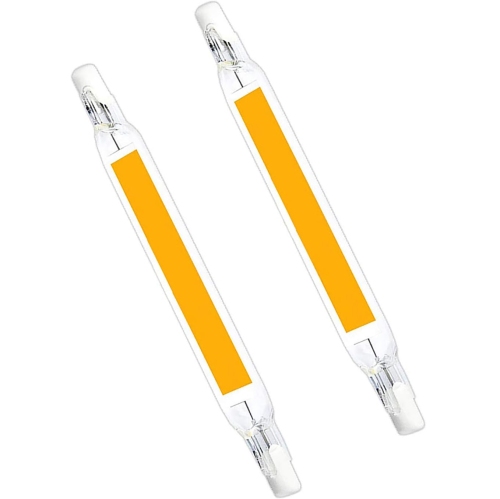
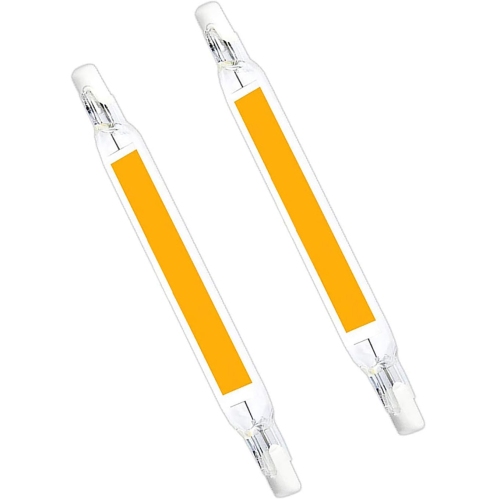
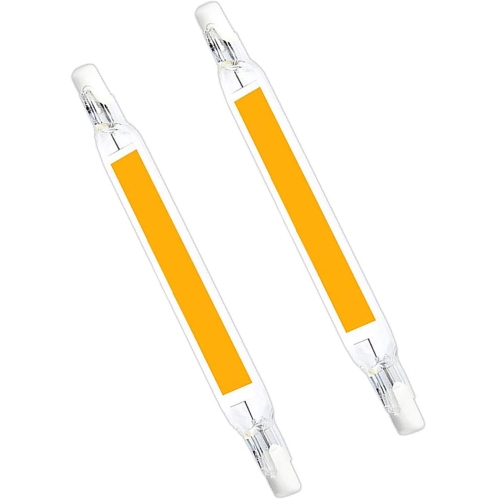
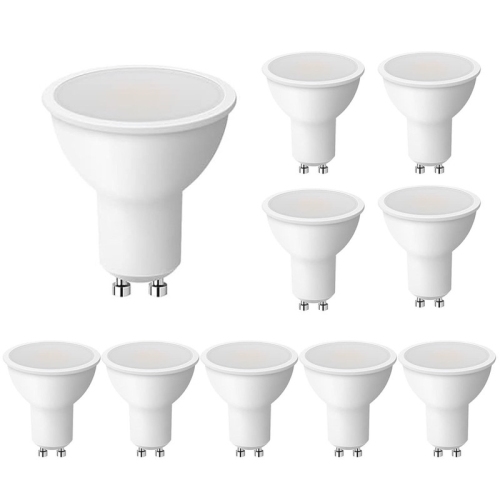
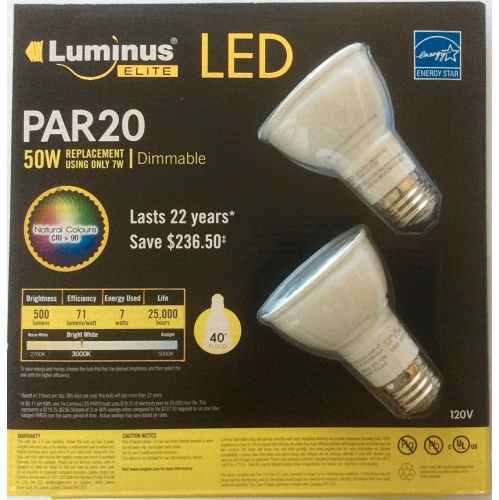
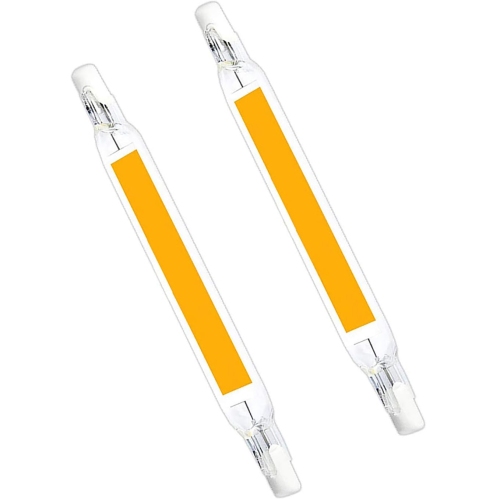
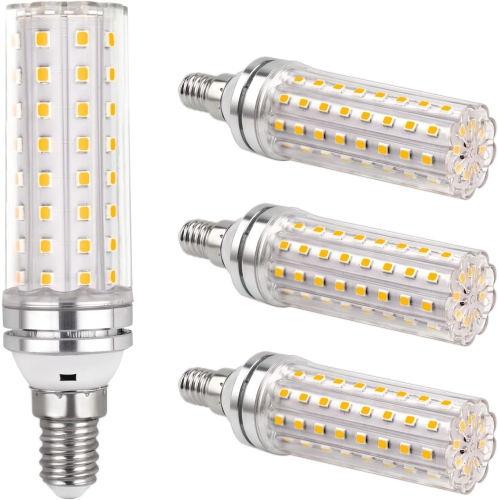
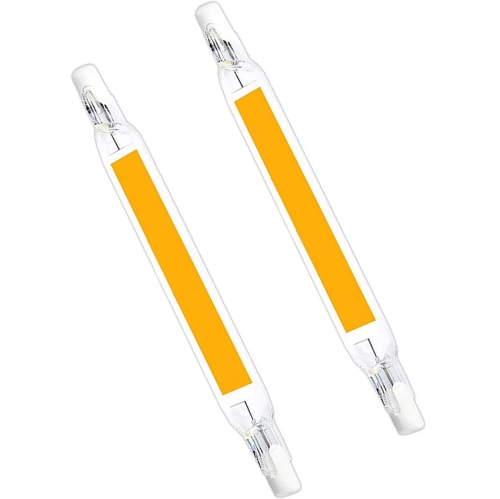
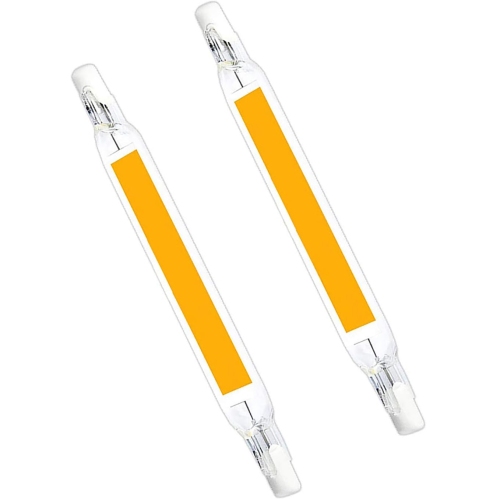
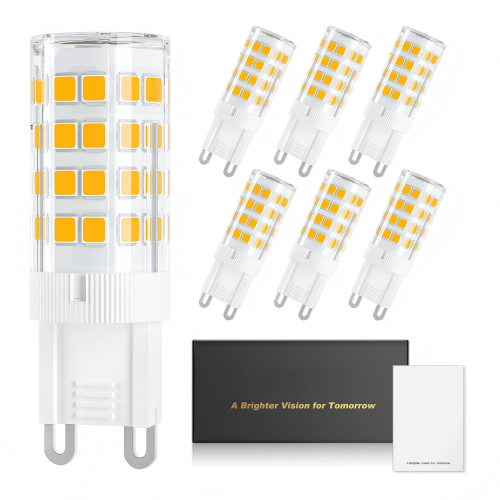
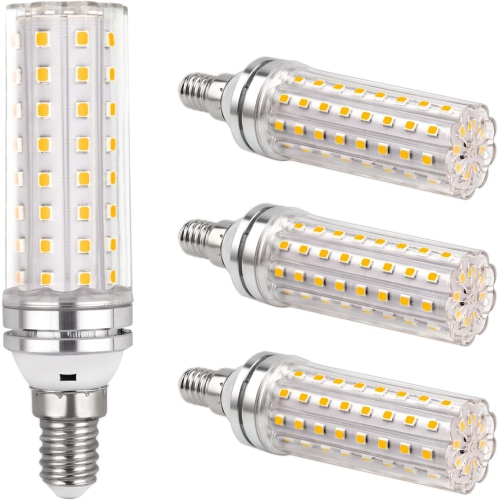
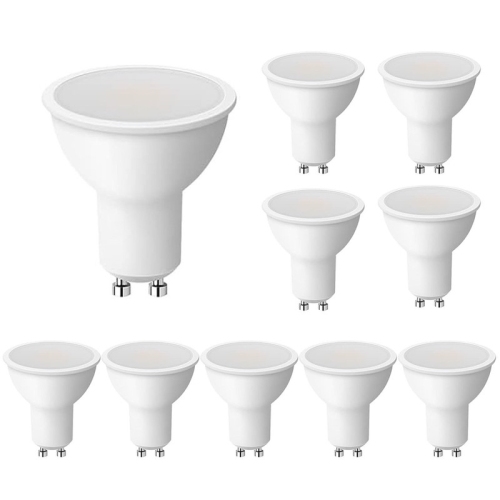
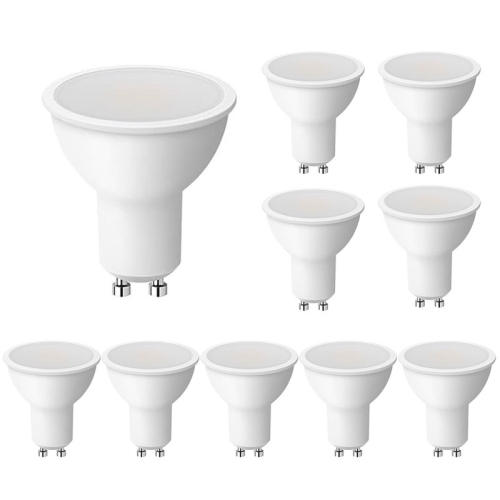

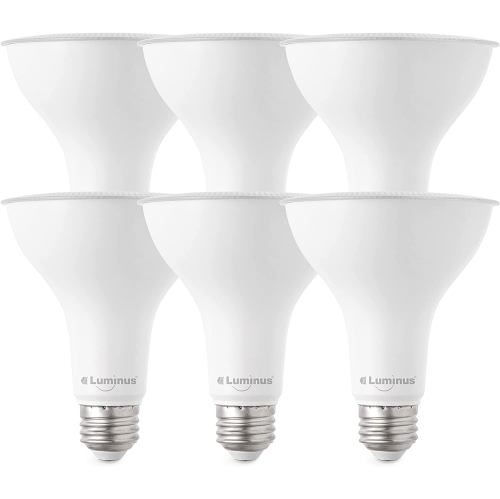
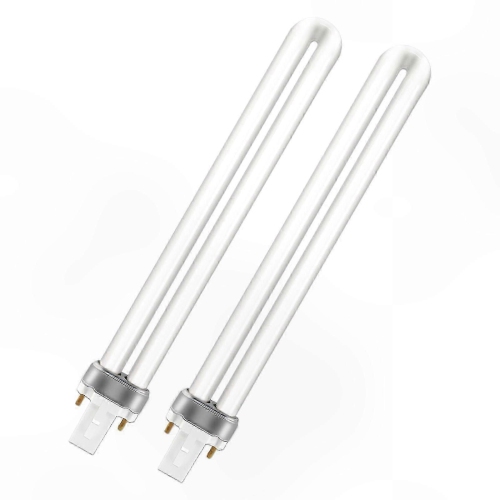
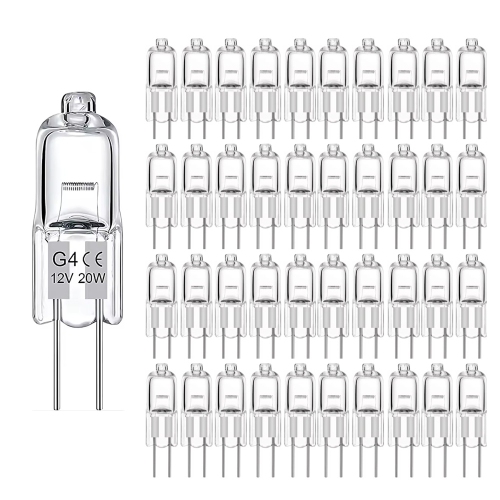
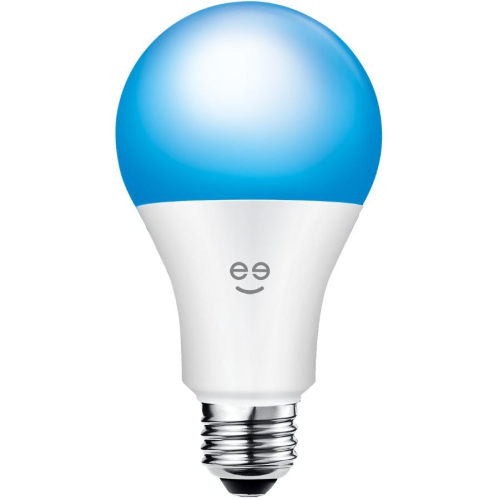
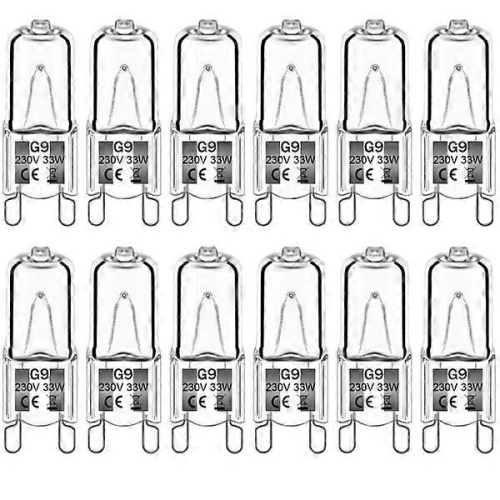
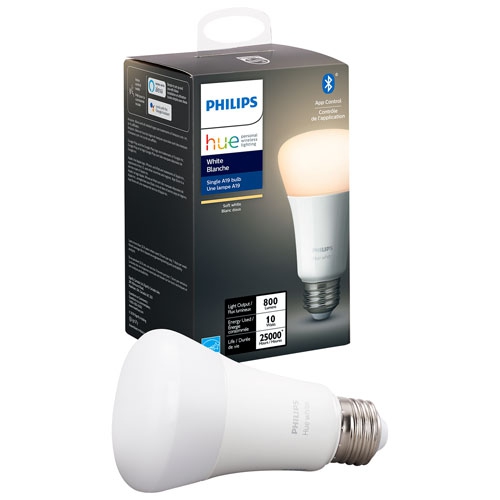
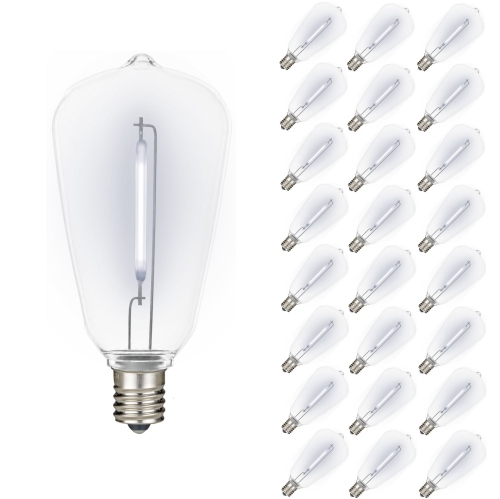
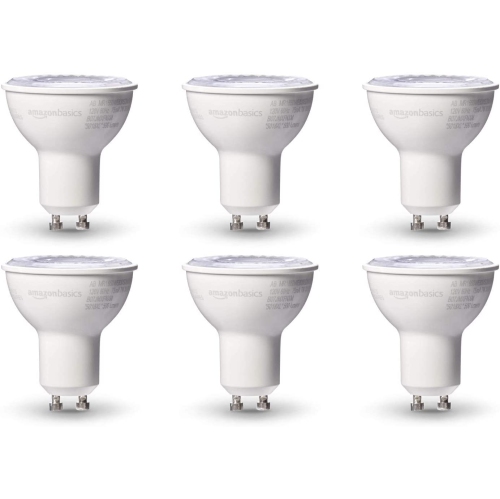
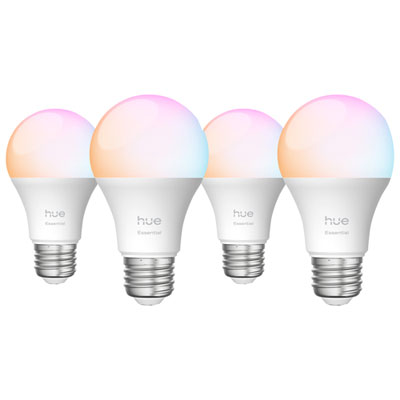

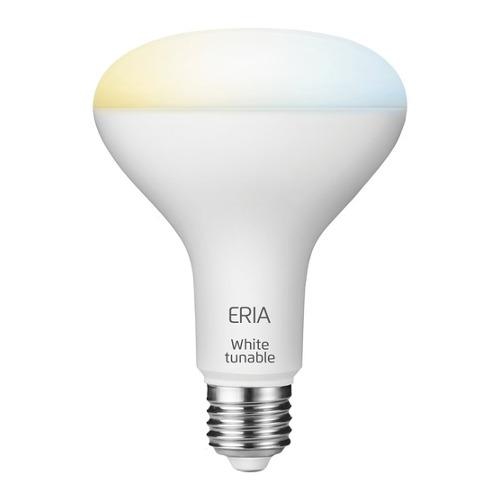
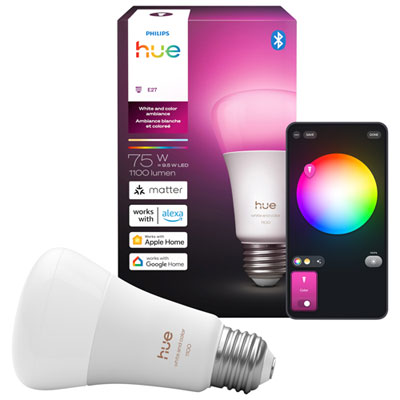
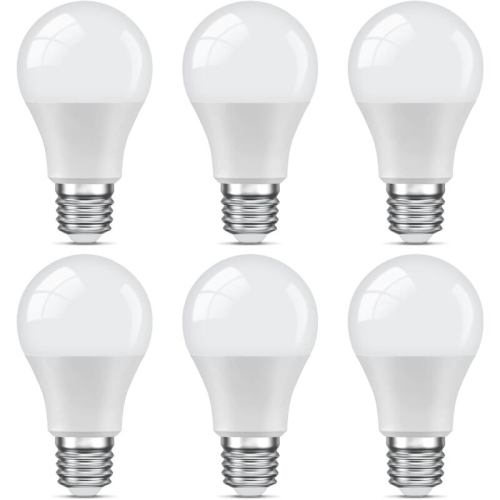
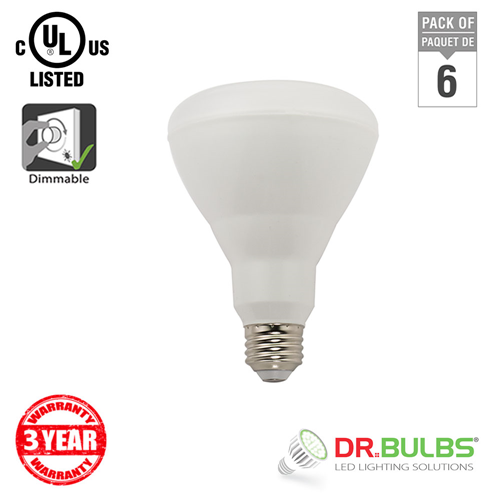
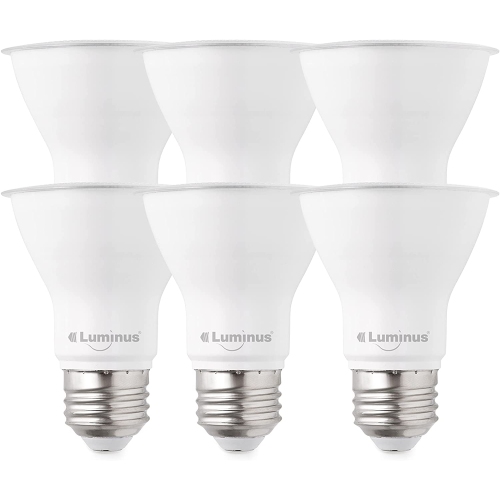
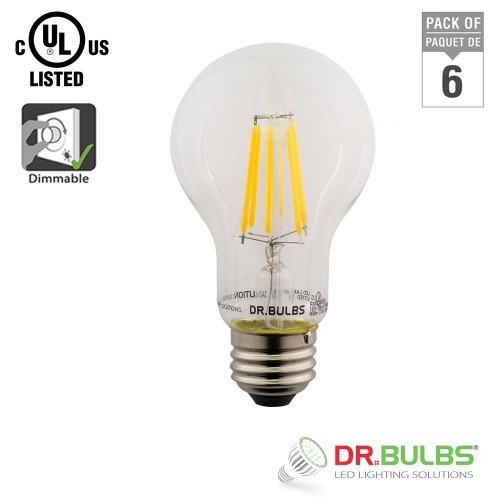
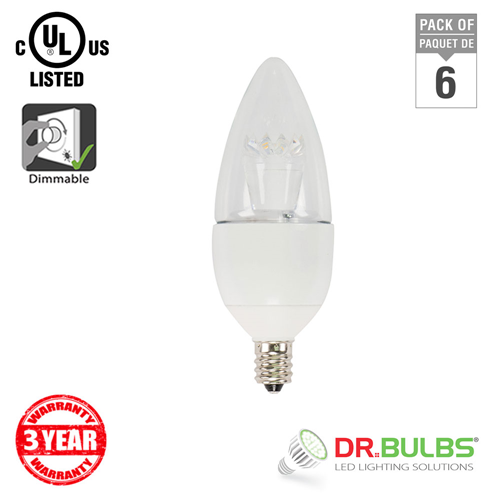
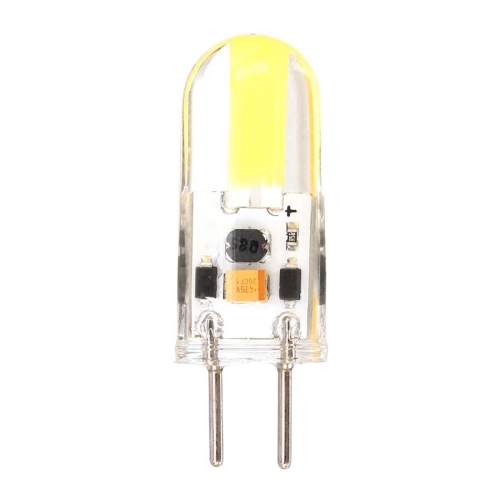
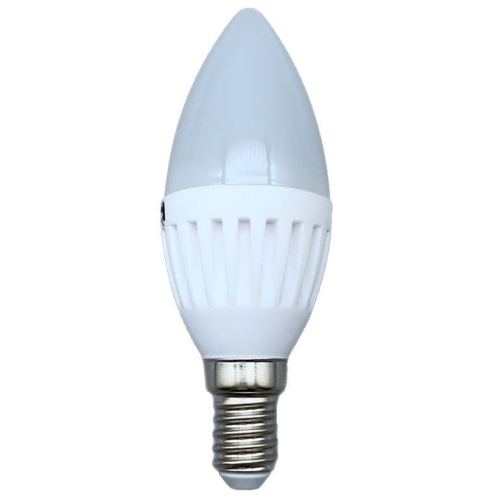
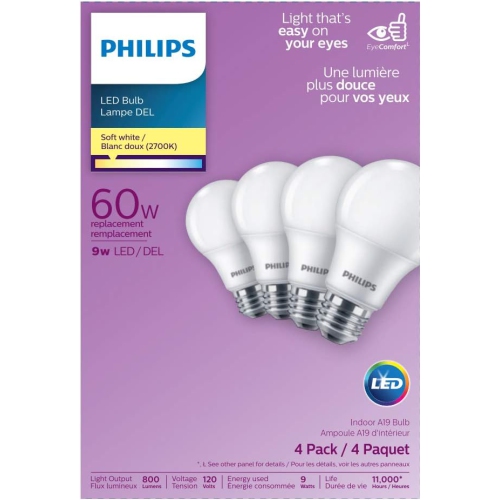
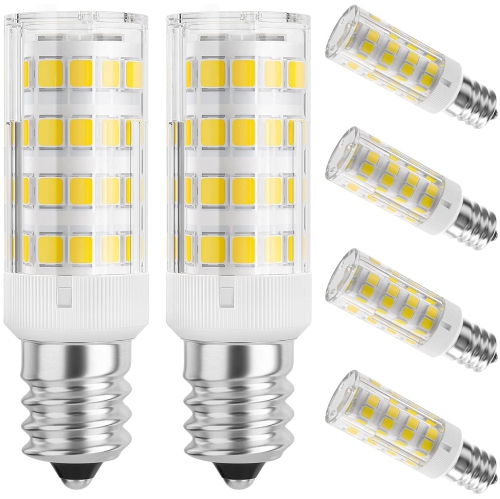

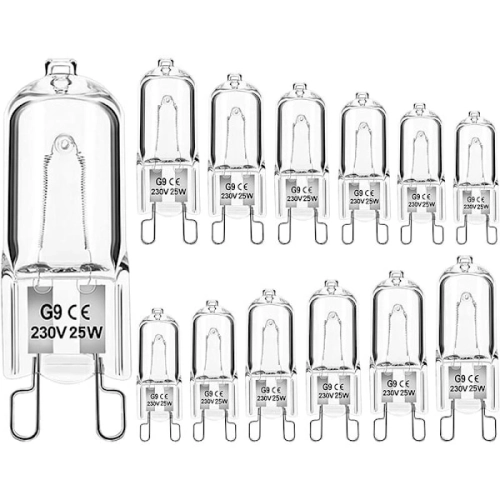
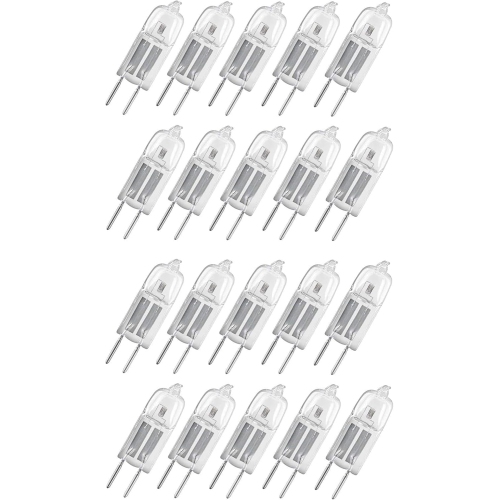
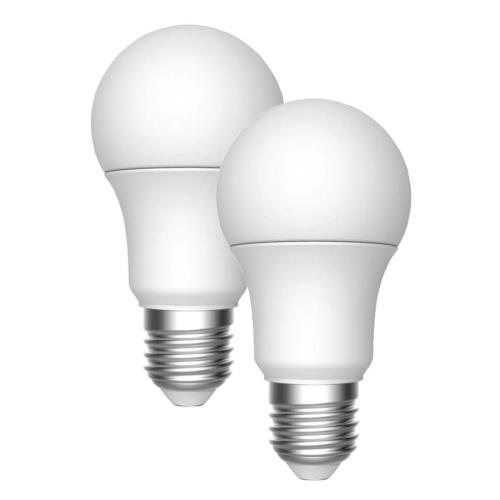
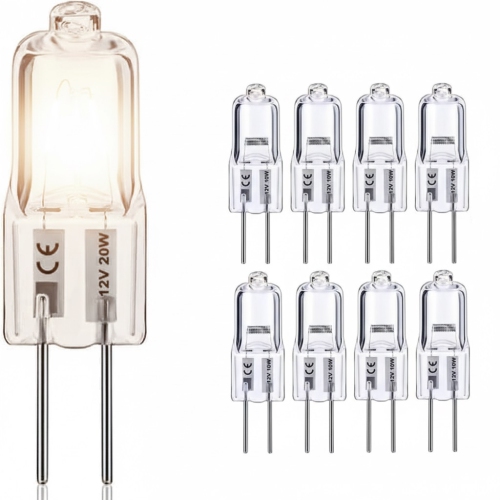
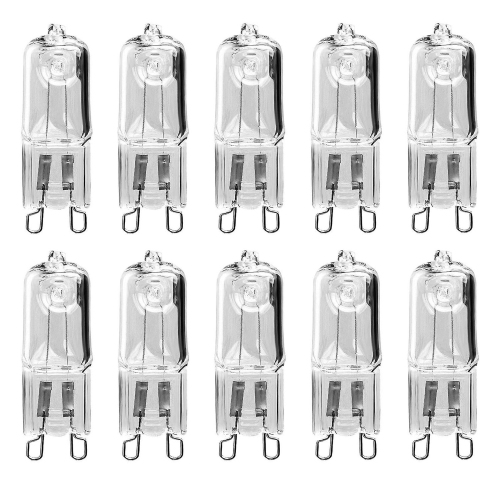
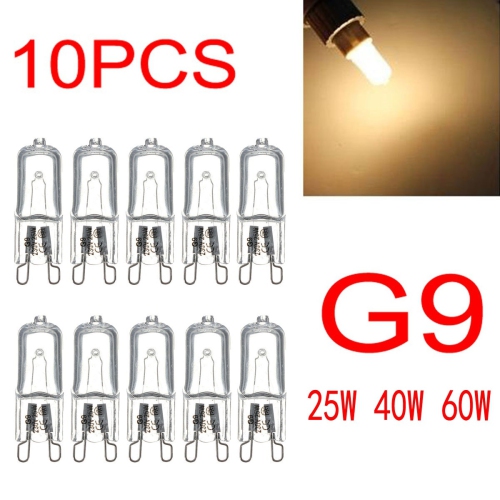
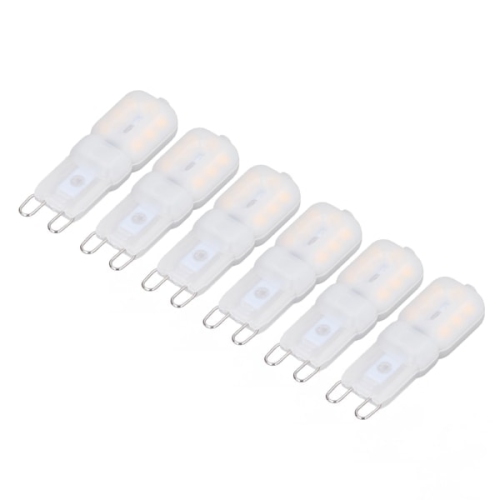
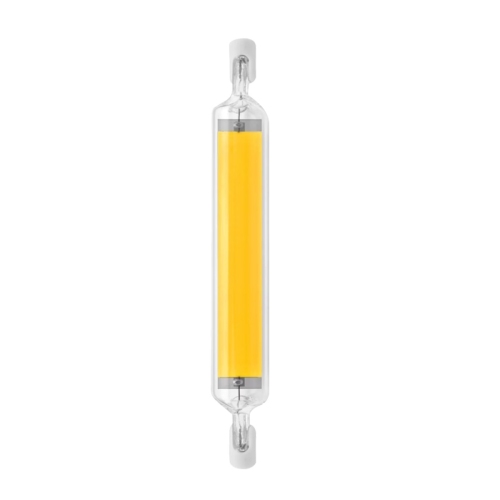
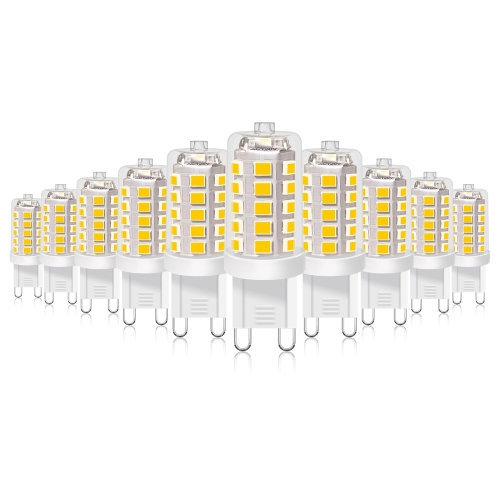
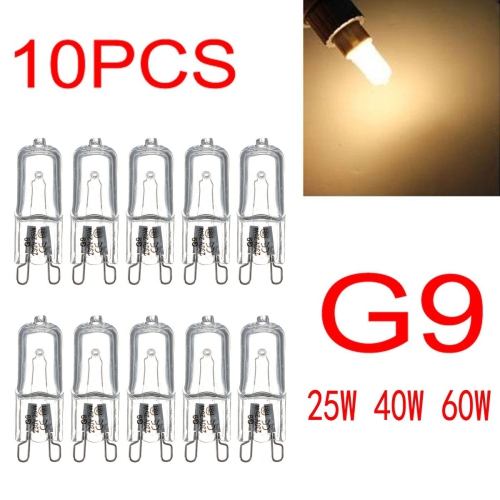
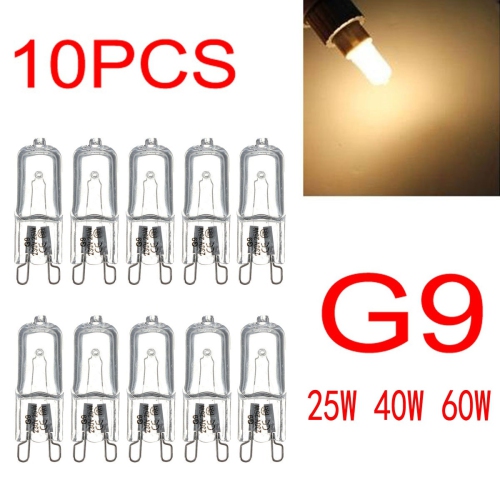
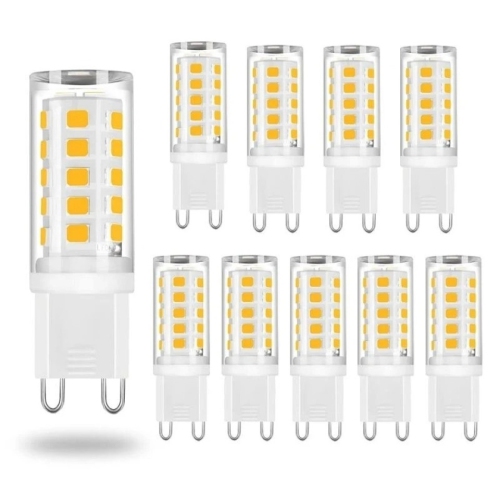
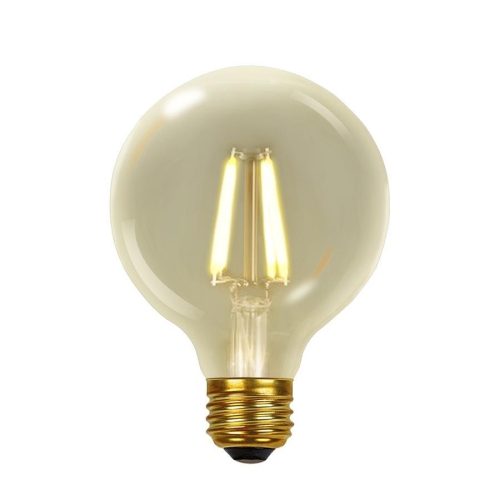
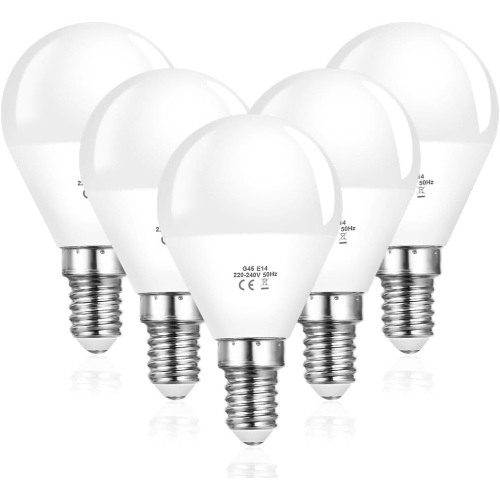

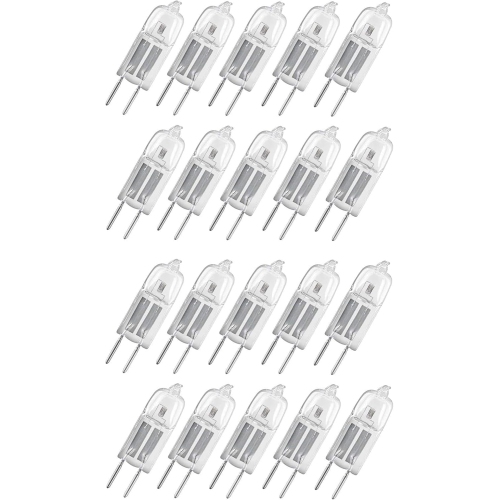
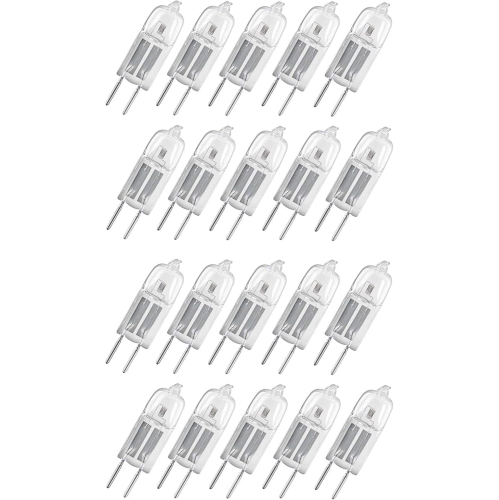
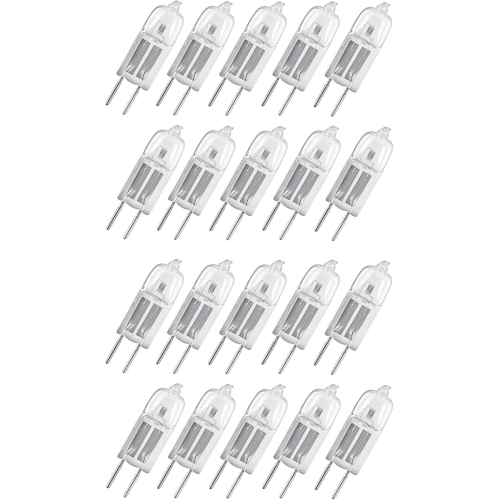
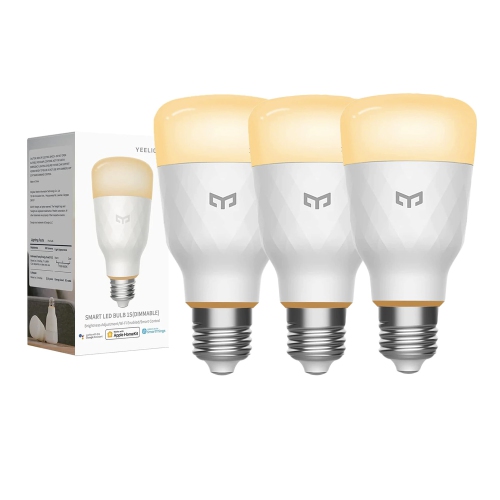
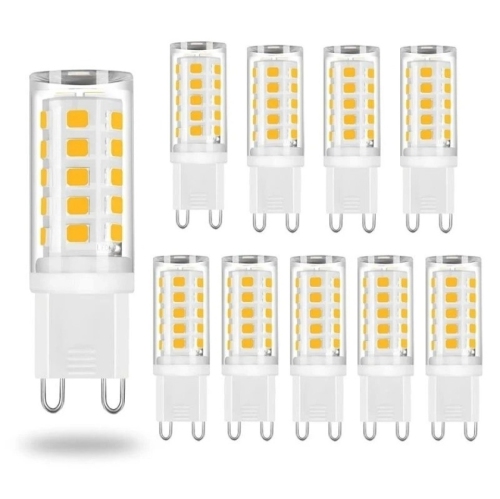

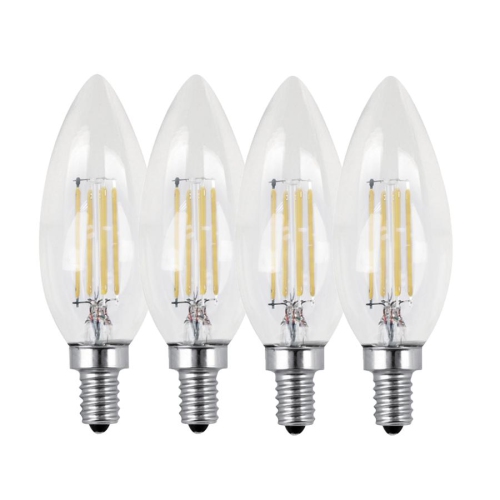
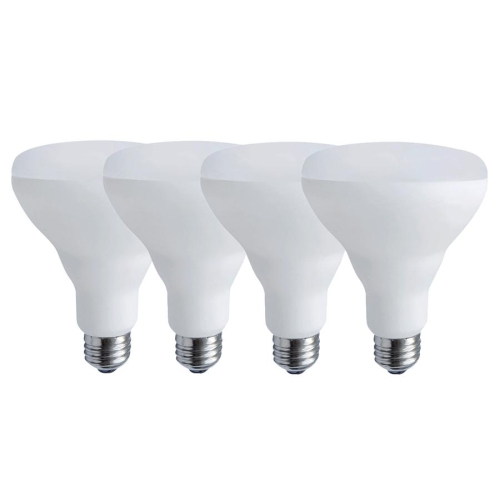

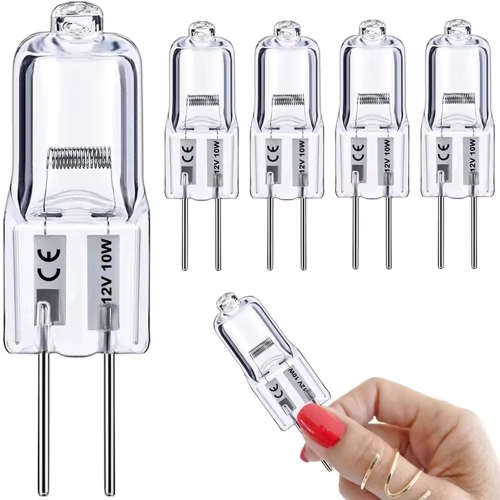
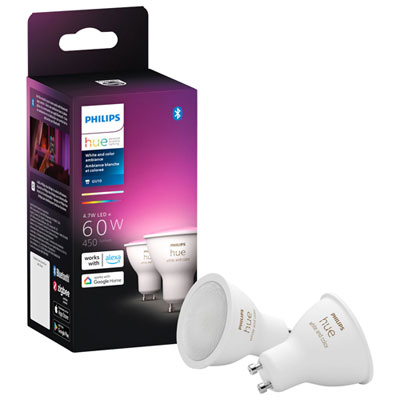
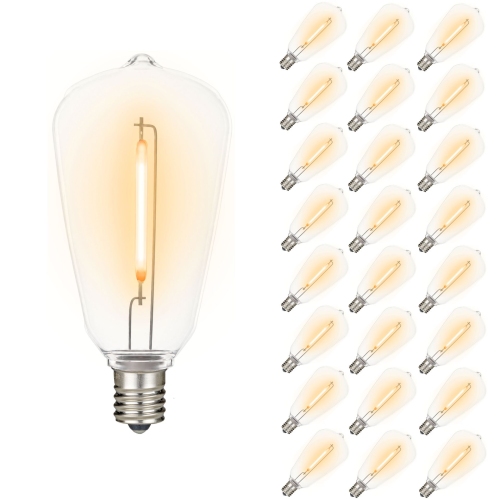
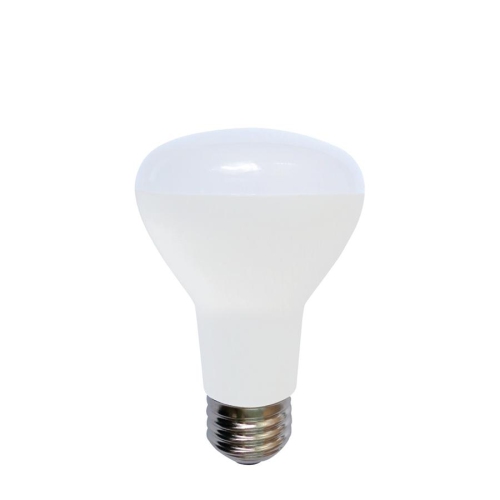
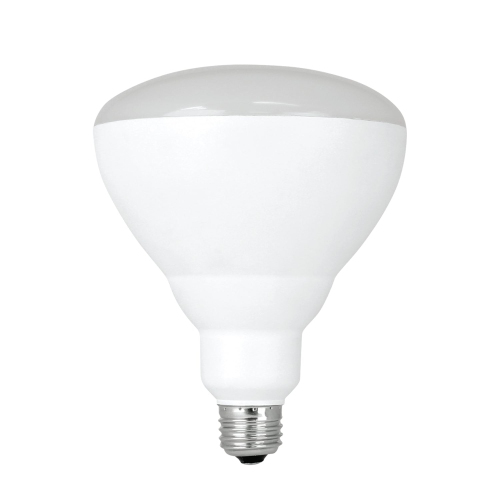
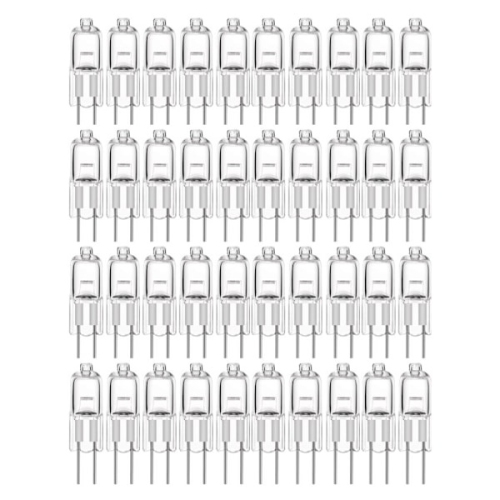
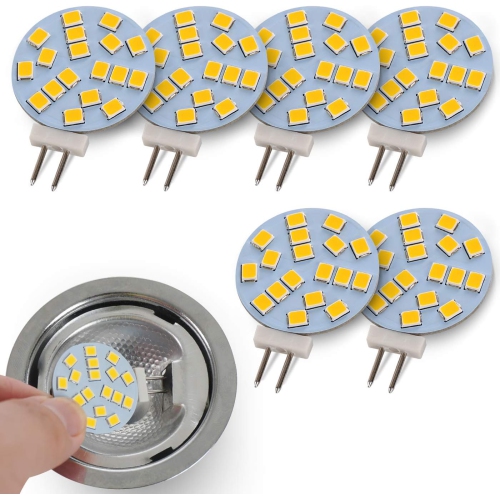
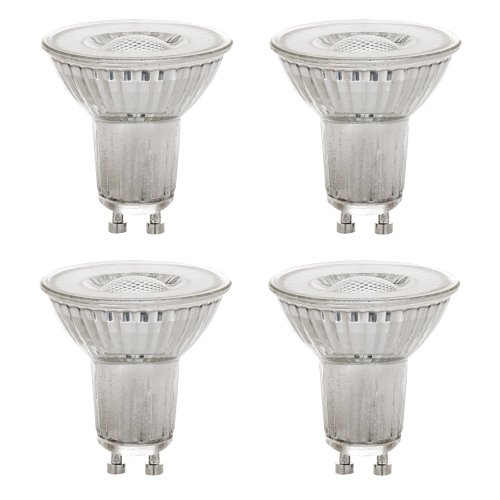
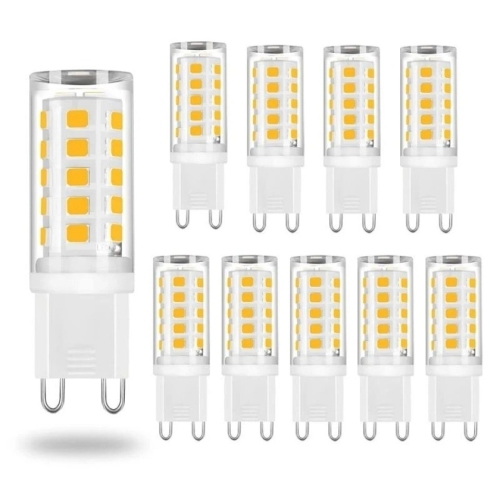
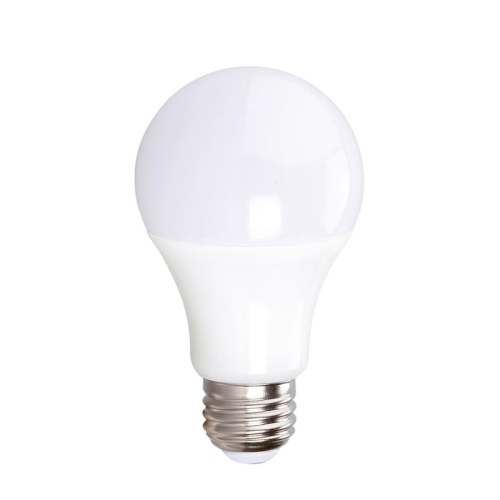
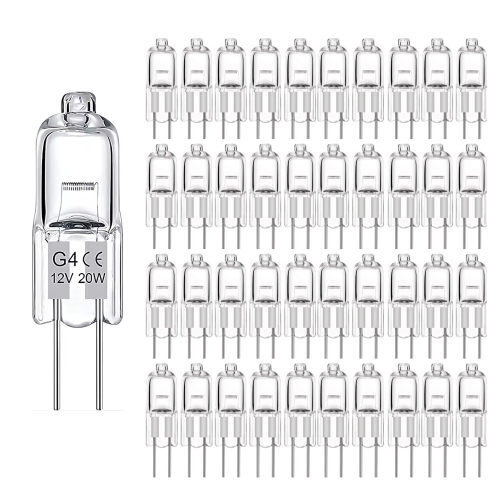
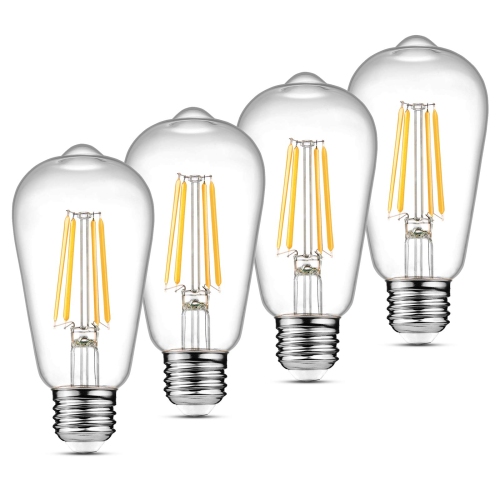
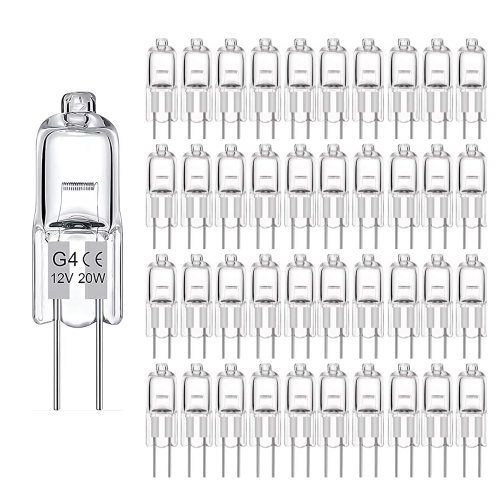

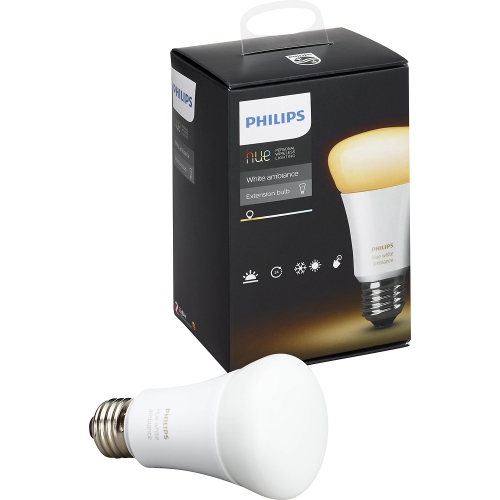

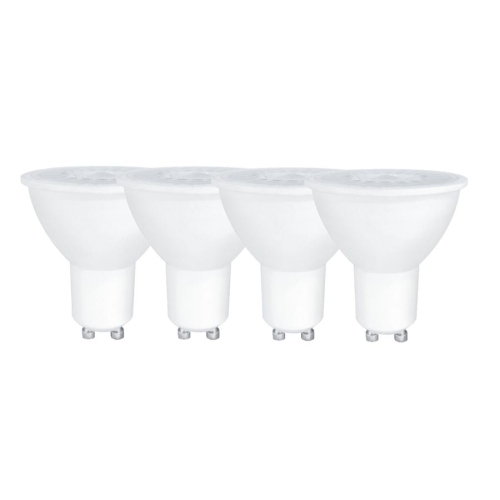
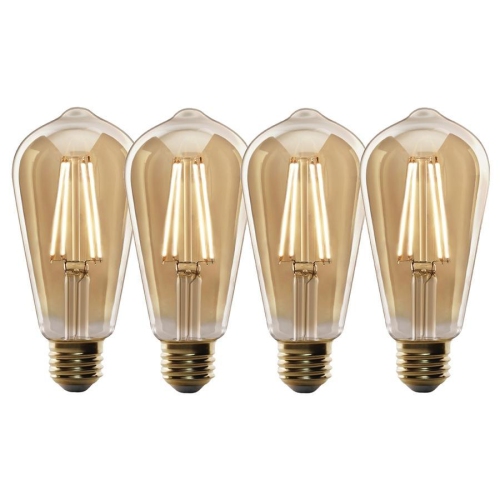
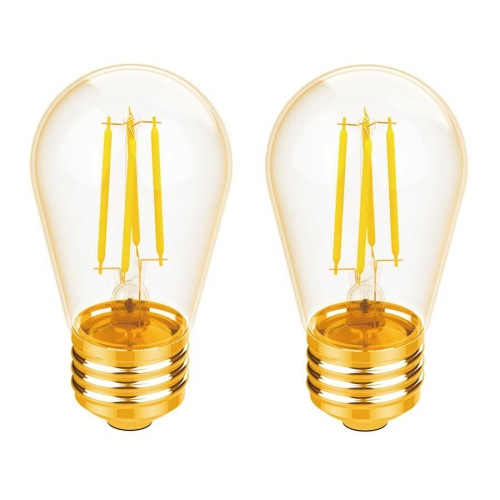
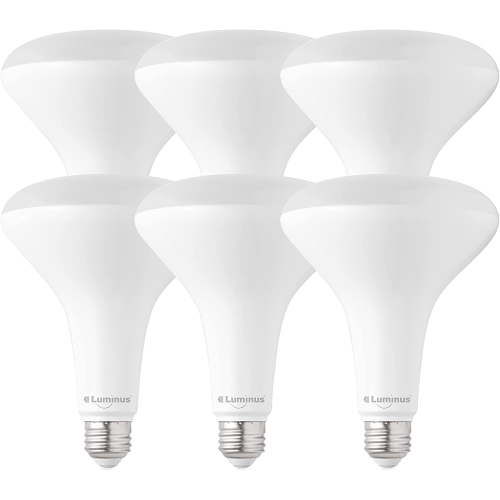
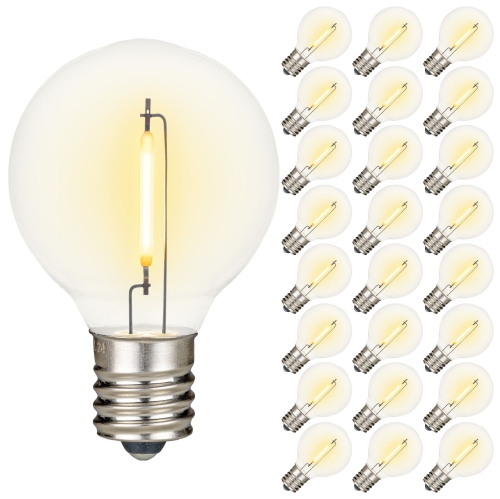
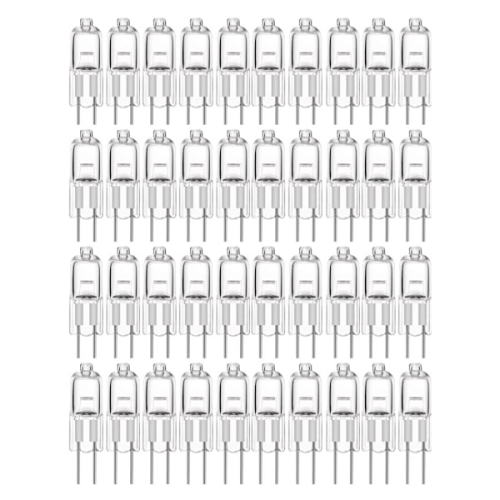
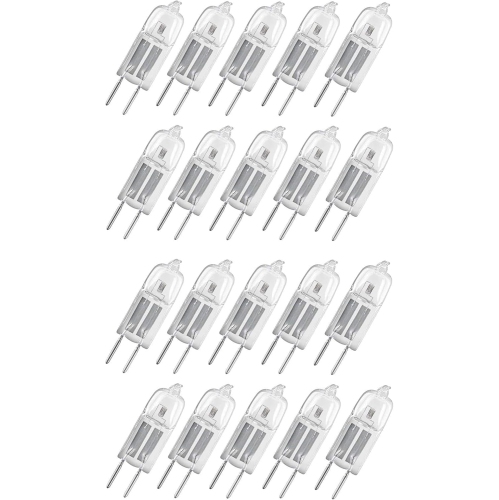
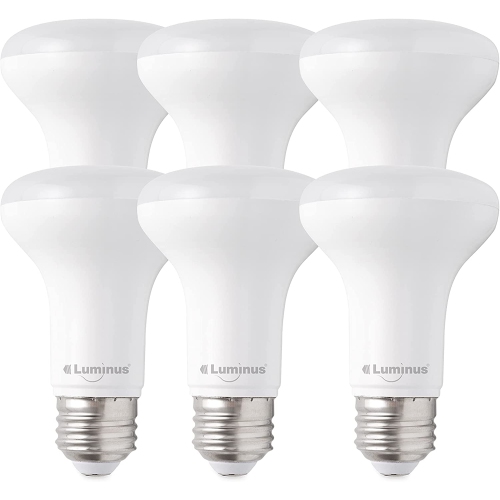
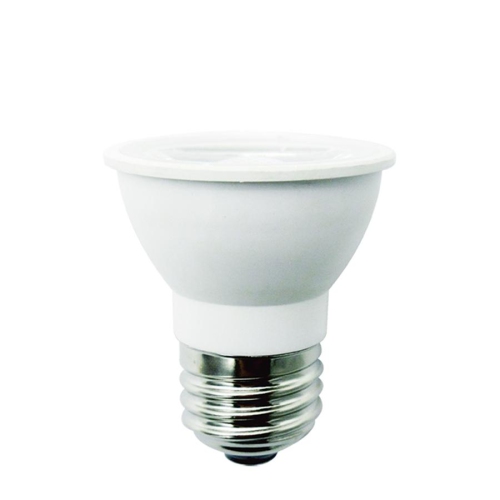
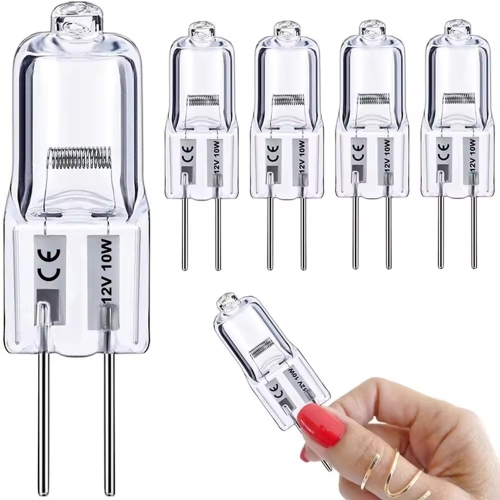
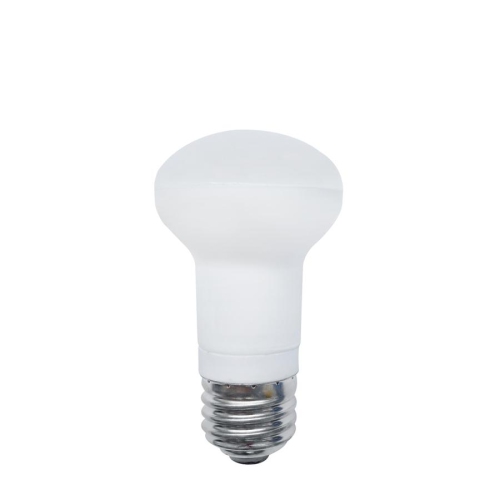
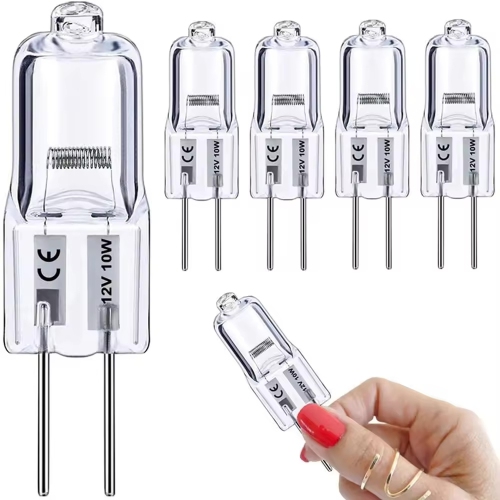
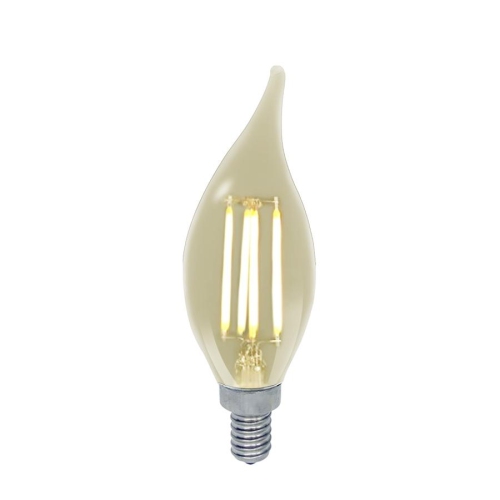
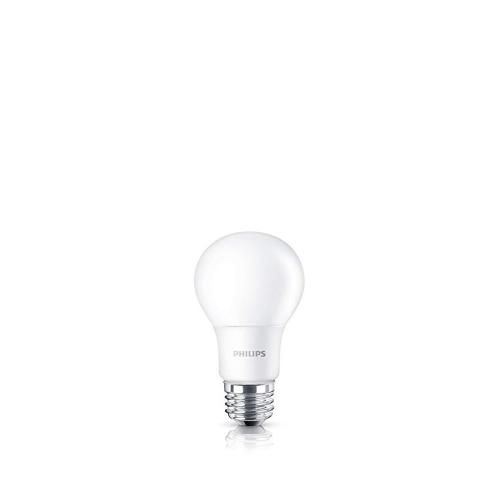
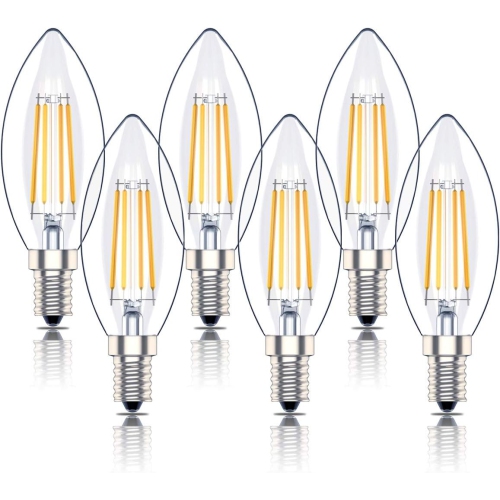
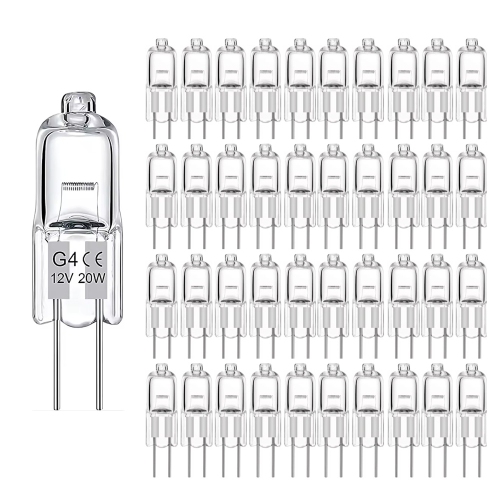
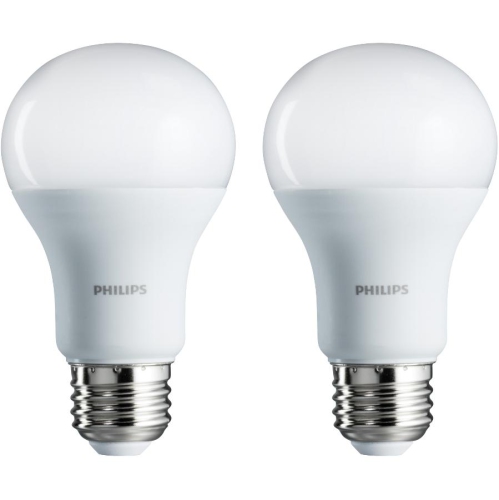
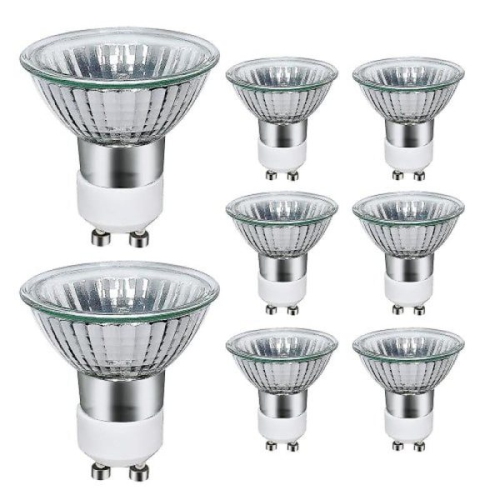
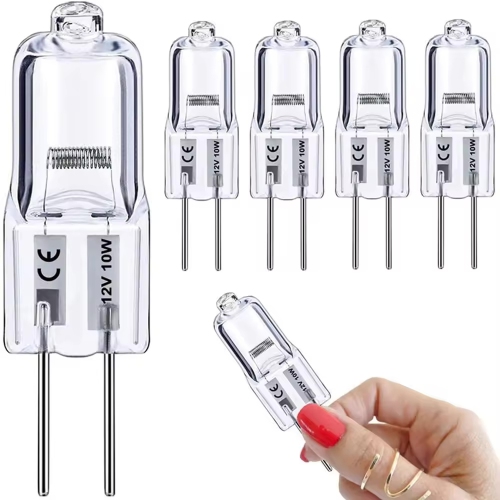
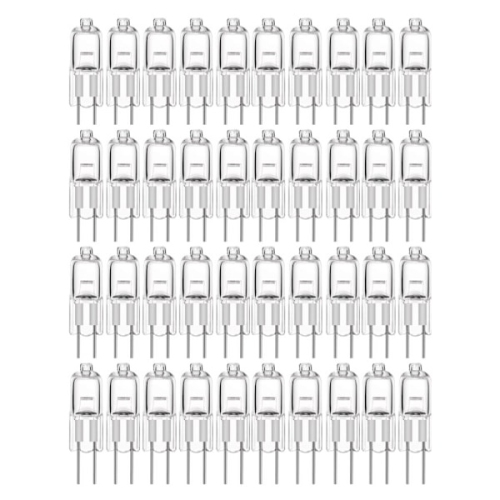
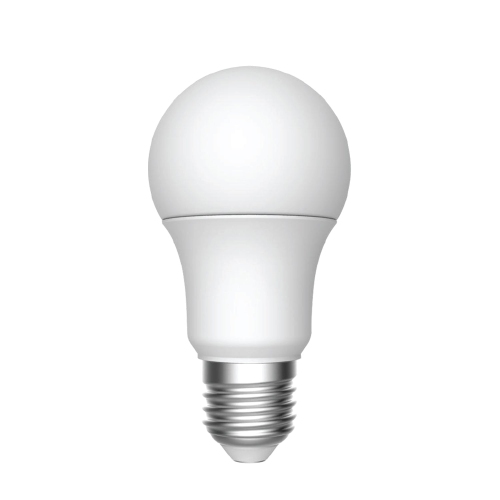

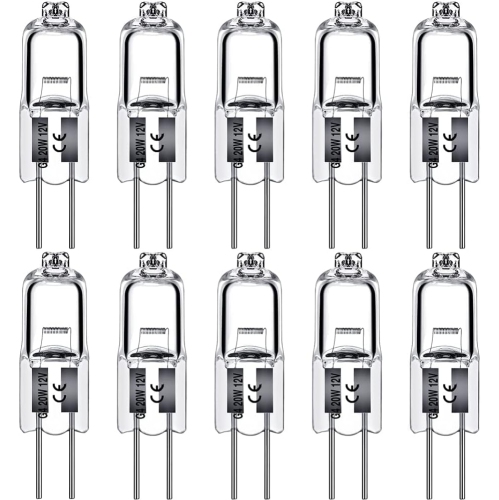
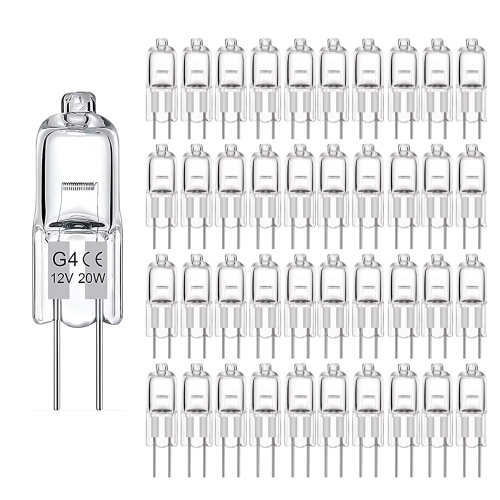

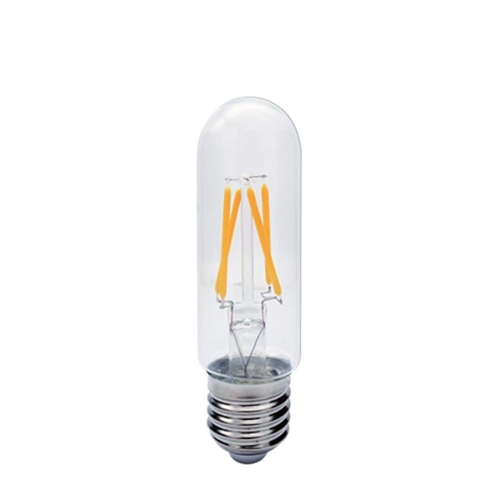
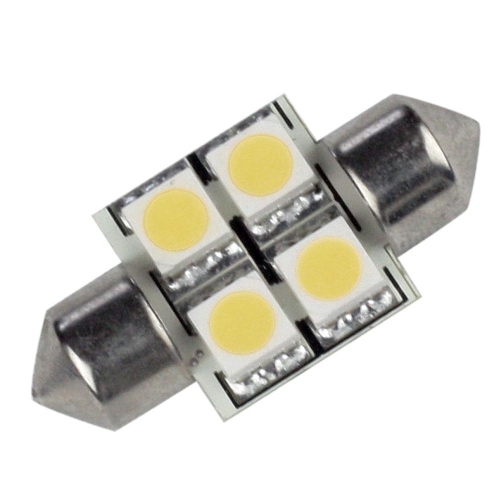
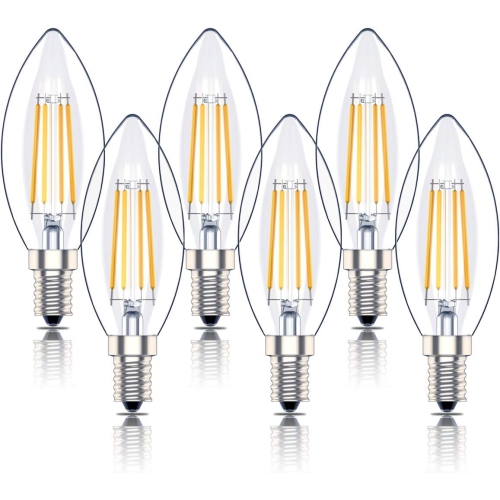
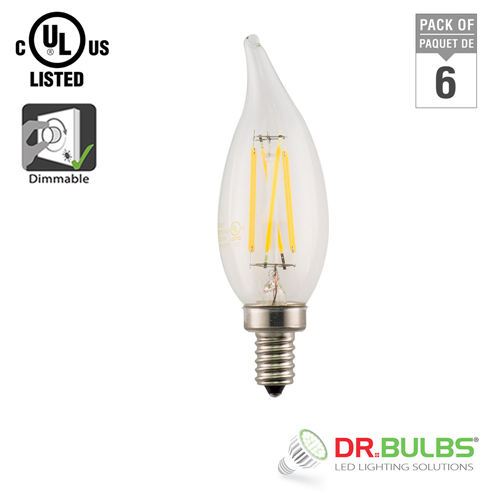
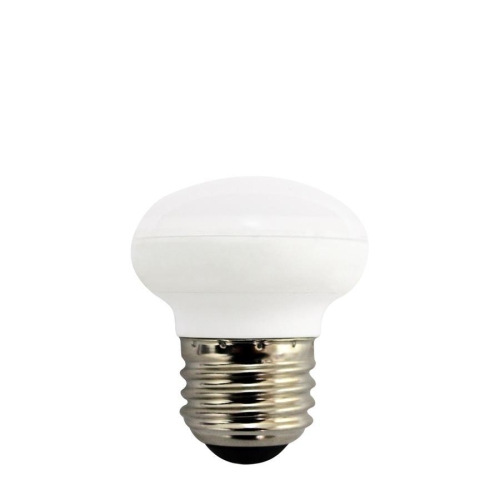
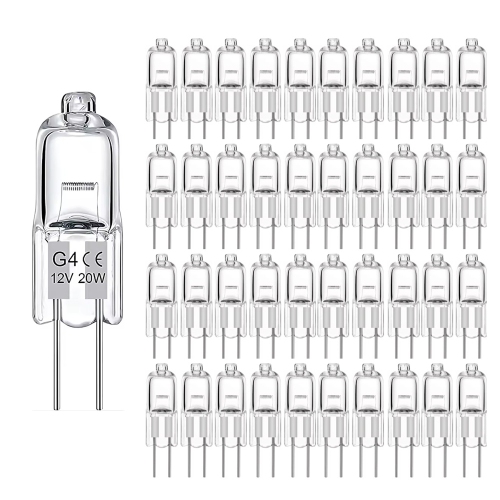
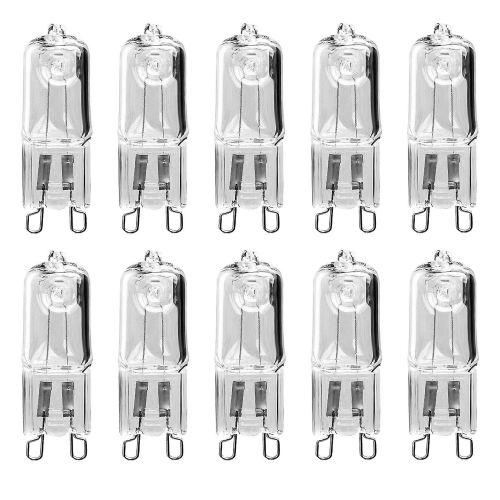
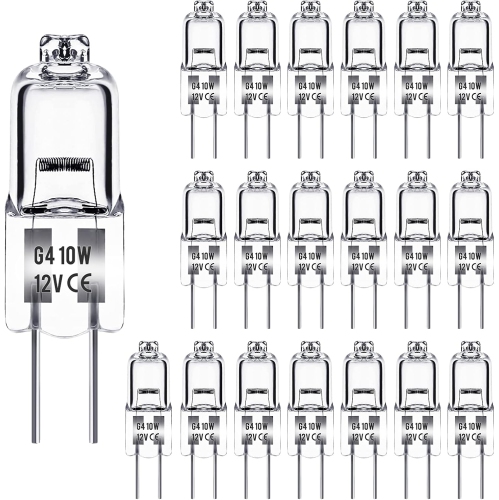
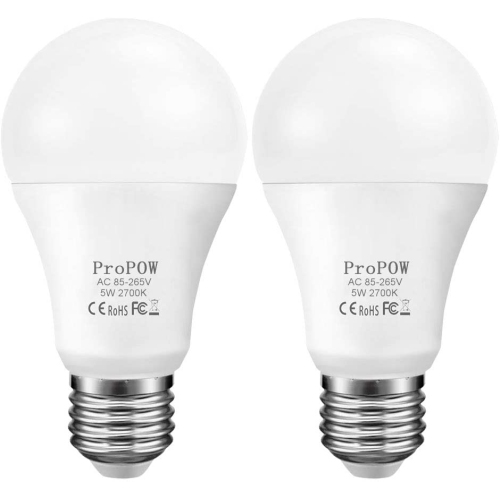
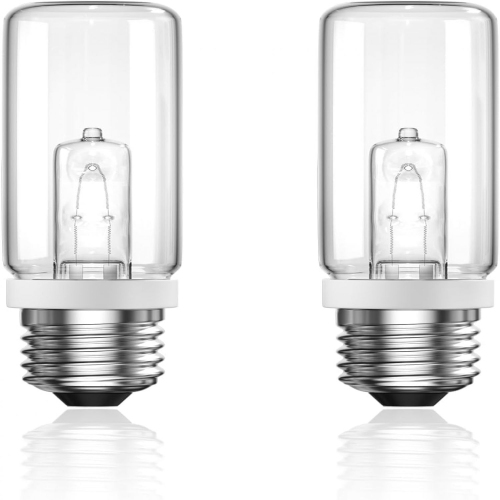
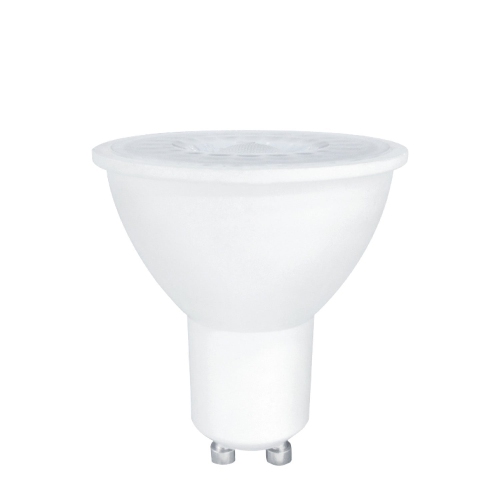
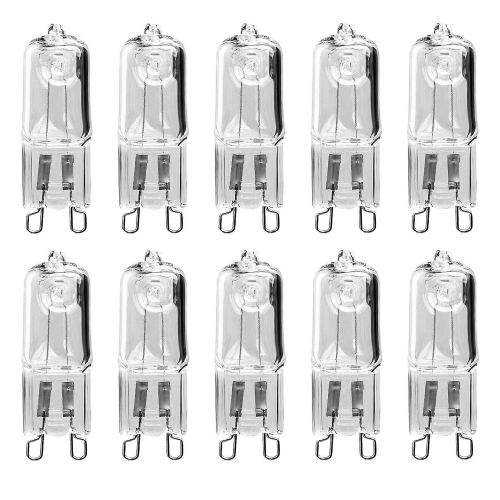
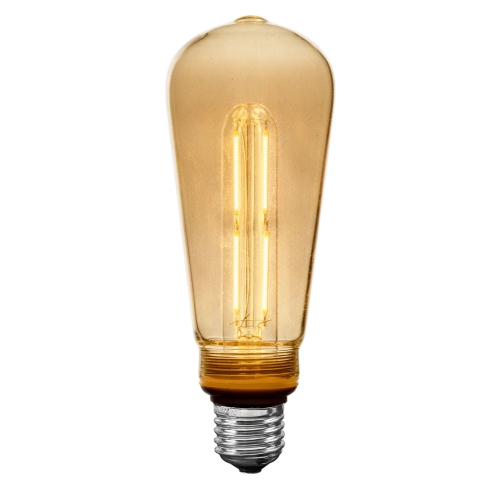
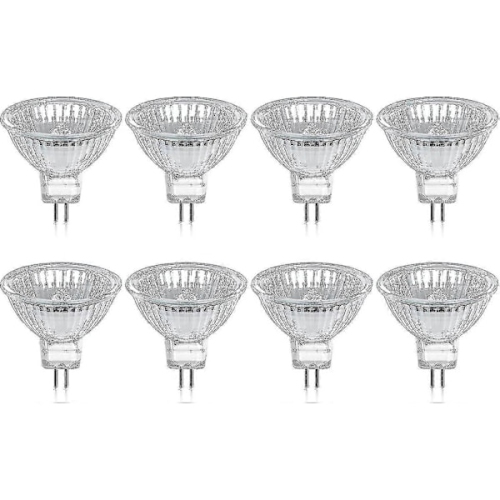
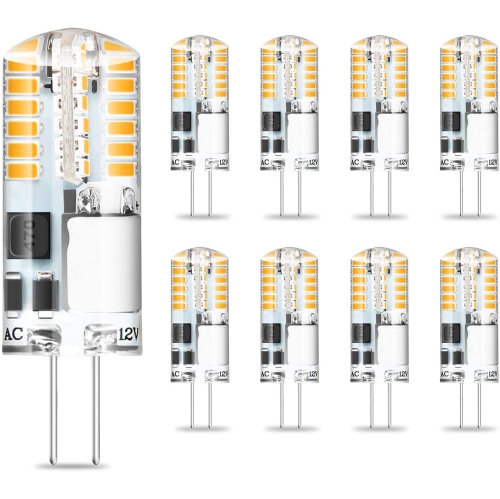
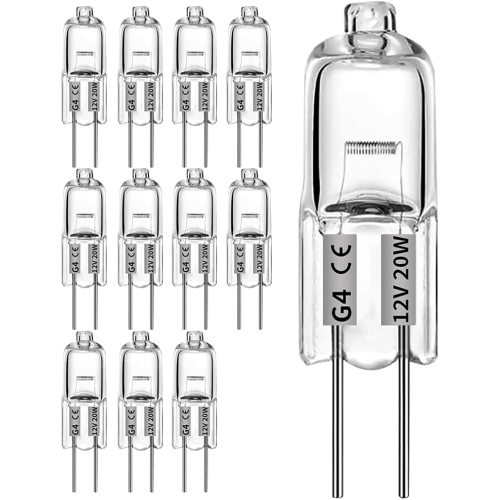
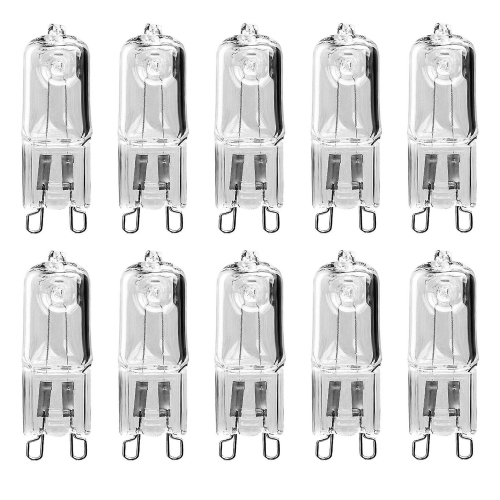
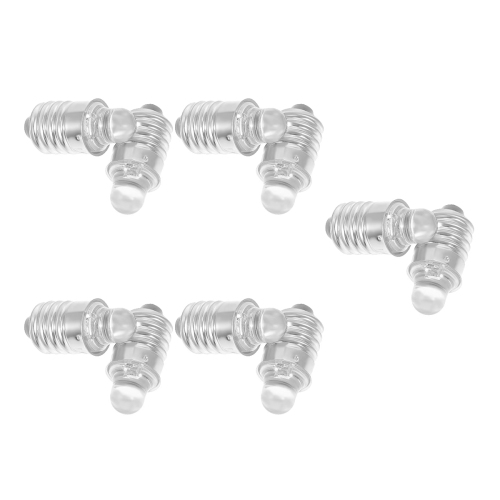
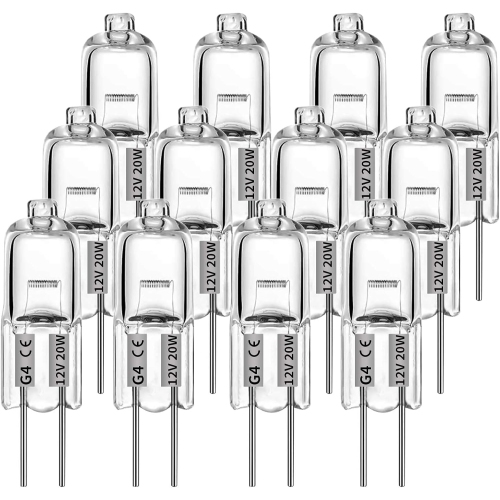
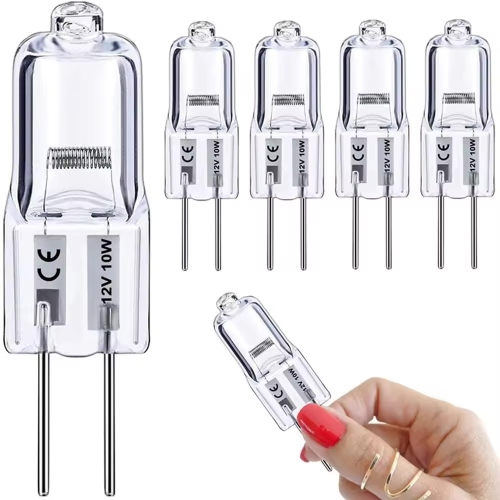

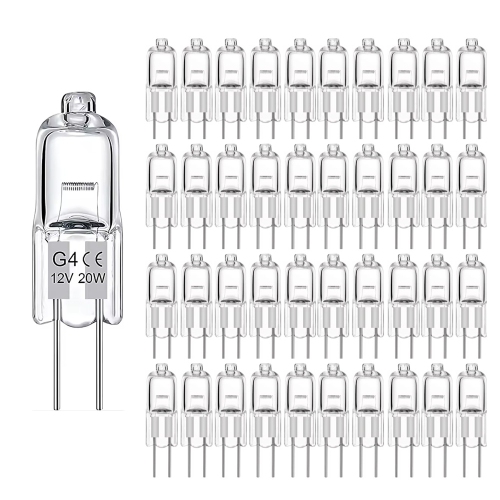
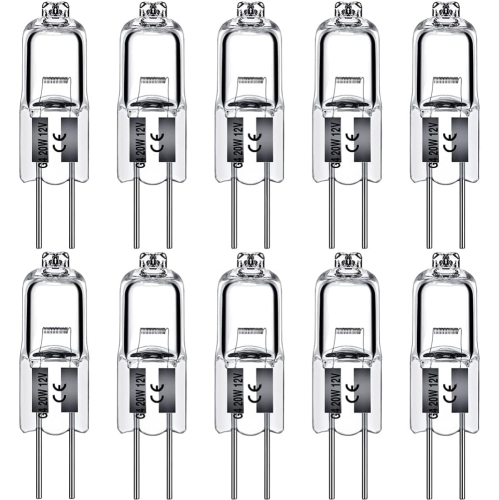
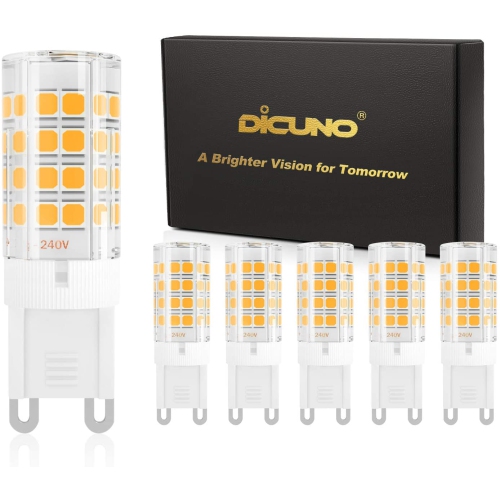
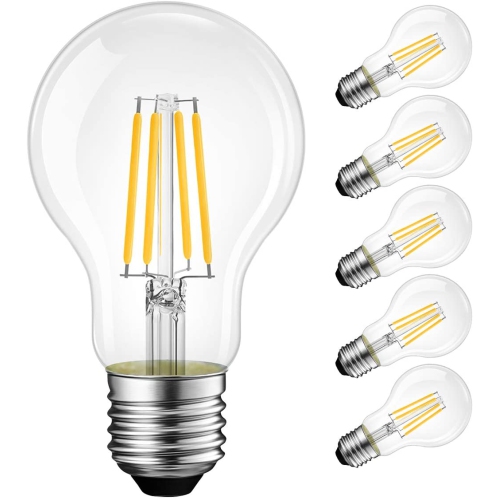
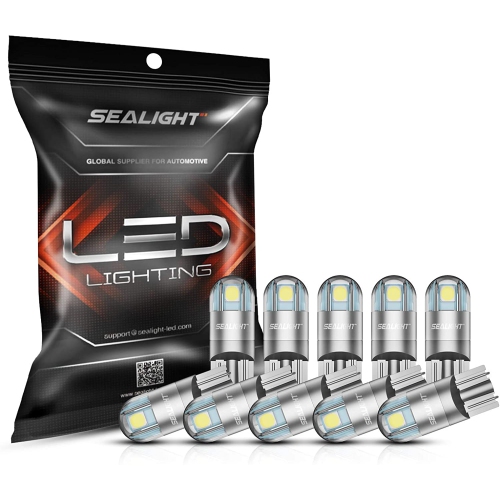
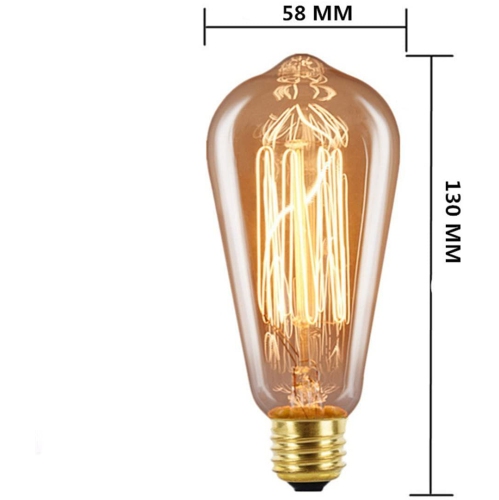
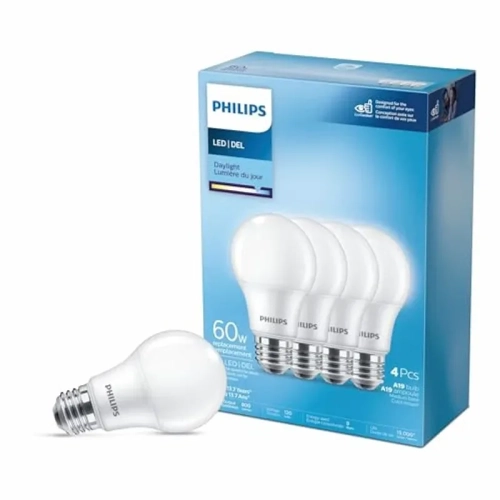
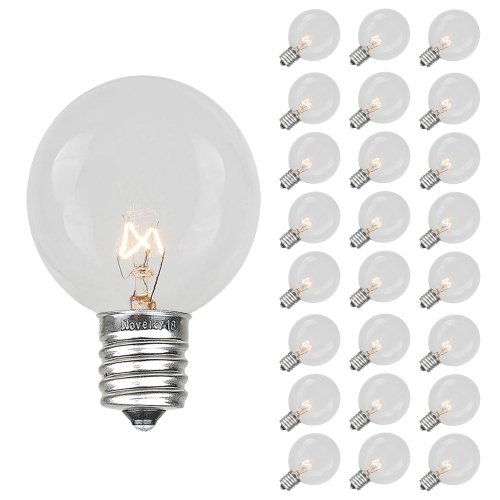
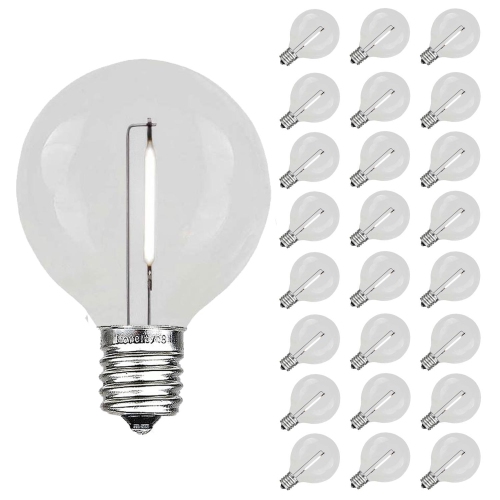
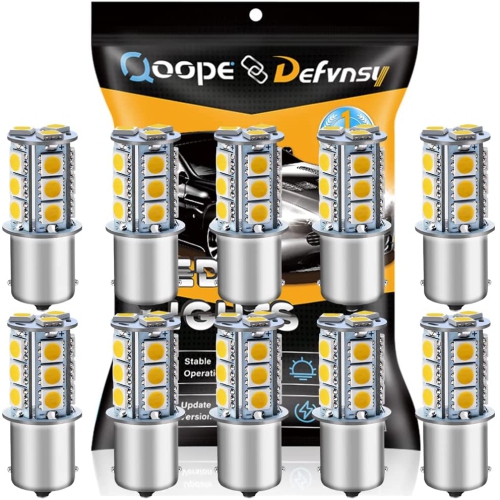
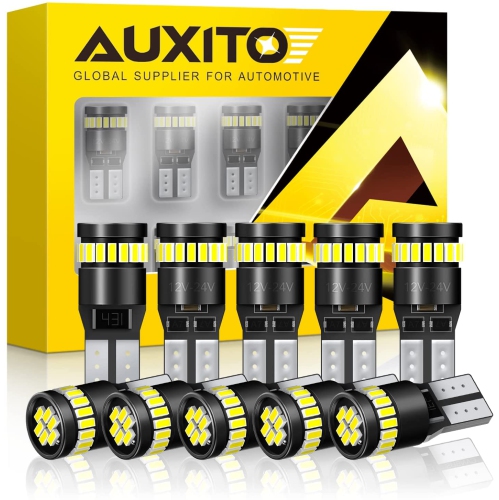
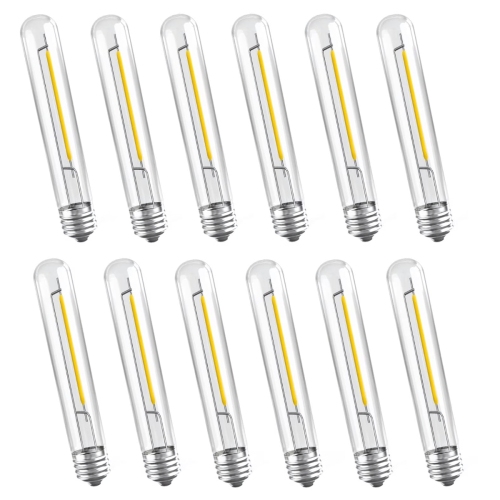
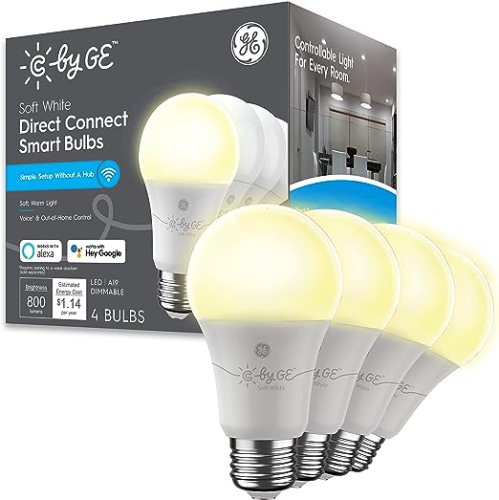
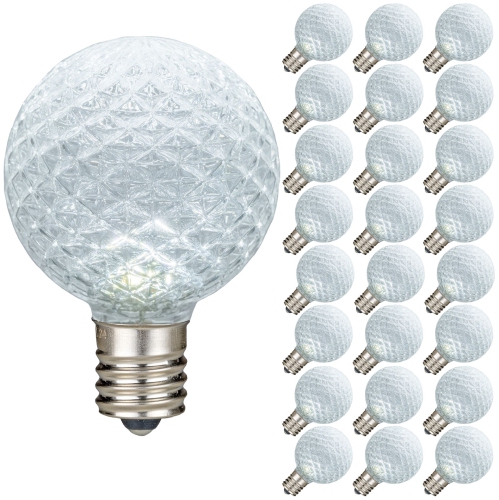
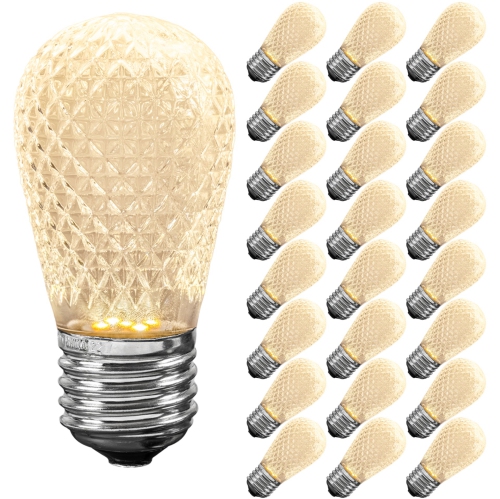
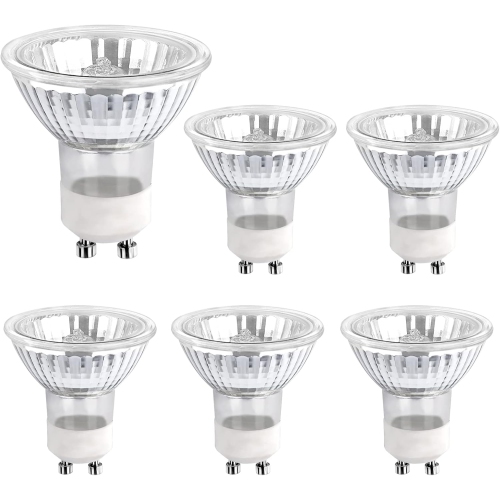
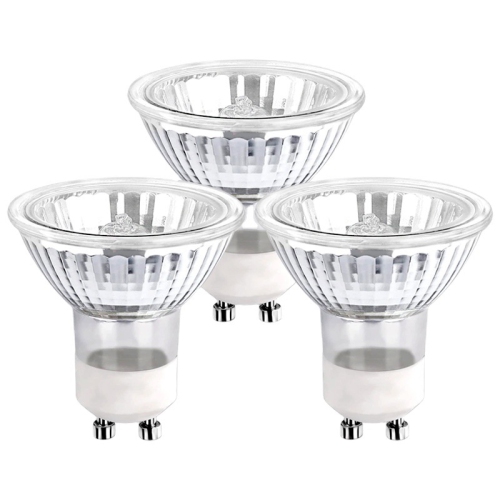
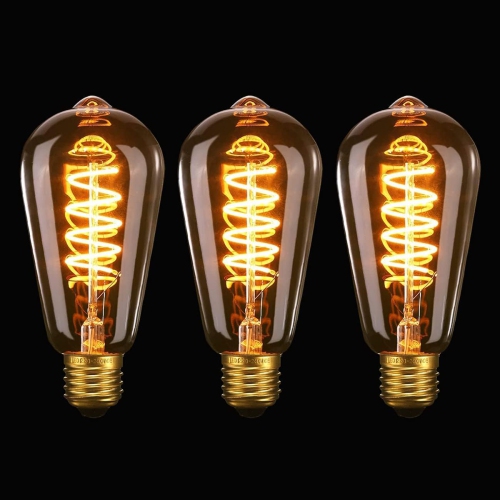
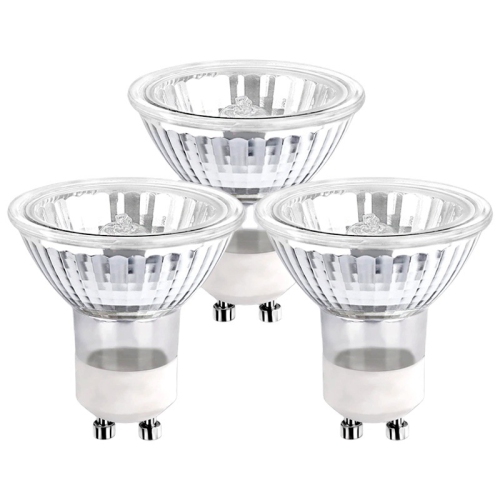
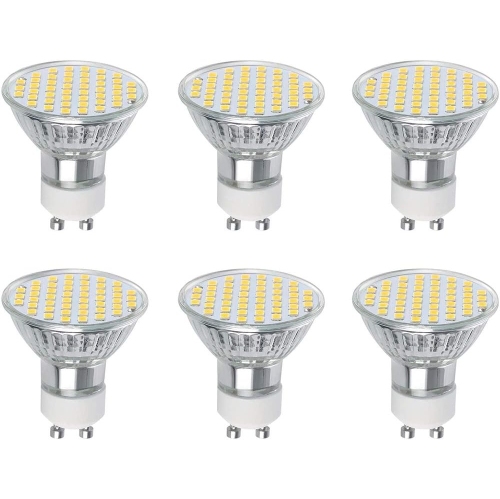
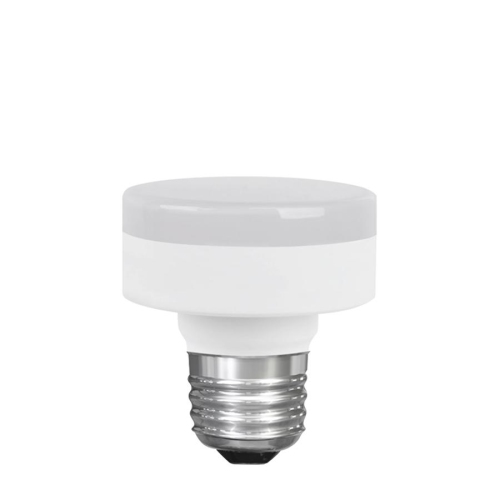
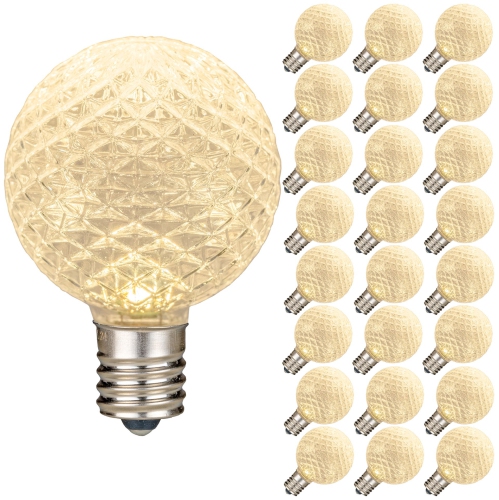
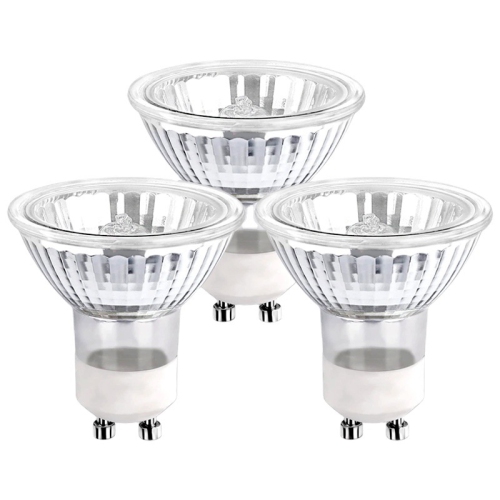
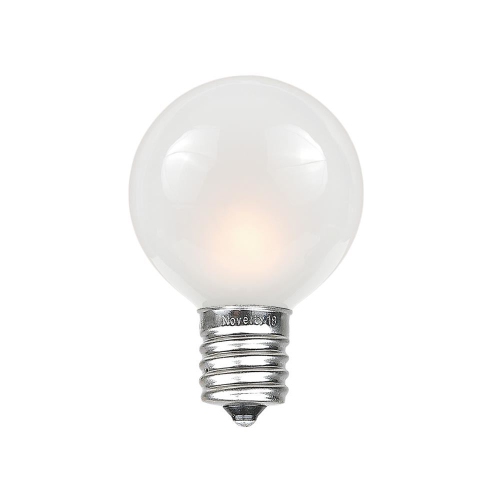
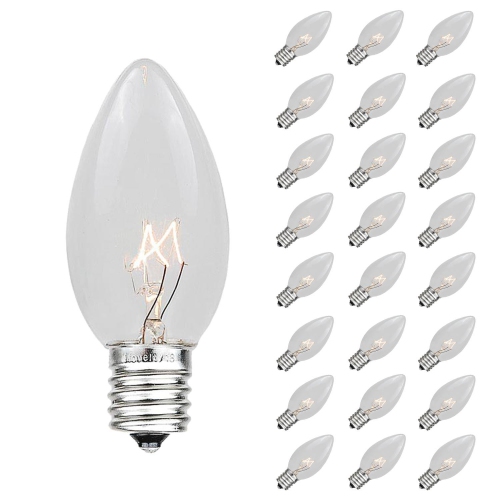
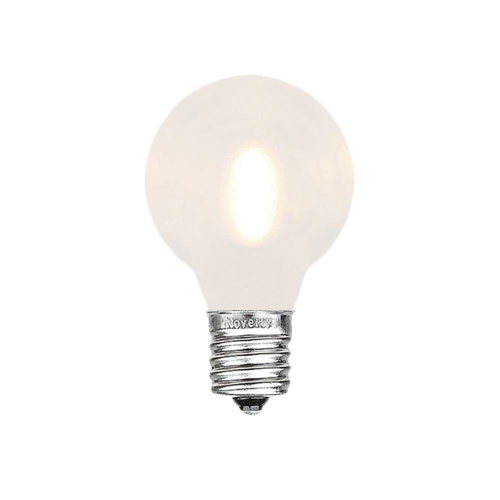
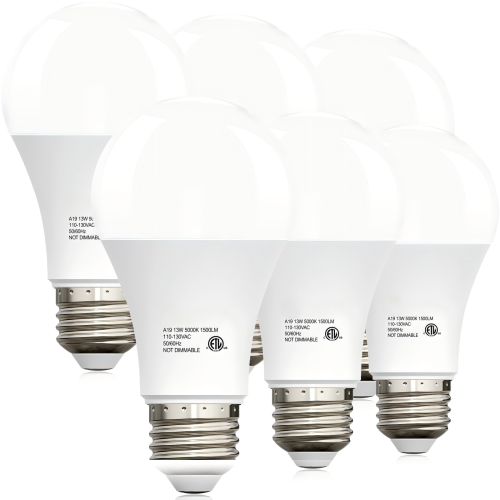
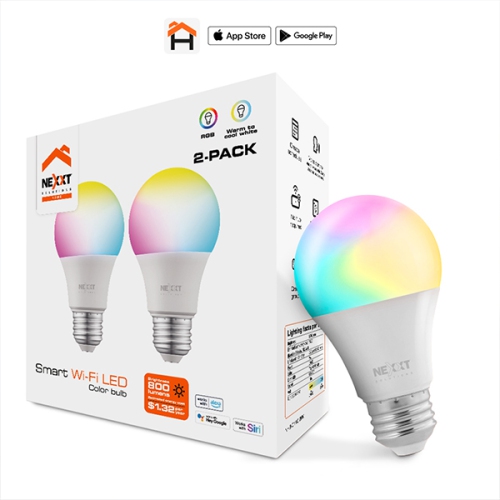
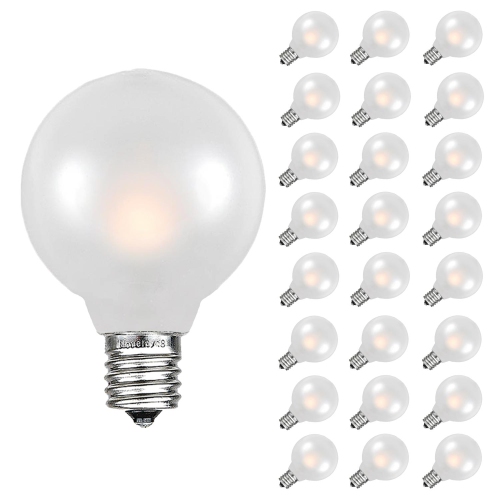
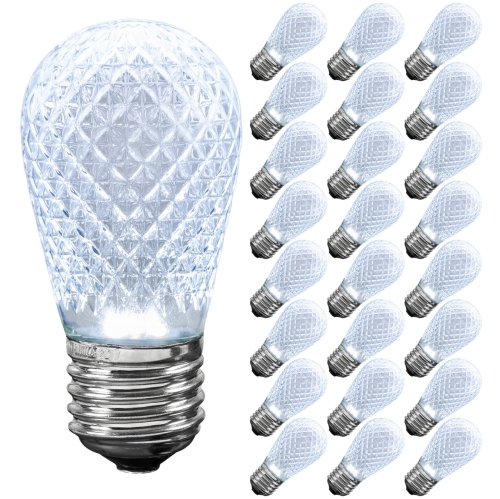
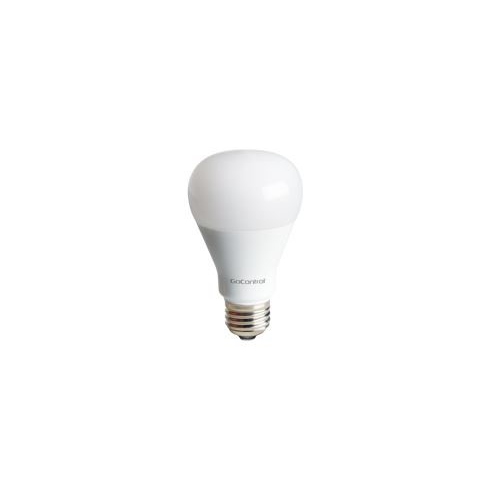
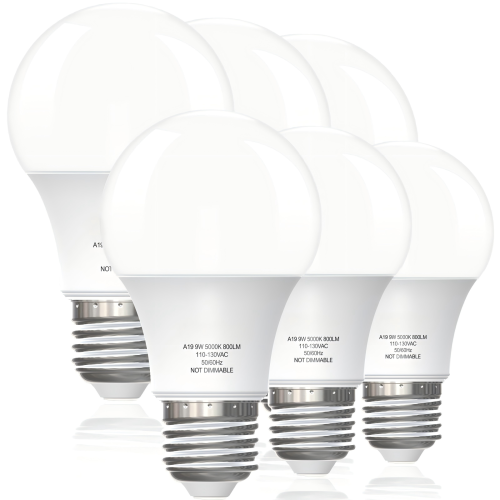
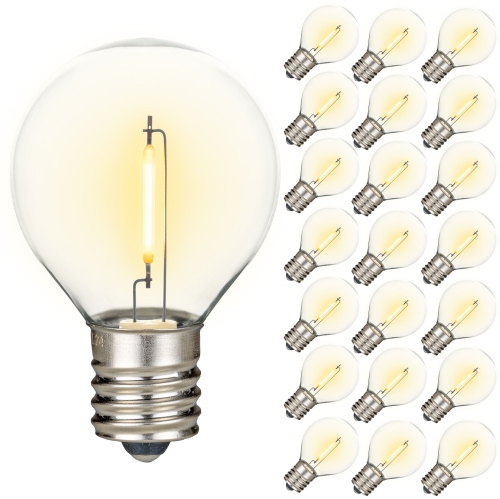
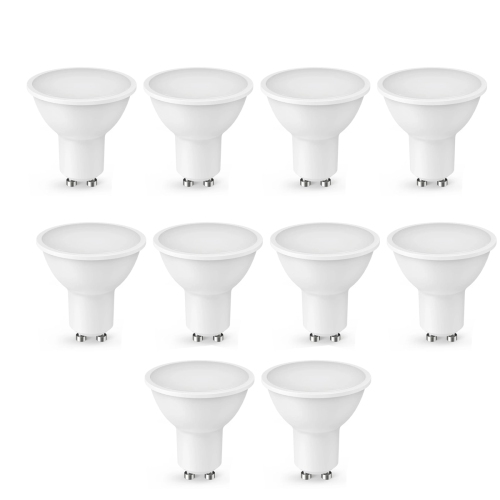
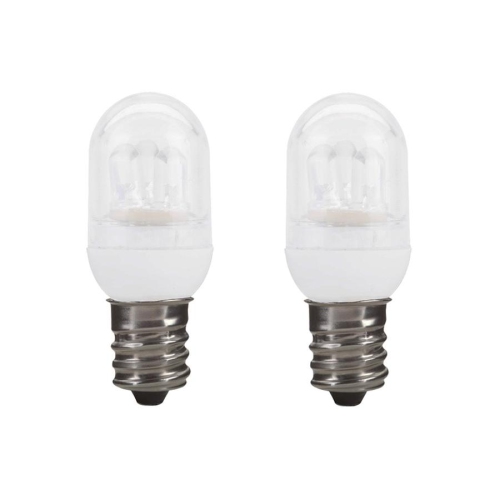
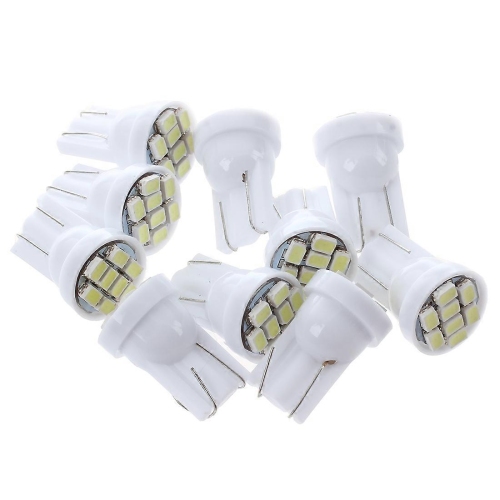
How colour temperature shapes the feel of a room
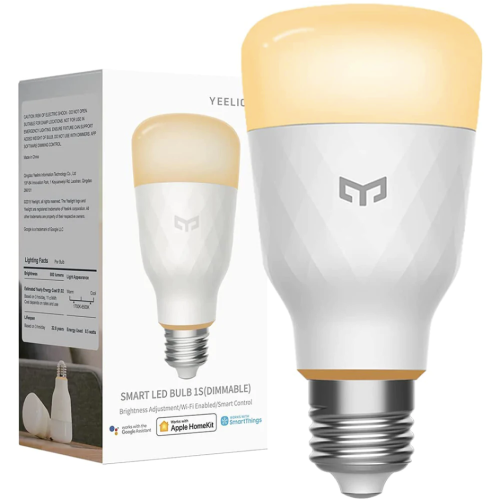
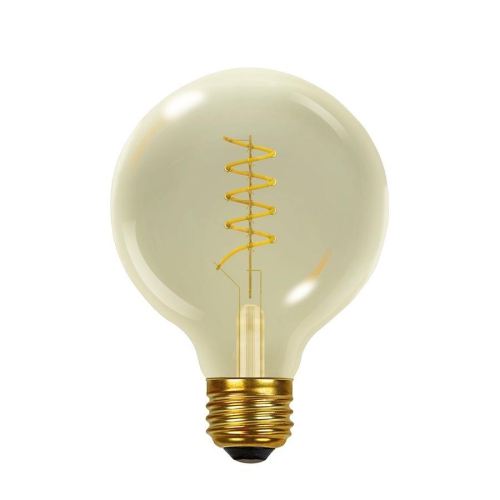
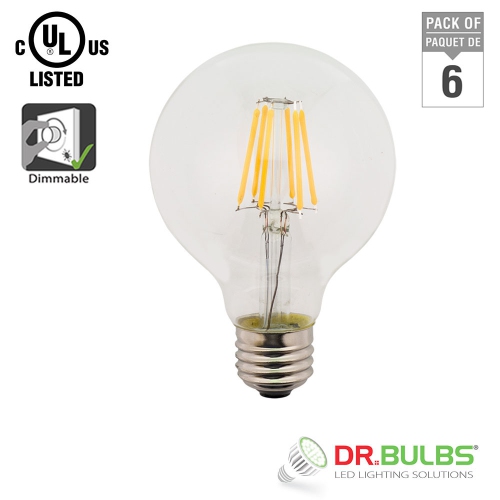
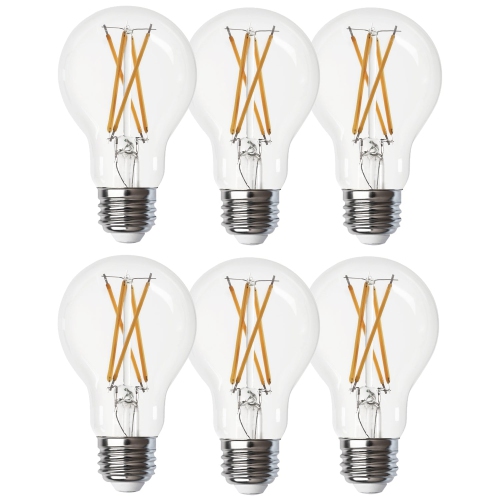
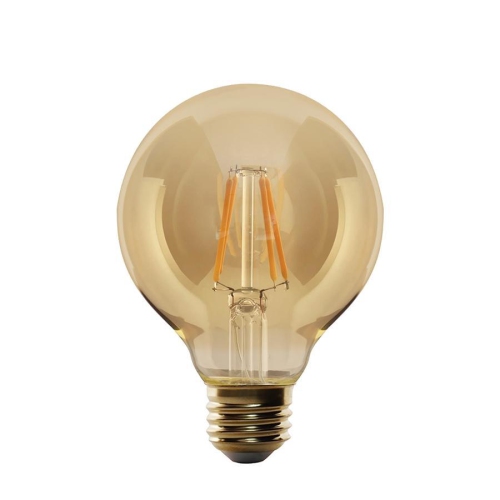
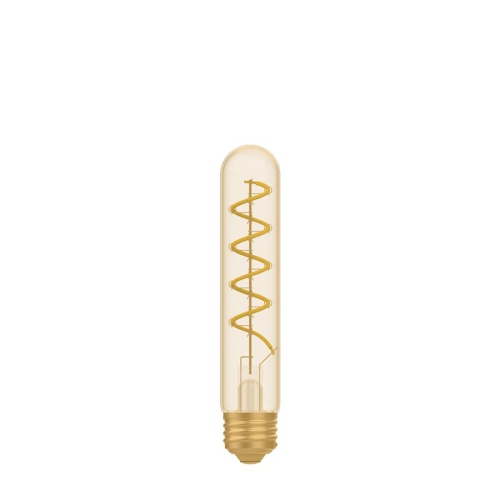
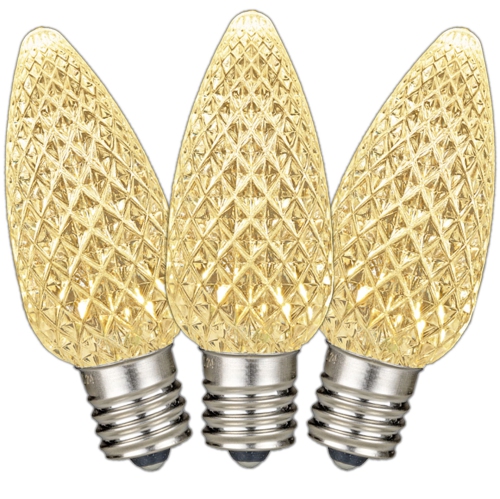
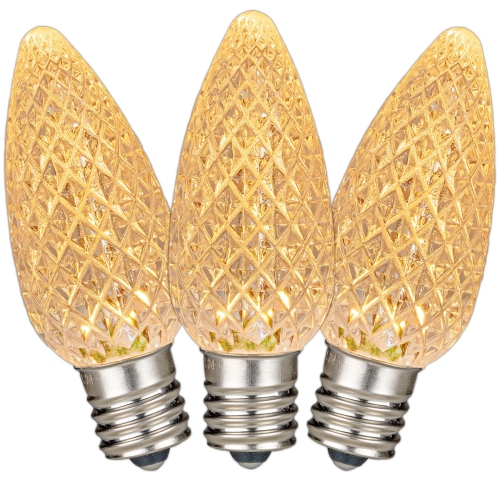
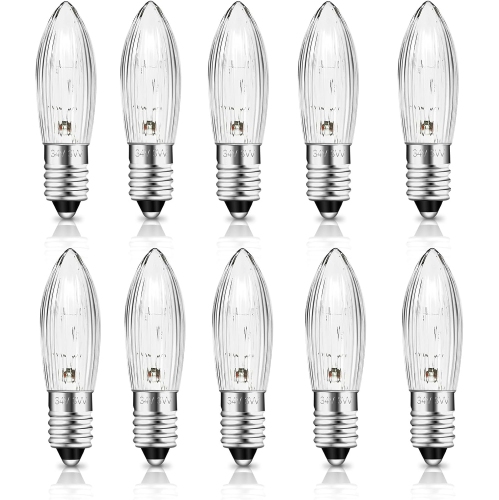
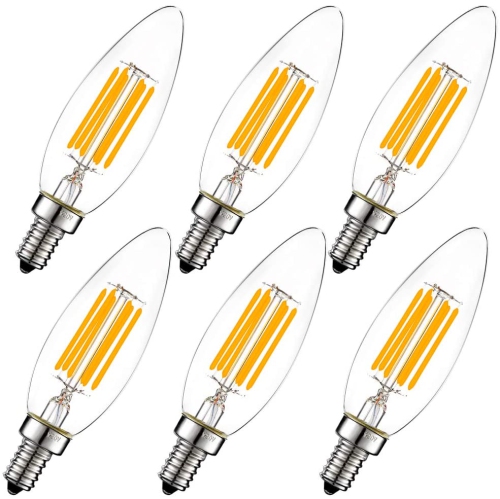
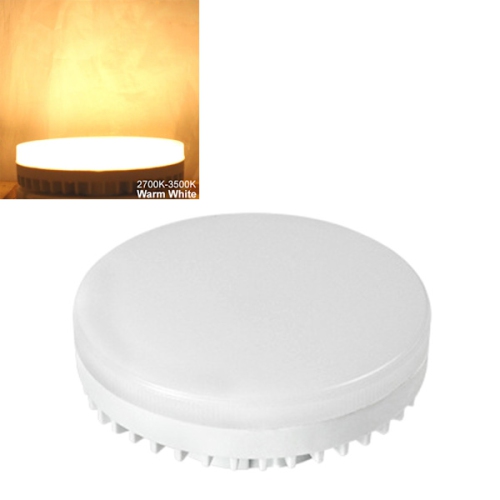
White light bulbs provide everyday illumination for living rooms, kitchens, bedrooms, workspaces, and other areas where the colour and clarity of light affect how a room feels. The word “white” covers a broad range of appearances, from a soft, yellowish glow to a crisp, almost bluish light. Colour temperature is measured in kelvins, shown as K on bulb packaging: lower numbers indicate warmer-looking light, while higher numbers indicate cooler-looking light. Bulbs around 2700K to 3000K generally produce warm white light, those around 3500K to 4100K provide a more neutral or cool white appearance, and those around 5000K to 6500K are commonly described as daylight. These descriptions can vary between manufacturers, so the Kelvin rating is a more reliable comparison than the colour name alone. For living spaces where a gentle glow suits upholstered furniture, wood finishes, and relaxed conversation, warm white light bulbs are a natural fit. Neutral white light can work well over kitchen counters or beside a bathroom mirror, while daylight tones may suit a utility area or workspace where a crisp appearance is preferred. A higher Kelvin rating does not automatically mean a brighter bulb; brightness is a separate measurement. The way light renders colours also matters, especially around clothing, artwork, food preparation, or makeup. A bulb’s colour rendering index, or CRI, indicates how faithfully colours appear compared with a reference light source. Ratings of 90 or above can be useful where distinguishing subtle shades is important. A white shirt, a painted cabinet, and a wooden tabletop may each look slightly different under warm and cool light. Using a consistent colour temperature across adjacent fixtures helps a room feel cohesive, while different tones can distinguish a reading corner from a nearby dining area without changing the furniture or décor.
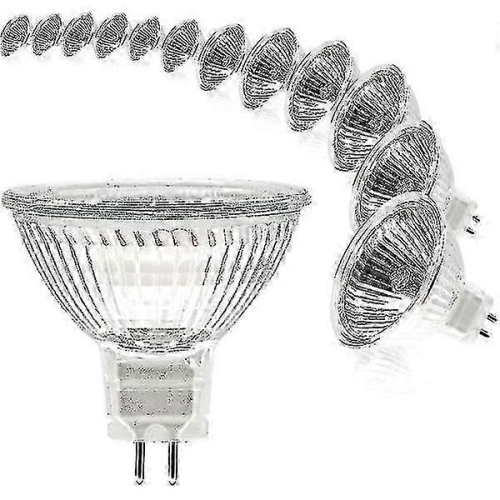
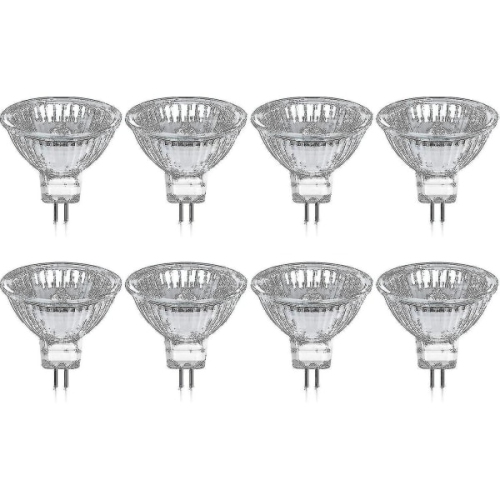
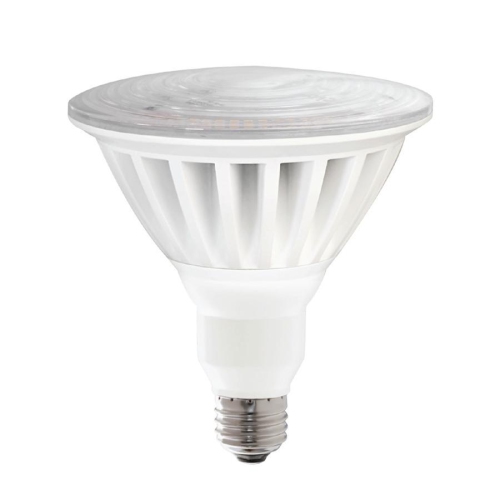
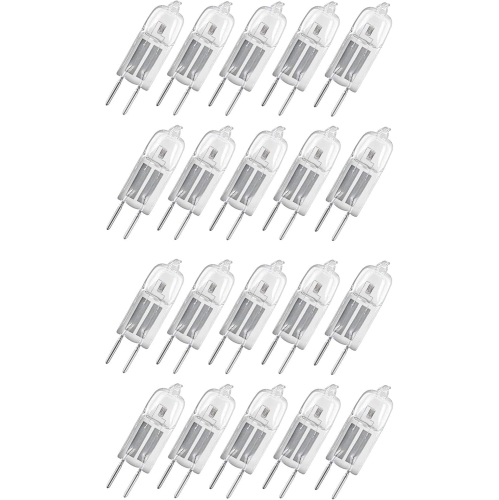
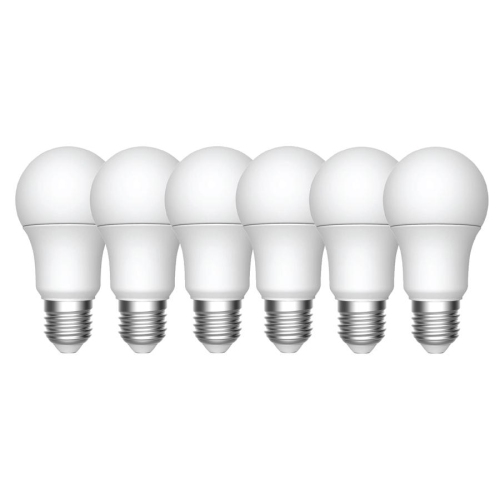
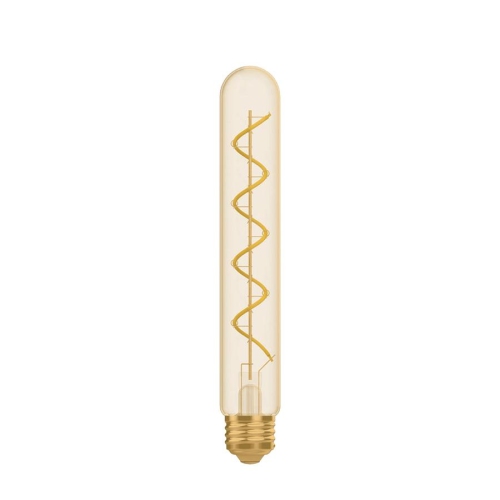
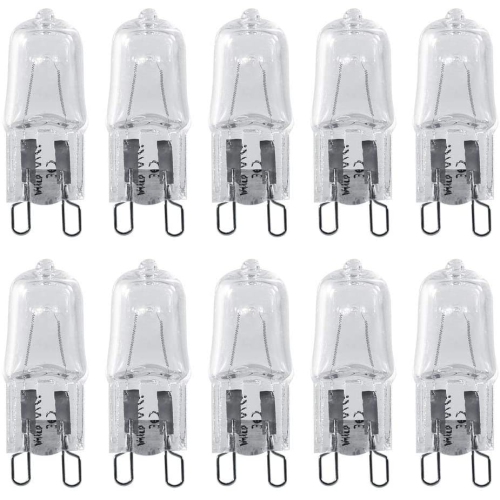
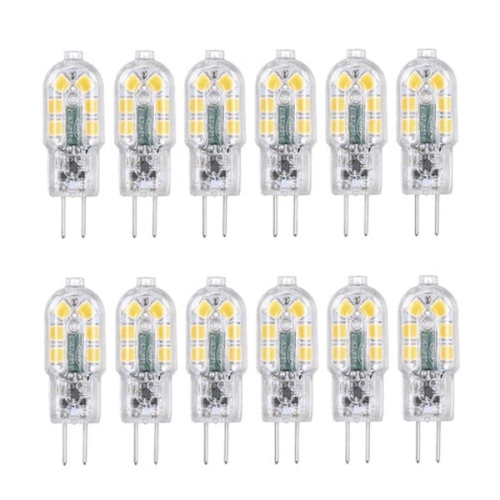
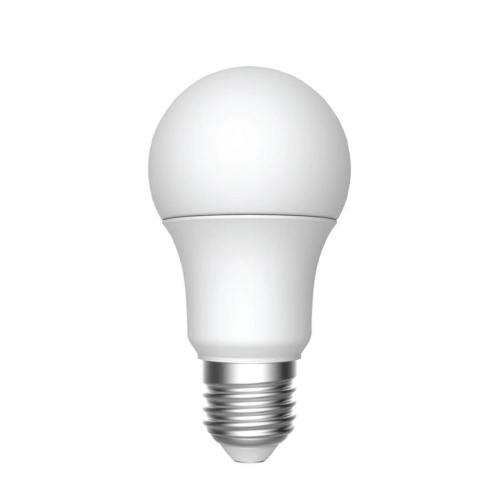
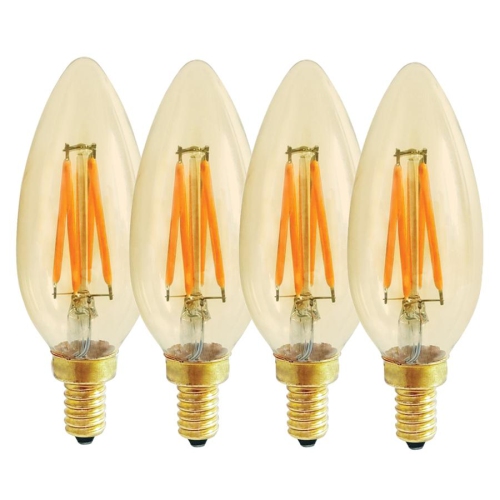
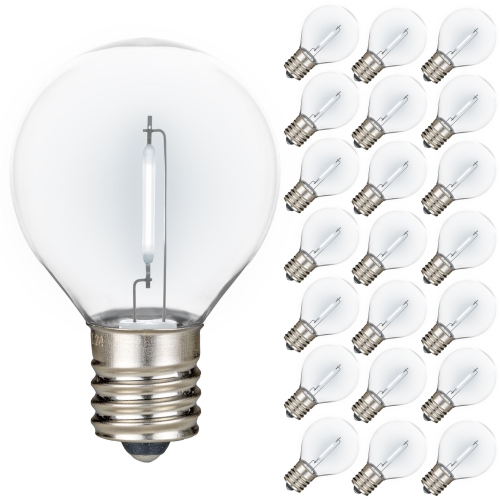
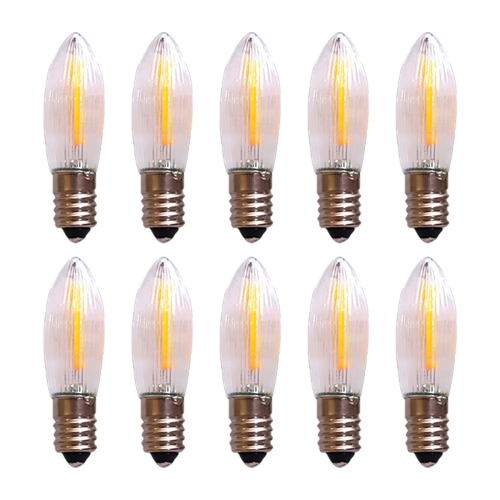
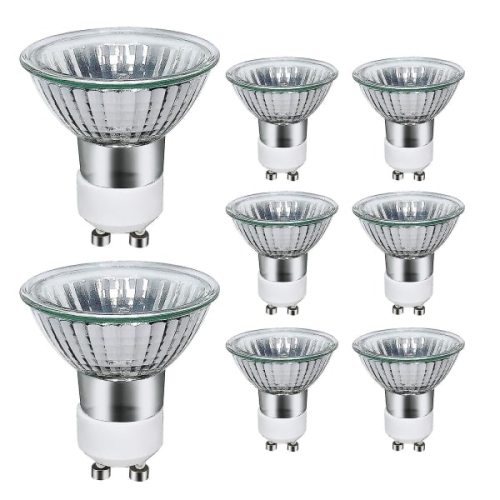
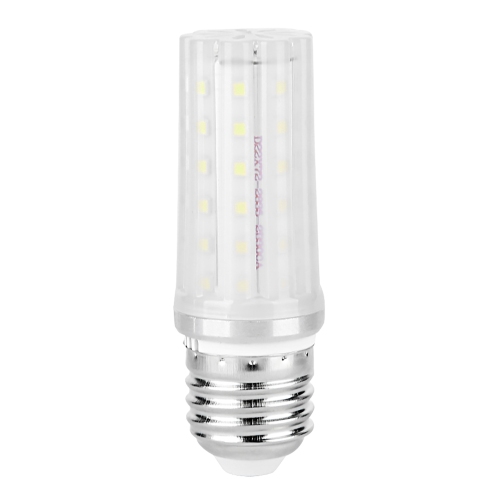
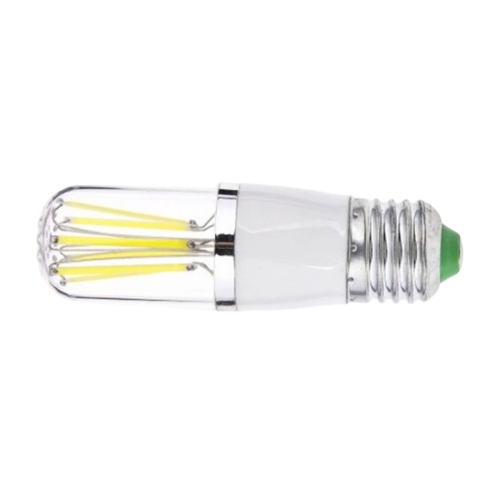
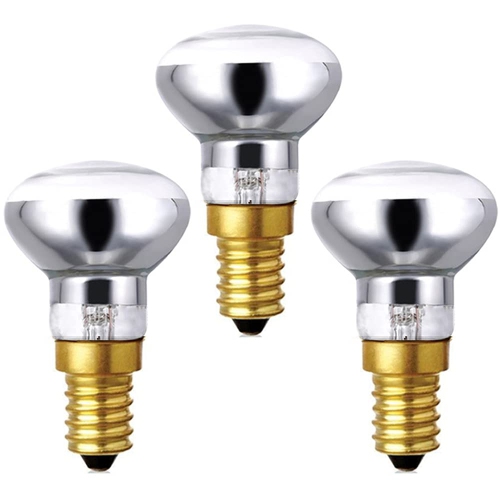
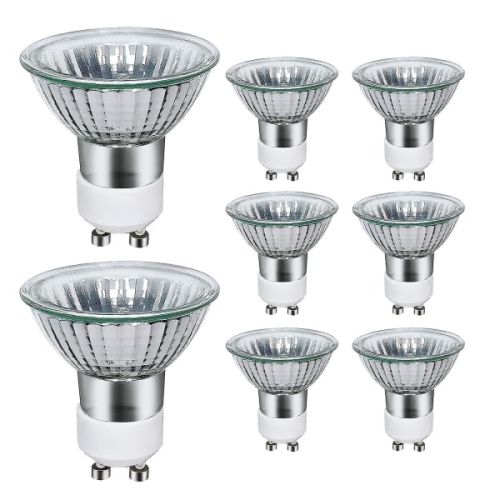
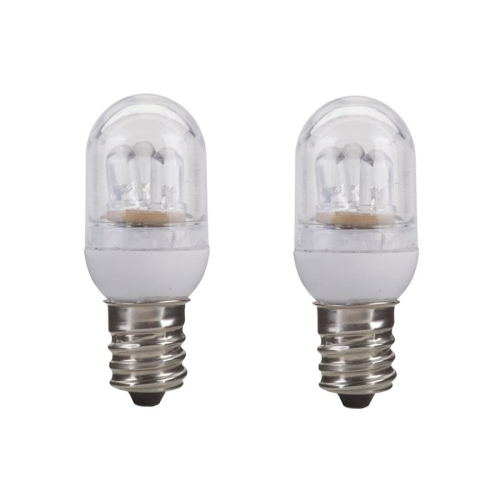
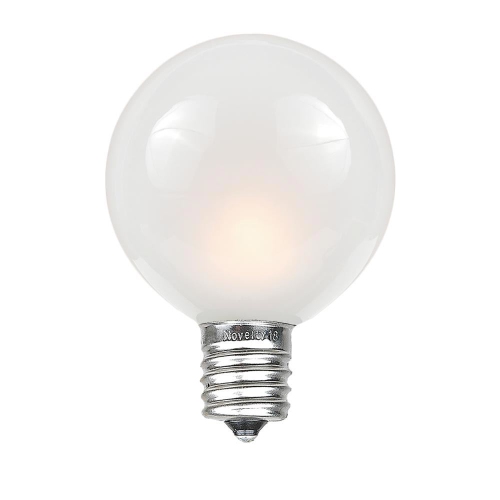
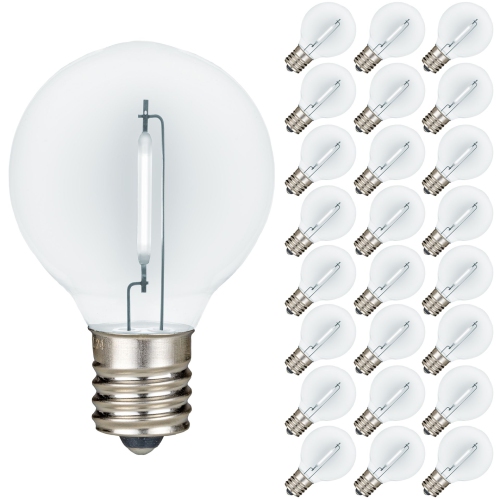
Physical fit is just as important as the shade of white. A bulb needs the correct base, dimensions, voltage, and fixture compatibility, not simply a shape that looks familiar. Medium screw bases such as E26 are common in household lamps, while smaller E12 bases often appear in decorative fixtures. Pin-style bases, including GU10, require their matching sockets and cannot replace screw-base bulbs. Shape affects both clearance and light distribution: a rounded bulb can spread light through a table lamp’s shade, a candle-shaped bulb can suit a narrow chandelier arm, and a reflector-style bulb can direct illumination towards a counter or display. Even bulbs with the same base may differ in length or width, which matters inside a shallow ceiling fixture or beneath a close-fitting shade. Brightness is measured in lumens, whereas watts describe electrical power use. As a general comparison, approximately 450 lumens can suit a small accent lamp, around 800 lumens is familiar for everyday room lighting, and roughly 1600 lumens provides stronger output where a fixture and its intended use call for it. These are reference points rather than fixed room requirements: wall colour, ceiling height, shade material, and the number of bulbs all influence the result. A dark fabric shade absorbs more light than a pale translucent one, and a single overhead source creates different shadows from several lamps placed around a room. The bulb’s actual wattage must remain within the fixture’s stated limit, regardless of any incandescent-equivalent number on the packaging. Frosted surfaces help soften the visible light source, while clear bulbs leave the internal lighting elements more visible and can create sharper highlights through glass shades. For adjustable lighting, both the bulb and the dimmer need to support dimming. An incompatible combination may flicker, buzz, or offer only a limited adjustment range, particularly at low settings. A dimmable bulb also does not necessarily become warmer in colour as it dims; that behaviour requires a specific warm-dimming feature.
Construction and intended use influence how well white light bulbs perform over time. Bulb envelopes may be made from glass or plastic, and LED designs also contain electronic components and materials that help manage heat. Although LEDs typically use less electricity than incandescent bulbs for comparable light output, they still generate heat that needs to dissipate properly. An enclosed ceiling fitting therefore needs bulbs explicitly rated for enclosed fixtures; a bulb intended for an open lamp may not tolerate the heat trapped beneath a sealed cover. Stated lifespan is an estimate based on specified operating conditions, not a guarantee that every bulb will last the same number of years. Long operating hours, frequent switching, and excess heat can all affect service life. Placement also matters around moisture. Bathroom fittings, covered entrances, and exposed outdoor fixtures have different requirements, and both the bulb and the fixture need ratings appropriate to their location. Smart white bulbs add another layer of convenience for households that want scheduled lighting, remote control, or adjustable white tones. Some maintain one colour temperature, while tunable-white versions allow movement between warmer and cooler settings. Their connection requirements vary: certain designs use Wi-Fi, others use a compatible hub, and some support direct local connections. Compatibility with an existing control system matters as much as the bulb’s brightness or base. Many smart bulbs need continuous power for app control and are not intended to operate through a conventional wall dimmer unless expressly supported. For routine care, switching off the light and allowing the bulb to cool makes handling safer. A soft, dry cloth can remove dust that dulls the light, while avoiding sprays or moisture around the base protects electrical contacts. Keeping a record of the base type, lumen output, Kelvin rating, and dimming requirements makes future replacements easier, particularly in multi-bulb fixtures where a mismatched white tone is immediately noticeable.
Top selling and popular products
-
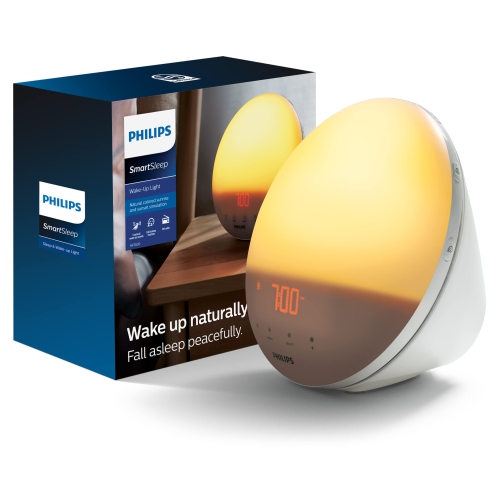 Your price for this item is $180
-
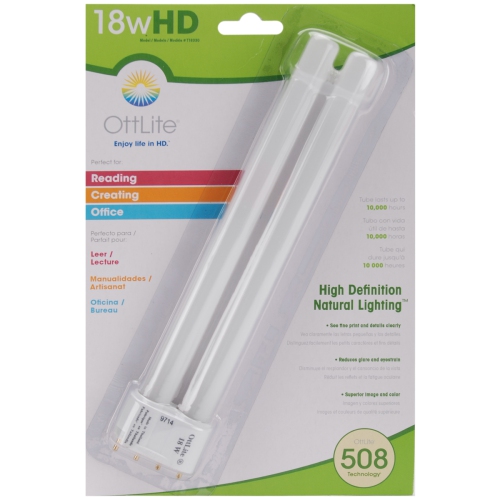 Your price for this item is $55
-
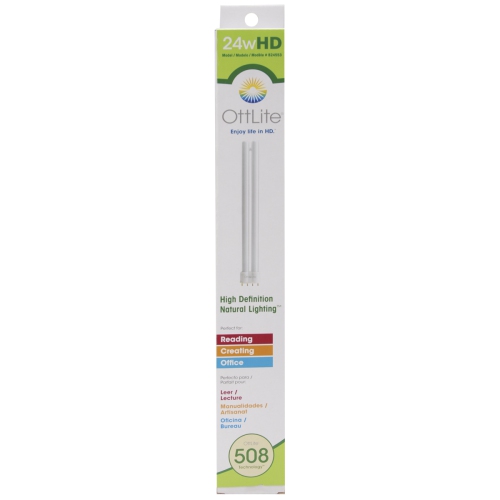 Your price for this item is $55
-
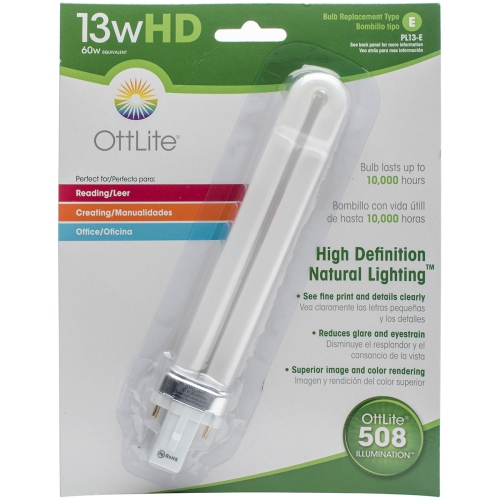 Your price for this item is $55
-
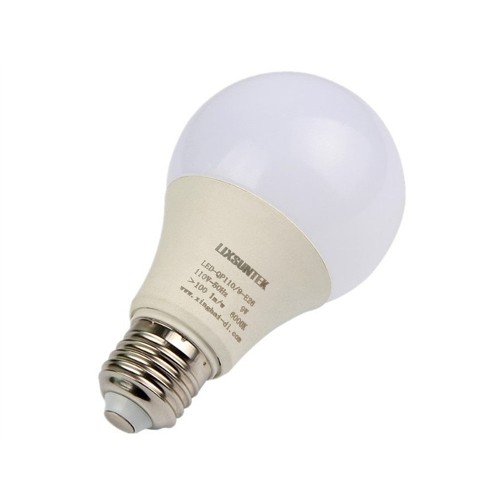 Your price for this item is $9.99
-
 Your price for this item is $23.38
-
 Your price for this item is $128.69
-
 Your price for this item is $4.97
Discover more categories related to White Light Bulbs
Top Collections:
Best Black Friday Deals This Year, Best Black Friday Deals On Electronics, Kindle Devices, Best Black Friday Deals On Apple Products, Best Budget Office Chairs, Best Cameras for Sports Photography, Dyson Airwrap, Canon G7X Cameras, Best Laptops for Writers, Samsung Galaxy Phones
Some products may be subject to Environmental Handling Fees
(EHF) depending on your province.
Learn more about EHFs.