Pan And Tilt Cameras
Pan and tilt cameras are a game-changer when it comes to home surveillance and monitoring. With their ability to rotate horizontally and vertically, these cameras provide a wide range of coverage, ensuring that every corner of your space is under constant watch. Whether you want to keep an eye on your property, monitor your baby's room, or simply enhance the security of your home, pan and tilt cameras offer unmatched flexibility and peace of mind.
Sort
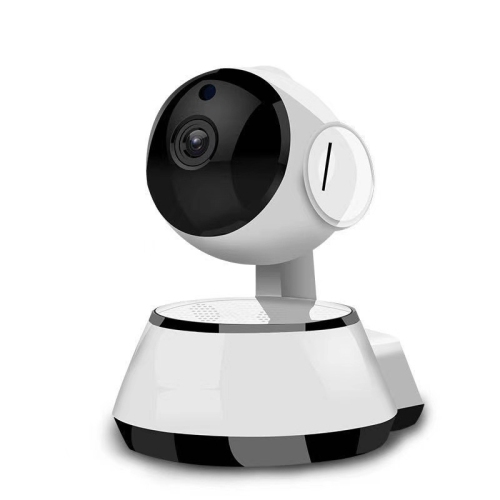
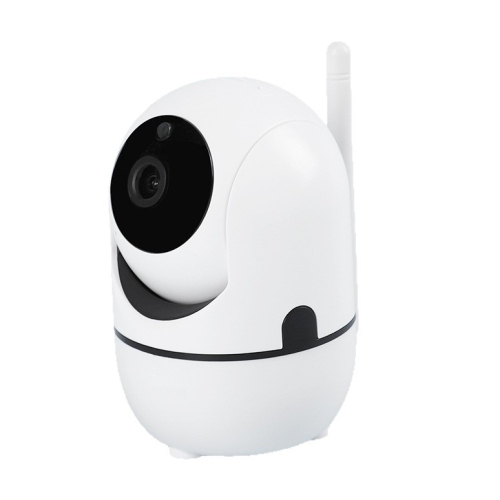
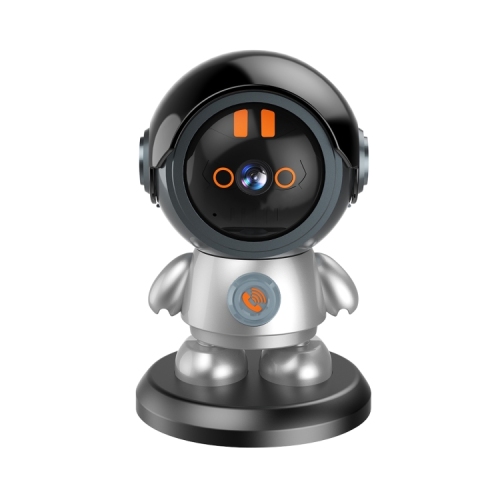
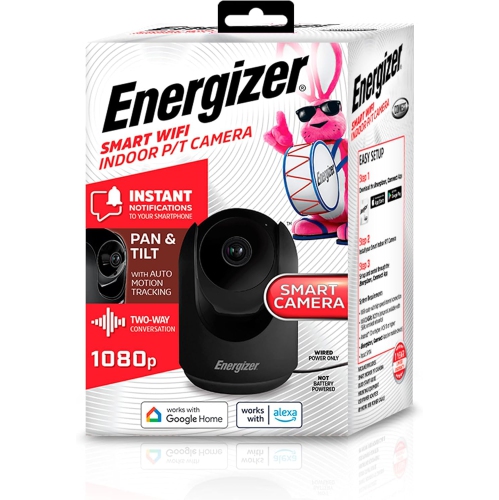
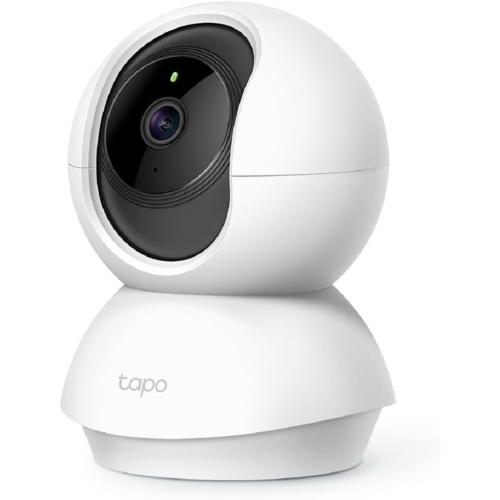
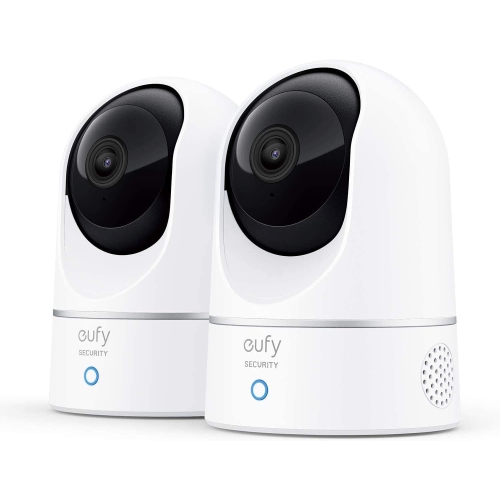
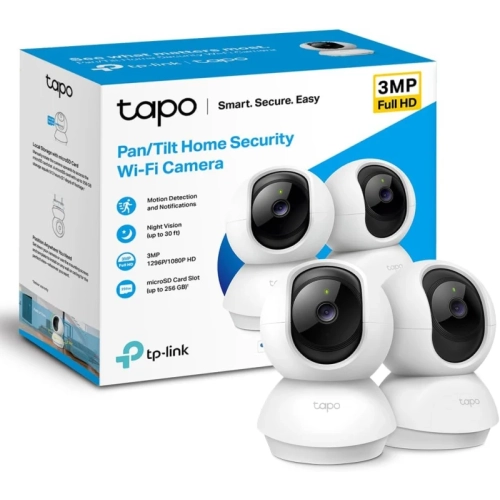
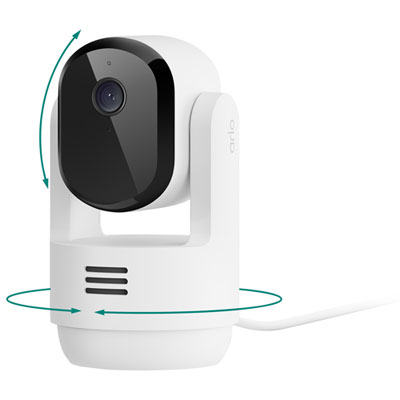
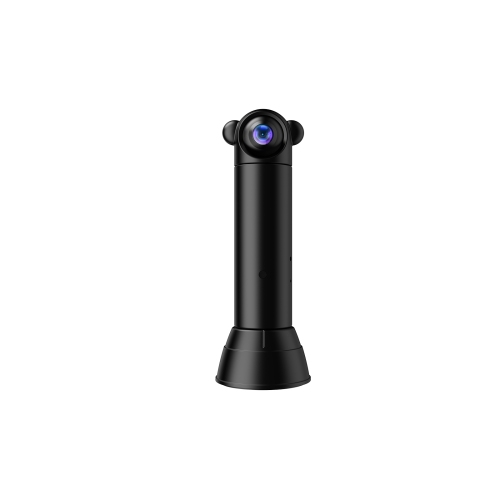
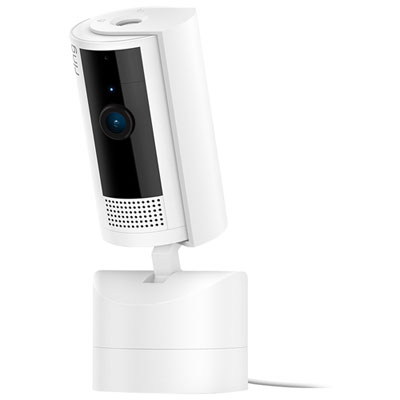


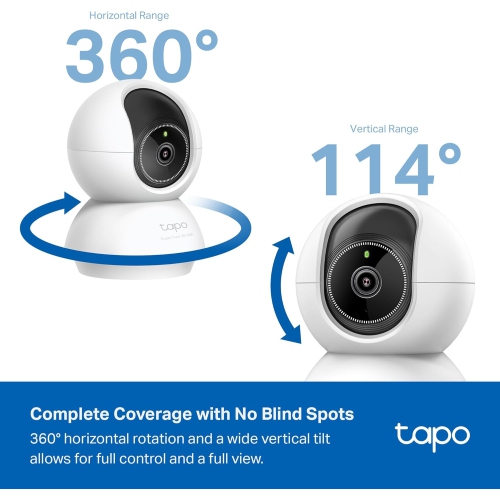
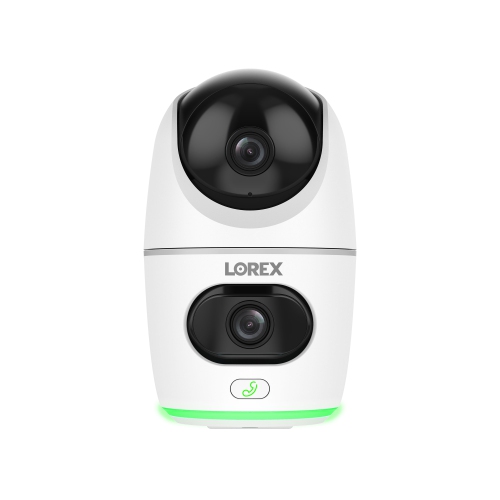

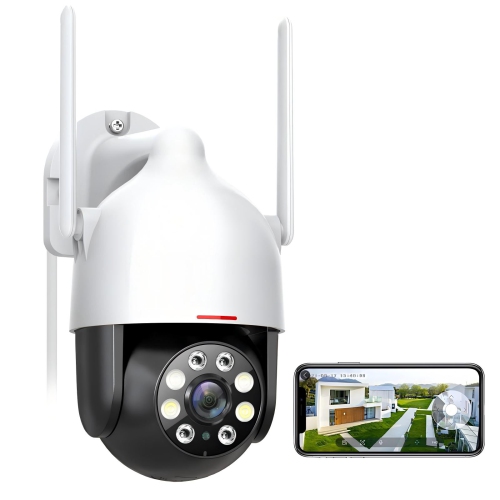
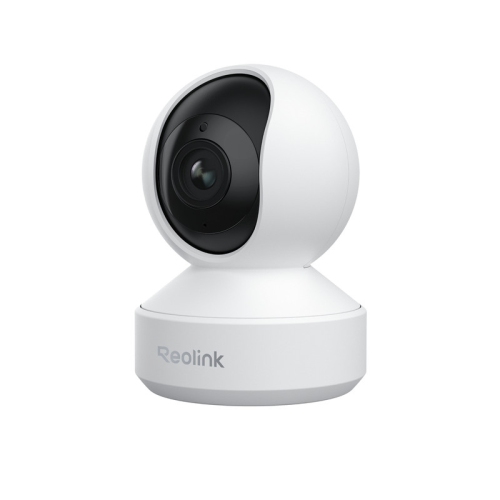
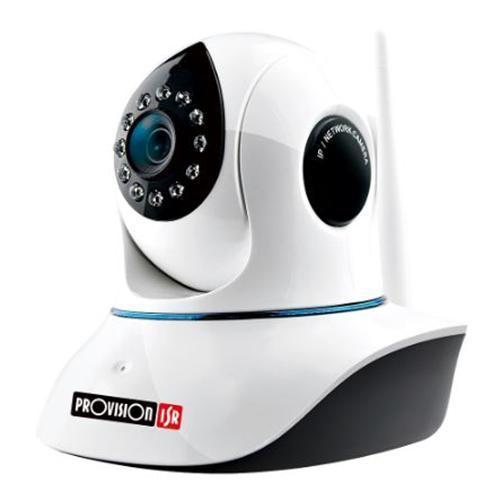
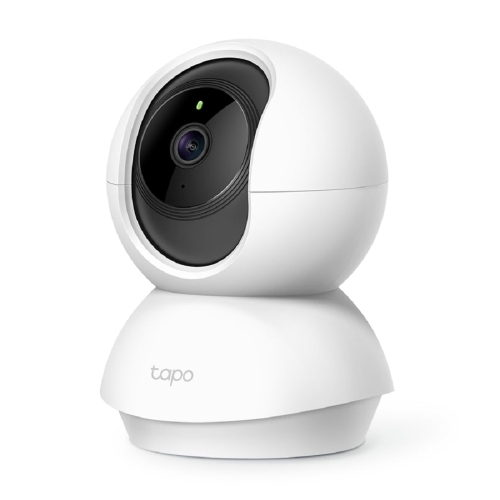
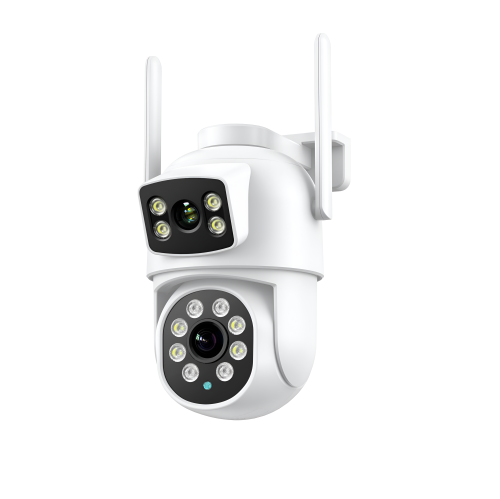
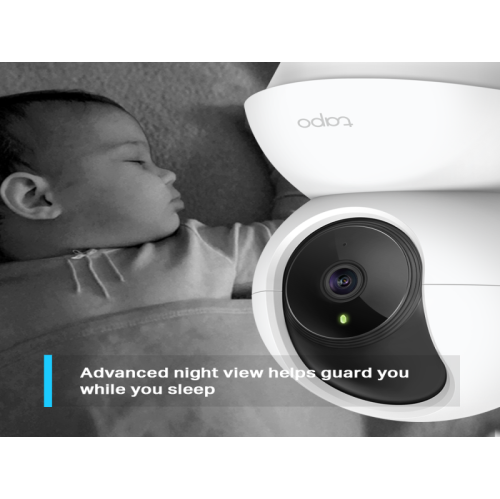
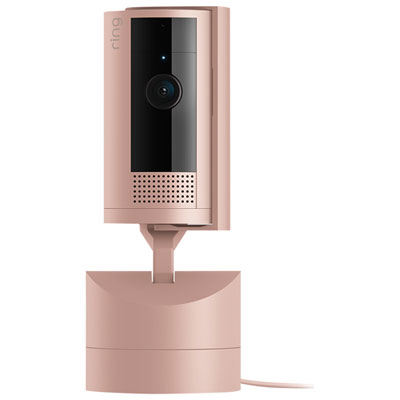
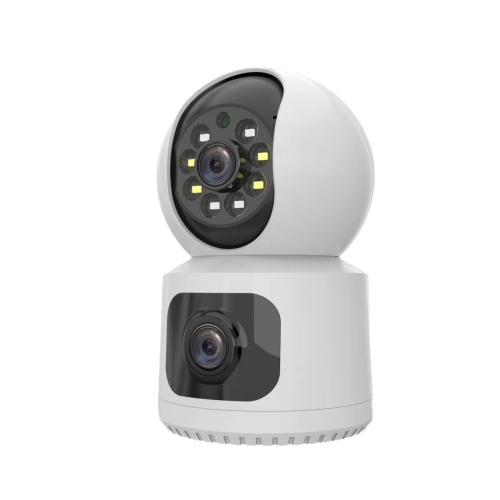
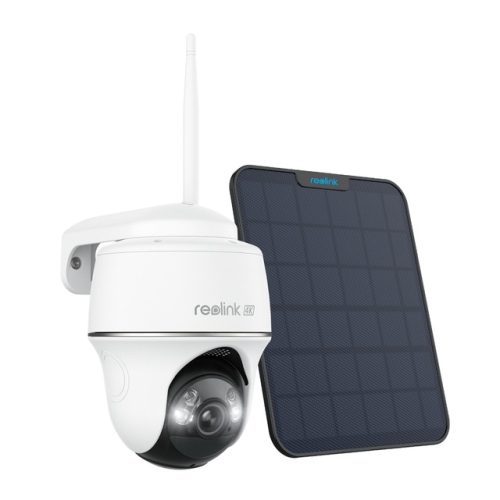
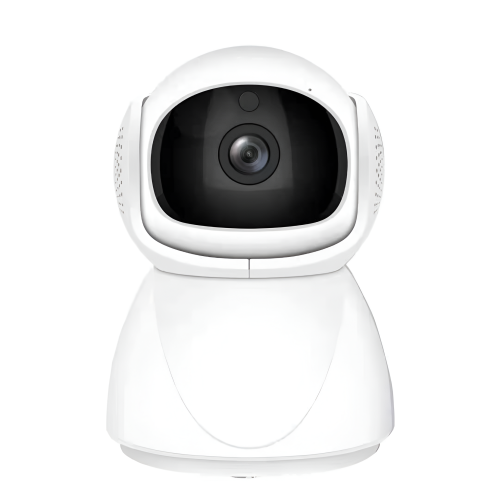
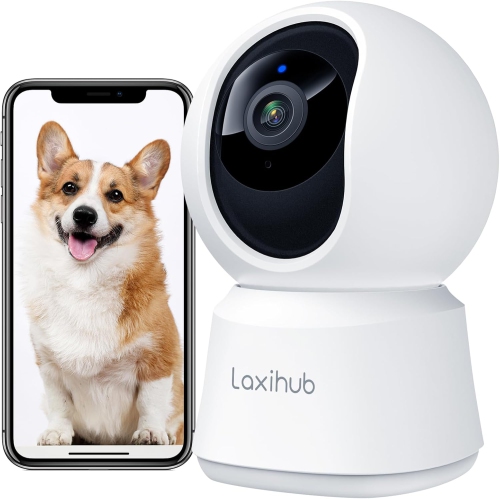
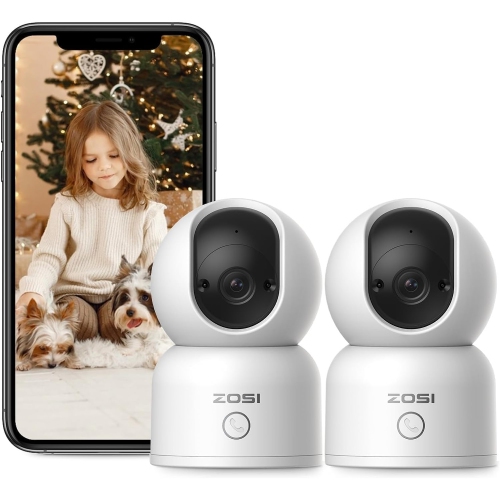
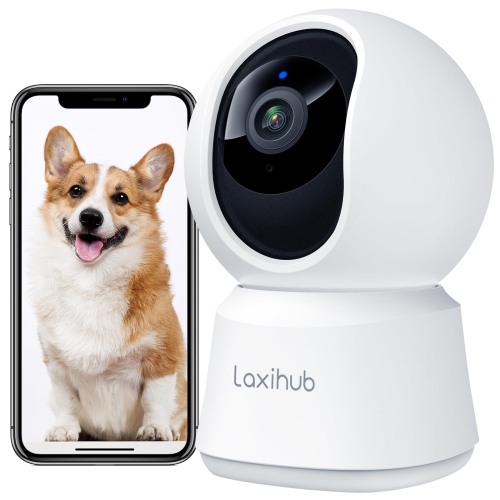
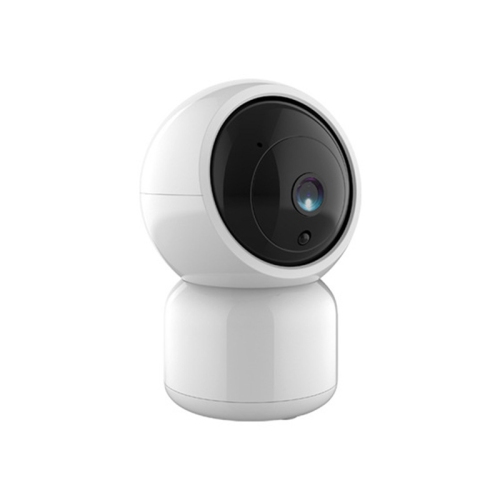
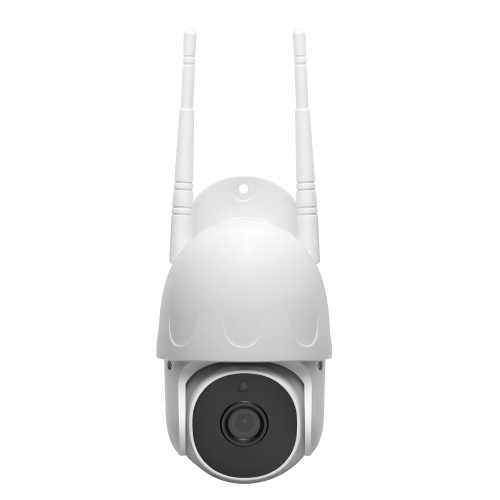
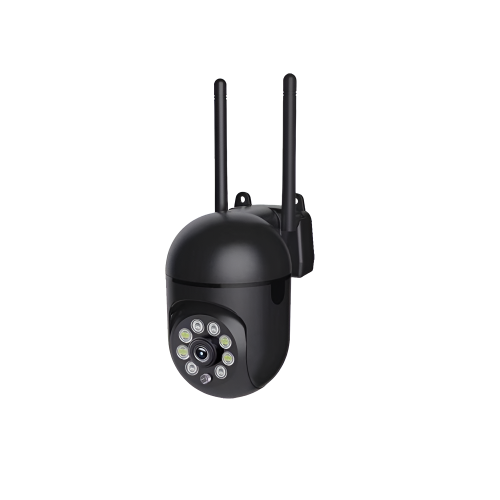

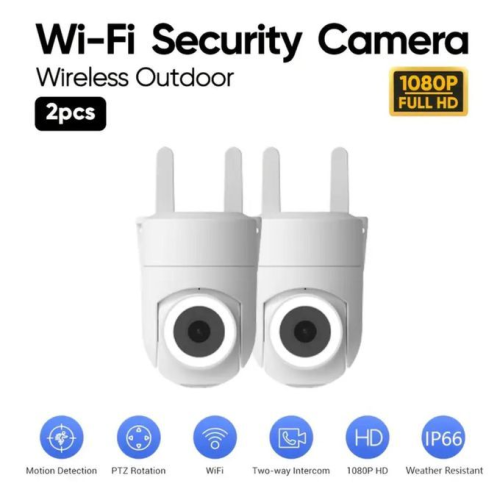
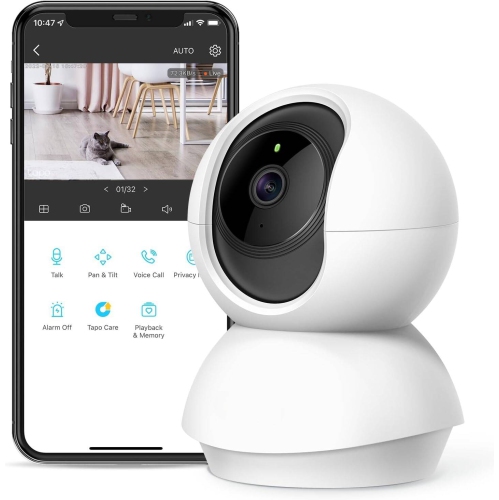
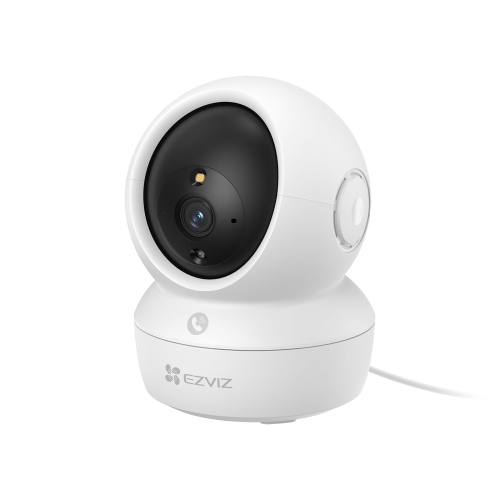
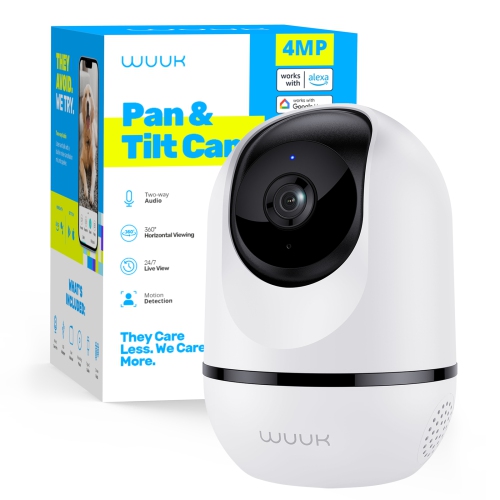
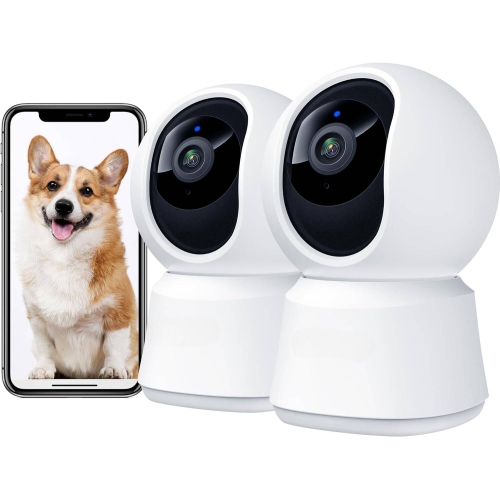
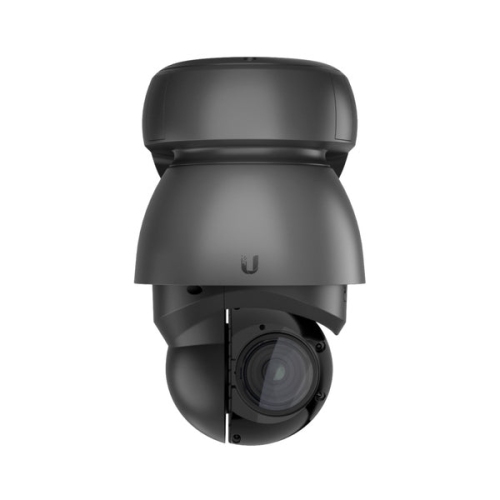

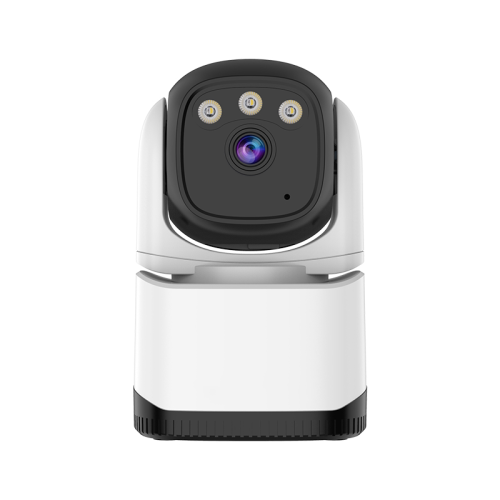
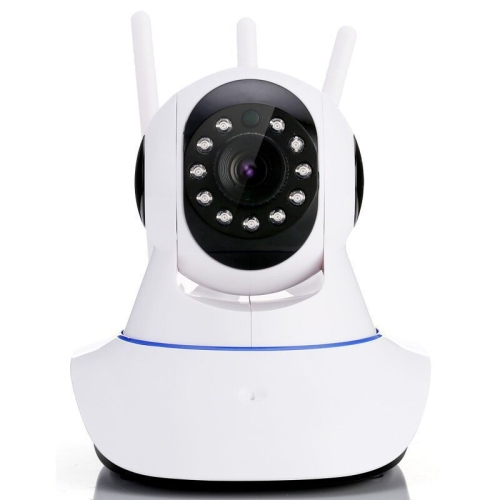
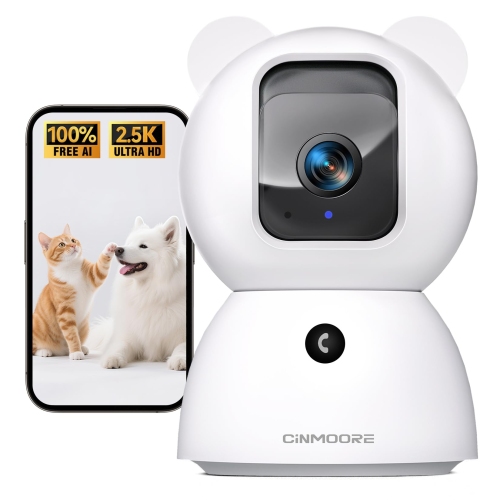

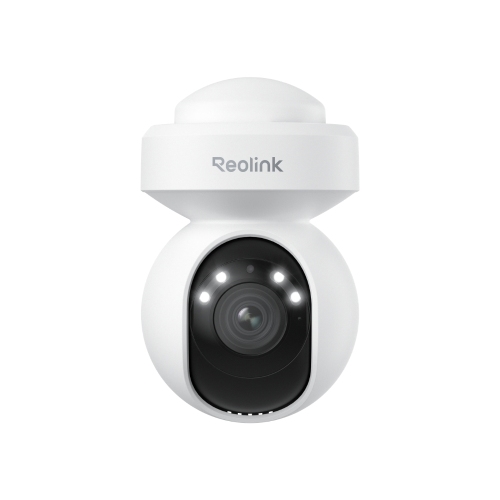
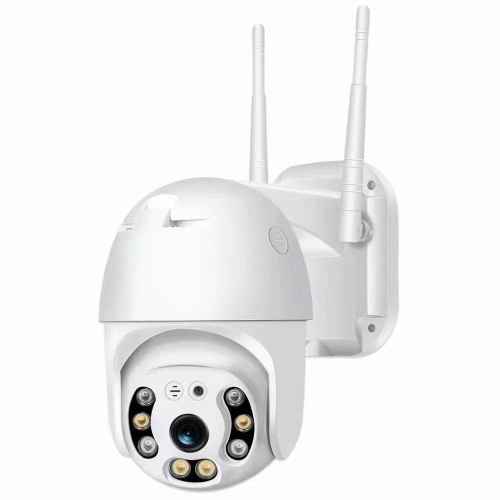
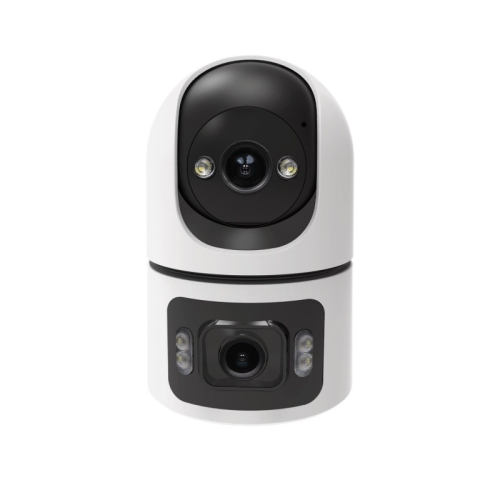
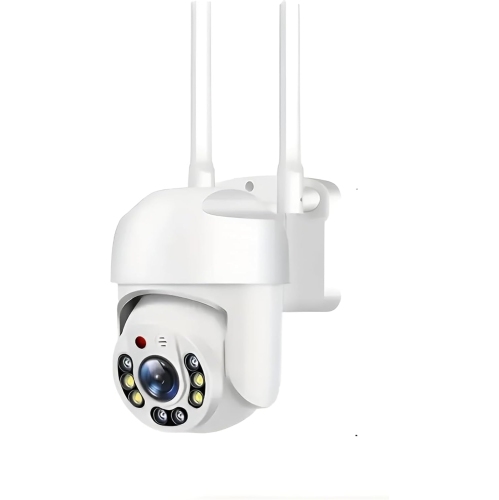

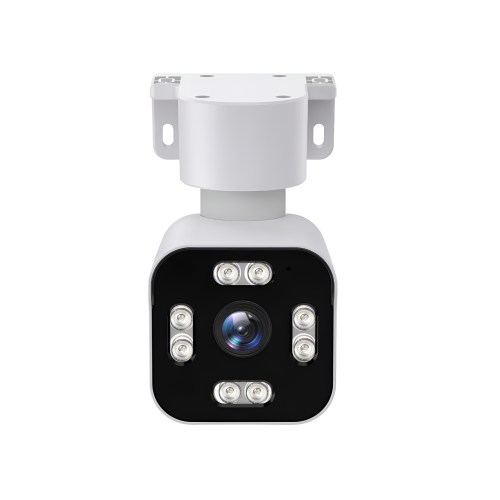
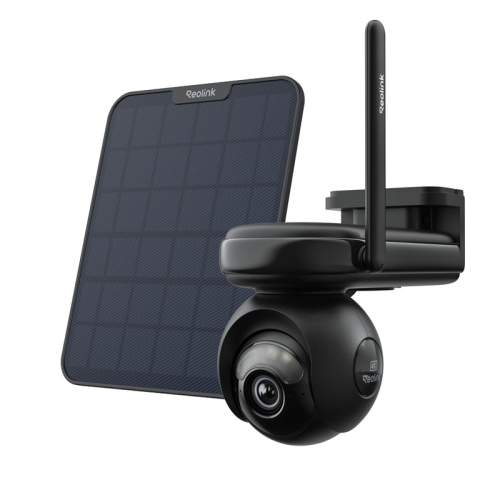
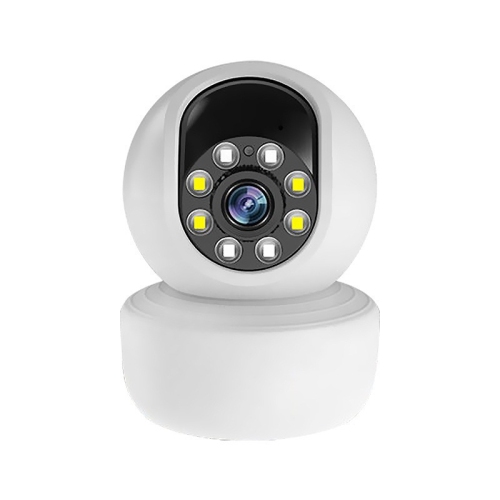
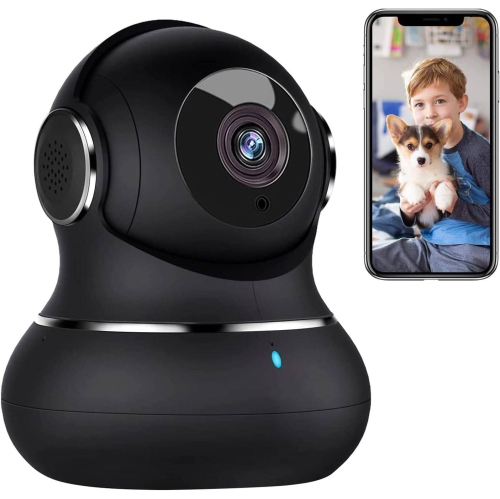
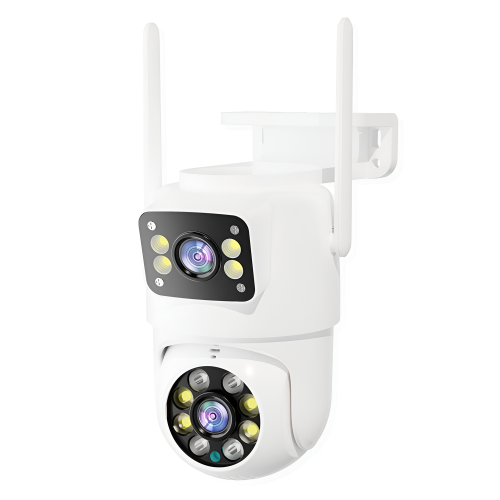
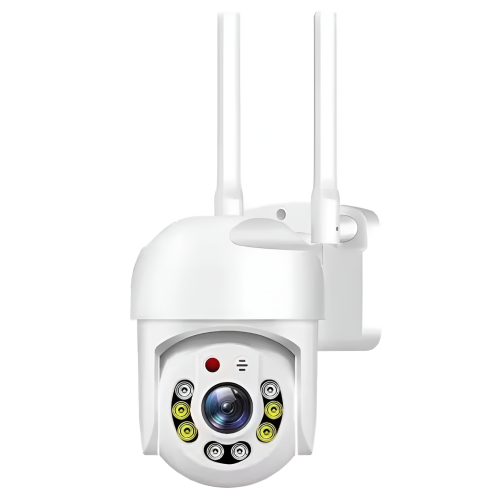
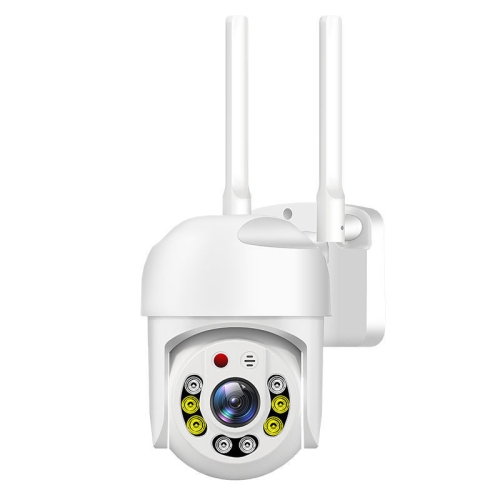
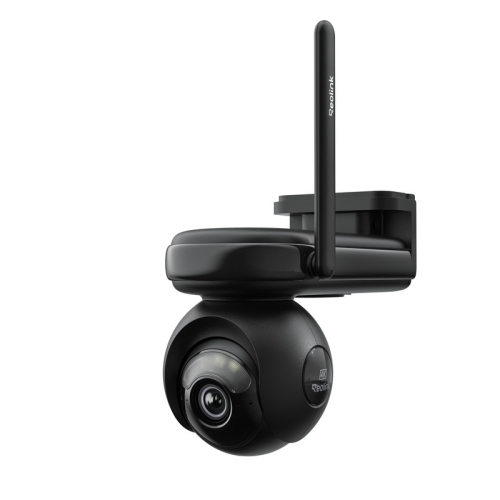

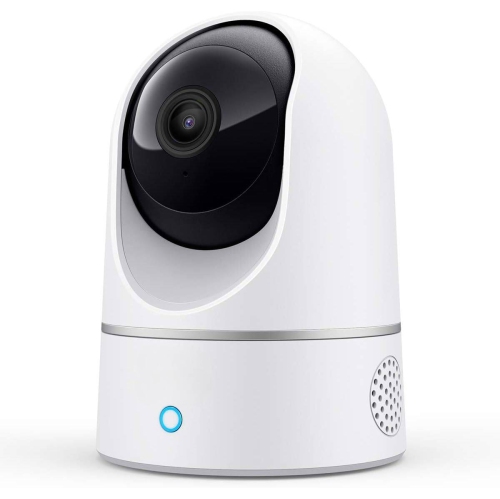
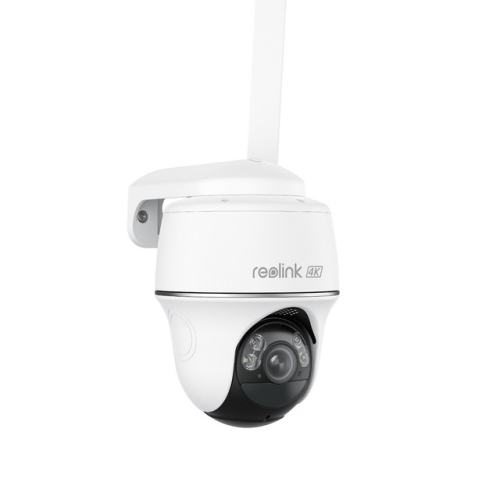
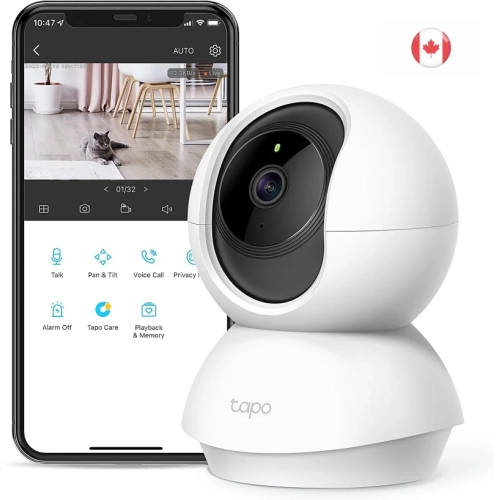

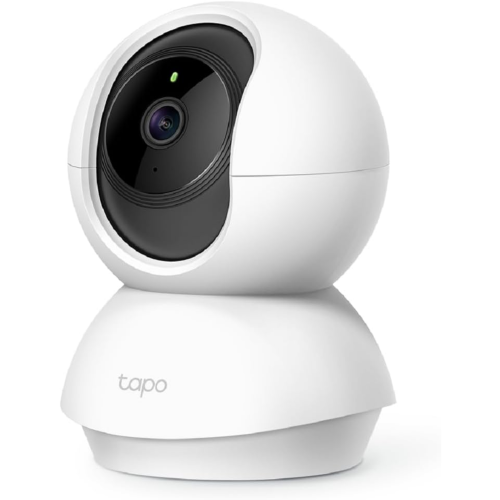
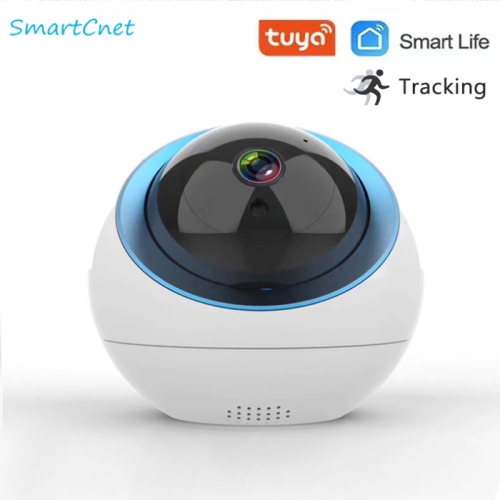
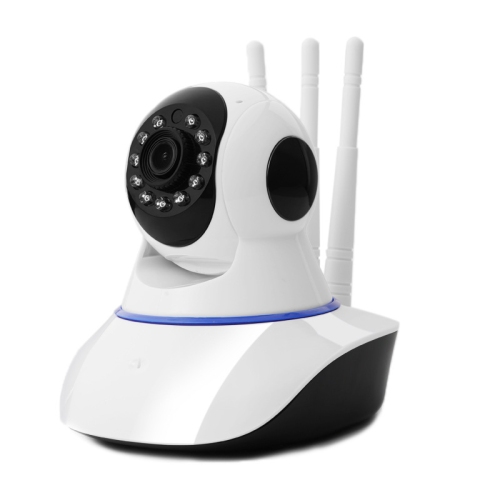
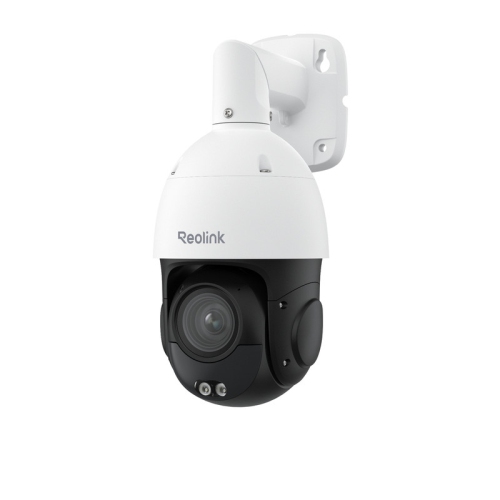
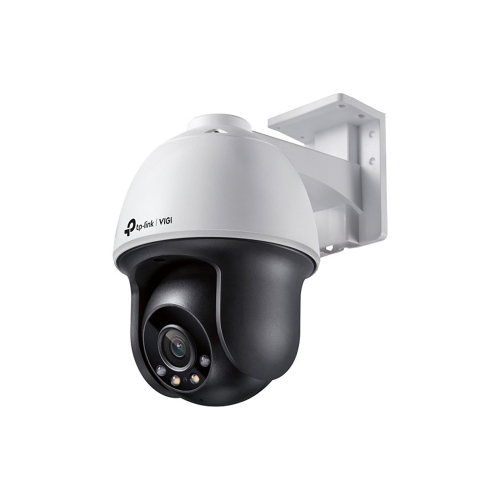
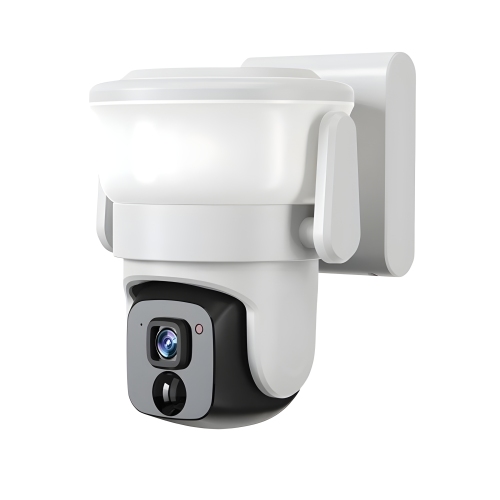
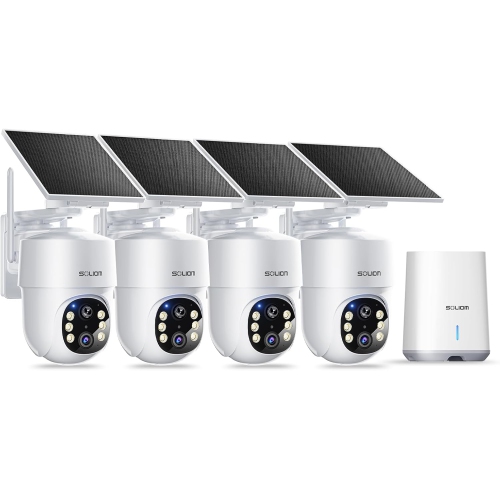
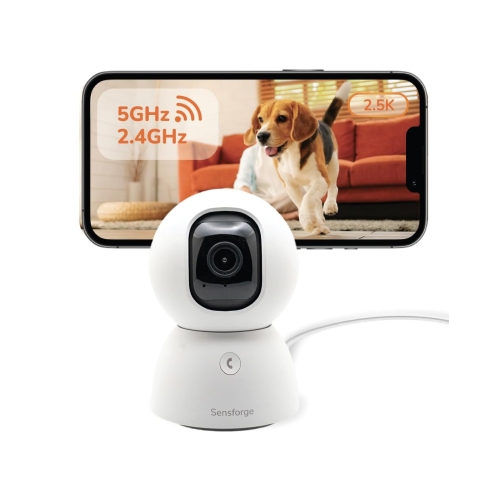
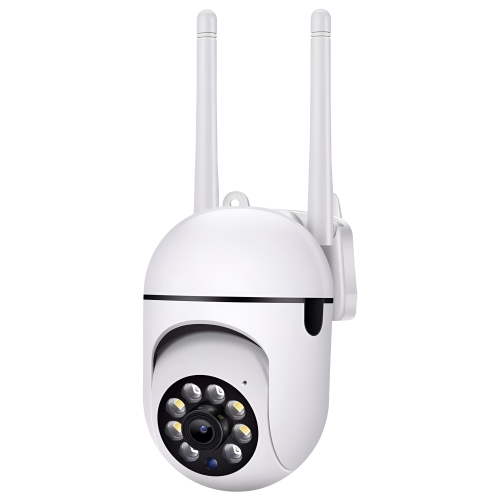
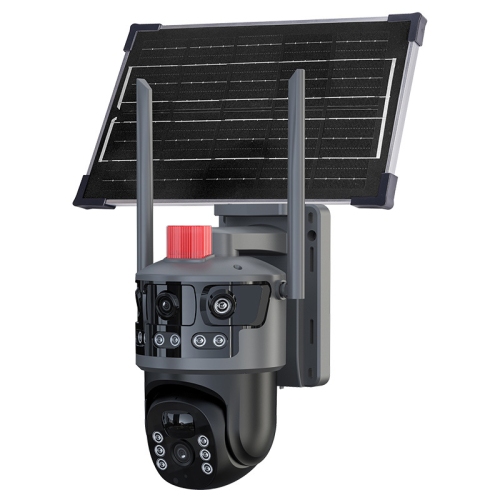
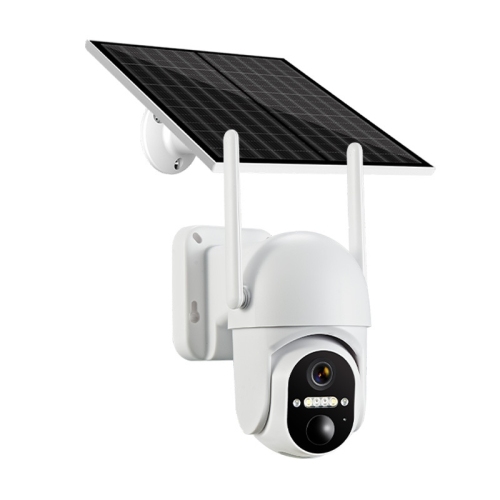
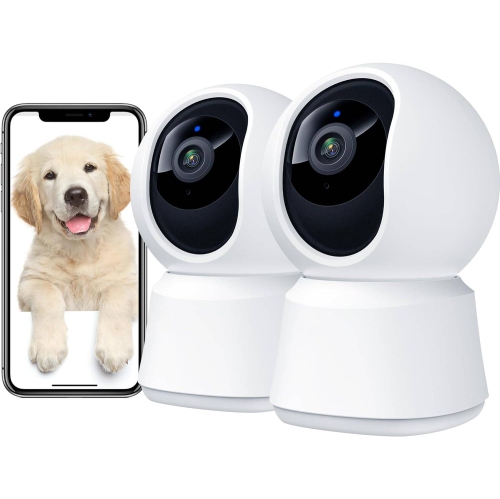
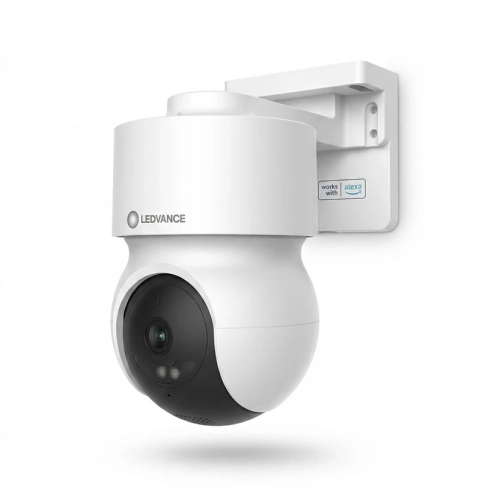
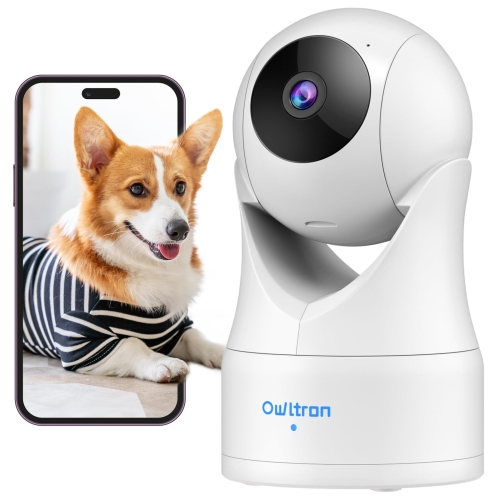
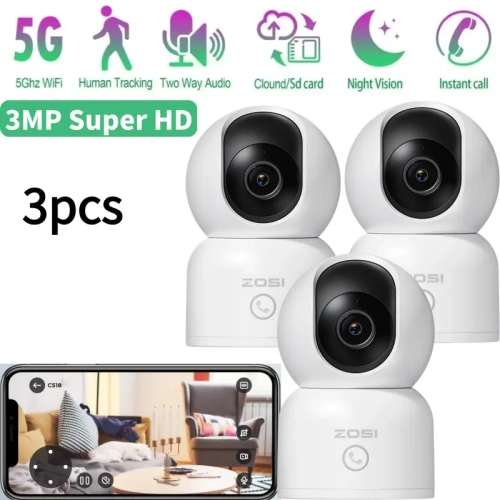
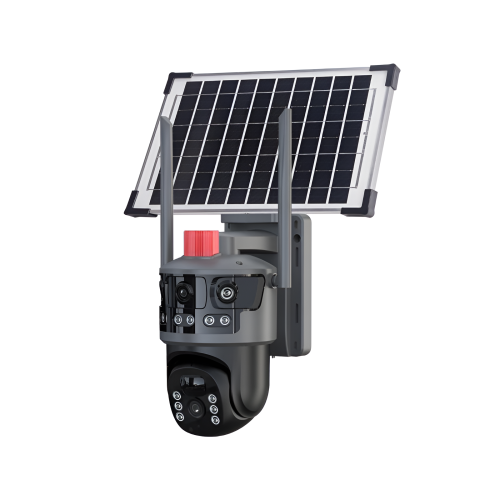

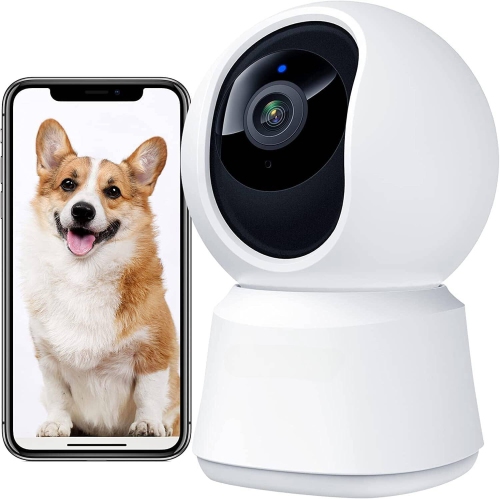

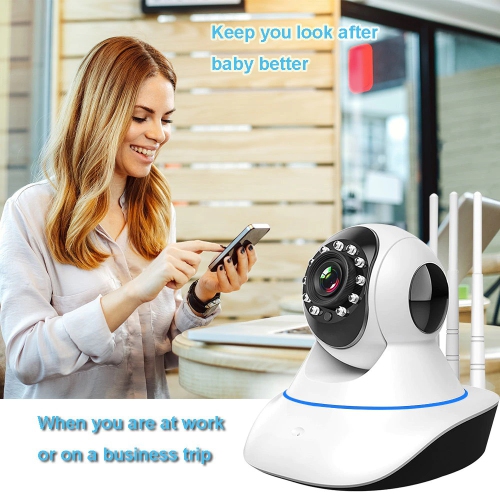
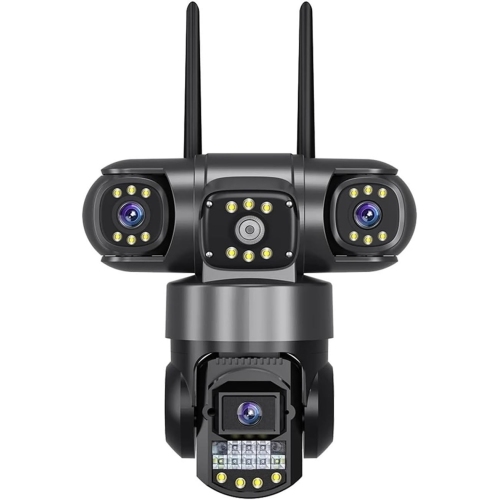
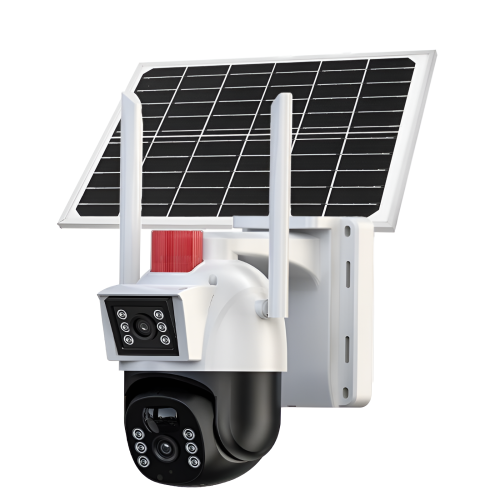
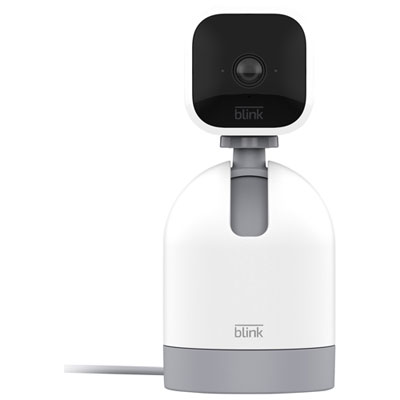
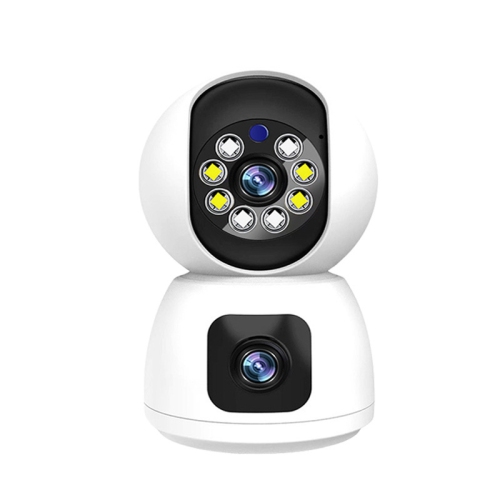
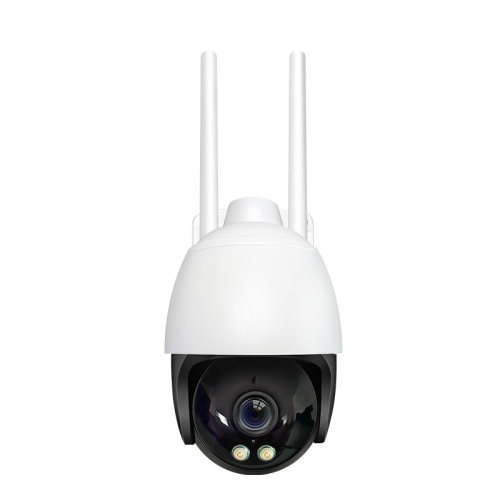
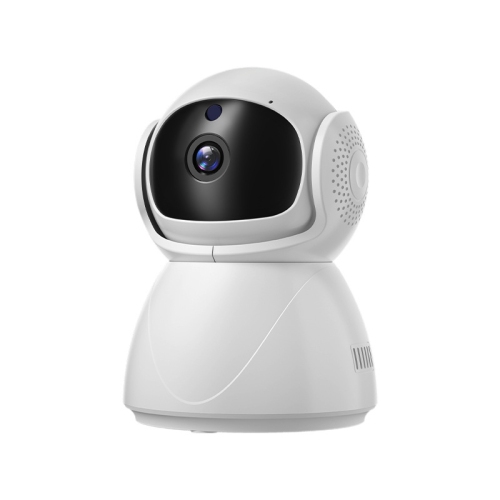
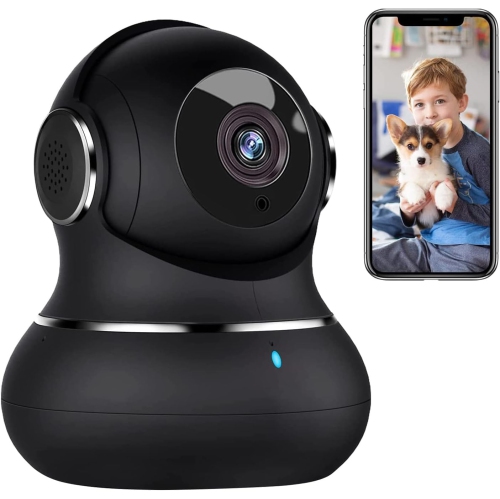
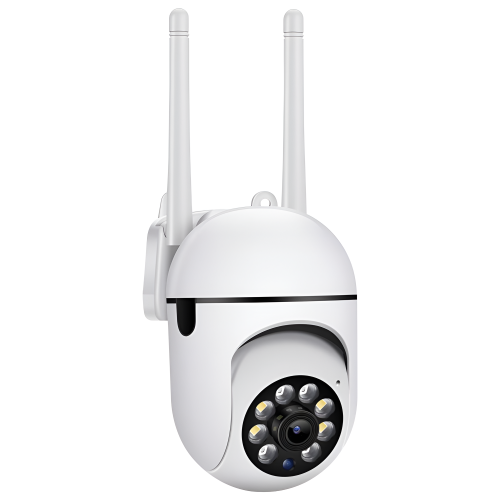
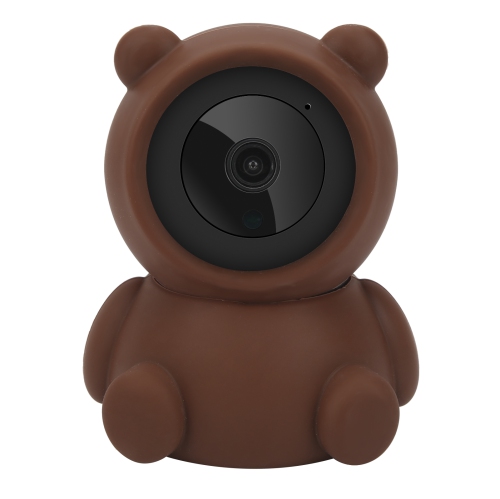

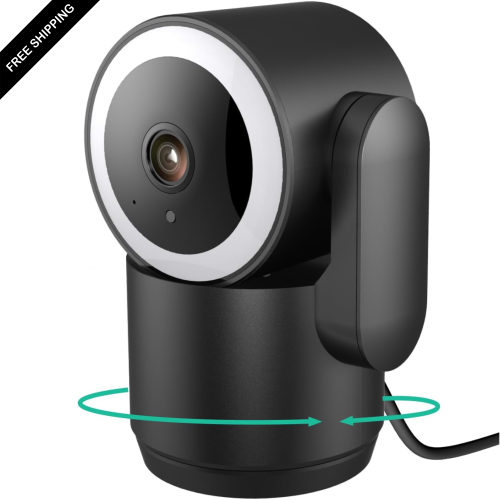
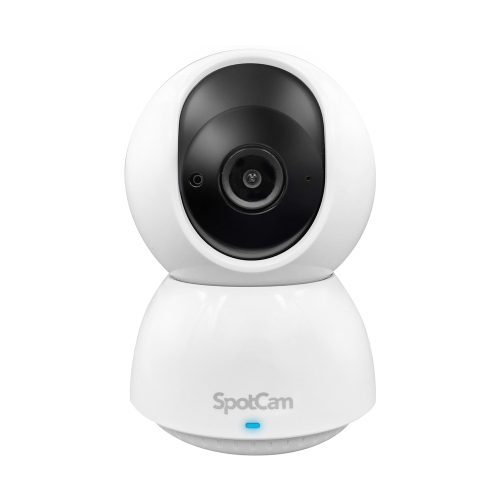
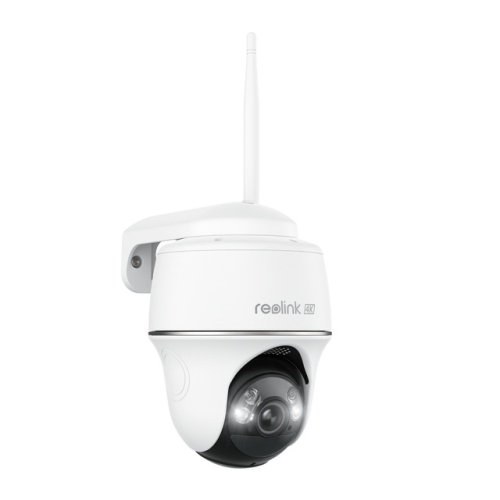
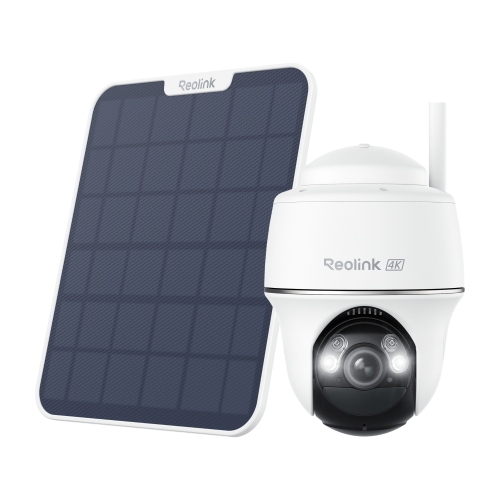
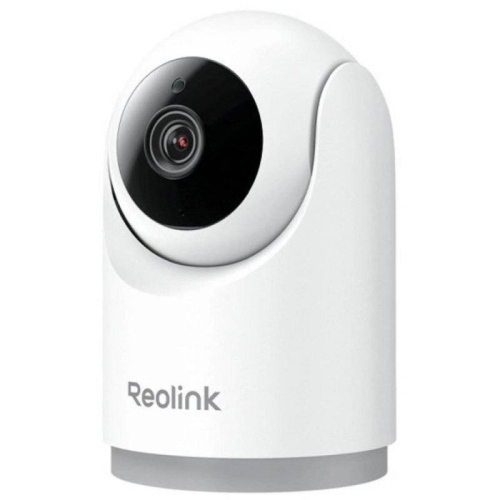
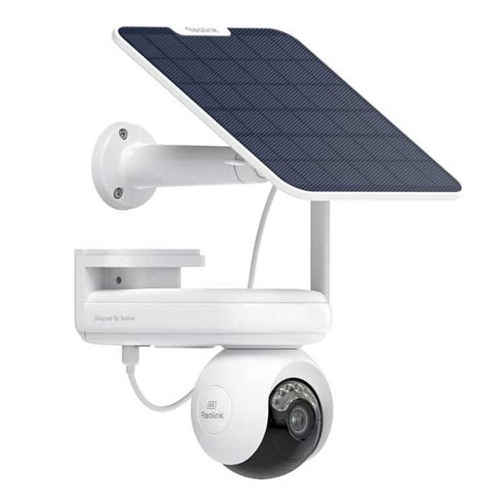
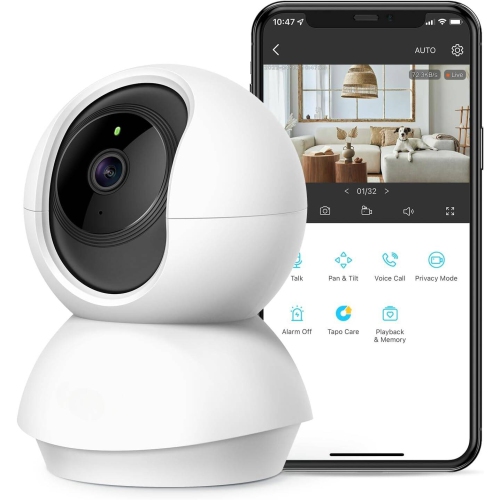
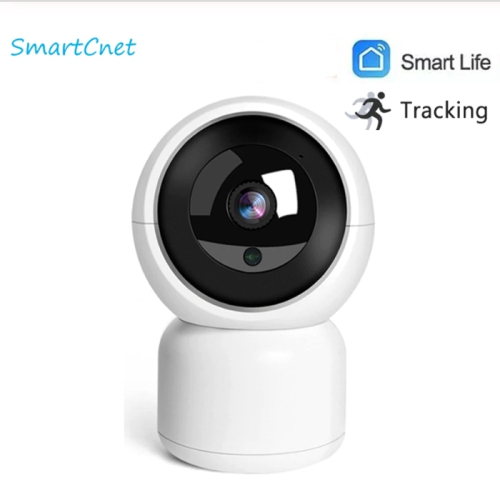
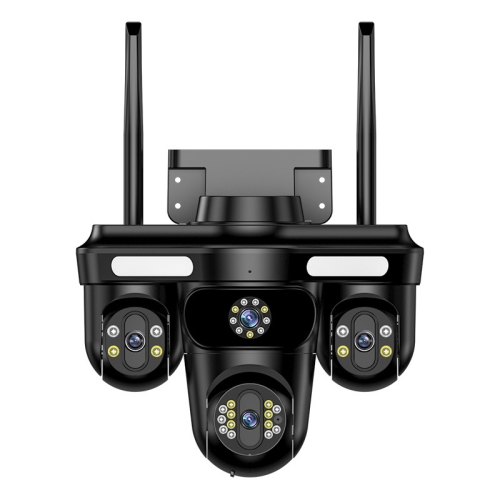
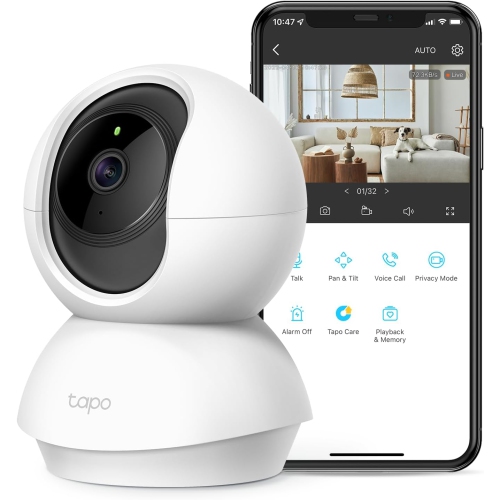
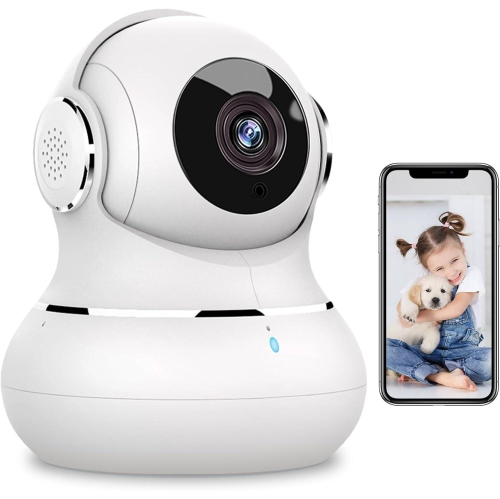
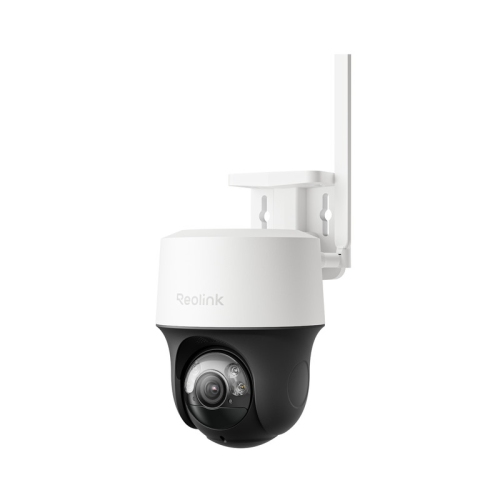

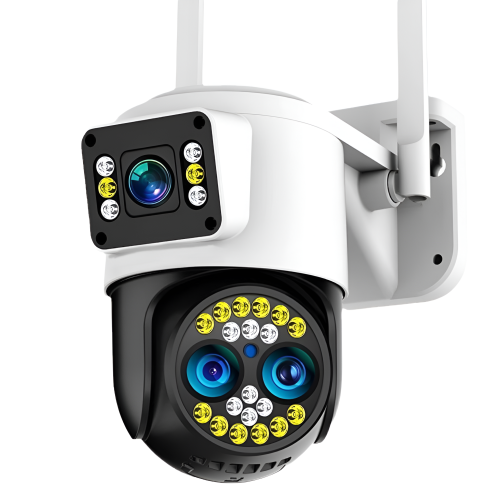
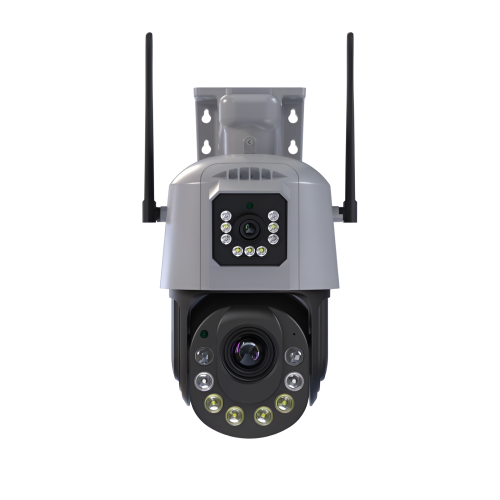
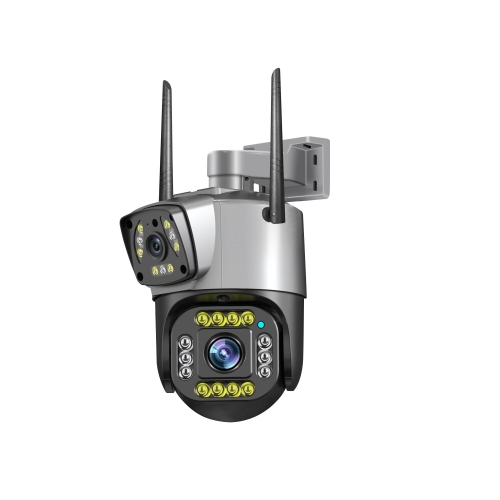
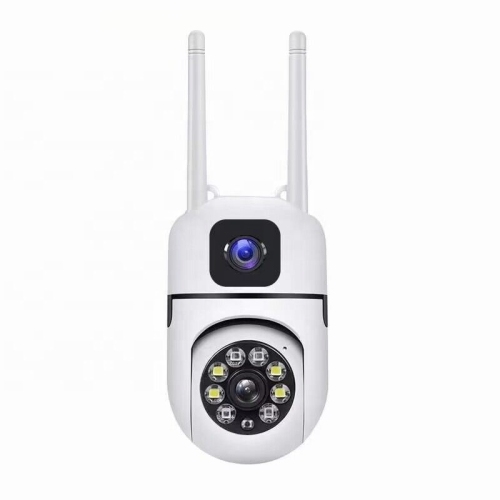
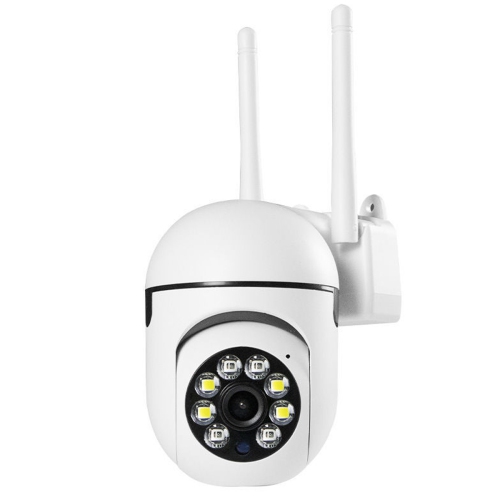
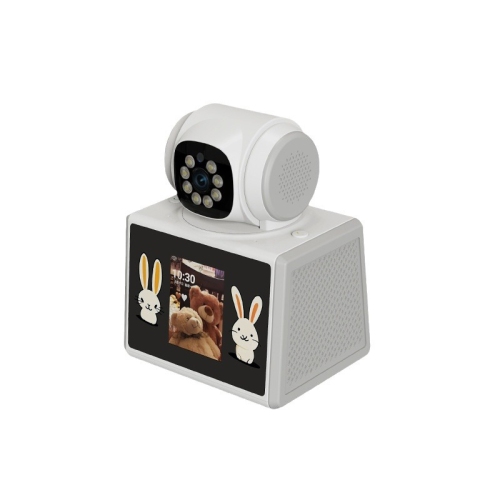

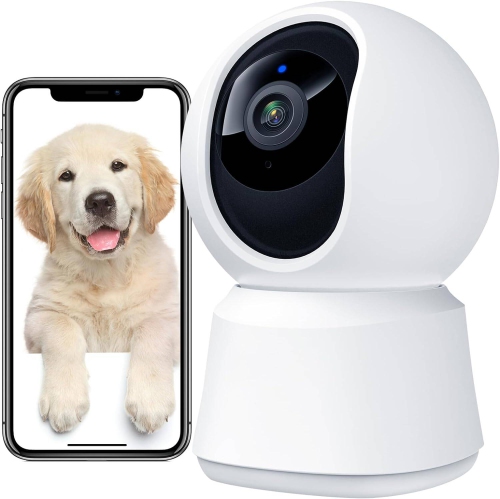
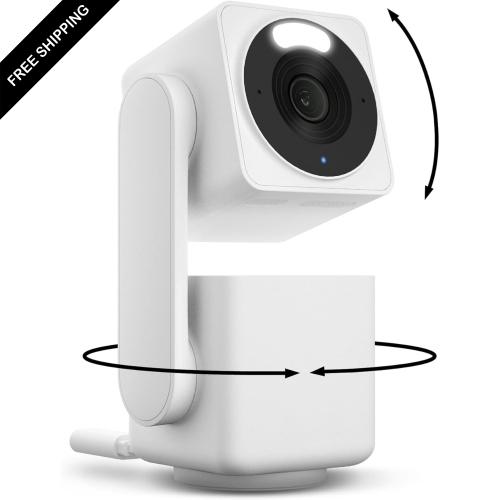
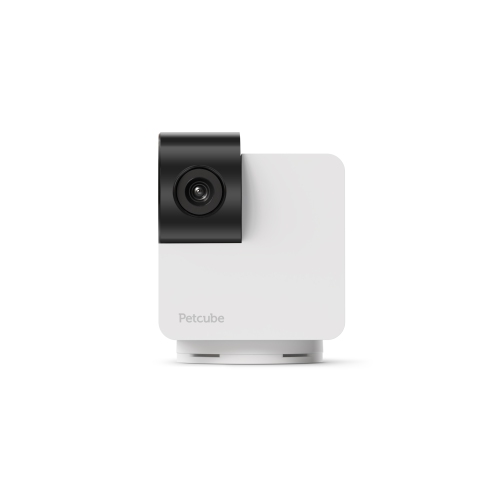
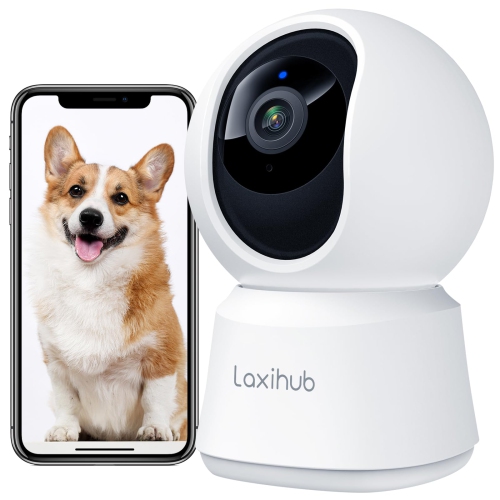

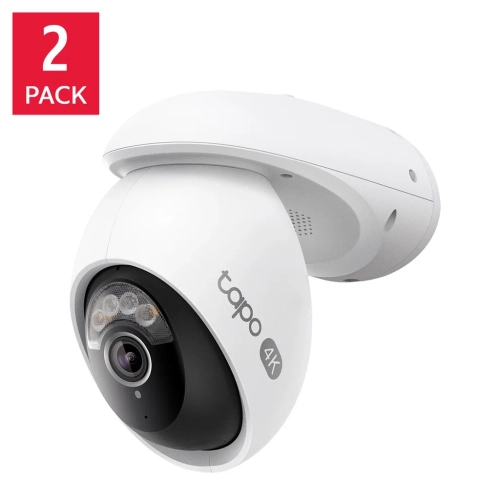
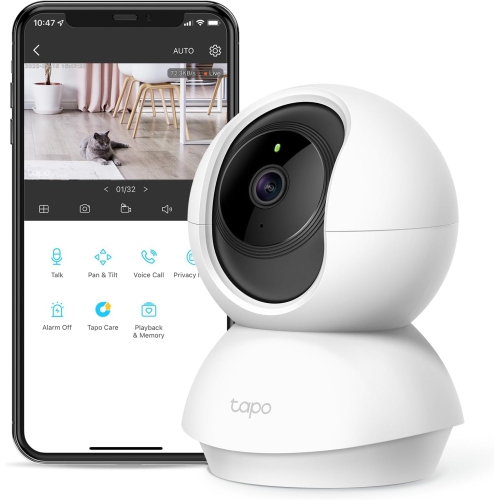

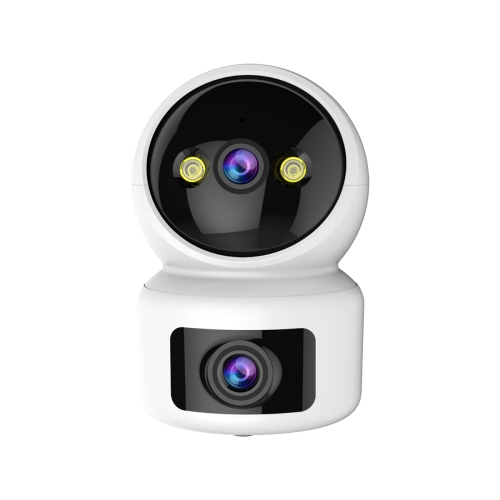
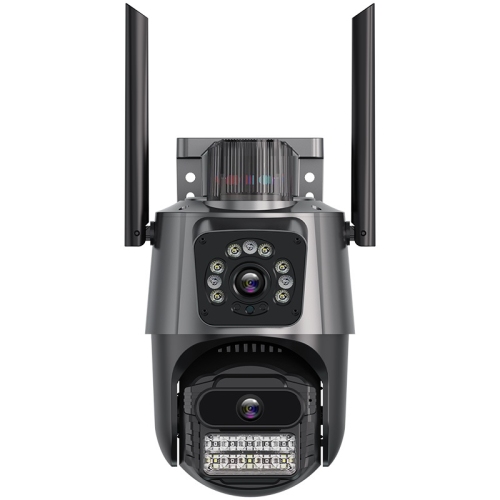
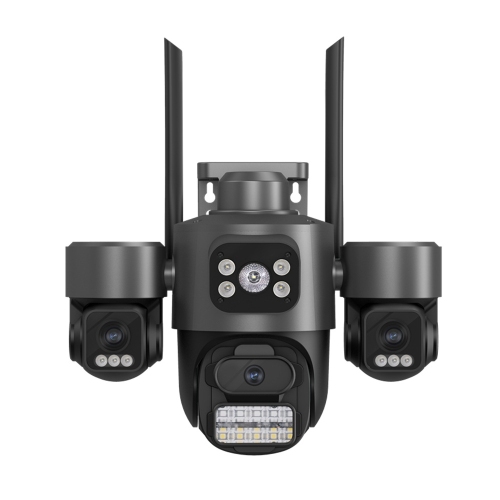
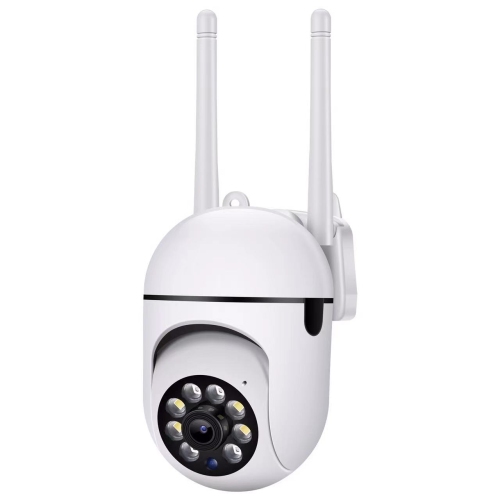

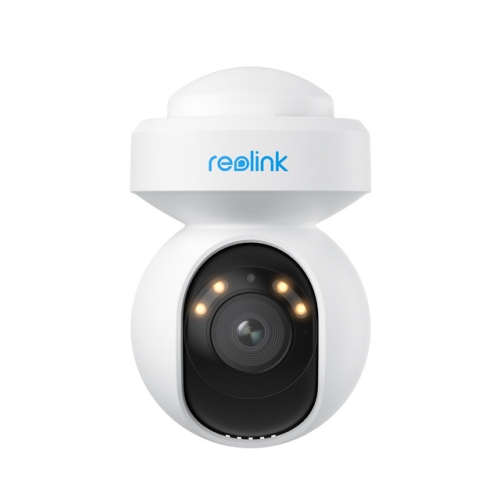
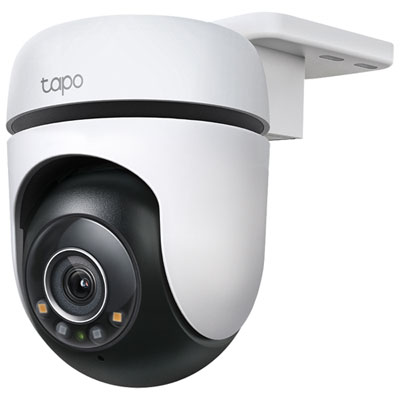
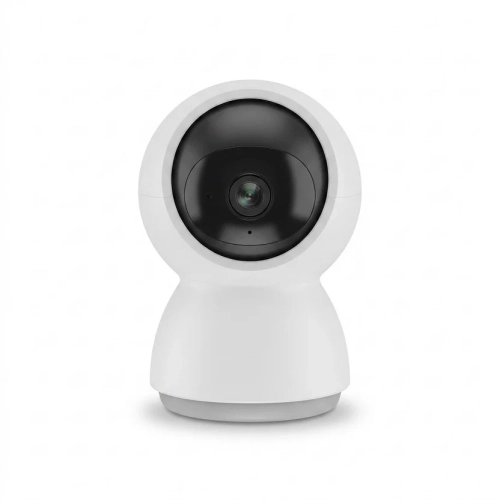
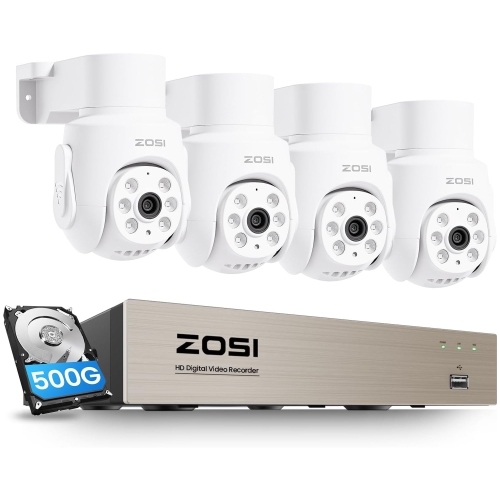

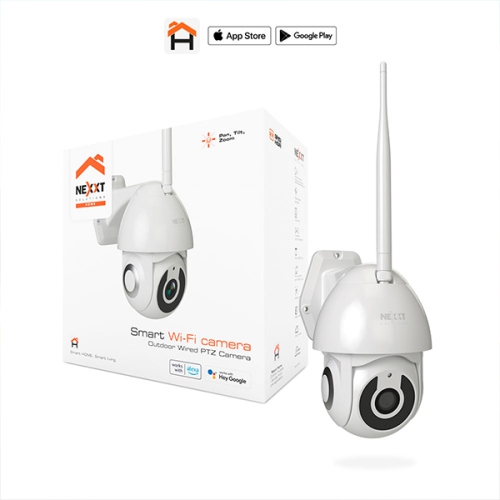


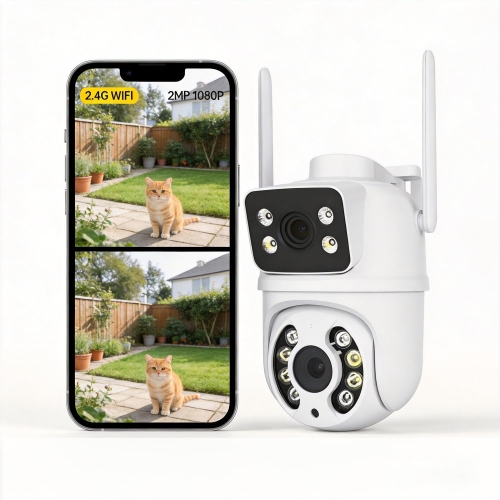
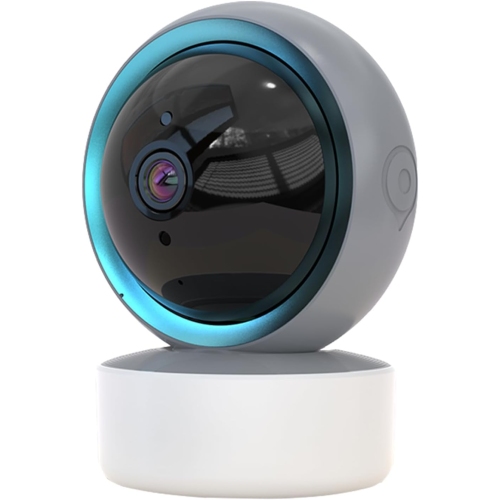
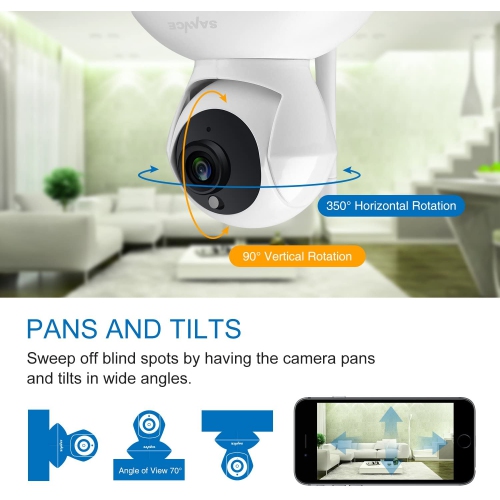
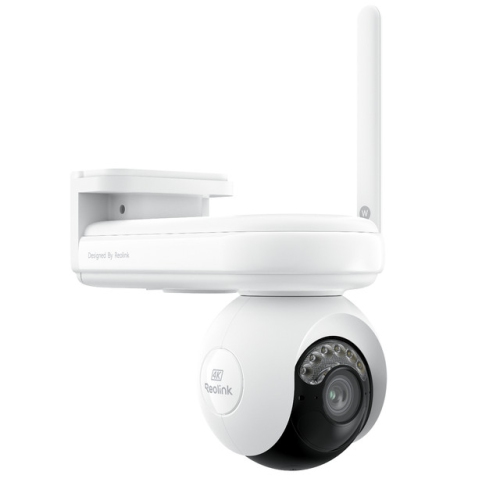
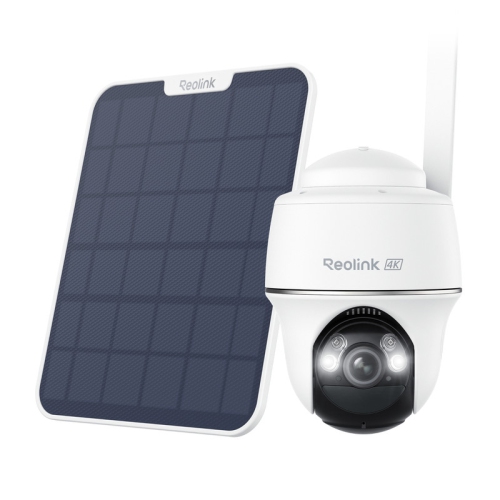
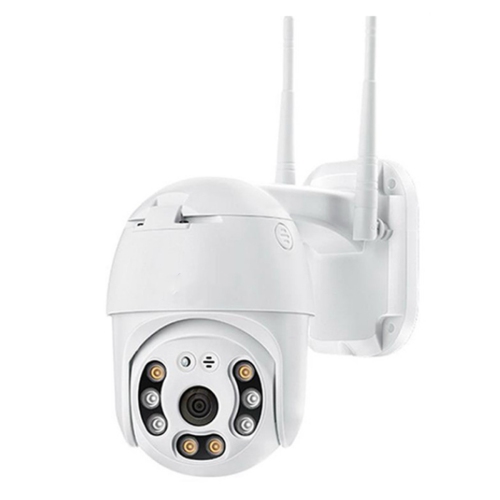

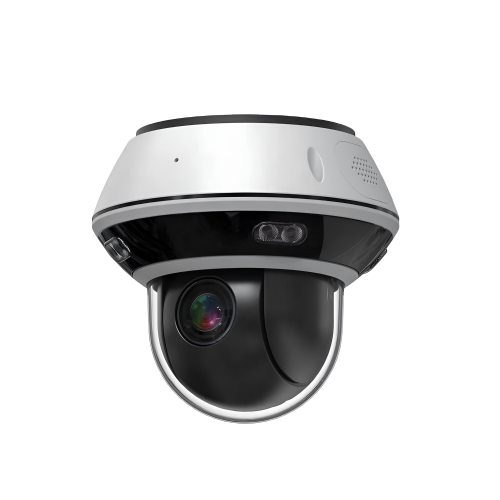
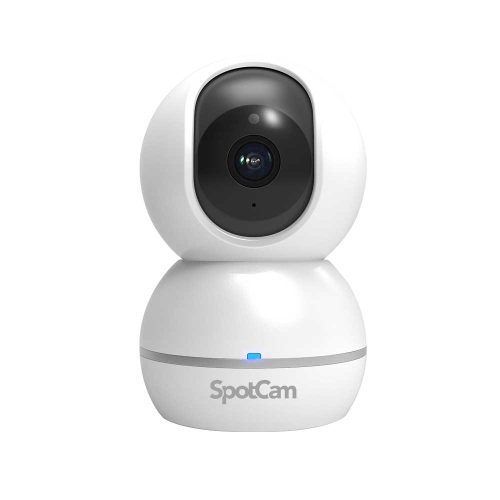
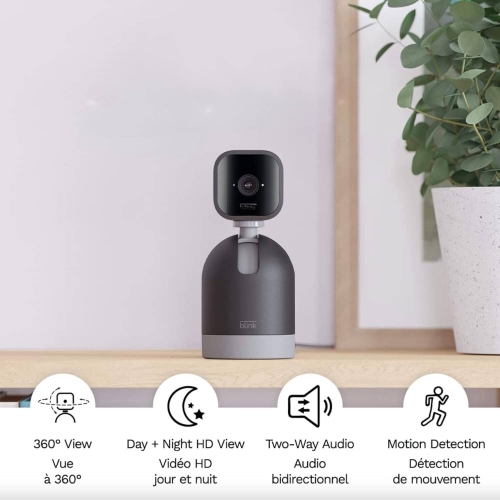
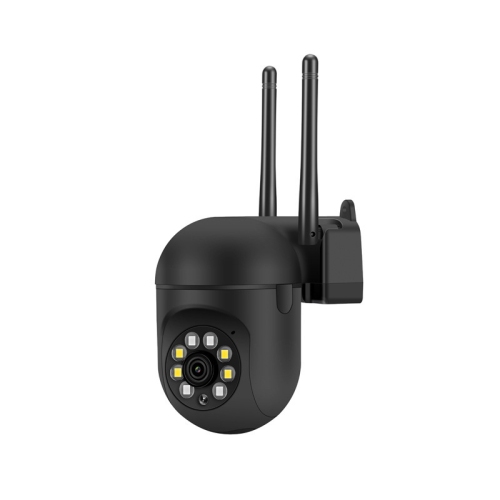
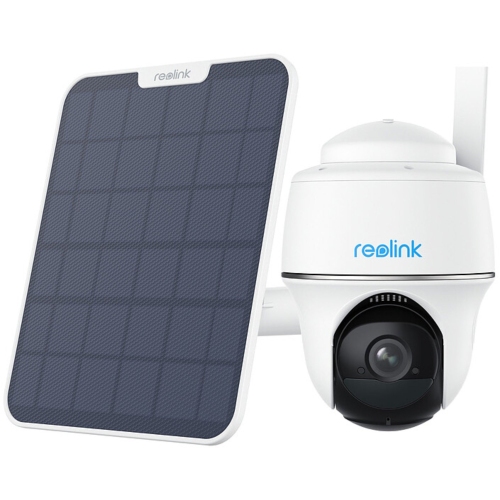
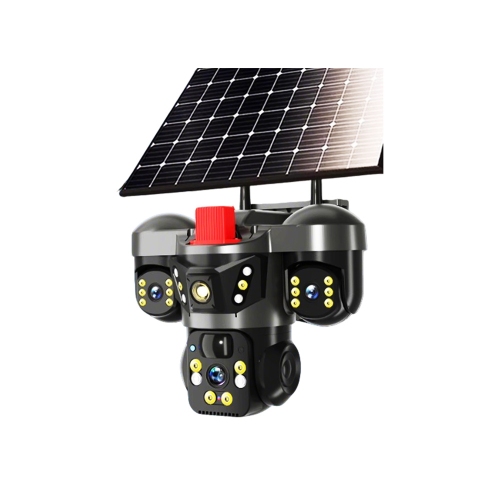
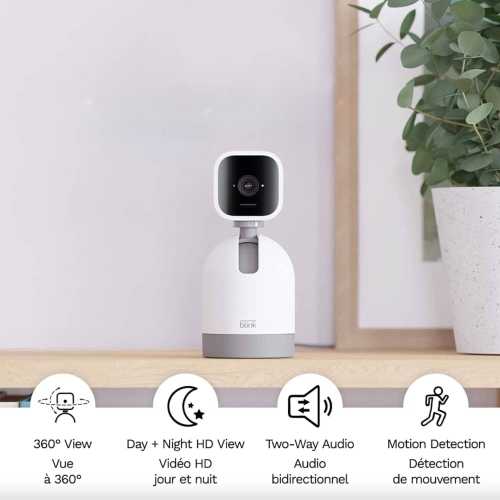
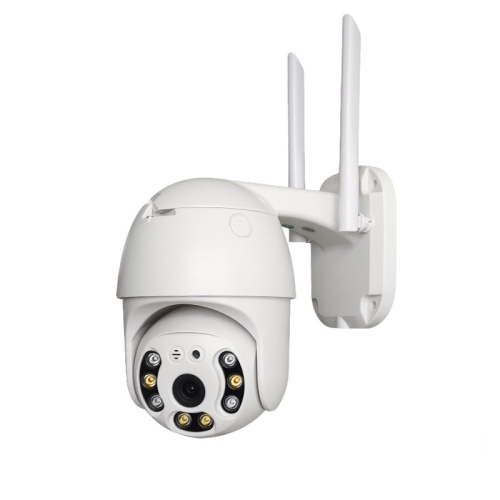
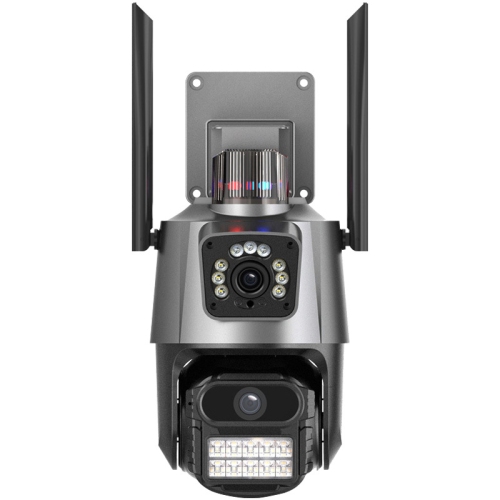
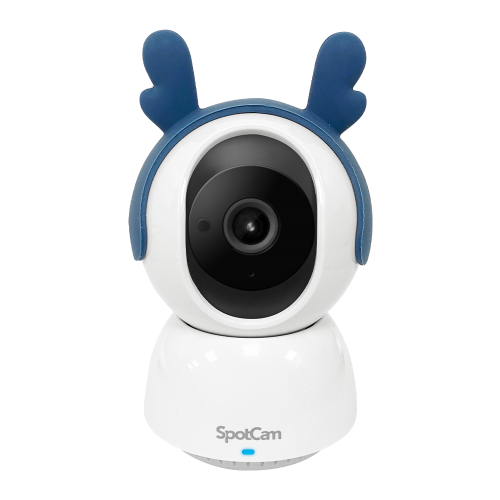

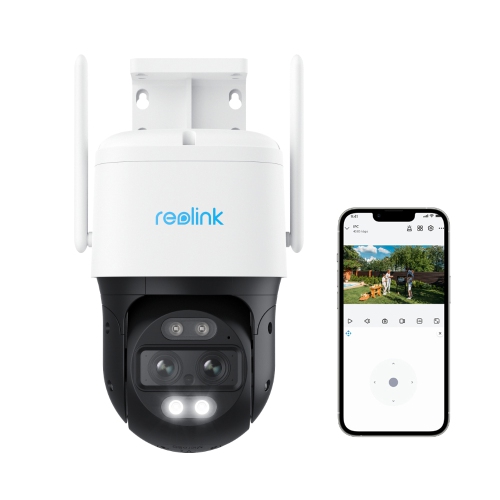
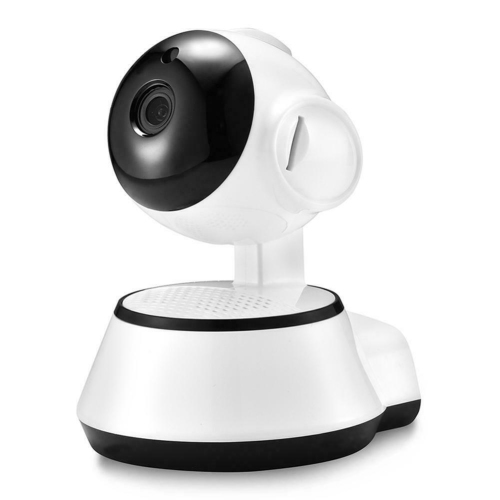

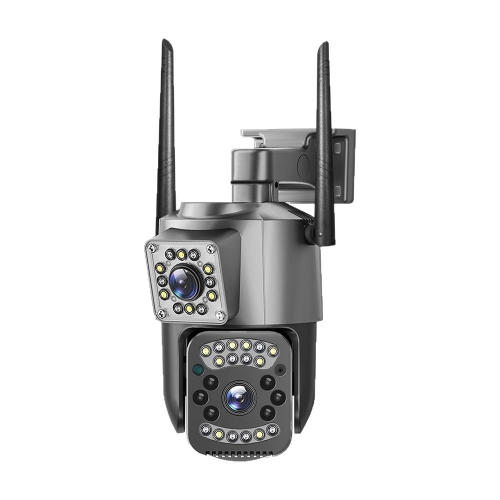
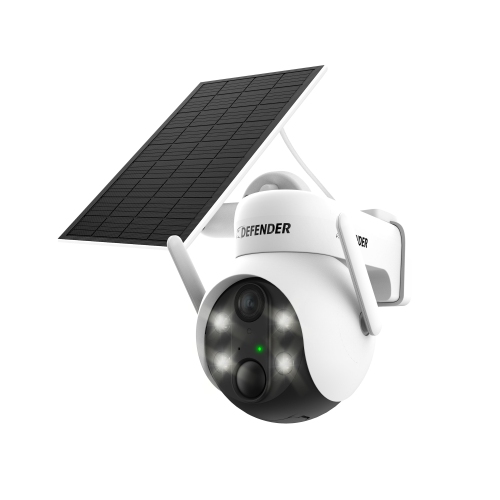
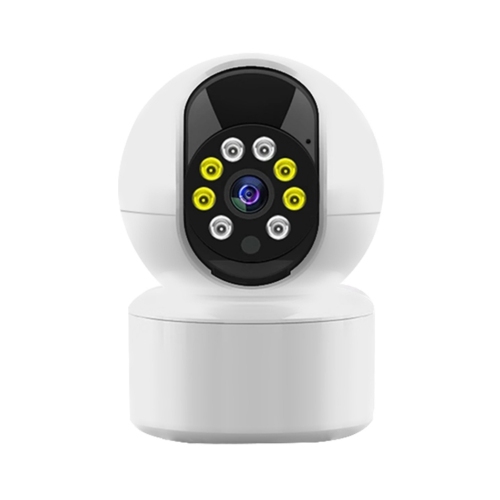
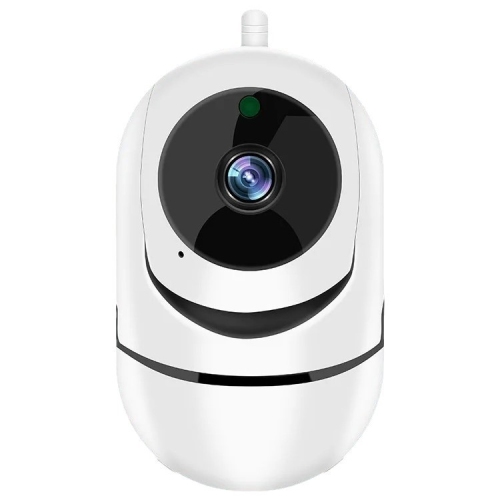
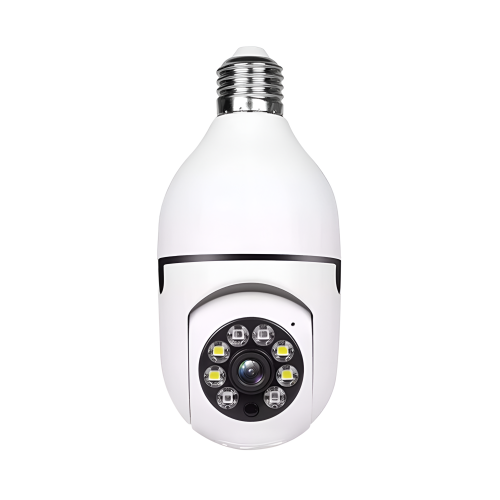
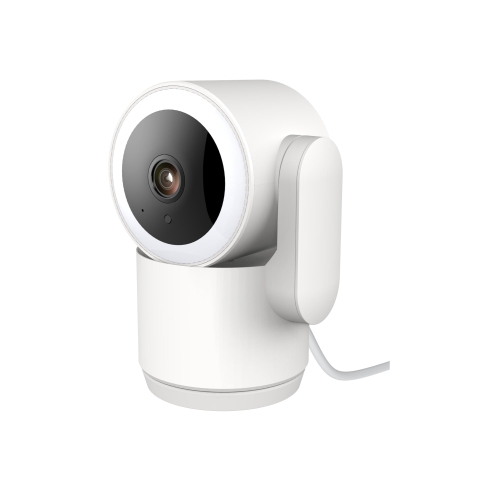
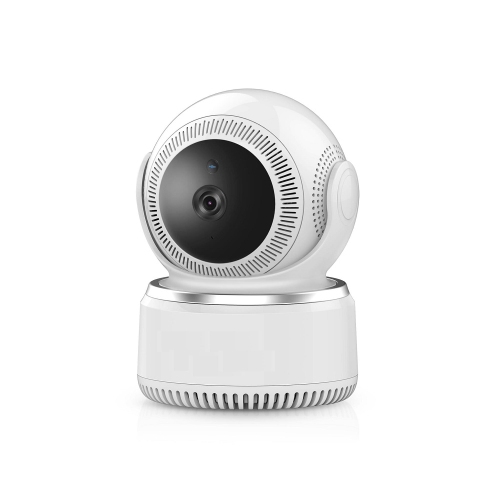
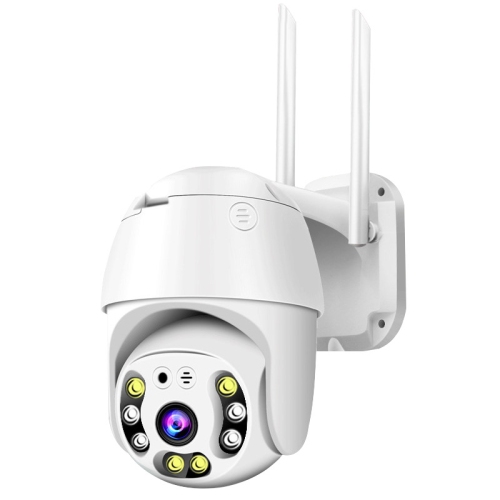
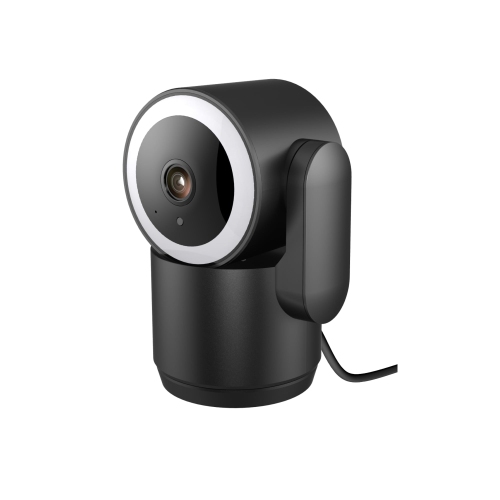
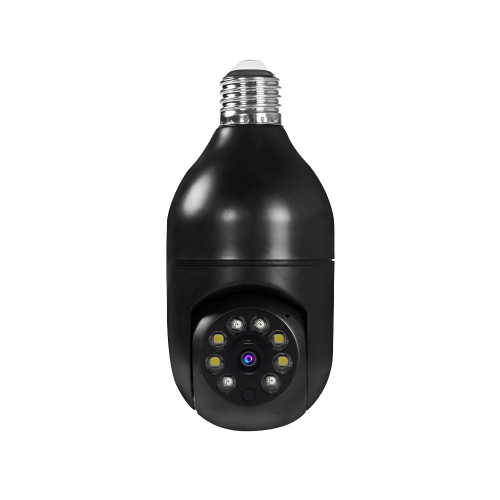
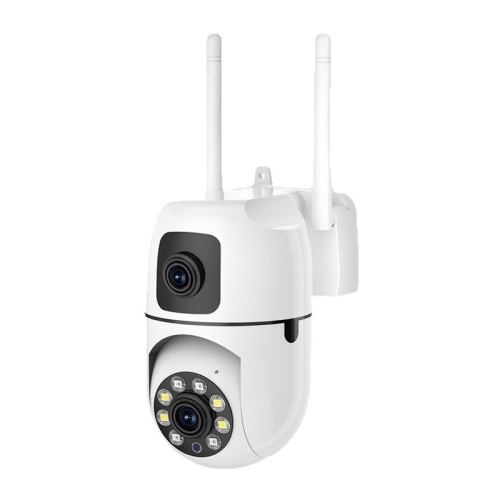
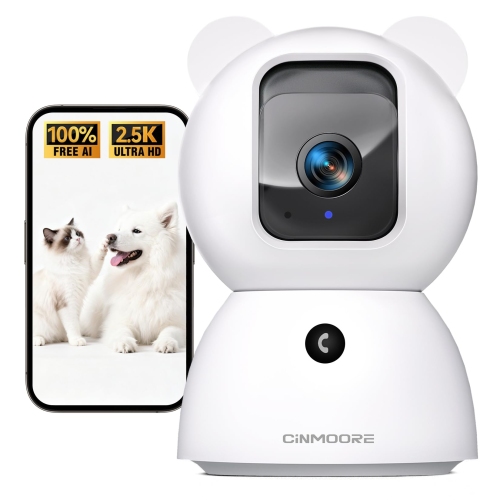
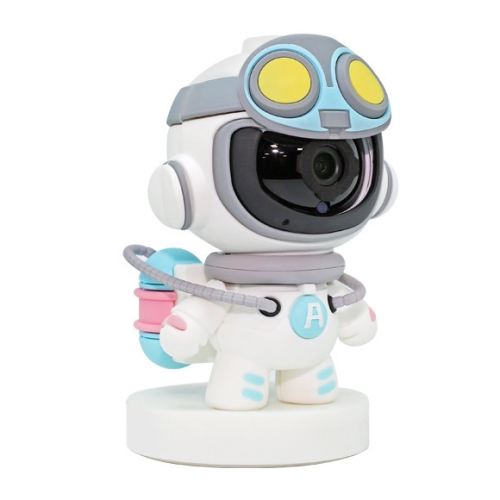
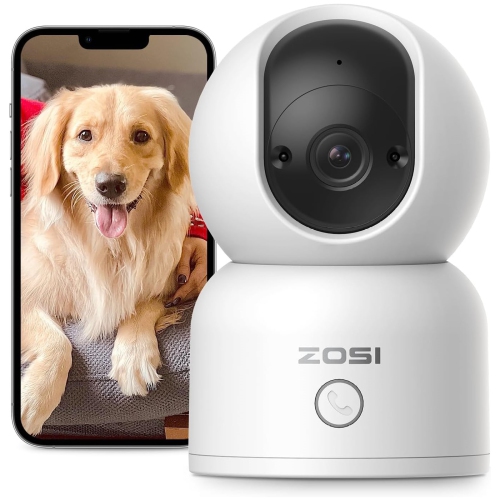
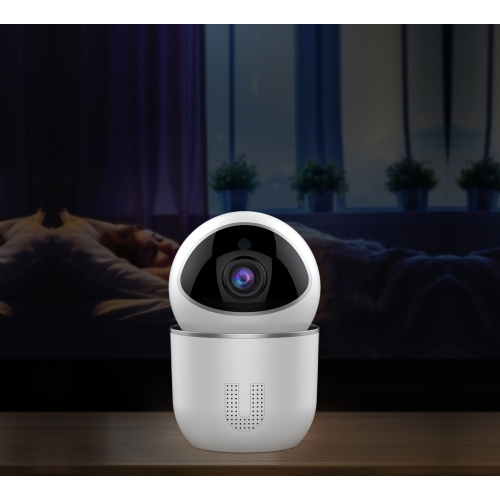
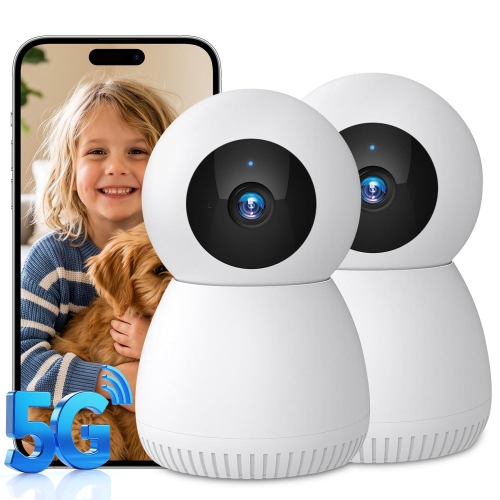

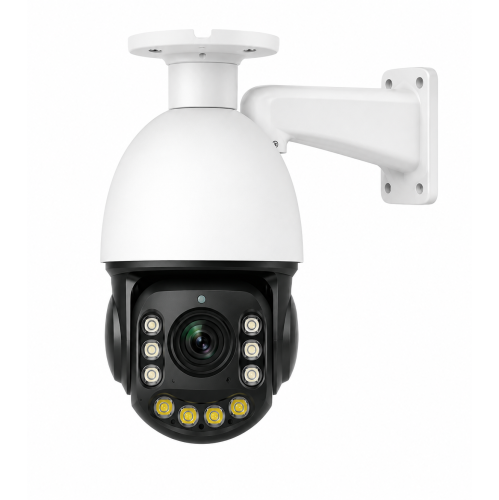
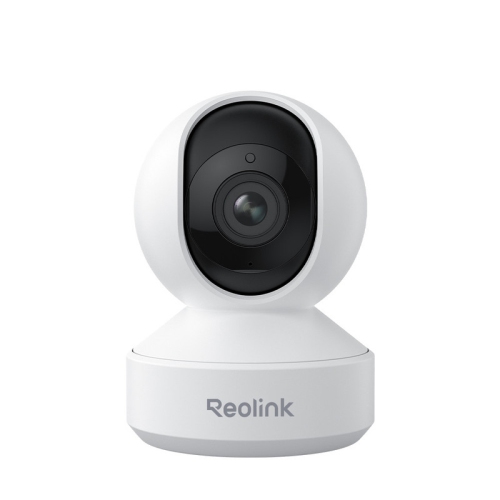
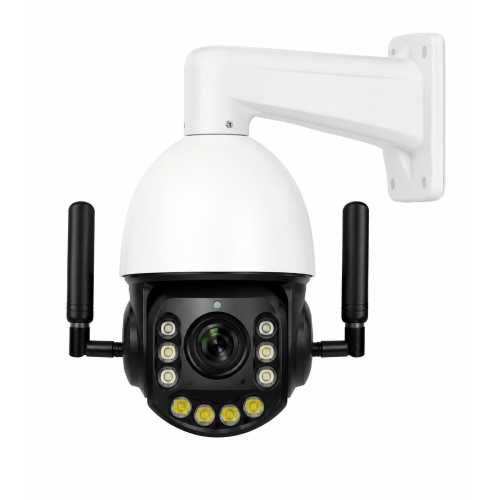
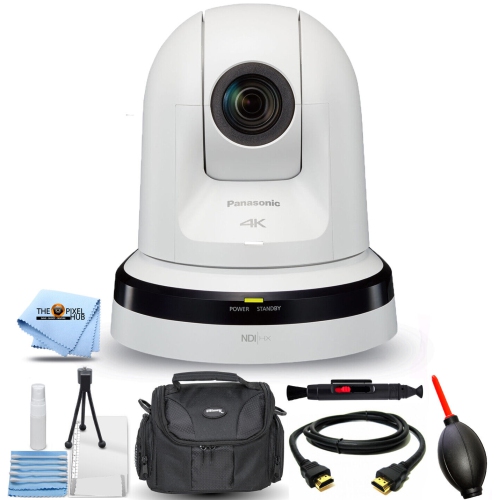
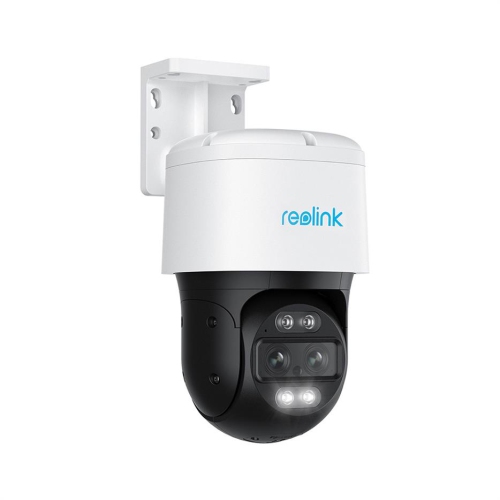
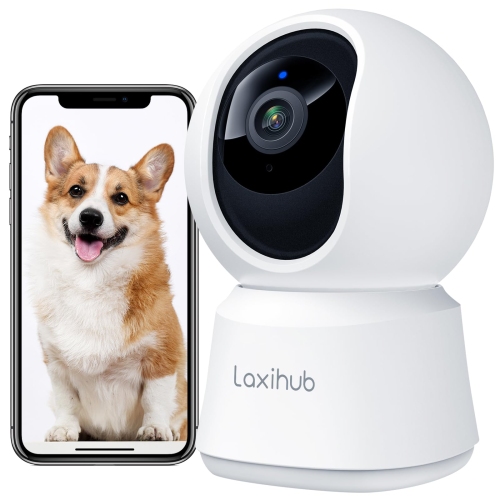
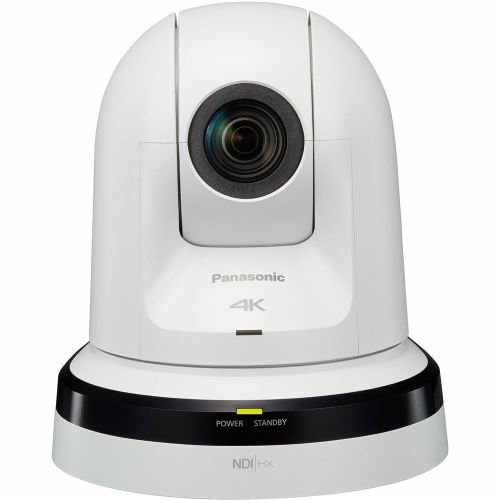
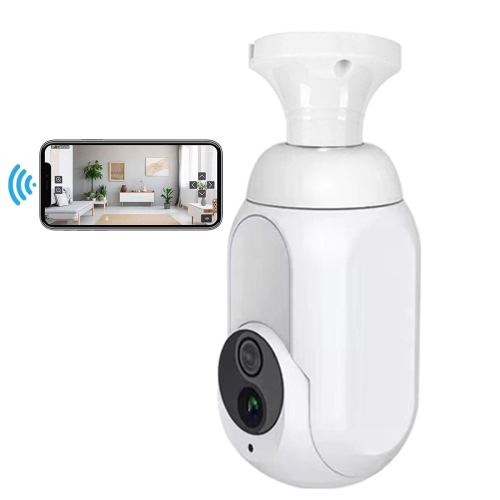
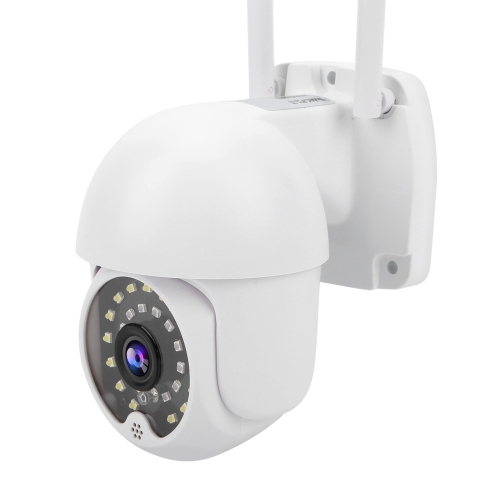
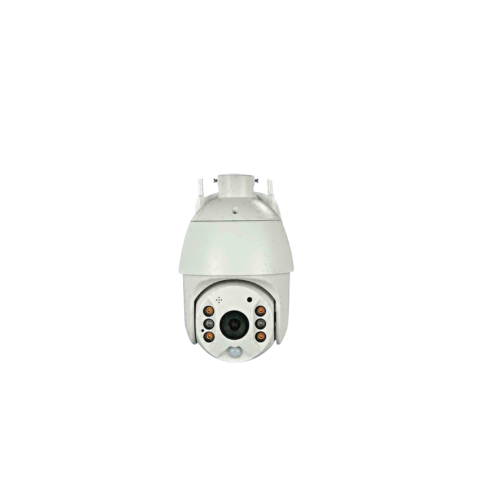


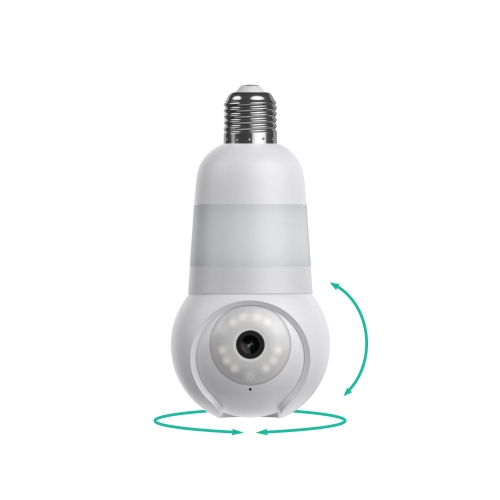
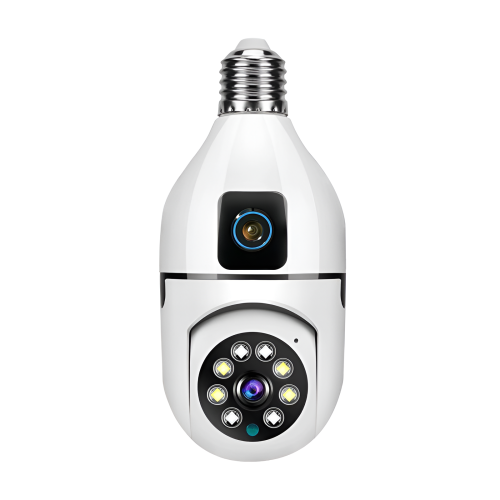
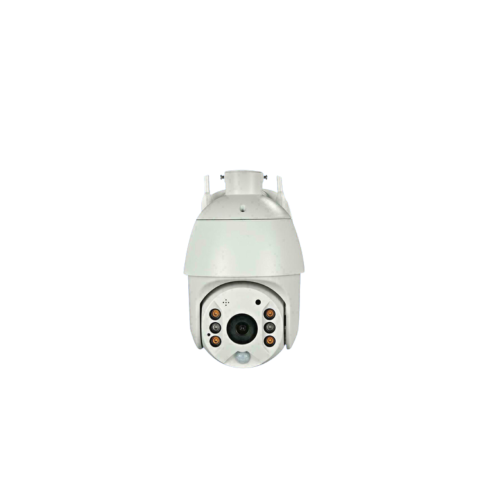
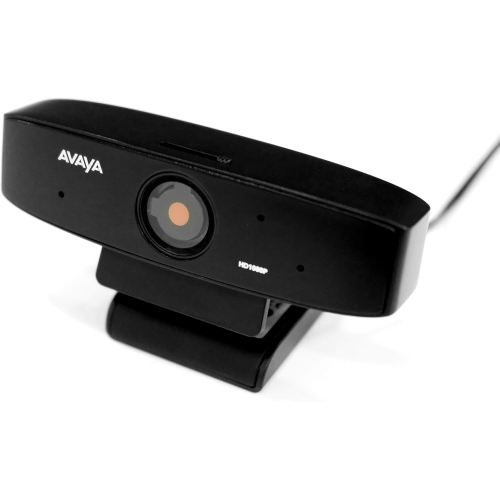
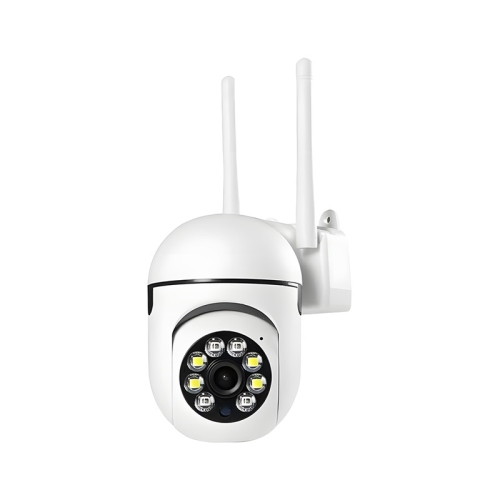
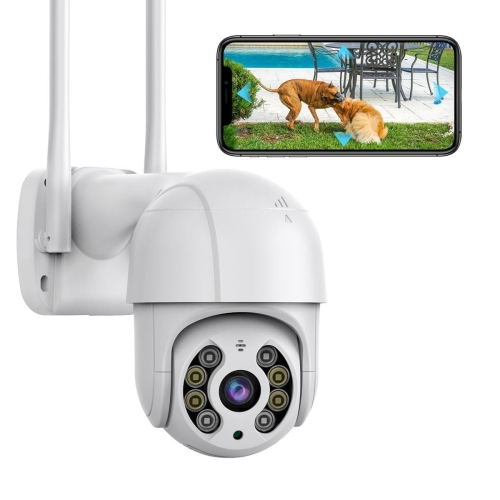
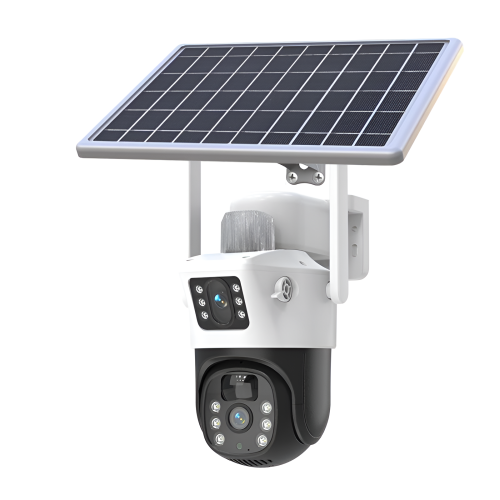


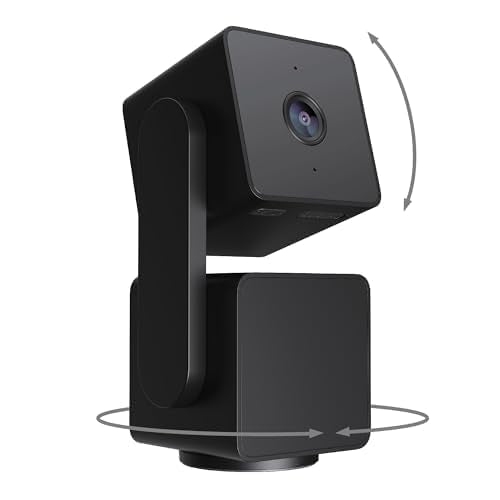
Adjustable camera views for checking rooms from afar
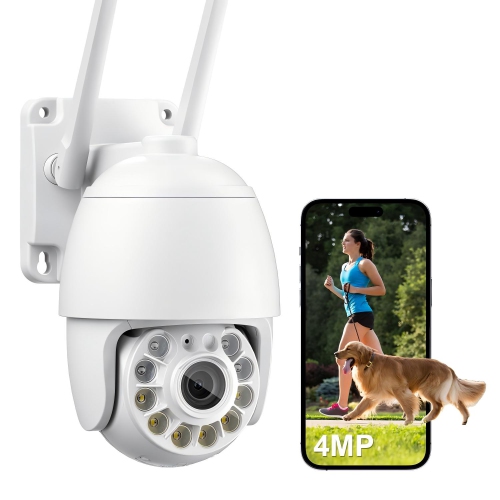
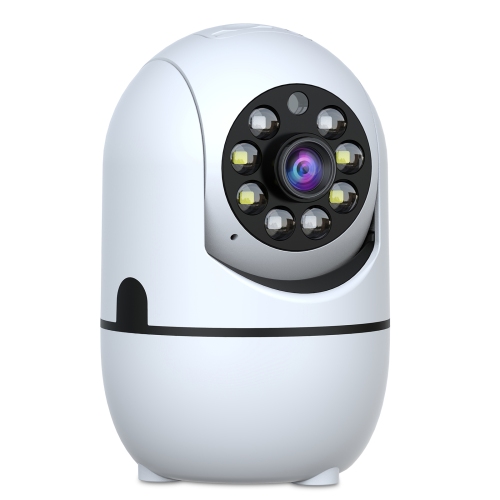
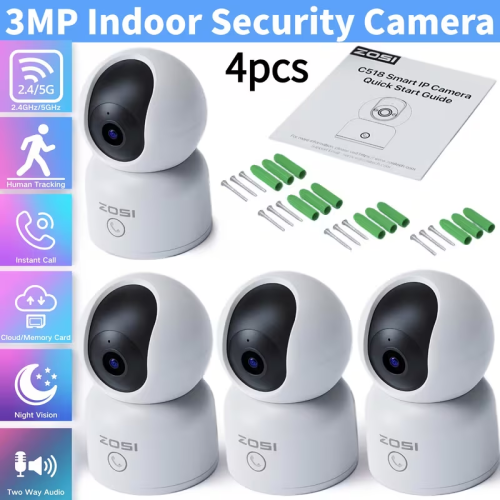
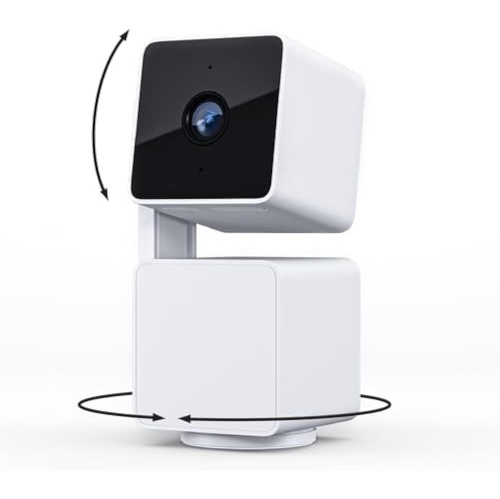
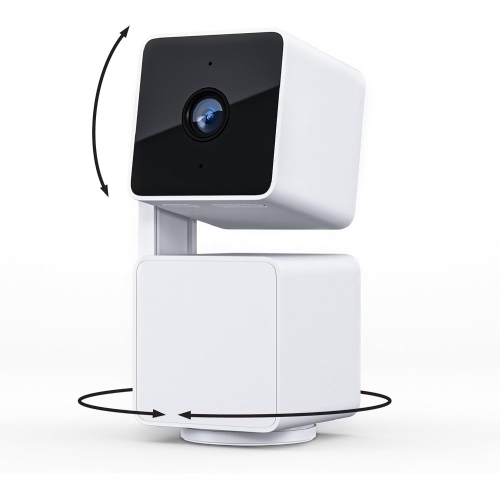
Pan and tilt cameras are security cameras with motorized controls that move the lens horizontally and vertically, allowing the viewing direction to change without physically repositioning the camera. Panning moves the view from side to side, while tilting moves it up and down. This flexibility is useful in open-plan living areas, entryways, garages, and other spaces where activity may happen beyond a fixed camera’s frame. From a compatible phone app, a person might turn the camera towards a hallway after receiving a motion alert, check whether a pet has settled on the sofa, or view a doorway while away from home. Some models also support automatic tracking, which moves the lens to follow detected activity within the camera’s movement range. The distinction between movement range and field of view matters: a camera that can pan through a full circle does not necessarily record every direction simultaneously. Its live image generally shows the area facing the lens, and furniture, walls, and other obstructions can still create blind spots. Pan and tilt functions also do not automatically mean a camera has optical zoom. Digital zoom enlarges part of the captured image and can make fine details look softer, whereas optical zoom changes the lens magnification to bring distant subjects closer while retaining more detail. For spaces where adjustable magnification is part of the intended setup, Pan Tilt Zoom Cameras combine directional movement with zoom capabilities, although the type of zoom varies by model. Features such as saved viewing positions can make it easier to return to a doorway, pet bed, or other frequently checked spot. Movement limits, tilt angles, and app controls differ between cameras, so the most useful configuration depends on the shape of the space and the areas that need attention. A wide room may benefit from a broad viewing angle, while a long passage may place more importance on detail at a distance.
Image quality, lighting, and placement all influence how useful footage will be. Resolution describes the number of pixels in an image, but a higher resolution alone does not guarantee a clear view of a face across a room. Lens quality, distance, video compression, and available light also affect the result. In a living room with a bright window behind the subject, wide dynamic range can help balance darker and lighter areas when that feature is supported. Night vision provides visibility in low light, with infrared systems commonly producing black-and-white images and some cameras supporting colour footage under suitable lighting conditions. Built-in illumination may help certain models capture colour, but its reach and effect vary. A camera placed behind glass can pick up reflections from its own infrared lights, making a direct view more suitable for after-dark monitoring. Installation also affects how freely a pan and tilt camera can move. A stable shelf, wall bracket, or ceiling mount needs enough clearance for the camera head to turn without meeting a curtain, cabinet edge, or nearby object. Supported mounting orientations vary, and app-based image rotation may be needed for an inverted installation. Compact indoor housings are often made from moulded plastic, while some designs use metal components for added rigidity. Housing material alone does not establish whether a camera is suitable for outdoor use; the enclosure, mounting hardware, and power connections must all be rated for the intended placement. Cable length and outlet access deserve attention because wireless connectivity does not necessarily mean battery power. Many Wi-Fi pan and tilt cameras still require a power cable, while other designs use batteries or supported wired network connections. Reliable Wi-Fi coverage at the mounting location helps maintain live viewing and camera control. Network compatibility also varies: some cameras connect only to the 2.4 GHz band, while others support additional bands. For larger properties, connection strength at the camera matters more than signal strength beside the router.
Recording, notifications, and privacy features shape the experience just as much as camera movement. Local storage may use a compatible microSD card or a supported recorder, while cloud storage keeps recordings through an online service. These options differ in how footage is accessed, how long it is retained, and what remains accessible if the camera or internet connection stops working. Continuous recording captures a fuller timeline when supported; event-based recording saves clips around detected activity. Motion alerts can be useful for checking an entryway, but a busy household may benefit from activity zones, notification schedules, or person and pet detection that help reduce less relevant alerts. Automatic tracking is another separate capability: a camera may detect motion without being able to follow it, and tracking performance can change when a subject moves behind furniture or out of range. Two-way audio can let someone speak to a family member or reassure a pet through the app, although microphone clarity, speaker volume, and connection delay vary. In shared homes, clear agreement about camera placement and audio use helps keep monitoring respectful. Bedrooms, bathrooms, and other private areas call for particular care, and outdoor views should remain focused on the property being monitored rather than neighbouring private spaces. Physical lens covers, privacy modes, and recording schedules provide different ways to pause viewing, depending on the camera. Strong, unique account passwords, supported multi-factor authentication, and software updates help protect access to footage and controls. Day-to-day care is usually straightforward: gentle cleaning with a soft cloth keeps fingerprints and dust from obscuring the lens, while clear space around the moving head helps it rotate properly. Cleaning methods should follow the manufacturer’s directions to protect lens coatings and housing seals. Used thoughtfully, pan and tilt cameras offer a flexible way to check familiar spaces, with the most practical setup balancing viewing coverage, dependable recording, straightforward controls, and the privacy of everyone who uses the space.
Top selling and popular products
-
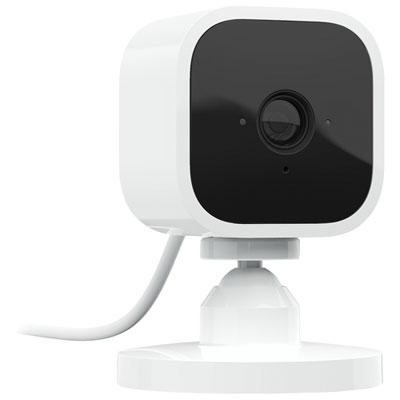 Your price for this item is $34.97
-
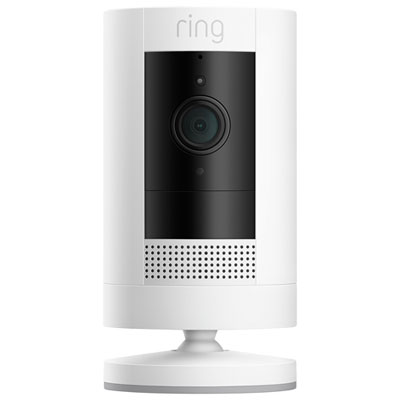 Your price for this item is $109.99
-
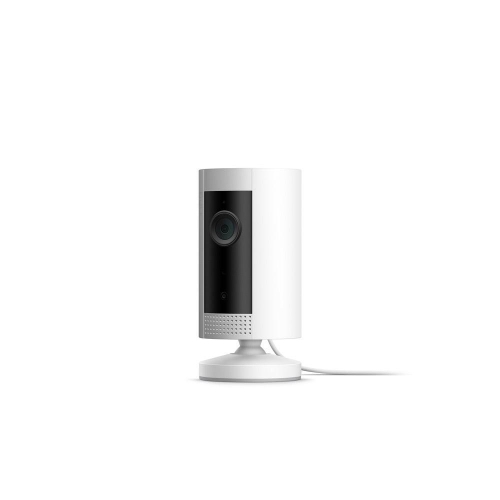 Your price for this item is $79.25
-
 Your price for this item is $95.99
-
 Your price for this item is $110.48
-
 Your price for this item is $110.99
-
 Your price for this item is $329.95
-
 Your price for this item is $105.99
Discover more categories related to Pan And Tilt Cameras
Top Collections:
Pokemon Centers, Best Cameras for Sports Photography, Kindle Devices, Samsung Galaxy Phones, Canon G7X Cameras, Pokémon 30th Celebration Cards, Refurbished Apple Laptops, iPhone 15 Apple, Laptops for Students, Budget Smartphones
Some products may be subject to Environmental Handling Fees
(EHF) depending on your province.
Learn more about EHFs.