Remote Control Thermostats
Upgrade your home's comfort and convenience with a Remote Control Thermostat. Perfect for managing your indoor climate from anywhere in the house, these innovative devices offer an easy way to adjust temperature settings without leaving your seat. Whether you're looking to enhance energy efficiency or simply enjoy a more comfortable living space, a Remote Control Thermostat delivers flexibility and control at your fingertips. Explore a variety of options designed to fit different needs and preferences, making it simple to find the ideal solution for any room or home setup.
Sort
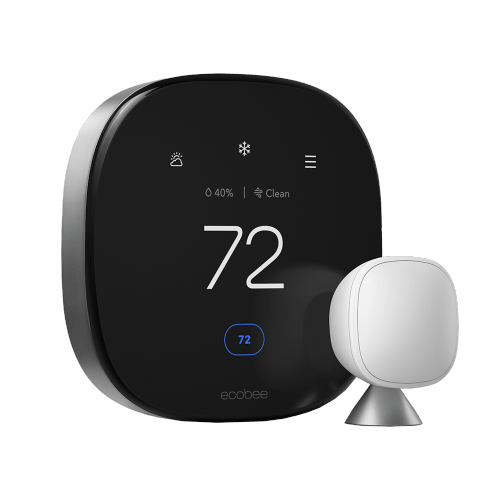
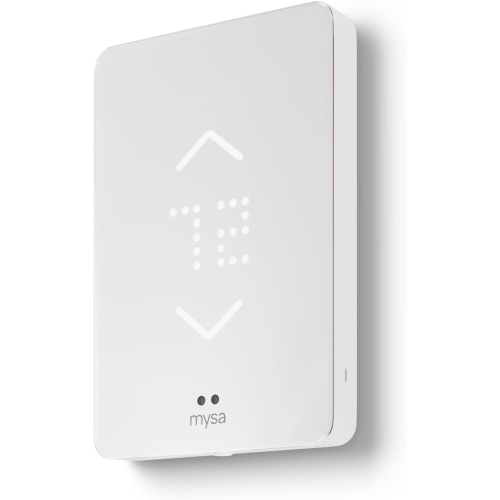
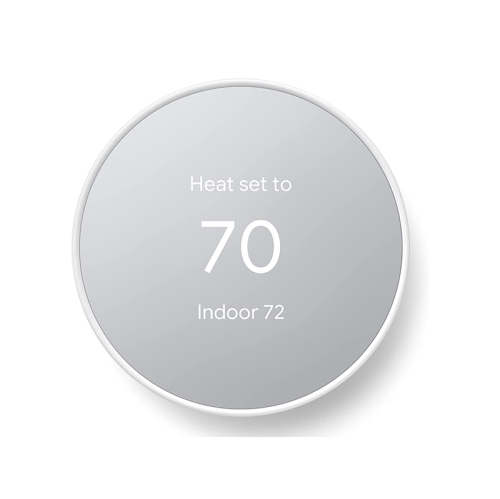


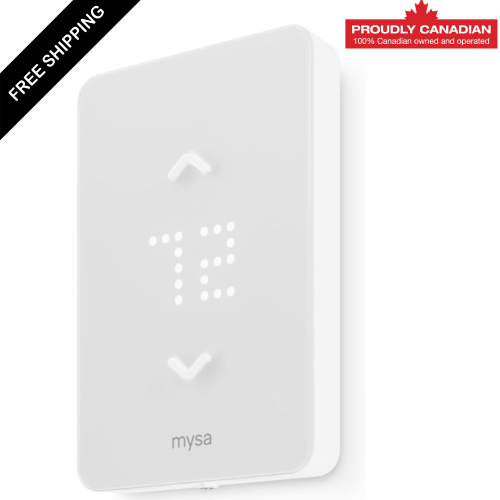
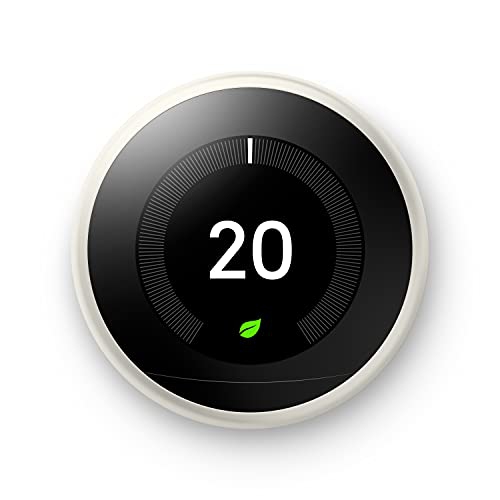
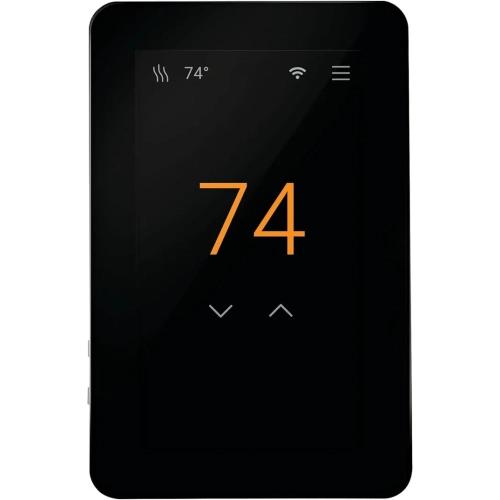
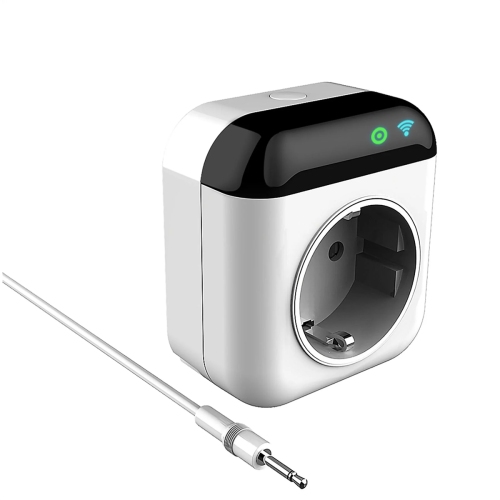
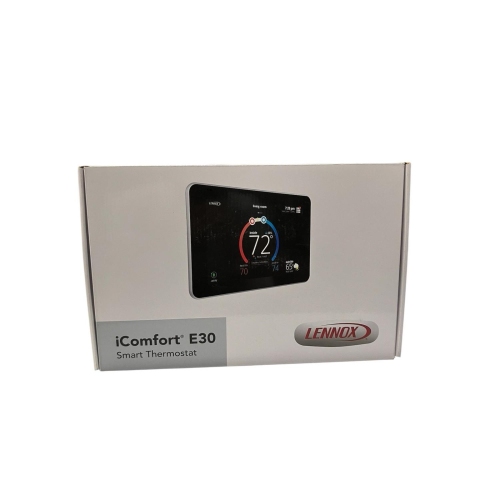
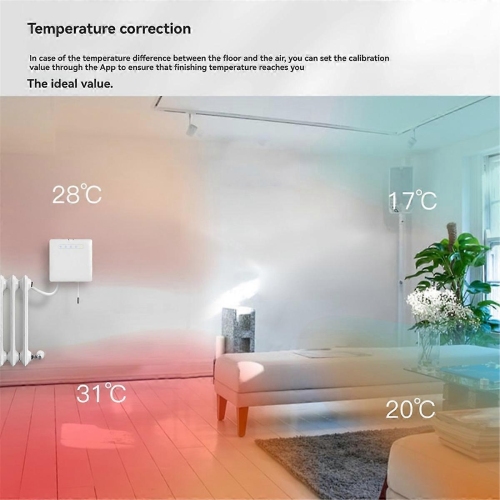
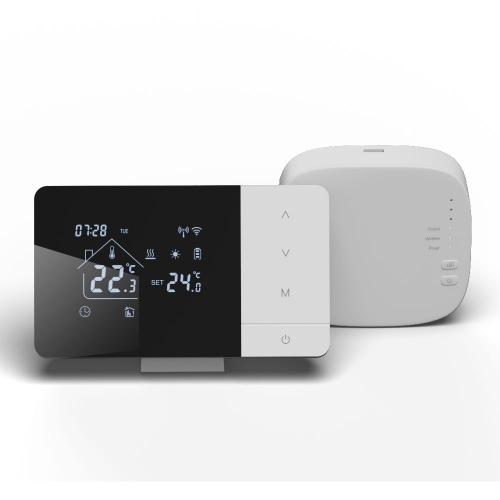
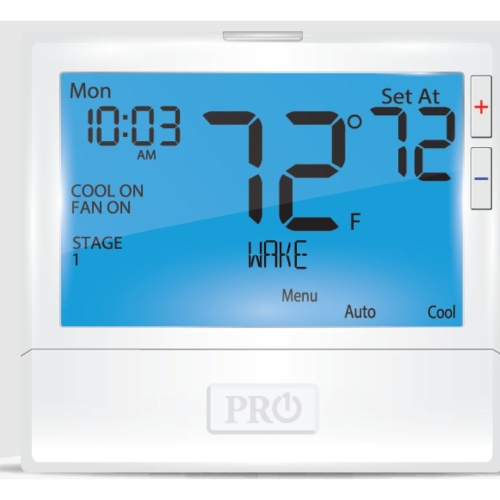
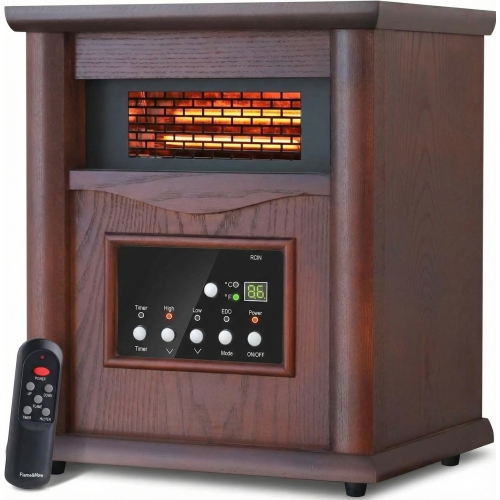
Easier temperature control starts with the right fit
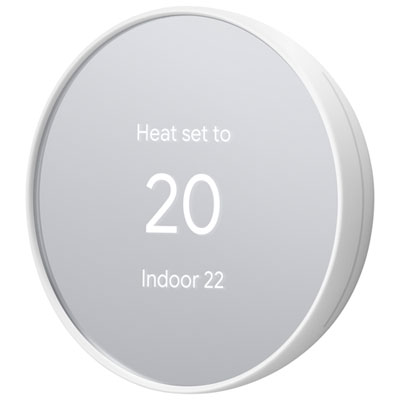
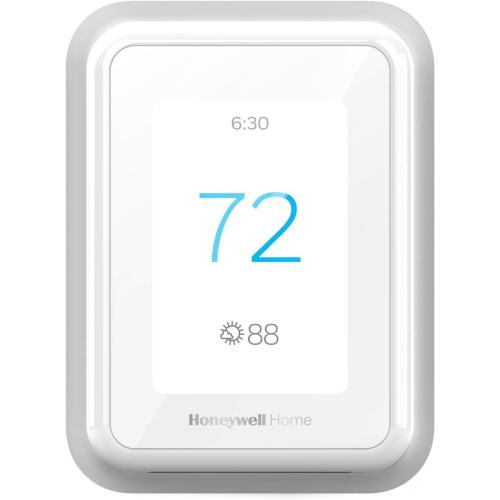
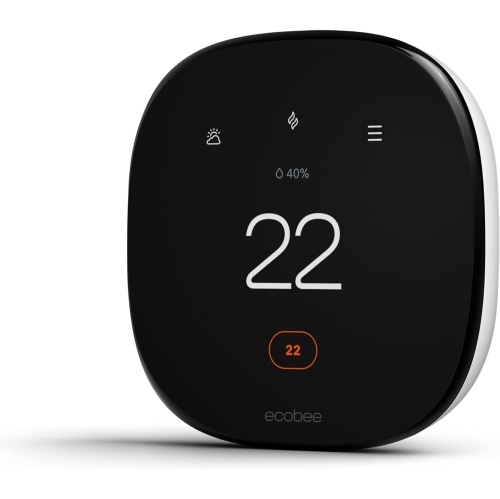
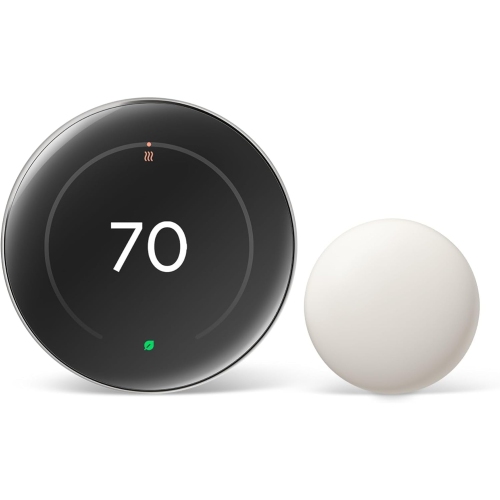
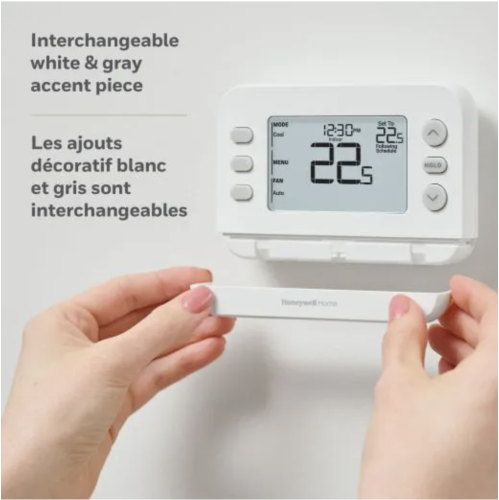
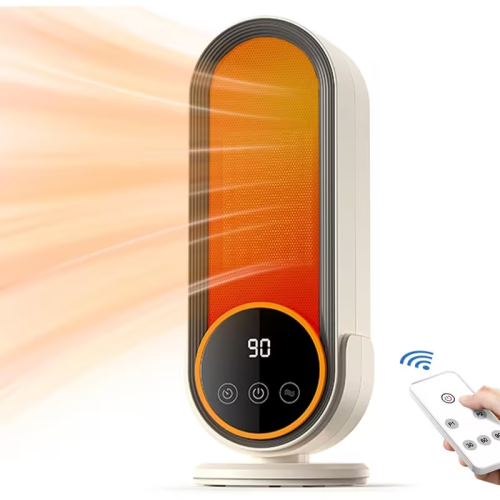
Remote control thermostats put everyday comfort adjustments within reach, whether that means using a handheld remote from the sofa or changing a setting through a phone app before arriving home. The category includes several approaches to remote access, and the distinction matters. A thermostat with a dedicated wireless remote can offer straightforward control within its supported range, while a Wi-Fi-connected thermostat may let authorized users check and adjust settings beyond the home through a compatible app. Some designs combine a wall-mounted display with app controls, voice commands, or separate room sensors, giving households more than one way to manage heating and cooling. These features serve different routines: a parent can adjust a setting without leaving a sleeping child, someone working in a home office can make a quick change between calls, and a person with limited mobility can avoid repeated trips to the hallway. Programmable schedules add another layer of convenience by setting preferred temperatures for different parts of the day. Scheduling and remote access are separate features, however, so it is worth distinguishing a thermostat that follows a stored timetable from one that accepts changes through a phone. For app-based control, the home network, supported Wi-Fi band, mobile operating system, and account requirements all affect the experience. A dedicated remote has its own considerations, including battery replacement, button layout, and reliable communication through walls or between floors. Internet-based access generally depends on both a working home connection and the relevant online service, making accessible controls on the thermostat itself useful when a phone is misplaced or a connection is interrupted. Clear status information also helps distinguish the temperature being measured from the temperature requested, especially when several people use the controls. The most practical choice is one whose everyday operation feels comfortable to everyone who needs it, rather than one with a long feature list that rarely gets used.
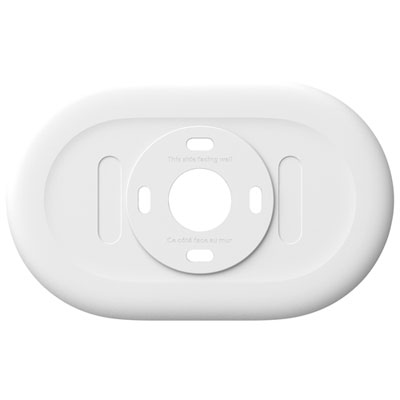
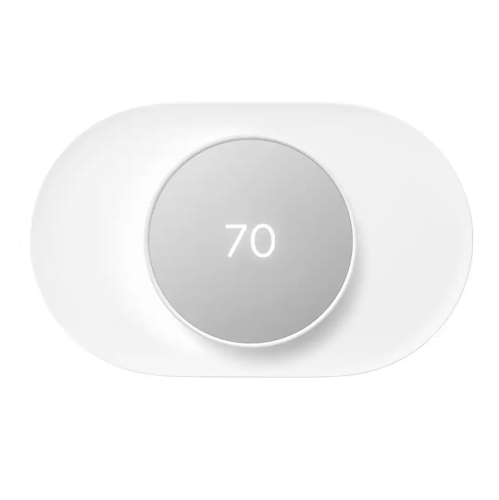
Compatibility with the heating and cooling equipment is just as important as the remote-control method. Thermostats are not universal replacements, even when their displays look similar or their mounting plates cover the same patch of wall. A control designed for a low-voltage furnace circuit is not interchangeable with a line-voltage control for electric baseboard heating. Heat pumps can require support for a reversing valve, multiple operating stages, and auxiliary heat, while boilers, fan coils, and radiant floor systems may have different wiring and control requirements. Some floor-heating installations also use a floor sensor, so support for that sensor matters alongside room-temperature control. For connected low-voltage thermostats, a common wire, often called a C-wire, may be needed to provide continuous power. Certain designs support other power arrangements, but an adapter should only be used when it is approved for both the thermostat and the equipment. Battery-powered operation does not automatically mean every connected feature will work without additional wiring. Existing wire labels, equipment documentation, and the thermostat’s compatibility information are more reliable than wire colour alone when identifying the right fit. Installation involving line voltage, unclear wiring, or unfamiliar equipment is best handled by a qualified professional in accordance with local requirements. Physical fit deserves attention, too: a different wall-plate size can expose unpainted areas, old screw holes, or wallpaper edges. Nearby furniture, direct sunlight, cooking appliances, and supply vents can affect how accurately a wall thermostat represents the occupied space. Separate room sensors can help supported systems respond to readings from selected areas, but they do not necessarily create independent heating or cooling zones. True zoning depends on the installed equipment and controls. In an apartment, condominium, or rental home, building systems and permission requirements may also limit replacement options. Confirming these details helps ensure that remote access complements the existing system rather than complicating its operation.
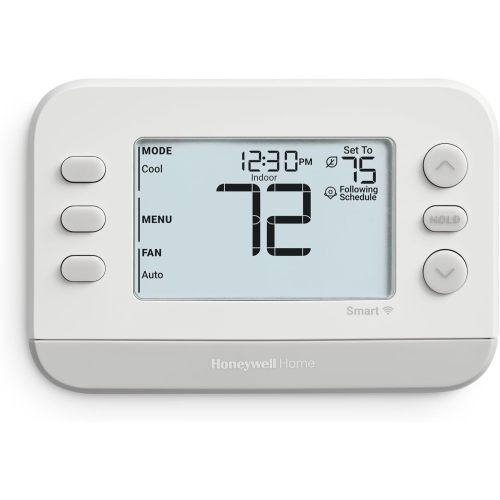
Once the technical fit is established, display design, construction, and everyday handling make a noticeable difference. Large numerals, readable contrast, and a clear indication of the active mode can make a thermostat easier to check at a glance from a hallway or bedside position. Touchscreens offer flexible menus, while physical buttons or a dial may feel more predictable for someone who prefers tactile controls. Adjustable brightness can be useful near a bedroom, particularly when the screen faces a doorway or remains illuminated after an adjustment. Many housings use moulded plastic, with display surfaces that may be glass or plastic; smooth edges and an easy-to-clean face are practical in busy households. A soft, dry cloth is generally a sensible starting point for care, with cleaning products and moisture kept away from openings unless the manufacturer’s directions say otherwise. Handheld remotes benefit from a consistent resting place where they are less likely to fall between cushions or be mistaken for another controller. For a coordinated interior, Modern Thermostats offer a related category to explore alongside the remote-access features that suit the household. Shared access deserves equal attention: separate authorized accounts, clear permissions, and compatible voice-assistant settings can make control easier without passing around a single password. Where supported, keypad locks or adjustment limits can help prevent accidental changes in shared spaces. App update support, account security options, replacement-battery requirements, and access to straightforward operating instructions are useful considerations for long-term use. A thermostat intended for a family home may need simple controls for several users, while one in a home office may benefit from schedules that are easy to pause when plans change. Together, suitable system support, understandable controls, and dependable remote access turn a small wall-mounted device into a practical part of the daily routine.
Top selling and popular products
-
 Your price for this item is $179.99
-
 Your price for this item is $249.99
-
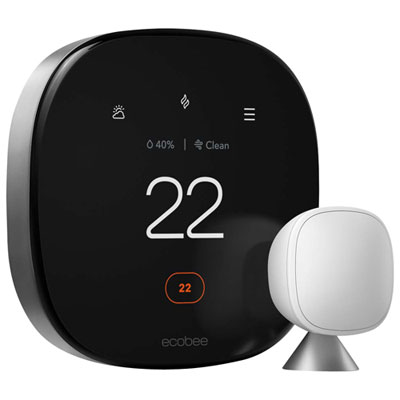 Your price for this item is $329.99
-
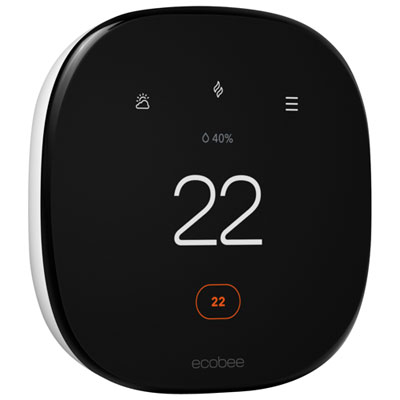 Your price for this item is $198.98
-
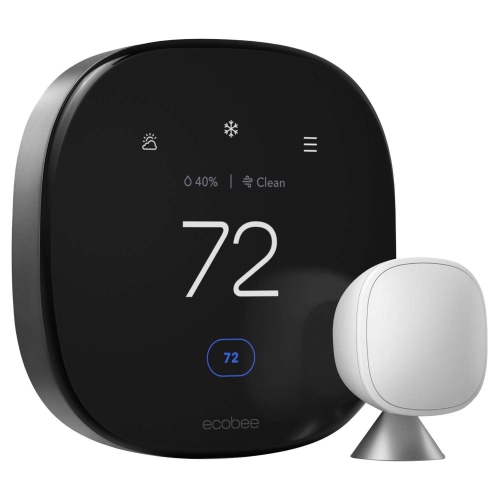 Your price for this item is $229.99
-
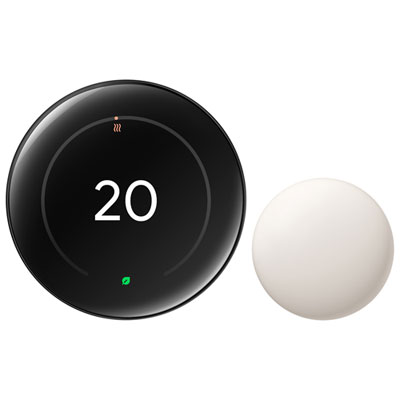 Your price for this item is $379.99
-
 Your price for this item is $19.99
-
 Your price for this item is $18.98
Discover more categories related to Remote Control Thermostats
Top Collections:
Best Black Friday Deals This Year, Best Black Friday Deals On Electronics, Kindle Devices, Pokemon Centers, Best Black Friday Deals On Apple Products, Best Cameras for Sports Photography, Dyson Airwrap, Pokémon 30th Celebration Cards, Apple iPhone 17 Pro, Canon G7X Cameras
Some products may be subject to Environmental Handling Fees
(EHF) depending on your province.
Learn more about EHFs.