Schlage Door Lock
Upgrade your home security and convenience with a Schlage door lock. Whether you’re looking to enhance your front entryway or add peace of mind to interior rooms, these locks offer a trusted solution for every space. Designed to fit a variety of doors and décor styles, Schlage door locks make it easy to find the right match for your needs. Explore options that combine reliability with modern design, making it simple to secure your home with confidence.
Sort
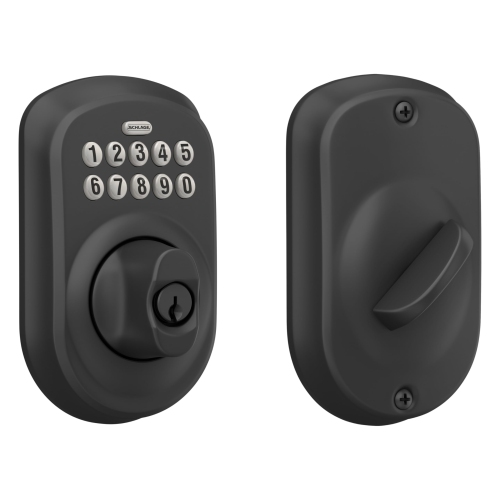

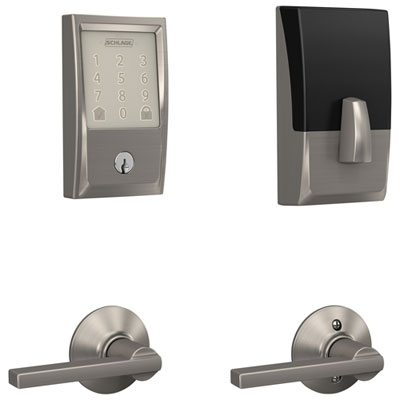
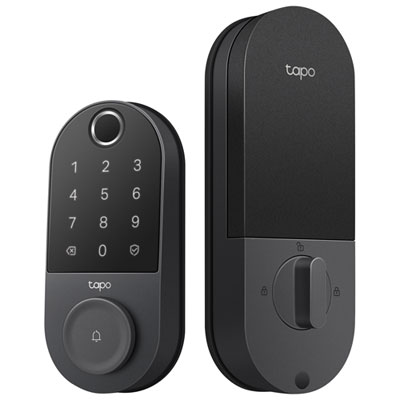

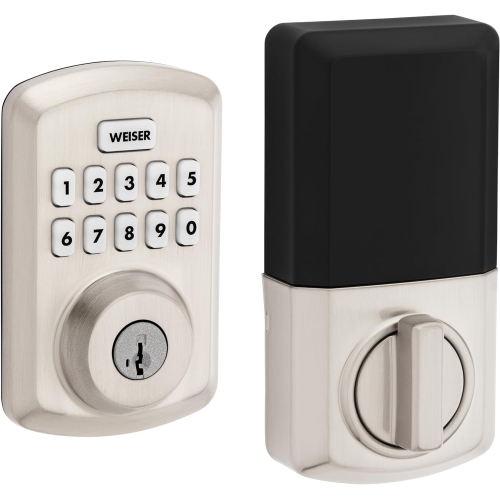
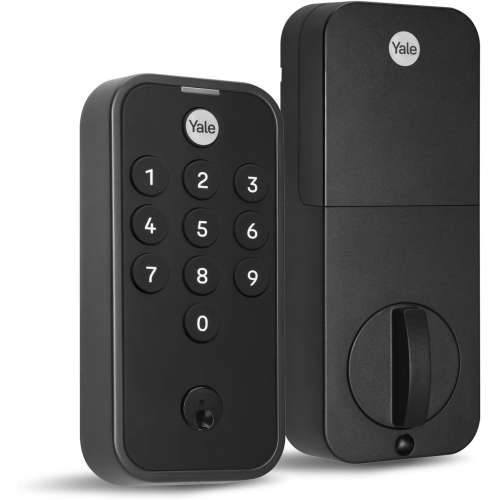
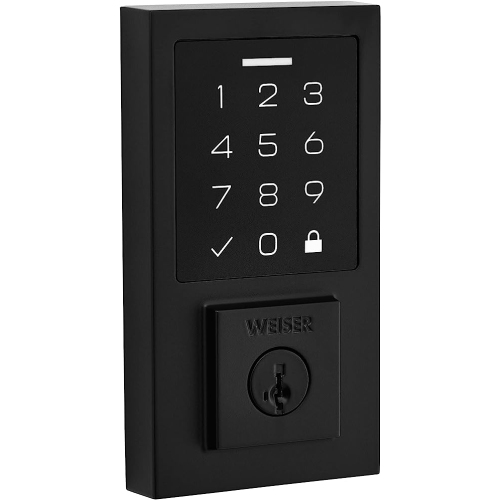
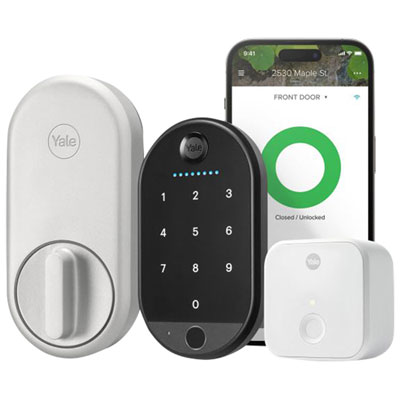
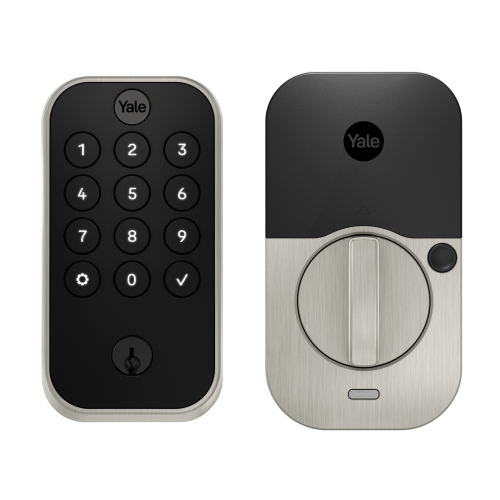


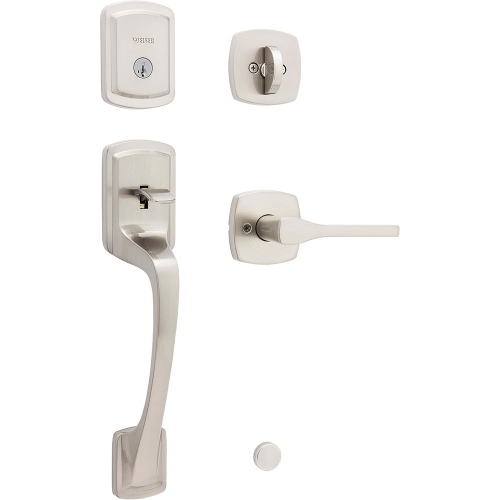
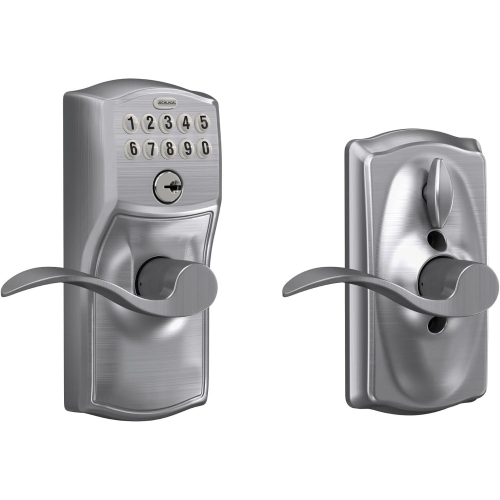
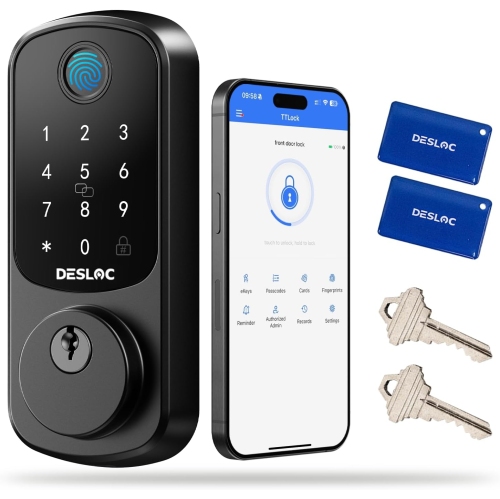
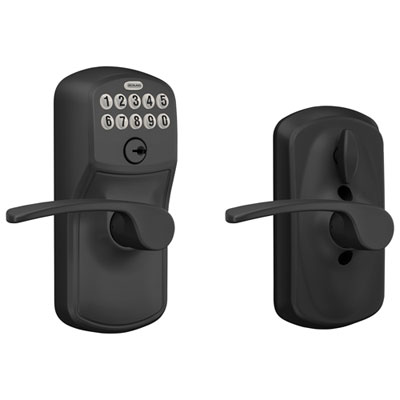

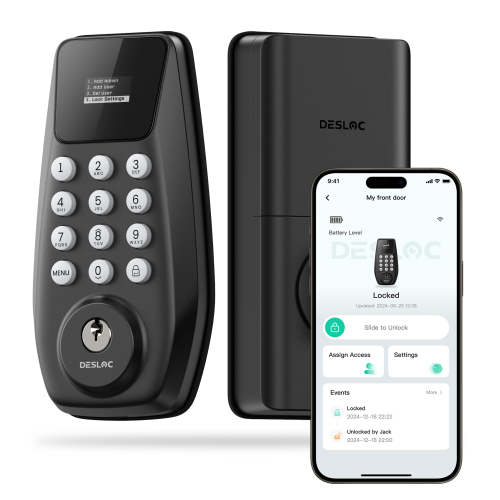
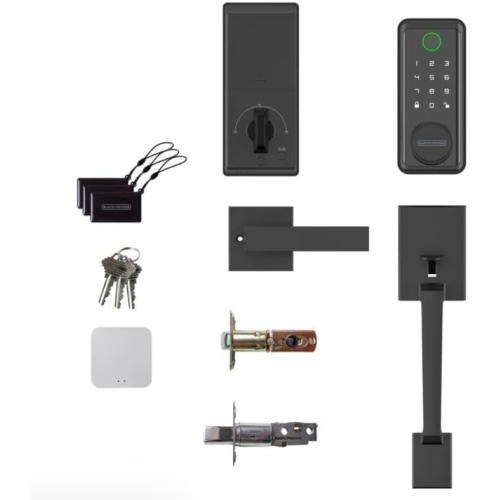


Keyless entry does not always mean remote access
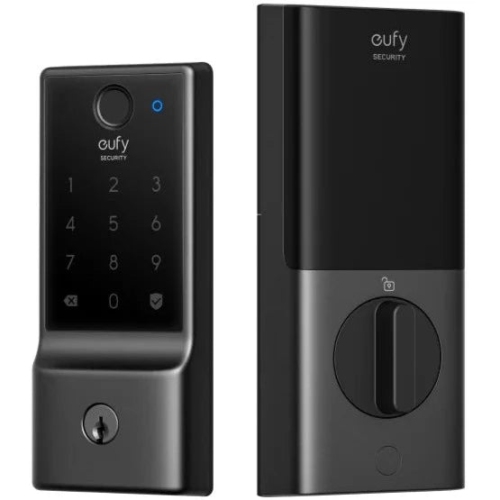
Door locks bring together everyday convenience, controlled access, and the finishing details that make an entryway feel complete. Mechanical deadbolts, electronic keypad locks, and connected smart locks serve different routines, from a household that prefers traditional keys to one that needs separate access codes for family members and visiting caregivers. A standard single-cylinder deadbolt uses a key on the outside and a thumbturn on the inside, providing a straightforward way to secure an exterior door without needing a phone, an app, or batteries. Double-cylinder designs require a key on both sides, making local building requirements and safe emergency exit an important consideration before installation. Electronic keypad locks allow entry with a code rather than a physical key, and many operate independently of Wi-Fi. Smart locks add connected features that may include app-based controls, lock-status checks, activity notifications, and remote access, depending on the model and its required connections. The distinction matters: a keypad does not automatically mean a lock supports remote control, and a connected lock may need a compatible hub or bridge rather than connecting directly to a home network. The Schlage Canada page provides a related starting point for exploring entry hardware and connected access options. For a busy front entrance, keyless access can mean no longer searching through a bag while holding groceries. At a side entrance used less often, a mechanical deadbolt may suit a simpler routine. Handlesets and matching entry sets pair the locking hardware with a grip handle, lever, or knob, helping create a coordinated appearance while keeping each component’s function clear. An exterior grip handle, for example, may operate the latch while a separate deadbolt provides the locking function. Interior privacy hardware serves a different purpose and should not be treated as a substitute for an exterior security lock. The most suitable choice depends on where the door is located, who uses it, and how access needs to be managed throughout the day.
Fit is just as important as the style of the lock, especially when replacing existing hardware. Door thickness, the diameter of the drilled holes, and the backset—the distance from the edge of the door to the centre of the main hole—must match the lock’s installation specifications. An adjustable latch or bolt can accommodate more than one backset on some designs, but compatibility should be confirmed rather than assumed. Existing handlesets may also have a lower mounting hole, and the distance between that hole and the main opening affects whether a replacement can use the same preparation. On the inside of the door, a smart lock’s battery housing needs enough clearance from trim, glass inserts, and nearby hardware. Door handing can matter for certain levers and handlesets, while other designs are reversible. Wood, steel, and fibreglass doors can have different preparation requirements, so the door material and manufacturer’s guidance deserve attention before drilling or modifying an opening. A properly fitted deadbolt should extend fully into its strike opening without requiring someone to lift, push, or pull the door into place. If the bolt rubs against the frame, addressing hinge alignment or strike placement is more useful than expecting a motorized lock to force it closed. Security also depends on the condition of the frame, the strike plate, and the way the assembly is fastened; a lock is one part of the doorway rather than a replacement for sound construction. Where published, independent security and durability ratings offer a more meaningful comparison than weight or appearance alone. Metal housings and internal components contribute to daily wear resistance, while finishes such as satin nickel, matte black, and brass tones help coordinate the lock with hinges, door knockers, and nearby lighting. Finish names can vary between hardware ranges, so closely matching visible pieces takes more care than choosing the same general colour. A lever may also be easier to operate than a round knob for someone carrying bags or managing reduced hand strength, provided the full entry arrangement remains comfortable to use.
Daily use often reveals which electronic features are genuinely helpful. A household with children returning at different times may value individual entry codes, while someone arranging occasional pet care may prefer temporary access that can be removed after the visit. Code capacity, scheduling, and access-history features vary, and some changes can be made at the keypad while others require an app or an active connection. Remote locking and unlocking generally depend on a working network connection and any required bridge or hub; local keypad operation may continue during an internet interruption if the lock has power and supports that function. Compatibility with a preferred smart home platform should be checked at the model level, including any additional hardware needed for the desired controls. A phone-based feature should also suit every regular user, not only the person setting up the lock. For shared households, clear access permissions and a practical backup entry method help prevent avoidable lockouts. Battery-powered designs need periodic attention to low-battery warnings and the specified battery type. Backup arrangements differ: some retain a physical key cylinder, while others use another documented method for restoring access when batteries are depleted. Automatic locking can be convenient, but its timing should suit the way the entrance is used, particularly when someone steps outside briefly without a phone or key. Lock status and door status are not necessarily the same; a bolt can be extended while a door remains open unless the system has a suitable door-position feature. Routine care is usually modest but should follow the hardware manufacturer’s directions. A soft cloth and an approved cleaning method help protect the finish, while abrasive cleaners or unsuitable chemicals can damage visible surfaces. Key cylinders should receive only the recommended lubricant, and loose mounting screws or developing latch resistance should be addressed promptly. Whether the priority is familiar keyed access, a keypad for everyday arrivals, or connected controls for managing visitors, dependable performance comes from matching the hardware to the door and the people who use it.
Top selling and popular products
-
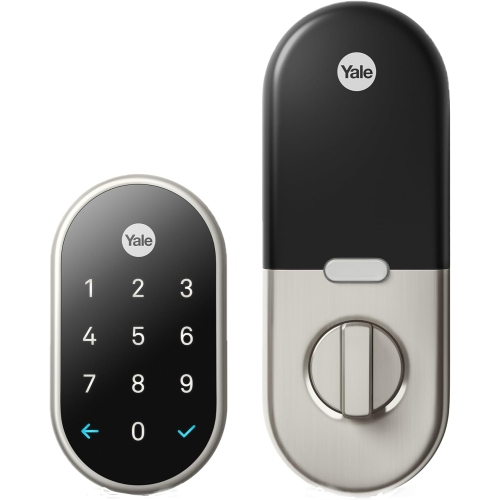 Your price for this item is $369.55
-
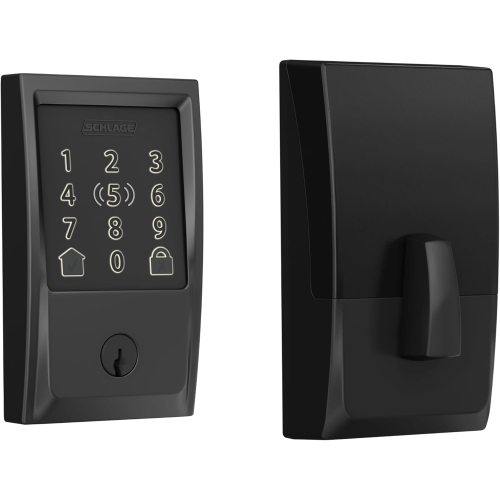 Your price for this item is $359.99
-
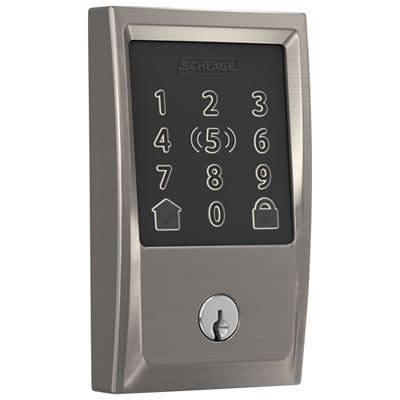 Your price for this item is $319.98
-
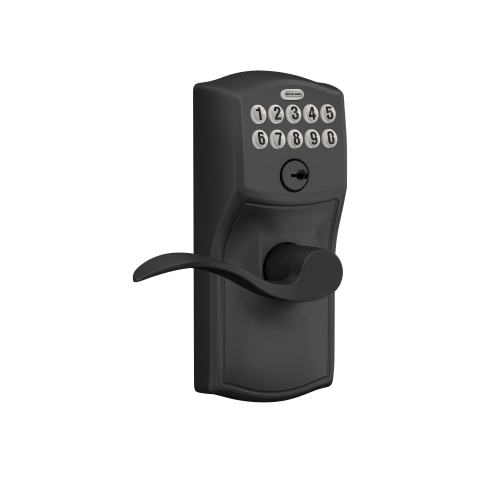 Your price for this item is $155
-
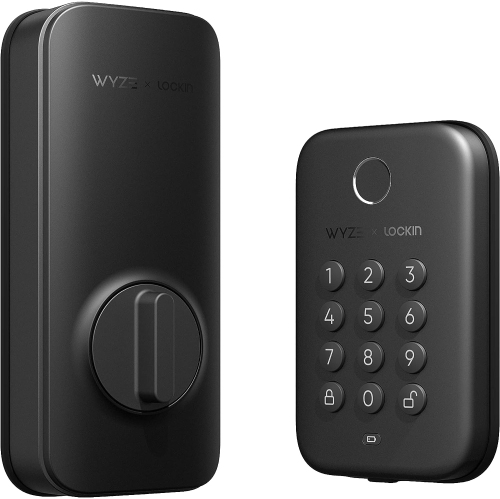 Your price for this item is $149
-
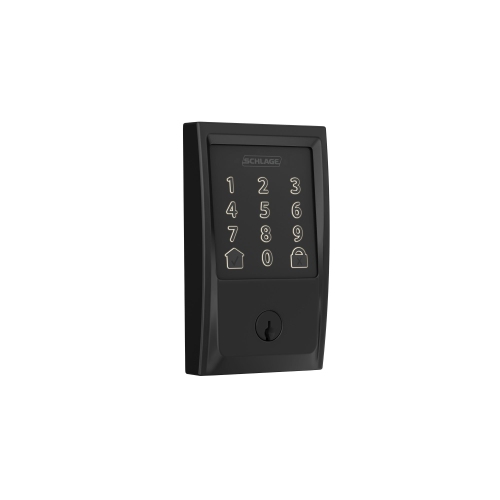 Your price for this item is $289.99
-
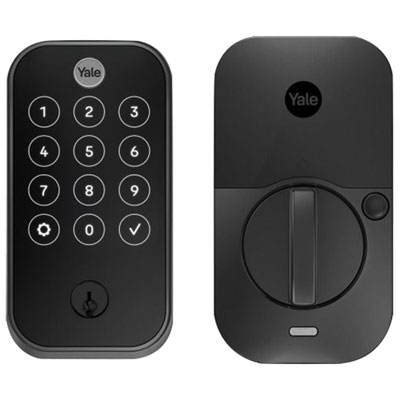 Your price for this item is $349.99
-
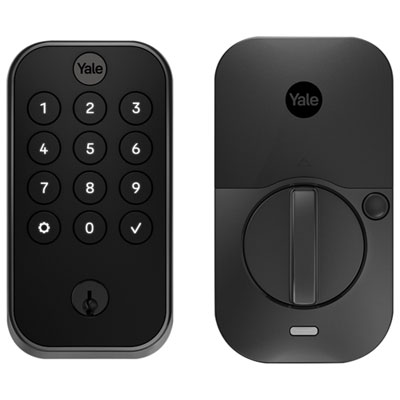 Your price for this item is $318.99
Discover more categories related to Schlage Door Lock
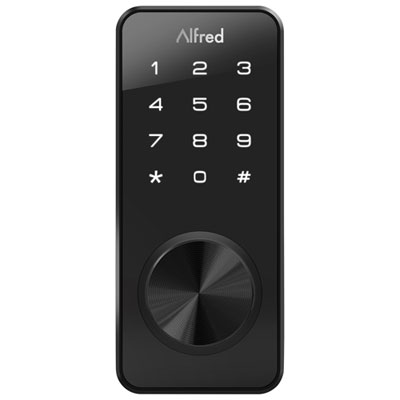
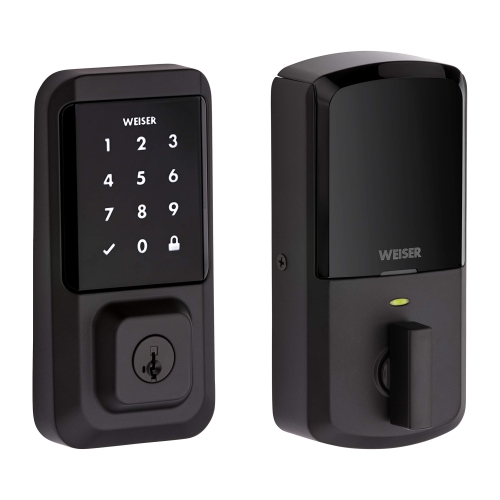
Top Collections:
Pokemon Centers, Best Cameras for Sports Photography, Kindle Devices, Samsung Galaxy Phones, Canon G7X Cameras, Pokémon 30th Celebration Cards, Refurbished Apple Laptops, iPhone 15 Apple, Laptops for Students, Budget Smartphones
Some products may be subject to Environmental Handling Fees
(EHF) depending on your province.
Learn more about EHFs.