Secure Door Latches
Looking to enhance the security of your home? Look no further than our collection of secure door latches. These innovative devices provide an extra layer of protection, giving you peace of mind and ensuring that your loved ones and belongings are safe and secure. Whether you're looking for a latch with advanced locking mechanisms or one that is easy to install, we have a wide range of options to suit your needs. Upgrade your home's security with our selection of reliable and durable door latches today.
Sort












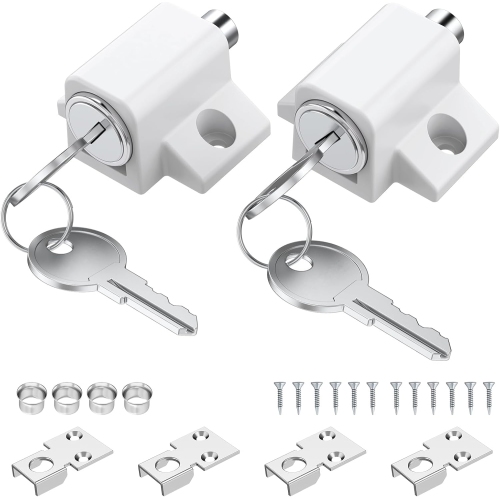
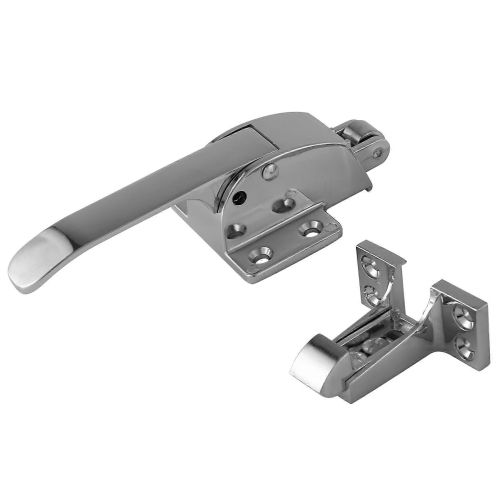
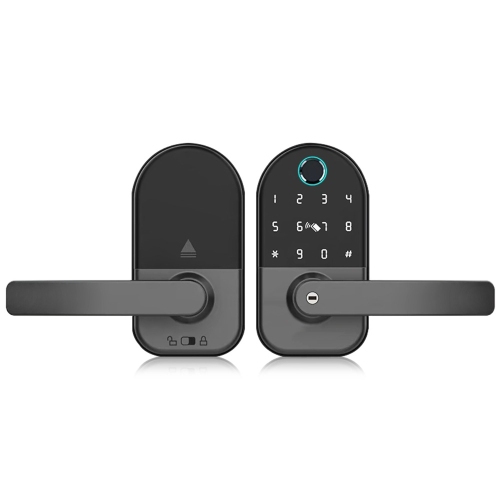
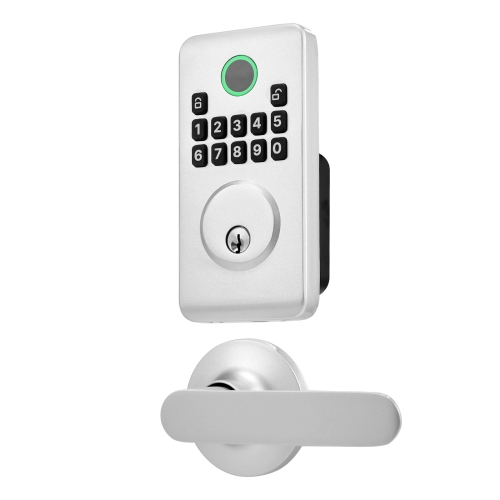

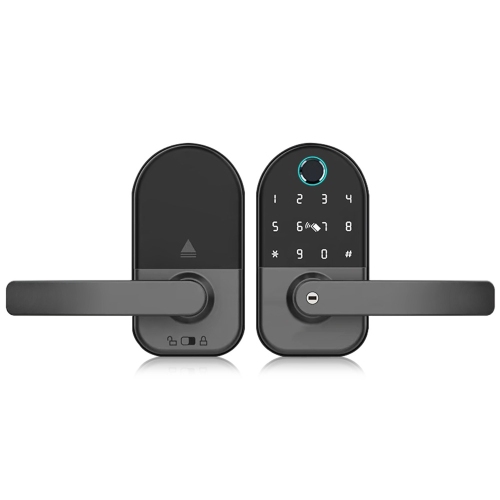
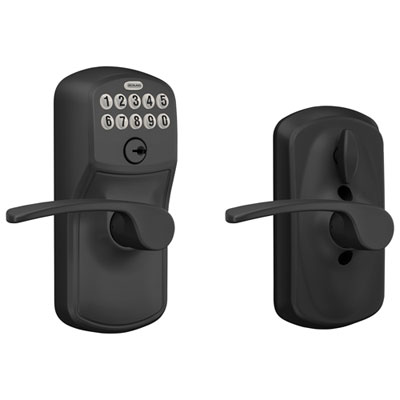


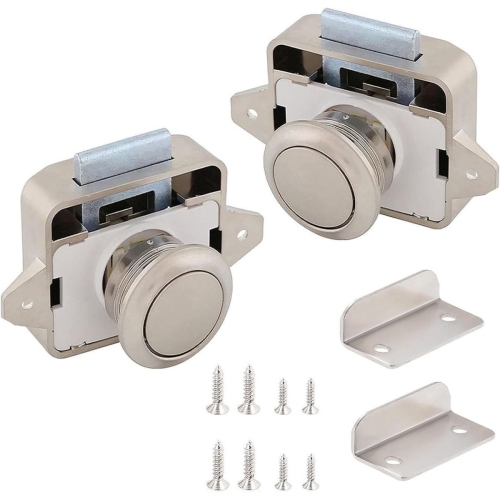










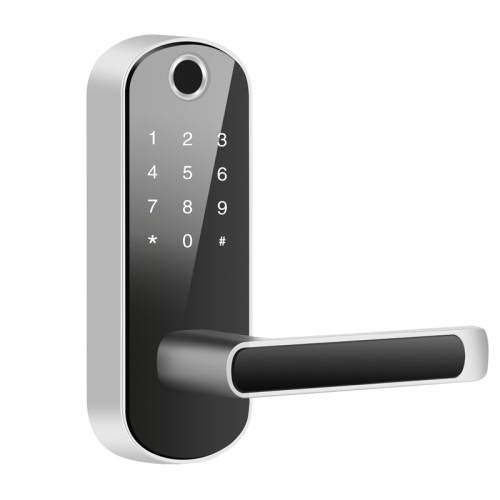


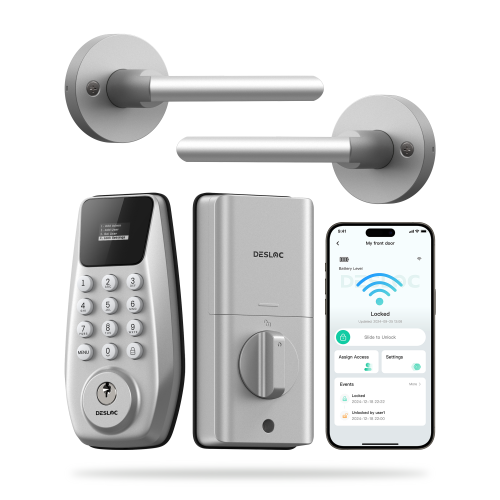
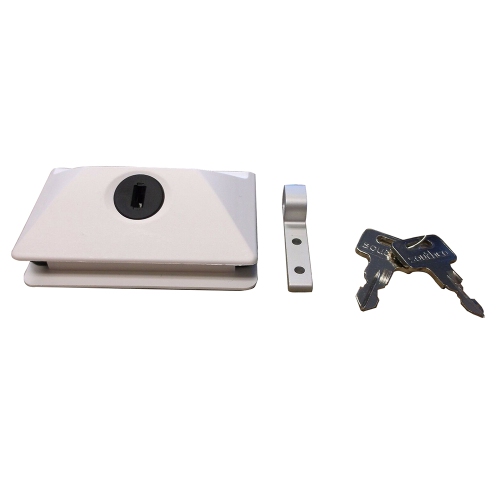
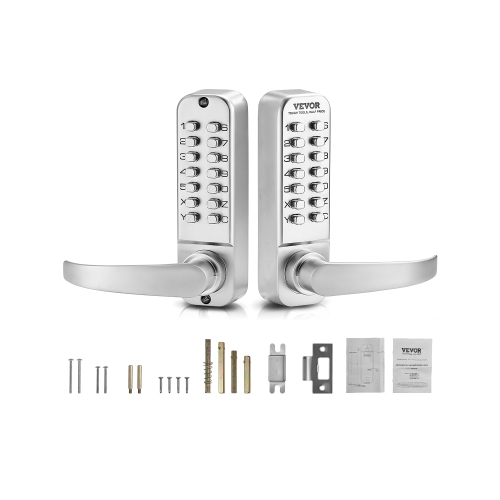


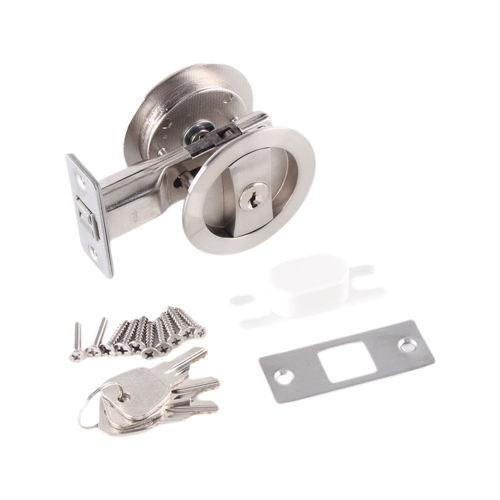
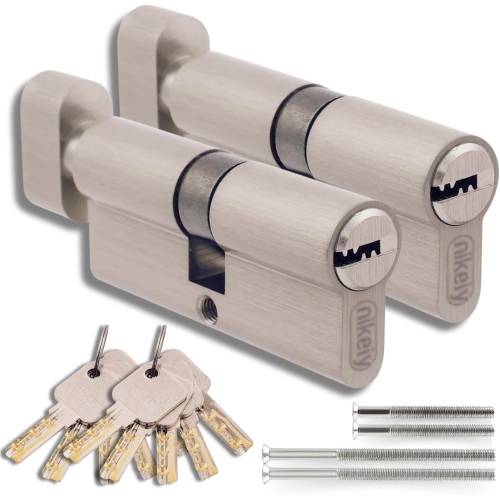


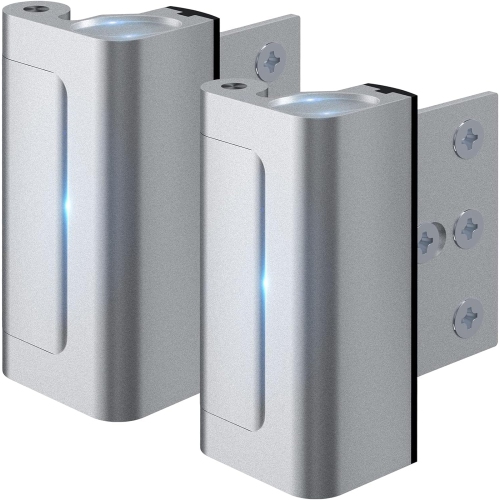
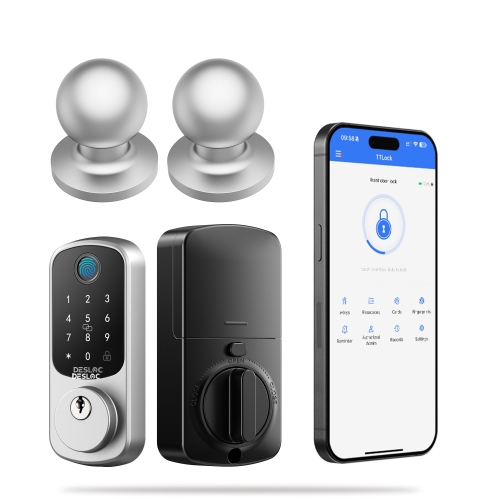





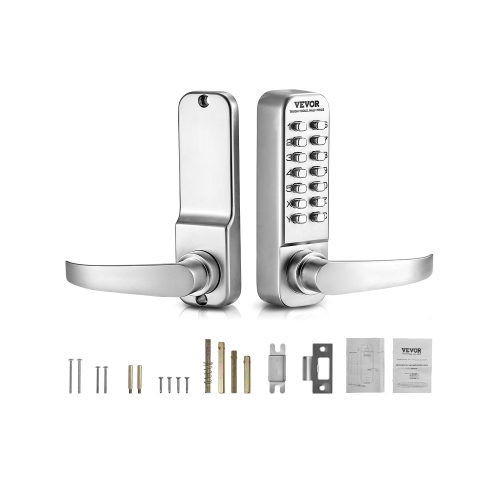
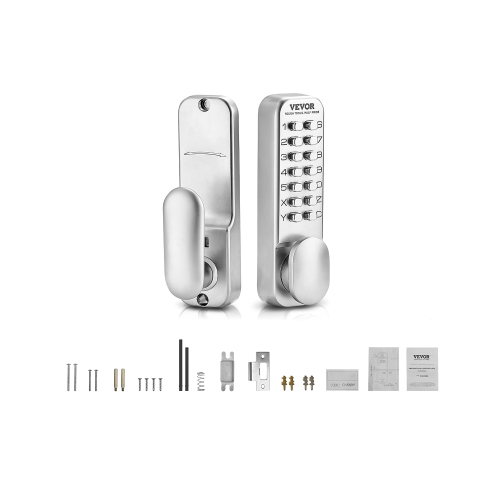
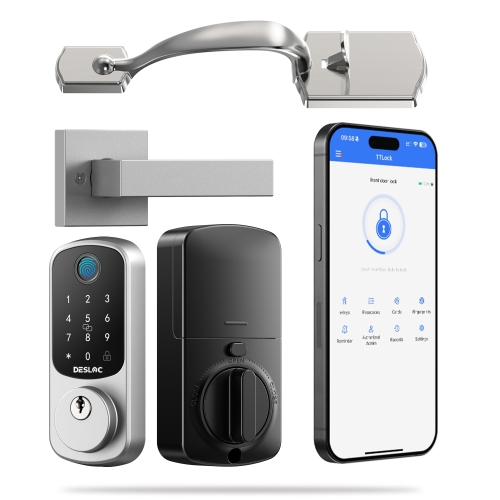
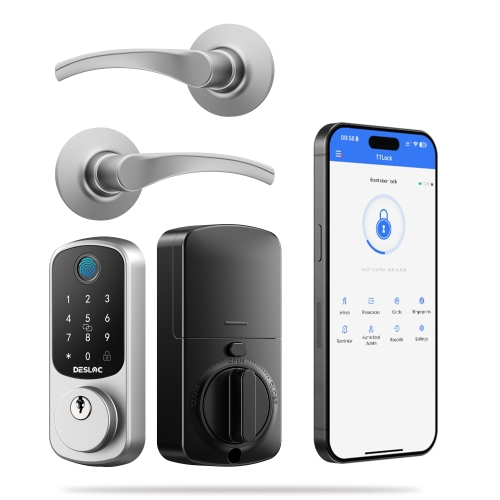
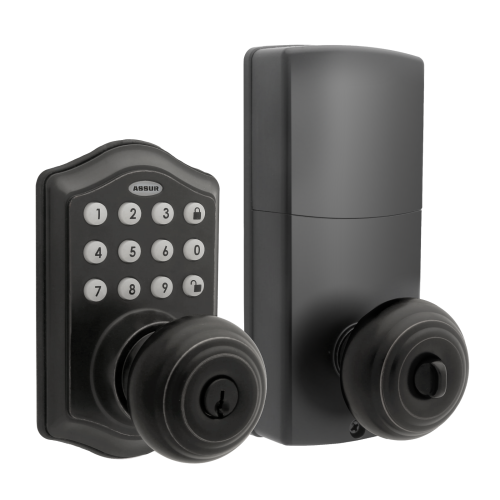
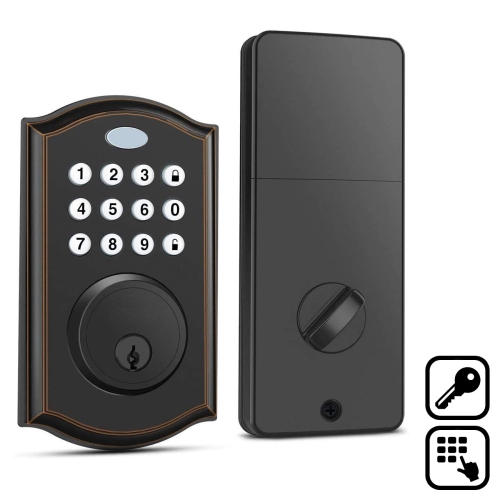
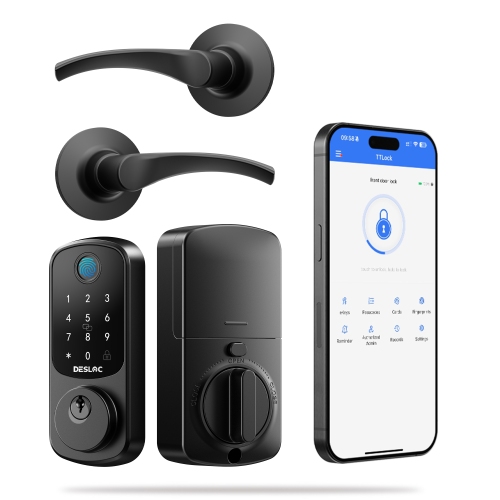
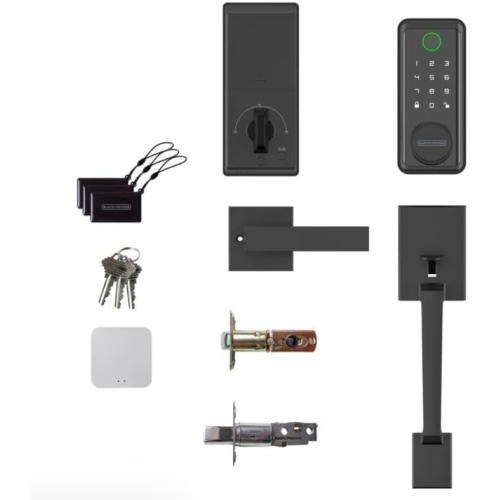







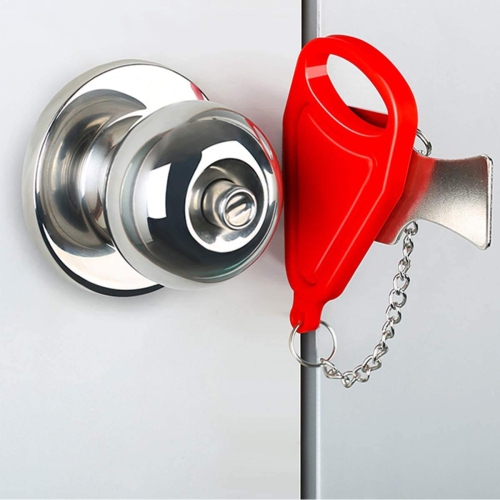
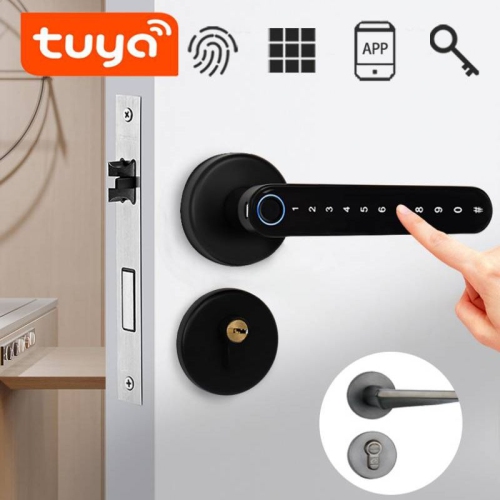
What to consider for stronger doors, gates, and child safety
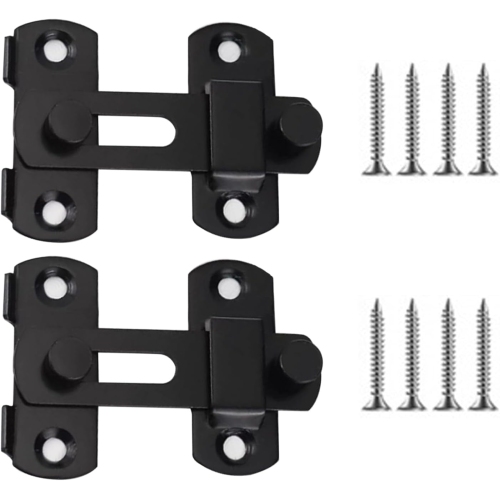
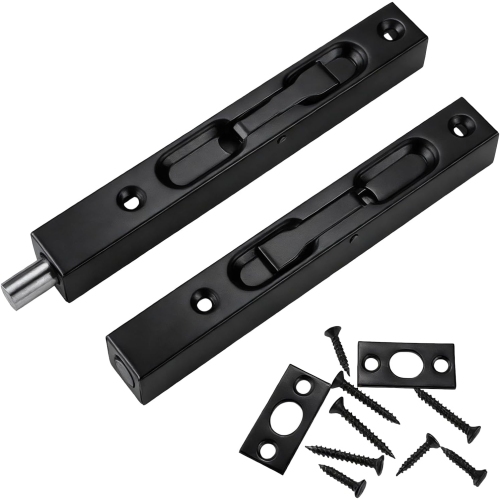
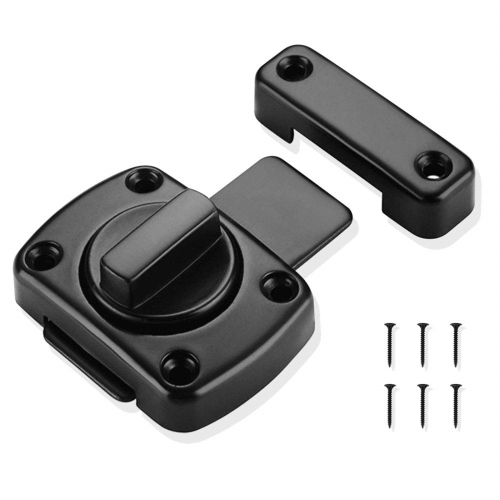
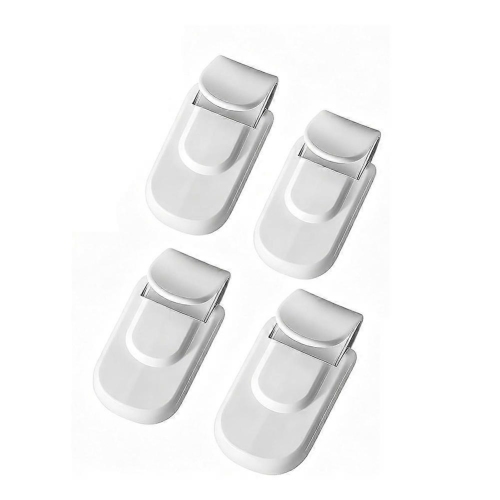
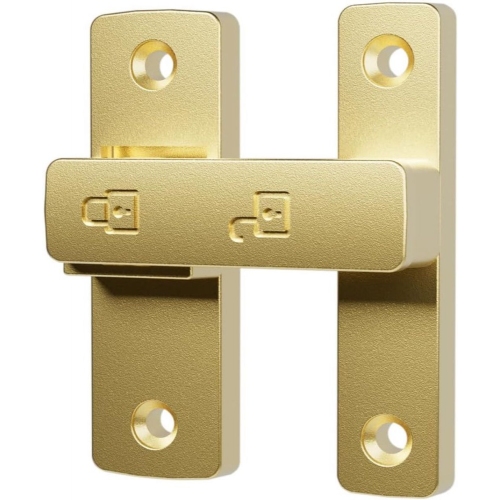
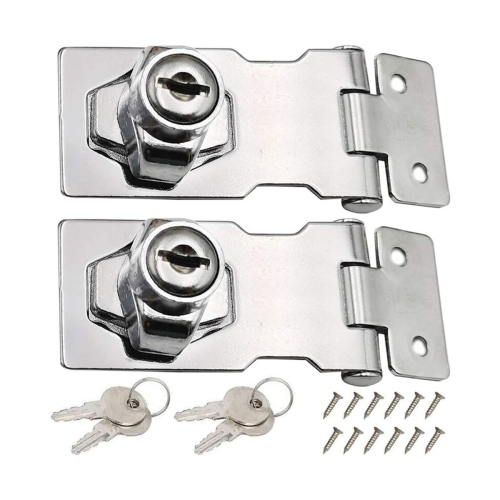
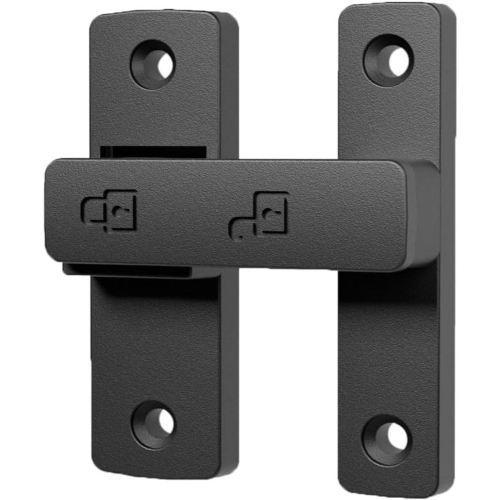
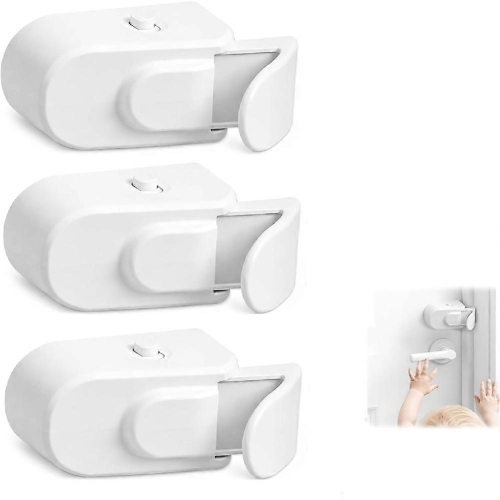
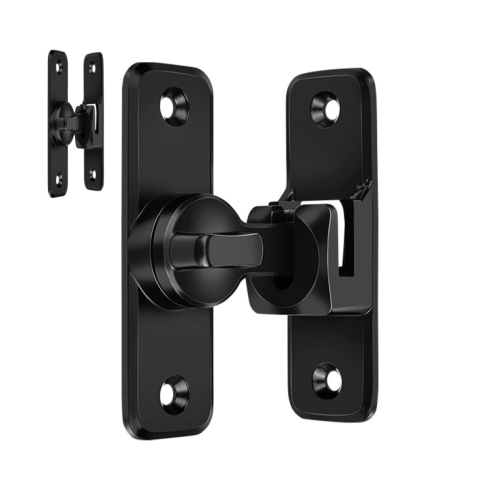
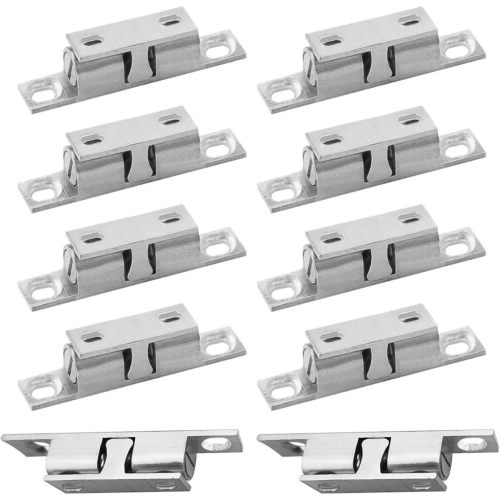
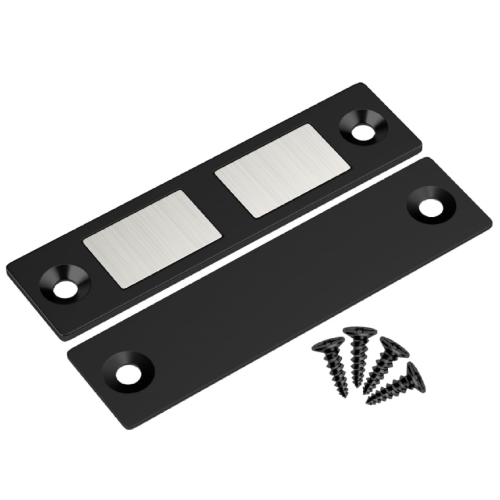
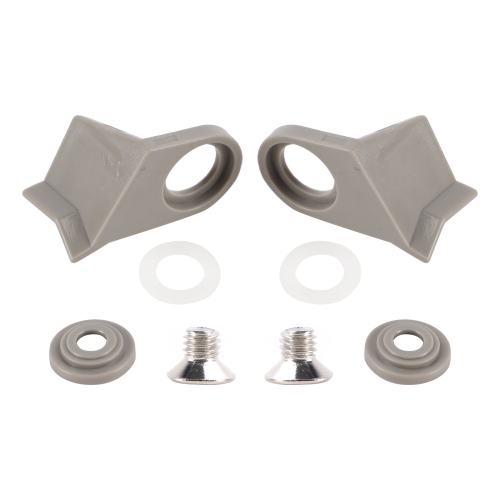
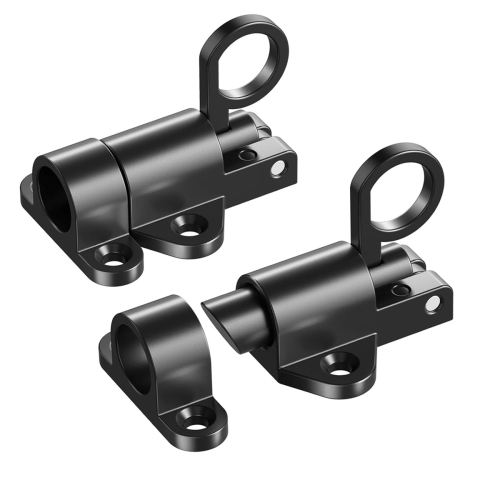
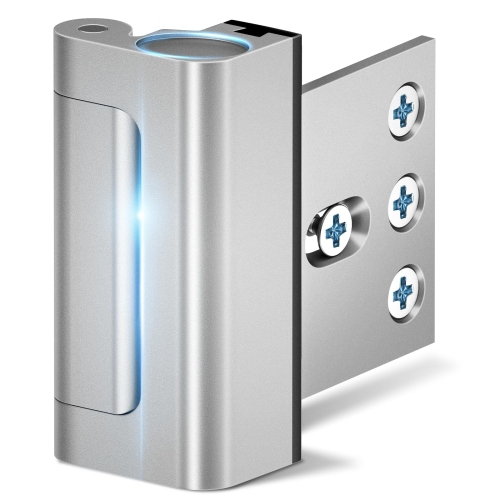
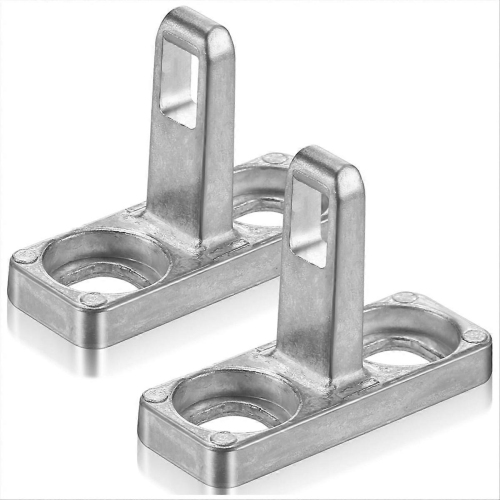
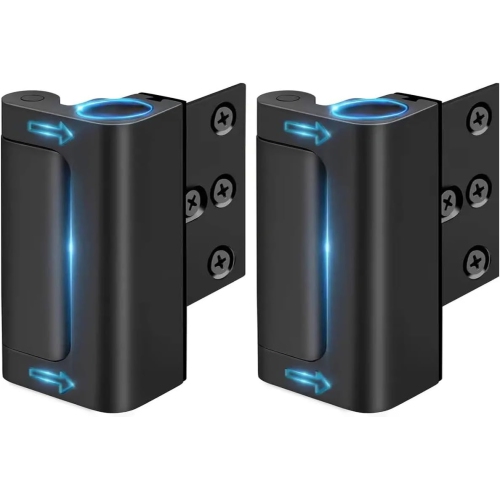
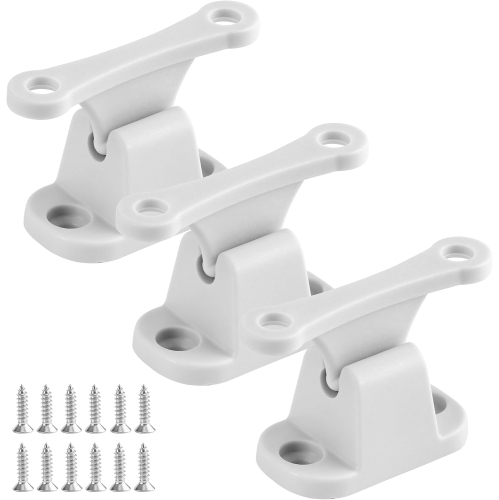
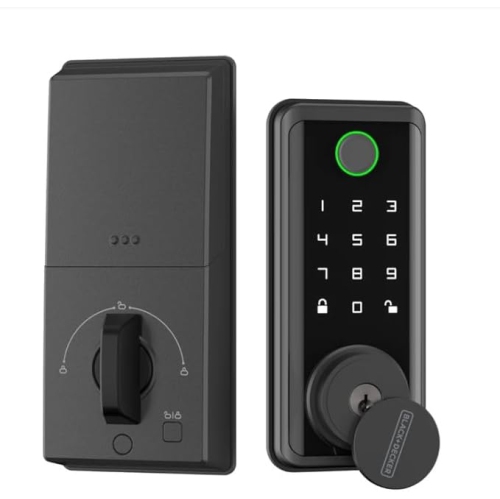
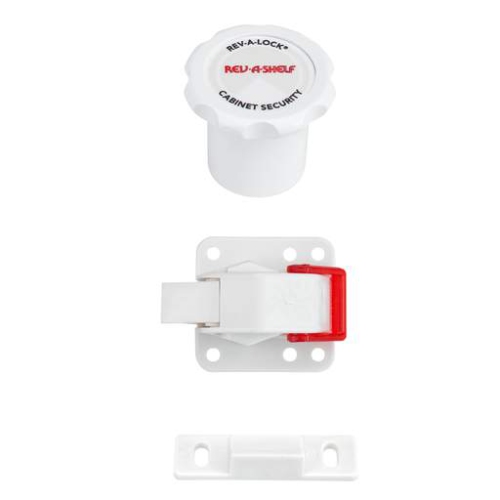
Secure door latches provide an additional point of control beyond a standard knob, lever, or deadbolt. They can help reinforce an inward-swinging entry door, limit access to a room, keep a gate closed, or add a practical layer of child safety in a busy household. The right latch depends on the purpose of the installation and the construction of the door and frame. Reinforcement latches and swing-bar designs are commonly chosen for exterior doors because they can help resist forced entry when fastened securely to the surrounding wall structure. Child safety latches are intended to prevent young children from opening doors to exterior areas, utility spaces, stairways, or rooms containing items that should remain out of reach. Flip latches, slide bolts, and self-adjusting gate latches may suit interior doors, sheds, side gates, closets, and other locations where straightforward manual operation is more important than a keyed lock. Browsing a wider selection of Door Latches can help you compare styles for different household layouts and installation needs. These products may be especially useful for families with toddlers, people moving into a new home, landlords preparing a rental property, or anyone looking to improve the everyday feel of a door that does not close firmly. They can also make a practical housewarming gift when paired with other helpful home hardware, particularly for someone settling into an older home with loose doors, worn frames, or gates that tend to swing open.
Before choosing a secure door latch, inspect how the door opens, where the existing handle and deadbolt sit, and how much room is available between the door, frame, wall, and nearby trim. A latch designed for an inward-swinging door may not work properly on an outward-swinging door, sliding door, uneven frame, or door with limited clearance. Measure the door thickness and frame depth, and check whether the installation surface is wood, metal, composite, or masonry. The mounting hardware and fastening method should match that construction. On a wood-framed entry, a security latch is generally strongest when its screws extend through the door jamb and into solid structural framing rather than relying only on decorative casing or thin trim. Use the screw length and fastener type specified by the manufacturer; longer screws are not automatically better if they strike wiring, plumbing, glass, or an unsuitable part of the frame. Some installations require pilot holes, anchors, or different hardware for metal framing and masonry. Positioning also matters. A reinforcement device is often installed near the handle or deadbolt area, where a closed door receives much of its impact, while a child safety latch should be placed where an adult can operate it easily but a small child cannot reach it. Test the latch with the door fully closed, confirming that it engages without forcing the door, rubbing against the frame, or preventing the primary lock from operating. For rental homes or temporary setups, look for options intended for removable installation, but understand that portable designs may offer a different level of resistance than hardware secured directly to the structure.
Secure door latches are most effective when they suit the people using the space and the risks that need to be managed. A household with a curious toddler may value a latch that remains out of reach and releases quickly for adults, while a workshop or storage room may need a more robust closure to keep children away from tools, chemicals, or equipment. A side gate can benefit from a weather-resistant manual latch that lines up reliably even when the gate shifts slightly with temperature changes. During the cooler months, doors and frames may move as indoor and outdoor temperatures change, so a latch that worked smoothly in warmer conditions may need a small adjustment or extra attention to alignment. Exterior hardware should be selected for exposure to rain, snow, road salt, and repeated handling, with materials and finishes suited to the location. In homes with older adults or anyone with limited hand strength, consider the size, grip, and release action rather than choosing a mechanism that is difficult to operate in a hurry. Never use a child safety latch as a substitute for supervision, and do not install a device that could block a required emergency exit or prevent occupants from leaving quickly. After installation, check the screws, alignment, and release mechanism periodically, especially on frequently used doors and gates. A well-chosen latch should feel secure without being awkward: it should close cleanly, remain engaged when intended, and open predictably for the people who are meant to use the space.
Top selling and popular products
-
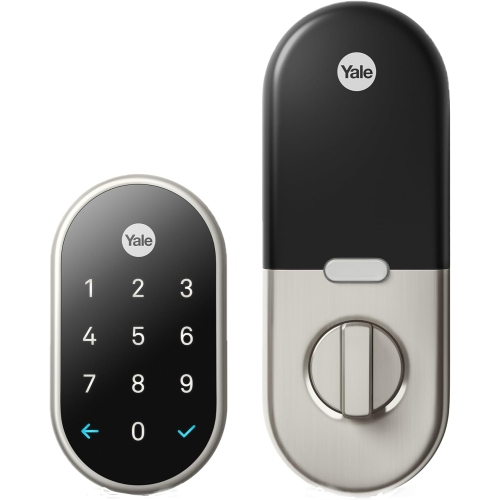 Your price for this item is $369.55
-
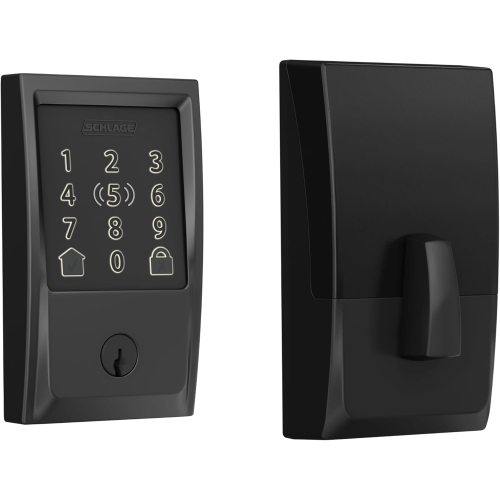 Your price for this item is $359.99
-
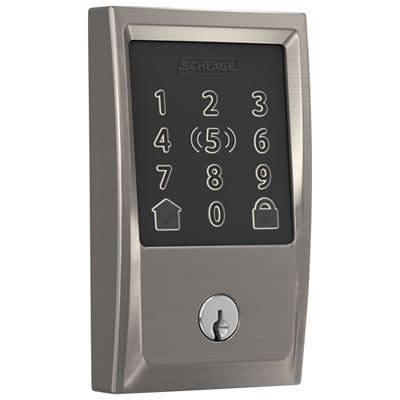 Your price for this item is $319.98
-
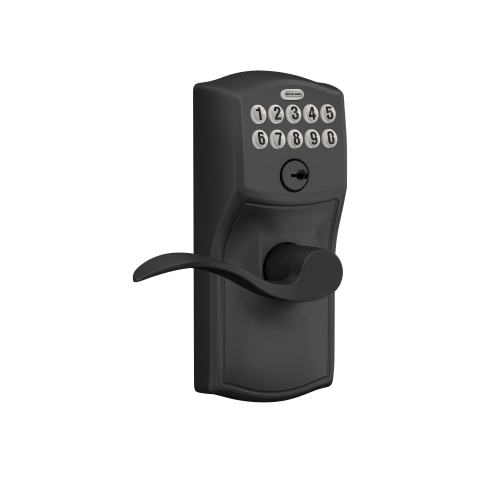 Your price for this item is $155
-
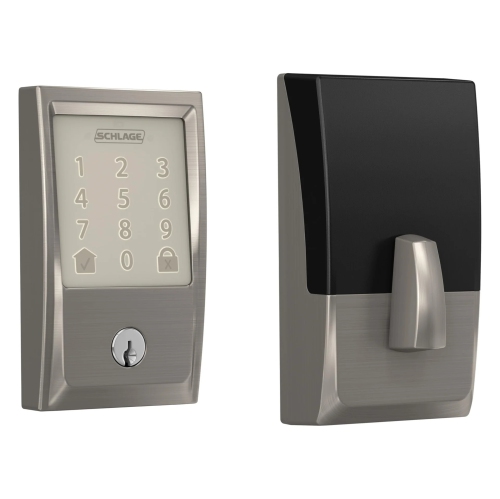 Your price for this item is $289.99
-
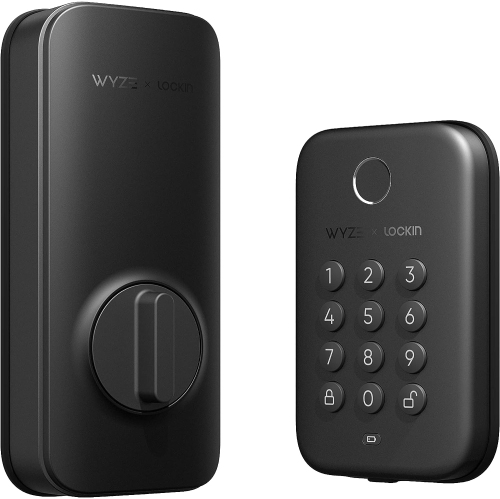 Your price for this item is $149
-
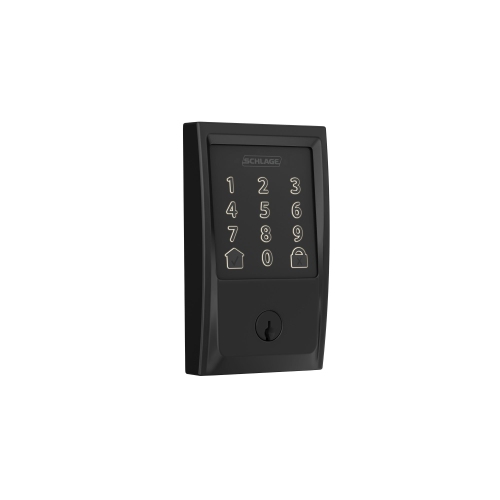 Your price for this item is $289.99
-
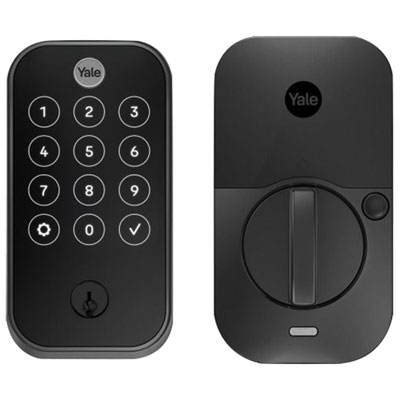 Your price for this item is $349.99
Discover more categories related to Secure Door Latches
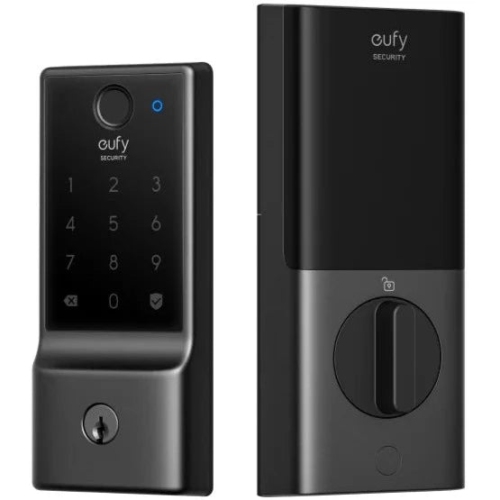
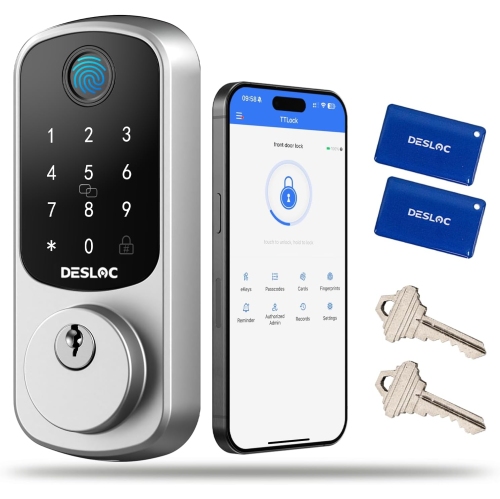
Top Collections:
Pokemon Centers, Kindle Devices, Best Budget Office Chairs, Canon G7X Cameras, Apple iPhones 16, Samsung Galaxy Phones, Refurbished Apple Laptops, Laptops for Students, iPhone 15 Apple, Budget Smartphones
Some products may be subject to Environmental Handling Fees
(EHF) depending on your province.
Learn more about EHFs.