Cabinet Latches
Keep your cabinets secure and your little ones safe with our wide selection of cabinet latches. Whether you have curious toddlers or mischievous pets, these essential safety devices are designed to prevent unwanted access to your cabinets and drawers. With various styles and functionalities available, you can find the perfect cabinet latch to suit your needs. From magnetic latches to spring-loaded options, our collection offers reliable solutions to keep your belongings protected and give you peace of mind. Explore our range of cabinet latches today and create a safer environment for your home. Also check out our selection of the Best Smart Locks for Home for even more great options!
Sort







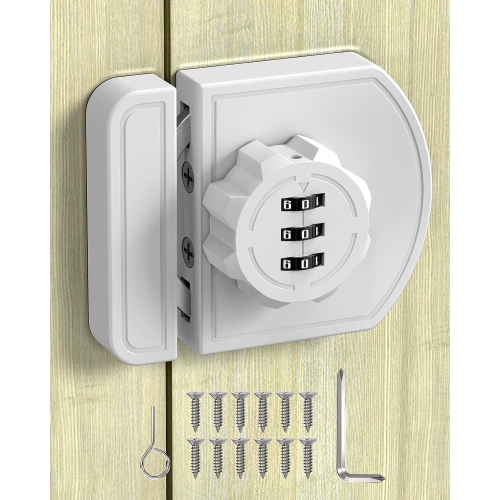
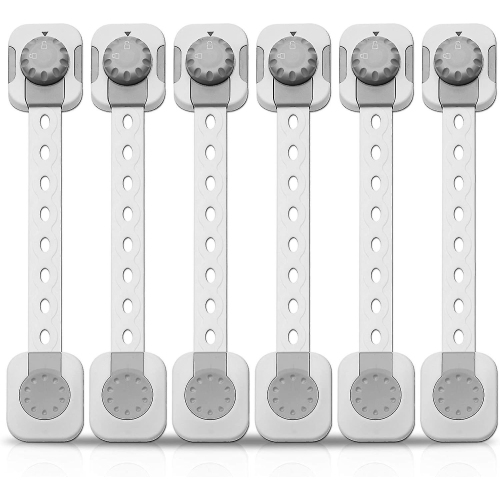
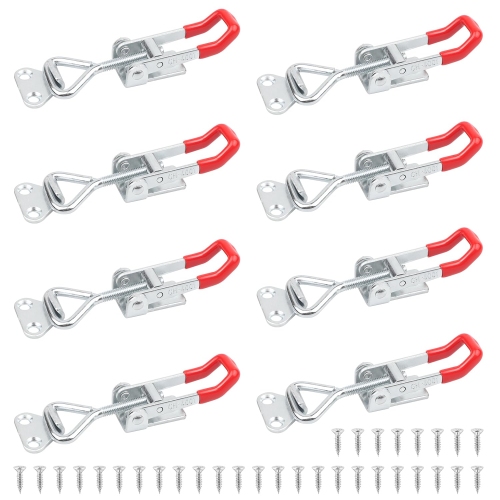
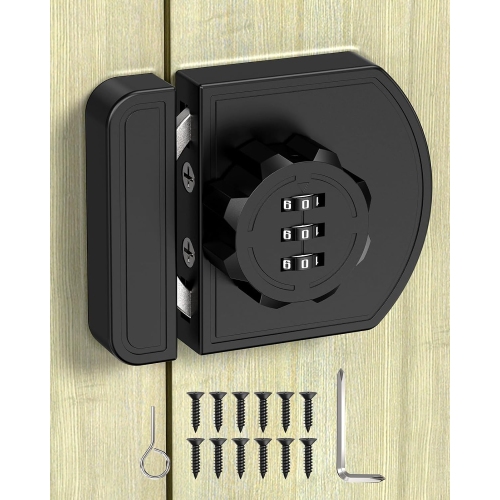
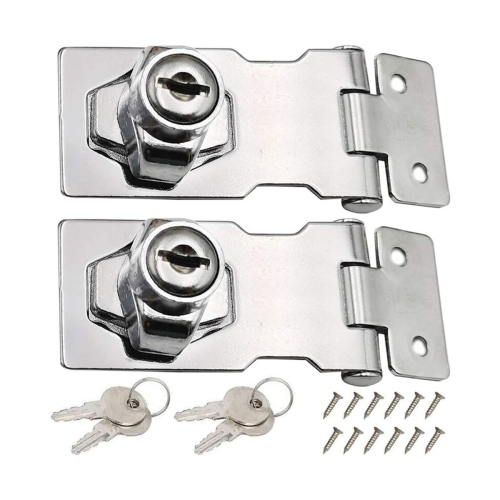


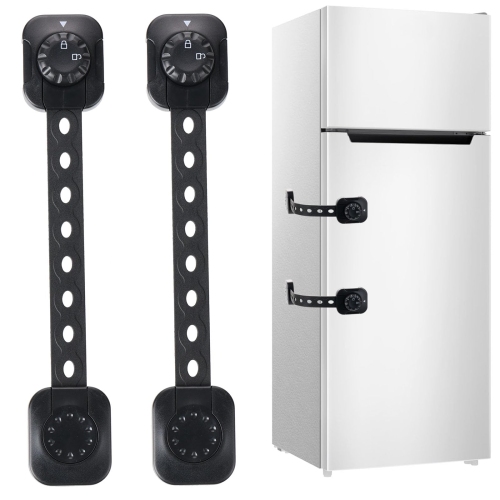


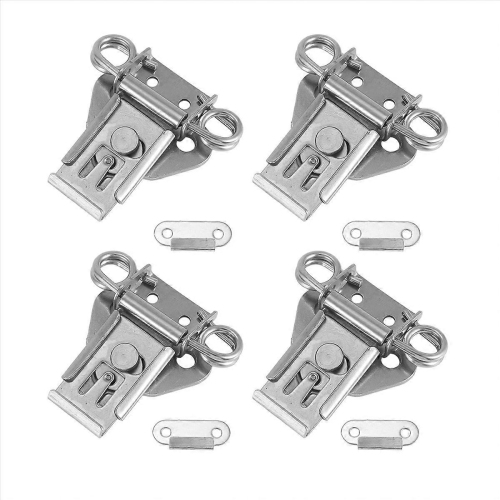

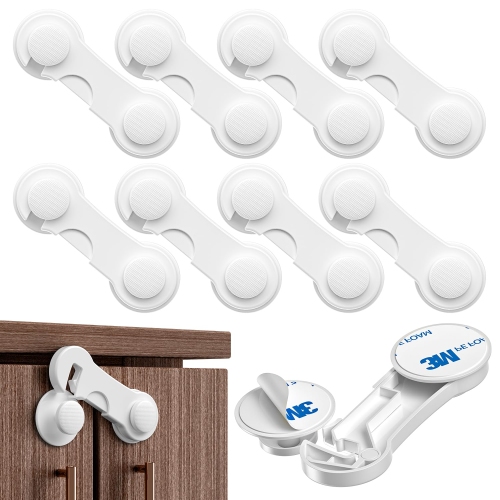
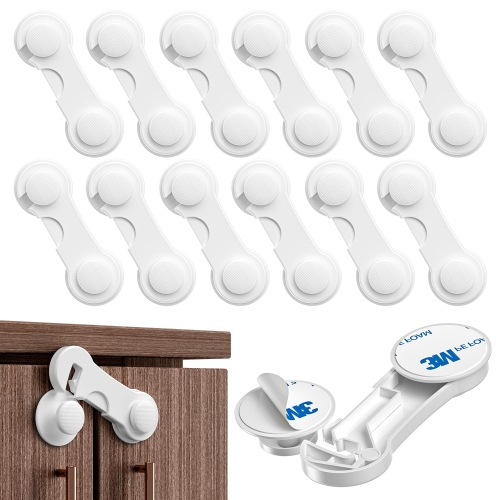
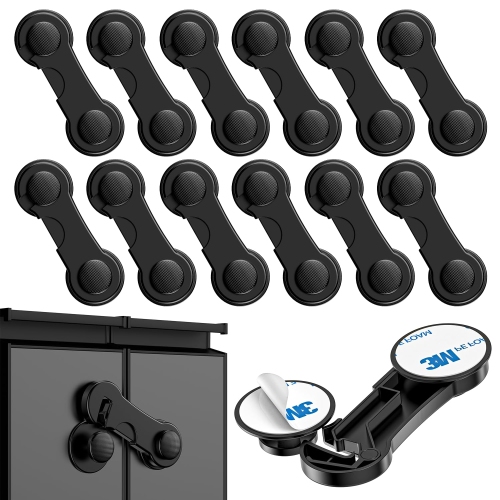


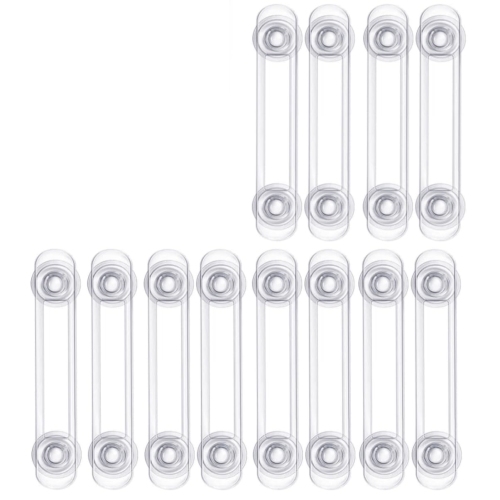
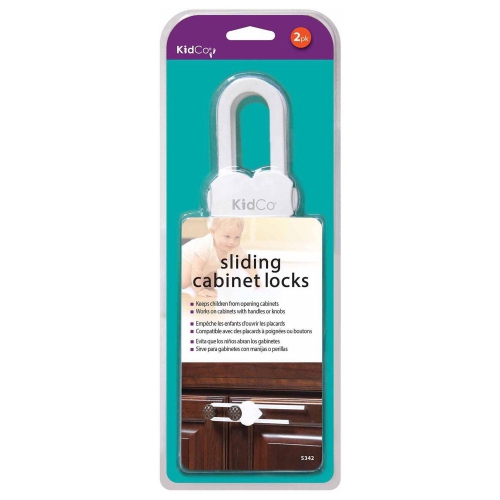
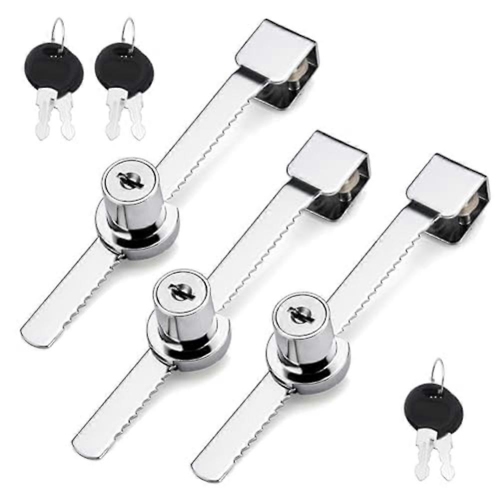

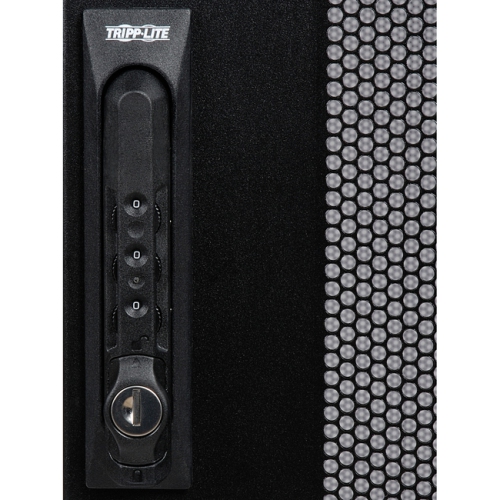

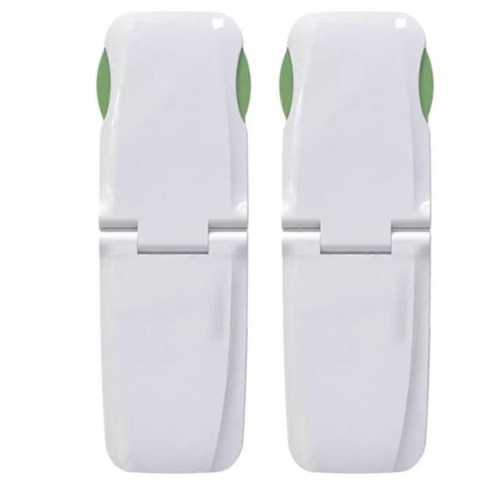


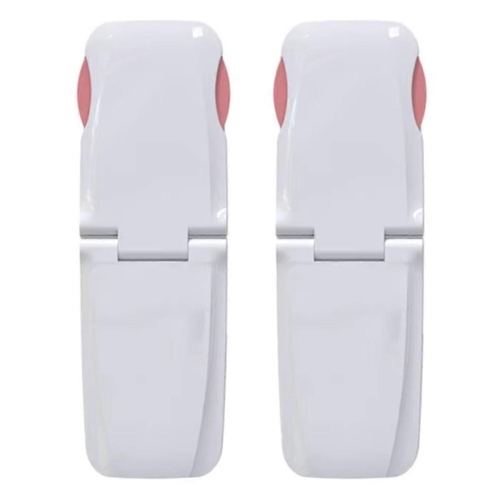

Small catches that help cupboard doors stay shut
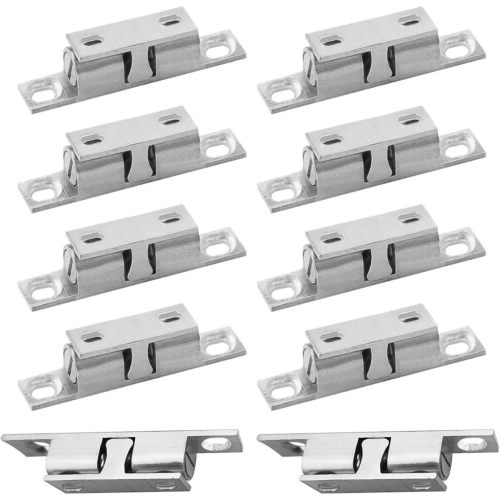
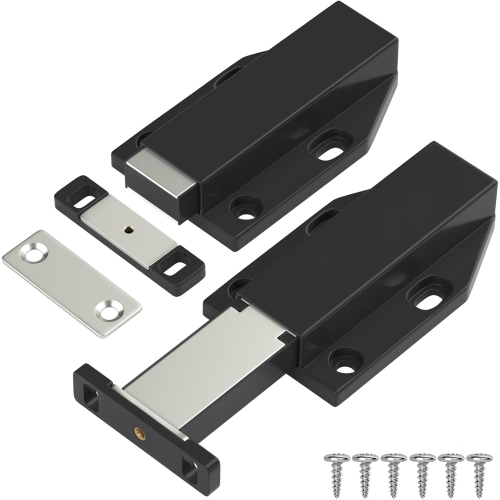
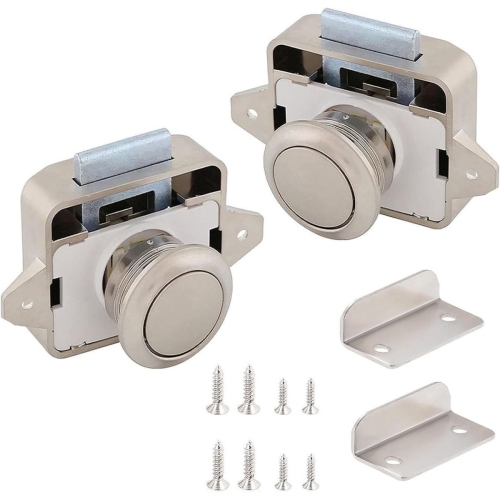
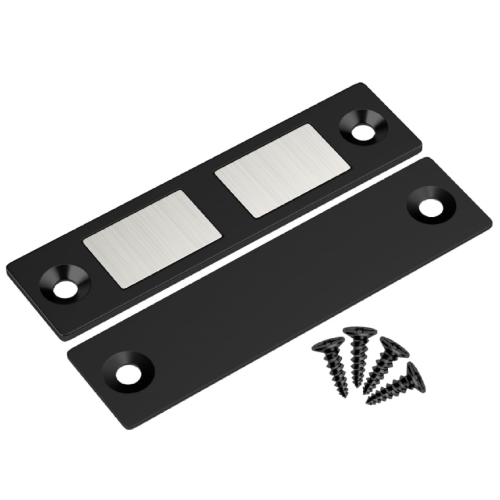
Cabinet latches hold doors or drawers against their frames, helping prevent them from opening unintentionally while keeping everyday storage easy to use. Unlike hinges, which support a door and allow it to swing, a latch provides the holding action when the door reaches its closed position. That small piece of hardware can make a noticeable difference in a kitchen where one cupboard drifts open, a bathroom vanity with frequently used doors, or a hallway cabinet that needs to sit neatly shut. Common types include magnetic catches, ball catches, roller catches, touch-release latches, and externally mounted turn latches. Magnetic catches use a magnet and a metal strike plate to hold a door closed, often with a compact housing tucked inside the cabinet. Ball catches typically use a spring-loaded ball that engages with a matching fitting, while roller catches grip a strike between rollers or within a spring mechanism. Both provide mechanical resistance that releases with a pull. Touch-release latches, also called push-to-open latches, respond to pressure on the door face, allowing suitable cabinets to open without a visible knob or handle. Some rely on a magnetic connection, while others use a mechanical holding mechanism. Exterior turn latches offer a visible fastening point, with a lever or knob that rotates to hold the door in place. These different actions suit different routines: a frequently opened pantry benefits from an easy, predictable release, while a utility cupboard may call for a more deliberate fastening action. A concealed catch preserves the uninterrupted appearance of a flat cabinet front, whereas exposed hardware can suit a workshop cupboard or a traditional storage cabinet. The right match depends on the door, the frame, and the purpose of the storage rather than appearance alone. For furniture used throughout the day, the feel of the latch matters too. A gentle magnetic hold, a firm roller engagement, and a push-to-open action each create a distinct experience when reaching for a mug, a towel, or a board game.
Fit is central to how well cabinet latches perform, particularly when replacing hardware on existing furniture. Inset doors sit within the cabinet opening, while overlay doors extend across the front edges of the frame; each arrangement leaves different space for the catch and its strike plate. Door thickness, the gap around the door, and the depth behind the cabinet face all affect where the components can meet. Frameless cabinets may need a different mounting position from cabinets with a face frame, and a narrow rail can limit the size of the mounting plate. Existing screw holes are useful reference points, but matching the old hole spacing does not always mean the new latch will align correctly. A door that sags or rubs against its neighbour may have a hinge issue that a stronger catch will not resolve. Holding strength also needs to suit the application. Too little resistance can leave a door loosely closed, while excessive resistance can make a lightweight door awkward to open or place unnecessary strain on its handle. On paired doors, some arrangements hold each door independently; others fasten a secondary door before the main door closes. Drawers need latches specifically suited to their movement and clearances rather than a catch selected solely for a swinging door. Materials contribute to durability as well as appearance. Steel, stainless steel, brass, zinc alloy, and moulded plastic are used in different latch components, often together within one assembly. Stainless steel can offer useful corrosion resistance in damp areas, although its grade and finish still matter. Plated metal surfaces offer a range of appearances, but scratched or worn plating may expose the metal beneath. Plastic housings are lightweight and can blend into a pale cabinet interior, while their long-term performance depends on construction and use. Screw-mounted latches provide a mechanical attachment, provided the fasteners suit the cabinet material and do not pass through the door face. Adhesive-mounted catches avoid screw holes, but their grip depends on surface compatibility, preparation, curing time, and the load placed on them. Neither mounting method makes up for poor alignment, especially on a door opened repeatedly during meal preparation or household chores.
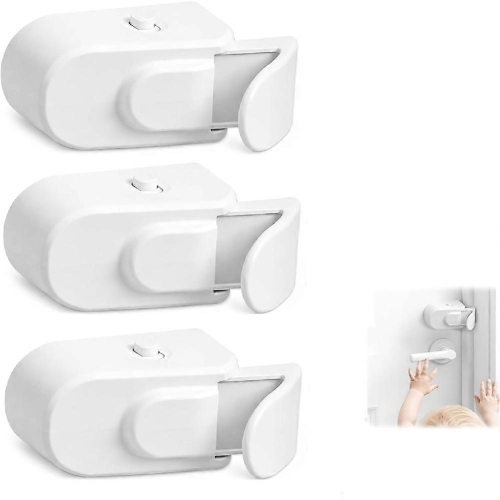
Intended use is especially important when cabinet latches are part of a household safety arrangement. An ordinary magnetic or roller catch is not a child-safety device, even if it takes a firm pull to open. Child-resistant cabinet latches are designed to restrict access and may use an internal release, a magnetic key, or another deliberate opening action. Their suitability depends on the cabinet layout, the child’s abilities, and correct installation, and they do not replace supervision. Medicines, cleaning supplies, sharp tools, and other hazardous contents still need secure storage appropriate to the risk. A latch also differs from a lock: keeping a door closed during ordinary use is not the same as preventing unauthorised access. In an RV or other moving setting, vibration and shifting contents create demands beyond those of a stationary kitchen cupboard. Hardware intended for travel needs a fastening action suited to that movement, rather than reliance on a light household catch. Similar attention to closure is useful for portable storage, including tool boxes with latches, where the fastening helps keep the lid closed when the box is handled as intended. Around the home, cabinet latches serve parents, renters making permitted changes, homeowners refreshing older cupboards, and furniture hobbyists finishing a storage project. Ease of operation deserves consideration for anyone with reduced grip strength or limited hand movement, since a tiny turn knob and a broad push-release door require different motions. Routine care is usually straightforward: dust and residue can interfere with contact surfaces, and a soft cloth with a suitable mild cleaner can help keep accessible parts clean. Abrasive cleaners may damage finishes, while lubricants should only be used where the hardware manufacturer permits them. Loose screws, worn rollers, weakened springs, or a shifting strike plate can change the feel of a closure over time. Wood doors may also move slightly as indoor humidity changes, making occasional alignment checks useful. Well-matched, well-maintained latches support the simple daily expectation that a cabinet will close neatly, stay shut, and open with the action its user expects.
Top selling and popular products
-
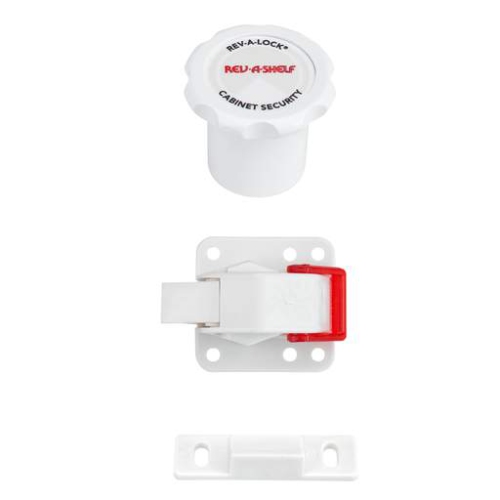 Your price for this item is $92.99
-
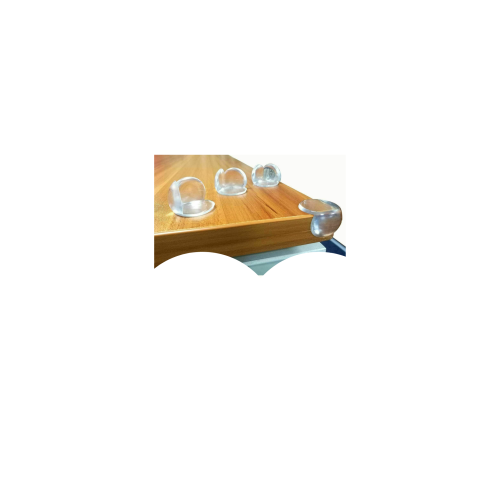 Your price for this item is $18
-
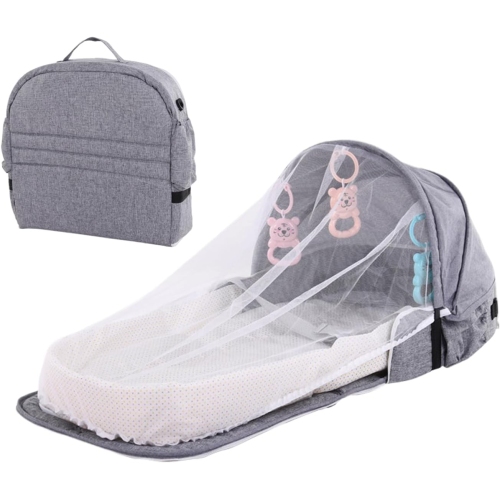 Your price for this item is $41.59
-
 Your price for this item is $32.99
-
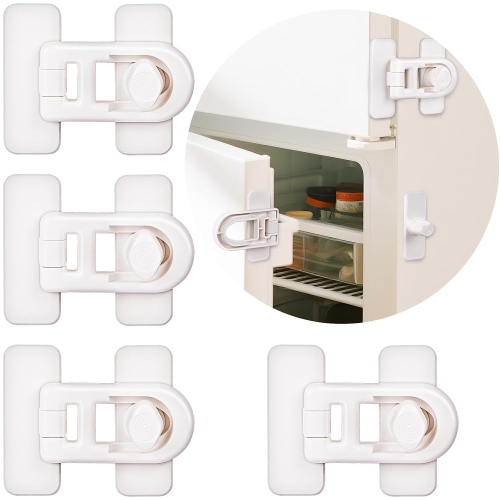 Your price for this item is $14.18
-
 Your price for this item is $65.99
-
 Your price for this item is $4.99
-
 Your price for this item is $5.99
Discover more categories related to Cabinet Latches

Top Collections:
Pokemon Centers, Kindle Devices, Best Budget Office Chairs, Canon G7X Cameras, Apple iPhones 16, Samsung Galaxy Phones, Refurbished Apple Laptops, Laptops for Students, iPhone 15 Apple, Budget Smartphones
Some products may be subject to Environmental Handling Fees
(EHF) depending on your province.
Learn more about EHFs.