Security Alarm Systems for Business
Enhance the security of your business premises with our wide selection of top-notch security alarm systems. Protecting your business from potential threats and intrusions is crucial, and our range of advanced alarm systems is designed to provide you with peace of mind. Whether you own a small retail store or a large corporate office, we have the perfect solution to meet your unique security needs. With features such as motion detection, remote monitoring, and customizable settings, our security alarm systems offer reliable and effective protection for your valuable assets. Explore our collection today and take proactive steps towards safeguarding your business.
Sort
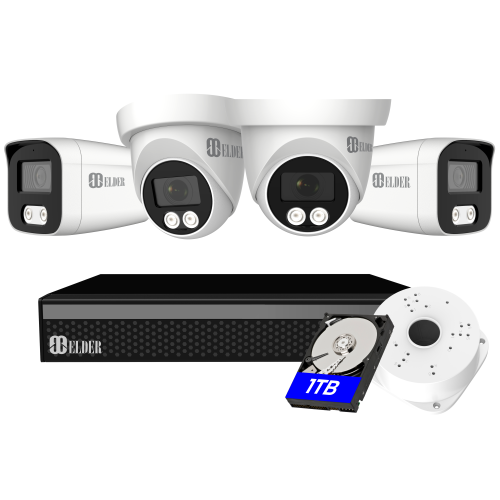
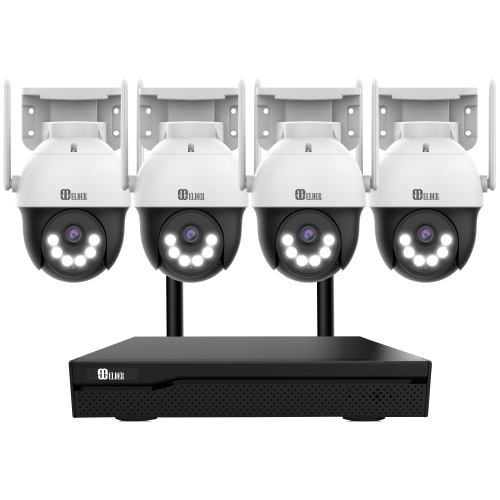
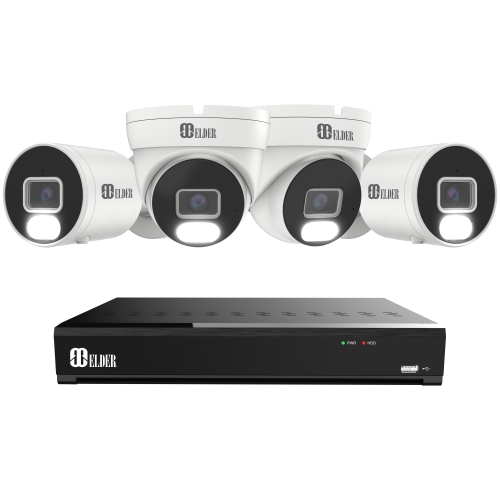
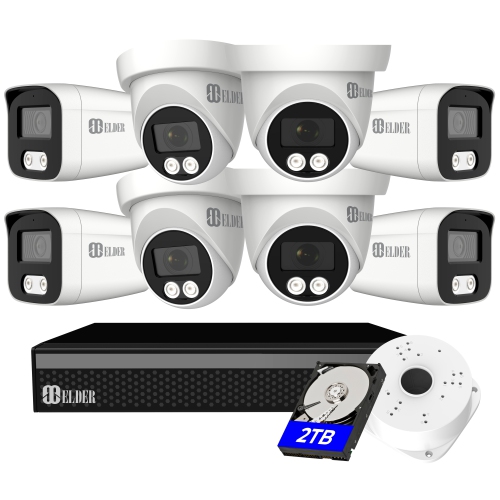
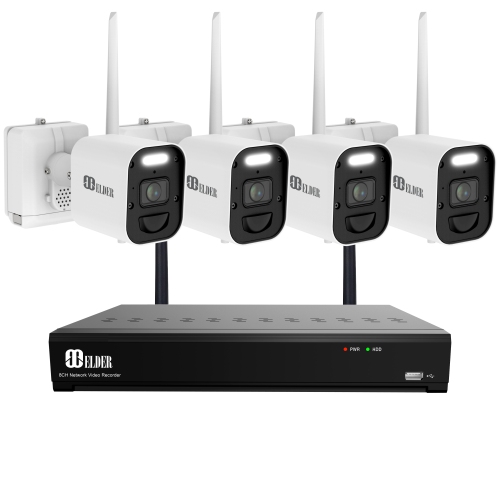
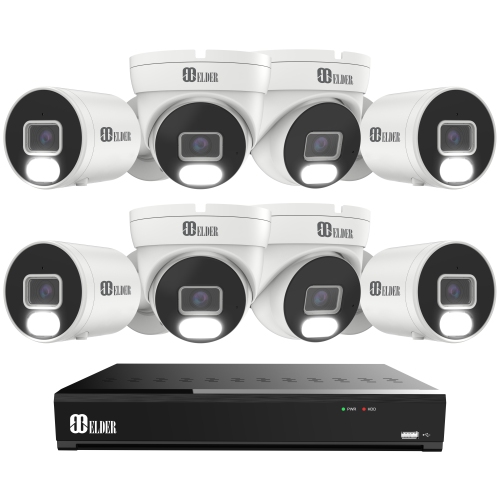
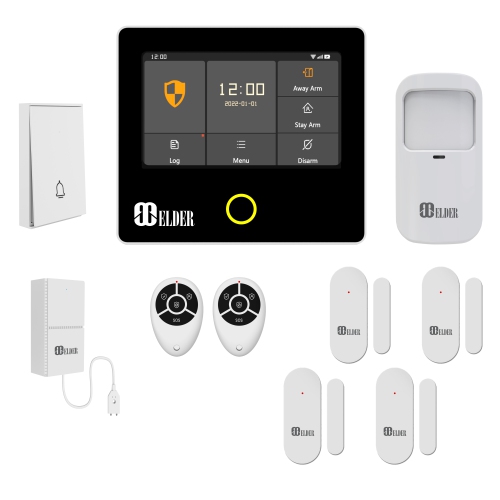
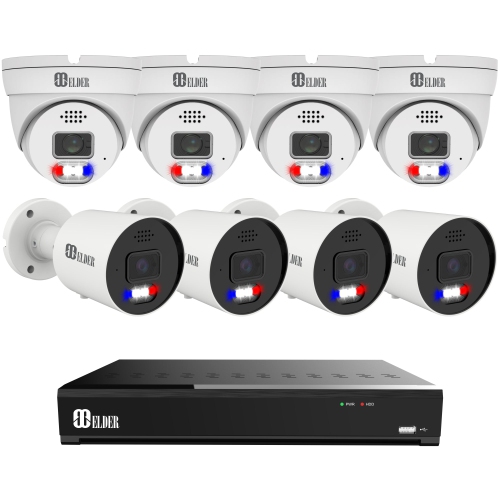
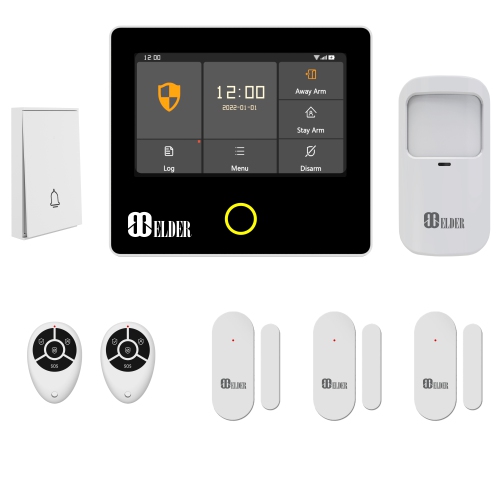
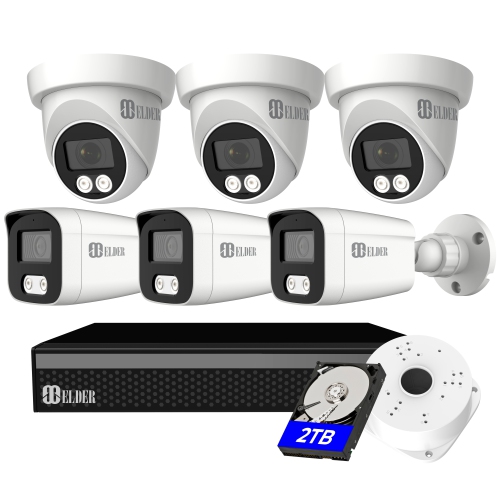
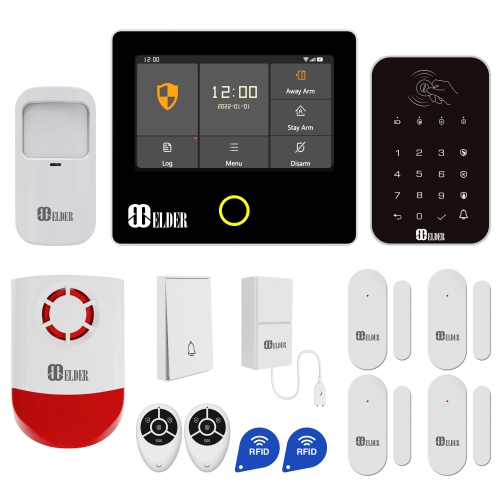
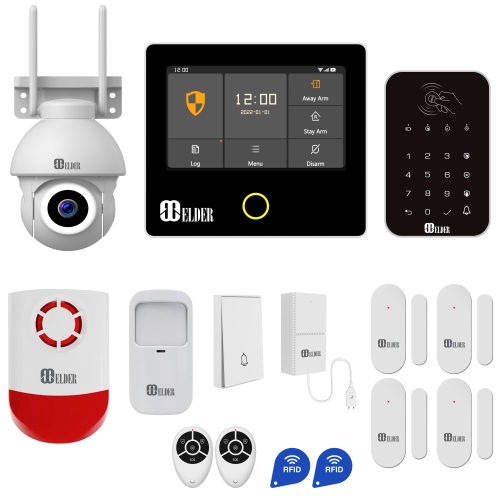
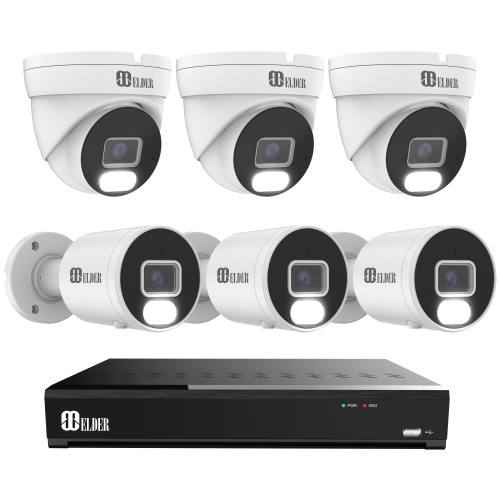
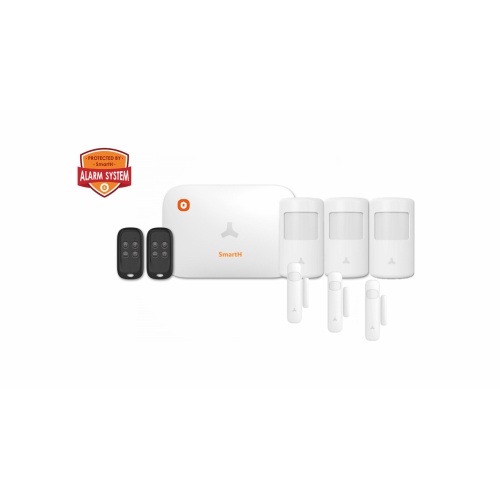
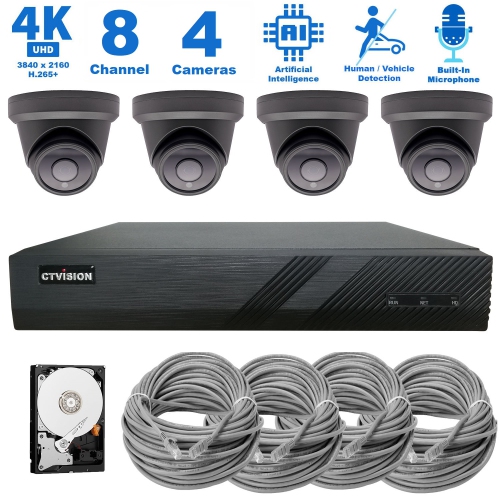
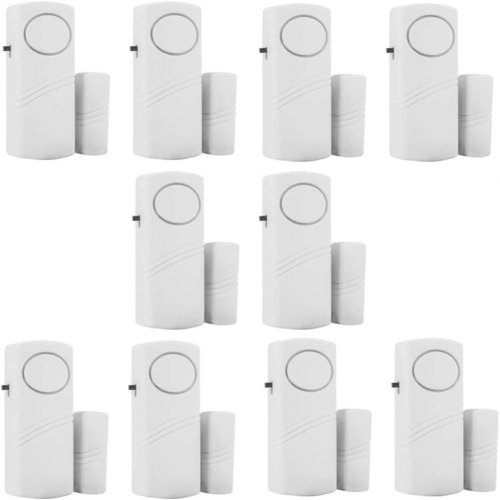
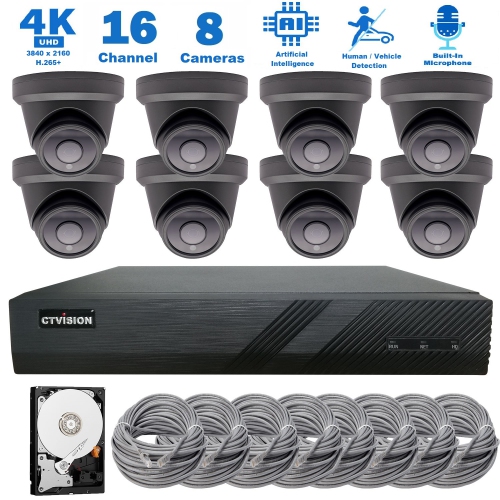
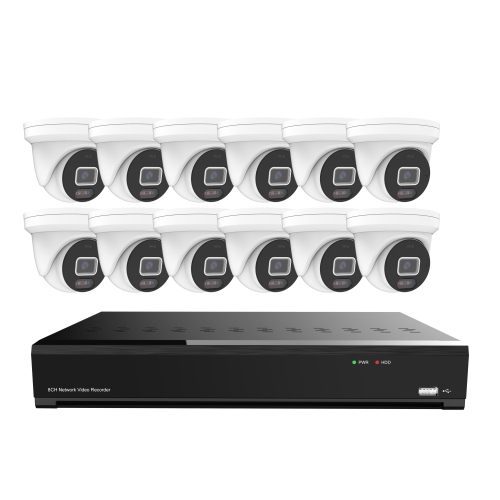
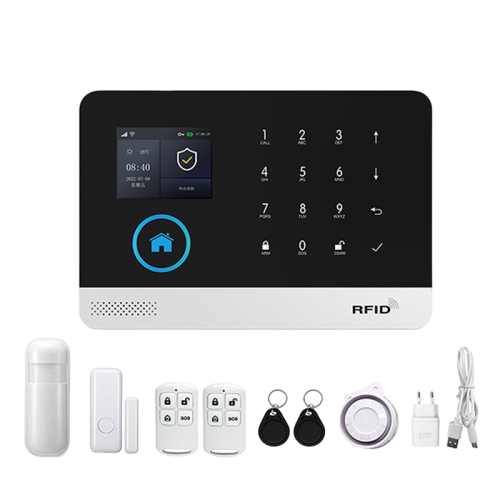
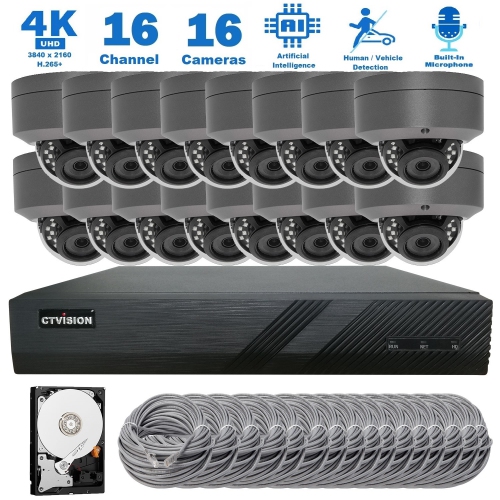
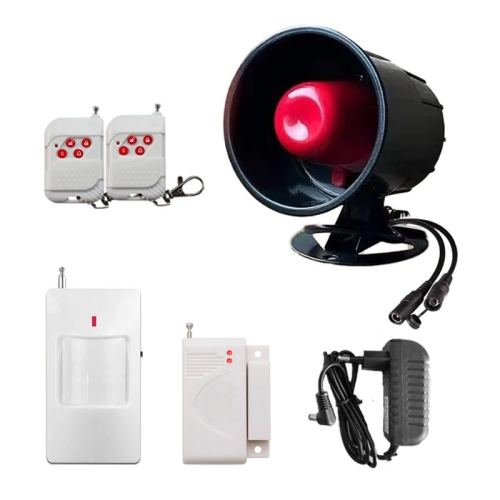
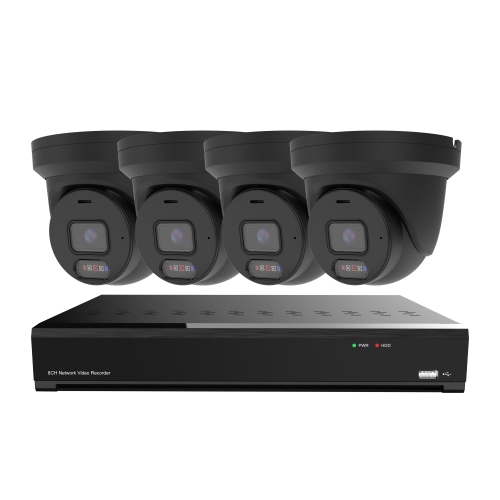
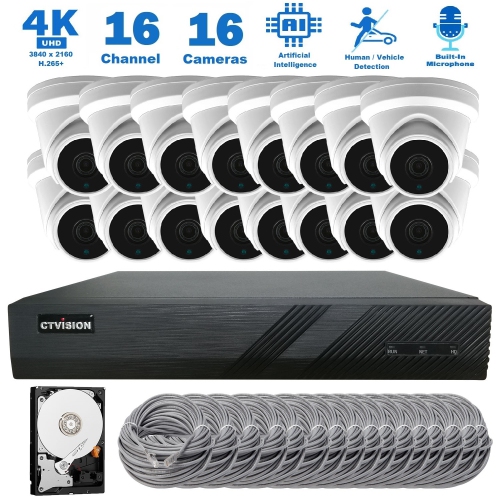
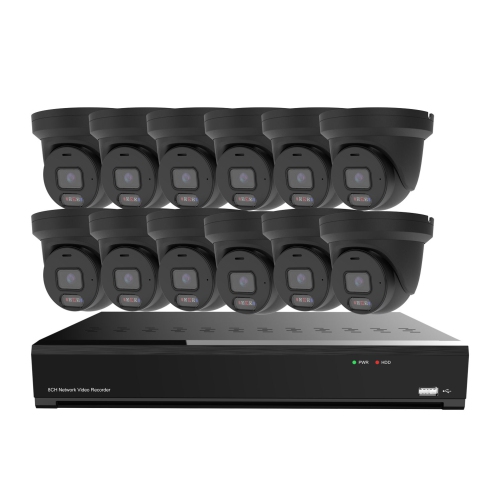
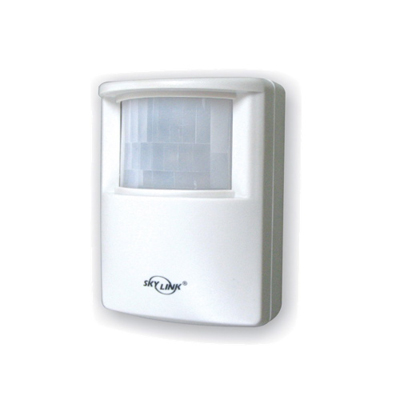
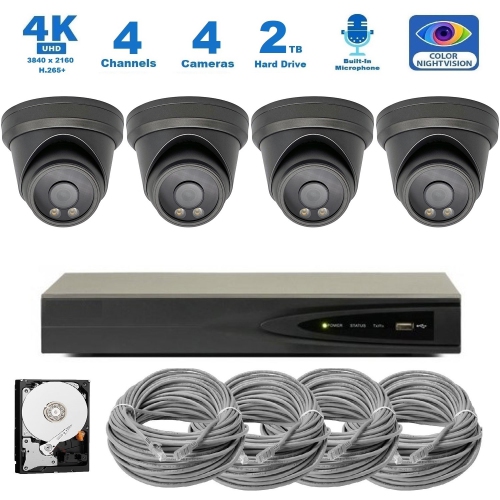
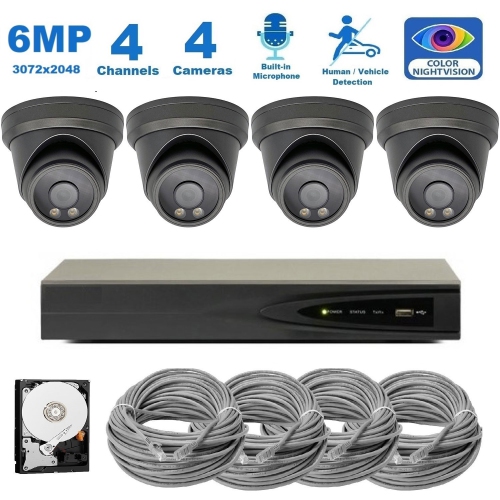
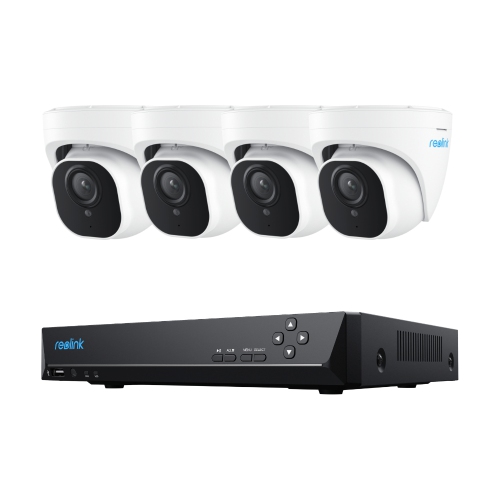
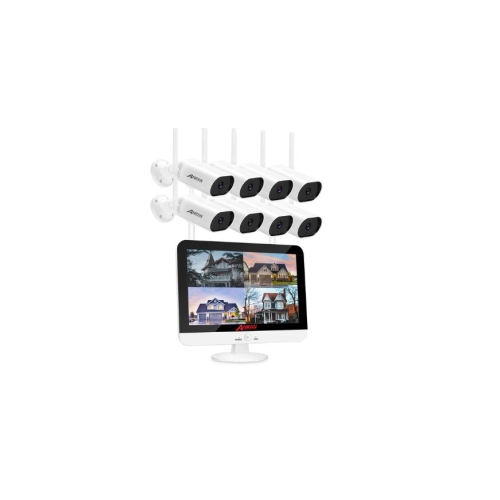
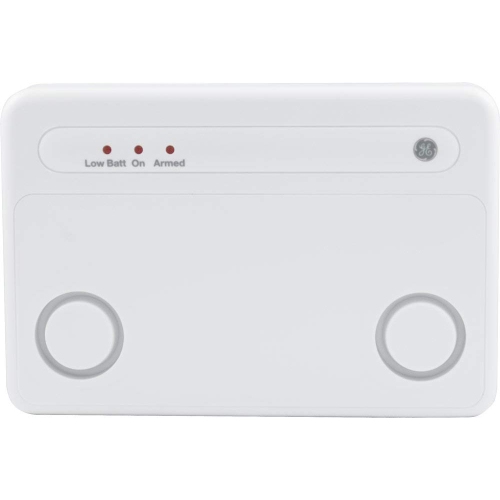
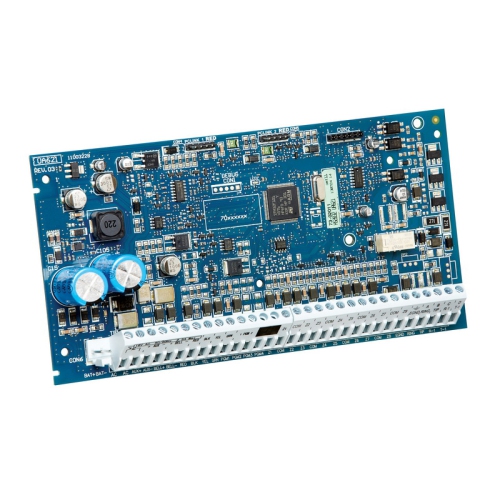
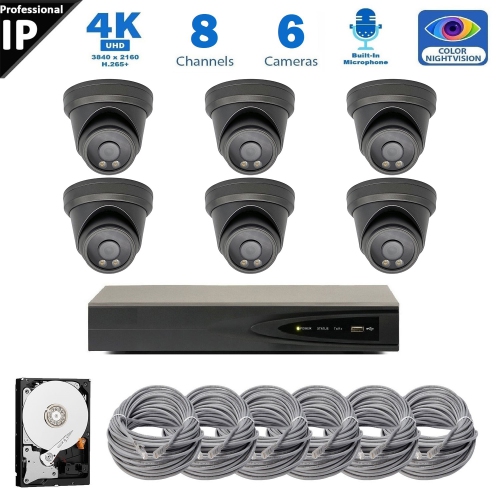

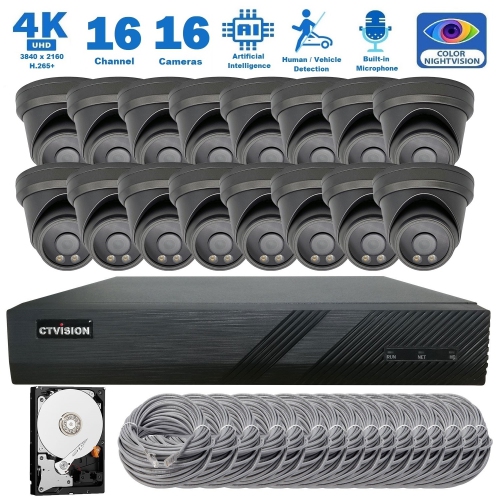
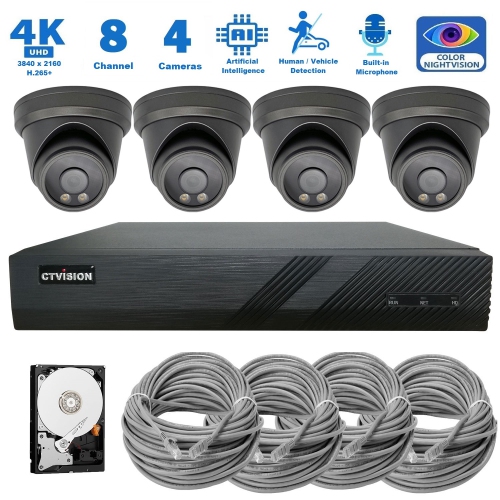
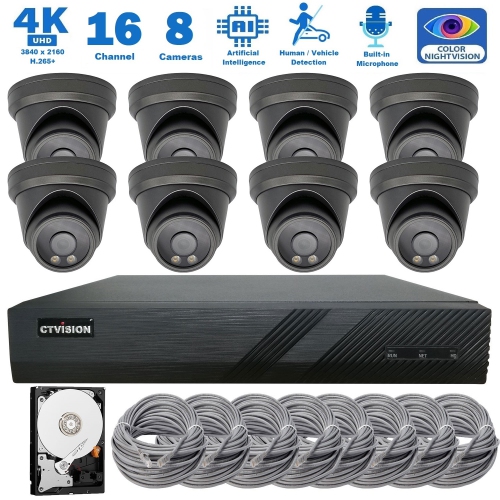
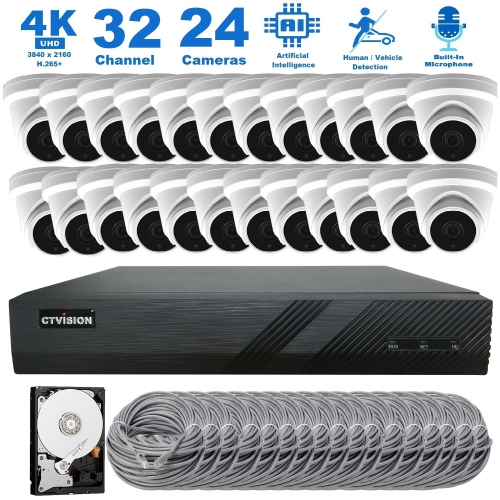
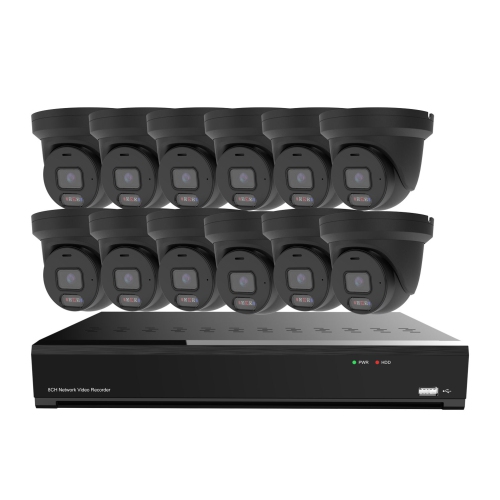
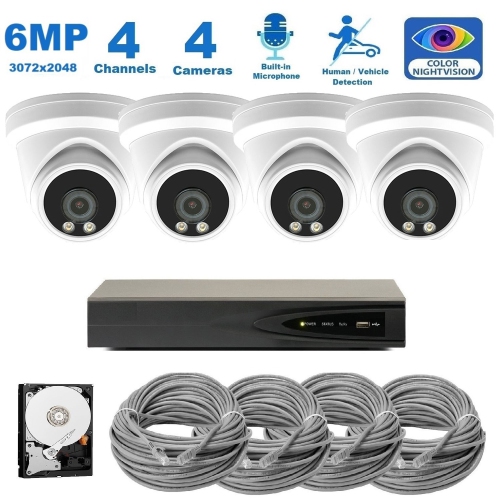

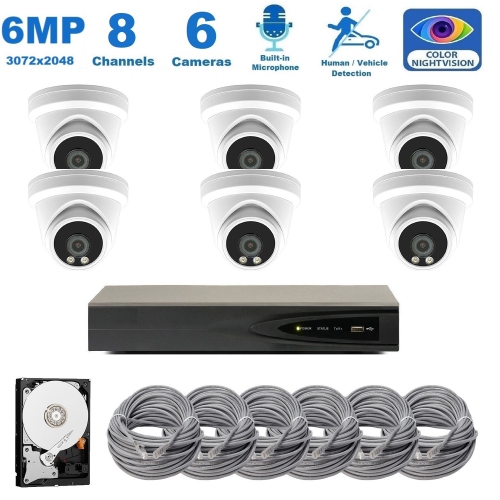
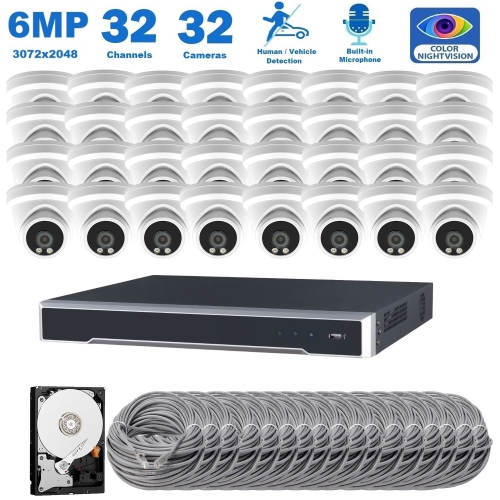
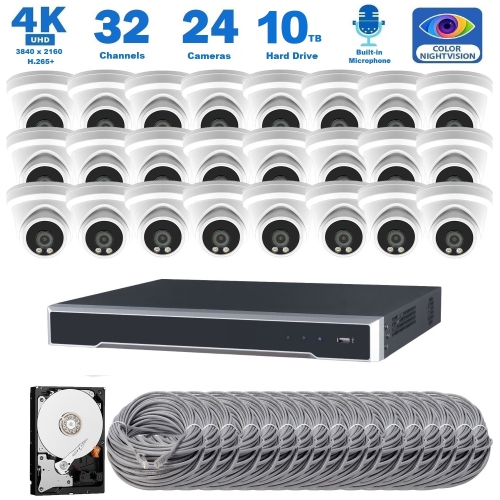
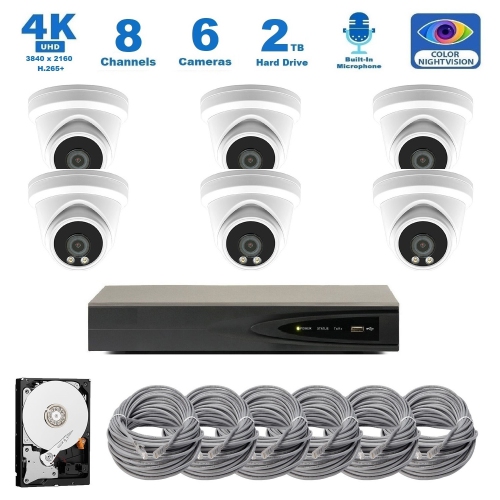
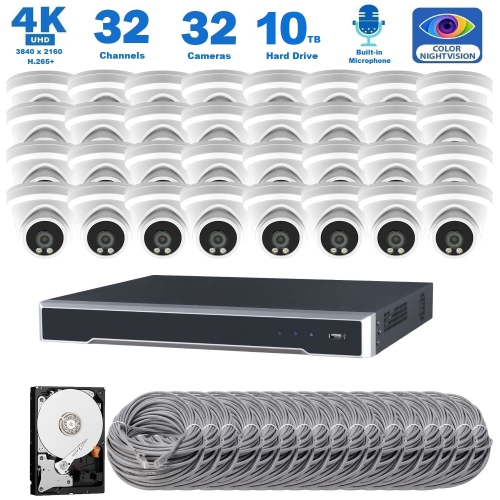
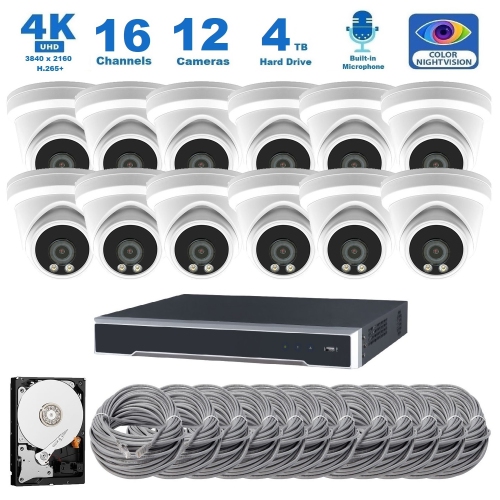
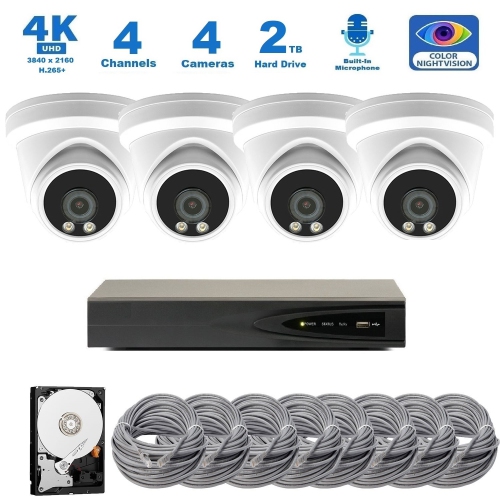
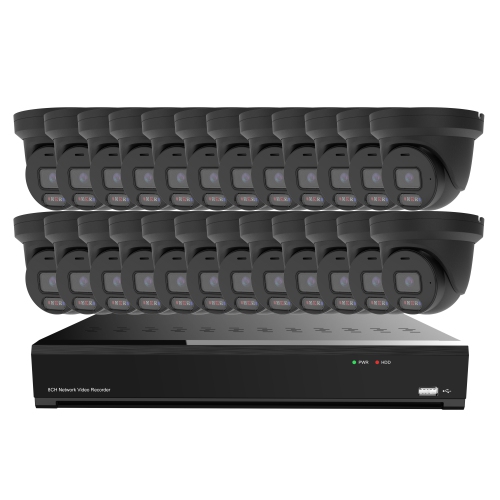
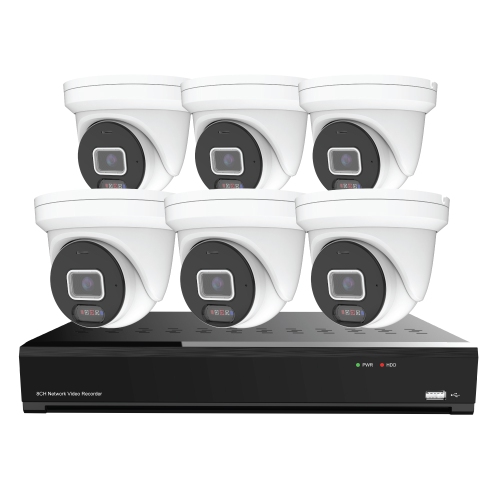
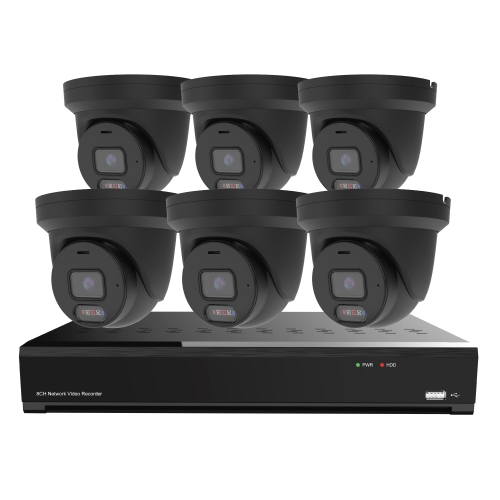
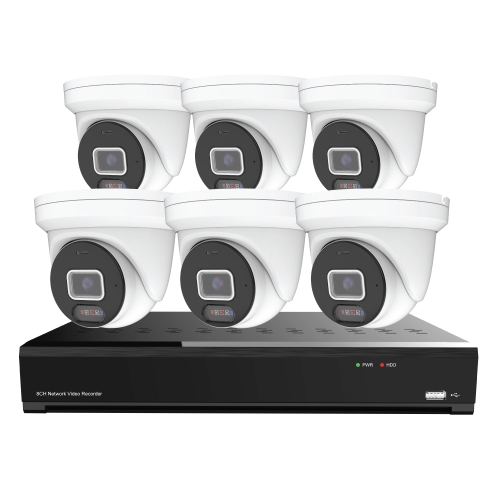
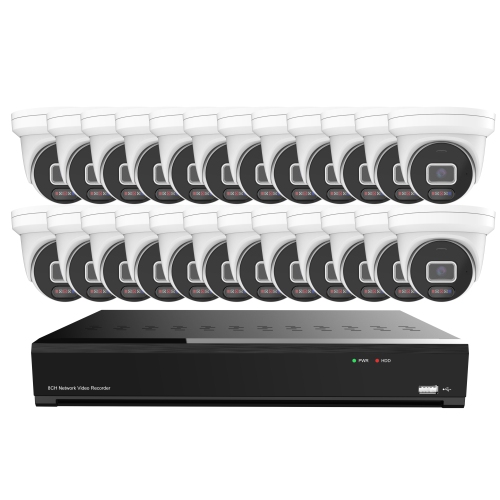
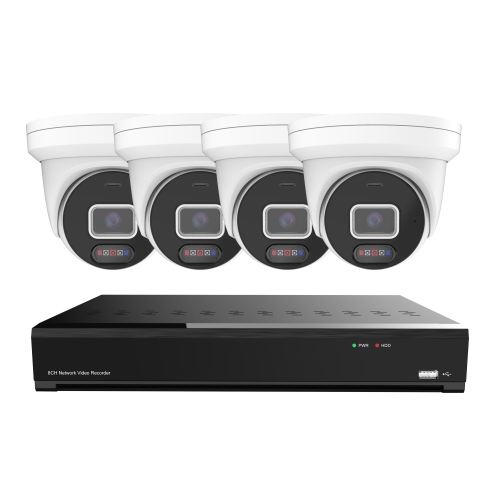
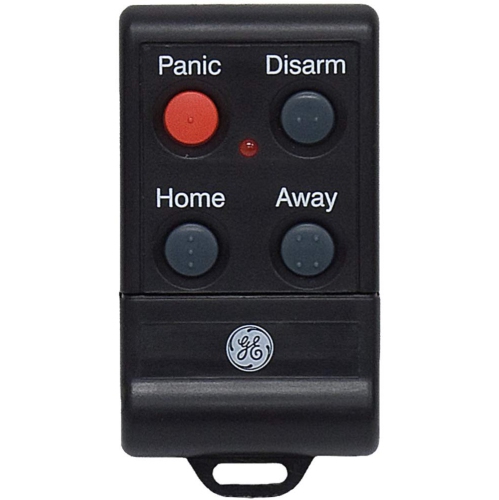
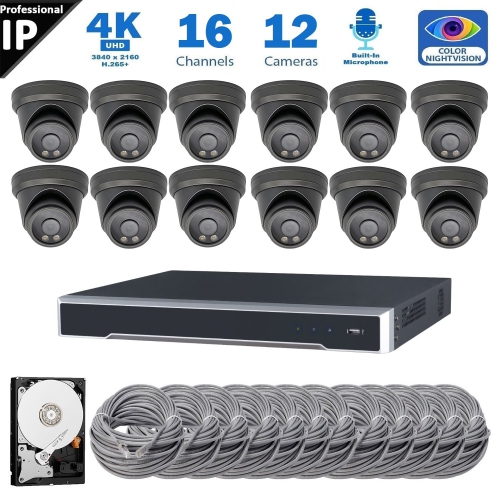
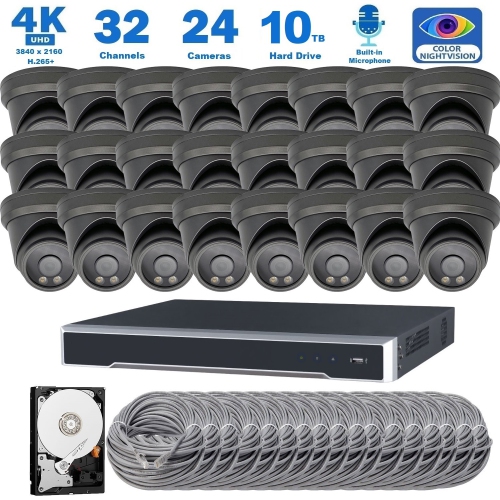
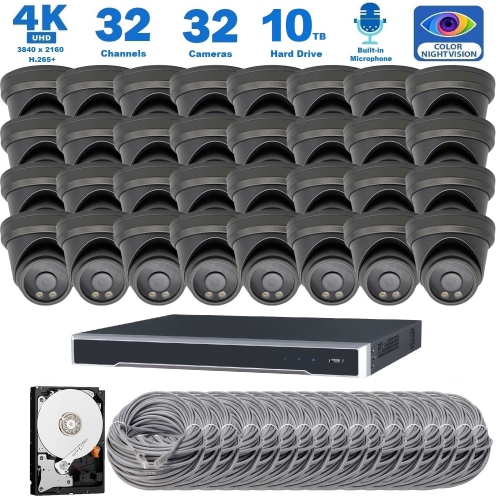
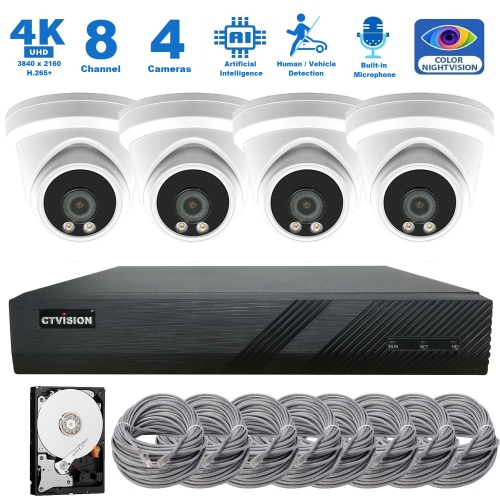
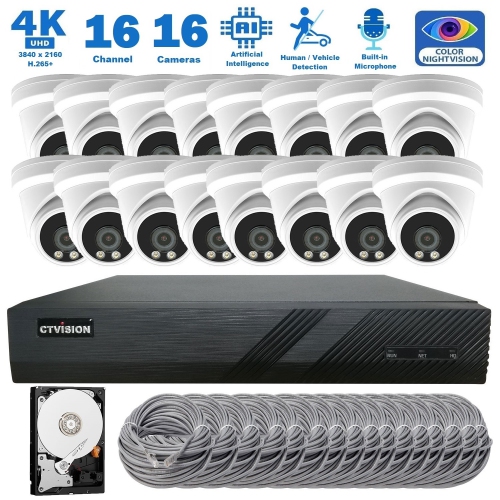
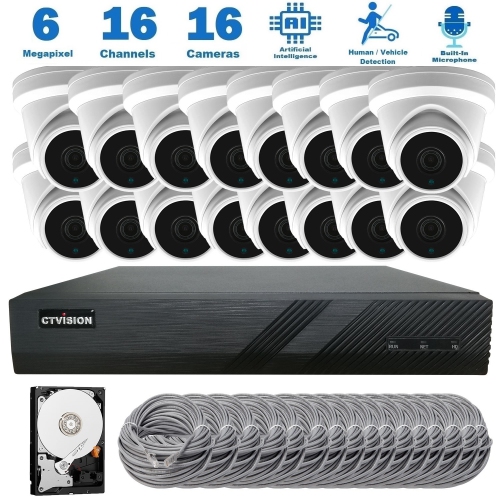
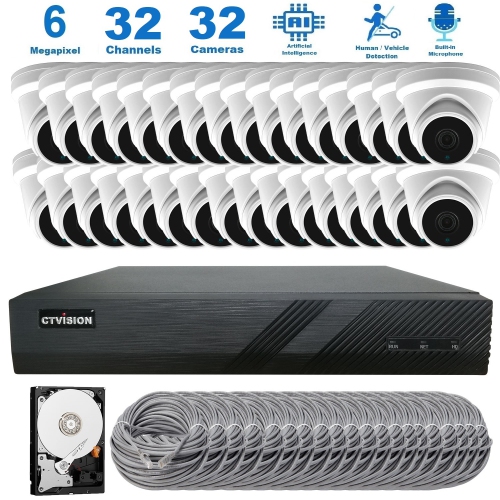
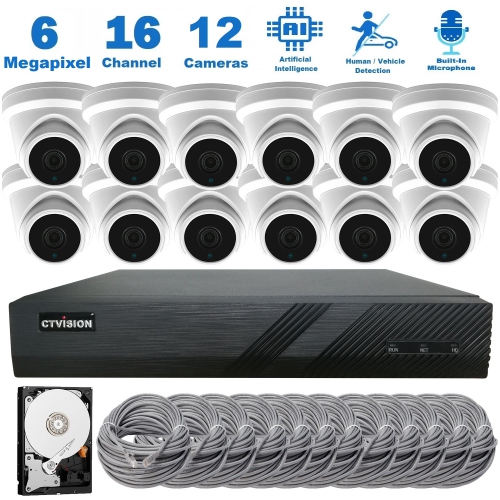
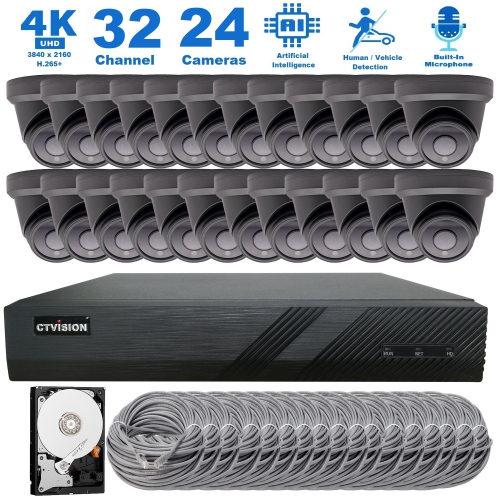
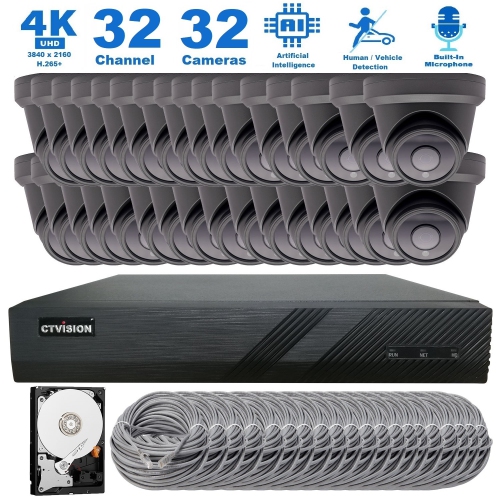
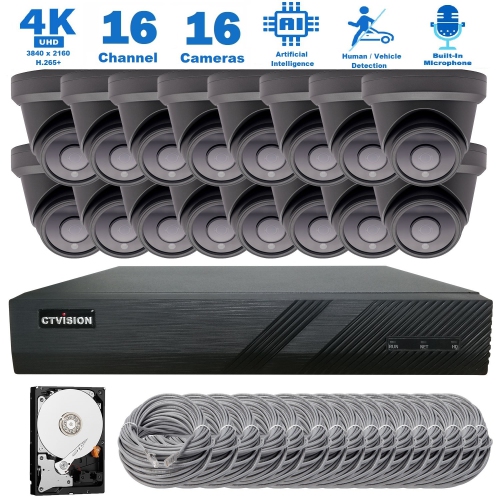
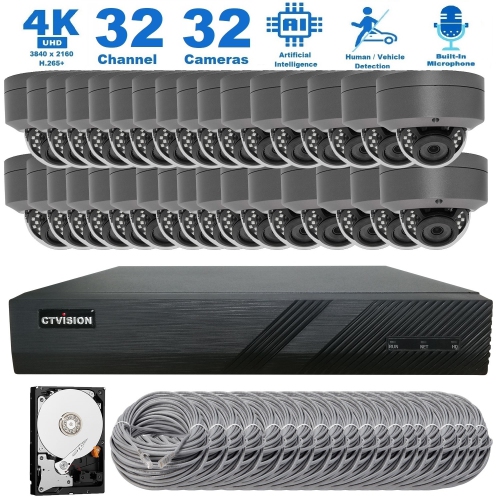
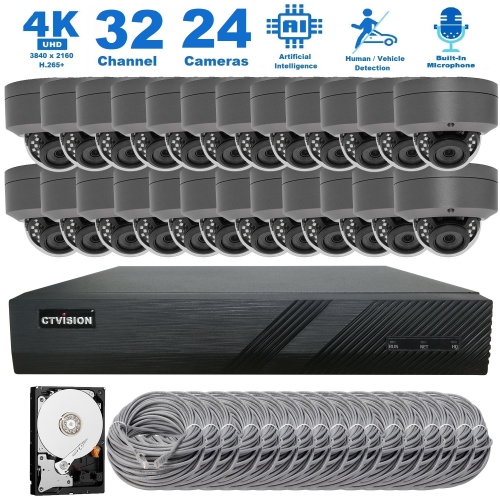
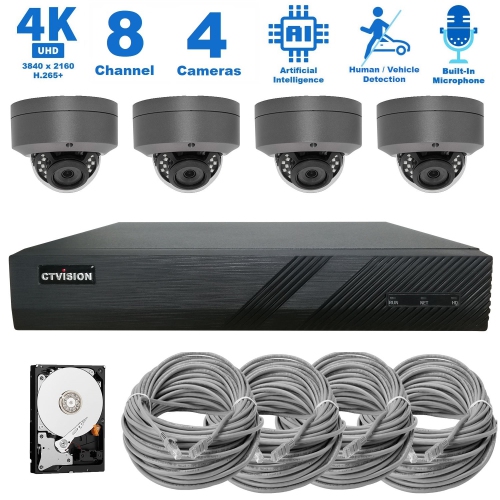
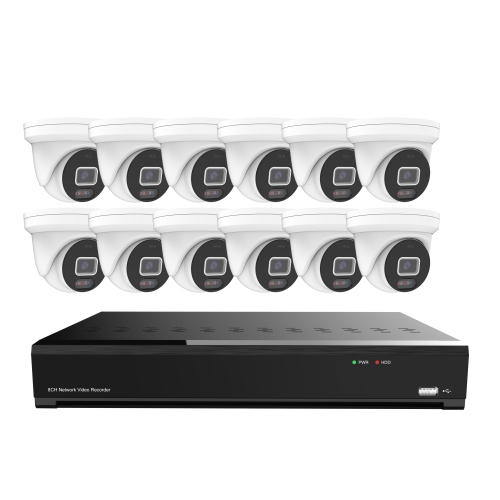
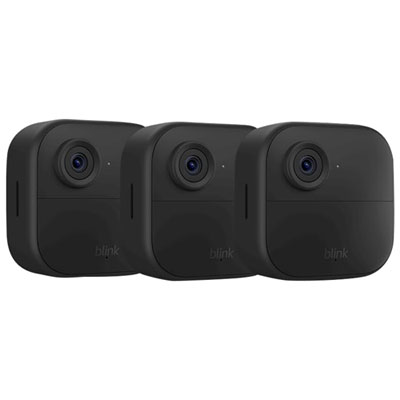

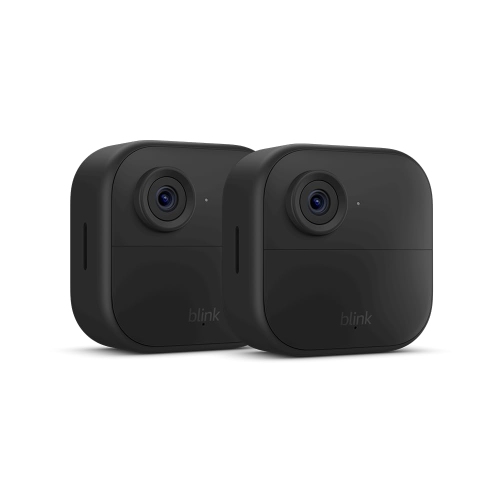
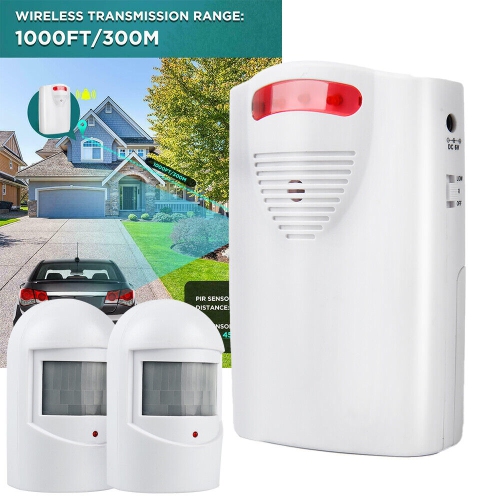

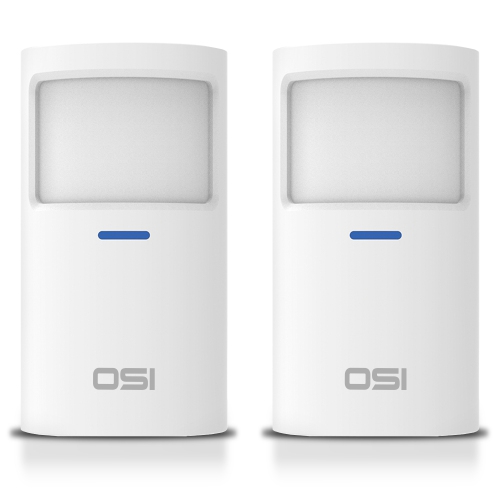
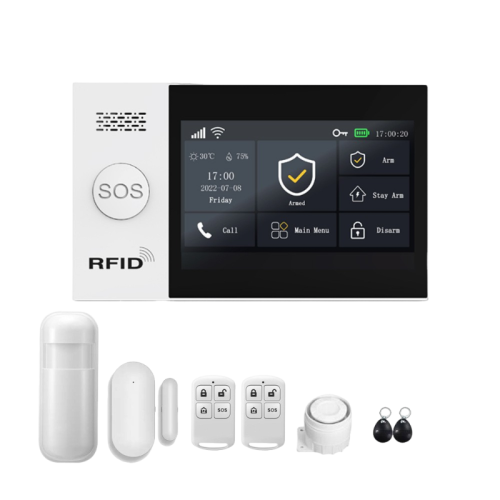
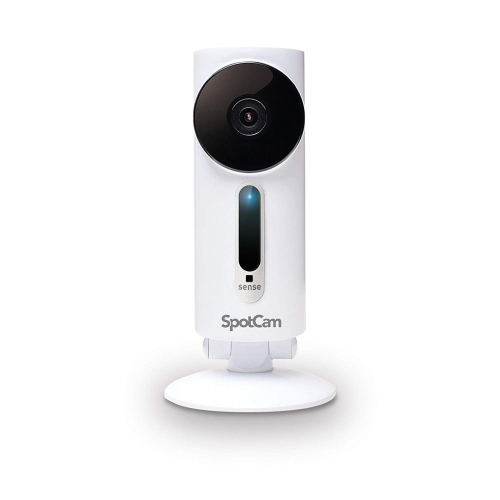
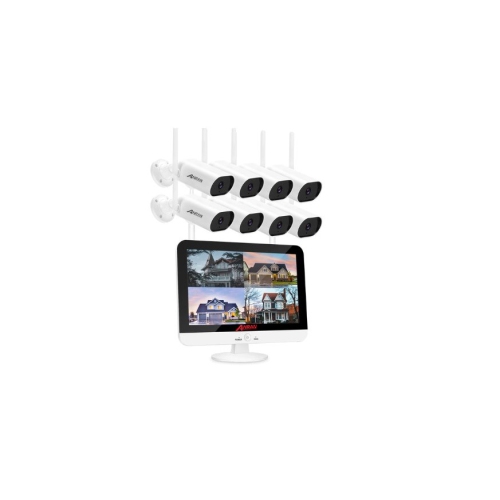
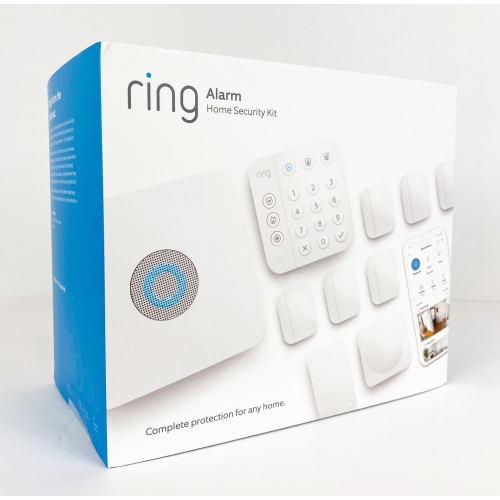
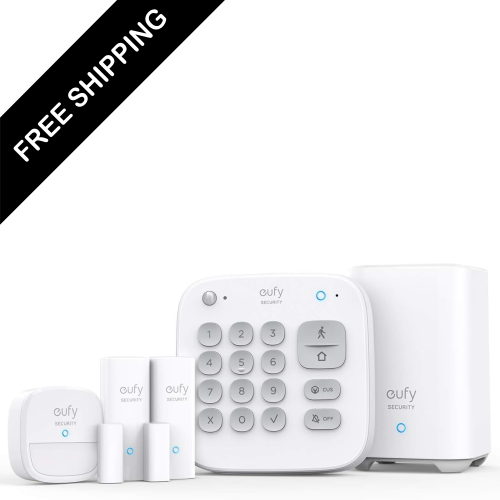
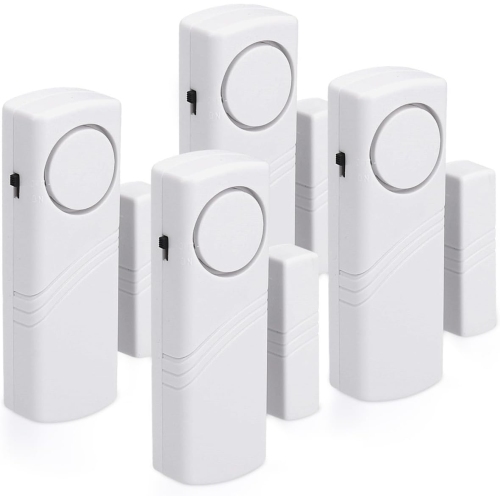
Protection that fits your premises, people, and routines
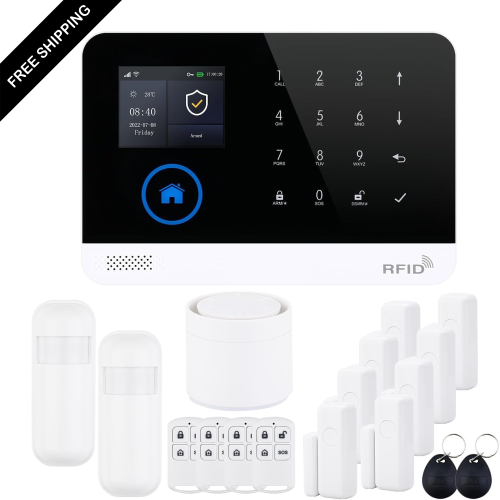
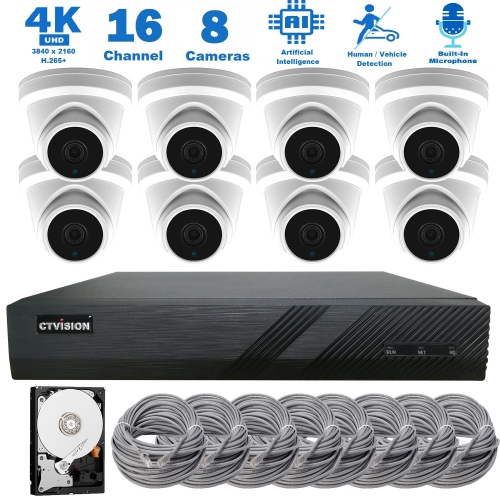
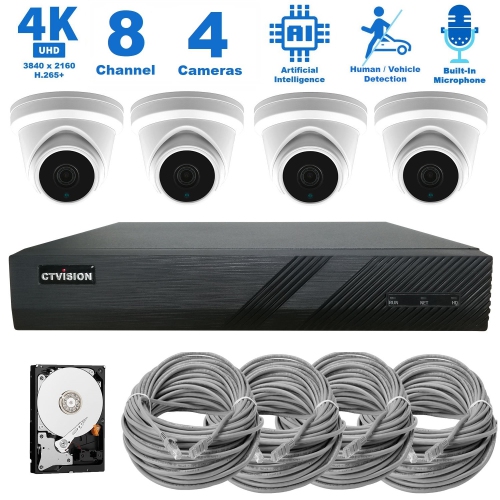
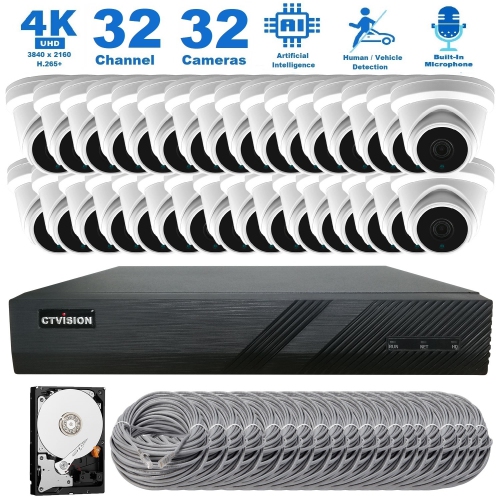
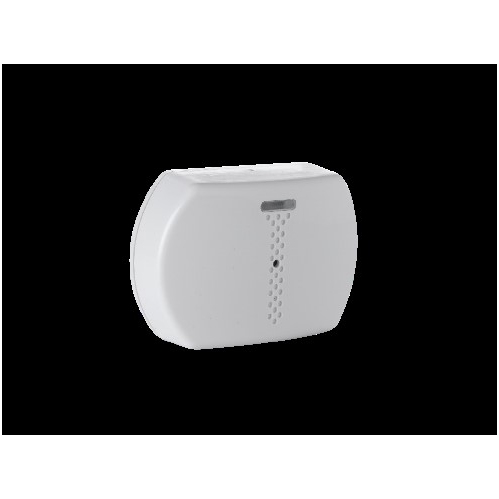
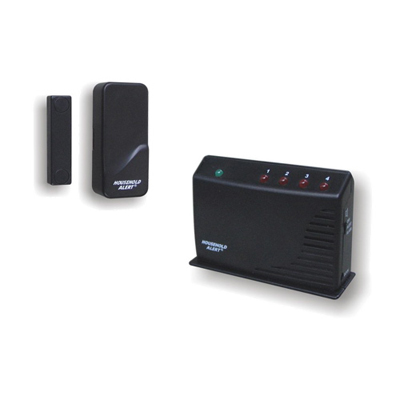
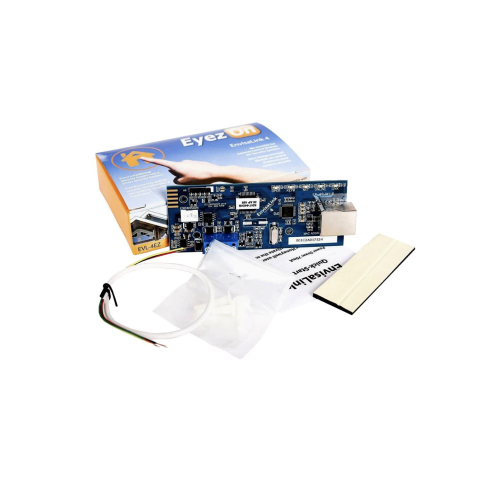
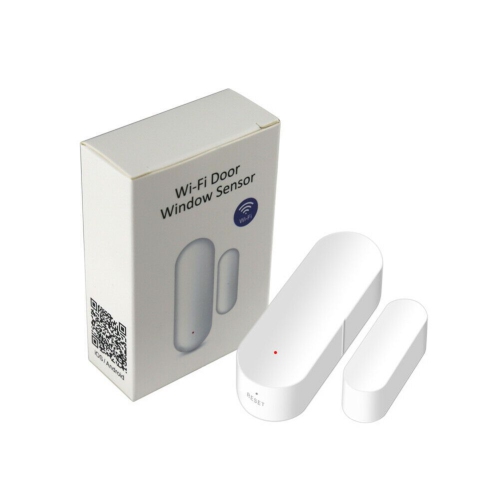
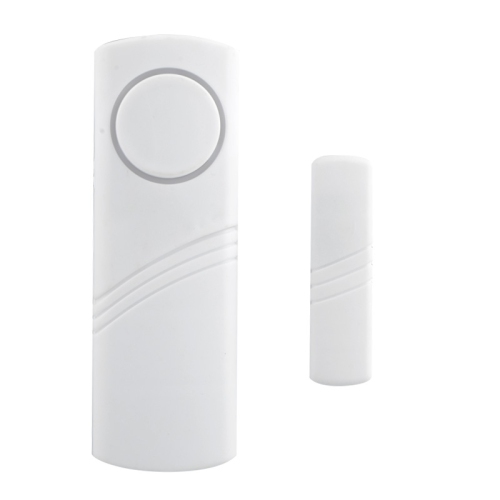
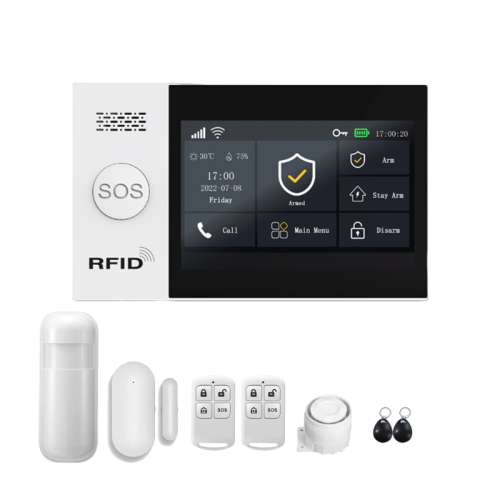
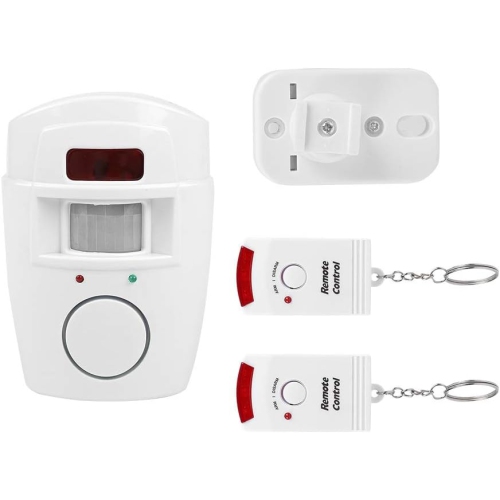
Security Alarm Systems for Business help protect the places where your team works, customers shop, stock is stored, and important records are kept. A well-matched system can provide coverage before, during, and after operating hours, helping businesses respond to unauthorized entry, unusual activity, and certain environmental hazards. Retail stores may use entry sensors, motion detection, and high-decibel sirens to help protect display areas and cash-handling spaces, while offices may focus on doors, reception areas, server rooms, and restricted workspaces. Warehouses, workshops, clinics, restaurants, and professional practices often have different layouts and operating schedules, so the right setup depends on the size of the premises, the number of access points, and how many people need to use or manage the system. A central control panel acts as the brain of the setup, processing signals from connected sensors, keypads, and other devices. Door and window contacts can identify when a protected entry point is opened, while motion detectors can sense movement in designated areas after closing time. Glass-break sensors add another layer of awareness near storefront windows, patio doors, or other vulnerable glass surfaces. When a sensor is triggered, the system may sound an alarm, send an alert to approved contacts, or connect with a professional monitoring service, depending on the equipment and plan selected. Businesses comparing options can also explore broader Security Solutions for Businesses for products and connected tools that support a more complete approach to commercial security.
When selecting Security Alarm Systems for Business, consider how the system will fit into the daily rhythm of the workplace rather than looking only at the number of included sensors. A small office with one main entrance may need a straightforward arrangement, while a multi-room retail location or warehouse may require several zones that can be armed and disarmed independently. Separate zones can be useful when staff work late in one part of a building while another area remains secured. Keypads, mobile app controls, and individual user codes can make it easier to manage access without sharing one universal code with every employee. Access control integration may also record who enters specific rooms and when, supporting clearer oversight for offices, supply rooms, stock areas, and other restricted spaces. Look for systems that can grow with the business, especially if a company expects to add doors, cameras, work areas, or additional locations. Wireless components can be practical in leased premises or finished spaces where extensive wiring would be disruptive, while professionally installed systems may be preferable for larger buildings, complex layouts, or businesses that want help planning sensor placement. DIY options can appeal to owners and managers who prefer hands-on setup and flexible configuration, but installation requirements, ongoing maintenance, battery replacement, and compatibility between devices should be considered before purchase. For a business operating through cooler months, dependable alerts and properly maintained sensors can be particularly valuable when a location is closed overnight, during a long weekend, or for an extended break. The clearest system is one that employees can use confidently, with simple arming procedures, understandable notifications, and settings that match actual opening and closing routines.
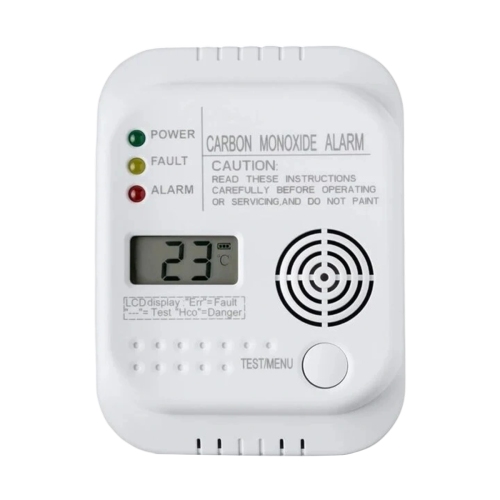
Monitoring and notification features are also important when comparing commercial alarm equipment. With 24/7 professional monitoring, an alarm signal can be reviewed by a monitoring centre, which may contact designated people and follow an agreed response process when an alert occurs. Requirements and available services vary, so businesses should confirm whether monitoring is included, which events are covered, how contacts are reached, and whether additional fees apply. Systems with cellular backup can help maintain communication if the primary internet connection is interrupted, although coverage and service availability depend on the location and provider. Remote management through a mobile app may allow an authorized user to check system status, receive notifications, view compatible camera feeds, or adjust settings from away from the premises. Video verification can add useful context when an alarm is triggered, helping an owner or monitoring operator distinguish between an after-hours delivery, a staff member arriving early, and a genuine concern. Some setups can also support smoke, fire, water-leak, or freezing-temperature detection, which may be useful for businesses with kitchens, plumbing equipment, valuable inventory, or unoccupied storage spaces. Cameras, access control, and alarm sensors each serve a different purpose: cameras can show what happened, access tools can indicate who entered, and alarm devices can provide rapid warning when a protected condition changes. Before choosing a system, review the building’s entrances, windows, interior pathways, sensitive rooms, operating hours, staff permissions, installation preferences, and future expansion plans. The goal is a practical layer of protection that fits the premises, supports responsible access, and helps business owners stay informed whether they are at the counter, in the back office, on the road, or away from the property.
When selecting Security Alarm Systems for Business, consider how the system will fit into the daily rhythm of the workplace rather than looking only at the number of included sensors. A small office with one main entrance may need a straightforward arrangement, while a multi-room retail location or warehouse may require several zones that can be armed and disarmed independently. Separate zones can be useful when staff work late in one part of a building while another area remains secured. Keypads, mobile app controls, and individual user codes can make it easier to manage access without sharing one universal code with every employee. Access control integration may also record who enters specific rooms and when, supporting clearer oversight for offices, supply rooms, stock areas, and other restricted spaces. Look for systems that can grow with the business, especially if a company expects to add doors, cameras, work areas, or additional locations. Wireless components can be practical in leased premises or finished spaces where extensive wiring would be disruptive, while professionally installed systems may be preferable for larger buildings, complex layouts, or businesses that want help planning sensor placement. DIY options can appeal to owners and managers who prefer hands-on setup and flexible configuration, but installation requirements, ongoing maintenance, battery replacement, and compatibility between devices should be considered before purchase. For a business operating through cooler months, dependable alerts and properly maintained sensors can be particularly valuable when a location is closed overnight, during a long weekend, or for an extended break. The clearest system is one that employees can use confidently, with simple arming procedures, understandable notifications, and settings that match actual opening and closing routines.
Monitoring and notification features are also important when comparing commercial alarm equipment. With 24/7 professional monitoring, an alarm signal can be reviewed by a monitoring centre, which may contact designated people and follow an agreed response process when an alert occurs. Requirements and available services vary, so businesses should confirm whether monitoring is included, which events are covered, how contacts are reached, and whether additional fees apply. Systems with cellular backup can help maintain communication if the primary internet connection is interrupted, although coverage and service availability depend on the location and provider. Remote management through a mobile app may allow an authorized user to check system status, receive notifications, view compatible camera feeds, or adjust settings from away from the premises. Video verification can add useful context when an alarm is triggered, helping an owner or monitoring operator distinguish between an after-hours delivery, a staff member arriving early, and a genuine concern. Some setups can also support smoke, fire, water-leak, or freezing-temperature detection, which may be useful for businesses with kitchens, plumbing equipment, valuable inventory, or unoccupied storage spaces. Cameras, access control, and alarm sensors each serve a different purpose: cameras can show what happened, access tools can indicate who entered, and alarm devices can provide rapid warning when a protected condition changes. Before choosing a system, review the building’s entrances, windows, interior pathways, sensitive rooms, operating hours, staff permissions, installation preferences, and future expansion plans. The goal is a practical layer of protection that fits the premises, supports responsible access, and helps business owners stay informed whether they are at the counter, in the back office, on the road, or away from the property.
Top selling and popular products
-
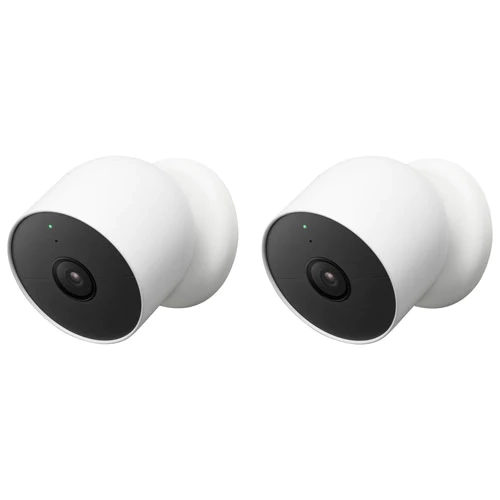 Your price for this item is $389.99
 -
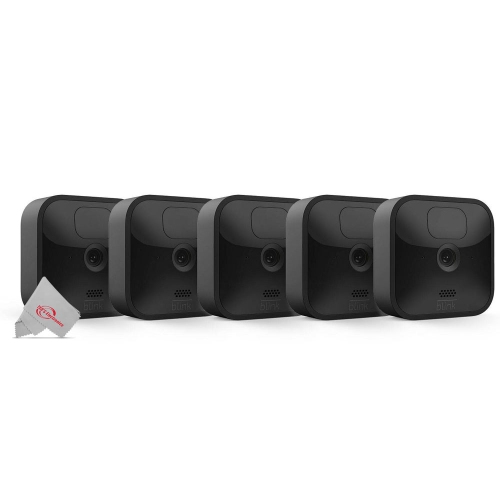 Your price for this item is $659.99
 -
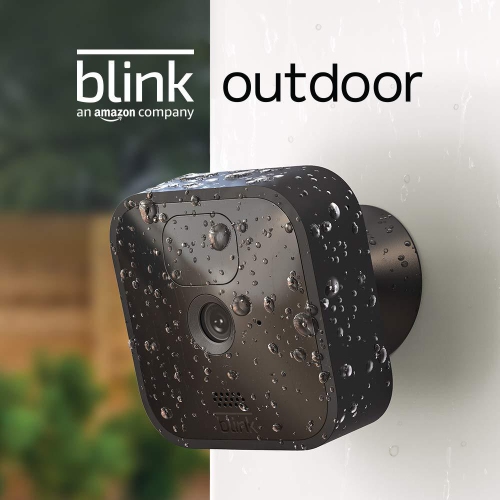 Your price for this item is $439.99
 -
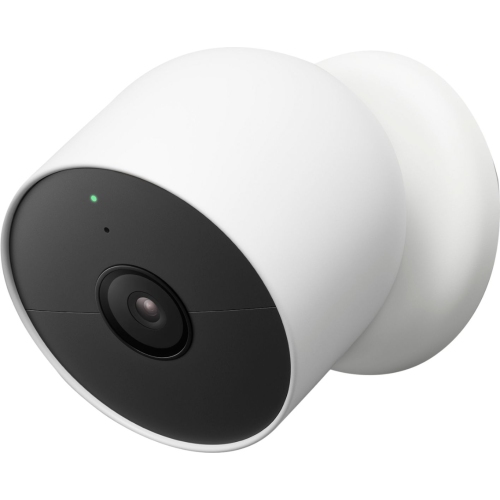 Your price for this item is $249.99
 -
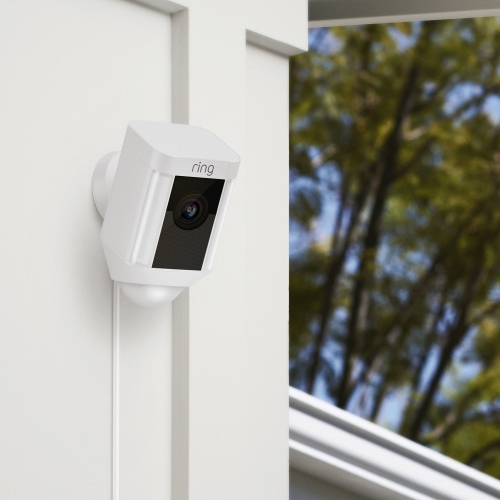 Your price for this item is $399.99
 -
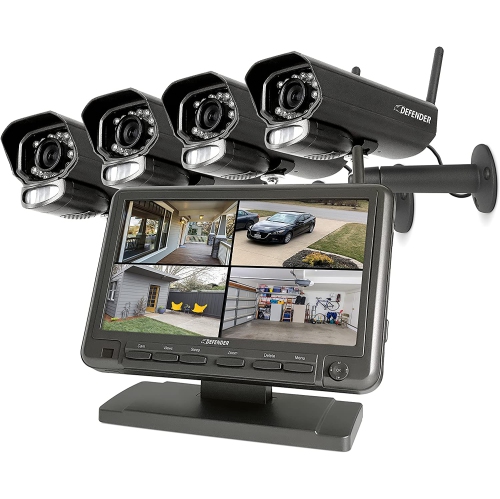 Your price for this item is $449.99
 -
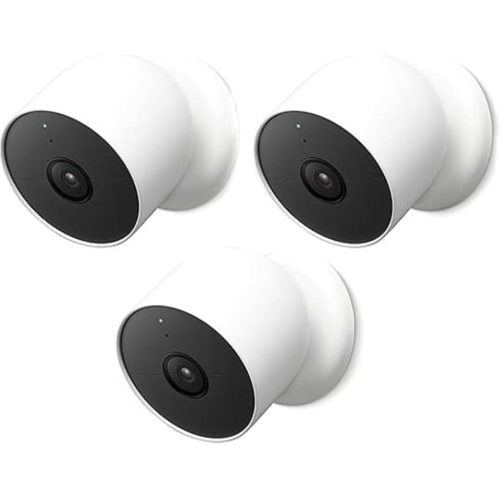 Your price for this item is $579.99
 -
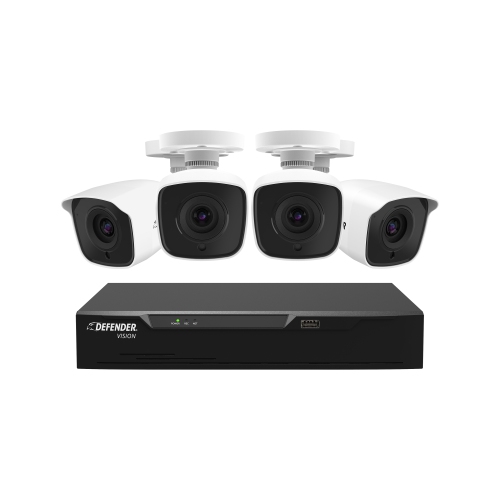 Your price for this item is $790.99
Discover more categories related to Security Alarm Systems for Business
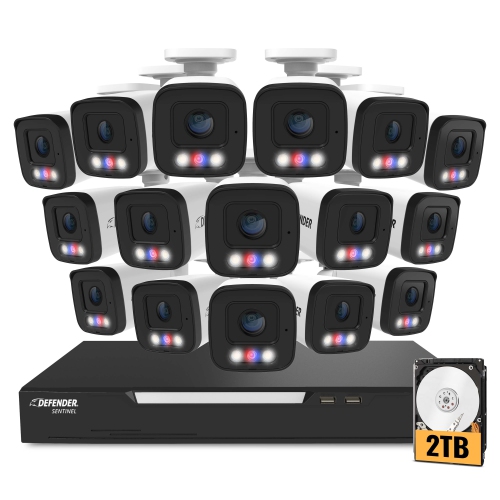
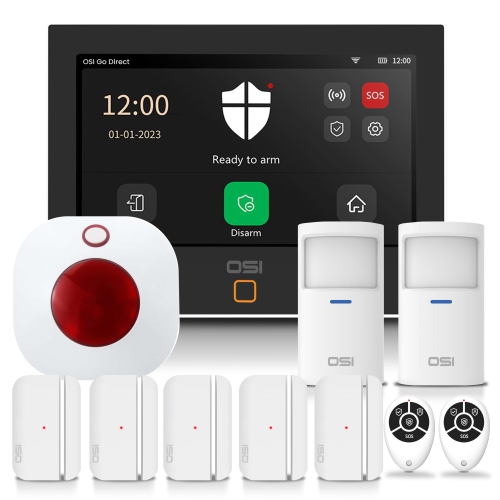
Top Collections:
Pokemon Centers, Kindle Devices, Best Budget Office Chairs, Apple iPhones 16, Best Laptops for Writers, iPhone 15 Apple, Canon G7X Cameras, Refurbished Apple Laptops, Alarm Clock, Motorola Razr Phones
Some products may be subject to Environmental Handling Fees
(EHF) depending on your province.
Learn more about EHFs.