Smart Thermostats for Home Automation
Smart Thermostats for Home Automation offer a convenient way to enhance your living space with advanced temperature control. Designed to seamlessly integrate with modern home systems, these devices help you manage your home's climate with ease. Explore a wide selection of smart thermostats that can fit a variety of needs and preferences, making it simple to create a comfortable environment throughout the year. Discover how Smart Thermostats for Home Automation can bring added convenience and flexibility to your daily routine.
Sort
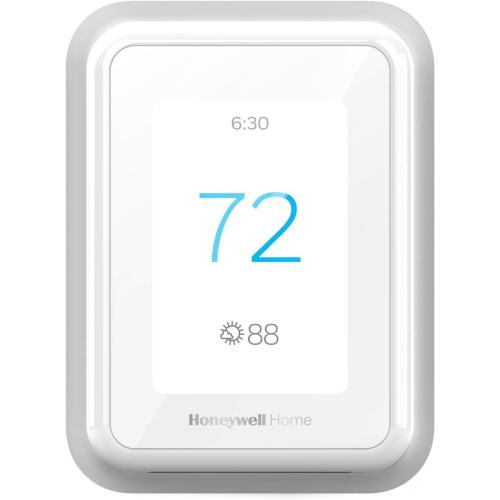


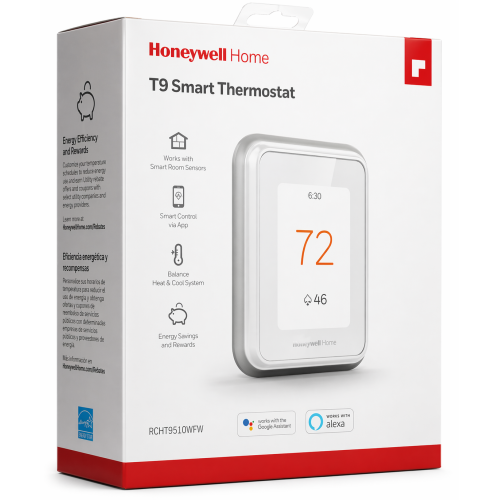
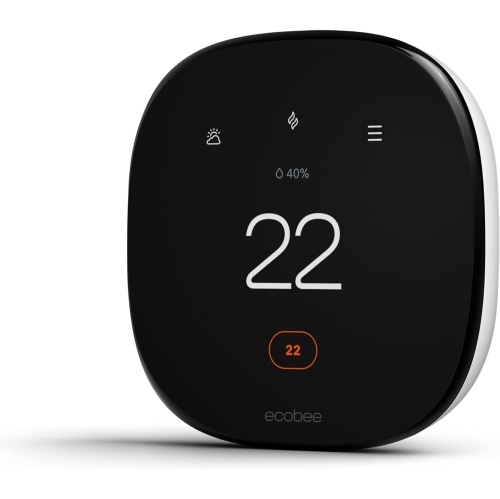
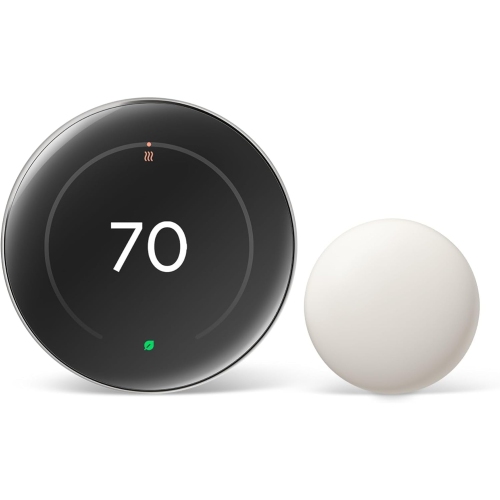
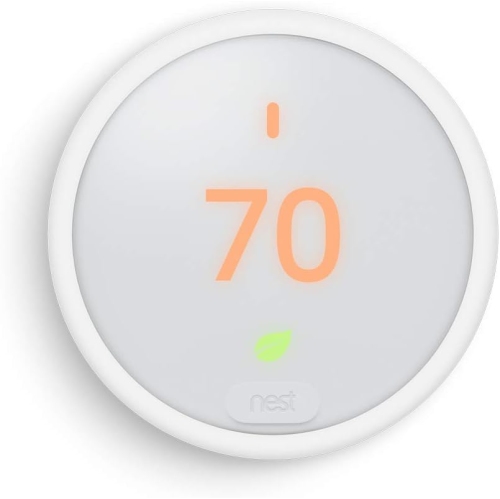

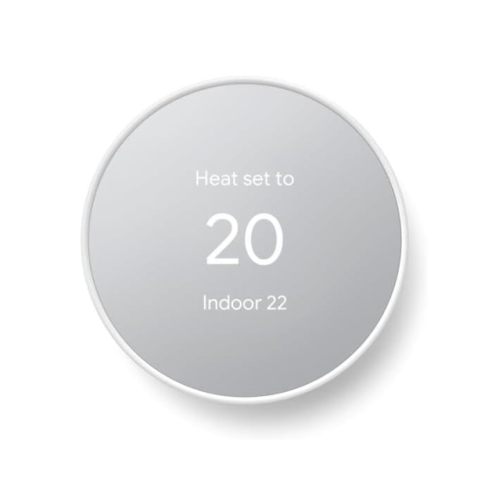
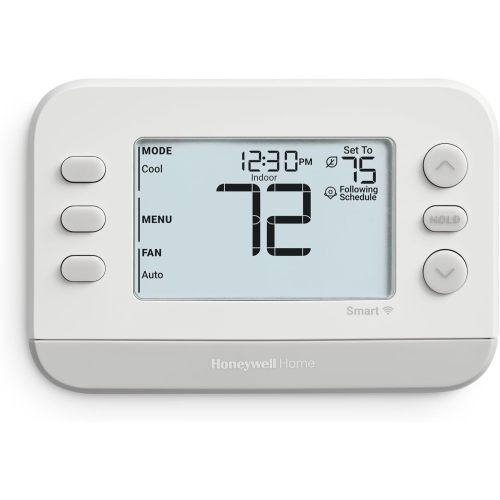
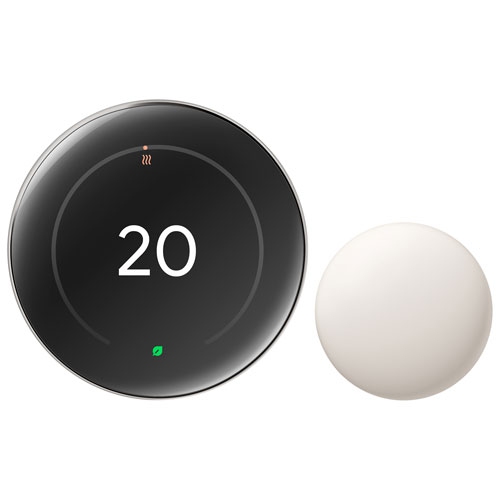
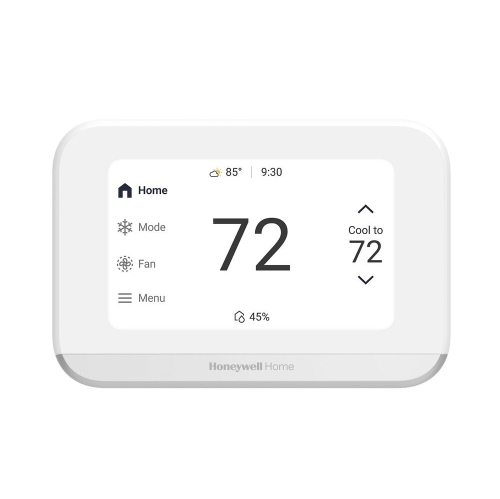
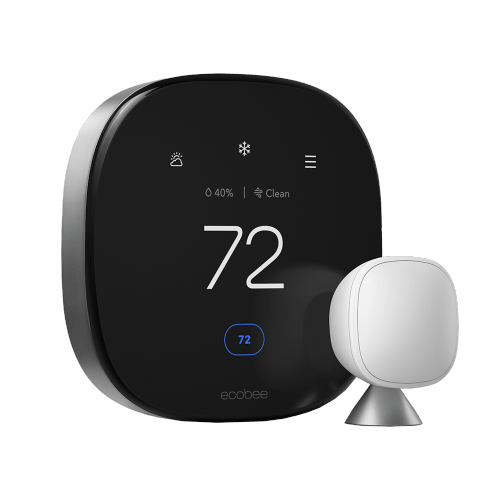
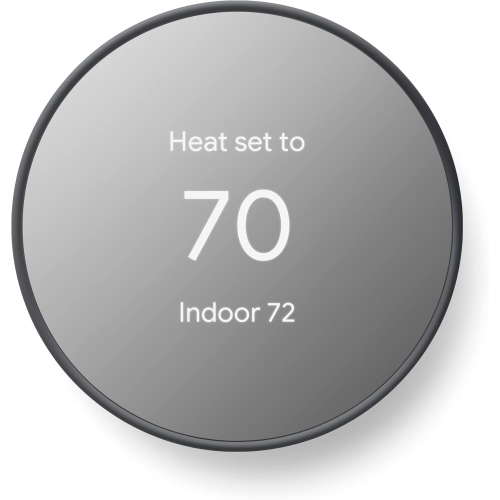


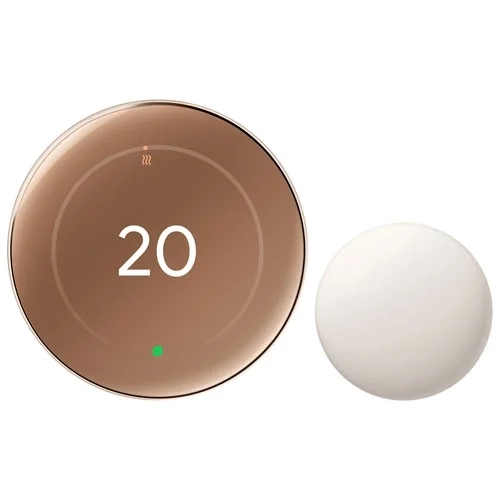
Home comfort that fits your routines and heating system
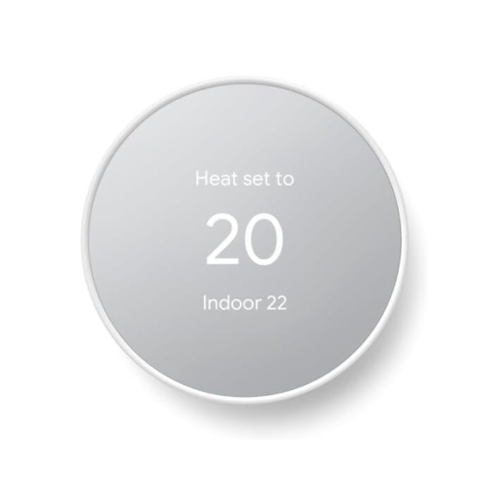
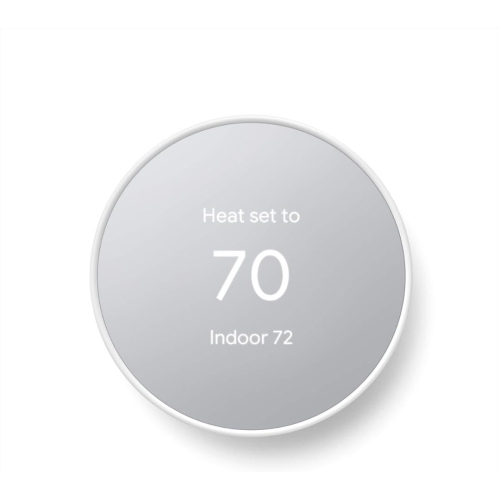
Smart thermostats for home automation connect heating and cooling controls with schedules, mobile apps, and compatible smart home devices, making everyday comfort easier to manage. Instead of relying only on adjustments at the wall, these thermostats can follow household routines and allow changes from a phone. A scheduled setting can prepare the living room before a typical arrival time, while an away setting can reduce unnecessary heating or cooling when nobody is home. Depending on the model, automation may use occupancy sensors, a phone’s location, or learned preferences to adjust settings. These features serve different needs: a predictable schedule suits regular working hours, while app control can be useful for someone whose shifts change or who frequently returns home earlier than planned. Households with several occupants may prefer shared access and straightforward schedules over location-based changes tied to a single phone. Integration with a compatible home automation platform can also bring thermostat adjustments into a broader routine, alongside actions such as dimming lights at bedtime. Voice control offers another convenient option when supported, particularly for someone carrying groceries or settling into a chair across the room. The most useful features are those that fit how the household actually lives, rather than requiring constant attention. Some smart thermostats support remote room sensors that help account for conditions beyond the hallway where the main control is mounted. A sensor in a frequently used bedroom or home office can provide a more relevant reading, and certain systems can prioritize selected sensors at scheduled times. However, adding a room sensor does not create independent heating and cooling zones. Separate room control still depends on the heating and cooling equipment, ductwork, valves, dampers, and zoning controls already installed. Understanding that distinction helps set realistic expectations for comfort in homes where one room consistently feels different from another.
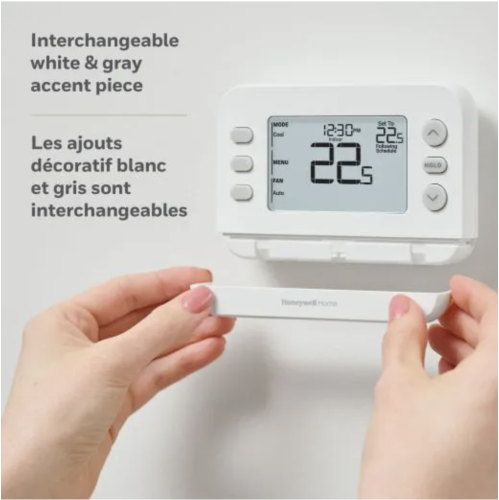
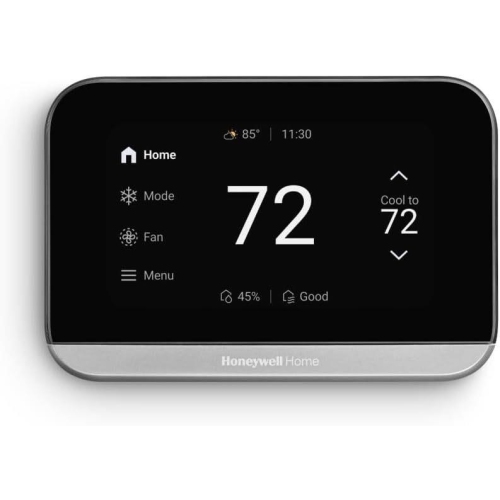
Compatibility is the foundation of a successful smart thermostat installation. The thermostat needs to match both the heating and cooling equipment and the electrical control system; a similar-looking wall plate does not establish compatibility. Many smart thermostats work with supported low-voltage systems, but electric baseboard heaters and other line-voltage equipment require controls specifically designed for that application. Heat pumps, auxiliary heat, multistage furnaces, boilers, and separate heating and cooling systems can each have additional requirements. Wiring terminals, the number of stages, and supported equipment functions matter more than the colour of the existing wires. A common wire, often called a C-wire, supplies continuous power to many smart thermostats. Some designs offer other approved power arrangements, but those options are not interchangeable across all installations. Checking the equipment details and the thermostat’s compatibility information before installation can help avoid missing functions or unreliable operation. A qualified heating and cooling professional or electrician can assess uncertain wiring and carry out work where required. Physical fit matters as well. A replacement thermostat may leave visible paint edges or screw holes if its housing is smaller than the previous control, so dimensions and any compatible trim plate deserve attention. Placement affects performance: direct sunlight, nearby cooking heat, draughts, and supply vents can influence readings. For everyday use, a clear display, readable numbers, and controls that respond easily can be more valuable than a large menu of rarely used settings. Consider whether household members prefer a touchscreen, physical controls, or app access, and whether the display is comfortable to read from its mounting height. Housings commonly combine moulded plastic with glass or other display surfaces, with finishes that can blend into a hallway or stand out against a darker wall. For care, follow the manufacturer’s cleaning directions and avoid spraying liquid directly onto the thermostat. Gentle handling, suitable placement, and keeping vents or sensor openings unobstructed help protect the controls and maintain reliable readings.
Reliable connectivity and thoughtful setup make a smart thermostat more useful as part of a connected home. Wi-Fi requirements vary, so the supported network band and signal strength at the installation point should be checked rather than assumed. App-based remote access generally depends on an internet connection and may also rely on an account or cloud service. During an internet interruption, many thermostats retain local control and some programmed functions, but the exact behaviour varies; remote commands, voice features, and app notifications may be unavailable. A thermostat also cannot keep heating equipment running through a power outage unless the equipment has an appropriate power source. These practical limits are worth understanding for anyone managing a second property or checking on a home while away. Supported alerts can draw attention to unusual indoor readings, connection issues, or maintenance reminders, though they are not a substitute for servicing the heating and cooling system. Within a home automation setup, compatibility should extend beyond a general claim that a thermostat is “smart.” Confirm which platform supports it and which actions are actually available, such as changing a setpoint, switching operating modes, or including the thermostat in a routine. Simple routines are often easiest to live with: a bedtime adjustment, a consistent workday schedule, or an away setting that does not override the needs of someone still at home. Location permissions and occupancy settings should reflect everyone using the space, including people without a connected phone. Account security, software updates, and appropriate household access permissions also deserve attention. For a closer look at scheduling and usage-related features, explore Smart Thermostats for Energy Savings. Actual energy use depends on the building, equipment, settings, and household habits, so automation is best viewed as a way to make preferred settings easier to maintain. A well-matched thermostat combines dependable equipment control with convenient everyday adjustments, whether it serves a busy family home, a shared household, or someone who values accessible controls and a familiar routine.
Top selling and popular products
-
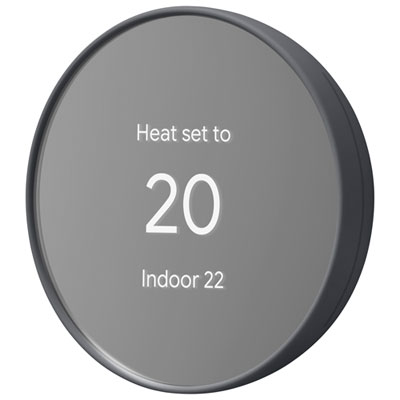 Your price for this item is $179.99
-
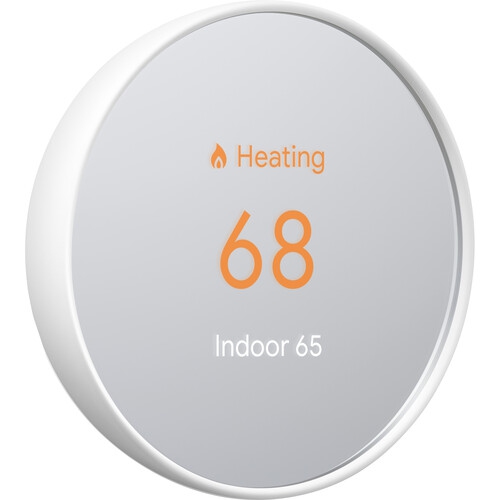 Your price for this item is $249.99
-
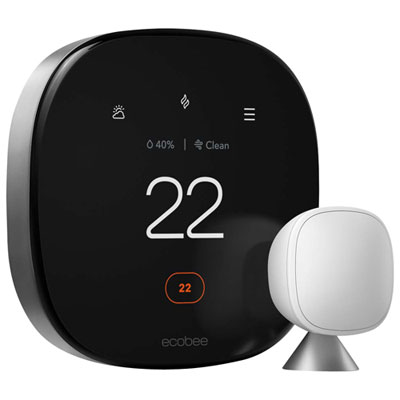 Your price for this item is $329.99
-
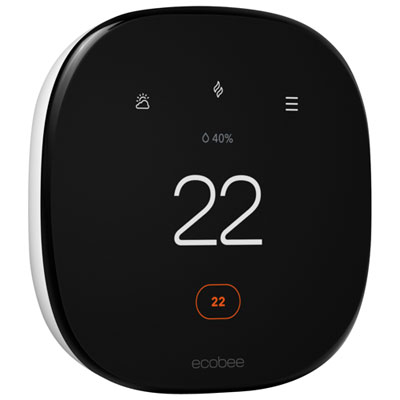 Your price for this item is $198.98
-
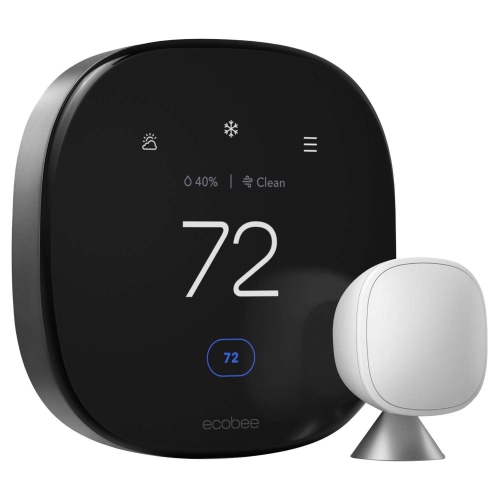 Your price for this item is $229.99
-
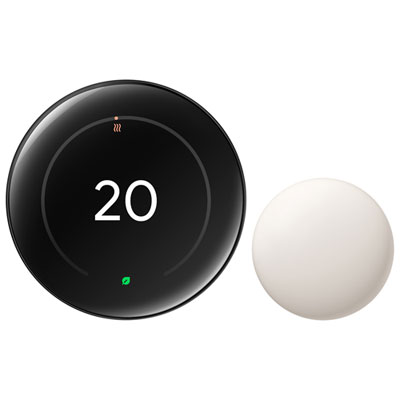 Your price for this item is $379.99
-
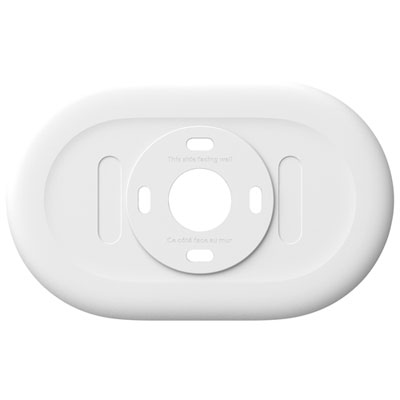 Your price for this item is $19.99
-
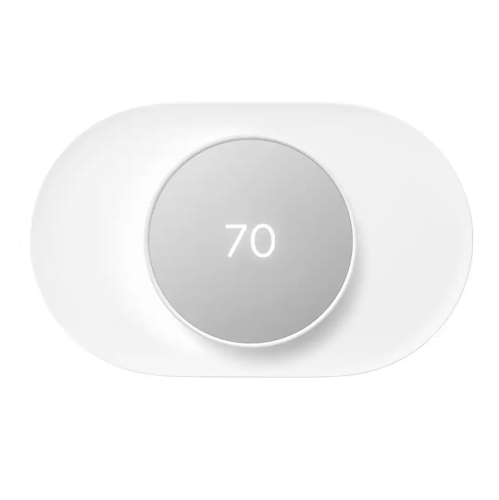 Your price for this item is $18.98
Discover more categories related to Smart Thermostats for Home Automation
Top Collections:
Best Black Friday Deals This Year, Best Black Friday Deals On Electronics, Kindle Devices, Pokemon Centers, Best Black Friday Deals On Apple Products, Best Cameras for Sports Photography, Dyson Airwrap, Pokémon 30th Celebration Cards, Apple iPhone 17 Pro, Canon G7X Cameras
Some products may be subject to Environmental Handling Fees
(EHF) depending on your province.
Learn more about EHFs.