Smart Thermostats for Electric Heating Systems
Smart Thermostats for Electric Heating Systems offer a convenient way to manage your home's temperature with precision and ease. Designed to work seamlessly with electric heating, these thermostats provide an upgraded experience for controlling comfort throughout your space. Discover a range of options that can help you streamline temperature adjustments and enjoy a more personalized approach to home climate control. Find the perfect Smart Thermostat for Electric Heating Systems to fit your needs and enhance the efficiency of your household heating setup.
Sort
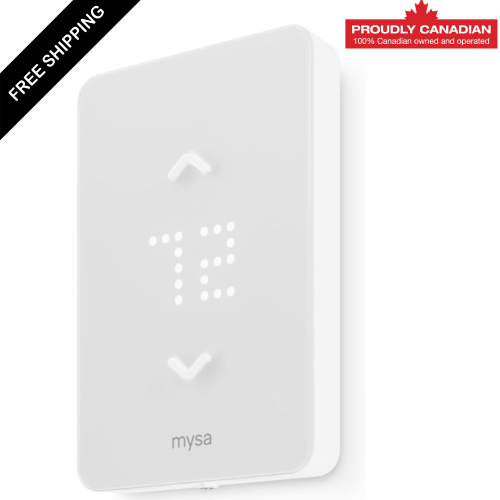
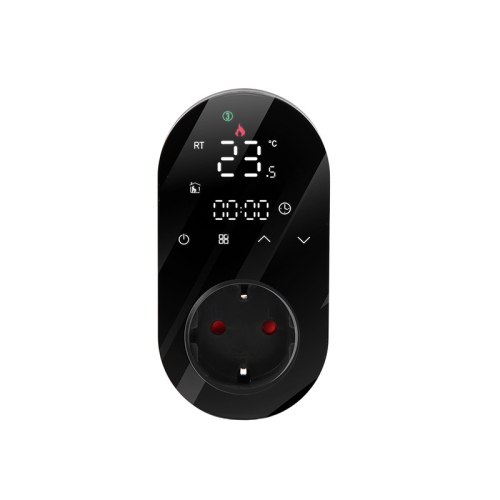
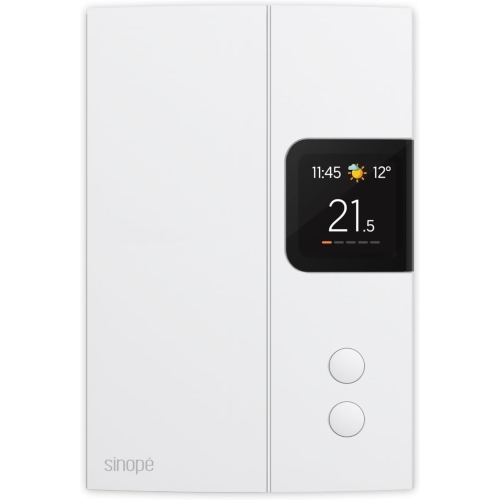
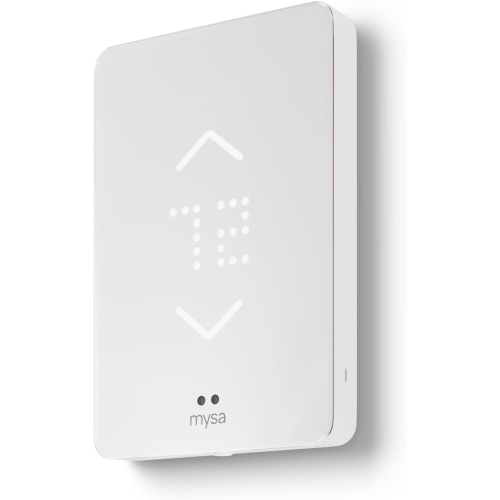
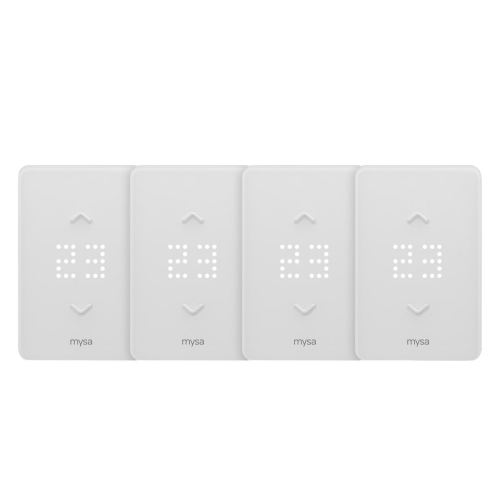
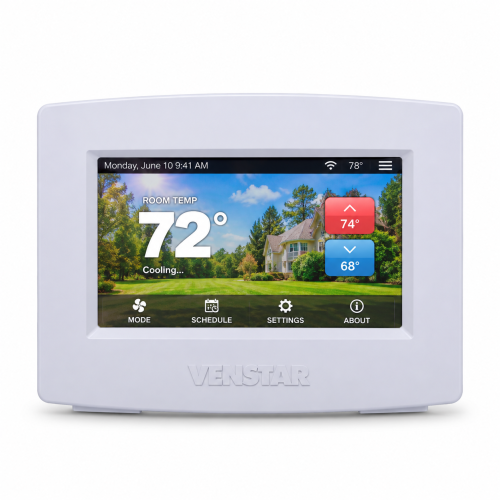
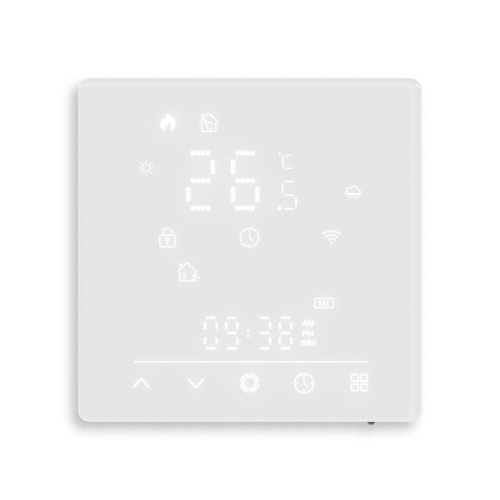
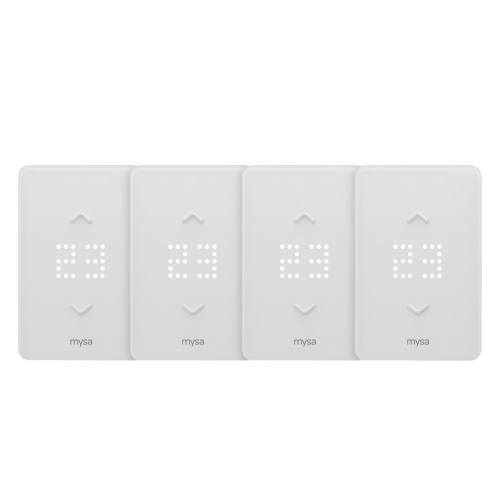
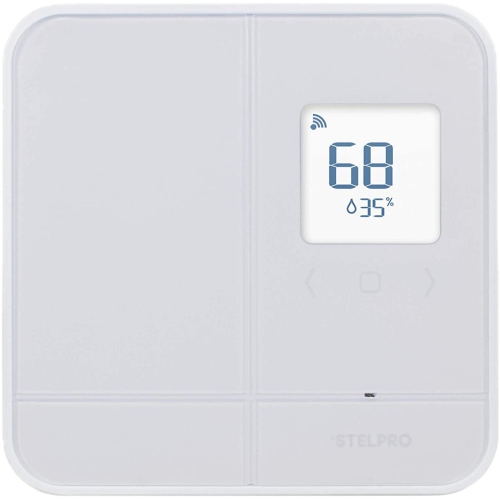
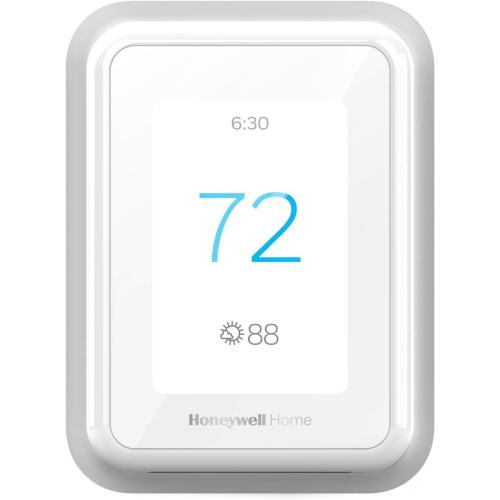

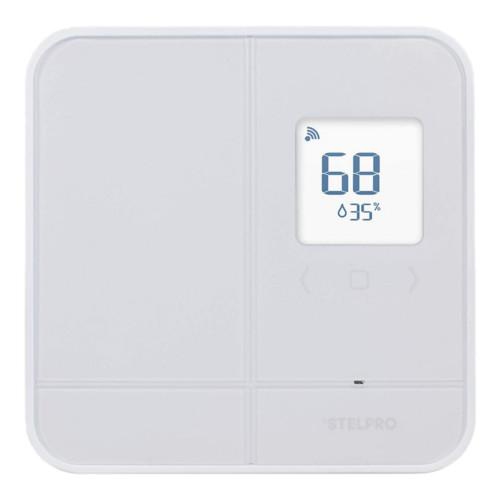
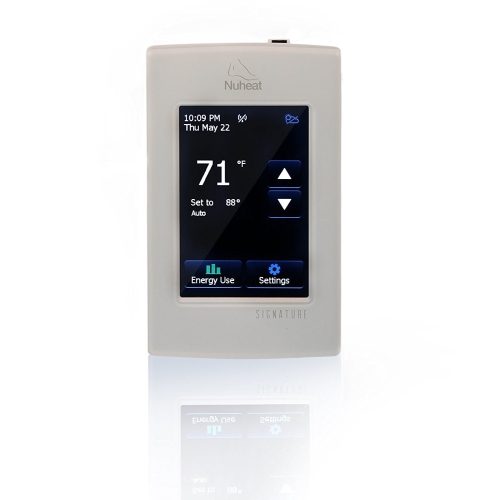
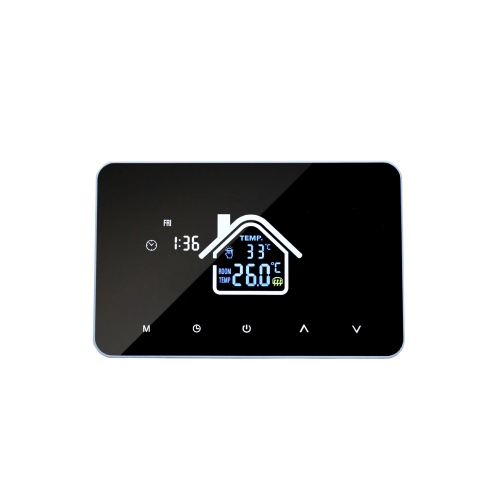

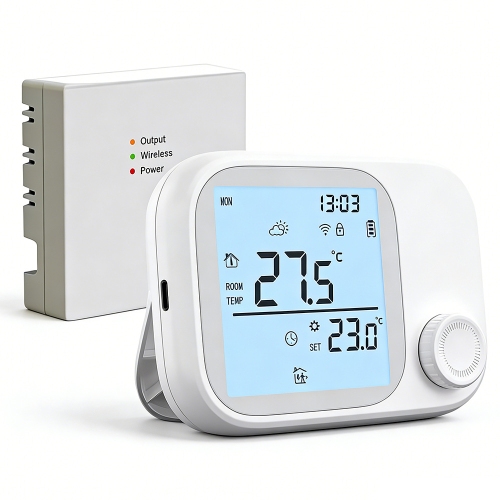
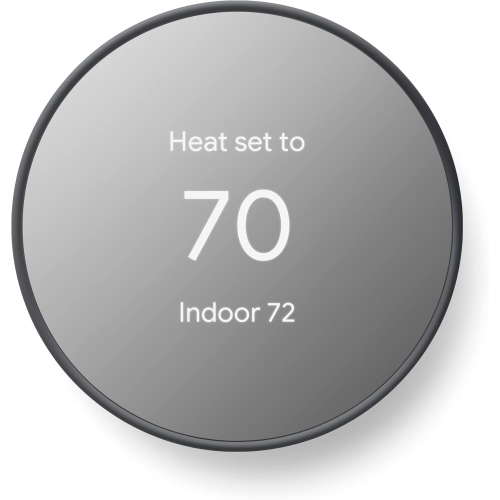
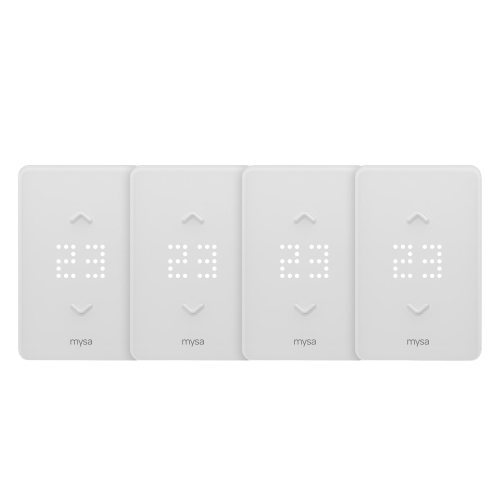

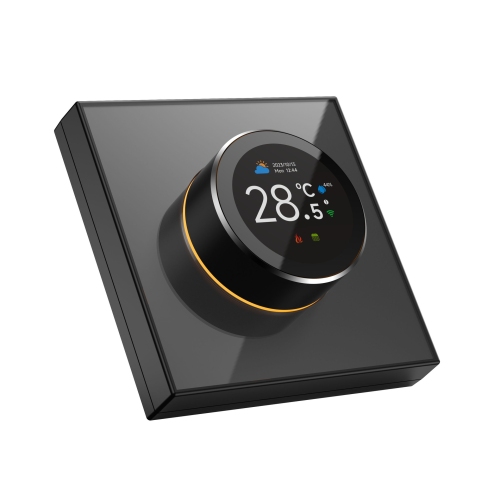
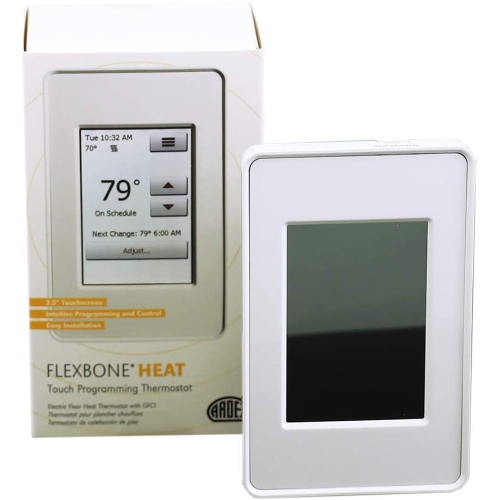
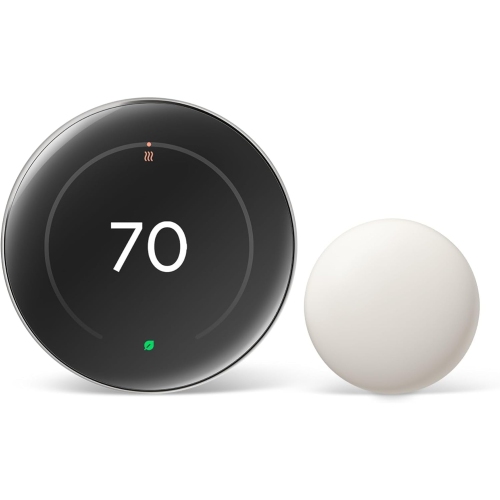
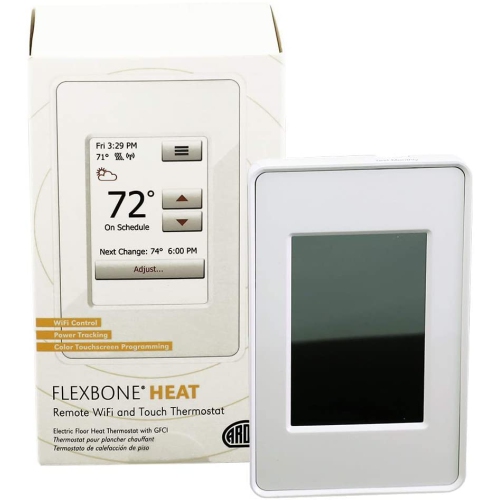
Smarter room control starts with the right electrical match
Electric baseboards, wall convectors and many radiant ceiling systems typically need a line-voltage smart thermostat rated for their electrical supply, commonly 120V or 240V. A standard low-voltage smart thermostat is not a direct replacement for a line-voltage control, even if both offer similar scheduling and app features. Smart thermostats for electric heating systems bring connected controls to compatible heaters, allowing room settings and heating schedules to be adjusted without relying solely on a dial or basic wall display. The right match depends on the heater type, supply voltage, wiring arrangement and total connected load. Where several heaters share one thermostat, their combined wattage must remain within the thermostat’s rating at the applicable voltage. Compatibility with electric baseboards does not automatically mean compatibility with fan-forced heaters, radiant floors or every other form of electric heat. Fan-assisted equipment can require a different switching method, while floor-heating controls may need a dedicated floor sensor and protective features specified for that installation. Electric furnaces and heat pumps may instead use low-voltage controls, so the fuel or power source alone does not establish which thermostat is suitable. For homes with that equipment, Smart Thermostats for Heat Pumps offers a category focused on those control requirements. For line-voltage installations, conductor count, single-pole or double-pole switching, electrical box dimensions and the manufacturer’s wiring requirements also affect fit. An existing wall control’s appearance is not enough to confirm compatibility. Installation by a qualified electrician helps establish that the thermostat, heater circuit and connections are correctly matched and meet applicable local requirements. Certification for use in Canada is another important consideration. These electrical details establish the foundation for dependable operation; connected features add convenience only after the control is suitable for the heating equipment it will serve.
Room-by-room control is one of the most useful features of smart thermostats paired with independently controlled electric heaters. A home office can have a schedule that follows working hours, while a spare bedroom can remain at a different setting until it is needed. In a household where people keep different routines, separate zones make it possible to tailor comfort without treating every room as though it is occupied all day. Scheduled adjustments can also reduce unnecessary heating when spaces are unused, although actual electricity savings depend on the building, previous settings, occupancy and how the controls are used. Depending on the model, app access may allow schedule changes from a phone, shared access for household members or a quick adjustment before returning home. Voice control can be helpful when hands are full, but it requires compatibility with the chosen assistant and may depend on additional services or equipment. Some thermostats connect directly to Wi-Fi, while others communicate through a separate hub. Supported network bands, account requirements and any subscription-dependent features are worth distinguishing before choosing a connected control. Reliable wireless coverage matters particularly in rooms far from the router or separated by dense walls. Local controls remain valuable, too: a clear display and accessible buttons let someone adjust the room without finding a phone. Operation during an internet interruption varies, including whether stored schedules continue and which features remain accessible. Occupancy-based adjustments, open-window detection, remote sensors and heating-use reports are additional possibilities rather than standard features across the category. Reports may show heating runtime or estimated electricity use, not a direct measurement of the household’s electricity bill. Where remote sensing is supported, it can help a compatible thermostat respond to conditions nearer a seating area rather than only at the wall. These features can make control more responsive to daily life, but they do not add cooling, increase a heater’s output or correct an undersized heating system.
Physical design matters because a thermostat is both an electrical control and an object used repeatedly in a living space. A readable screen, straightforward temperature adjustments and a finish that suits the room can make a practical difference in a hallway, bedroom or open-plan living area. Larger characters and clearly defined controls may be easier to use at a glance, while adjustable display brightness can be useful near a bed. Touch controls offer a smooth front surface, whereas physical buttons may be preferable for people who want a more tactile adjustment. Screen visibility, menu complexity and the ability to make basic changes without an app all affect how comfortably different household members can use the thermostat. For replacements, the faceplate dimensions and approved mounting arrangement determine whether the control fits the existing location; a smaller housing may also reveal marks left by the previous thermostat. Durable construction, secure mounting and an appropriate operating location matter more than appearance alone. Direct sunlight, draughts, nearby appliances or heat from the heater itself can affect temperature sensing, so placement should follow the manufacturer’s requirements. Routine care is generally limited to keeping the exterior clean with a soft, dry cloth, without allowing cleaning liquid into openings or disturbing electrical connections. Damaged housings, unusual heat or unreliable switching call for professional attention rather than cosmetic cleaning. For homeowners, these controls can suit a room-by-room update or a broader renovation involving compatible electric heating. Renters and condominium residents may need approval before changing permanently wired equipment. Shared app access, simple manual operation and optional control locks can also help accommodate visiting relatives, children or multiple occupants, where supported. A well-matched thermostat combines the necessary electrical ratings with useful everyday controls, giving each compatible heating zone a clear, manageable role in the home.
Top selling and popular products
-
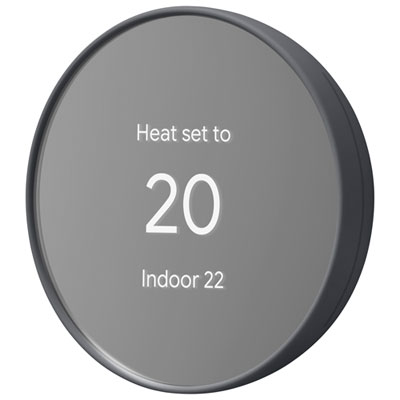 Your price for this item is $179.99
-
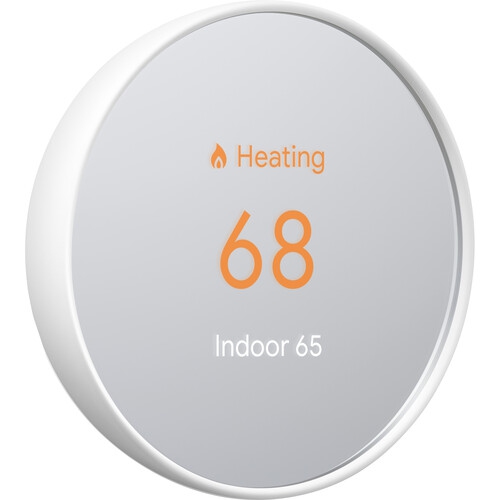 Your price for this item is $249.99
-
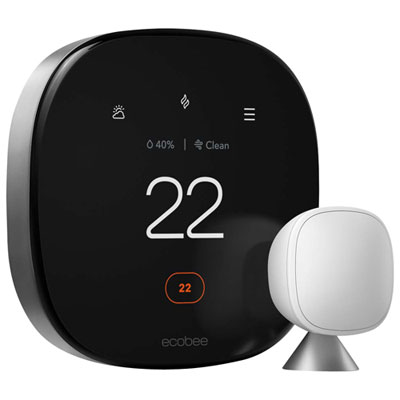 Your price for this item is $329.99
-
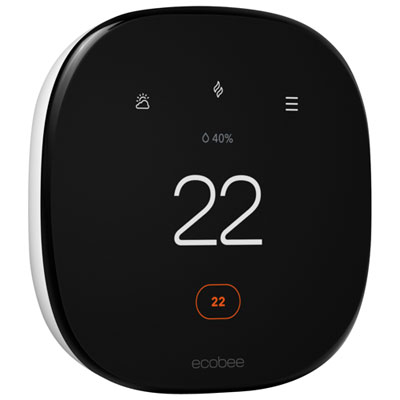 Your price for this item is $198.98
-
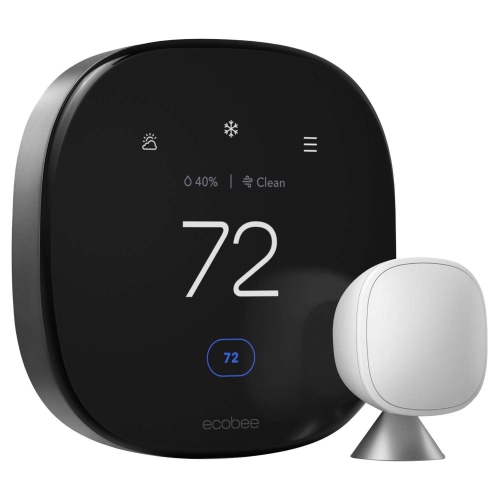 Your price for this item is $229.99
-
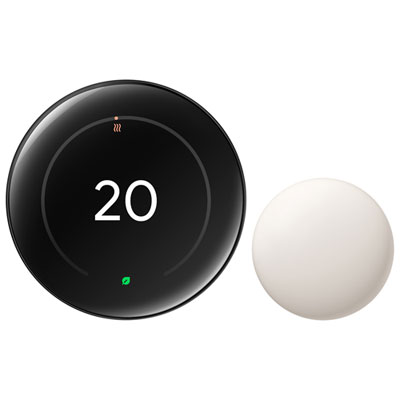 Your price for this item is $379.99
-
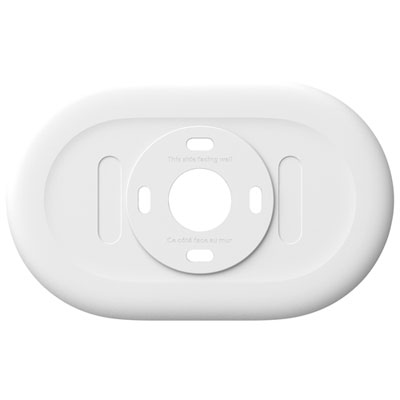 Your price for this item is $19.99
-
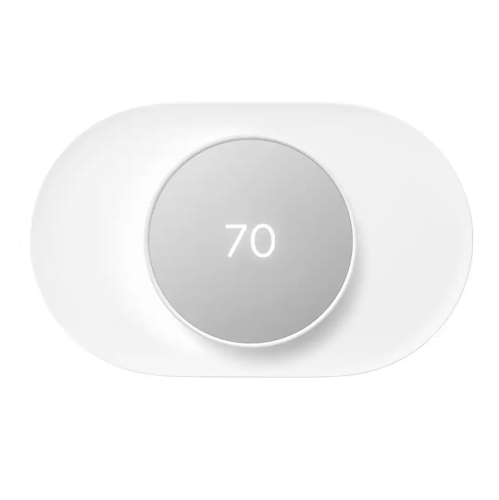 Your price for this item is $18.98
Discover more categories related to Smart Thermostats for Electric Heating Systems
Top Collections:
Best Black Friday Deals This Year, Best Black Friday Deals On Electronics, Kindle Devices, Pokemon Centers, Best Black Friday Deals On Apple Products, Best Cameras for Sports Photography, Dyson Airwrap, Pokémon 30th Celebration Cards, Apple iPhone 17 Pro, Canon G7X Cameras
Some products may be subject to Environmental Handling Fees
(EHF) depending on your province.
Learn more about EHFs.