Temperature Monitoring Systems
When it comes to keeping track of temperature levels in various environments, having a reliable temperature monitoring system is crucial. Whether you need to maintain optimal conditions in a commercial setting, monitor the climate in your home, or ensure the safety of perishable goods, these systems offer accurate and real-time temperature readings. From wireless sensors to smart monitoring devices, explore a range of options designed to help you stay informed and in control of the temperatures that matter most to you.
Sort
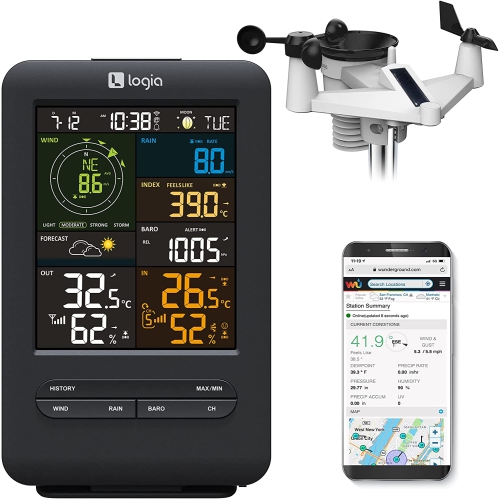
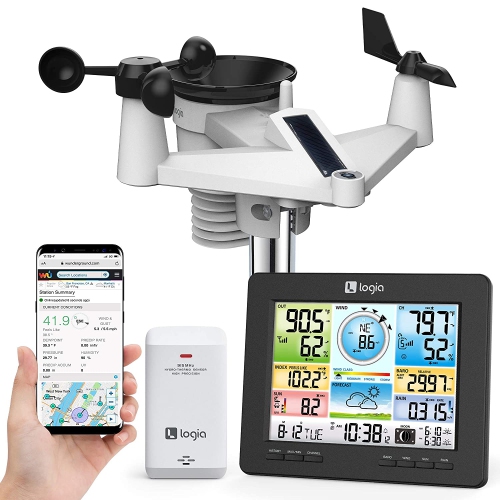
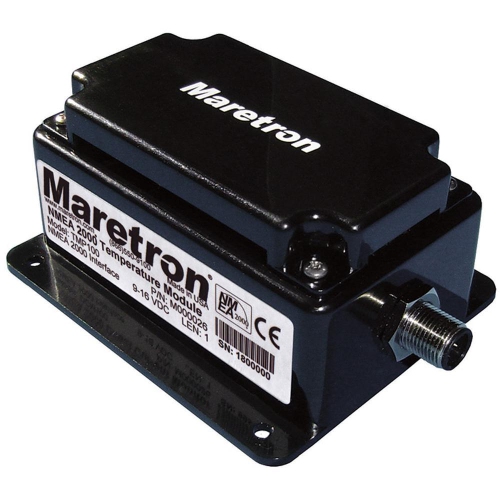
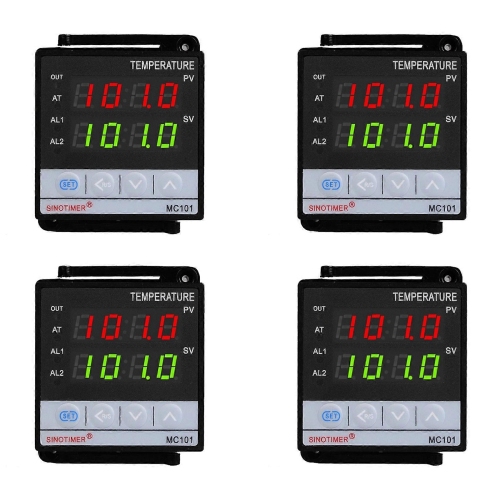
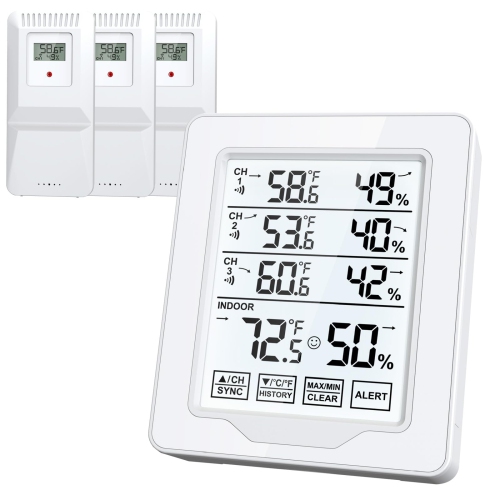
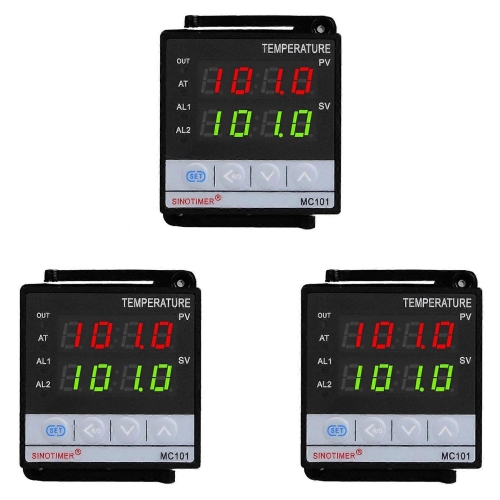
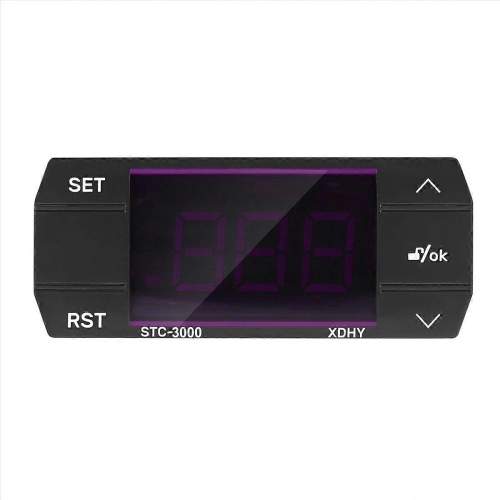
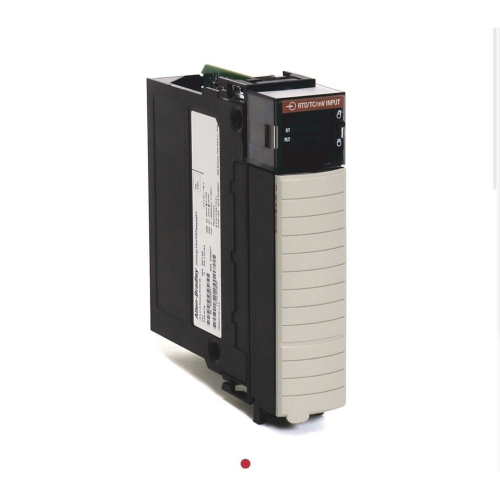
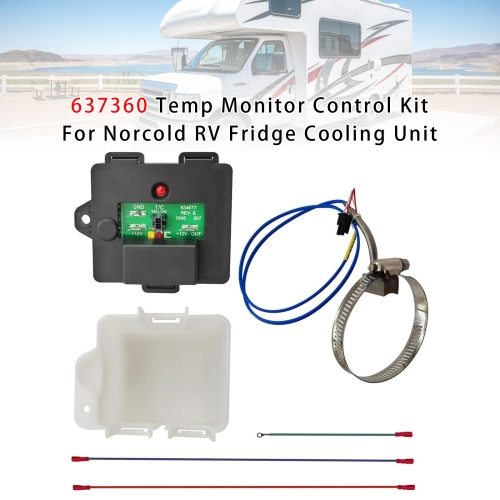
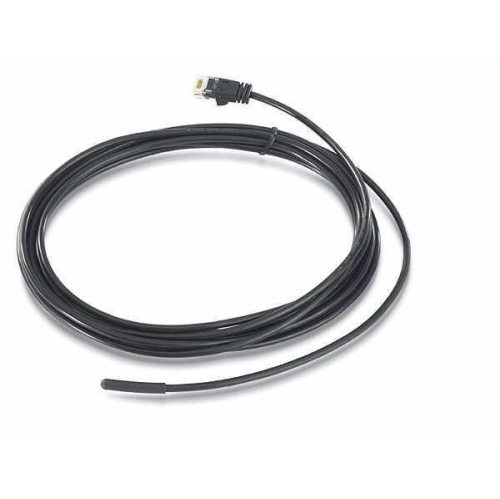
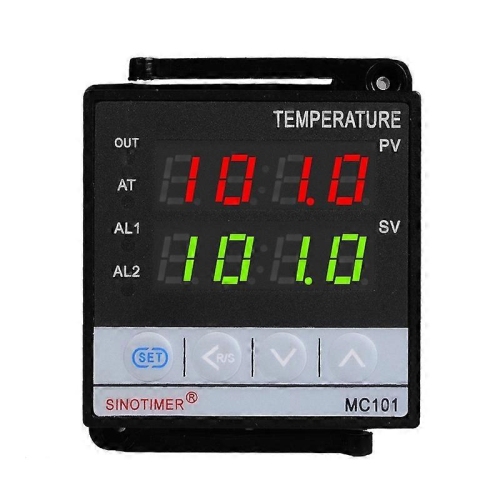
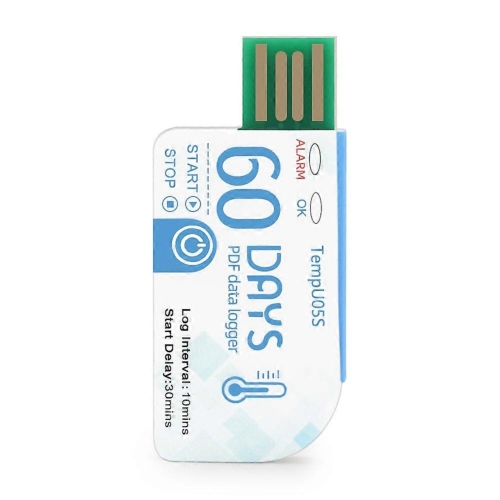

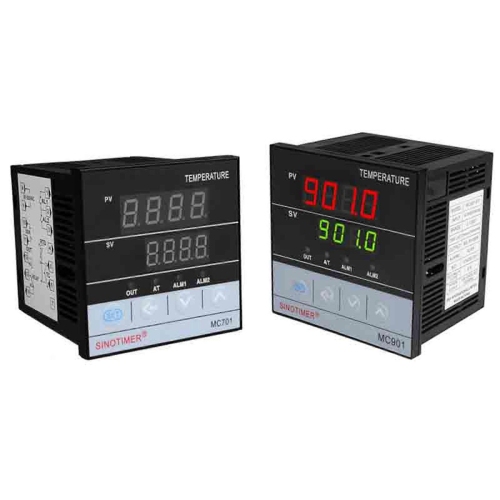
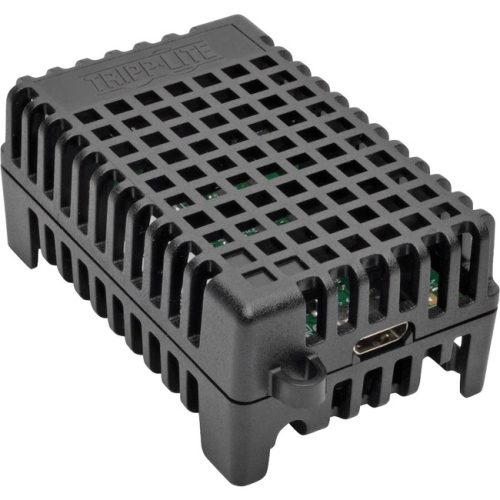
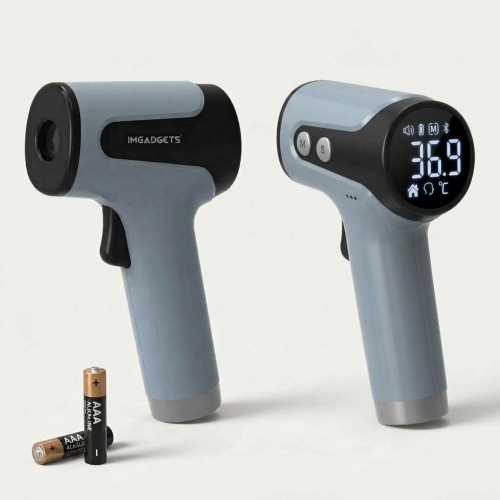
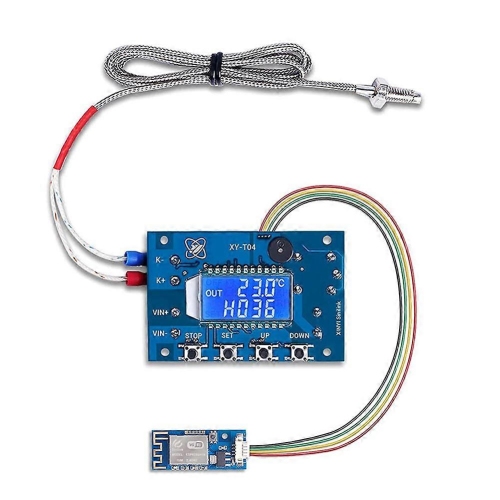

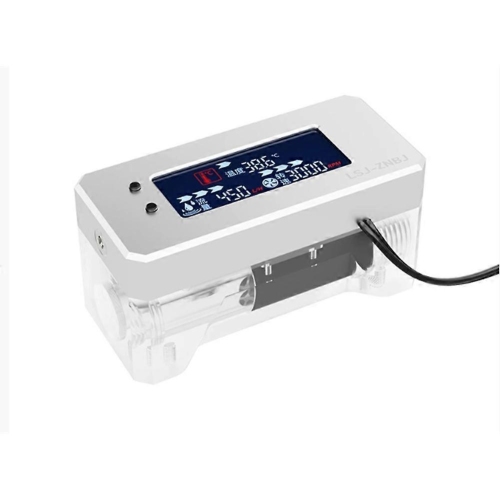
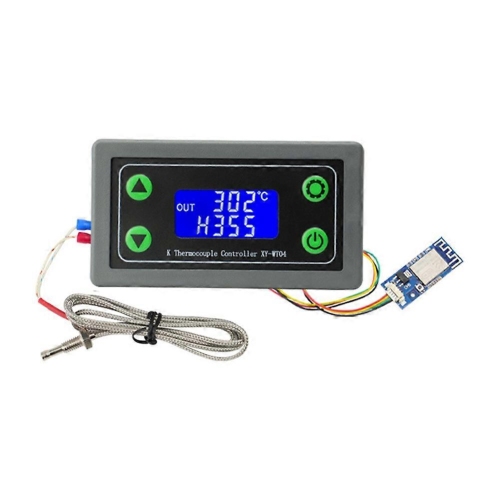
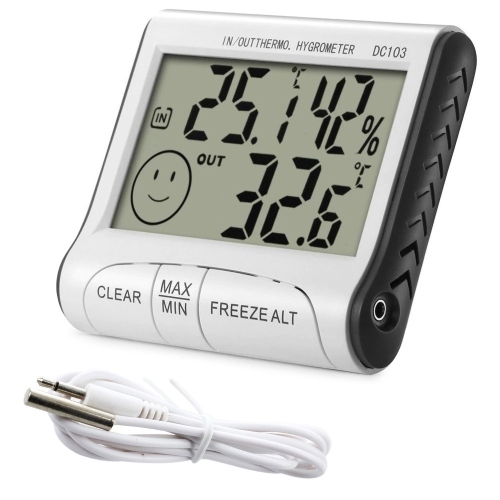
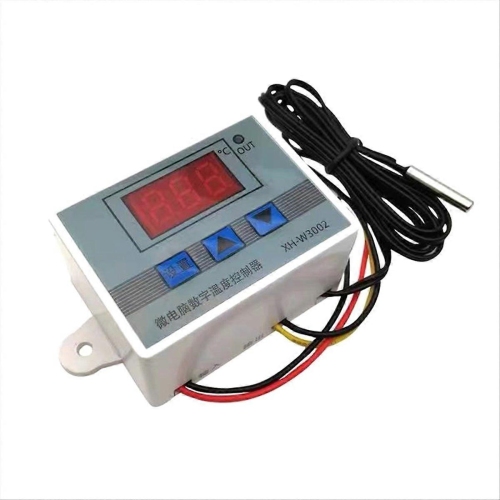
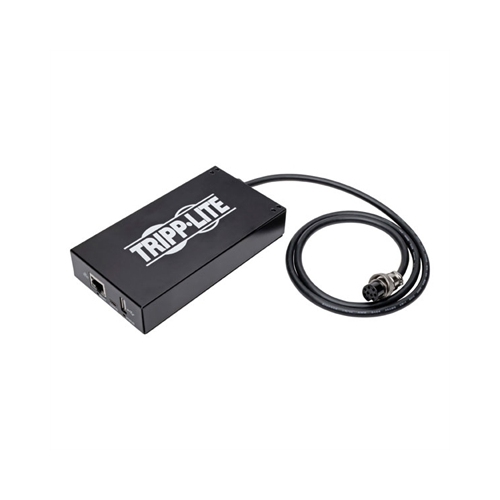

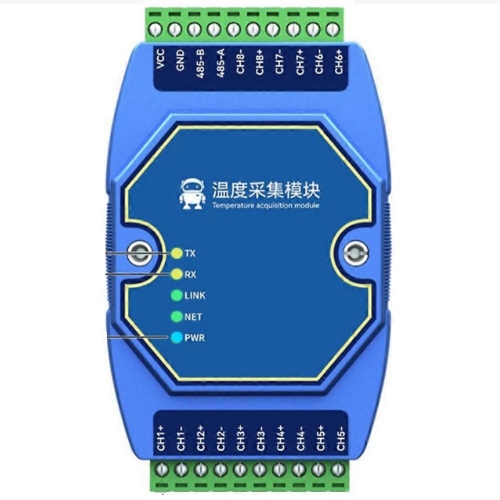
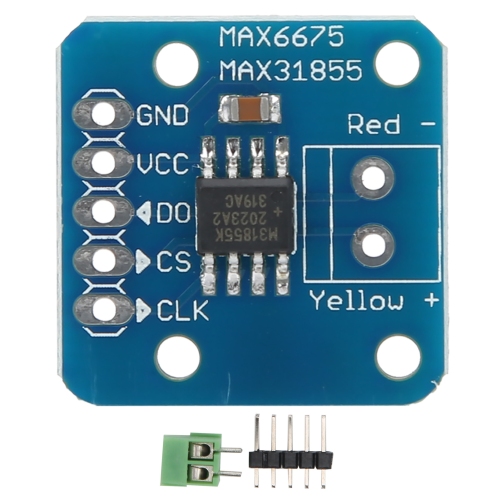
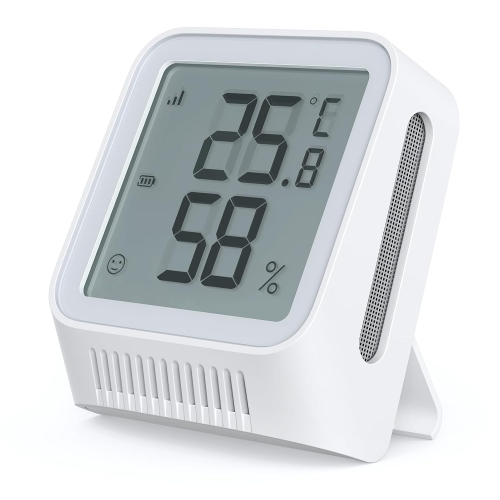
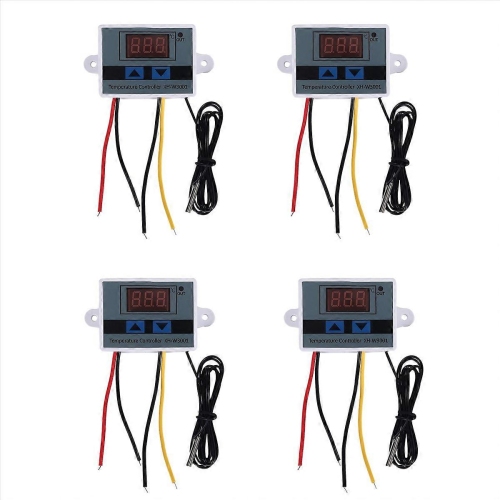

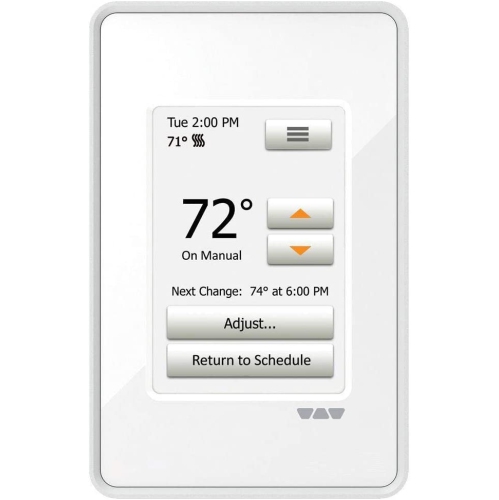
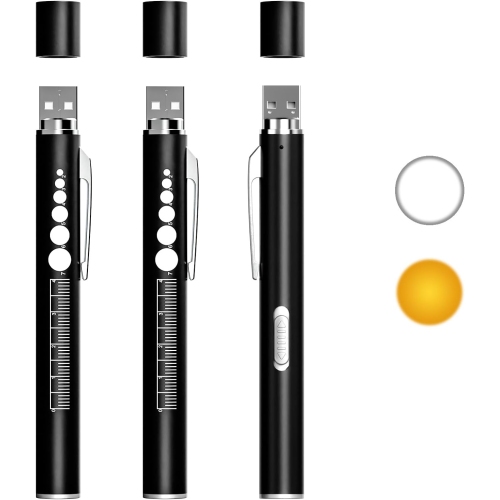

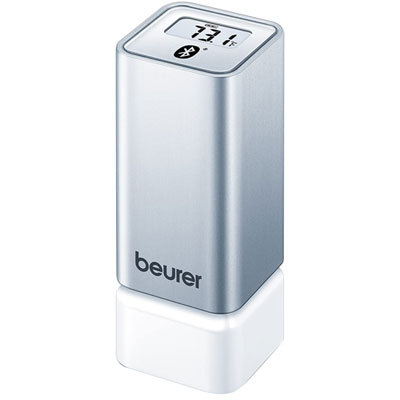
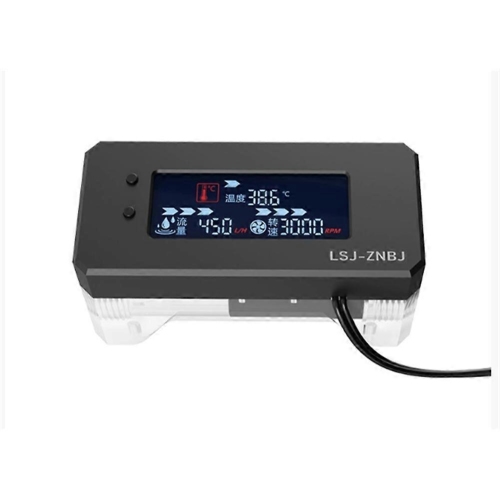
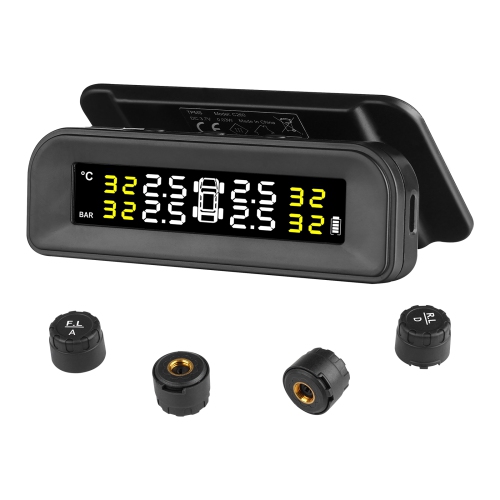
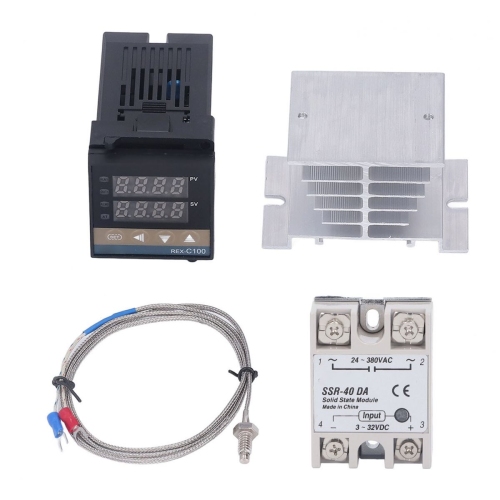
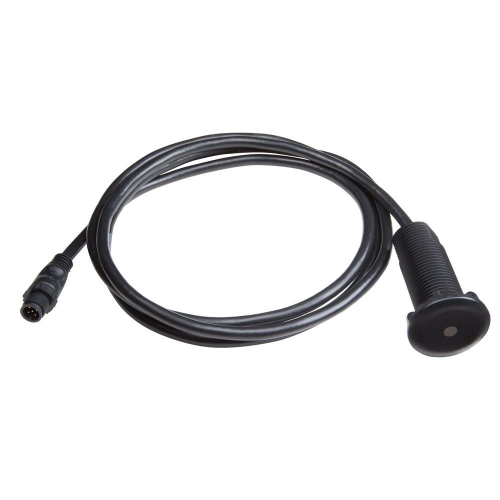
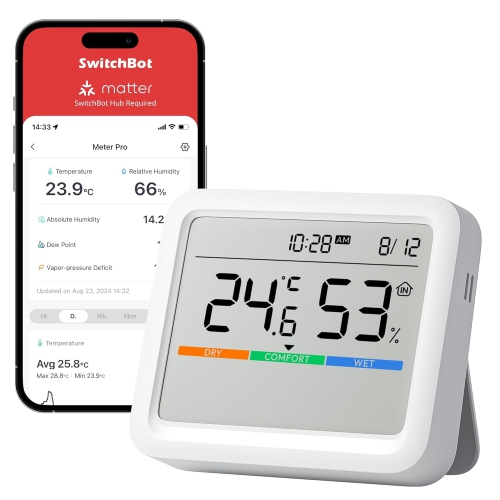
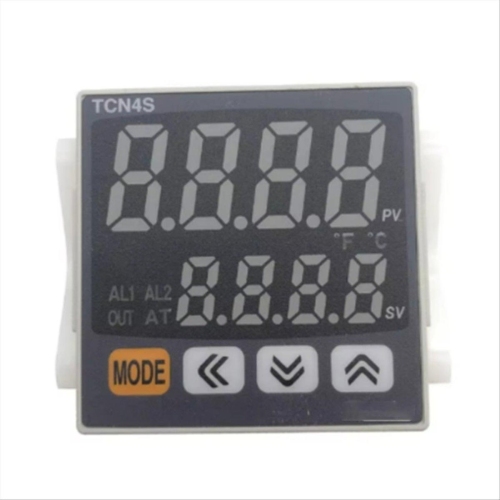
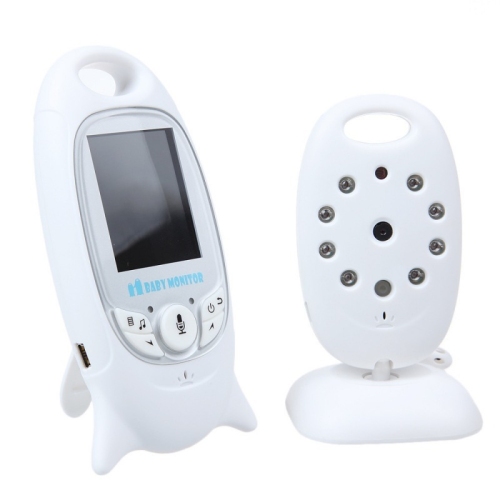
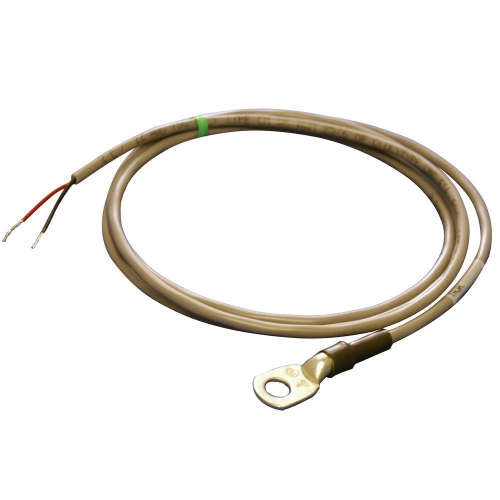
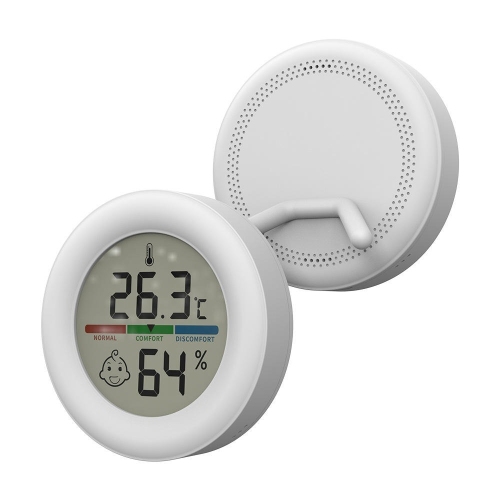
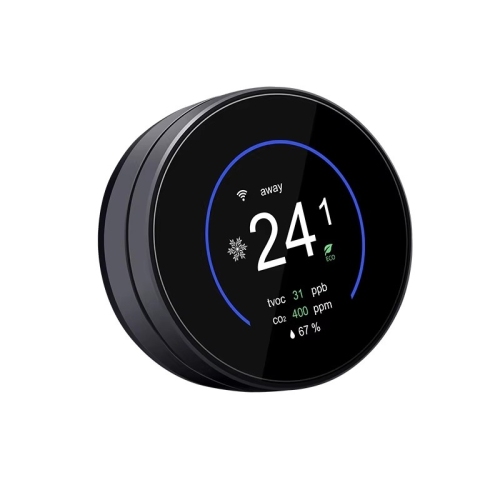

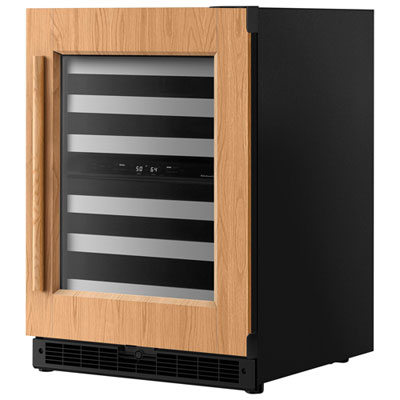
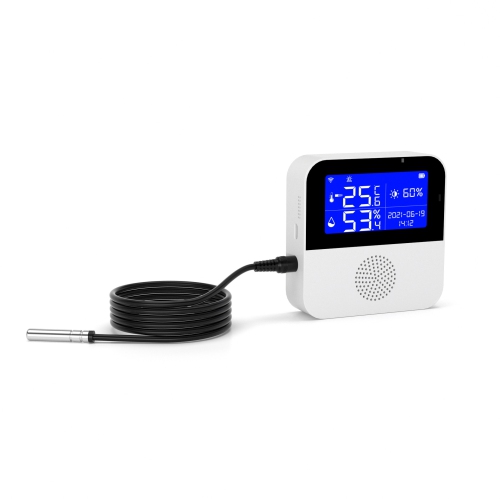

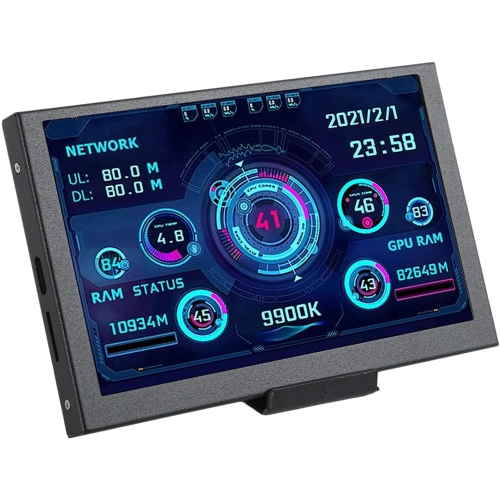
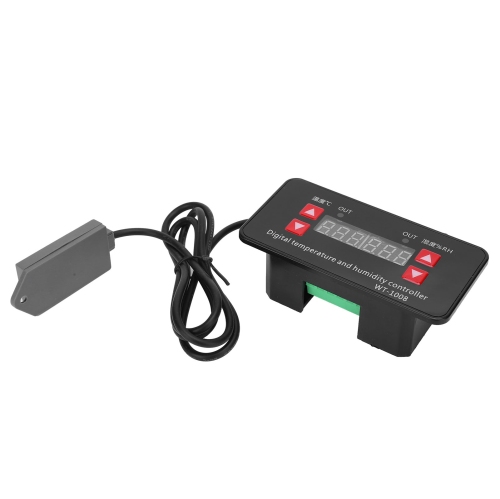
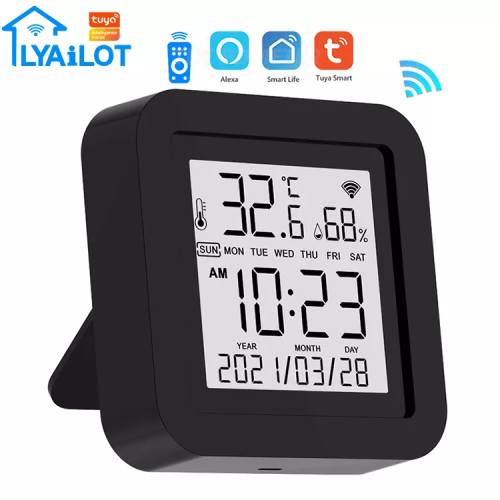
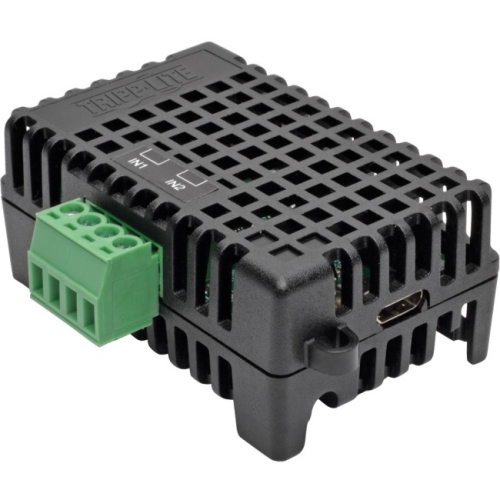

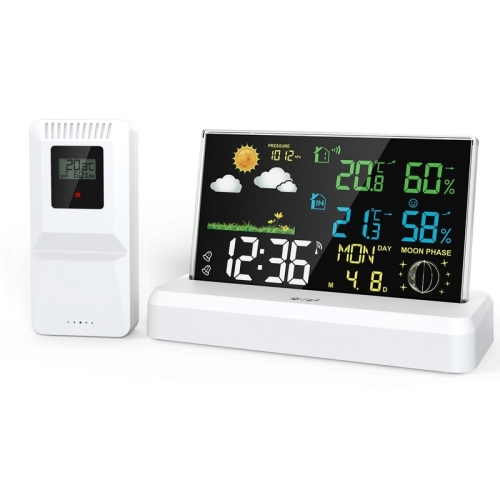
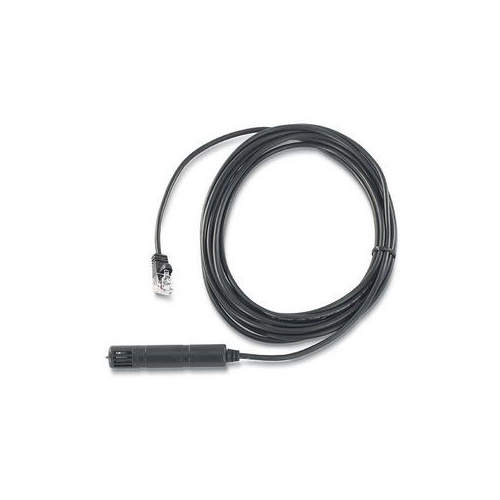
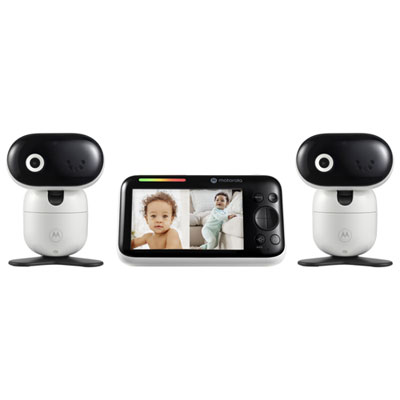
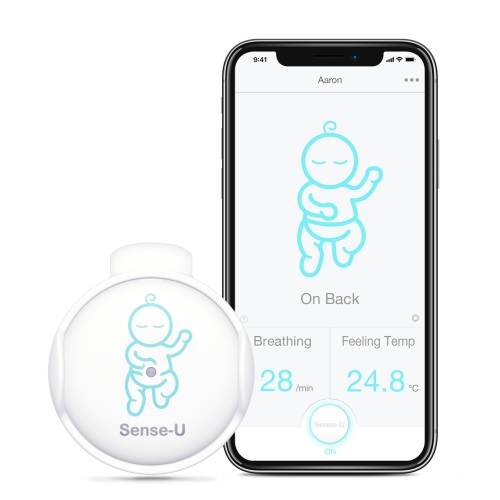


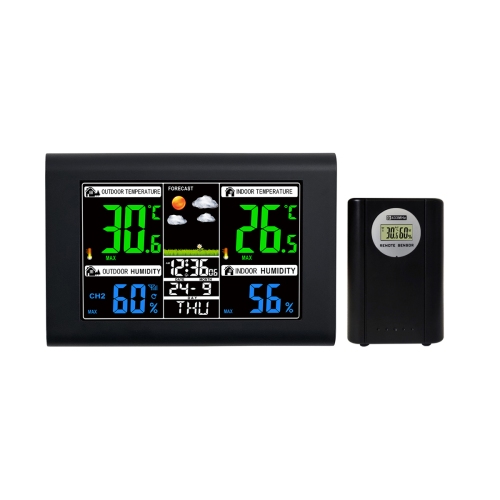
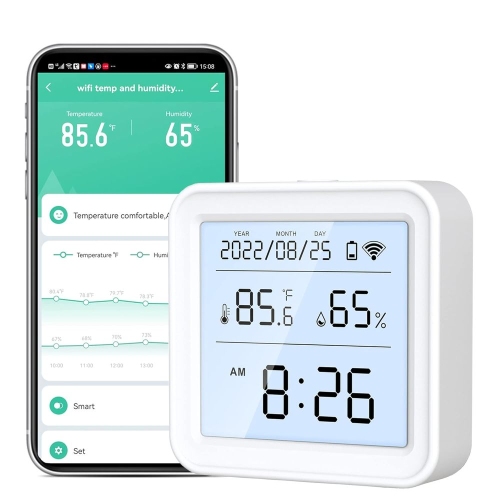

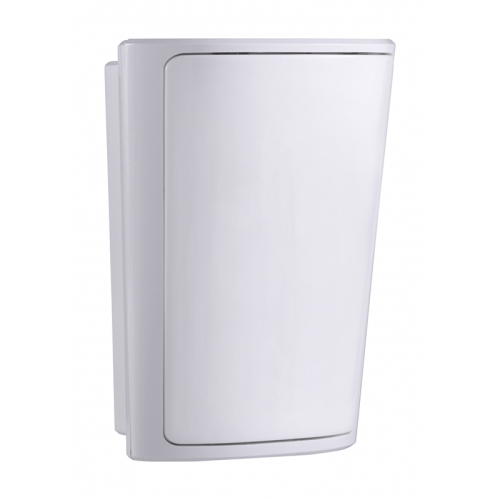
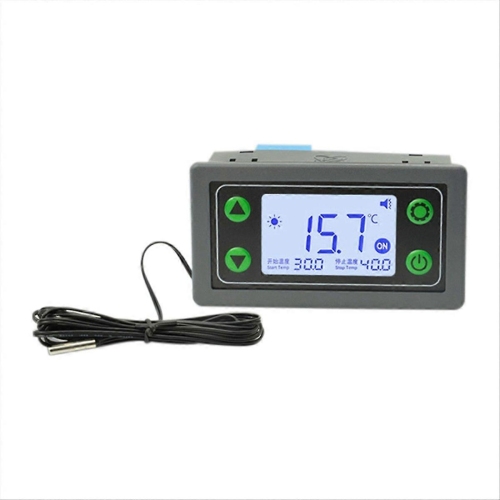

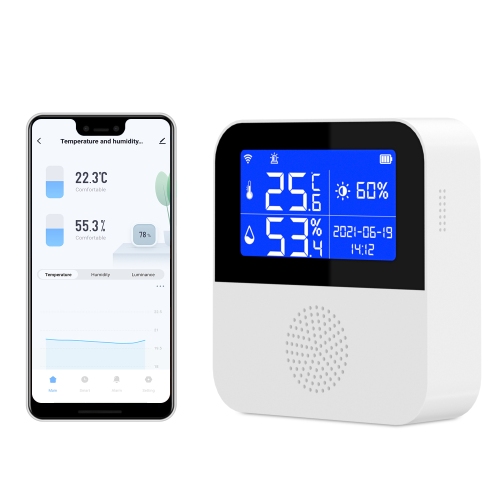
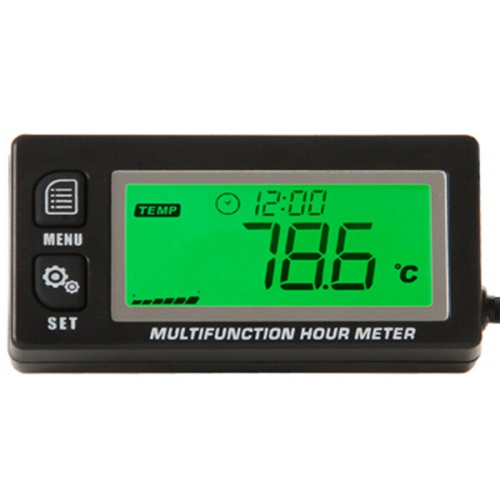
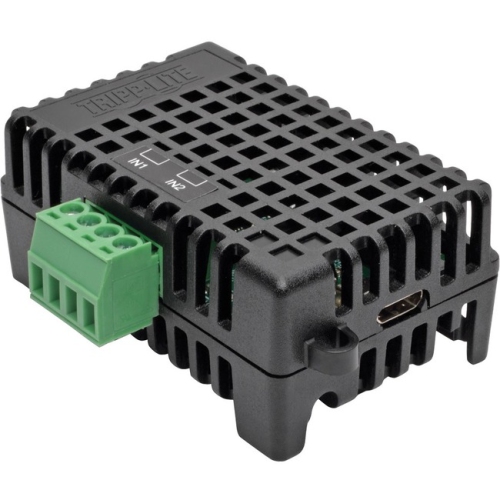
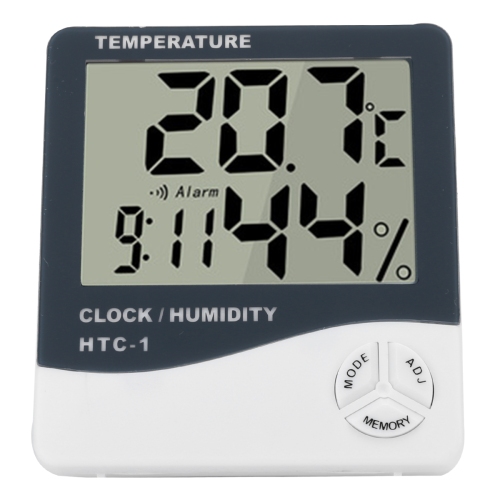
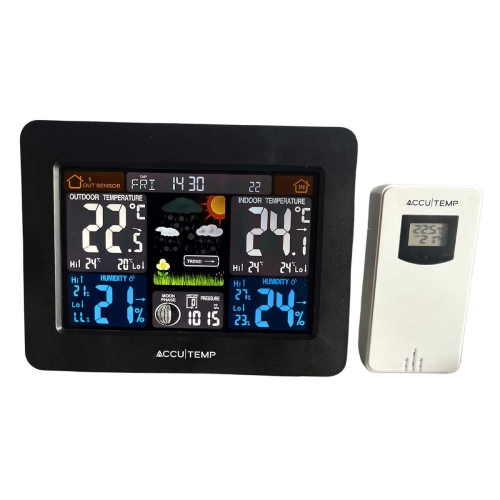
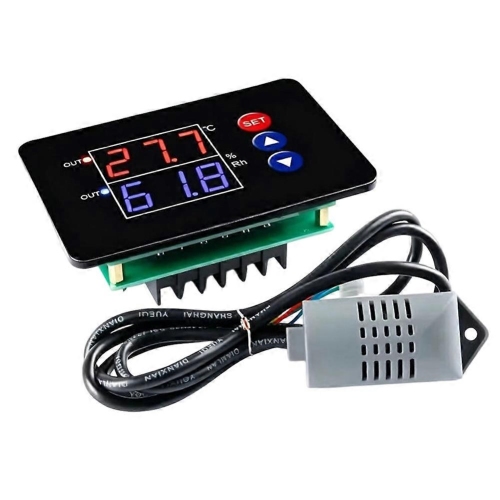
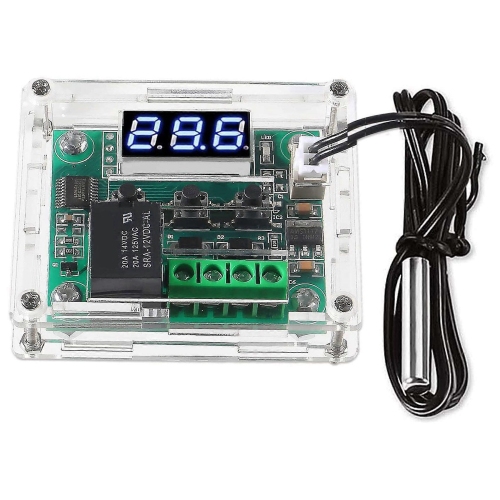
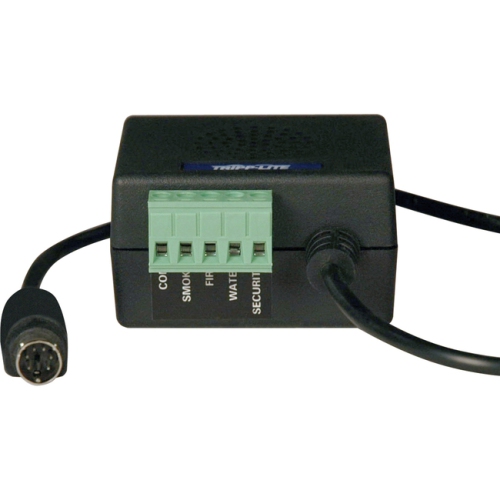
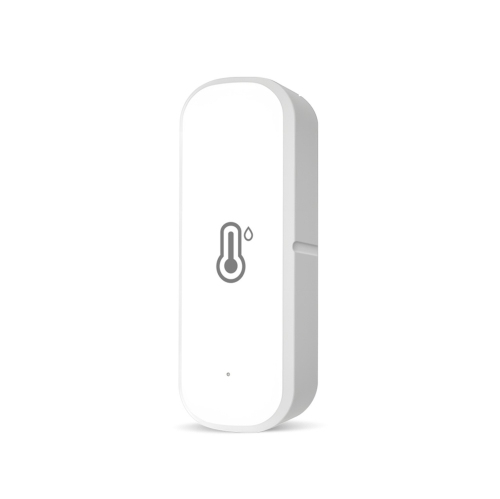
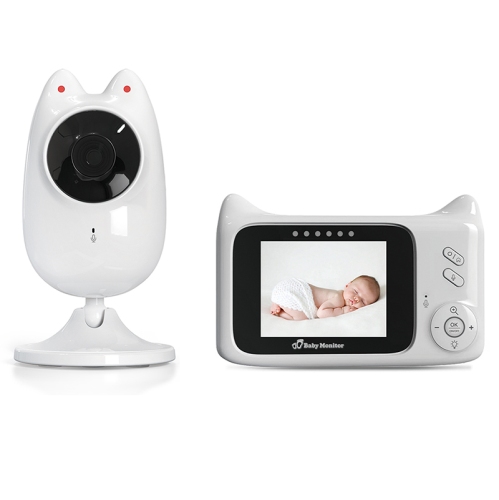
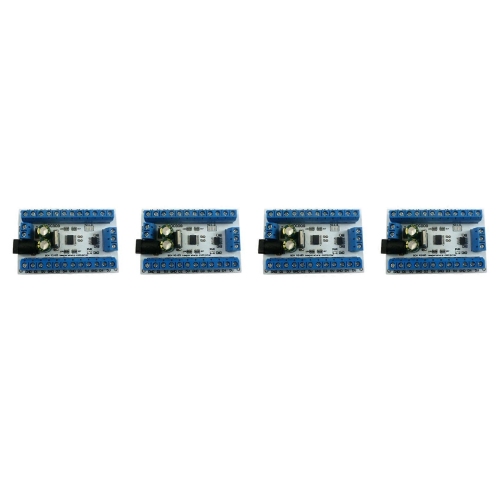
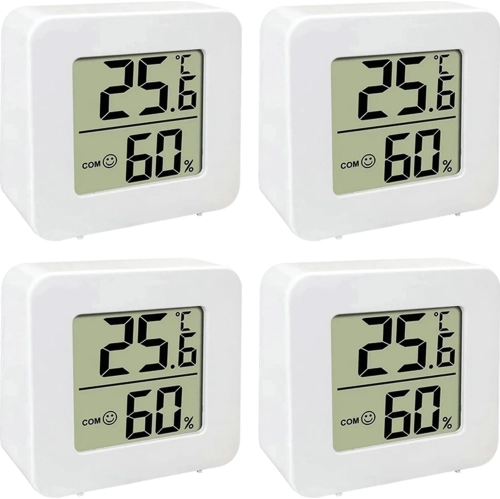
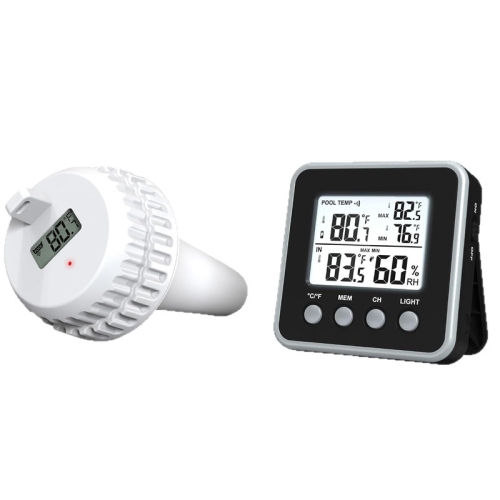
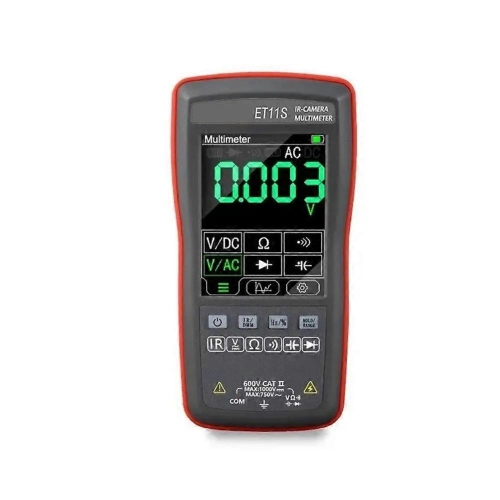
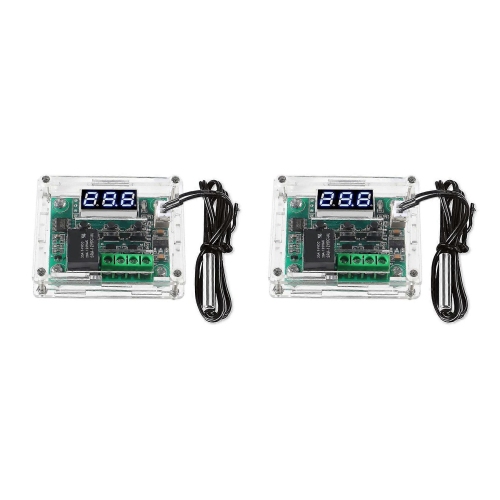
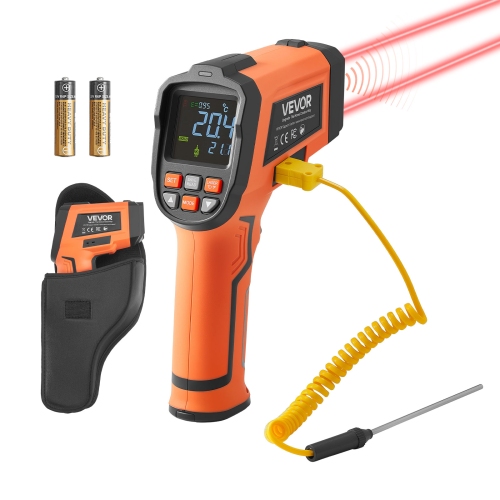
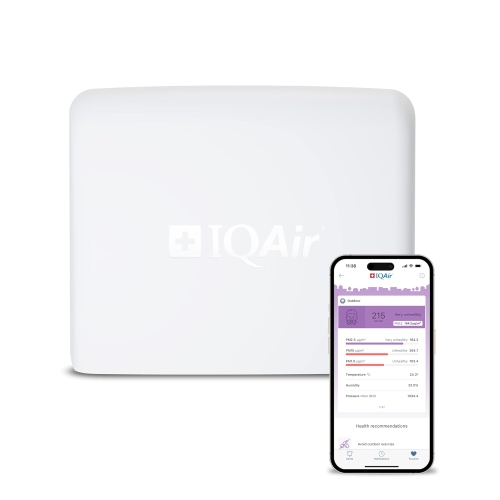
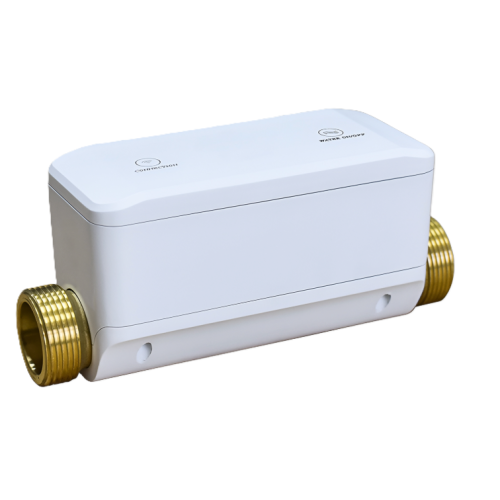
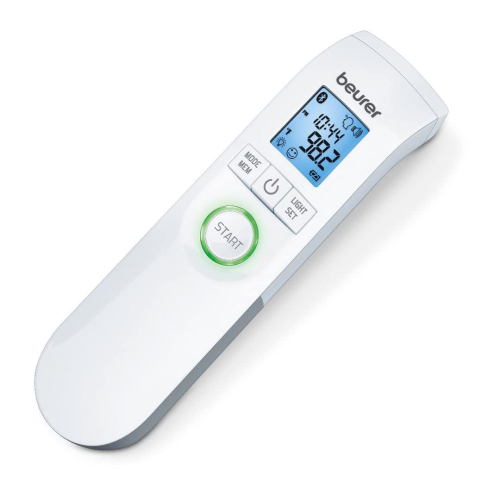
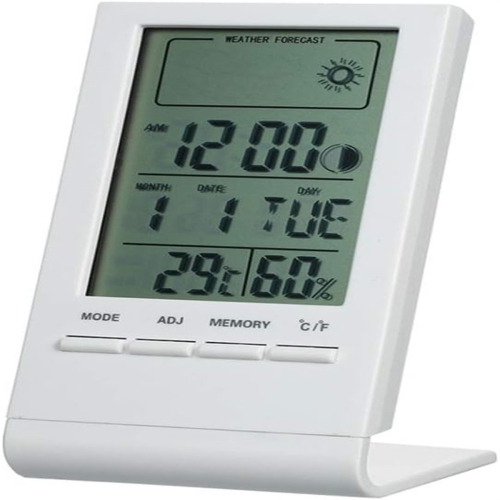
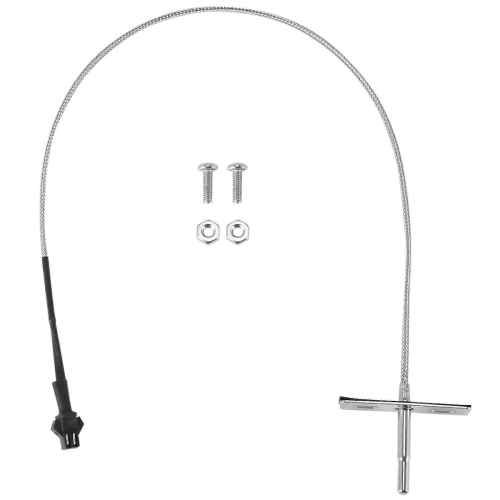
Monitor temperature changes before they affect what matters most
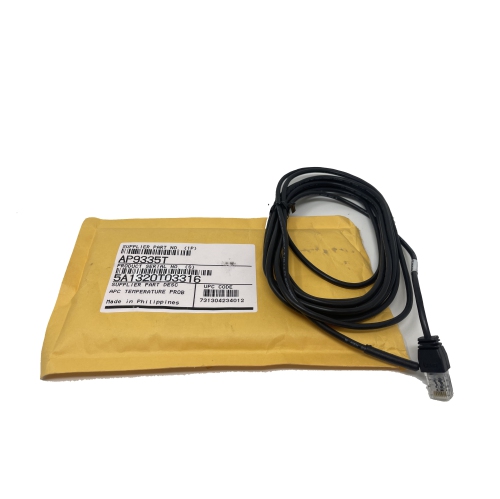
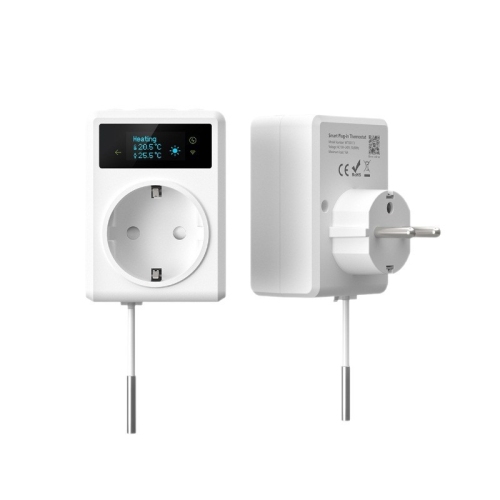
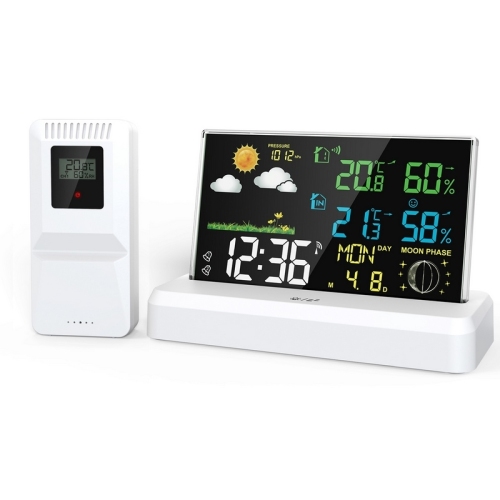
Temperature monitoring systems help you keep a close watch on heat levels in places where a few degrees can make a meaningful difference. Instead of relying on occasional manual checks, these systems can measure temperature at regular intervals, record readings over time, and, depending on the setup, send an alert when conditions move outside a chosen range. That added visibility can help protect refrigerated food, frozen goods, medication, laboratory materials, wine, musical instruments, electronics, and other items that may be affected by heat or cold. A monitoring system may be useful in a household refrigerator or freezer, a pantry, a workshop, a delivery vehicle, a restaurant cooler, a pharmacy storage area, a server room, or a room containing equipment that needs to remain within a particular temperature range. Some systems are designed for simple spot checks, while others are intended for continuous tracking across multiple locations. When comparing options, consider the temperature range you need to measure, the level of accuracy required, how often readings should be captured, and whether you need a record that can be reviewed later. A basic digital sensor may be enough for checking a room or appliance, while a more advanced setup can provide time-stamped records, remote access, and notifications by app, email, or text. Browse Temperature Sensors to explore components that can be used for monitoring a particular space or item.
The right system starts with the location and the type of information you need. For a refrigerator, freezer, cooler, or food transport container, look for a sensor and probe designed to function reliably in cold, damp conditions, with a display or alert system that is easy to check during a busy day. A data logger can store readings for later review, which may be helpful when you need to understand how temperatures changed overnight, during a delivery, or after a door was left open. Wireless systems can reduce the need to walk from room to room, especially when equipment is spread across a home, business, clinic, storage area, or facility. Wi-Fi models may work well where a dependable network reaches the monitoring location, while cellular options can be more flexible in remote areas or in vehicles. Consider whether the system continues recording if the connection drops, how it notifies you of a low or high reading, and whether it can warn you about a dead battery, disconnected probe, or communication issue. Probe placement also matters: a sensor mounted too close to a cooling vent, heating element, exterior wall, or frequently opened door may not reflect the average temperature of the space. For more consistent readings, position the probe where the stored items are located and follow the manufacturer’s guidance for installation, calibration, cleaning, and maintenance. If several cabinets, rooms, or containers need to be monitored, a system that supports multiple sensors may be more practical than using separate standalone thermometers.
Temperature monitoring systems can serve professionals, small businesses, facilities teams, caregivers, hobbyists, and homeowners alike. Restaurant operators and food service staff can use them to keep an eye on coolers, freezers, prep areas, and delivery containers, helping them identify a problem before stock is affected. Medical offices, pharmacies, and research facilities may use continuous records and alerts to support their own handling procedures for temperature-sensitive supplies. IT teams can monitor server rooms, network closets, and other equipment areas where rising heat may signal a ventilation or hardware issue. Property managers can use remote alerts to watch vacant buildings, mechanical rooms, or heating equipment during the cooler months, while homeowners may appreciate a notification when a freezer door remains open or a cabin becomes dangerously cold. These systems can also make practical gifts for someone moving into a new home, setting up a workshop, caring for a collection, or managing a small food business. Before choosing, check the power requirements, battery life, sensor cable length, wireless range, mounting method, app compatibility, and ongoing service costs, if applicable. Think about who will respond to an alert and how quickly they can reach the monitored location. A clear display may be the priority for a nearby appliance, whereas remote notifications and historical charts may matter more for a cottage, storage unit, or business that is unattended for long periods. During the cooler months and changing conditions of early winter, dependable monitoring can provide useful reassurance by showing what is happening inside the spaces and appliances that matter most, even when a quick visual check is not enough.
Top selling and popular products
-
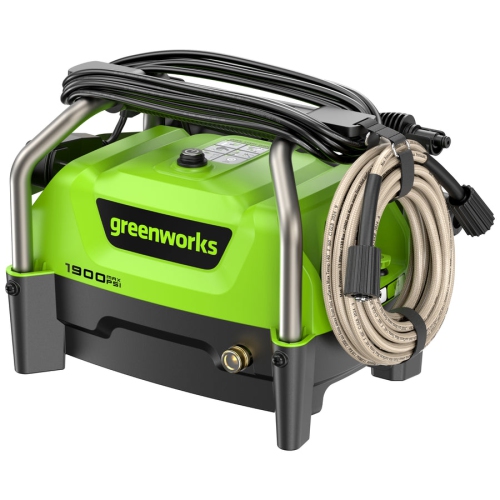 Your price for this item is $219.99
-
 Your price for this item is $839.99
-
 Your price for this item is $939.99
-
 Your price for this item is $459.99
-
 Your price for this item is $539.99
-
 Your price for this item is $289.99
-
 Your price for this item is $272
-
 Your price for this item is $339.99
Discover more categories related to Temperature Monitoring Systems

Top Collections:
Pokemon Centers, Kindle Devices, Best Budget Office Chairs, Canon G7X Cameras, Apple iPhones 16, Samsung Galaxy Phones, Refurbished Apple Laptops, Laptops for Students, iPhone 15 Apple, Budget Smartphones
Some products may be subject to Environmental Handling Fees
(EHF) depending on your province.
Learn more about EHFs.